

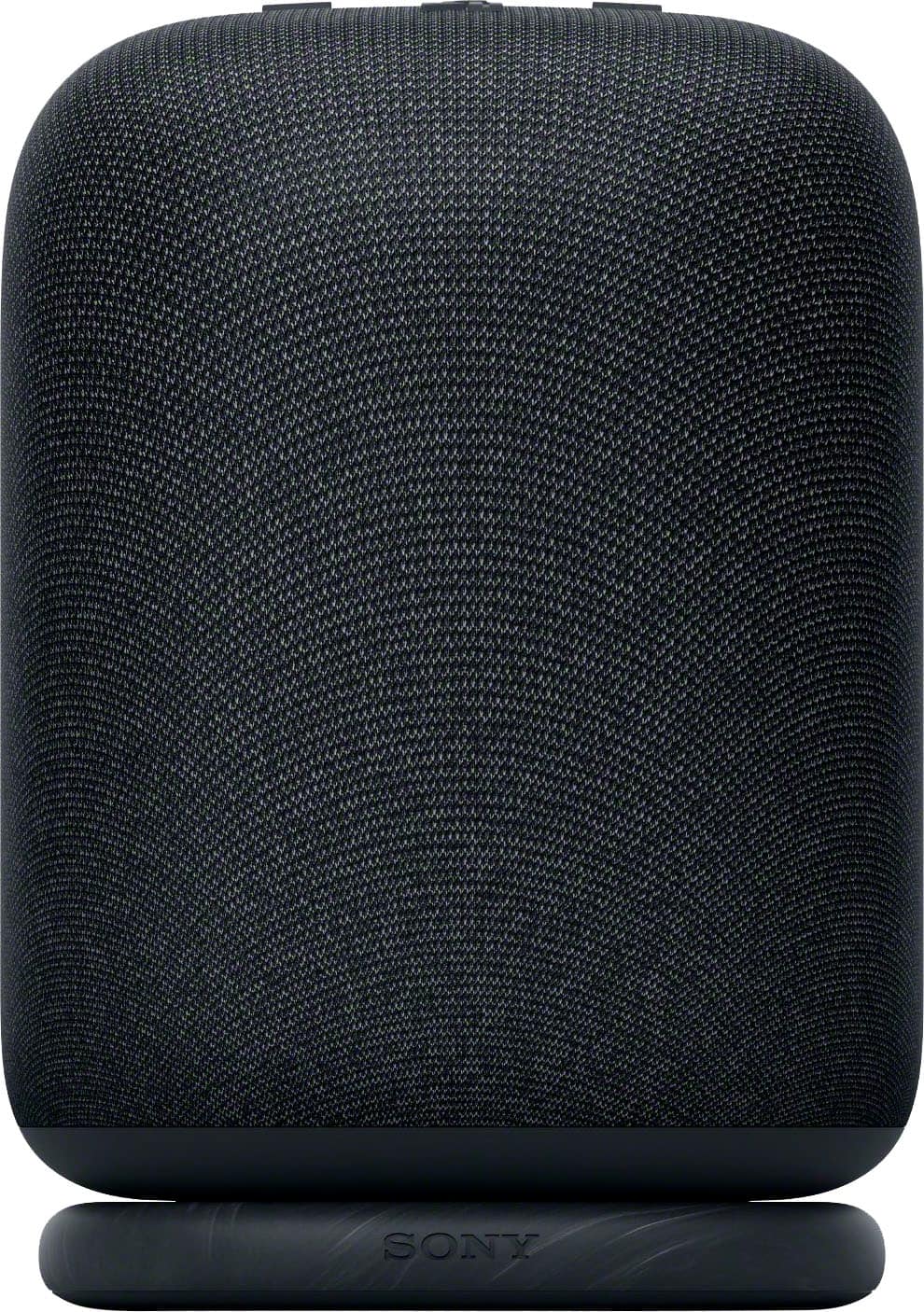

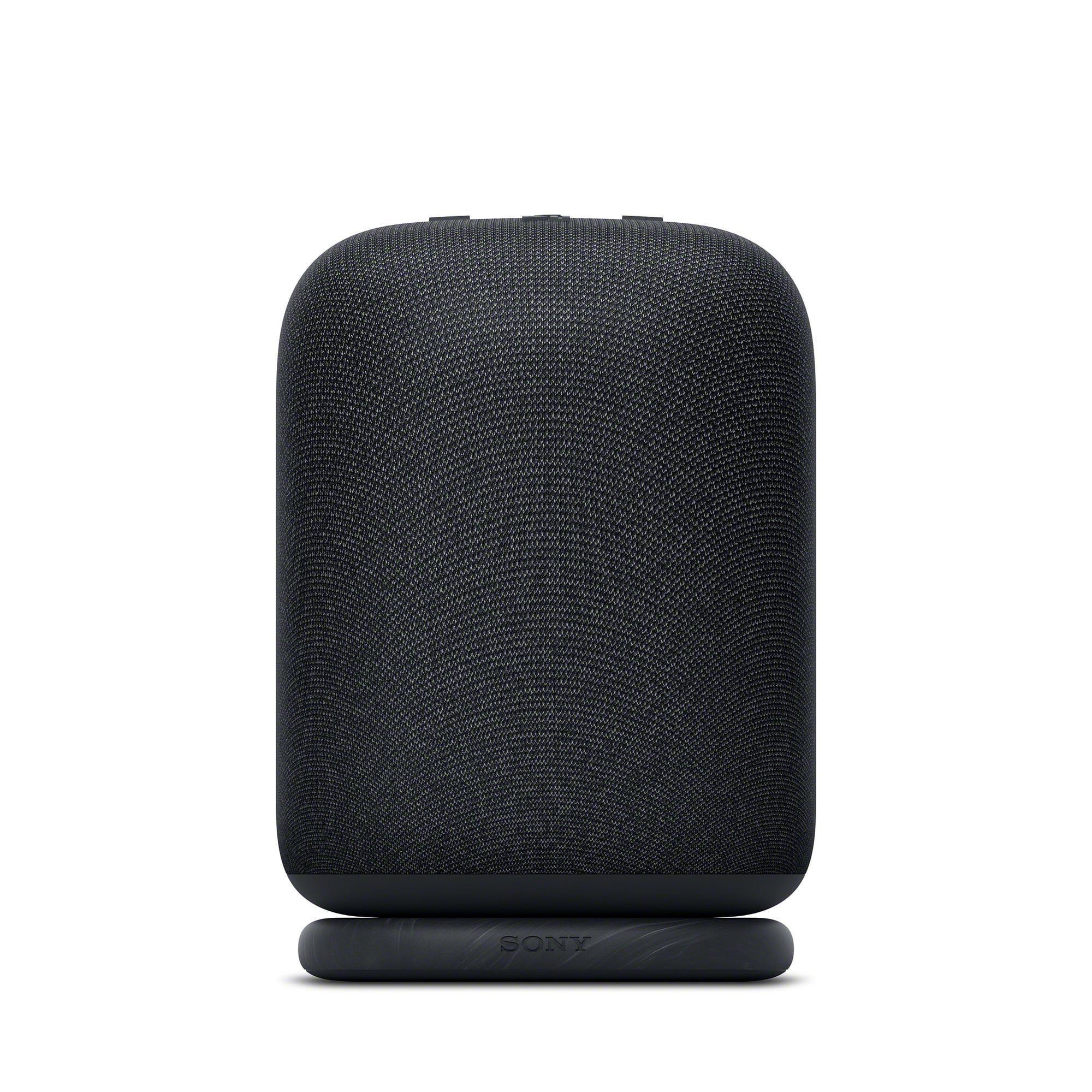


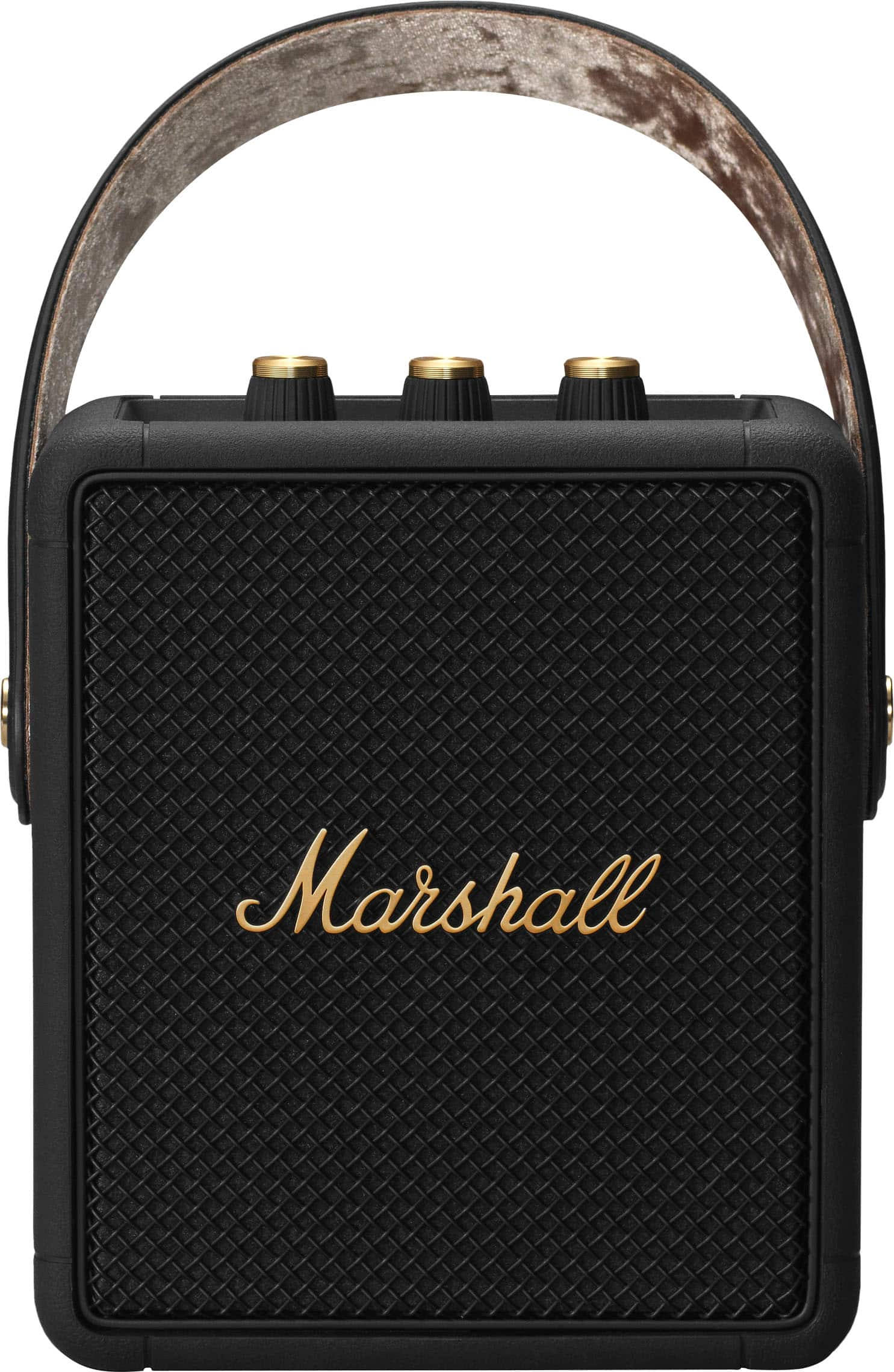
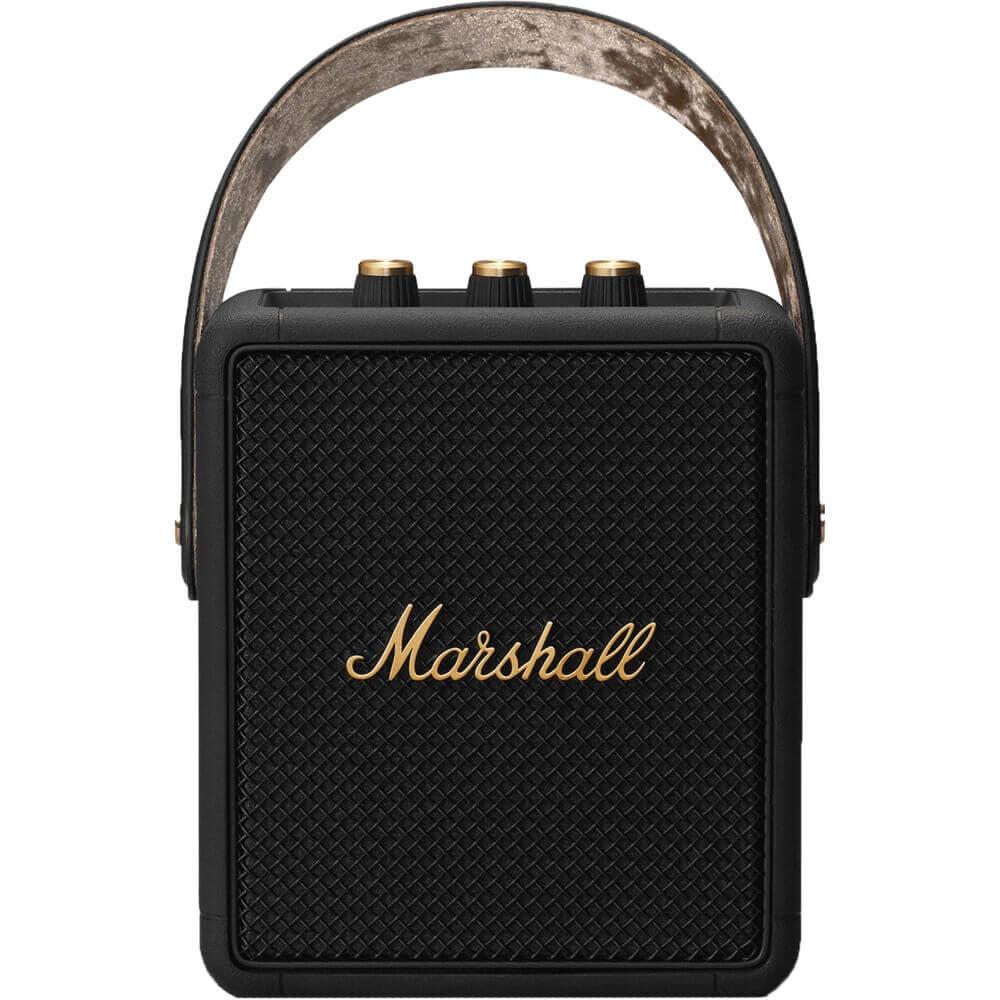
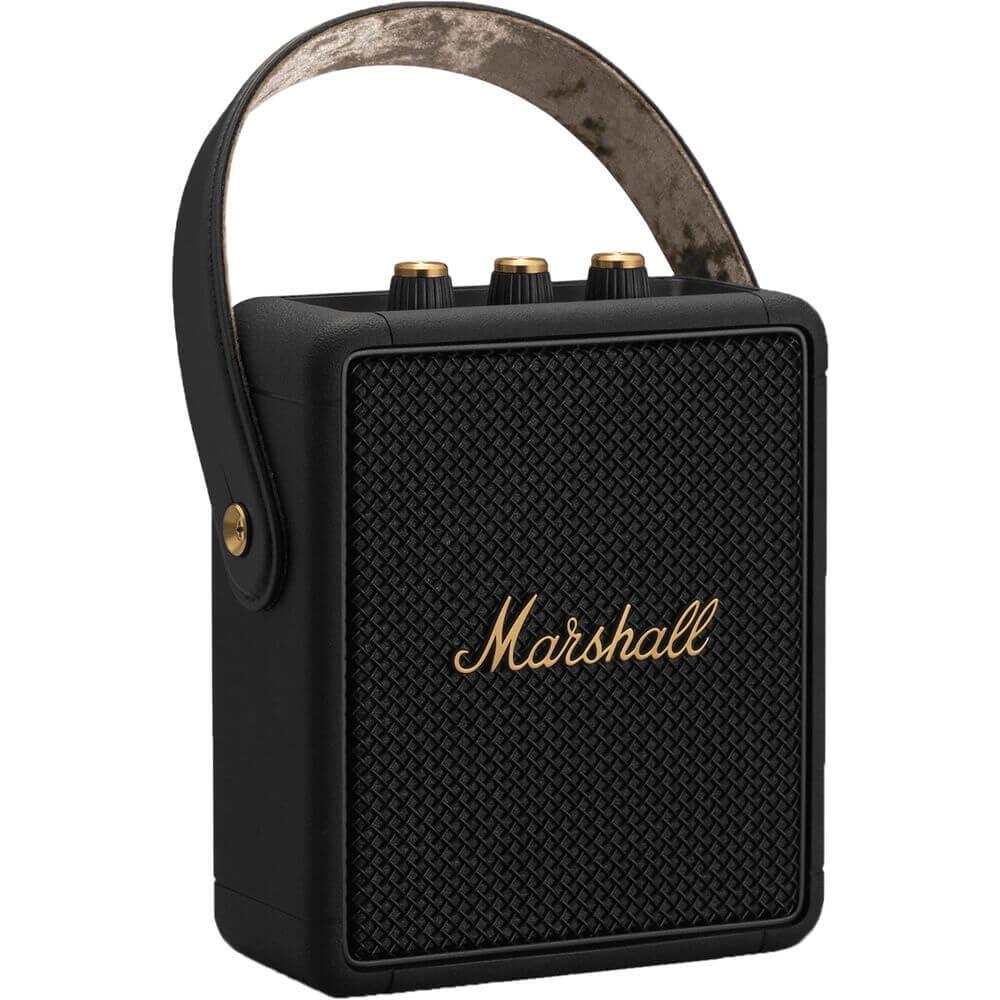

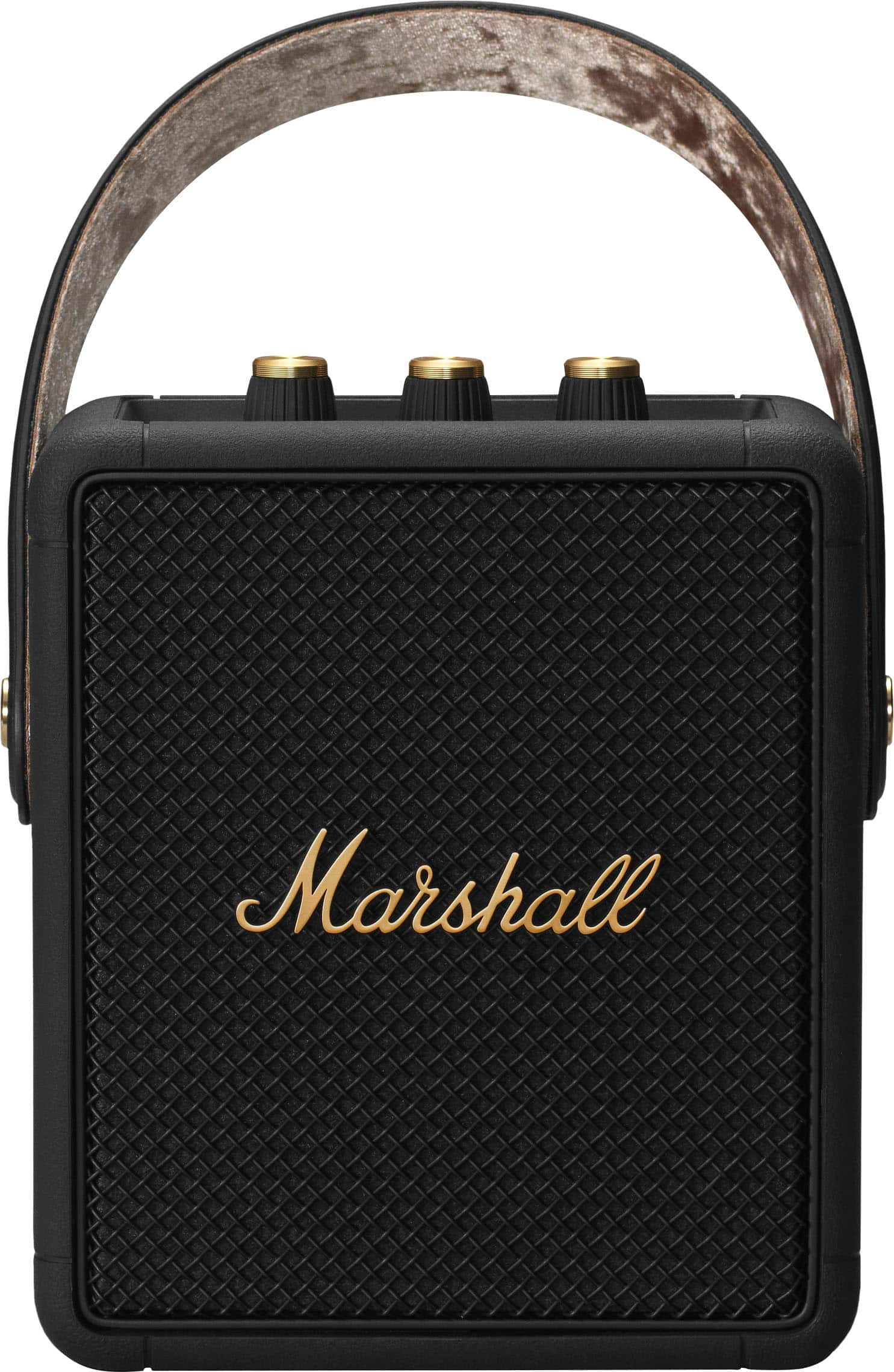
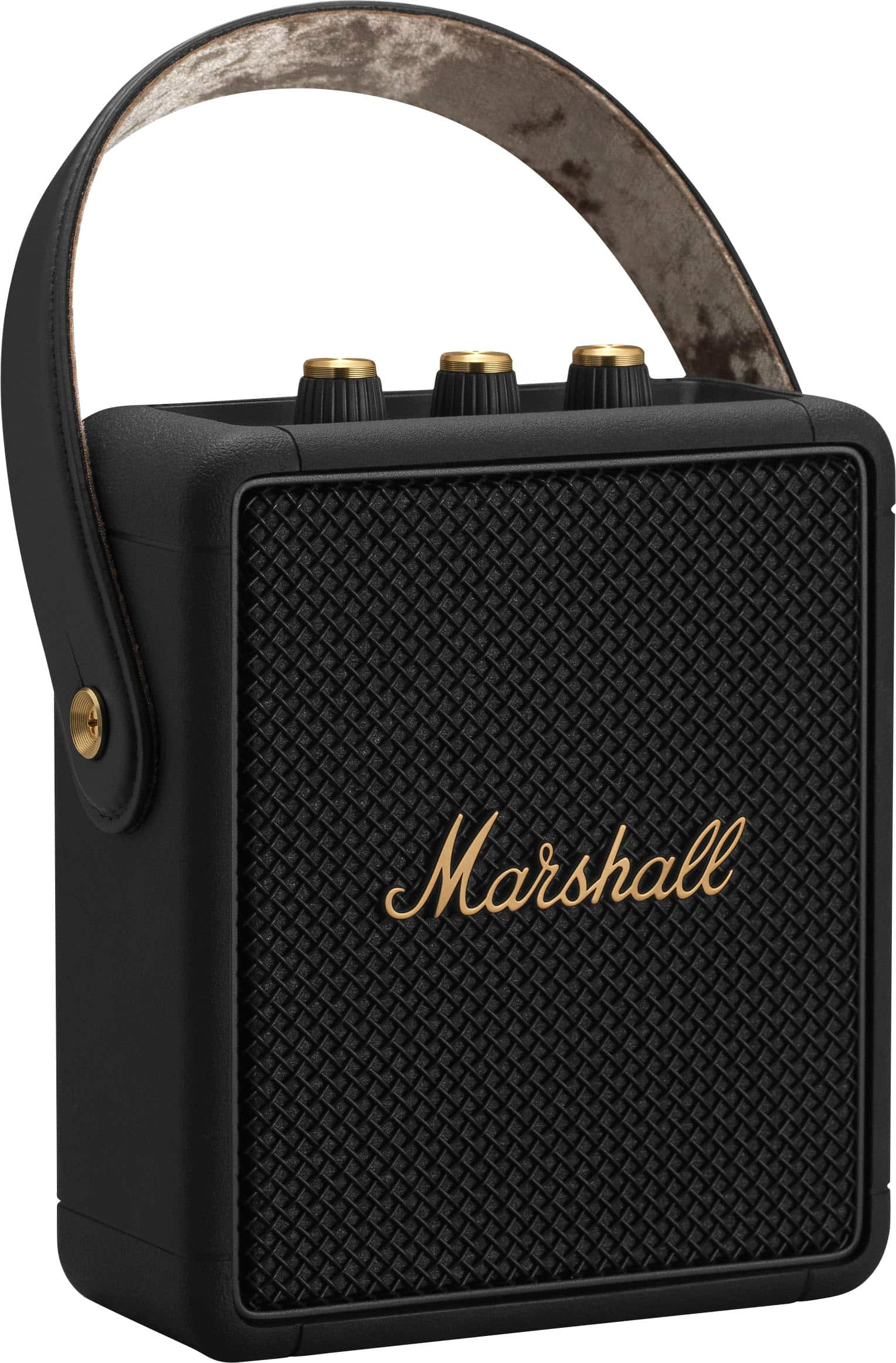
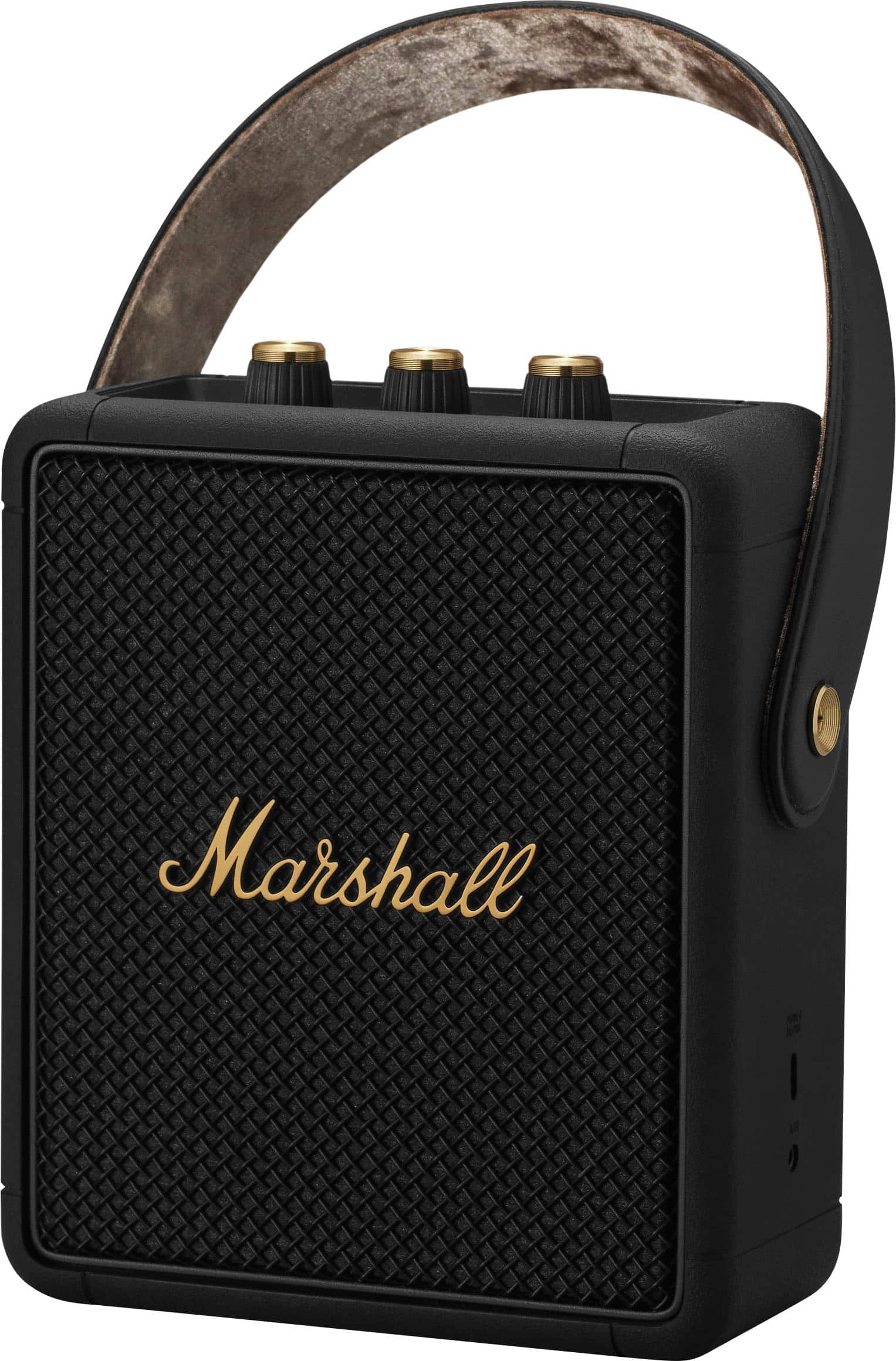
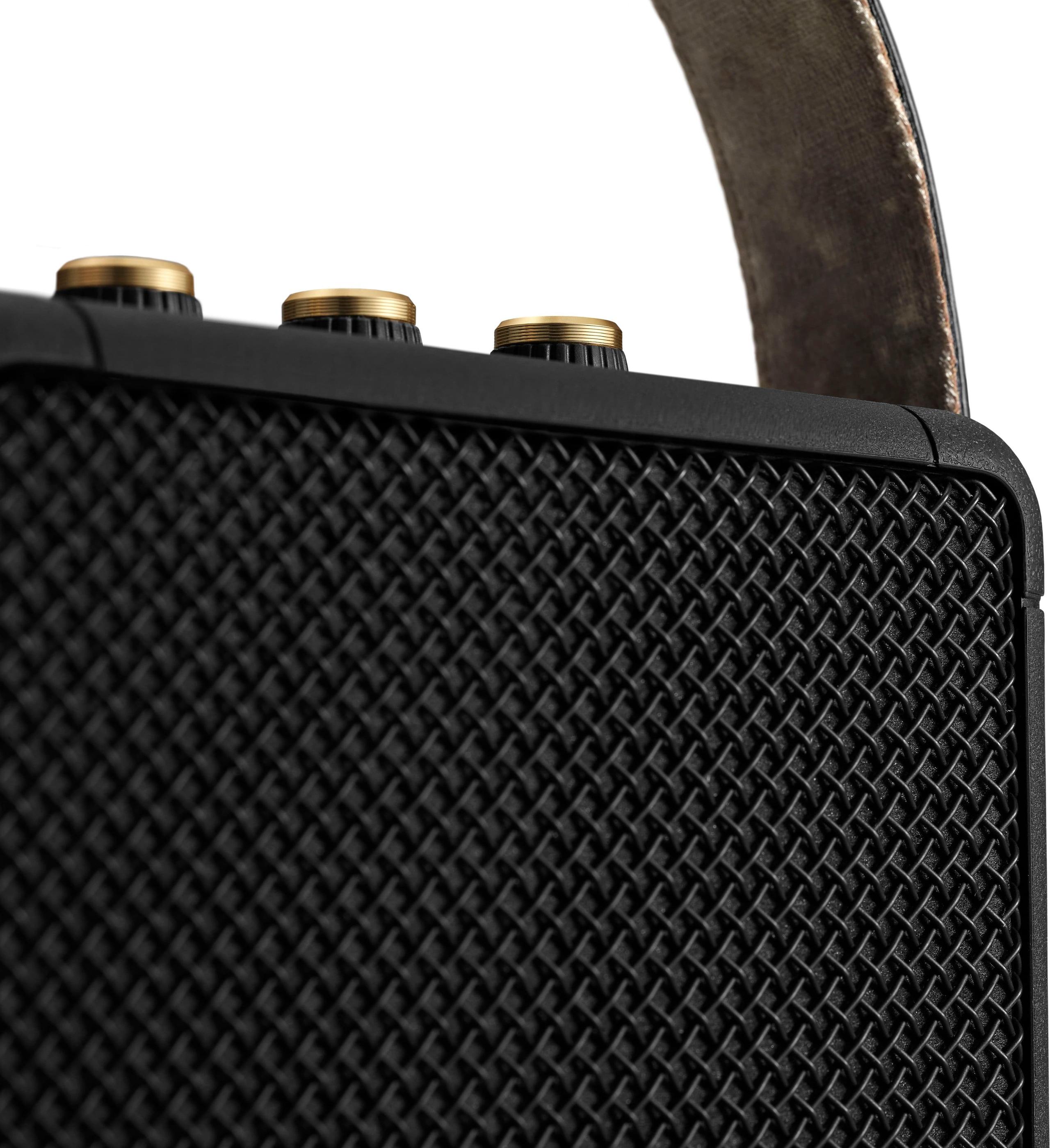
When it comes to portable Bluetooth speakers in 2024, we're spoiled for choice. Today we're comparing two distinctive options: the newly released Sony LinkBuds Wireless Speaker priced at $179.99 and the established Marshall Stockwell II at $149.00. While both aim to deliver great sound on the go, they take notably different approaches.
The portable speaker market has transformed dramatically since the Marshall Stockwell II debuted in 2019. What was once a simple matter of sound quality and battery life has evolved to include smart features, ecosystem integration, and sophisticated audio processing. The Sony LinkBuds represents this new wave, while the Stockwell II stands as a refined traditional approach.
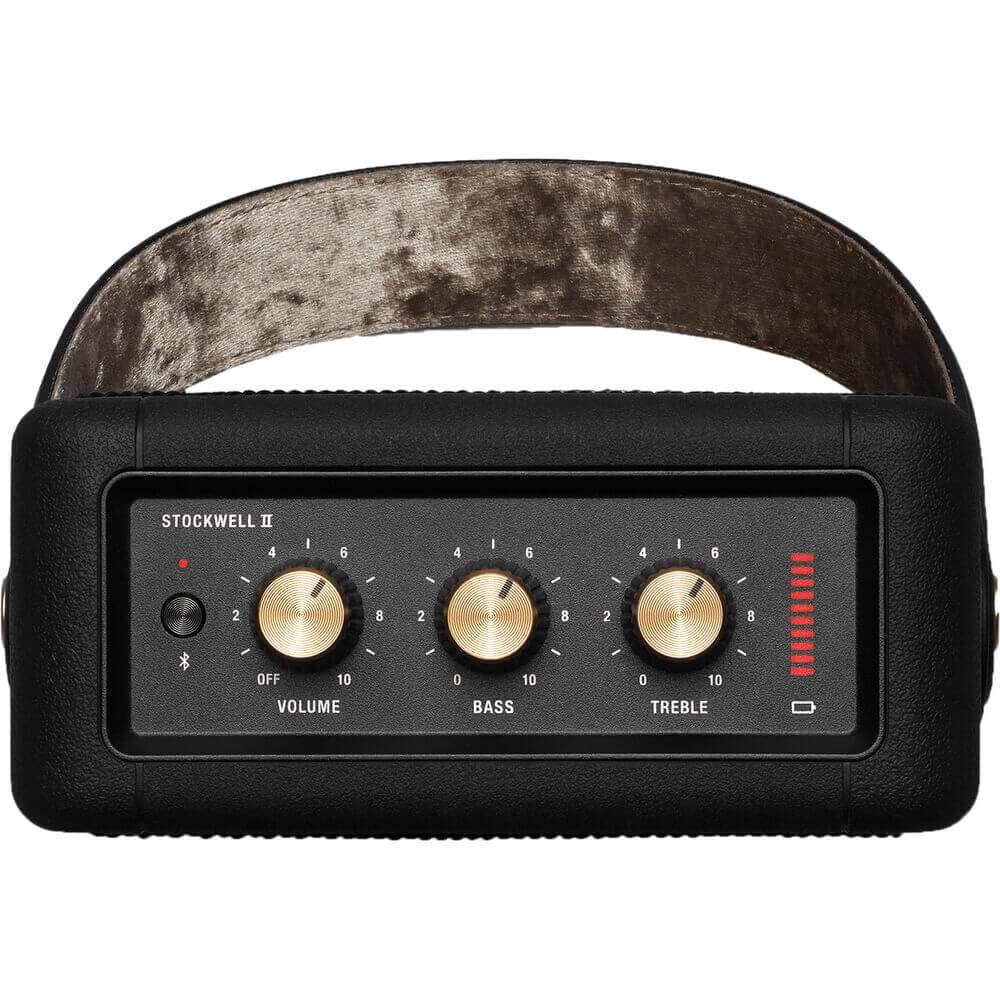
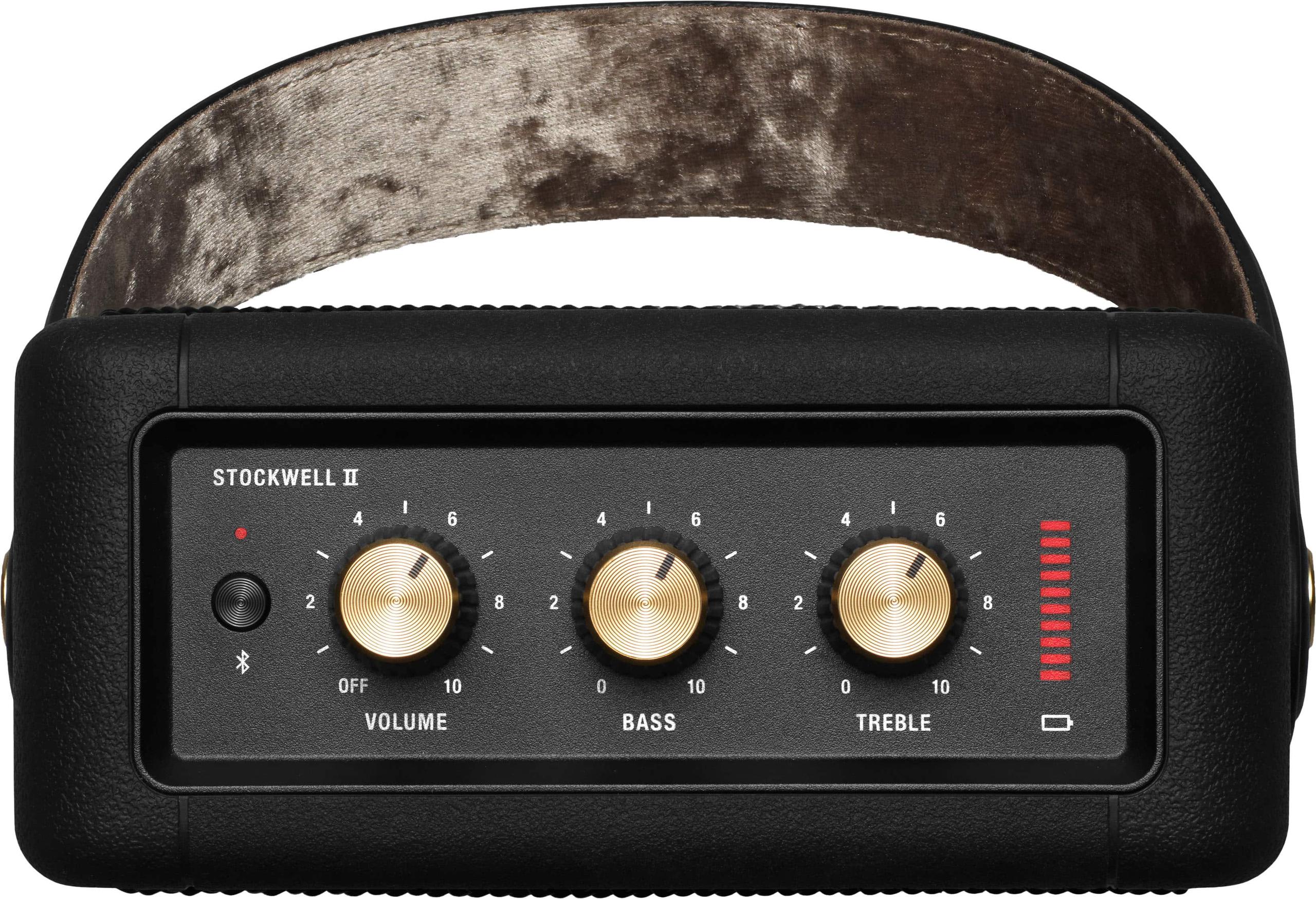
The Stockwell II delivers impressive audio through its three amplifiers - one 10W for bass and two 5W for treble. This configuration creates a rich, room-filling sound that particularly shines with rock and acoustic music. The physical bass and treble controls (actual knobs on the unit) let you dial in your preferred sound signature without diving into apps.
The LinkBuds speaker takes a different route, using digital signal processing (DSP) and Sony's Sound Diffusion Processor to optimize audio for your space. While it can't match the Stockwell's raw power, it excels at vocal clarity and creates an impressively wide soundstage for its compact size. The speaker uses an X-Balanced Speaker unit (a non-circular speaker design that maximizes sound pressure) paired with a dedicated tweeter for crisp highs.
I've tested both speakers in various settings, and here's where they excel:
While neither speaker is designed primarily for home theater use, the LinkBuds offers better integration through Sony's ecosystem. It can automatically switch between TV and phone audio when paired with compatible Sony TVs, though this feature is limited to Sony's ecosystem.
The technology gap between these speakers' release dates becomes most apparent in their smart features:
Both speakers offer solid battery performance, but with different strengths:
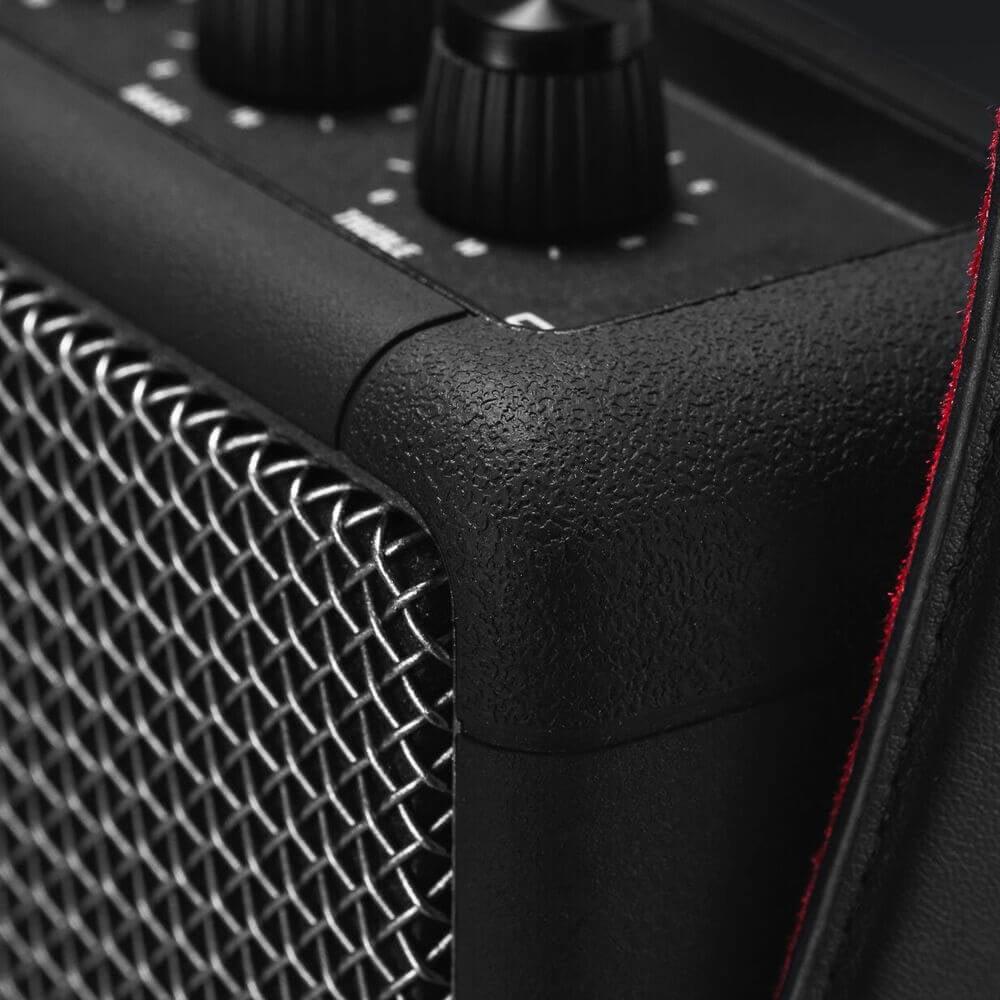
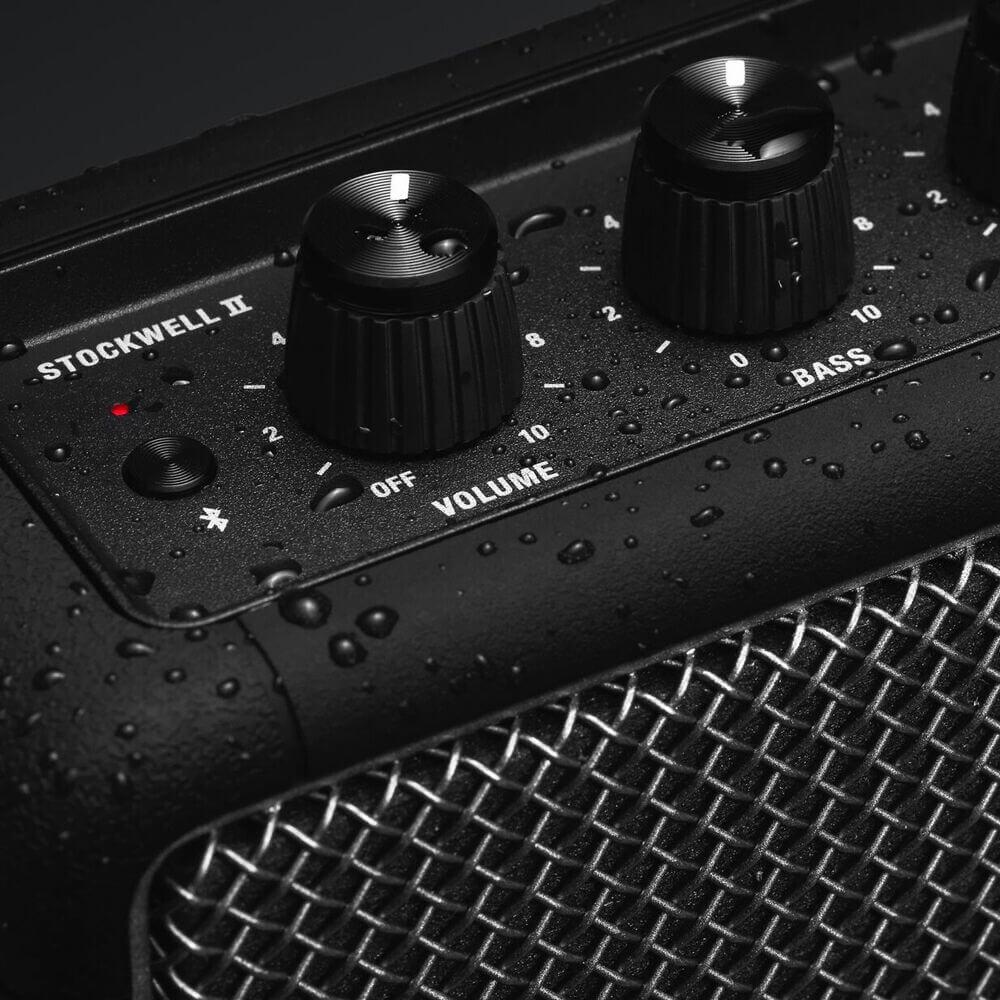
Both speakers feature IPX4 water resistance, protecting against splashes but not submersion. The Marshall Stockwell II feels more substantial with its metal grille and solid construction, while the LinkBuds prioritizes lightweight durability with its fabric covering and modern materials.
The price difference is relatively small, making the decision more about features than cost:
Sony LinkBuds at $179.99:
Marshall Stockwell II at $149.00:
Consider these key questions:
The Sony LinkBuds makes sense if you're invested in the Sony ecosystem or value smart features. Choose the Marshall Stockwell II if sound quality and volume are your top priorities.
The portable speaker market continues to evolve, with increasing focus on smart features and ecosystem integration. The LinkBuds represents this trend, while the Stockwell II maintains a more traditional approach that many still prefer.
For my personal use, I lean toward the Stockwell II's superior sound quality and intuitive controls. However, for users deep in the Sony ecosystem, the LinkBuds' seamless integration might outweigh pure audio performance.
Remember, the best choice depends entirely on your specific needs and how you plan to use the speaker. Both are excellent devices that serve their intended purposes well - it's just a matter of matching those purposes to your requirements.
| Sony LinkBuds Wireless Speaker | Marshall Stockwell II |
|---|---|
| Price - Initial Investment | |
| $179.99 | $149.00 |
| Sound Output - Determines room-filling capability and outdoor performance | |
| Two-way system with X-Balanced woofer, moderate volume | 20W total (10W woofer + 2x5W tweeters), room-filling volume |
| Battery Life - Critical for portable use | |
| 25 hours playback | 20 hours playback with quick-charge (6h from 20min) |
| Size & Weight - Impacts portability and placement options | |
| 1.69 x 2.36 x 1.09", 1.23 oz (ultra-portable) | 7.09 x 6.34 x 2.76", 3.04 lbs (substantial) |
| Water Resistance - Important for outdoor use | |
| IPX4 (splash resistant) | IPX4 (splash resistant) |
| Sound Adjustments - Control over audio profile | |
| App-based EQ with presets | Physical bass/treble knobs for immediate control |
| Connectivity - Latest features and compatibility | |
| Bluetooth 5.2, auto-switch with Sony devices | Bluetooth 5.0, multi-host connection |
| Smart Features - Additional functionality beyond audio | |
| App control, quick access button, auto-play features | Basic Bluetooth features only |
| Design & Build - Durability and aesthetics | |
| Modern fabric design, plastic construction | Classic Marshall style, metal grille construction |
| Use Case Optimization - Where each excels | |
| Indoor personal listening, Sony ecosystem integration | Outdoor gatherings, traditional audio experience |
The Marshall Stockwell II offers better pure sound quality and volume, while the Sony LinkBuds excels in smart features and portability. For audio quality choose Marshall, for smart features choose Sony.
The Sony LinkBuds offers 25 hours of playback versus 20 hours for the Stockwell II. However, Marshall includes quick-charging which provides 6 hours from a 20-minute charge.
Yes, both speakers have IPX4 water resistance for splash protection. The Marshall Stockwell II performs better outdoors due to higher volume output, while the LinkBuds is more portable but has less power.
The Sony LinkBuds is significantly more portable at 1.23 oz compared to the Stockwell II at 3.04 lbs. The Sony's compact size makes it easy to carry anywhere.
The Sony LinkBuds costs $179.99 while the Marshall Stockwell II is priced at $149.00, making the Marshall more affordable by $30.
The Marshall Stockwell II delivers superior sound quality with more powerful bass and volume. The LinkBuds offers good clarity but can't match Marshall's audio performance.
The Sony LinkBuds offers extensive app control for EQ and settings. The Stockwell II doesn't require an app and uses physical controls instead.
Yes, both support multiple device connections. The Stockwell II has multi-host functionality, while the LinkBuds offers special auto-switching with other Sony devices.
The Marshall Stockwell II is better for parties due to its louder volume and stronger bass. The LinkBuds is more suited for personal or small group listening.
Neither speaker has built-in voice assistants. The Sony LinkBuds offers more smart features through its app, while the Stockwell II focuses on basic audio functionality.
The Sony LinkBuds takes about 3 hours for a full charge. The Marshall Stockwell II takes 5 hours but offers quick-charging capability.
Both speakers have IPX4 water resistance, but the Marshall Stockwell II has a more durable metal grille construction compared to the LinkBuds' lighter plastic build.
We've done our best to create useful and informative comparisons to help you decide what product to buy. Our research uses advanced automated methods to create this comparison and perfection is not possible - please contact us for corrections or questions. These are the sites we've researched in the creation of this article: sony.com - center.lv - youtube.com - youtube.com - sony.com - walmart.com - youtube.com - sony.com - bestbuy.com - stuff.tv - idownloadblog.com - stereoguide.com - kendallgiles.com - termagoods.com - aplaze.com - manua.ls - youtube.com - sg.tcacoustic.asia - marshall.com - youtube.com

Privacy Policy
Terms and Conditions - Affiliate Policy
Home Security
© Copyright 2008-2026.
11816 Inwood Rd #1211, Dallas, TX 75244