

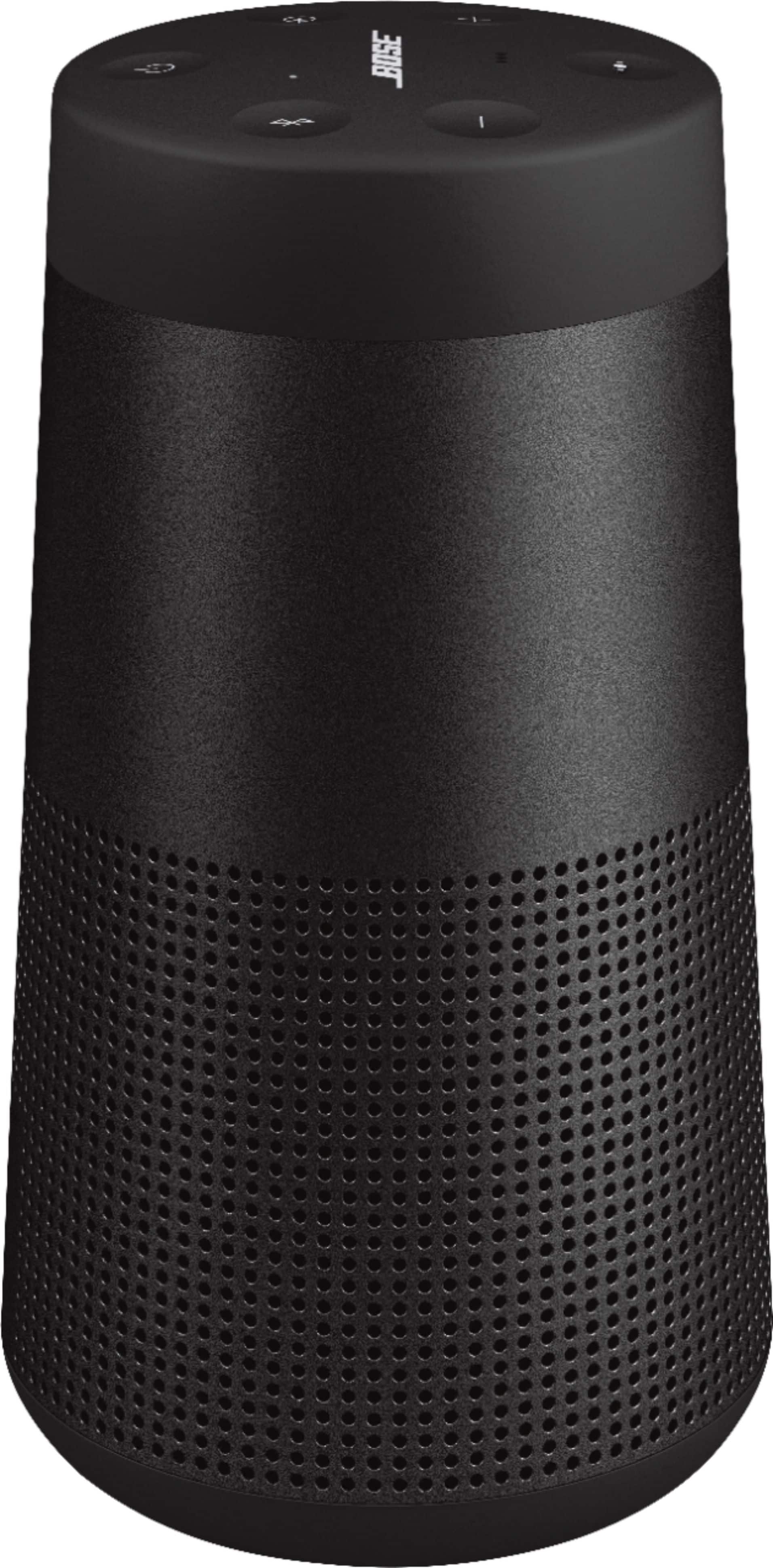
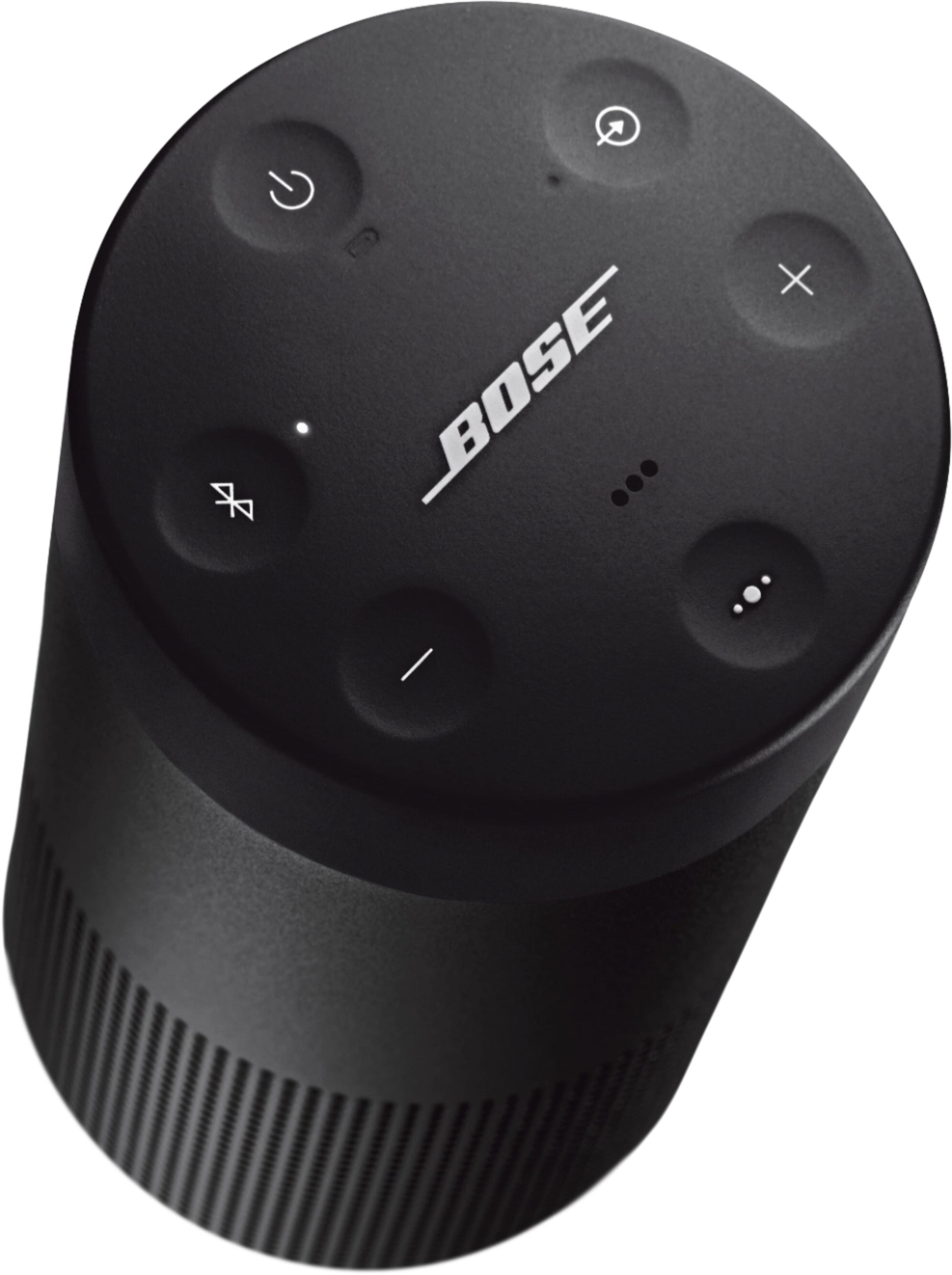
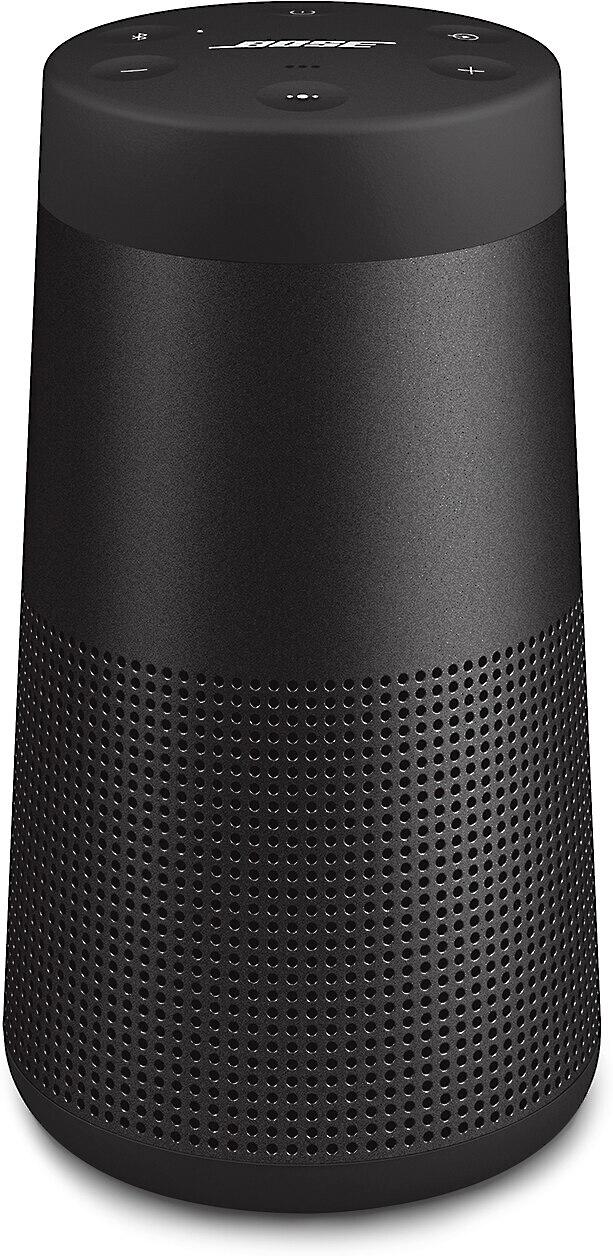
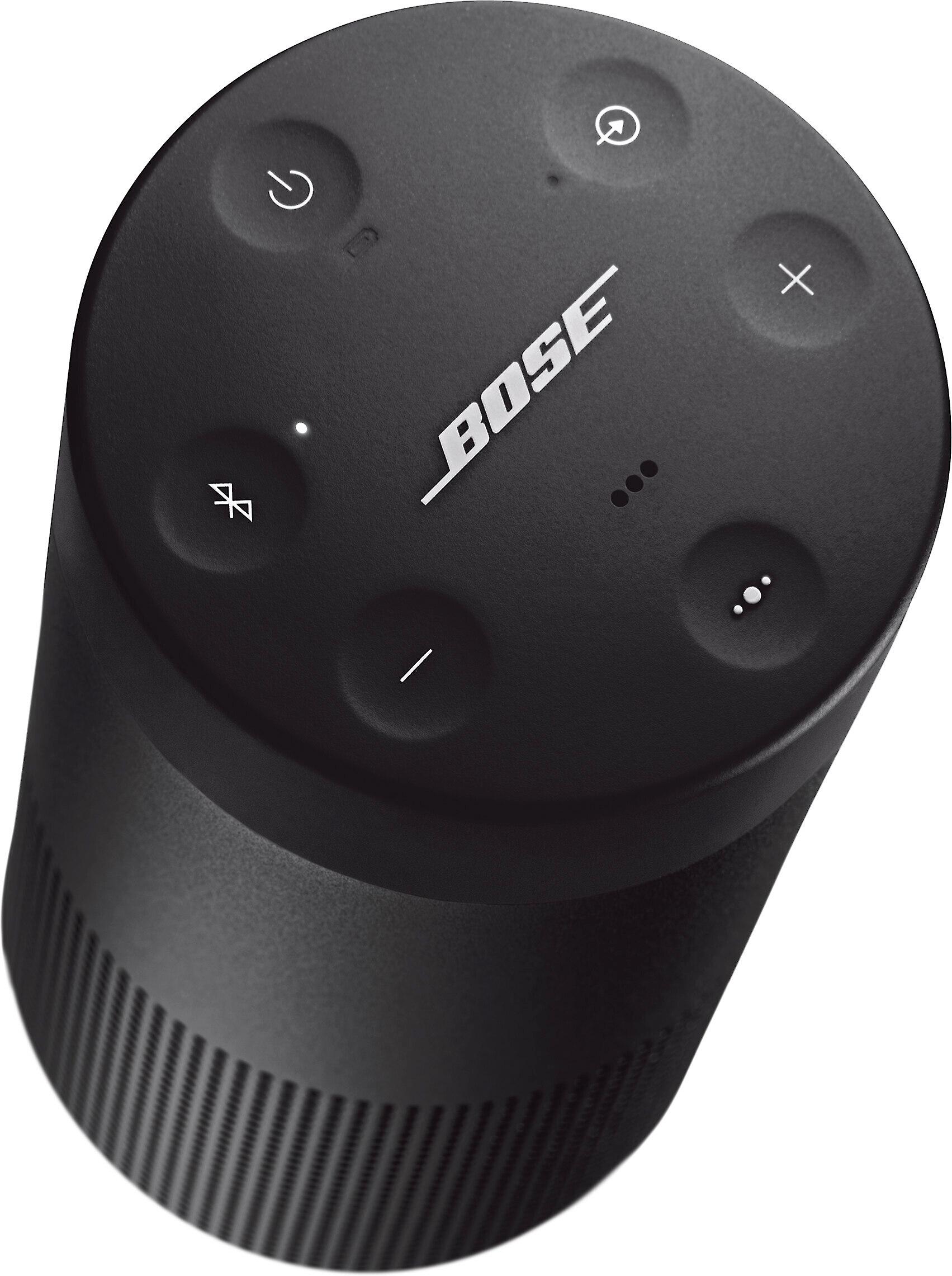
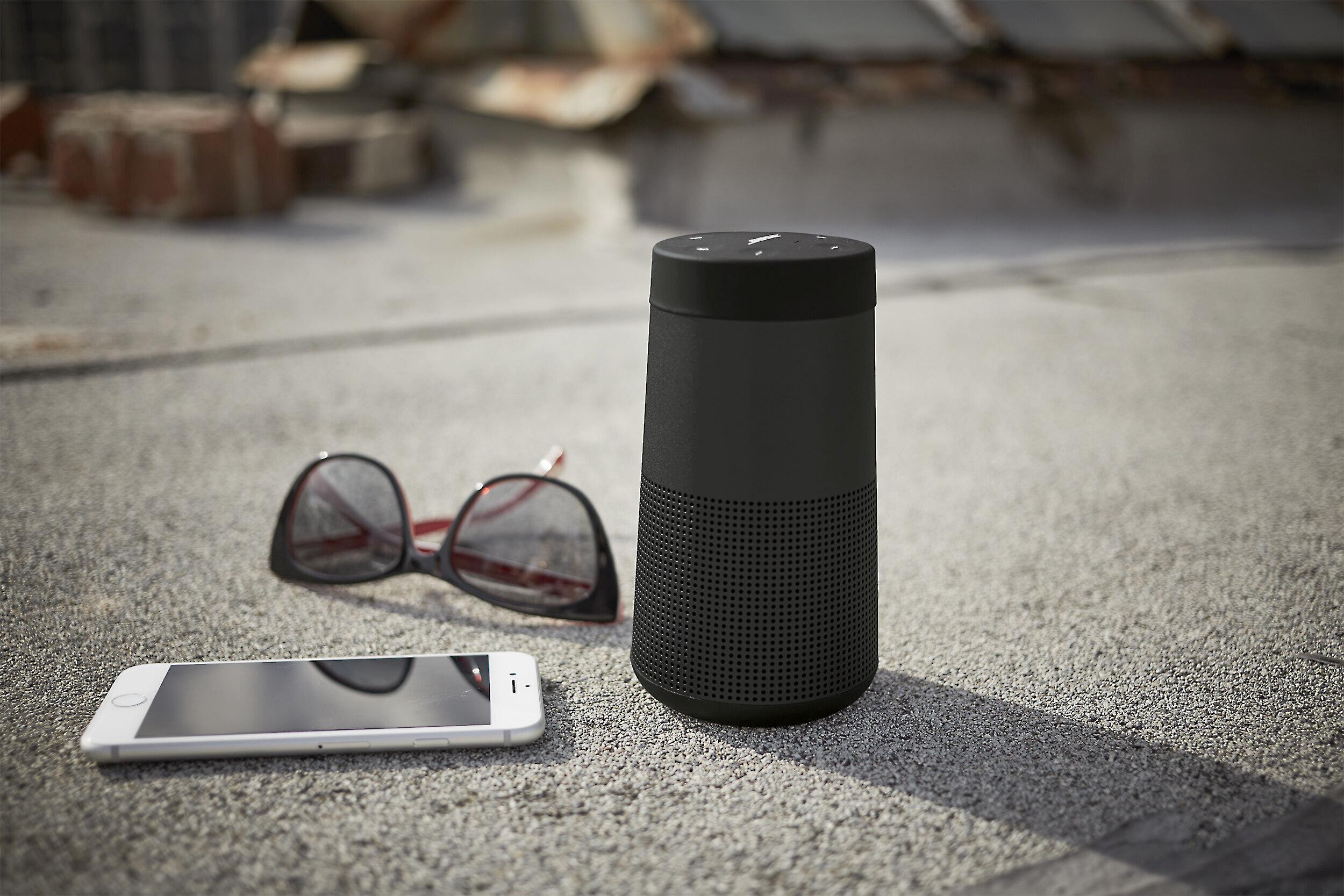
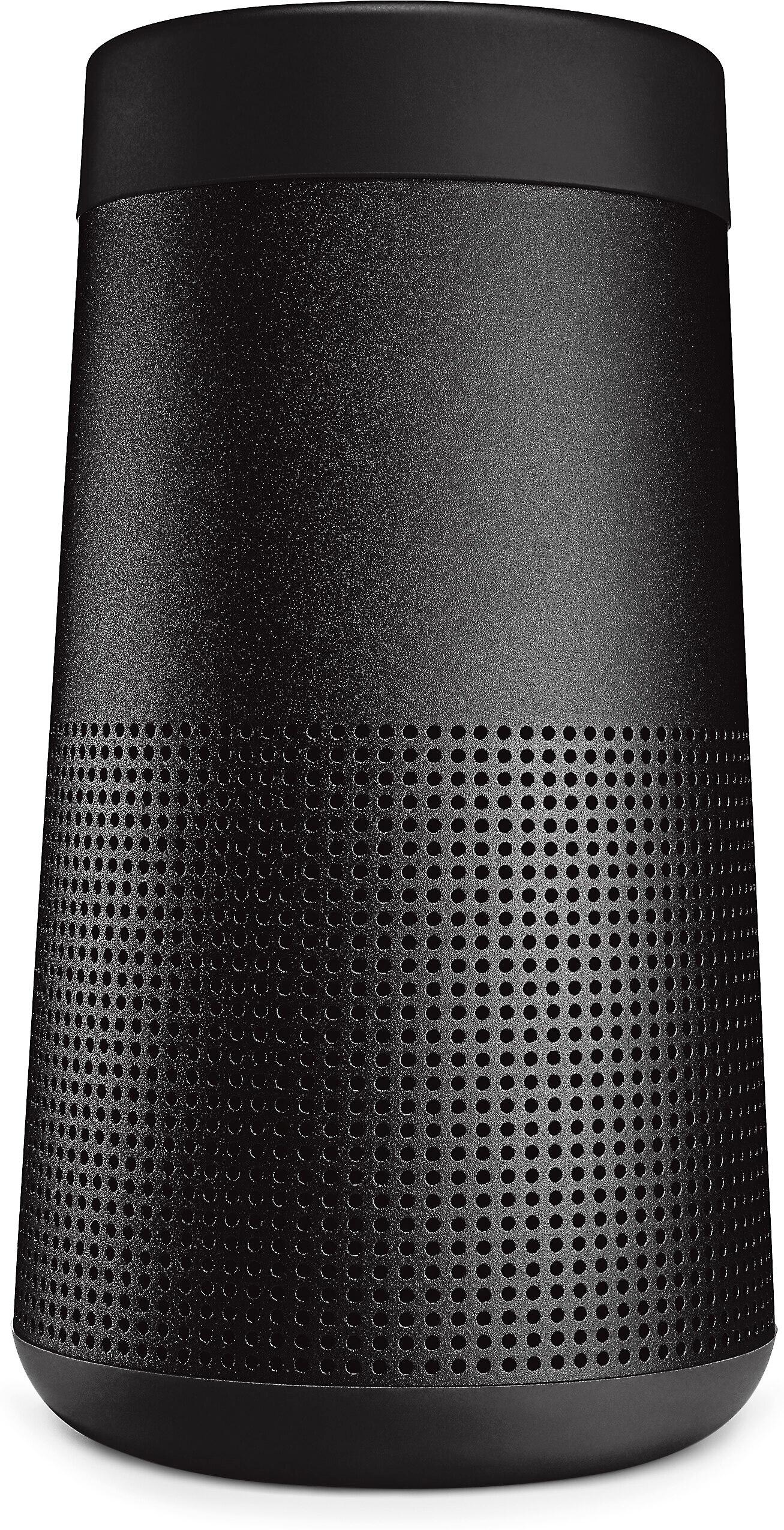
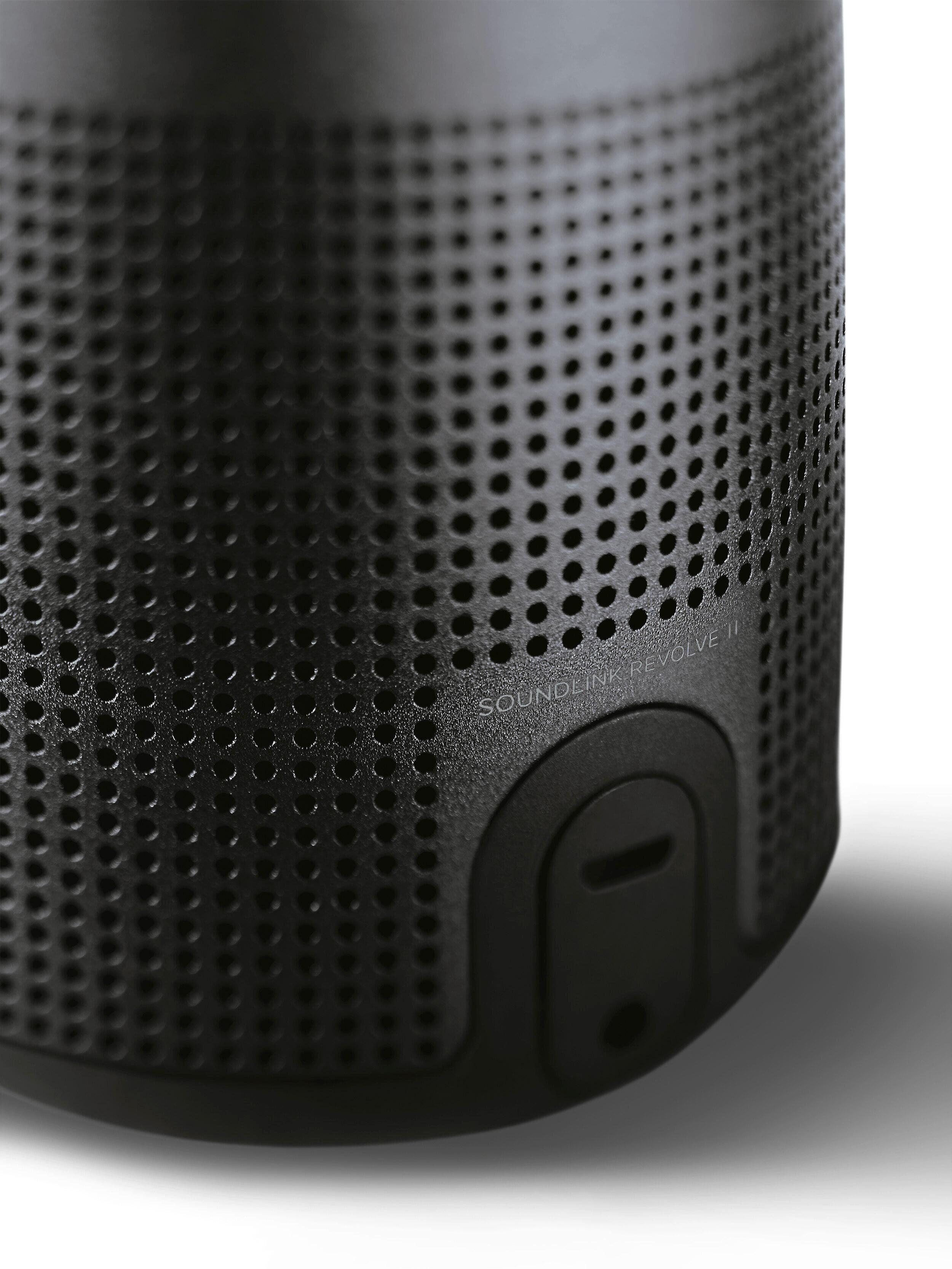
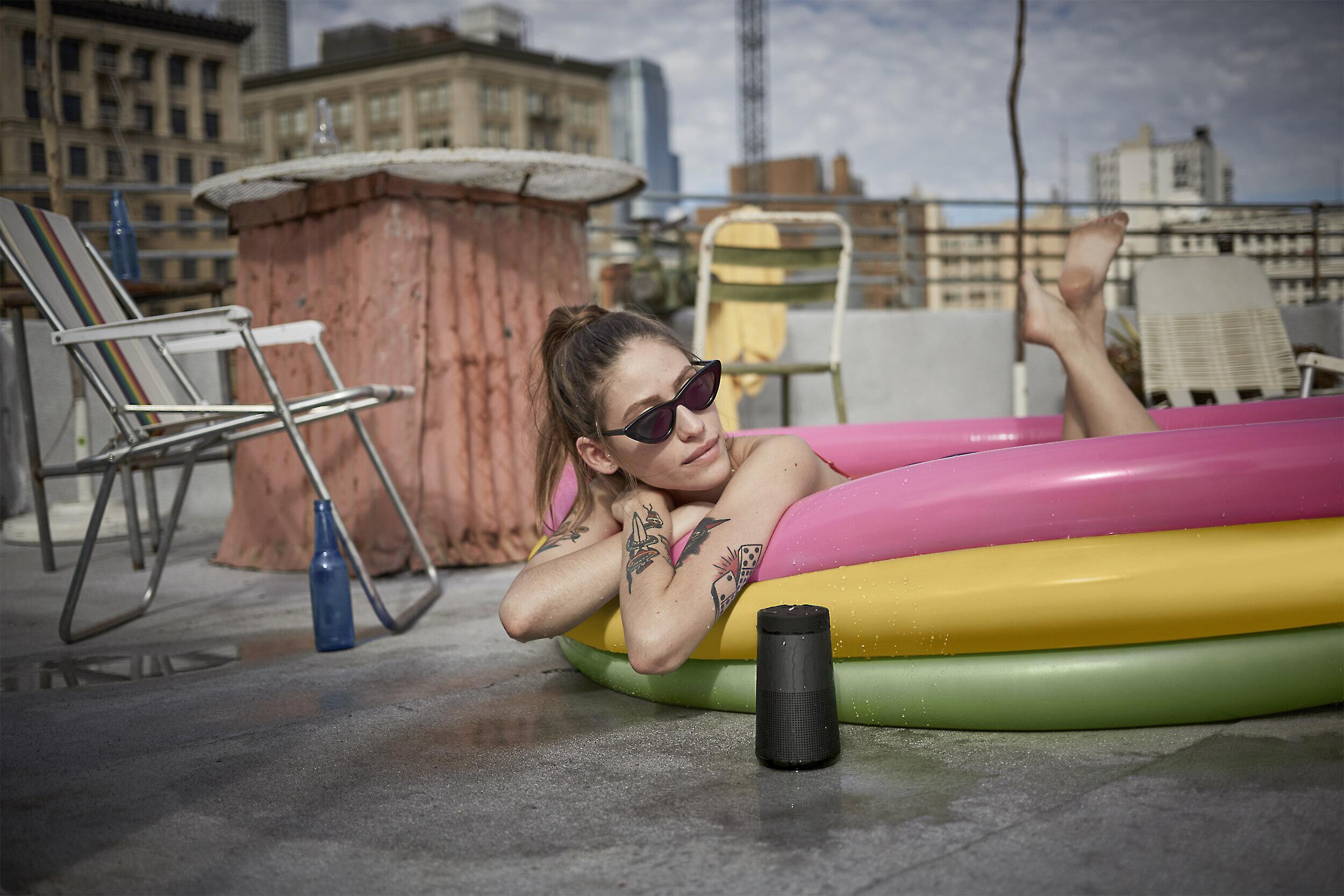
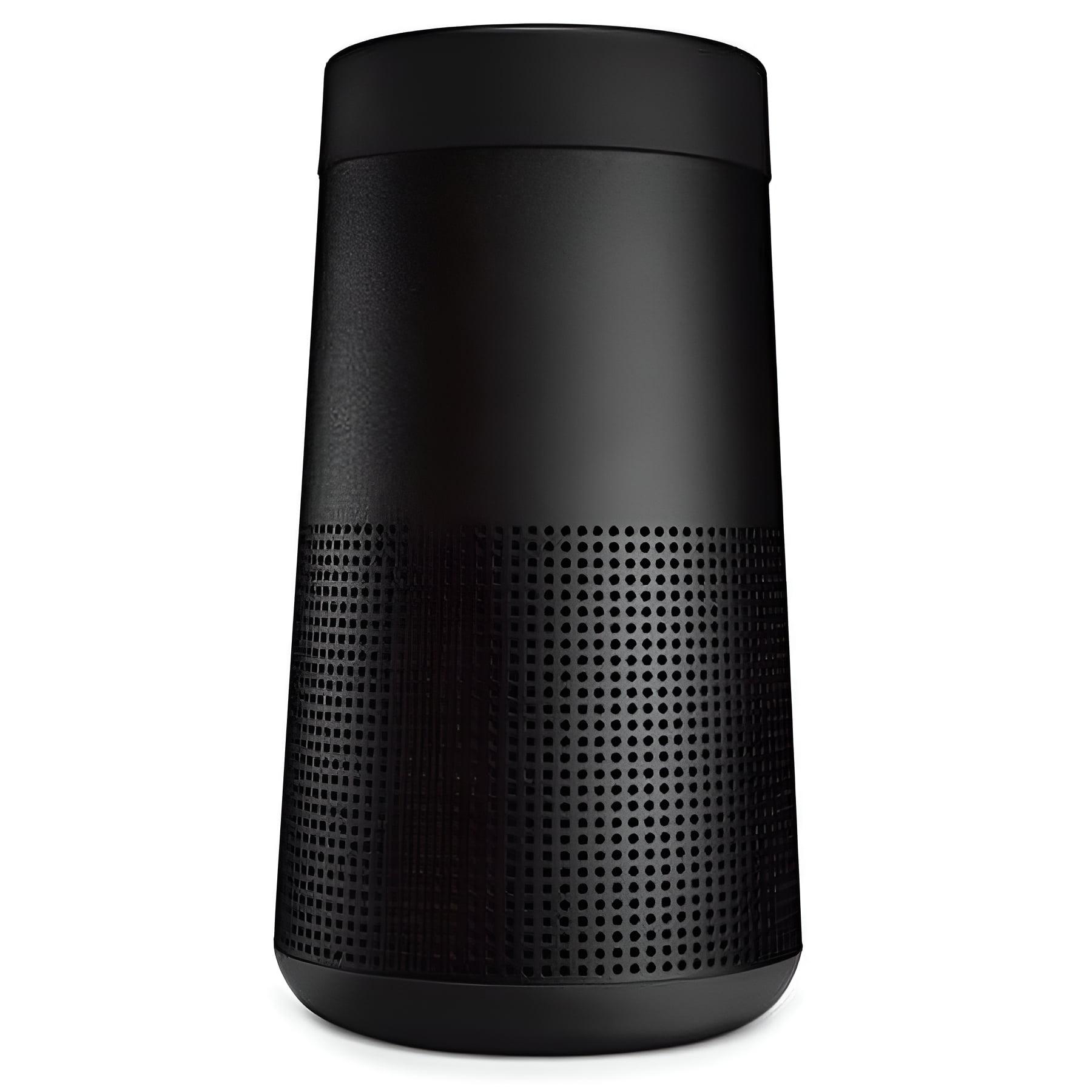
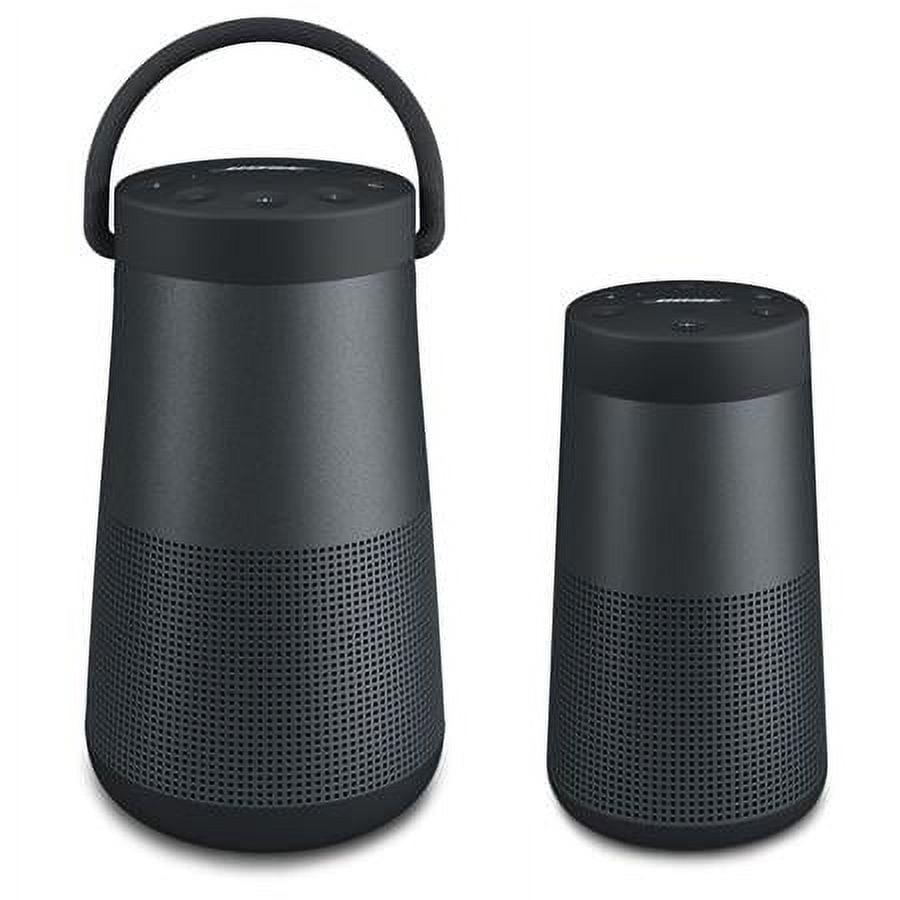

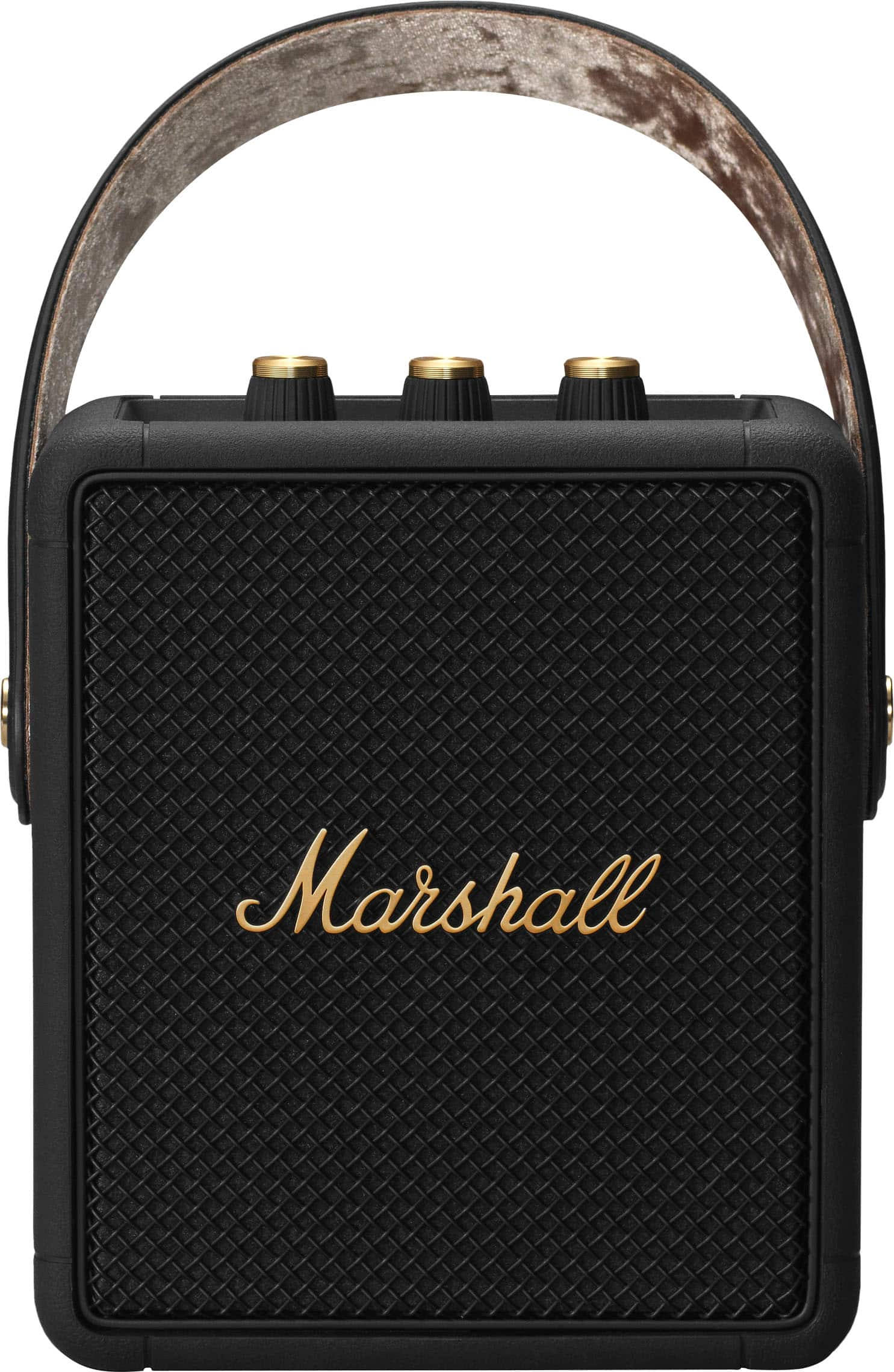
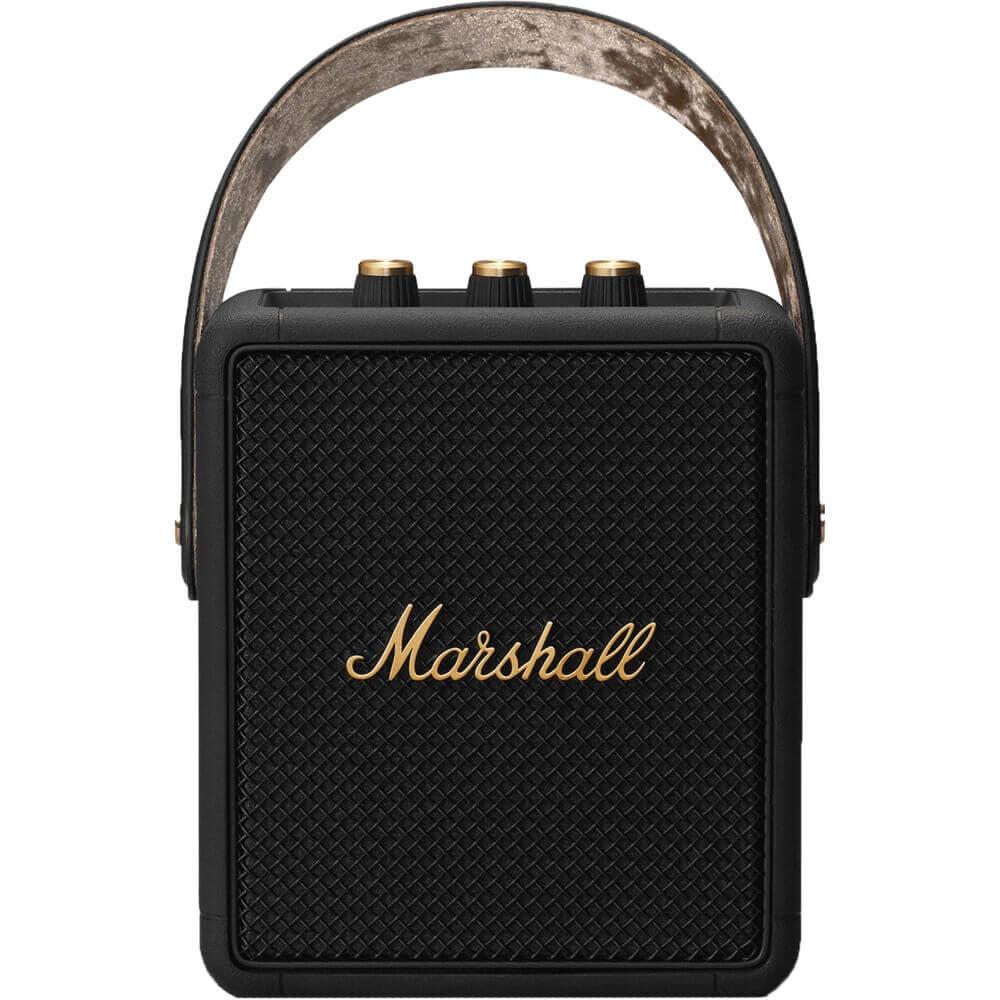
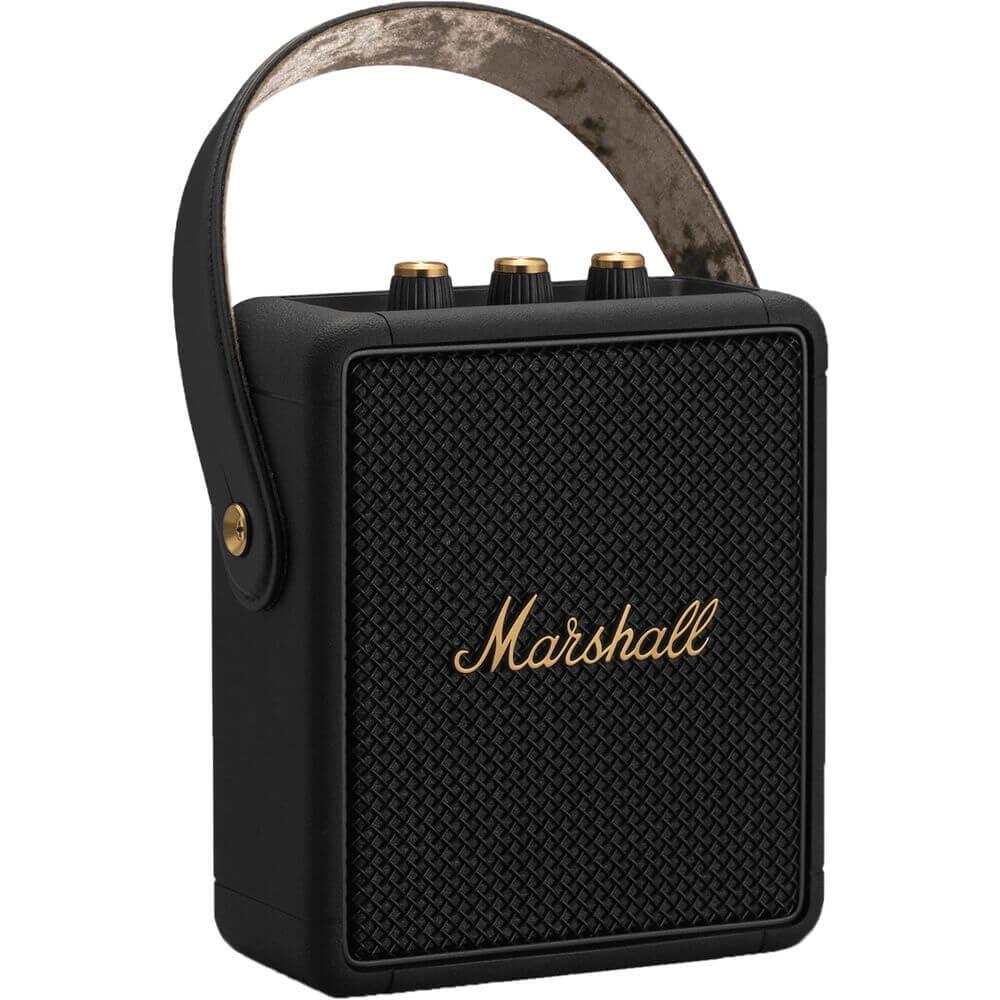

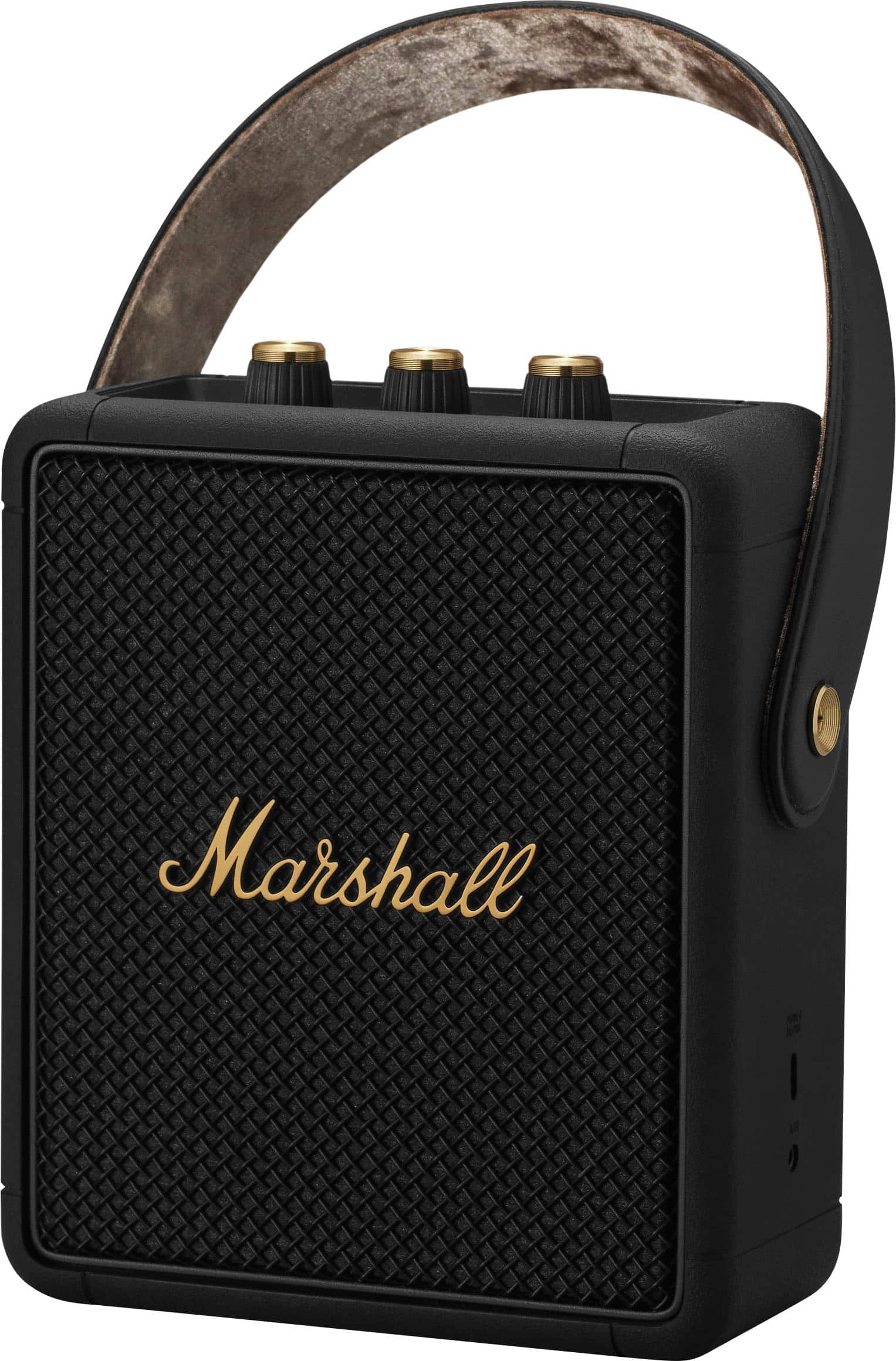
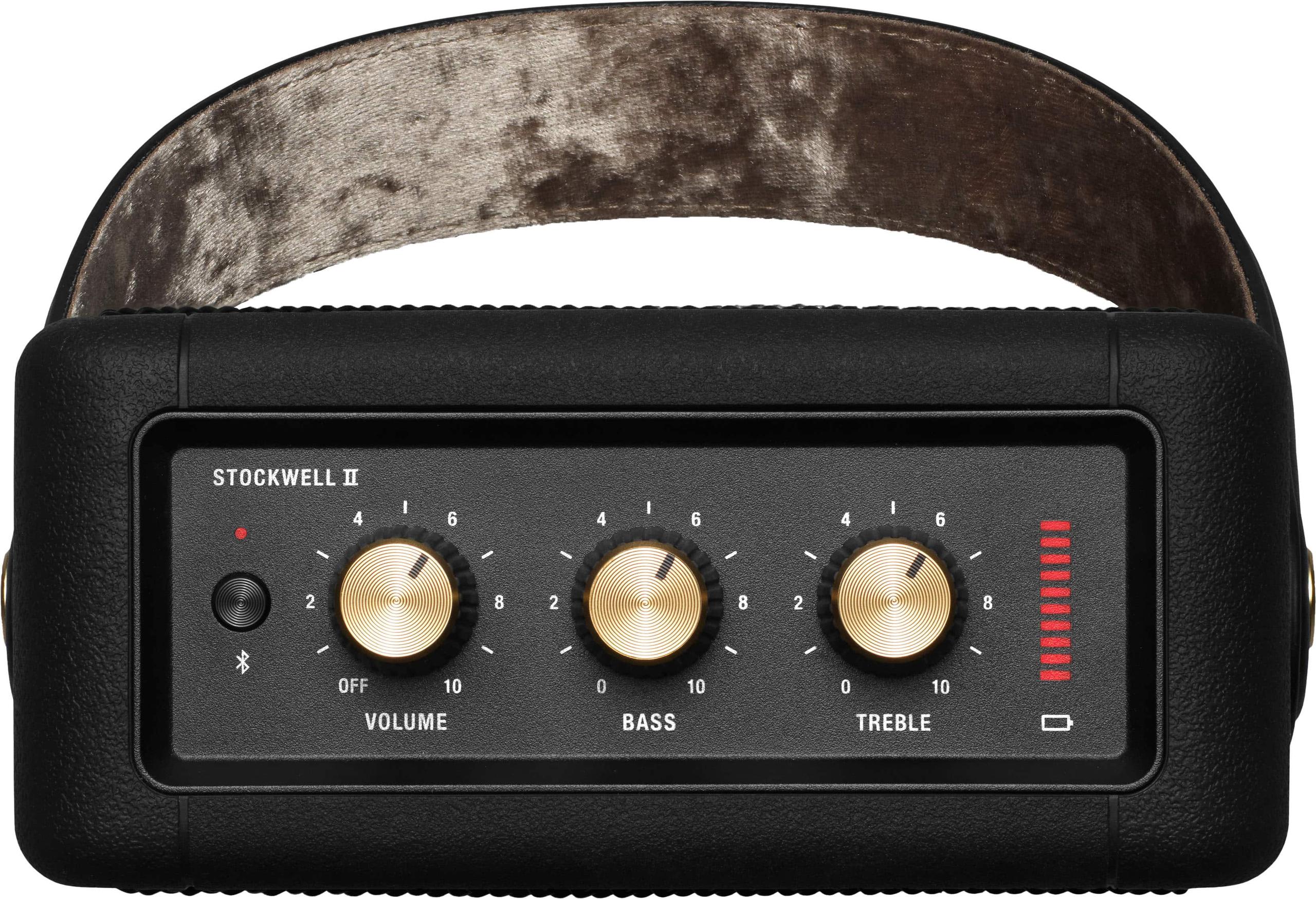
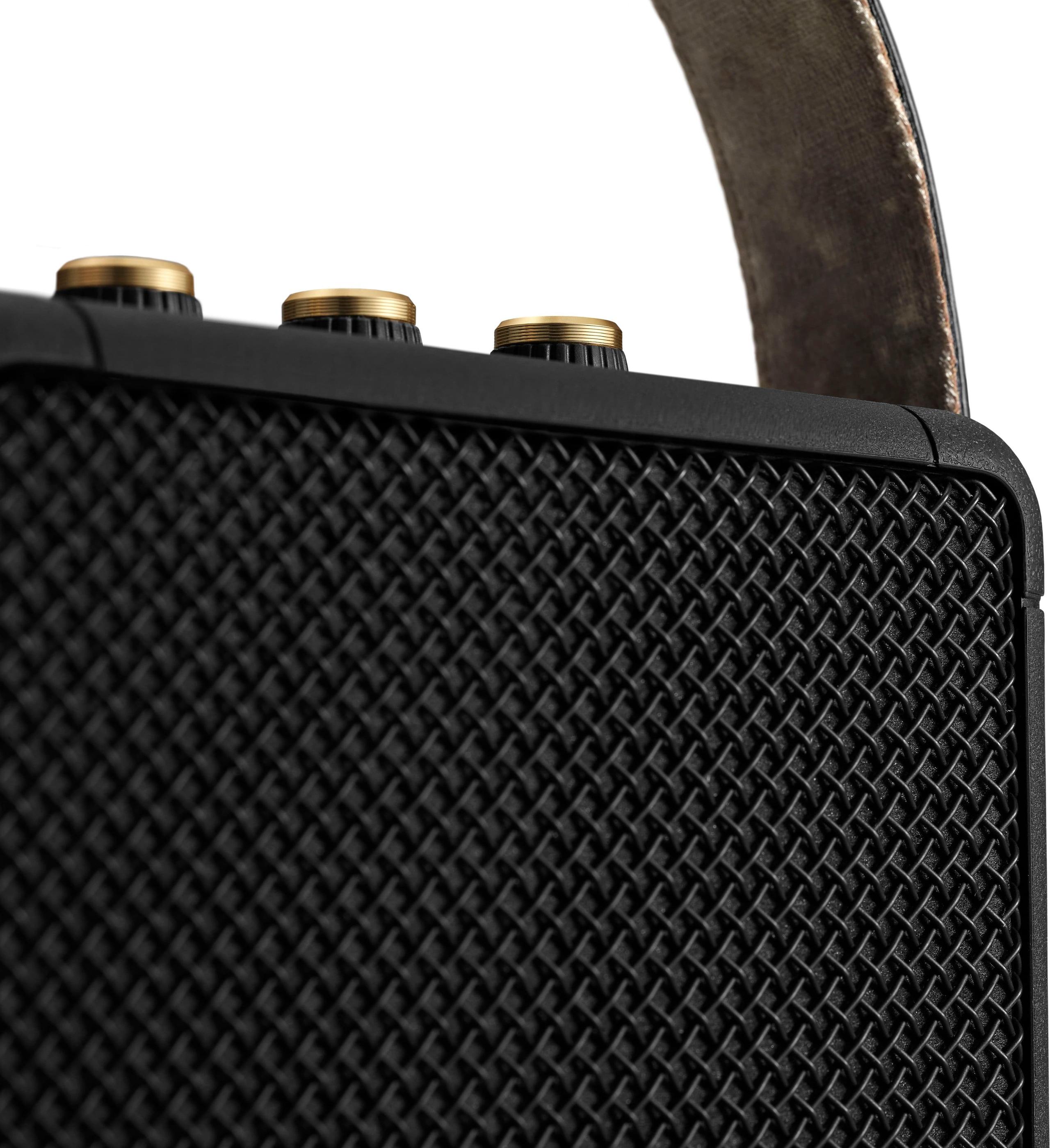
When it comes to high-end portable speakers, the Bose SoundLink Revolve II ($219.99) and Marshall Stockwell II ($149.99) represent two different approaches to premium audio. Released in 2021 and 2019 respectively, these speakers showcase how manufacturers tackle the challenges of portable sound differently. Let's dive into what makes each unique and who they're best suited for.
The portable speaker market has evolved significantly in recent years. What was once a compromise between sound quality and portability has become a legitimate audio solution for many situations. Modern portable speakers incorporate advanced digital signal processing (DSP), improved battery technology, and sophisticated driver arrangements that would have been impossible just a few years ago.
Key considerations have shifted from "is it loud enough?" to nuanced evaluations of sound quality, directional coverage, and real-world usability. Both the Bose SoundLink Revolve II and Marshall Stockwell II reflect this evolution, though they take distinctly different paths.
The SoundLink Revolve II uses what Bose calls an "omnidirectional acoustic deflector." In practical terms, this means a downward-facing full-range driver projects sound onto a specially designed reflector, dispersing audio evenly in all directions. This creates remarkably consistent sound regardless of where you're standing in relation to the speaker.
The benefit? You can place the speaker centrally in a room and everyone gets the same listening experience. The trade-off is that you lose some directional precision that music purists might prefer.
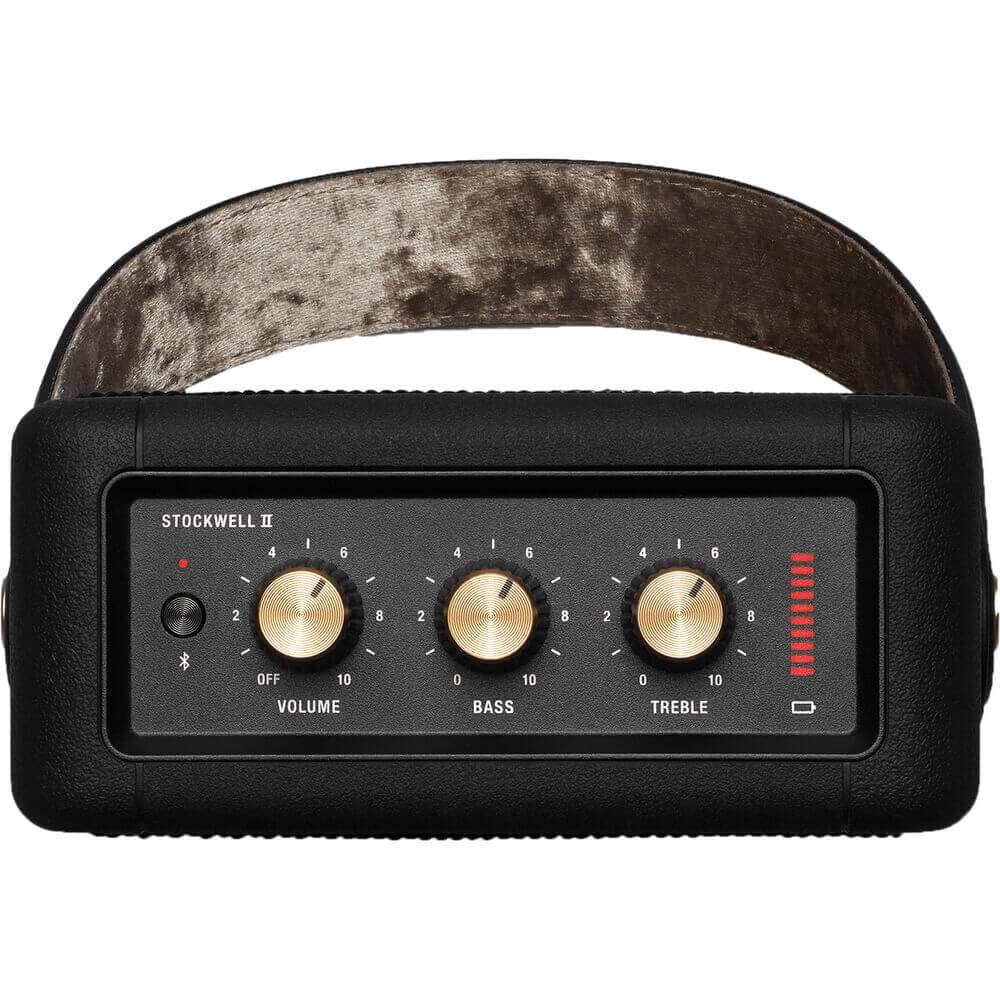
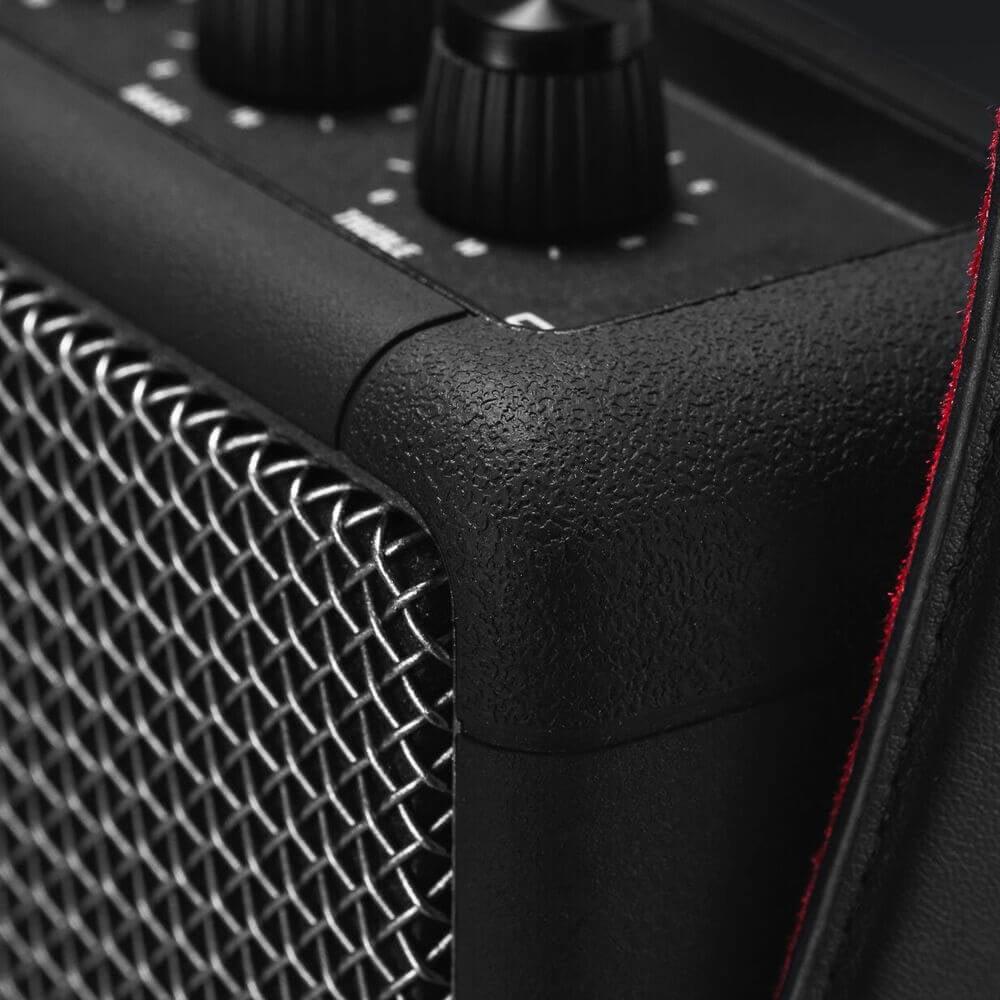
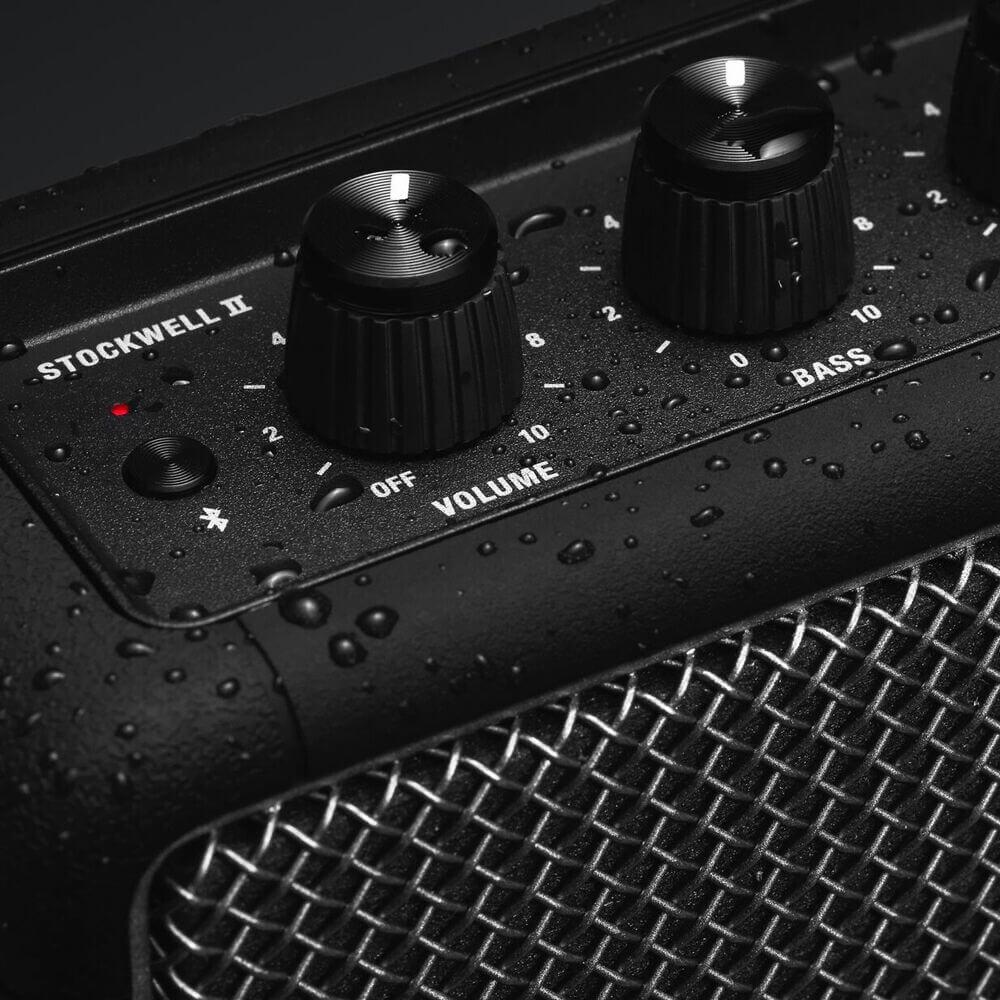
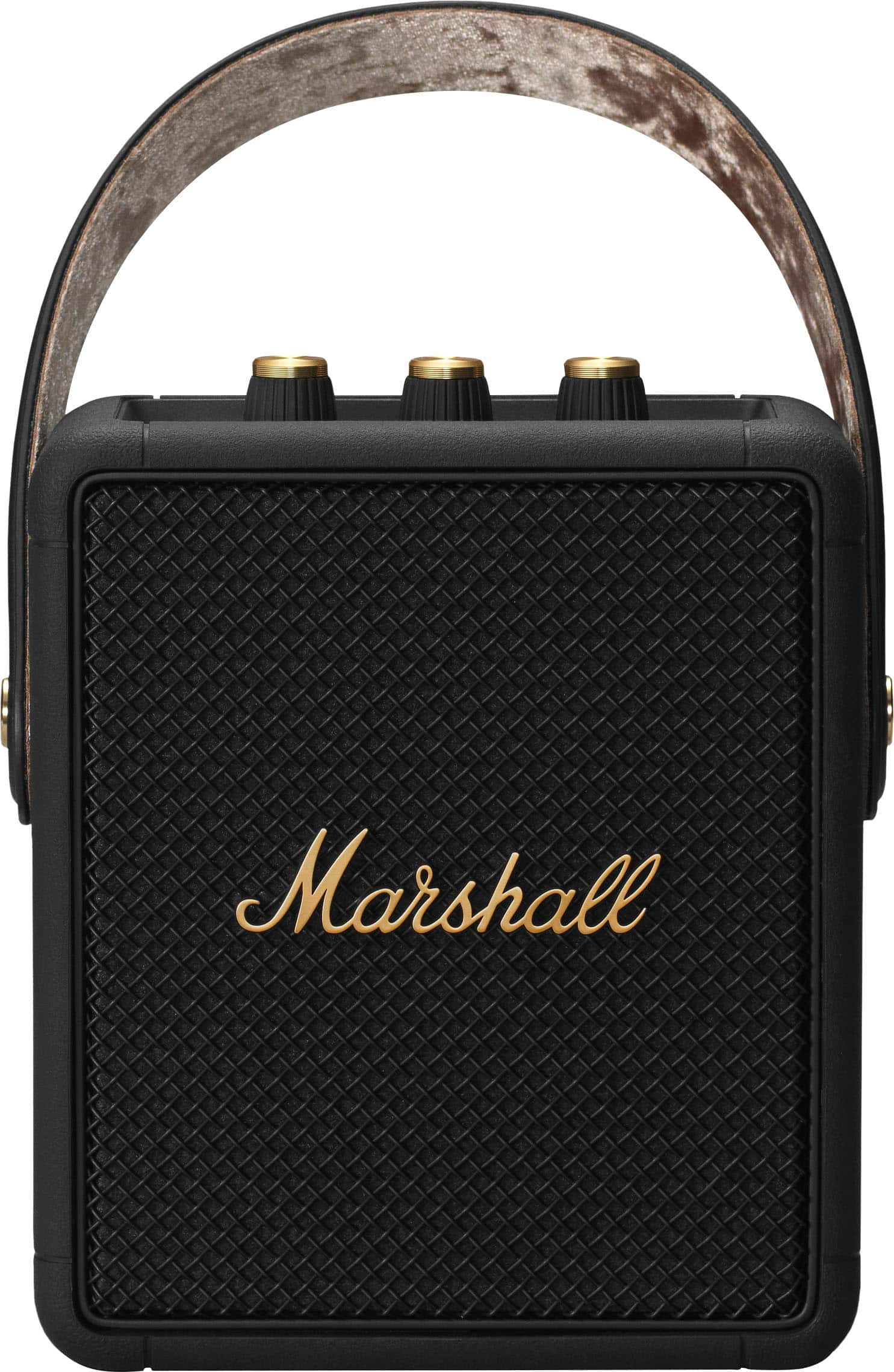
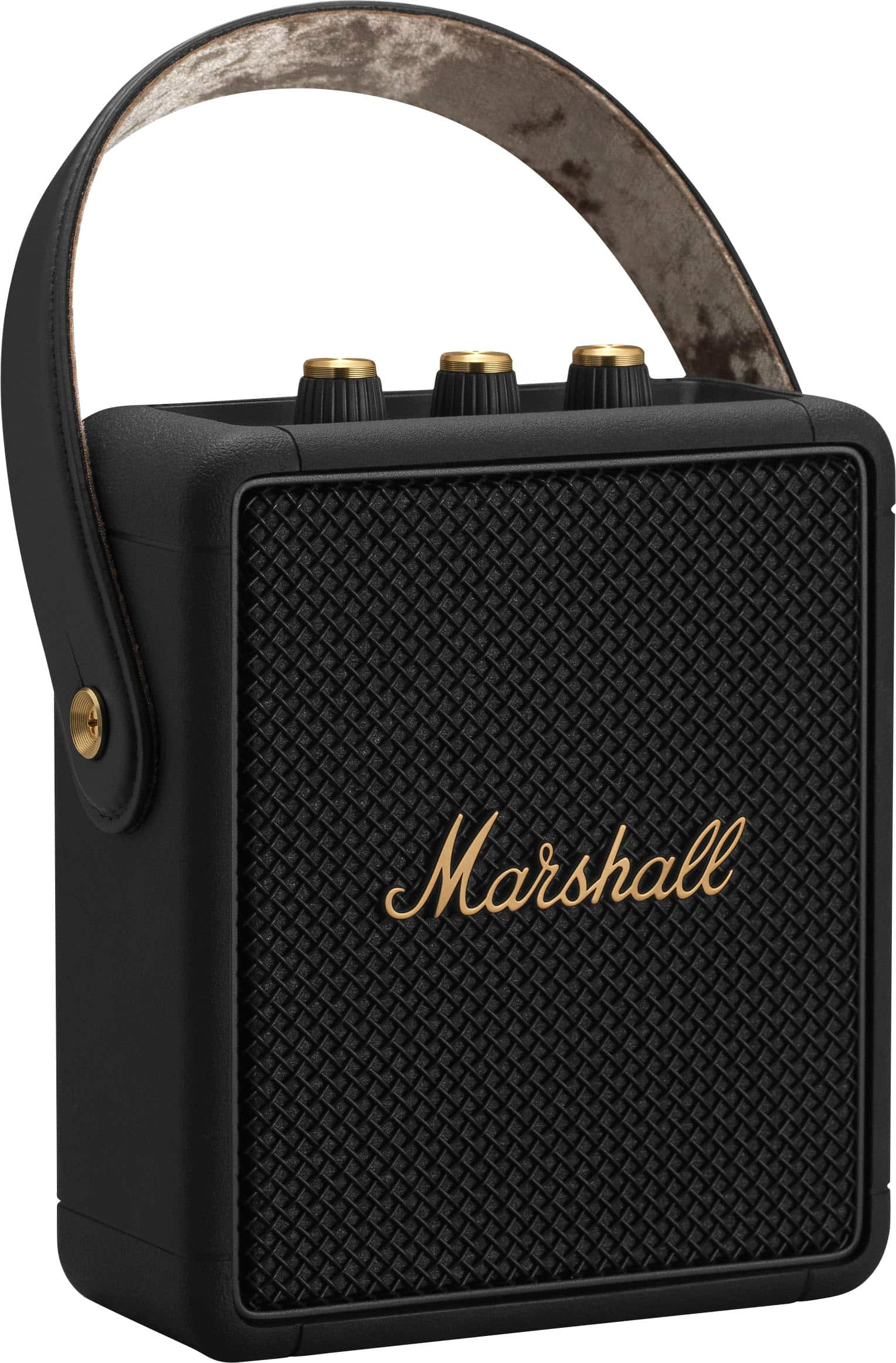
The Stockwell II takes a more conventional approach with front and rear-facing drivers. This creates a more focused soundstage with clearer stereo separation when you're positioned in front of the speaker. The inclusion of analog bass and treble controls (unusual in this category) lets you tune the sound to your preference or compensate for different environments.
In testing, the Marshall typically produces more impactful bass and offers clearer separation between instruments. However, it needs more thoughtful placement to sound its best.
Both speakers can fill a medium-sized room, but they behave differently at high volumes:
The Bose's IP55 rating means it's better protected against dust and water, making it more suitable for beach trips or pool parties. The Marshall's IPX4 rating only protects against splashes, though its more powerful bass can be advantageous in outdoor settings where low frequencies often get lost.
The three-year gap between these products' releases shows in their connectivity options:
While both still perform reliably, the Marshall's modern connections make it more future-proof. Its multi-host functionality (connecting to two devices simultaneously) is particularly useful for parties where multiple people want to play DJ.
Battery technology has improved significantly, and it shows:
This difference is notable for weekend trips or extended outdoor use where charging isn't always convenient.
Both speakers are premium products, but they prioritize different aspects:
The weight difference is significant enough to impact how you'll use these speakers. The Bose is easier to pack in a bag, while the Marshall feels more at home as a semi-permanent fixture.
At current prices:
The $70 difference is significant, especially considering the Marshall's more modern features and longer battery life. However, the Bose's 360° sound and superior weather resistance might justify the premium for some users.
Neither speaker is designed primarily for home theater use, but they can serve as temporary solutions:
Choose the Bose SoundLink Revolve II if:
Choose the Marshall Stockwell II if:
Both speakers represent quality choices in the premium portable speaker market, but they serve different needs. The Bose excels at providing consistent, room-filling sound in a highly portable package, while the Marshall offers more powerful, customizable audio with modern features at a lower price point. Your specific use case should guide your choice more than brand preference or minor feature differences.
| Bose SoundLink Revolve II | Marshall Stockwell II |
|---|---|
| Price - Current market positioning | |
| $219.99 (Premium tier) | $149.99 (Mid-premium tier) |
| Sound Configuration - Impacts how you position the speaker | |
| 360° omnidirectional single driver with deflector | Front/rear-facing stereo drivers |
| Sound Customization - Ability to adjust to your preferences | |
| Fixed EQ tuning | Physical bass and treble control knobs |
| Water Resistance - Important for outdoor use | |
| IP55 (protected against dust and water jets) | IPX4 (protected against splashes only) |
| Battery Life - Critical for extended portable use | |
| 13 hours playback | 20 hours playback with quick charging |
| Charging Connection - Affects convenience and future compatibility | |
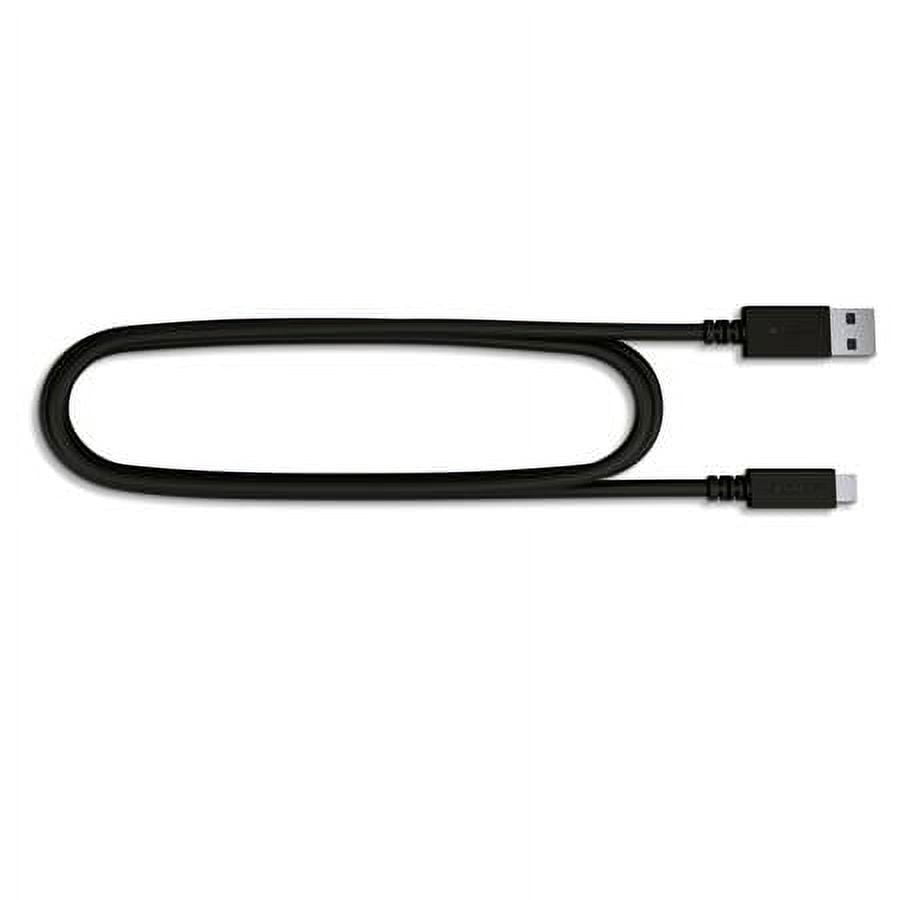
| Micro-USB (older standard) | USB-C (modern standard) |
| Weight - Impacts portability | |
| 660g (highly portable) | 1.4kg (less portable but more substantial) |
| Bluetooth Version - Affects connection stability and range | |
| Bluetooth 4.1 (30ft range) | Bluetooth 5.0 (30ft range, more stable) |
| Multi-Device Features - Useful for social settings | |
| Party Mode with other Bose speakers | Multi-host functionality (2 devices) |
| Physical Size - Consider your space and portability needs | |
| 152mm x 82mm x 82mm (compact) | 180mm x 161mm x 70mm (larger footprint) |
| Construction - Affects durability and premium feel | |
| Aluminum body with silicone base | Steel grille with silicone and plastic body |
| Additional Audio Features - Extra functionality | |
| Built-in speakerphone, voice assistant access | None |
The Bose SoundLink Revolve II is better for room-filling 360° sound and portability, while the Marshall Stockwell II offers better value, longer battery life, and customizable sound. The Bose excels in durability with IP55 rating, while the Marshall provides more powerful bass and modern USB-C charging.
Both offer excellent sound quality for their size, but in different ways. The Bose SoundLink Revolve II provides more consistent, balanced audio throughout a room, while the Marshall Stockwell II delivers stronger bass and clearer stereo separation when listening directly in front of it.
The Bose SoundLink Revolve II has superior durability with an IP55 rating for dust and water resistance, compared to the Marshall Stockwell II's IPX4 rating which only protects against splashes.
The Marshall Stockwell II offers superior battery life at 20 hours, plus quick-charging capability. The Bose SoundLink Revolve II provides 13 hours of playback on a single charge.
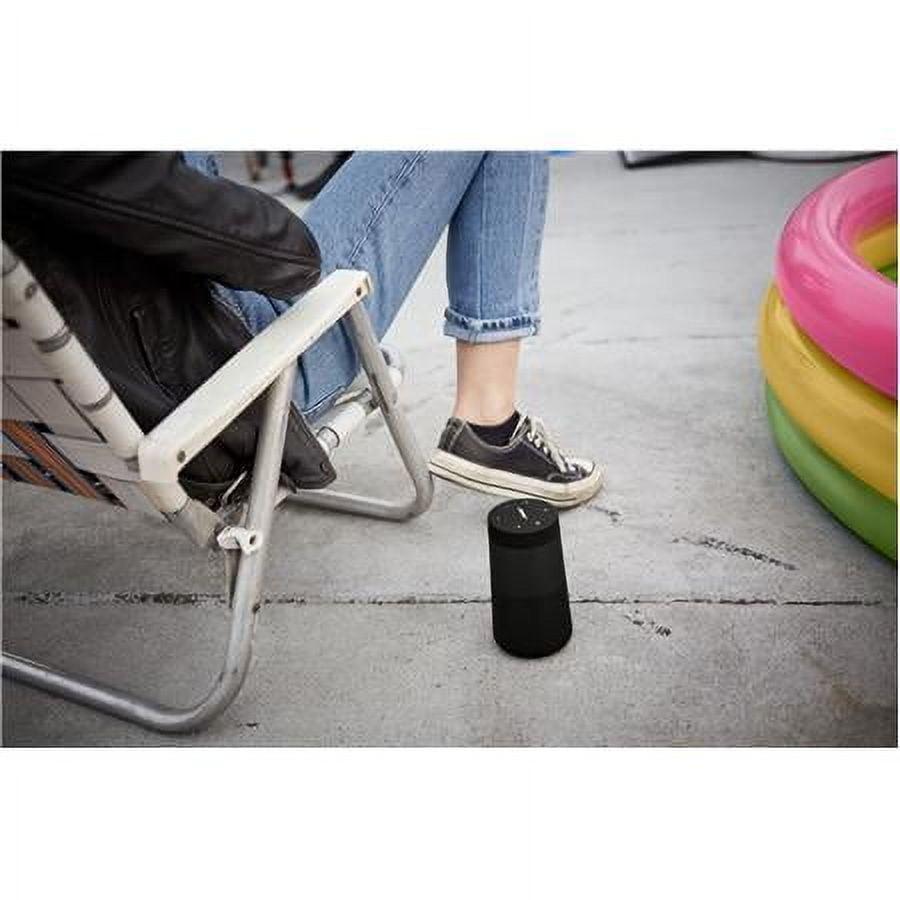
The Bose SoundLink Revolve II is better suited for outdoor use due to its higher IP55 water resistance rating and lighter weight. However, the Marshall Stockwell II offers stronger bass output which can be beneficial in open spaces.
The Bose SoundLink Revolve II is more portable at 660g and has a compact cylindrical design. The Marshall Stockwell II is heavier at 1.4kg and has a larger rectangular form factor.
The Marshall Stockwell II supports multi-host functionality, allowing connection to two devices simultaneously. The Bose SoundLink Revolve II can pair with multiple devices but must switch between them manually.
The Marshall Stockwell II at $149.99 offers better value with more features, longer battery life, and modern connectivity. The Bose SoundLink Revolve II at $219.99 commands a premium for its 360° sound technology and brand reputation.
Both are suitable for parties, but differently. The Bose SoundLink Revolve II provides even sound coverage throughout a room and can link with other Bose speakers. The Marshall Stockwell II offers stronger bass and easier device switching for multiple DJs.
The Marshall Stockwell II features more modern connectivity with Bluetooth 5.0 and USB-C charging. The Bose SoundLink Revolve II uses older Bluetooth 4.1 and micro-USB charging.
The Marshall Stockwell II provides physical knobs for adjusting bass and treble. The Bose SoundLink Revolve II has a fixed EQ tuning with no manual adjustment options.
For home use, the Marshall Stockwell II offers better sound customization and more powerful output when positioned against a wall. The Bose SoundLink Revolve II provides more flexible placement options with its 360° sound coverage.
We've done our best to create useful and informative comparisons to help you decide what product to buy. Our research uses advanced automated methods to create this comparison and perfection is not possible - please contact us for corrections or questions. These are the sites we've researched in the creation of this article: dxomark.com - bose.com - youtube.com - rtings.com - consumerreports.org - soundguys.com - boselatam.com - boselatam.com - bose.com - adorama.com - leedsworldrefill.com - bose.com - bestbuy.com - bestbuy.com - stuff.tv - idownloadblog.com - stereoguide.com - kendallgiles.com - termagoods.com - aplaze.com - manua.ls - youtube.com - sg.tcacoustic.asia - marshall.com - youtube.com

Privacy Policy
Terms and Conditions - Affiliate Policy
Home Security
© Copyright 2008-2026.
11816 Inwood Rd #1211, Dallas, TX 75244