

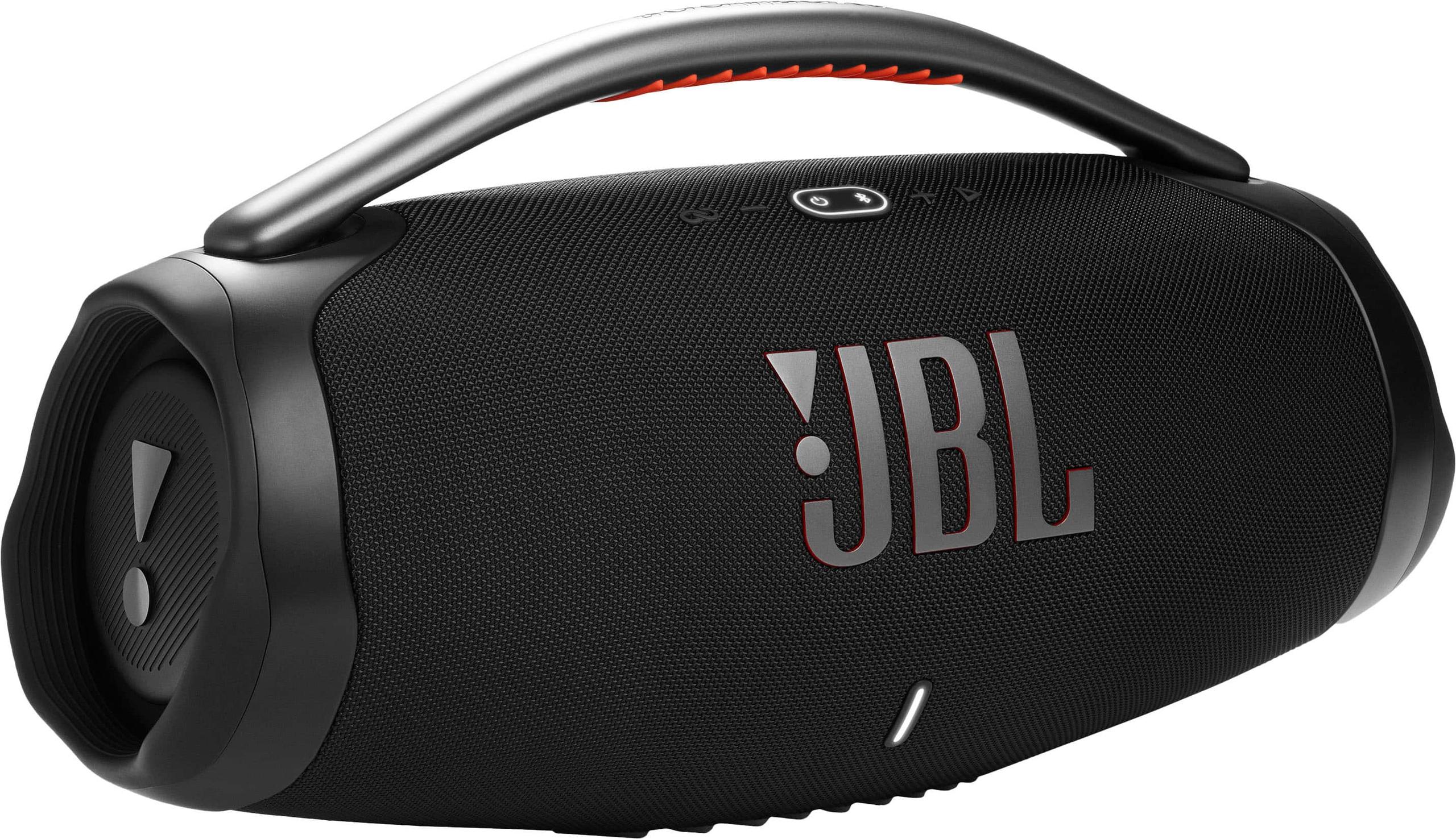
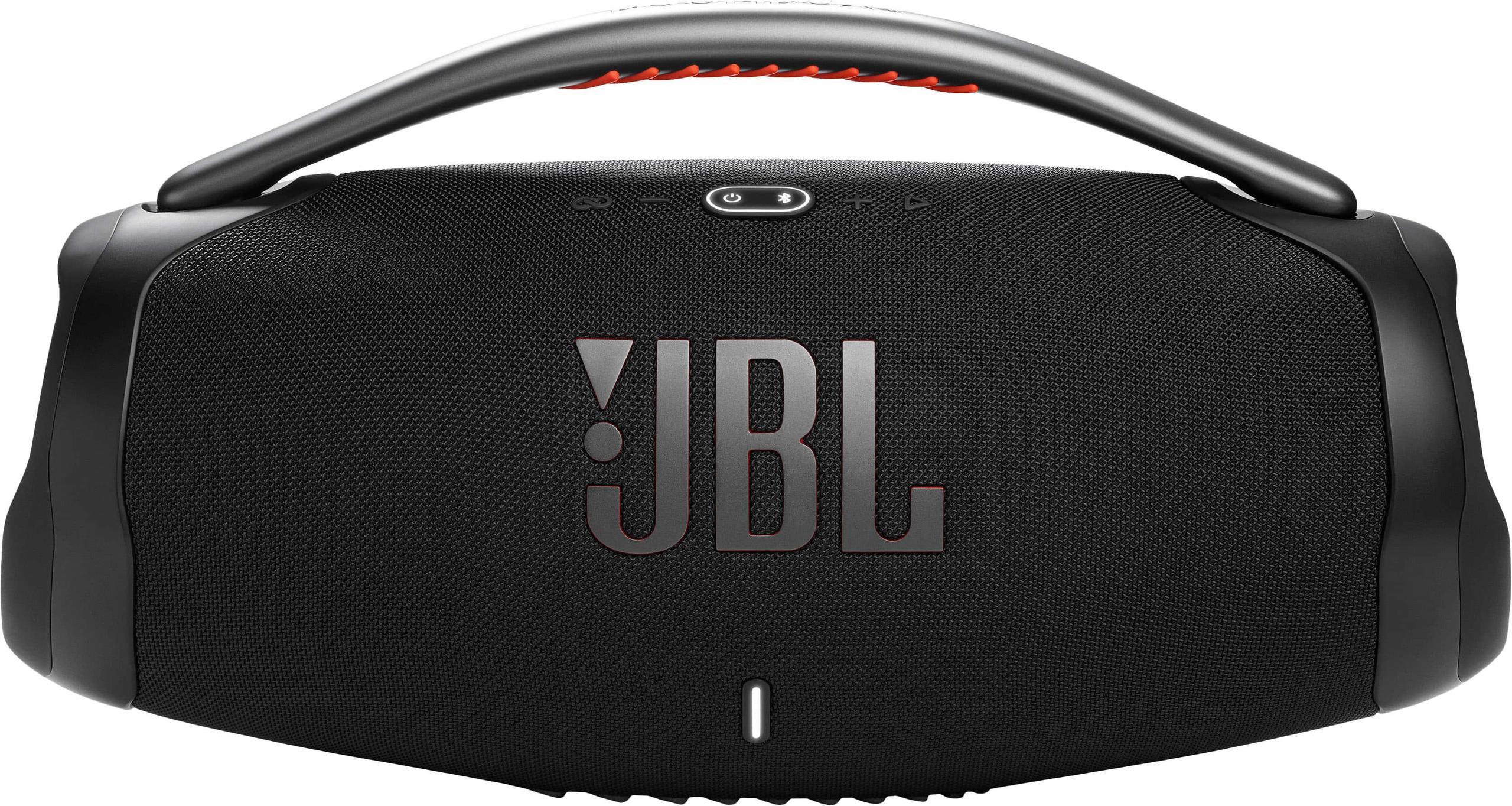
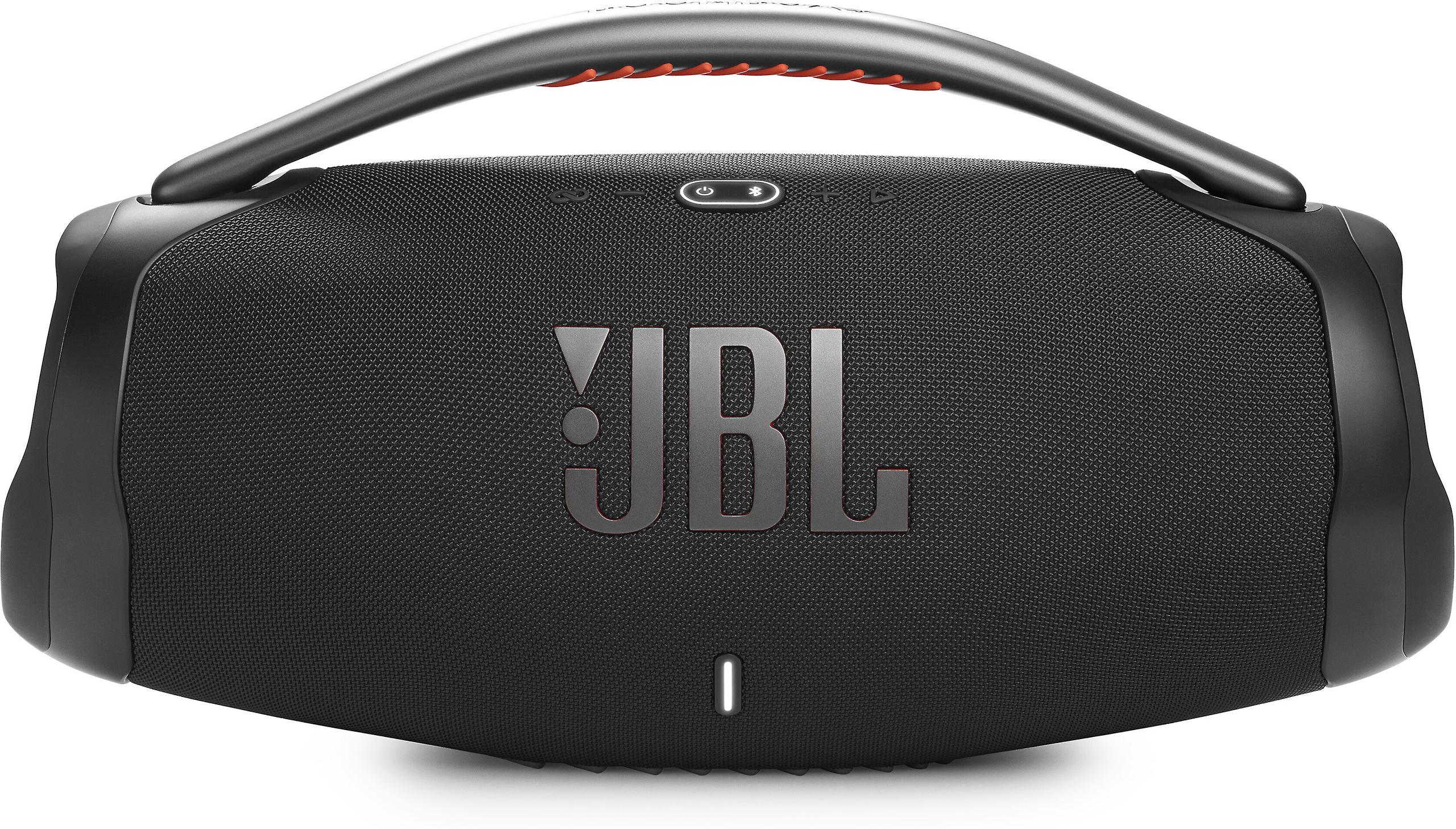
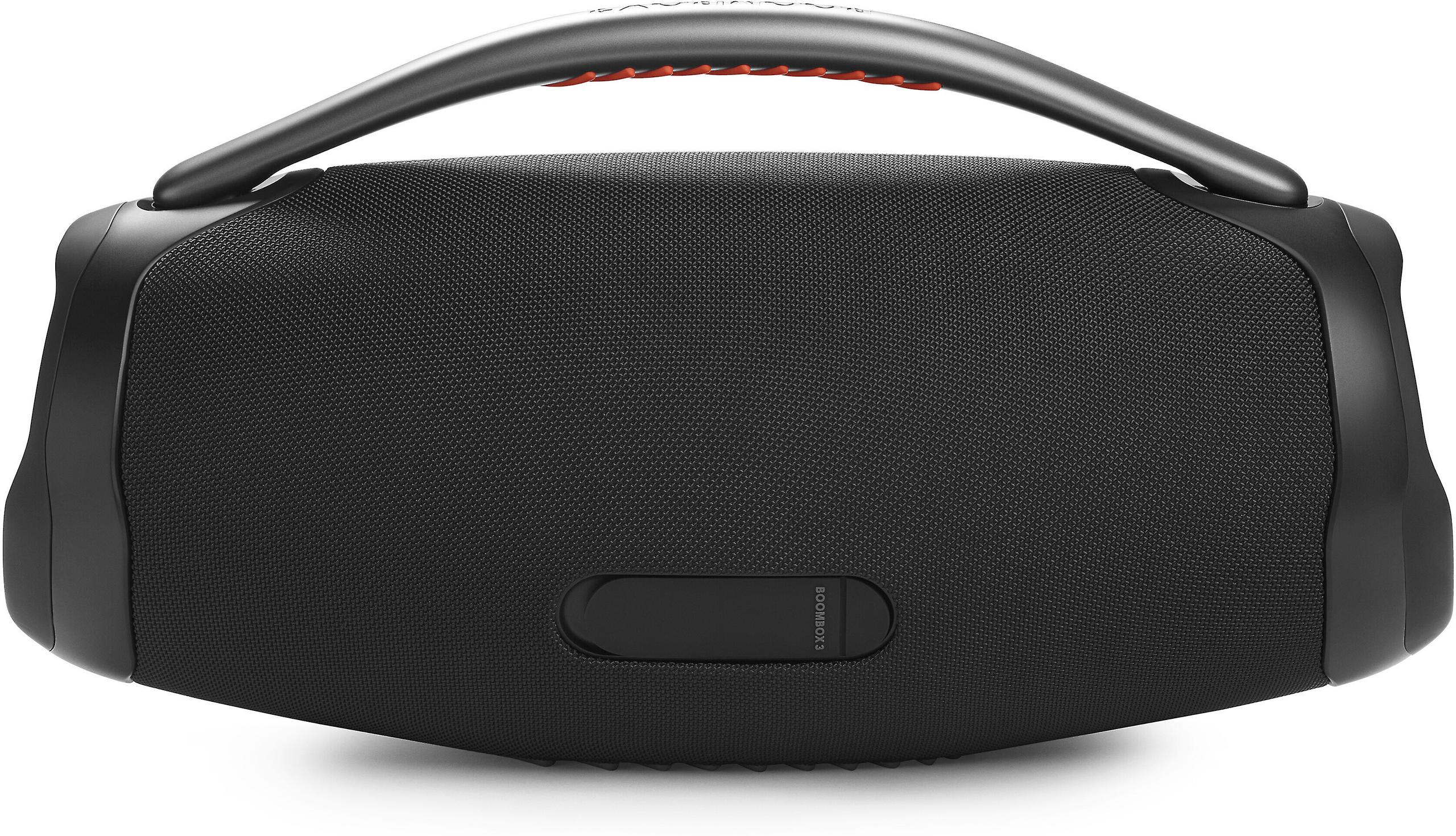
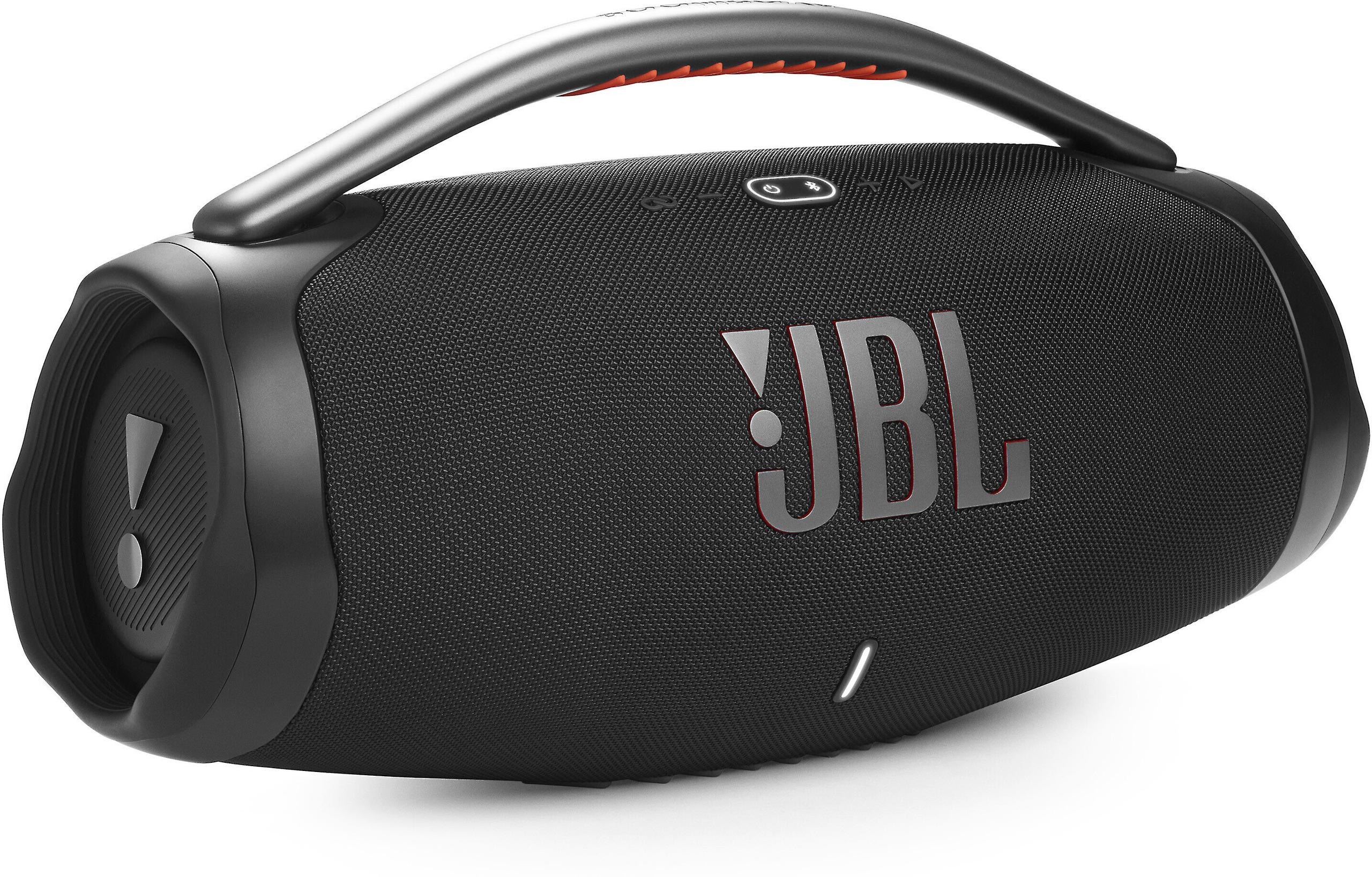
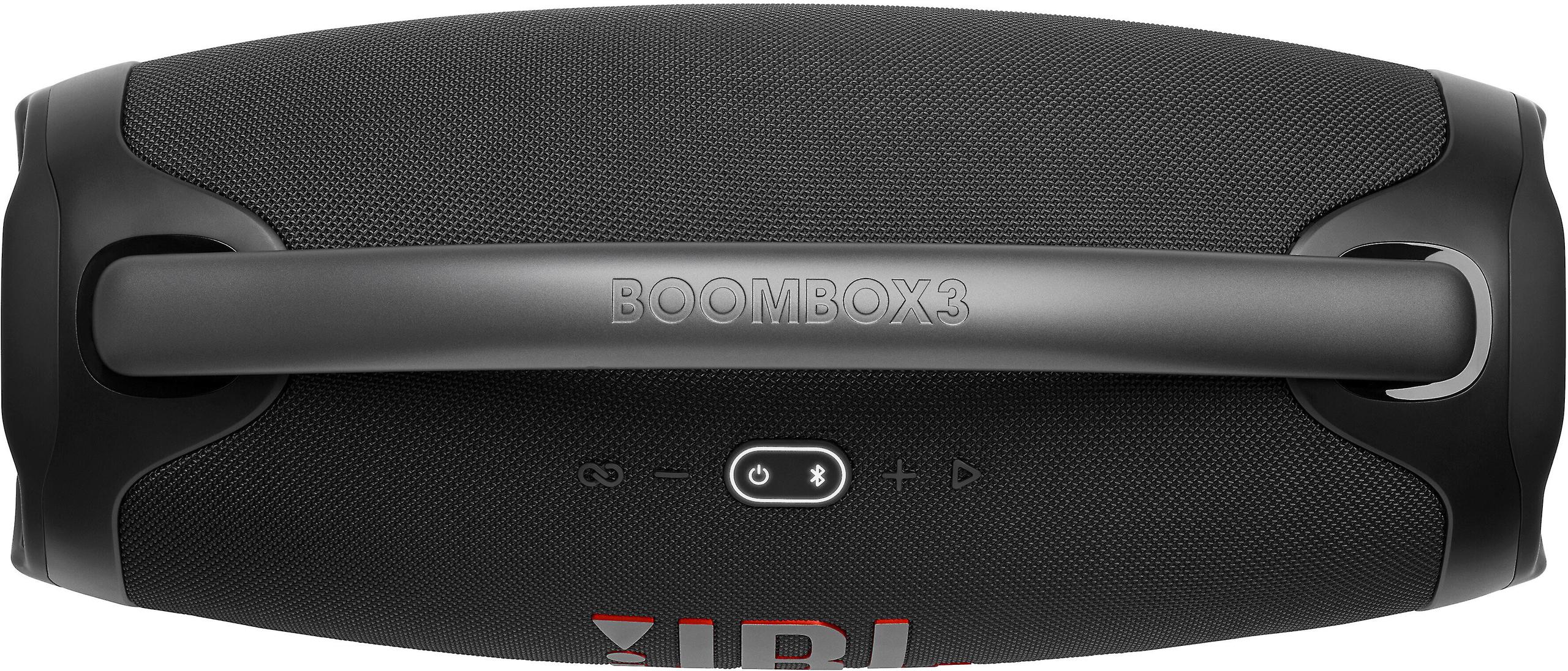
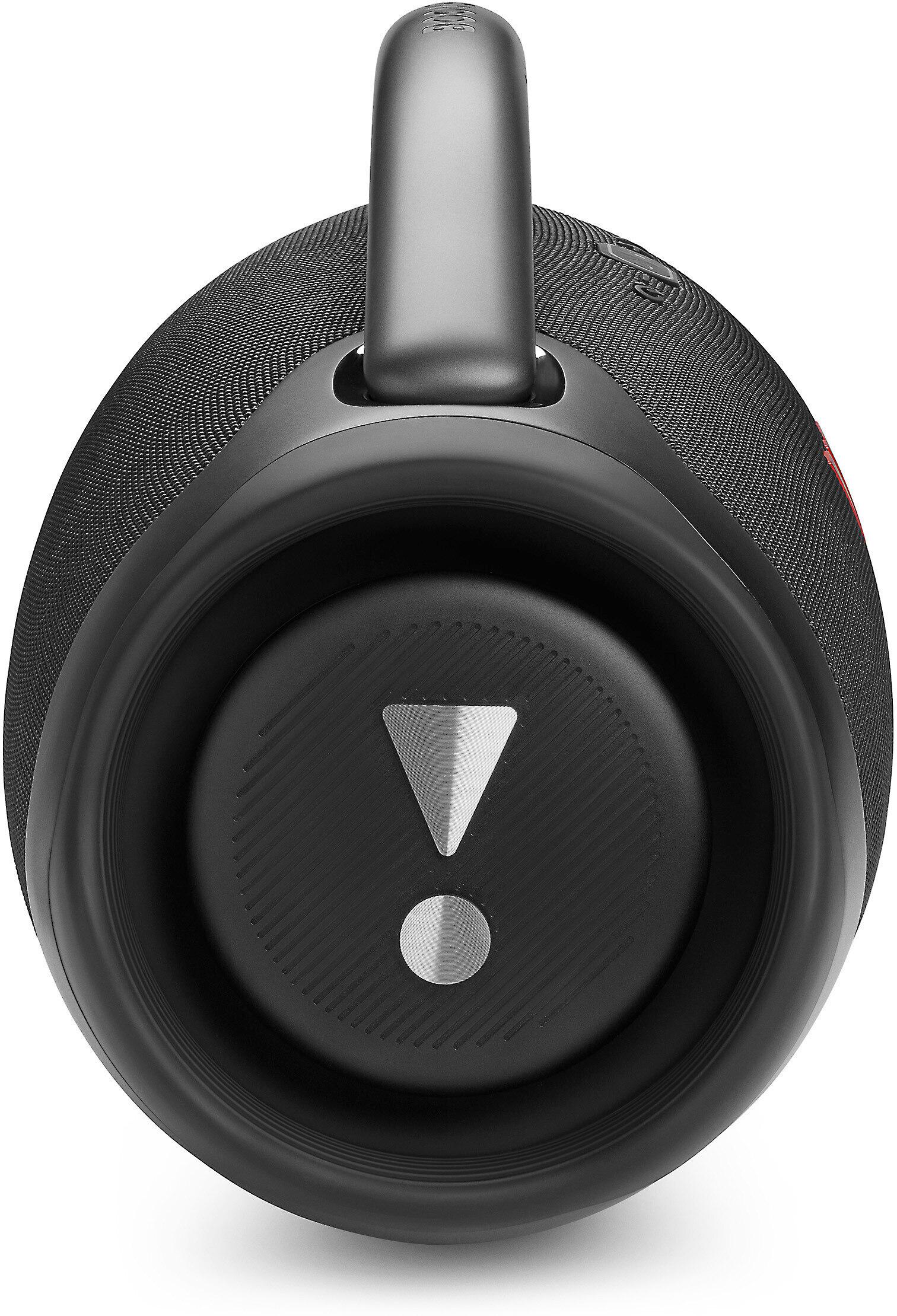
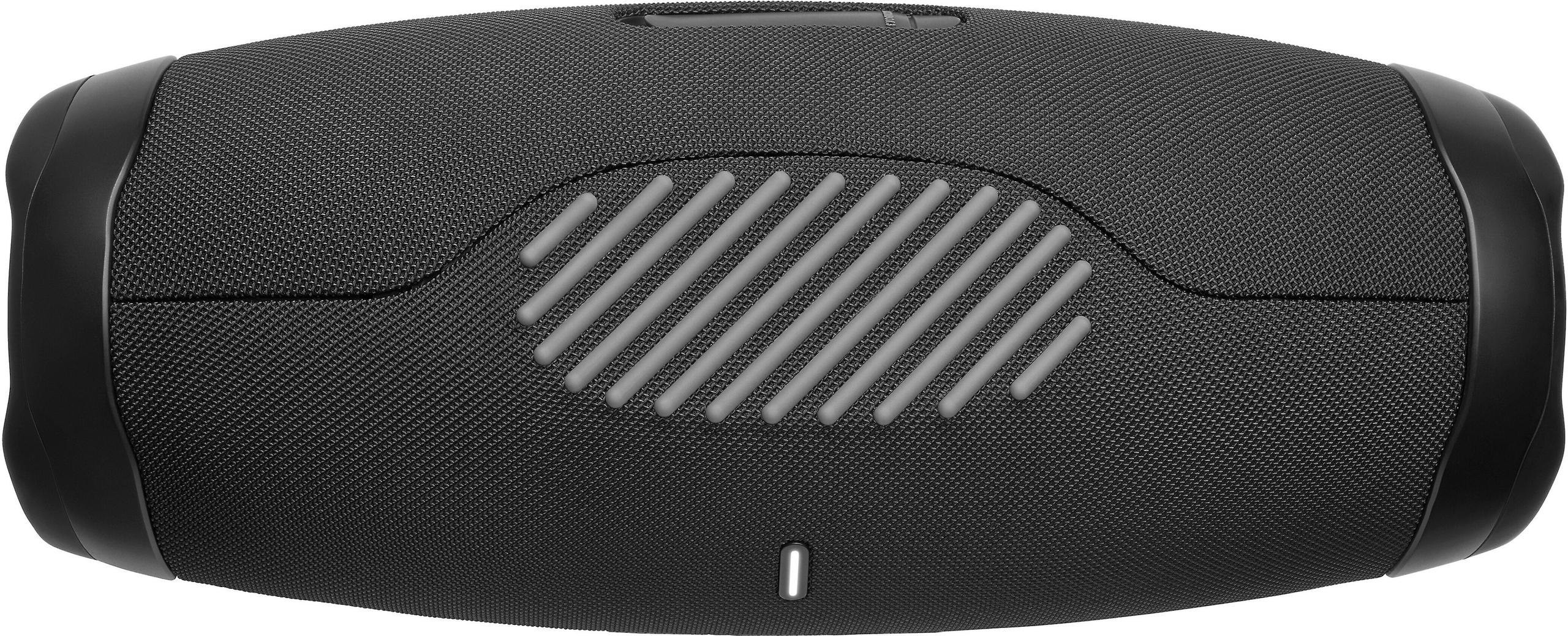
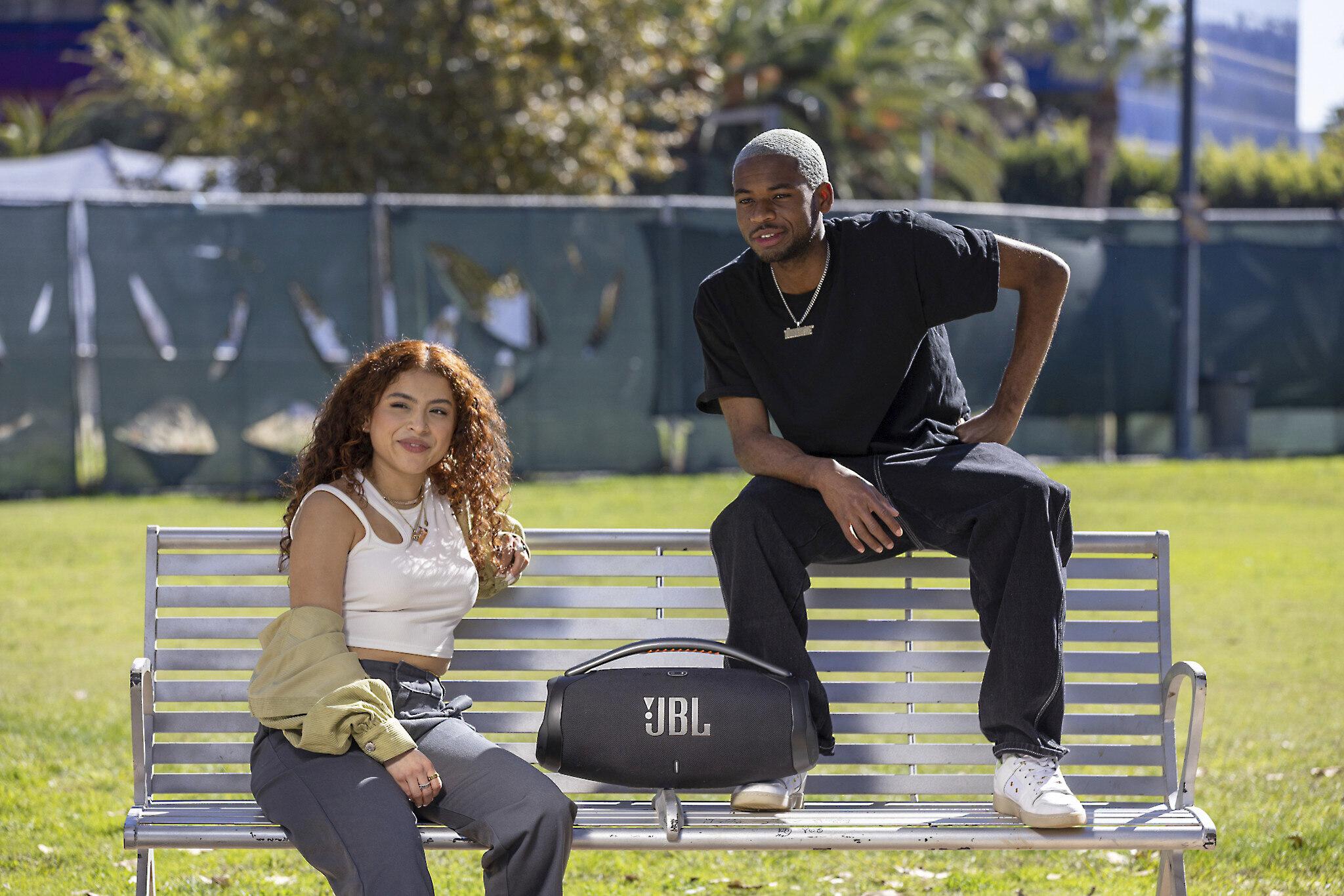
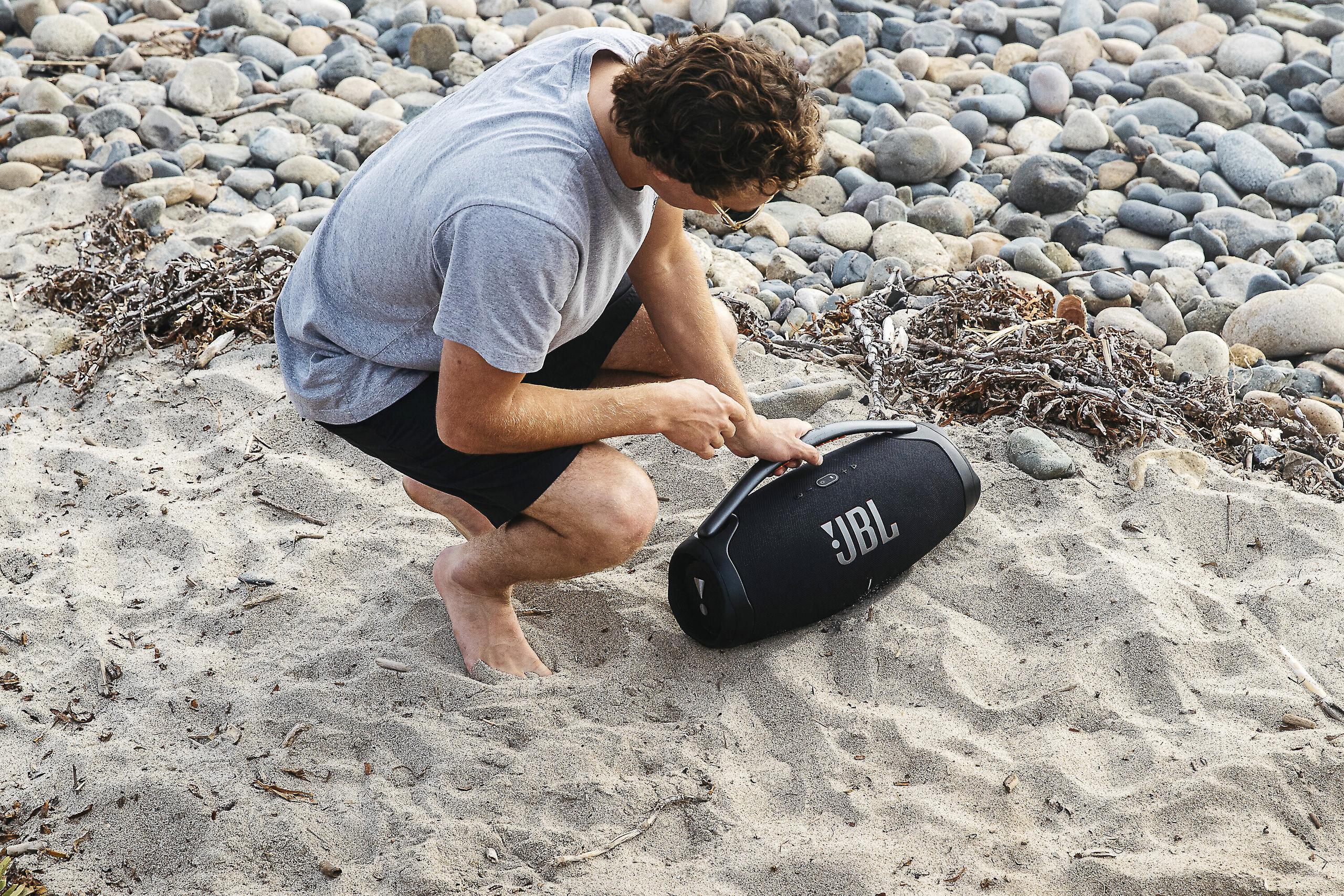


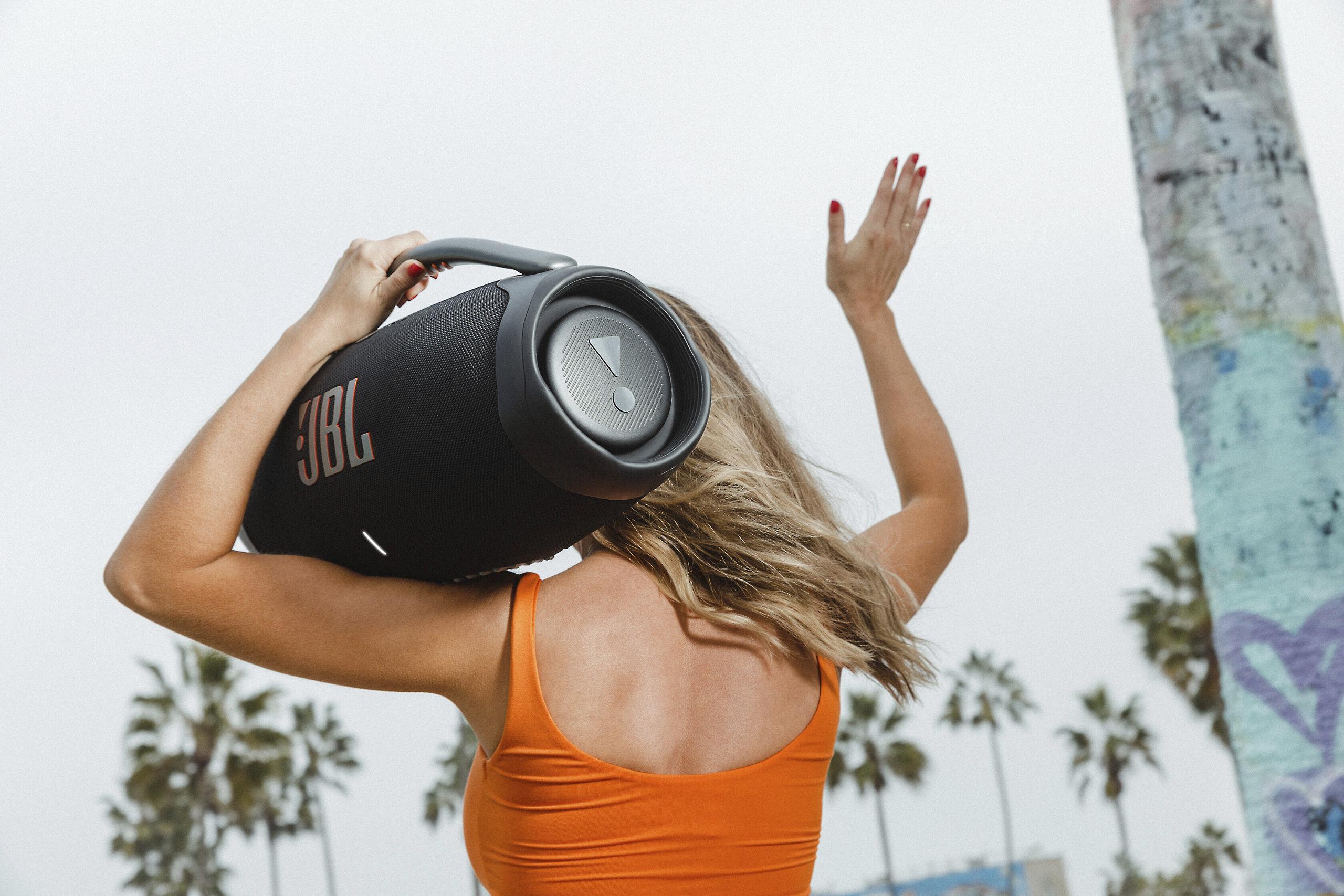
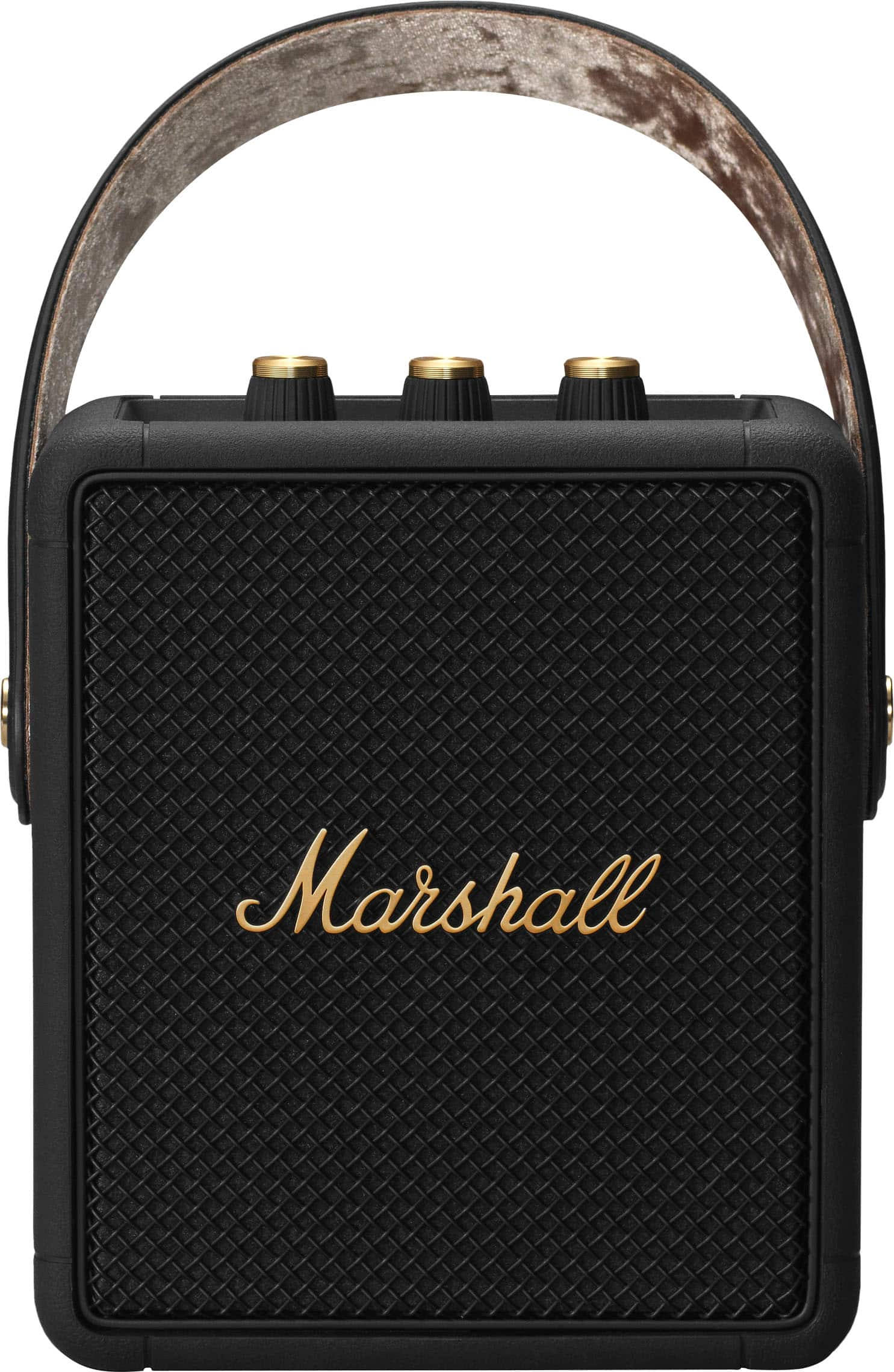
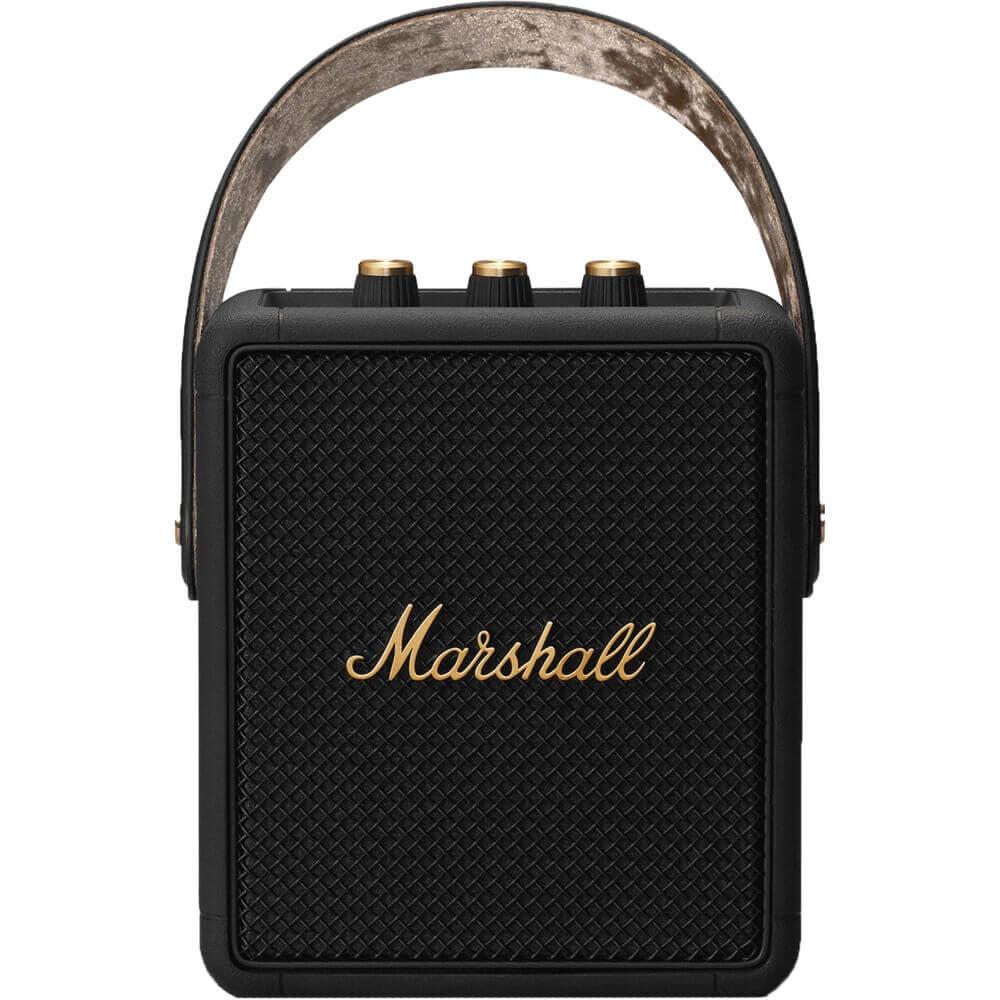
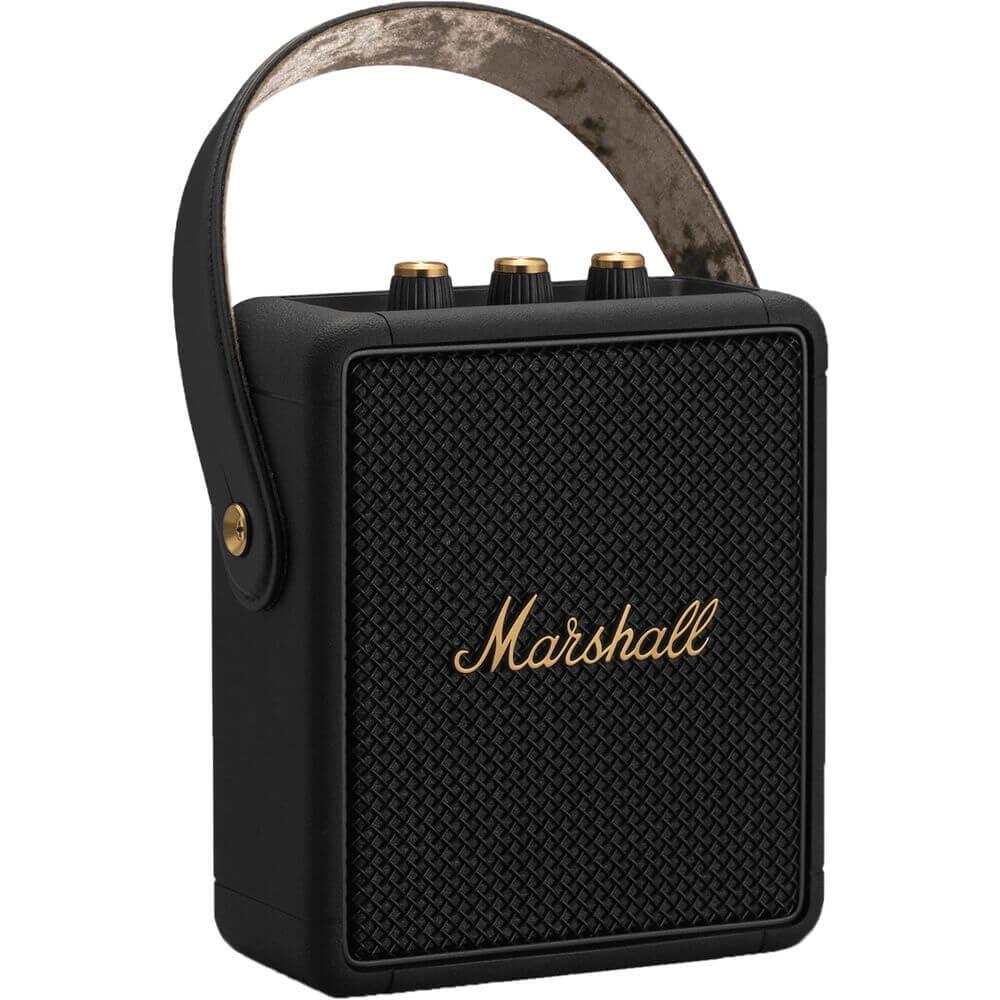

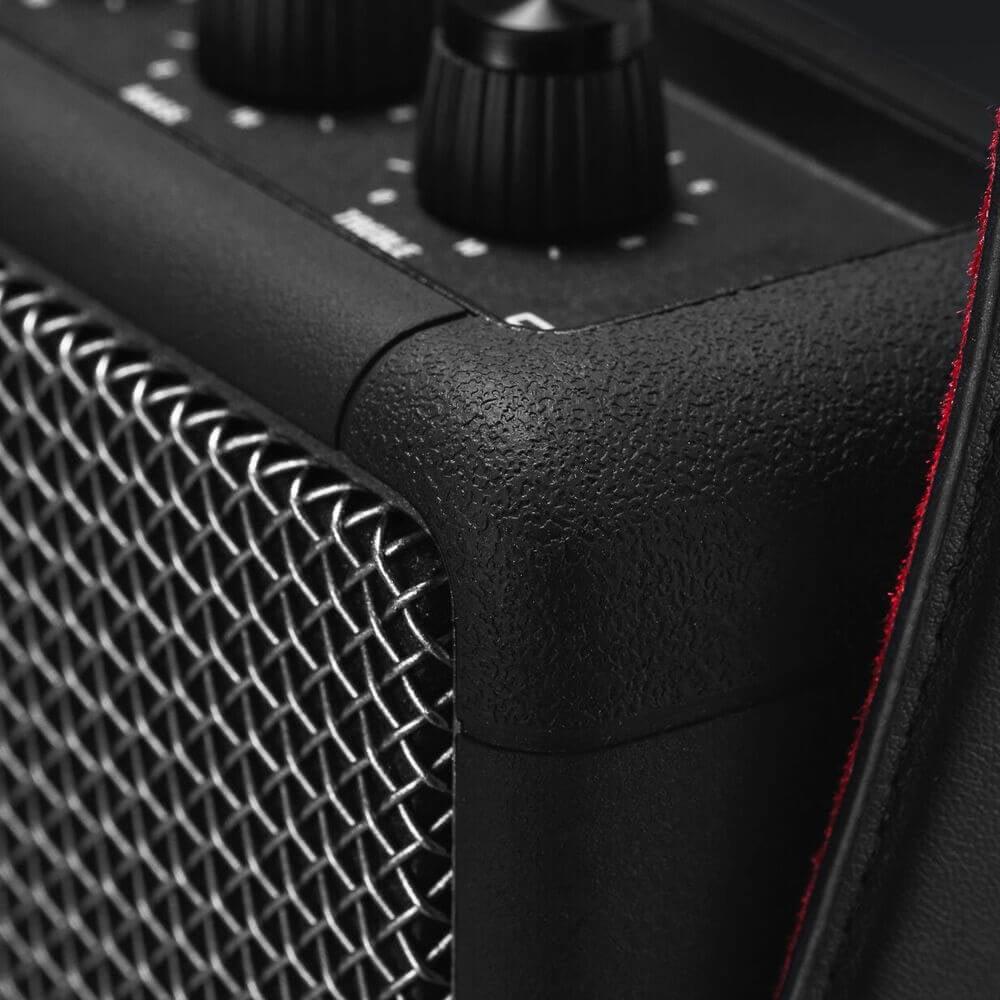
When it comes to portable Bluetooth speakers, the choice between the JBL Boombox 3 ($399) and Marshall Stockwell II ($149) isn't just about comparing features - it's about understanding what kind of portable audio experience you're looking for. Let's dive into how these two very different approaches to portable sound can work for different users.
The portable speaker market has evolved significantly in recent years, with manufacturers taking distinctly different approaches. The JBL Boombox 3, released in mid-2022, represents the latest in high-power portable audio technology, while the Marshall Stockwell II, launched in 2019, takes a more traditional approach focused on portability and sound quality.
Both speakers have made significant improvements over their predecessors. The Boombox 3 added a dedicated subwoofer and tweeter setup, creating a true three-way speaker system - something rarely seen in portable speakers. Meanwhile, the Stockwell II improved on its predecessor with better battery life and the addition of multi-directional sound.
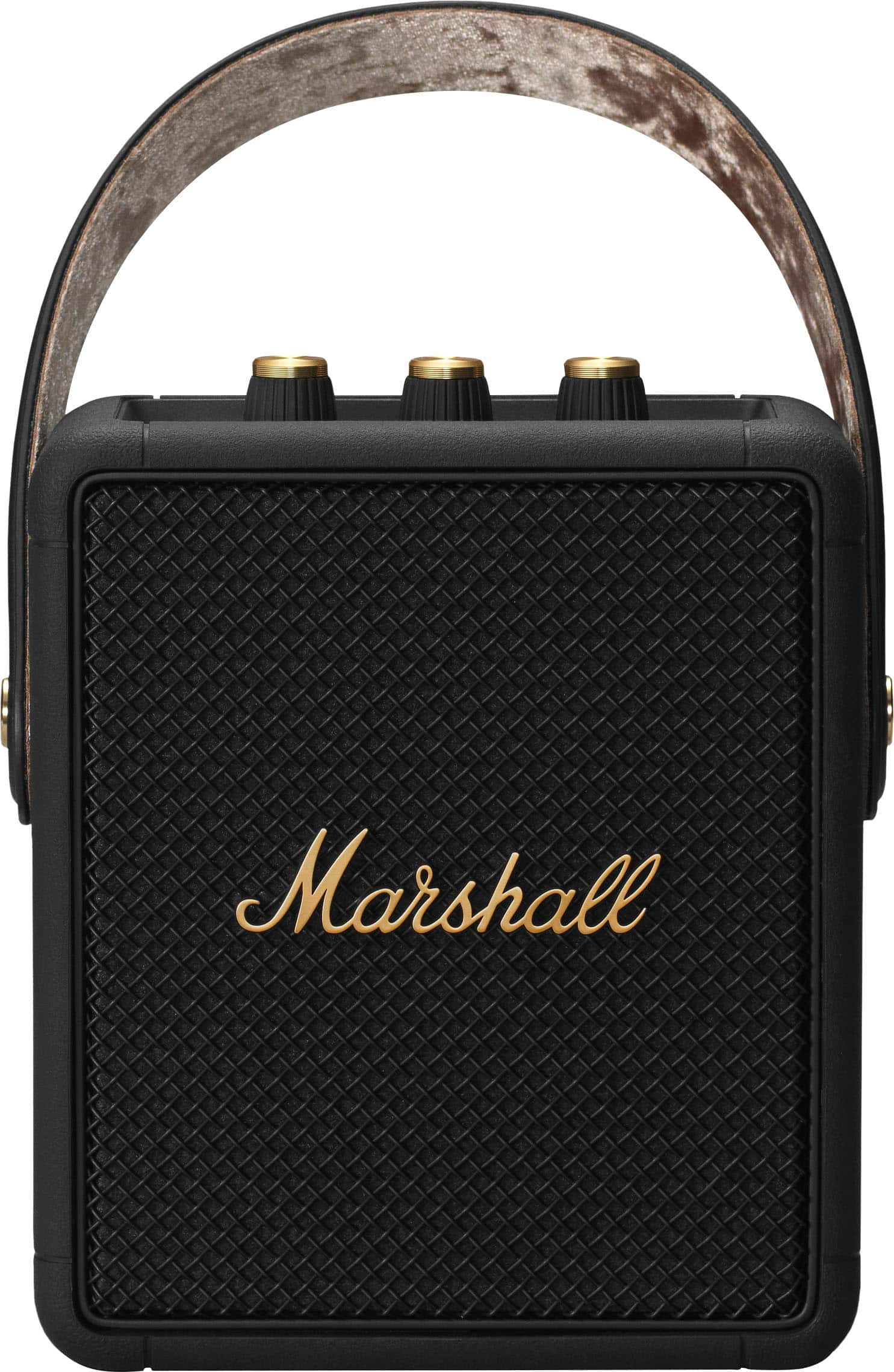
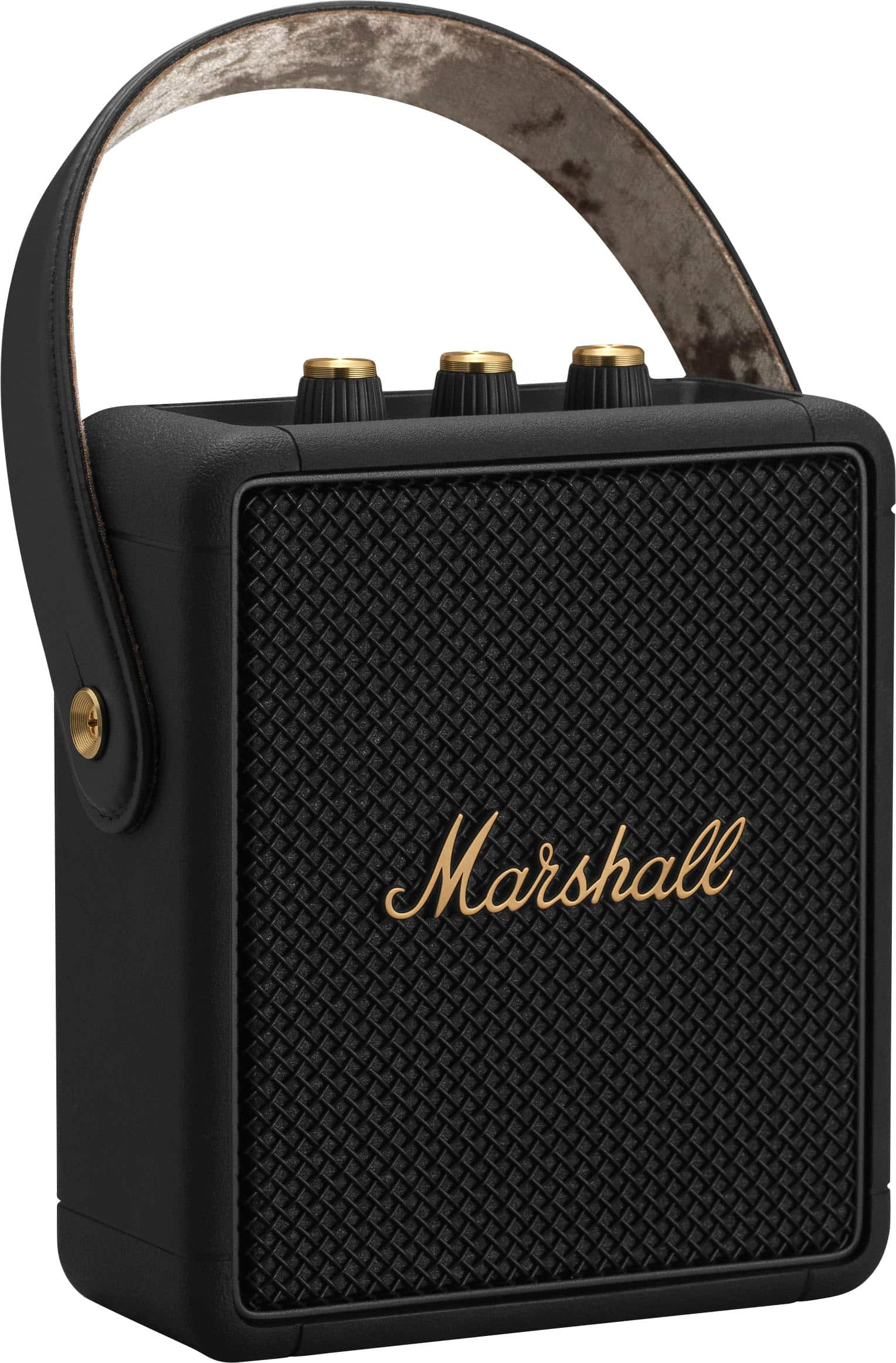
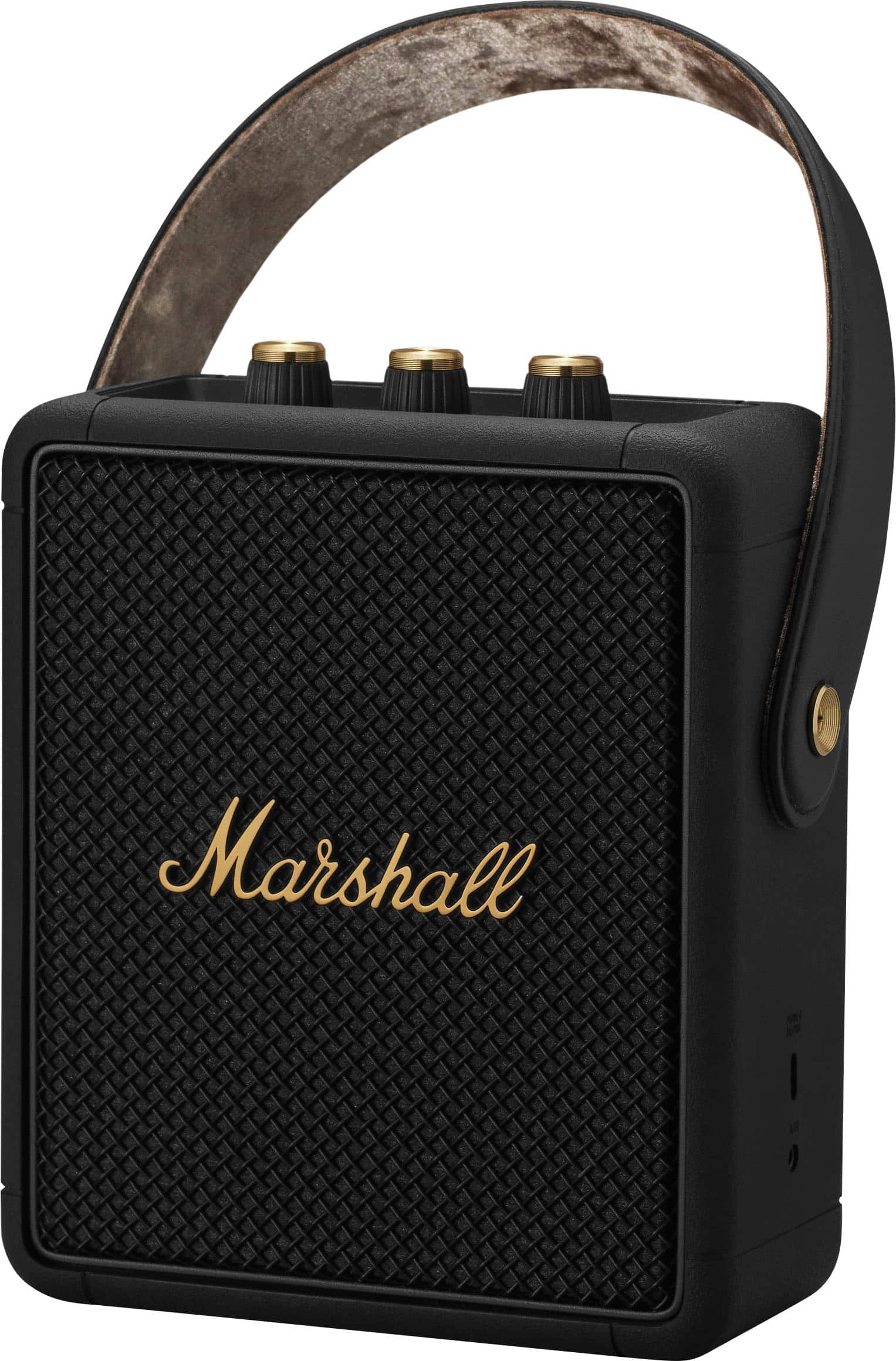
The size difference between these speakers isn't just about numbers - it fundamentally affects how you'll use them. The Boombox 3's 14.7-pound weight means it's portable in the sense that you can move it from your backyard to the beach, but you won't be tossing it in your carry-on luggage. The Stockwell II, at just over 3 pounds, is genuinely portable - something you could throw in a backpack without much thought.
The Boombox 3's dedicated subwoofer and 80W RMS power output delivers bass you can feel, reaching down to 40Hz - that's proper sub-bass territory. In comparison, the Stockwell II's 60Hz lower limit means it can't produce those deepest notes, but it compensates with well-balanced mid-bass that works well for most music styles.
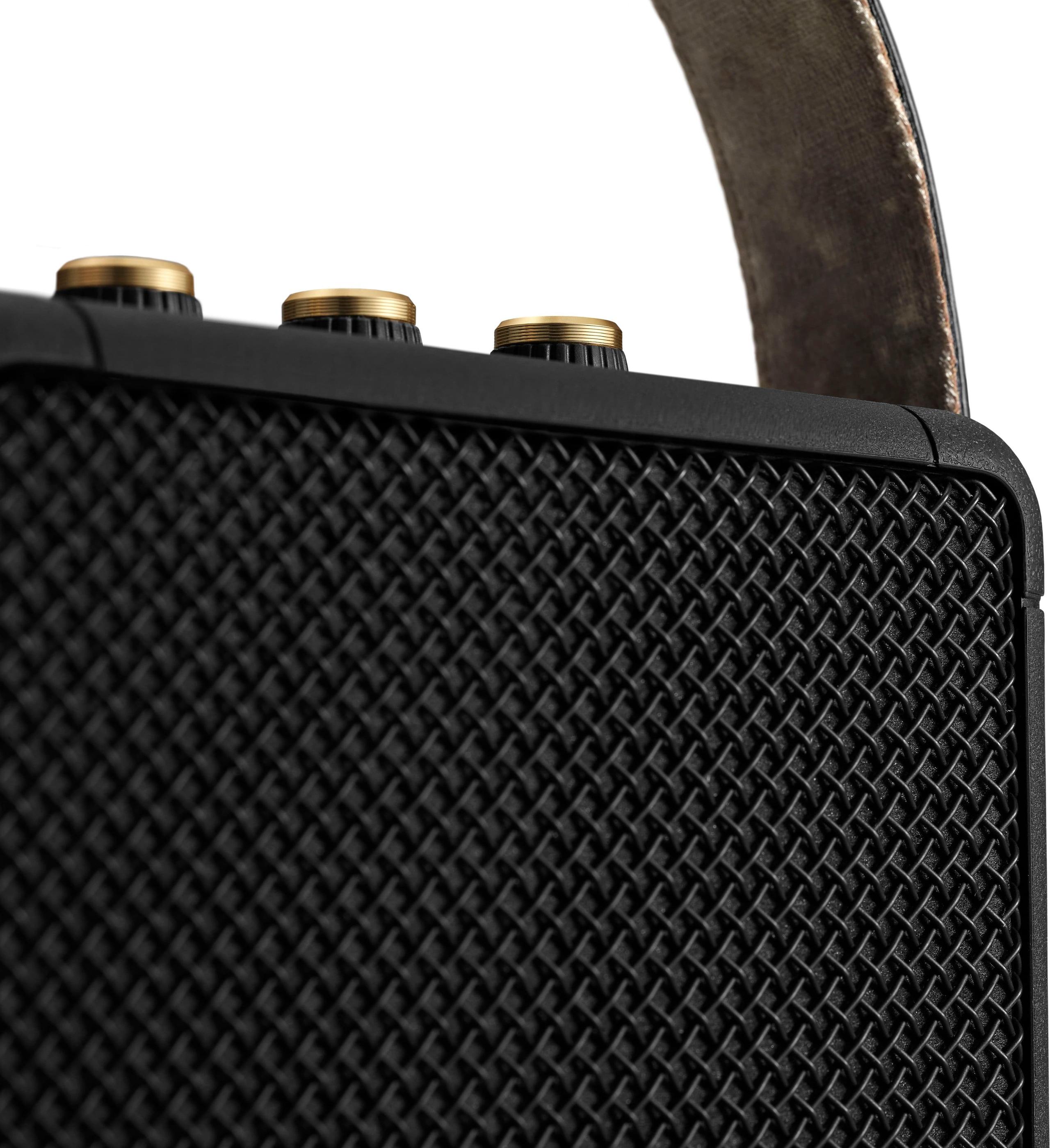
Here's where things get interesting. The Boombox 3's three-way design allows each driver to focus on its specific frequency range, resulting in clearer mids and highs. The Stockwell II takes a different approach with its multi-directional sound design, creating a wider soundstage that can actually work better in small spaces.
The difference in power output (80W vs 20W) tells only part of the story. The Boombox 3 can fill large outdoor spaces without distortion, while the Stockwell II excels at medium volumes in room-sized environments. This isn't just about how loud they get - it's about how clean they sound at different volume levels.
Let's talk about how these differences play out in actual use. The Boombox 3 excels at outdoor gatherings where you need to project sound across larger spaces. Its IP67 rating means it can handle dust, rain, and even brief submersion - perfect for pool parties or beach days.
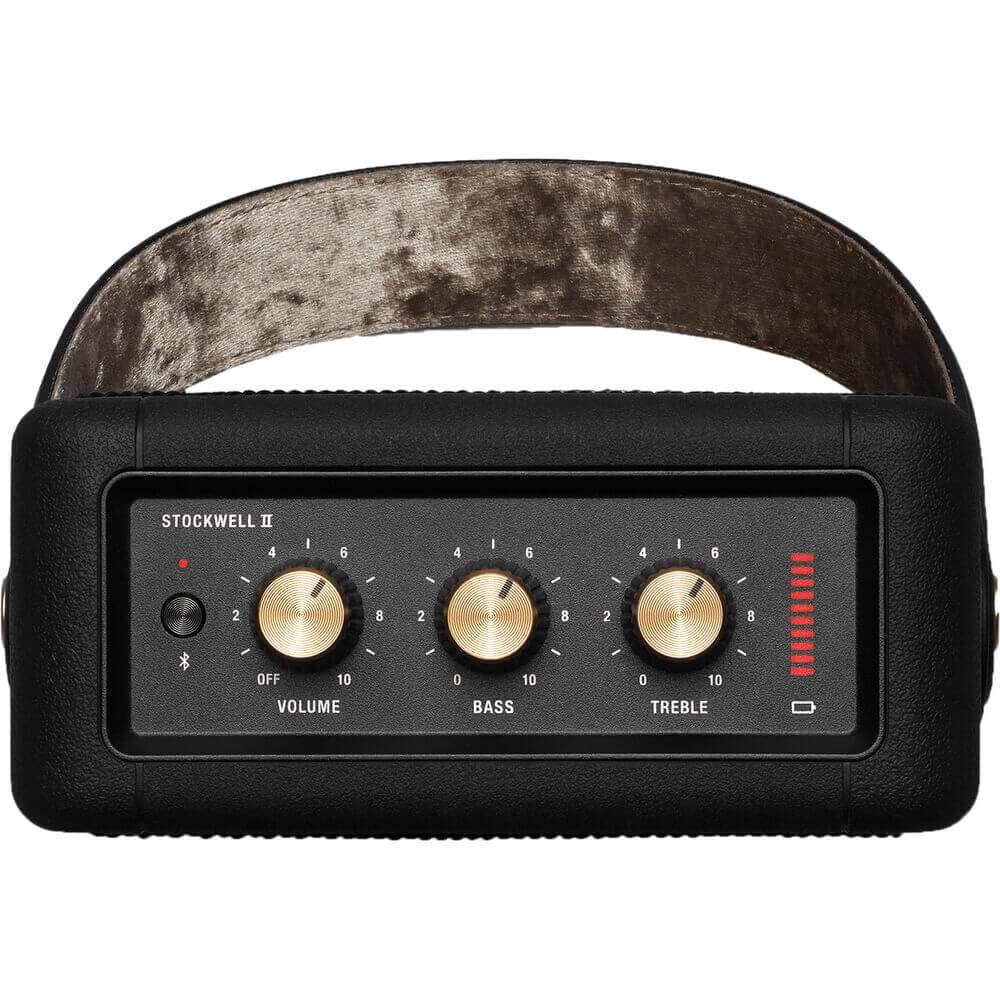
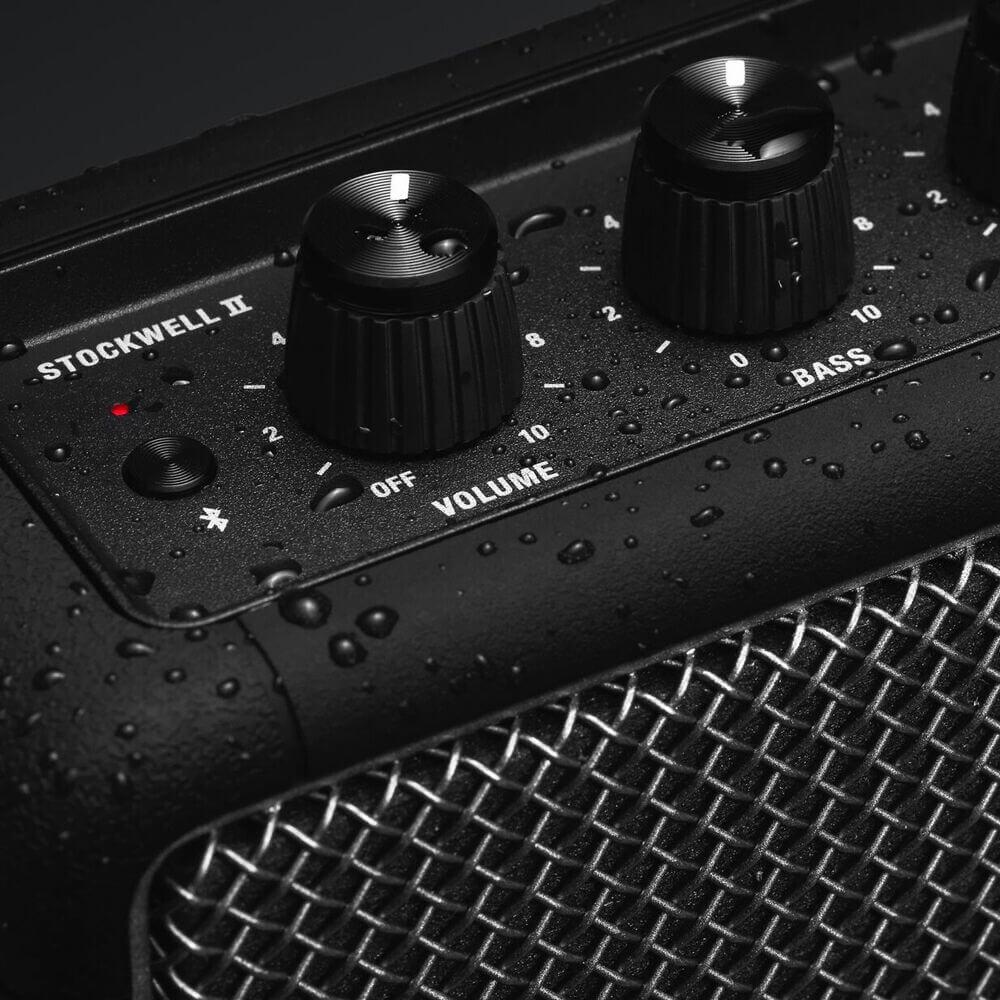
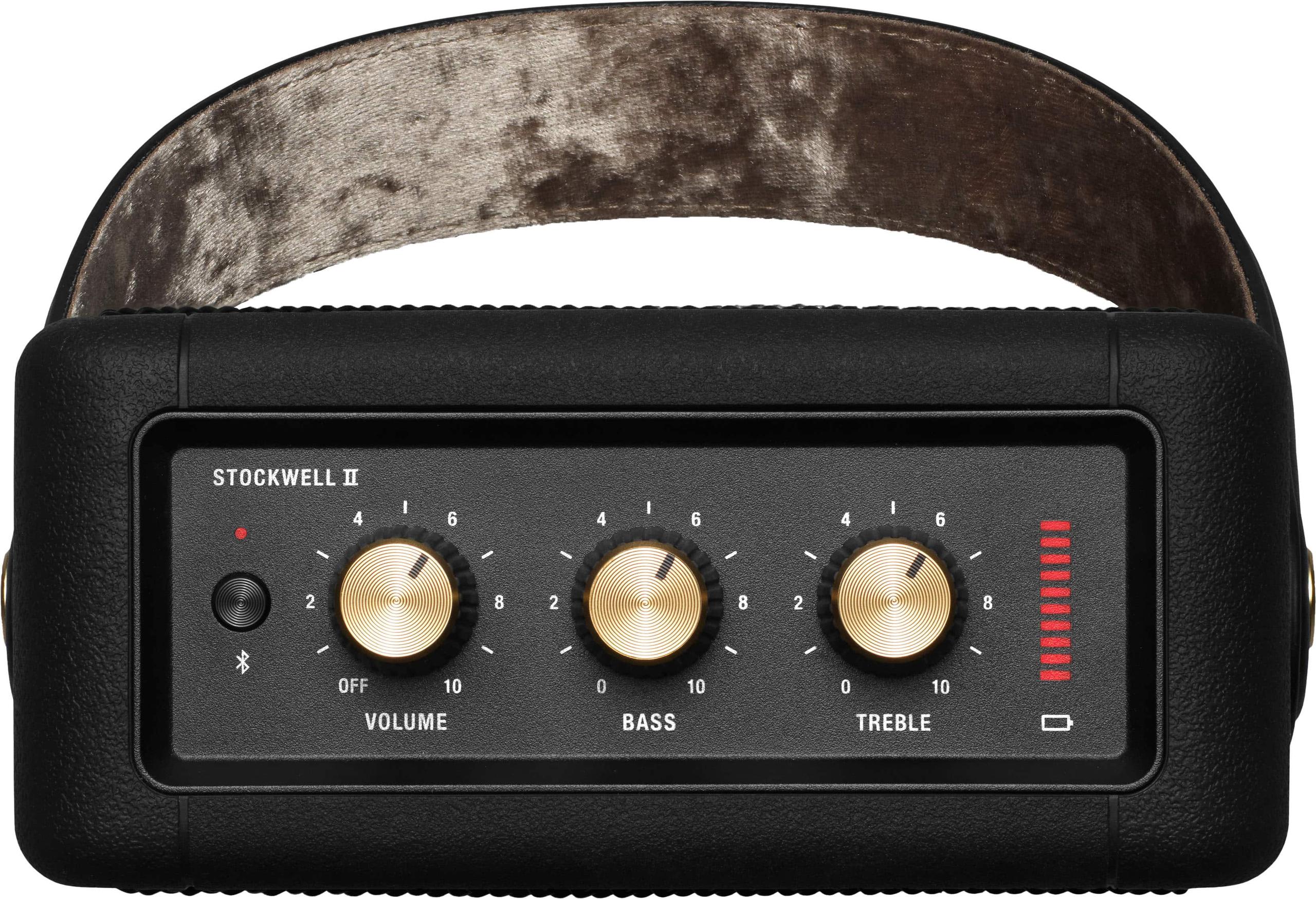
The Stockwell II shines in different scenarios. Its more modest output is ideal for background music at dinner parties or as a desktop speaker. The physical EQ controls (bass and treble knobs) make it easy to adjust the sound for different environments without needing an app.
Both speakers offer impressive battery life, but there are important differences:
The quick-charge feature of the Stockwell II can be a game-changer for travelers or those who frequently forget to charge their devices overnight.
Both speakers use Bluetooth 5.0 or better, offering stable connections and good range. The Boombox 3 includes JBL's PartyBoost feature for connecting multiple speakers - great for larger events but only works with other JBL speakers. The Stockwell II offers multi-host functionality, letting you easily switch between two connected devices.
At $399, the Boombox 3 is a significant investment, but it's competitive with other large-format portable speakers. The Stockwell II's $149 price point makes it more accessible while still delivering premium features and build quality.
While neither speaker is designed primarily for home theater use, the Boombox 3's powerful output and strong bass response make it a viable temporary solution for watching movies outdoors. The Stockwell II, while excellent for music, lacks the power and low-end response needed for compelling movie audio.
The Stockwell II's compact size and quick-charge feature make it an ideal travel companion. The Boombox 3's size limits its travel-friendliness, but its durability means you won't worry about throwing it in the trunk for a beach trip.
For regular home use, the choice largely depends on your living situation:
The decision between the JBL Boombox 3 and Marshall Stockwell II comes down to your primary use case:
Choose the Boombox 3 if:
Choose the Stockwell II if:
Remember, these speakers serve different purposes - they're both excellent at what they're designed to do. The best choice depends entirely on how you plan to use it most often.
For most users, I'd recommend starting with your most common use case and choosing based on that, rather than trying to find a speaker that does everything. If you're still unsure, consider that the Stockwell II offers more flexibility in terms of where and how you can use it, while the Boombox 3 provides a more powerful but less portable solution.
| JBL Boombox 3 | Marshall Stockwell II |
|---|---|
| Price - Key factor in value proposition | |
| $399.99 (premium party speaker) | $149.00 (mid-range portable) |
| Power Output - Determines maximum volume and sound quality | |
| 80W RMS total (1x80W sub + 2x40W mid + 2x10W tweeter) | 20W total (1x10W woofer + 2x5W tweeters) |
| Size & Weight - Impacts true portability | |
| 19.0 x 10.1 x 7.9 inches, 14.7 lbs (party portable) | 7.1 x 6.3 x 2.8 inches, 3.04 lbs (truly portable) |
| Battery Life - Critical for extended use | |
| 24 hours (6.5 hour charge time) | 20 hours (20 min quick-charge for 6 hours) |
| Water Resistance - Important for outdoor use | |
| IP67 (fully waterproof and dustproof) | IPX4 (splash resistant only) |
| Frequency Response - Determines bass capability | |
| 40Hz - 20kHz (deep bass capable) | 60Hz - 20kHz (moderate bass) |
| Speaker Configuration - Affects sound quality | |
| 3-way system with dedicated sub | 2-way system with multi-directional sound |
| Connectivity Features - Enables expanded use | |
| Bluetooth 5.3, PartyBoost multi-speaker sync | Bluetooth 5.0, Multi-host connection |
| Sound Adjustments - Customization options | |
| App-based EQ control | Physical bass and treble knobs |
| Additional Features - Extra value considerations | |
| USB powerbank, built-in handle | Quick charge, compact design |
| Best Use Case - Primary intended purpose | |
| Large outdoor gatherings, parties | Personal listening, small gatherings |
The JBL Boombox 3 is significantly better for outdoor use with its IP67 waterproof rating and powerful 80W output. The Marshall Stockwell II is only splash-resistant (IPX4) and has lower volume output, making it less suitable for outdoor gatherings.
The JBL Boombox 3 costs $399.99, while the Marshall Stockwell II is priced at $149.00. The $250 difference reflects their different size classes and intended uses.
Both offer excellent battery life, with the JBL Boombox 3 providing 24 hours and the Marshall Stockwell II lasting 20 hours. The Stockwell II offers quick-charging (6 hours from 20 minutes), while the Boombox 3 takes 6.5 hours for a full charge.
The Marshall Stockwell II is significantly more portable at 3.04 lbs compared to the JBL Boombox 3 at 14.7 lbs. The Stockwell II can easily fit in a backpack, while the Boombox 3 is more of a carry-between-locations speaker.
The JBL Boombox 3 offers superior overall sound quality with its three-way speaker system and dedicated subwoofer. The Marshall Stockwell II provides balanced sound but can't match the Boombox 3's bass response or maximum volume.
Both speakers support Bluetooth 5.0 or better. The Marshall Stockwell II offers multi-host functionality for easy switching between two devices, while the JBL Boombox 3 features PartyBoost for connecting multiple JBL speakers together.
The Marshall Stockwell II is ideal for small indoor gatherings, offering sufficient volume and better portability. The JBL Boombox 3 is arguably overkill for small spaces and less convenient to move around.
The JBL Boombox 3 delivers significantly stronger bass with its 40Hz lower limit and dedicated subwoofer. The Marshall Stockwell II reaches 60Hz and offers good but more modest bass response suitable for most music.
The JBL Boombox 3 is more durable with full IP67 waterproof and dustproof protection. The Marshall Stockwell II offers basic splash resistance but isn't designed for rough outdoor conditions.
The Marshall Stockwell II features physical bass and treble knobs for immediate adjustments. The JBL Boombox 3 offers app-based EQ control through the JBL Portable app.
The Marshall Stockwell II is clearly better for travel with its compact size and quick-charge feature. The JBL Boombox 3 is too large for convenient travel use.
For personal use, the Marshall Stockwell II at $149 offers better value with its portability and features. The JBL Boombox 3 at $399 is worth the investment if you need its powerful output and durability for outdoor events.
We've done our best to create useful and informative comparisons to help you decide what product to buy. Our research uses advanced automated methods to create this comparison and perfection is not possible - please contact us for corrections or questions. These are the sites we've researched in the creation of this article: tomsguide.com - sweetwater.com - bestbuy.com - jbl.com - rtings.com - harmanaudio.com - jbl.com - jbl.com - thepowercentre.ca - youtube.com - bhphotovideo.com - krazykileys.ca - bestbuy.com - stuff.tv - idownloadblog.com - stereoguide.com - kendallgiles.com - termagoods.com - aplaze.com - manua.ls - youtube.com - sg.tcacoustic.asia - marshall.com - youtube.com

Privacy Policy
Terms and Conditions - Affiliate Policy
Home Security
© Copyright 2008-2026.
11816 Inwood Rd #1211, Dallas, TX 75244