

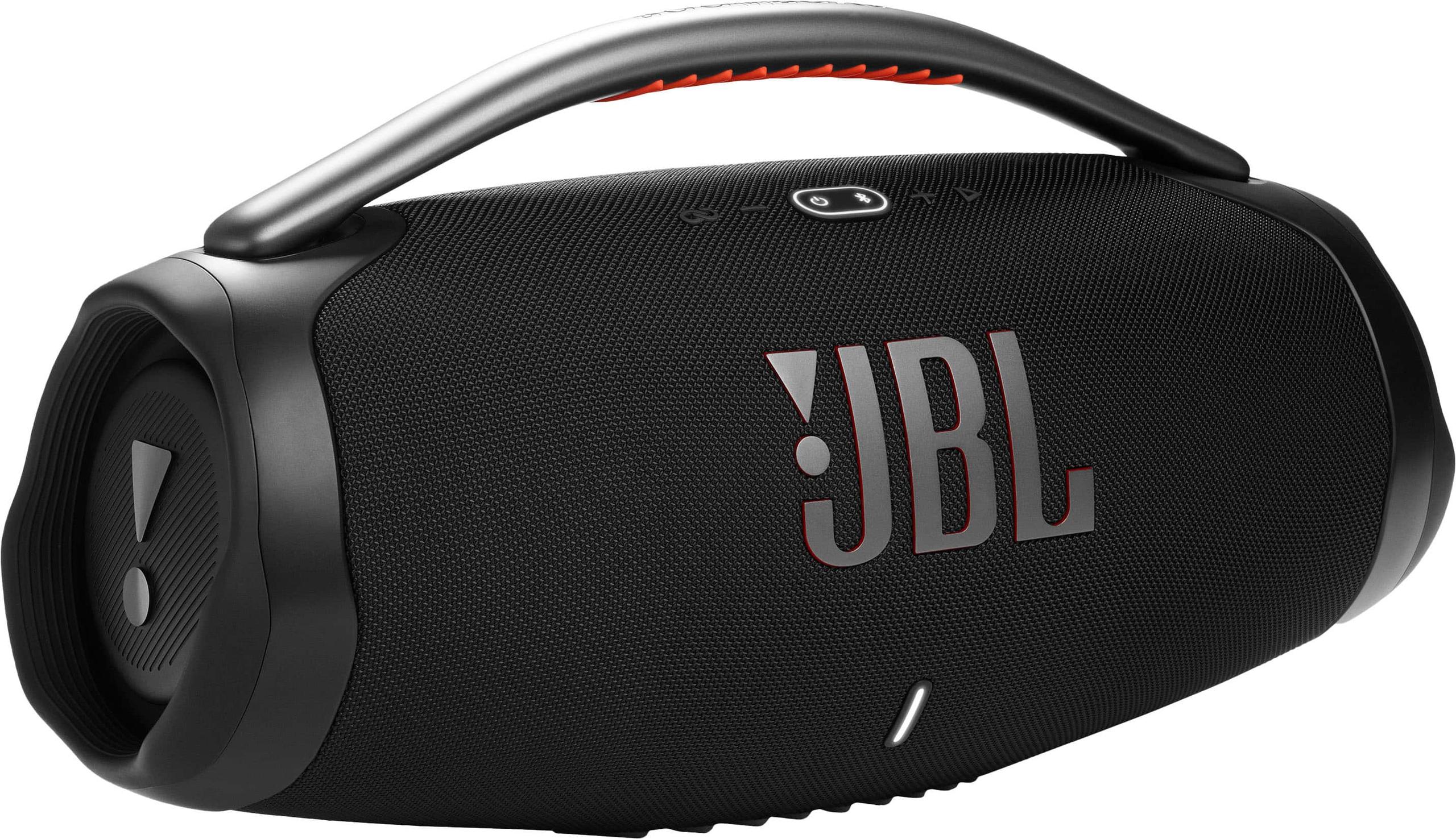
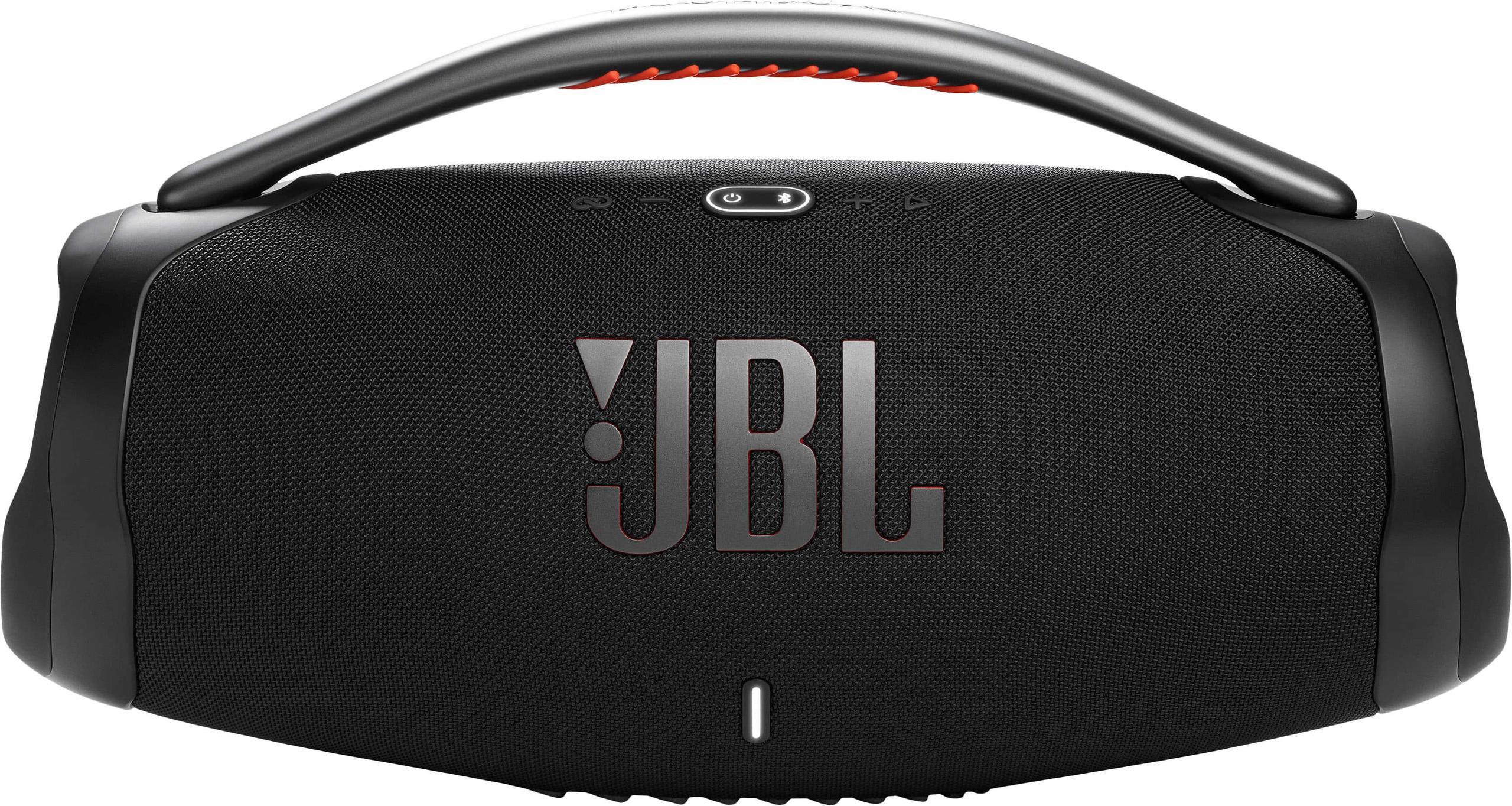
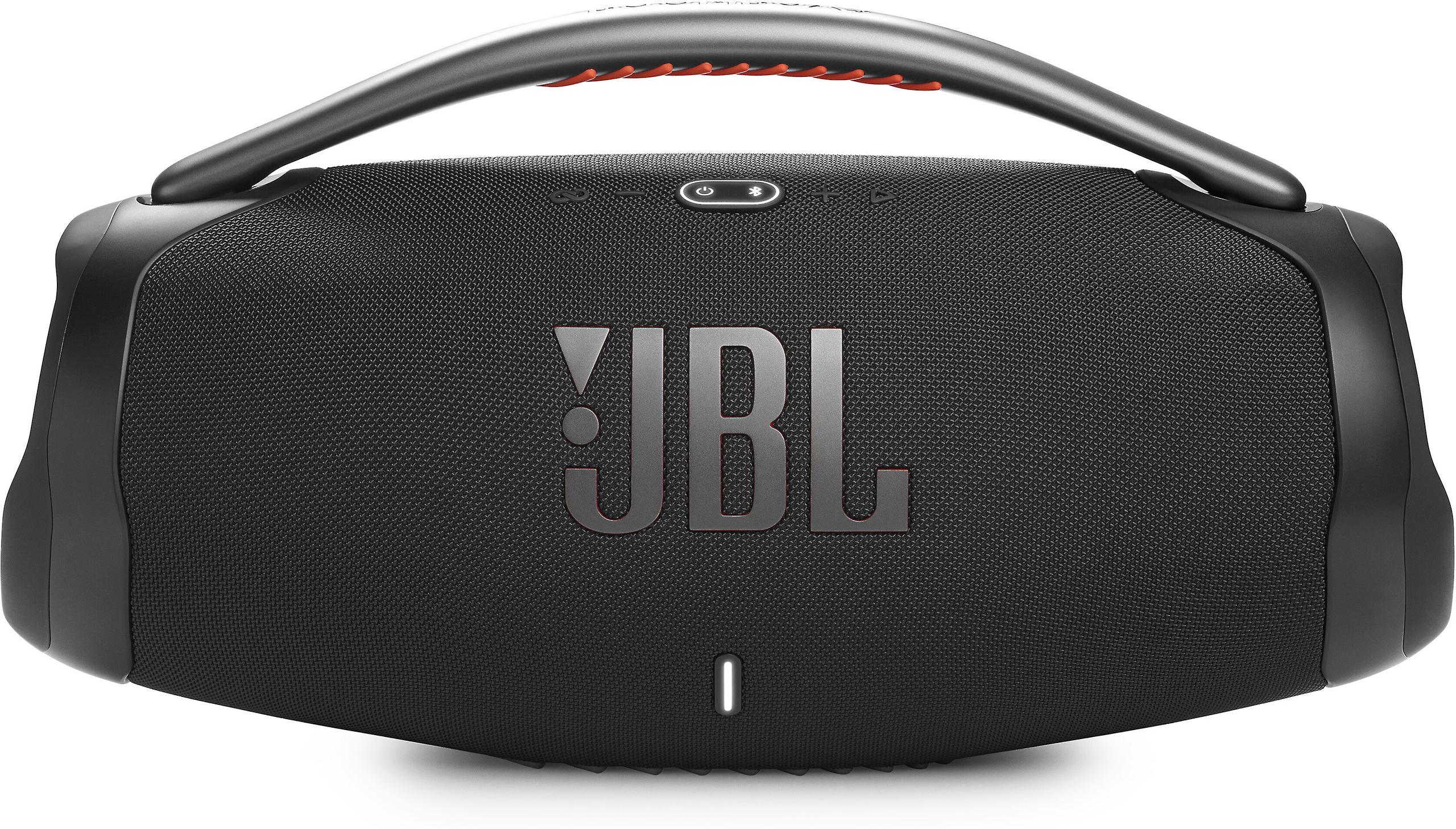
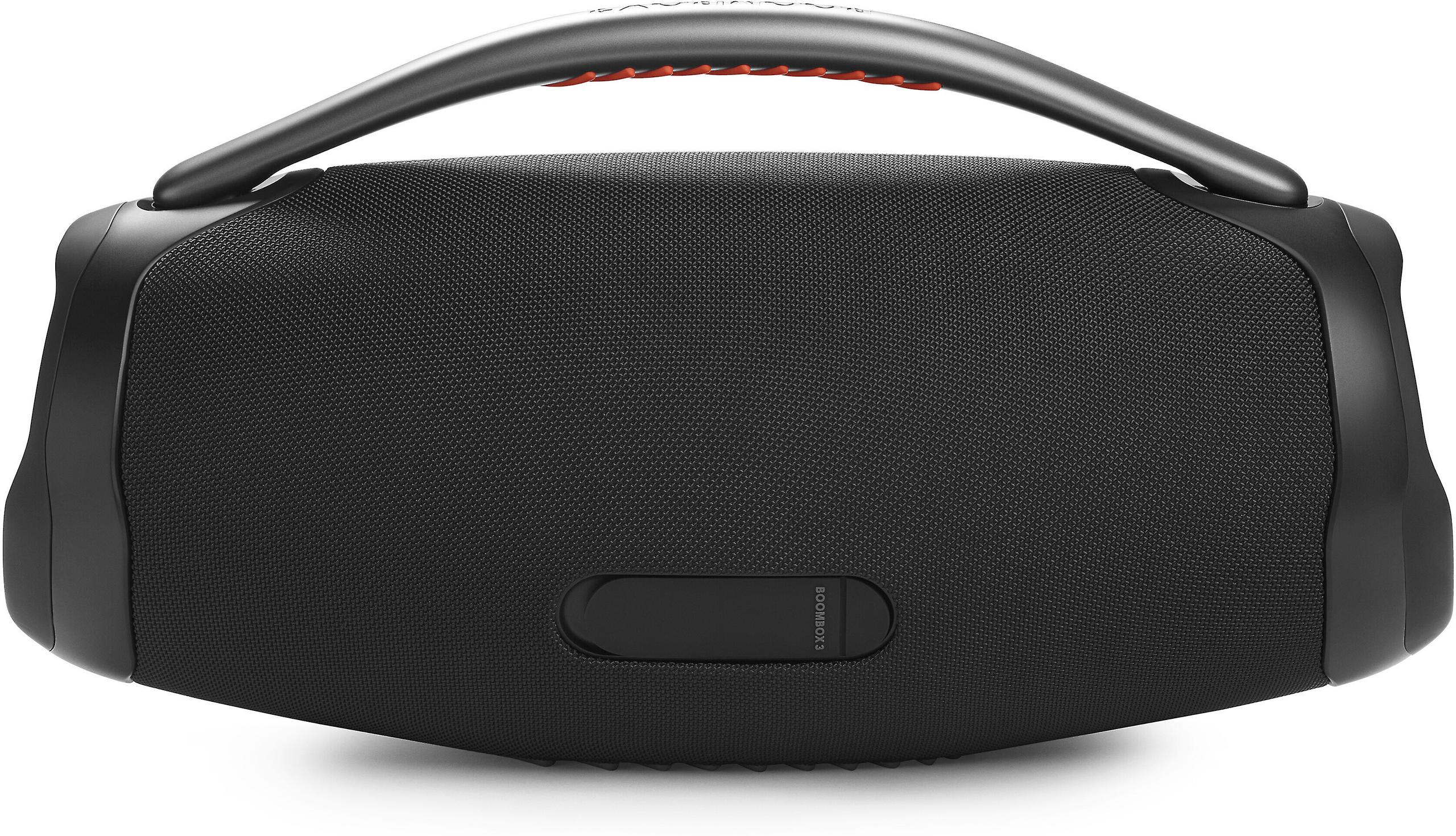
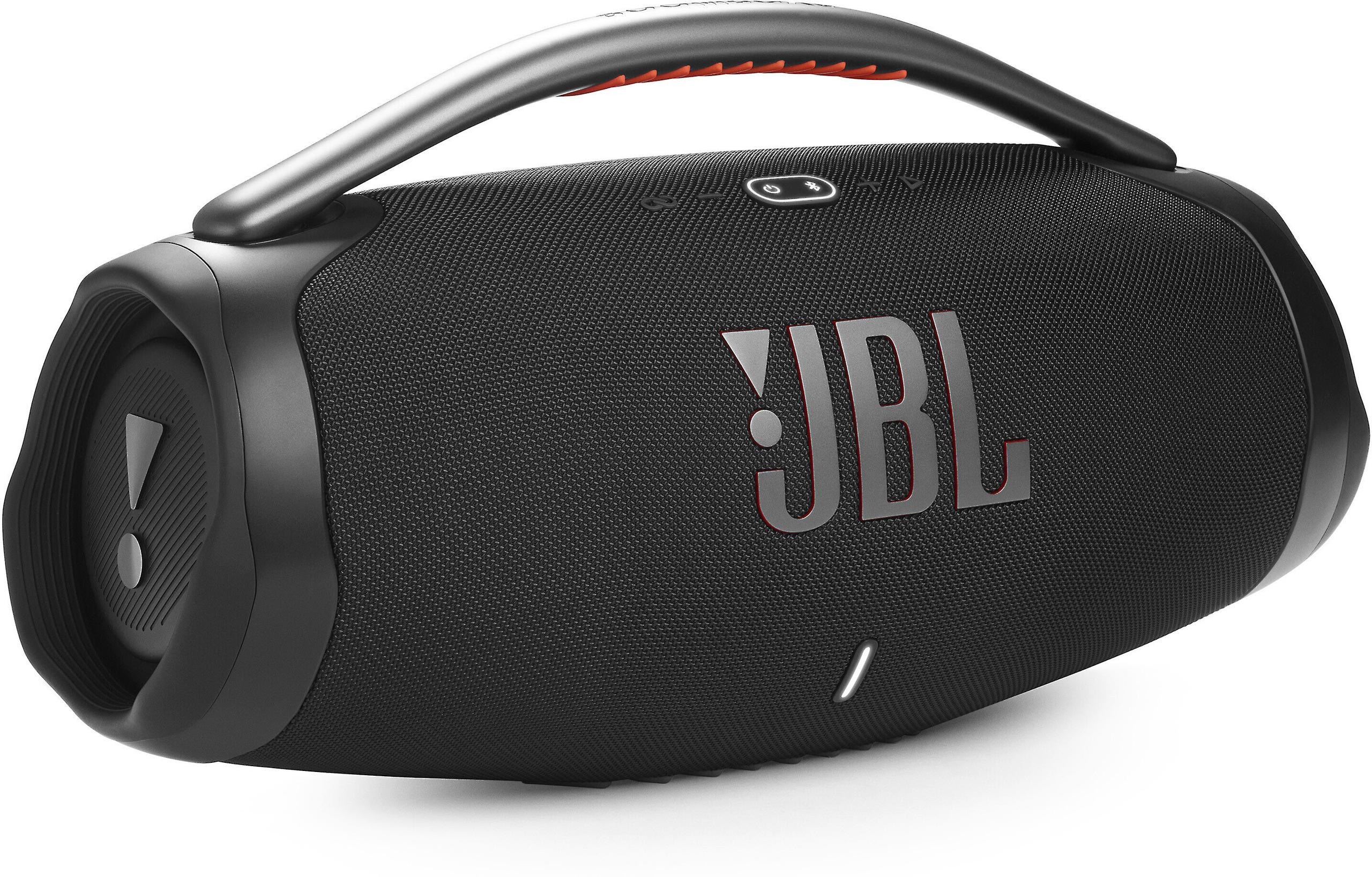
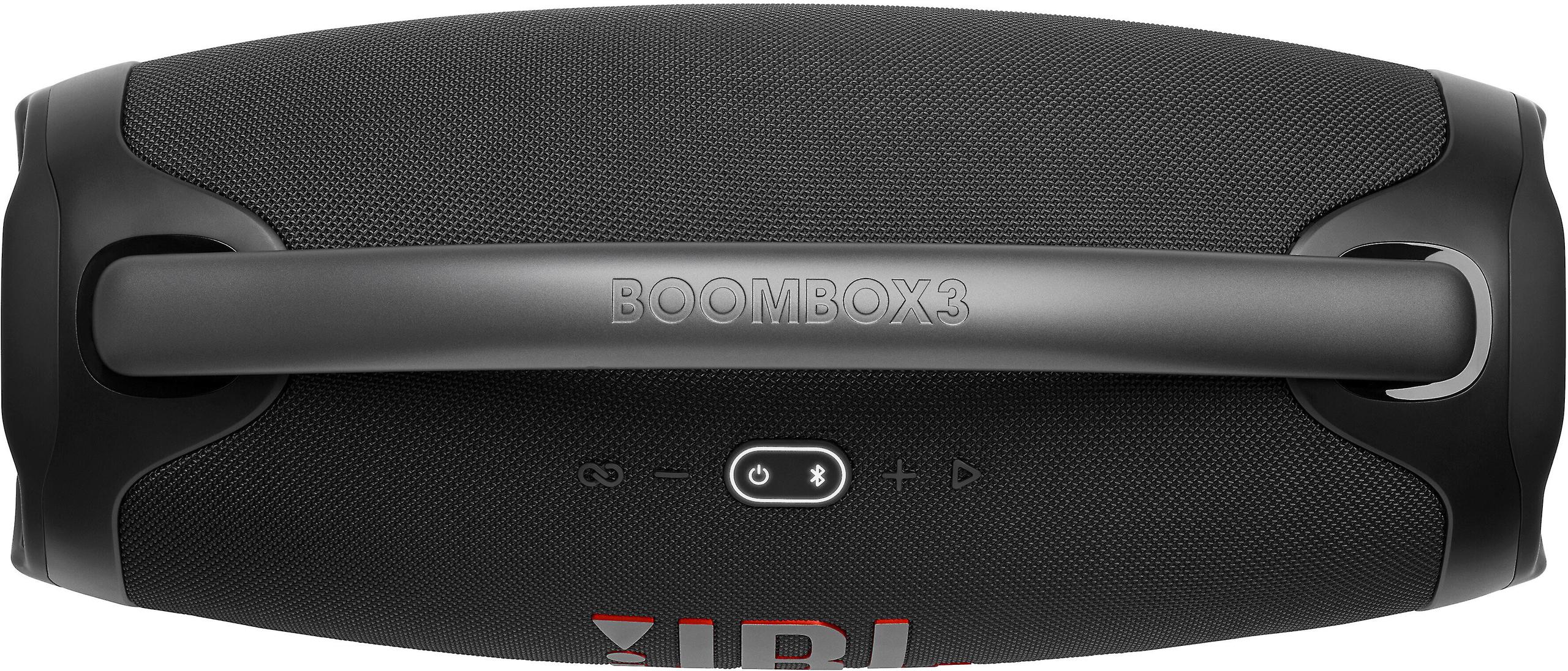
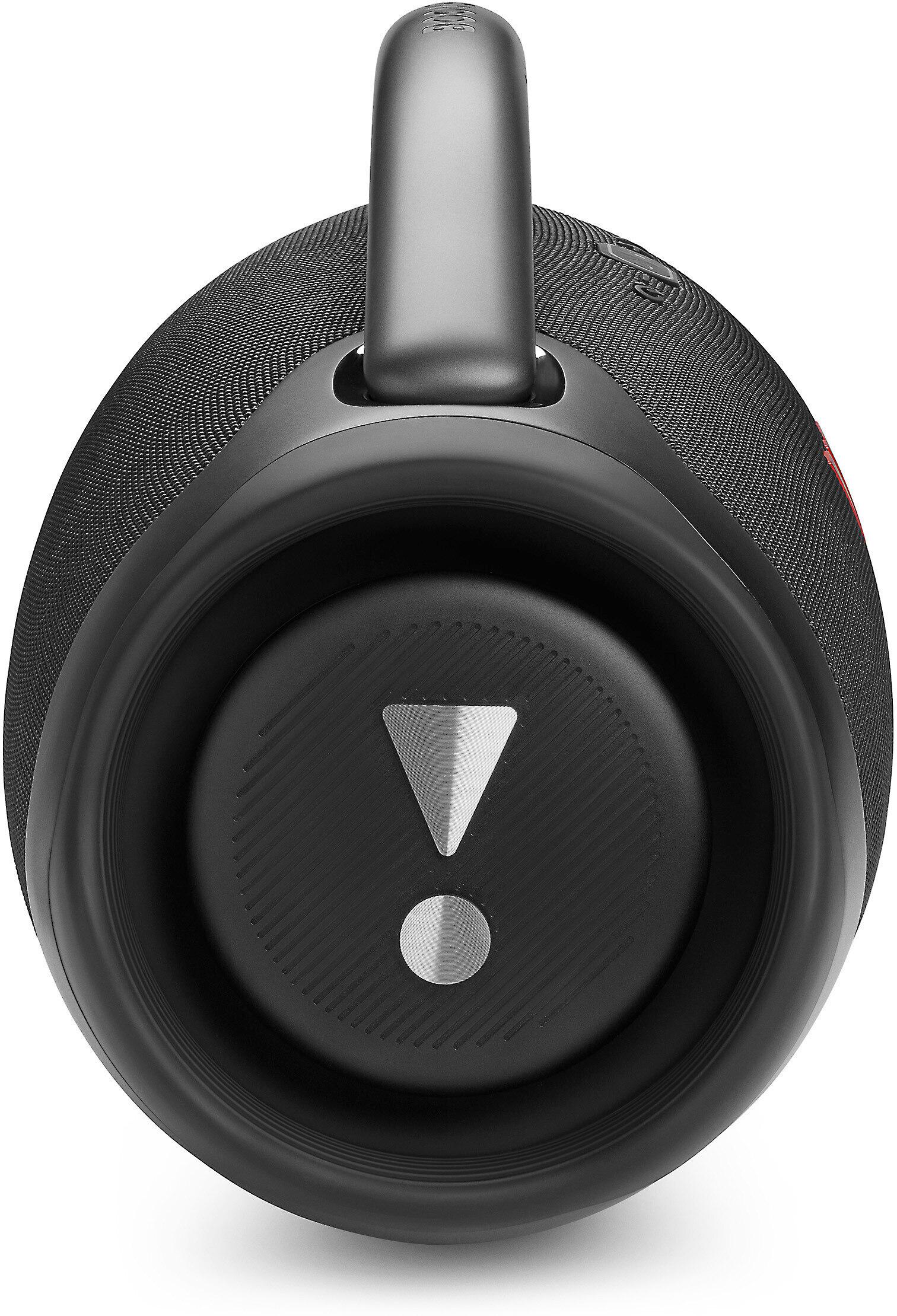
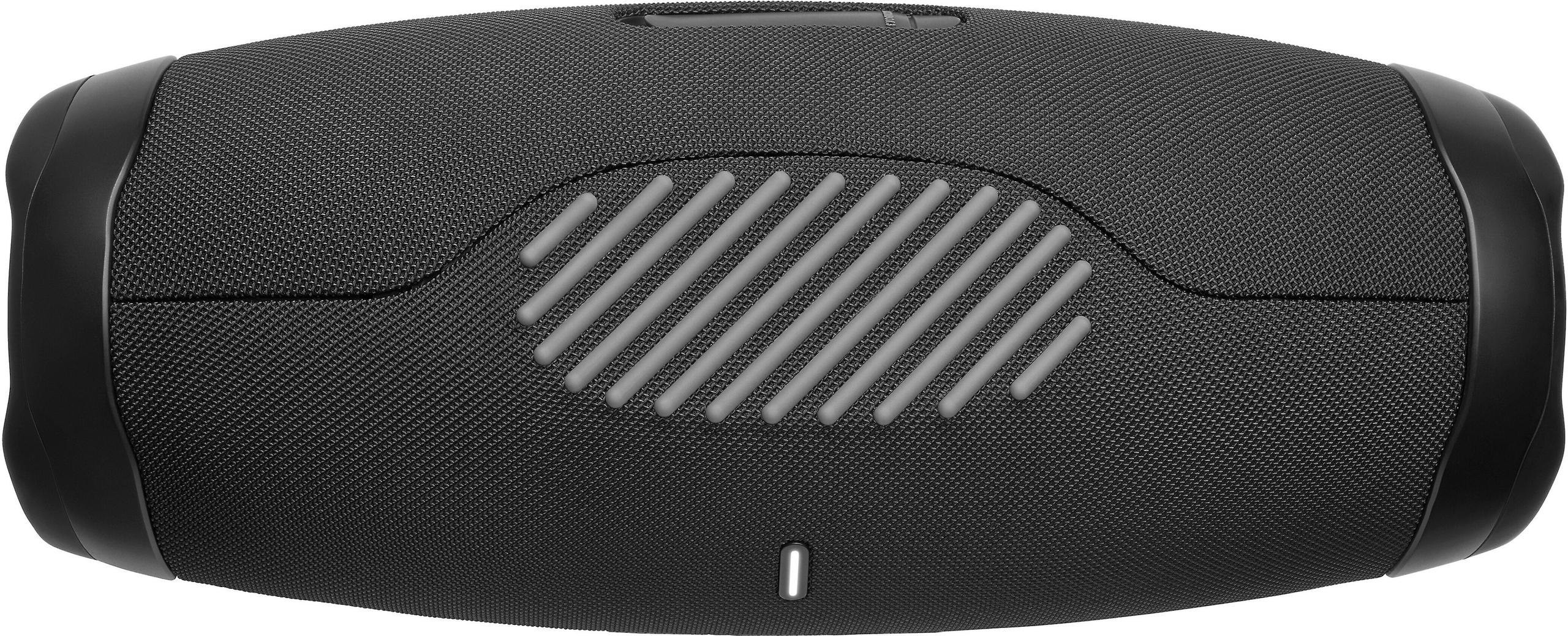

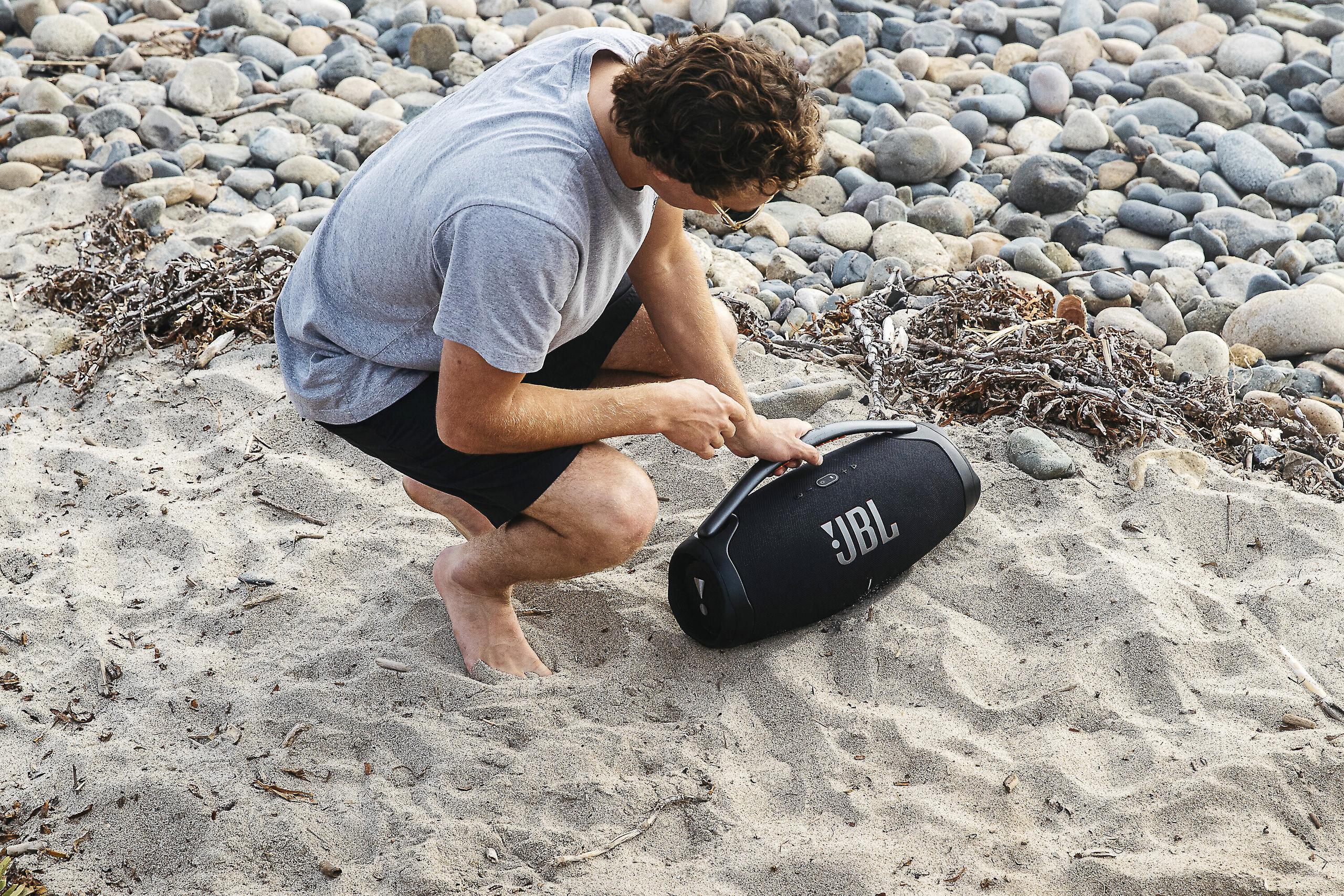


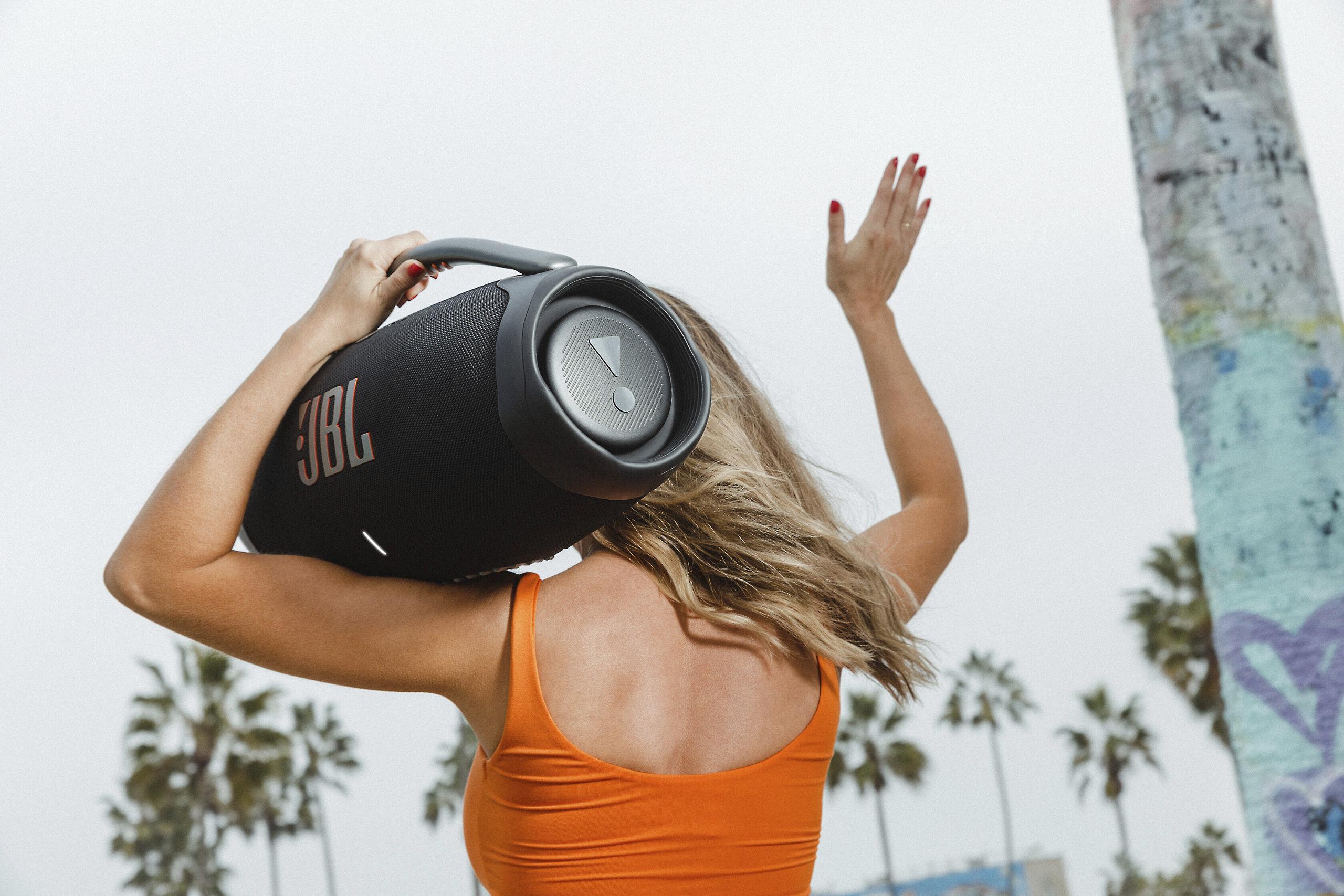
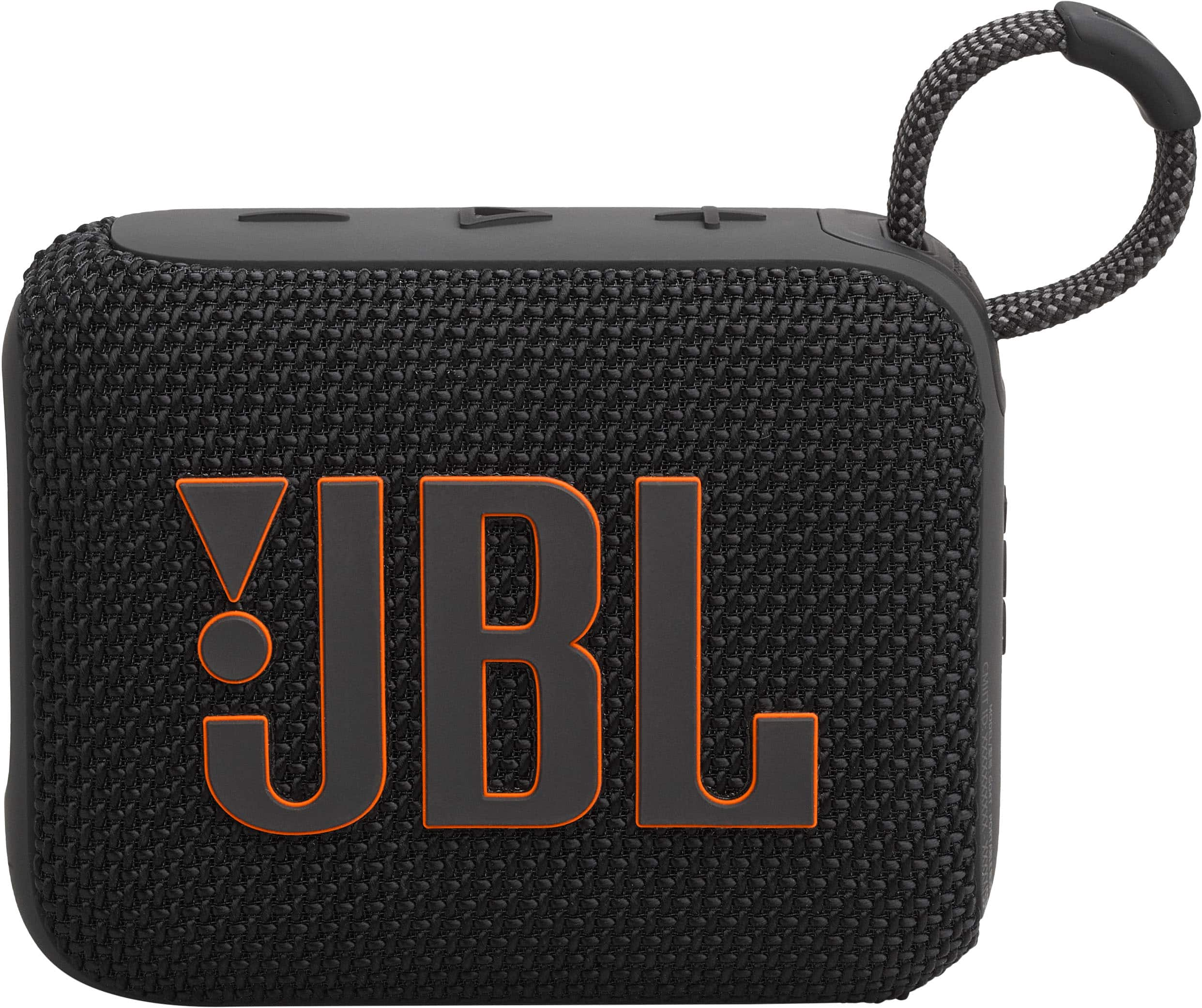
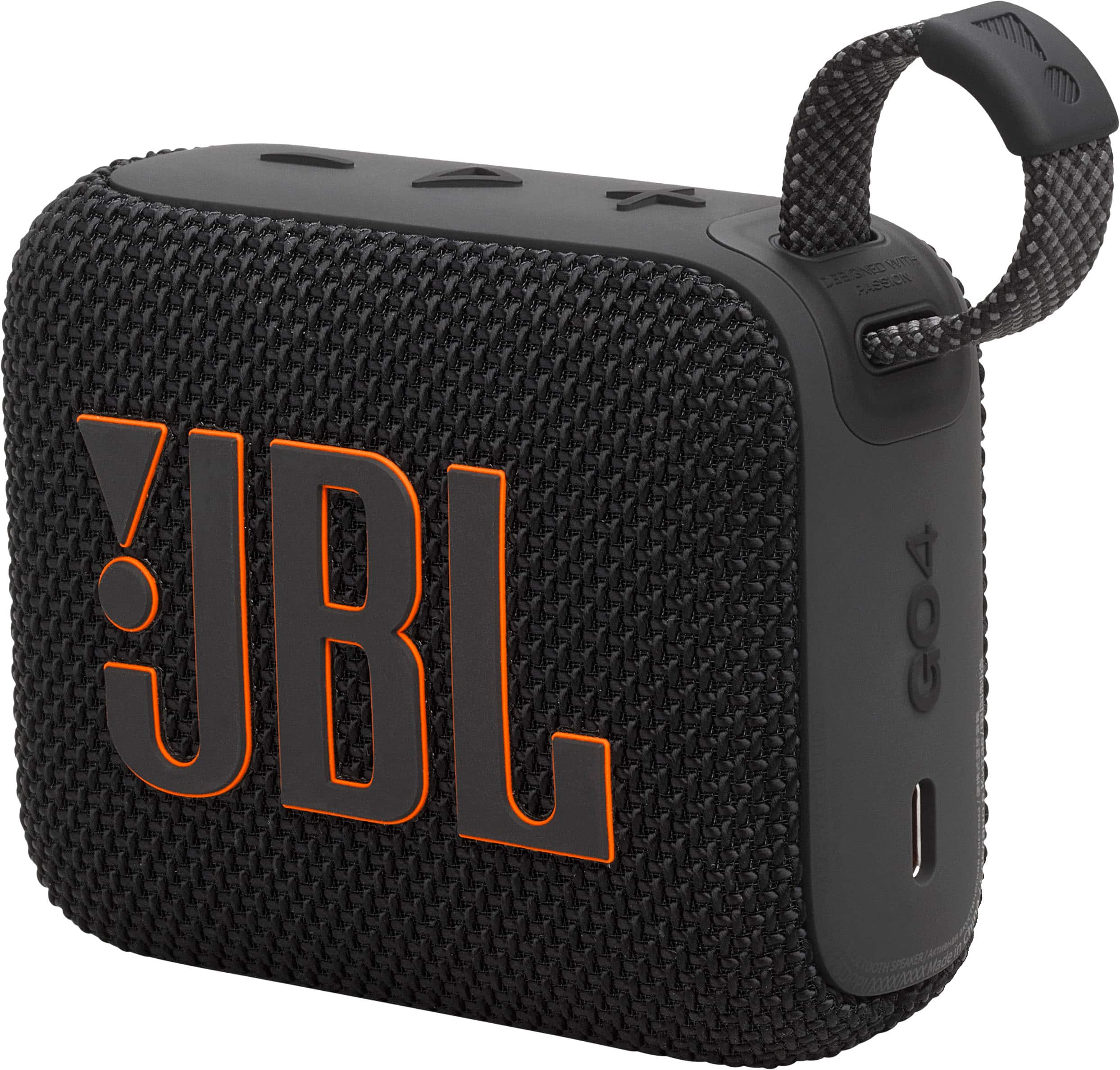
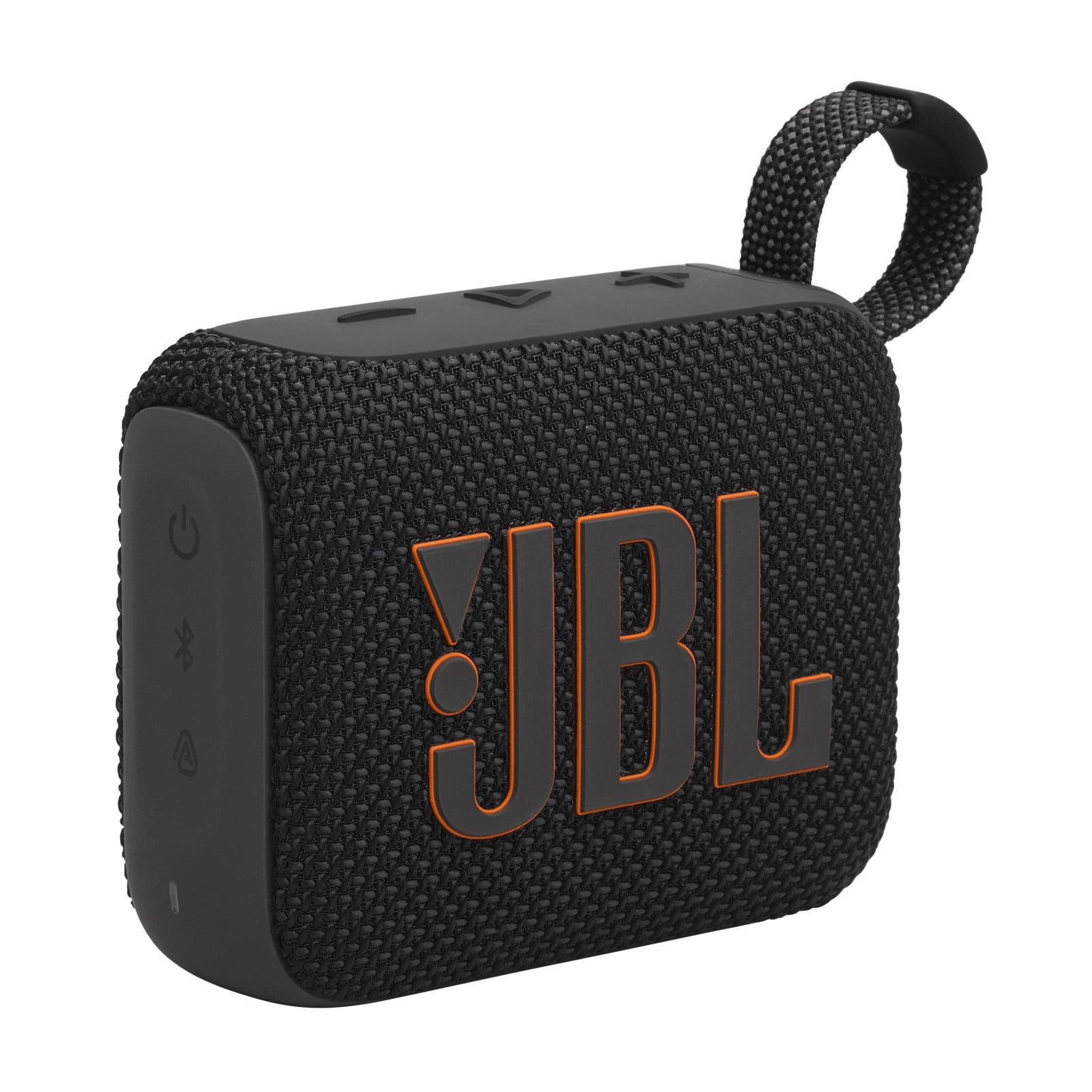
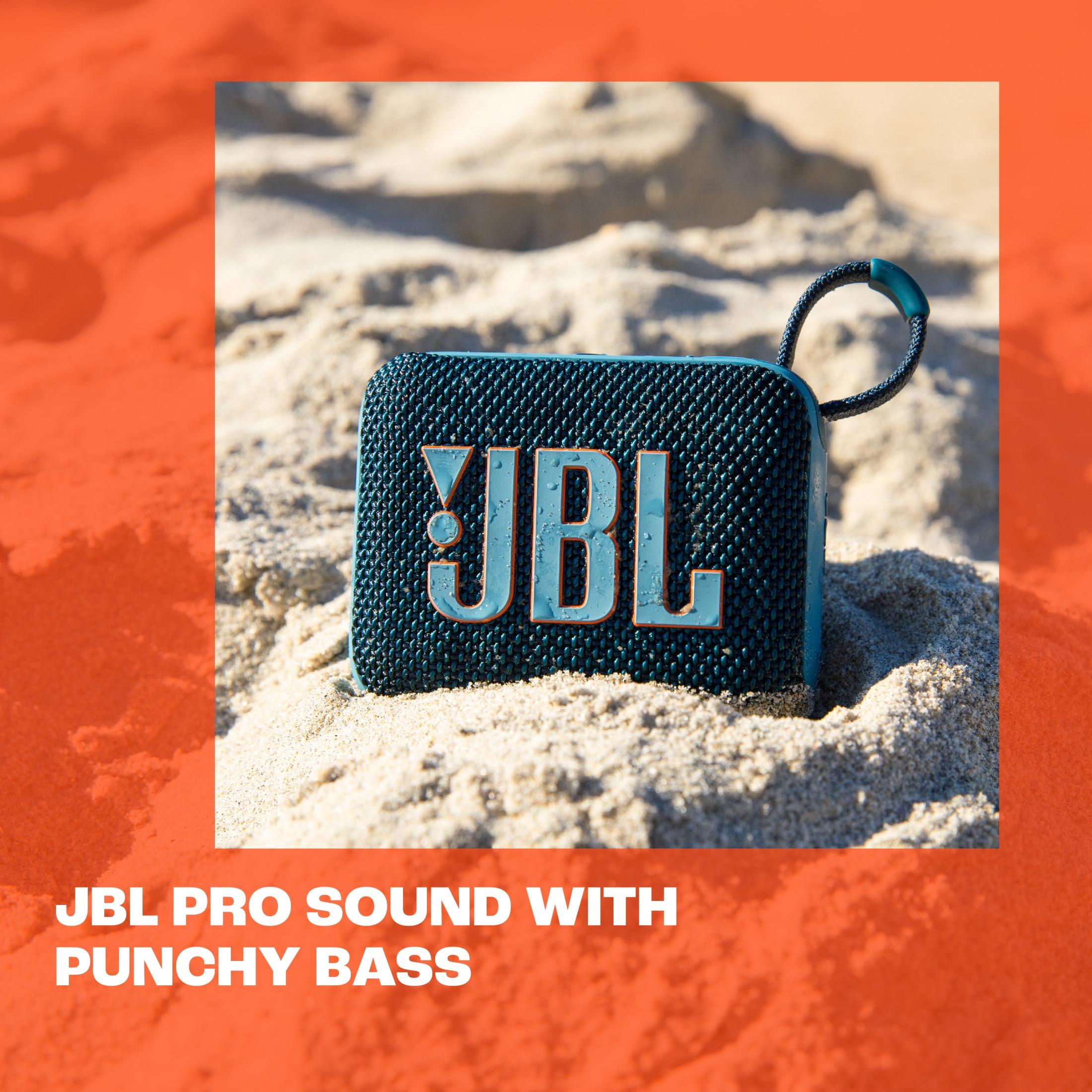

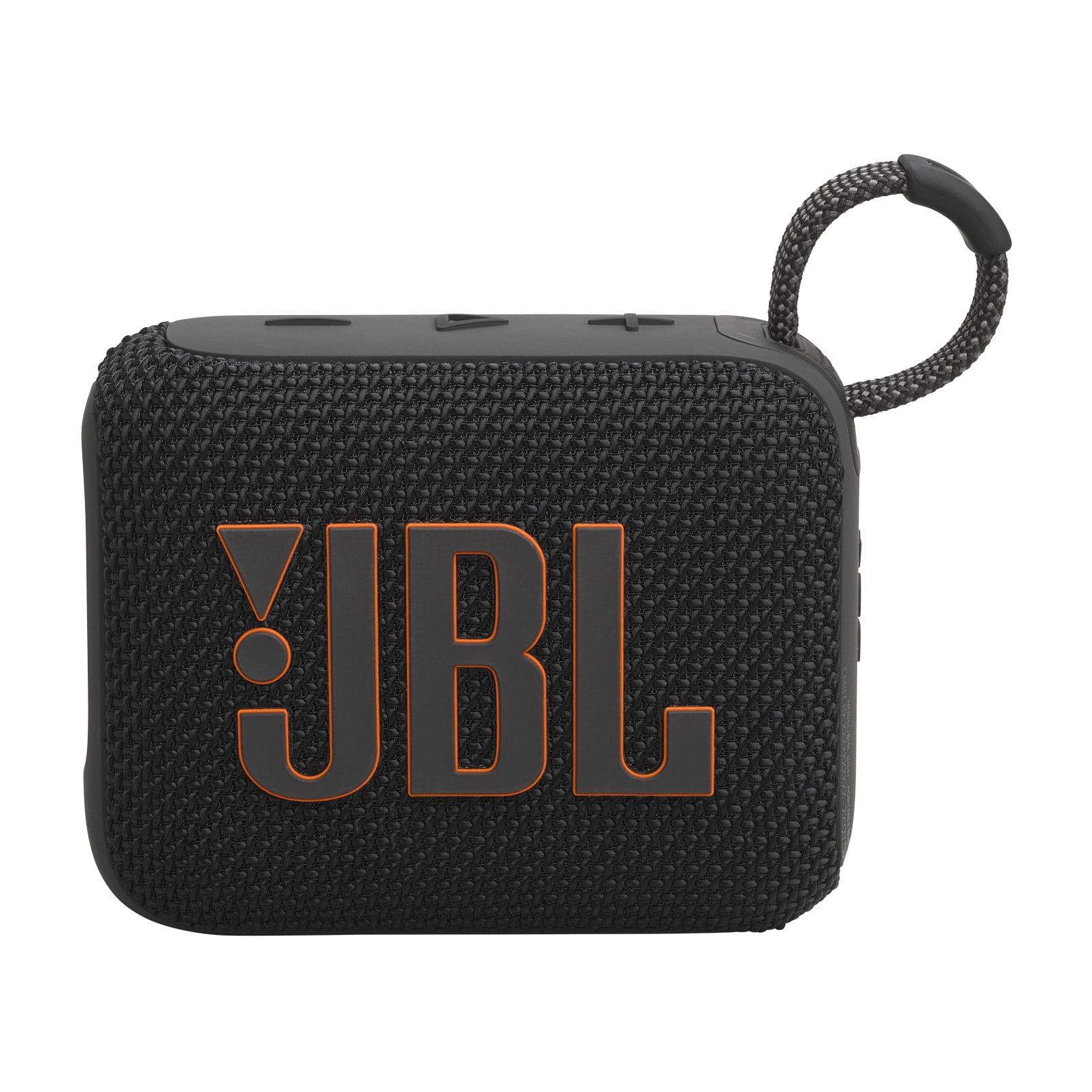
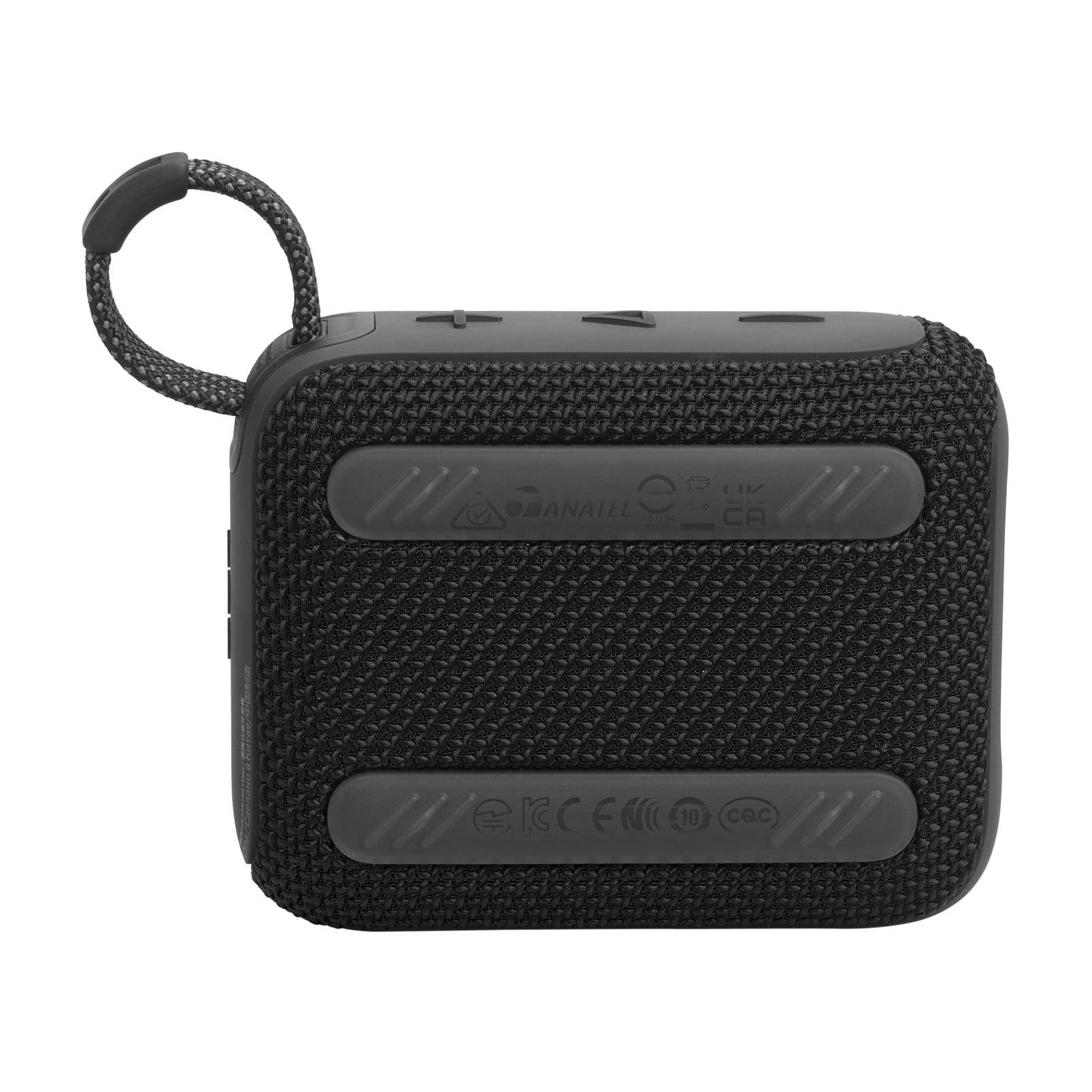
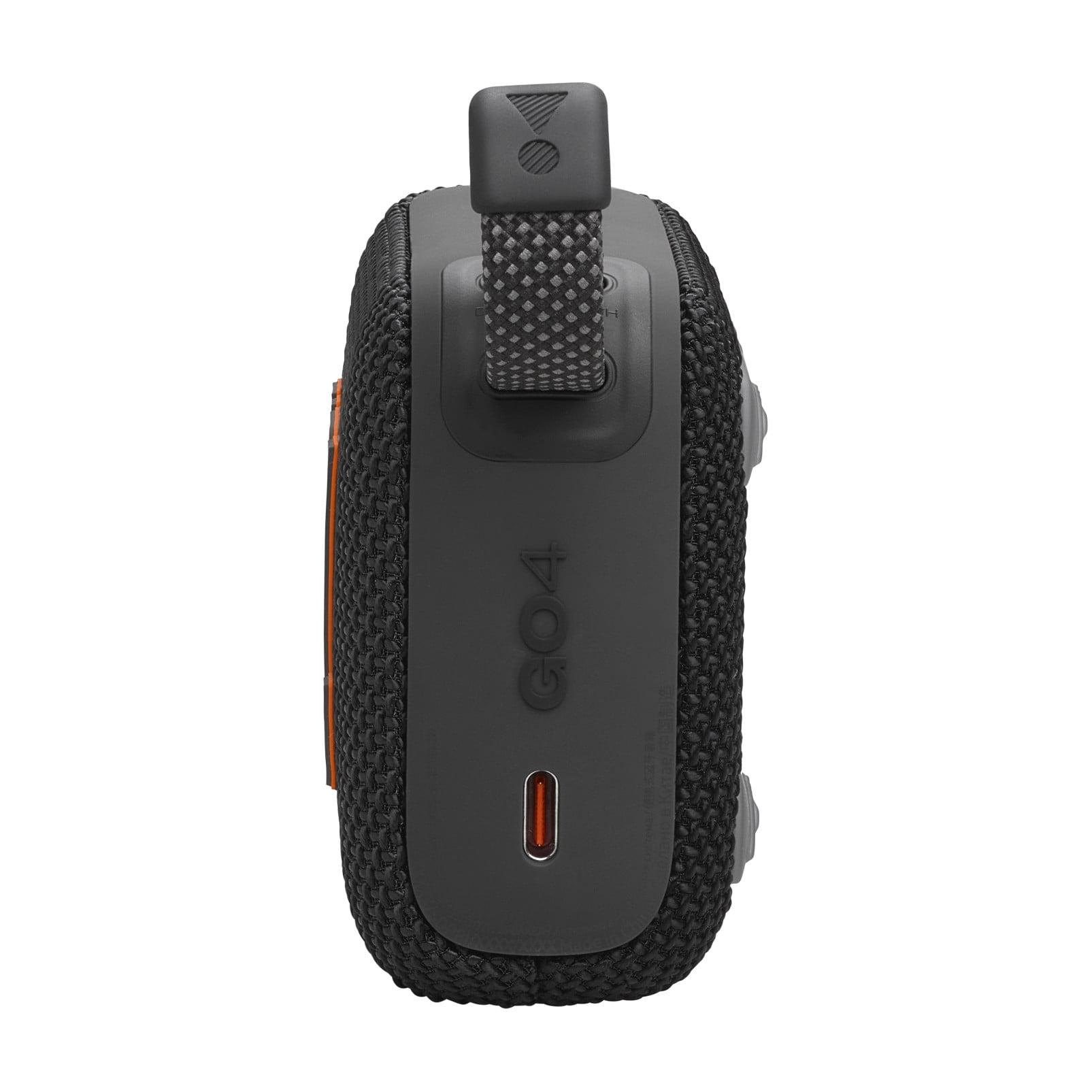
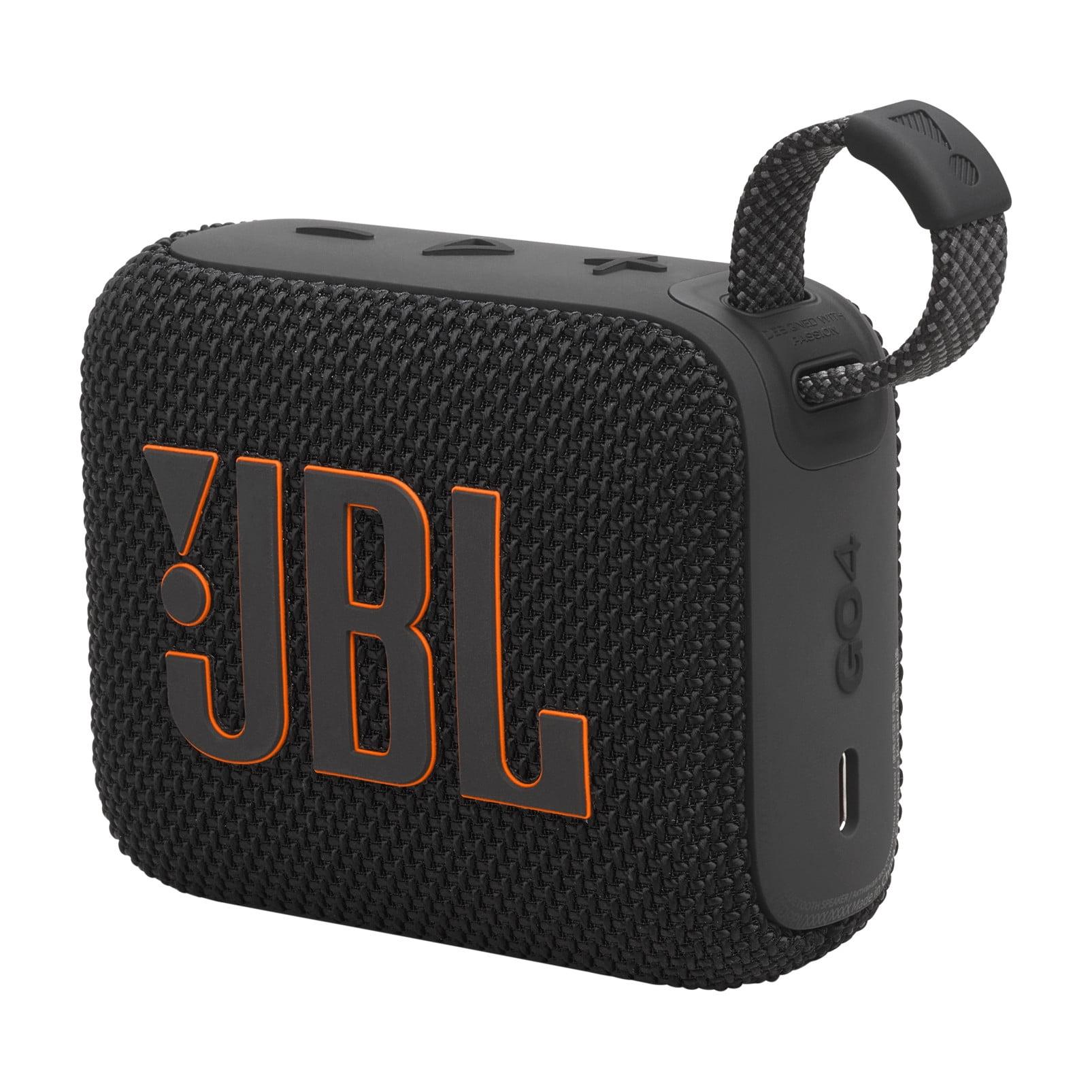
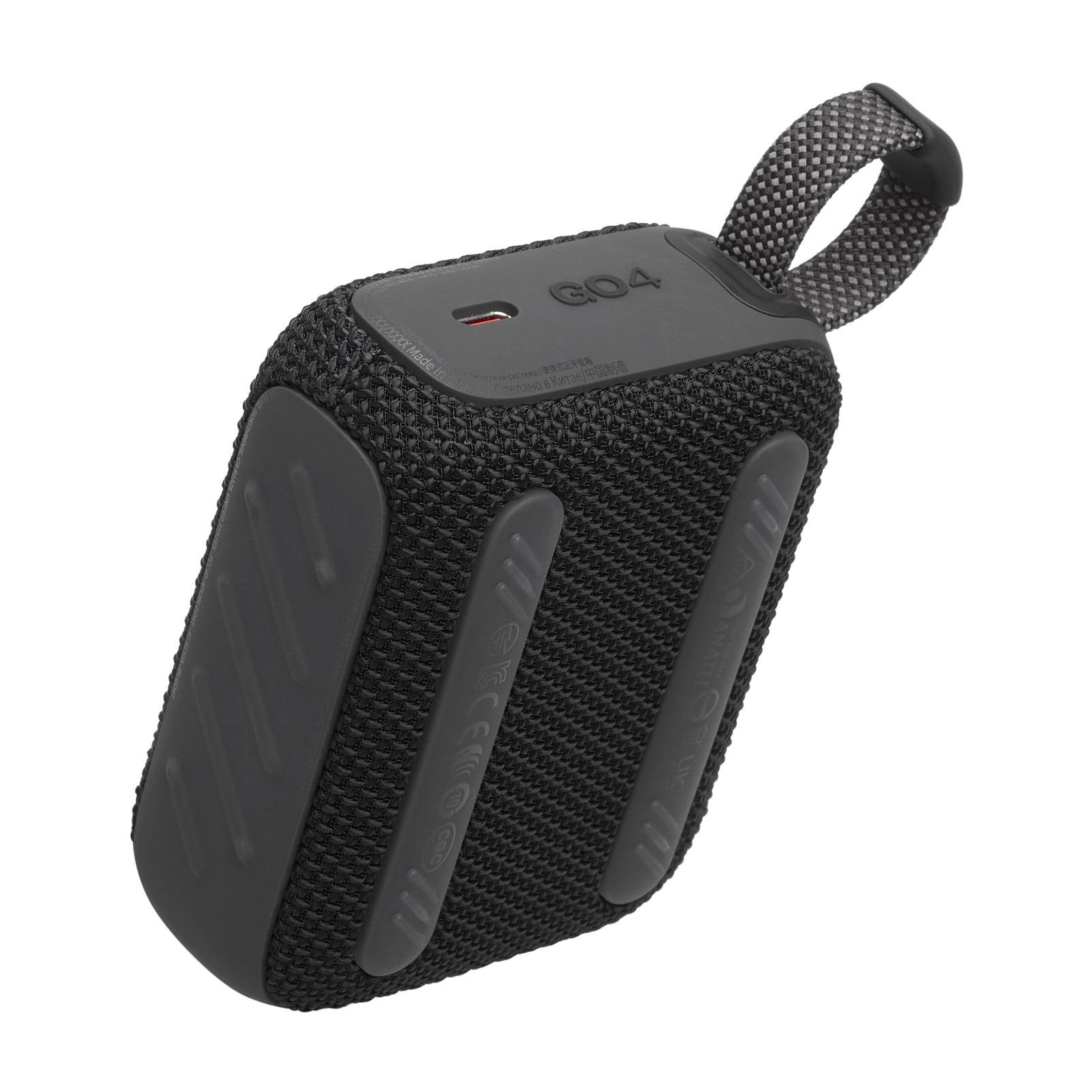
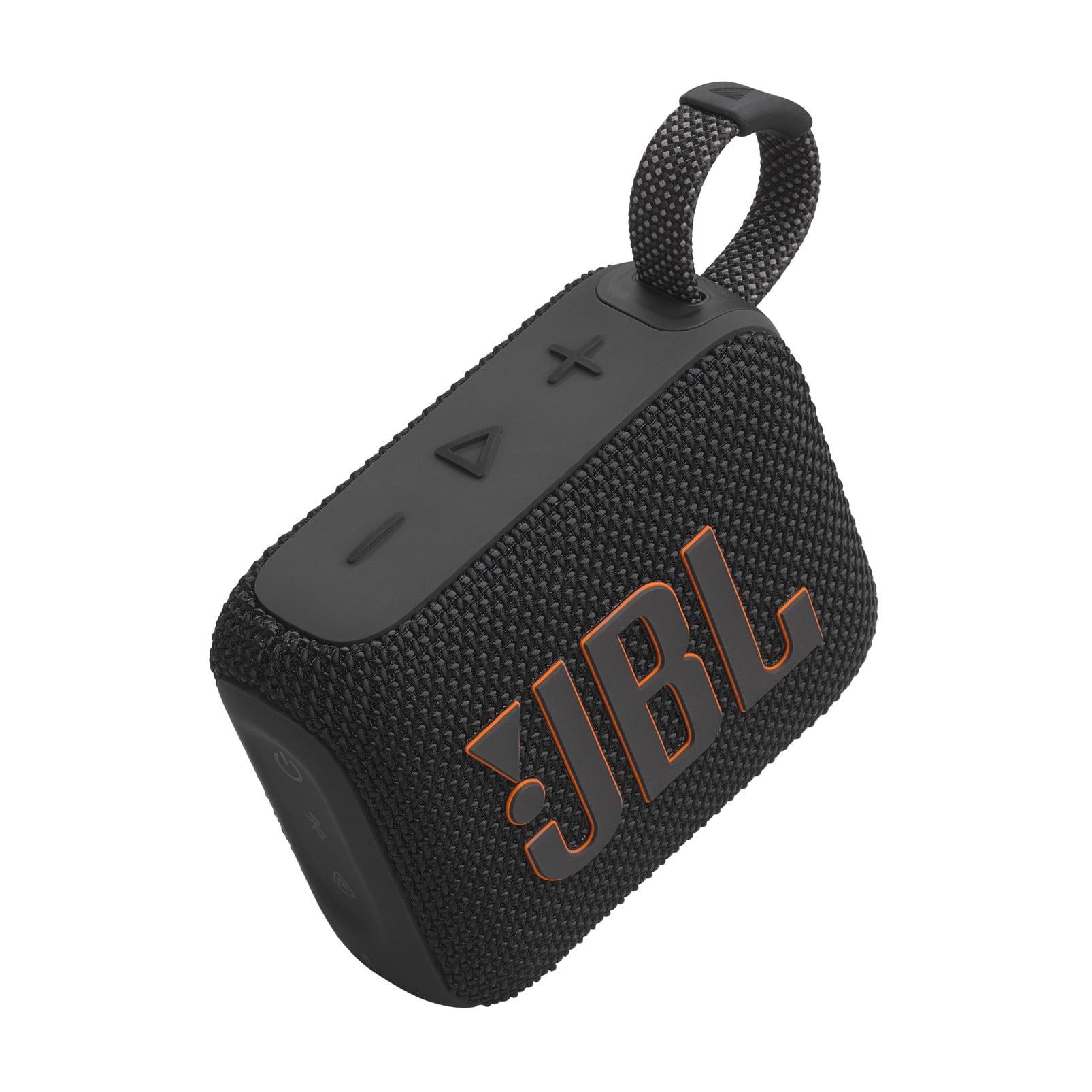
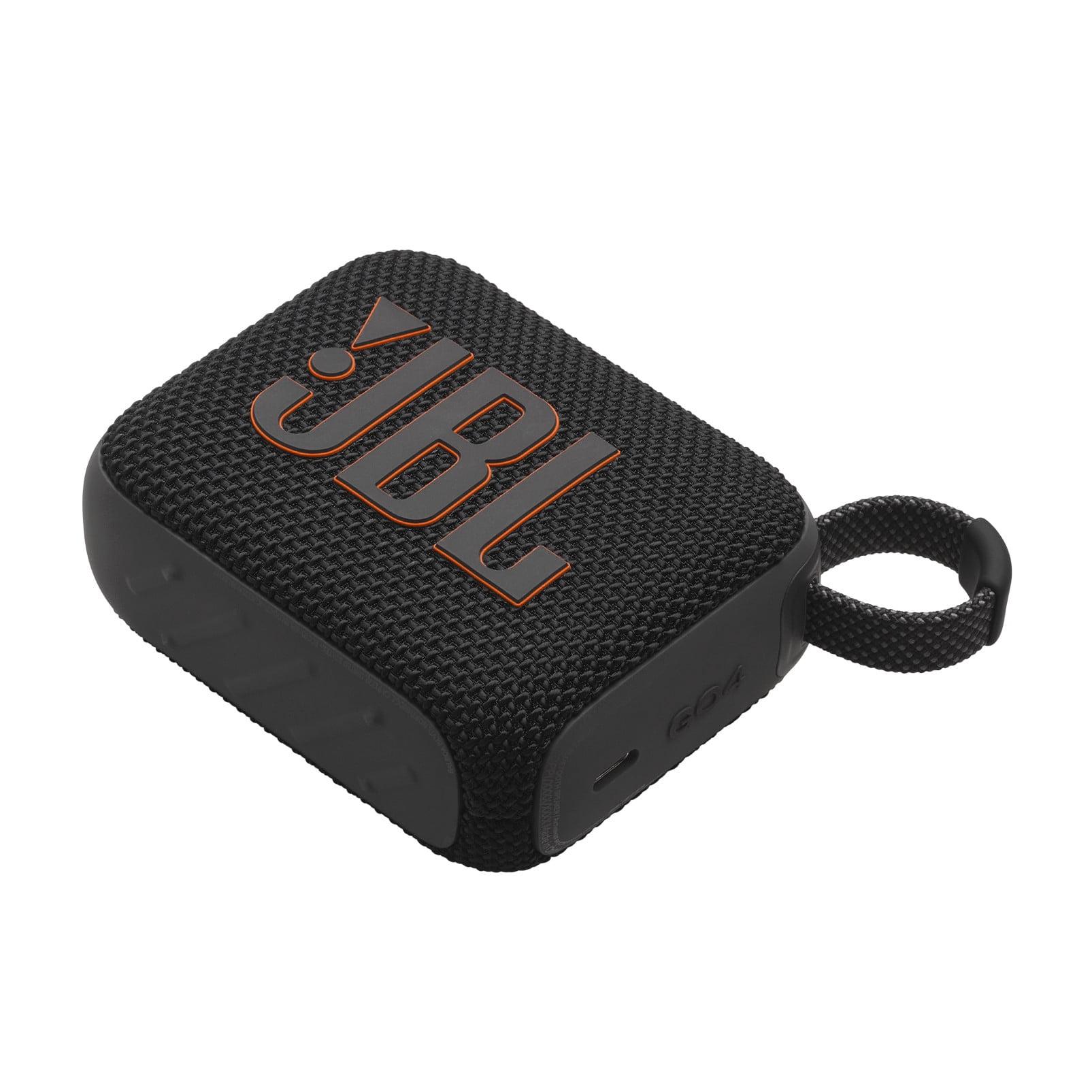
When it comes to portable speakers, JBL has long been a dominant force in the market. Today, we're comparing two very different offerings: the mighty JBL Boombox 3 ($399.99) and the ultra-portable JBL Go 4 ($44.00). While they're both technically "portable speakers," they serve vastly different purposes and user needs.
The portable speaker market has evolved significantly over the past decade. We've moved from basic Bluetooth connectivity to sophisticated features like multi-speaker pairing, water resistance, and smart assistant integration. Today's buyers need to consider not just sound quality, but also factors like battery life, durability, and specific use cases.
The Boombox 3 represents JBL's premium portable party speaker segment, while the Go 4 exemplifies the ultra-portable personal audio category. Released in summer 2022, the Boombox 3 brought significant improvements to JBL's large-format portable lineup, particularly in sound quality and battery efficiency. The Go 4, slated for release in June 2024, continues JBL's evolution of their pocket-sized speaker series with notable improvements in sound output and connectivity.
The Boombox 3 employs a sophisticated 3-way speaker system (meaning it has separate drivers for low, mid, and high frequencies). This includes:
This configuration delivers impressive frequency response from 40Hz to 20kHz, meaning you'll hear everything from deep bass kicks to crisp cymbal crashes. In AC power mode, it pushes even more power, making it suitable for outdoor parties or large indoor spaces.
The Go 4 takes a different approach with its single 45mm driver producing 4.2W RMS. While this might seem modest, JBL has implemented several clever technologies to maximize this small speaker's output:
The frequency response range of 90Hz to 20kHz means you won't get the deepest bass notes, but the sound remains clear and balanced for personal listening.
Having tested both speakers extensively (Boombox 3 personally, Go 3 previously with Go 4 specifications available), here's how they perform in different scenarios:
Both speakers feature Bluetooth 5.3, but implement it differently:
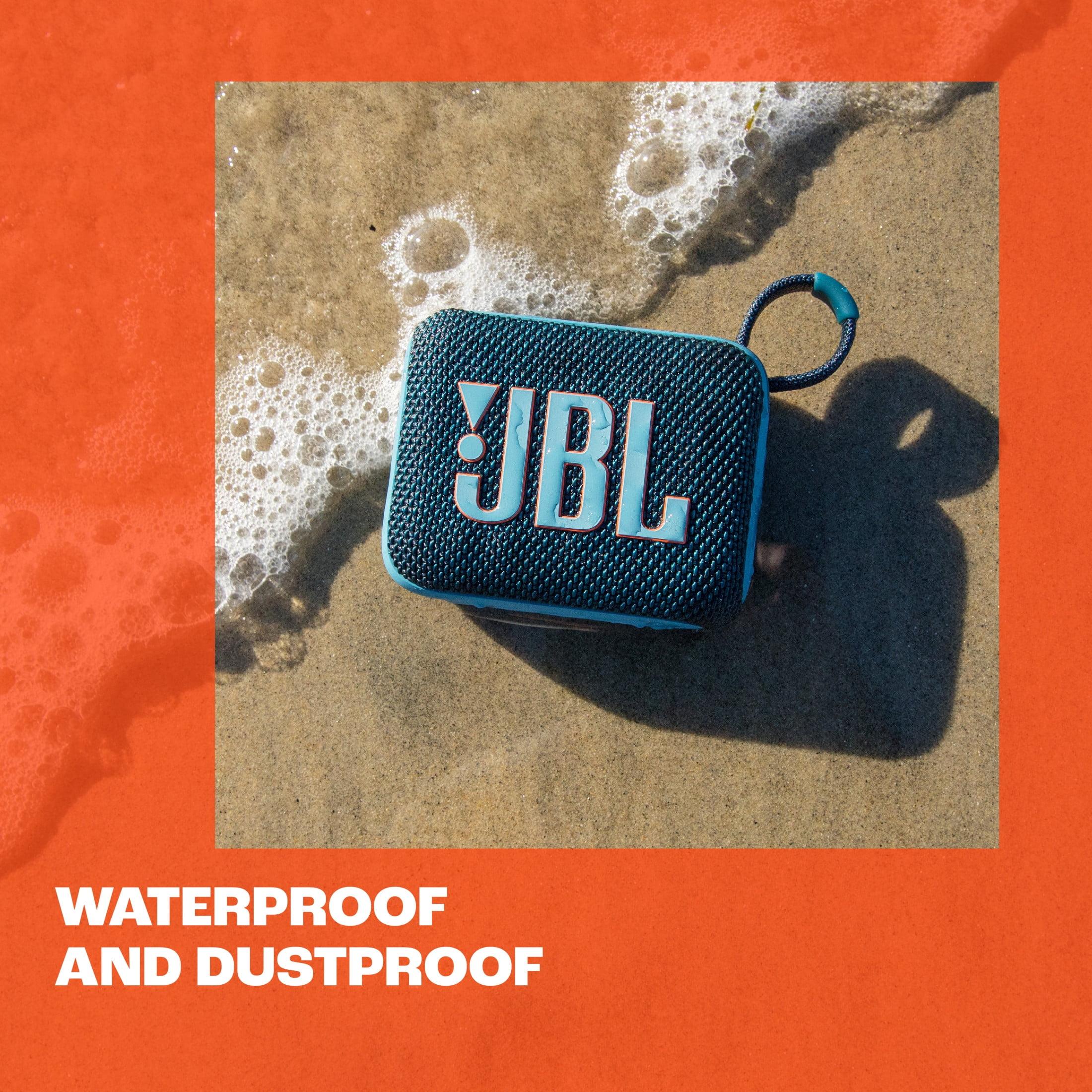
Both speakers carry IP67 ratings, meaning they're:
The Boombox 3 adds additional durability features like:
The Go 4 focuses on portability protection:
The price difference between these speakers ($399.99 vs $44.00) is substantial, but they're designed for different users:
While neither speaker is designed specifically for home theater use, the Boombox 3 can serve as a capable temporary solution. Its powerful output and strong bass response make it suitable for movie watching in:
The Go 4 isn't really suitable for home theater use due to its limited output and narrow soundstage.
The technological improvements in both speakers show where portable audio is heading:
Consider these key factors when choosing between the JBL Boombox 3 and JBL Go 4:
Remember, these aren't competing products as much as they are different tools for different jobs. The Boombox 3 excels as a powerful, feature-rich portable sound system, while the Go 4 shines as an ultra-portable personal audio device. Your choice should align with your specific needs rather than trying to compare them directly.
| JBL Boombox 3 | JBL Go 4 |
|---|---|
| Price - Key factor in value proposition | |
| $399.99 (premium tier) | $44.00 (entry level) |
| Power Output - Determines maximum volume and sound quality | |
| 180W total (AC), 136W (battery) | 4.2W RMS |
| Speaker Configuration - Impacts sound quality and bass response | |
| 3-way system: subwoofer, 2x midrange, 2x tweeters | Single 45mm full-range driver |
| Battery Life - Critical for portable use | |
| 24 hours (varies with volume) | 7-9 hours with Playtime Boost |
| Charging Time - Affects usage flexibility | |
| 6.5 hours | 3 hours |
| Size - Determines portability | |
| 19.0 x 10.1 x 7.9 inches (substantial) | 3.7 x 3.0 x 1.7 inches (pocket-sized) |
| Weight - Important for transportation | |
| 14.7 lbs (requires deliberate carrying) | 0.42 lbs (ultra-portable) |
| Frequency Response - Defines bass depth and overall range | |
| 40Hz - 20kHz (full range with deep bass) | 90Hz - 20kHz (limited bass) |
| Water/Dust Resistance - Enables outdoor use | |
| IP67 rated, floats in water | IP67 rated |
| Additional Features - Adds value beyond basic audio | |
| PartyBoost, powerbank function, multi-device pairing | Auracast, AI Sound Boost, recycled materials |
| Bluetooth Version - Affects connection quality | |
| 5.3 with A2DP 1.3, AVRCP 1.6 | 5.3 with LE audio support |
| Primary Use Case - Helps determine best fit | |
| Large gatherings, outdoor events, home audio | Personal listening, travel, desktop audio |
The JBL Boombox 3 ($399.99) is better for large spaces and gatherings, while the JBL Go 4 ($44.00) is better for personal use and travel. Neither is universally "better" - they serve different purposes at very different price points.
The JBL Boombox 3 has significantly longer battery life at 24 hours, while the JBL Go 4 offers 7-9 hours of playback. However, the Go 4 charges faster at 3 hours versus 6.5 hours for the Boombox 3.
Only the JBL Boombox 3 can charge external devices through its USB port. The Go 4 doesn't include power bank functionality.
We've done our best to create useful and informative comparisons to help you decide what product to buy. Our research uses advanced automated methods to create this comparison and perfection is not possible - please contact us for corrections or questions. These are the sites we've researched in the creation of this article: tomsguide.com - sweetwater.com - bestbuy.com - jbl.com - rtings.com - harmanaudio.com - jbl.com - jbl.com - thepowercentre.ca - youtube.com - bhphotovideo.com - krazykileys.ca - tomsguide.com - outeraudio.com - youtube.com - techradar.com - corporategift.com - jbl.com - target.com - dell.com - projectorscreen.com - mm.jbl.com

Privacy Policy
Terms and Conditions - Affiliate Policy
Home Security
© Copyright 2008-2026.
11816 Inwood Rd #1211, Dallas, TX 75244