

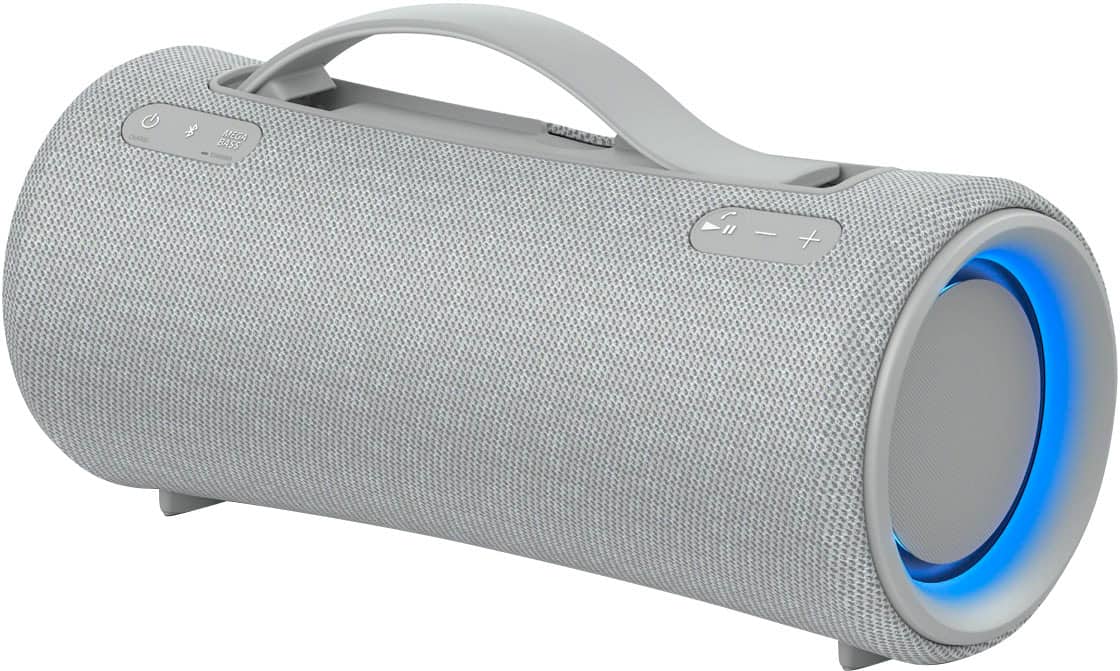
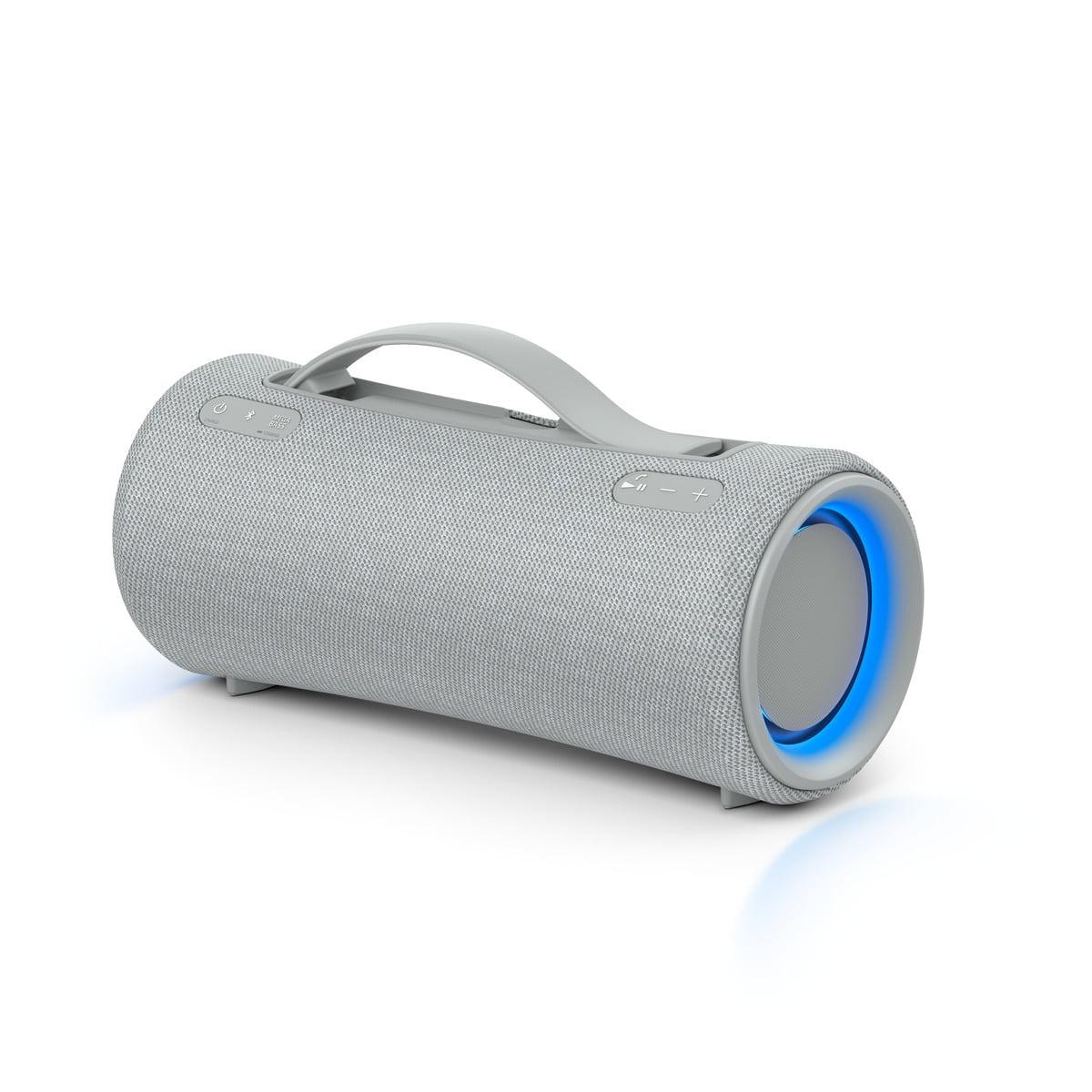

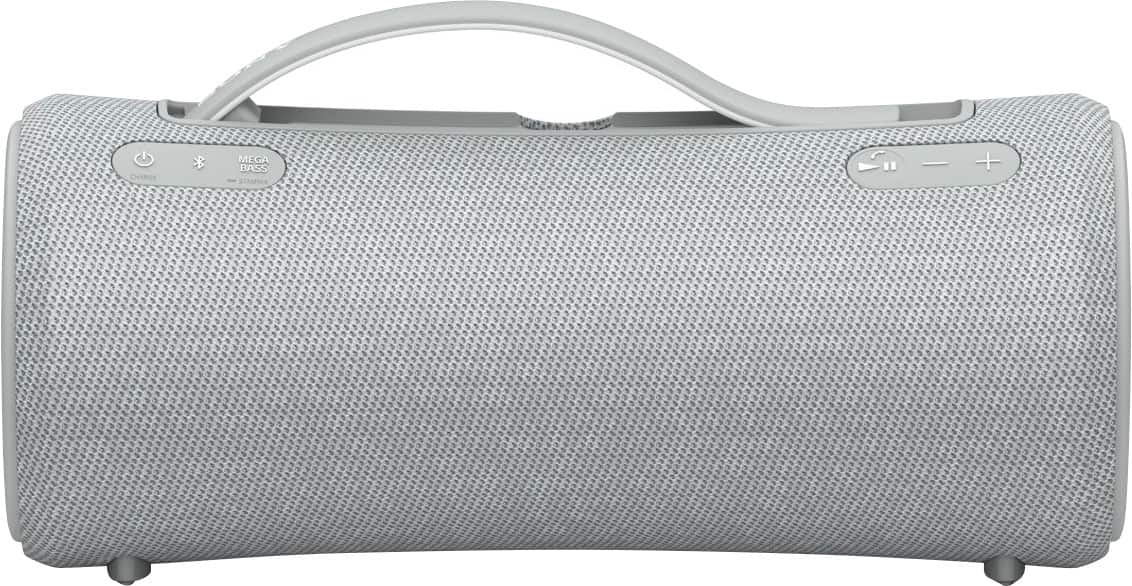
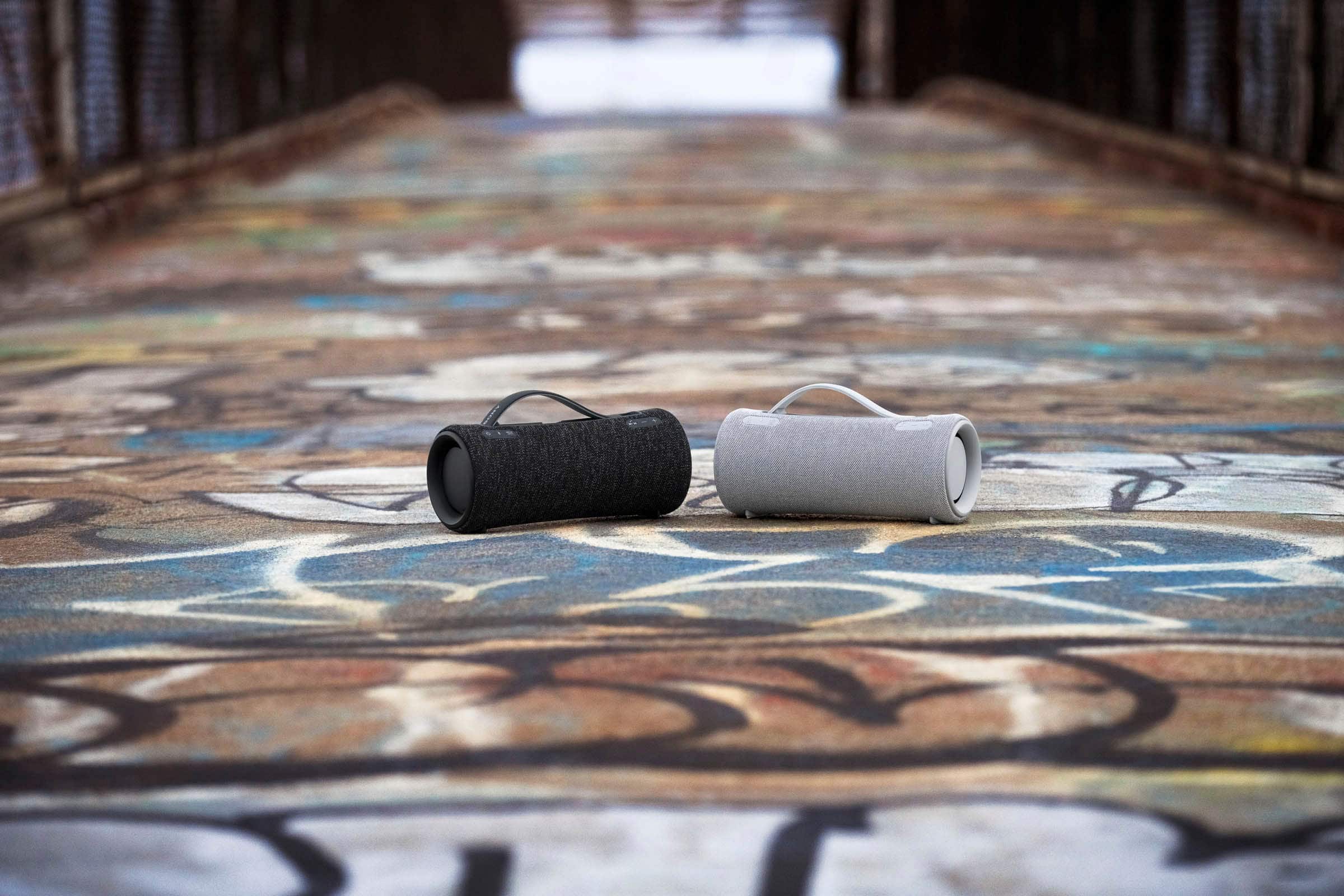
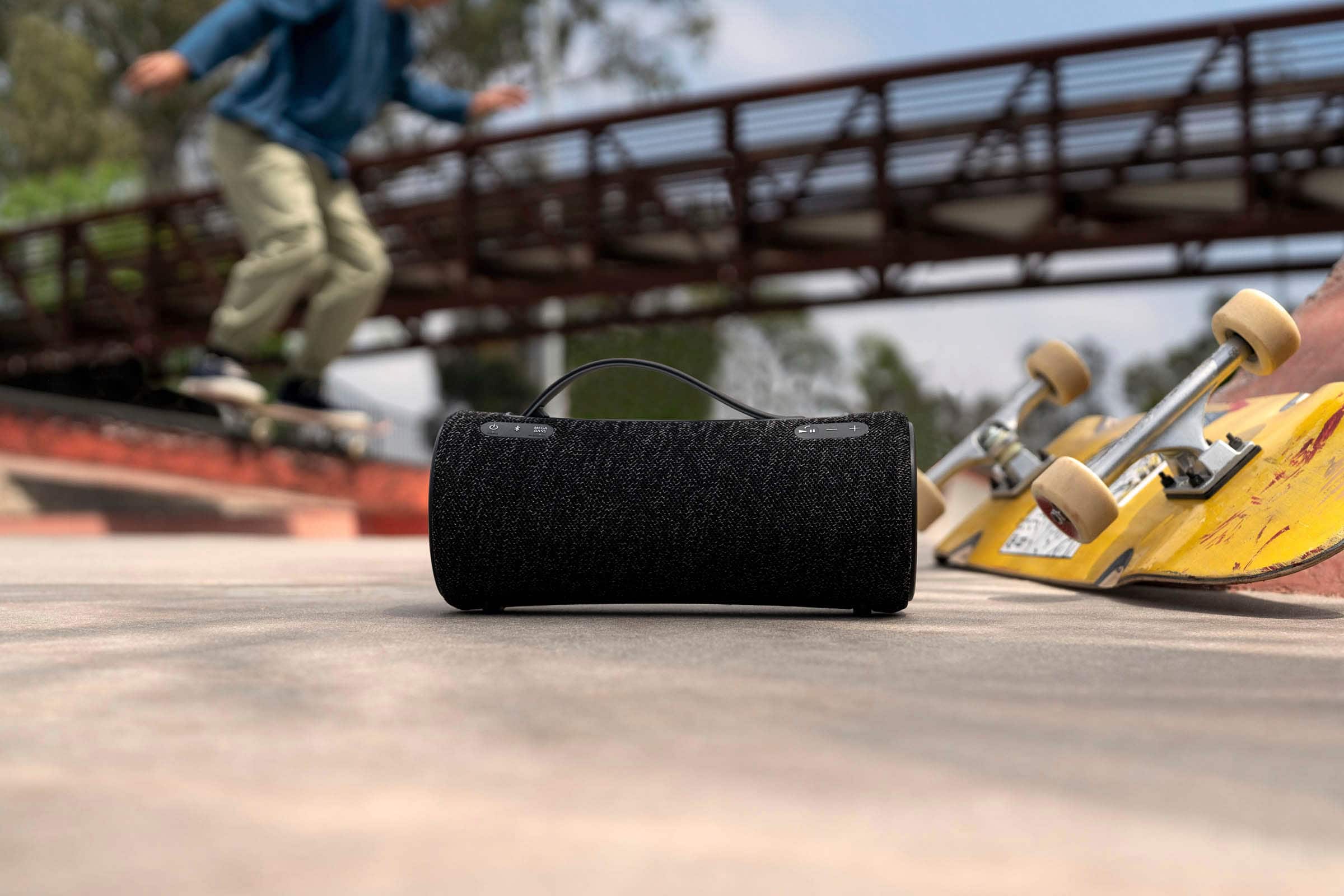
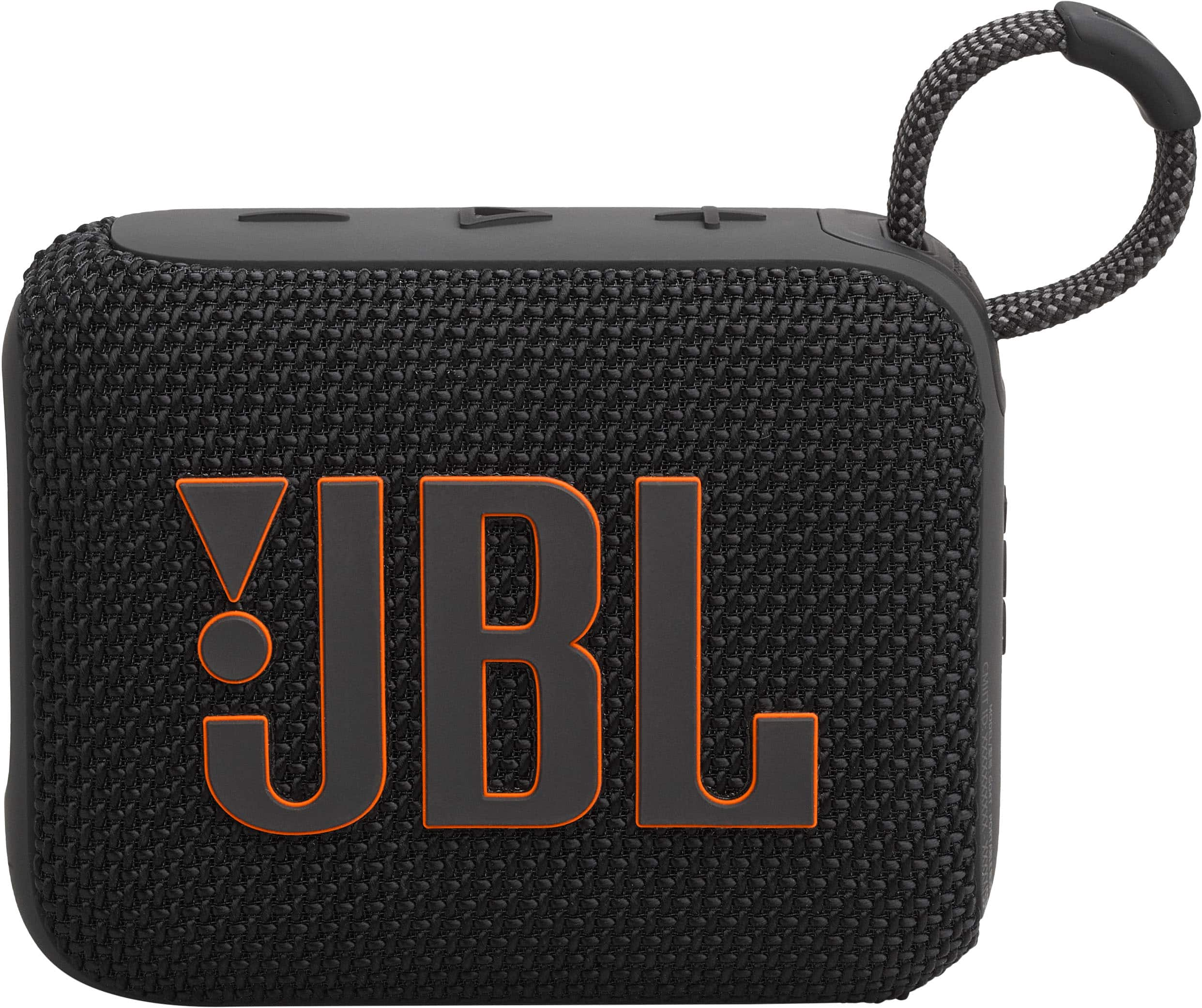

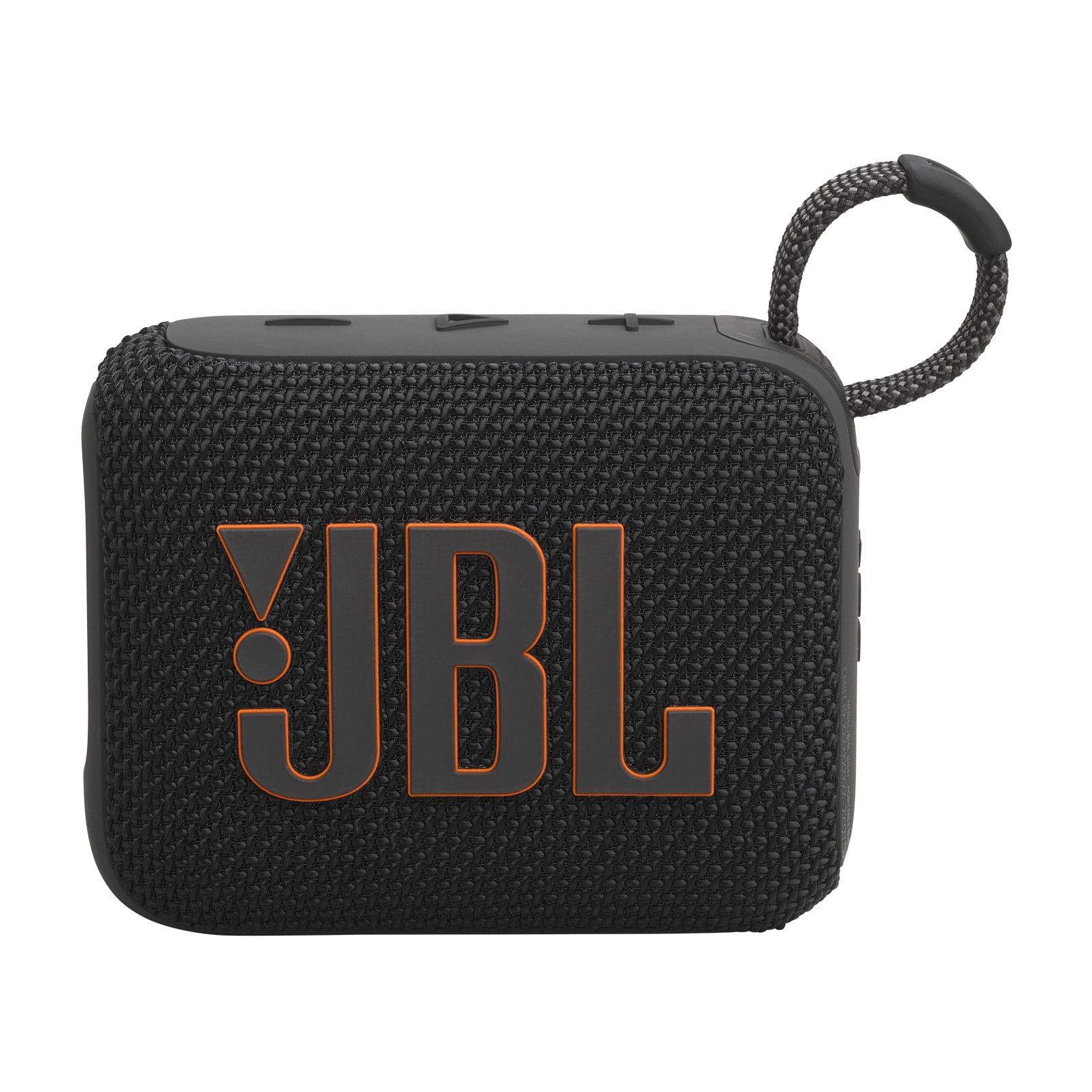
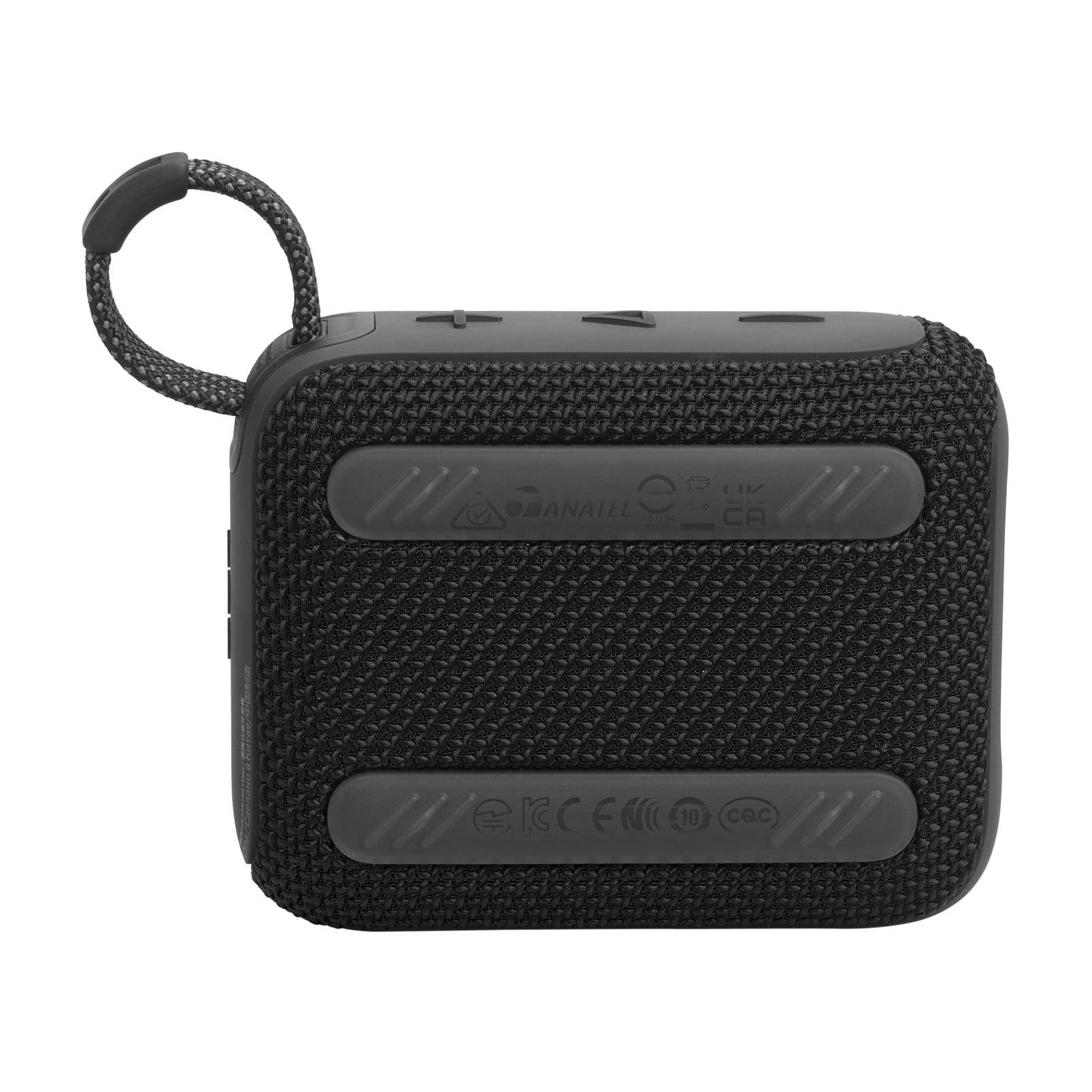
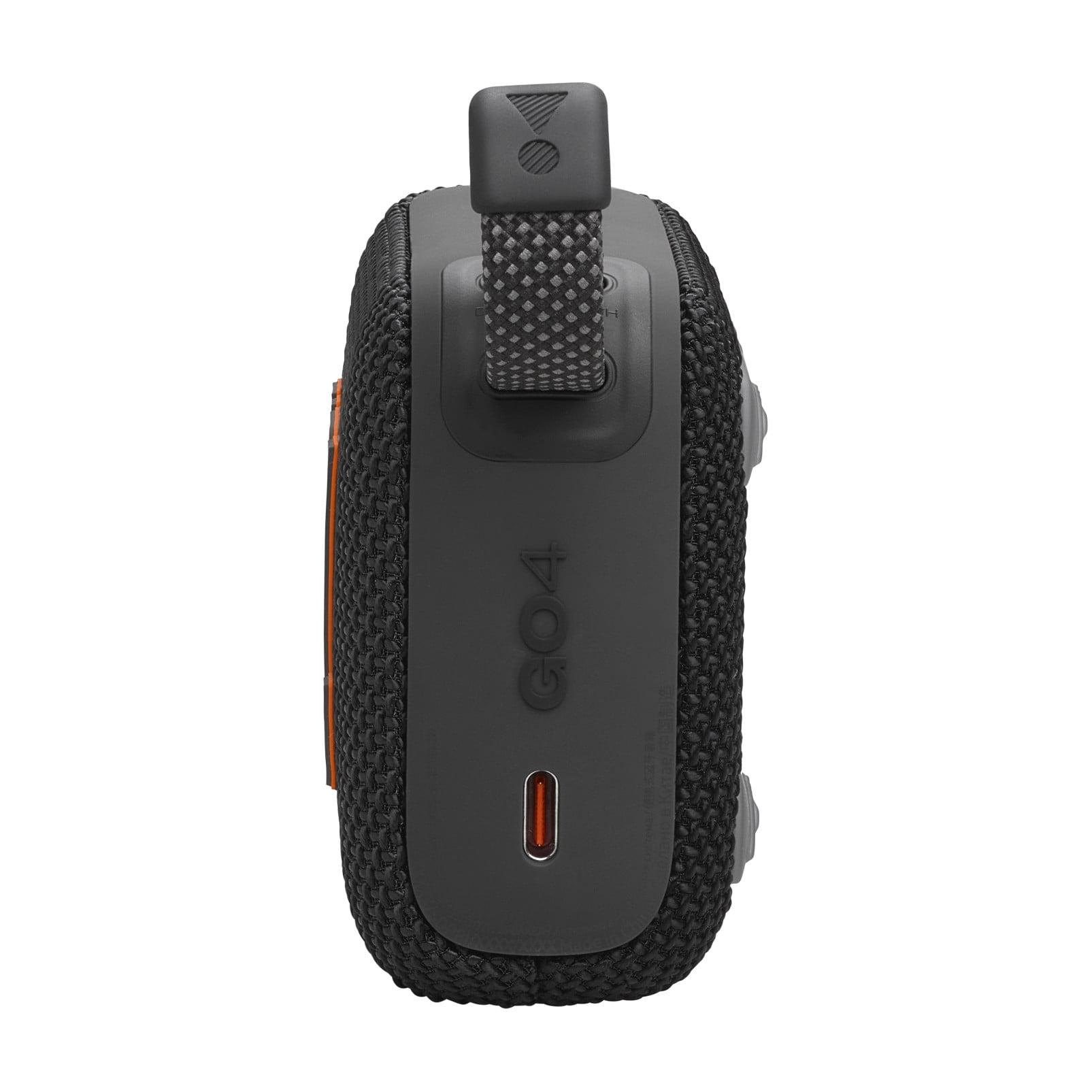
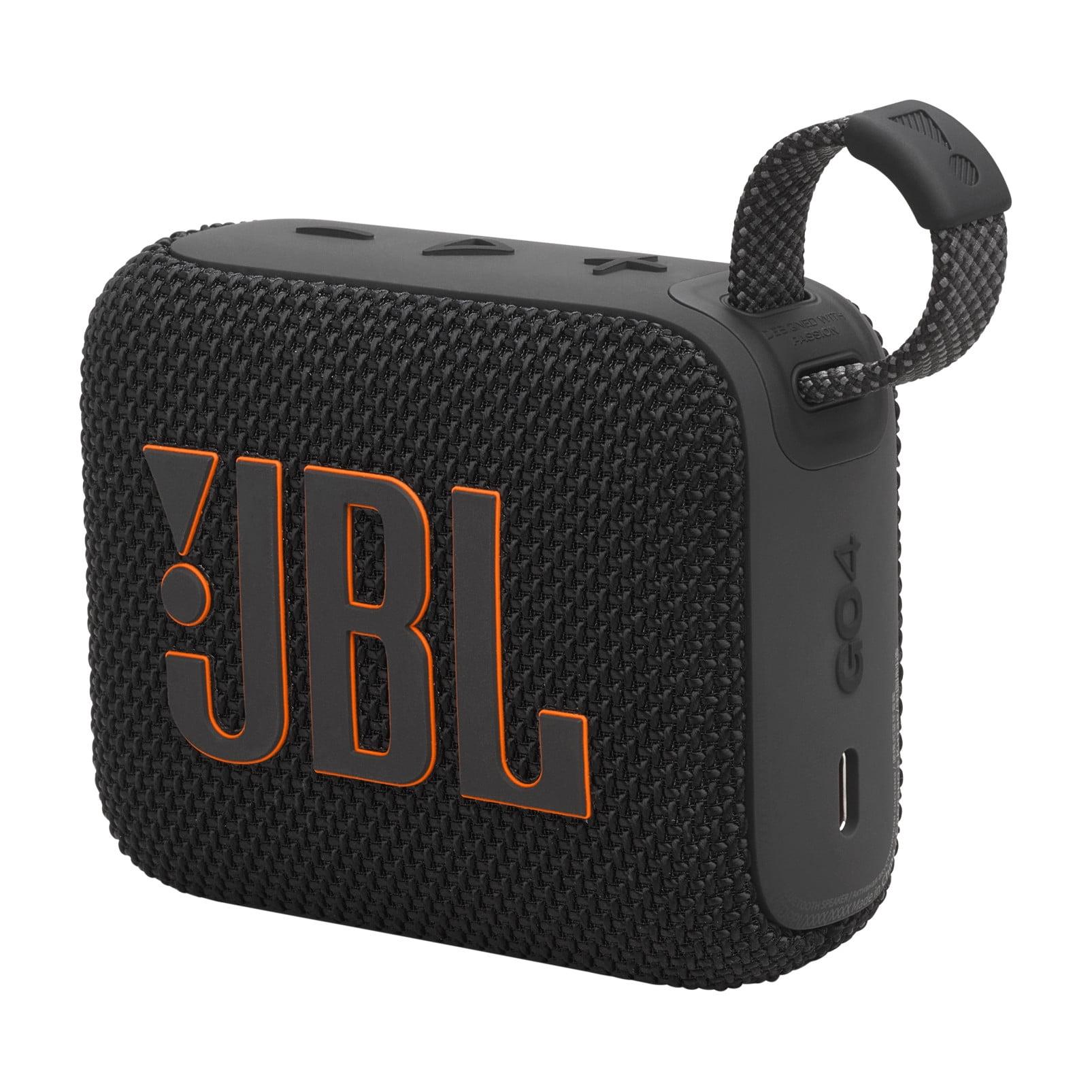
When it comes to portable Bluetooth speakers, the choice between the Sony XG300 at $150 and the JBL Go 4 at $44 isn't as straightforward as you might think. While they're both technically portable speakers, they serve quite different purposes. Let's dive into everything you need to know to make the right choice.
Portable Bluetooth speakers have evolved significantly over the past decade. What started as small, tinny-sounding devices has grown into a diverse category ranging from pocket-sized personal audio companions to powerful party speakers that can fill a backyard with sound. The key is matching your specific needs with the right speaker's capabilities.
The Sony XG300 launched in July 2022, bringing several improvements over its predecessors, including better battery life and enhanced bass response through its X-Balanced Speaker technology (which uses non-circular speaker shapes to maximize sound pressure). The speaker represents Sony's mid-tier offering, sitting between their smaller XE200 and larger XG500.
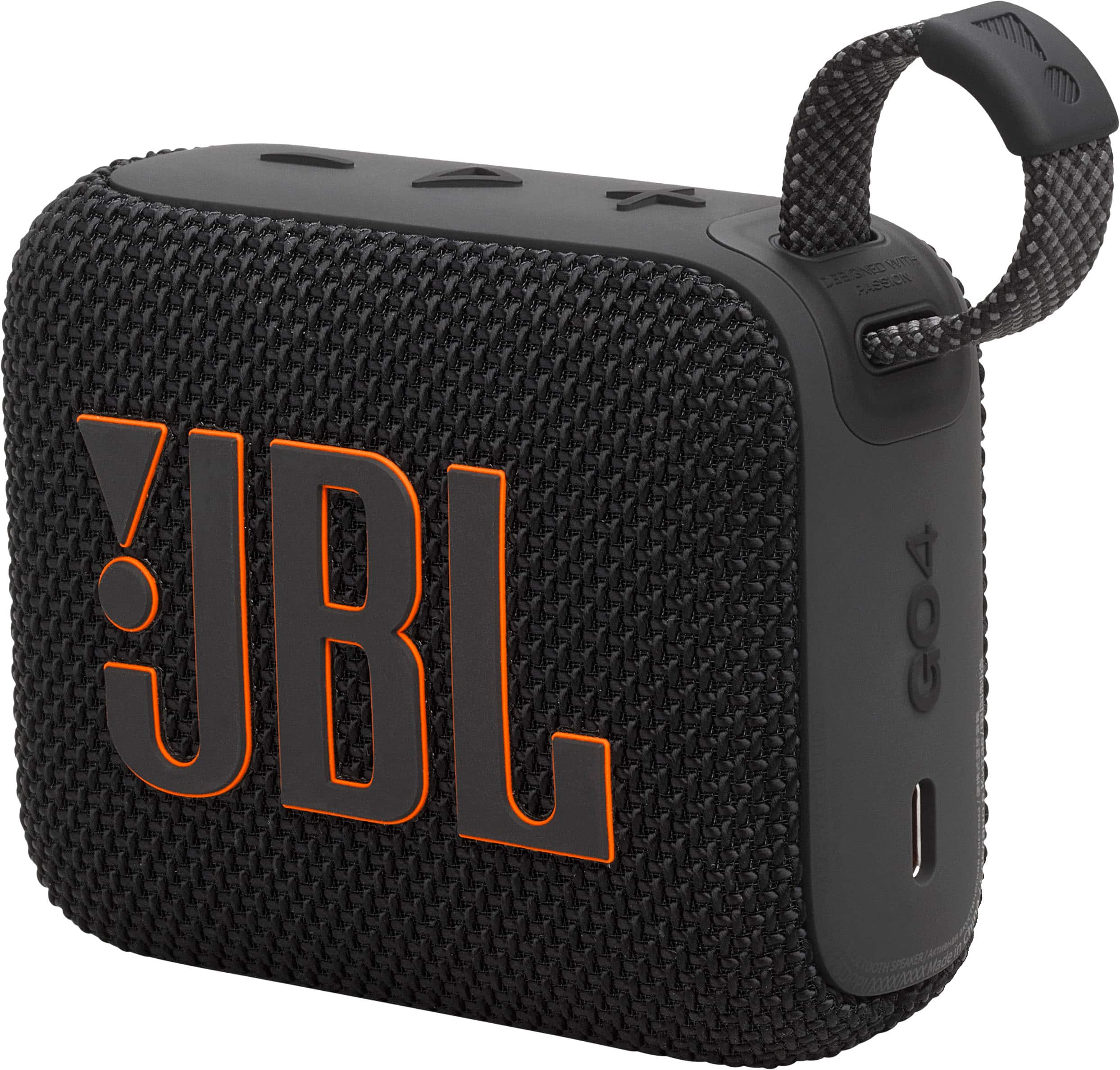
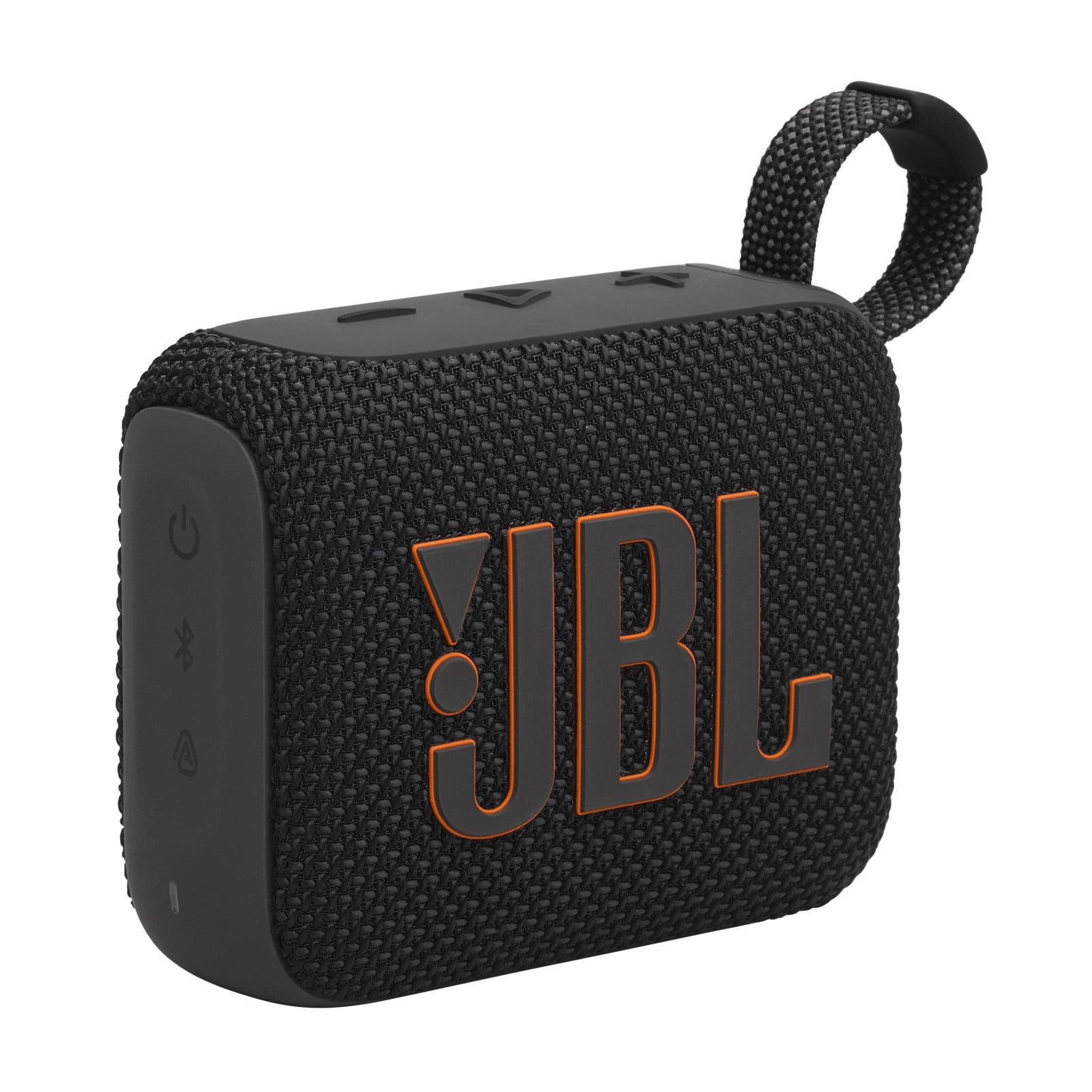
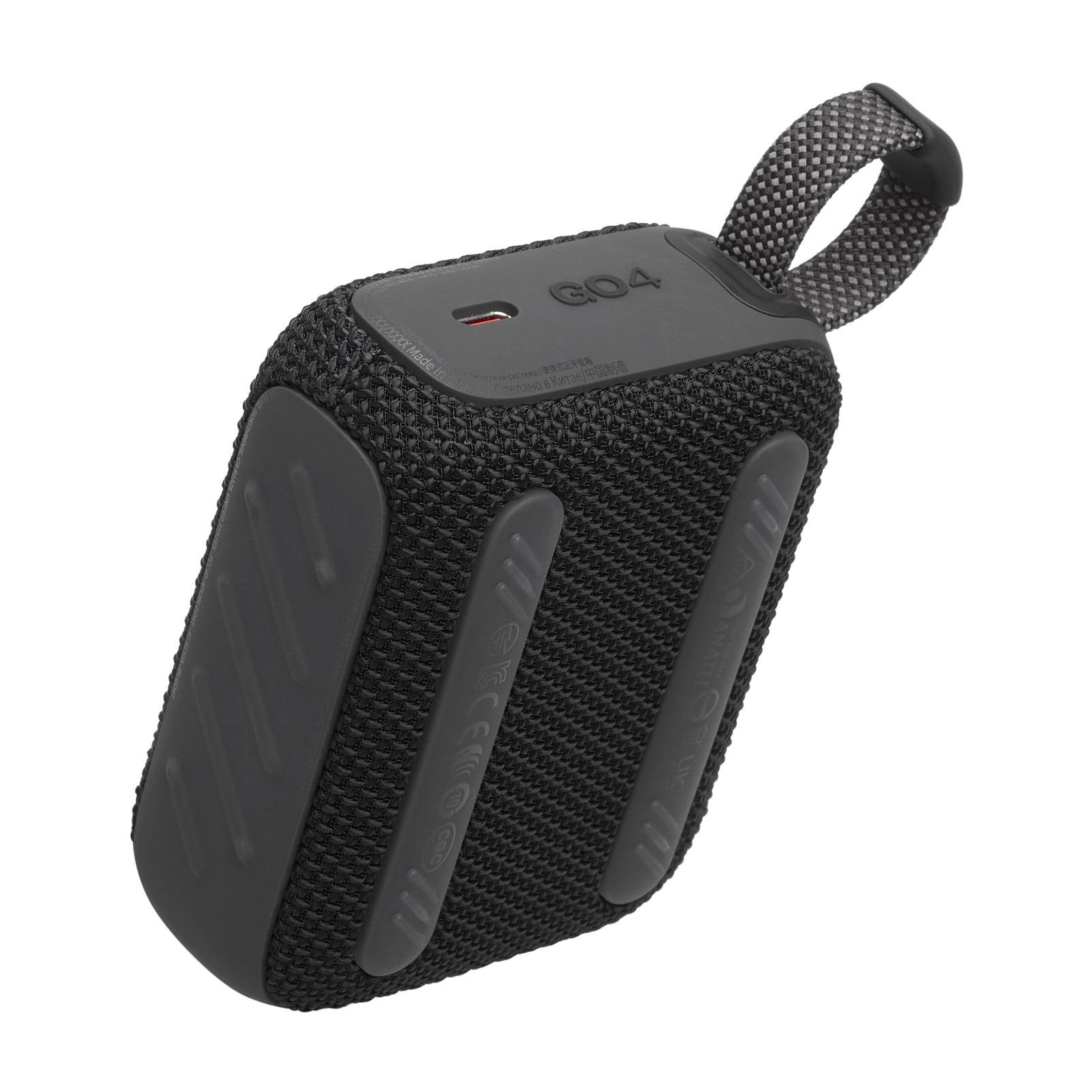
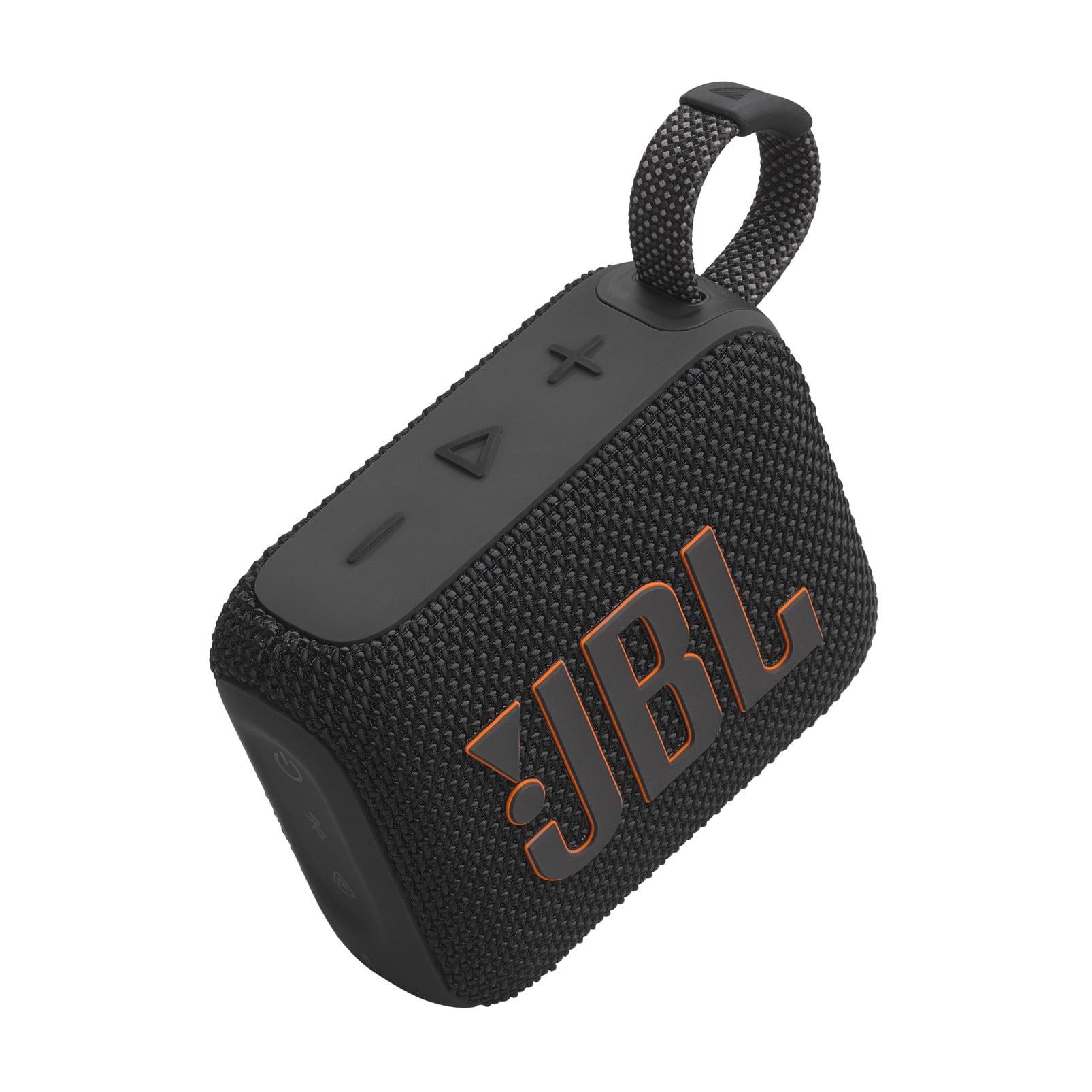
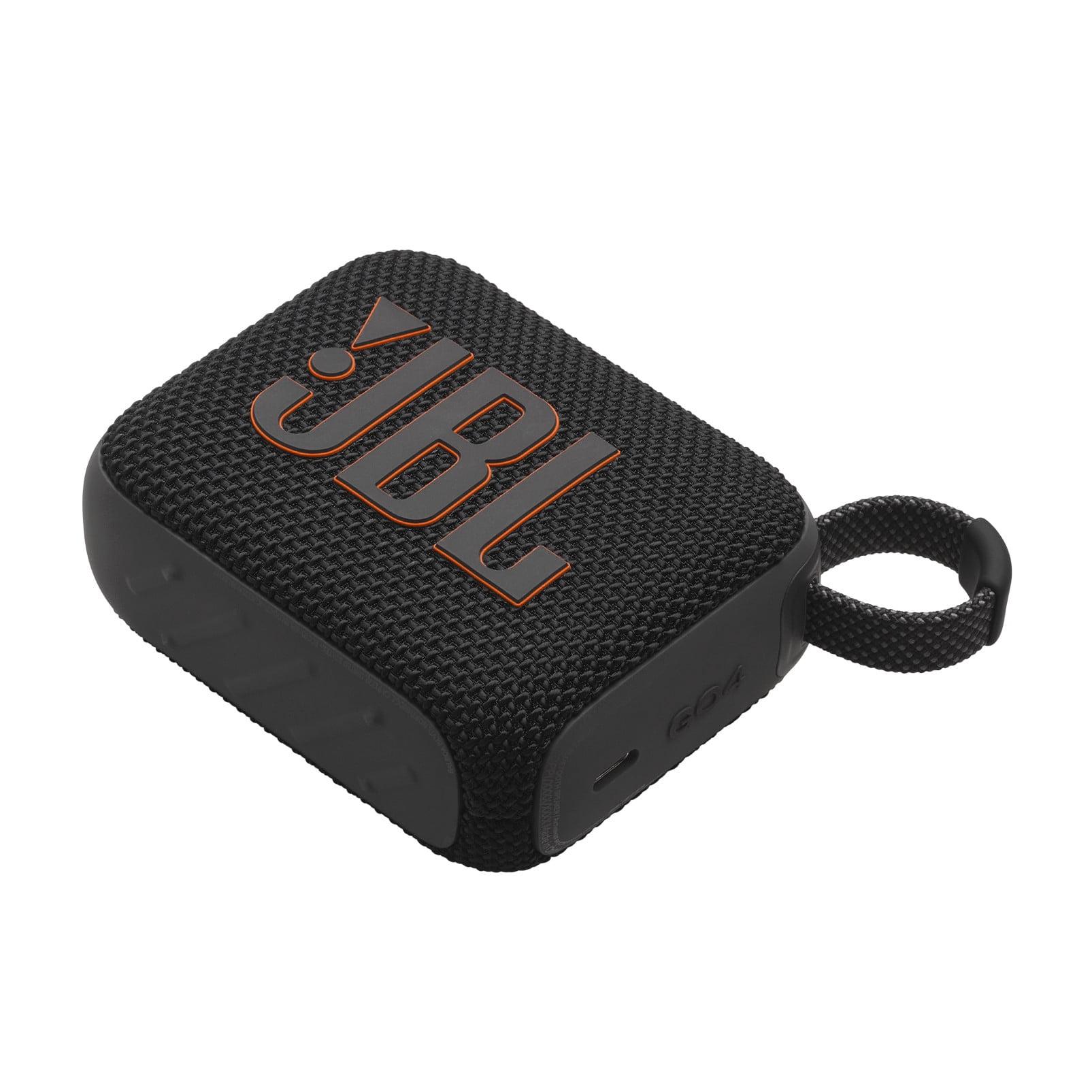
The JBL Go 4, released in May 2023, builds upon JBL's ultra-portable speaker line with improved durability and sound quality. While maintaining the compact form factor of the Go series, it adds features like stereo pairing and better water resistance.
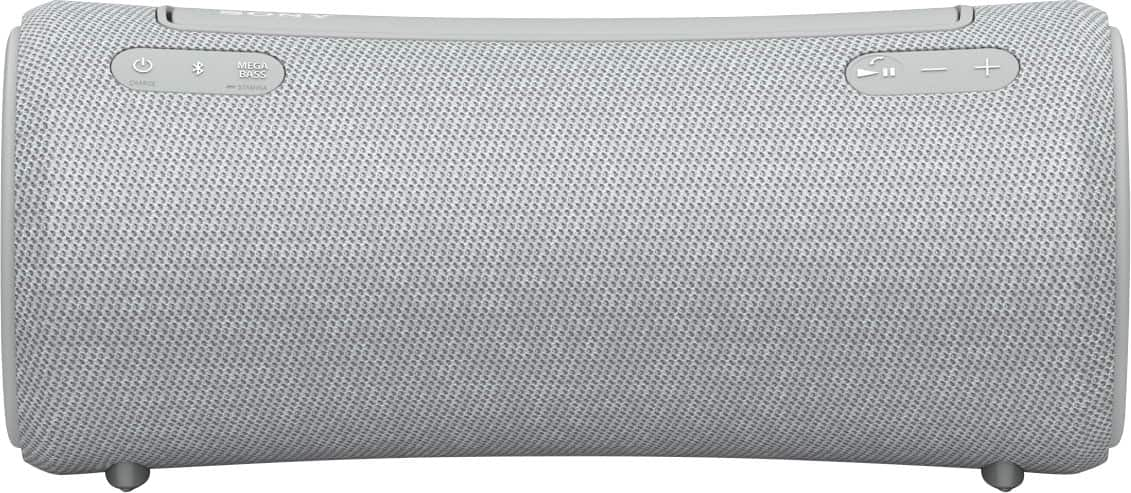
The XG300's dual woofer and tweeter setup (two 61mm x 68mm woofers and two 20mm tweeters) delivers impressive stereo separation and clarity. The X-Balanced Speaker Units produce noticeably better bass response than traditional circular speakers, particularly when MEGA BASS mode is engaged. In testing, the bass remains clear and controlled even at higher volumes, which is impressive for a portable speaker.
The speaker also supports LDAC, Sony's high-resolution audio codec, which can transmit about three times more data than standard Bluetooth audio. This means when paired with a compatible device (like many Android phones), you'll hear more detail in your music.
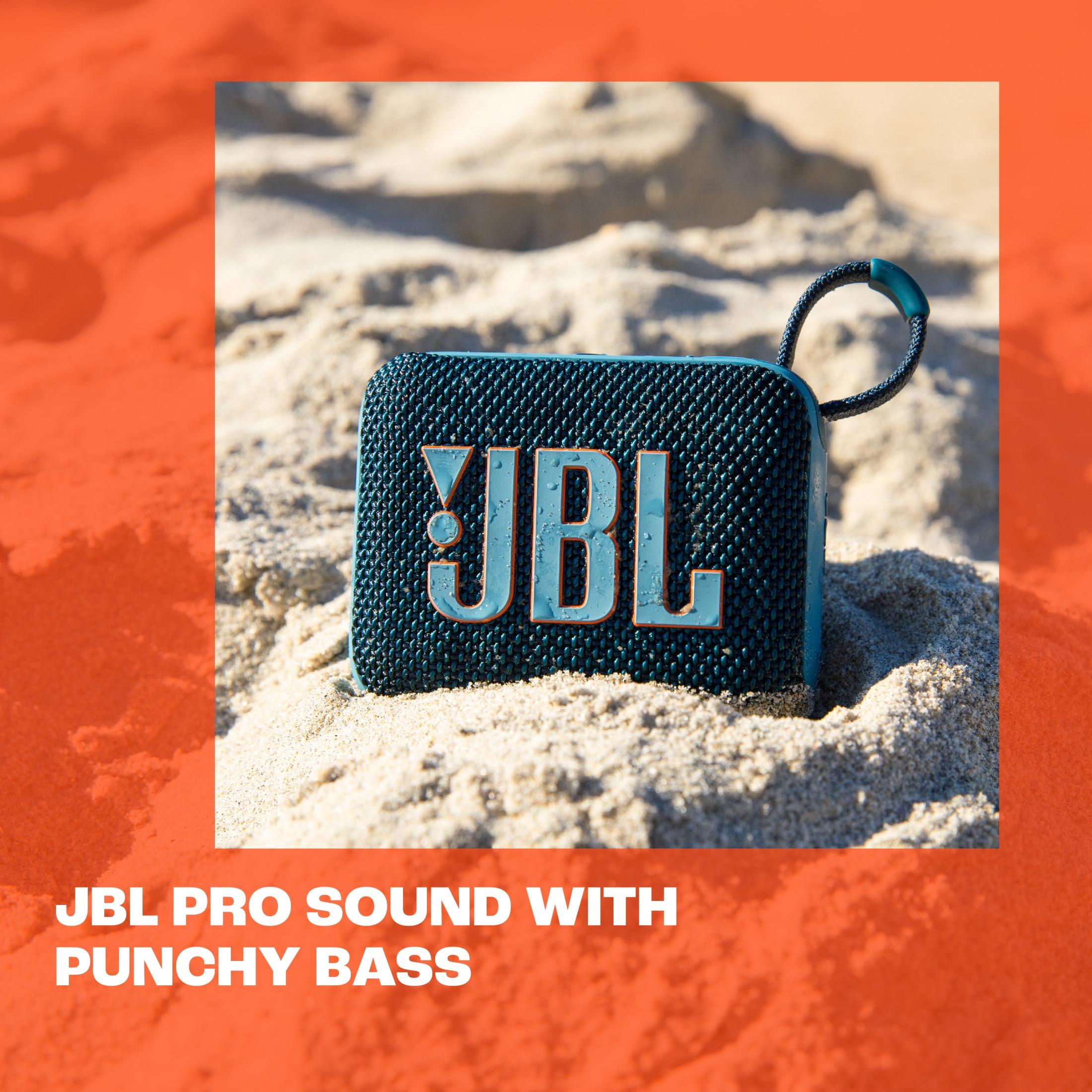
Despite its small size, the Go 4's single 40mm driver manages to produce surprisingly clear sound. The speaker emphasizes vocal clarity and mid-range frequencies, though bass response is naturally limited by its physical size. JBL's tuning tends toward a bright, energetic sound signature that works well for podcasts and pop music.
This is where the size difference really shows. The XG300 puts out about 25 watts of power, enough to fill a large room or provide music for an outdoor gathering. It maintains clarity even at maximum volume, though you might notice some compression kicking in to prevent distortion.
The Go 4, with its 5-watt output, is designed for personal listening or small group settings. It can get surprisingly loud for its size, but it's not going to power your next backyard party.
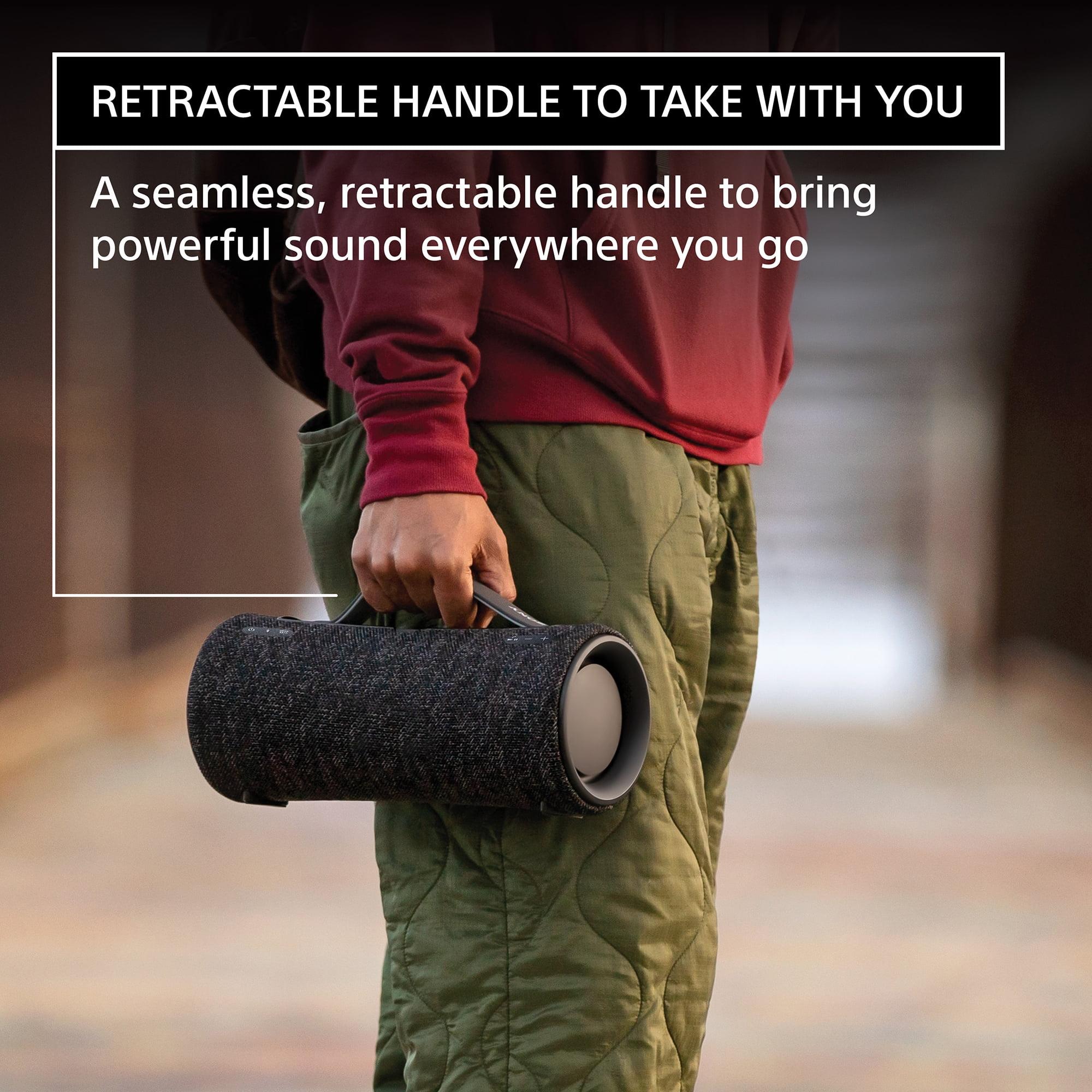
The difference in portability is dramatic:
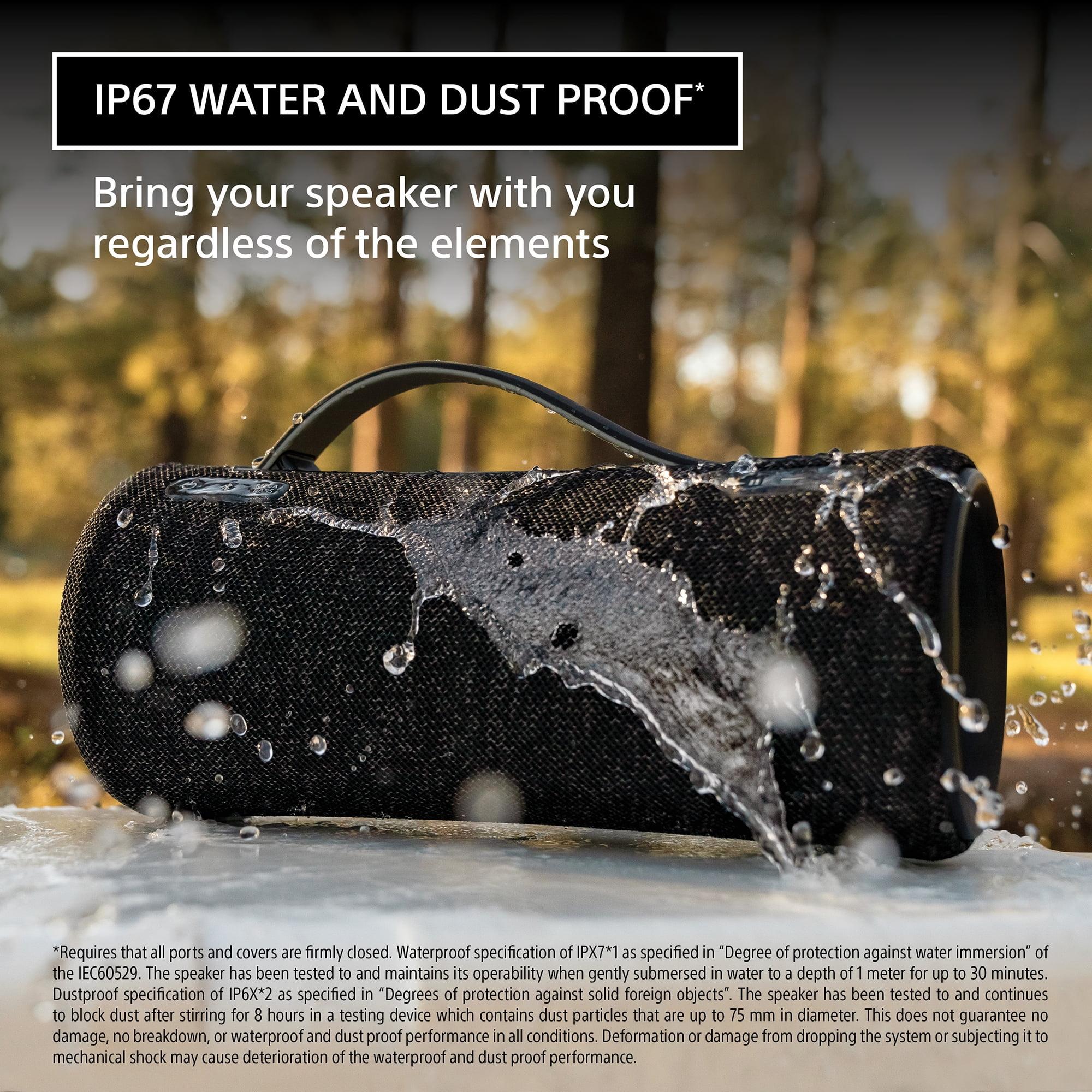
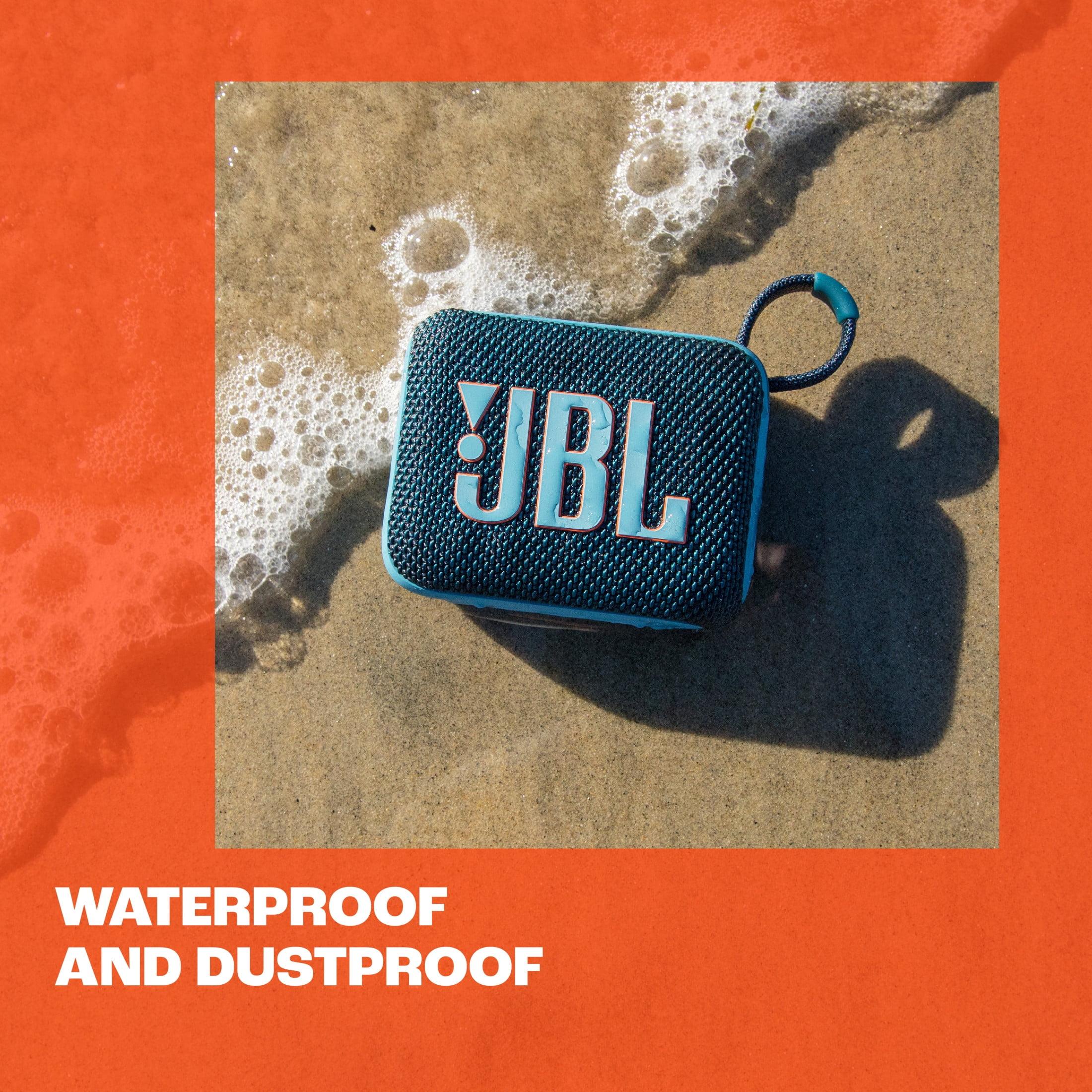
Both speakers feature IP67 water and dust resistance, meaning they can be submerged in up to 1 meter of water for 30 minutes. This makes them both viable options for pool parties or beach trips, though the XG300's larger size makes it more practical for these scenarios as it can provide adequate volume for outdoor spaces.
The XG300 boasts an impressive 25-hour battery life, though this varies significantly based on volume level and feature usage. At higher volumes, expect closer to 12-15 hours. It also offers quick charging - a 10-minute charge provides about 70 minutes of playback.
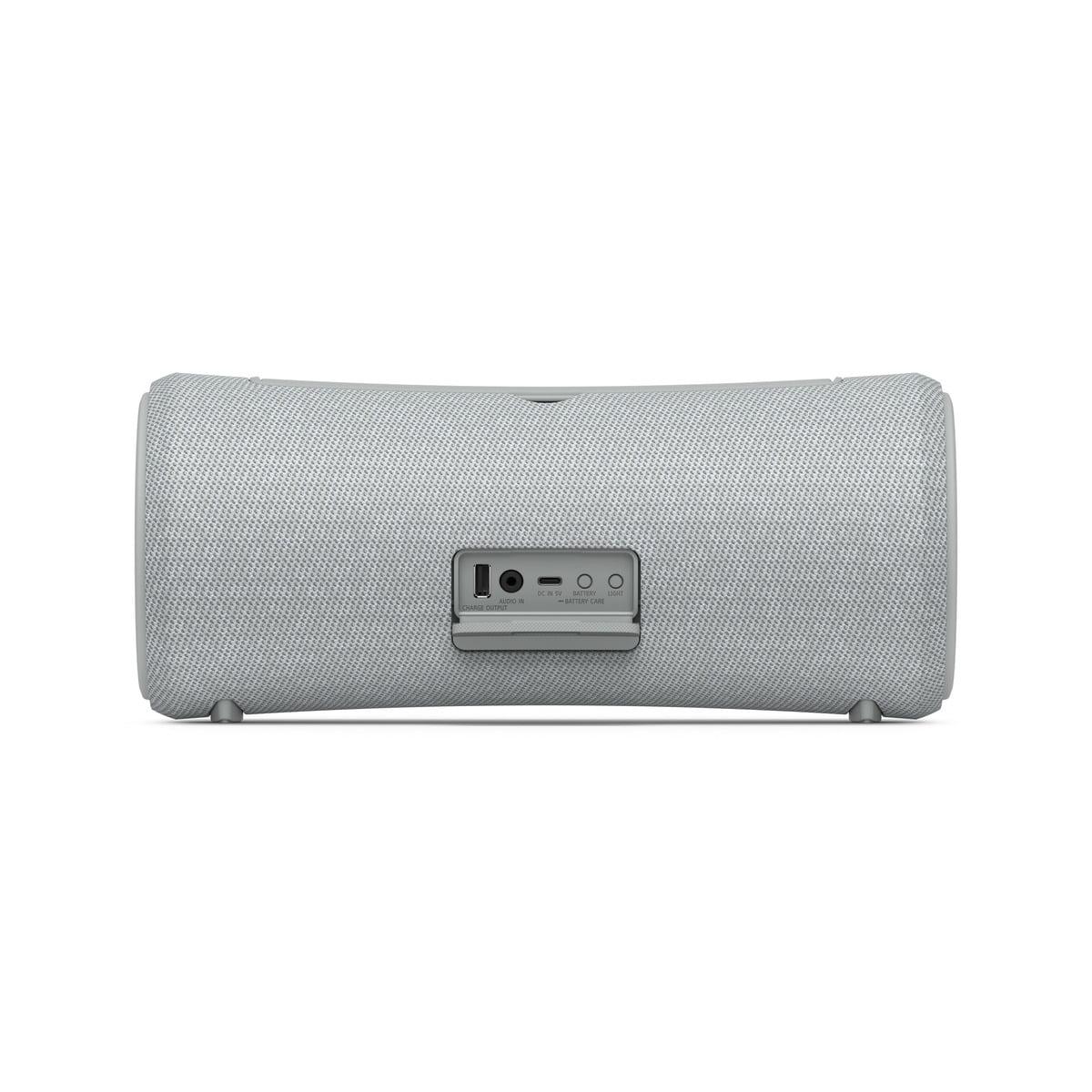
The Go 4's 7-hour battery life is respectable for its size but means you'll need to charge it more frequently. Both speakers use USB-C charging, with the XG300 adding the ability to charge other devices using its USB-A port.
The XG300 at $150 represents solid value for a speaker of its capability, especially considering its original $350 MSRP. The sound quality and features compete with speakers costing significantly more.
The JBL Go 4 at $44 offers impressive performance for its price point, particularly if portability is your primary concern. It's an excellent value for personal use or as a travel speaker.
The decision really comes down to your primary use case:
Choose the Sony XG300 if:
Choose the JBL Go 4 if:
Both speakers excel at their intended purposes. The XG300 is a versatile, powerful speaker that can handle everything from background music to outdoor parties, while the Go 4 is the perfect companion for those prioritizing portability and simplicity.
For home theater use, the XG300 could serve as a decent TV speaker in a pinch, thanks to its stereo separation and strong bass response, though it's not its primary purpose. The Go 4 wouldn't be suitable for this use case.
Remember, the best choice depends entirely on your specific needs and use cases. Consider how and where you'll use the speaker most often, and let that guide your decision.
| Sony XG300 MEGA BASS | JBL Go 4 |
|---|---|
| Price - Key factor in value proposition | |
| $150 - Mid-range pricing | $44 - Budget-friendly |
| Size & Weight - Impacts portability and use cases | |
| 318 x 138 x 136 mm, 3.0 kg - Handled carrying | 86 x 71 x 32 mm, 0.21 kg - Pocket-sized |
| Sound Output - Determines volume capability and sound quality | |
| 25W, dual woofers + tweeters - Room-filling sound | 5W, single driver - Personal listening |
| Battery Life - Affects usage duration between charges | |
| 25 hours (12-15 at high volume) - All-day capable | 7 hours - Casual use duration |
| Water Resistance - Important for outdoor use | |
| IP67 - Full waterproof protection | IP67 - Full waterproof protection |
| Audio Features - Impacts sound quality and versatility | |
| LDAC codec, MEGA BASS, Custom EQ - Premium audio | Standard Bluetooth codec, Basic EQ - Good clarity |
| Connectivity - Affects device pairing options | |
| Bluetooth 5.2, Multi-point, USB-C - Versatile | Bluetooth 5.3, USB-C - Standard |
| Additional Features - Extra functionality | |
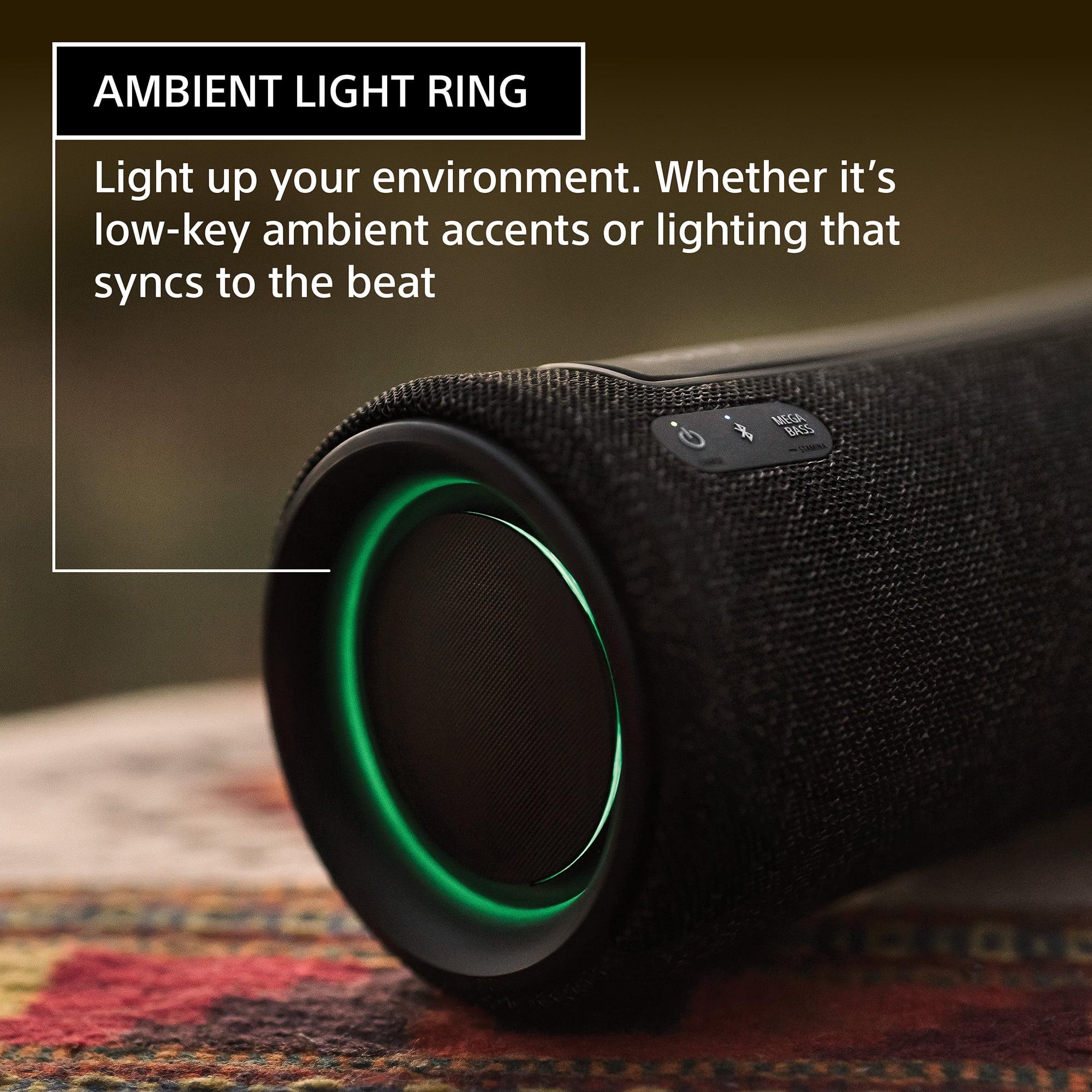
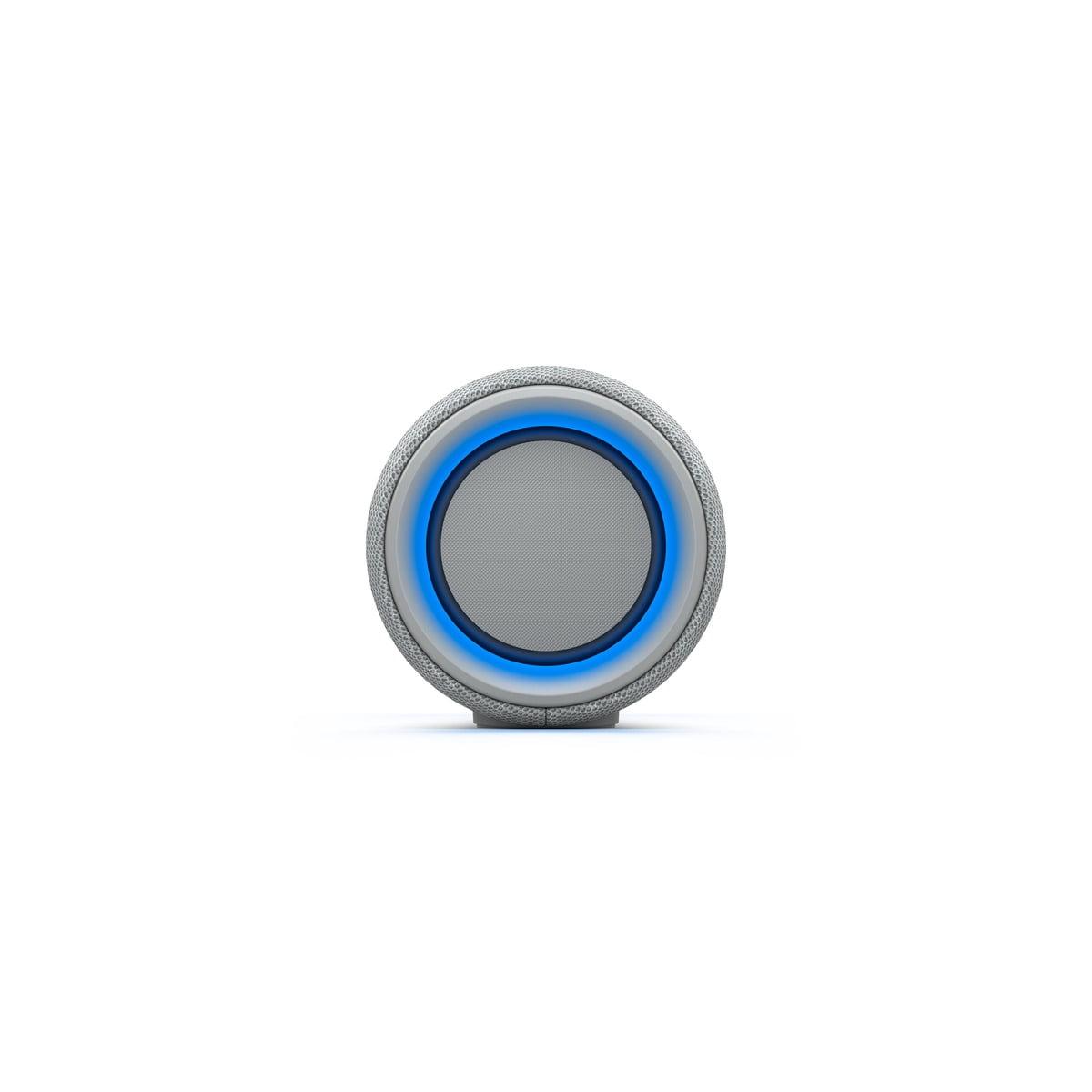
| LED lights, power bank, party connect - Full featured | Basic PartyBoost - Essential features |
| Driver Configuration - Determines sound quality | |
| 2x 61mm woofers, 2x 20mm tweeters - Full range | Single 40mm driver - Limited range |
| Use Case Optimization - Best suited for | |
| Parties, outdoor events, home audio - Versatile | Travel, desk use, personal audio - Portable |
The Sony XG300 is better for sound quality and volume, while the JBL Go 4 wins for portability. The XG300 is ideal for parties and outdoor use, while the Go 4 excels as a personal speaker.
If you need room-filling sound or better bass, yes. The Sony XG300 at $150 offers significantly more power and features than the JBL Go 4 at $44. For personal use, the Go 4's value is excellent.
The Sony XG300 offers 25 hours compared to the JBL Go 4's 7 hours. However, the XG300's battery life drops to 12-15 hours at higher volumes.
Yes, both speakers have IP67 water resistance. The Sony XG300 has enough volume for outdoor gatherings, while the JBL Go 4 is better suited for personal outdoor listening.
The Sony XG300 has superior sound quality with dual woofers and tweeters, plus MEGA BASS technology. The JBL Go 4 sounds good for its size but can't match the XG300's full-range sound.
The JBL Go 4 is significantly more portable at 0.21kg and pocket-sized. The Sony XG300 weighs 3kg and is more like carrying a small boom box.
Yes, both support multi-speaker connection. The Sony XG300 uses Party Connect for up to 100 speakers, while the JBL Go 4 uses PartyBoost for connecting to other JBL speakers.
The JBL Go 4 is ideal for travel due to its compact size and lightweight design. The Sony XG300 is too large for most travel scenarios.
Both speakers have built-in microphones for calls. The Sony XG300 offers better call quality with echo cancellation, while the JBL Go 4 provides basic call functionality.
Yes, both the Sony XG300 and JBL Go 4 work with any Bluetooth-enabled device, including all smartphones.
The Sony XG300 delivers significantly better bass with its MEGA BASS feature and larger drivers. The JBL Go 4 has limited bass due to its small size.
Yes, both the Sony XG300 and JBL Go 4 can be used while charging through their USB-C ports. The XG300 can also charge other devices through its USB-A port.
We've done our best to create useful and informative comparisons to help you decide what product to buy. Our research uses advanced automated methods to create this comparison and perfection is not possible - please contact us for corrections or questions. These are the sites we've researched in the creation of this article: bestbuy.com - youtube.com - sony.ca - youtube.com - electronics.sony.com - sony.com - abt.com - helpguide.sony.net - bhphotovideo.com - rtings.com - thesonyshop.ca - helpguide.sony.net - tomsguide.com - outeraudio.com - youtube.com - techradar.com - corporategift.com - jbl.com - target.com - dell.com - projectorscreen.com - mm.jbl.com

Privacy Policy
Terms and Conditions - Affiliate Policy
Home Security
© Copyright 2008-2026.
11816 Inwood Rd #1211, Dallas, TX 75244