

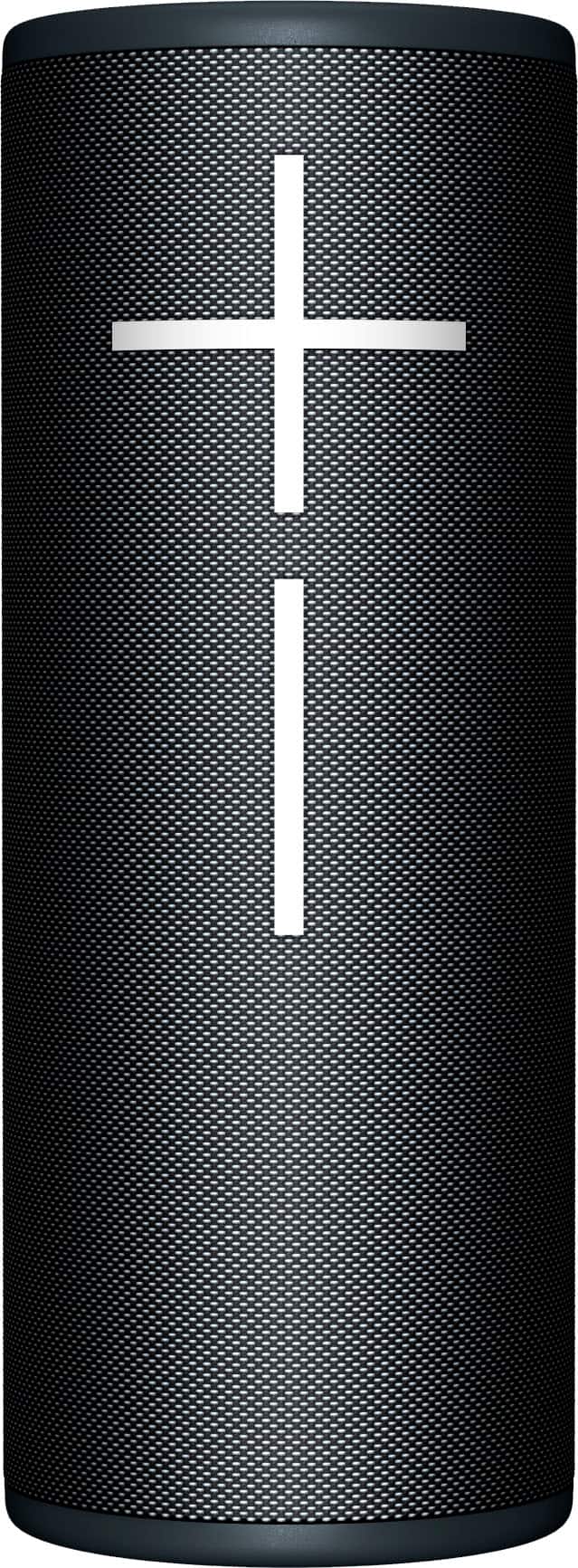
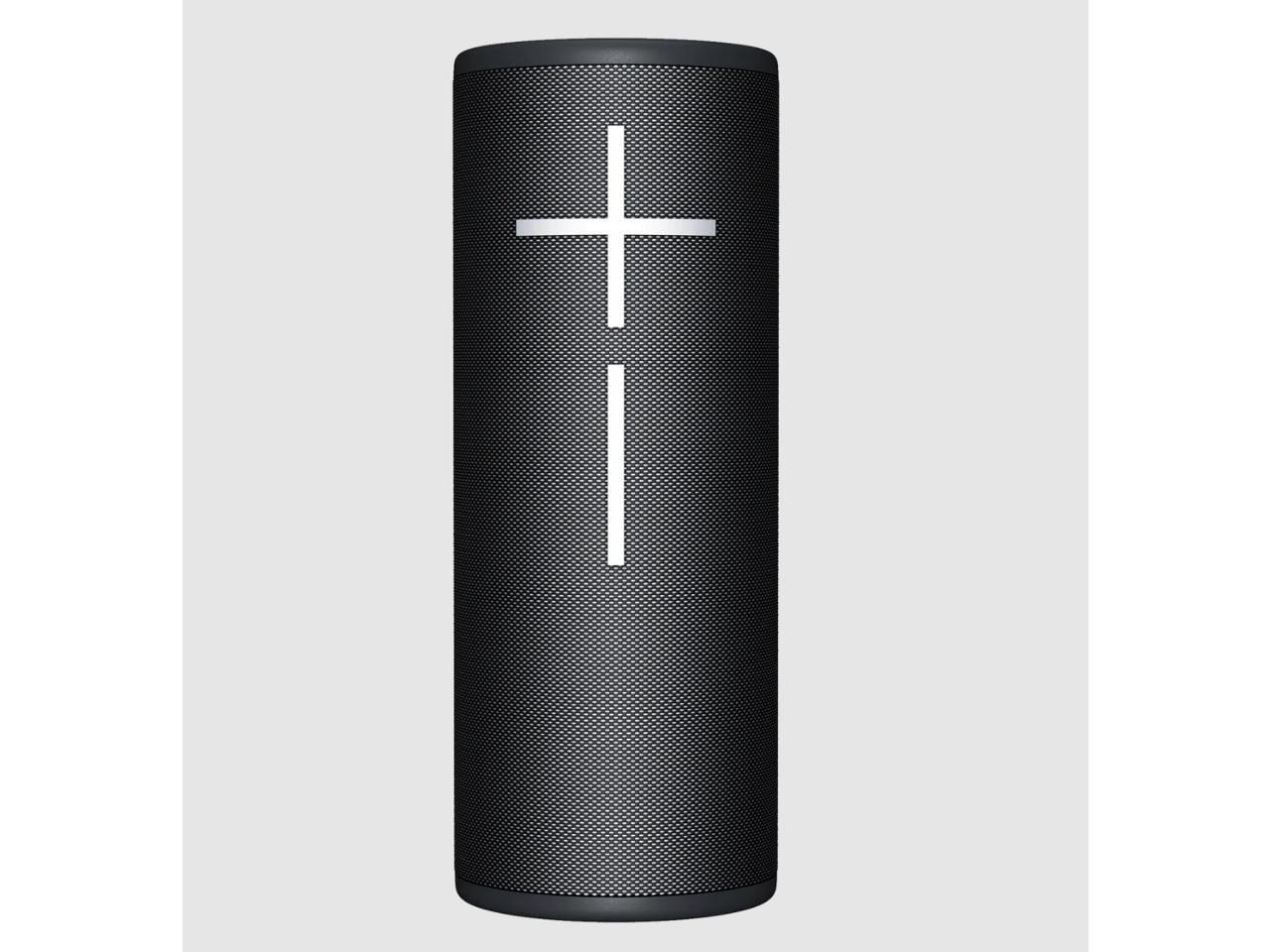






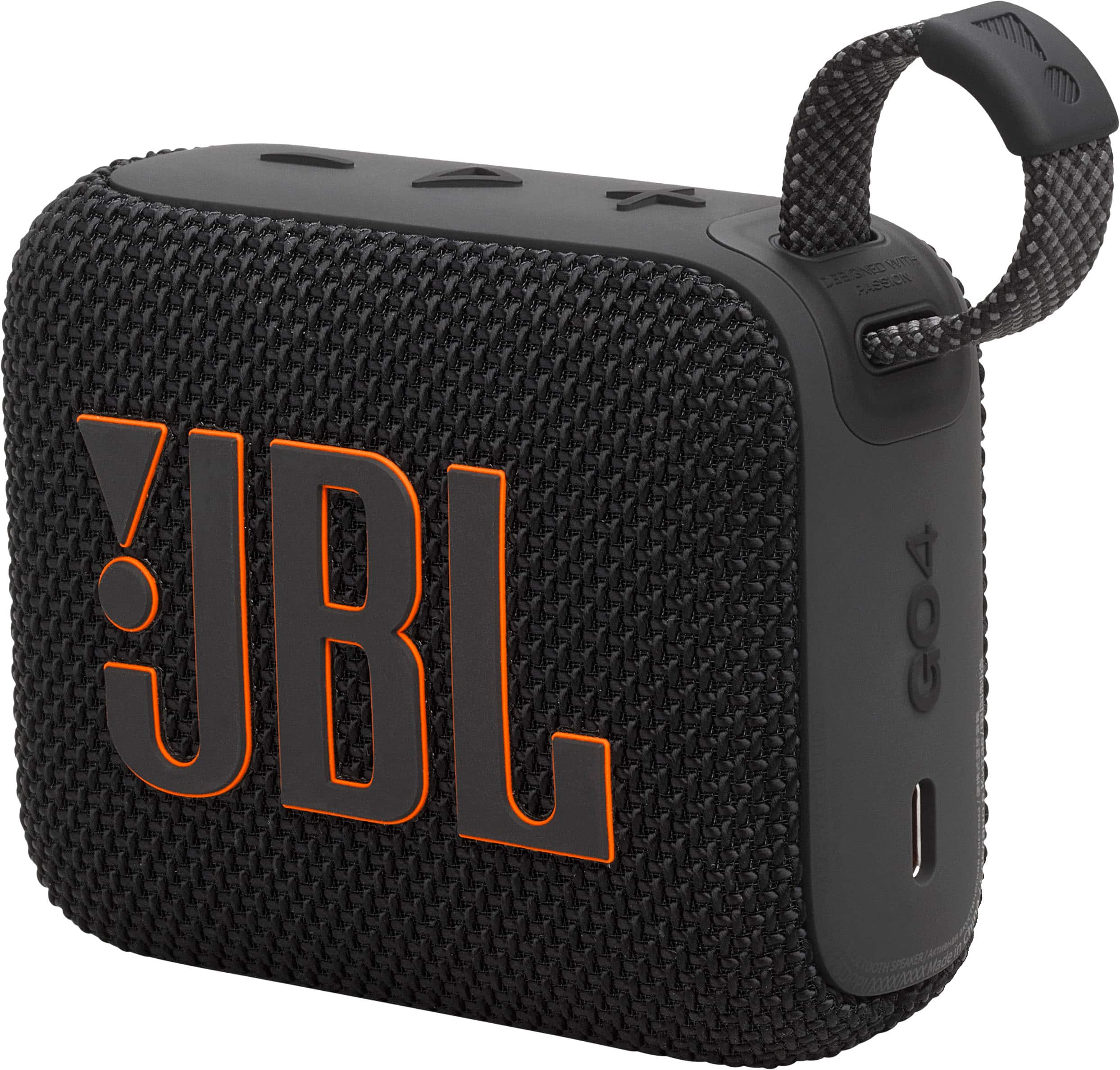
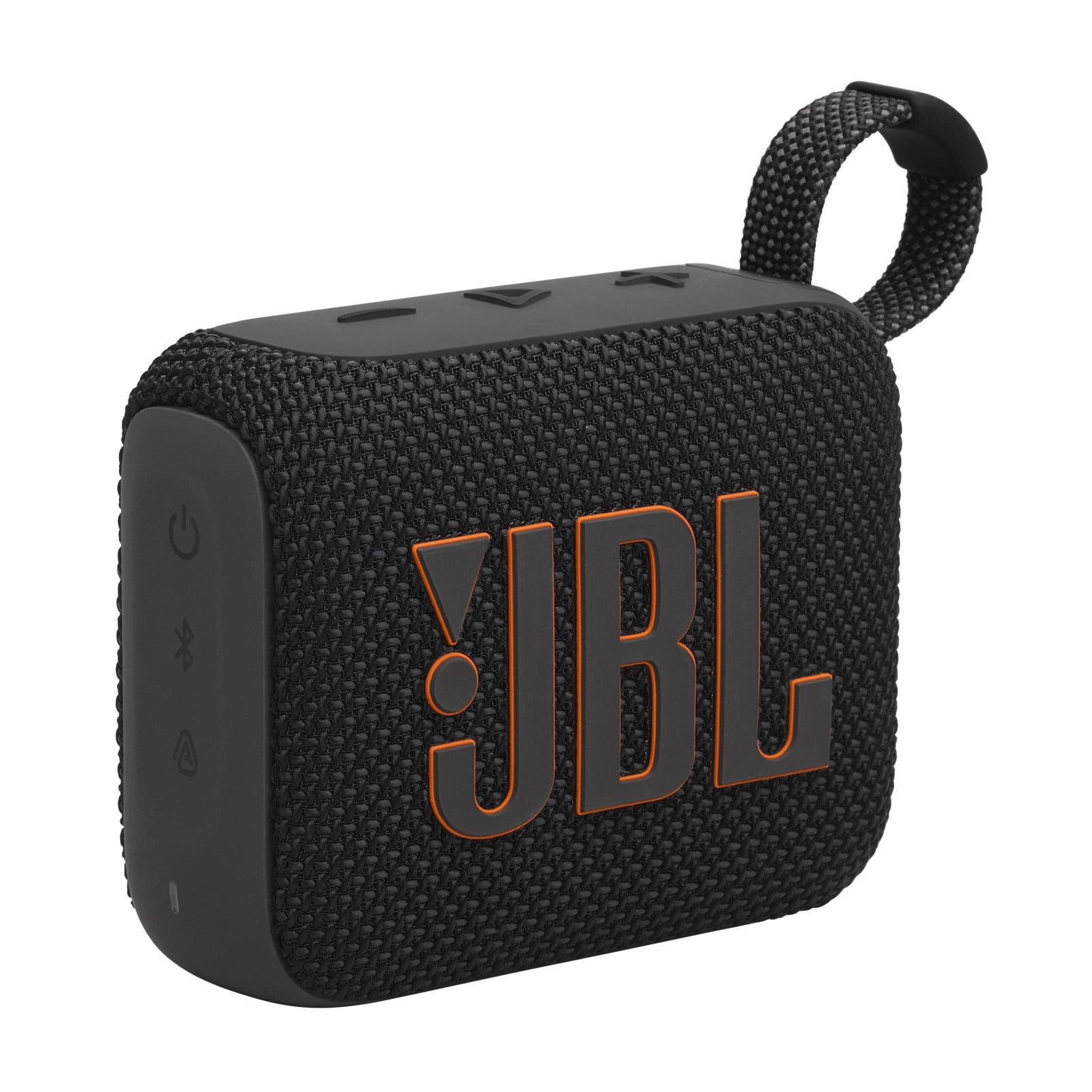


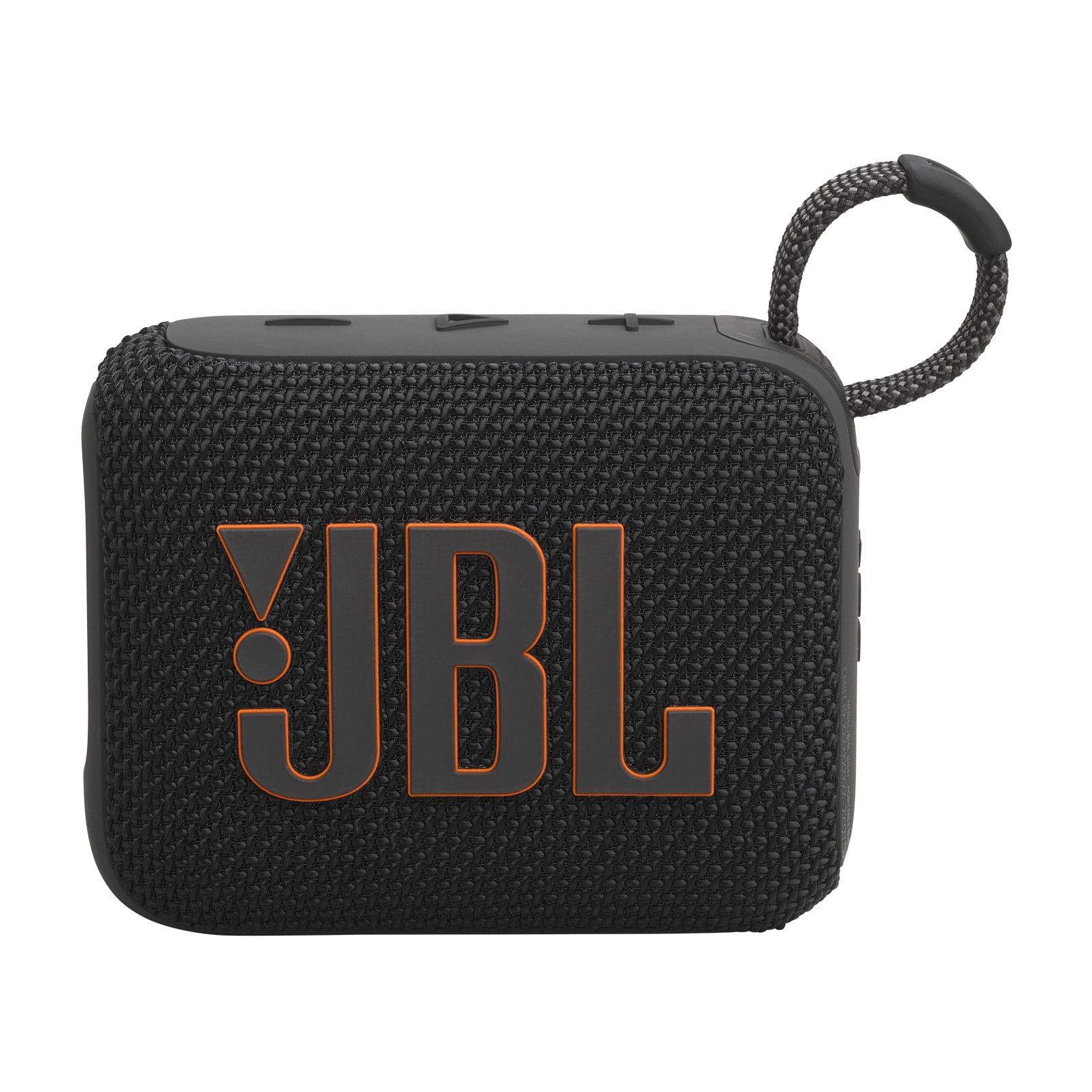
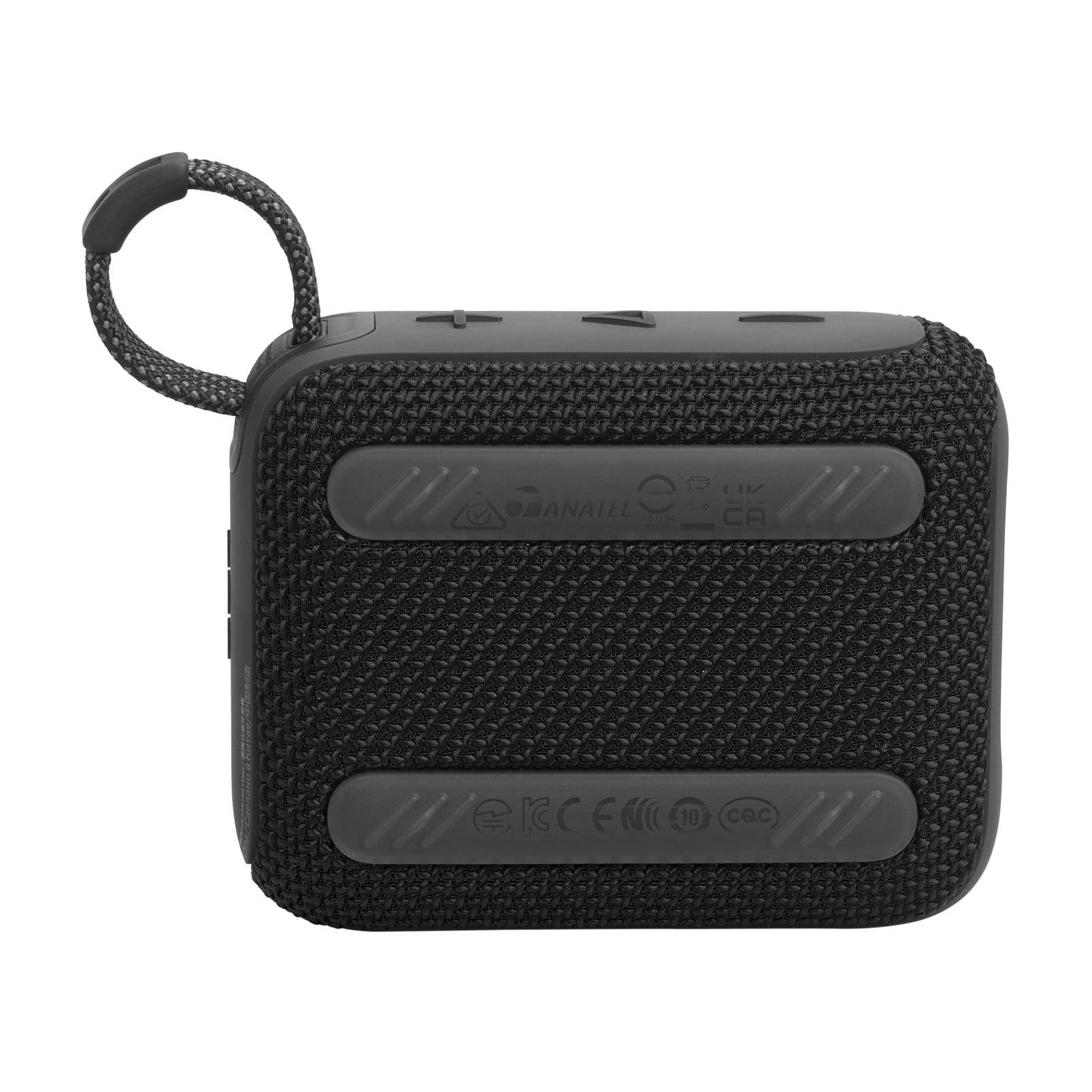
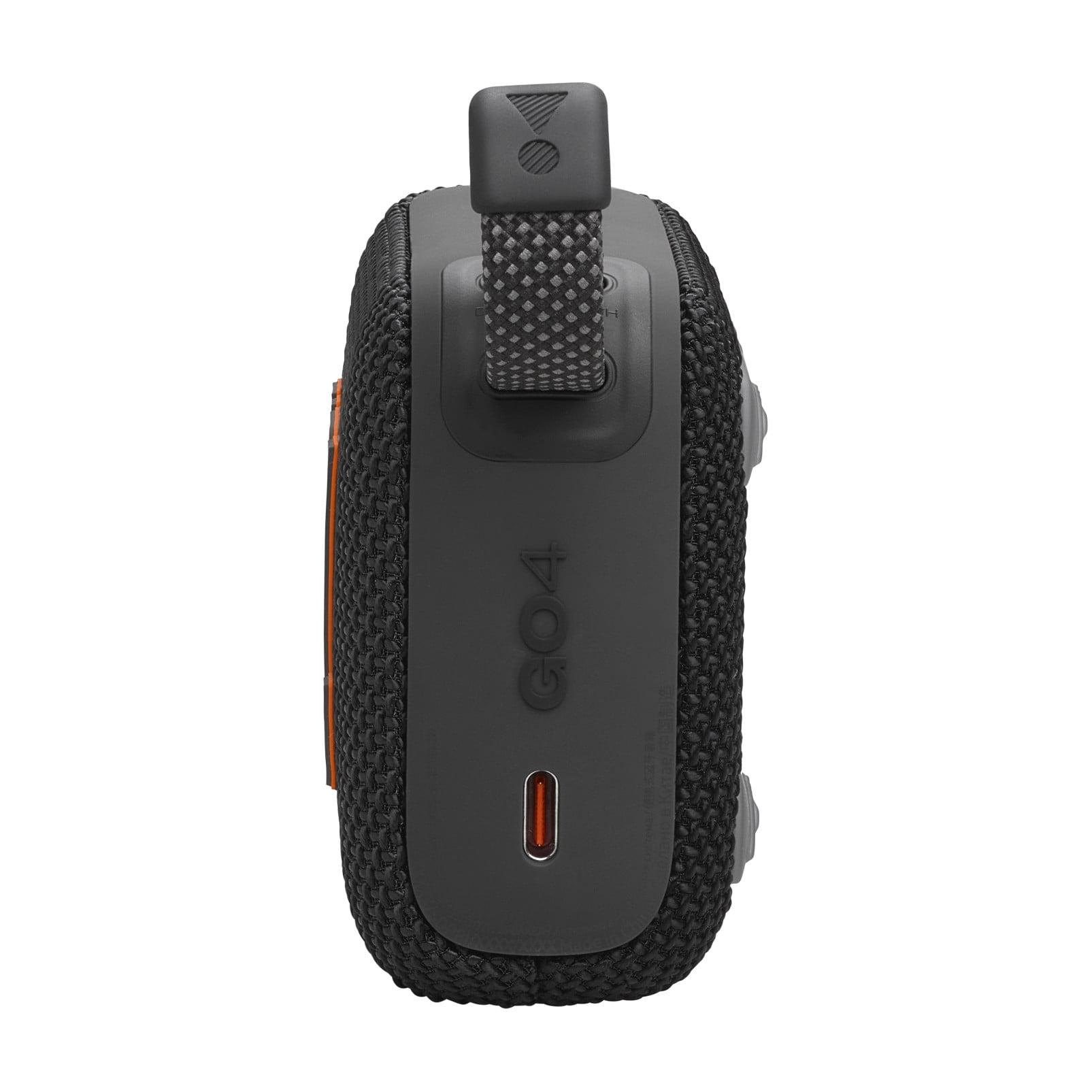
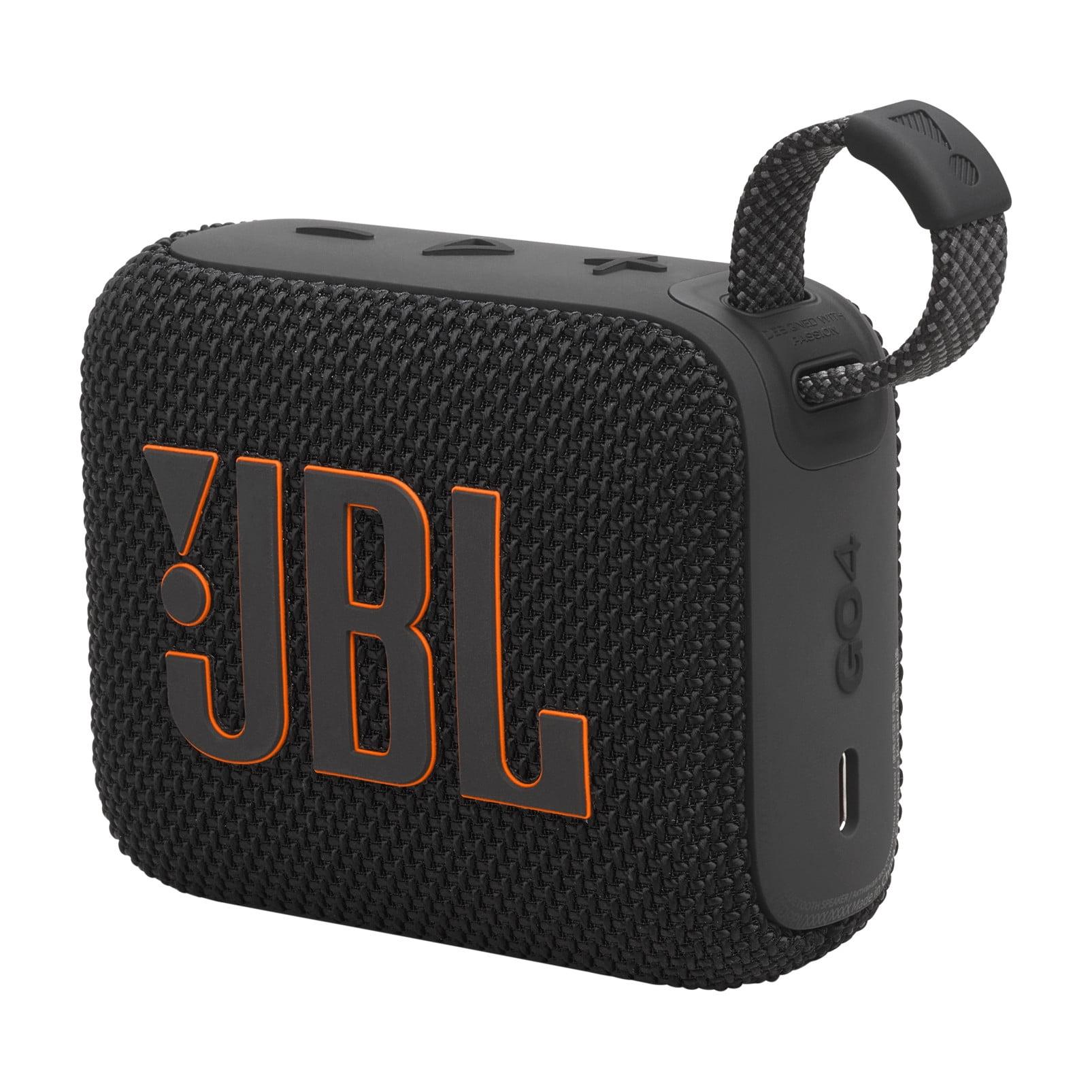
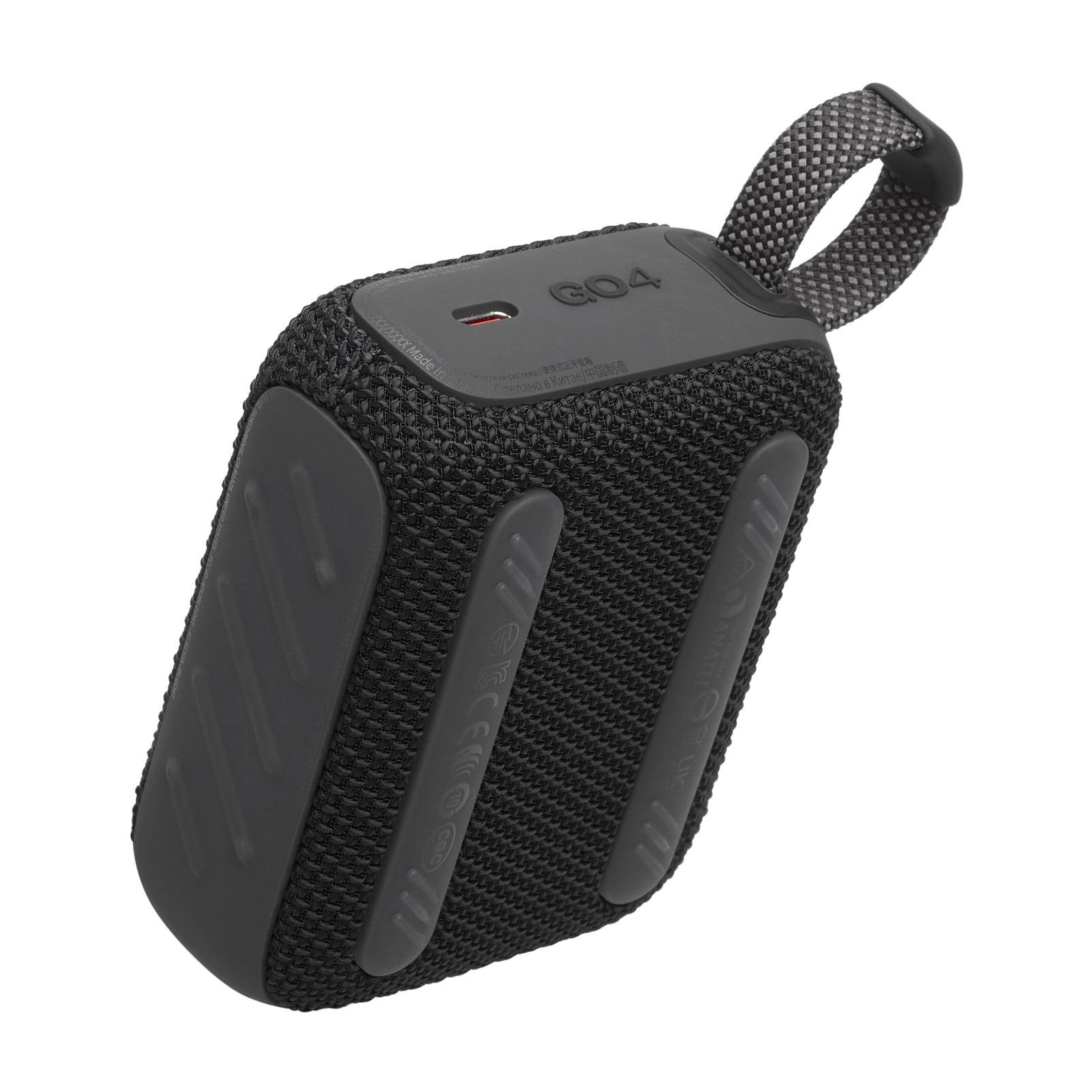
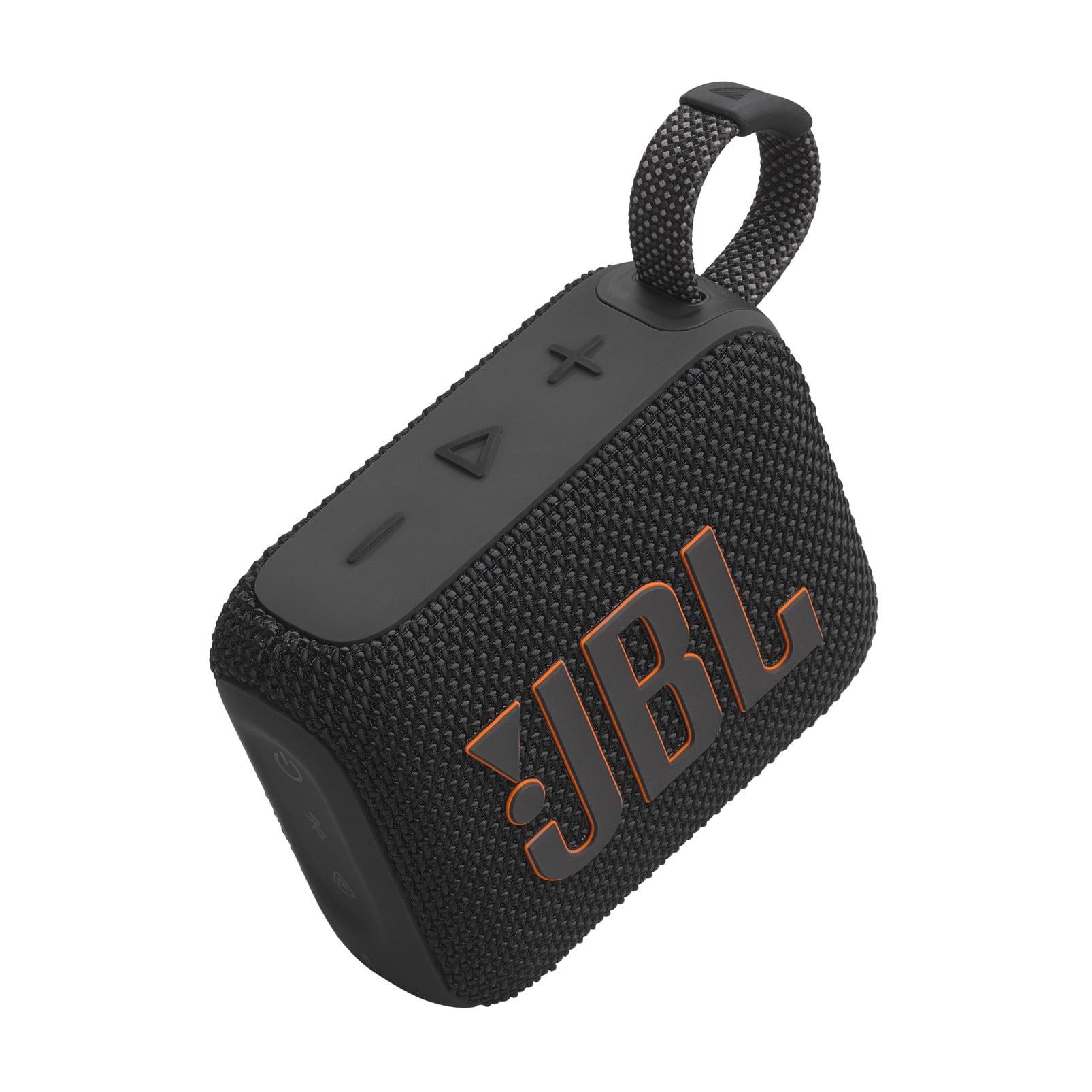
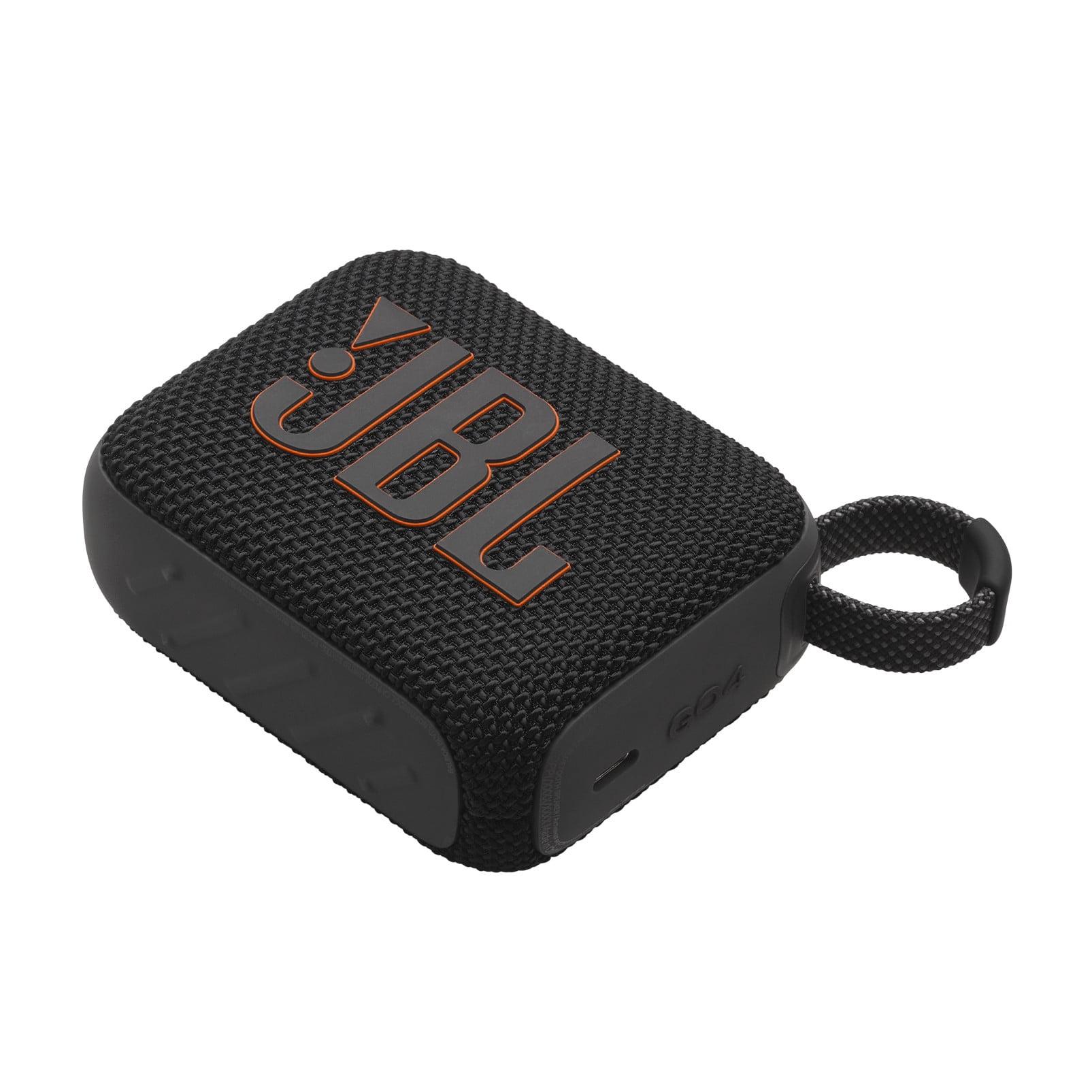
When it comes to portable Bluetooth speakers in 2024, we're seeing some fascinating developments in sound quality and connectivity. The recent releases of the Ultimate Ears MEGABOOM 4 ($149.99) and JBL Go 4 ($44.00) showcase how far portable audio has come, though they approach the market from distinctly different angles.
Both speakers launched in early 2024, bringing notable improvements over their predecessors. The MEGABOOM 4 refines its signature cylindrical design with improved passive radiators for better bass response, while the Go 4 introduces Auracast technology - a new Bluetooth feature that makes connecting multiple speakers easier than ever.
The difference in size between these speakers directly impacts their sound output capabilities. The MEGABOOM 4 delivers an impressive 91 dBC from its ground plane measurements, which in real-world terms means it can easily fill a backyard party with clear, punchy sound. Its larger size accommodates dual 50mm drivers and two passive radiators, creating a 360-degree sound field that maintains consistency whether you're standing next to it or 20 feet away.
The compact JBL Go 4 produces about 83.3 dBC - perfectly adequate for personal listening or small group settings. While it can't match the raw output of the MEGABOOM, it's surprisingly capable for its size, thanks to JBL's expertise in small-format speakers.
The MEGABOOM 4's dual-driver setup creates a more spacious soundstage with noticeably better stereo separation. The passive radiators (which are like speakers that move in response to air pressure rather than electrical signals) provide deeper, more natural bass response. This is especially noticeable with bass-heavy music genres like hip-hop or electronic dance music.
The Go 4's single 45mm driver focuses on clarity in the mid-range frequencies, where vocals and most instruments sit. While it can't produce the same deep bass notes as its larger competitor, it does an admirable job with acoustic music and podcasts. The speaker includes a "Playtime Boost" feature that can enhance volume and clarity at the expense of some battery life.
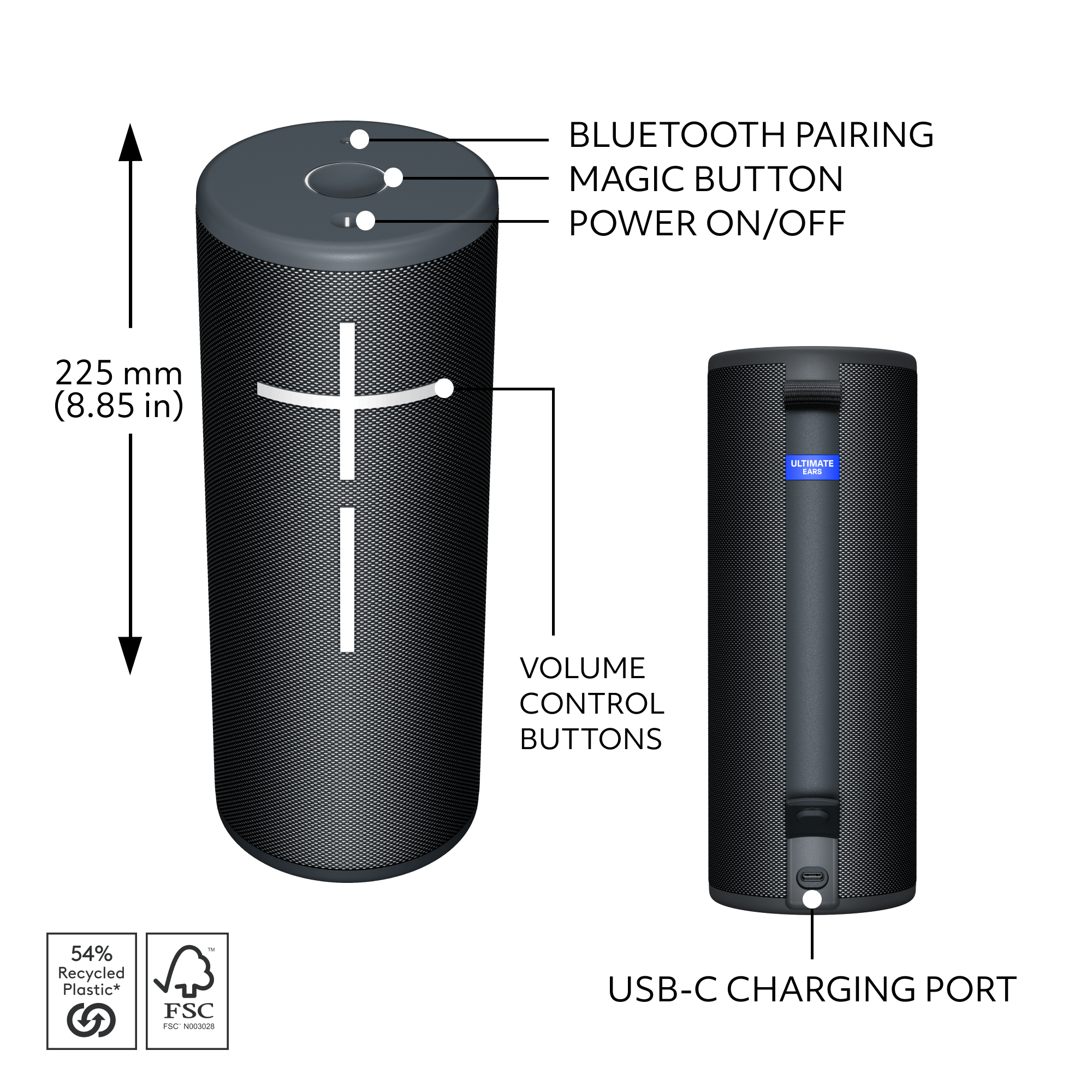
Here's where these speakers diverge significantly in their approach. The MEGABOOM 4 weighs 935g (about 2 pounds) and stands 8.8 inches tall - not exactly pocket-sized, but still easily transportable in a backpack or beach bag. Its cylindrical shape includes a built-in bungee loop for hanging.
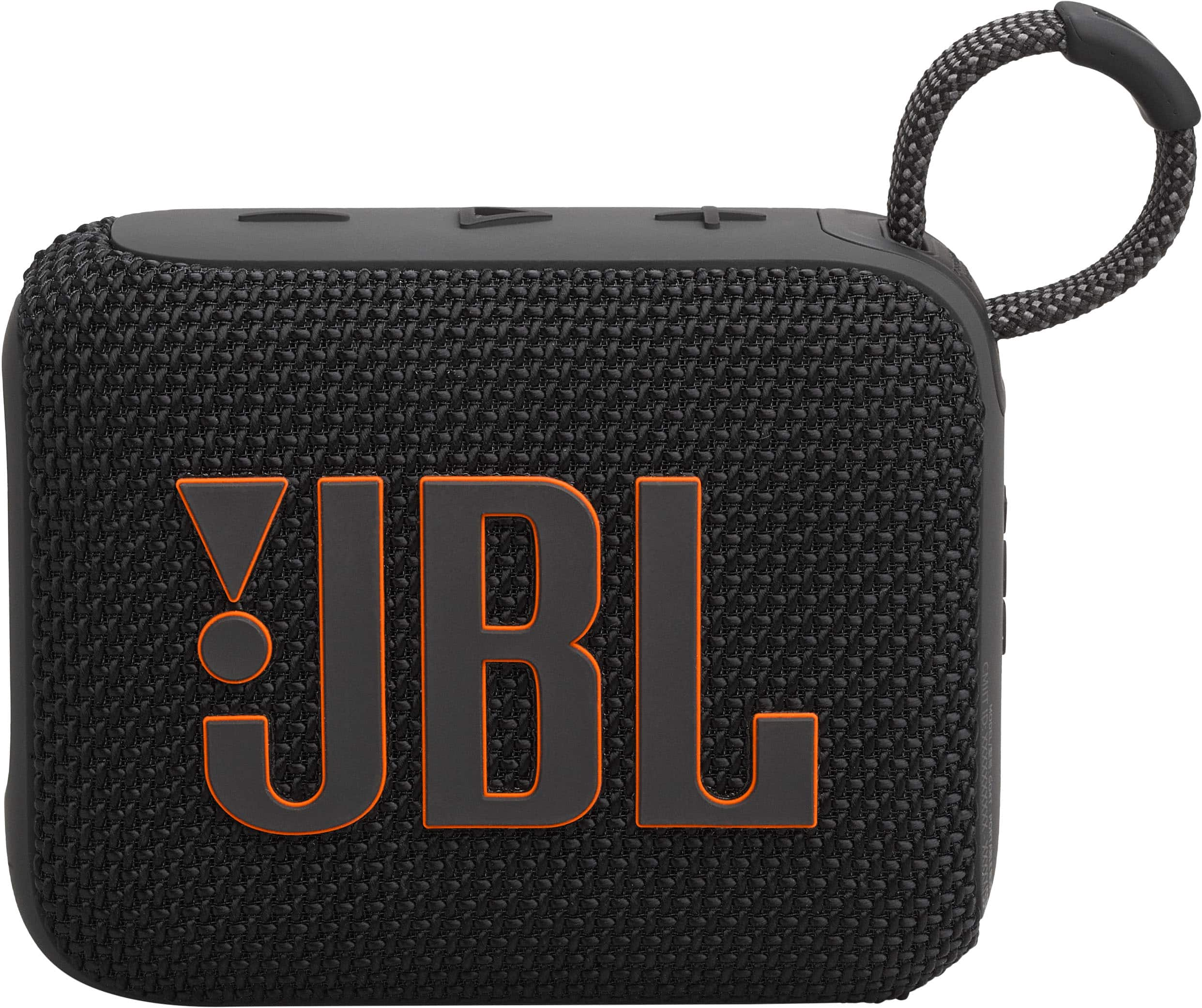
The JBL Go 4, weighing just 190g (under half a pound) and measuring roughly the size of a deck of cards, truly embraces the "ultra-portable" category. It's the kind of speaker you can slip into a jacket pocket or small purse without a second thought.
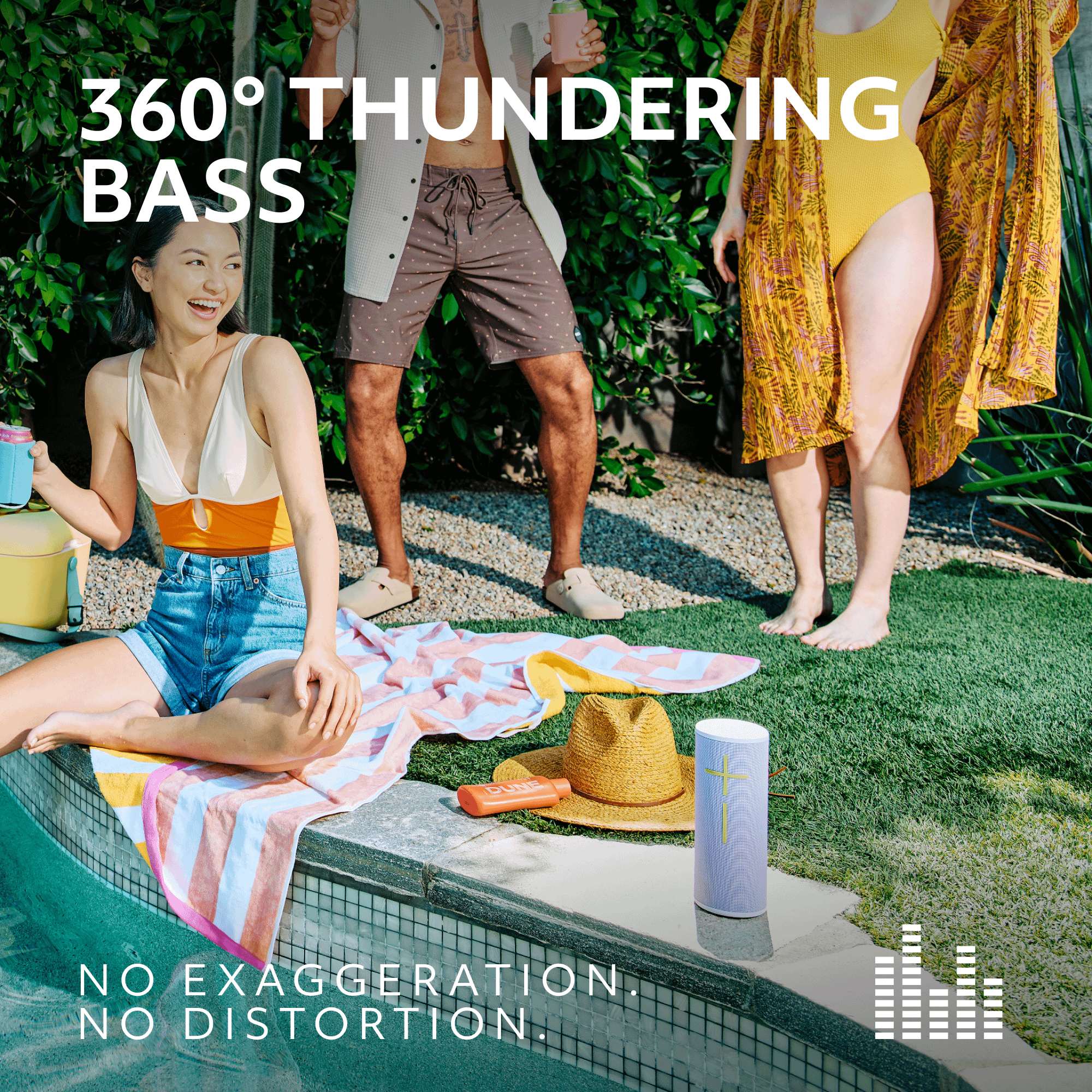
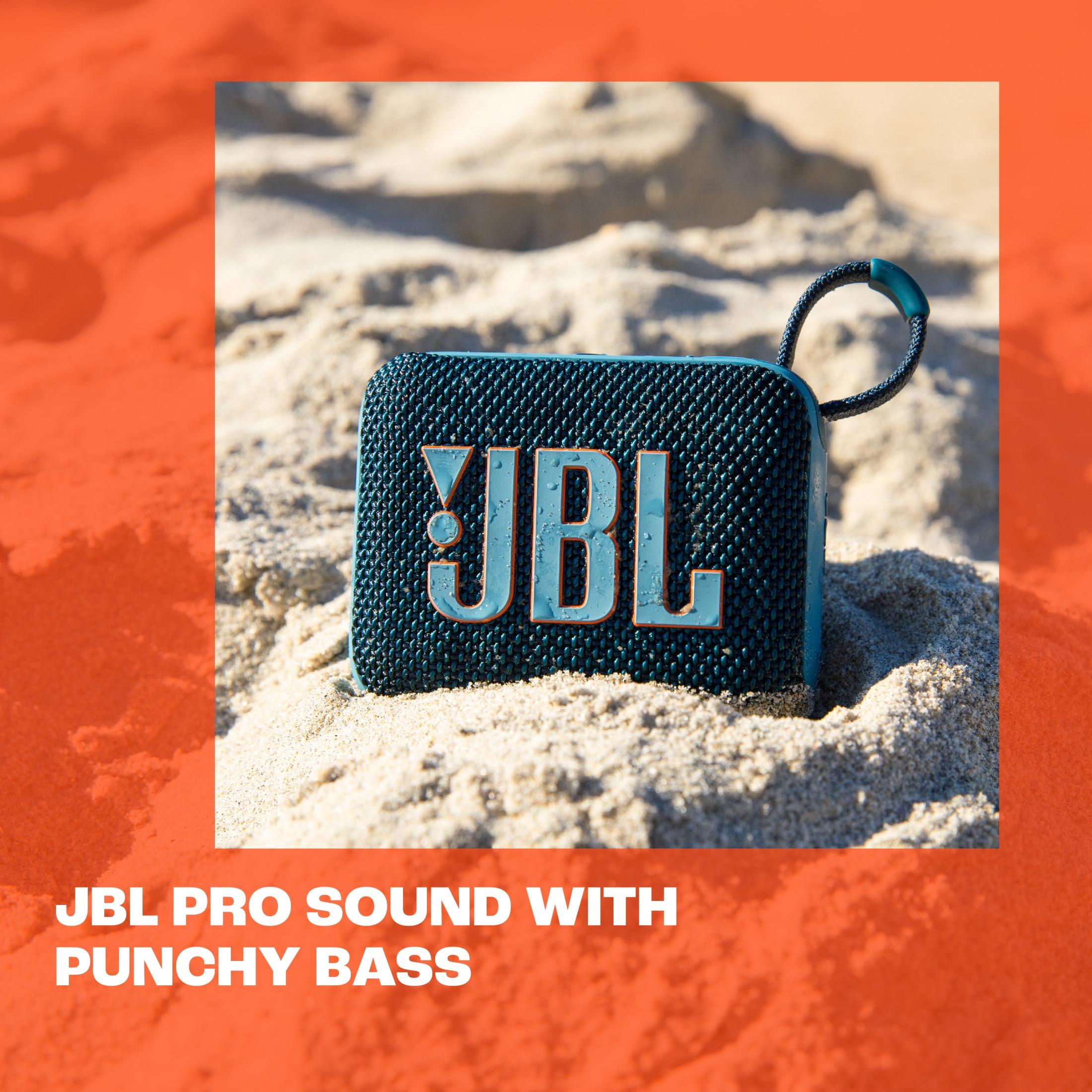
Both speakers feature IP67 water and dust resistance ratings, meaning they can handle submersion in up to 1 meter of water for 30 minutes. The MEGABOOM 4 adds flotation capability - a nice touch for pool parties.
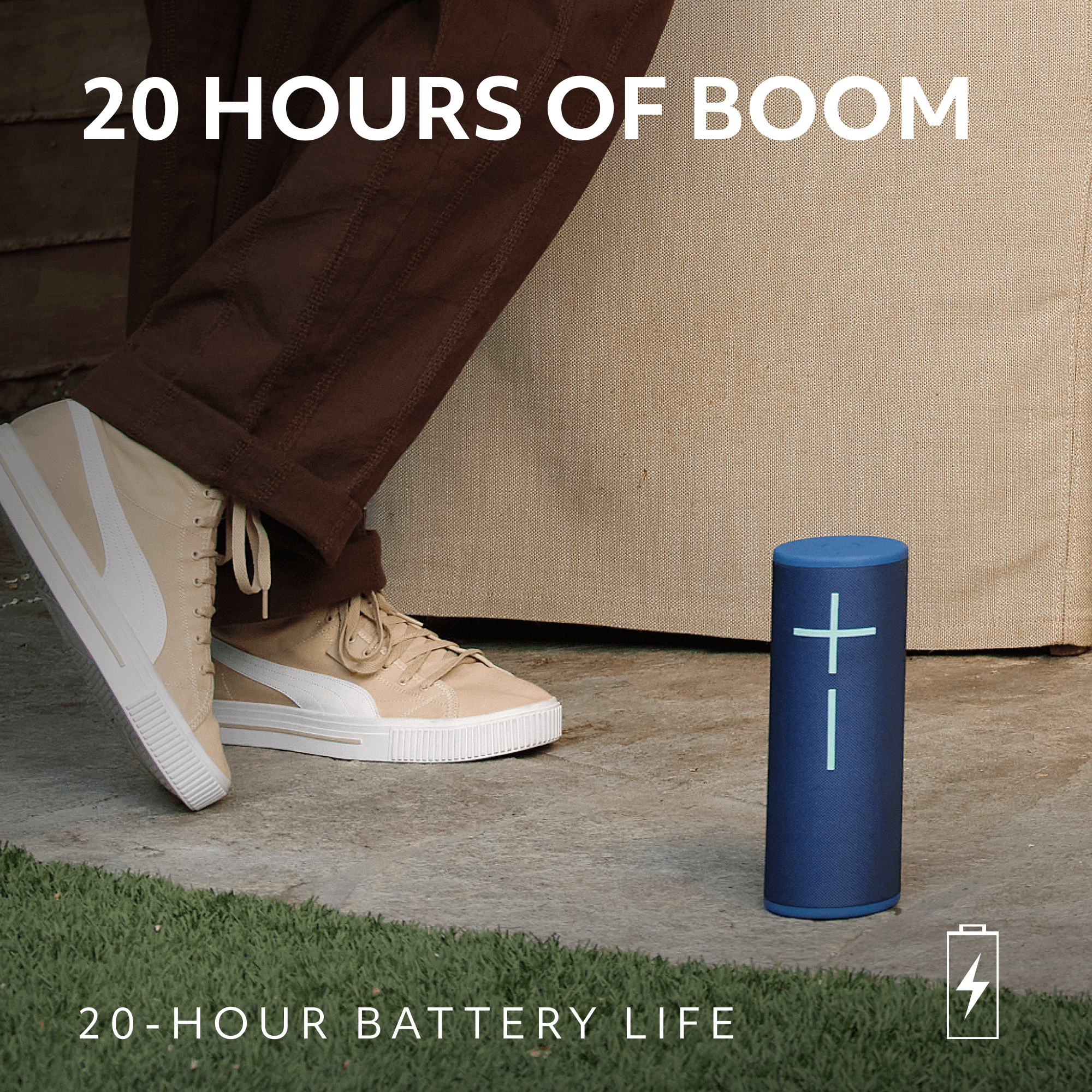
Battery performance shows another clear distinction between these models. The MEGABOOM 4's larger size accommodates a bigger battery, delivering up to 20 hours of playback at moderate volume levels. The Go 4 manages 7-9 hours, depending on volume and whether you're using the Playtime Boost feature.
Both speakers use USB-C charging, with the MEGABOOM 4 taking about 3 hours for a full charge and the Go 4 requiring roughly the same despite its smaller battery capacity.
The MEGABOOM 4's PartyUp feature allows connection with other Ultimate Ears speakers (including previous generations) to create a larger sound system. You can link up to 150 compatible speakers - though I've never tested more than four at once.
The Go 4's Auracast support represents a newer approach to multi-speaker connectivity, promising easier pairing and better synchronization. However, this feature currently only works with other Auracast-enabled devices, which are still relatively rare in early 2024.
Both speakers offer companion apps for iOS and Android. The Ultimate Ears app provides more extensive EQ customization options and preset modes (including specific settings for outdoor use and voice content). The JBL Portable app offers basic EQ adjustment and firmware updates.
Having tested both speakers in various settings, their intended uses become clear. The MEGABOOM 4 excels in:
The JBL Go 4 proves ideal for:
At $149.99, the MEGABOOM 4 sits in the premium portable speaker category. Its price reflects its capability as a primary portable speaker that can handle both personal and social listening situations. The build quality, sound performance, and feature set justify the investment for users who will take advantage of its capabilities.
The Go 4's $44.00 price point makes it an excellent value for its intended use case. While it can't match the MEGABOOM's performance specs, it delivers impressive sound quality for its size and price, making it a smart choice for budget-conscious buyers or those prioritizing ultimate portability.
Consider these key factors when choosing between these speakers:
Both the Ultimate Ears MEGABOOM 4 and JBL Go 4 excel in their respective categories. The MEGABOOM 4 represents the pinnacle of portable party speakers, offering robust sound, excellent battery life, and comprehensive features. The Go 4 demonstrates how much quality can be packed into an ultra-portable format at an affordable price point.
Your choice should align with your primary use case and budget. If you're looking for a speaker to serve as the life of the party or a capable outdoor companion, the MEGABOOM 4's premium features and performance justify its higher price. If you need something for personal listening that won't weigh you down or break the bank, the Go 4 offers remarkable value in a highly portable package.
| Ultimate Ears MEGABOOM 4 | JBL Go 4 |
|---|---|
| Price - Base investment required | |
| $149.99 (premium tier) | $44.00 (budget-friendly) |
| Size - Impacts portability and sound capability | |
| 87 x 87 x 225 mm (larger party speaker) | 94.3 x 75.7 x 42.2 mm (pocket-sized) |
| Weight - Affects ease of transport | |
| 935g (2.06 lbs) | 190g (0.42 lbs) |
| Sound Output - Maximum volume capacity | |
| 91 dBC (fills large spaces) | 83.3 dBC (personal listening) |
| Drivers - Determines sound quality and coverage | |
| Two 50mm drivers + two passive radiators (360° sound) | Single 45mm driver (directional sound) |
| Battery Life - Time between charges | |
| 20 hours (all-day/weekend use) | 7-9 hours (daily recharge needed) |
| Charging Time - Convenience factor | |
| 3 hours via USB-C | 3 hours via USB-C |
| Water/Dust Protection - Durability rating | |
| IP67 + floatable design | IP67 rated |
| Multi-Speaker Features - Expandability options | |
| PartyUp (up to 150 UE speakers) | Auracast enabled (newer technology) |
| EQ Controls - Sound customization | |
| Advanced EQ + multiple presets via app | Basic EQ presets via app |
| Bluetooth Range - Connection distance | |
| 45 meters (150 feet) | 10 meters (33 feet) |
| Primary Use Case - Best suited for | |
| Outdoor gatherings, parties, multi-room audio | Personal listening, travel, desktop audio |
The Ultimate Ears MEGABOOM 4 is better for larger spaces and gatherings, while the JBL Go 4 is better for personal use and travel. The MEGABOOM 4 has superior sound quality and features but costs more at $149.99 compared to the Go 4's $44.00.
The biggest difference is size and power. The MEGABOOM 4 is larger with 360-degree sound and 91 dBC output, while the JBL Go 4 is pocket-sized with 83.3 dBC output from a single direction.
The MEGABOOM 4 has significantly better battery life at 20 hours, compared to the JBL Go 4's 7-9 hours of playback time.
Yes, both the MEGABOOM 4 and JBL Go 4 have IP67 water resistance ratings, meaning they can be submerged in 1 meter of water for 30 minutes. The MEGABOOM 4 also floats.
The JBL Go 4 is better for traveling due to its compact size (94.3 x 75.7 x 42.2 mm) and light weight (190g). The MEGABOOM 4 is larger and heavier at 935g.
The MEGABOOM 4 has better overall sound quality with two 50mm drivers and passive radiators, while the JBL Go 4 has a single 45mm driver. The MEGABOOM provides fuller bass and higher volume.
Both can connect to additional speakers. The MEGABOOM 4 uses PartyUp to connect up to 150 Ultimate Ears speakers, while the JBL Go 4 uses newer Auracast technology but requires compatible devices.
The MEGABOOM 4 is better for outdoor use with louder volume, 360-degree sound, and longer battery life. The JBL Go 4 works for personal outdoor listening but isn't as powerful.
Both the MEGABOOM 4 and JBL Go 4 take approximately 3 hours to fully charge using USB-C connections.
The MEGABOOM 4 has superior Bluetooth range at 45 meters compared to the JBL Go 4's standard 10-meter range.
Both speakers offer app-based EQ adjustment. The MEGABOOM 4 has more advanced EQ options and presets, while the JBL Go 4 offers basic EQ adjustments.
The price difference is worth it if you need louder volume, better sound quality, and longer battery life. The MEGABOOM 4 at $149.99 offers premium features, while the JBL Go 4 at $44.00 provides excellent value for basic portable audio needs.
We've done our best to create useful and informative comparisons to help you decide what product to buy. Our research uses advanced automated methods to create this comparison and perfection is not possible - please contact us for corrections or questions. These are the sites we've researched in the creation of this article: bestbuy.com - ultimateears.com - ultimateears.com - trustedreviews.com - ultimateears.com - ultimateears.com - staples.com - rtings.com - ultimateears.com - colamco.com - whatsthebest.co.uk - colamco.com - tomsguide.com - outeraudio.com - youtube.com - techradar.com - corporategift.com - jbl.com - target.com - dell.com - projectorscreen.com - mm.jbl.com

Privacy Policy
Terms and Conditions - Affiliate Policy
Home Security
© Copyright 2008-2026.
11816 Inwood Rd #1211, Dallas, TX 75244