

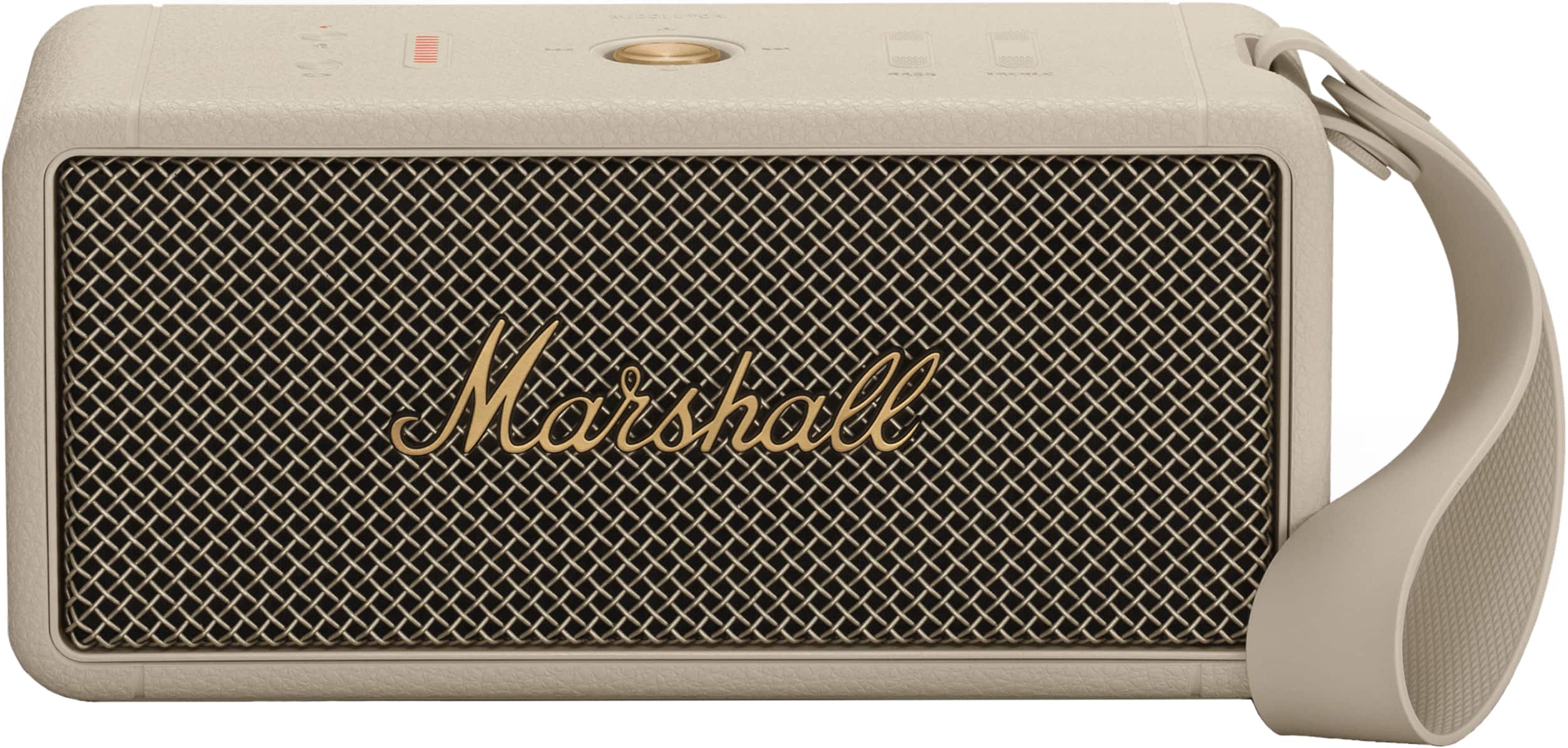
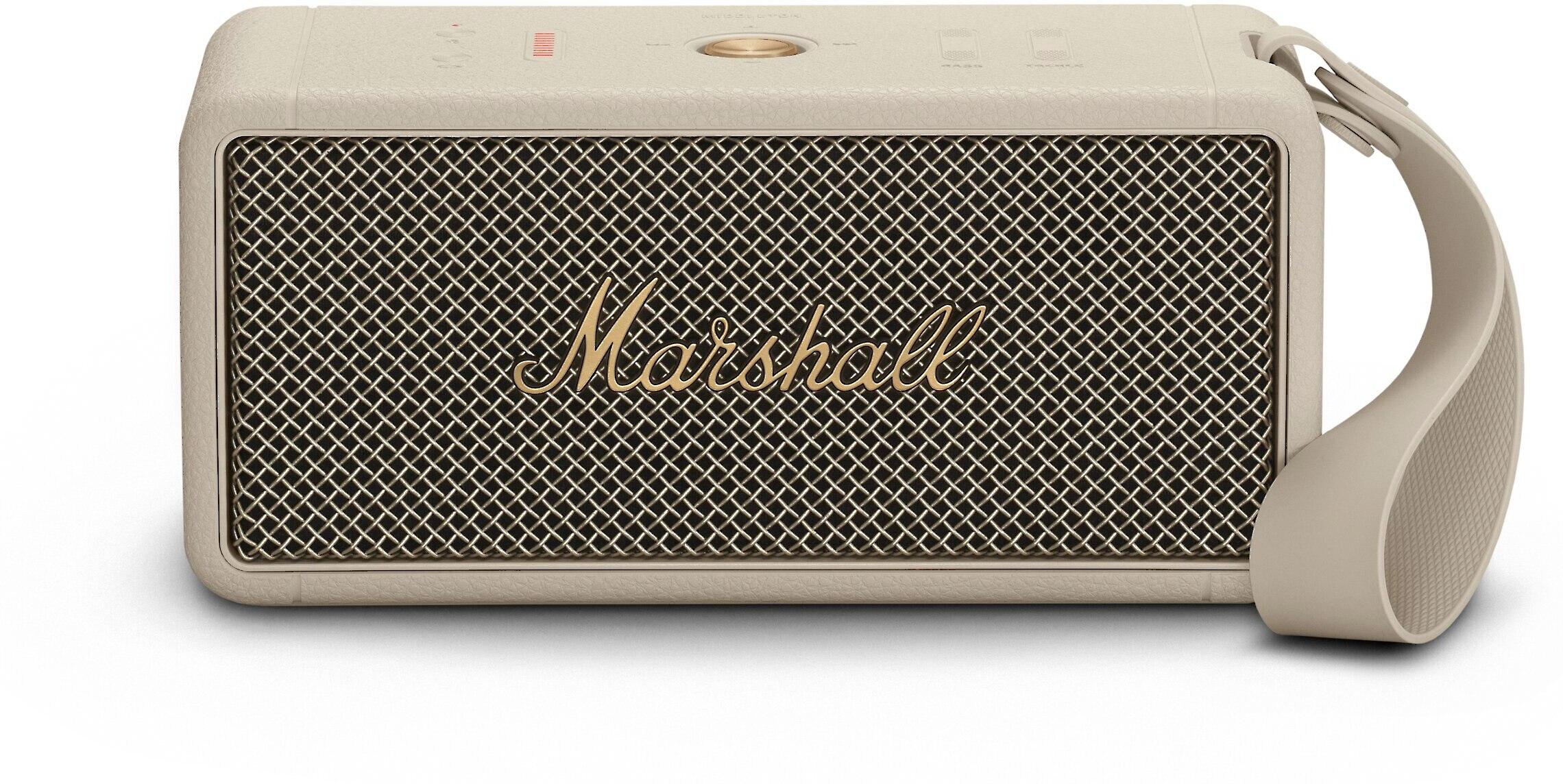

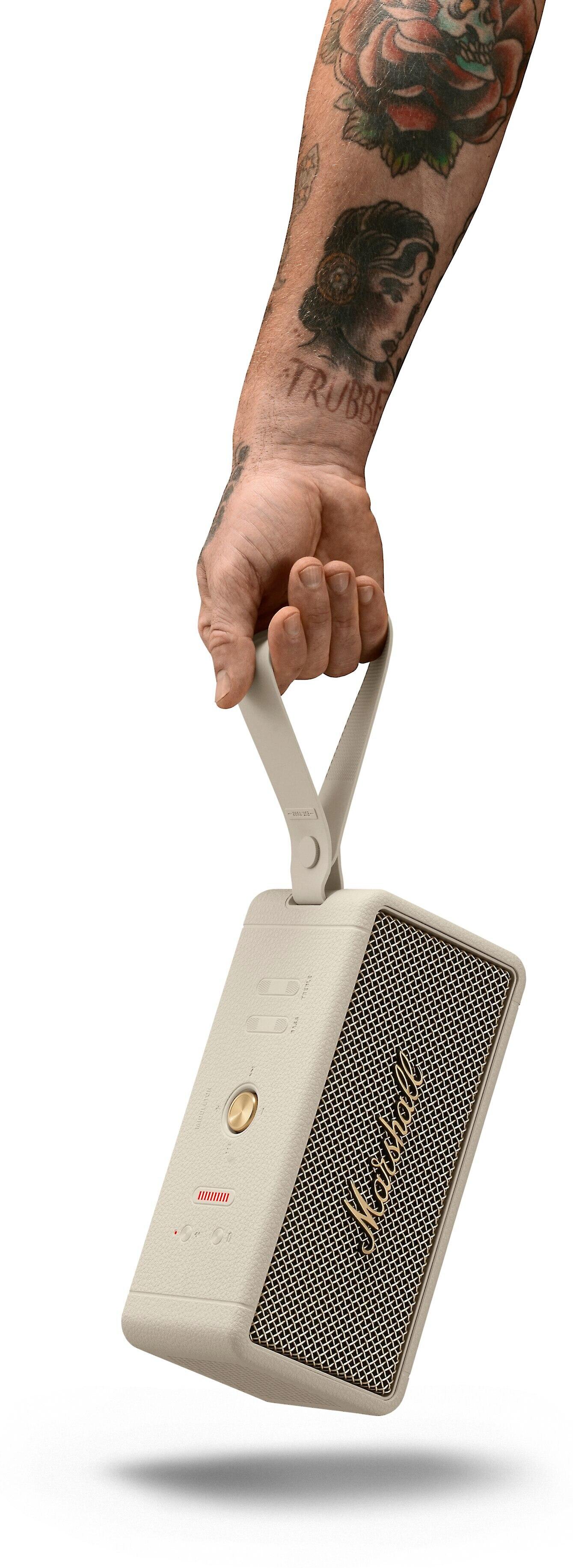
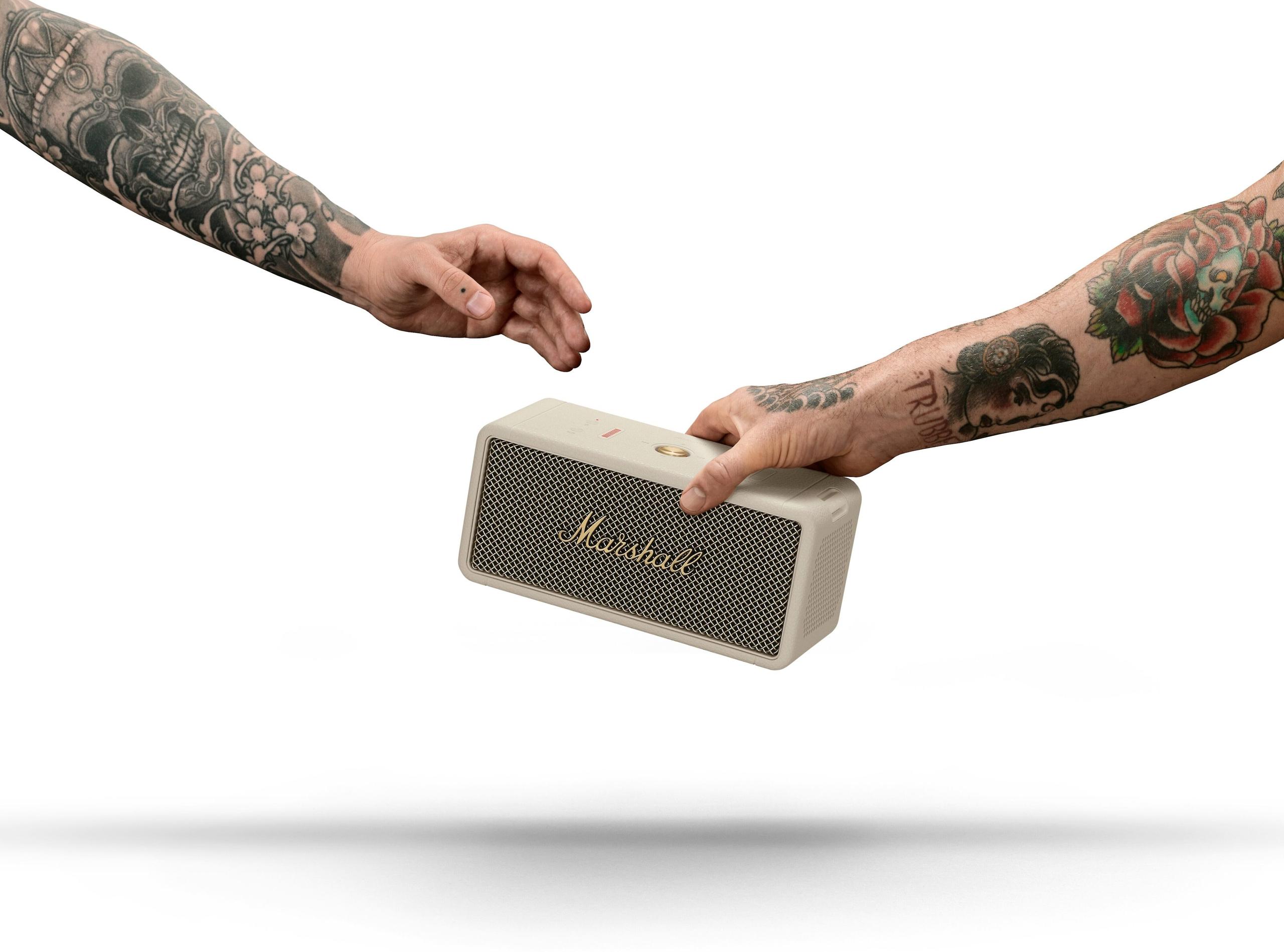
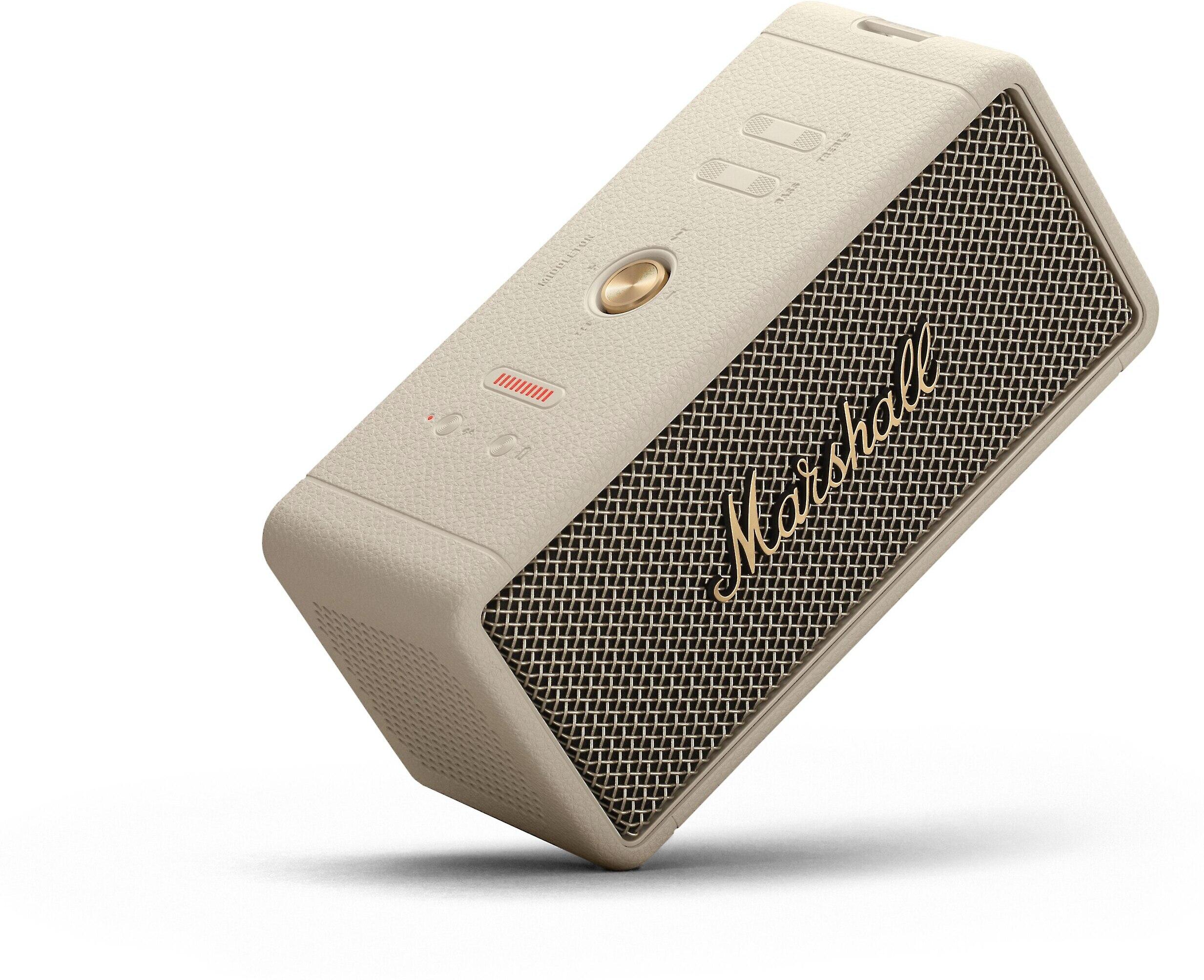
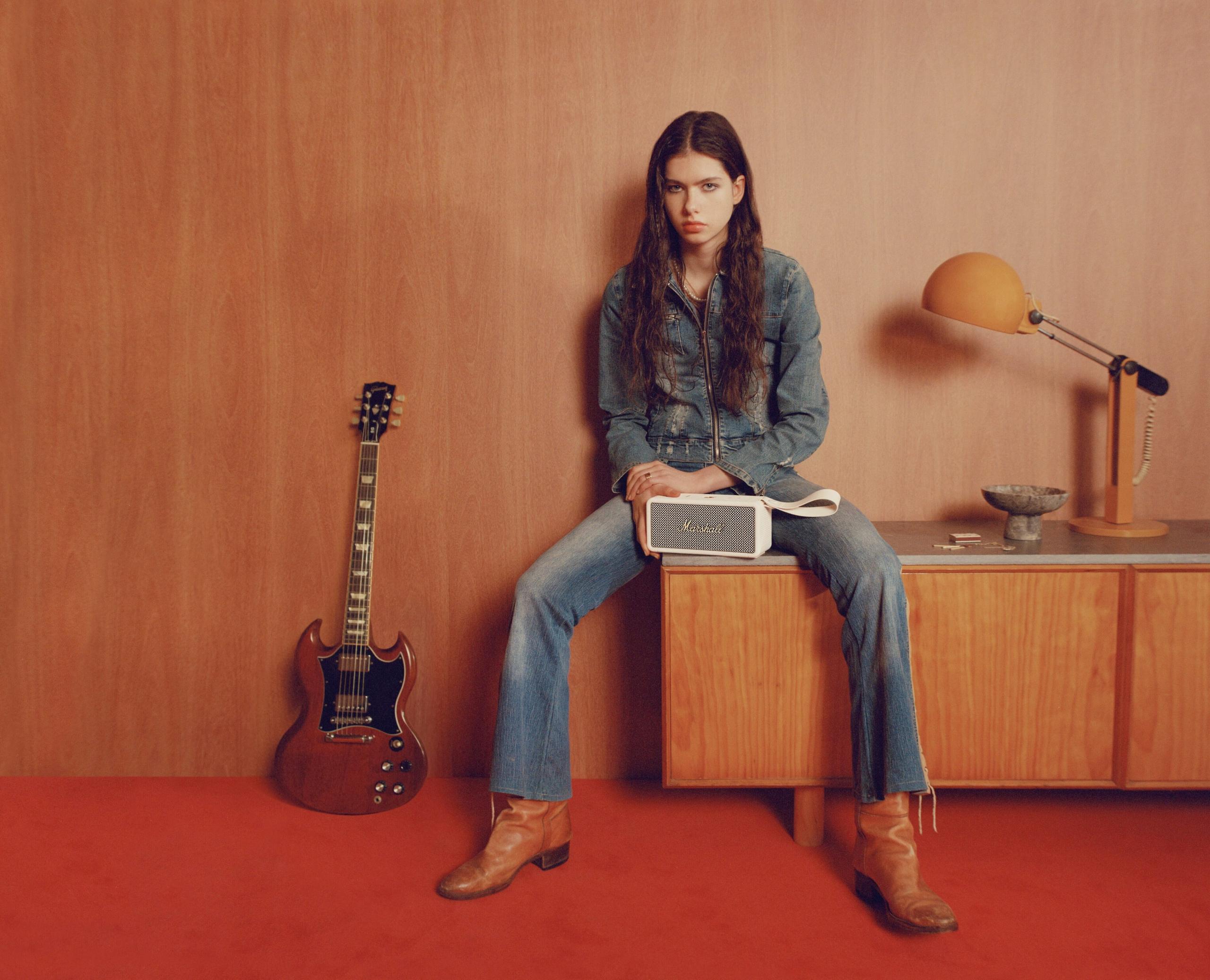


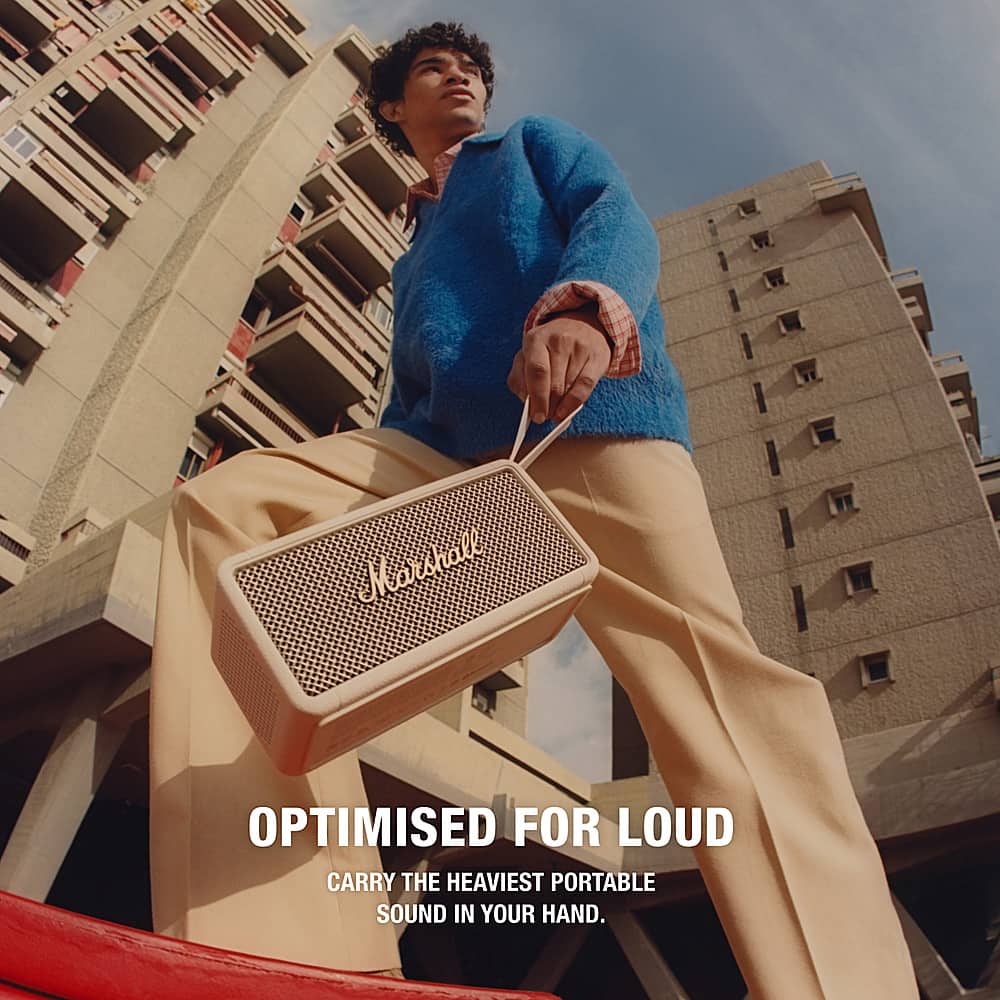
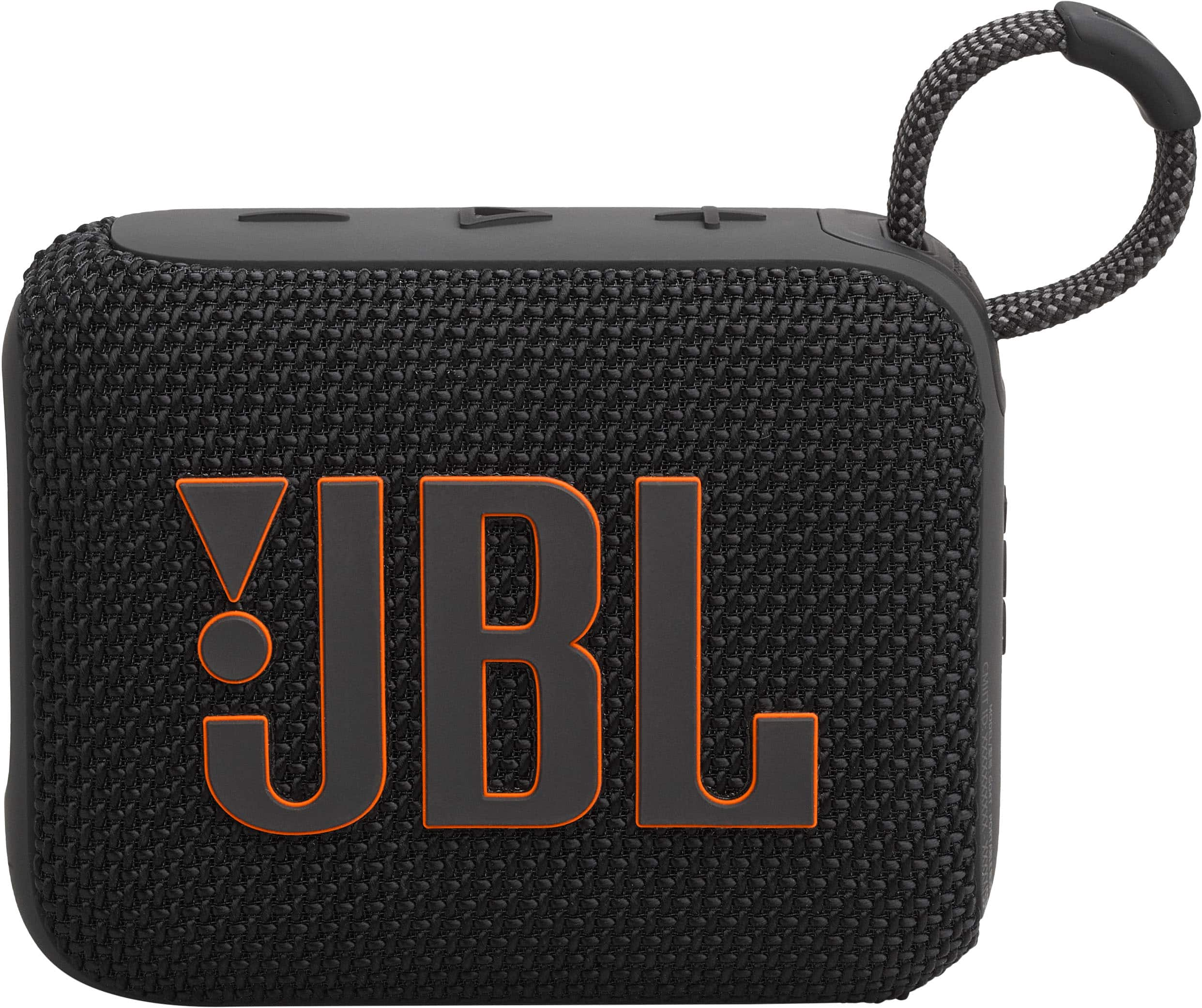
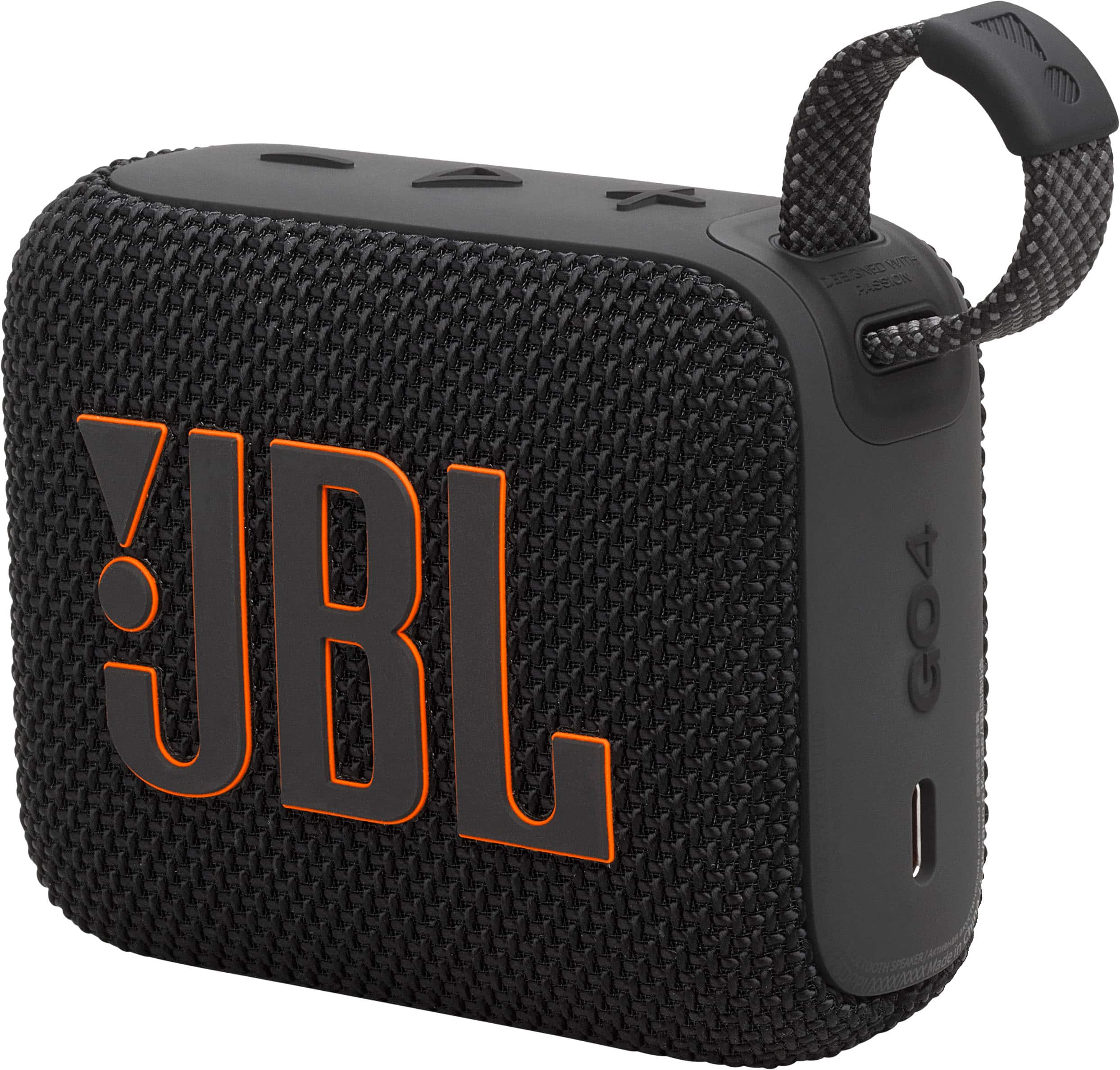
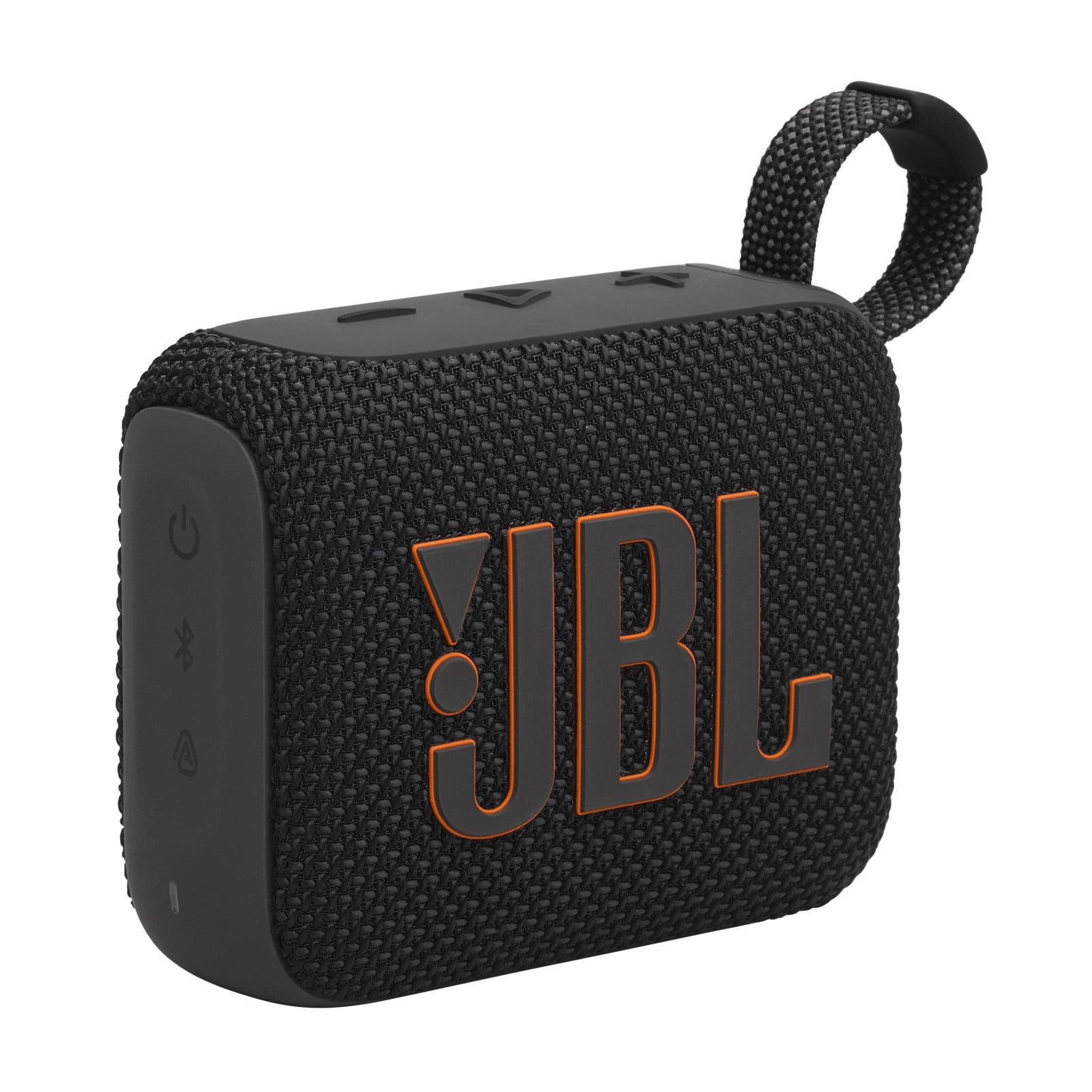
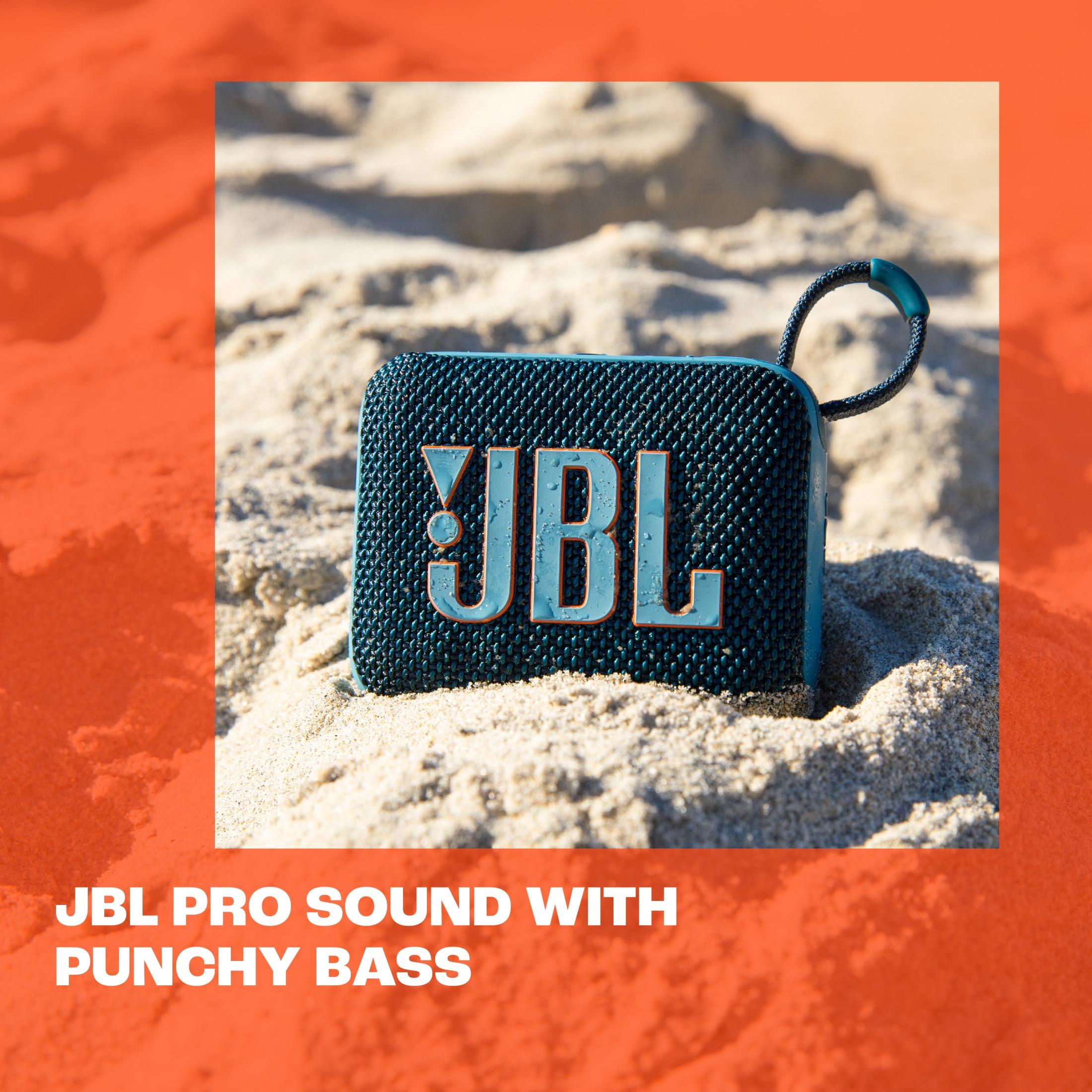

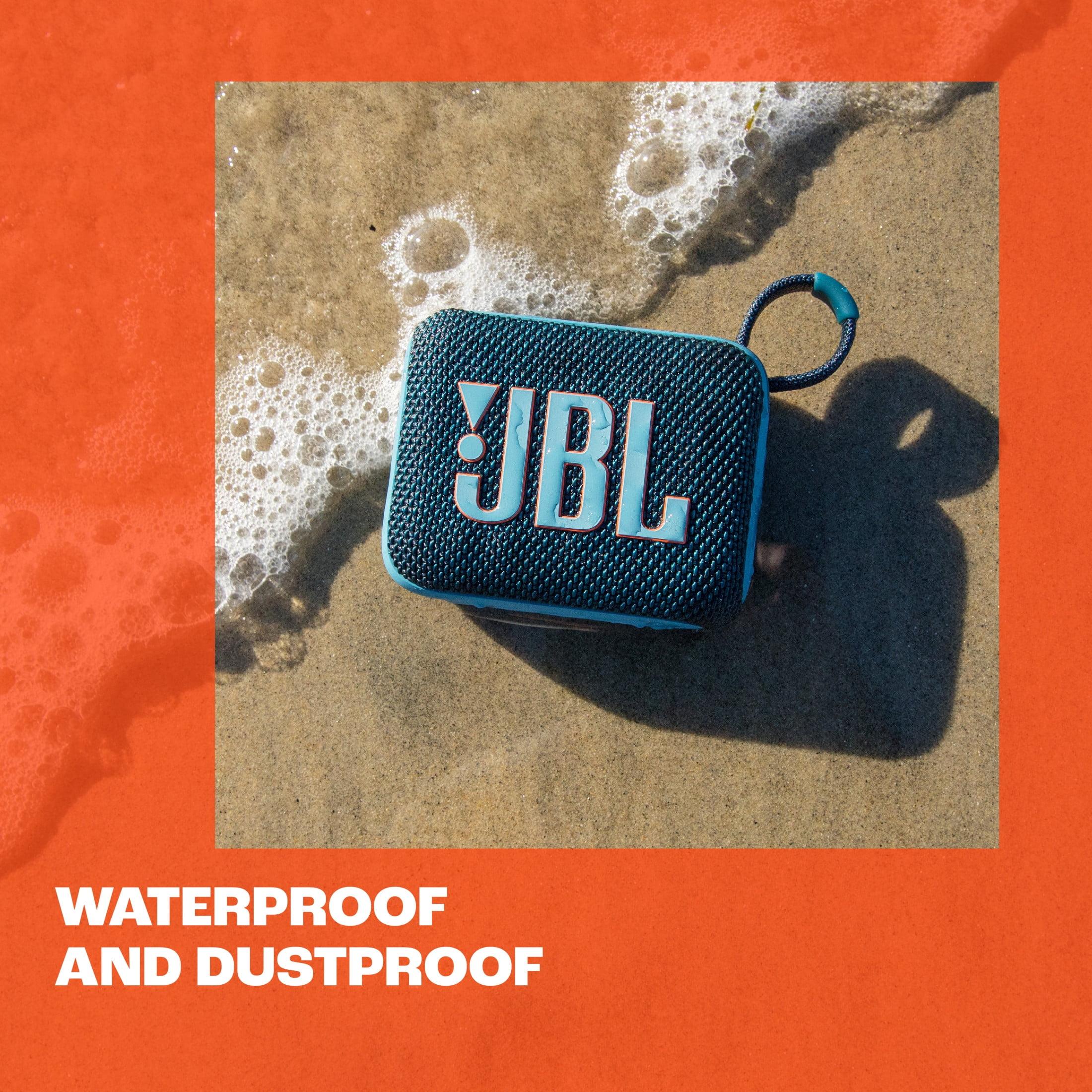
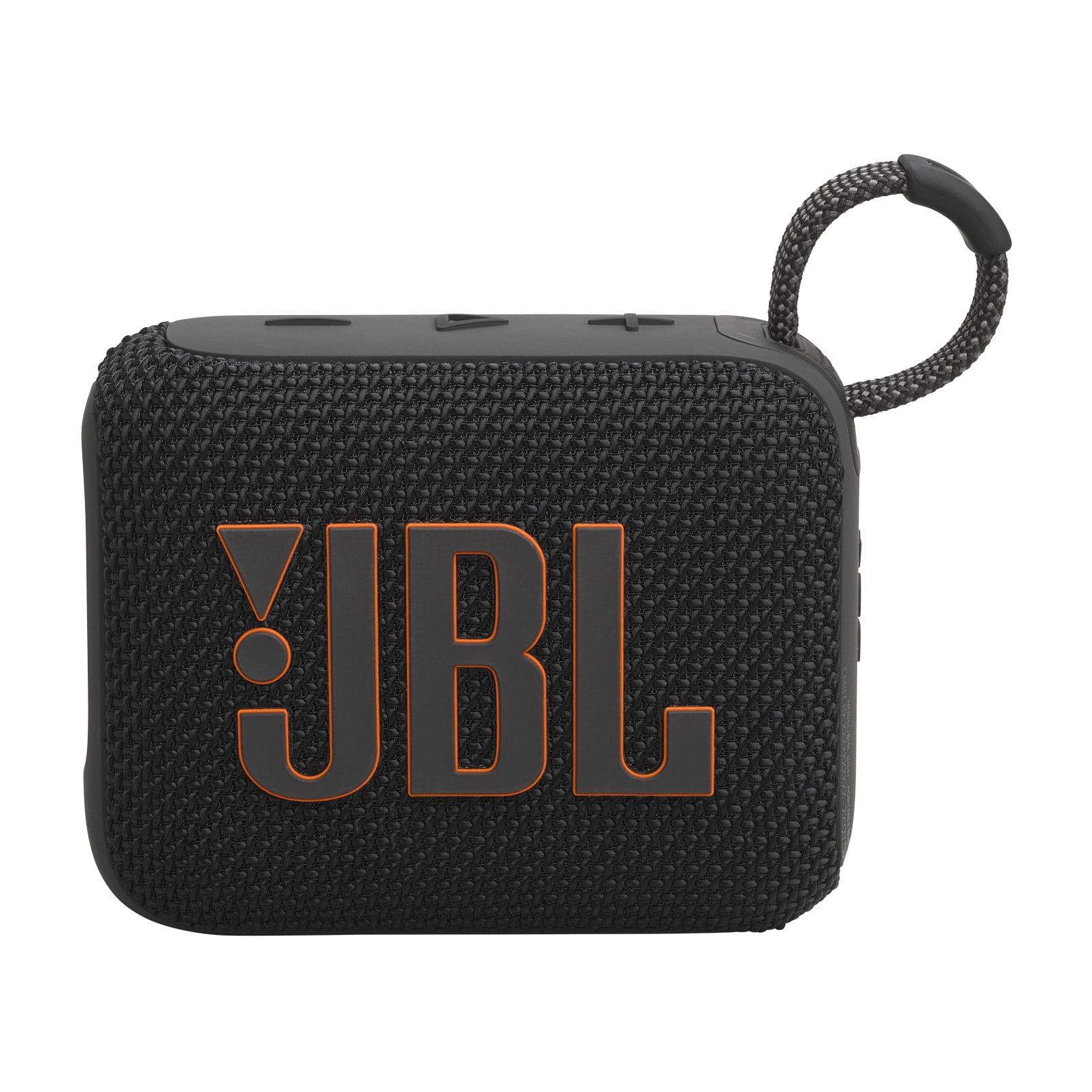
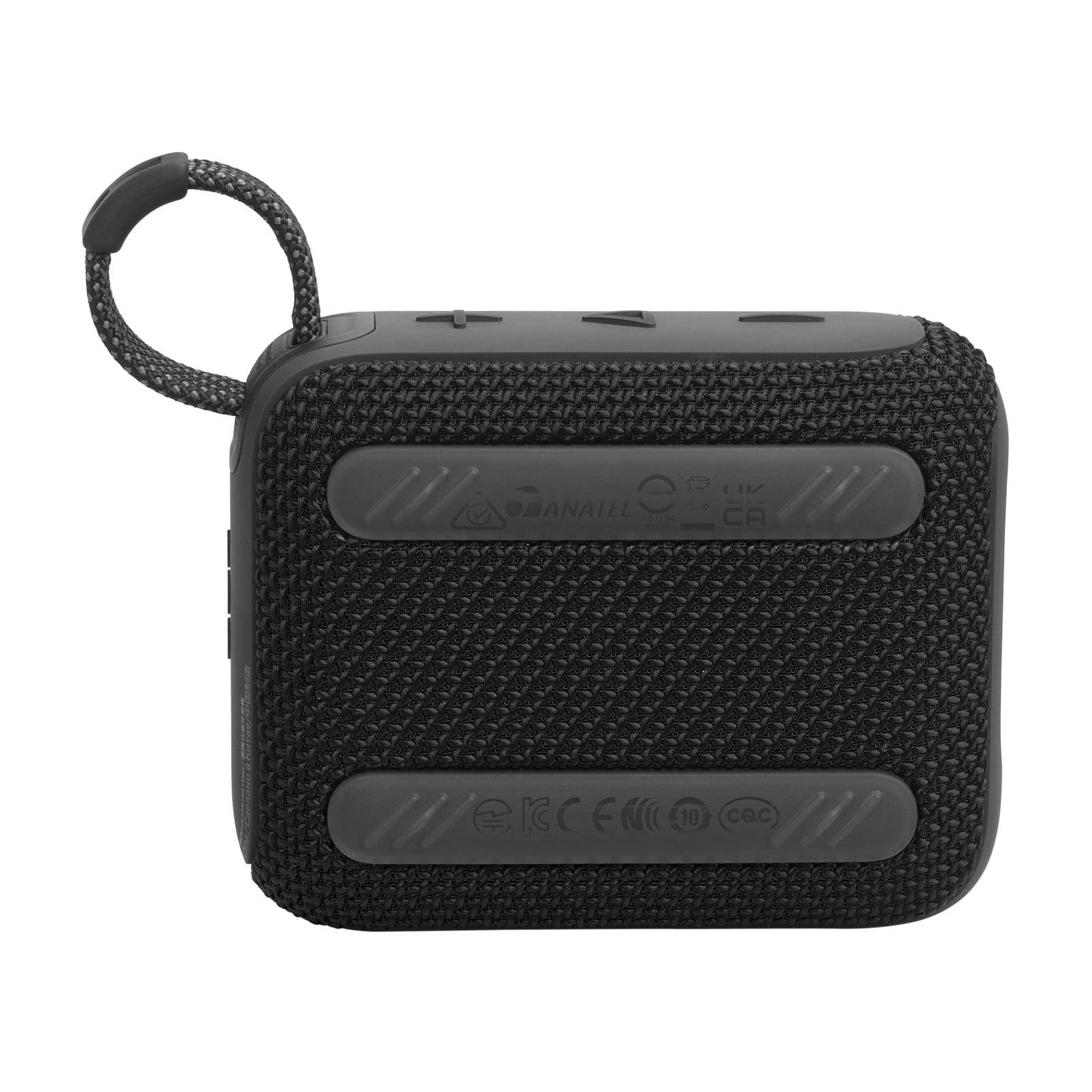
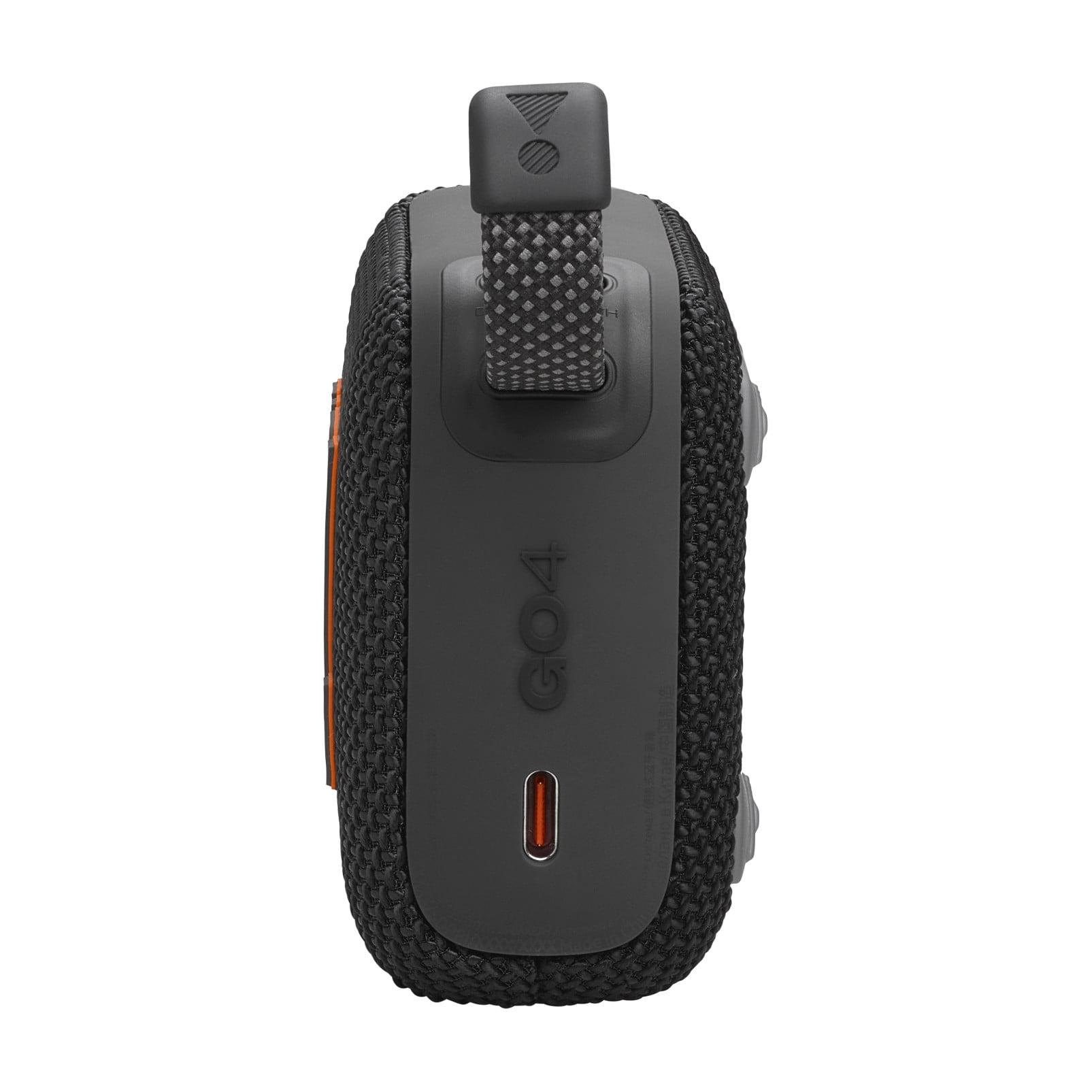
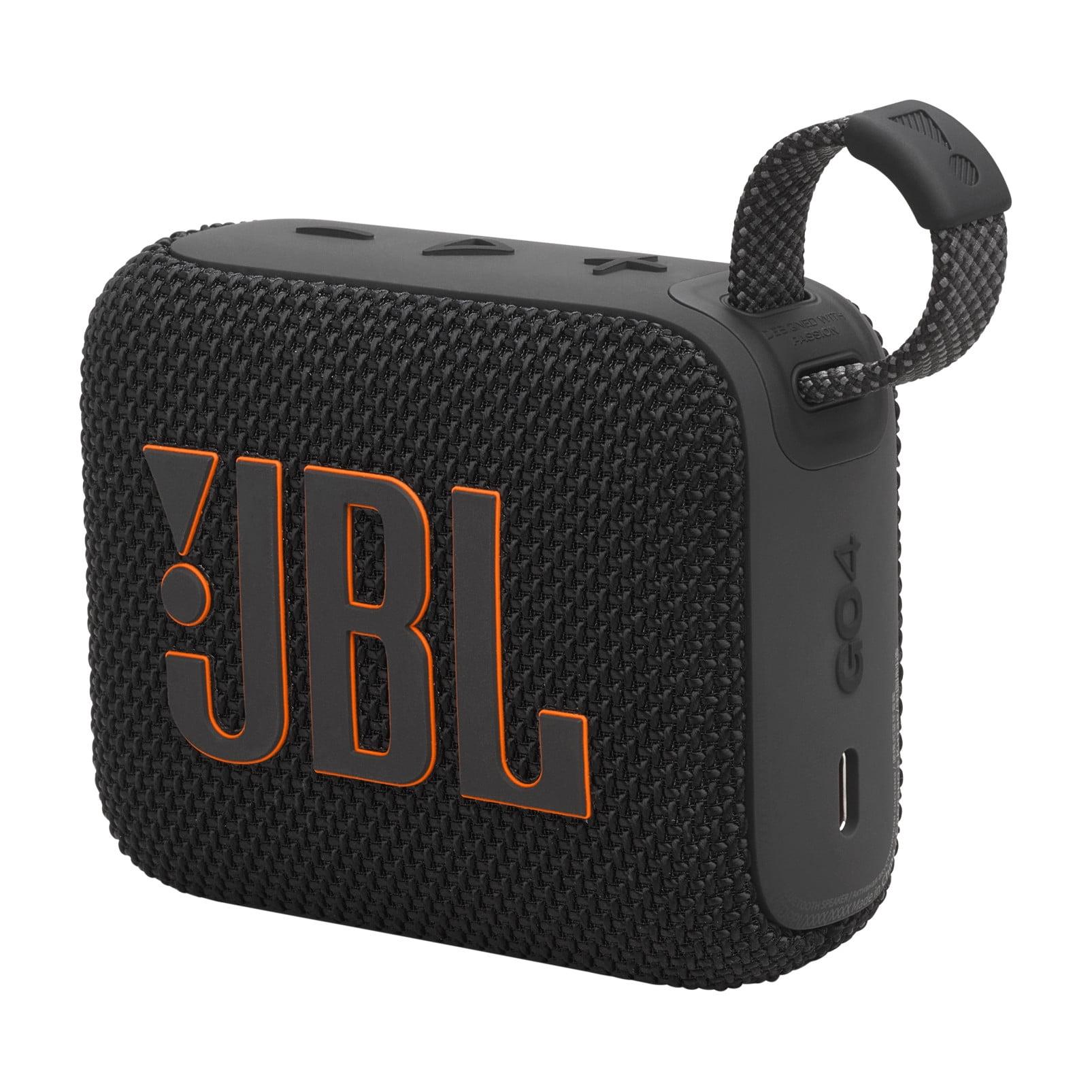
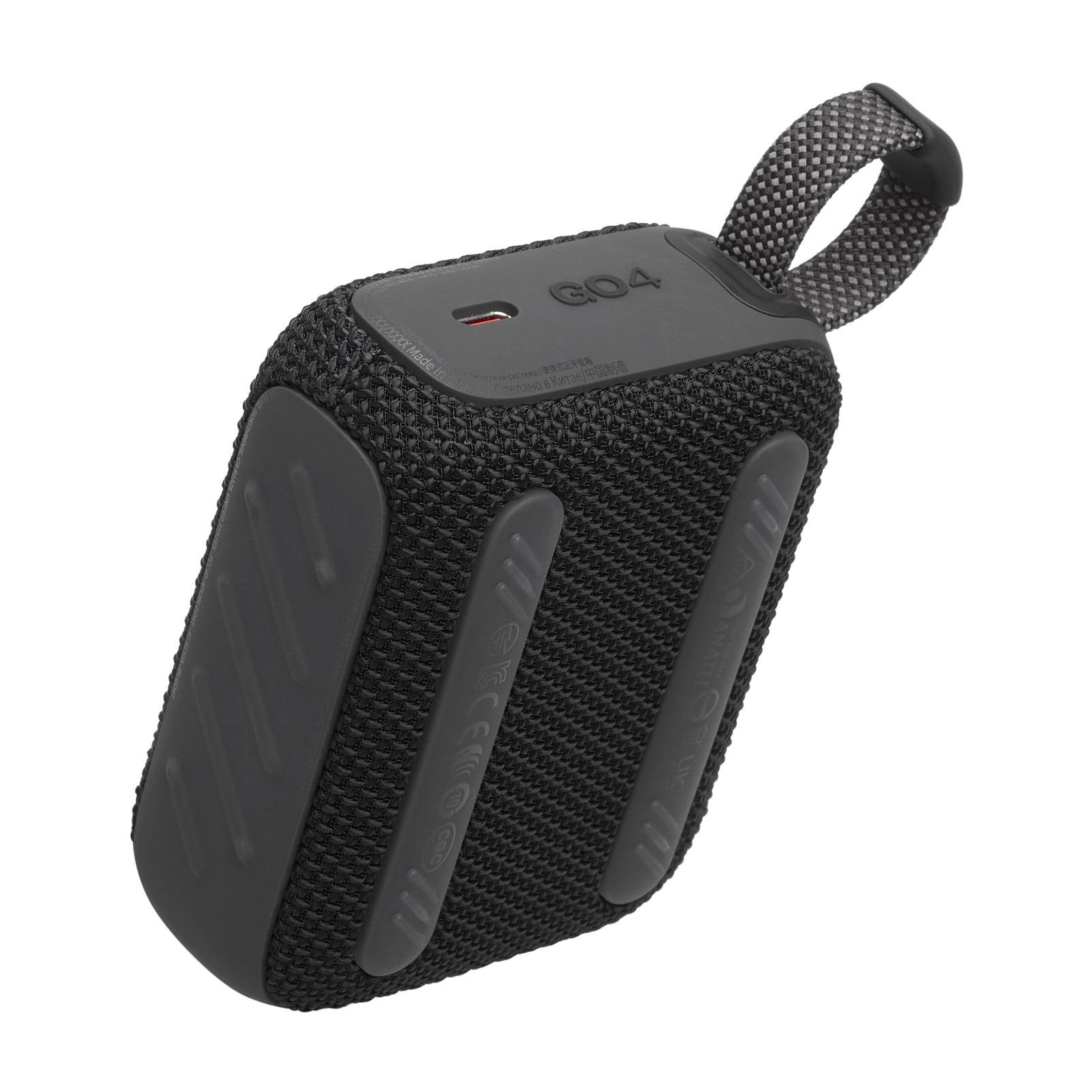
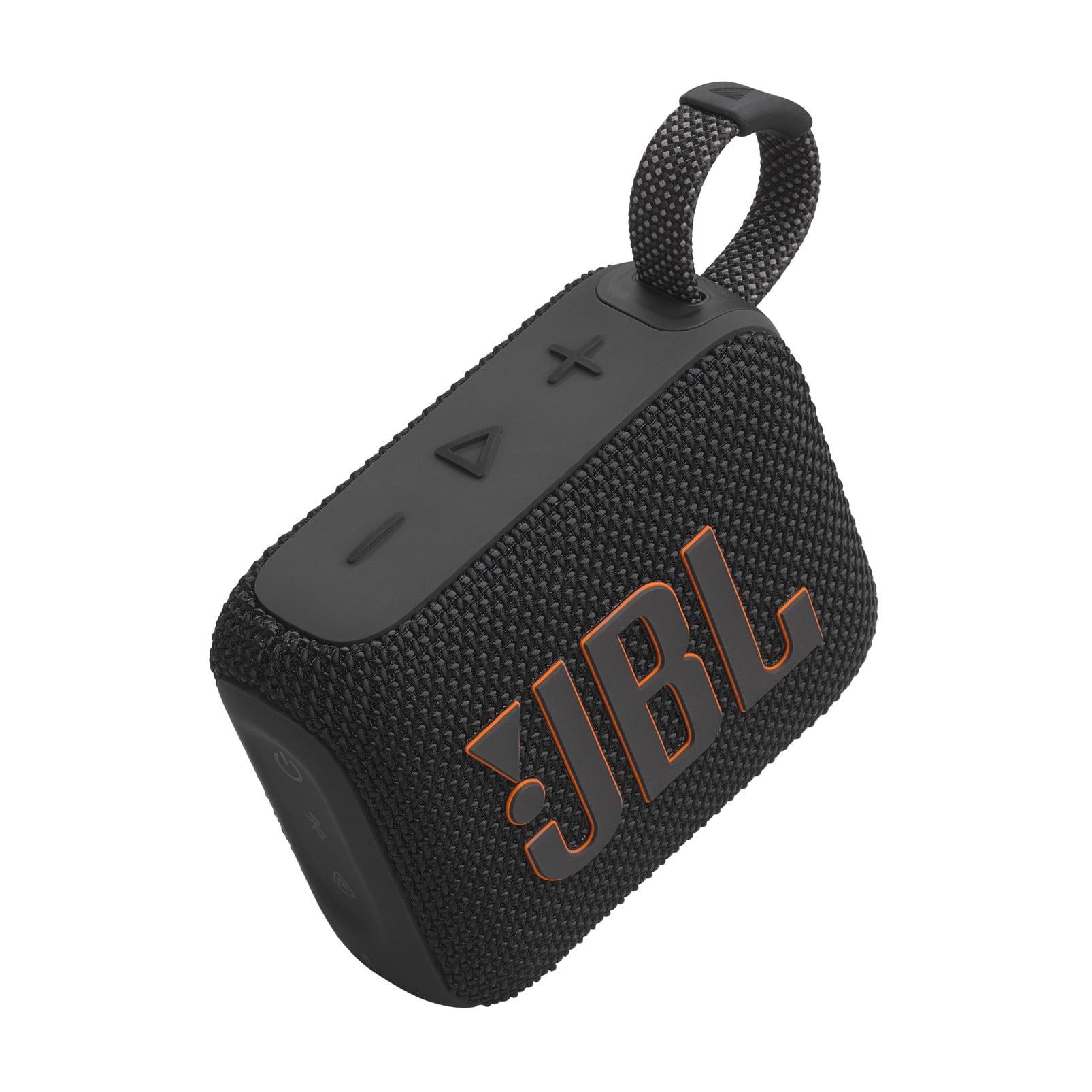
When it comes to portable Bluetooth speakers, two recent releases have caught attention for very different reasons: the premium Marshall Middleton at $199 and the ultra-portable JBL Go 4 at $44. Let's explore how these speakers serve different needs while sharing some core features.
Today's portable speakers need to balance multiple priorities: sound quality, durability, battery life, and portability. As technology has improved, even smaller speakers can deliver impressive sound, though physics still limits what's possible from compact drivers (the parts that actually produce sound).
The Marshall Middleton and JBL Go 4 represent opposite ends of the portable speaker spectrum. The Middleton, released in early 2023, is substantial at 4 pounds - about the weight of a laptop. It's designed to be carried in a bag or backpack, with dimensions similar to a large hardcover book. This size allows for multiple speakers and advanced acoustics, but it's not something you'd casually throw in a pocket.
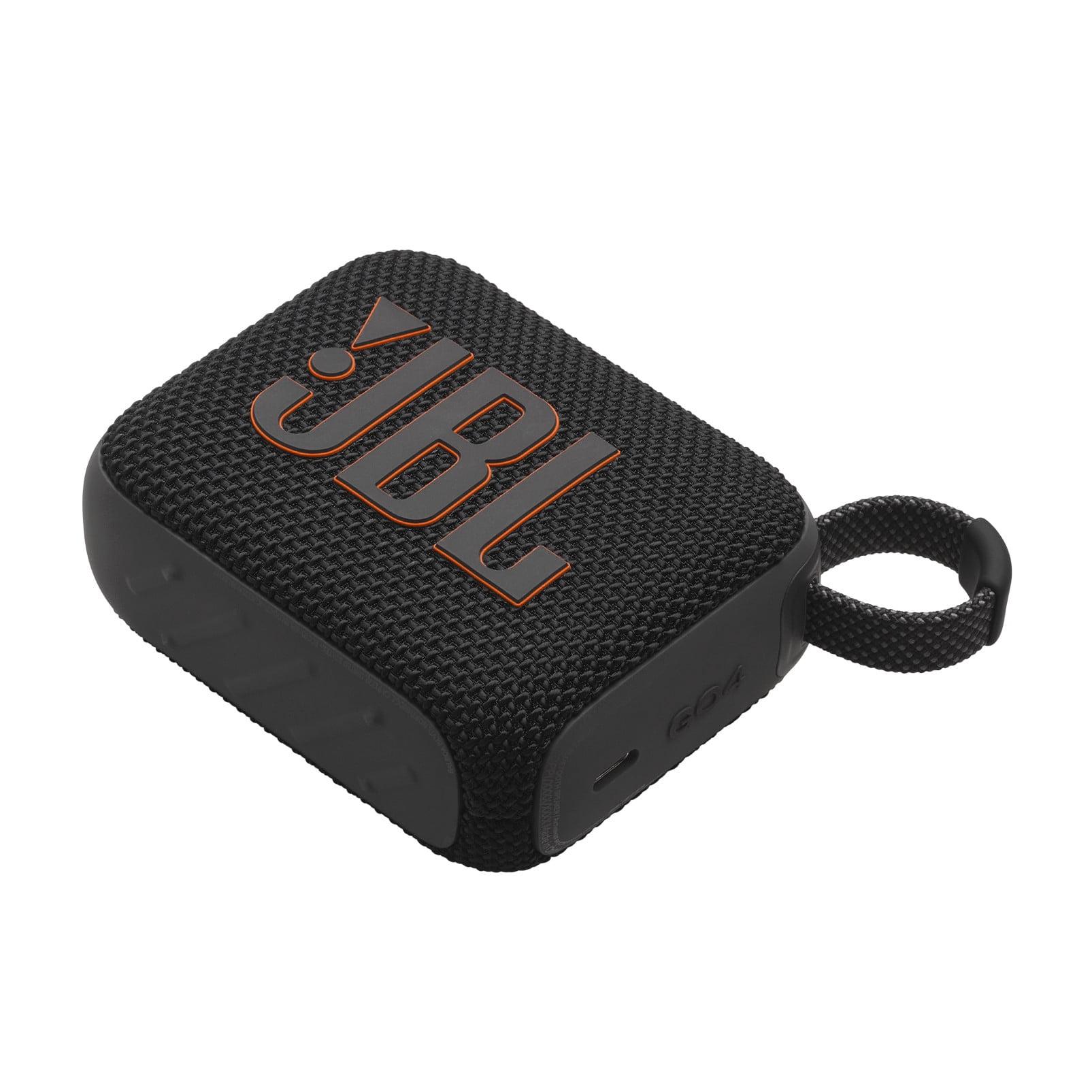
The Go 4, launched in late 2023, continues JBL's ultra-portable philosophy. At just 0.4 pounds and small enough to fit in a palm, it's genuinely pocket-sized. This dramatic size difference drives many of the performance variations between these speakers.
The Middleton showcases Marshall's audio expertise with a sophisticated speaker array:
This configuration enables true stereo sound with impressive clarity and volume. The speaker can fill medium-sized rooms and outdoor spaces with rich, detailed audio. Bass response is particularly noteworthy - it can reproduce low frequencies that smaller speakers simply can't manage.
The Go 4 takes a different approach with a single full-range driver and passive radiator. While it can't match the Middleton's volume or bass response, JBL has tuned it well for its size. The sound is clear and balanced, particularly in the mid-range where voices and most instruments sit. At moderate volumes, it's perfectly enjoyable for personal listening.
Battery technology has improved significantly in recent years, and both speakers benefit from this:
Middleton:
Go 4:
Both speakers feature IP67 ratings, meaning they're:
This is particularly impressive for the Middleton given its size and power capabilities.
The Marshall Middleton includes several premium features:
The JBL Go 4 focuses on essential features:
The Middleton introduced Marshall's True Stereophonic technology, which creates a more immersive soundstage than typical portable speakers. It's particularly effective outdoors where sound typically dissipates quickly.
The Go 4 brings subtle but important improvements over its predecessor:
The Marshall Middleton at $199 (down from its $299 launch price) represents good value for its capabilities. You're getting premium sound quality, excellent battery life, and robust construction. The price point sits in the mid-range for premium portable speakers.
The JBL Go 4 at $44 is an excellent value proposition. While it can't match the Middleton's sound quality, it delivers impressive performance for its size and price. It's an easy recommendation for anyone wanting a capable ultra-portable speaker.
Choose the Marshall Middleton if:
Choose the JBL Go 4 if:
Both speakers excel in their intended use cases. The Middleton is a serious audio tool that can handle almost any situation, while the Go 4 is a perfectly engineered ultra-portable that's easy to take anywhere. Your choice should primarily depend on how you plan to use the speaker and what you value most - sound quality or portability.
| Marshall Middleton | JBL Go 4 |
|---|---|
| Price - Core consideration for value assessment | |
| $199 (Premium tier) | $44 (Budget tier) |
| Size - Critical for portability needs | |
| 9.06 x 4.31 x 3.75 inches (Large format) | 3.7 x 3.0 x 1.7 inches (Ultra-portable) |
| Weight - Impacts carrying convenience | |
| 4.0 lbs (Bag/backpack required) | 0.42 lbs (Pocket-friendly) |
| Sound Output - Determines volume capability and sound quality | |
| 60W total (2x20W woofers, 2x10W tweeters) | 4.2W RMS (Single driver) |
| Battery Life - Affects usage duration between charges | |
| 20 hours (Excellent for extended use) | 7 hours (Adequate for daily use) |
| Water/Dust Resistance - Important for outdoor use | |
| IP67 (Full protection) | IP67 (Full protection) |
| Speaker Configuration - Impacts sound quality and stereo separation | |
| 2 woofers, 2 tweeters, 2 passive radiators | 1 full-range driver, 1 passive radiator |
| Bluetooth Version - Affects connection quality and range | |
| 5.1 (Good connectivity) | 5.3 (Latest standard) |
| Additional Features - Adds functionality beyond basic audio | |
| Stack Mode, Power bank function, Physical EQ controls | Built-in loop, Multiple colors, Playtime Boost |
| Frequency Response - Determines sound range capability | |
| 50Hz - 20kHz (Full range) | 90Hz - 20kHz (Limited bass) |
| App Support - Enables customization options | |
| Full EQ control, speaker pairing | Basic EQ presets, firmware updates |
| Best Use Case - Primary intended application | |
| Room-filling sound, outdoor gatherings | Personal listening, travel companion |
The Marshall Middleton offers superior sound quality and battery life, while the JBL Go 4 excels in portability and value. The "better" choice depends on your needs - Middleton for sound quality, Go 4 for ultra-portability.
The Marshall Middleton costs $199, while the JBL Go 4 is priced at $44, making it significantly more affordable.
The Marshall Middleton offers 20 hours of playback, while the JBL Go 4 provides 7 hours.
Both the Marshall Middleton and JBL Go 4 have IP67 water resistance ratings, making them safe for poolside use and rain exposure.
The JBL Go 4 is significantly more portable at 0.42 lbs and pocket-sized, while the Marshall Middleton weighs 4 lbs and requires a bag to carry.
The Marshall Middleton is considerably louder with 60W total power output, compared to the JBL Go 4's 4.2W output.
The Marshall Middleton is suitable for outdoor gatherings with its powerful sound, while the JBL Go 4 is better for personal listening outdoors.
Yes, both speakers have companion apps, but the Marshall Middleton offers more extensive EQ controls compared to the JBL Go 4's basic presets.
The Marshall Middleton delivers significantly better bass with its dual woofers and passive radiators, while the JBL Go 4 has limited bass due to its small size.
The Marshall Middleton offers Stack Mode for connecting multiple speakers, while the JBL Go 4 doesn't have this feature.
The JBL Go 4 is ideal for travel due to its compact size and light weight, while the Marshall Middleton is less suited for frequent transport.
The Marshall Middleton takes about 4.5 hours for a full charge, while the JBL Go 4 charges in approximately 3 hours.
We've done our best to create useful and informative comparisons to help you decide what product to buy. Our research uses advanced automated methods to create this comparison and perfection is not possible - please contact us for corrections or questions. These are the sites we've researched in the creation of this article: t3.com - whatsthebest.co.uk - youtube.com - techradar.com - timesofindia.indiatimes.com - crutchfield.com - bestbuy.com - camelcamelcamel.com - marshall.com - marshall.com - crutchfield.com - corporatespecialties.com - rtings.com - itworld.com.my - tomsguide.com - outeraudio.com - youtube.com - techradar.com - corporategift.com - jbl.com - target.com - dell.com - projectorscreen.com - mm.jbl.com

Privacy Policy
Terms and Conditions - Affiliate Policy
Home Security
© Copyright 2008-2026.
11816 Inwood Rd #1211, Dallas, TX 75244