

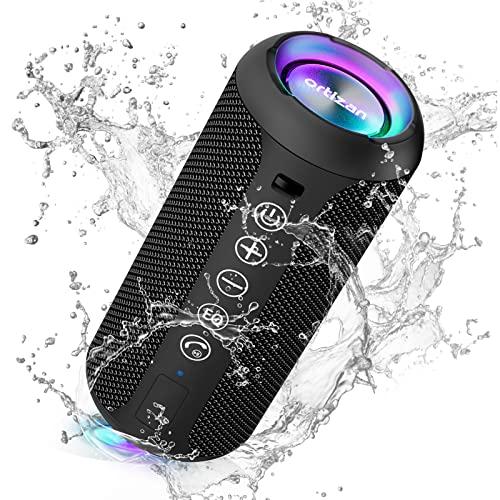


When you're scrolling through endless speaker options online, two approaches to portable audio keep appearing: the powerhouse that promises to soundtrack your entire weekend, and the pocket-sized companion that disappears into your daily routine. The Ortizan X10 and JBL Go 4 represent these two philosophies perfectly, and understanding which camp you belong in will save you from buyer's remorse.
Both speakers launched in 2024, arriving during a fascinating period for portable audio. The market has matured beyond the basic "just make it louder" mentality that dominated the early 2010s. Today's speakers incorporate sophisticated digital signal processing (DSP)—essentially tiny computers that optimize sound quality in real-time—along with advanced battery management and refined Bluetooth connectivity. The Ortizan X10 capitalizes on this technology to pack serious power into a still-portable package, while the JBL Go 4 represents JBL's continued refinement of their ultra-compact formula.
Before diving into specifics, let's establish what actually affects your listening experience. Most marketing focuses on flashy numbers, but the real factors that determine satisfaction are more nuanced.
Audio quality isn't just about loudness—though that matters too. It's about how cleanly a speaker reproduces different frequencies (the highs, mids, and lows), how well it maintains clarity at different volume levels, and whether the sound feels natural or artificial. A speaker might claim impressive power output but sound terrible if the frequency response is unbalanced or if distortion creeps in at higher volumes.
Portability extends beyond just size and weight. It includes how the speaker fits into your lifestyle—whether you can truly forget it's there, how easy it is to carry during activities, and whether the form factor works for your typical listening scenarios.
Battery life becomes crucial when you realize how differently people use portable speakers. Some want background music during a workday, others need all-weekend power for camping trips. The difference between 8 hours and 30 hours isn't just numbers—it's the difference between constantly thinking about charging and forgetting the speaker needs power at all.
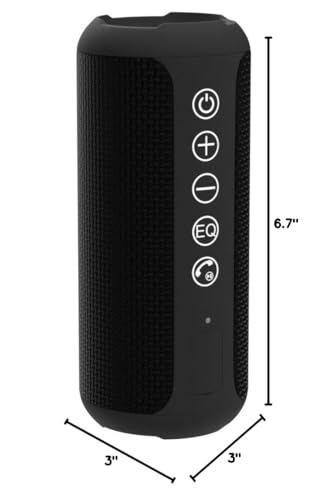
The Ortizan X10 takes up significantly more space than ultra-compact alternatives, but this size serves a purpose. At roughly 6.7 × 3 × 3 inches and weighing just over a pound, it occupies that sweet spot where it's still genuinely portable but large enough to house serious audio hardware.
The 24-watt power output comes from dual 12-watt drivers working in concert. This isn't just marketing math—having two separate drivers allows for better sound dispersion and reduces the strain on each individual component. When a single small driver tries to reproduce everything from deep bass to crisp highs, compromises become inevitable. The Ortizan X10's dual-driver approach lets each component focus on what it does best, resulting in cleaner sound across all frequencies.
The bass performance deserves particular attention. The speaker's frequency response extends down to 20 Hz, which enters true sub-bass territory—those frequencies you feel as much as hear. Most compact speakers can't reproduce anything below 80-90 Hz effectively, leaving music feeling thin and hollow. This low-frequency capability, combined with Ortizan's "BASSBOOM" technology (their proprietary DSP tuning), means the X10 can deliver the kind of bass presence typically reserved for much larger speakers.
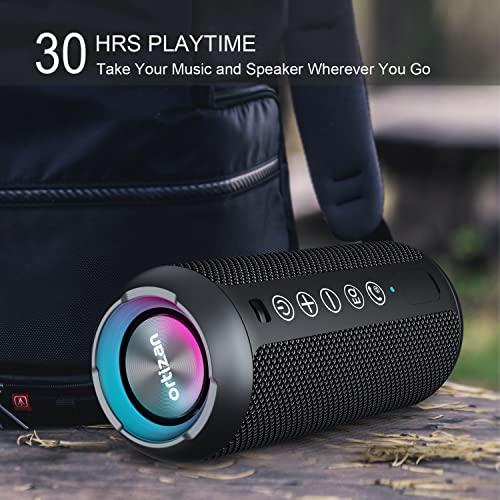
The 30-hour battery life isn't just impressive on paper—it fundamentally changes how you interact with the device. User reports consistently mention reaching the end of weekend camping trips with battery to spare, or using the speaker as a daily soundtrack without developing charging anxiety. This extended runtime comes from a 3600mAh battery paired with efficient power management, though the exact efficiency varies depending on volume levels and bass-heavy content.
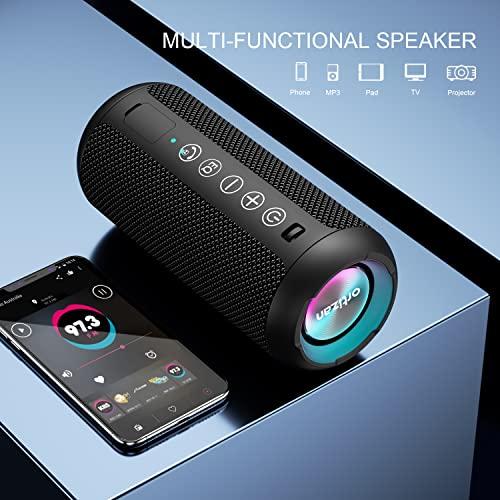
The Ortizan X10 offers something increasingly rare in modern speakers: actual input variety. Beyond Bluetooth 5.0, it includes a 3.5mm auxiliary input and microSD card slot supporting up to 32GB. This might seem old-fashioned, but these options prove invaluable when Bluetooth fails, when you want to preserve phone battery, or when dealing with older audio sources.
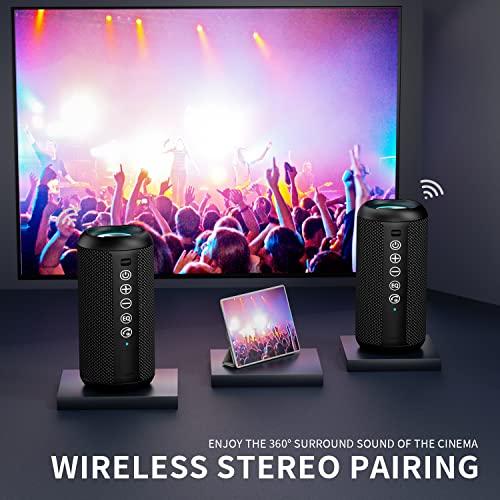
The True Wireless Stereo (TWS) pairing capability lets you connect two X10s for genuine stereo separation—left and right channels playing from physically separated speakers. This creates a much wider soundstage than any single speaker can achieve, though it obviously requires owning two units.
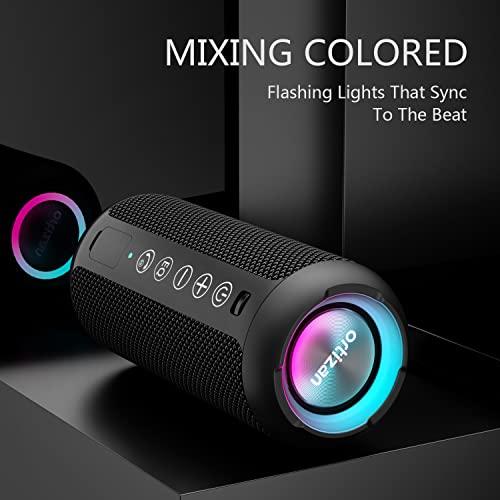
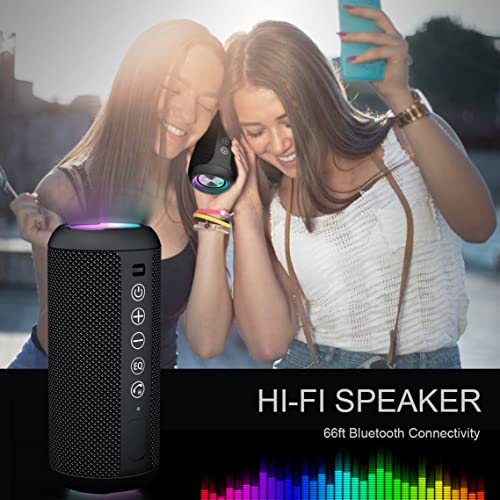
The RGB lighting system deserves mention, though opinions vary wildly on its value. The lights pulse and change colors in sync with music, which can enhance outdoor gatherings but might feel gimmicky for serious listening. Fortunately, the lighting can be disabled entirely for those who prefer their audio without visual accompaniment.
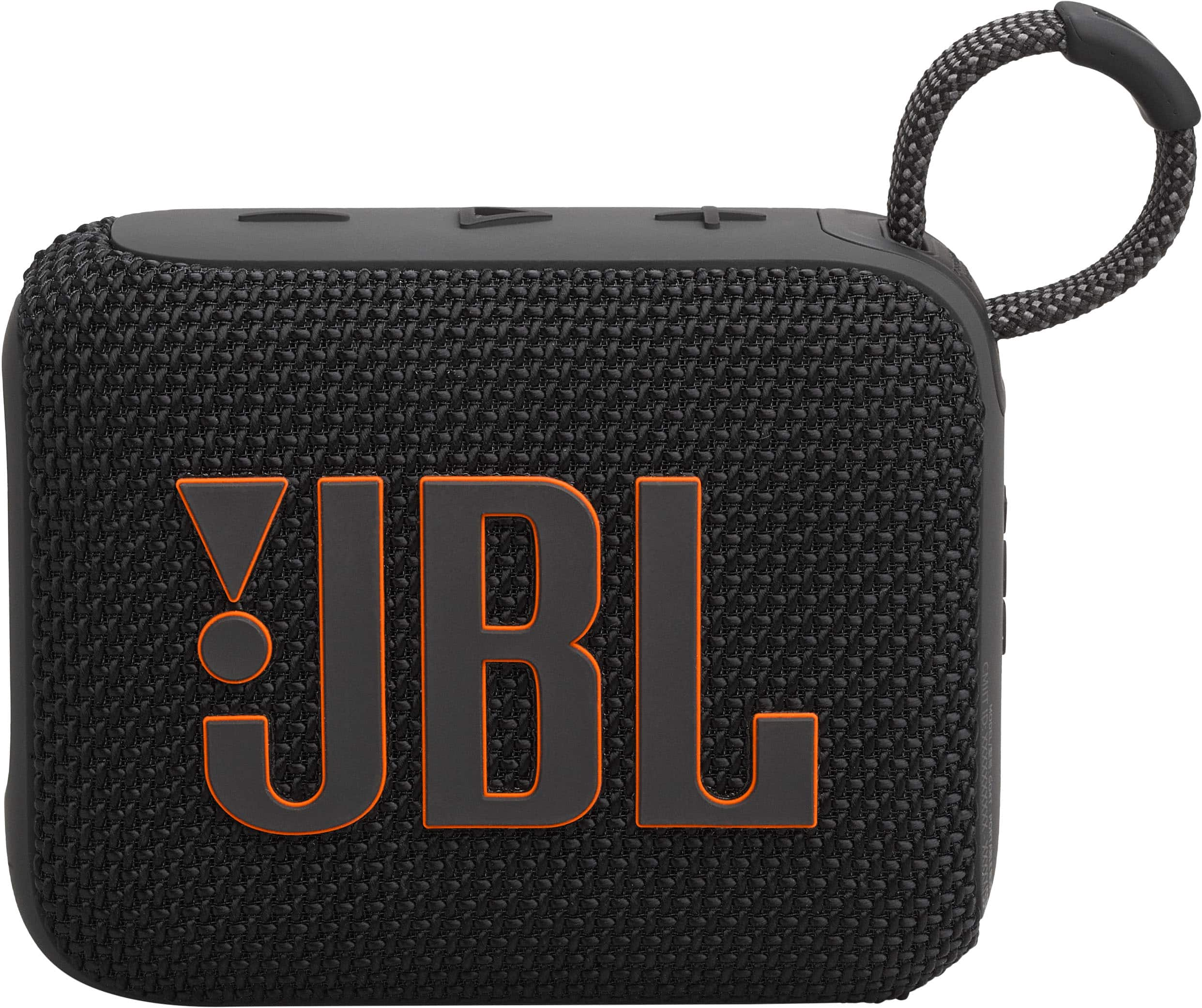
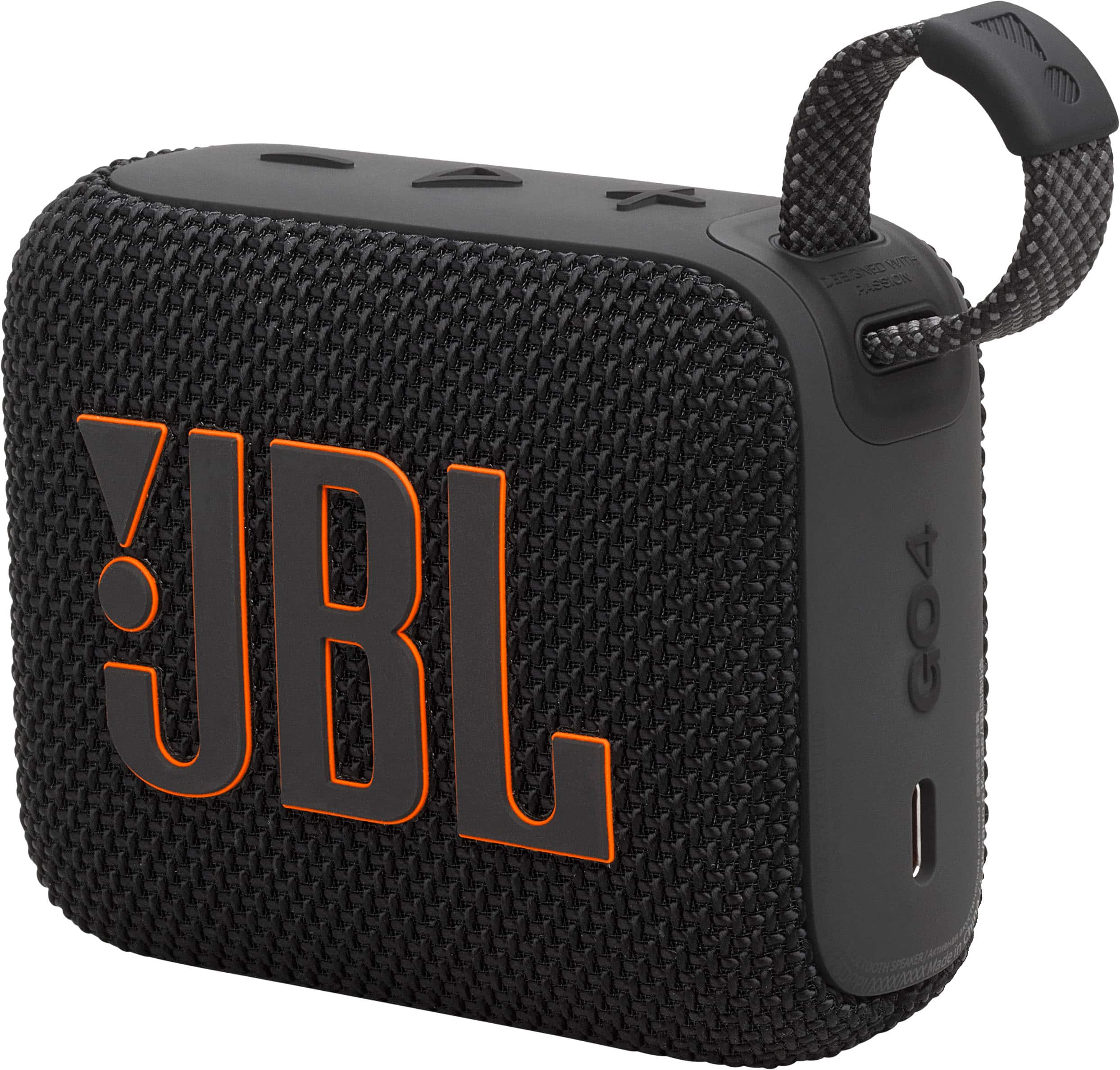
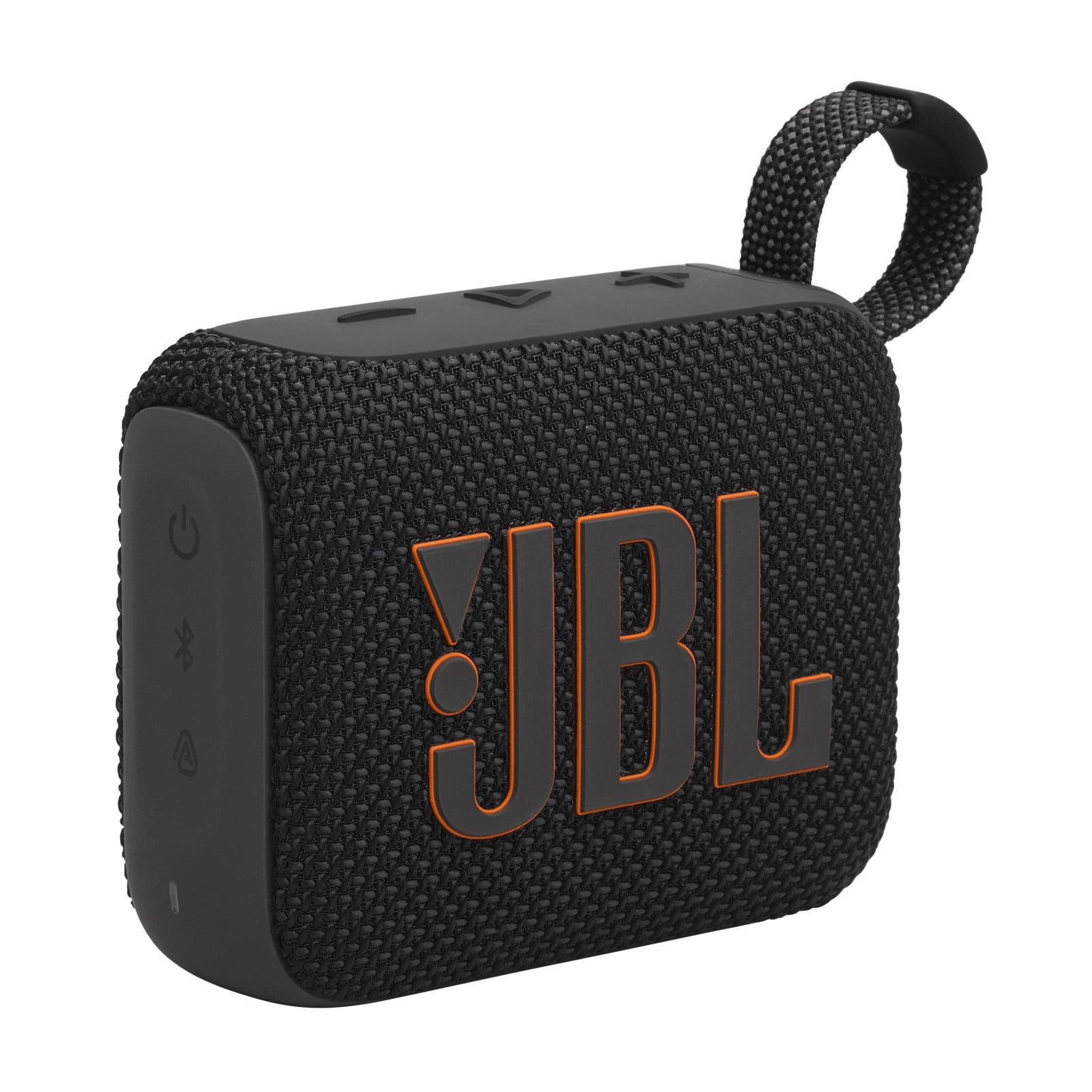
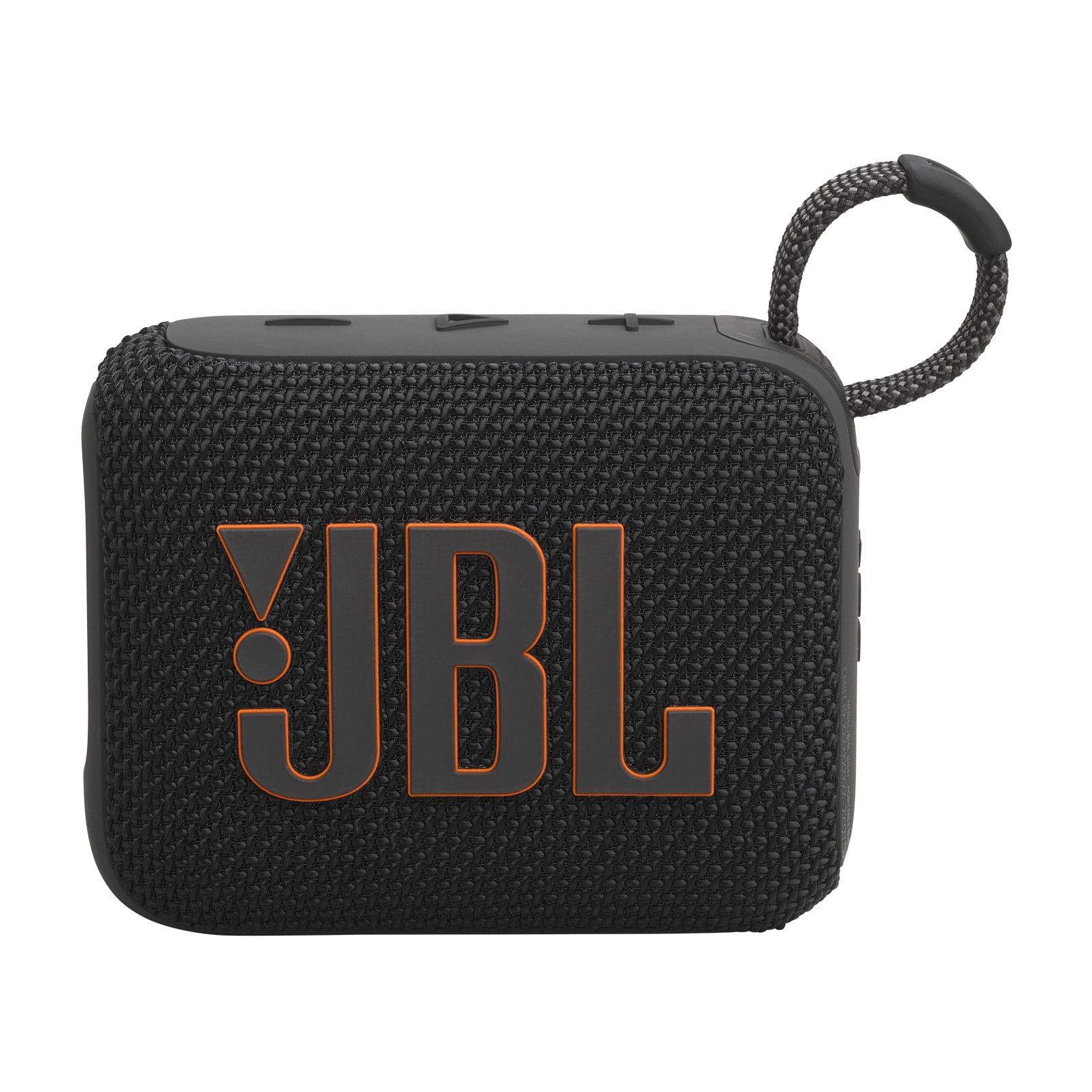
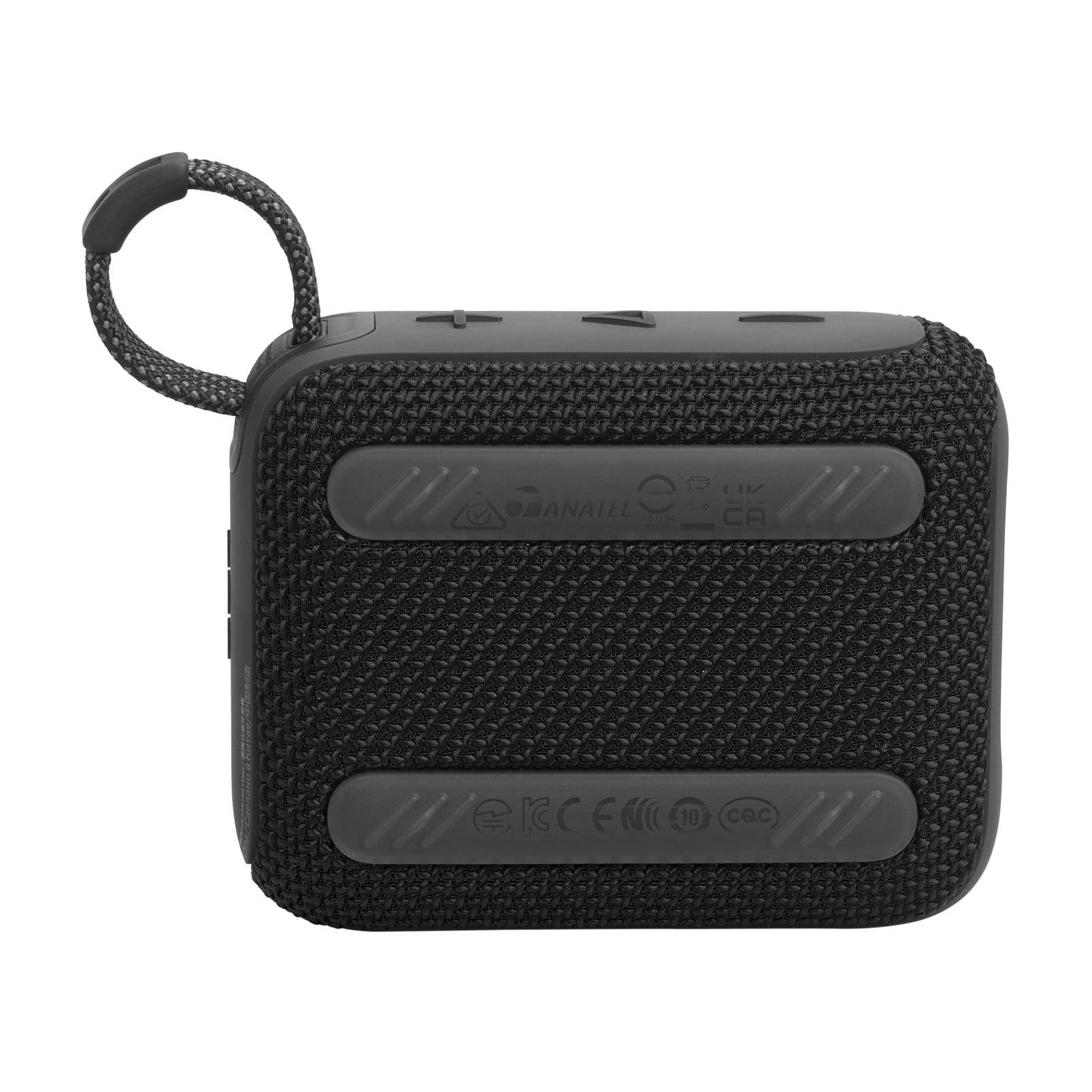
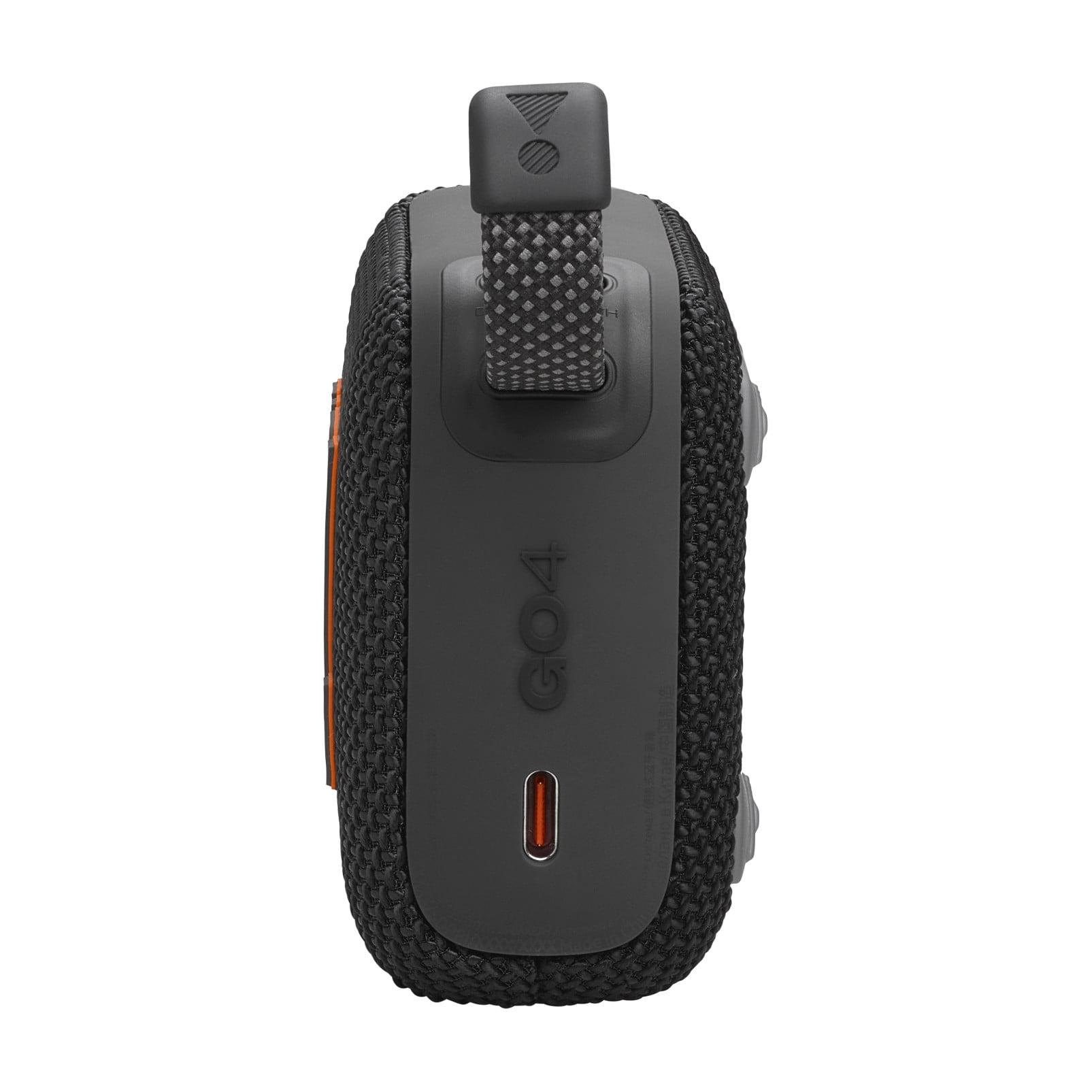
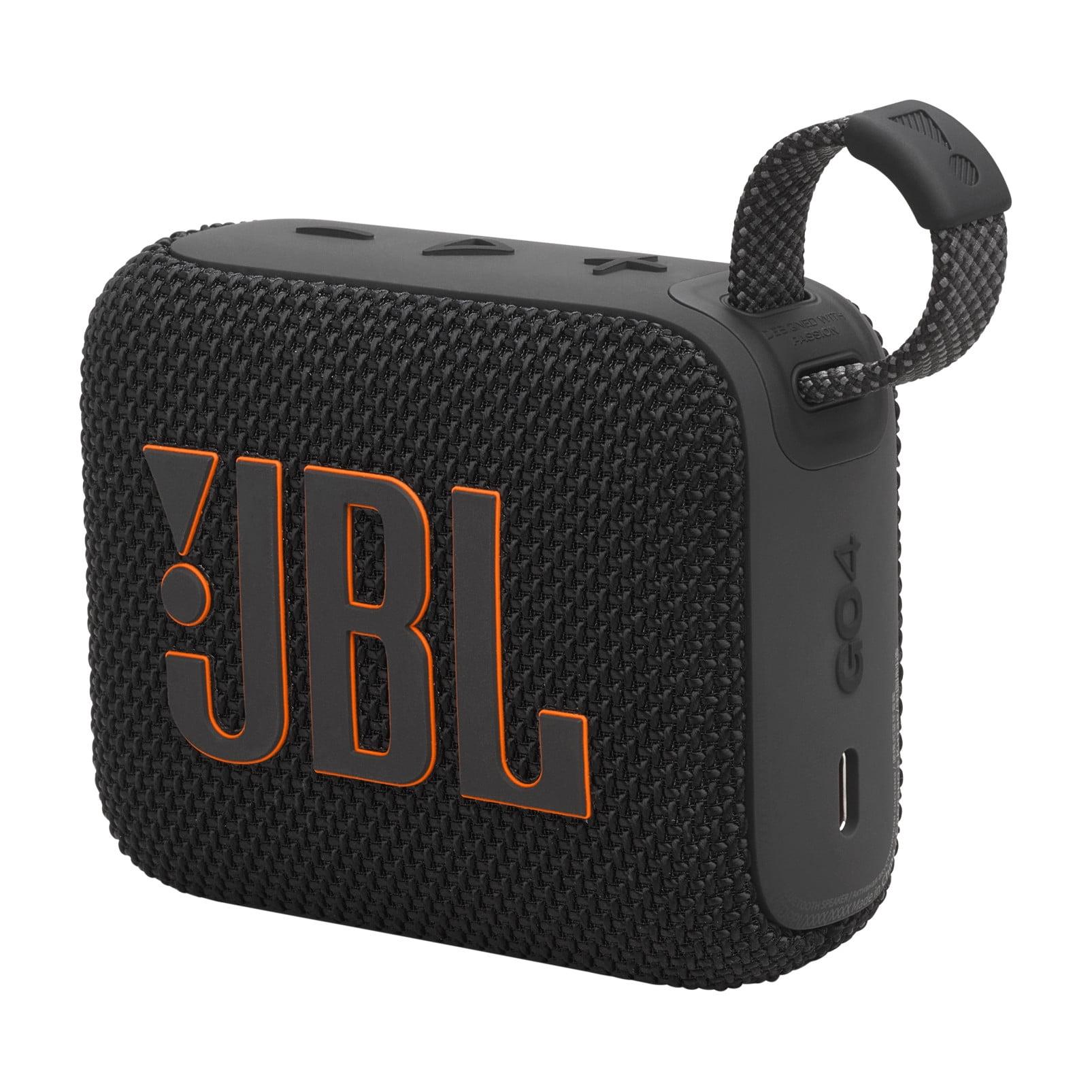
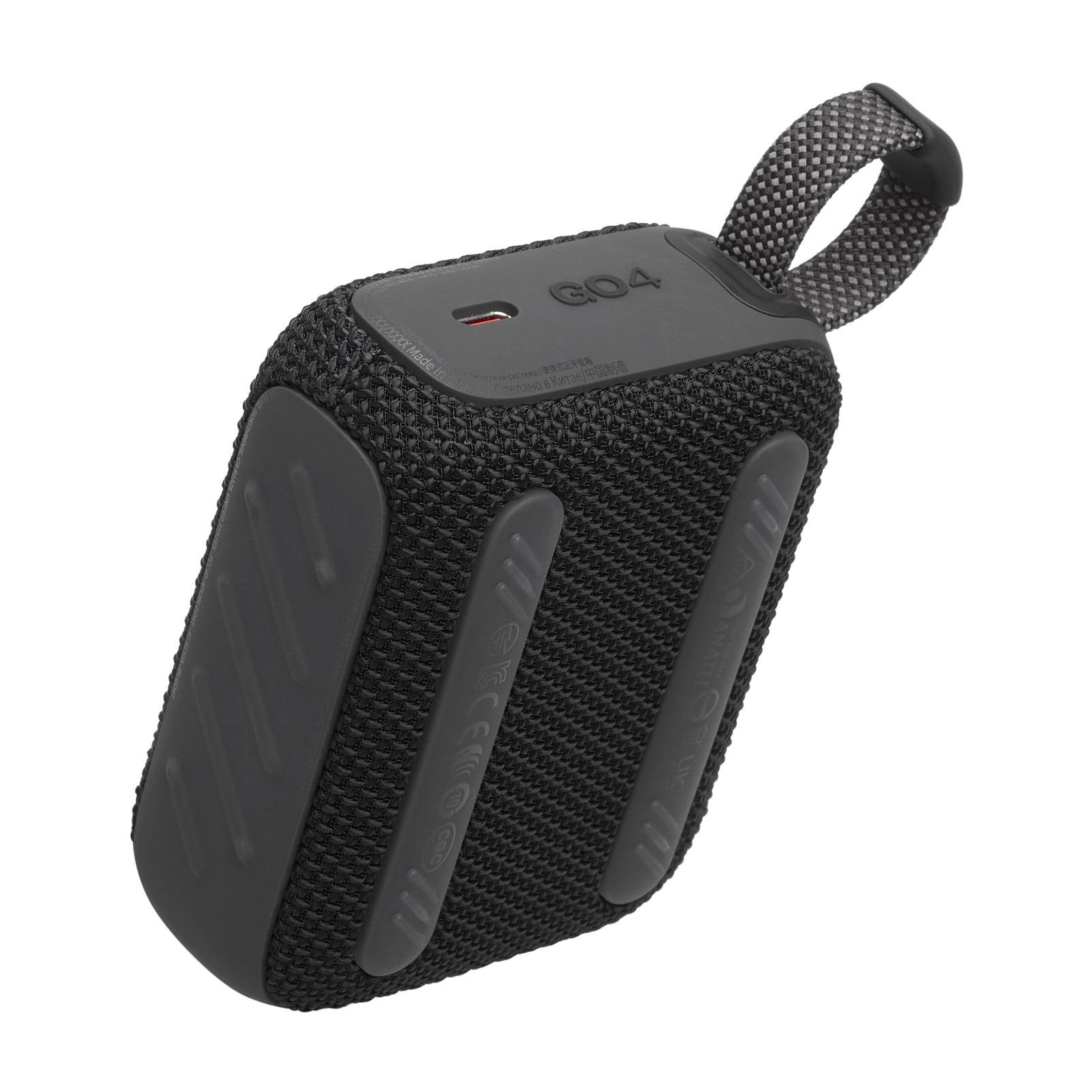
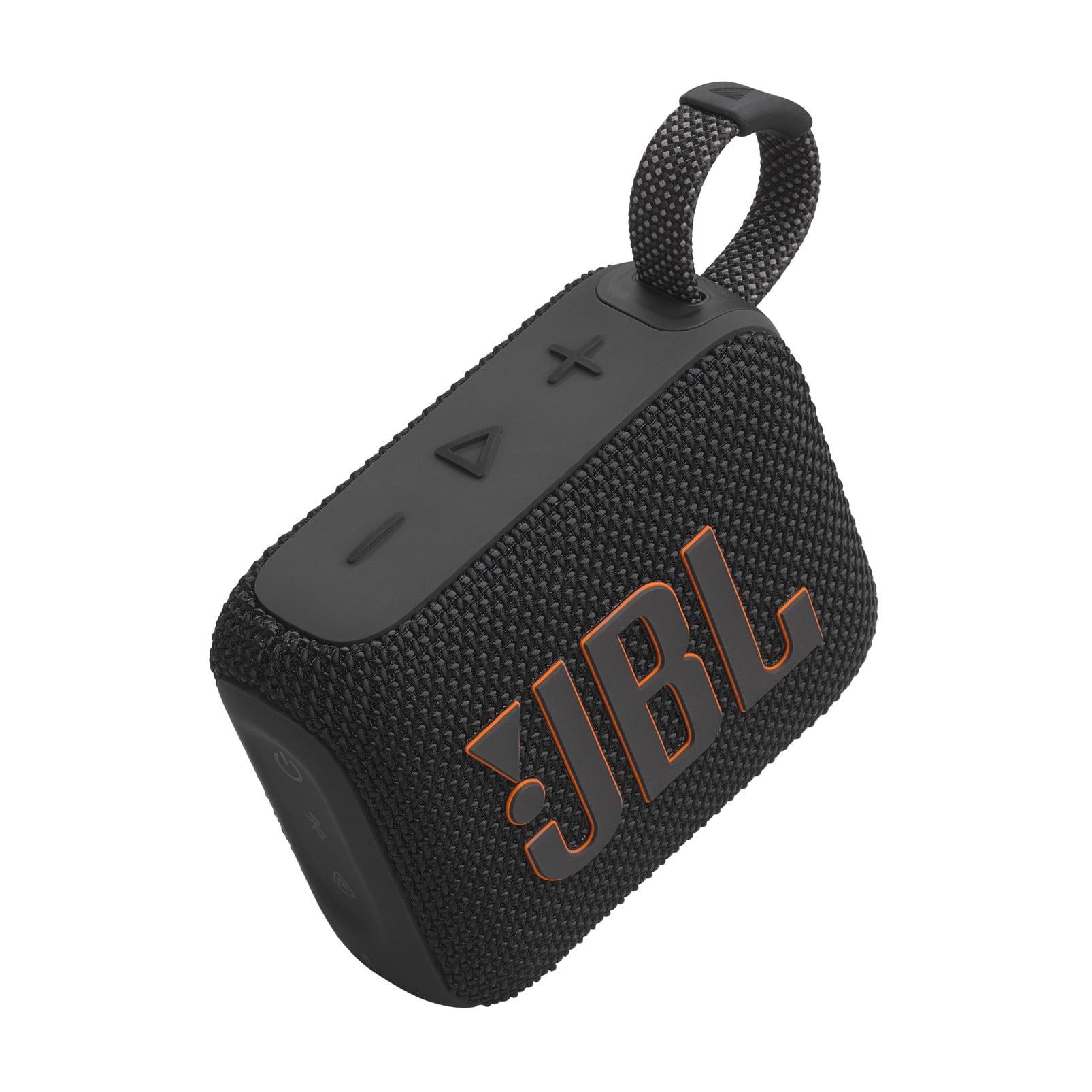
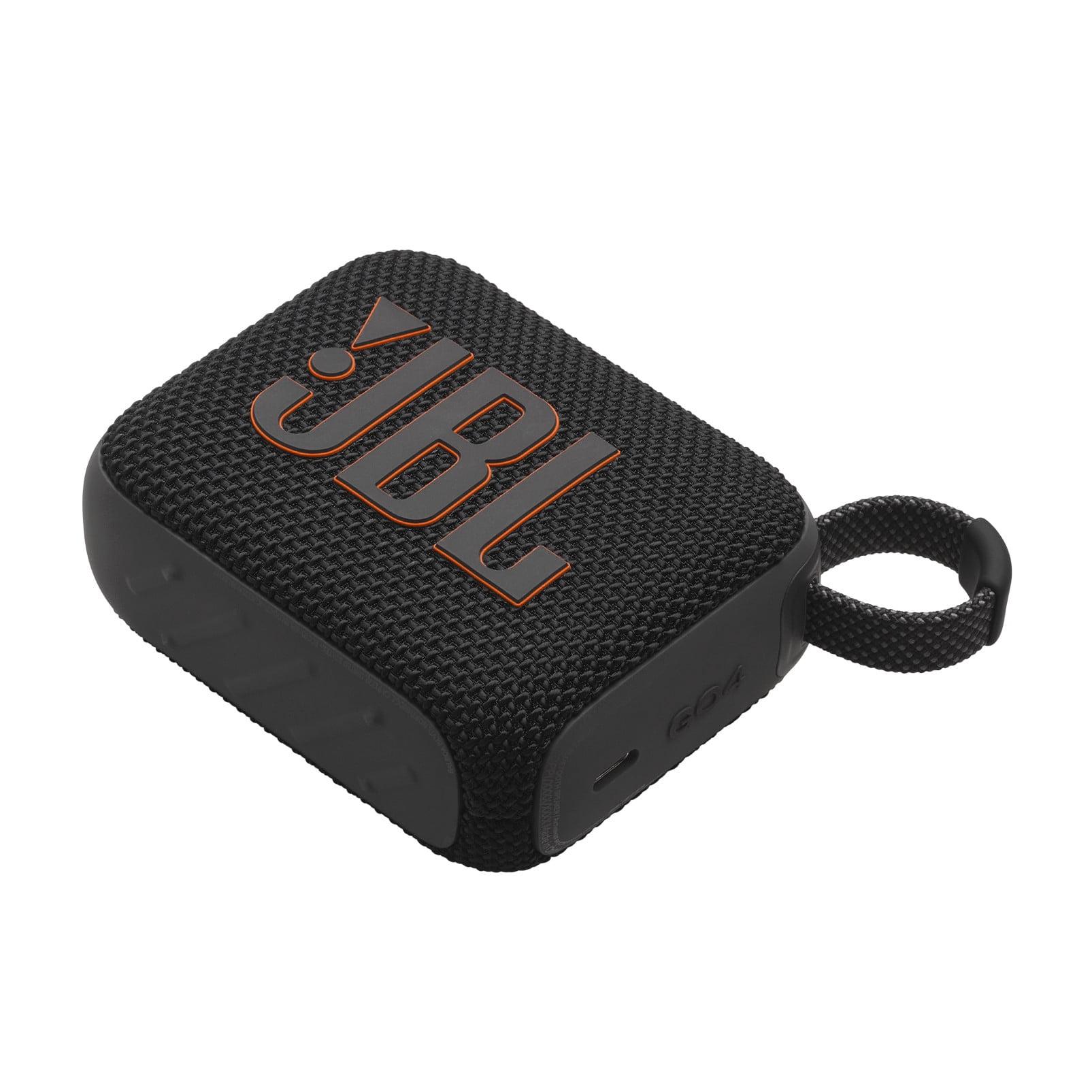
The JBL Go 4 represents the opposite design philosophy—making no compromises on portability while extracting maximum performance from minimal space. At just 3.7 × 3 × 1.7 inches and weighing less than half a pound, it genuinely disappears into pockets, bags, or even large jacket pockets.
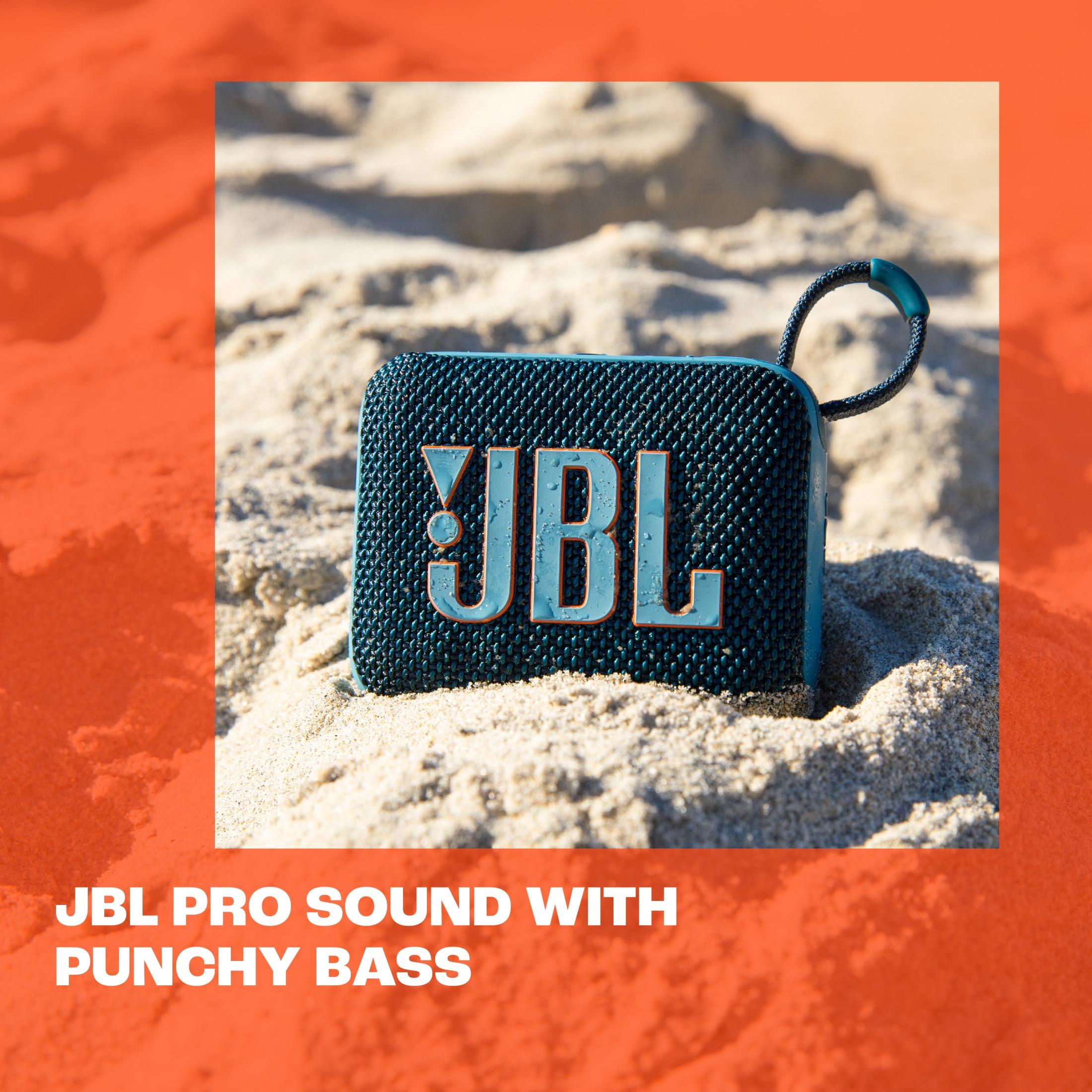
The 4.2-watt single driver might seem underwhelming compared to the Ortizan's 24 watts, but raw power numbers tell only part of the story. JBL's decades of audio engineering expertise shine through in the Go 4's tuning. The company's "JBL Pro Sound" isn't just marketing—it represents careful frequency response optimization that makes the speaker sound larger and more balanced than its specifications suggest.
User feedback consistently highlights the Go 4's clarity and tonal balance. While it can't match the raw volume or bass depth of larger speakers, it maintains composure at its maximum output and delivers surprisingly full sound for its size. The frequency response from 90 Hz to 20 kHz covers the essential range for most music, though it obviously can't reproduce the deep bass that larger speakers provide.
The IP67 rating represents a meaningful upgrade over basic water resistance. Unlike IPX7 (which only covers water), IP67 includes complete dust protection—the "6" rating means absolutely no dust can enter the device even under direct contact. For beach use, hiking, or any dusty environment, this protection proves invaluable.
The JBL Go 4 introduces Auracast technology, which enables multi-speaker pairing using the latest Bluetooth standards. This represents a more advanced approach than traditional TWS pairing, potentially offering better synchronization and easier setup when connecting multiple speakers.
Battery life of 7-9 hours (with Playtime Boost enabled) might seem limited compared to the Ortizan, but it aligns perfectly with the speaker's use case. Most portable listening sessions—commutes, workouts, small gatherings—fit comfortably within this timeframe, and the 3-hour charging time means overnight charging easily maintains daily use.
This comparison hinges on understanding how these different approaches affect actual listening experiences. Based on extensive user feedback and expert evaluations, several clear patterns emerge.
The Ortizan X10 excels at filling spaces with sound. Its dual-driver configuration and significant power output mean it can soundtrack outdoor gatherings, pool parties, or large rooms effectively. The enhanced bass response adds impact to hip-hop, electronic music, and rock, though this emphasis can sometimes overwhelm more delicate genres like classical or acoustic music.
However, some users report that the X10 can sound somewhat unrefined at frequency extremes. The pursuit of powerful bass and high volume occasionally comes at the expense of midrange clarity, and the speaker may exhibit some distortion when pushed to maximum levels with particularly demanding content.
The JBL Go 4 takes the opposite approach, prioritizing balance and refinement over raw power. Users consistently praise its clarity and the way it maintains composure across different music types. The carefully tuned frequency response means vocals sound natural, instruments maintain their character, and nothing feels exaggerated or artificial.
The trade-off is obvious: the Go 4 simply cannot match the volume levels or bass impact of larger speakers. It works beautifully for personal listening or small gatherings but lacks the presence needed for larger spaces or outdoor environments with ambient noise.
Battery performance creates perhaps the starkest difference between these speakers, and understanding your usage patterns is crucial for making the right choice.
The Ortizan X10's 30-hour runtime eliminates battery anxiety entirely for most users. Weekend camping trips, all-day beach sessions, or week-long vacation use becomes possible without carrying chargers or planning charging stops. This freedom changes how you interact with the device—it becomes more like a piece of furniture that happens to be portable rather than an electronic device requiring constant attention.
The Go 4's 7-9 hours provides sufficient runtime for most daily scenarios but requires more active battery management. For typical use—an hour in the morning, a couple hours in the evening—it easily lasts several days between charges. The quick 3-hour charging time means overnight charging maintains continuous availability.
The key question becomes whether the extended battery life justifies the Ortizan's larger size and weight for your specific use case. If you frequently find yourself in situations where charging isn't convenient, the answer is probably yes. If you primarily use speakers near power sources or for shorter sessions, the Go 4's compact convenience likely outweighs the battery limitation.
Both speakers offer water resistance, but their approaches differ meaningfully. The Go 4's IP67 rating provides superior protection, particularly for dusty environments like beaches or construction sites. The complete dust sealing extends the speaker's lifespan in harsh conditions and reduces maintenance needs.
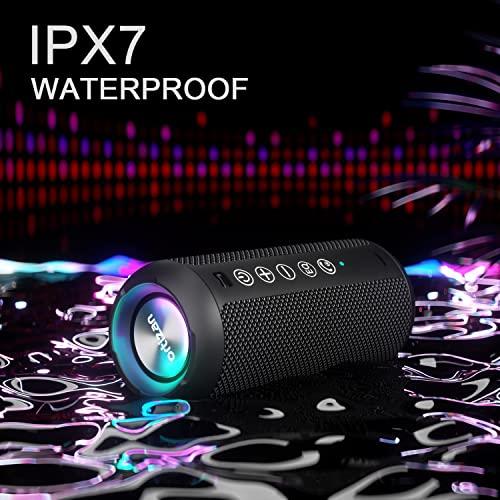
The Ortizan X10's IPX7 rating focuses solely on water resistance but achieves impressive depth tolerance—submersible up to 3 feet for 30 minutes. For pool use or accidental submersion, this provides excellent protection, though the lack of dust rating means more care is required in sandy or dusty conditions.
Build quality perceptions favor JBL's established reputation for durability and consistent manufacturing. The Go 4 benefits from decades of refined production processes and quality control, while the Ortizan represents a newer entrant with less long-term reliability data available.
At the time of writing, these speakers occupy different value propositions despite both falling into the "budget-friendly" category. The Ortizan X10 typically costs less than the Go 4 while offering significantly more features, connectivity options, and raw performance. This makes it an exceptional value for users who can accommodate its larger size.
The JBL Go 4 commands a premium for its brand reputation, refined tuning, and ultra-compact form factor. You pay more per watt of power and hour of battery life, but you receive superior portability, established brand support, and arguably better audio engineering.
The decision ultimately comes down to your primary use case and priorities. Choose the Ortizan X10 if you frequently host gatherings, spend extended time away from power sources, or prioritize maximum audio impact over ultimate portability. Its combination of power, battery life, and connectivity options makes it ideal for camping trips, beach days, backyard parties, or as a primary speaker for dorm rooms or small apartments.
The JBL Go 4 suits users who prioritize convenience and refined performance over raw power. It's perfect for commuters, frequent travelers, gym-goers, or anyone who wants quality audio without carrying bulk. Its superior portability and polished sound make it an excellent personal speaker that can handle occasional small group listening.
For home theater use, neither speaker is ideal—both are designed for portability rather than home audio applications. If you're considering them as temporary solutions or for casual video watching, the Ortizan X10 provides more room-filling sound, while the Go 4 offers better dialogue clarity for close-range viewing.
These speakers represent two valid but different approaches to portable audio. The Ortizan X10 maximizes performance within reasonable portability constraints, while the JBL Go 4 maximizes convenience while maintaining respectable audio quality.
Neither choice is wrong—they simply serve different masters. The Ortizan excels when audio performance and battery life take priority over ultimate portability. The Go 4 dominates when convenience and refined sound matter more than raw power or extended runtime.
Consider your 80/20 usage pattern: how will you use the speaker 80% of the time? If that usage involves larger spaces, extended sessions, or situations where maximum impact matters, the Ortizan X10 justifies its size. If portability and convenience dominate your needs, the JBL Go 4 provides a more elegant solution that fits seamlessly into daily life.
Both speakers benefit from the technological advances of 2024, offering reliable Bluetooth connectivity, reasonable water resistance, and sound quality that would have been impossible at these price points just a few years ago. Your choice comes down to which compromise set aligns better with your lifestyle and priorities.
| Ortizan X10 Portable Bluetooth Speaker 24W | JBL Go 4 Portable Bluetooth Speaker |
|---|---|
| Power Output - Determines maximum volume and room-filling capability | |
| 24W (dual 12W drivers) - Can fill large outdoor spaces | 4.2W (single driver) - Best for personal/small group listening |
| Size & Weight - Critical for daily portability | |
| 6.7 × 3 × 3 inches, 1.12 lbs - Requires bag space but manageable | 3.7 × 3 × 1.7 inches, 0.42 lbs - Fits in pockets, ultra-portable |
| Battery Life - How long you can listen without charging | |
| 30 hours - Ideal for extended trips and eliminates charging anxiety | 7-9 hours - Sufficient for daily use with regular charging needed |
| Frequency Response - Affects bass depth and overall sound quality | |
| 20 Hz - 20 kHz (can reproduce deep sub-bass you feel) | 90 Hz - 20 kHz (covers essential range but limited bass) |
| Water/Dust Protection - Durability for outdoor use | |
| IPX7 (water resistant to 3 feet, no dust rating) | IP67 (water + complete dust protection) - better for beaches/dusty conditions |
| Connectivity Options - Flexibility beyond Bluetooth | |
| Bluetooth 5.0, AUX input, microSD card slot - Multiple backup options | Bluetooth 5.3 only - Simpler but less versatile |
| Special Features - Additional value beyond core audio | |
| RGB light show, TWS pairing, multiple EQ modes | Auracast multi-speaker pairing, JBL Portable app integration |
| Audio Quality Character - Sound signature and refinement | |
| Powerful bass-forward sound, can get muddy at extremes | Balanced, refined JBL tuning - cleaner but less impactful |
| Brand Heritage - Support and reliability expectations | |
| Newer brand with strong user ratings but limited track record | Established JBL reputation with decades of audio expertise |
| Best Use Cases - Where each speaker excels | |
| Outdoor gatherings, camping, parties, extended battery needs | Daily carry, commuting, travel, personal listening, refined sound |
The Ortizan X10 is significantly louder with 24 watts of power compared to the JBL Go 4's 4.2 watts. This nearly 6x power difference means the Ortizan X10 can fill large outdoor spaces and handle party environments, while the JBL Go 4 is better suited for personal listening or small gatherings.
The Ortizan X10 offers exceptional 30-hour battery life compared to the JBL Go 4's 7-9 hours. This makes the Ortizan X10 ideal for camping trips, all-day events, or situations where charging isn't convenient, while the JBL Go 4 requires more frequent charging but still handles daily use well.
The JBL Go 4 is much more portable, measuring just 3.7 × 3 × 1.7 inches and weighing 0.42 lbs - small enough to fit in your pocket. The Ortizan X10 at 6.7 × 3 × 3 inches and 1.12 lbs requires bag space but is still reasonably portable for its power output.
The JBL Go 4 has superior protection with IP67 rating, offering both water resistance and complete dust protection - ideal for beaches or dusty environments. The Ortizan X10 has IPX7 water resistance (submersible to 3 feet) but no dust protection rating.
The Ortizan X10 delivers much deeper bass with frequency response down to 20 Hz, allowing you to feel sub-bass frequencies. The JBL Go 4 starts at 90 Hz, covering essential frequencies but lacking the deep bass impact that the Ortizan X10 provides.
The Ortizan X10 offers multiple connection options including AUX input and microSD card slot, providing backup options when Bluetooth fails. The JBL Go 4 is Bluetooth-only, which keeps it simple but less versatile for different audio sources.
The JBL Go 4 generally offers more refined, balanced sound quality thanks to JBL's audio engineering expertise, though at lower volumes. The Ortizan X10 provides more powerful, bass-heavy sound but can become less refined at maximum volume. Your preference depends on whether you prioritize refinement or impact.
Neither the Ortizan X10 nor JBL Go 4 is specifically designed for home theater use, as they're optimized for portability. However, if needed temporarily, the Ortizan X10 would provide more room-filling sound for casual movie watching, while the JBL Go 4 offers better dialogue clarity for close-range viewing.
Yes, both speakers support pairing. The Ortizan X10 uses True Wireless Stereo (TWS) pairing, while the JBL Go 4 features newer Auracast technology for multi-speaker connections. Both create wider stereo sound when using two units.
The JBL Go 4 charges faster at 3 hours for a full charge, while the Ortizan X10 takes longer due to its much larger battery capacity. However, the Ortizan X10 needs charging far less frequently thanks to its 30-hour runtime.
The JBL Go 4 benefits from JBL's decades of audio expertise and established reputation for quality and durability. The Ortizan X10 has strong user ratings but represents a newer brand with less long-term reliability data, though it offers excellent value for its features.
Value depends on your priorities. The Ortizan X10 typically costs less while offering more power, longer battery life, and additional features, making it excellent value for performance. The JBL Go 4 costs more but provides superior portability, refined audio quality, and established brand reliability - better value for convenience and refinement.
We've done our best to create useful and informative comparisons to help you decide what product to buy. Our research uses advanced automated methods to create this comparison and perfection is not possible - please contact us for corrections or questions. These are the sites we've researched in the creation of this article: reviewindetail.com - manuals.plus - newegg.com - walmart.com - nerdtechy.com - aliexpress.com - youtube.com - h5.lazada.com.ph - youtube.com - manuals.plus - walmart.com - ortizan.com - youtube.com - youtube.com - ubuy.com.pk - manuals.plus - youtube.com - aliexpress.com - aliexpress.com - ortizan.com - youtube.com - heartwood.church - device.report - tomsguide.com - outeraudio.com - youtube.com - techradar.com - corporategift.com - jbl.com - target.com - dell.com - projectorscreen.com - mm.jbl.com

Privacy Policy
Terms and Conditions - Affiliate Policy
Home Security
© Copyright 2008-2026.
11816 Inwood Rd #1211, Dallas, TX 75244