

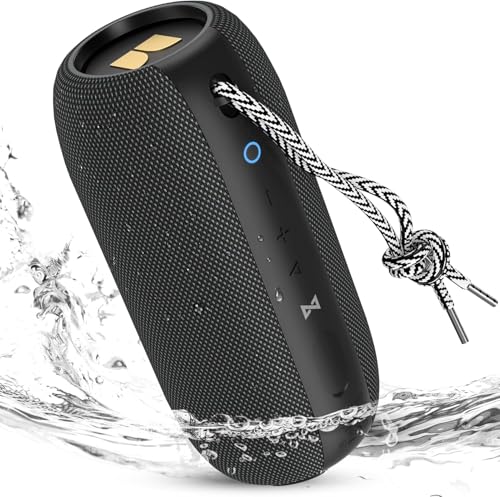

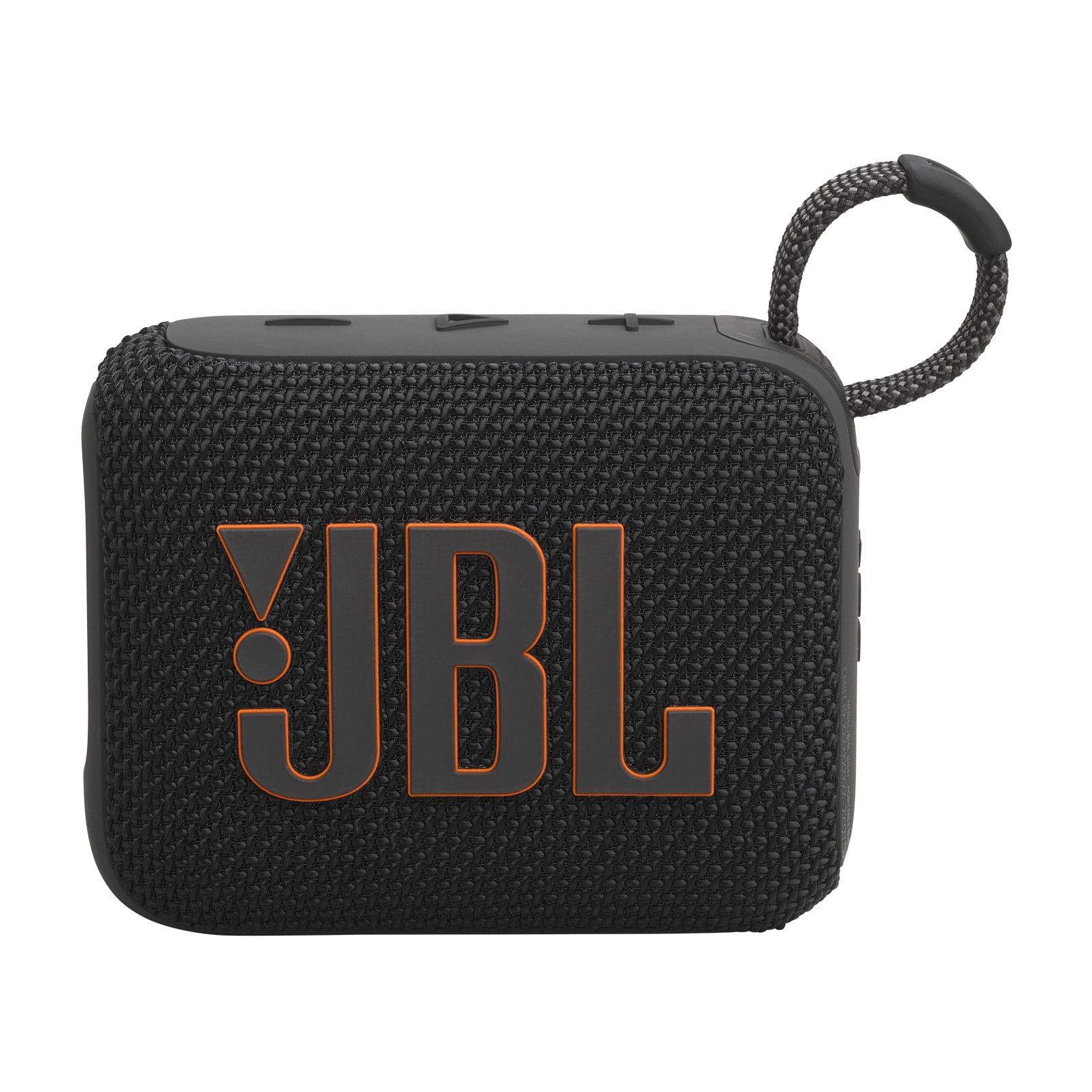
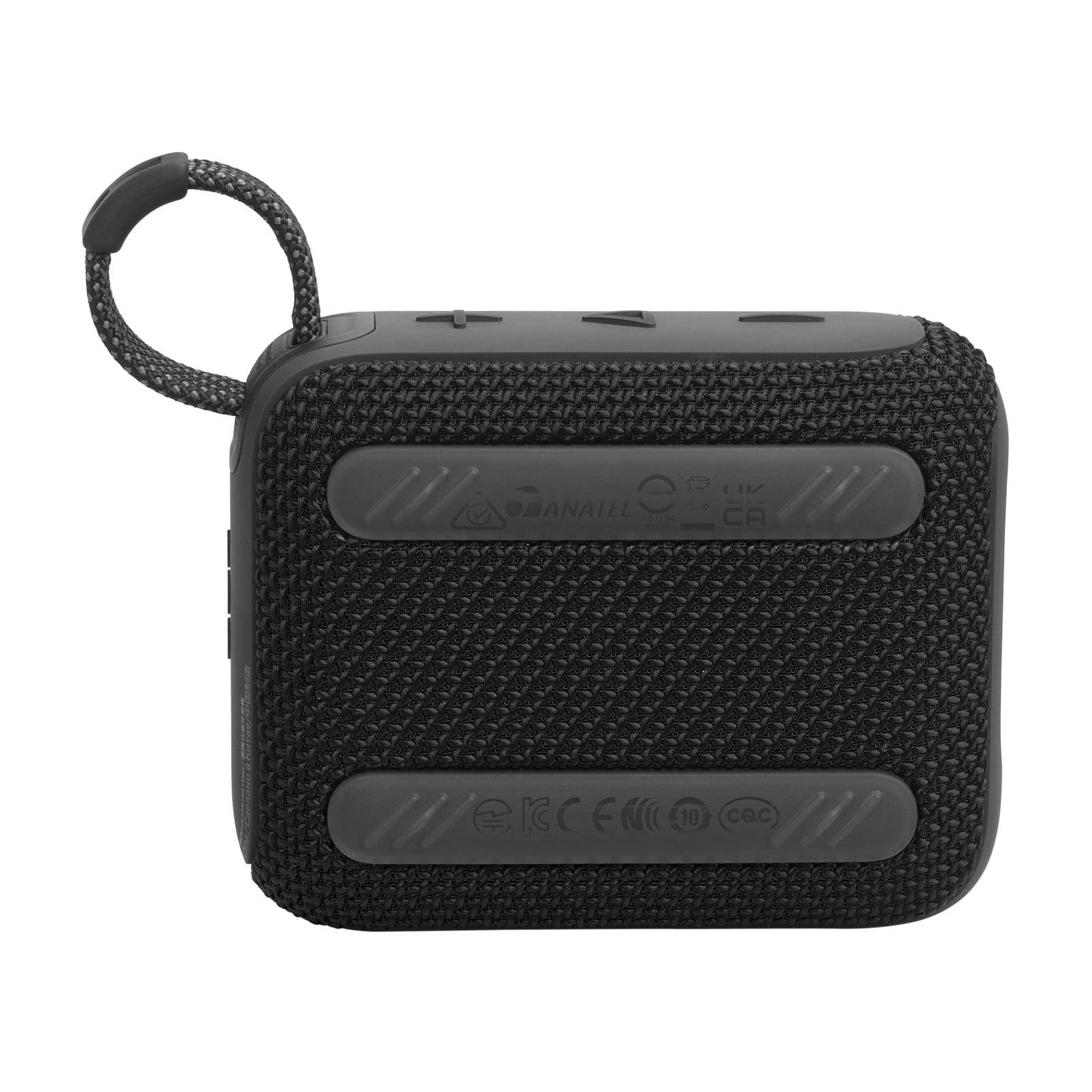
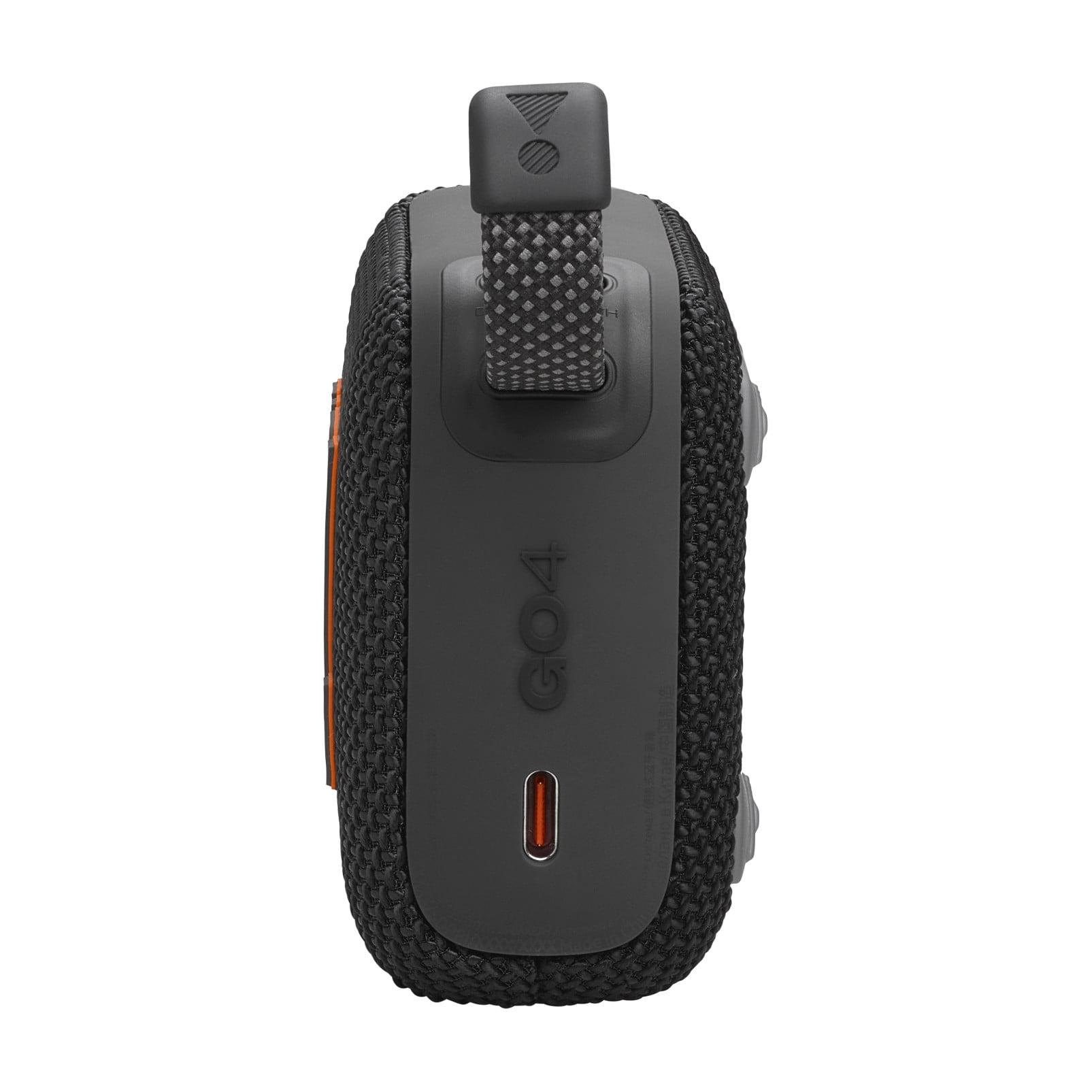
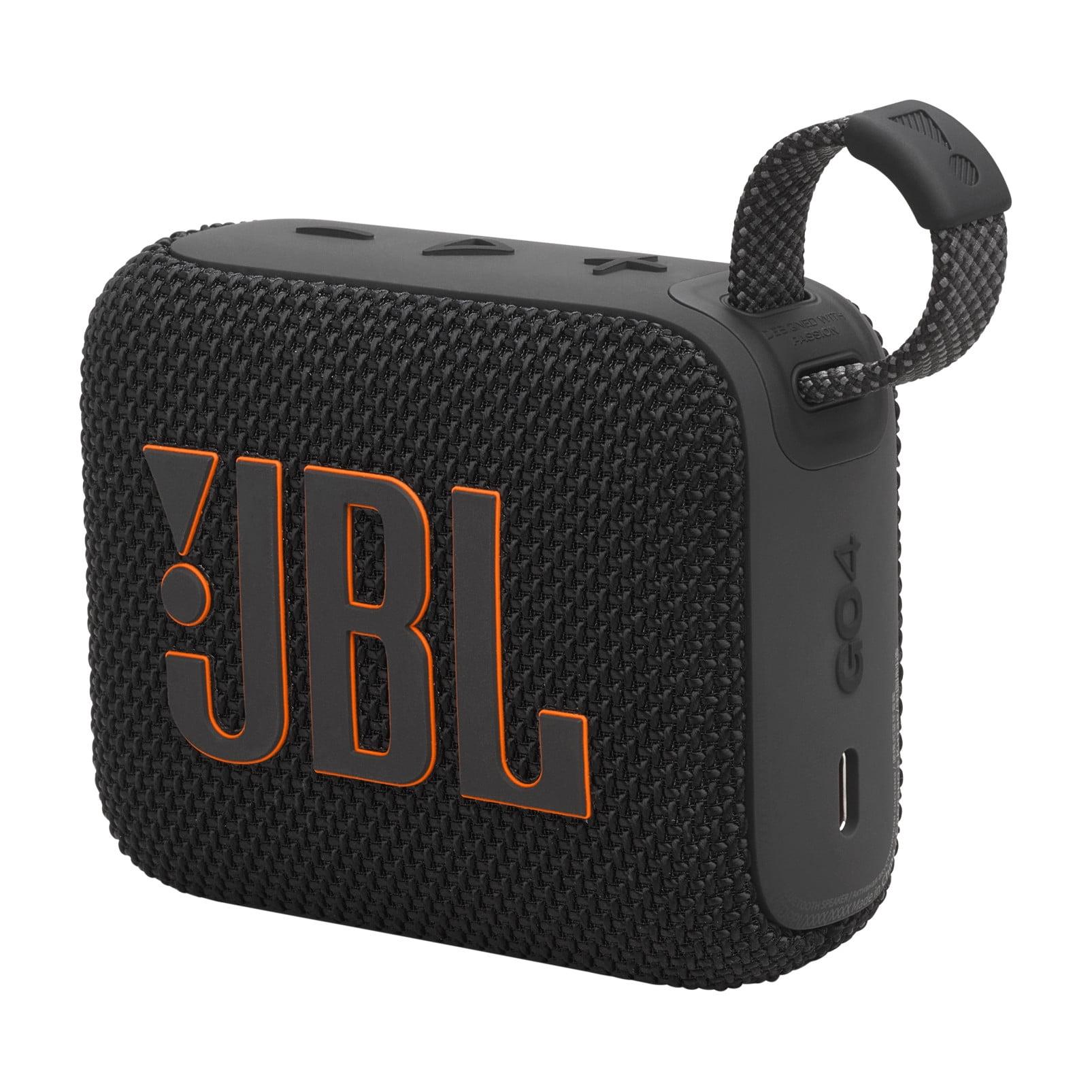
Choosing the right portable Bluetooth speaker can feel overwhelming with so many options flooding the market. Two speakers that frequently come up in searches are the Monster S320 Superstar and the JBL Go 4, but they're actually targeting completely different users despite both being "portable" speakers. Understanding these differences is crucial to making the right choice for your needs.
Before diving into specifics, it's worth understanding what separates great portable speakers from mediocre ones. The magic happens in how manufacturers balance several competing priorities: sound quality, battery life, size, durability, and price. Every design decision involves trade-offs.
When evaluating portable speakers, the most important performance characteristics are power output (measured in watts), frequency response (the range of sounds it can reproduce), battery capacity, and build quality. Power output determines how loud your speaker can get, while frequency response affects how full and balanced the sound feels. Battery capacity directly impacts how long you can use the speaker between charges, and build quality determines whether it'll survive your adventures.
The Bluetooth version also matters more than most people realize. Newer versions like Bluetooth 5.3 offer better range, more stable connections, and lower power consumption compared to older versions like 4.2. This translates to fewer dropouts and longer battery life.
The Monster S320 Superstar and JBL Go 4 represent fundamentally different approaches to portable audio. Released in 2024 and 2024 respectively, they showcase how much the portable speaker market has evolved, but in opposite directions.
The Monster S320 follows the "more is more" philosophy—bigger drivers, more power, longer battery life, and ruggedized construction. Meanwhile, the JBL Go 4 embodies the "less is more" approach, prioritizing ultimate portability while still delivering surprisingly good sound quality for its tiny size.
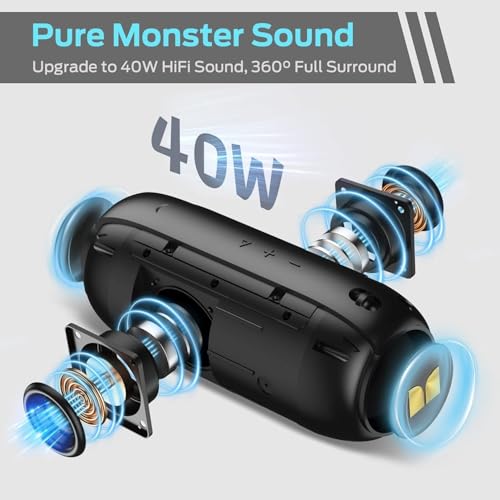
The sound quality difference between these speakers is dramatic, and it starts with power output. The Monster S320 Superstar delivers 40 watts of total power through its dual 2-inch drivers, creating what Monster calls "360° stereo surround sound." This isn't just marketing speak—the speaker's cylindrical design actually projects sound in all directions, creating a more immersive listening experience than traditional forward-firing speakers.
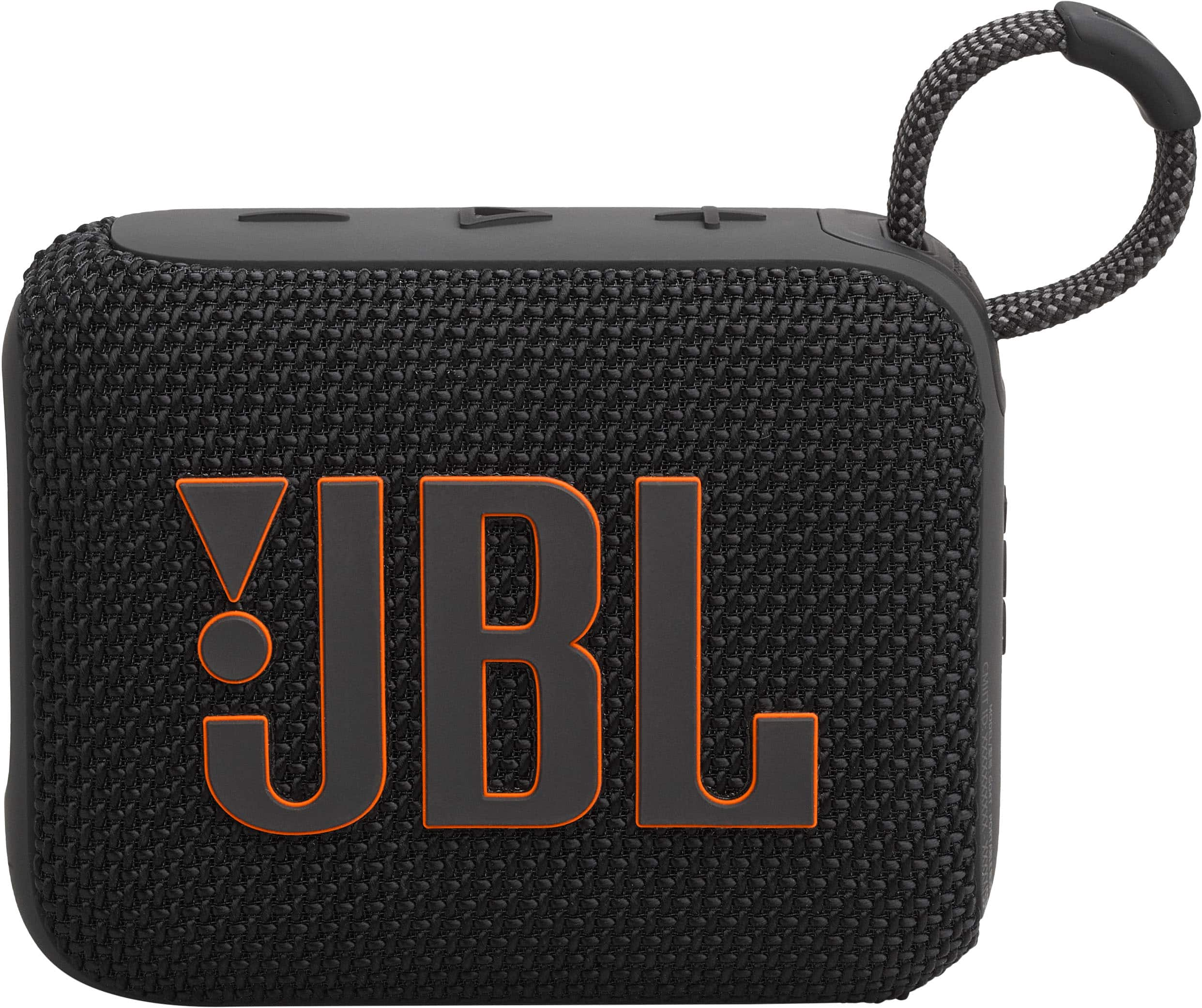
In contrast, the JBL Go 4 operates with just 4.2 watts from a single 45mm driver. That's nearly ten times less power than the Monster, which might seem like a massive disadvantage. However, judging speakers solely by wattage is like judging cars only by horsepower—it tells part of the story, but not the whole story.
Frequency response—the range of audio frequencies a speaker can reproduce—reveals more about actual sound quality. The Monster S320 covers the full spectrum from 20Hz to 20kHz, matching human hearing capabilities. Its sound signature emphasizes deep bass and what Monster calls "Pure Monster Sound," which tends toward a more exciting, bass-heavy presentation that works well for hip-hop, electronic music, and action movies.
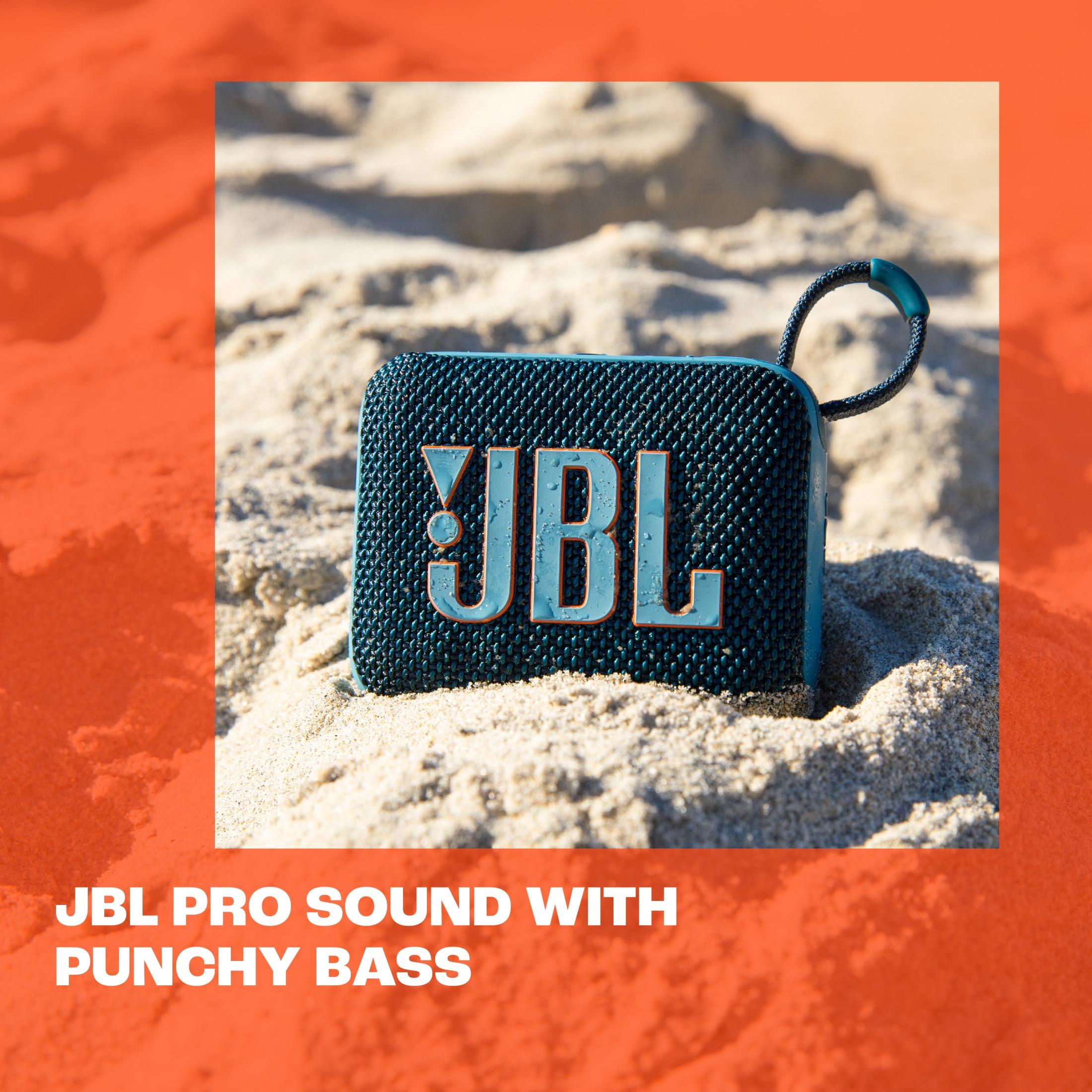
The JBL Go 4 covers 90Hz to 20kHz, missing the deepest bass frequencies but compensating with JBL's signature balanced sound tuning. JBL's engineers prioritize clarity and vocal intelligibility over raw bass impact, making it excellent for podcasts, acoustic music, and situations where you need clear dialogue.
Based on our research of user reviews and expert evaluations, the Monster S320 consistently outperforms in outdoor settings where you need to fill larger spaces with sound. Users report it can easily provide background music for parties of 15-20 people, while the JBL Go 4 works best for personal listening or small groups of 2-4 people.
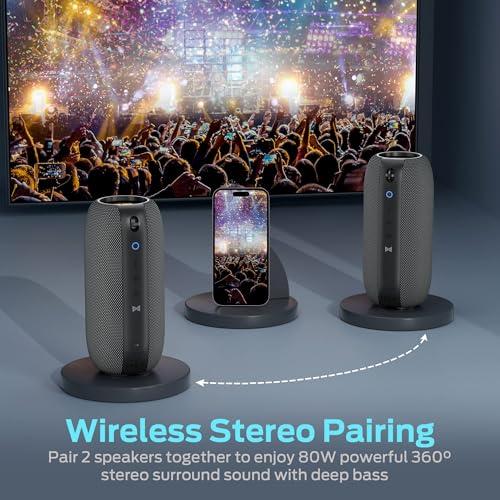
The Monster's True Wireless Stereo (TWS) capability is particularly impressive—you can pair two S320 speakers together for true stereo separation and 80 watts of combined power. This feature transforms the listening experience from good to genuinely impressive, creating proper left-right channel separation that most portable speakers simply can't achieve.
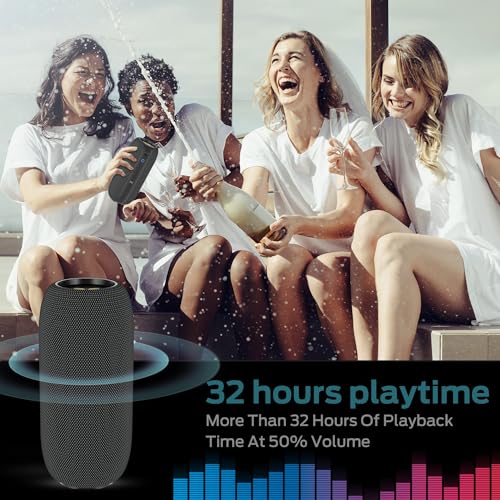
Battery performance represents perhaps the biggest difference between these speakers. The Monster S320 Superstar claims up to 32 hours of continuous playback from its 2500mAh battery—that's more than a full day of music. In practical terms, this means you could take it on a weekend camping trip without worrying about charging.
The JBL Go 4 offers 7-9 hours from its 850mAh battery, extending to 9 hours with the "Playtime Boost" feature enabled. Playtime Boost is JBL's power management technology that optimizes audio processing to extend battery life while maintaining sound quality.
These numbers reflect the fundamental physics of portable speakers: larger batteries enable longer playtime, but they also add weight and size. The Monster's battery is nearly three times larger, which directly contributes to its weight of 720-730 grams compared to the JBL's mere 190 grams.
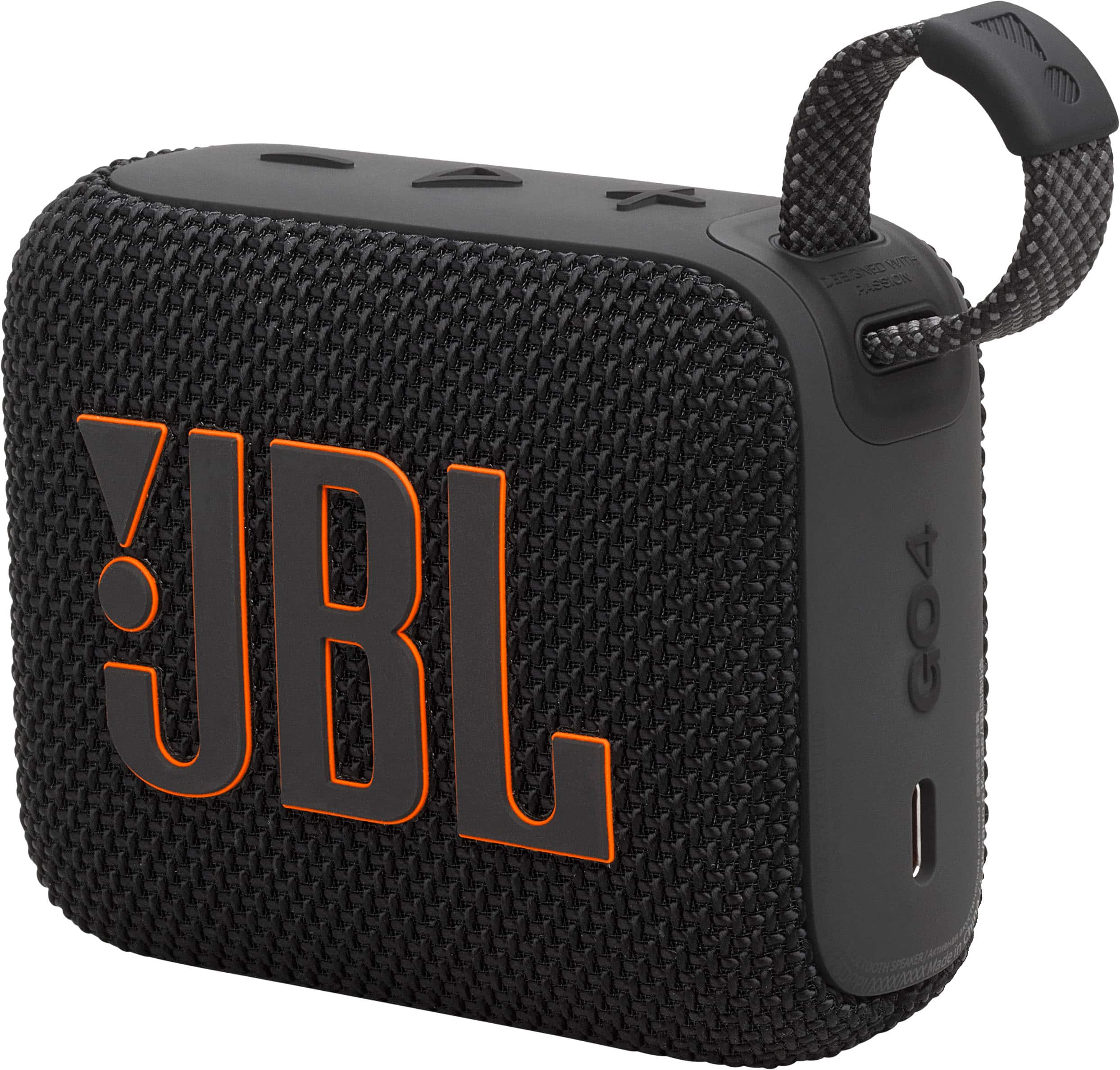
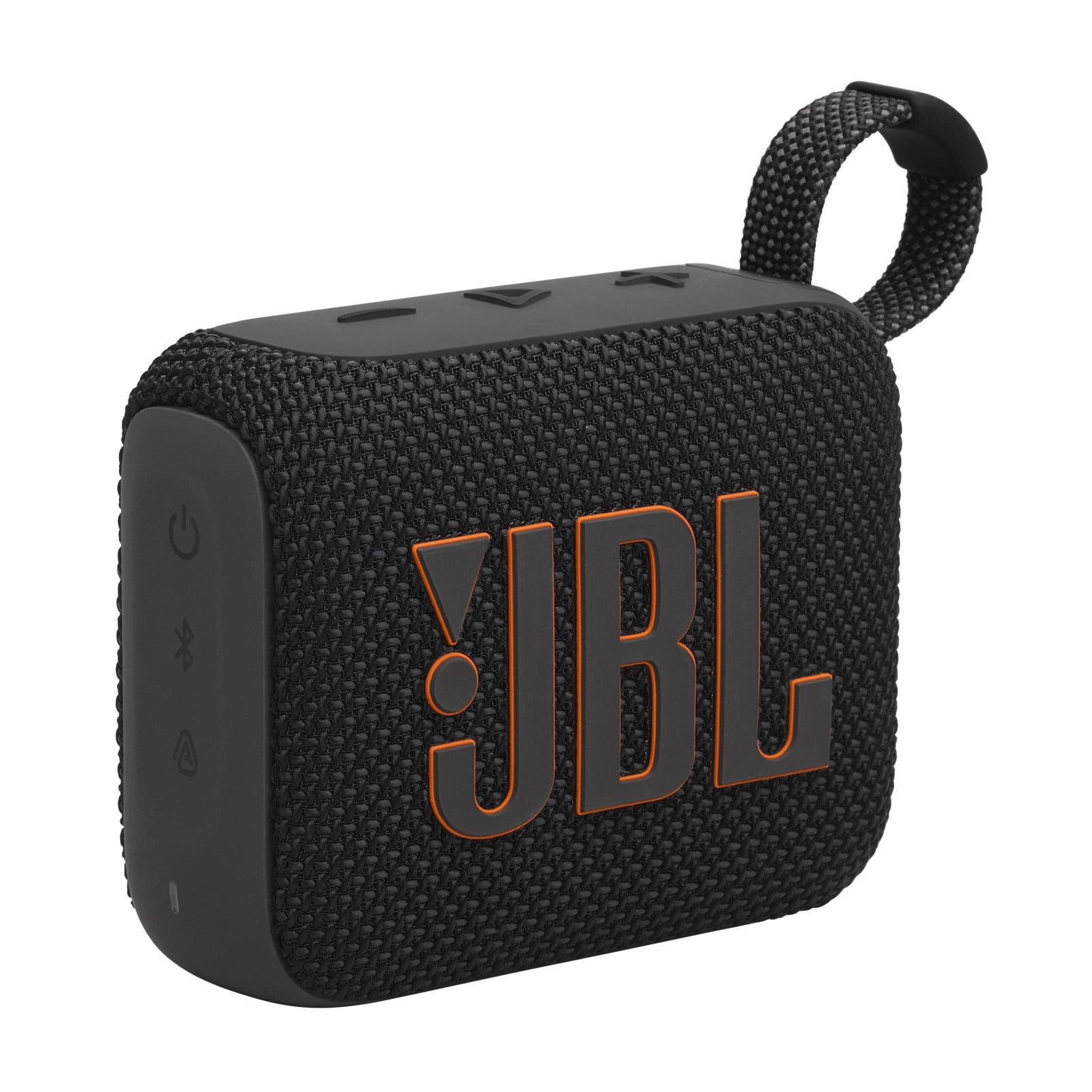
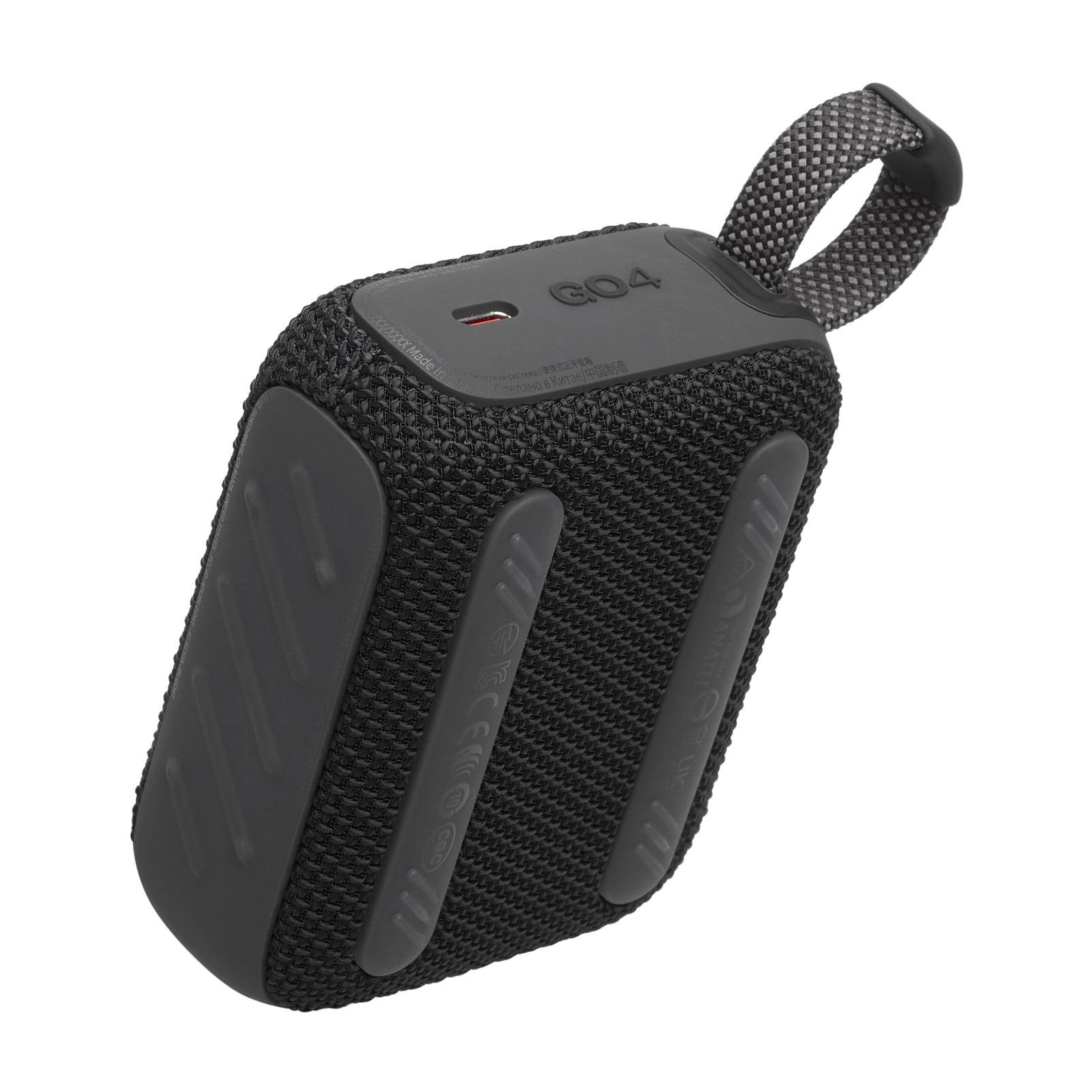
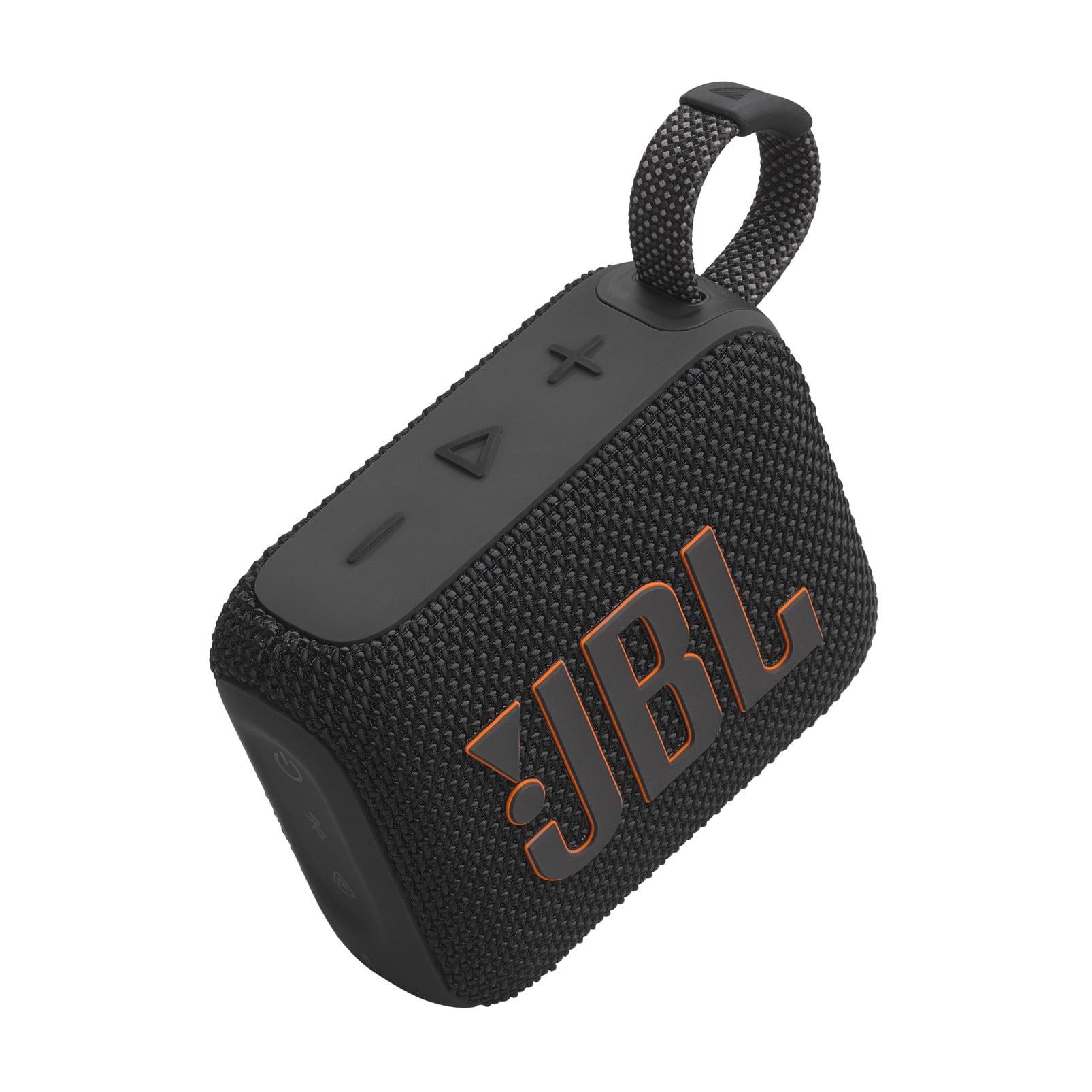
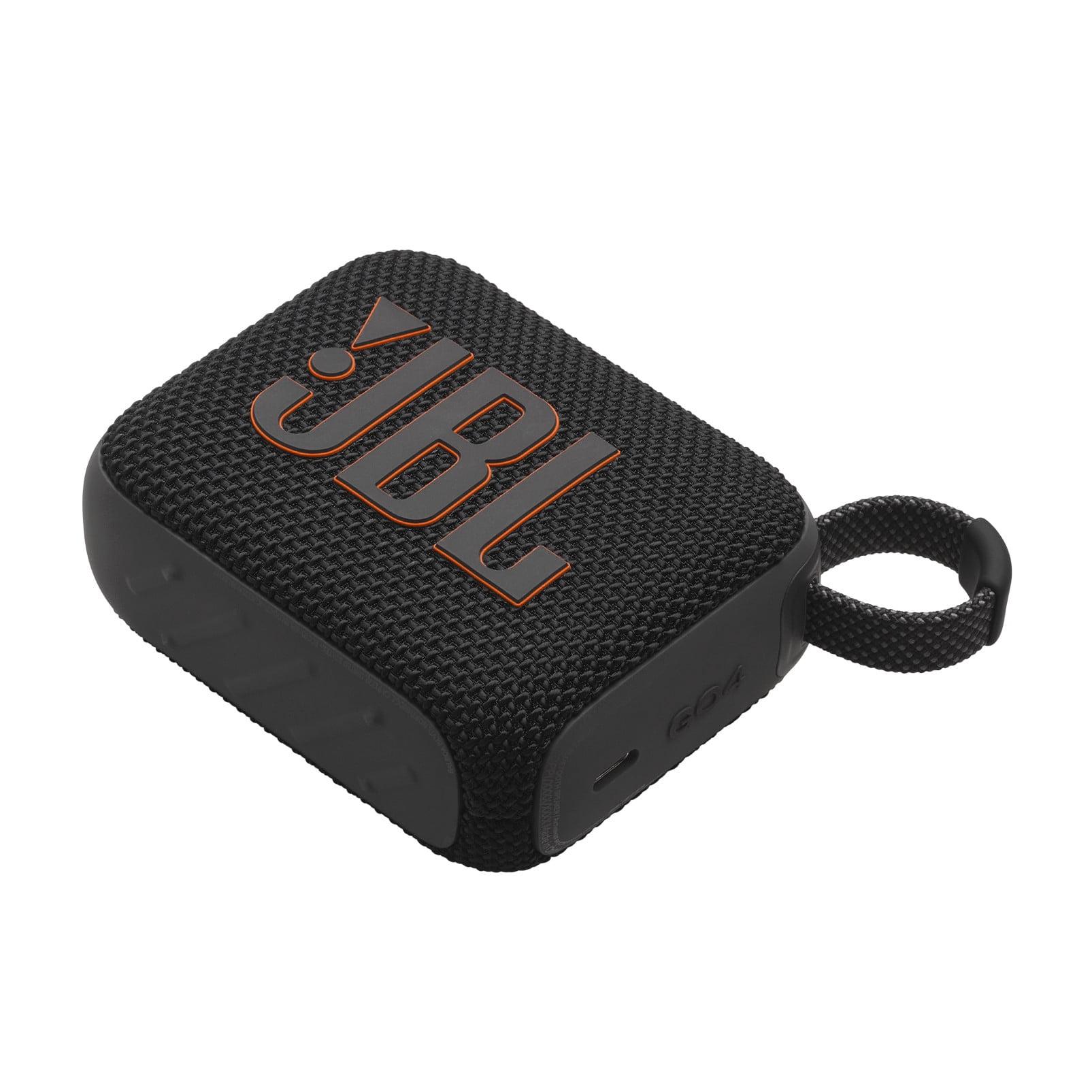
Portability might seem obvious, but it's more nuanced than just looking at dimensions. The JBL Go 4 measures 94.3 × 75.7 × 42.2 mm—truly palm-sized and designed to slip into jacket pockets or small bag compartments. Its integrated loop allows easy attachment to backpacks or belt loops.
The Monster S320 at 87 × 87 × 190 mm is still technically portable, but it requires dedicated bag space and weighs nearly four times more. However, this size enables the larger drivers and battery that deliver its superior audio performance and extended runtime.
For daily commuting, travel, or spontaneous music needs, the JBL Go 4 wins decisively. For planned activities like beach days, camping trips, or outdoor parties where you can prepare and carry larger items, the Monster S320 becomes more practical despite its size.
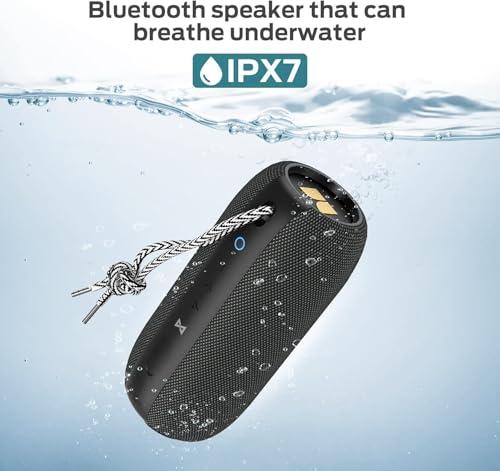
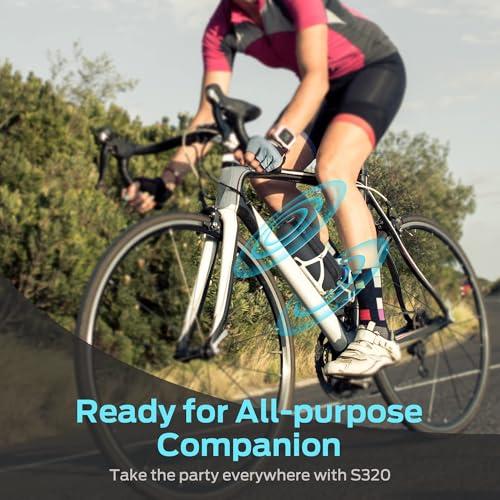
Both speakers target active users, but with different interpretations of "durability." The Monster S320 Superstar carries an IPX7 waterproof rating, meaning it can survive complete submersion in up to one meter of water for 30 minutes. It's also marketed as shockproof and dustproof, suggesting it can handle drops, impacts, and harsh outdoor conditions.
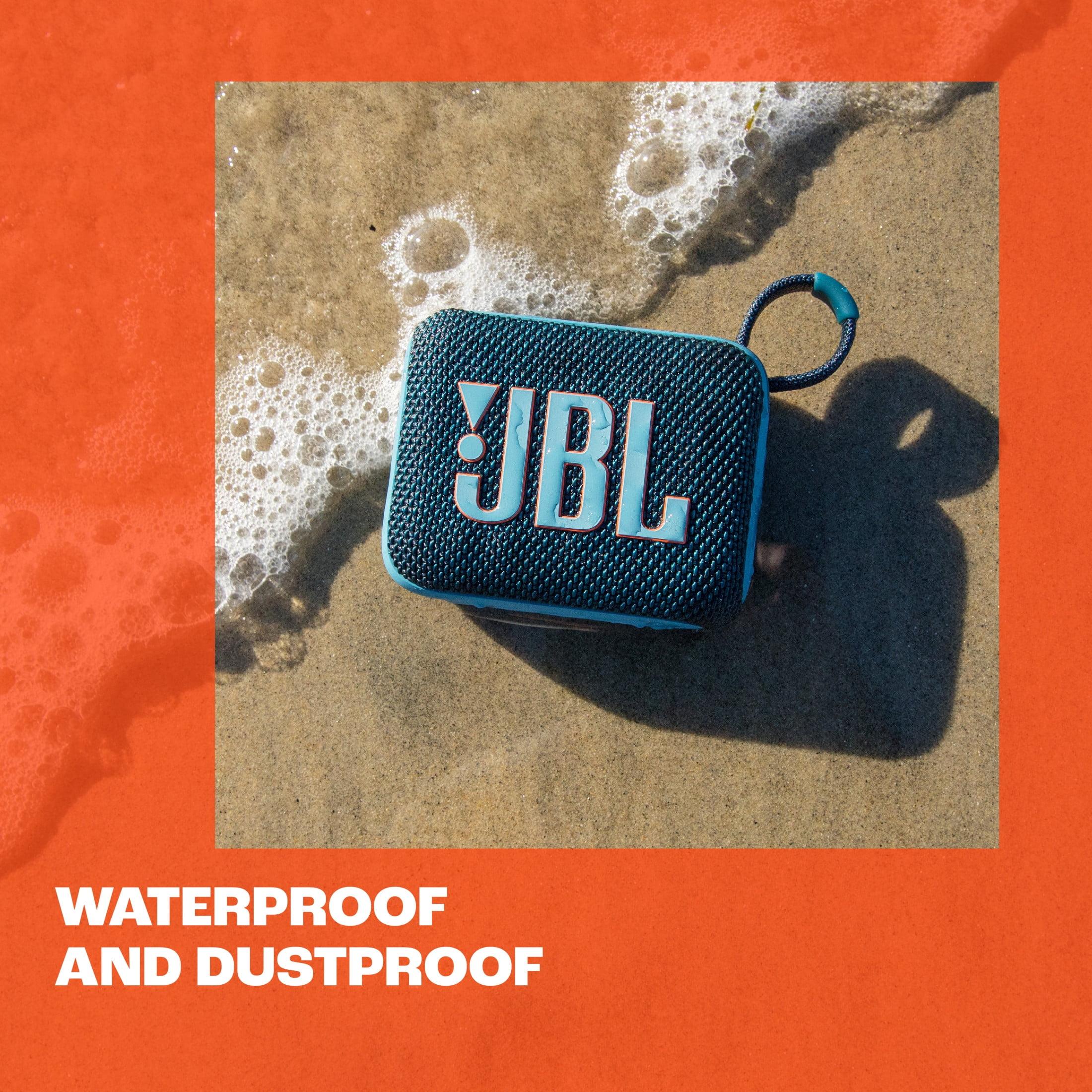
The JBL Go 4 features IP67 protection, which provides dust-tight sealing plus water immersion resistance. While both ratings indicate serious weather protection, the Monster's additional shockproof claims suggest better impact resistance for truly rugged use.
In practical terms, both speakers will survive poolside splashes, beach sand, and light rain. The Monster S320 appears better suited for extreme outdoor activities like white-water rafting or construction sites, while the JBL Go 4 offers sufficient protection for normal outdoor use without the bulk.
Technology improvements since these speakers' 2024 releases highlight different priorities. The Monster S320 uses Bluetooth 5.0 with traditional connection protocols, focusing on reliability and backward compatibility. Its inclusion of a 3.5mm auxiliary input provides wired connectivity for devices without Bluetooth or when battery conservation matters.
The JBL Go 4 incorporates Bluetooth 5.3, offering improved connection stability, better range, and lower power consumption. More importantly, it supports JBL's Auracast technology for connecting multiple compatible speakers simultaneously. The companion JBL Portable app provides customizable EQ settings, letting users fine-tune sound signatures for different music genres or personal preferences.
These features reflect broader industry trends toward smartphone app integration and wireless multi-speaker systems. While the Monster focuses on individual speaker performance, JBL emphasizes ecosystem integration and user customization.
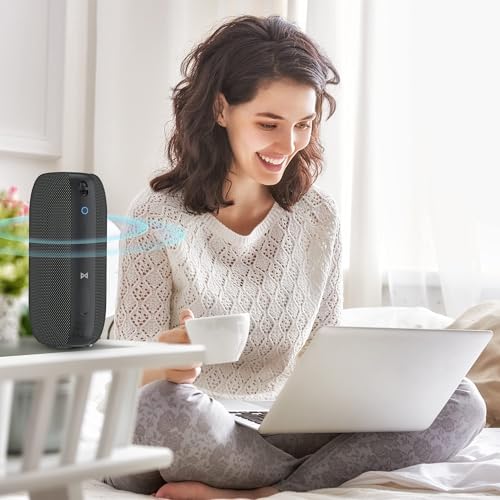
Neither speaker is designed as a primary home theater solution, but they serve different supplementary roles. The Monster S320 can provide decent background audio for casual movie watching in bedrooms or smaller spaces, especially when paired with another unit for true stereo separation. Its 360° sound distribution works well for ambient audio in irregularly shaped rooms.
The JBL Go 4 functions better as a personal device for late-night viewing or travel entertainment. Its compact size makes it ideal for hotel rooms or temporary setups where you need better audio than laptop speakers but don't want to disturb others.
For camping, beach trips, or outdoor parties, the Monster S320 clearly dominates. Its extended battery life means less worry about charging infrastructure, and its powerful output can overcome ambient noise from wind, waves, or crowds. The rugged construction provides confidence for sandy, wet, or rough environments.
The JBL Go 4 excels for hiking, cycling, or activities where every ounce matters. Its ability to clip onto gear and provide decent audio quality while barely impacting your pack weight makes it invaluable for weight-conscious adventures.
Urban users will likely prefer the JBL Go 4 for its discretion and convenience. It disappears into bags, provides decent audio for conference calls, and offers enough volume for personal listening without announcing your music to everyone nearby.
At the time of writing, these speakers occupy different price ranges that reflect their target markets. The JBL Go 4 positions itself as an affordable entry point to quality portable audio, delivering surprisingly good performance for its budget-friendly price point. JBL's established brand reputation provides confidence in build quality and customer support.
The Monster S320 Superstar commands a higher price that reflects its more powerful components, larger battery, and ruggedized construction. For users who need its specific capabilities, the price represents solid value. However, buyers who don't need the extra power and battery life might find it overpriced for their needs.
Both speakers showcase different aspects of portable audio evolution since 2020. The Monster S320 represents the trend toward more powerful, feature-rich portable speakers that blur the line between portable and stationary systems. Its TWS pairing and 360° sound distribution reflect consumer demand for more immersive portable audio experiences.
The JBL Go 4 embodies the opposite trend—making good audio truly portable through advanced engineering and efficient component design. Its Bluetooth 5.3 implementation and app-based customization show how software increasingly enhances hardware capabilities.
Your choice between these speakers should align with your primary use cases and priorities. The Monster S320 Superstar makes sense if you frequently host gatherings, spend extended time outdoors without charging access, or simply want the most powerful portable audio you can get. Its size and weight become acceptable trade-offs for the performance and battery life it delivers.
The JBL Go 4 suits users who prioritize true portability and convenience above raw performance. If you want something that's always with you, fits anywhere, and still provides respectable sound quality, it's the clear choice.
Consider the Monster S320 if you often find yourself saying "I wish this speaker was louder" or "I wish the battery lasted longer." Choose the JBL Go 4 if you frequently think "I wish I had brought a speaker" or "This is too big to carry comfortably."
Both speakers excel within their intended niches, making this less about finding the "better" speaker and more about matching the right tool to your specific needs and lifestyle.
| Monster S320 Superstar Portable Bluetooth Speaker | JBL Go 4 Portable Bluetooth Speaker |
|---|---|
| Power Output - Determines maximum volume and bass impact | |
| 40W total (dual 2-inch drivers) - Room-filling sound for parties | 4.2W RMS (single 45mm driver) - Personal/small group listening |
| Dimensions & Weight - Critical for portability and carrying comfort | |
| 87 × 87 × 190 mm, 720-730g - Requires bag space, hand strap included | 94.3 × 75.7 × 42.2 mm, 190g - Fits in jacket pocket, integrated loop |
| Battery Life - How long you can listen between charges | |
| Up to 32 hours - Multi-day camping trips without charging | 7-9 hours (with Playtime Boost) - Good for daily use, requires regular charging |
| Water Resistance - Protection level for outdoor/wet conditions | |
| IPX7 waterproof + shockproof - Full submersion up to 1m, extreme outdoor use | IP67 waterproof/dustproof - Beach and poolside safe, standard outdoor protection |
| Bluetooth Version - Affects connection stability and range | |
| Bluetooth 5.0 - Solid performance, 10m range | Bluetooth 5.3 - Latest standard, better efficiency and stability |
| Sound Signature - The character and balance of audio output | |
| 360° surround, bass-heavy "Pure Monster Sound" - Exciting for parties/outdoor | Balanced JBL Pro Sound, clear mids/highs - Great for podcasts and vocals |
| Multi-Speaker Pairing - Ability to connect multiple units | |
| True Wireless Stereo (TWS) - Pair two S320s for 80W stereo sound | Auracast multi-speaker - Connect multiple JBL speakers, app-controlled |
| Input Options - Connectivity flexibility beyond Bluetooth | |
| 3.5mm AUX input + Bluetooth - Wired backup for dead phone batteries | Bluetooth only - Simpler but limits connection options |
| App Integration - Software features and customization | |
| Basic voice assistant support - Limited smart features | JBL Portable app - Custom EQ, Playtime Boost, multiple presets |
| Frequency Response - Range of audio frequencies reproduced | |
| 20Hz-20kHz - Full spectrum including deep bass | 90Hz-20kHz - Missing deepest bass but optimized for clarity |
| Best Use Cases - Where each speaker excels most | |
| Outdoor parties, camping, extended use away from power | Daily carry, travel, personal listening, weight-conscious activities |
The Monster S320 Superstar is significantly louder with 40W of power output compared to the JBL Go 4's 4.2W. The Monster can fill large rooms and outdoor spaces, while the JBL is better suited for personal listening or small groups. If you need volume for parties or gatherings, the Monster S320 is the clear winner.
The Monster S320 Superstar dominates battery life with up to 32 hours of playtime versus the JBL Go 4's 7-9 hours. This makes the Monster ideal for camping trips or extended outdoor use, while the JBL Go 4 requires more frequent charging but is still adequate for daily use.
The JBL Go 4 is far more portable, weighing just 190g and fitting in your pocket, compared to the Monster S320's 720-730g weight that requires bag space. For backpacking, commuting, or any weight-conscious travel, the JBL Go 4 is the obvious choice.
Both speakers are waterproof, but serve different outdoor needs. The Monster S320 Superstar with IPX7 rating and shockproof design handles extreme conditions like beach parties or camping. The JBL Go 4 with IP67 protection is great for hiking or casual outdoor use where portability matters more than ruggedness.
Sound quality depends on your needs. The Monster S320 delivers deeper bass and louder volume with 360° surround sound, making it better for music with heavy bass. The JBL Go 4 offers more balanced, clearer audio that's excellent for podcasts and vocals, despite its smaller size.
Yes, both support multi-speaker setups but differently. The Monster S320 Superstar uses True Wireless Stereo to pair two units for 80W stereo sound. The JBL Go 4 supports Auracast technology to connect multiple JBL speakers through the mobile app for expanded sound coverage.
Value depends on your priorities. The JBL Go 4 offers excellent value for ultra-portable use with surprising sound quality for its size and budget-friendly pricing. The Monster S320 provides better value if you need powerful sound and extended battery life, justifying its higher price point.
Neither is designed as a primary home theater speaker, but they serve different roles. The Monster S320 Superstar can provide decent background audio for casual movie watching in bedrooms, especially when paired for stereo. The JBL Go 4 works better for personal viewing or travel entertainment in hotel rooms.
Both speakers charge via USB-C in approximately 3 hours, but the Monster S320 requires a higher power adapter (5V/2A) compared to the JBL Go 4's standard 5V/1A charging. The similar charging times despite the Monster's much larger battery show efficient power management in both devices.
The Monster S320 Superstar supports voice assistant activation through its multi-function button for hands-free control. The JBL Go 4 focuses more on app-based controls through the JBL Portable app rather than voice assistant integration, offering custom EQ settings instead.
The Monster S320 Superstar is built for rougher conditions with shockproof construction alongside its IPX7 waterproofing, making it suitable for construction sites or extreme outdoor activities. The JBL Go 4 offers good durability for normal use but isn't specifically designed for impact resistance like the Monster S320.
The Monster S320 Superstar includes a 3.5mm AUX input for wired connections to older devices or when Bluetooth isn't available. The JBL Go 4 is Bluetooth-only, which keeps it simpler and more compact but limits connectivity options to wireless-capable devices only.
We've done our best to create useful and informative comparisons to help you decide what product to buy. Our research uses advanced automated methods to create this comparison and perfection is not possible - please contact us for corrections or questions. These are the sites we've researched in the creation of this article: youtube.com - runbazaar.com - youtube.com - exceldisc.com - youtube.com - 961souq.com - walmart.com - eshtir.com - mct-audio.com - hk.monsterstore.com - alibaba.com - cdn.tgdd.vn - device.report - manualslib.com - alibaba.com - tomsguide.com - outeraudio.com - youtube.com - techradar.com - corporategift.com - jbl.com - target.com - dell.com - projectorscreen.com - mm.jbl.com

Privacy Policy
Terms and Conditions - Affiliate Policy
Home Security
© Copyright 2008-2026.
11816 Inwood Rd #1211, Dallas, TX 75244