


The world of Bluetooth speakers spans a wide range, from tiny portable units to premium home audio solutions. Today we'll compare two very different approaches to wireless sound, helping you understand which might better suit your needs.
Bluetooth speakers have evolved significantly over the past decade. What started as basic wireless alternatives to wired speakers has grown into a diverse ecosystem serving multiple use cases. Some speakers focus on portability and durability, while others prioritize sound quality and home integration.
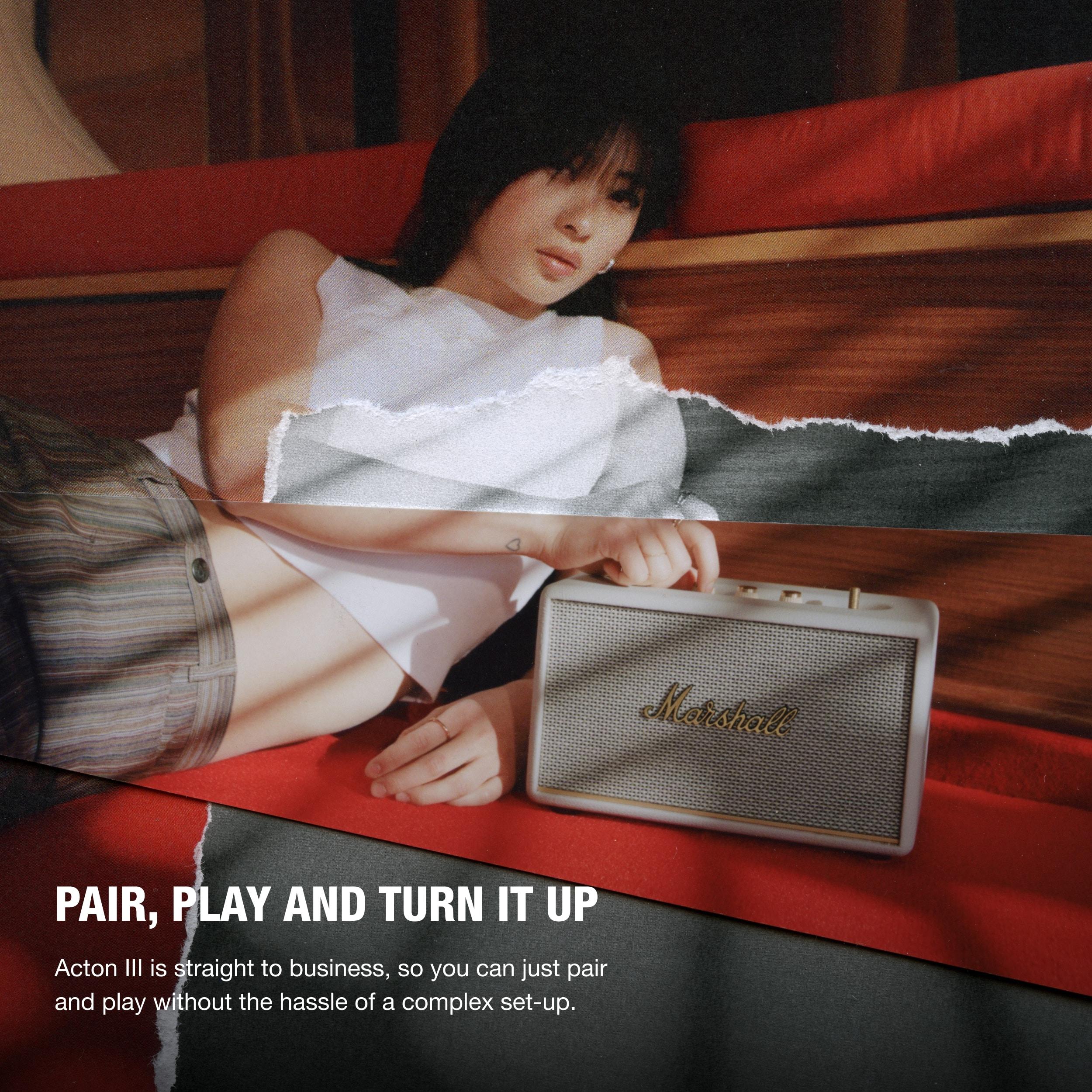
The two speakers we're comparing today - the Marshall Acton III and JBL Go 4 - represent opposite ends of this spectrum, each excelling in their intended use case.
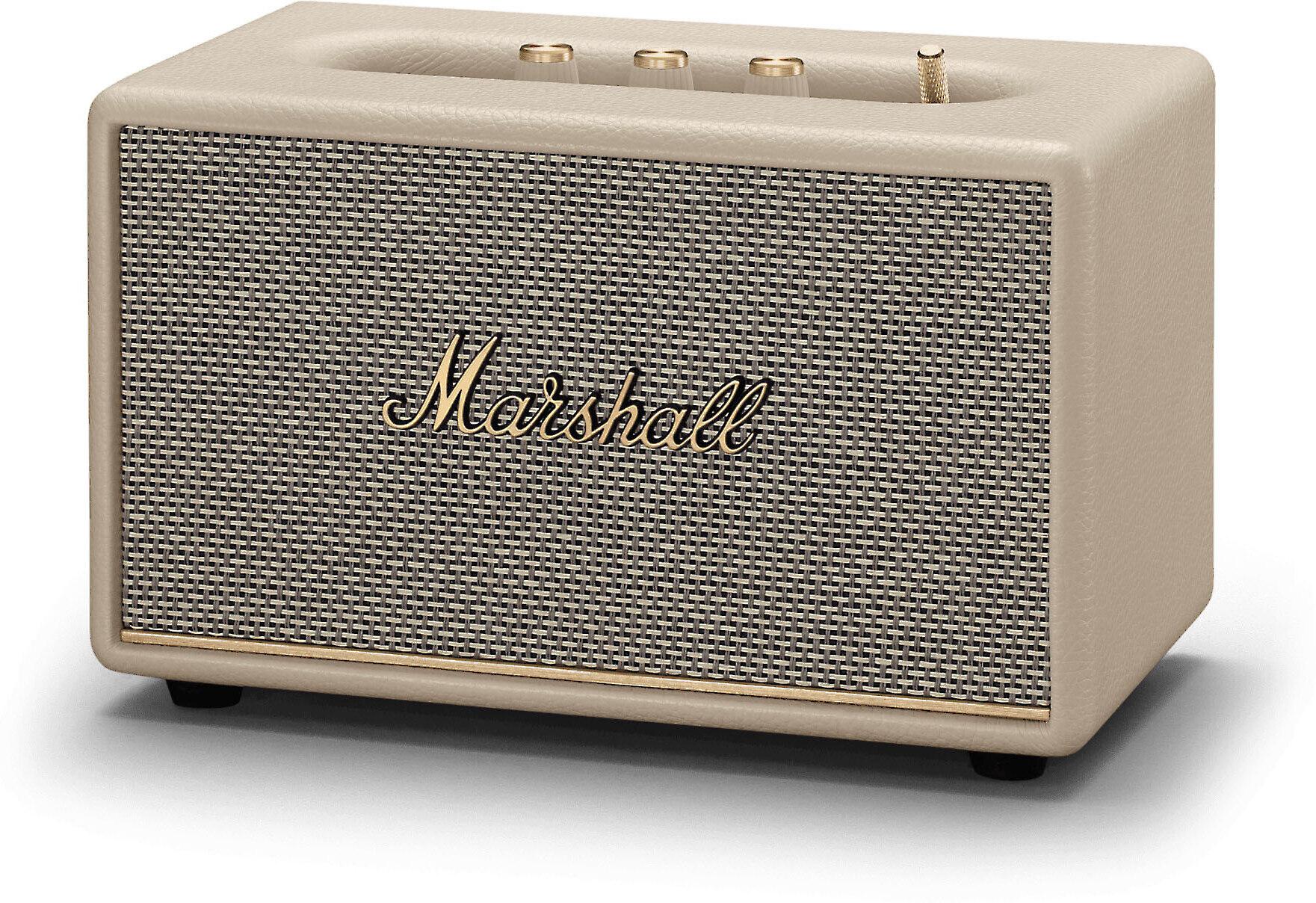
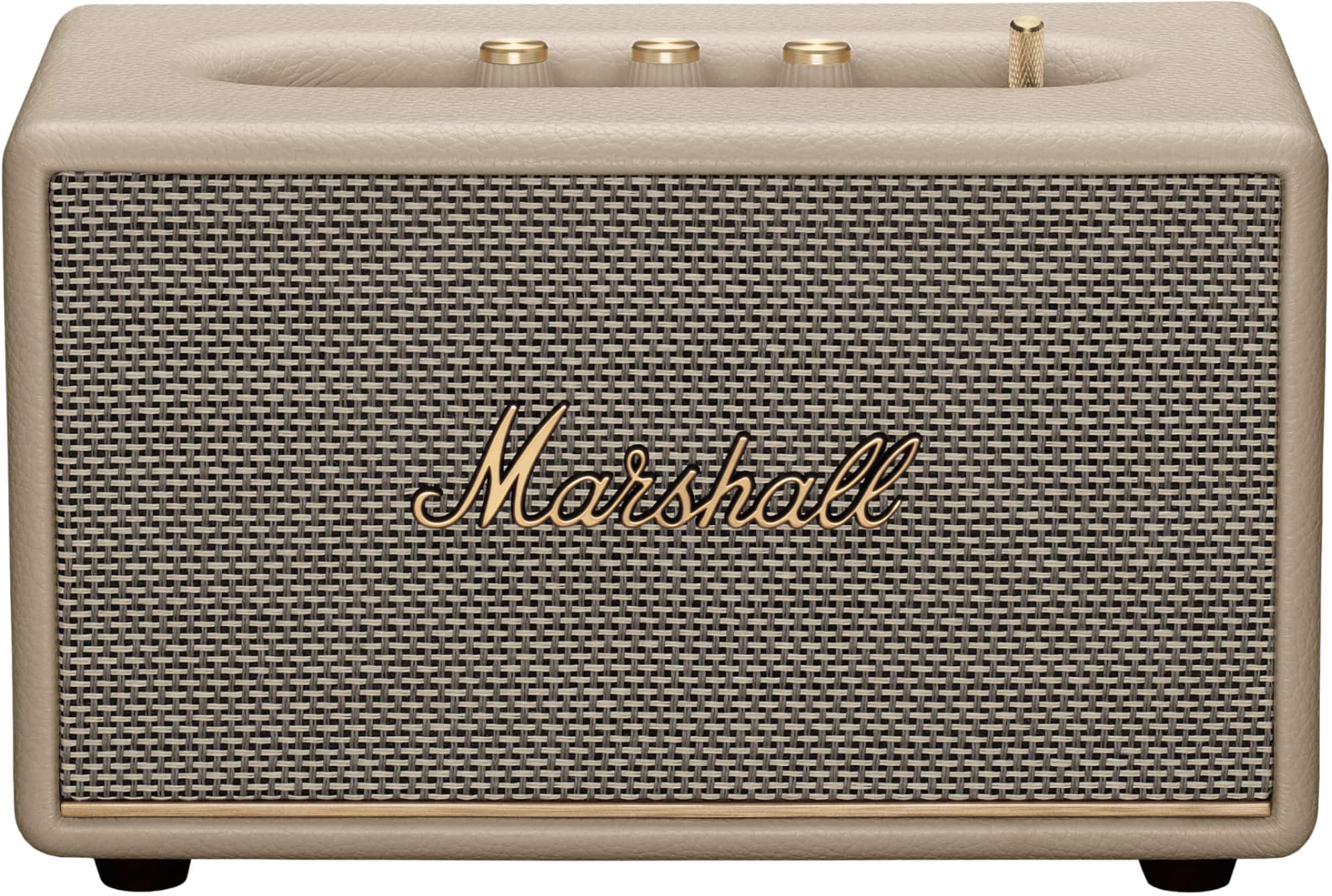
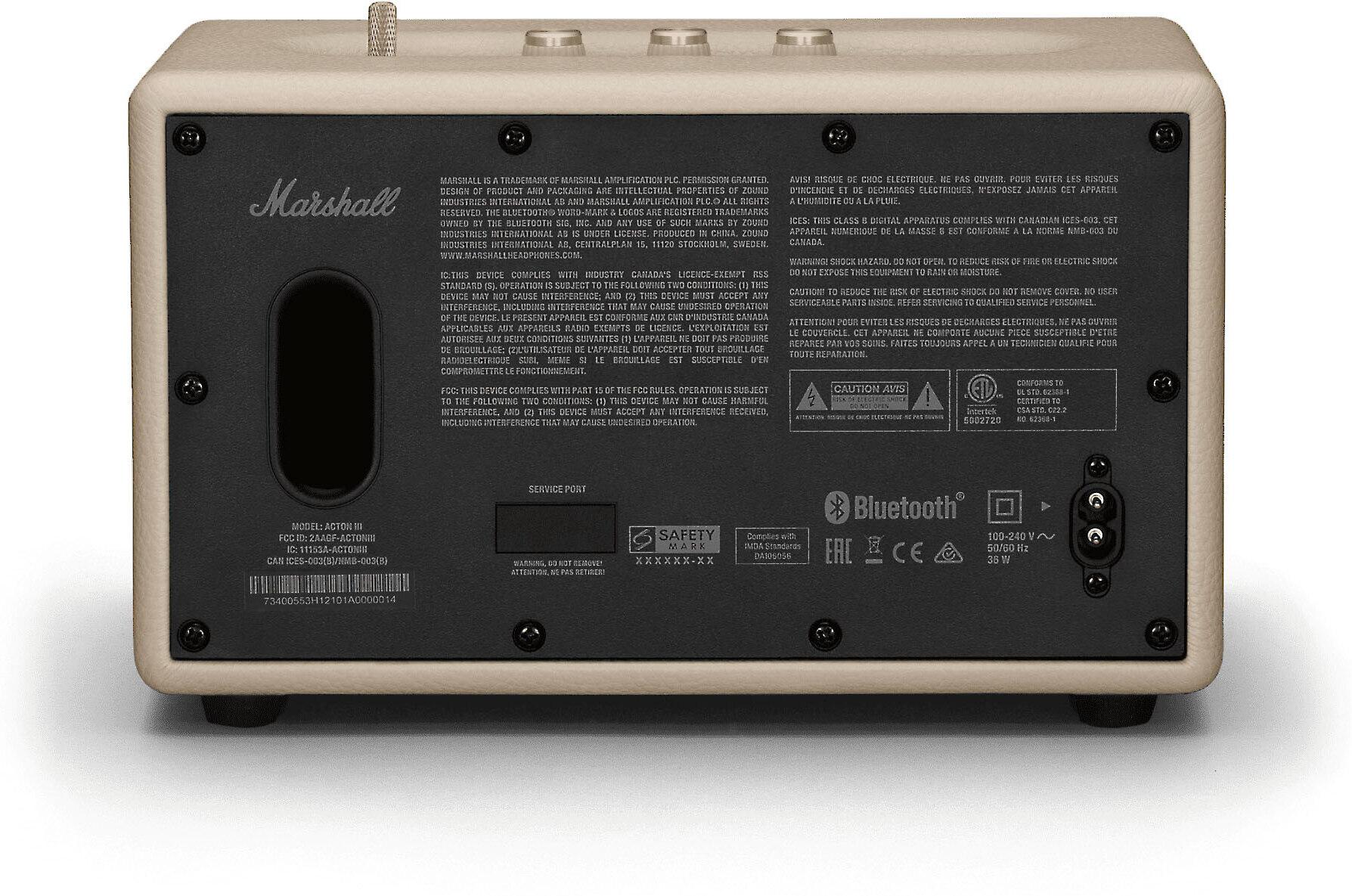
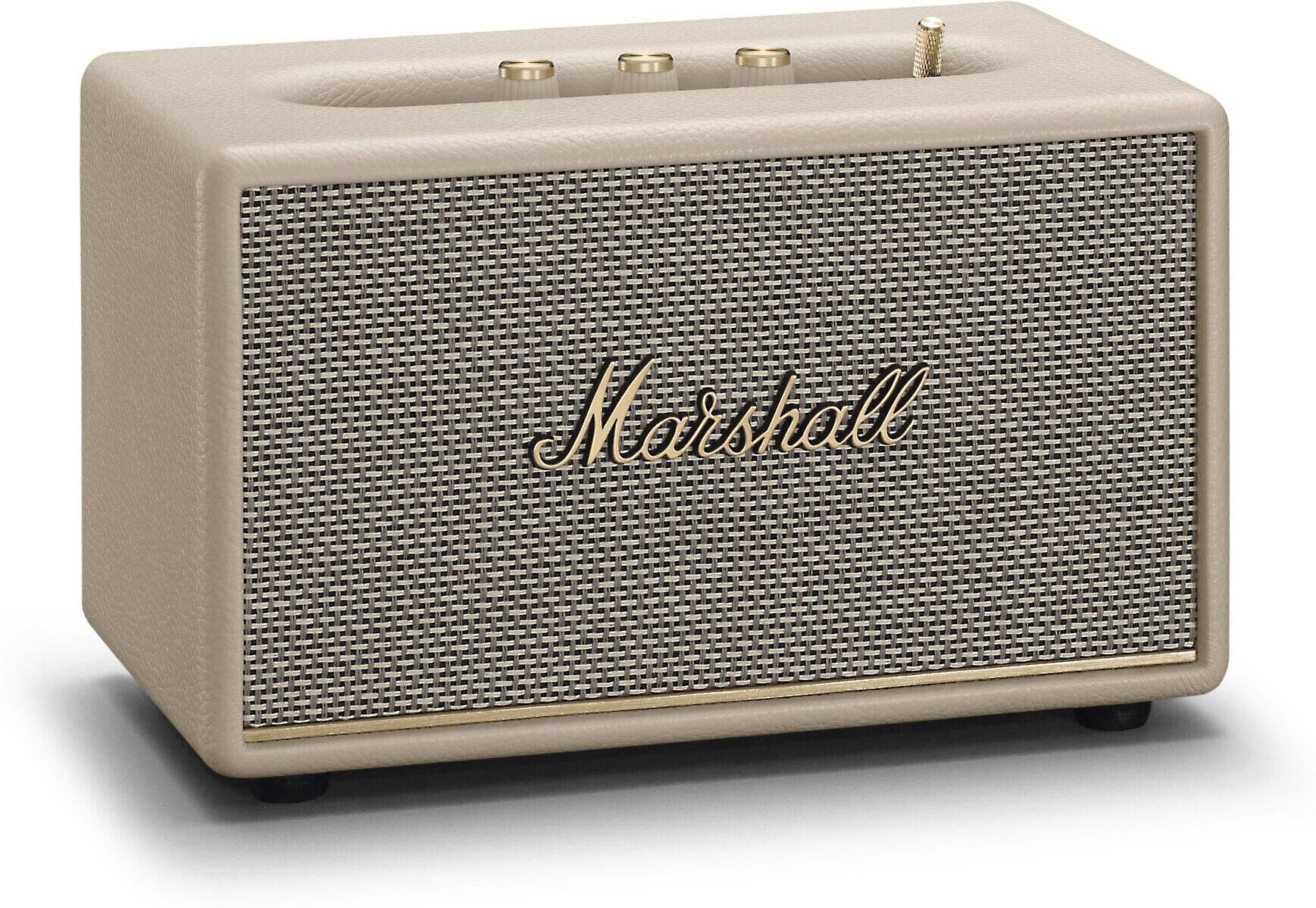
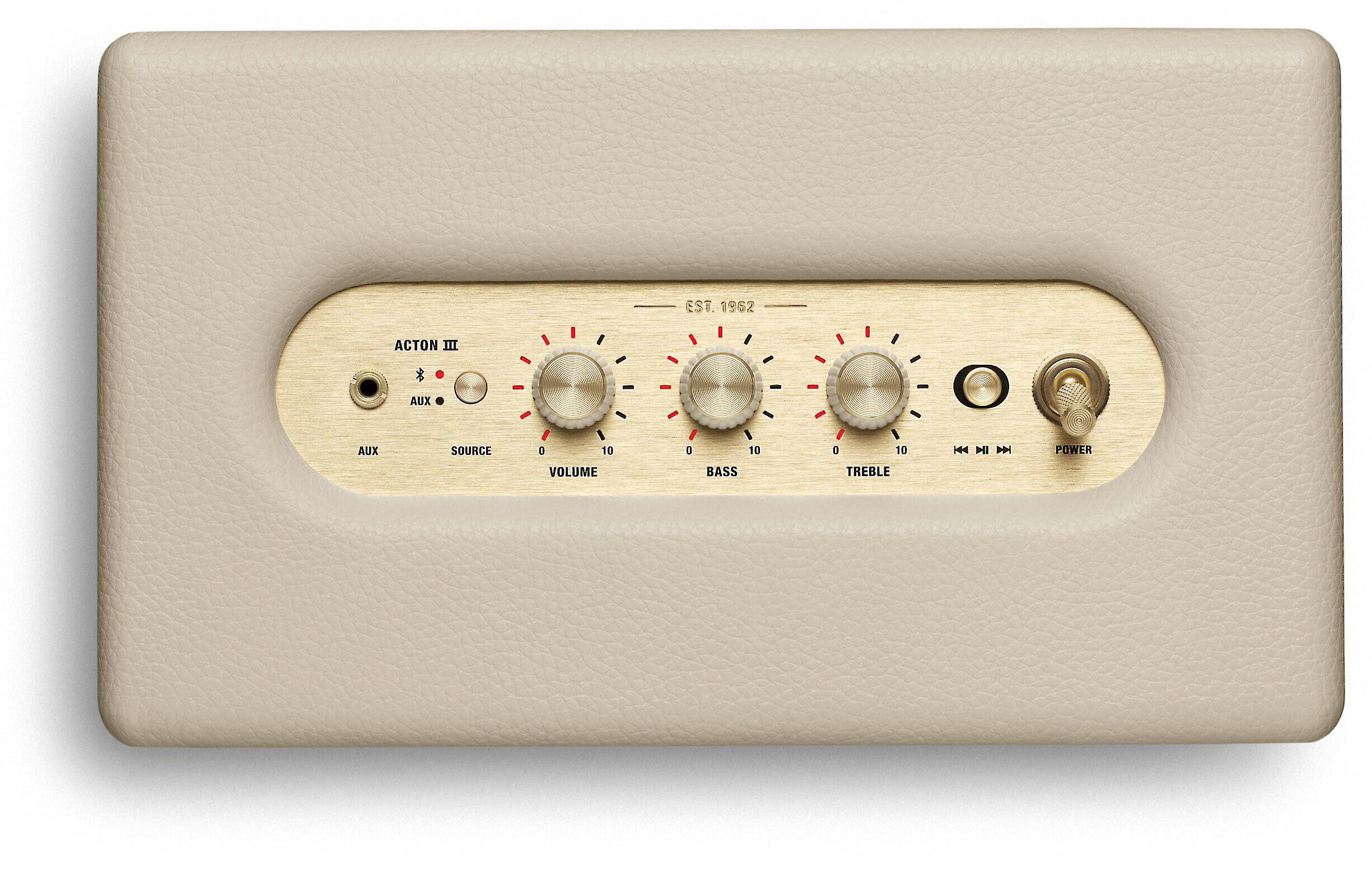
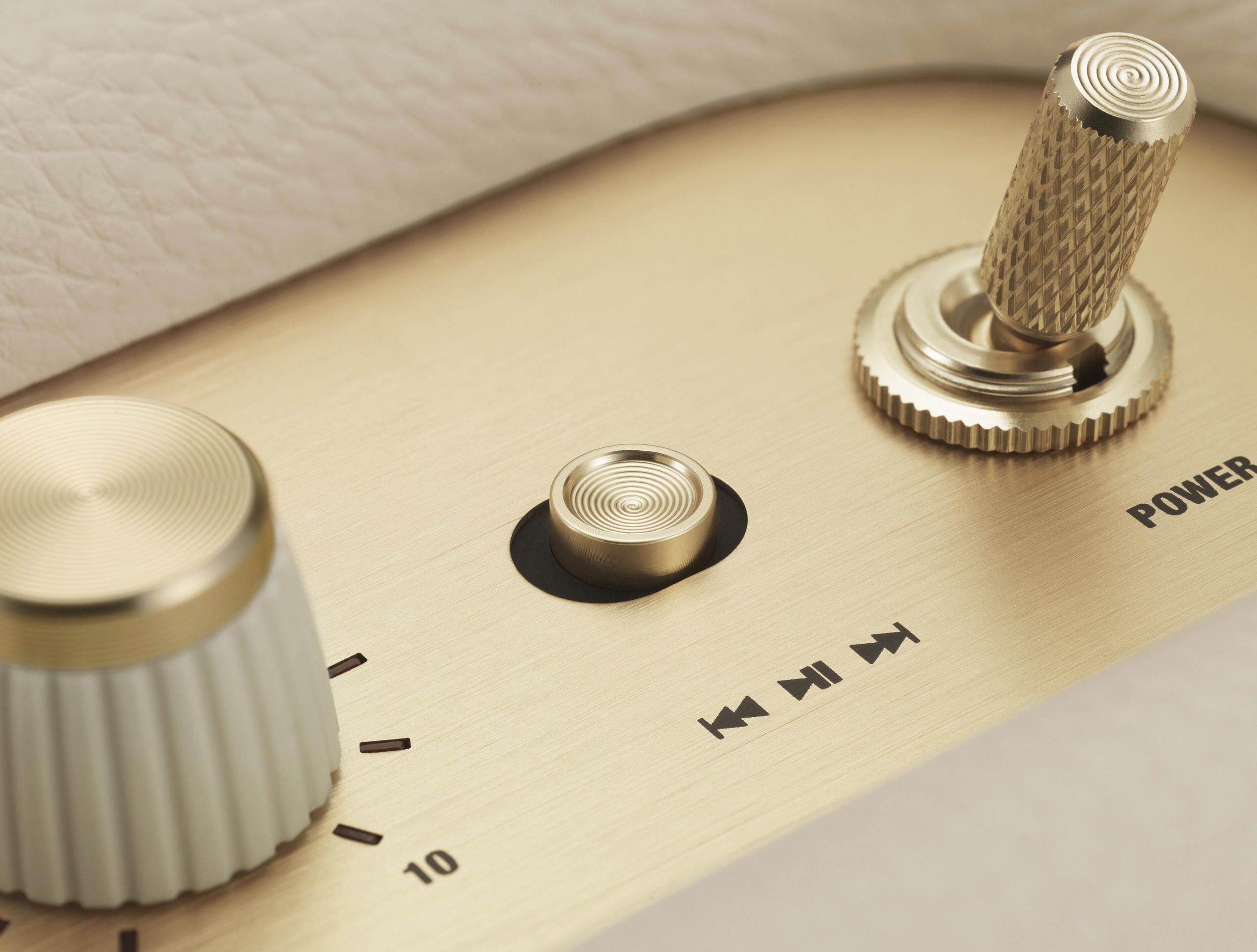
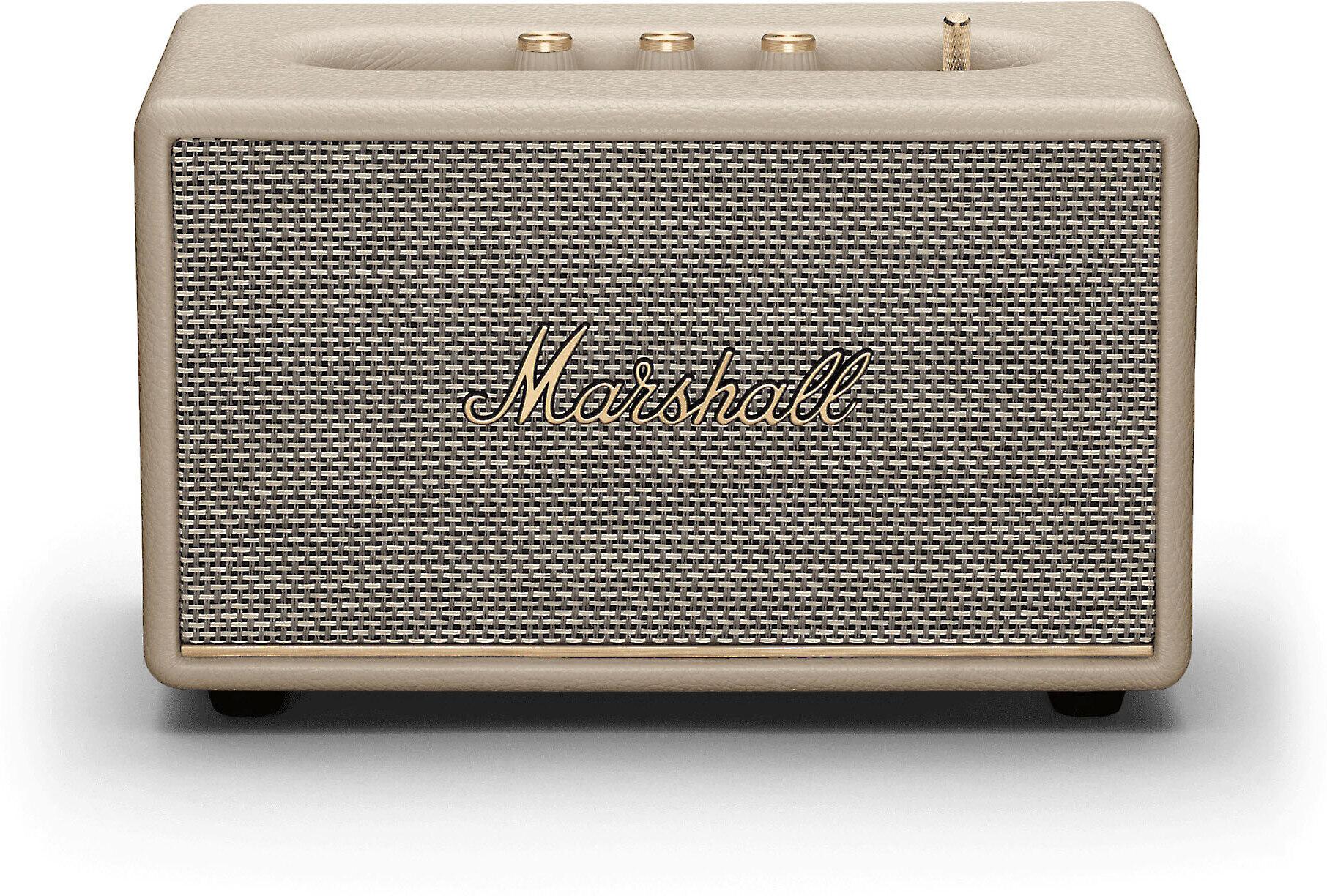
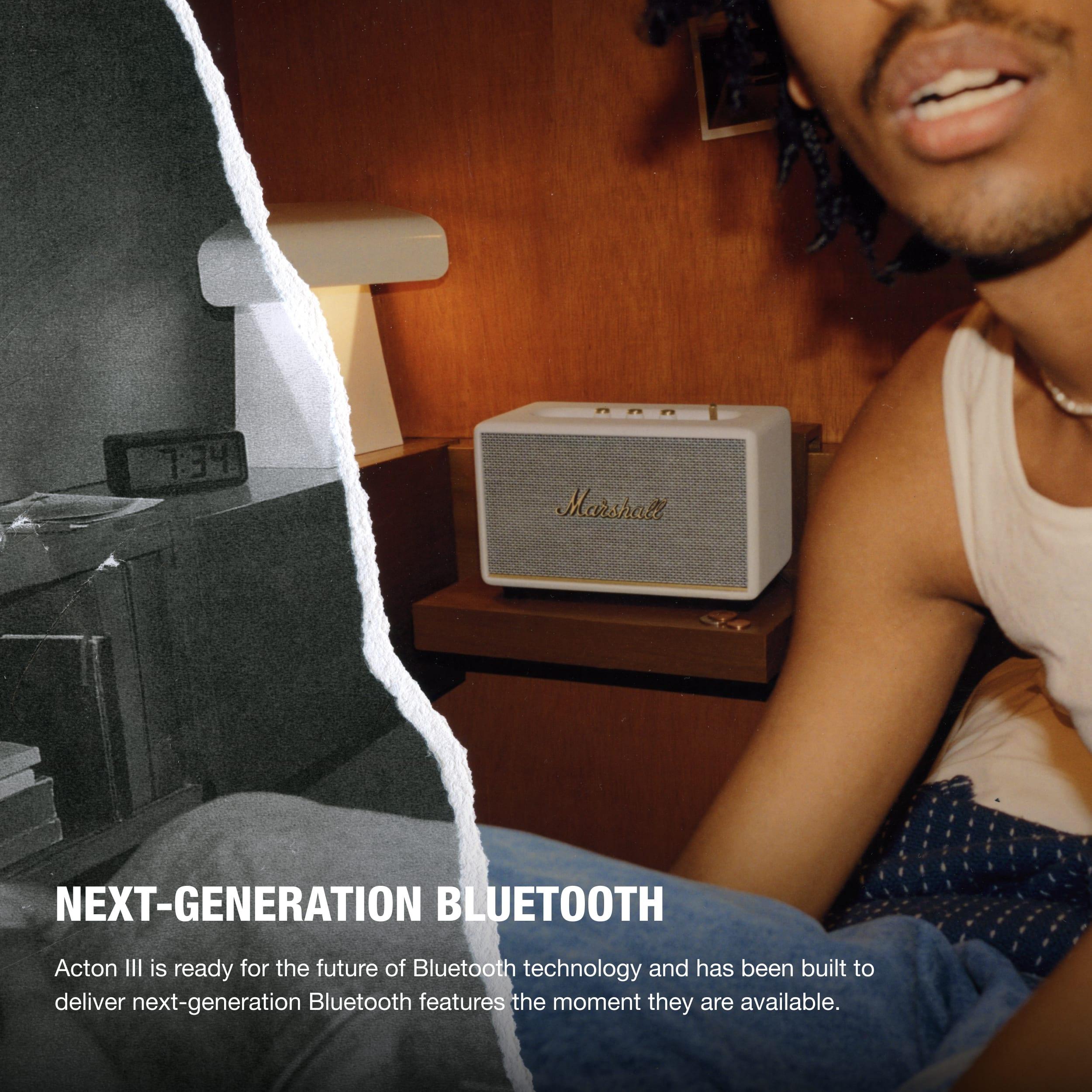
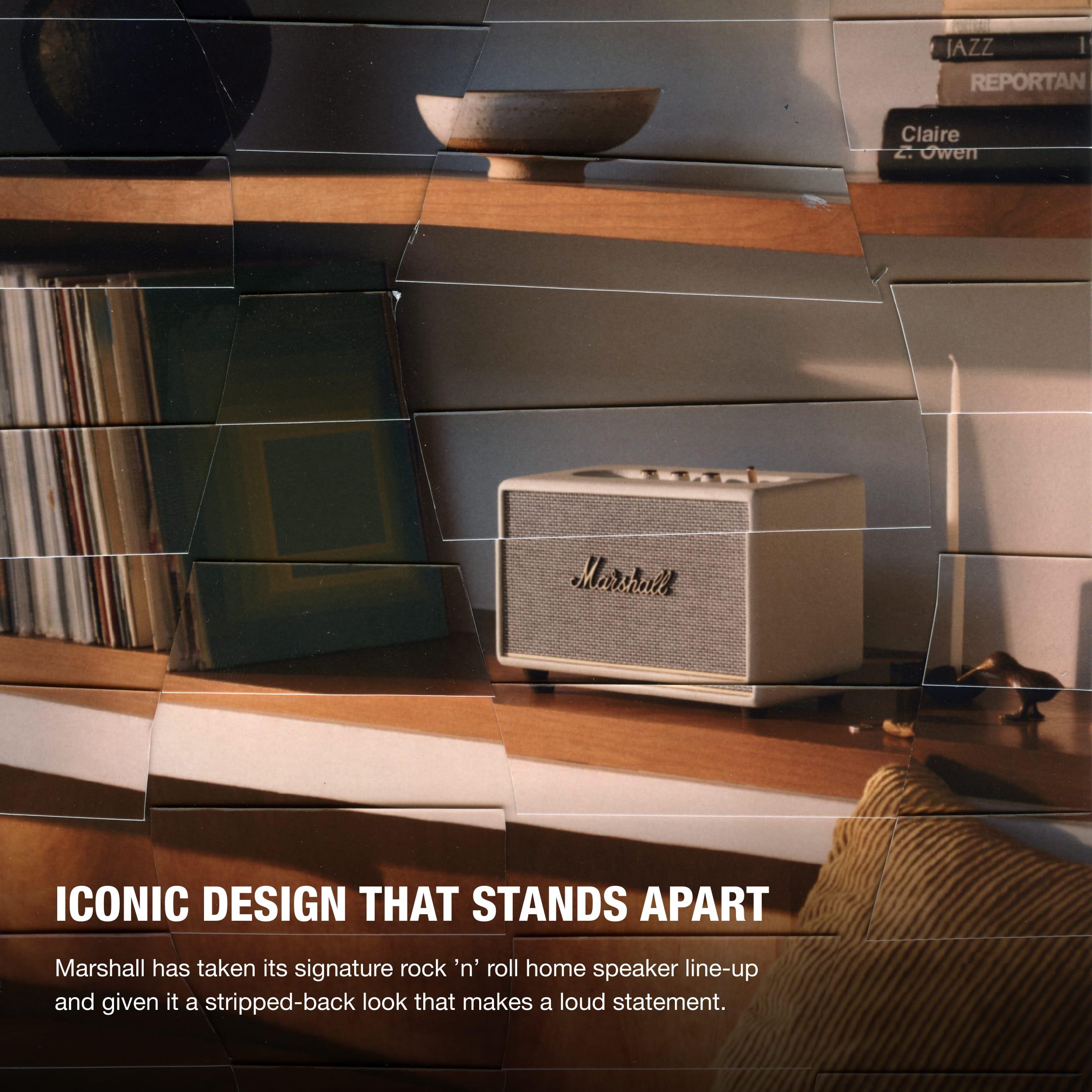
The Marshall Acton III, released in late 2022, represents the third generation of Marshall's home Bluetooth speaker line. It builds on previous models with improved audio processing, better Bluetooth connectivity (now 5.2), and more sustainable materials. This speaker focuses on delivering room-filling sound from a static location, requiring constant power.
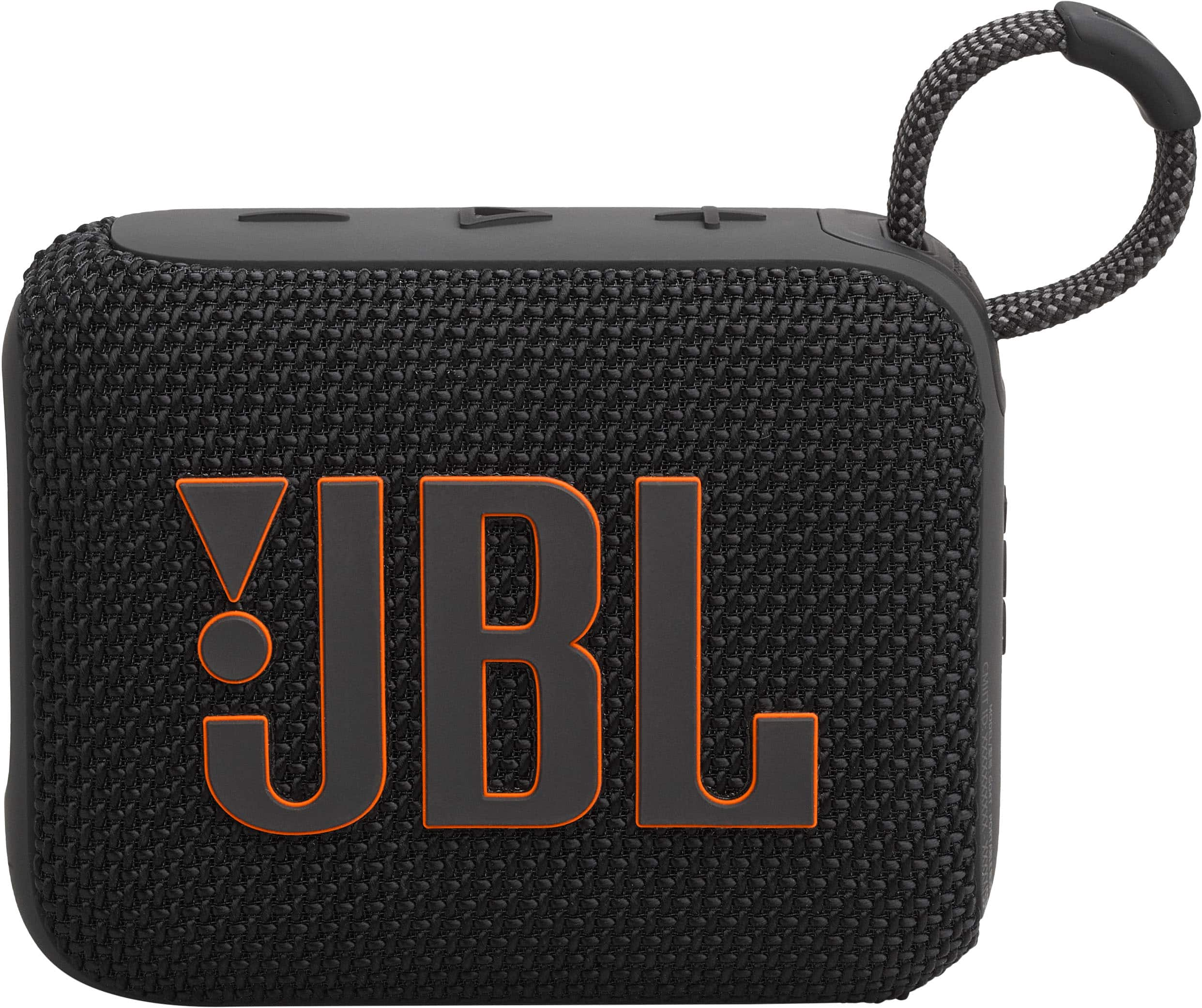
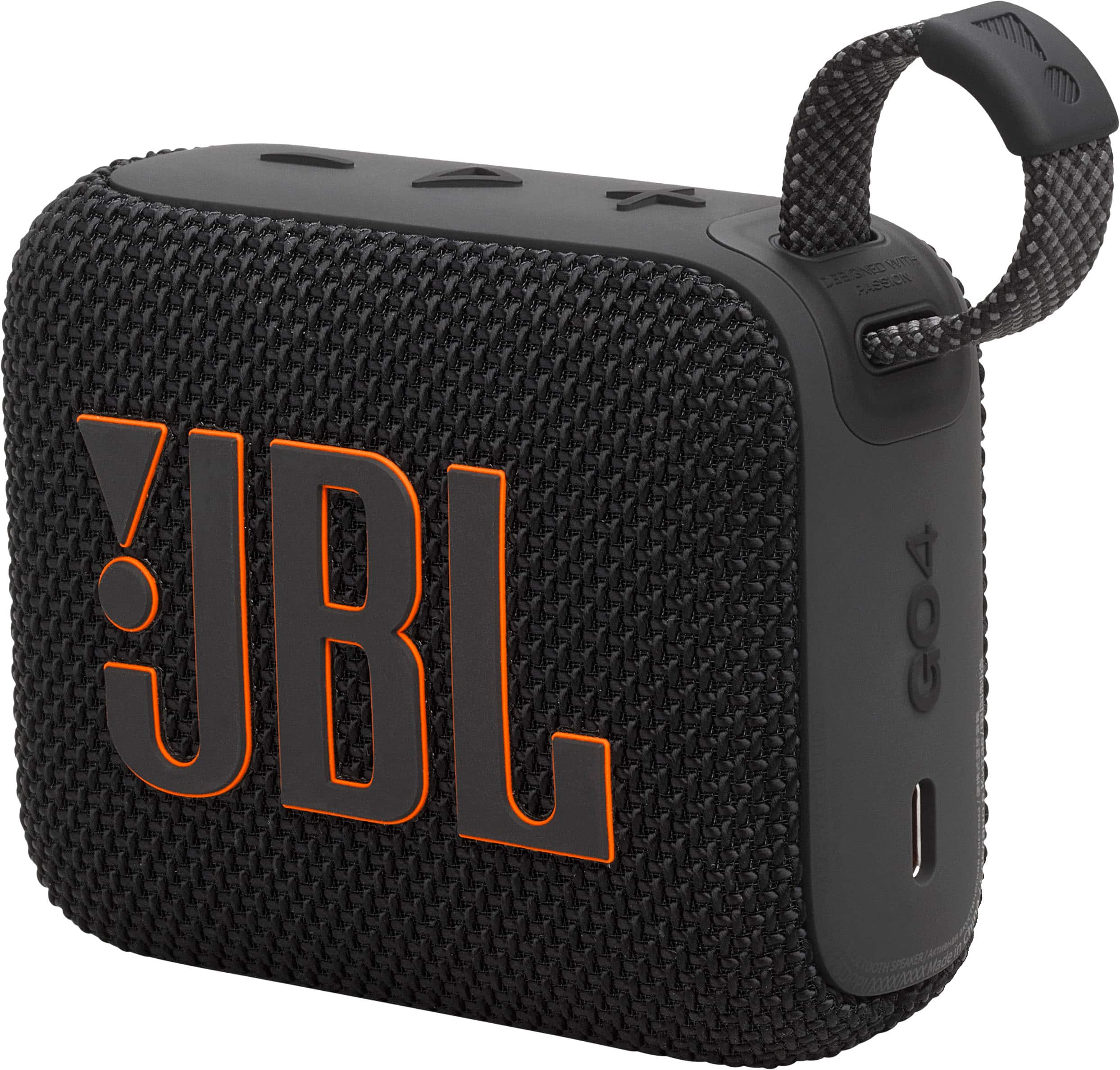
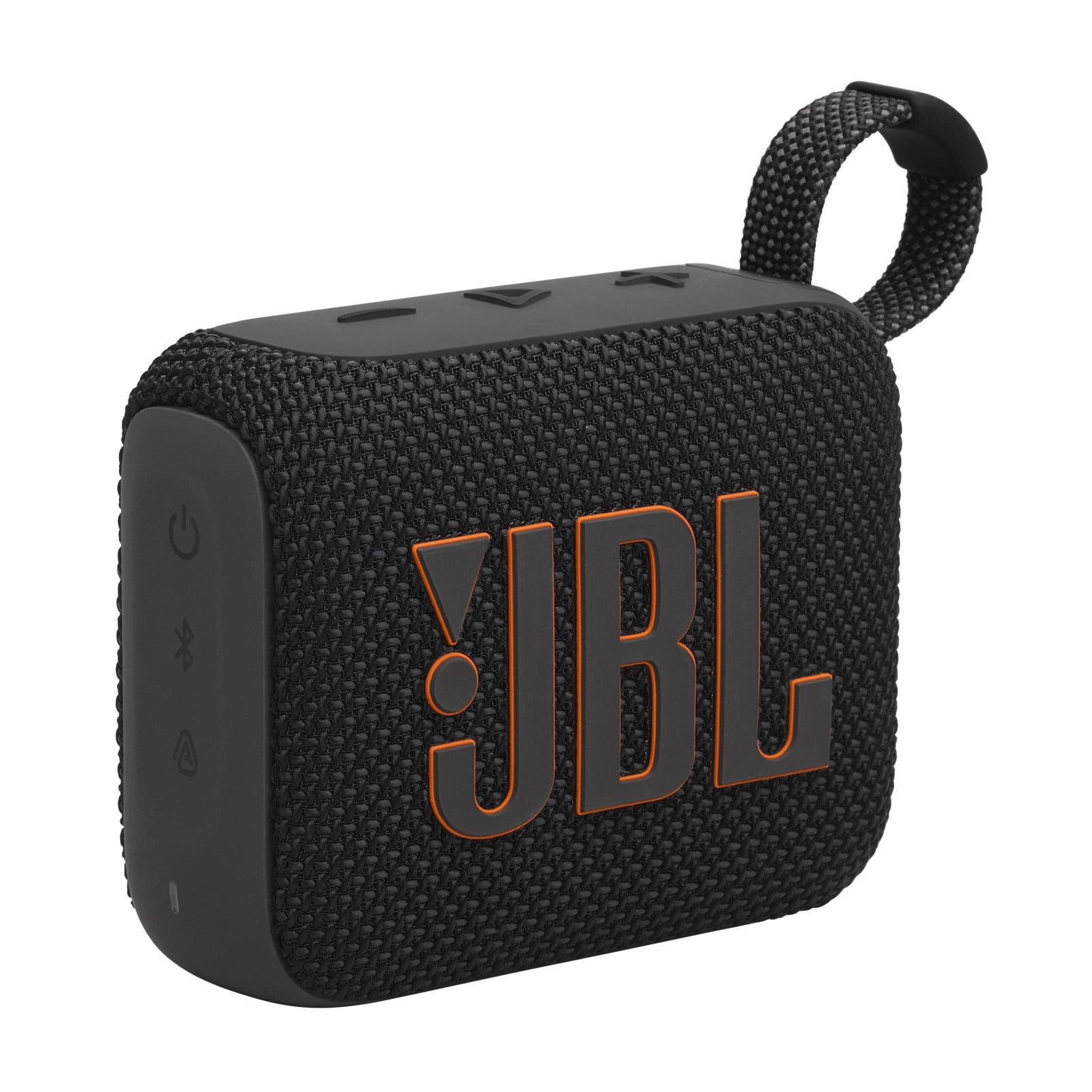
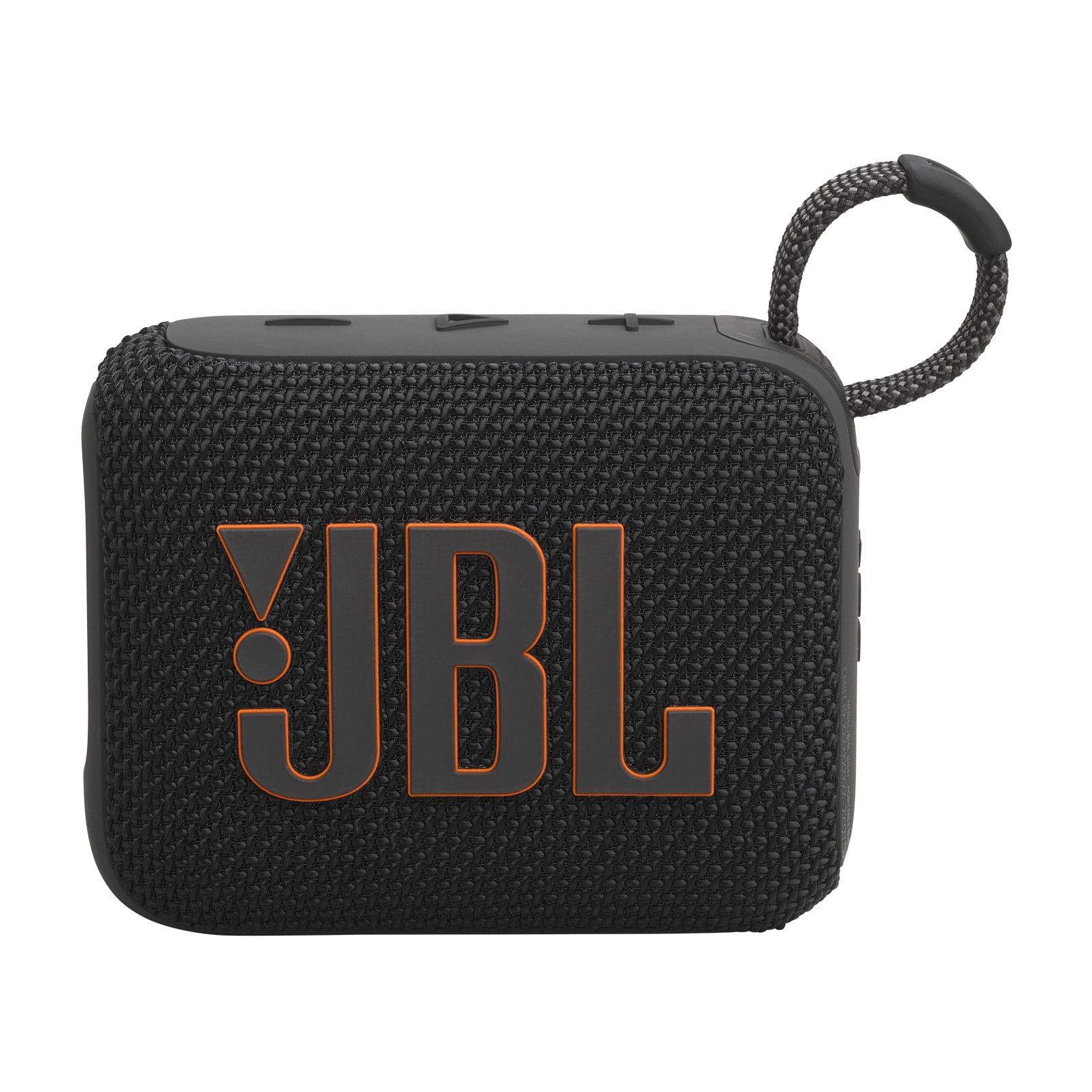
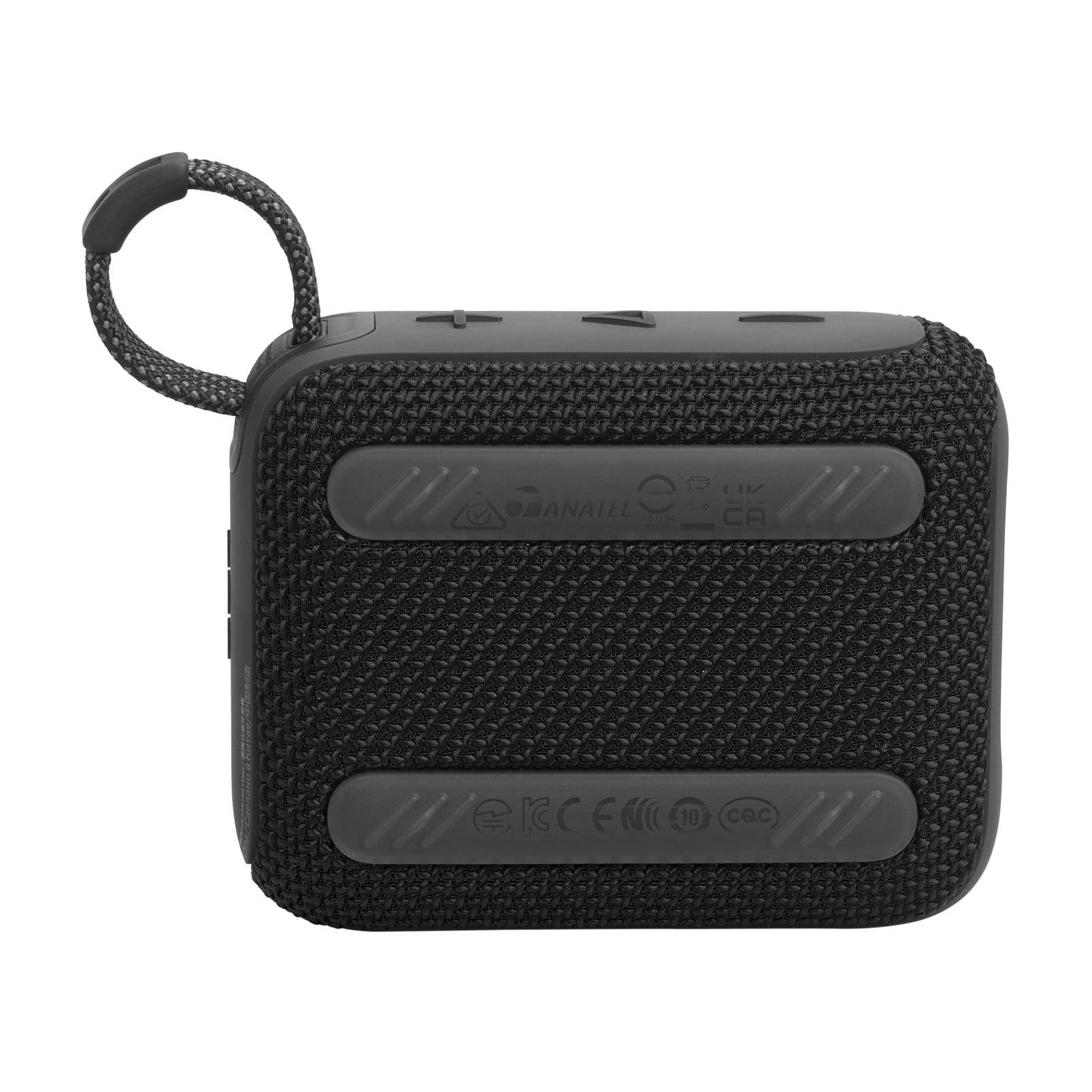
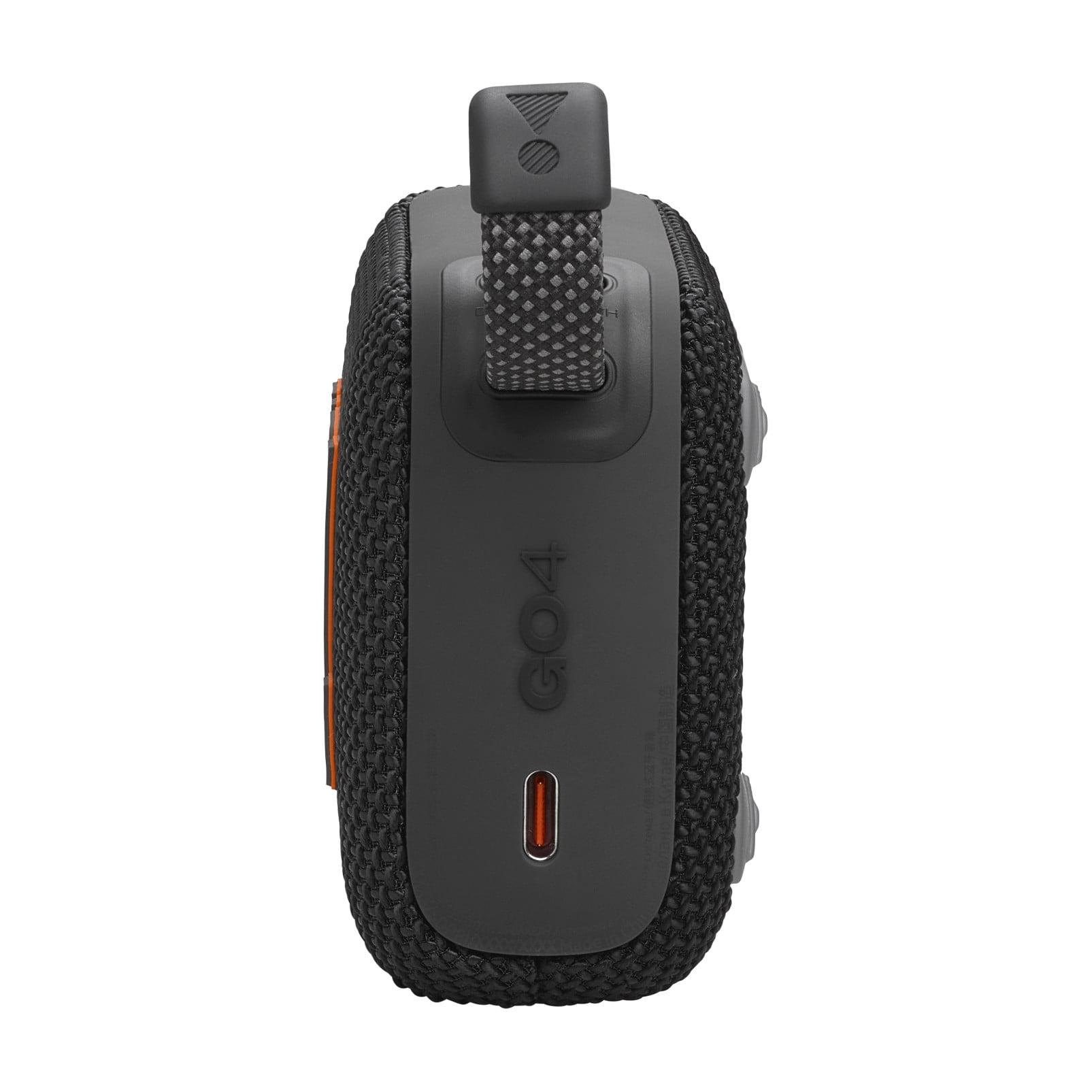
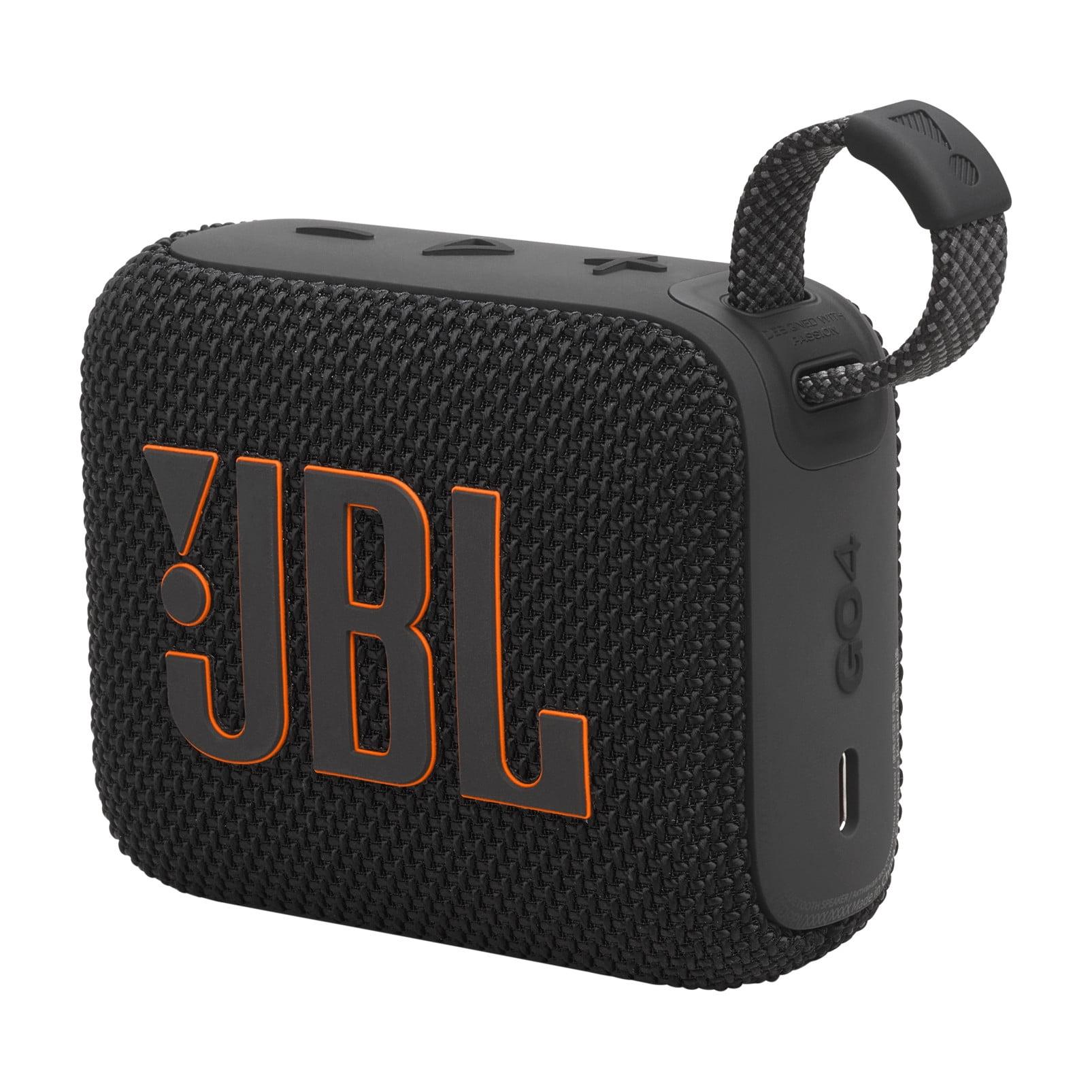
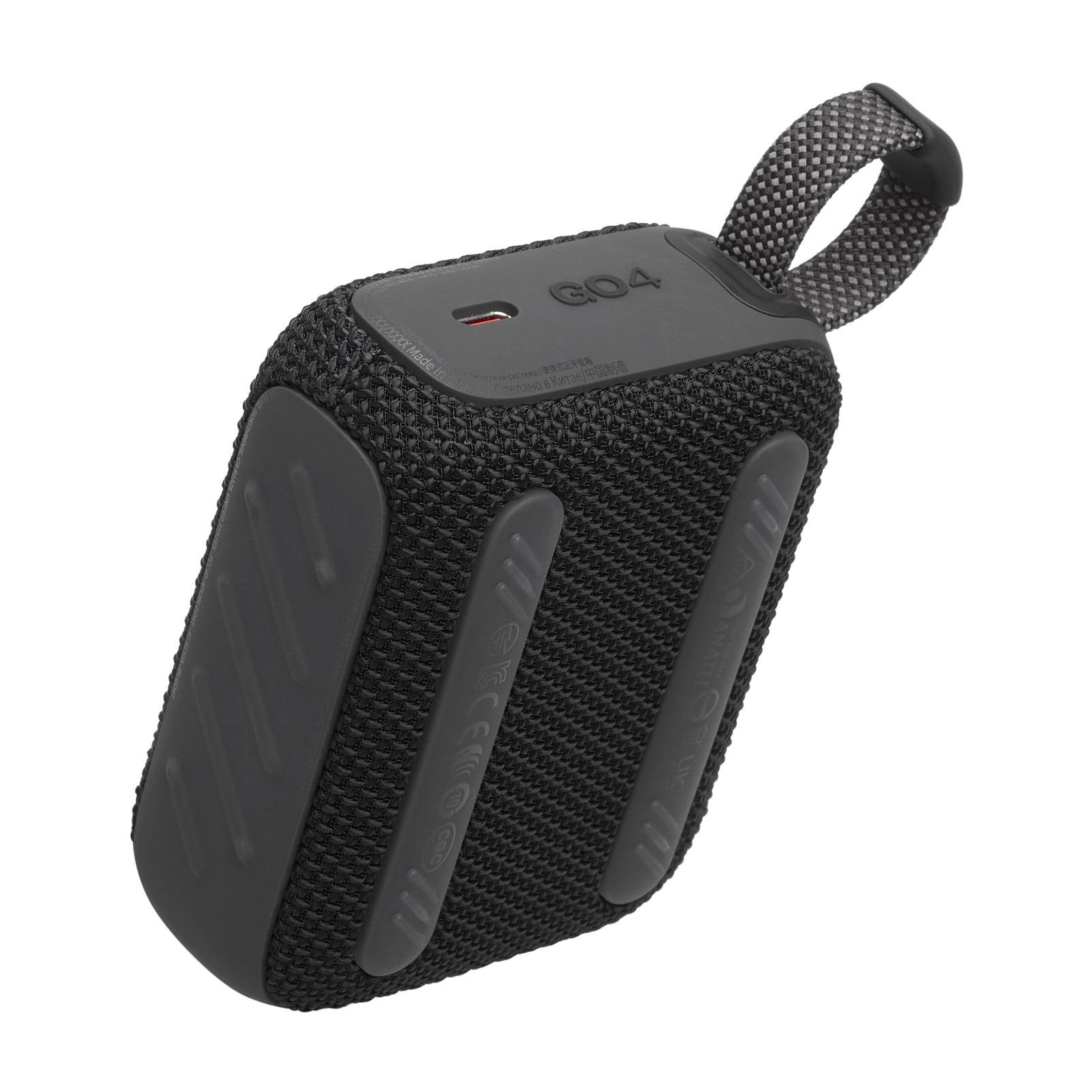
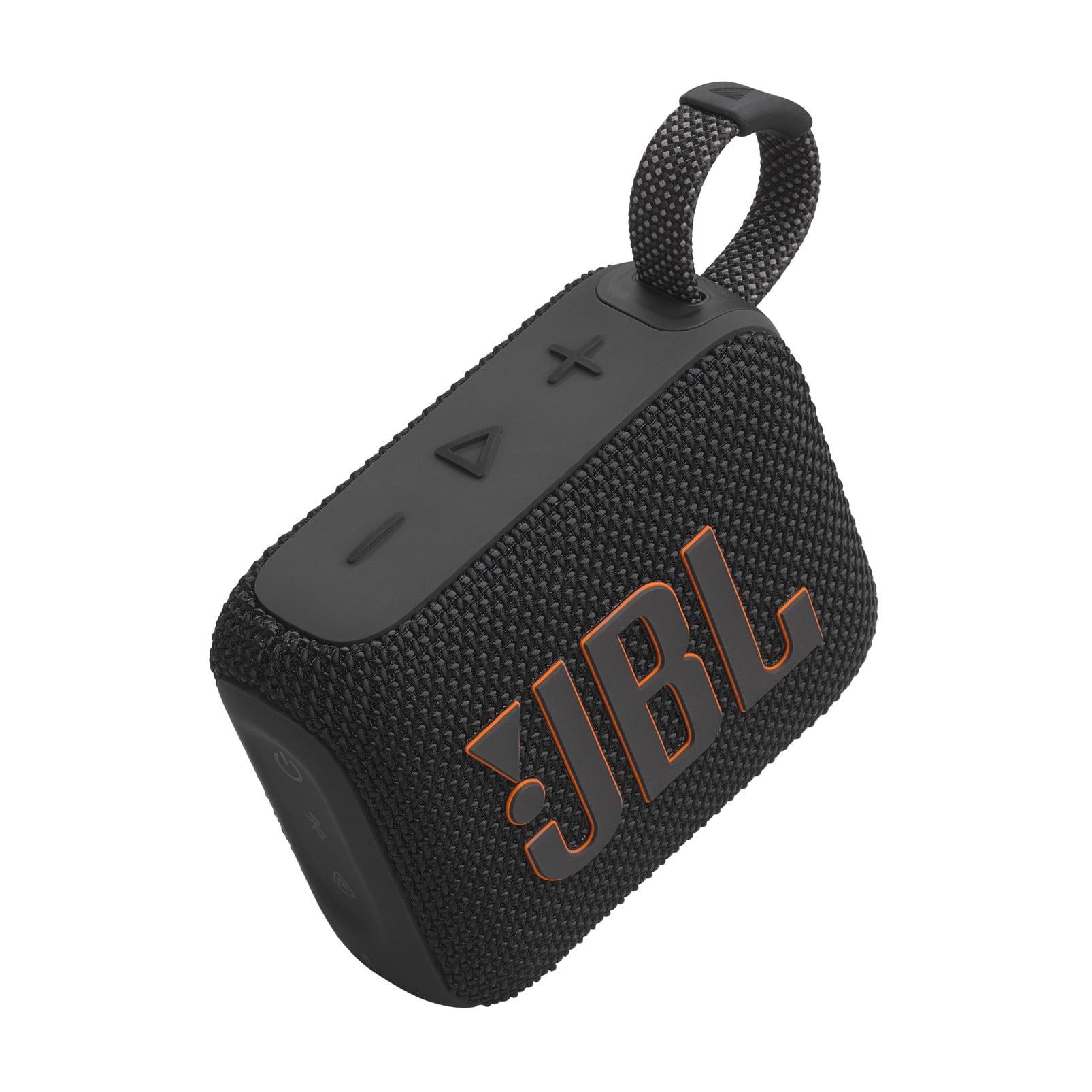
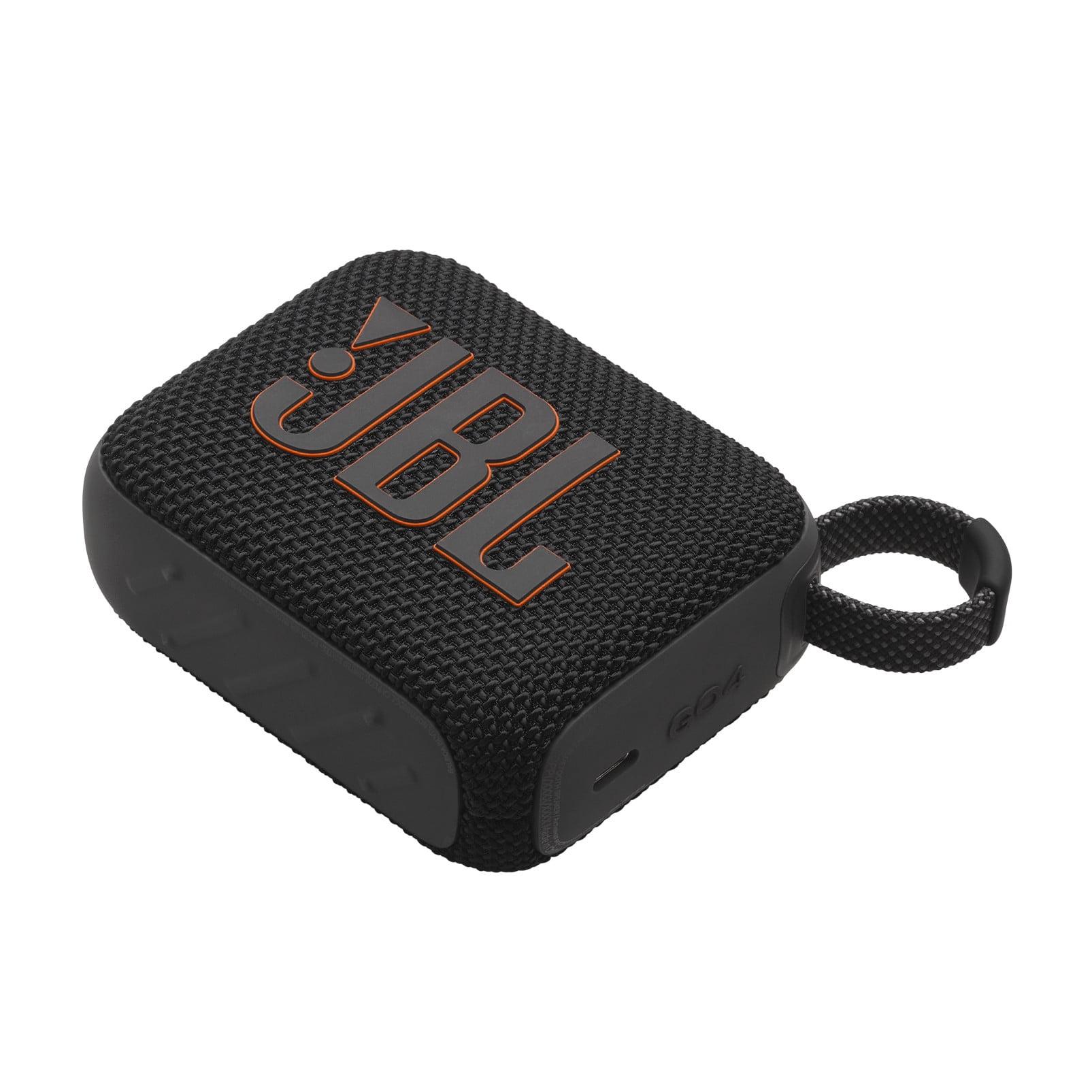
The JBL Go 4, launched in mid-2023, continues JBL's ultra-portable speaker series. Compared to its predecessor, it offers improved battery life, better water resistance, and upgraded Bluetooth 5.3 connectivity. It's designed for mobility and durability rather than maximum sound quality.
The Marshall Acton III packs serious audio hardware into its vintage-inspired frame. With 60 watts of total power split between two tweeters (15W each) and a woofer (30W), it delivers true stereo sound with impressive clarity. The frequency response of 45-20,000 Hz means you'll hear deep bass notes that smaller speakers simply can't reproduce.
In contrast, the JBL Go 4 uses a single 4.2W driver, focusing on clear, directed sound for personal listening. Its 90-20,000 Hz frequency response means it won't produce the lowest bass notes, but JBL's tuning ensures the bass it does produce remains clear rather than distorted.
The Acton III includes several advanced audio features:
The Go 4 takes a simpler approach but includes:
Having tested both speakers extensively, the difference in sound quality is substantial but expected given their designs. The Acton III fills a room with rich, detailed sound that works well for both background music and focused listening. Bass response is particularly impressive - you can feel the low end in electronic music and movie soundtracks.
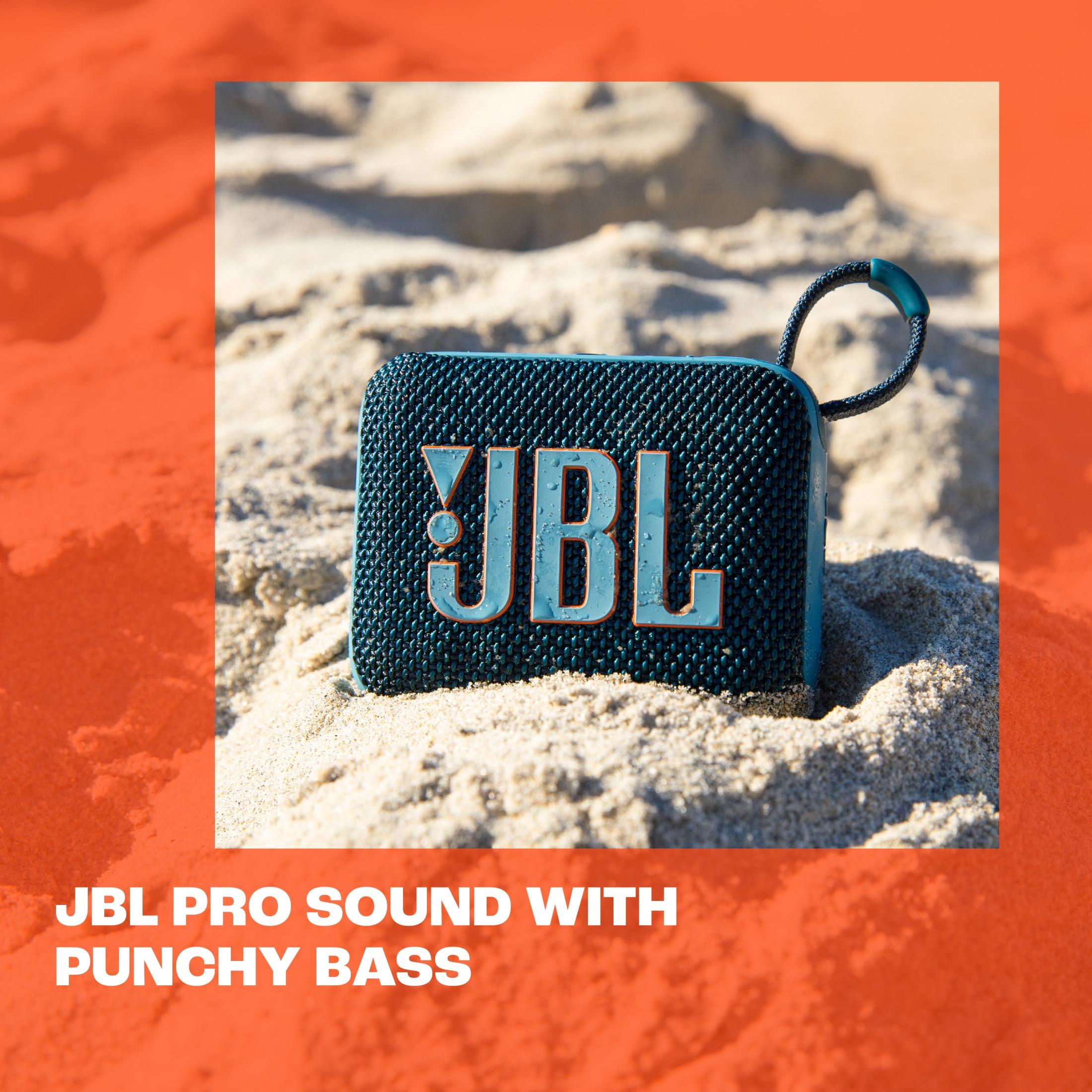
The Go 4 excels in its intended use case - personal listening in varying environments. While it won't shake your walls, it produces clear, enjoyable sound that easily overcomes outdoor noise or shower water running.
Both speakers feature modern Bluetooth implementations (5.2 for Acton III, 5.3 for Go 4), ensuring stable connections and good range. The Acton III adds a 3.5mm input for wired connections, while the Go 4 offers multi-speaker pairing for expanded sound.
The Marshall Acton III can serve as a solid TV speaker through its aux input, though it lacks some home theater-specific features like optical inputs or HDMI. The stereo separation and strong bass make it suitable for movies and gaming, but it's primarily designed for music.
The JBL Go 4 isn't really suited for home theater use due to its size and mono output.
Here's where the designs diverge significantly. The Acton III is strictly an indoor speaker with no water resistance rating. It needs to be treated carefully and kept away from moisture.
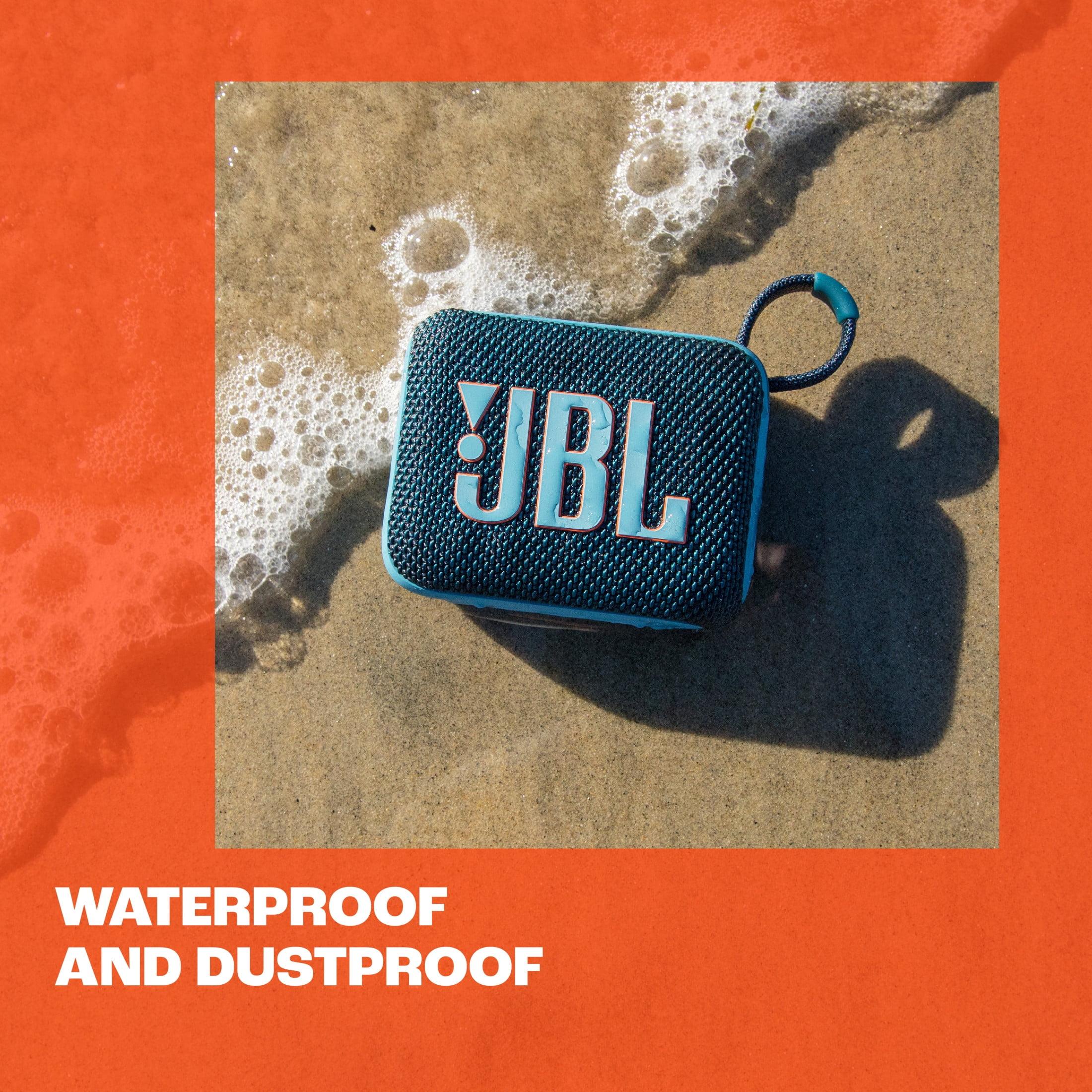
The Go 4 features IP67 water and dust resistance, meaning it can be submerged in 1 meter of water for 30 minutes without damage. This makes it ideal for outdoor adventures, pool parties, or shower use.
The price difference between these speakers ($279.99 vs $44) reflects their different approaches and capabilities. The Acton III's premium price delivers room-filling stereo sound, superior bass response, and classic styling. It's a investment in home audio that should last many years.
The Go 4's affordable price point delivers impressive value for its intended use. While it won't replace a home stereo, its durability and portability make it a practical choice for mobile users.
Choose the Marshall Acton III if:
Choose the JBL Go 4 if:
Understanding the technical choices helps explain the performance gap. The Acton III's larger cabinet allows for proper stereo separation and bass response through its ported design. The dedicated amplifiers for tweeters and woofer ensure each frequency range gets appropriate power.
The Go 4's compact design necessitates compromises in driver size and power, but JBL's expertise in small speaker design helps maximize performance within these constraints. The sealed enclosure helps protect against water while maintaining clear sound.
These speakers serve fundamentally different purposes, making direct comparison less relevant than understanding their intended uses. The Marshall Acton III excels as a premium home audio solution, while the JBL Go 4 shines as an ultra-portable companion.
Your choice should primarily depend on how you plan to use the speaker. If you want room-filling sound for a dedicated space, the Acton III delivers excellent quality and style. If you need something to throw in a bag and use anywhere, the Go 4 offers impressive versatility at an affordable price.
| Marshall Acton III ($279.99) | JBL Go 4 ($44) |
|---|---|
| Audio Power - Determines volume capability and sound fullness | |
| 60W total (2x15W tweeters, 30W woofer) | 4.2W single driver |
| Frequency Response - Range of sound frequencies speaker can produce | |
| 45-20,000 Hz (deep bass to high treble) | 90-20,000 Hz (limited bass response) |
| Size & Weight - Impacts portability and placement options | |
| 10.24 x 6.69 x 5.91 in, 6.28 lbs | 3.7 x 3.0 x 1.7 in, 0.42 lbs |
| Power Source - Affects where you can use it | |
| AC power only (needs outlet) | Rechargeable battery (7 hours playback) |
| Water Resistance - Important for outdoor use | |
| None (indoor use only) | IP67 (waterproof/dustproof) |
| Audio Features - Impacts sound customization | |
| Dynamic Loudness, placement compensation, advanced EQ | Basic EQ presets, Playtime Boost mode |
| Connectivity - How you can connect devices | |
| Bluetooth 5.2, 3.5mm aux input | Bluetooth 5.3, multi-speaker pairing |
| Sound Configuration - Affects audio experience | |
| True stereo with separate tweeters and woofer | Mono sound from single driver |
| Build Quality - Durability and premium features | |
| Premium materials, PVC-free, vegan construction | Durable plastic, recycled materials |
| Primary Use Case - Best suited for | |
| Home audio, room-filling sound | Portable personal audio, travel |
The Marshall Acton III ($279.99) and JBL Go 4 ($44) serve different purposes. The Acton III is better for home audio with room-filling sound, while the Go 4 excels as a portable speaker for travel and outdoor use.
The Marshall Acton III costs $279.99, while the JBL Go 4 is priced at $44. The price difference reflects their different capabilities and use cases.
The JBL Go 4 is IP67 waterproof and designed for outdoor use. The Marshall Acton III is not water-resistant and should only be used indoors.
The Marshall Acton III has superior sound quality with 60W total power and true stereo sound. The JBL Go 4 has good sound for its size but can't match the Acton III's room-filling capabilities.
The JBL Go 4 is ultra-portable at 0.42 lbs. The Marshall Acton III requires AC power and weighs 6.28 lbs, making it a stationary speaker.
The JBL Go 4 offers 7 hours of battery life. The Marshall Acton III doesn't have a battery and requires constant power from an outlet.
The Marshall Acton III can connect to a TV via its 3.5mm aux input. The JBL Go 4 isn't designed for TV use.
The Marshall Acton III has significantly better bass with its 30W woofer and 45Hz low-end response. The JBL Go 4 has limited bass due to its small size.
The JBL Go 4 supports multi-speaker pairing. The Marshall Acton III doesn't offer this feature.
The Marshall Acton III is better for indoor parties with its powerful, room-filling sound. The JBL Go 4 is better for small outdoor gatherings.
Both speakers offer similar Bluetooth range - about 30 feet. The Marshall Acton III uses Bluetooth 5.2, while the JBL Go 4 has slightly newer Bluetooth 5.3.
For dedicated home use, the Marshall Acton III is the better choice with its superior sound quality and room-filling capability. Choose the JBL Go 4 if you need a portable speaker that can also work at home.
We've done our best to create useful and informative comparisons to help you decide what product to buy. Our research uses advanced automated methods to create this comparison and perfection is not possible - please contact us for corrections or questions. These are the sites we've researched in the creation of this article: bestbuy.com - youtube.com - bestbuy.com - pocket-lint.com - bestbuy.com - crutchfield.com - premiumsound.com.au - marshall.com - 2001audiovideo.com - youtube.com - t3.com - bestbuy.com - youtube.com - tomsguide.com - outeraudio.com - youtube.com - techradar.com - corporategift.com - jbl.com - target.com - dell.com - projectorscreen.com - mm.jbl.com

Privacy Policy
Terms and Conditions - Affiliate Policy
Home Security
© Copyright 2008-2026.
11816 Inwood Rd #1211, Dallas, TX 75244