

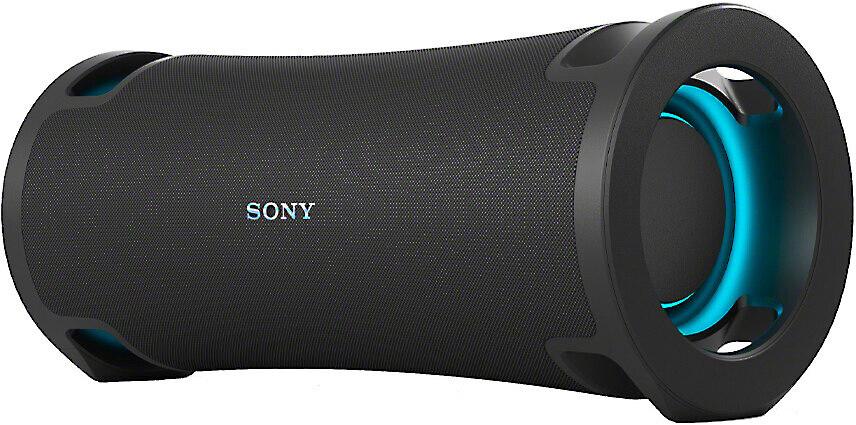
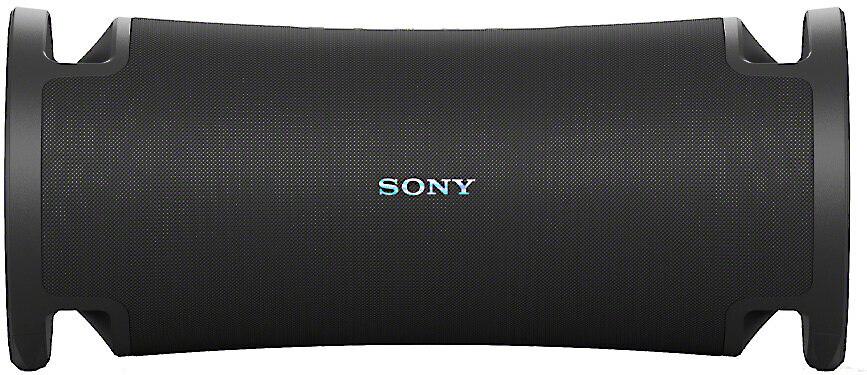
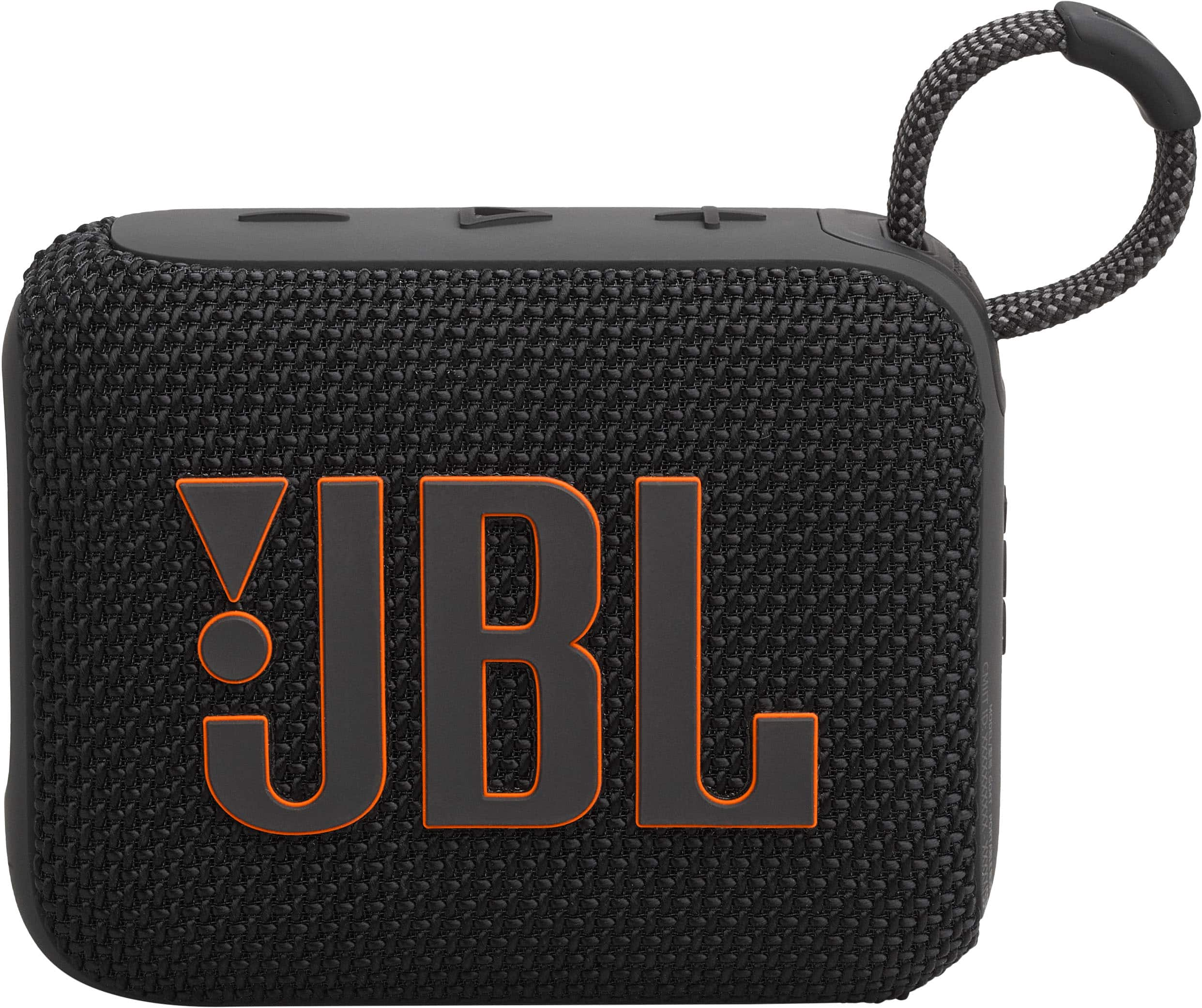
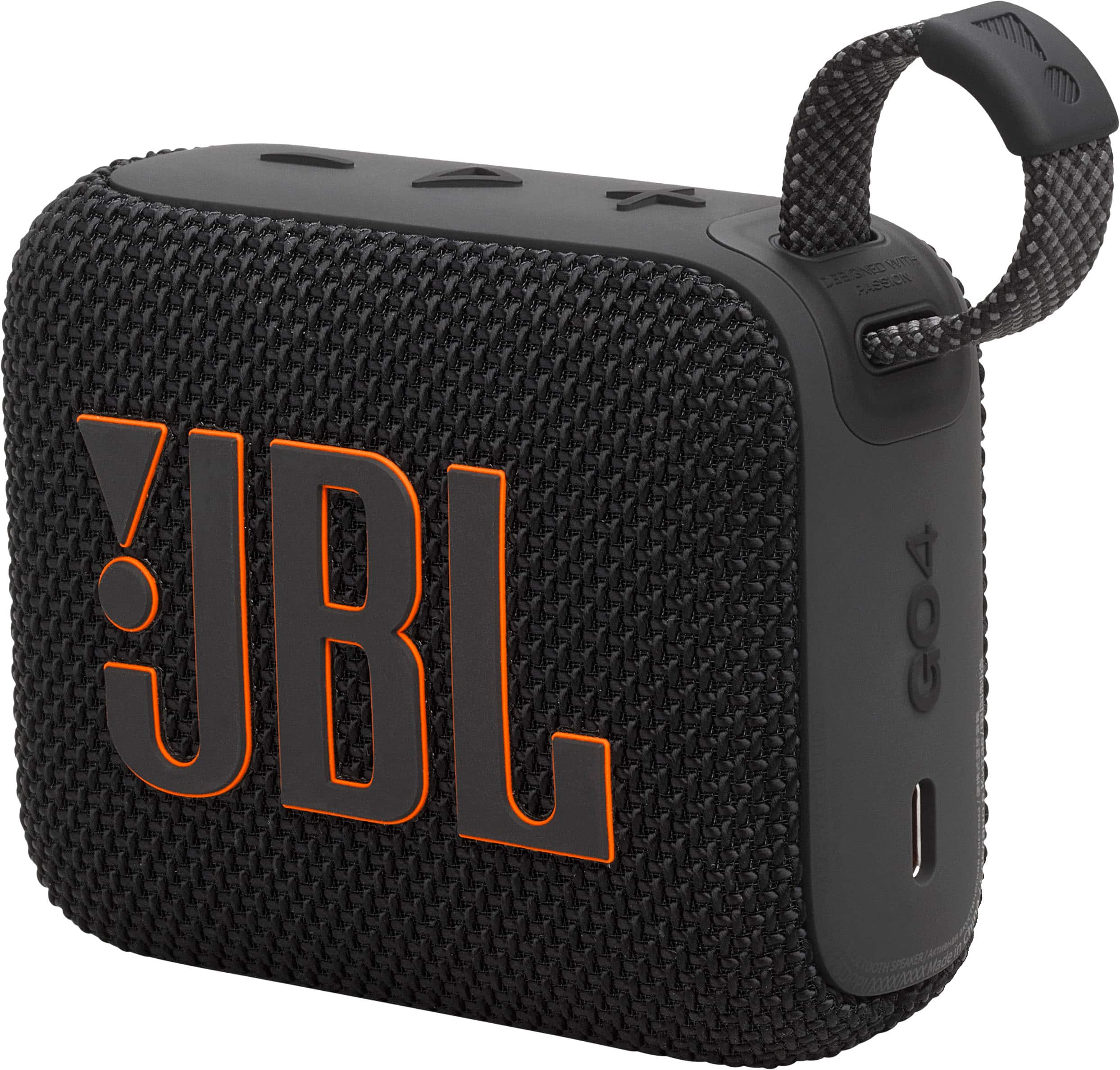
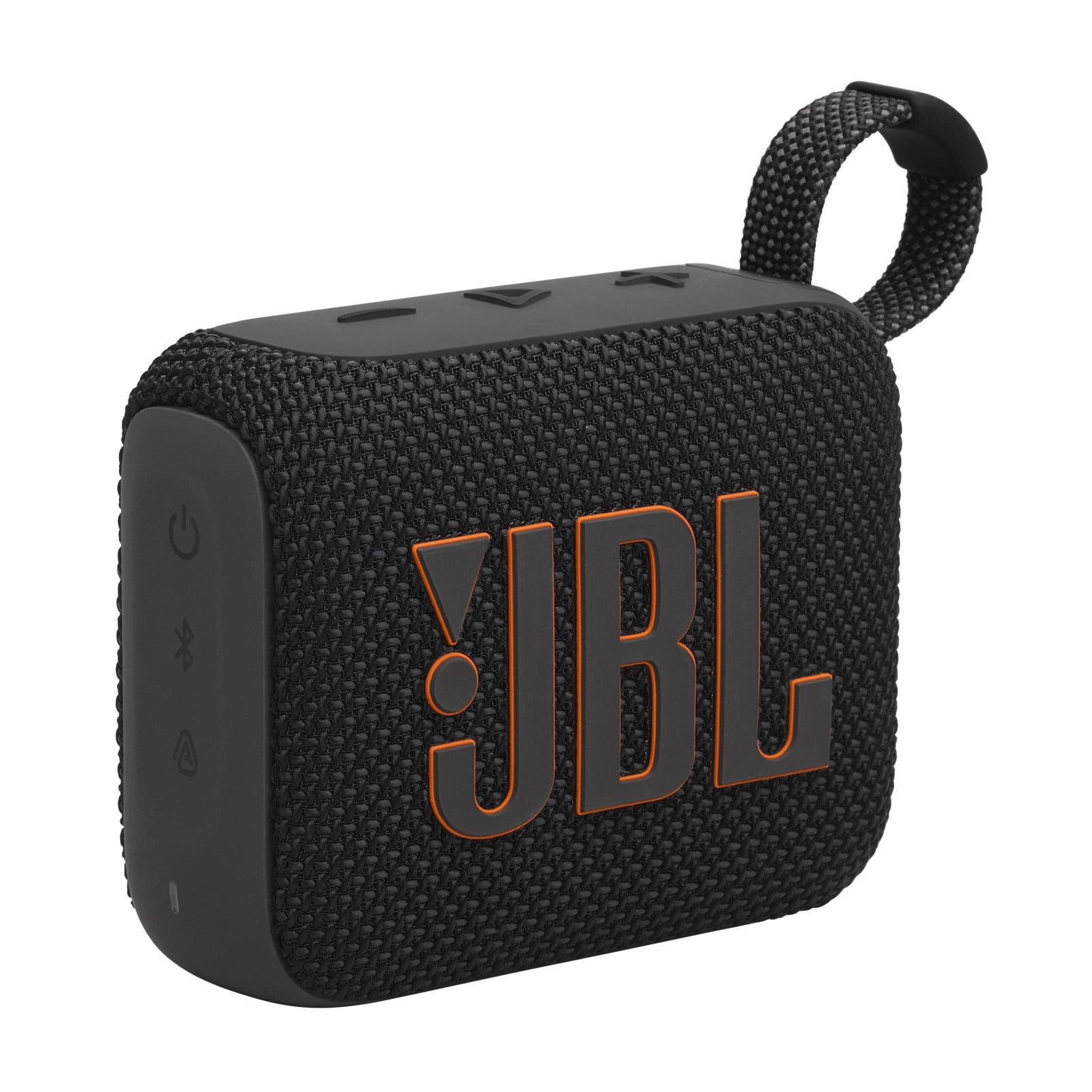
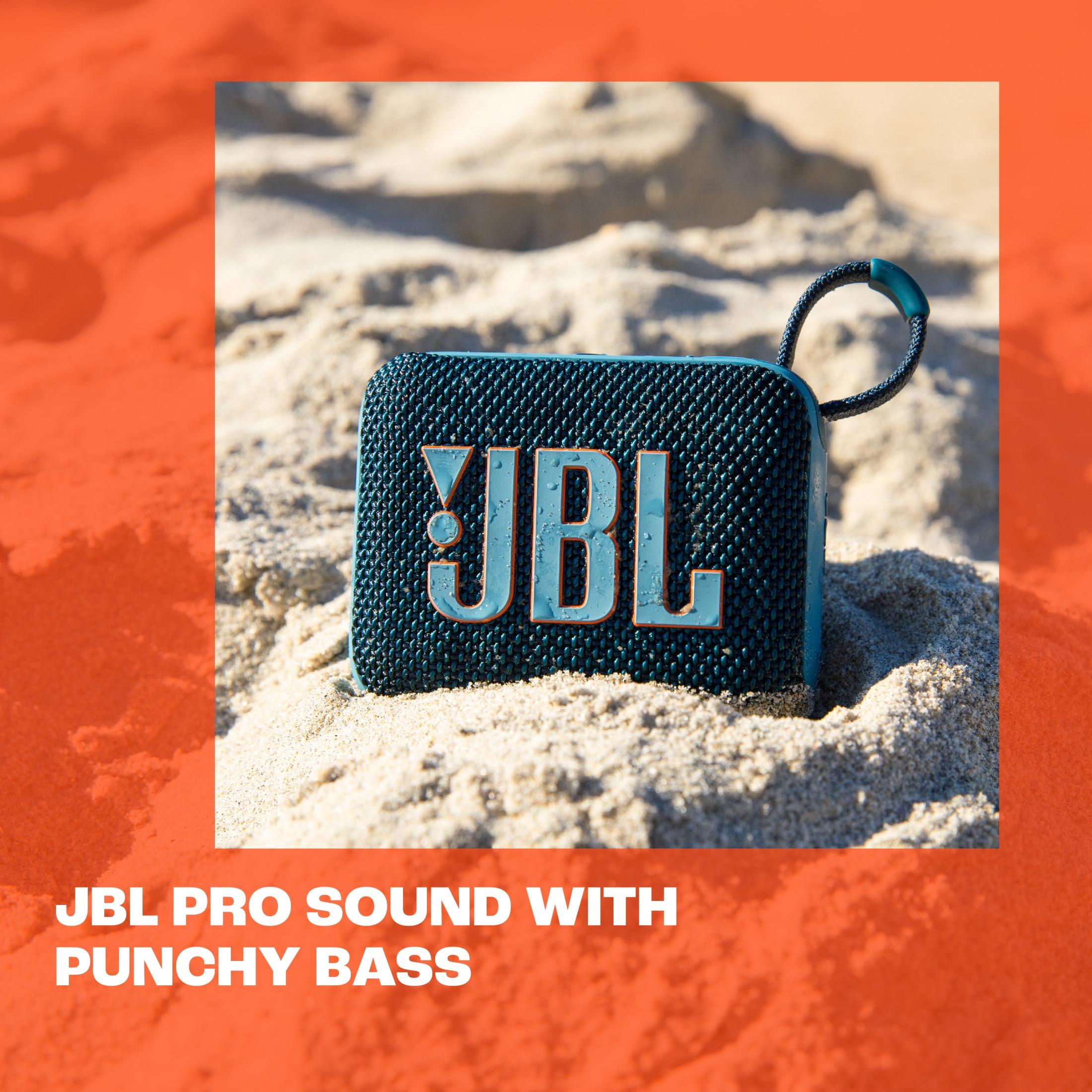

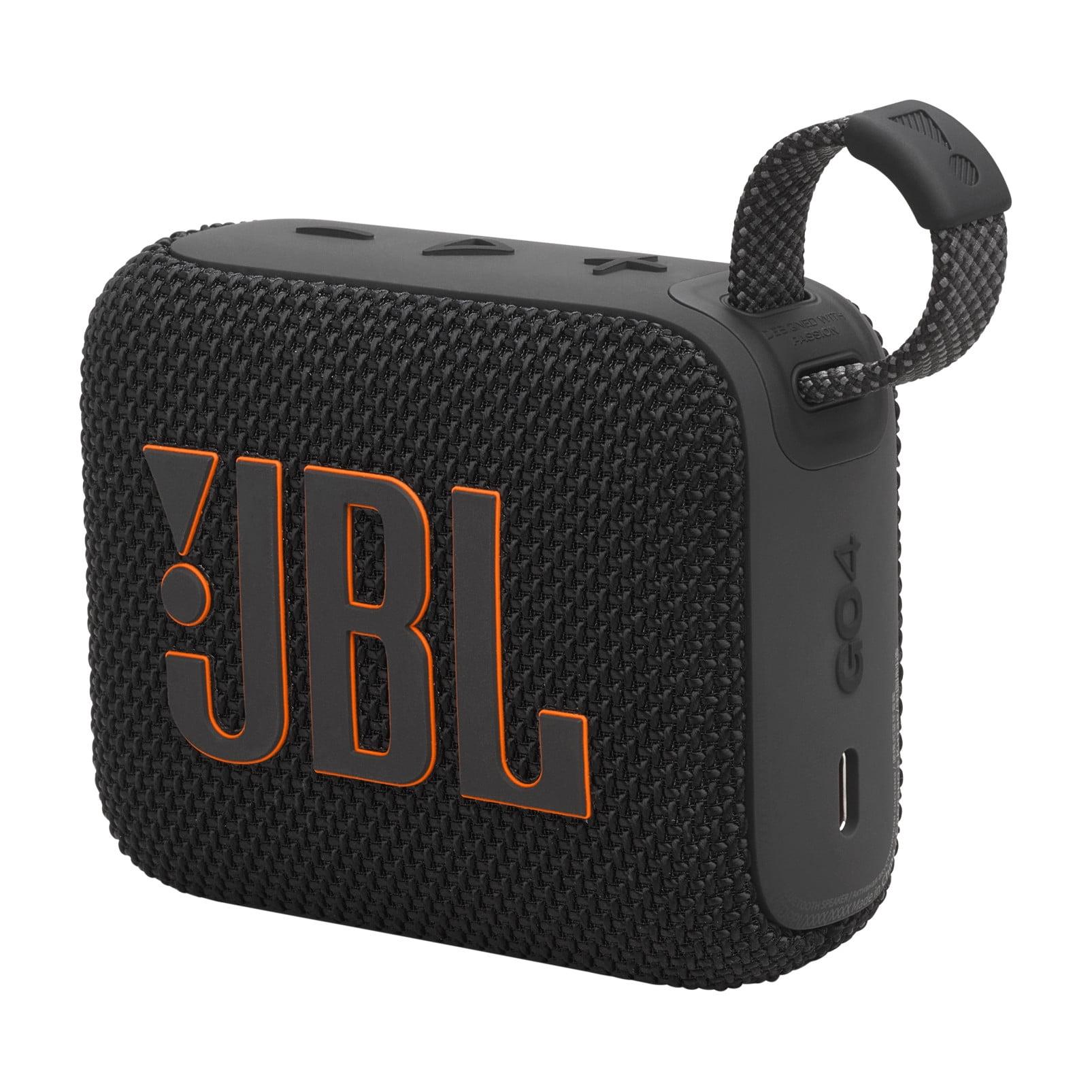
When it comes to portable audio in 2024, we're seeing an interesting divide in the Bluetooth speaker market. On one side, we have powerful party speakers that can rival small PA systems, and on the other, ultra-portable options that fit in your pocket. Today, we're comparing two fresh releases: the premium Sony ULT FIELD 7 ($499) and the compact JBL Go 4 ($44).
The Bluetooth speaker market has evolved significantly over the past decade. What started as simple wireless alternatives to wired speakers has transformed into a diverse ecosystem of audio solutions. Modern speakers pack impressive features like advanced digital signal processing (DSP, which helps optimize sound quality), high-resolution audio codecs (ways of transmitting better quality sound wirelessly), and smart features that were unimaginable just a few years ago.
The Sony ULT FIELD 7 and JBL Go 4 represent opposite ends of the portable speaker spectrum. Released in April 2024, both speakers showcase the latest in their respective categories, but they're designed for very different users.
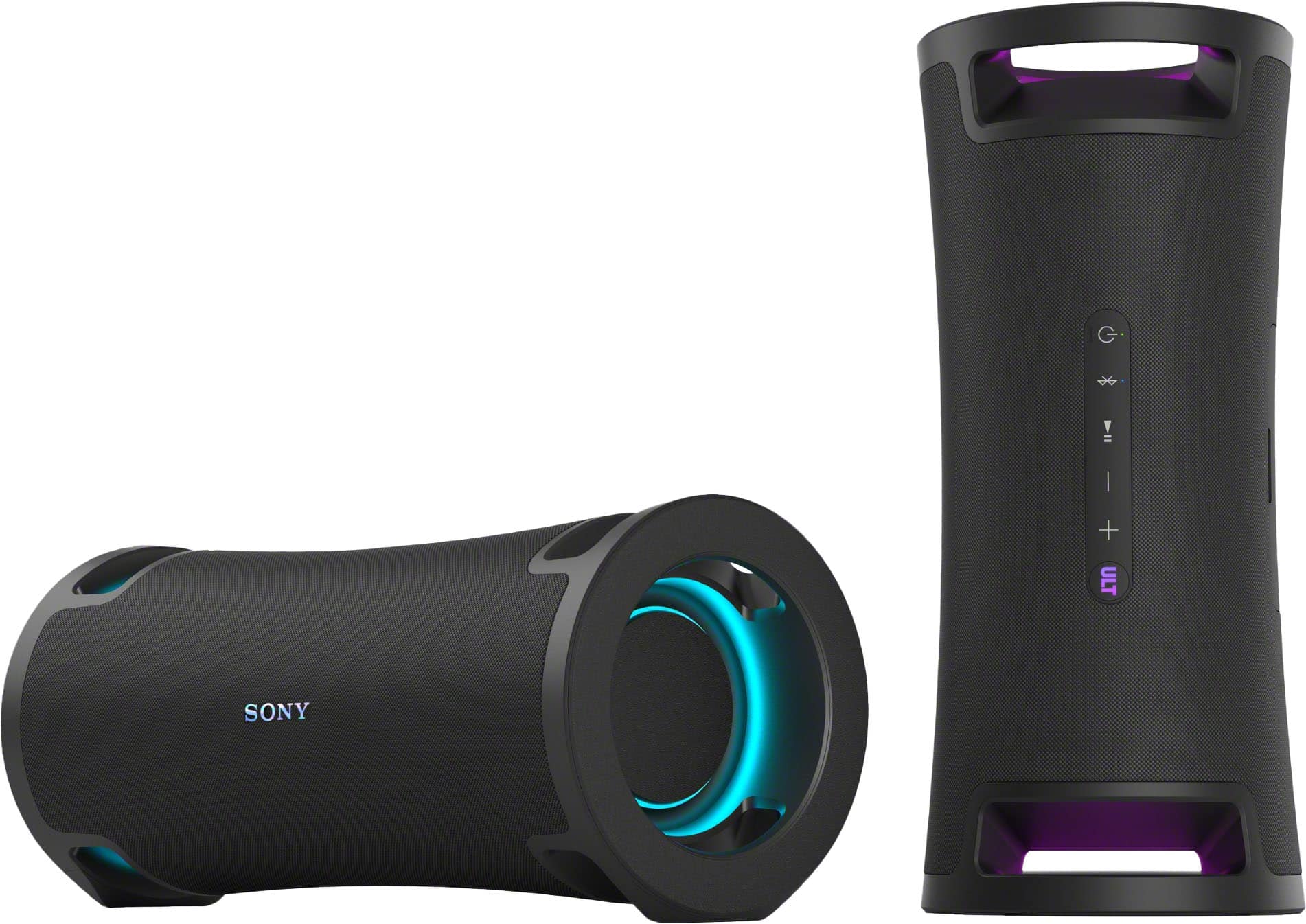
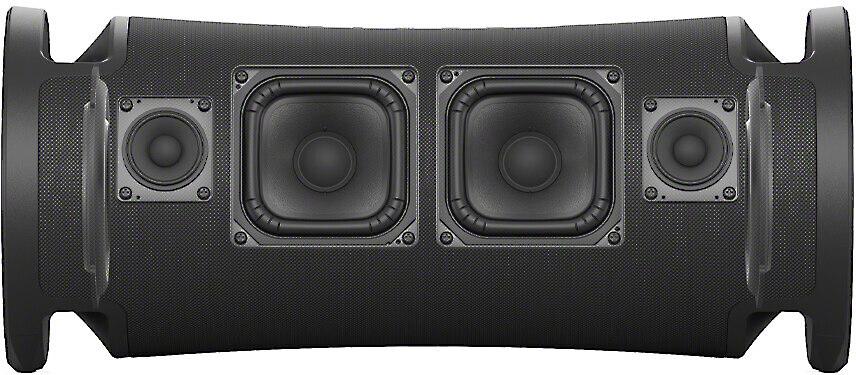
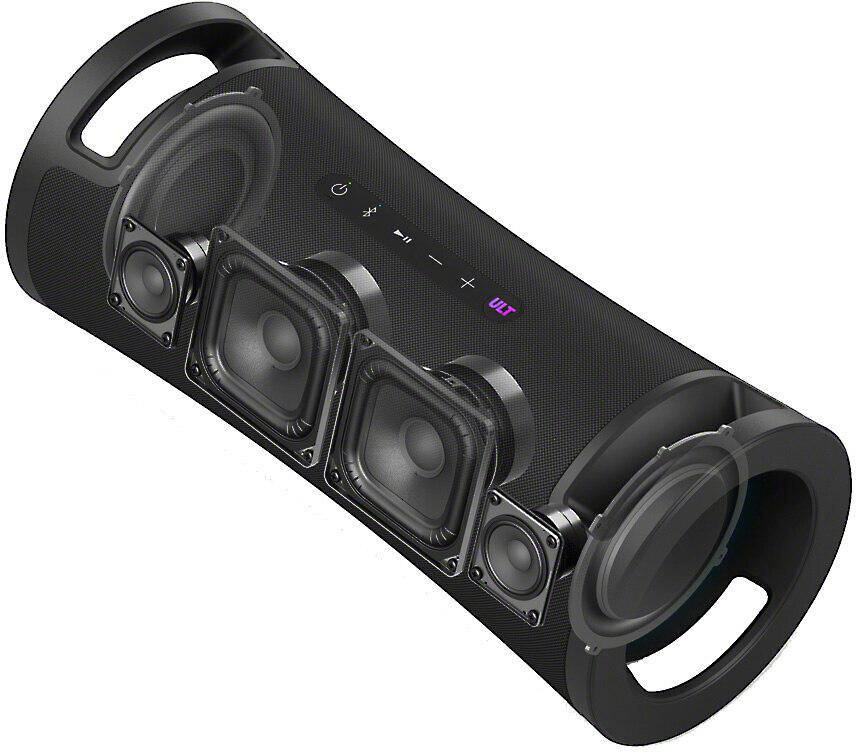
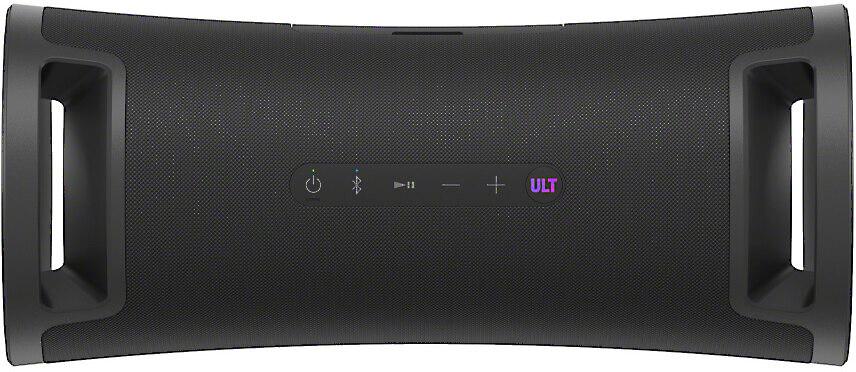
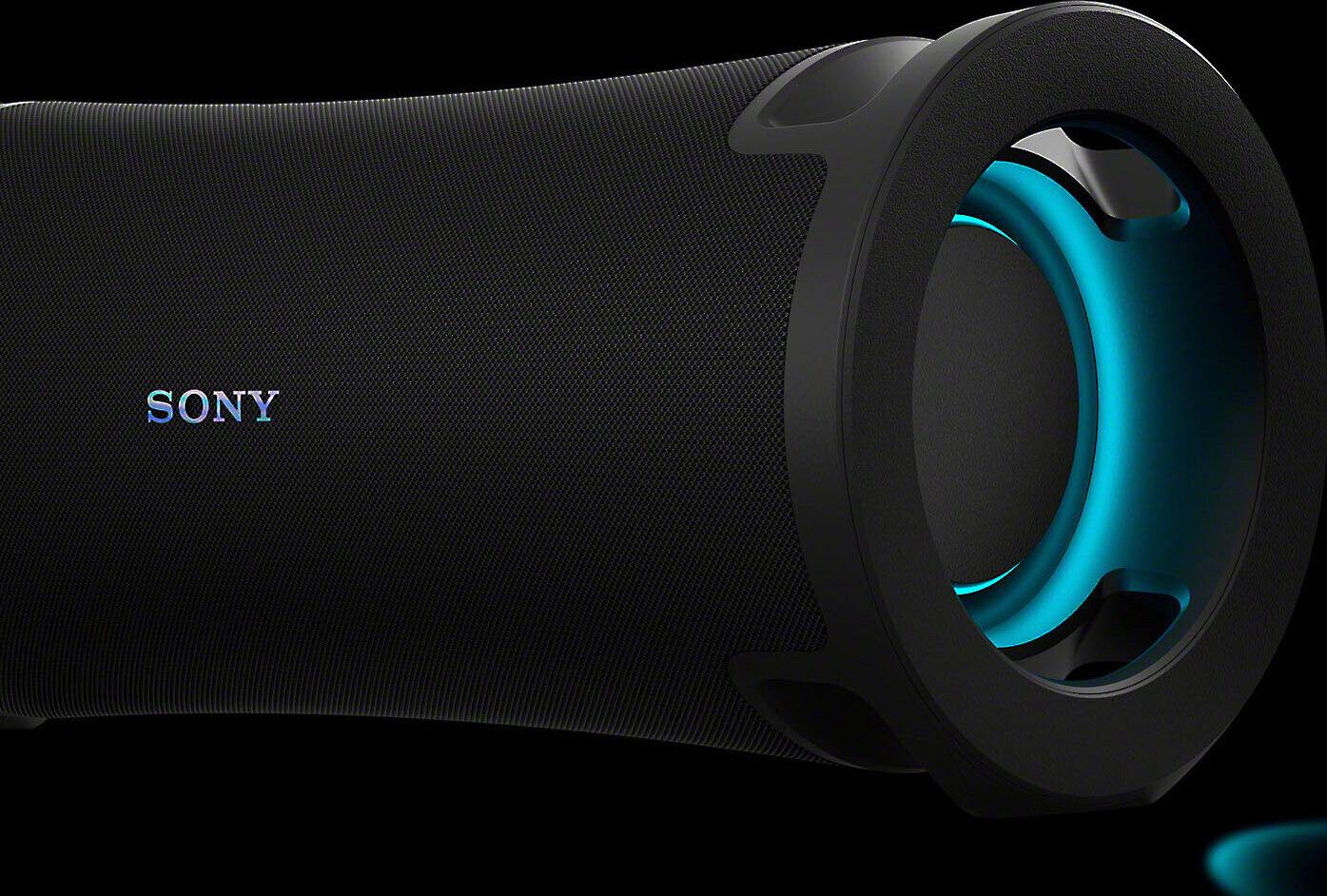
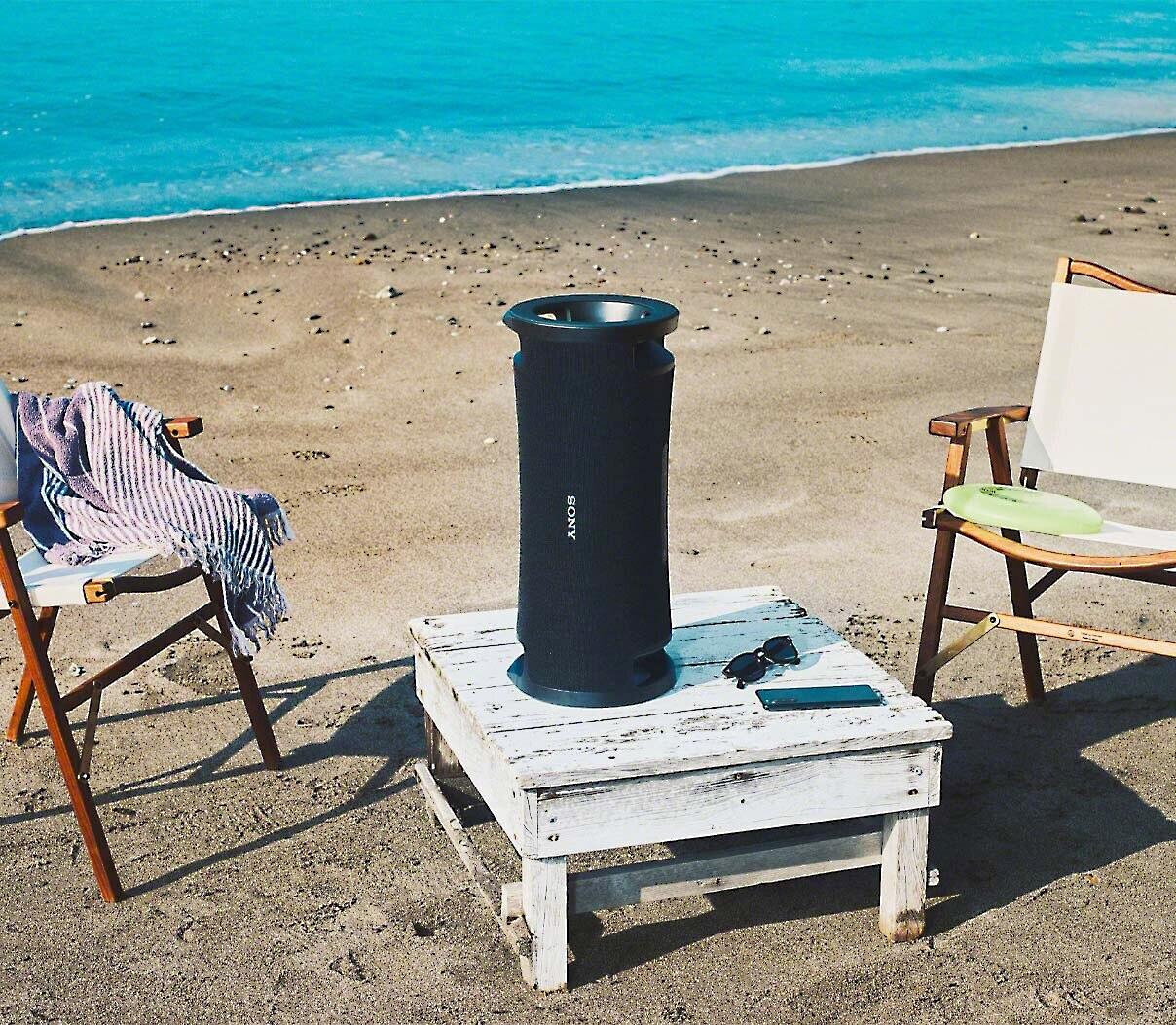
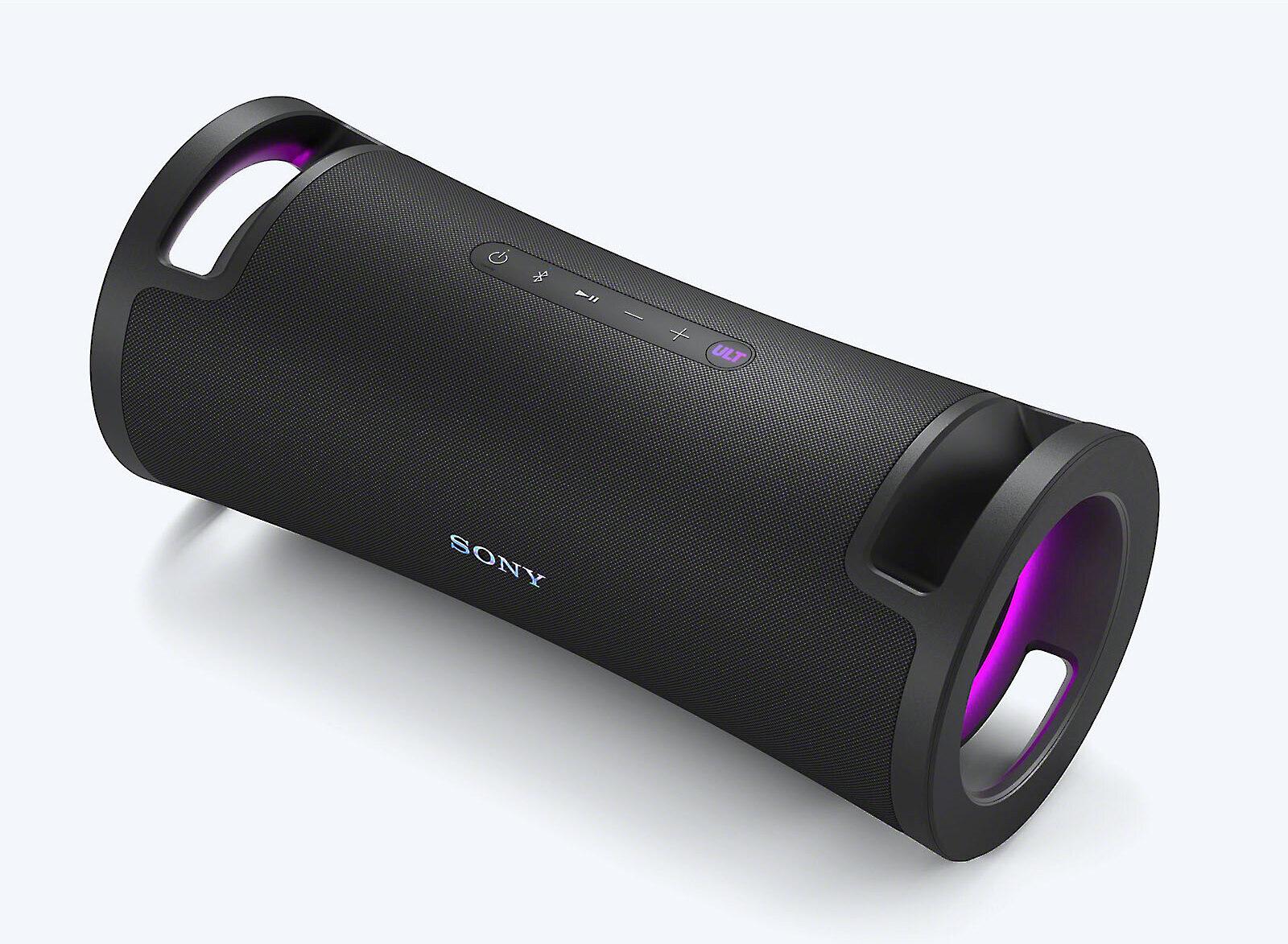
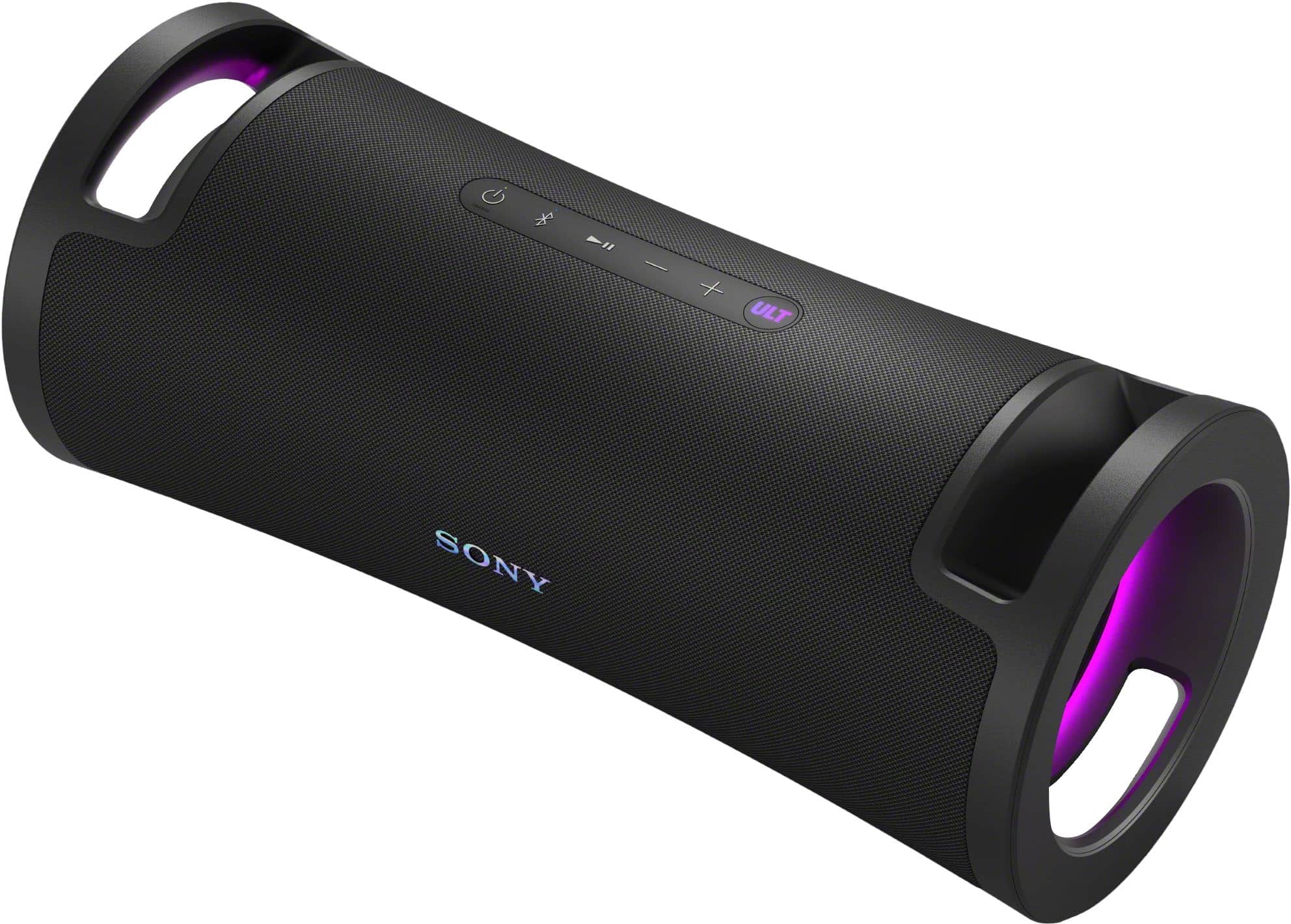
The Sony is what I'd call "technically portable" - at 14 pounds, you can move it around, but you won't be tossing it in a backpack. It's built for power and performance, with substantial drivers (the actual speaker components) that deliver room-filling sound. The integrated handles make transportation manageable, but it's meant to be set up and left in place during use.
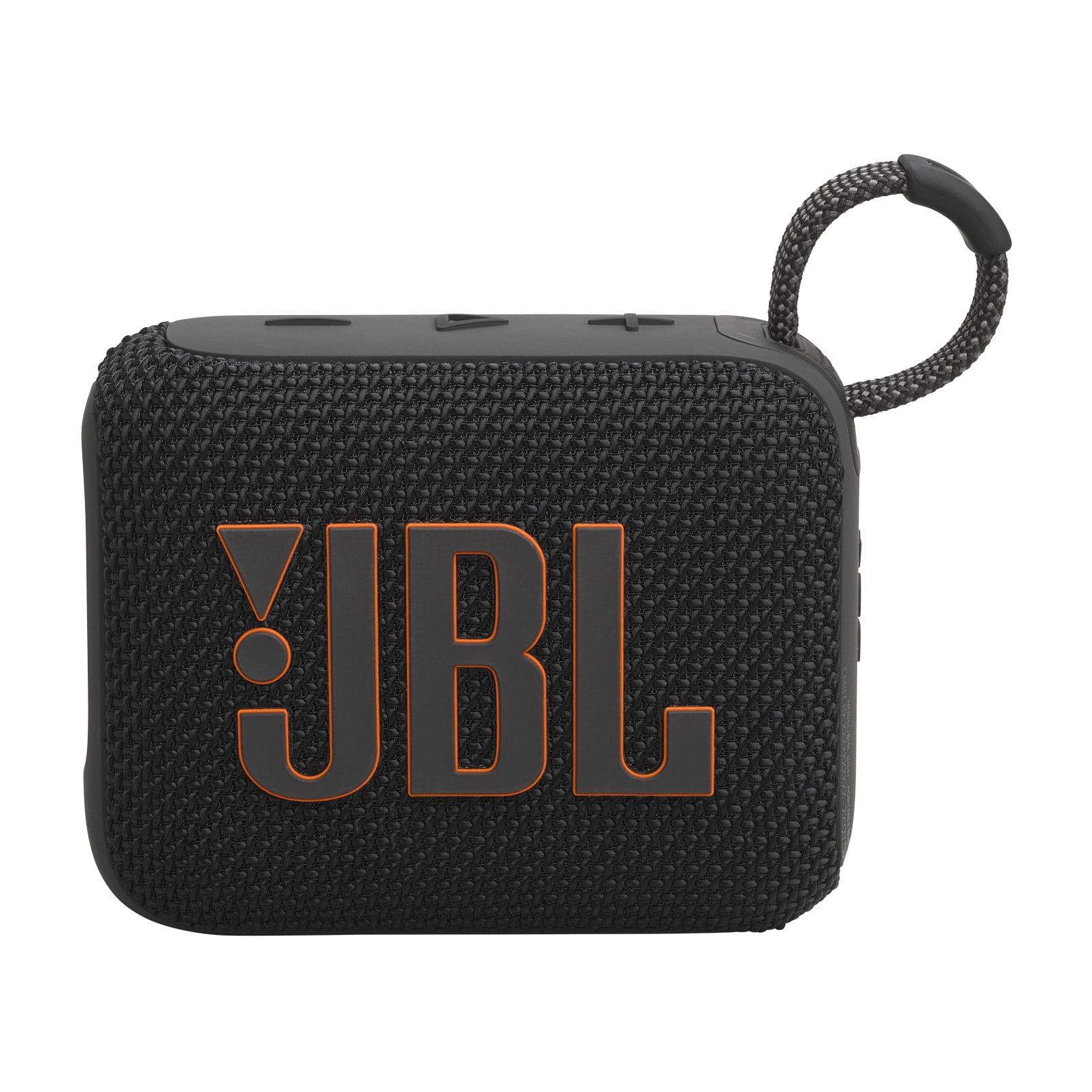
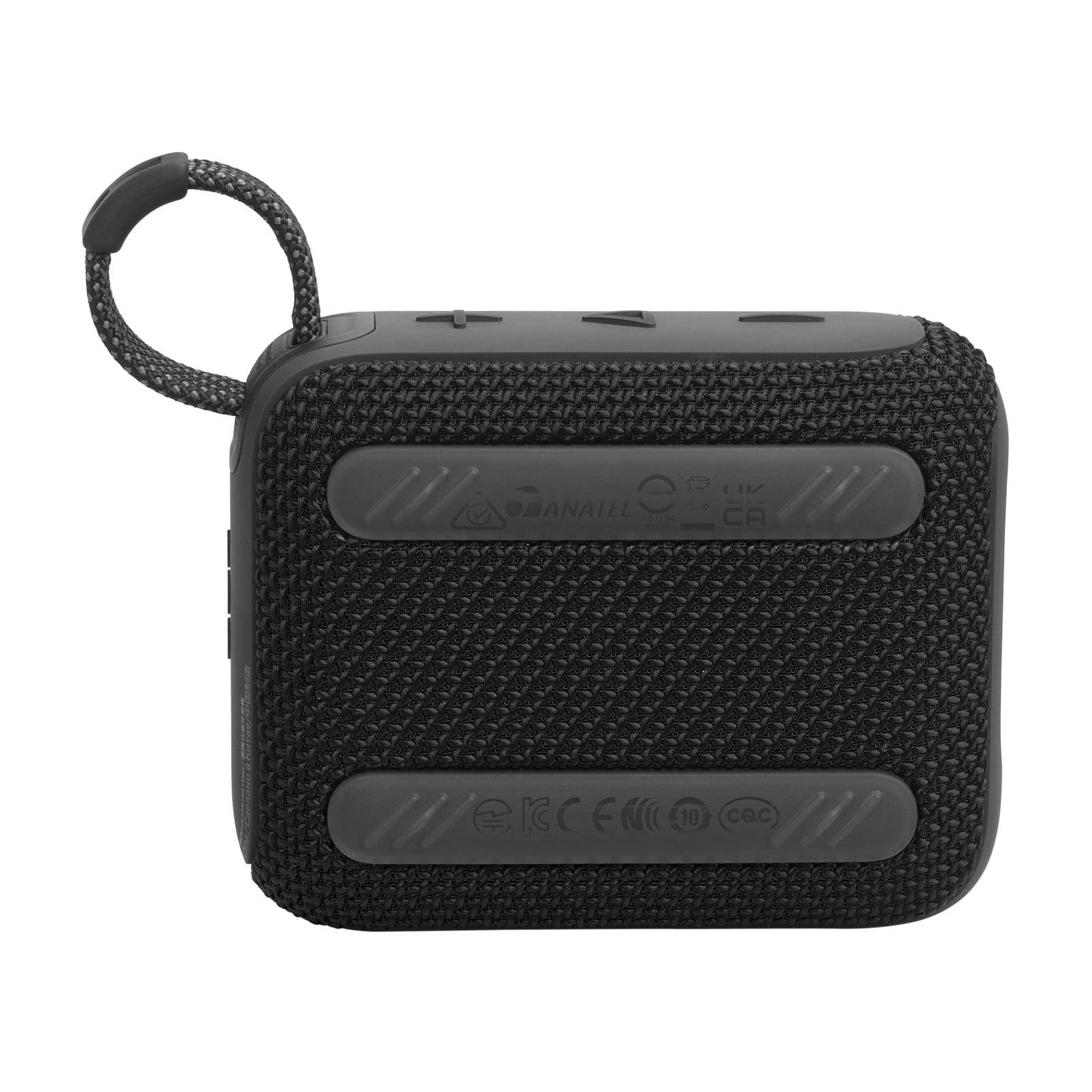
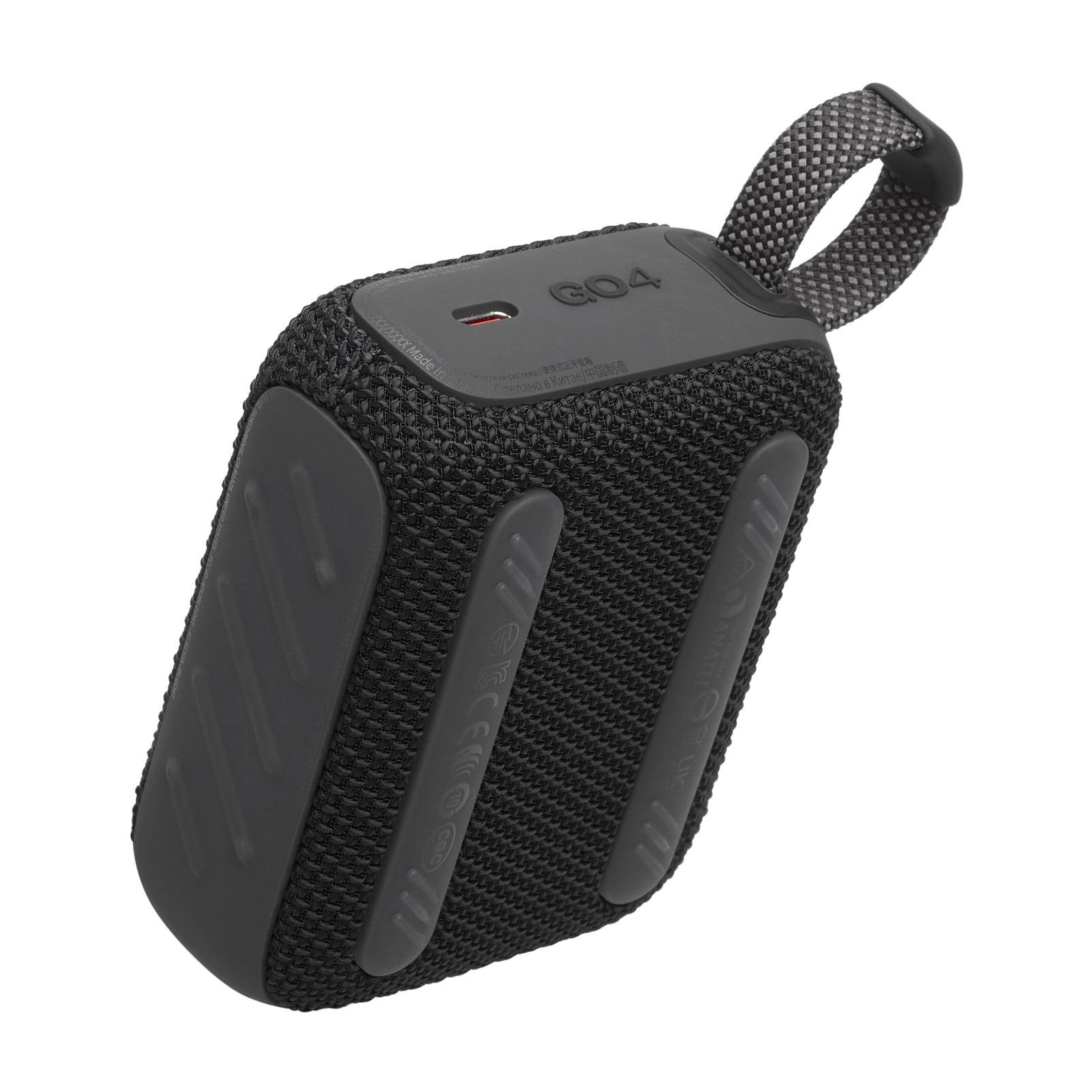
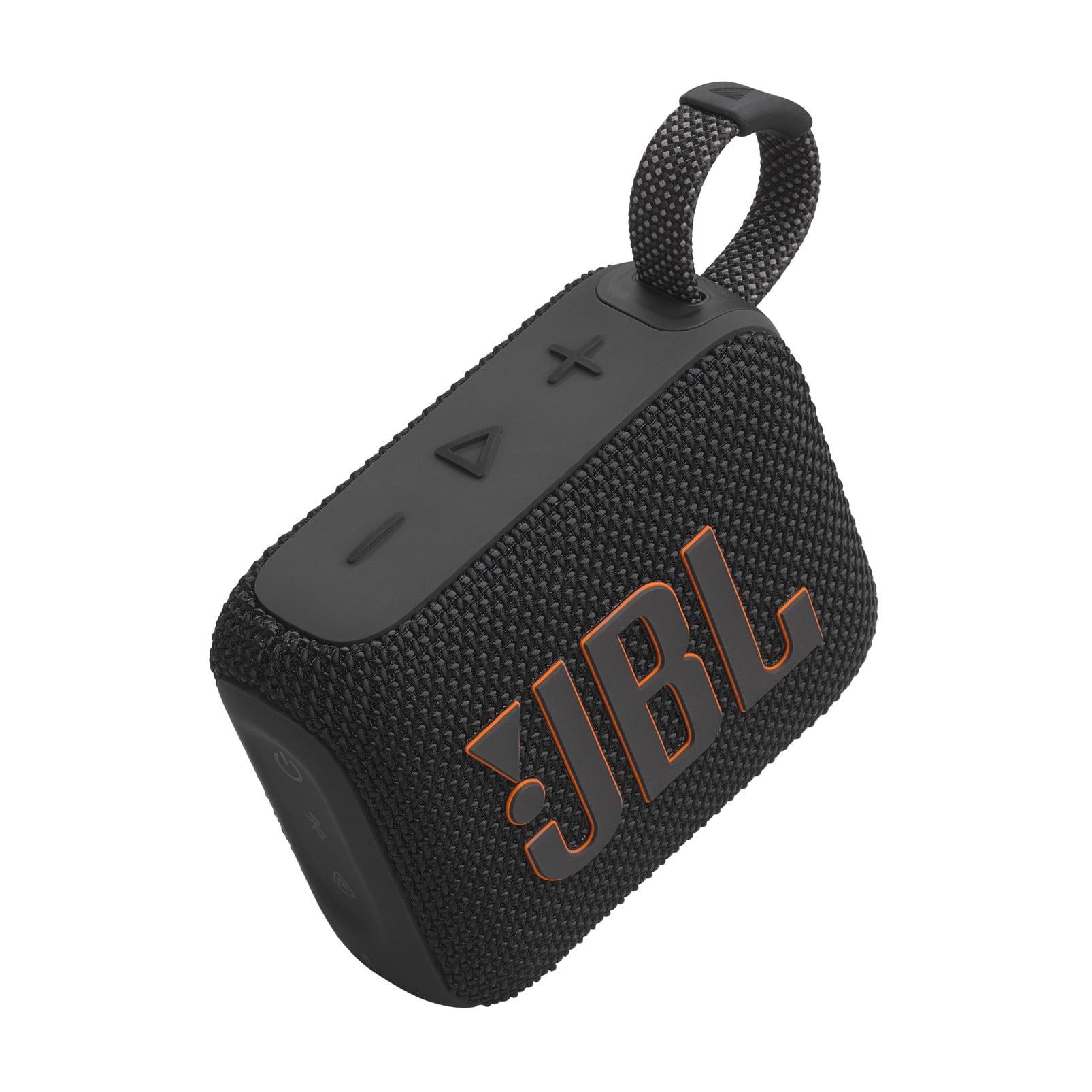
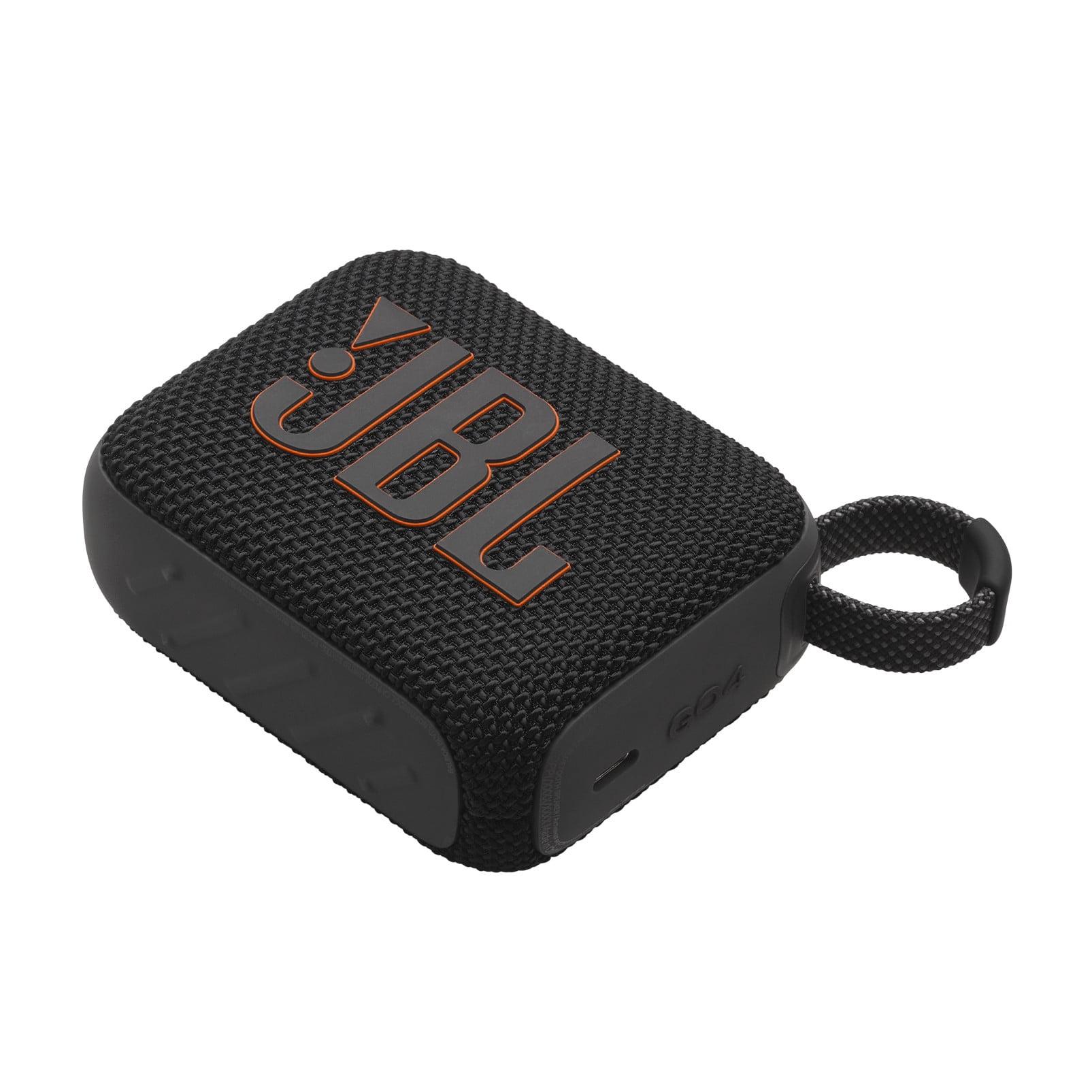
The JBL, however, literally fits in your pocket. At just over 6 ounces, it's the kind of device you can take anywhere without a second thought. This ultra-portable design means compromises in maximum volume and bass response, but that's the tradeoff for such incredible portability.
The Sony's sound quality is impressive, leveraging multiple drivers including dedicated woofers (for low frequencies) and tweeters (for high frequencies). The speaker's "ULT POWER SOUND" technology isn't just marketing - it's a combination of hardware and software that delivers powerful, clean bass even at high volumes.
What's particularly interesting is the Sound Field Optimization feature, which uses built-in microphones to analyze the environment and adjust the audio output accordingly. In testing, this makes a noticeable difference in challenging acoustic environments like large outdoor spaces or rooms with lots of hard surfaces.
The speaker supports LDAC, Sony's high-resolution audio codec, which can transmit nearly three times the data of standard Bluetooth audio. If you're using a compatible device (most modern Android phones) and streaming high-quality music, the difference is noticeable, especially in complex musical passages.
Despite its tiny size, the JBL Go 4 produces surprisingly competent audio. The single 45mm driver handles the full frequency range, and JBL's tuning emphasizes clear vocals and balanced sound rather than attempting to produce bass it can't physically deliver.
The speaker's output is perfect for personal listening or small group settings. While it won't power your next block party, it produces clean, detailed sound that's perfect for podcasts, casual music listening, or as a travel companion.
Battery technology has come a long way, and both speakers show this in different ways:
The Sony ULT FIELD 7 offers an impressive 30 hours of playback, though this varies significantly based on volume and feature usage. Running the light show and playing at maximum volume will drain the battery faster, but even then, you're looking at 15+ hours of use. Quick charging provides 3 hours of playback from just 10 minutes of charging.
The JBL Go 4's 7-hour battery life might seem modest in comparison, but considering its tiny size and weight, it's actually quite efficient. The 3-hour charging time is reasonable, and the battery life is typically enough for a full day of intermittent use.
The Sony excels in scenarios where you need serious audio power:
The JBL shines in personal use cases:
While the price difference between these speakers is substantial, comparing them purely on cost misses the point. The Sony ULT FIELD 7 competes with professional audio equipment costing much more, while delivering better portability and features. If you frequently host events or need powerful portable audio, the $499 investment makes sense.
The JBL Go 4's $44 price point delivers impressive value, especially considering its durability and sound quality. It's an excellent example of focused design meeting a specific need - highly portable, good-quality audio at an accessible price point.
Consider these key factors when choosing between these speakers:
Both speakers represent significant advances in their categories. The Sony's Sound Field Optimization and advanced codec support show where premium portable audio is heading, while the JBL's impressive sound-to-size ratio demonstrates how far compact speaker technology has come.
Looking forward, we can expect to see continued improvements in battery technology, wireless audio quality, and smart features. The Sony ULT FIELD 7 and JBL Go 4 set new standards in their respective categories, and future models will likely build on these foundations with even better performance and features.
These speakers serve different needs extremely well, and choosing between them really comes down to understanding your specific requirements. Whether you need the power and features of the Sony or the incredible portability of the JBL, both represent excellent choices in their respective categories.
| Sony ULT FIELD 7 | JBL Go 4 |
|---|---|
| Price - Determines value proposition and target user | |
| $499 (premium party speaker) | $44 (budget portable speaker) |
| Size - Impacts portability and use cases | |
| 20.16" x 8.82" x 8.74", 13.89 lbs | 3.7" x 3.0" x 1.7", 0.42 lbs |
| Sound Output - Determines volume capability and sound quality | |
| 45W RMS with dual woofers and tweeters | 4.2W RMS with single 45mm driver |
| Battery Life - Critical for portable use | |
| 30 hours (15+ at high volume) | 7 hours (typical use) |
| Water/Dust Protection - Important for outdoor use | |
| IP67 rated (fully waterproof) | IP67 rated (fully waterproof) |
| Audio Features - Affects sound quality and versatility | |
| ULT POWER SOUND, LDAC codec, Sound Field Optimization | Basic EQ settings via app |
| Connectivity - Important for modern devices | |
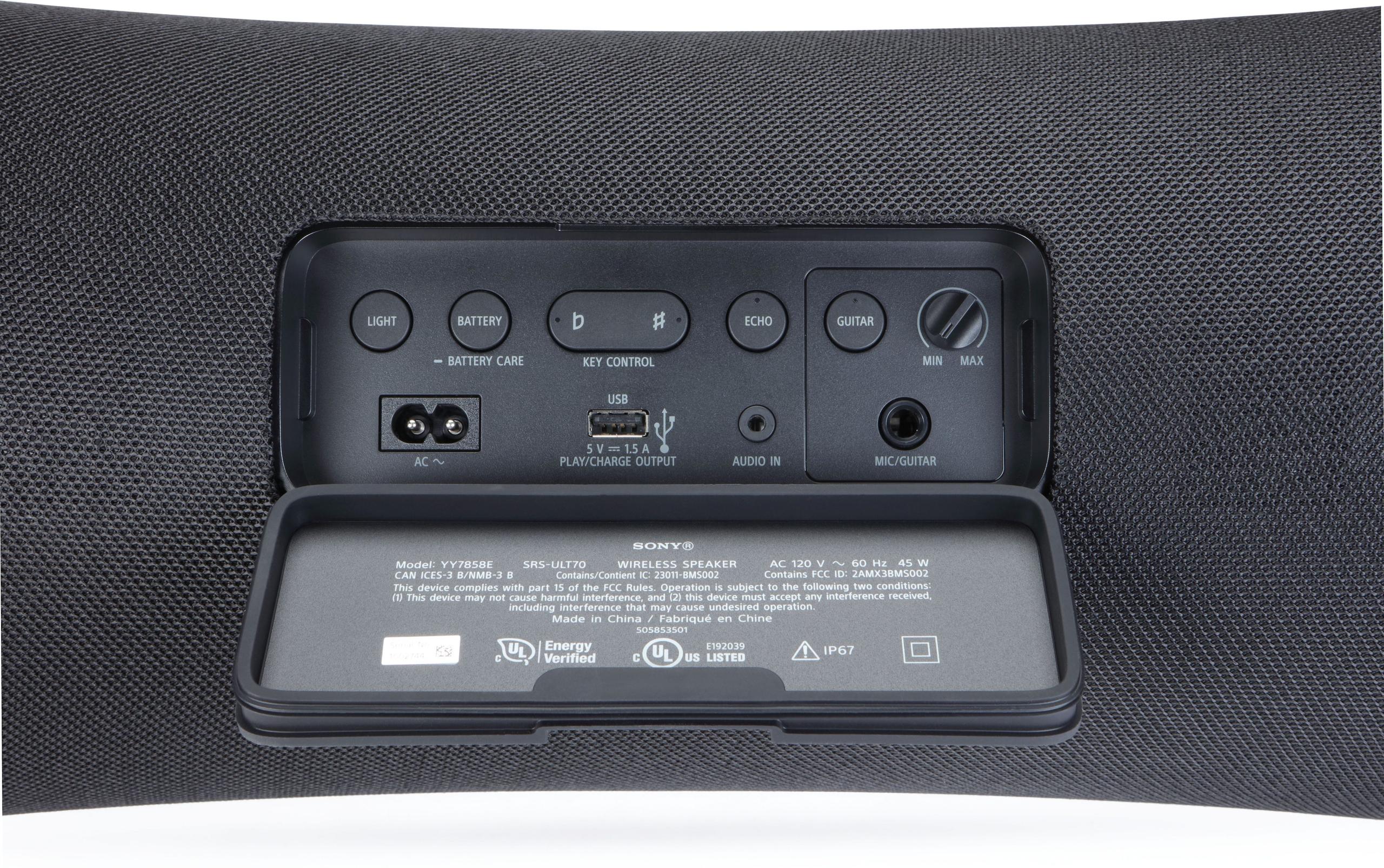
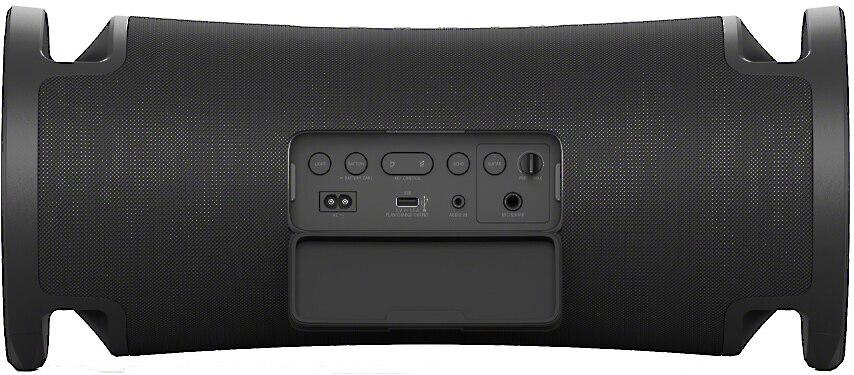
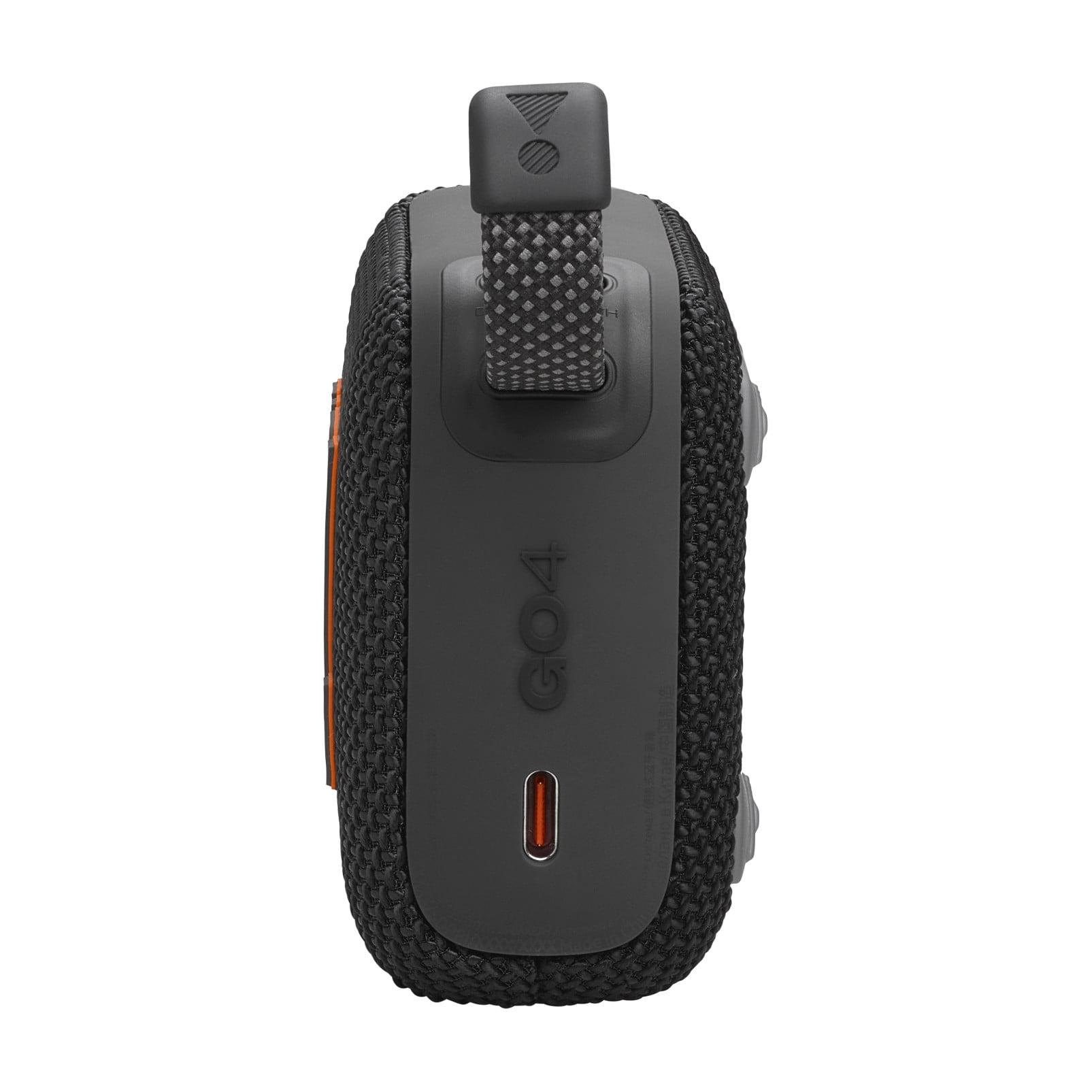
| Bluetooth 5.2, aux input, USB-A, mic/guitar input | Bluetooth 5.3, USB-C charging only |
| Extra Features - Adds value beyond basic audio | |
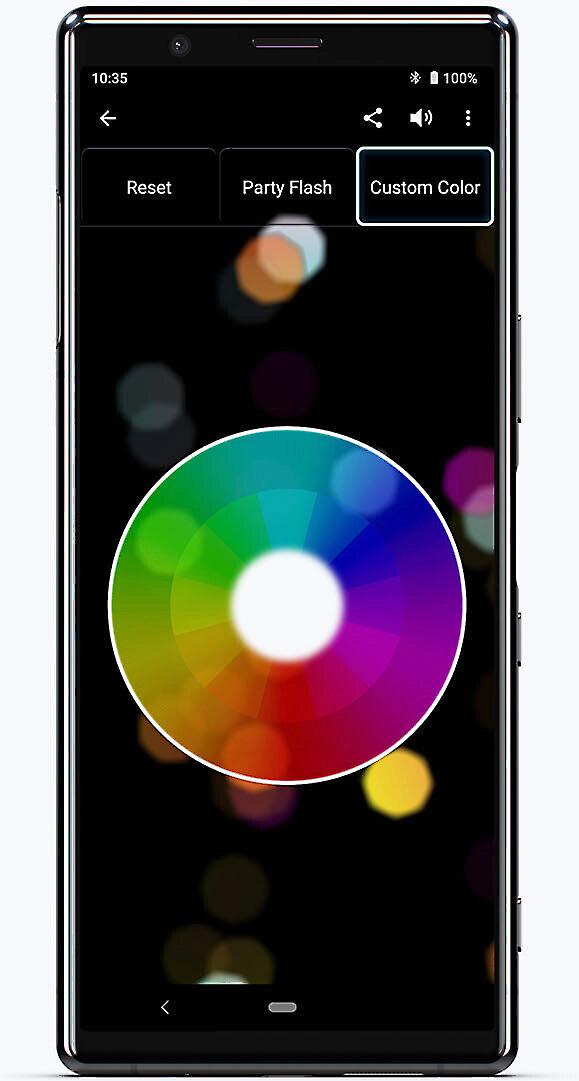
| LED lighting, karaoke support, multi-speaker pairing | Multi-speaker pairing |
| Charging Time - Affects convenience | |
| Quick charge: 3h play from 10min charge | 3 hours for full charge |
| Frequency Response - Determines sound range | |
| 20 Hz - 20,000 Hz (full range audio) | 90 Hz - 20,000 Hz (limited bass) |
| Primary Use Case - Key deciding factor | |
| Large gatherings, parties, events | Personal listening, travel, small groups |
| Value Proposition - Helps determine best fit | |
| Premium features and power for frequent entertainers | Excellent portable audio at budget price |
The Sony ULT FIELD 7 and JBL Go 4 serve different purposes. The Sony is better for large gatherings and parties with its powerful sound and features, while the JBL is ideal for personal listening and travel due to its compact size and affordability.
The Sony ULT FIELD 7 costs $499, while the JBL Go 4 is priced at $44. The significant price difference reflects their different target markets and capabilities.
The Sony ULT FIELD 7 offers up to 30 hours of playback, while the JBL Go 4 provides 7 hours. However, the Sony's battery life varies significantly with volume and feature usage.
The JBL Go 4 is significantly more portable, weighing just 0.42 lbs and fitting in a pocket. The Sony ULT FIELD 7 weighs 13.89 lbs and is designed for moving between locations rather than constant carrying.
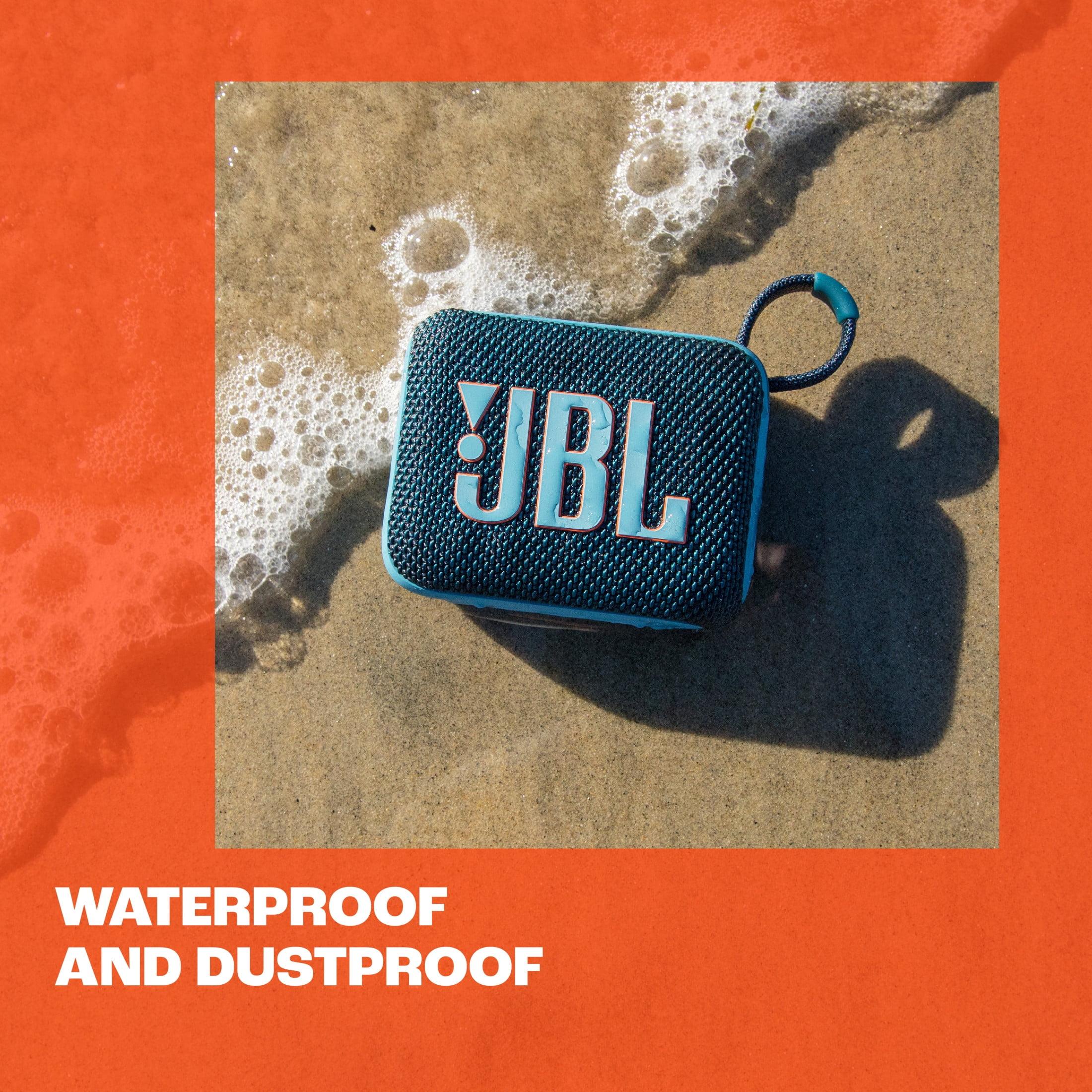
Yes, both the Sony ULT FIELD 7 and JBL Go 4 feature IP67 water and dust resistance, making them suitable for outdoor use in various weather conditions.
The Sony ULT FIELD 7 is significantly louder with its 45W output compared to the JBL Go 4's 4.2W. The Sony can easily fill large spaces, while the JBL is designed for personal listening.
Both speakers support multi-speaker pairing. The Sony ULT FIELD 7 offers Party Connect for linking with other Sony speakers, while the JBL Go 4 can pair with another Go 4 for stereo sound.
The Sony ULT FIELD 7 delivers significantly stronger bass with its dedicated woofers and ULT POWER SOUND technology. The JBL Go 4 provides decent bass for its size but can't match the Sony's power.
The JBL Go 4 takes 3 hours for a full charge. The Sony ULT FIELD 7 offers quick charging, providing 3 hours of playback from just 10 minutes of charging.
The JBL Go 4 is ideal for travel due to its ultra-compact size and lightweight design. The Sony ULT FIELD 7 is too large for typical travel use.
Neither speaker is specifically designed for phone calls, though both can play audio from connected phones. For voice calls, dedicated speakerphones would be more appropriate.
Both speakers offer good value for their intended uses. The Sony ULT FIELD 7 justifies its premium price for those needing powerful portable audio, while the JBL Go 4 delivers excellent value for personal audio needs at its budget price point.
We've done our best to create useful and informative comparisons to help you decide what product to buy. Our research uses advanced automated methods to create this comparison and perfection is not possible - please contact us for corrections or questions. These are the sites we've researched in the creation of this article: rtings.com - hifipicks.com - thesonyshop.ca - techradar.com - rtings.com - sony-africa.com - videoandaudiocenter.com - sony.com - youtube.com - johnlewis.com - tomsguide.com - outeraudio.com - youtube.com - techradar.com - corporategift.com - jbl.com - target.com - dell.com - projectorscreen.com - mm.jbl.com

Privacy Policy
Terms and Conditions - Affiliate Policy
Home Security
© Copyright 2008-2026.
11816 Inwood Rd #1211, Dallas, TX 75244