

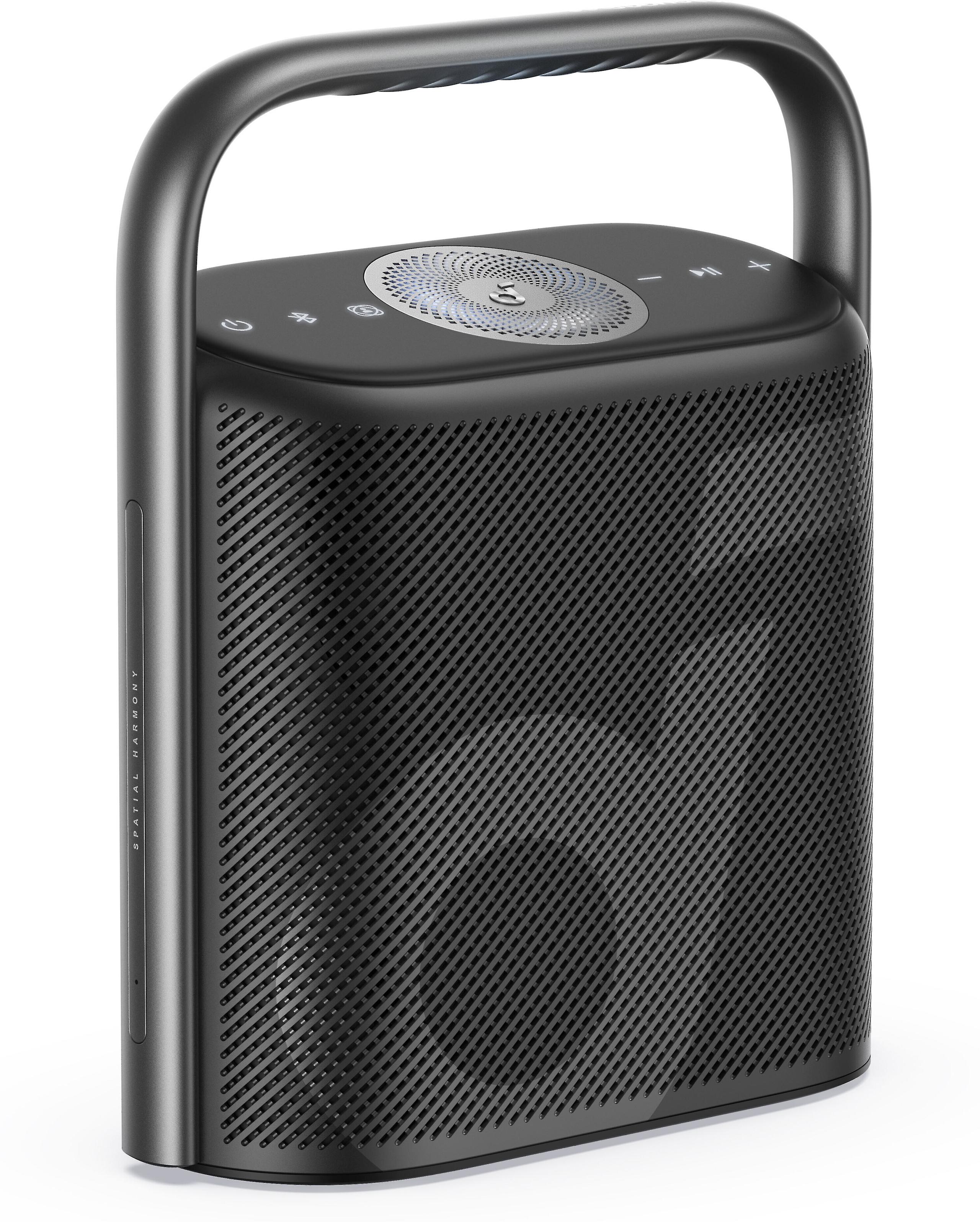
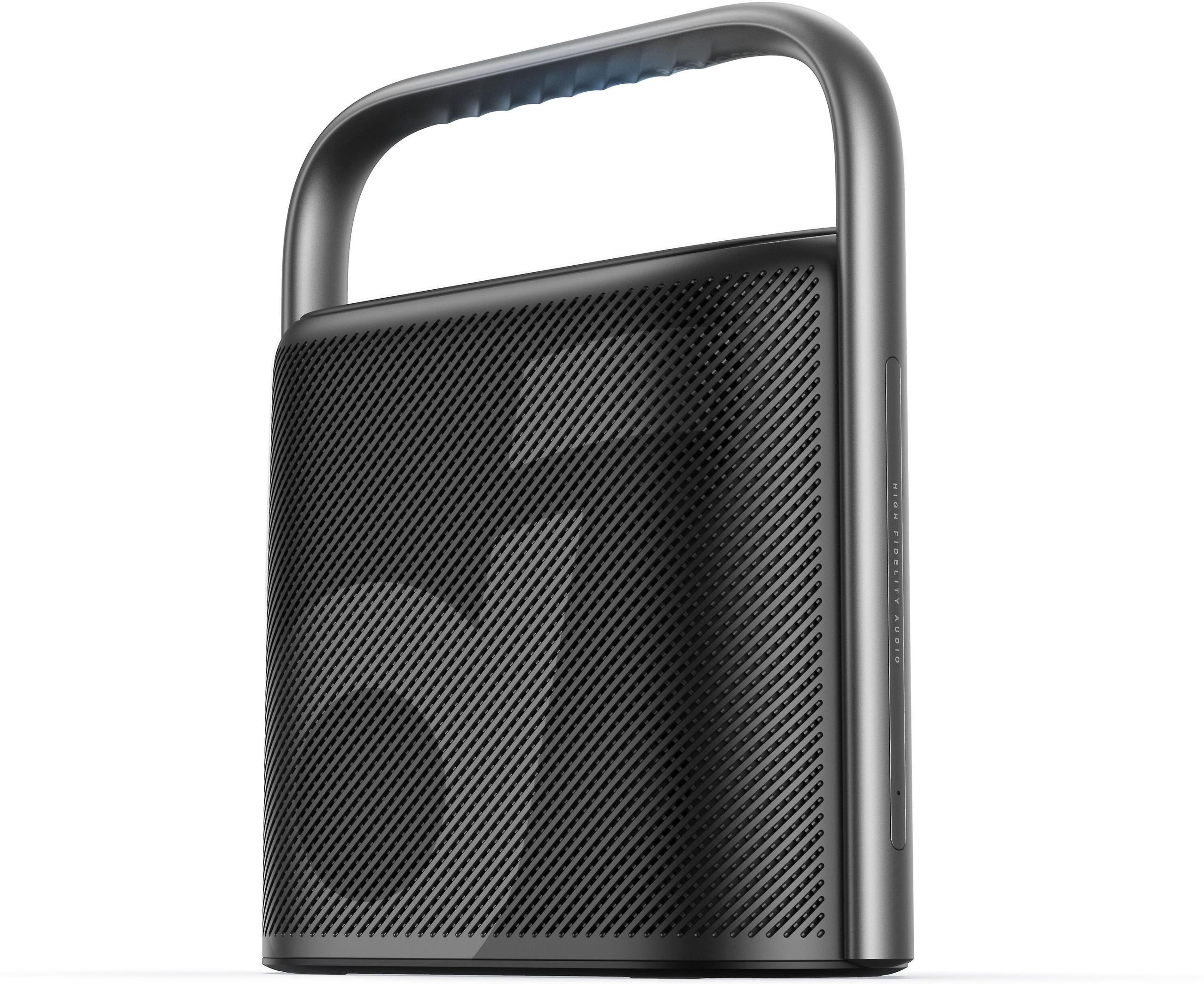
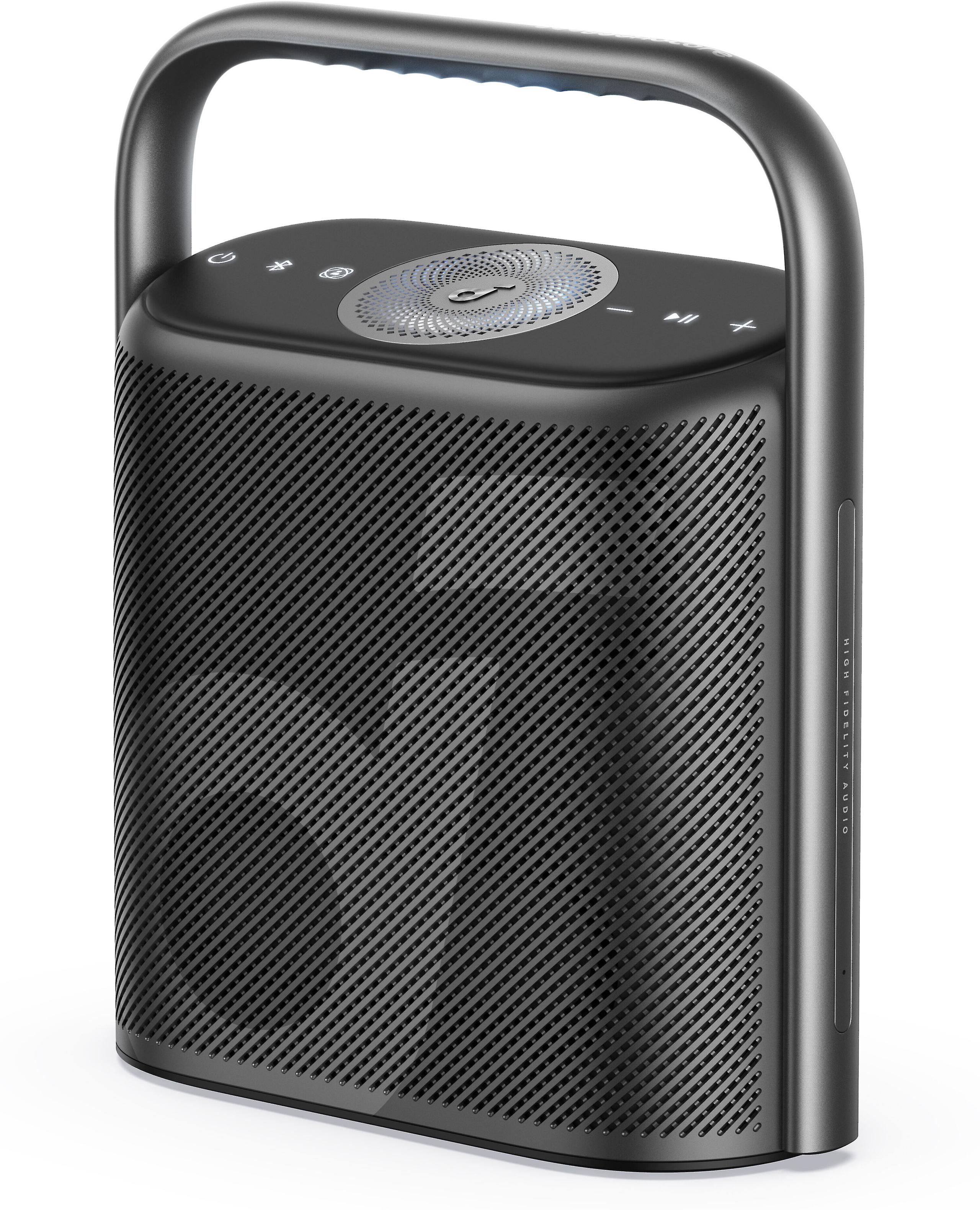
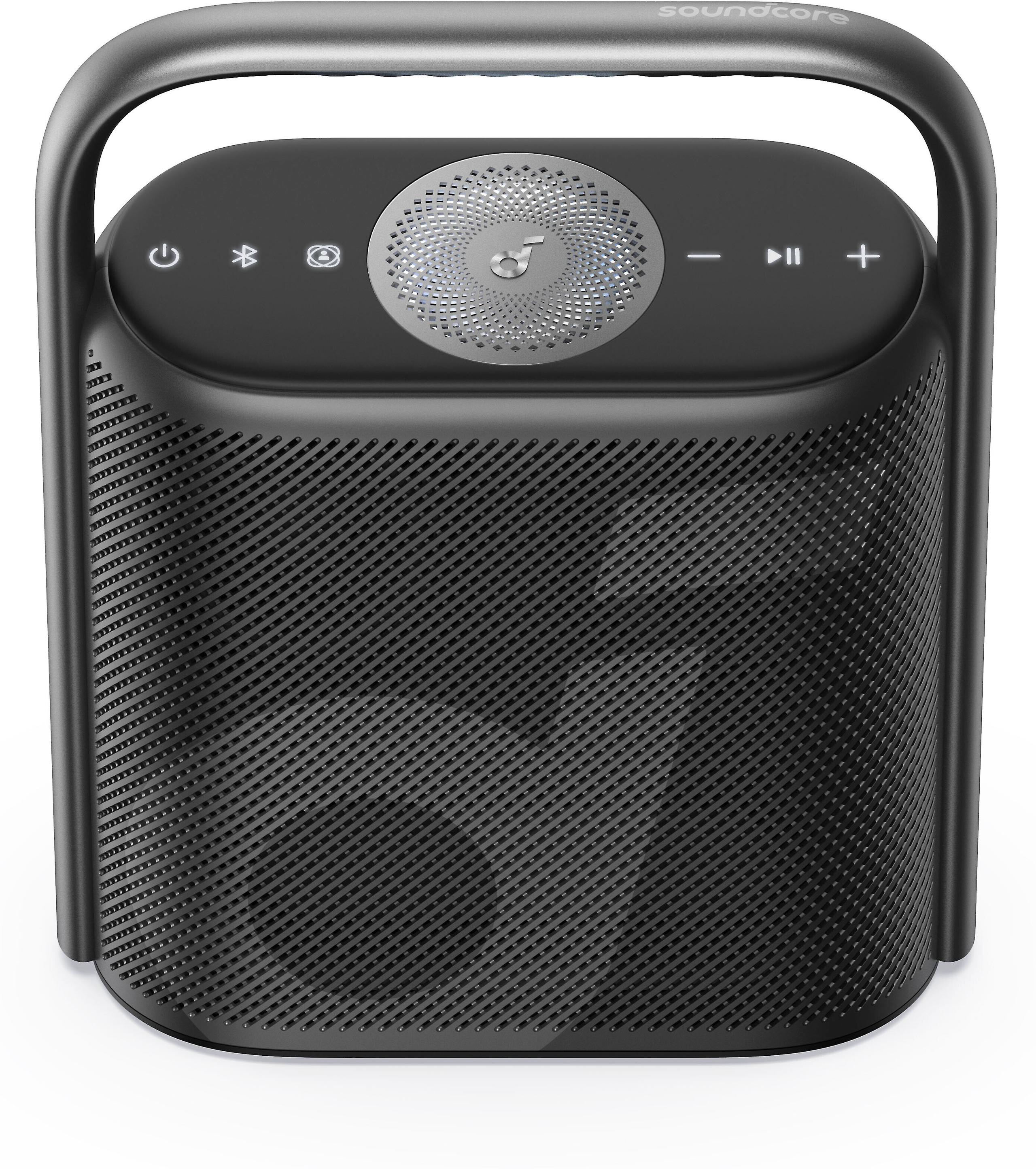


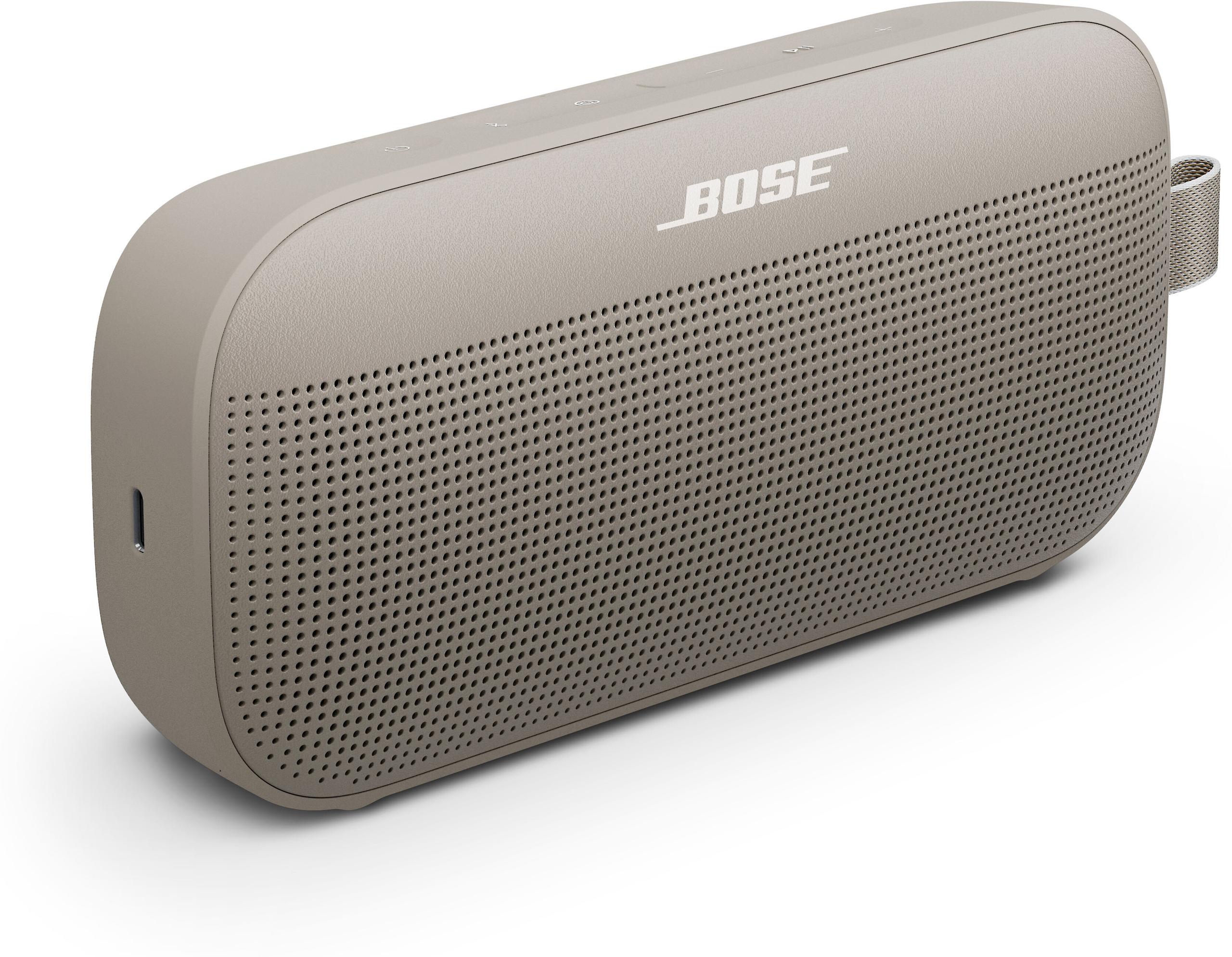
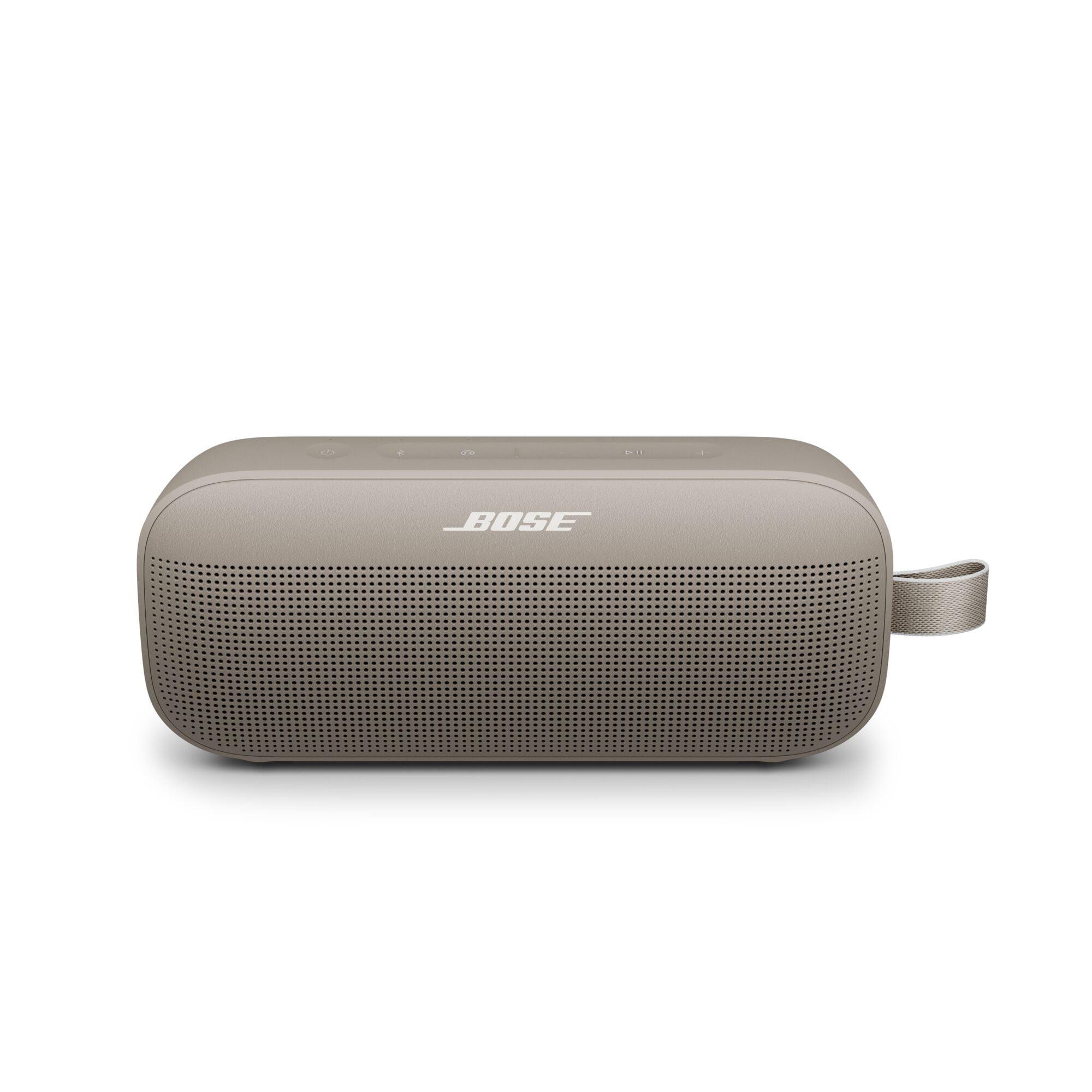


Looking for a premium portable speaker? The $99.99 Anker Soundcore Motion X500 and $145.39 Bose SoundLink Flex 2nd Gen represent two distinct approaches to portable audio. Let's explore how these speakers stack up and which might be right for you.
Portable Bluetooth speakers have evolved significantly in recent years, moving well beyond simple wireless playback to include features like spatial audio, multi-speaker pairing, and advanced durability ratings. In the $100-200 range, we expect excellent sound quality, robust build quality, and meaningful features that enhance the listening experience.
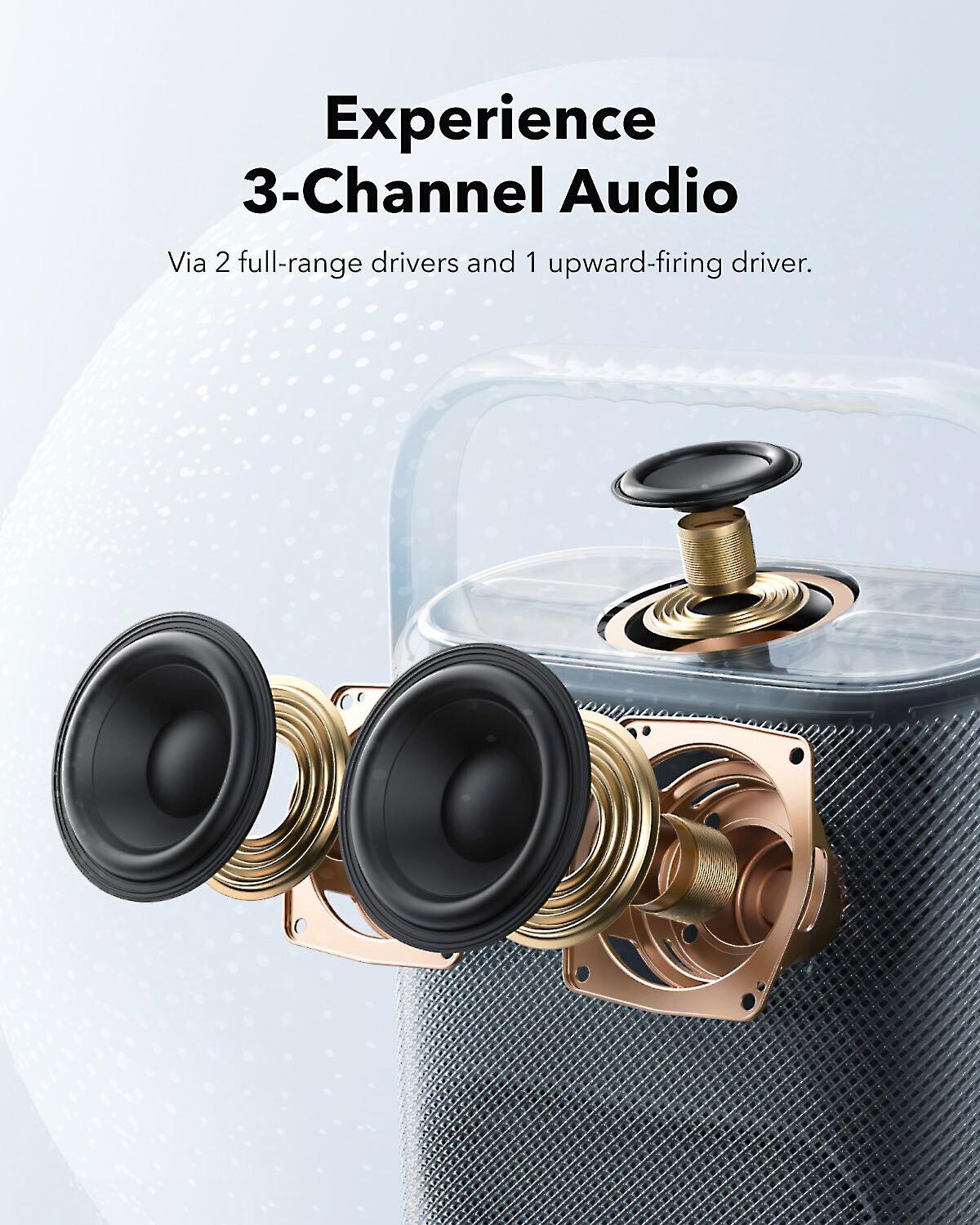
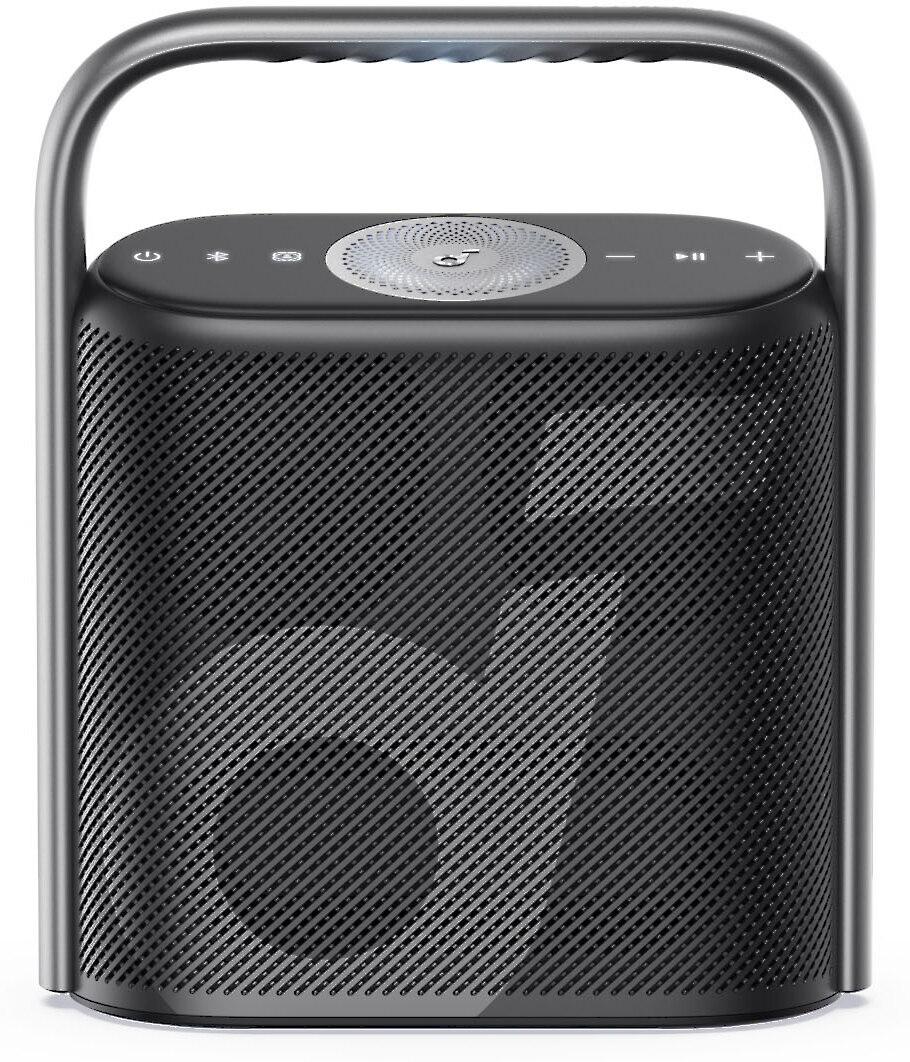
The Motion X500 makes a strong first impression with its 40-watt output and three-driver configuration. What's particularly interesting is its upward-firing driver - a feature typically found in home theater speakers for creating height effects. This setup creates a more expansive soundstage than you'd typically expect from a portable speaker.
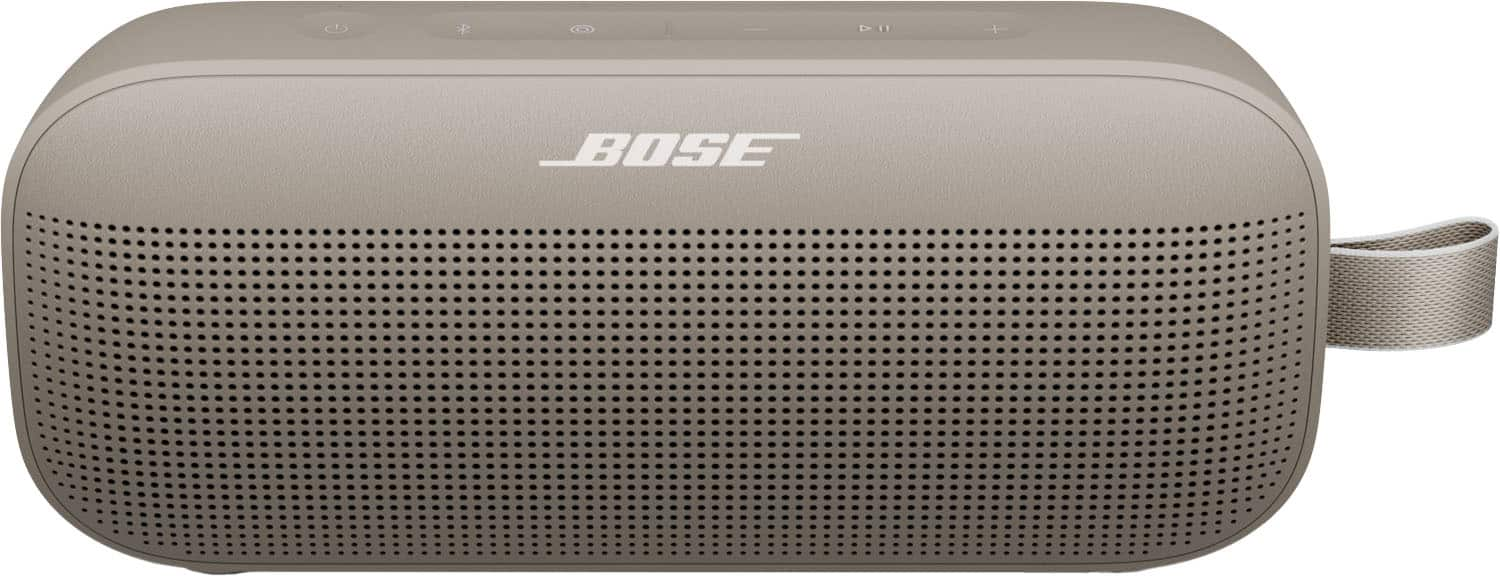
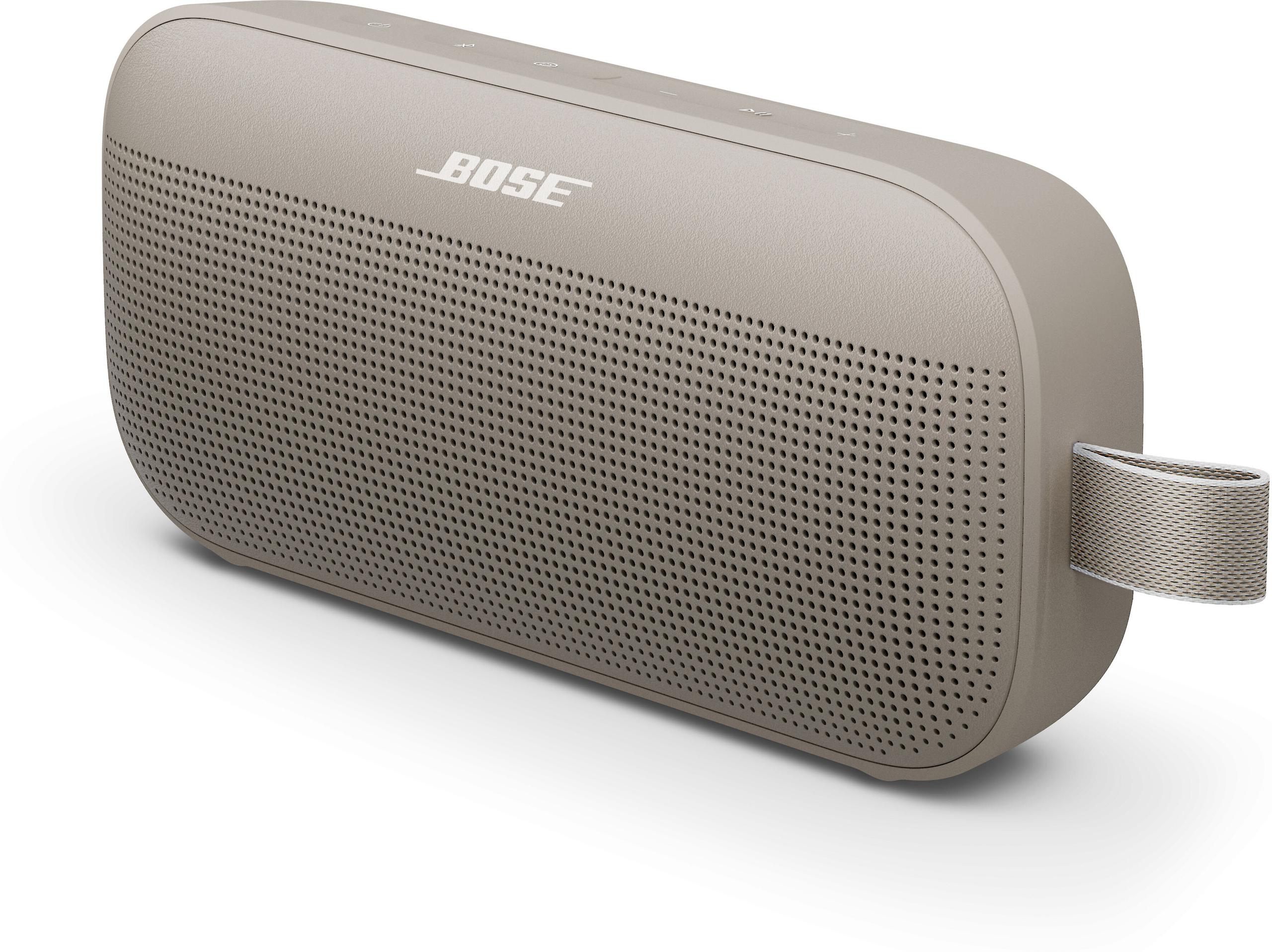
The SoundLink Flex takes a different approach, focusing on clarity and balance rather than raw power. Bose's PositionIQ technology (which automatically adjusts the sound based on the speaker's orientation) really shines here, ensuring consistent sound quality whether the speaker is standing, lying flat, or hanging.
When it comes to bass, there's a clear distinction between these speakers. The X500's larger size allows for more impactful low frequencies, especially noticeable in bass-heavy genres like electronic music or hip-hop. The SoundLink Flex produces tighter, more controlled bass but can't match the X500's depth.
Maximum volume is another area where size matters - the X500 can fill larger spaces more effectively, while the Flex is better suited to personal listening or small gatherings.
Released in late 2023, the Motion X500 represents Anker's push into premium audio. Its larger size (191x81x228mm) and 1.6kg weight make it less portable than many competitors, but this extra bulk enables its impressive sound capabilities.
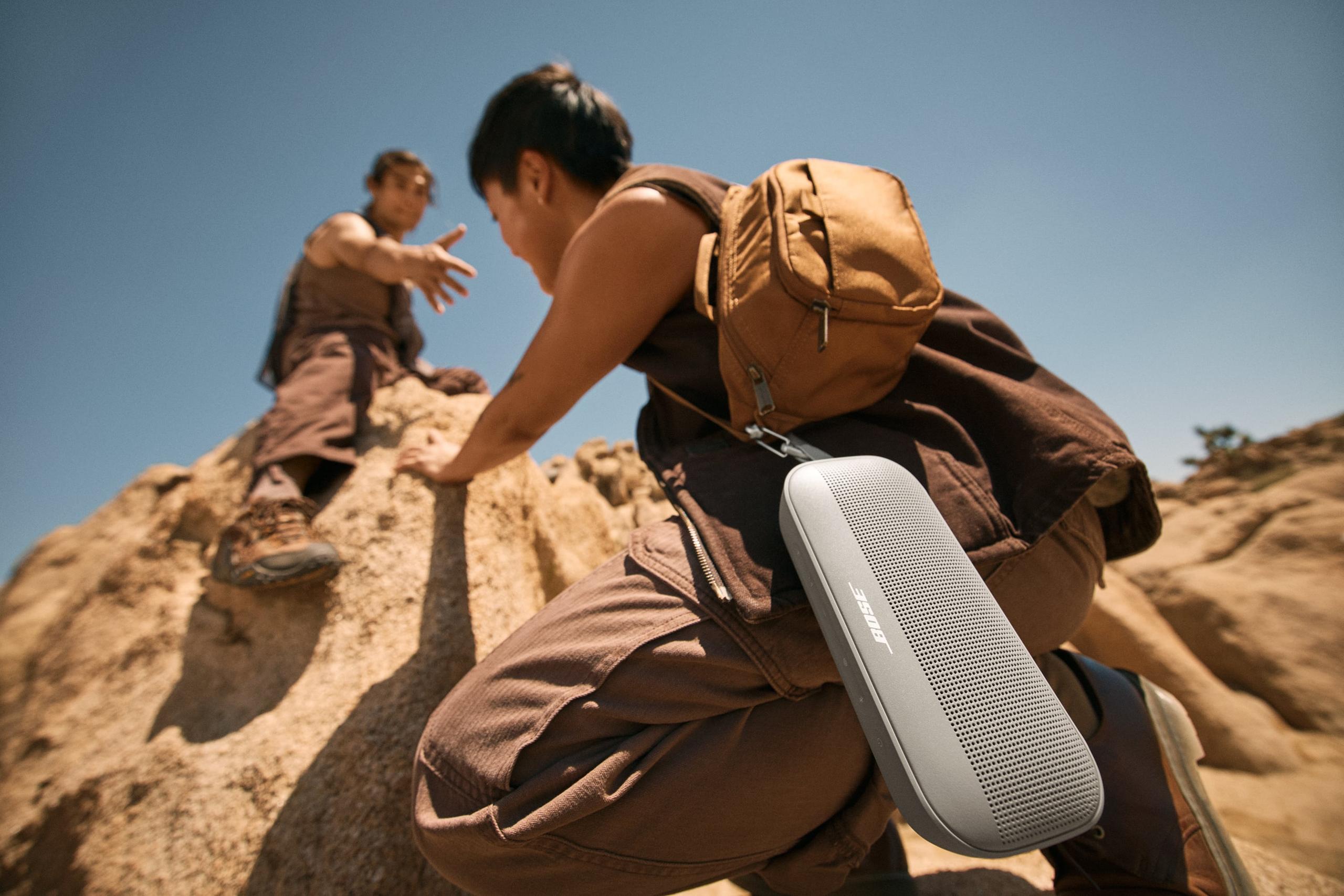
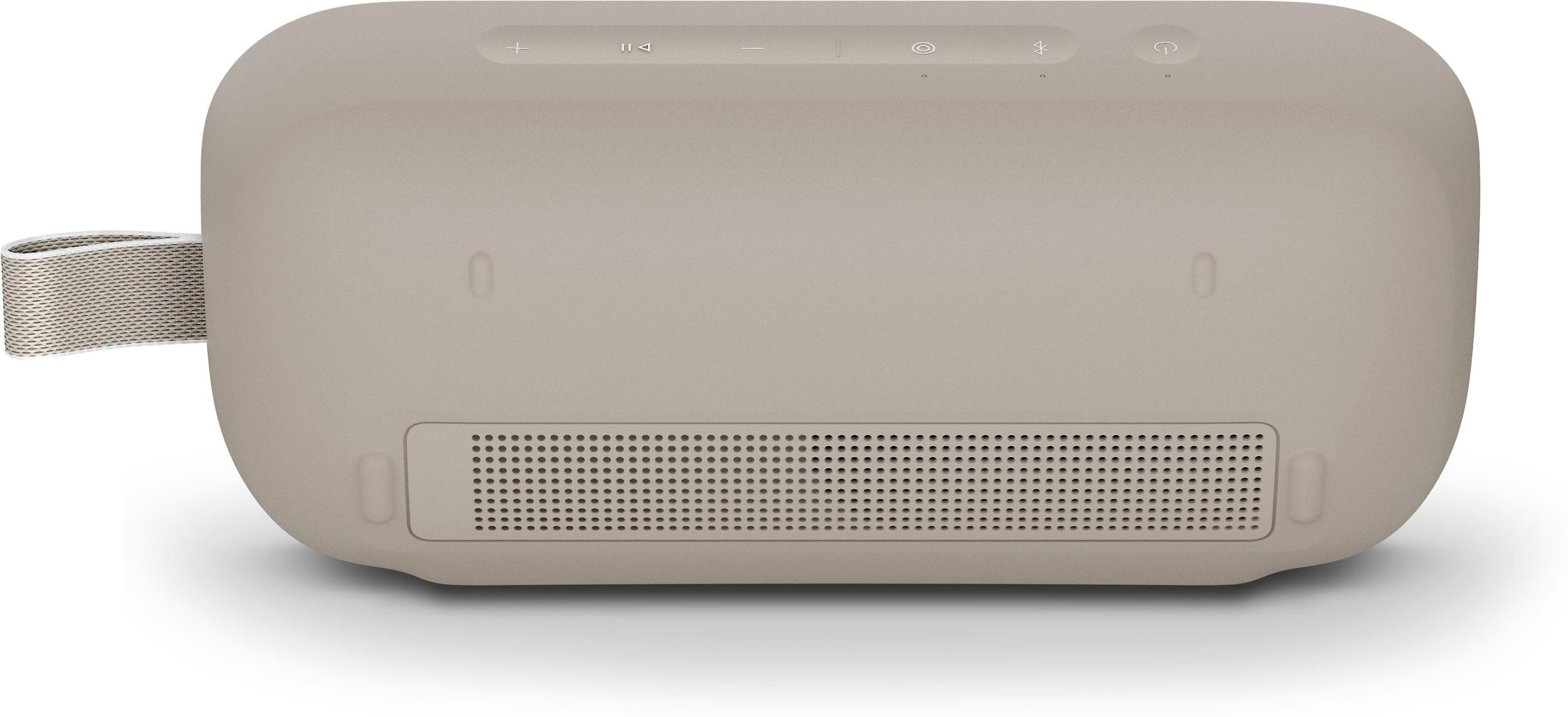
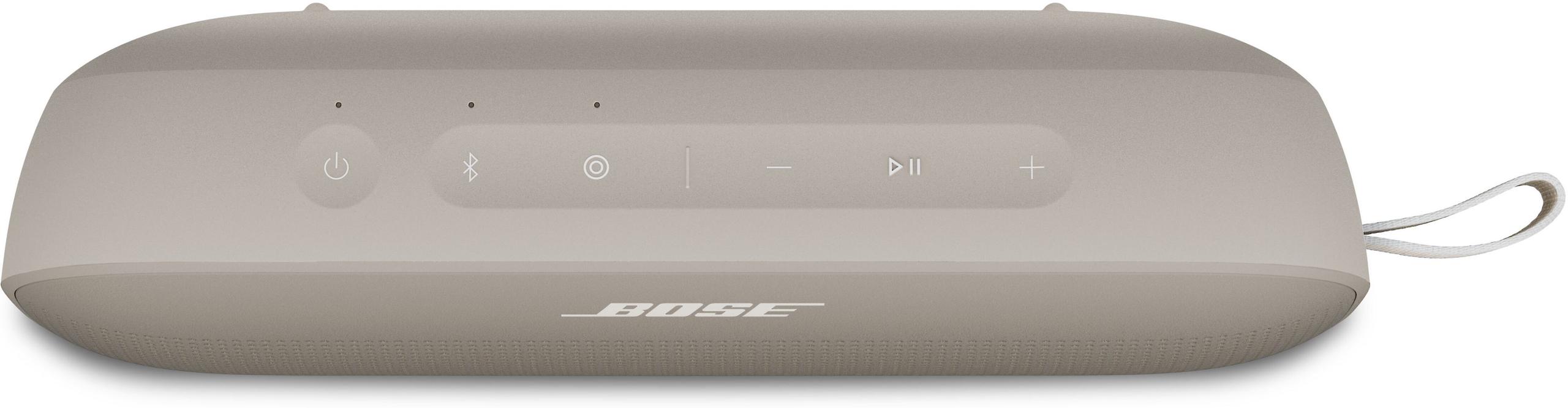
The SoundLink Flex 2nd Gen, launched in 2024, maintains the compact design philosophy of its predecessor while improving internal components. At just 589g, it's significantly more portable and includes a utility loop for easy carrying or hanging.
Both speakers offer water resistance, but there's an important distinction. The X500's IPX7 rating means it can handle submersion in water up to 1 meter deep for 30 minutes. The Flex goes further with an IP67 rating, adding complete dust protection to the same water resistance capabilities.
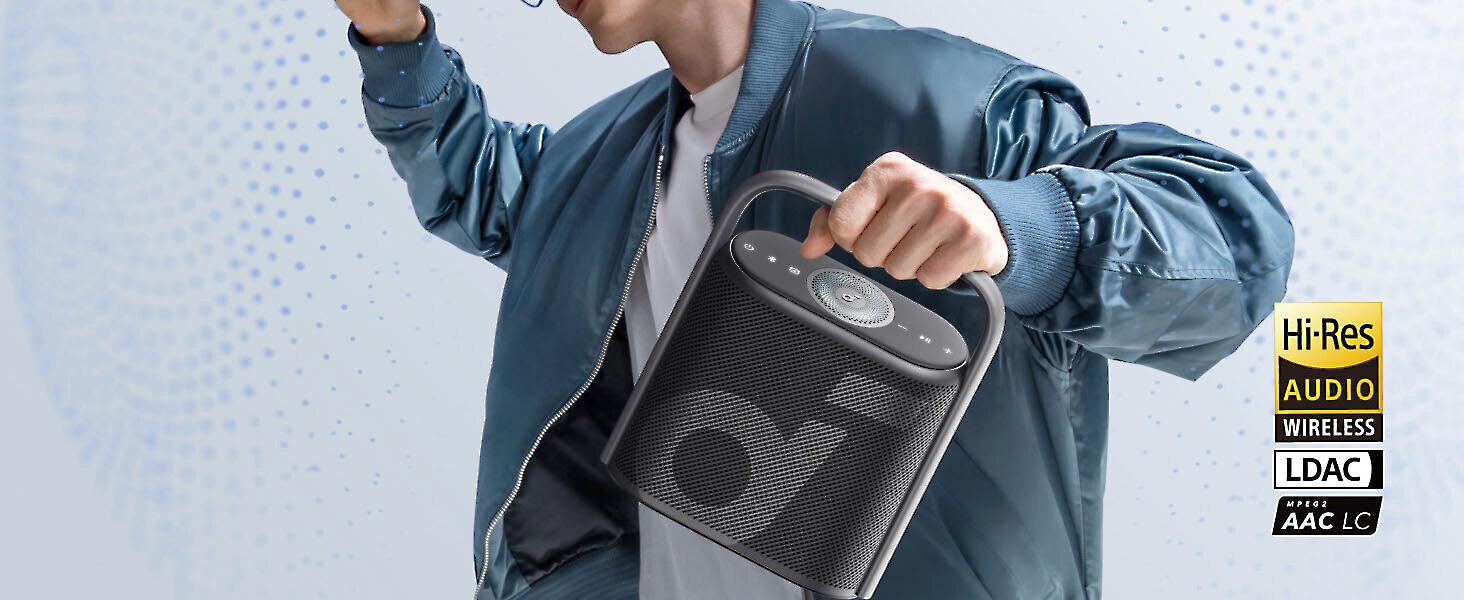
Both speakers feature Bluetooth 5.3, but their codec support differs significantly. The X500 includes LDAC support - Sony's high-resolution audio codec that can transmit up to 990kbps of data (compared to standard Bluetooth's 328kbps). This means better audio quality when paired with compatible devices, typically Android phones.
The Flex supports AAC and aptX codecs, which while not as high-resolution as LDAC, provide reliable high-quality audio transmission, especially beneficial for iPhone users (AAC) and Android devices with aptX support.
Both speakers advertise 12-hour battery life, but real-world usage varies based on volume levels and feature usage. The X500's spatial audio features, for instance, can significantly impact battery life. The Flex charges more quickly, making it more convenient for on-the-go use.
The X500's spatial audio capability sets it apart, creating a more immersive listening experience that can work well in a home theater context. While not a replacement for dedicated surround speakers, it provides an expanded soundstage that's impressive for a portable unit.
The Flex's PositionIQ technology serves a different purpose, ensuring consistent sound quality regardless of speaker placement. This proves particularly valuable in outdoor settings where optimal speaker placement isn't always possible.
Both speakers support pairing with additional units for stereo sound or party mode. The X500 can only pair with another X500, while the Flex works with other Bose speakers through SimpleSync technology, offering more flexibility for those already in the Bose ecosystem.
At $99.99 (with current coupon), the Motion X500 offers impressive value, especially considering its power and feature set. The $145.39 SoundLink Flex commands a premium price but justifies it with superior build quality and portability.
These speakers excel in different scenarios. The X500 is the clear choice for those prioritizing sound quality and features, especially at its current price point. However, if portability and durability are key factors, or if you need a speaker that can truly go anywhere, the Flex's premium build quality and versatile design make it worth the extra investment.
Remember that both speakers represent significant improvements over their predecessors or competing models in their respective niches. The X500 pushes the boundaries of what's possible in portable audio quality, while the Flex refines an already excellent formula with meaningful upgrades to connectivity and durability.
| Anker Soundcore Motion X500 | Bose SoundLink Flex 2nd Gen |
|---|---|
| Price - Initial investment consideration | |
| $99.99 (with coupon) - Better value per feature | $145.39 - Premium pricing |
| Audio Power - Impacts maximum volume and sound fullness | |
| 40W (2x15W + 10W upward) - More powerful, fuller sound | 20W (estimated) - Adequate for personal listening |
| Sound Features - How the speaker processes and delivers audio | |
| Spatial audio with upward-firing driver, LDAC support | PositionIQ technology, AAC/aptX support |
| Size & Weight - Affects portability and placement options | |
| 191 x 81 x 228 mm, 1.6kg - Larger, less portable | 203 x 45 x 89 mm, 0.59kg - Highly portable |
| Durability Rating - Protection against elements | |
| IPX7 (water only) - Waterproof but not dustproof | IP67 - Full dust and water protection |
| Battery Life - Time between charges | |
| 12 hours (5-6 hour charging) - Longer charge time | 12 hours (3-4 hour charging) - Faster charging |
| Bluetooth Version & Range - Connection quality and distance | |
| Bluetooth 5.3, 100m range, LDAC for Hi-Res audio | Bluetooth 5.3, 9m range, standard codecs |
| Special Features - Additional functionality | |
| Custom EQ, ambient light, TWS stereo pairing | SimpleSync with Bose speakers, Google Fast Pair |
| Build Quality - Construction and materials | |
| Premium materials, larger build for better acoustics | Ultra-durable design, utility loop included |
| Warranty Coverage - Purchase protection | |
| 18 months - Above average coverage | 12 months - Standard coverage |
The $99.99 Anker Motion X500 offers better sound quality and more features, while the $145.39 Bose SoundLink Flex excels in portability and durability. The "better" choice depends on your specific needs.
The Motion X500 delivers superior sound quality with its 40W output and spatial audio features. The SoundLink Flex offers balanced, clear audio but can't match the X500's power and soundstage.
The Bose SoundLink Flex is significantly more portable at 0.59kg compared to the Motion X500's 1.6kg weight. The Flex also includes a utility loop for easy carrying.
Both speakers offer 12 hours of battery life, but the SoundLink Flex charges faster (3-4 hours) compared to the Motion X500 (5-6 hours).
Yes, both are waterproof. The Motion X500 has IPX7 rating (water resistant), while the SoundLink Flex has IP67 rating (water and dust resistant).
The SoundLink Flex is better suited for outdoor use due to its lighter weight, better durability rating, and PositionIQ technology that optimizes sound based on speaker orientation.
Yes, both models support pairing with a second speaker. The X500 can only pair with another X500, while the Flex can pair with various Bose speakers.
The Motion X500 delivers deeper, more powerful bass due to its larger size and higher power output. The SoundLink Flex offers tighter but less powerful bass response.
At $99.99 (with coupon), the Motion X500 offers better value with more features and power. The $145.39 SoundLink Flex commands a premium price for its portability and build quality.
The Motion X500 is better for parties due to its higher power output (40W) and spatial audio features that create a wider soundstage.
Yes, both speakers have built-in microphones for speakerphone functionality, though neither particularly excels in this area.
The Motion X500 offers superior connectivity with LDAC support for high-resolution audio, while the SoundLink Flex supports standard AAC and aptX codecs. Both use Bluetooth 5.3.
We've done our best to create useful and informative comparisons to help you decide what product to buy. Our research uses advanced automated methods to create this comparison and perfection is not possible - please contact us for corrections or questions. These are the sites we've researched in the creation of this article: tomsguide.com - outeraudio.com - gadgetoid.com - soundguys.com - pcgamesn.com - hktvmall.com - elomymelo.com - youtube.com - jopanda.com - shop.menshealth.com - soundphilereview.com - techradar.com - worldwidestereo.com - bose.com - howtogeek.com - bose.com - crutchfield.com - visions.ca - pcrichard.com - staples.com - rtings.com - bose.com - soundguys.com

Privacy Policy
Terms and Conditions - Affiliate Policy
Home Security
© Copyright 2008-2026.
11816 Inwood Rd #1211, Dallas, TX 75244