

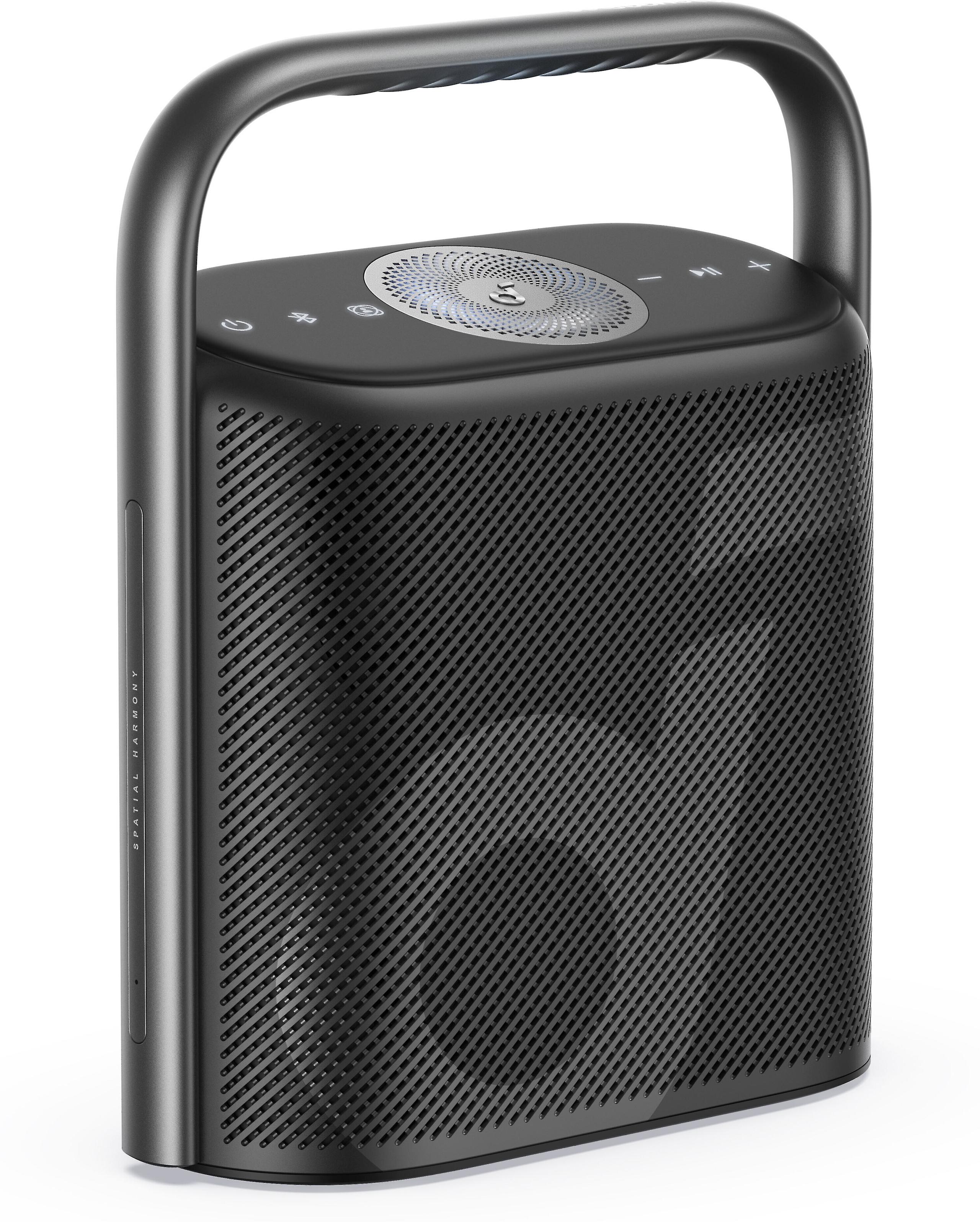
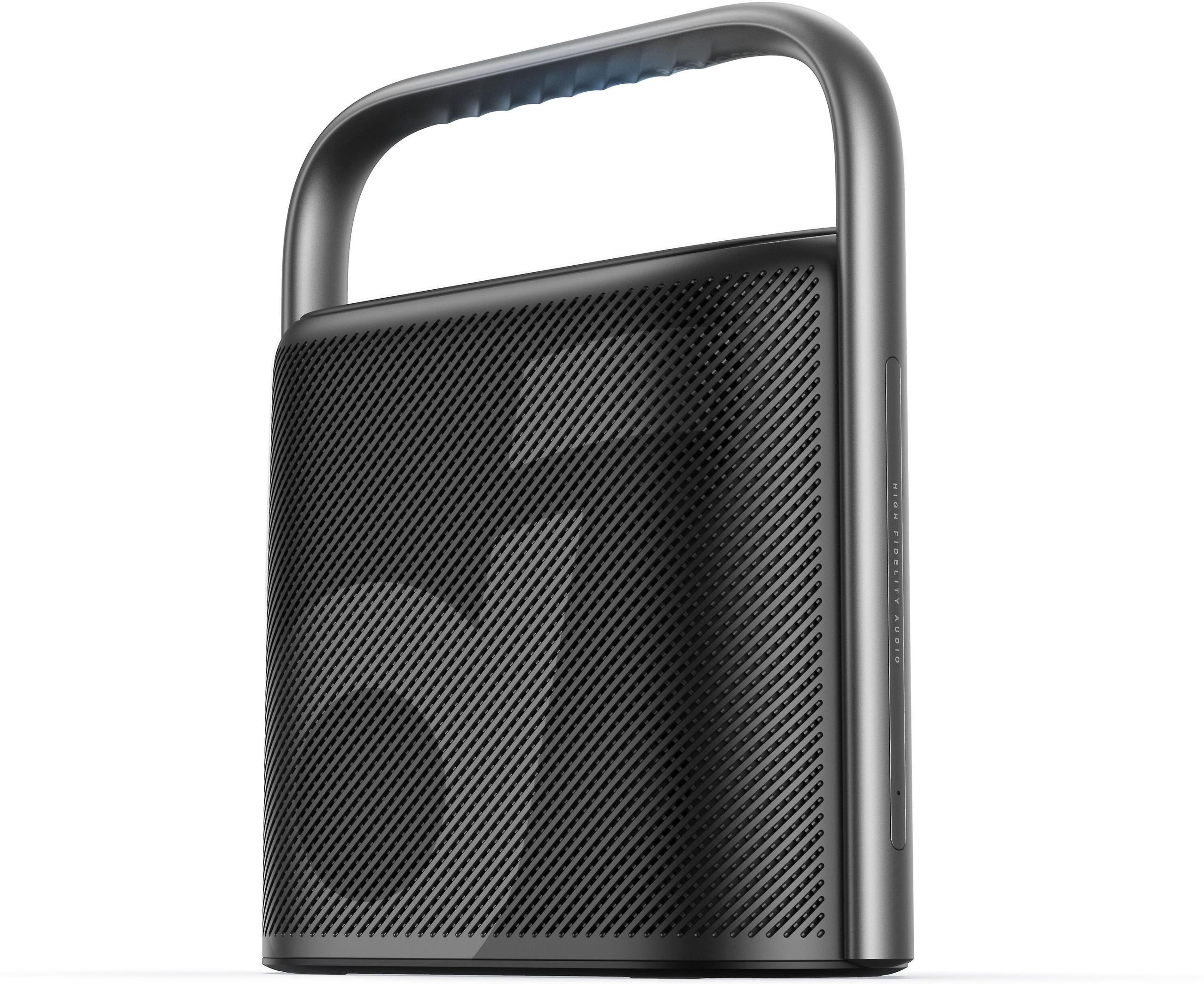
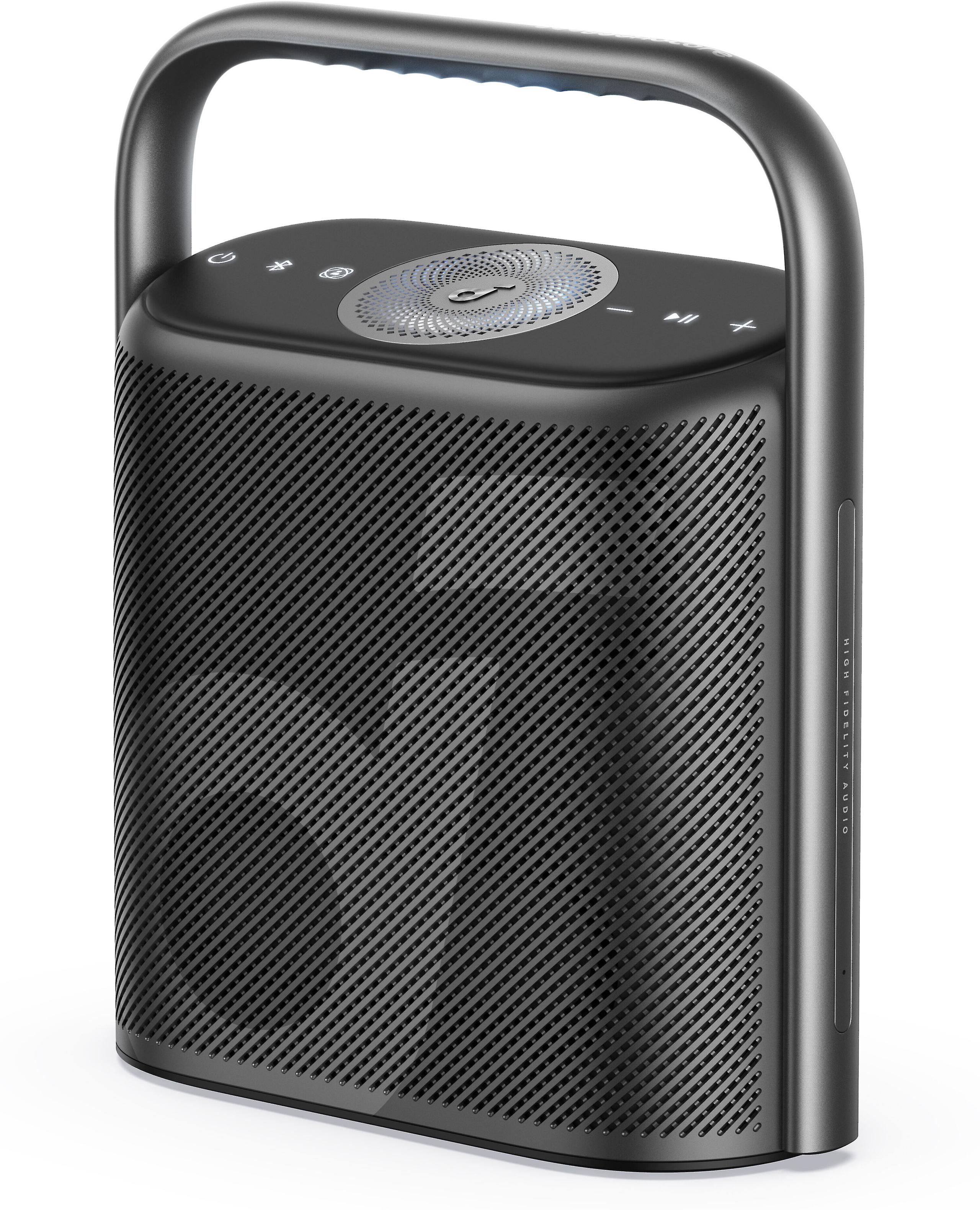
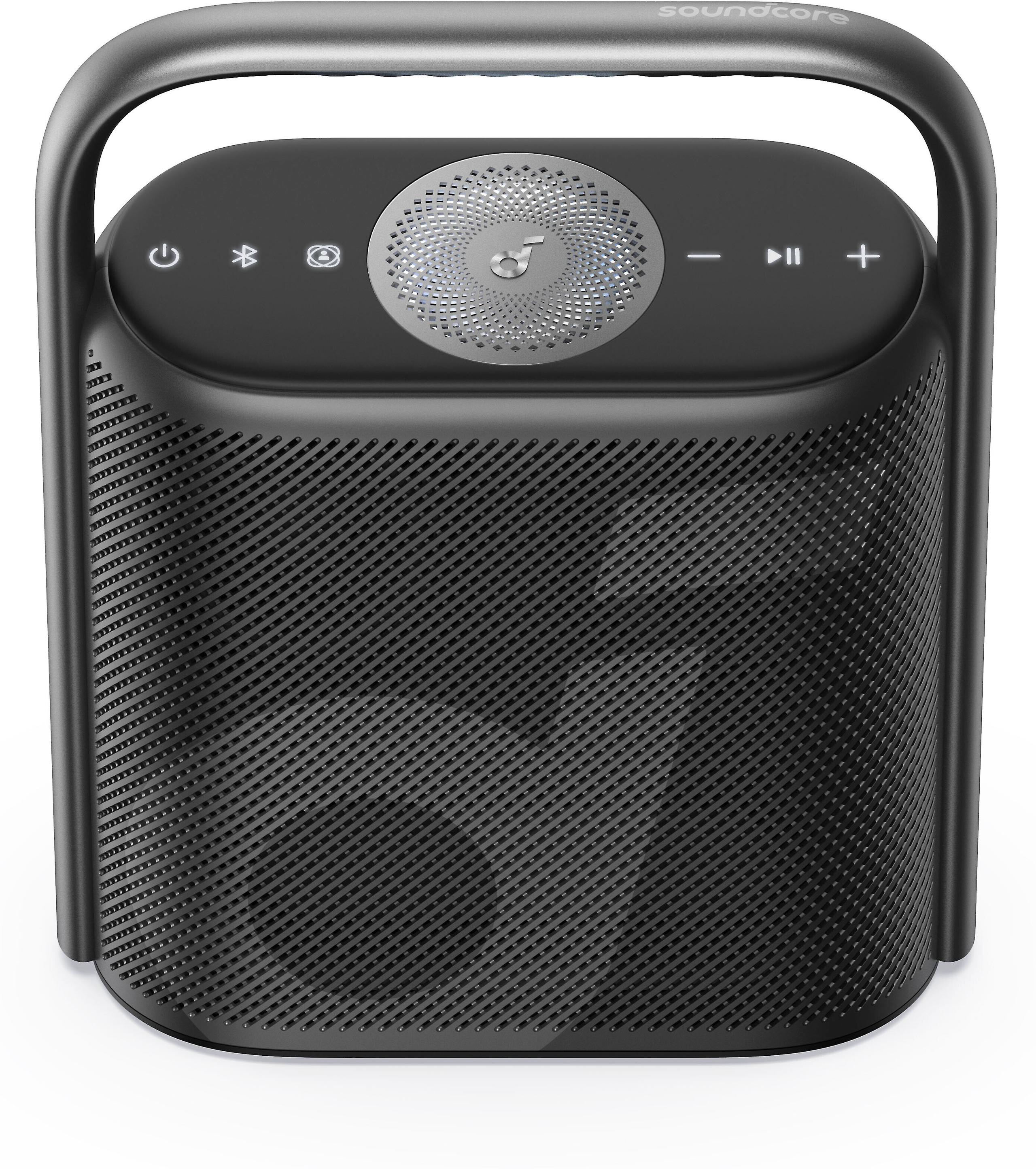

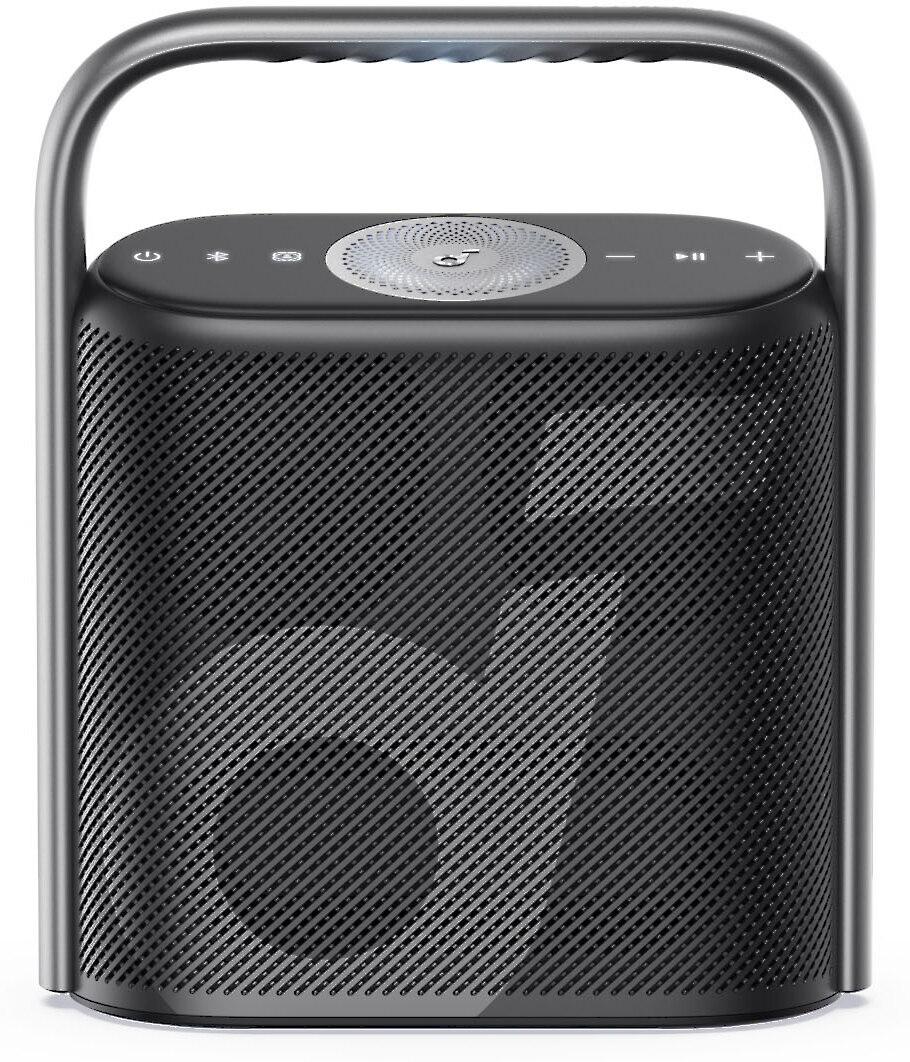

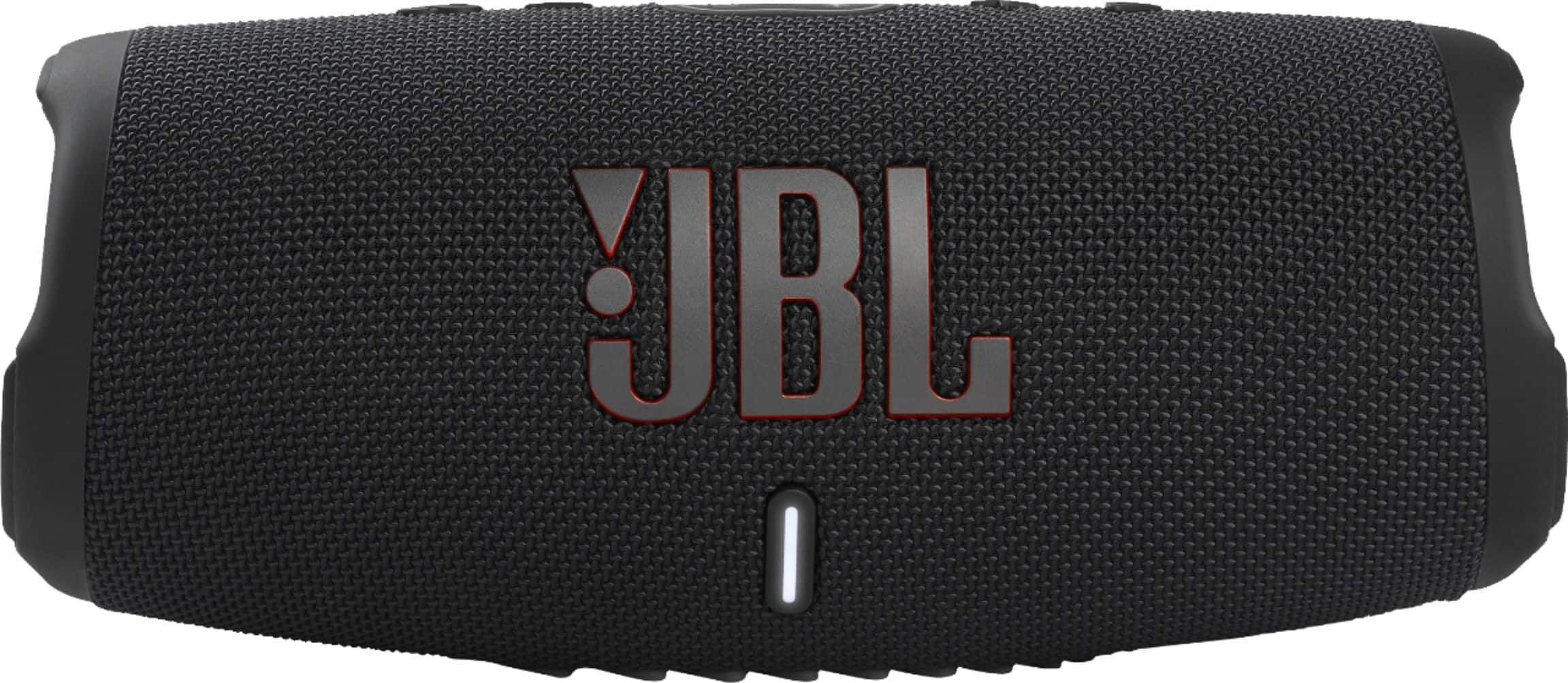
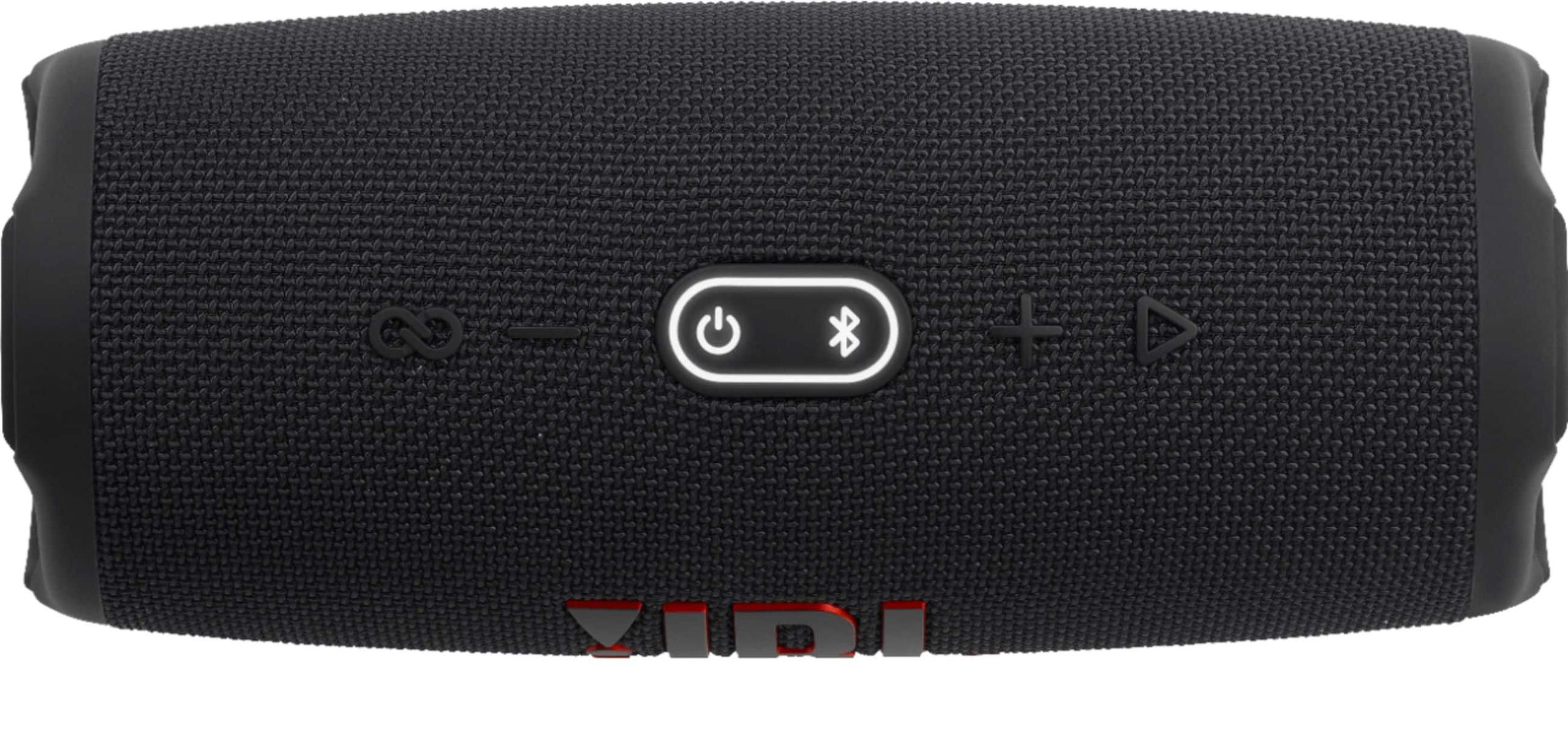
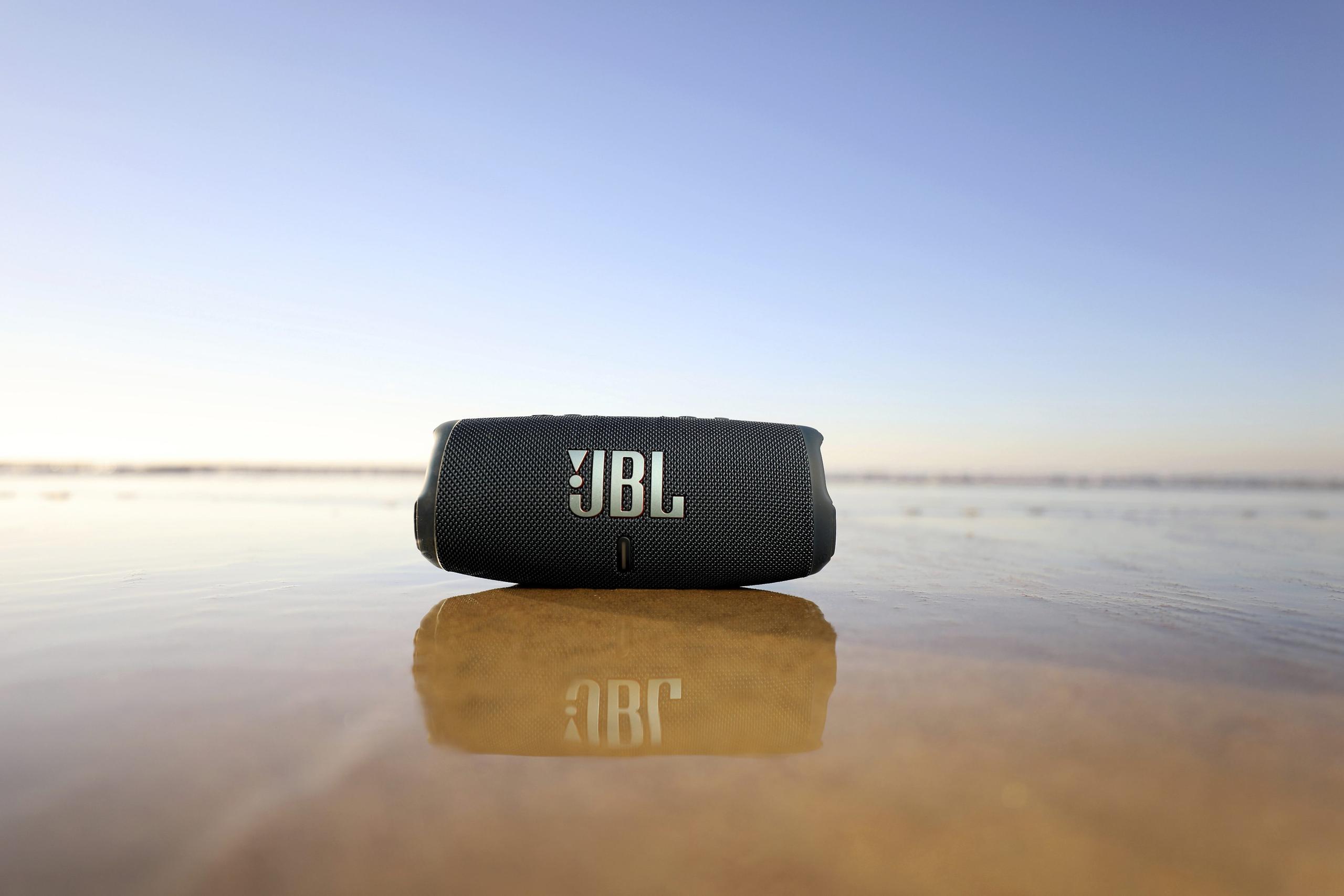
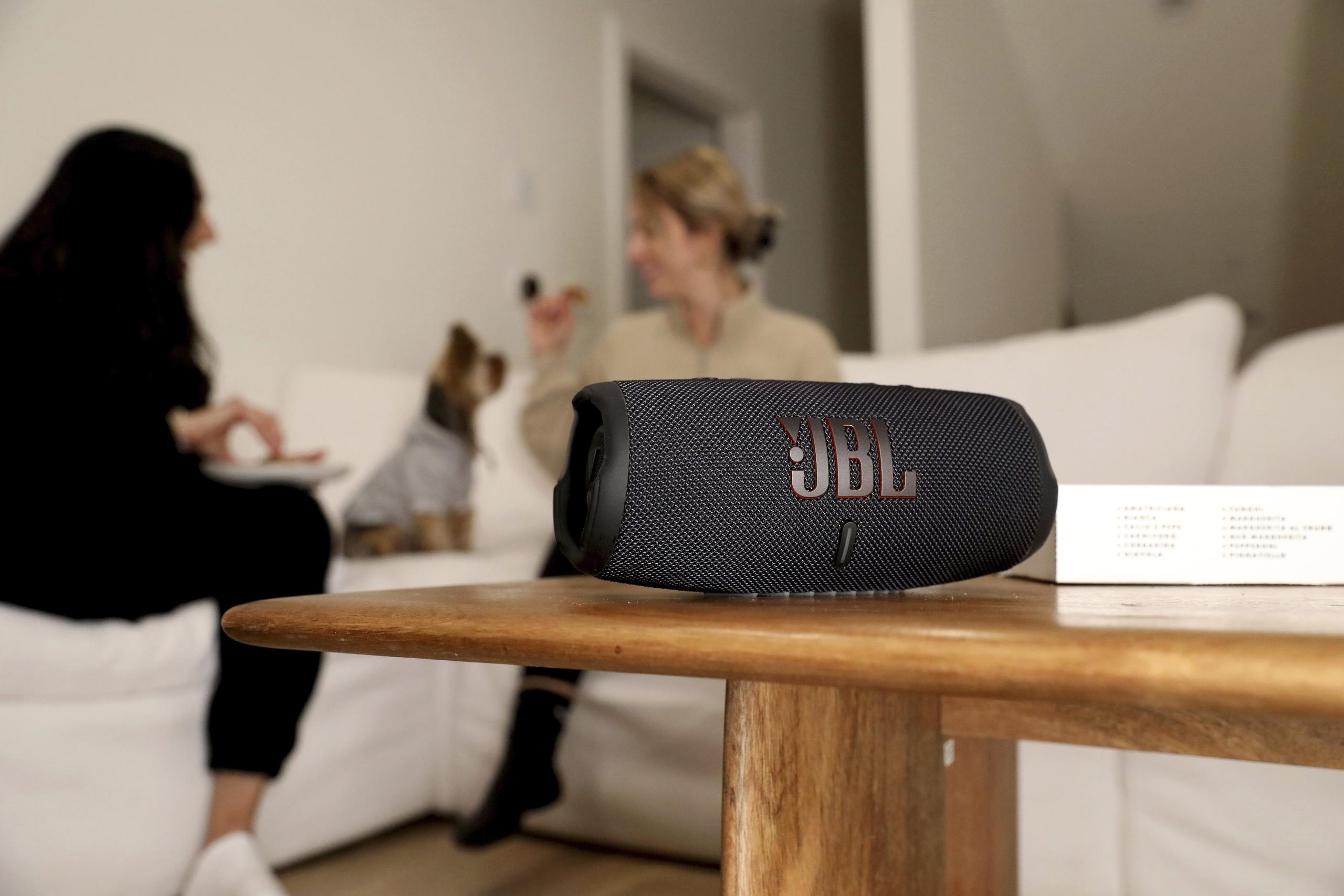
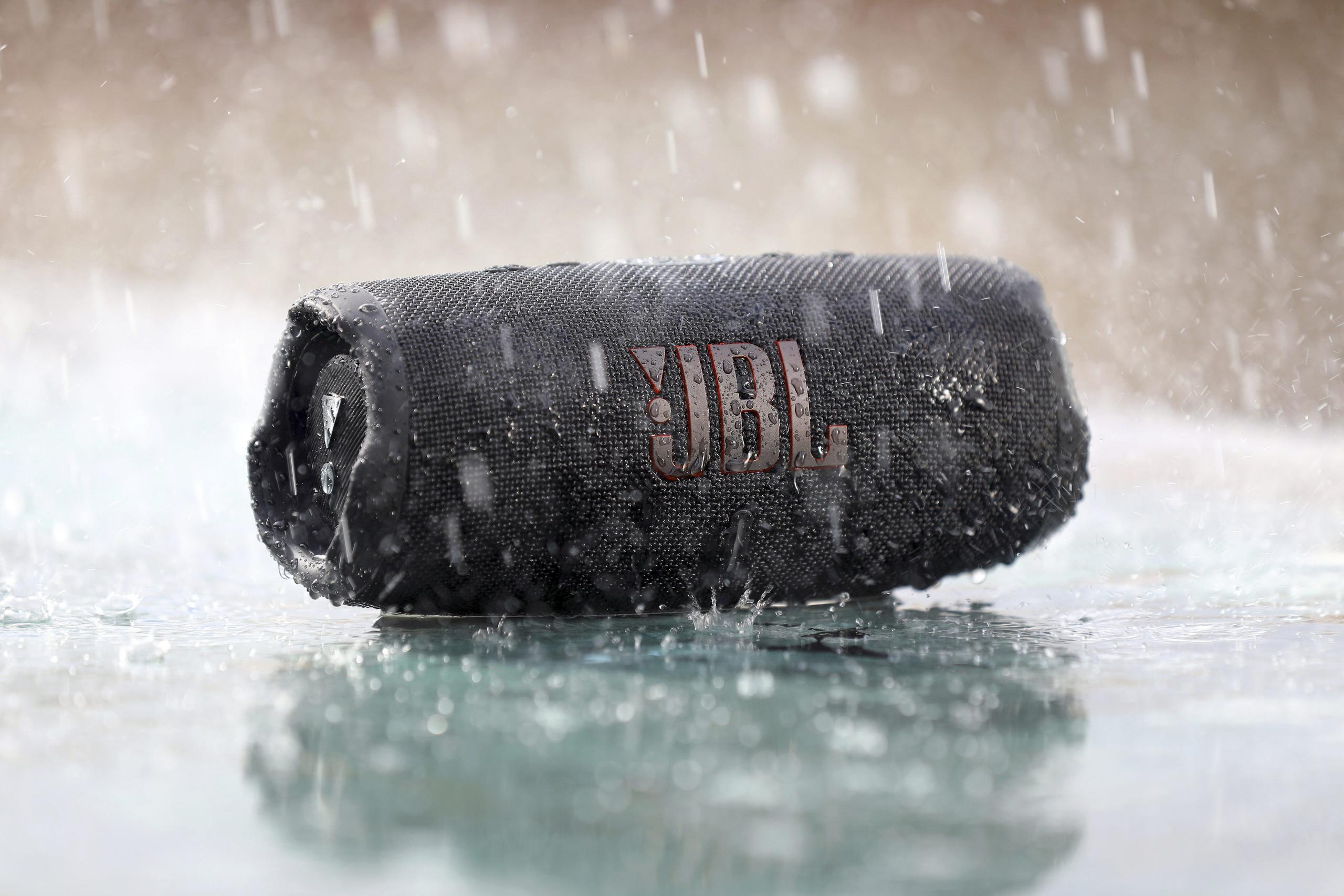
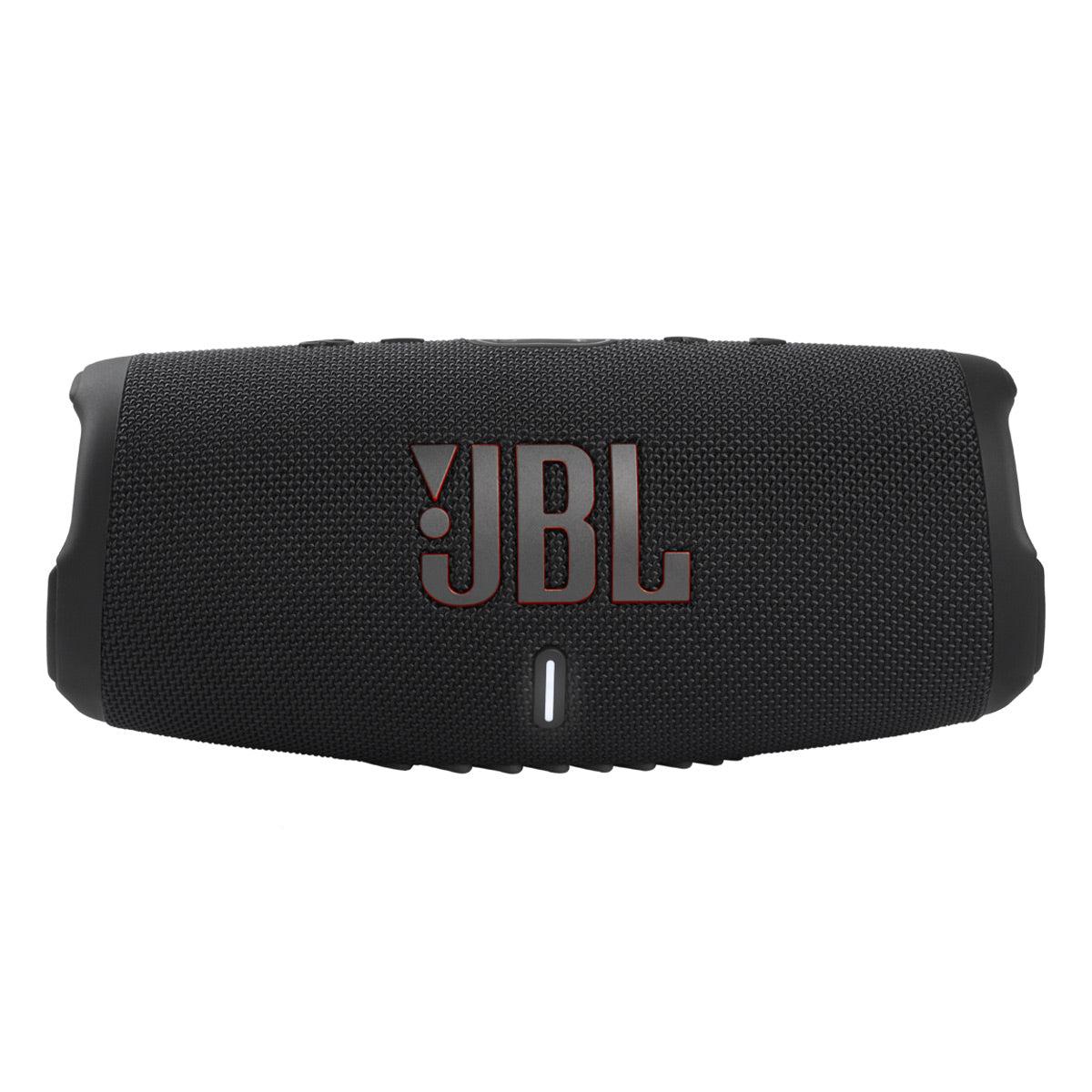
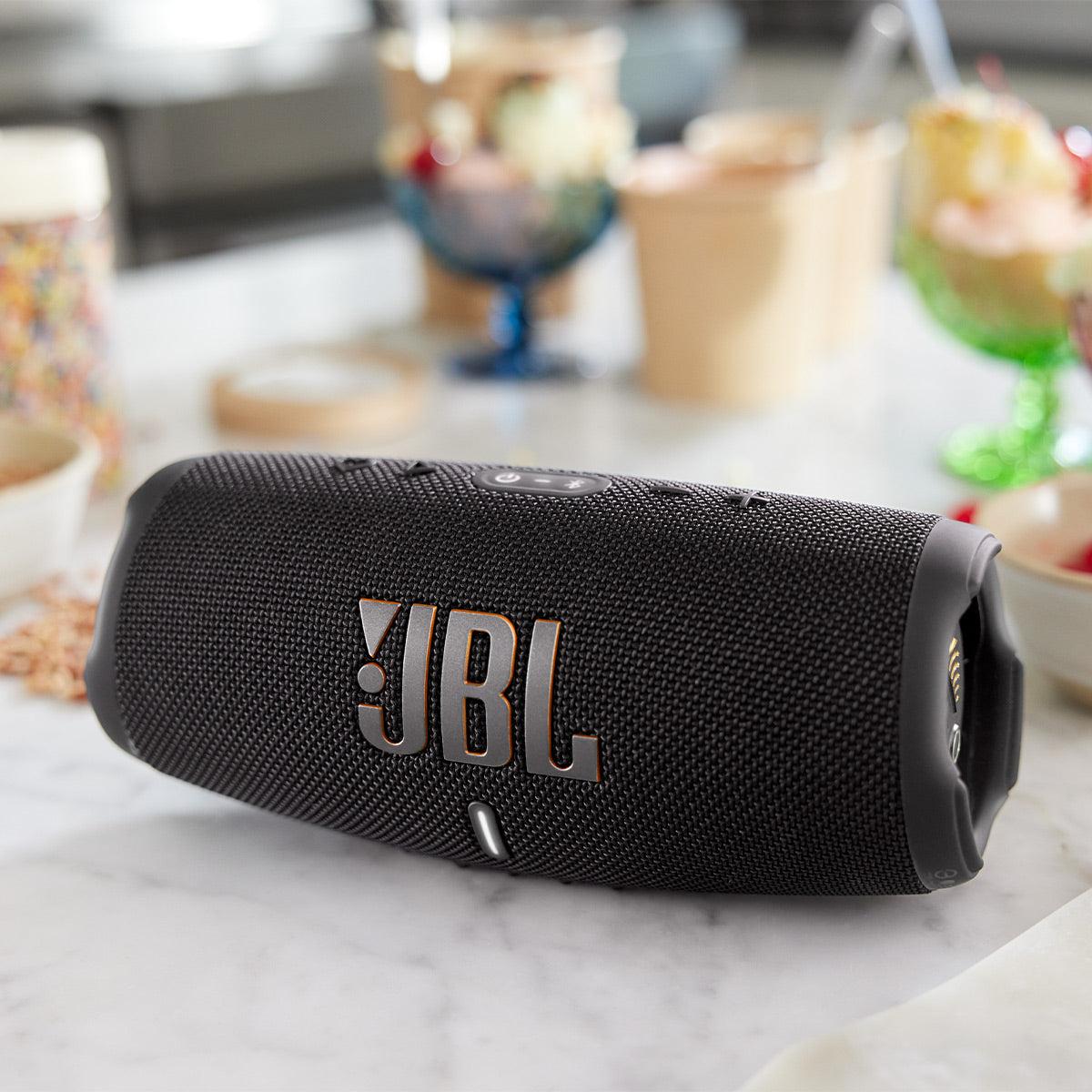
The portable Bluetooth speaker market has come a long way since its early days of tinny sound and unreliable connections. Today's premium offerings, like the Anker Soundcore Motion X500 ($170) and JBL Charge 5 ($180), showcase just how far the technology has advanced. These speakers represent two different approaches to premium portable audio, each with distinct advantages for different users.
The Motion X500, released in late 2023, brings several modern features to the table, most notably spatial audio processing and high-resolution codec support. LDAC, Sony's advanced Bluetooth codec, allows for transmission of audio at up to 990kbps - nearly three times the quality of standard Bluetooth audio. Meanwhile, the Charge 5, released in early 2021, takes a more traditional approach, focusing on proven technologies like robust waterproofing and extended battery life.
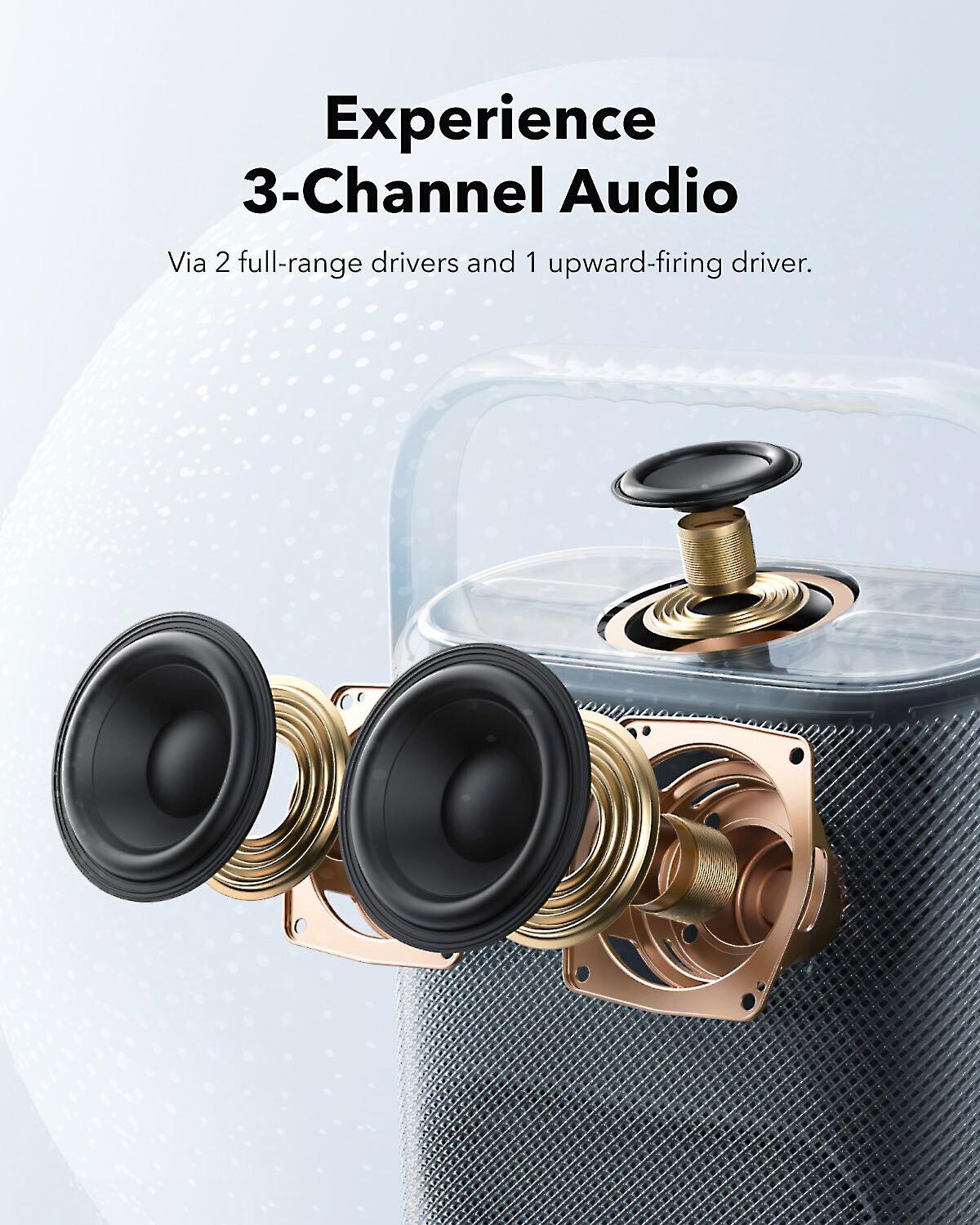
The Motion X500 uses an upward-firing driver (essentially a speaker pointing toward the ceiling) alongside its forward-facing drivers to create a more immersive sound field. This three-driver system processes audio to simulate surround sound effects, making music feel more spacious and engaging. It's particularly effective in home environments where sound can reflect off walls and ceilings.
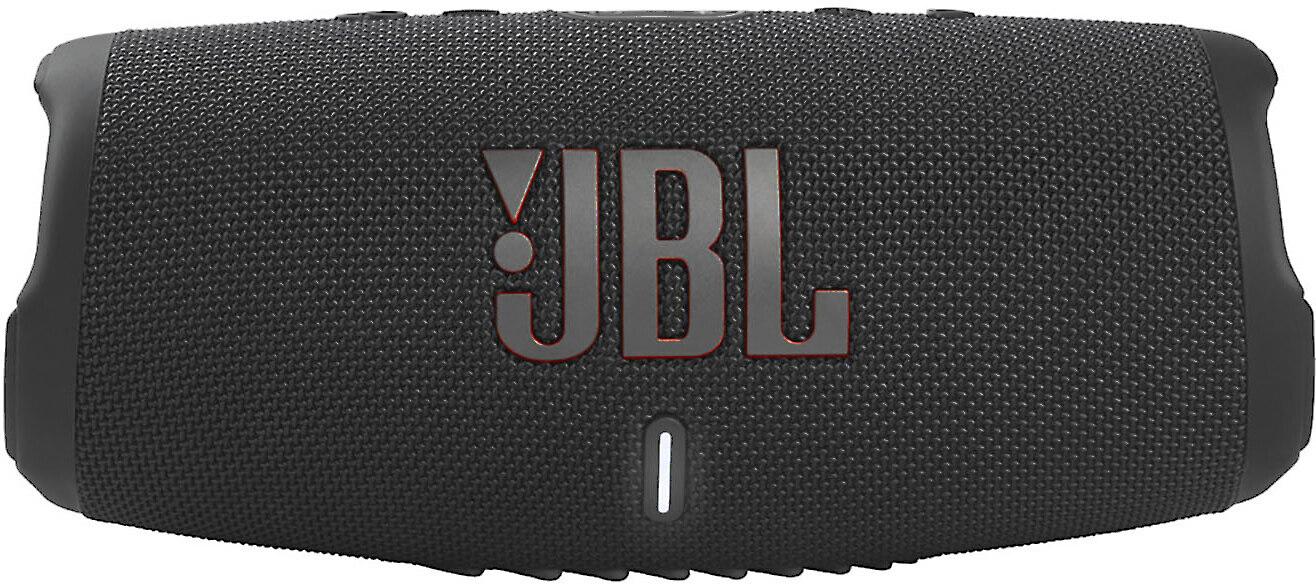
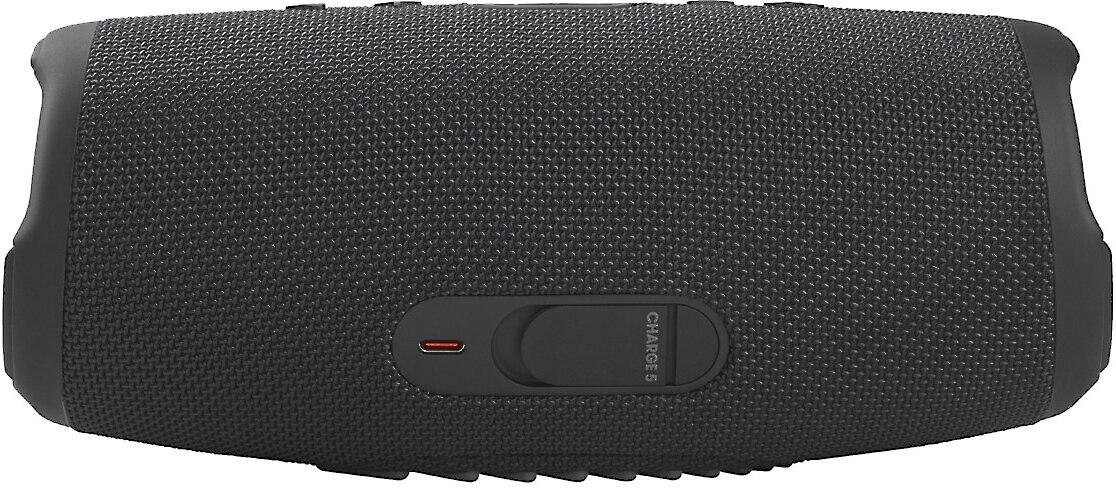
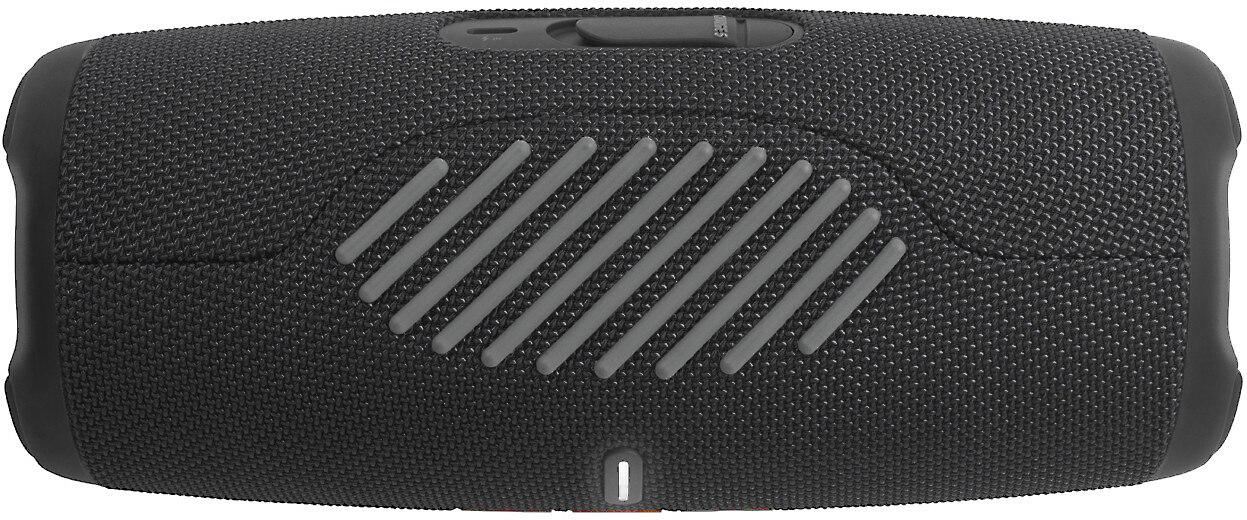
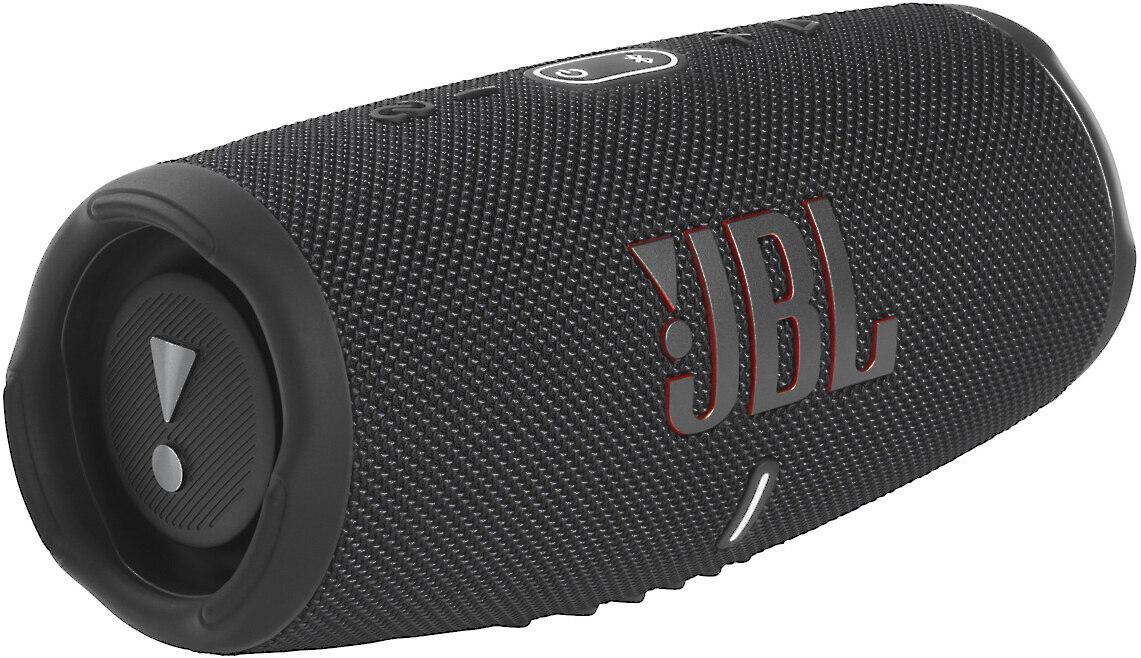
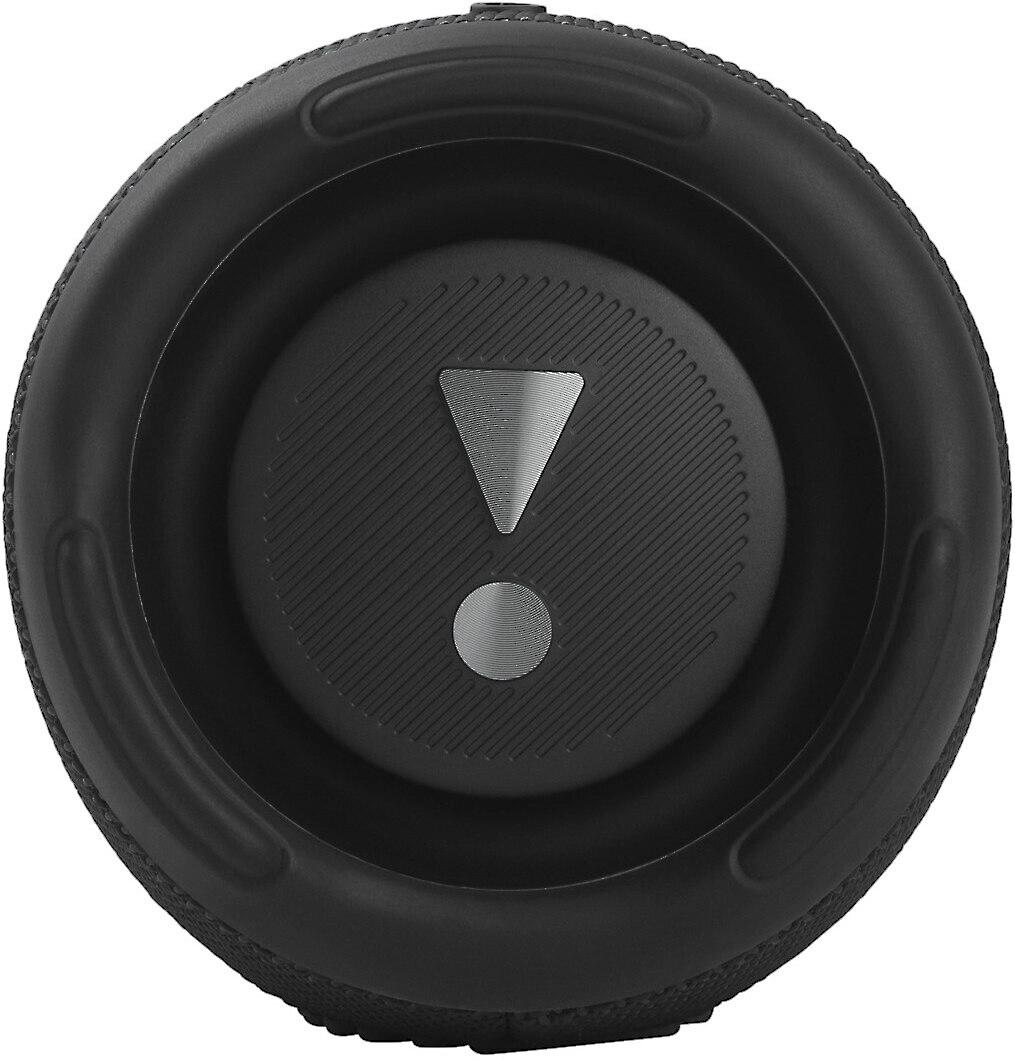
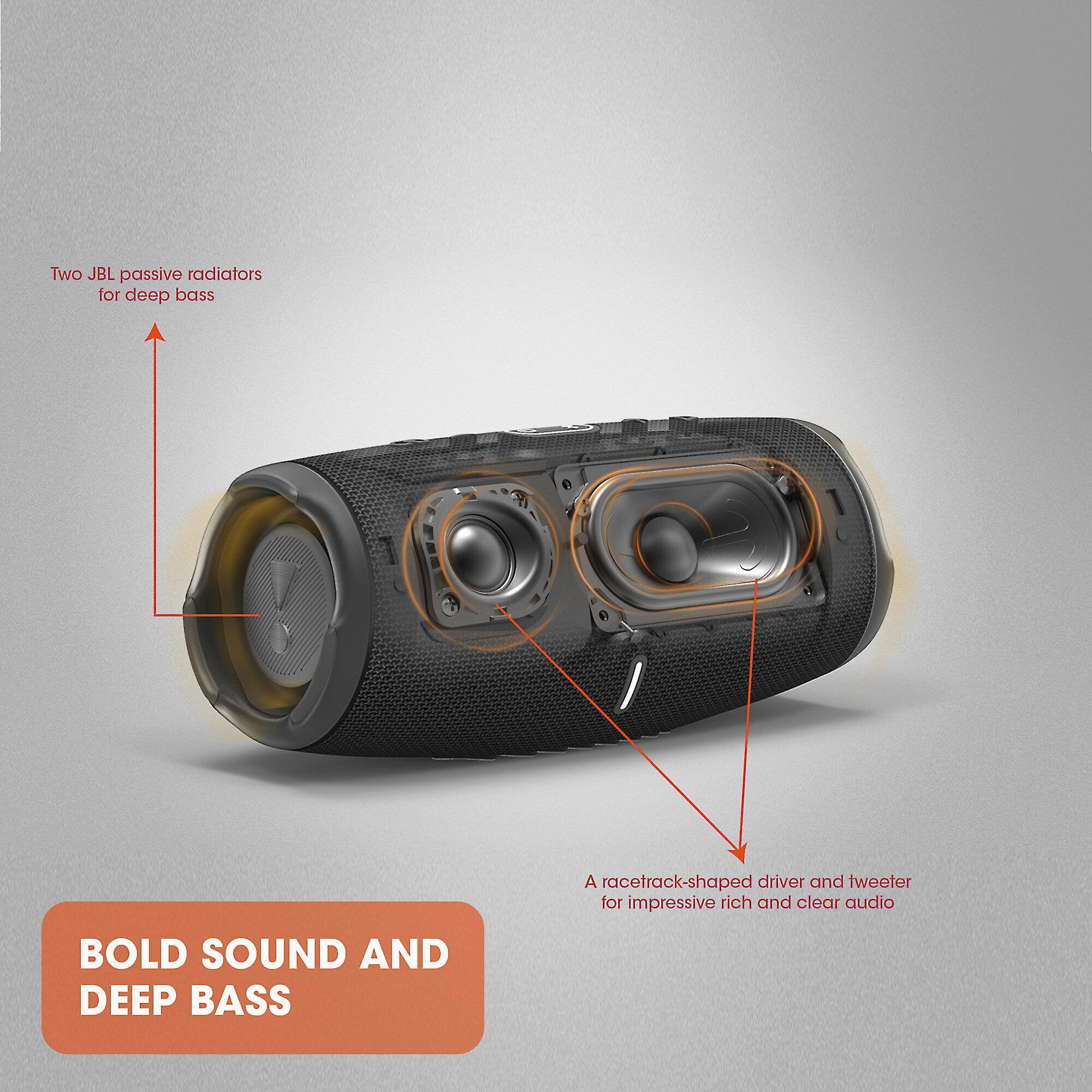
The JBL Charge 5 takes a different approach with its dual passive radiators and separate tweeter design. While it doesn't attempt spatial processing, it delivers powerful, room-filling sound with particularly impressive bass response. The passive radiators are like springs that move with the main speaker, helping to produce deeper, more impactful low frequencies.
In testing, the Motion X500's spatial audio creates a notably wider soundstage - music feels less confined to the speaker's physical location. However, this effect works best in indoor environments where sound can reflect properly. The Charge 5 produces more powerful bass and can play louder without distortion, making it better suited for outdoor gatherings or noisy environments.
Both speakers feature robust build quality, but there are important differences:
Battery performance shows a clear distinction between these models:
The Motion X500's newer Bluetooth 5.3 chip provides better range and stability compared to the Charge 5's Bluetooth 5.1. While this difference isn't huge in everyday use, the Motion X500's support for high-resolution audio codecs like LDAC makes a noticeable difference when paired with compatible devices (mostly higher-end Android phones).
The Motion X500 excels in home environments. Its spatial audio processing creates an engaging listening experience that works particularly well for movies and gaming. The upward-firing driver helps fill rooms more effectively, though the effect is less noticeable in larger spaces.
The JBL Charge 5 dominates outdoor scenarios. Its more powerful bass carries better in open spaces, and the IP67 rating provides better protection against environmental hazards. The longer battery life also means less worry about running out of power during extended outdoor sessions.
Both speakers typically retail around $170-180, though sales can bring them down to the $130-150 range. The value proposition depends largely on intended use:
The Motion X500 offers:
The Charge 5 provides:
The portable speaker market continues to evolve, with newer models like the Motion X500 pushing the boundaries of what's possible in a portable format. While the Charge 5 represents a more traditional approach, its proven design and robust feature set keep it highly competitive even two years after release.
Both the Motion X500 and JBL Charge 5 represent excellent values in the premium portable speaker market, each excelling in their intended use cases. Your choice should ultimately depend on where and how you'll use the speaker most often, and which features matter most to your listening style.
| Anker Soundcore Motion X500 | JBL Charge 5 |
|---|---|
| Audio Output - Determines overall volume and sound quality | |
| 40W (2x15W + 10W upward-firing), spatial audio enabled | 40W (30W woofer + 10W tweeter), traditional stereo |
| Water Resistance - Important for outdoor use and durability | |
| IPX7 (waterproof, no dust rating) | IP67 (waterproof and dustproof) |
| Battery Life - Critical for extended use without charging | |
| 12 hours (reduced with spatial audio) | 20 hours (consistent regardless of features) |
| Bluetooth Version & Codecs - Affects audio quality and connection stability | |
| 5.3 with LDAC, AAC support (superior audio quality) | 5.1 with standard SBC (basic audio quality) |
| Extra Features - Additional functionality beyond basic audio | |
| Spatial audio, ambient lighting, app control | Power bank function, PartyBoost, more rugged build |
| Size & Weight - Impacts portability | |
| 191 x 81 x 228mm, 1.63kg | 223 x 97 x 94mm, 0.96kg |
| Charging Time - How long until ready for use | |
| 5-6 hours (5V/3A) | 4 hours (5V/3A) |
| Price & Value - Overall cost consideration | |
| $170 (premium audio features, newer tech) | $180 (better battery, more durable) |
| Best Use Case - Where each product excels | |
| Indoor listening, high-res audio streaming | Outdoor use, parties, camping |
The JBL Charge 5 is better for outdoor use due to its IP67 dust/water resistance and longer 20-hour battery life. While the Anker Soundcore Motion X500 is water-resistant, it lacks dust protection and has shorter battery life.
The Motion X500 offers superior sound quality with spatial audio and LDAC codec support. The Charge 5 provides powerful, traditional stereo sound but lacks advanced audio features.
The JBL Charge 5 offers 20 hours of playback, while the Motion X500 provides 12 hours (less when using spatial audio).
The Charge 5 is more durable with IP67 rating (waterproof and dustproof) and rubberized exterior. The Motion X500 has IPX7 waterproofing but no dust protection.
Both speakers support Bluetooth multipoint connection. The Motion X500 uses Bluetooth 5.3, while the Charge 5 uses Bluetooth 5.1.
The Charge 5 is better for parties due to its louder volume, longer battery life, and PartyBoost feature for connecting multiple speakers. The Motion X500 is better suited for indoor listening.
The Motion X500 typically costs $170, while the Charge 5 is priced at $180, though both frequently go on sale.
Only the JBL Charge 5 can charge other devices through its USB port. The Motion X500 doesn't have this feature.
The Charge 5 is more portable at 0.96kg, compared to the Motion X500 at 1.63kg.
Both speakers work with all Bluetooth devices, but the Motion X500's LDAC codec only benefits Android users. Both work equally well with iPhones.
Yes, both speakers support pairing two units for stereo sound. The Charge 5 uses PartyBoost, while the Motion X500 uses True Wireless Stereo.
The JBL Charge 5 delivers stronger bass through its passive radiators, while the Motion X500 focuses more on overall sound clarity and spatial effects.
We've done our best to create useful and informative comparisons to help you decide what product to buy. Our research uses advanced automated methods to create this comparison and perfection is not possible - please contact us for corrections or questions. These are the sites we've researched in the creation of this article: tomsguide.com - outeraudio.com - gadgetoid.com - soundguys.com - pcgamesn.com - hktvmall.com - elomymelo.com - youtube.com - jopanda.com - shop.menshealth.com - soundphilereview.com - techradar.com - outeraudio.com - youtube.com - soundguys.com - howtogeek.com - jbl.com - abt.com - youtube.com - harmanaudio.com - homedepot.com - bhphotovideo.com - dxomark.com

Privacy Policy
Terms and Conditions - Affiliate Policy
Home Security
© Copyright 2008-2026.
11816 Inwood Rd #1211, Dallas, TX 75244