

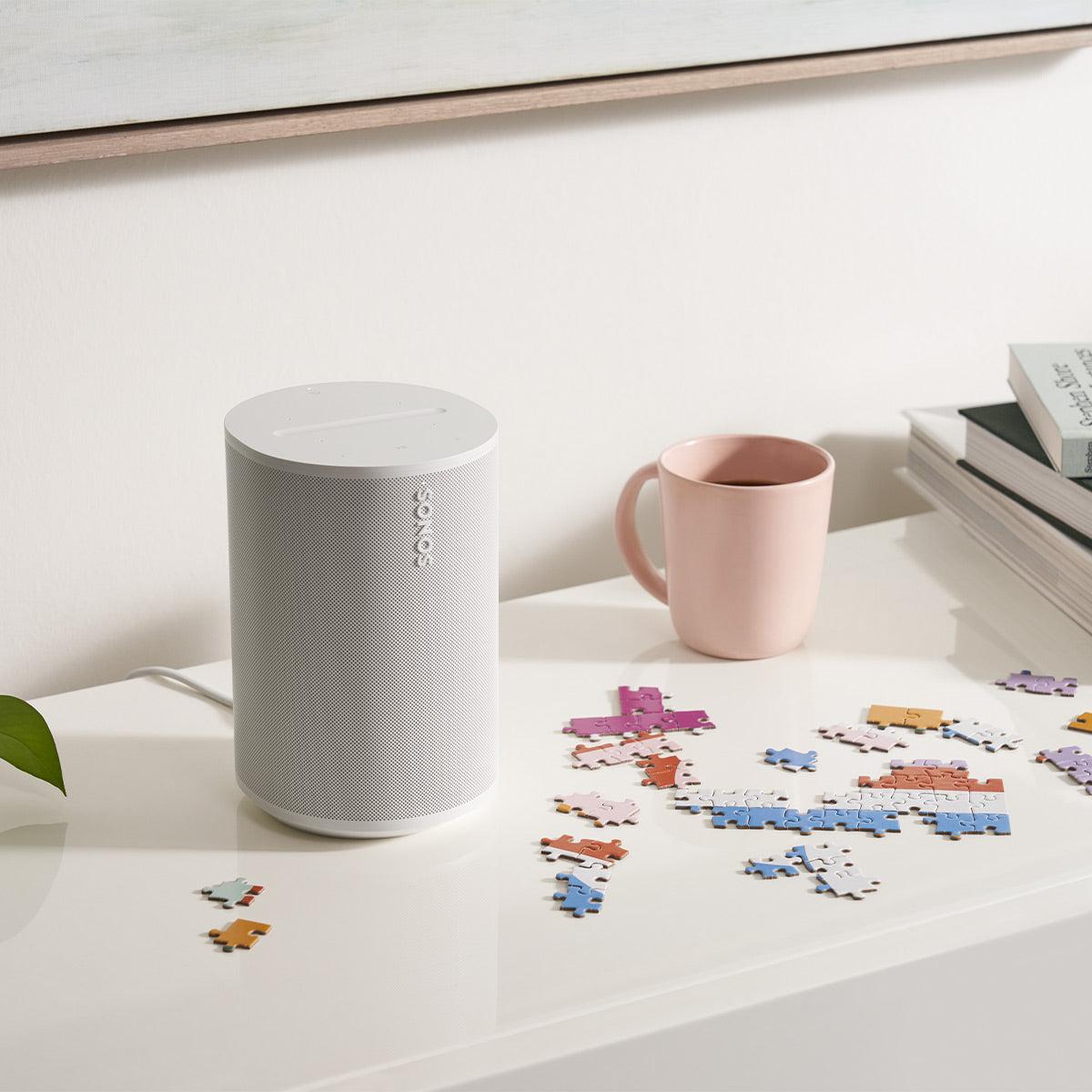
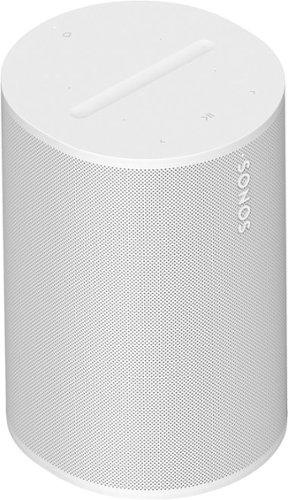
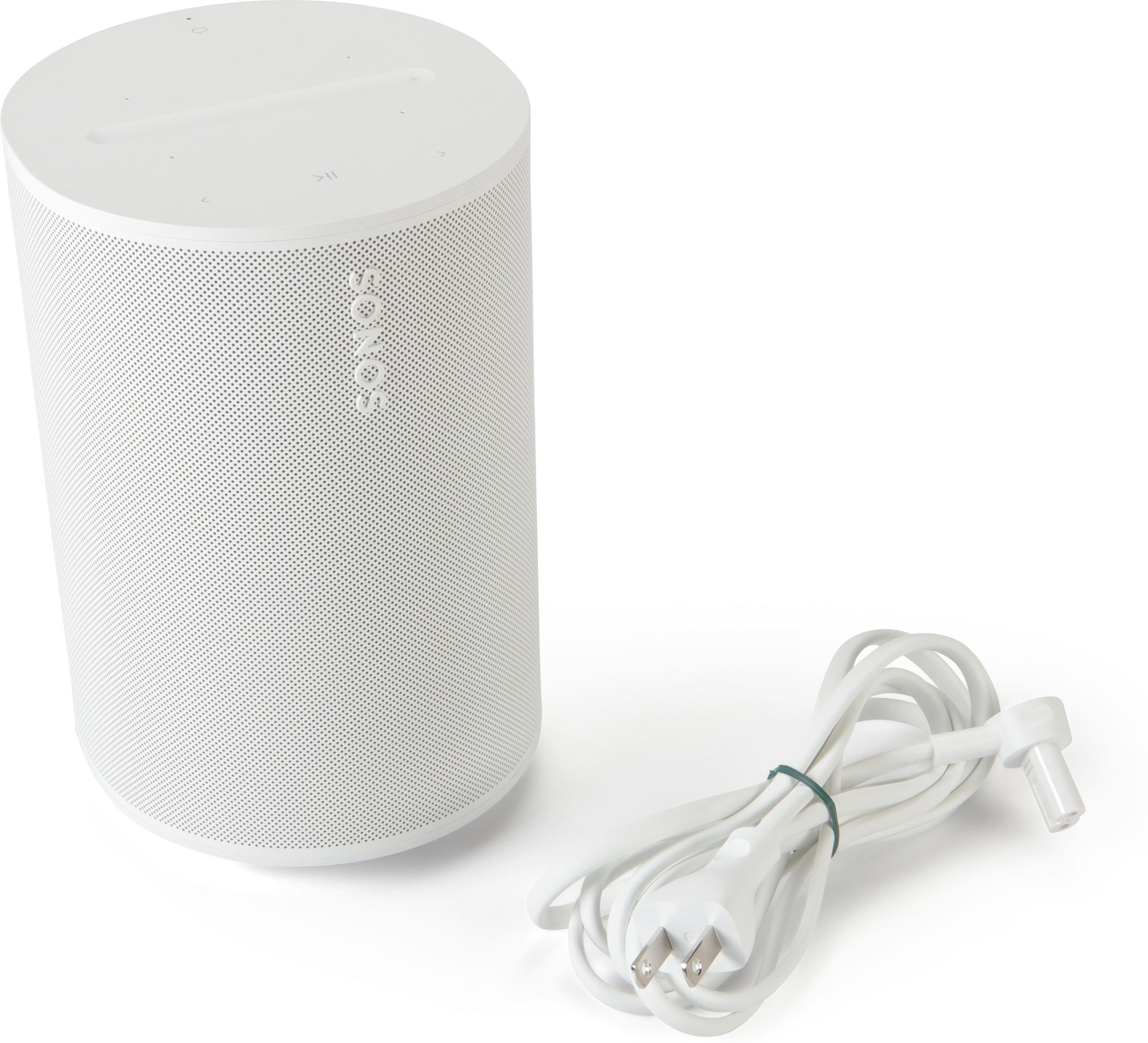
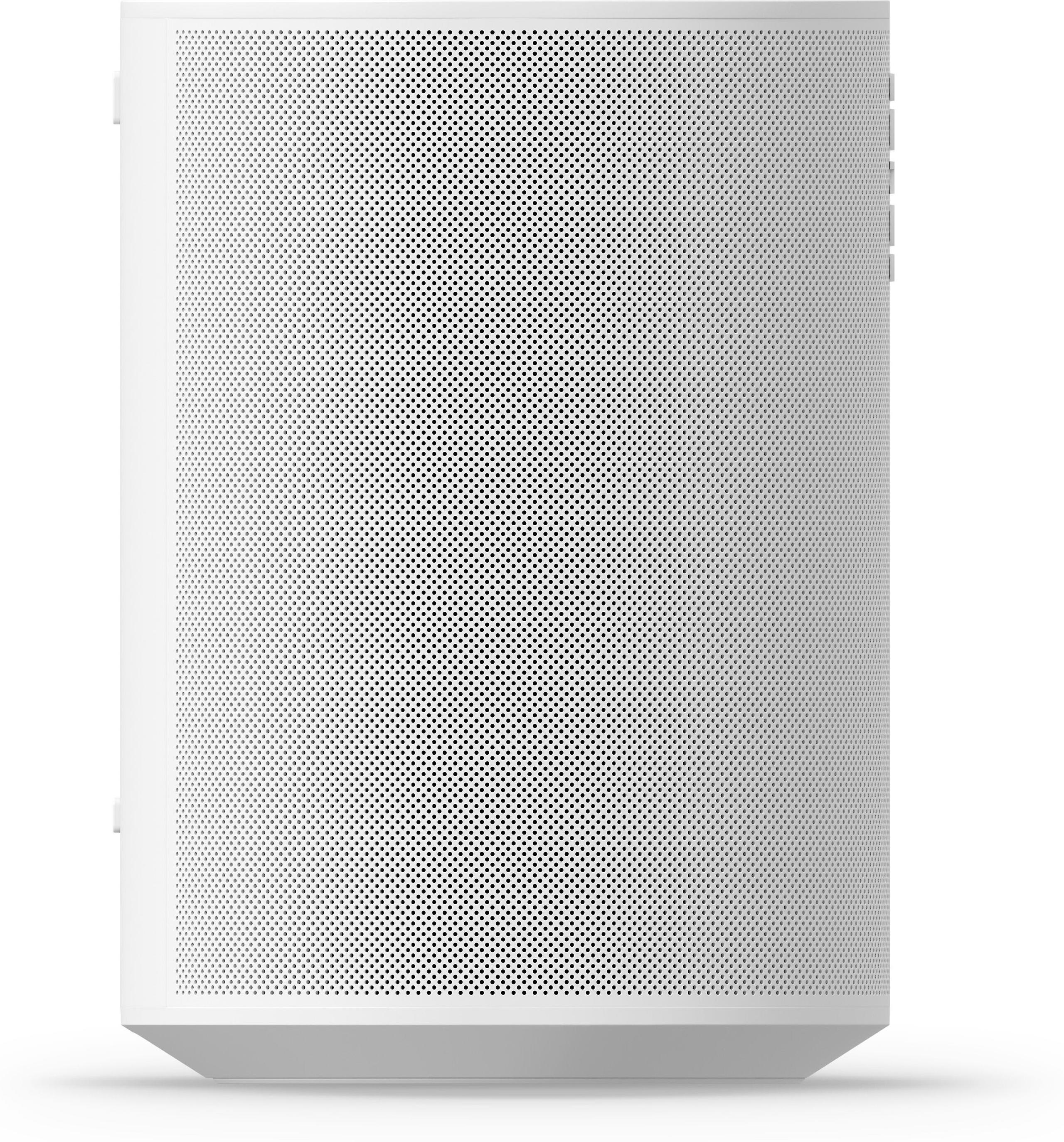
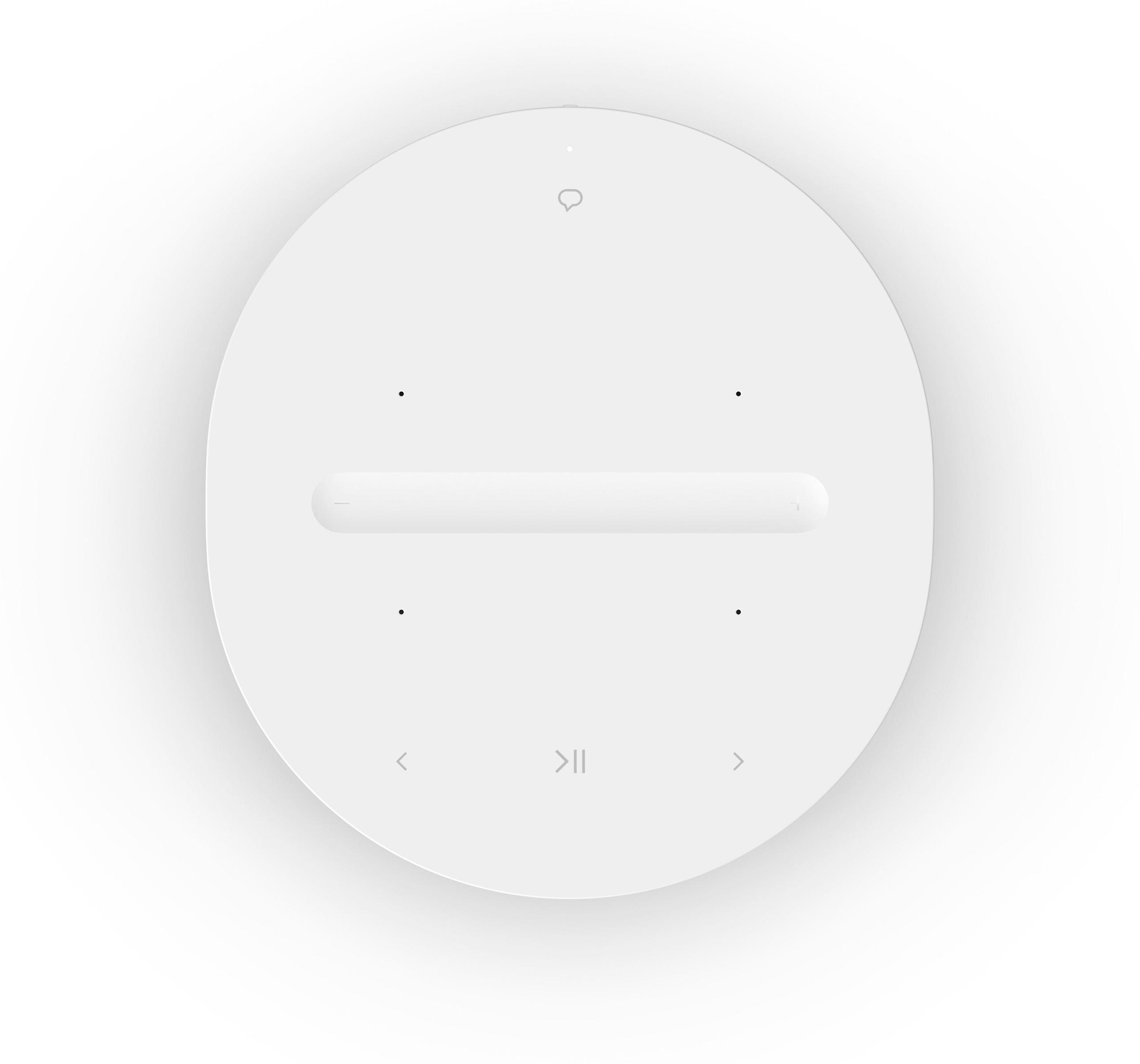
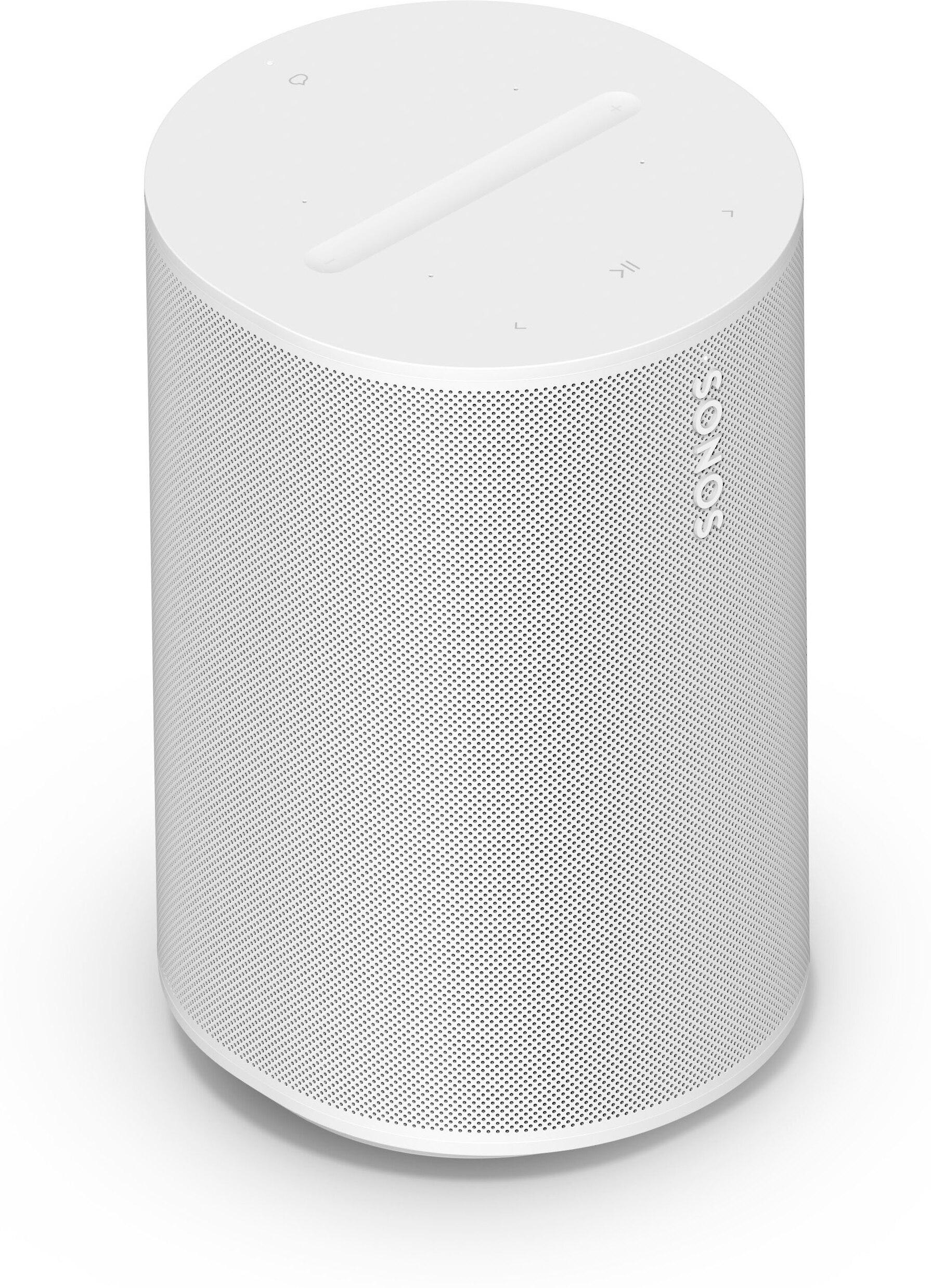
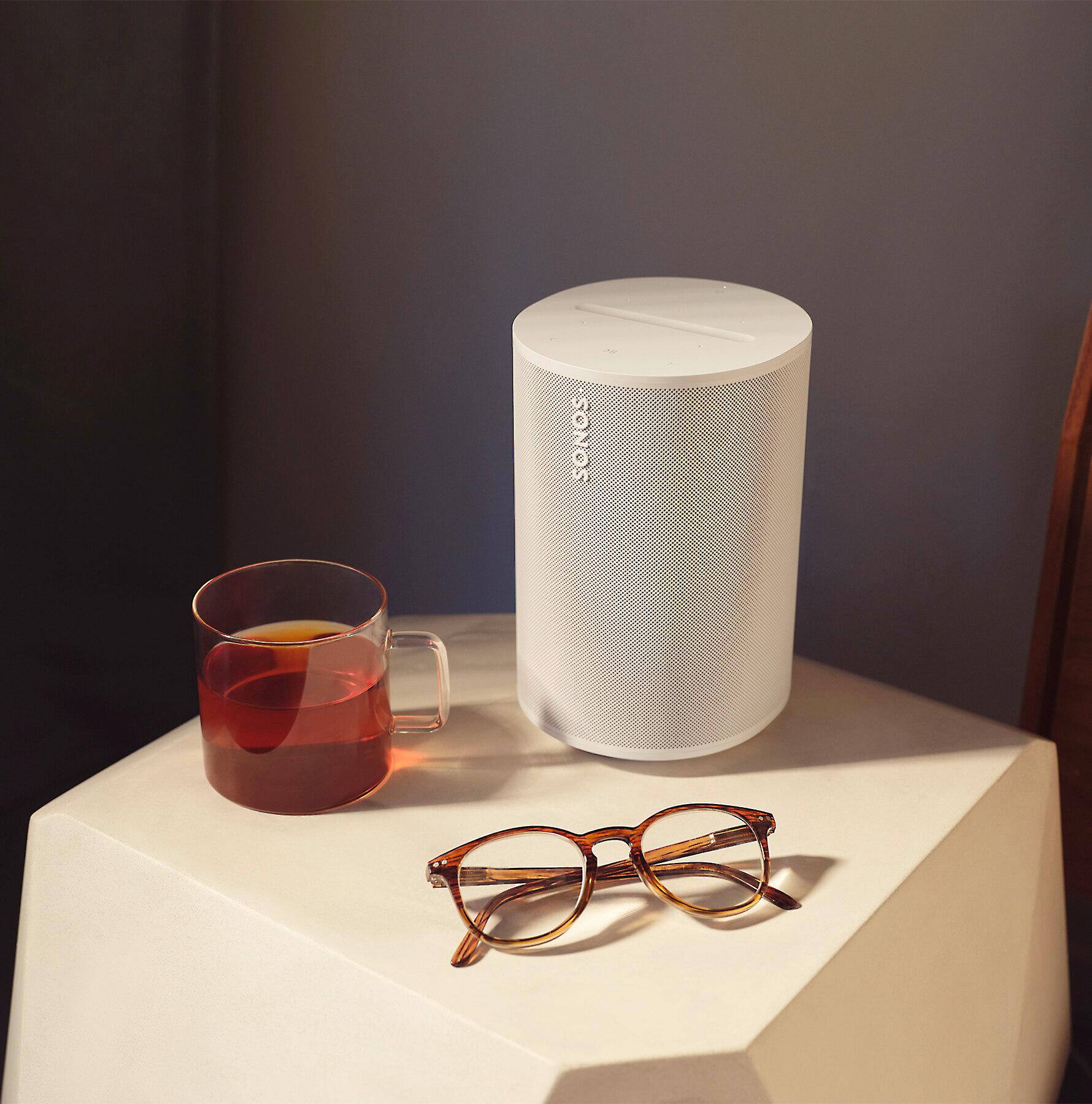
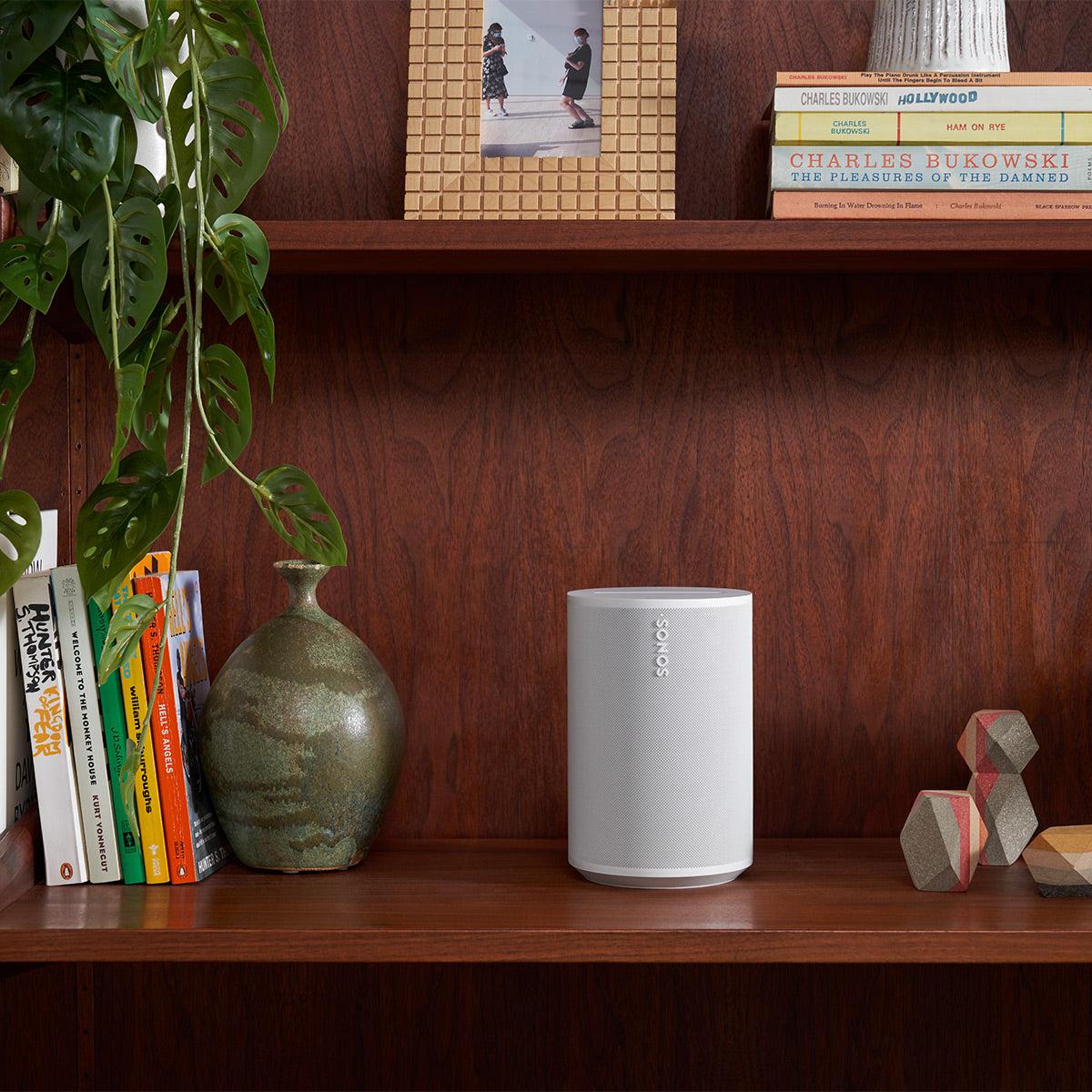
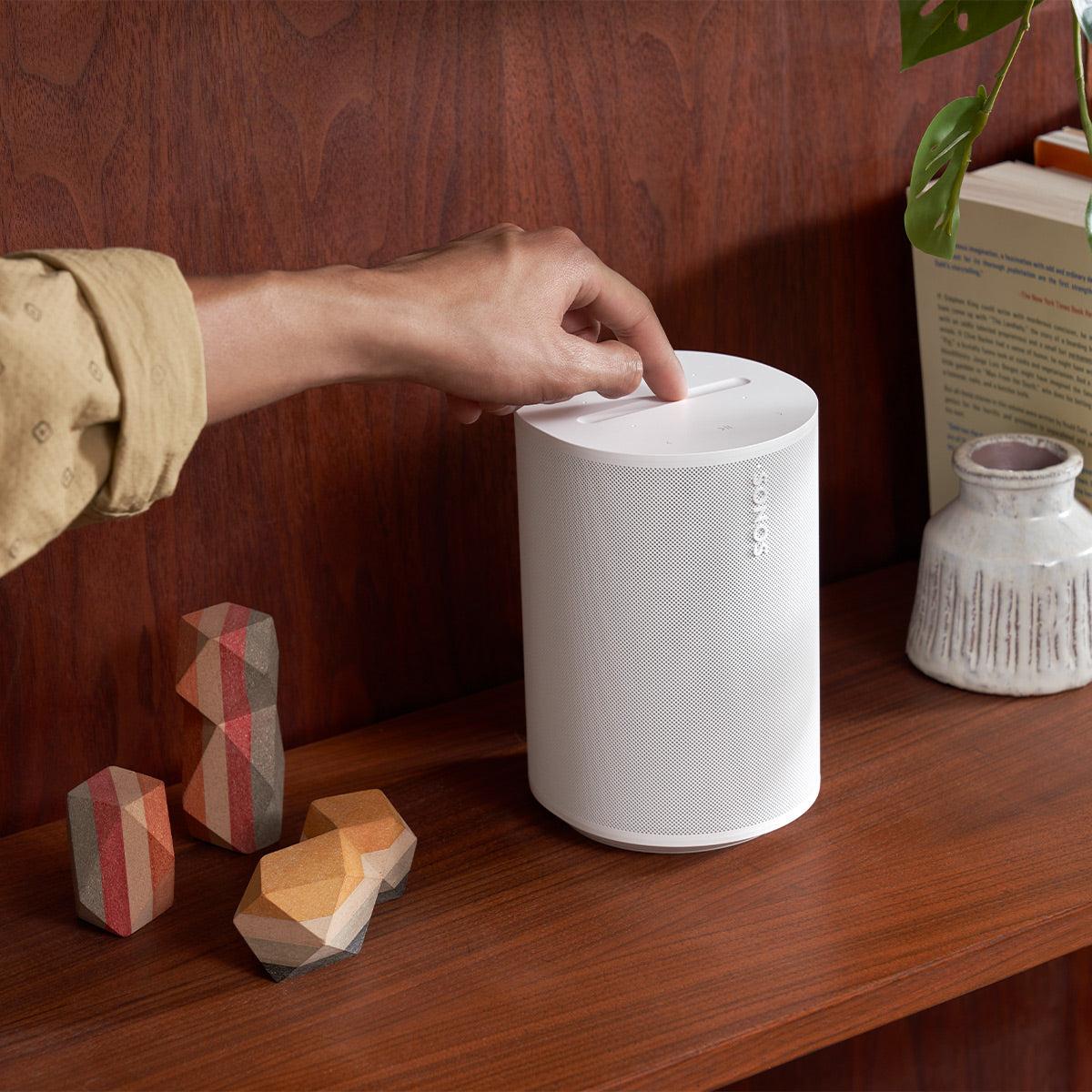
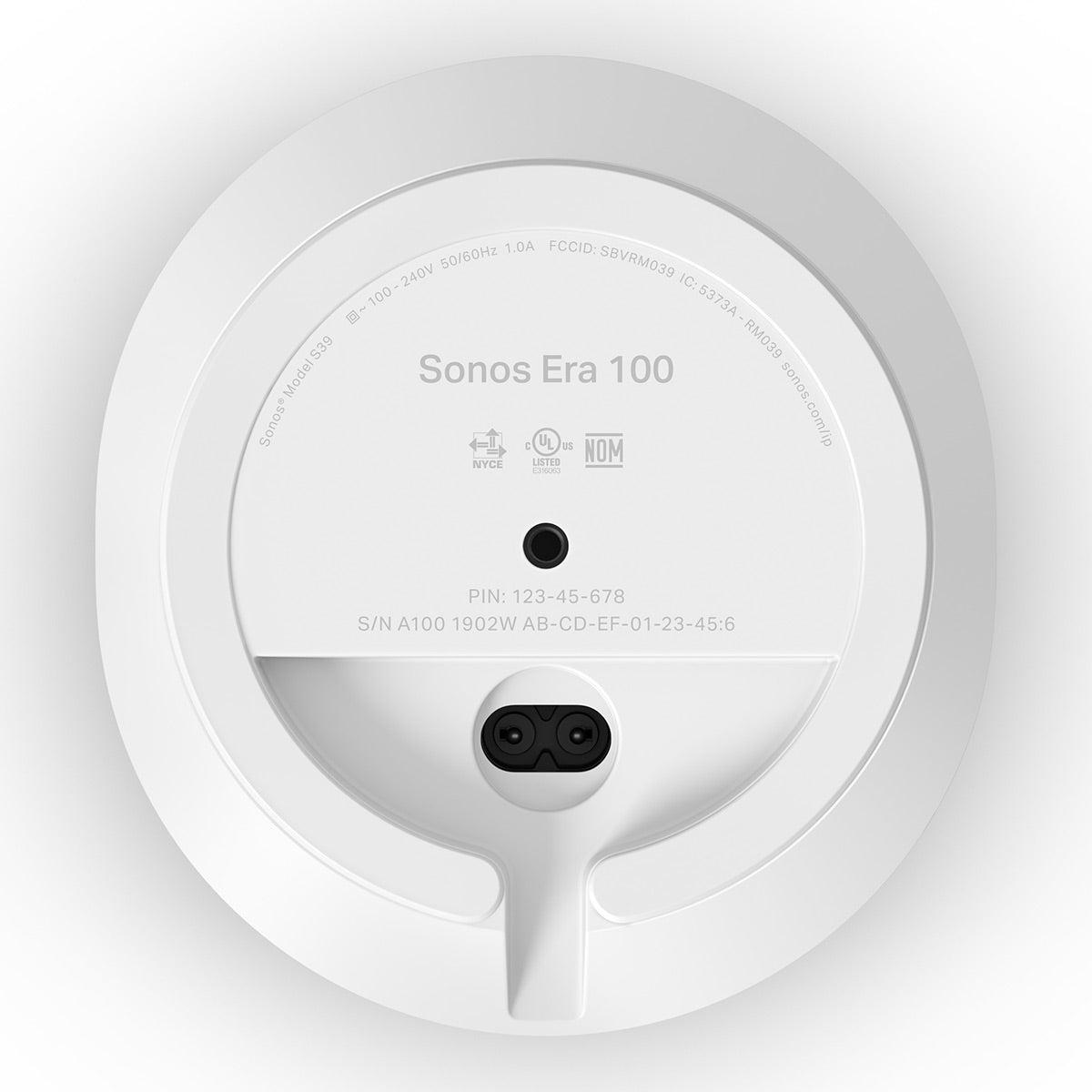
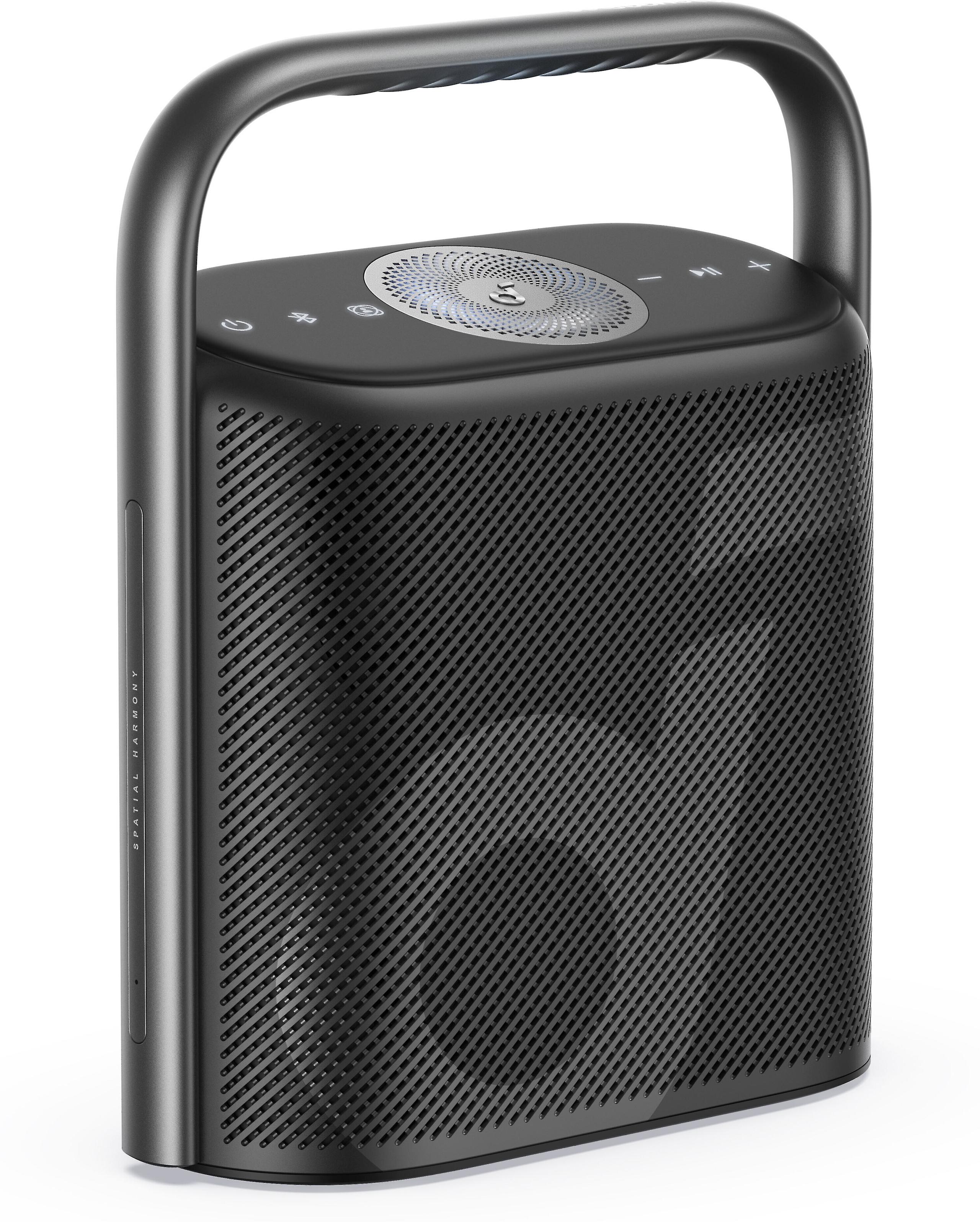
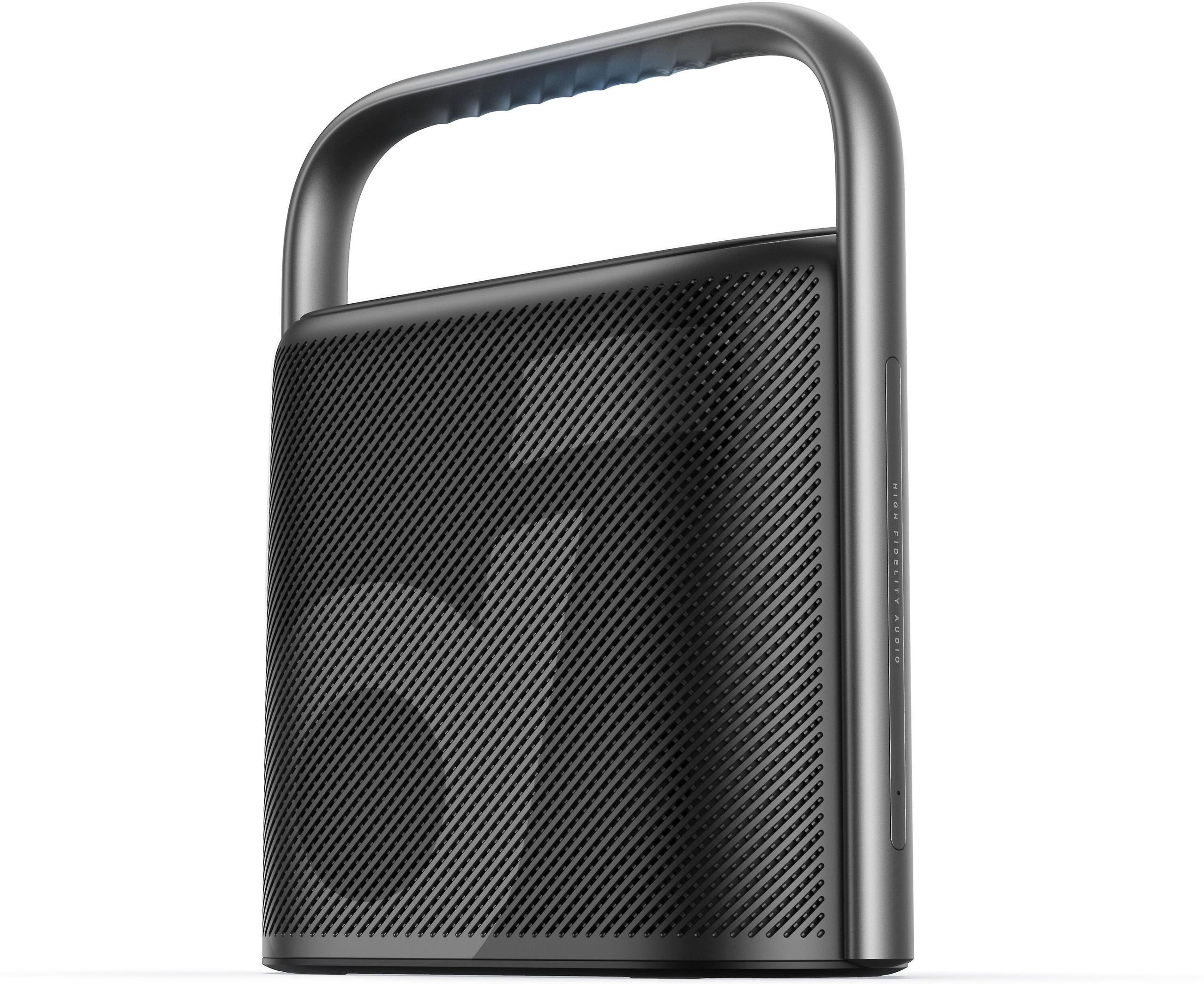
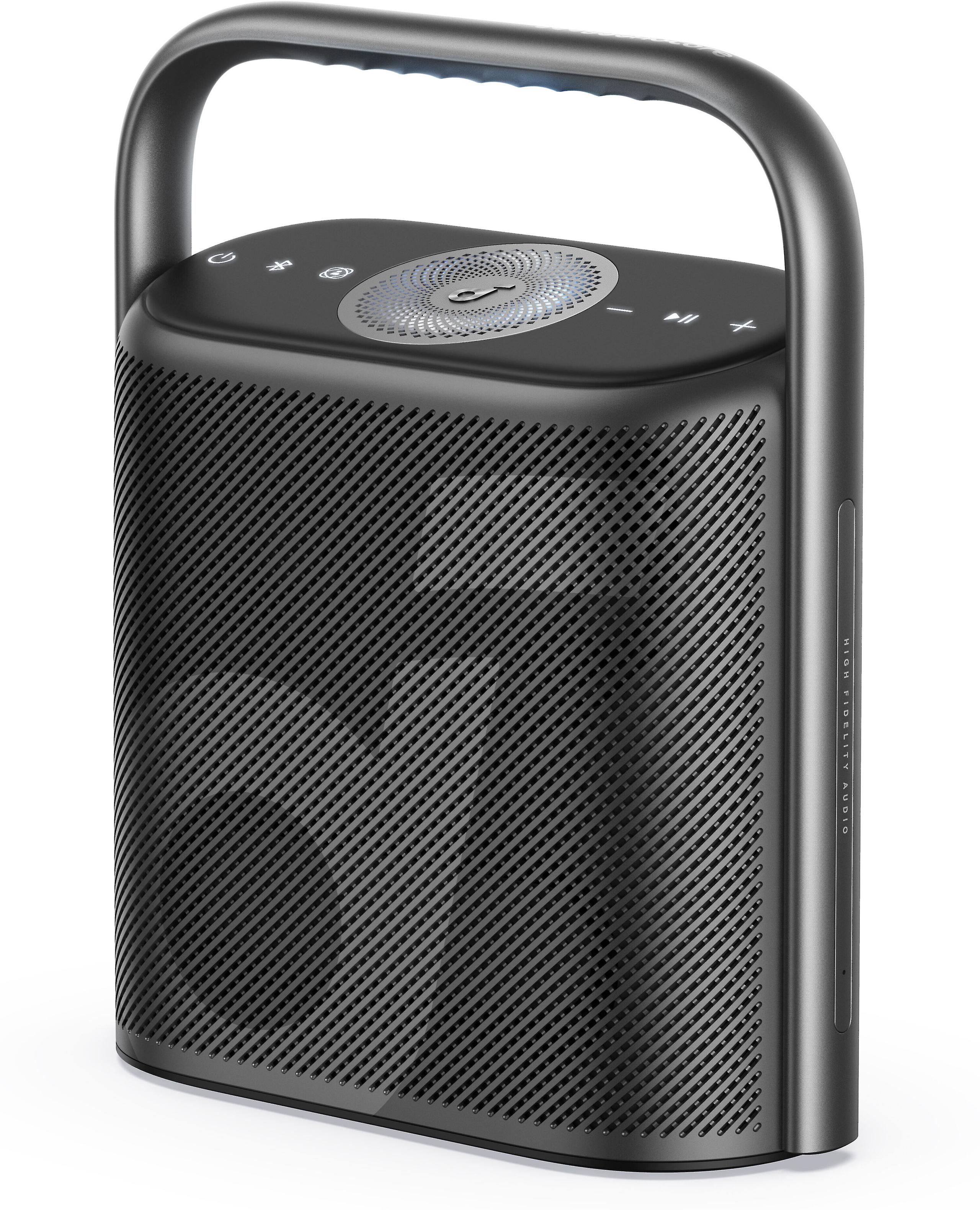
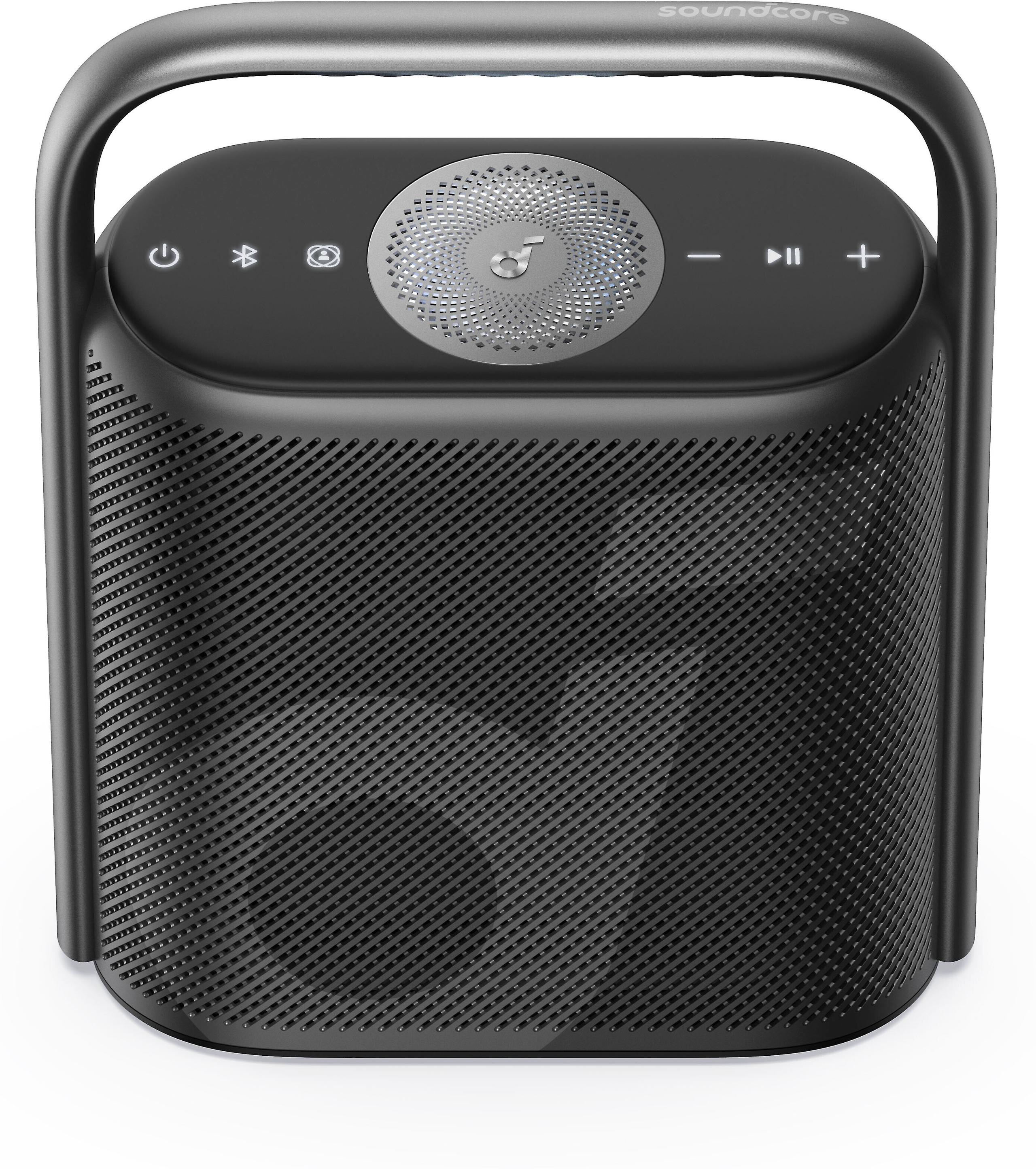


When it comes to wireless speakers in 2024, we're spoiled for choice. Today, we're comparing two compelling but different approaches: the premium home-focused Sonos Era 100 ($249) and the portable Anker Soundcore Motion X500 ($169). While both deliver impressive sound, they serve distinct needs and represent different philosophies in modern audio.
The smart speaker landscape has changed dramatically in recent years. When the Sonos Era 100 launched in March 2023, it represented a significant upgrade over the popular Sonos One, bringing better stereo separation and more powerful bass. The Motion X500, released in November 2023, showcases how far portable speakers have come, with features like spatial audio and high-resolution LDAC codec support that were once reserved for premium home speakers.
The Era 100's sound signature demonstrates Sonos's home audio expertise. Its dual-angled tweeters create genuine stereo separation – something most single speakers struggle with. The 25% larger midwoofer compared to the Sonos One produces noticeably better bass response, but never at the expense of clarity. What's particularly impressive is how the Era 100 handles complex musical passages, keeping instruments and vocals distinct even at higher volumes.
The speaker's Trueplay room optimization (now available for both iOS and Android) makes a real difference. This feature uses microphones to analyze your room's acoustics and adjust the sound accordingly. In my testing, Trueplay particularly helped in problematic rooms with lots of hard surfaces or awkward speaker placement.
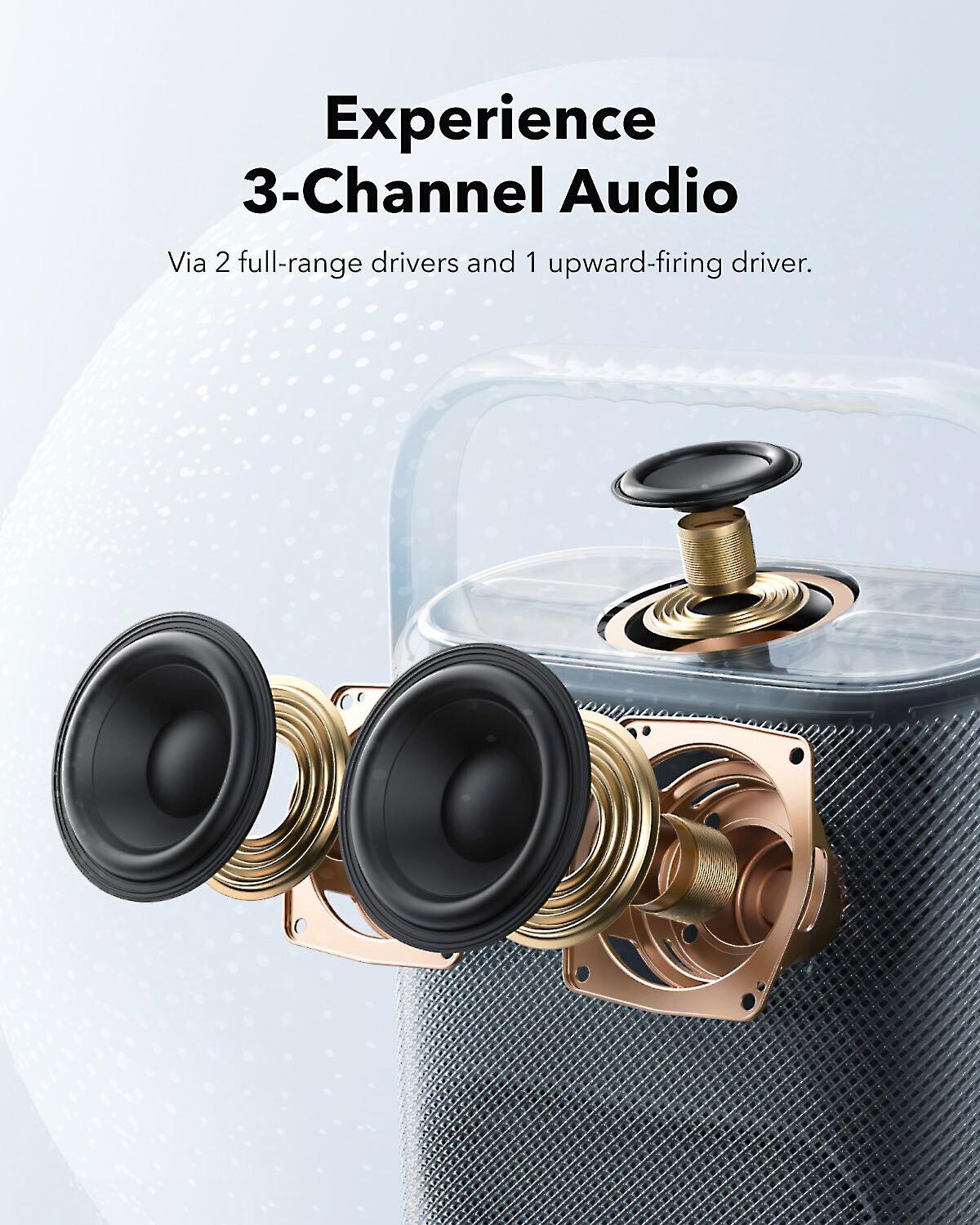
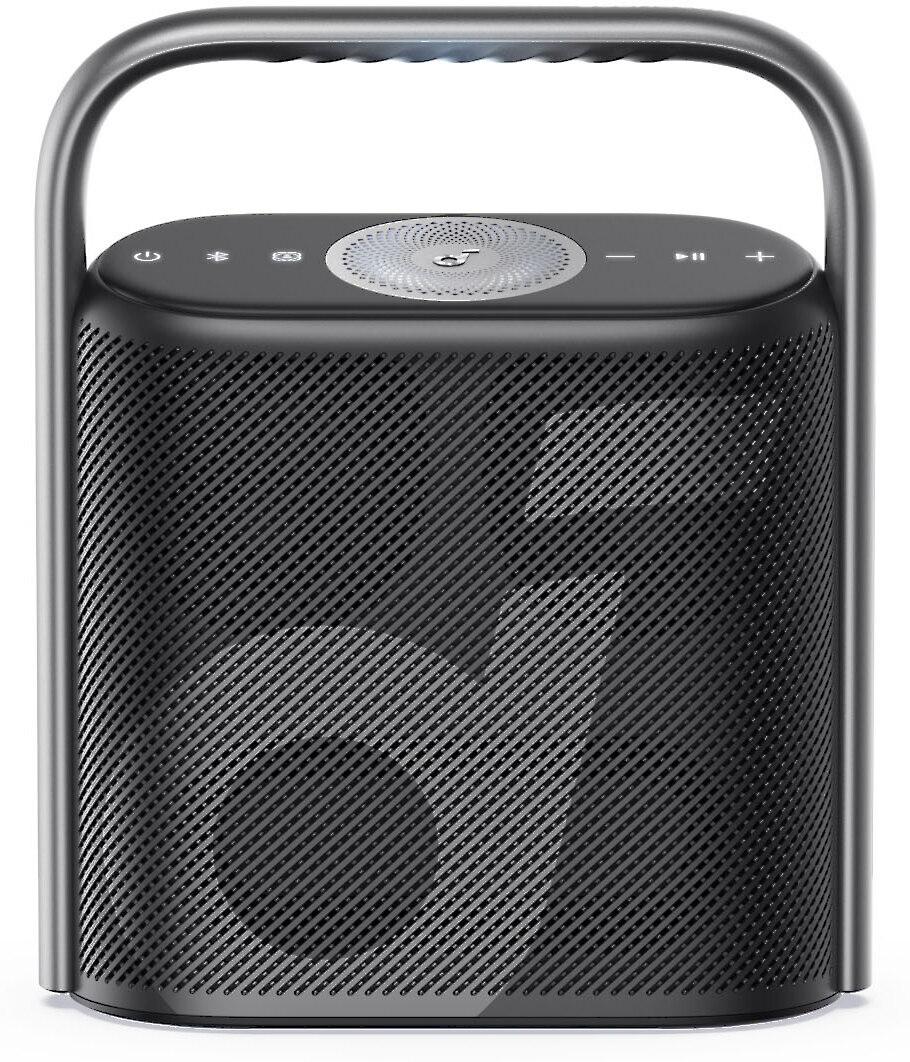
The Motion X500 takes a different approach, focusing on impact and versatility. Its three-driver system includes an upward-firing speaker that creates a more spacious soundstage. While it can't match the Era 100's precision, it produces impressive volume and bass that works well outdoors where sound typically dissipates quickly.
The inclusion of LDAC codec support (which allows for higher quality Bluetooth audio transmission than standard codecs) is notable at this price point. When paired with a compatible device, you can hear more detail in high-resolution audio files, though this advantage diminishes in noisy outdoor environments.
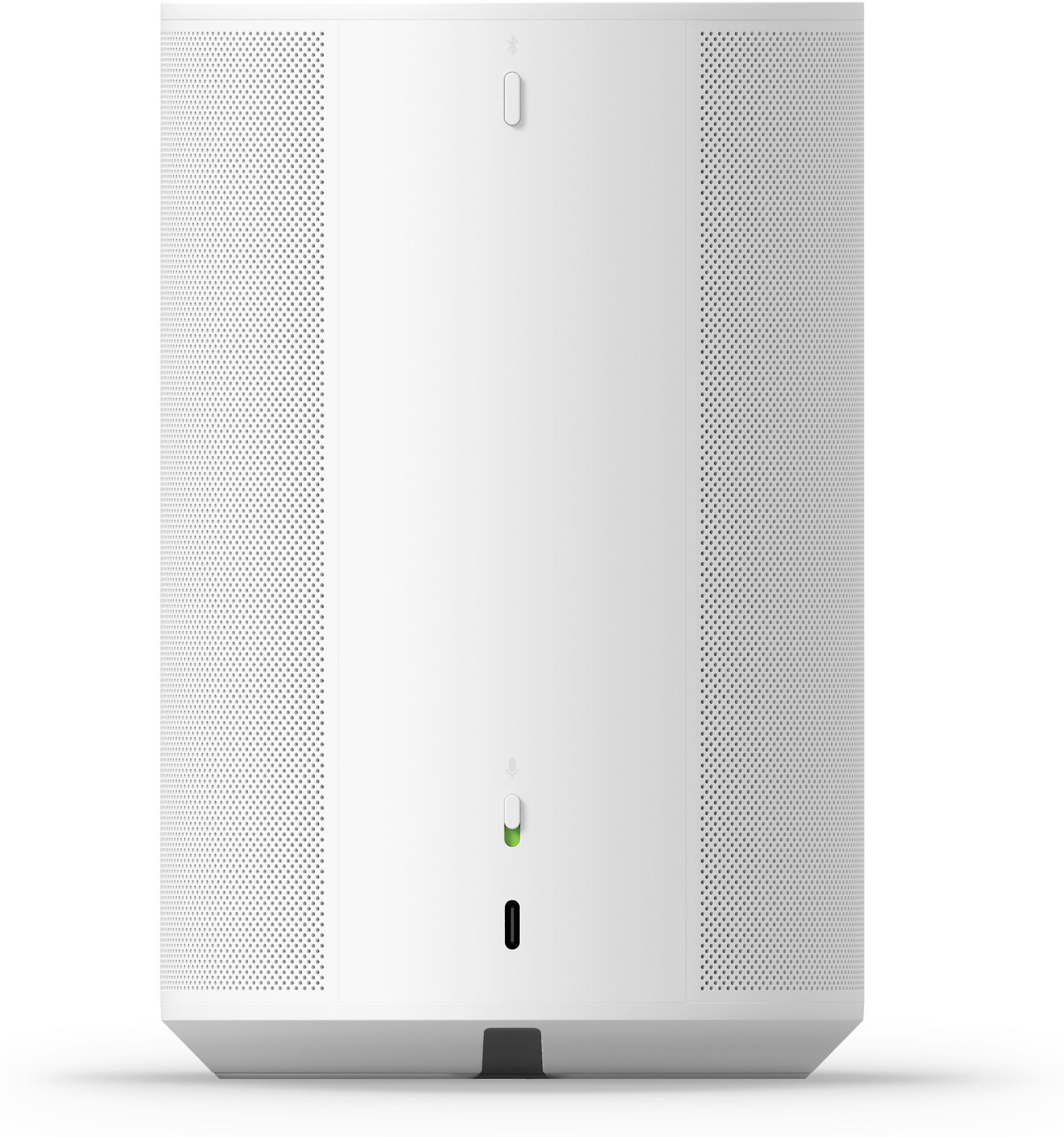
The Era 100 shines in its integration options. It primarily uses WiFi for better audio quality, with Bluetooth available as a backup. AirPlay 2 support means seamless streaming from Apple devices, and the speaker integrates with virtually every major streaming service.
The Sonos app remains the most comprehensive multi-room audio solution available, though it can feel complex for new users. You can group speakers, set up stereo pairs, and even integrate the Era 100 into a home theater setup as surrounds with a Sonos soundbar.
The Motion X500 focuses on Bluetooth 5.3 connectivity, offering excellent range (up to 100 meters in optimal conditions) and stable connections. The TWS (True Wireless Stereo) feature lets you pair two X500s for wider stereo separation, though this doubles the investment.
While the Soundcore app is simpler than Sonos's, it offers useful features like EQ adjustment and control over the ambient lighting. The lack of WiFi connectivity means no multi-room audio or direct streaming service integration, but it also means simpler setup and use.
In a home setting, the Era 100 justifies its higher price through versatility and integration. Voice control through Alexa or Sonos Voice Control works reliably, and the speaker can serve as a smart home hub. The sound quality remains consistent at all volumes, making it equally suitable for background music or focused listening.
For home theater use, a pair of Era 100s as surrounds creates an immersive experience, though this represents a significant investment. The ability to adjust settings like audio delay and relative volume through the app helps achieve proper balance.
The Motion X500 excels in its mobility. The IPX7 water resistance rating means it can handle rain or poolside splashes, and the 12-hour battery life (at moderate volume) is sufficient for most outings. The spatial audio feature, while not as sophisticated as true surround sound, creates an engaging listening experience that works well for outdoor gatherings.
Consider your primary use case:
For home audio enthusiasts:
For versatile use:
Both speakers showcase meaningful technological advances. The Era 100's processing power (quad-core 1.4 GHz processor) enables features like instant room optimization and seamless streaming. The Motion X500's LDAC support and spatial audio processing show how portable speakers are adopting premium features.
The Era 100's automatic room optimization and precision-tuned drivers deliver more refined sound, while the Motion X500's robust build and powerful amplification make it more practical for outdoor use. Neither approach is inherently better – they're optimized for different scenarios.
As wireless audio continues to evolve, both speakers represent different visions of the future. The Era 100 shows how integrated smart speakers can become in our homes, while the Motion X500 demonstrates that portable speakers can deliver increasingly sophisticated audio experiences.
For most users, the decision will come down to use case rather than absolute sound quality. The Sonos Era 100 remains the choice for dedicated home audio, while the Anker Soundcore Motion X500 offers impressive flexibility and value for those needing portability. Both represent excellent choices within their respective categories, delivering meaningful improvements over their predecessors and setting new standards for what we can expect from wireless speakers.
| Sonos Era 100 | Anker Soundcore Motion X500 |
|---|---|
| Price - Core consideration for value | |
| $249 (premium pricing) | $169 (mid-range pricing) |
| Audio Power - Impacts maximum volume and clarity | |
| Dual tweeters + one midwoofer (detailed, balanced sound) | 40W total (2x15W + 10W upward firing driver) |
| Connectivity - Determines streaming flexibility | |
| WiFi 6, Bluetooth 5.0, AirPlay 2 | Bluetooth 5.3 with LDAC codec support |
| Smart Features - Important for home integration | |
| Alexa, Sonos Voice Control, multi-room audio | Basic app control, no voice assistants |
| Portability - Affects where you can use it | |
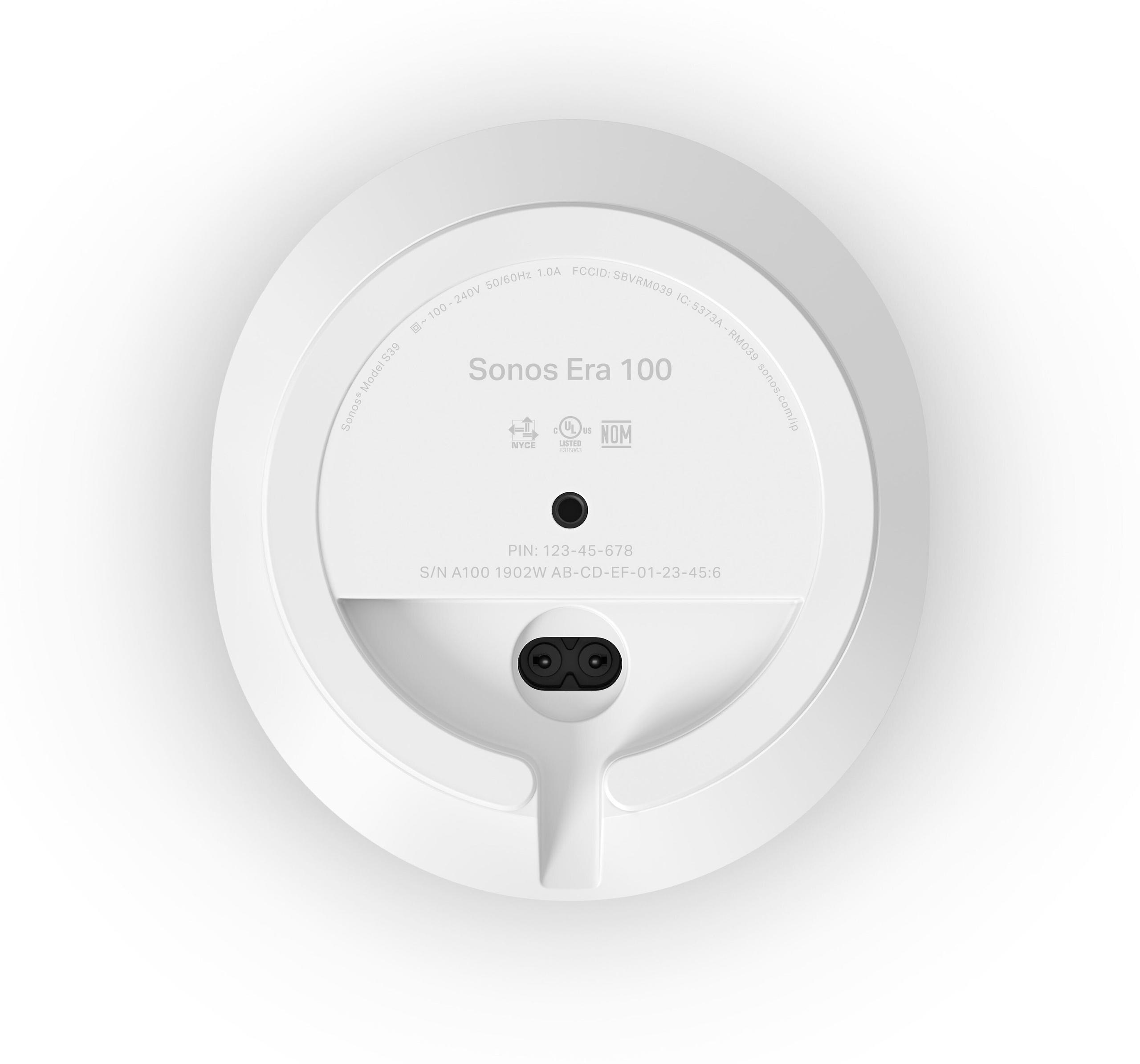
| AC powered only, meant for fixed installation | 12-hour battery life, truly portable |
| Water Resistance - Crucial for outdoor use | |
| None (indoor use only) | IPX7 (fully waterproof) |
| Room Optimization - Impacts sound quality | |
| Trueplay auto-tuning (iOS and Android) | Basic EQ adjustment in app |
| Multi-Speaker Features - Expands use cases | |
| Full multi-room audio, stereo pairing, home theater surround capability | TWS stereo pairing only |
| Size - Affects placement options | |
| 18.25 x 12 x 13 cm (compact home speaker) | 19.1 x 8.1 x 22.8 cm (larger but portable) |
| Streaming Support - Determines content access | |
| Native support for 100+ services via WiFi | Bluetooth streaming only |
| Additional Features - Extra functionality | |
| USB-C line-in (with optional adapter), humidity resistant | Ambient lighting, spatial audio effects |
The Sonos Era 100 is better for permanent home audio with superior sound quality and smart features, while the Anker Soundcore Motion X500 is better for portable use and outdoor listening. The Era 100 offers more refined audio, but the Motion X500 provides better value and flexibility.
The Sonos Era 100 costs $249, while the Anker Motion X500 is priced at $169, making it $80 less expensive.
The Anker Motion X500 is designed for outdoor use with IPX7 waterproofing and battery power. The Sonos Era 100 requires AC power and isn't water-resistant, making it unsuitable for outdoor use.
The Sonos Era 100 offers more balanced, detailed sound with better stereo separation and room optimization. The Motion X500 provides stronger bass and louder volume but less refined audio quality.
Both speakers work with phones - the Motion X500 via Bluetooth, while the Sonos Era 100 offers both Bluetooth and WiFi connectivity with additional streaming options.
The Sonos Era 100 supports Alexa and Sonos Voice Control. The Motion X500 doesn't have voice assistant capabilities.
The Motion X500 is better for parties due to its portability, waterproofing, and stronger bass. The Era 100 is more suited for indoor gatherings where sound quality is prioritized over mobility.
Both can pair with a second unit - the Era 100 offers full multi-room audio and stereo pairing, while the Motion X500 supports basic TWS stereo pairing.
The Motion X500 offers up to 12 hours of battery life at moderate volume. The Era 100 doesn't have a battery and requires constant AC power.
The Sonos Era 100 supports 100+ streaming services directly via WiFi and offers better streaming quality. The Motion X500 relies on Bluetooth streaming from your device.
The Motion X500 supports high-quality LDAC codec over Bluetooth, while the Era 100 supports high-resolution audio through WiFi streaming.
The Sonos Era 100 is more future-proof with its WiFi connectivity, regular software updates, and expandable ecosystem. The Motion X500 offers simpler functionality but fewer upgrade paths.
We've done our best to create useful and informative comparisons to help you decide what product to buy. Our research uses advanced automated methods to create this comparison and perfection is not possible - please contact us for corrections or questions. These are the sites we've researched in the creation of this article: goodhousekeeping.com - tomsguide.com - techradar.com - youtube.com - whathifi.com - dxomark.com - rtings.com - abt.com - sonos.com - bhphotovideo.com - sonos.com - sonos.com - audiolab.com - en.community.sonos.com - tomsguide.com - outeraudio.com - gadgetoid.com - soundguys.com - pcgamesn.com - hktvmall.com - elomymelo.com - youtube.com - jopanda.com - shop.menshealth.com - soundphilereview.com

Privacy Policy
Terms and Conditions - Affiliate Policy
Home Security
© Copyright 2008-2026.
11816 Inwood Rd #1211, Dallas, TX 75244