

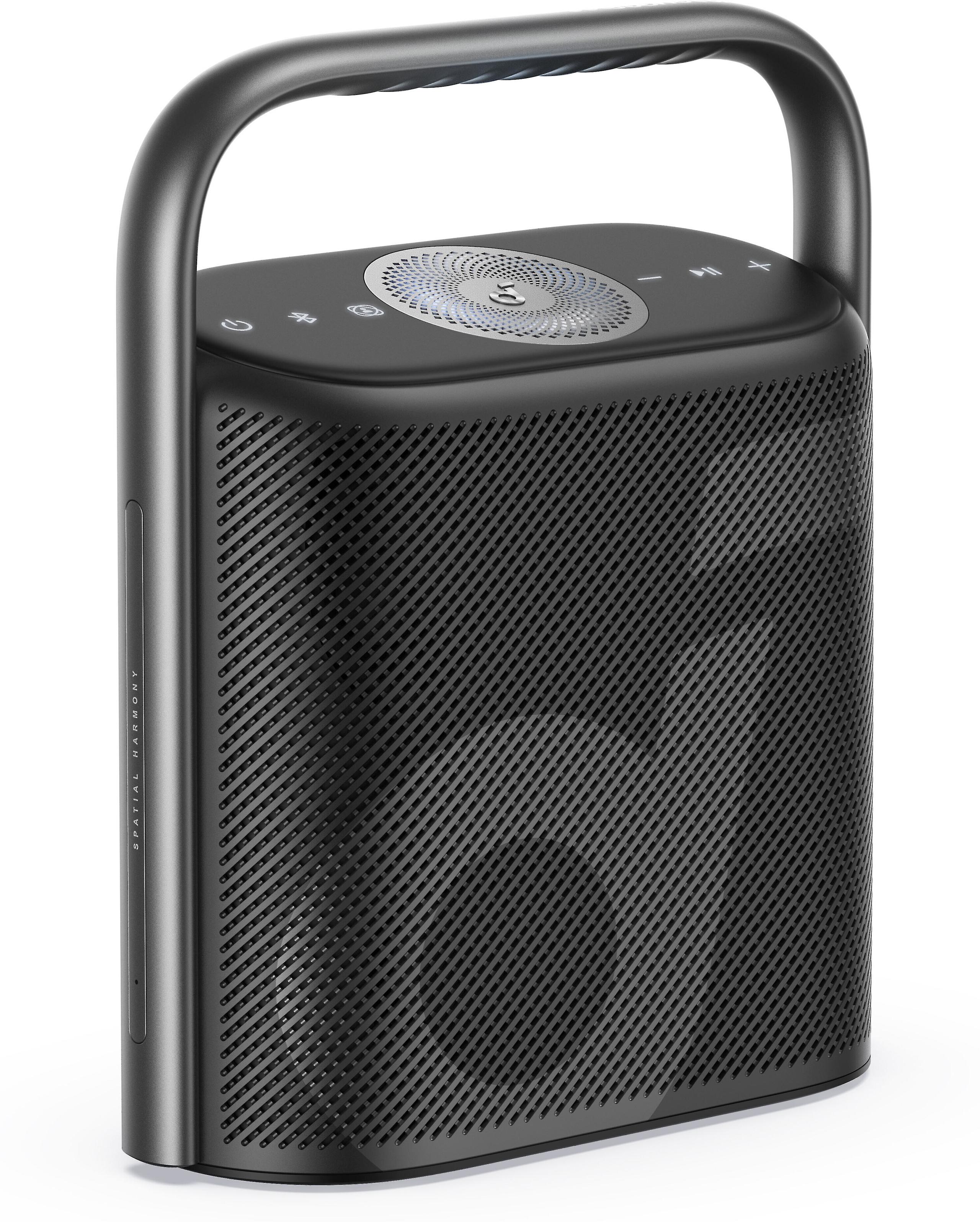
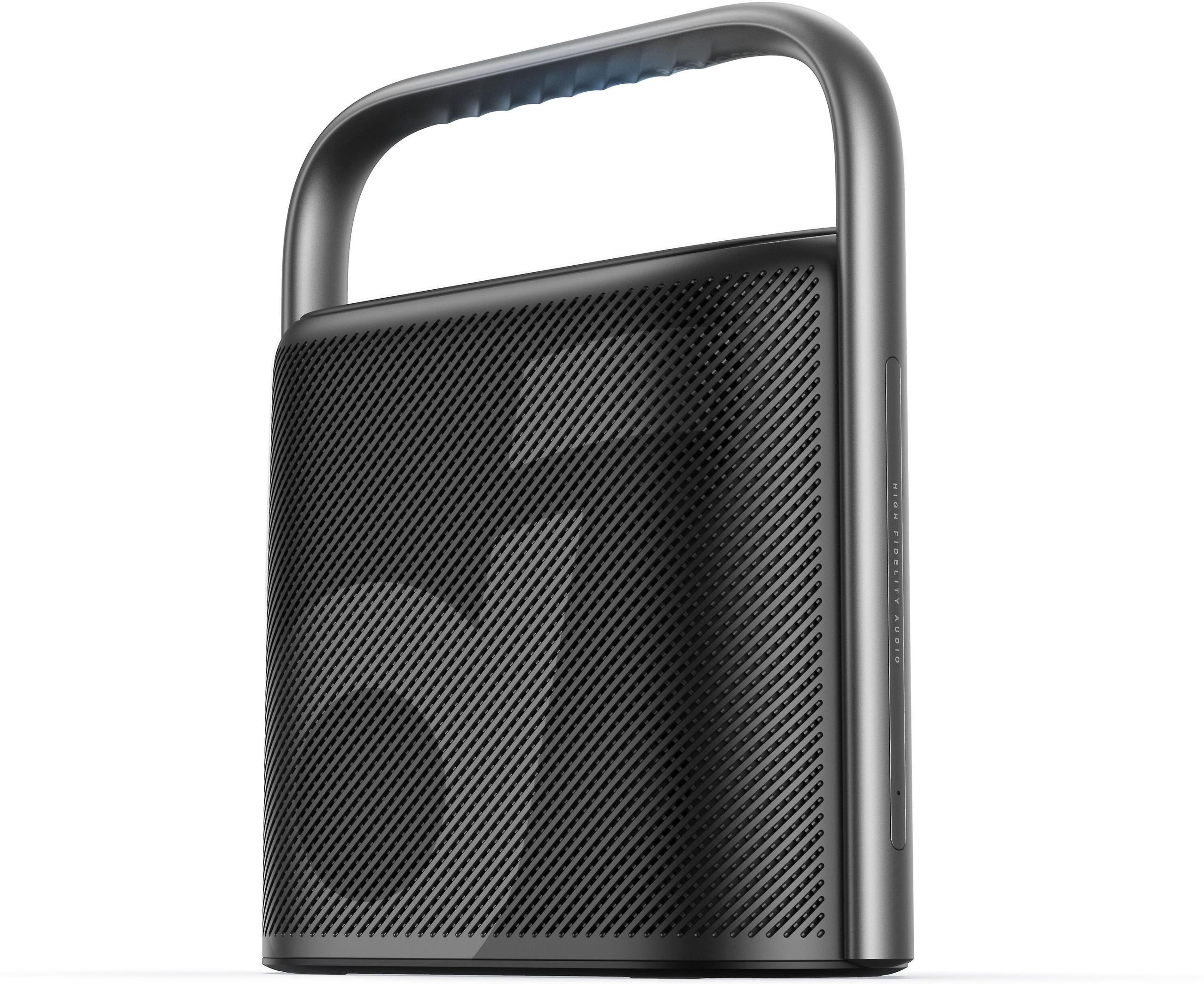
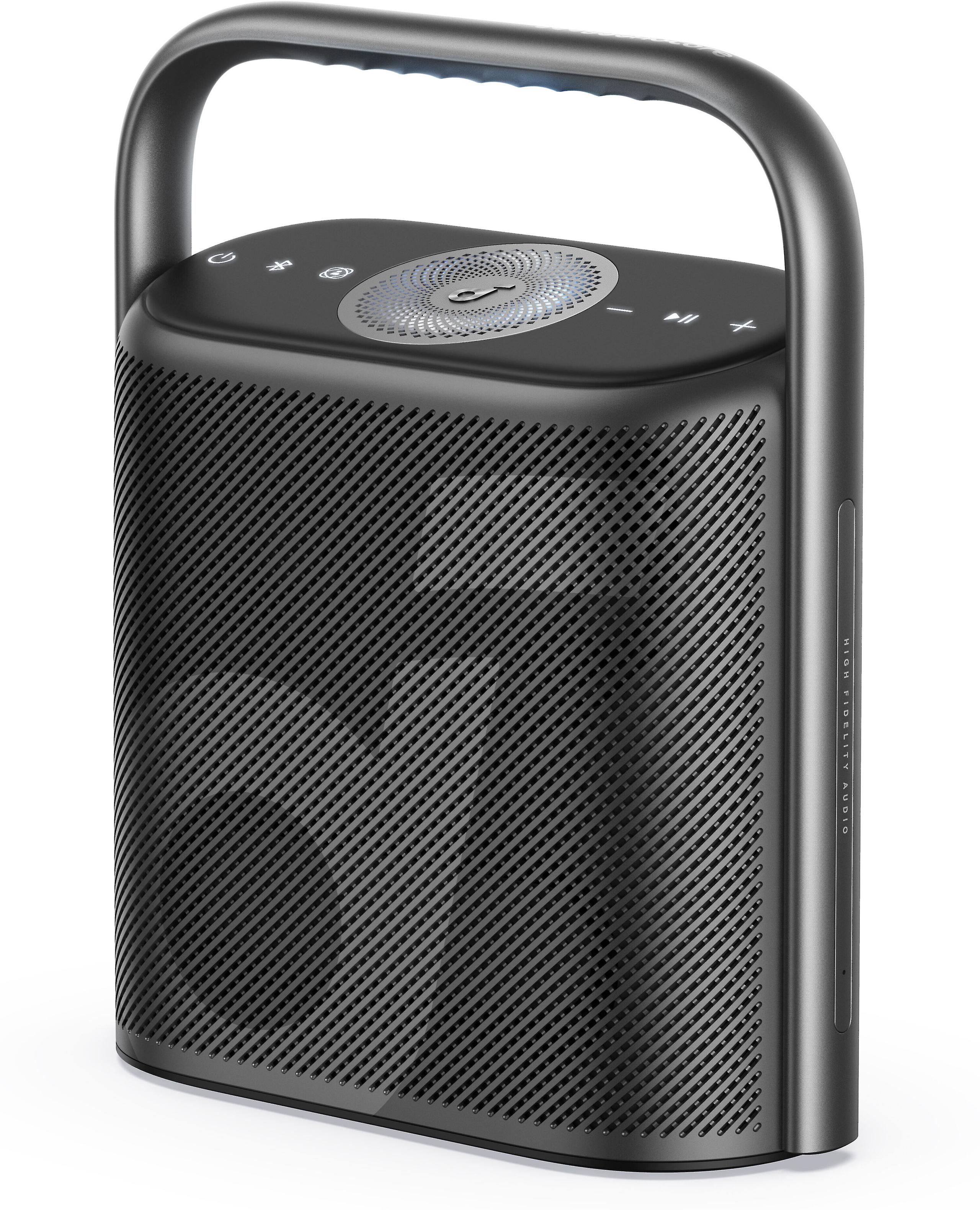
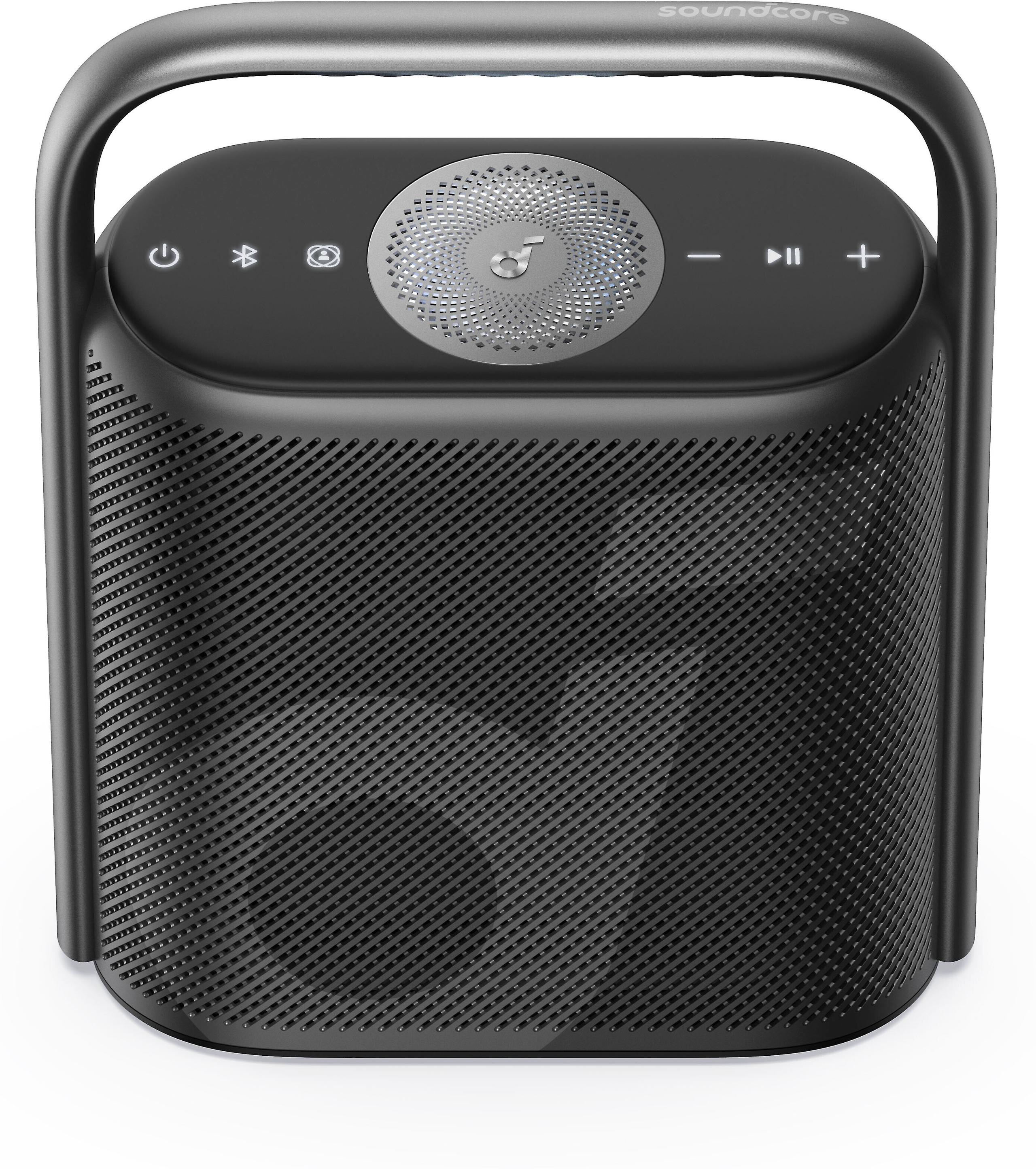

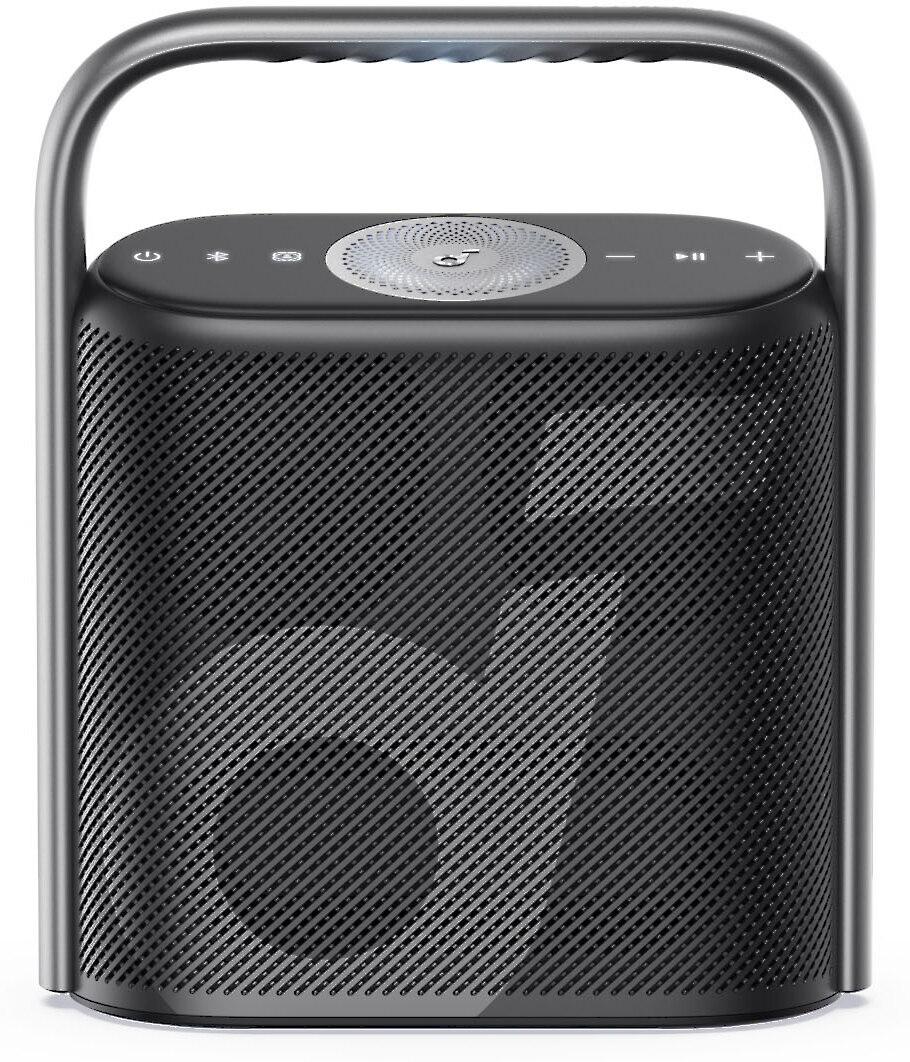
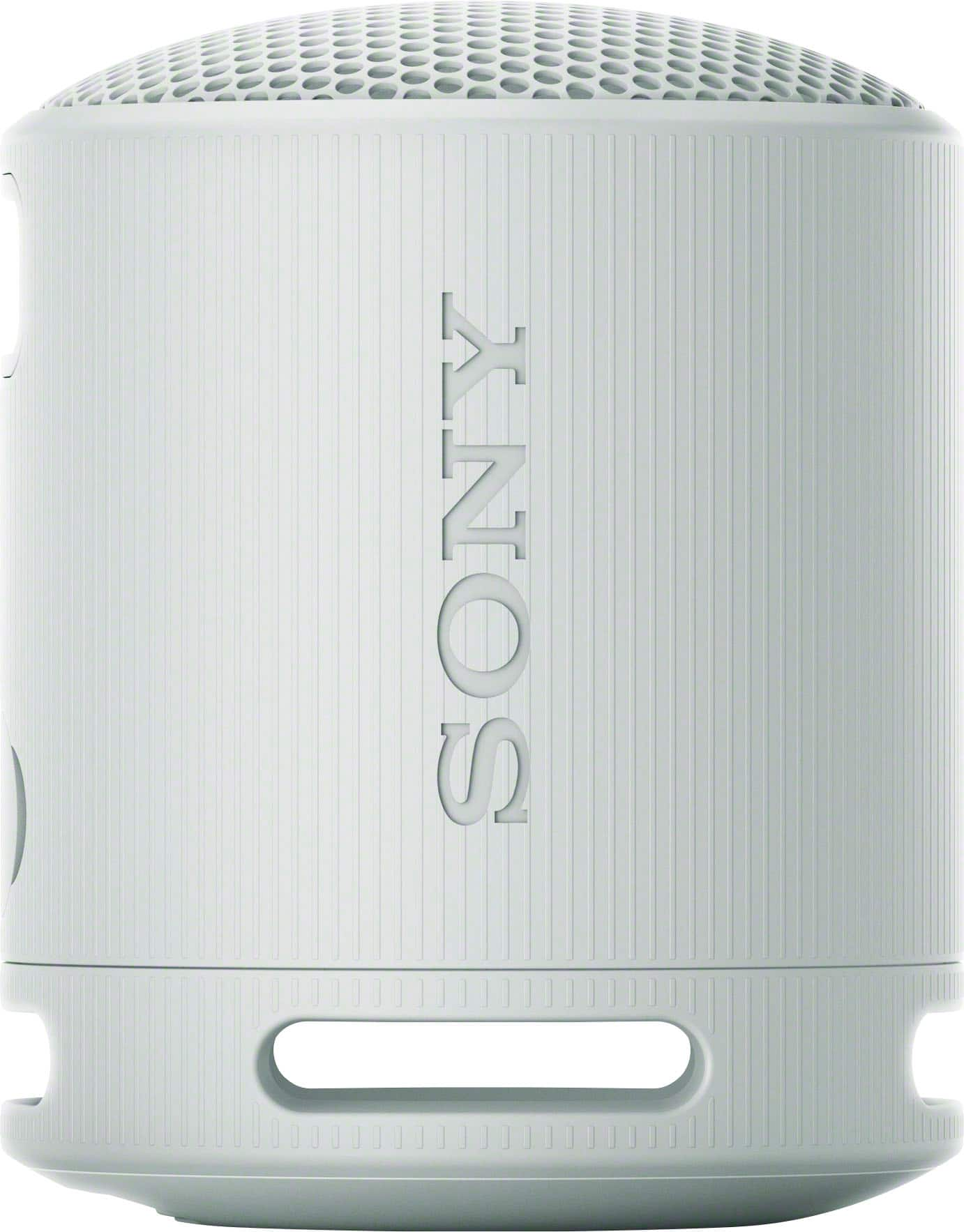
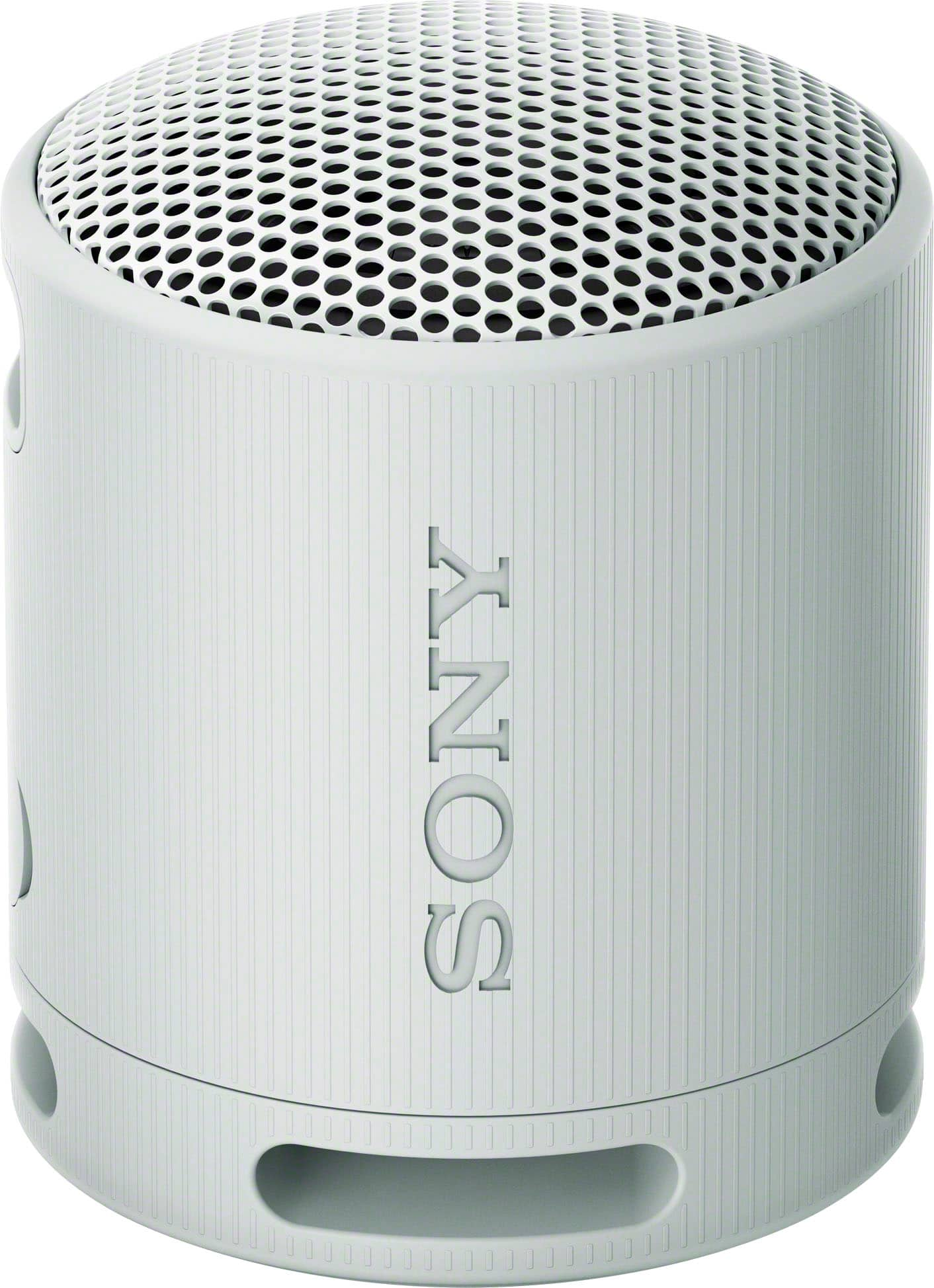
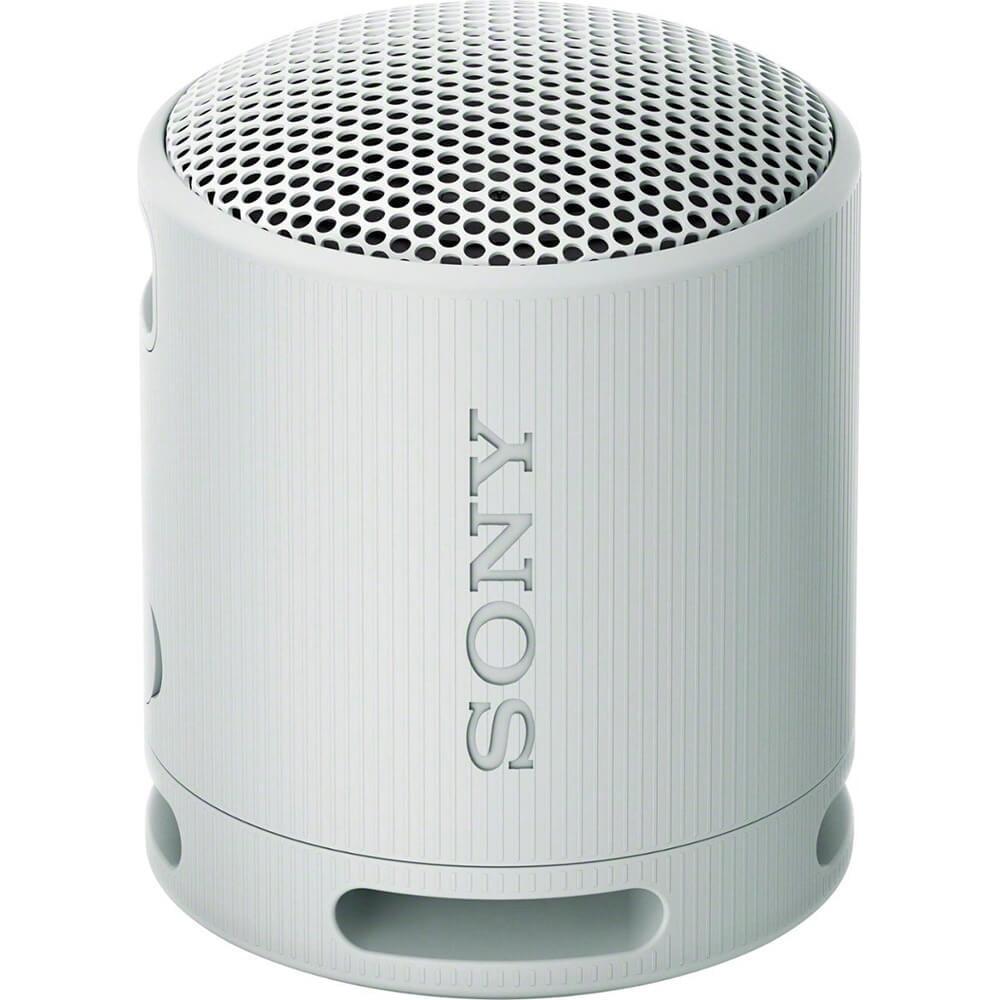
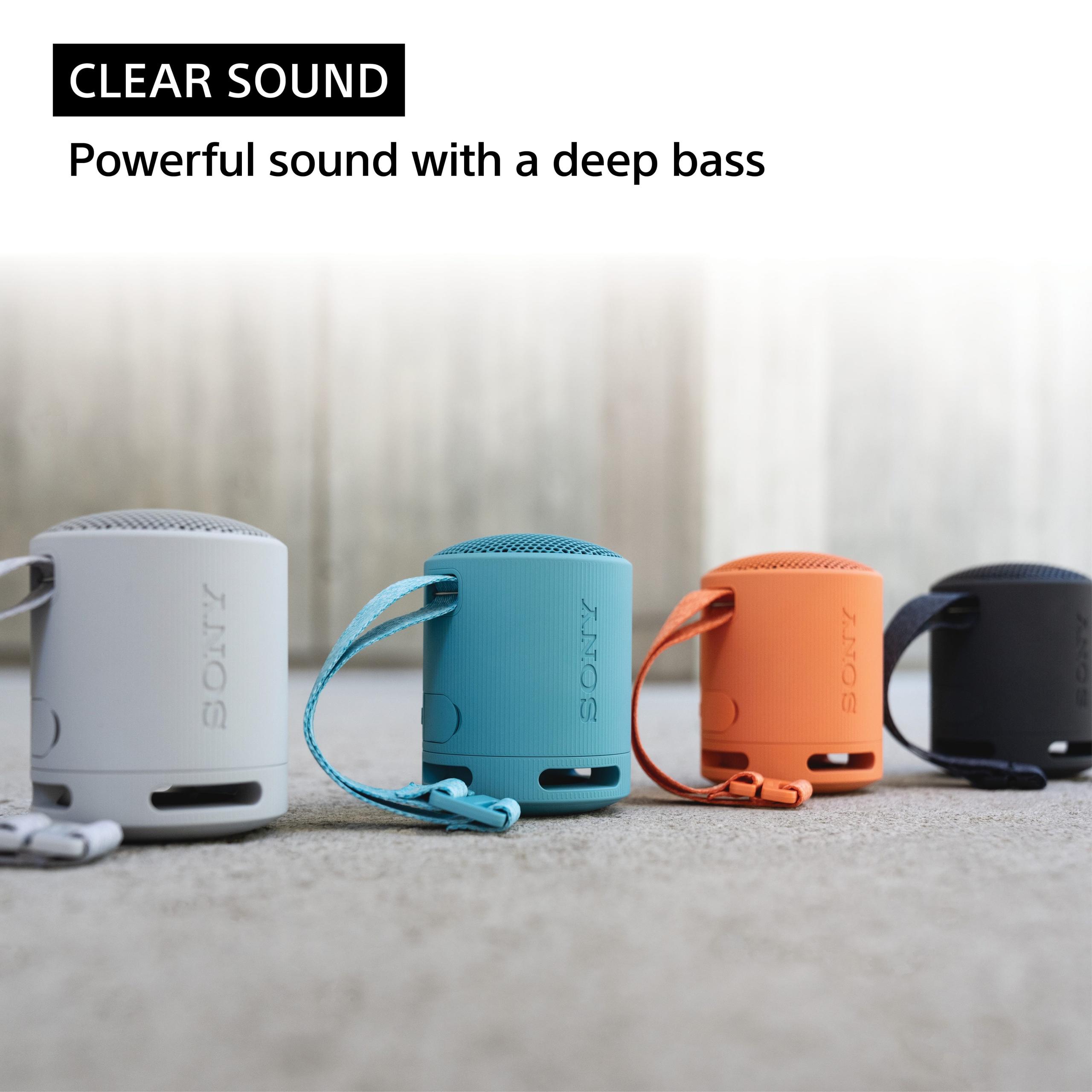


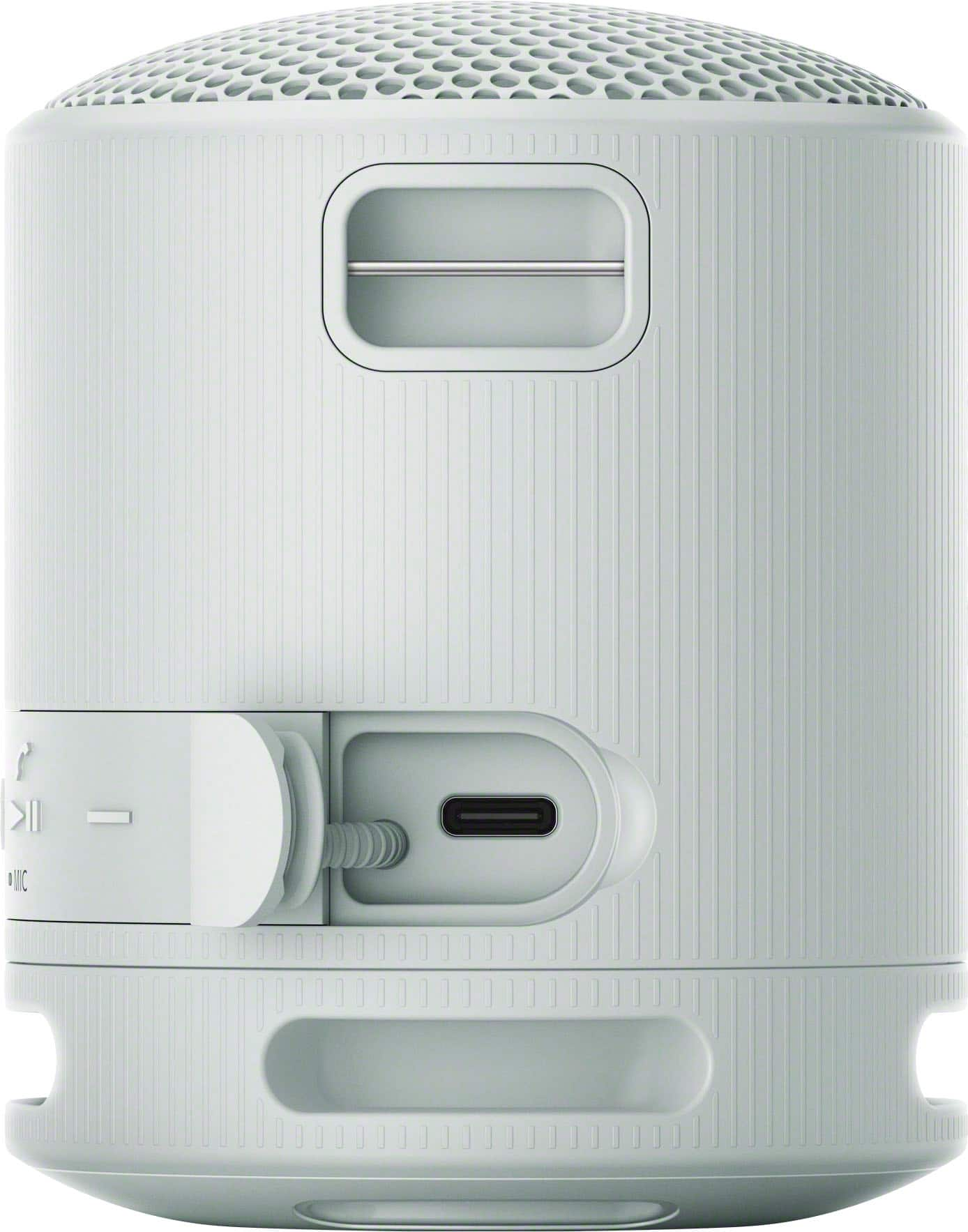
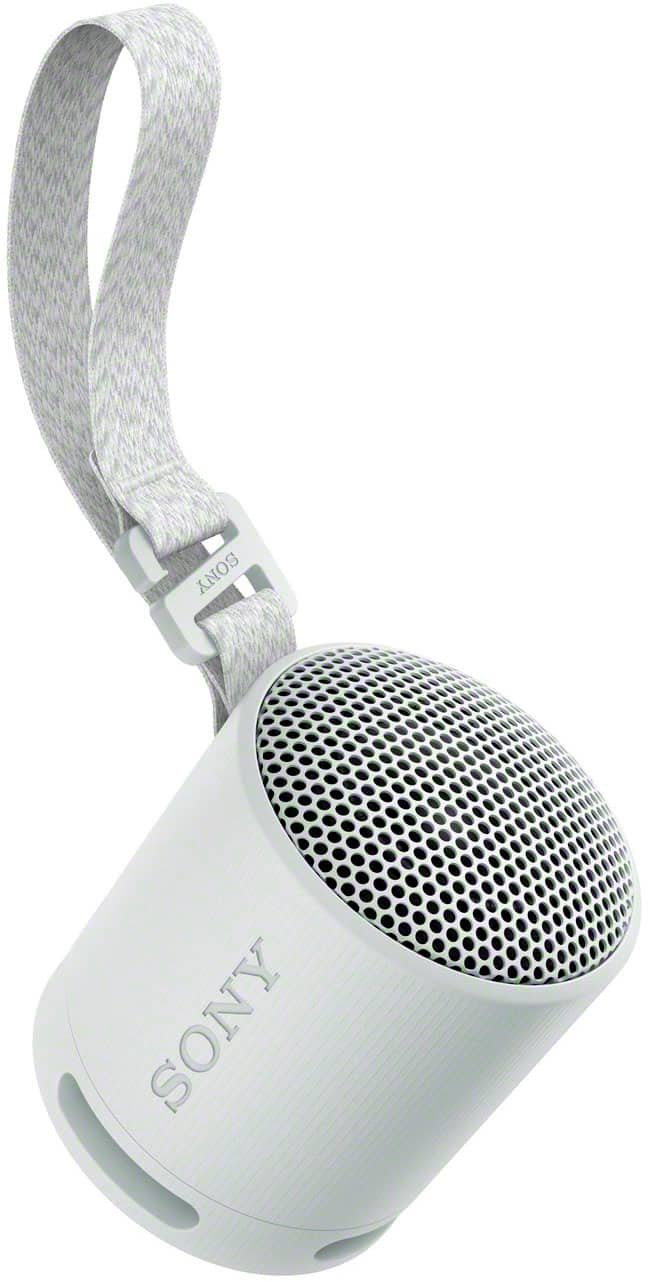
When it comes to wireless speakers in 2024, we're seeing an interesting divide between premium audio quality and ultra-portable convenience. Today we're comparing two distinctly different approaches: the premium Anker Soundcore Motion X500 at $170 and the ultra-compact Sony XB100 at $50.
Bluetooth speakers have come a long way since their early days of tinny sound and unreliable connections. Modern speakers now offer impressive audio quality, robust battery life, and serious durability. The key is finding the right balance for your needs.
Both of these speakers were released in 2023, representing the latest in their respective categories. The Motion X500 showcases Anker's push into premium audio, while the XB100 demonstrates Sony's mastery of miniaturization.
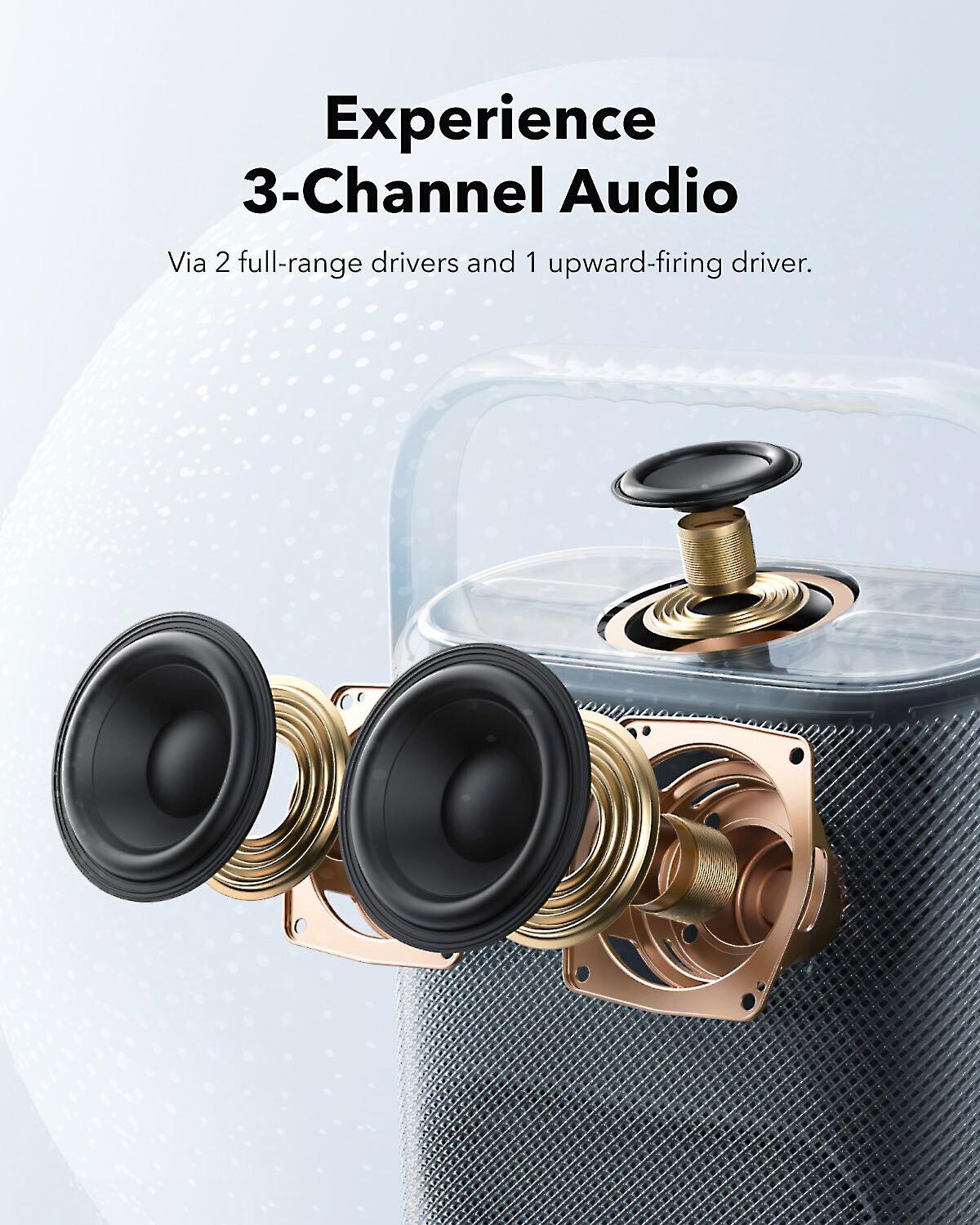
The Motion X500 delivers impressive audio through its three-driver setup (40W total power):
This configuration creates a genuinely immersive soundstage that fills medium to large rooms effectively. The spatial audio feature, while not quite matching a true surround system, adds noticeable dimension to music and movies.
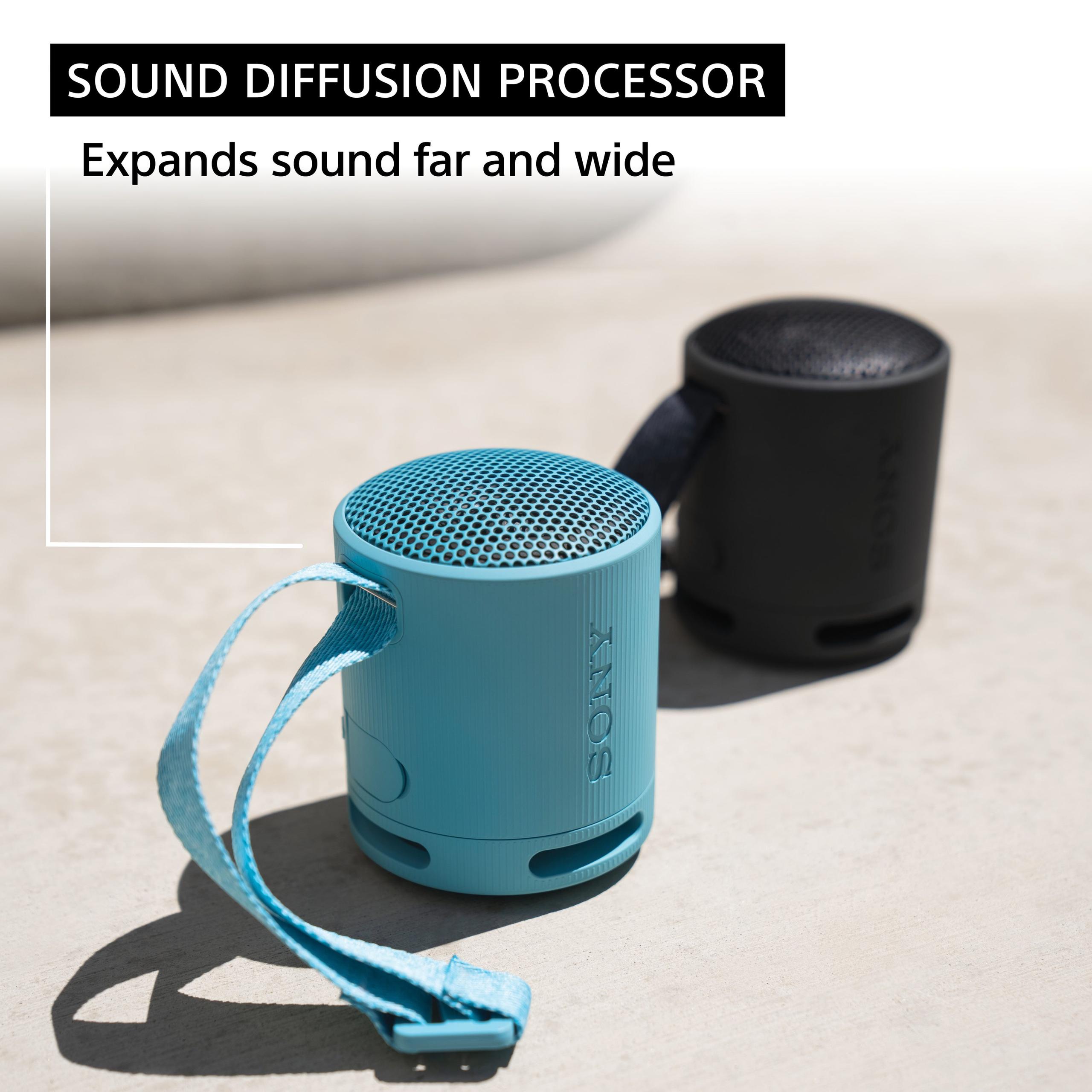
The Sony XB100 takes a different approach with its single 2.5W driver:
While it can't match the X500's room-filling capability, the sound quality is impressive for its tiny size. It handles casual listening well, though it struggles with bass-heavy tracks at higher volumes.
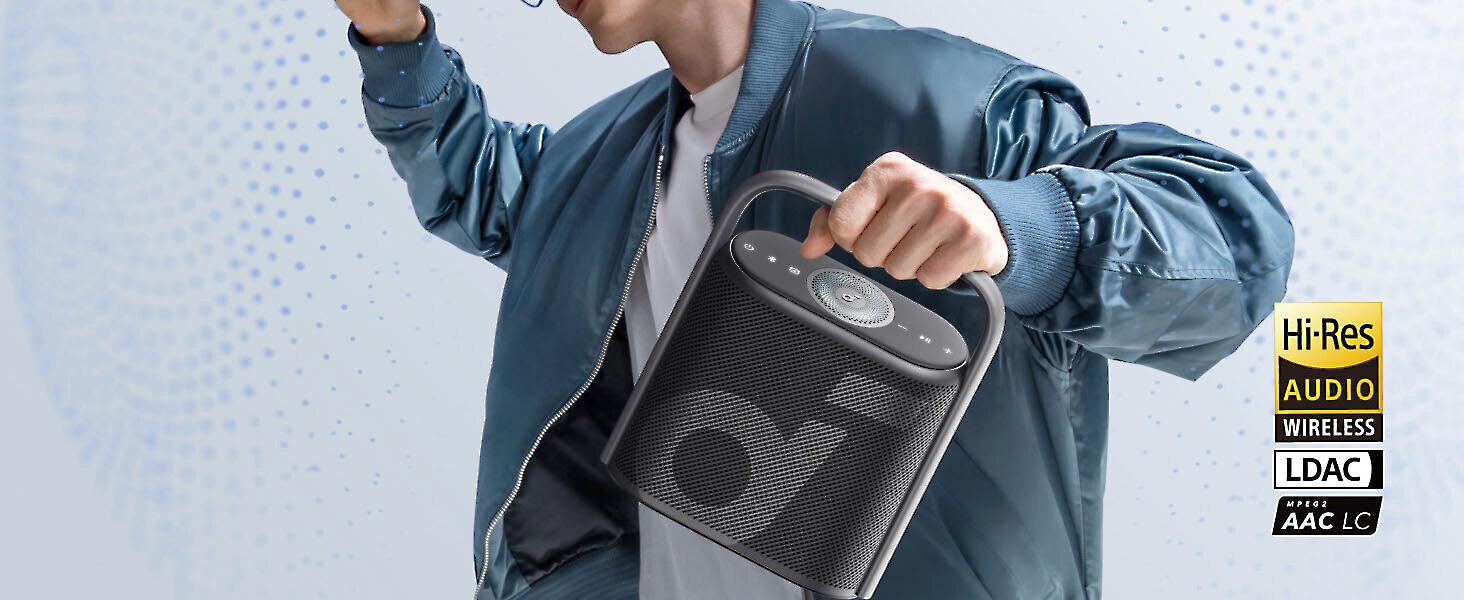
The X500 introduces several notable technologies:
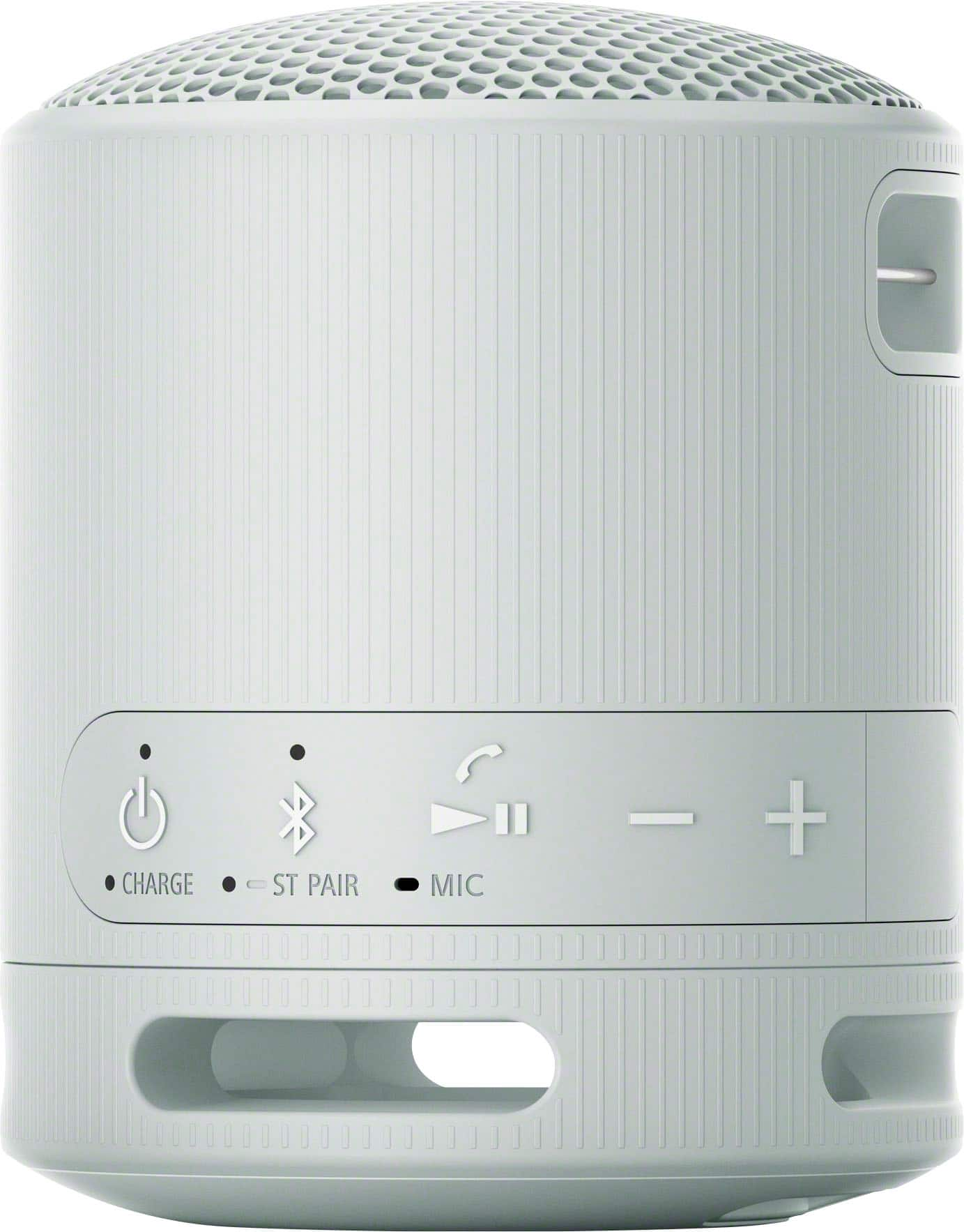
The XB100 focuses on practical innovations:
I've tested both speakers in various settings, and the differences are clear:
The Motion X500 excels at:
The XB100 performs best for:
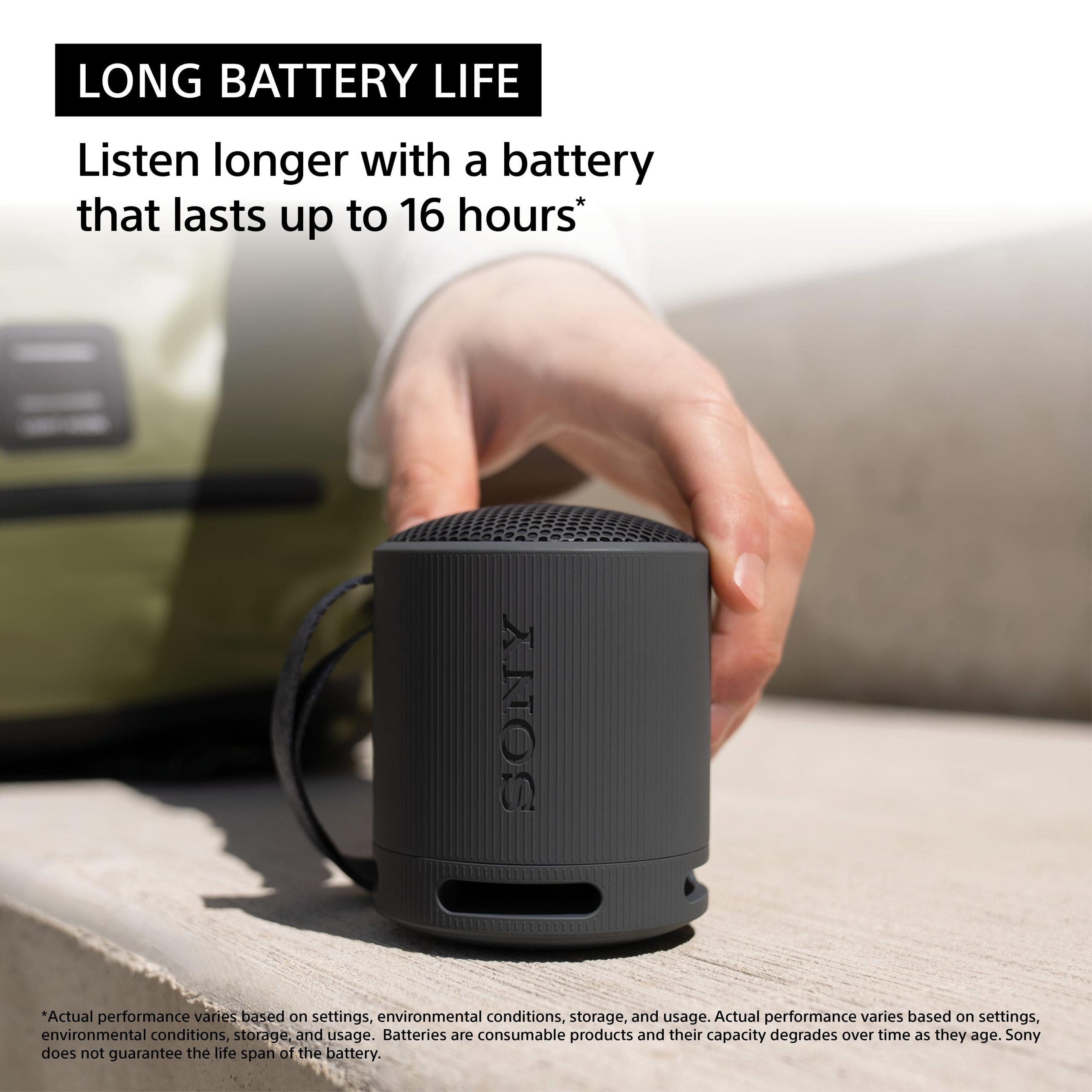
The X500 delivers about 12 hours at moderate volumes, though this drops to 6-8 hours with spatial audio enabled. The XB100 consistently achieves its claimed 16-hour battery life, impressive for its size.
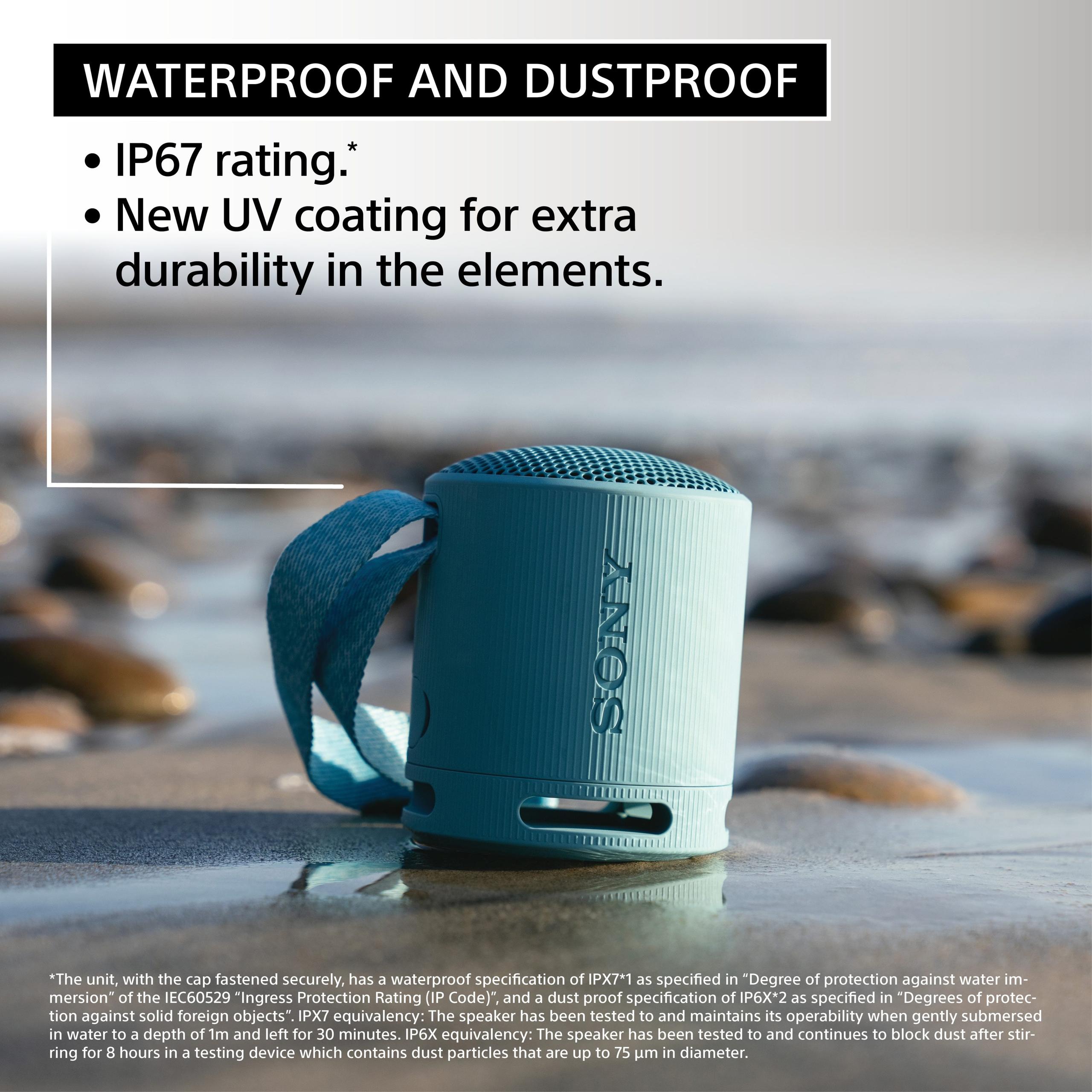
Both speakers offer water resistance, but the XB100's IP67 rating provides superior protection against both water and dust. The X500's IPX7 rating handles water well but lacks dust protection.
The Motion X500 competes with speakers costing $200-300, offering:
At $170, it represents solid value for those seeking premium audio features.
The XB100 at $50 delivers:
It's an excellent value for those prioritizing portability over absolute sound quality.
The X500 works well as a compact home theater speaker:
The XB100 isn't ideal for home theater use due to its limited volume and bass response.
The XB100 excels for:
The X500 can handle outdoor settings but its size and weight make it less convenient.
Consider the Motion X500 if you:
Choose the XB100 if you:
The key is being honest about your primary use case. While the X500 offers superior audio quality, the XB100's ultra-portable design might better suit your lifestyle. There's no wrong choice - just different solutions for different needs.
Both speakers demonstrate how far Bluetooth audio has come, whether you're seeking premium sound or ultimate portability. The technology continues to improve, and these 2023 models show how manufacturers can optimize for different priorities while maintaining quality within their target use cases.
| Anker Soundcore Motion X500 | Sony XB100 |
|---|---|
| Audio Power - Determines maximum volume and sound quality | |
| 40W total (2x15W + 10W upward) - Room-filling sound | 2.5W - Personal listening level |
| Size & Weight - Impacts portability and ease of transport | |
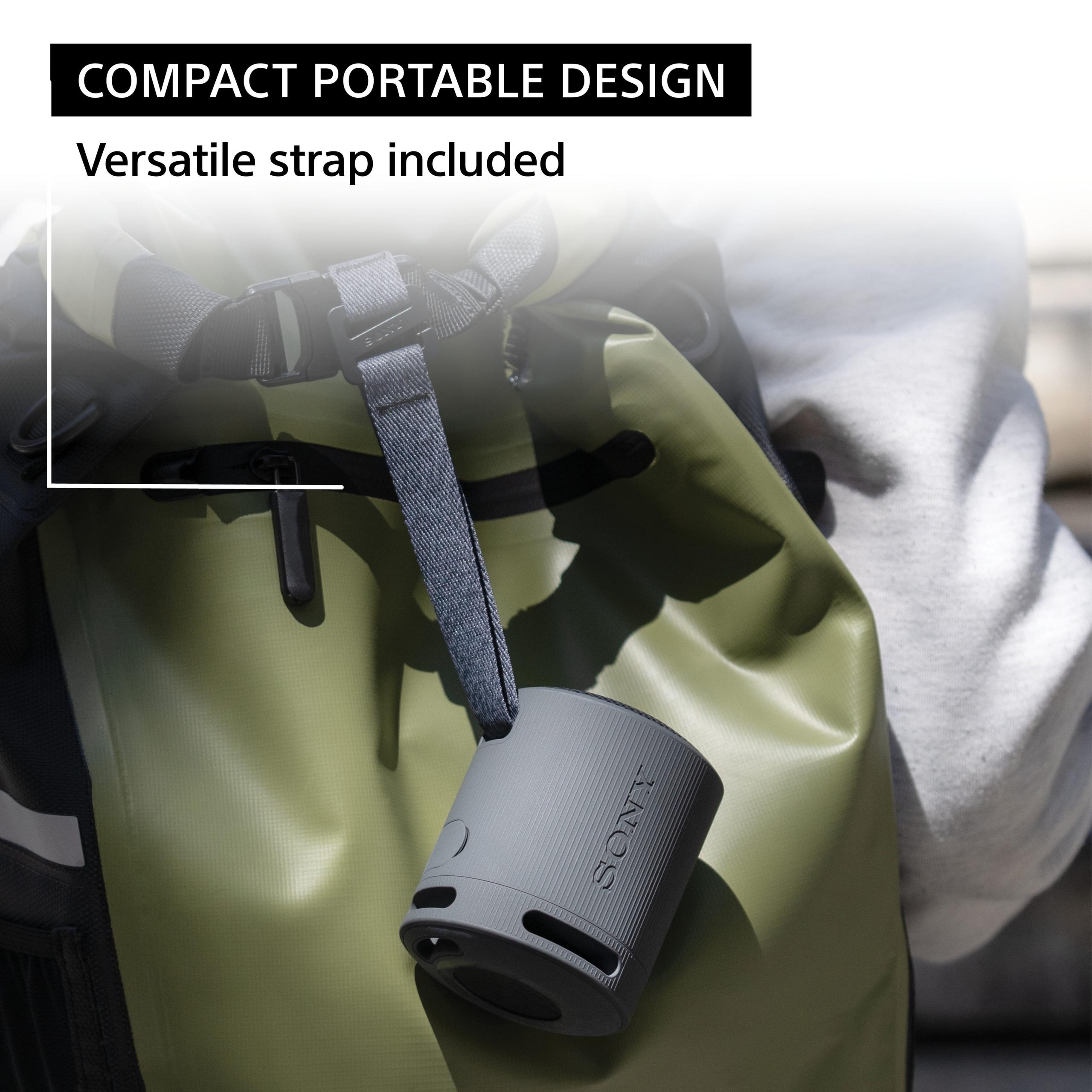
| 191 x 81 x 228mm, 1.6kg - Transportable but hefty | 76mm x 95mm, 274g - Truly pocket-sized |
| Battery Life - Important for extended use without charging | |
| 12 hours (6-8 with spatial audio) - Moderate duration | 16 hours - Excellent longevity |
| Water/Dust Protection - Critical for outdoor use | |
| IPX7 (water only) - Good water resistance | IP67 (water and dust) - Complete protection |
| Audio Features - Affects overall listening experience | |
| Spatial audio, LDAC codec, custom EQ - Premium features | Basic stereo, Sound Diffusion Processor - Standard features |
| Driver Configuration - Determines sound quality and coverage | |
| 3 active drivers + 2 passive radiators - Full range sound | 1 driver + passive radiator - Basic but clear sound |
| Bluetooth Version & Range - Affects connection quality | |
| 5.3 with 100m range - Latest technology | 5.3 with standard range - Modern connectivity |
| Price - Value consideration | |
| $170 - Premium features justify cost | $50 - Excellent value for portability |
| Additional Features - Extra functionality | |
| App control, ambient lighting, TWS pairing | Basic controls, stereo pair capable |
| Use Case Optimization - Where each excels | |
| Home/patio use, movie watching, parties | Travel, outdoor activities, personal listening |
The Anker Soundcore Motion X500 delivers significantly better sound quality with its 40W output and three-driver system. The Sony XB100 is decent for its size but can't match the X500's room-filling sound and bass response.
The Motion X500 costs $170, while the Sony XB100 is priced at $50. The price difference reflects their different target markets - premium home audio versus ultra-portable design.
The Sony XB100 offers longer battery life at 16 hours, compared to the Motion X500's 12 hours (which reduces to 6-8 hours when using spatial audio features).
Both are water-resistant, but the Sony XB100 has superior IP67 water and dust protection. The Motion X500 has IPX7 water resistance but no dust protection. The XB100 is also much more portable for outdoor activities.
The Sony XB100 is significantly more portable at 274g and pocket-sized dimensions. The Motion X500 weighs 1.6kg and is more suited for moving between rooms or occasional outdoor use.
Yes, both the Motion X500 and XB100 support stereo pairing with a second identical speaker for enhanced stereo sound.
The Motion X500 offers more advanced connectivity with LDAC codec support and app control. The XB100 provides standard Bluetooth 5.3 connectivity without additional features.
If you prioritize sound quality and home use, the Motion X500 justifies its higher price. For portable use and basic listening, the XB100 offers better value.
The Motion X500 is significantly better for movies with its spatial audio features and stronger bass response. The XB100 isn't designed for home theater use.
Both speakers have built-in microphones for calls, but the Motion X500 typically provides clearer call quality due to its better microphone system.
The Motion X500 delivers much stronger bass with its larger drivers and dual passive radiators. The XB100 has decent bass for its size but can't compete with the larger speaker.
The Sony XB100 is more durable with complete IP67 protection against water and dust. While the Motion X500 is well-built, it's more vulnerable to dust and isn't as robust for rough handling.
We've done our best to create useful and informative comparisons to help you decide what product to buy. Our research uses advanced automated methods to create this comparison and perfection is not possible - please contact us for corrections or questions. These are the sites we've researched in the creation of this article: tomsguide.com - outeraudio.com - gadgetoid.com - soundguys.com - pcgamesn.com - hktvmall.com - elomymelo.com - youtube.com - jopanda.com - shop.menshealth.com - soundphilereview.com - techradar.com - bestbuy.com - bestbuy.com - tomsguide.com - electronics.sony.com - sony-asia.com - sony.com - sony.com - thesonyshop.ca - cornellstore.com - bestbuy.com

Privacy Policy
Terms and Conditions - Affiliate Policy
Home Security
© Copyright 2008-2026.
11816 Inwood Rd #1211, Dallas, TX 75244