







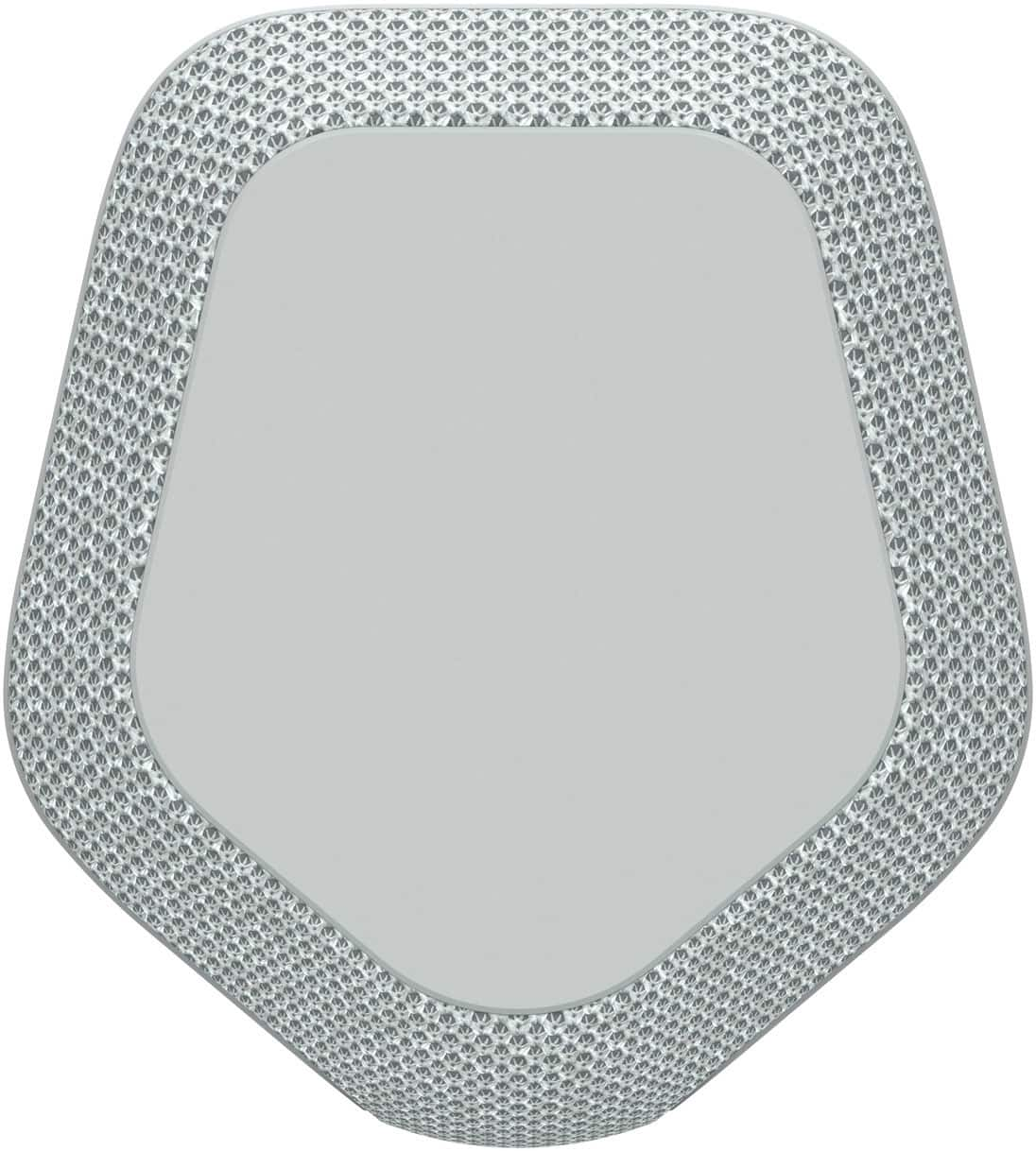
As wireless speakers continue to evolve, choosing between quality options like the Anker Soundcore Motion X500 and Sony XE300 becomes increasingly nuanced. Let's dive deep into what makes each speaker unique and who they might be best for.
The portable speaker market has transformed dramatically in recent years, with manufacturers pushing beyond simple Bluetooth connectivity to offer sophisticated audio processing, durable builds, and unique features. Both speakers we're examining today exemplify this evolution, though they take different approaches to delivering premium sound.
The $99.99 Motion X500 launched in late 2023, bringing spatial audio capabilities to the portable segment. Meanwhile, the $79.99 XE300 showcases Sony's acoustic expertise with its innovative Line-Shape Diffuser technology. These different approaches to sound delivery create distinct listening experiences that might better suit different users.
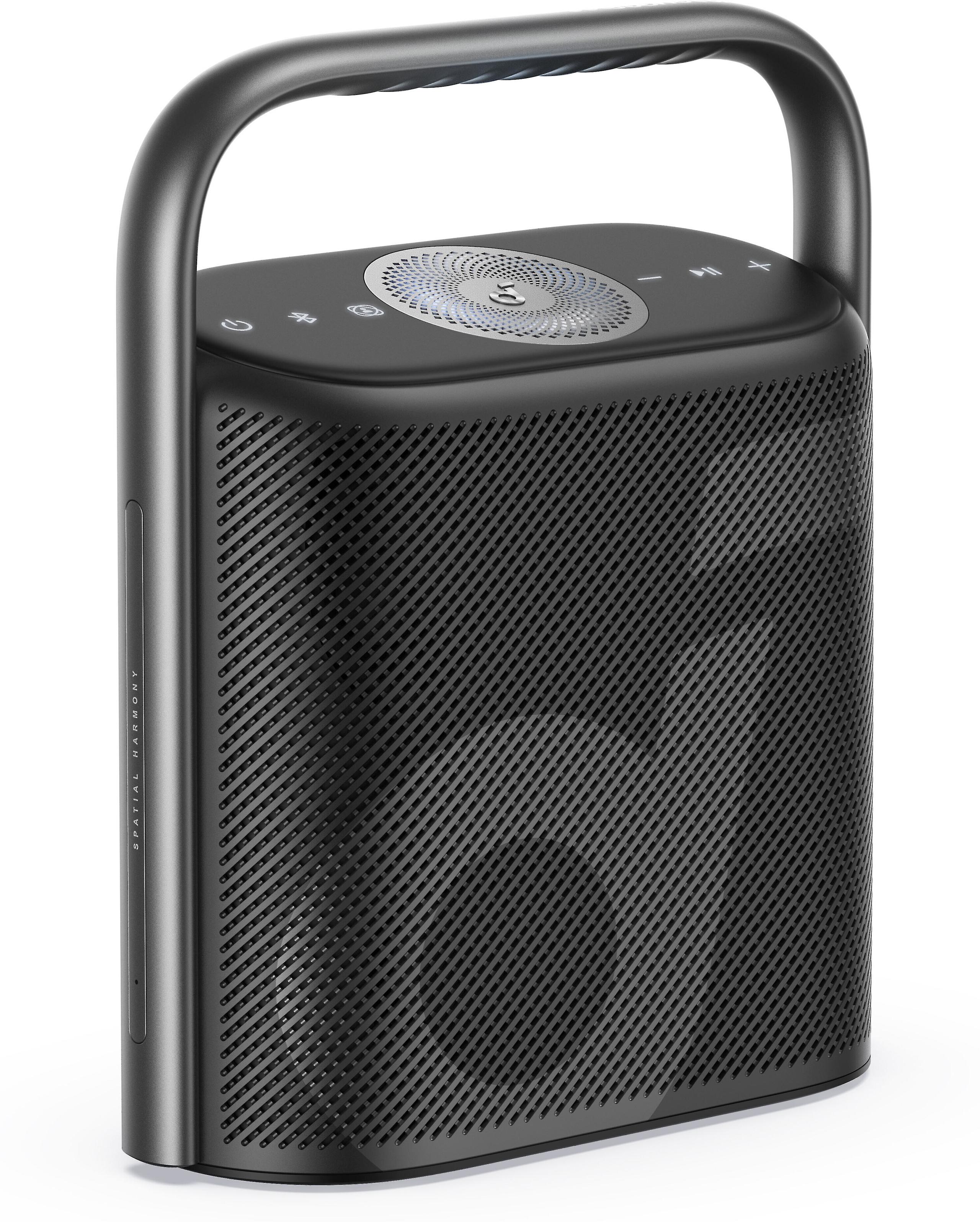
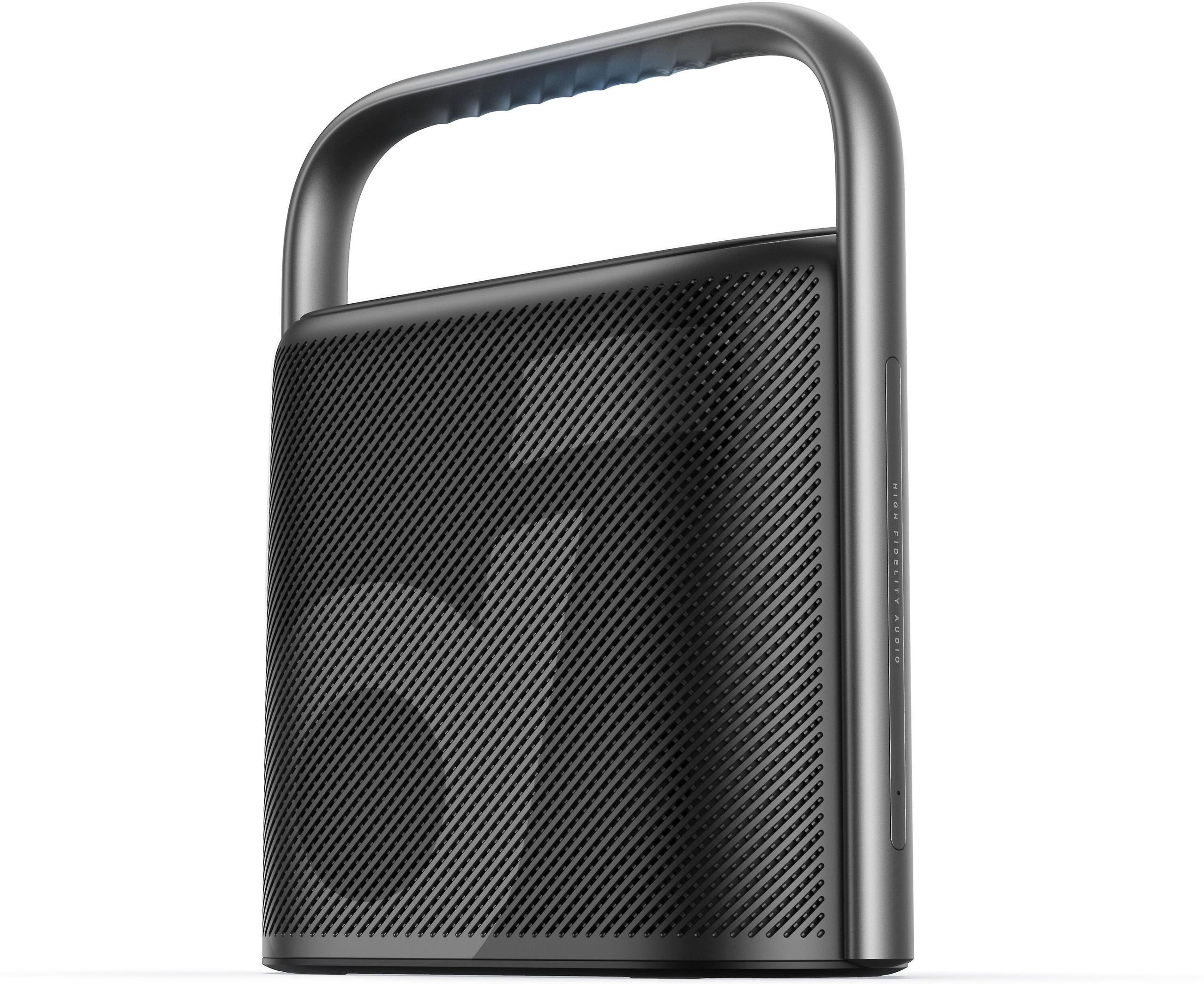
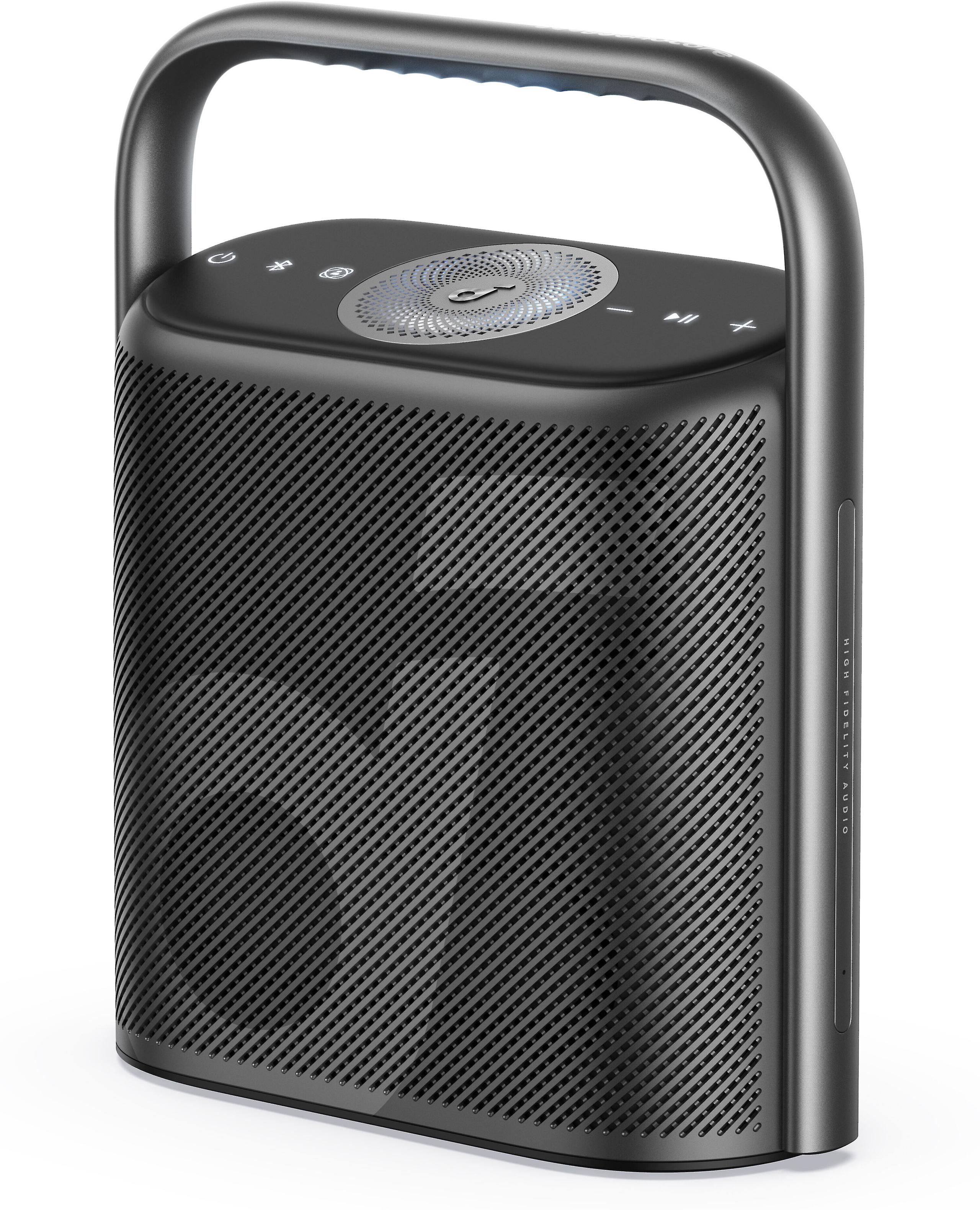
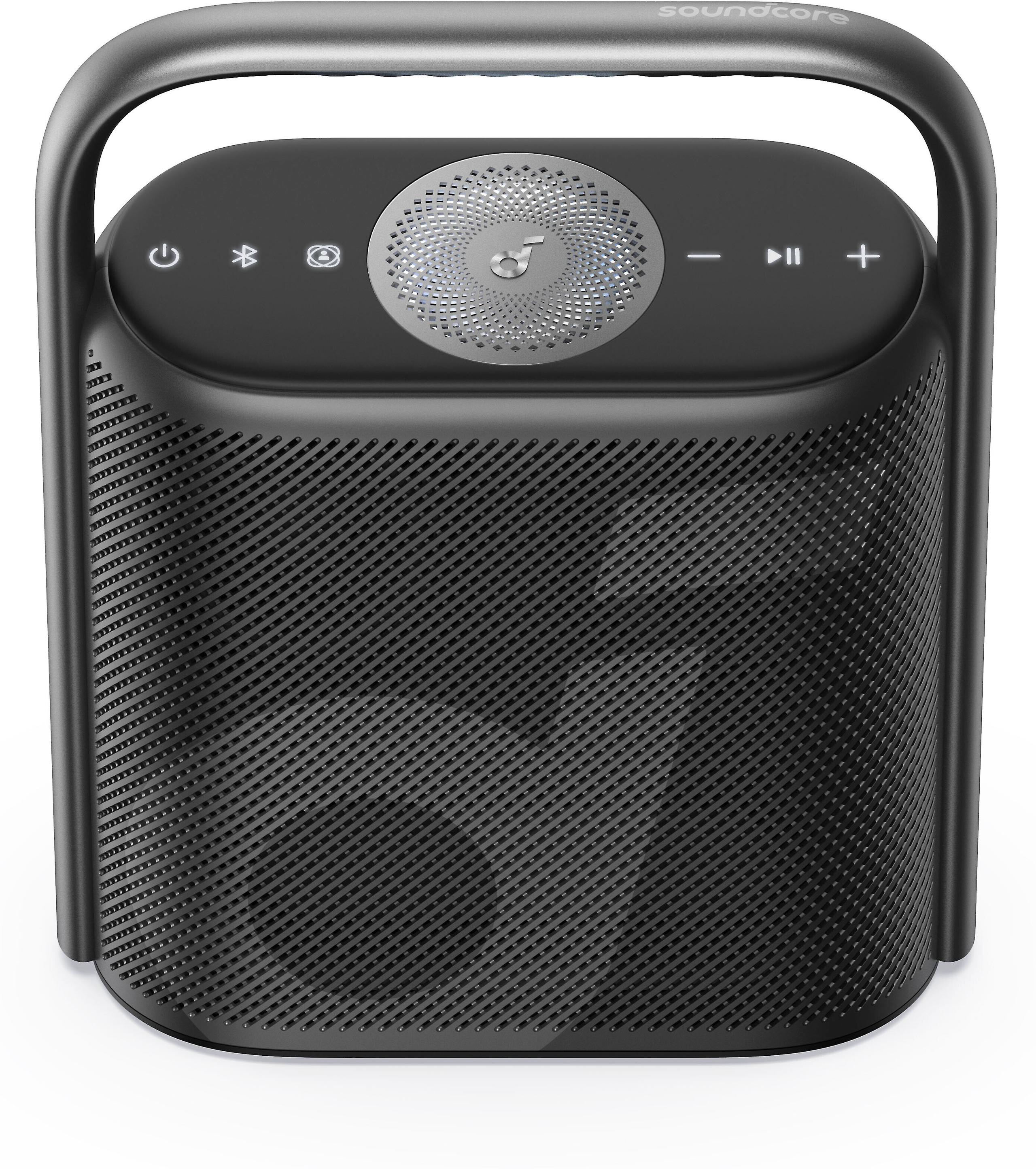
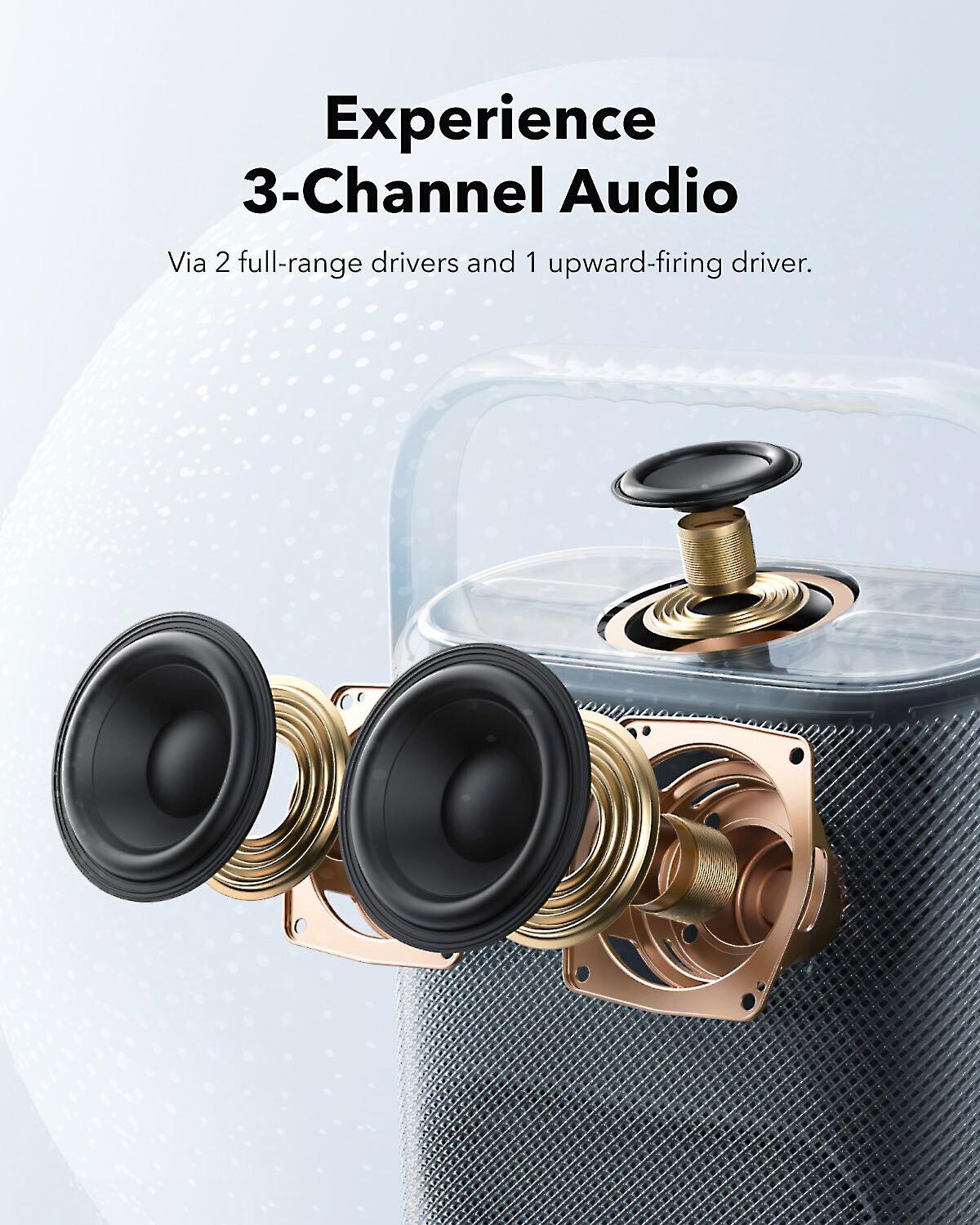
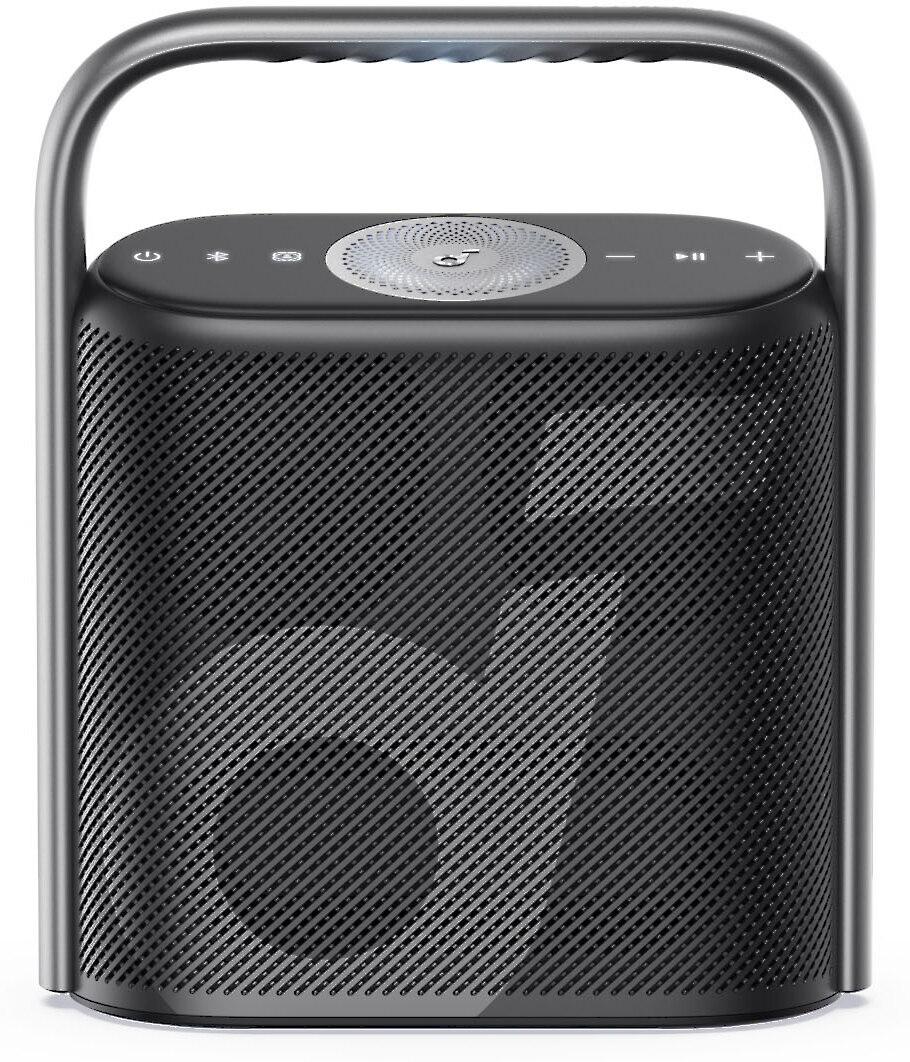
The Motion X500 employs a three-driver system, including an upward-firing speaker that creates a more immersive soundstage. Spatial audio (which simulates sound coming from different directions) works particularly well in indoor environments where sound can reflect off walls and ceilings. The result is an expansive sound that seems to extend beyond the speaker's physical location.
This approach excels with:
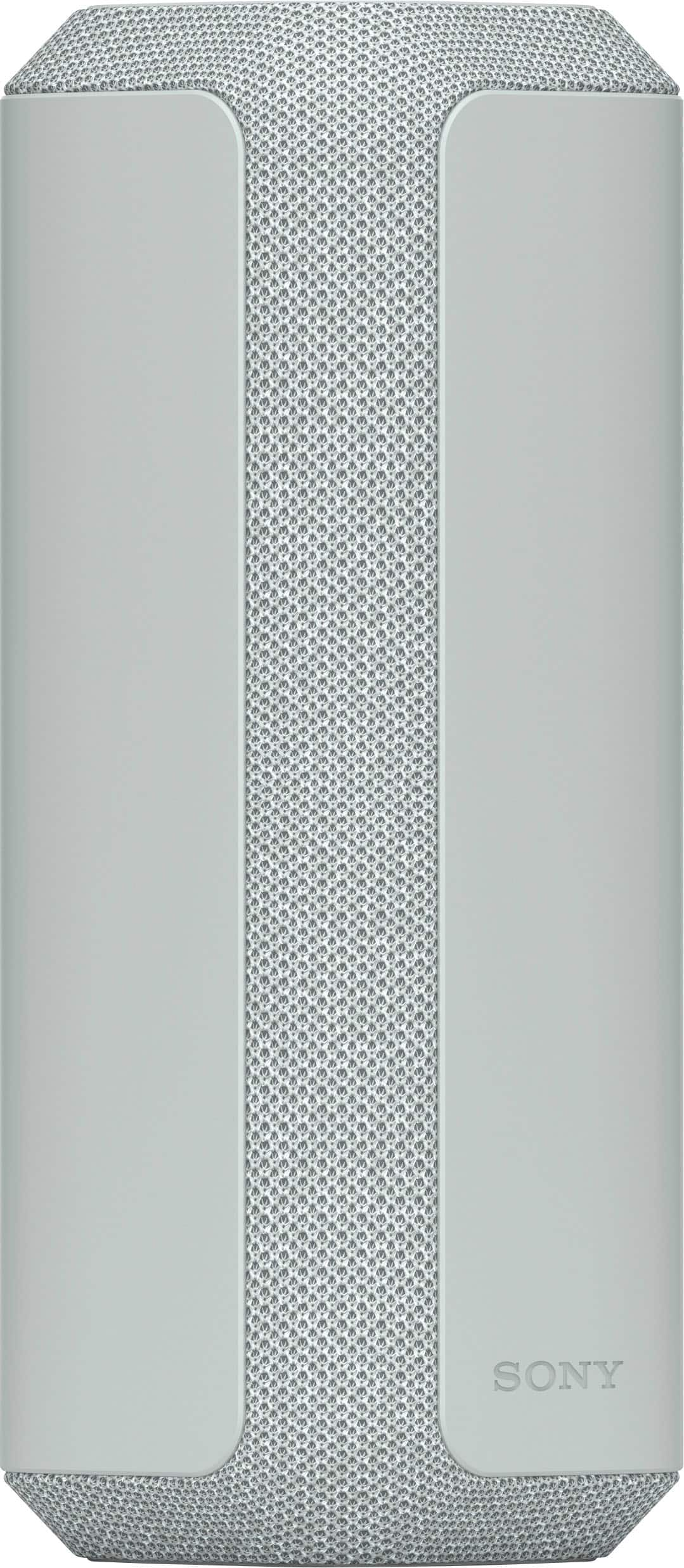
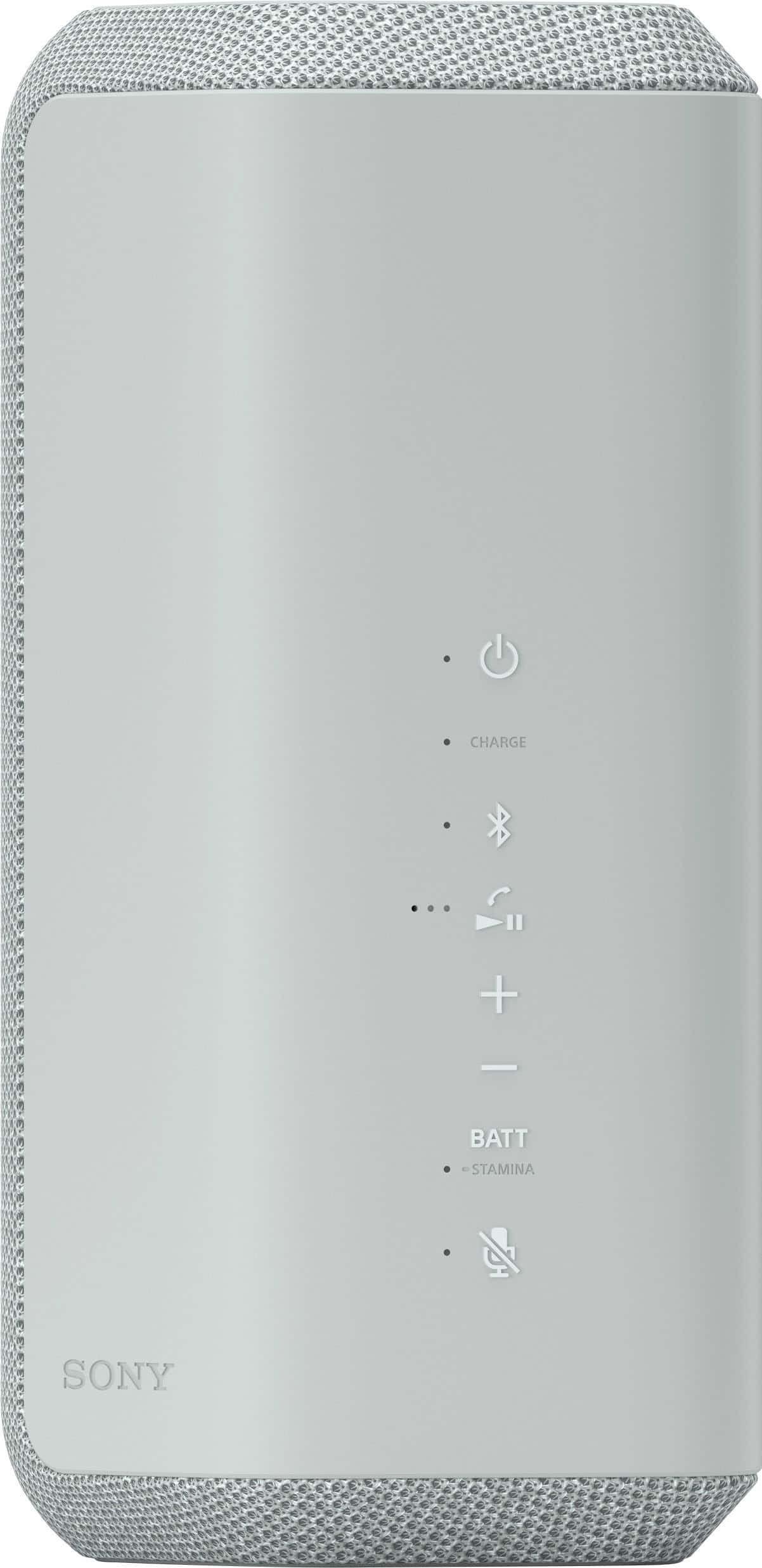
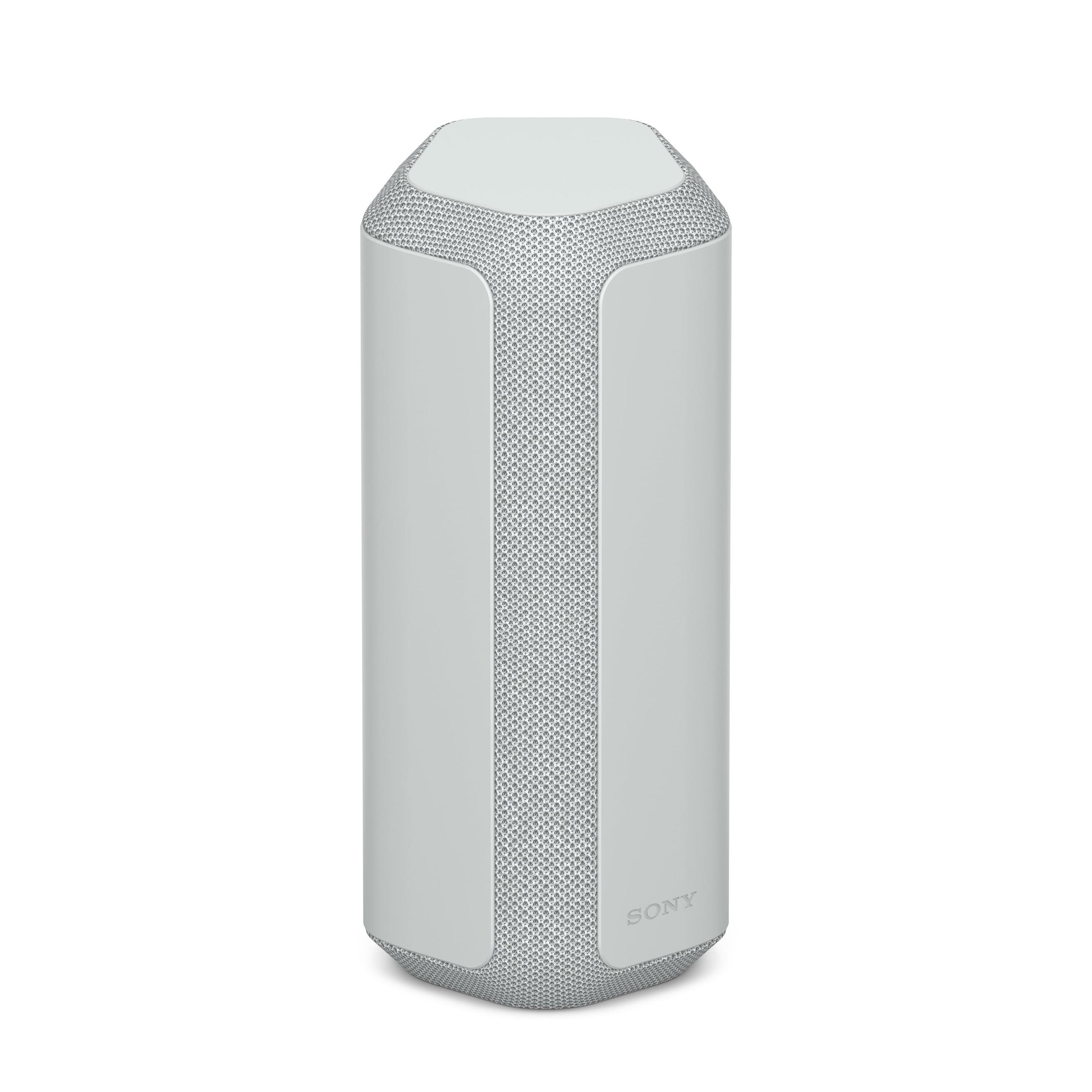
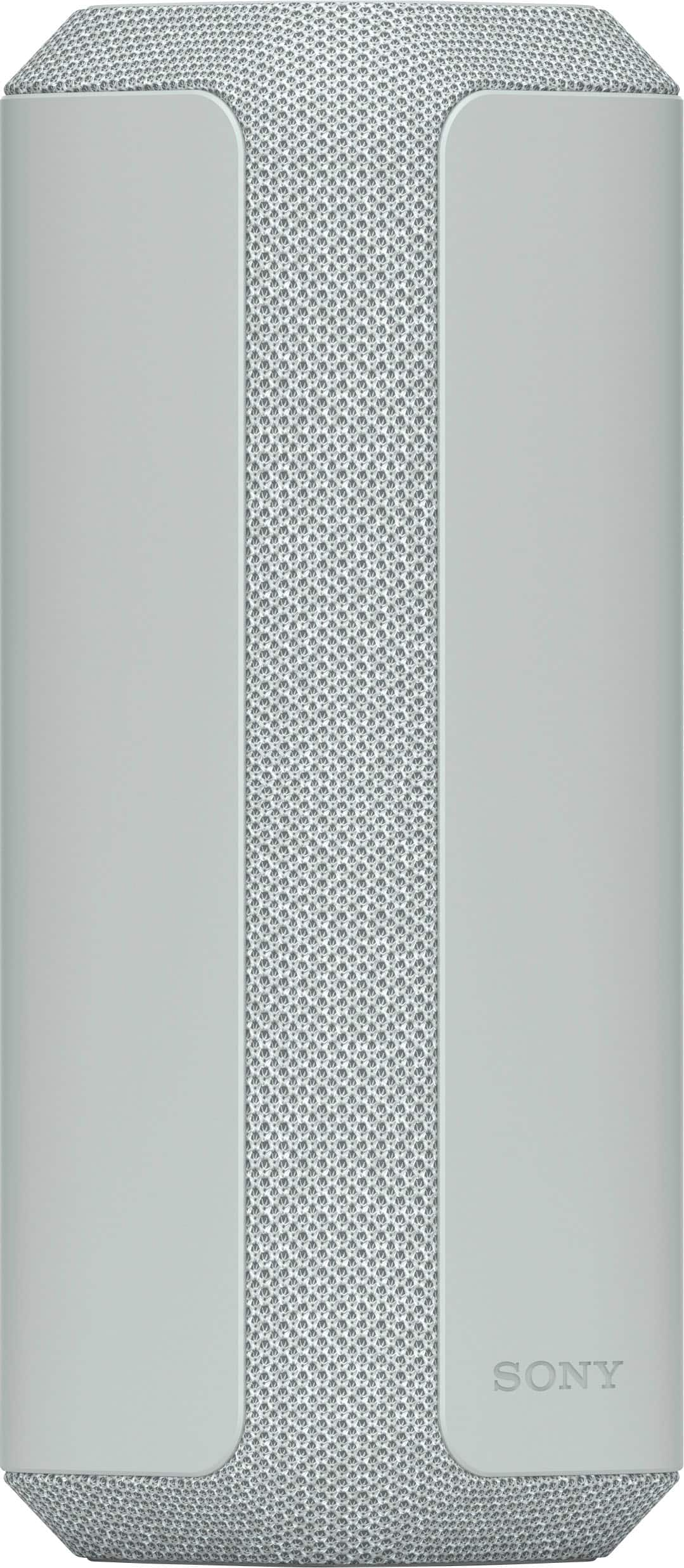
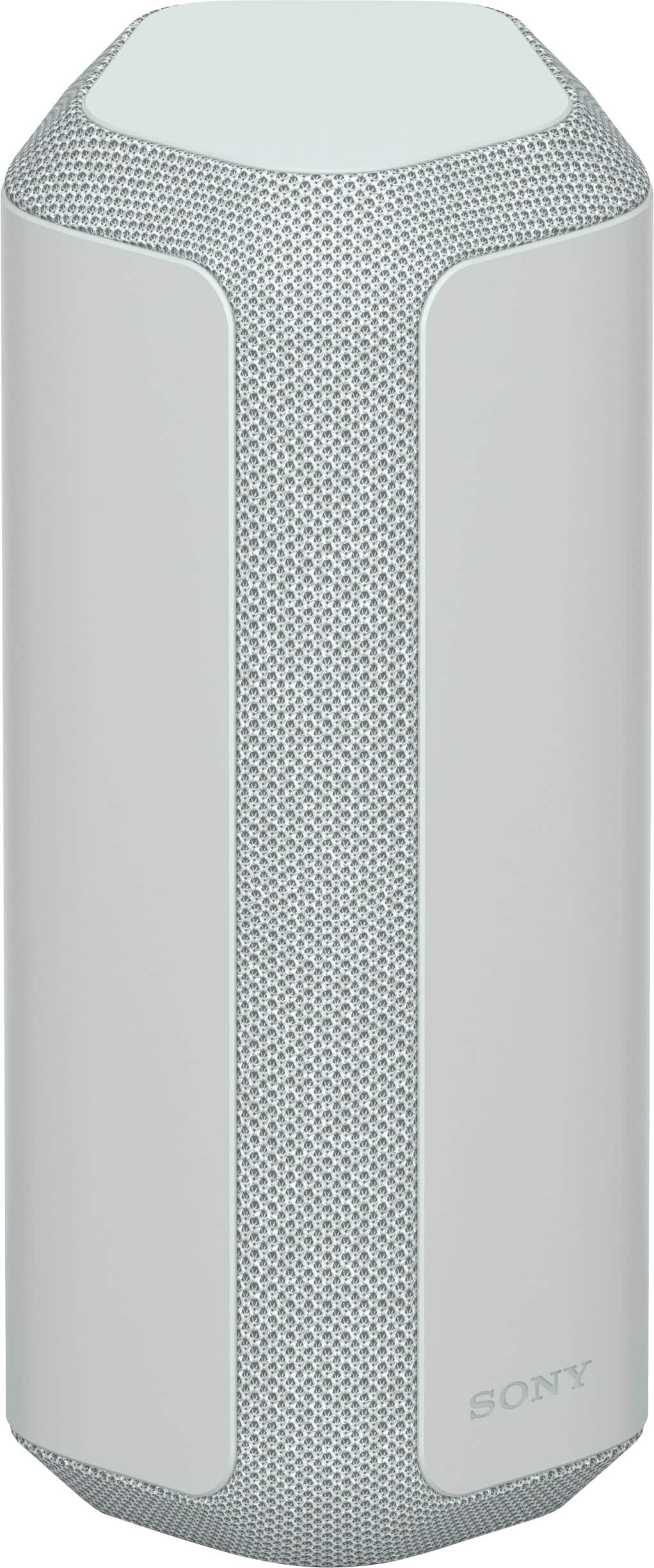
Sony's XE300 takes a more conventional but refined approach. Its Line-Shape Diffuser technology spreads sound horizontally across a wider area, making it ideal for outdoor gatherings or larger spaces. The dual passive radiators deliver robust bass without requiring an upward-firing driver.
This configuration particularly shines with:
Both speakers offer premium construction but with different priorities. The X500's aluminum body feels luxurious and substantial, while offering IPX7 water resistance (can handle immersion in 1 meter of water for 30 minutes).
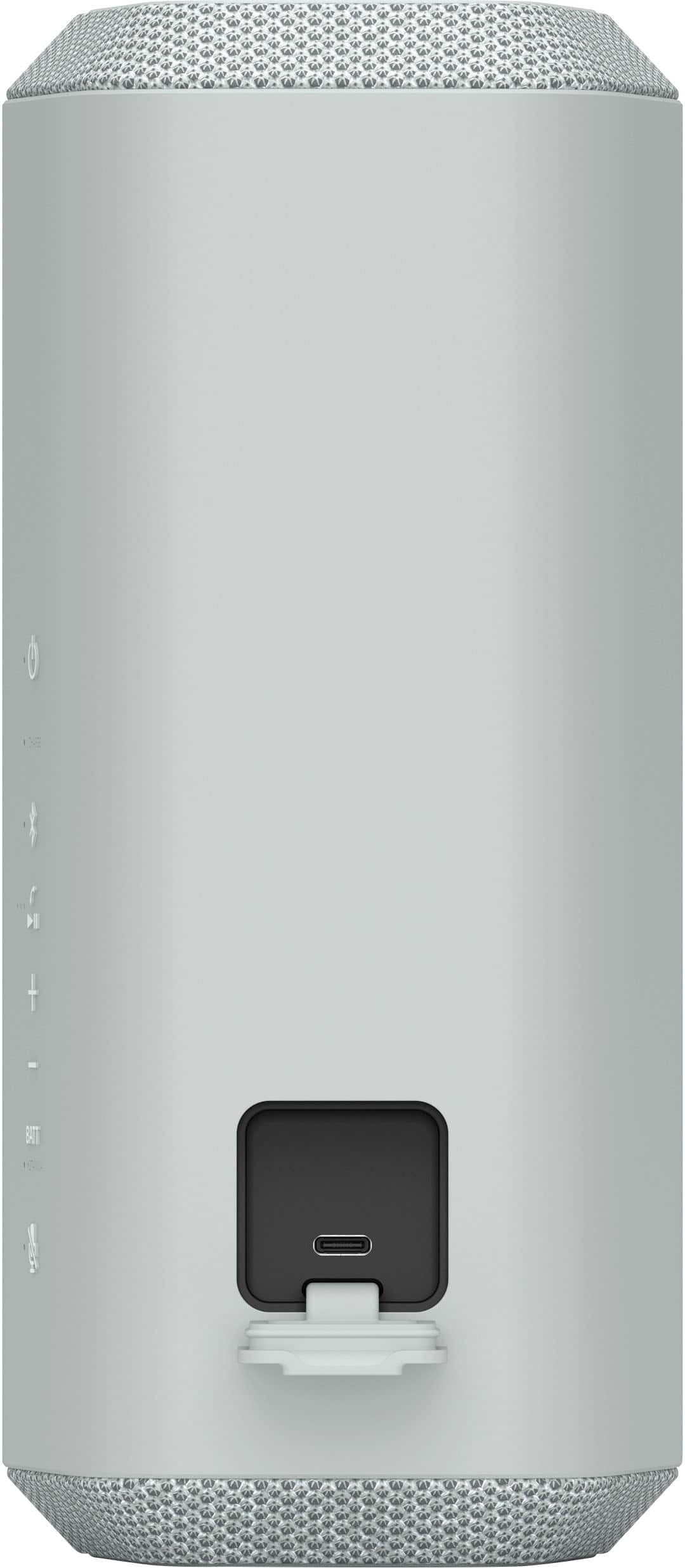
The XE300 goes further with IP67 certification, adding dust resistance to similar water protection. Its rubberized exterior might not feel as premium but offers better grip and durability for outdoor use.
The X500's spatial audio processing represents cutting-edge technology in portable speakers. It uses digital signal processing (DSP) to create virtual surround sound from stereo sources. While not quite matching dedicated home theater systems, it provides an impressively immersive experience for a portable unit.
The XE300's Line-Shape Diffuser technology, while less flashy, solves a common problem with portable speakers: uneven sound distribution. By spreading audio more evenly across a wider area, it ensures consistent sound quality for multiple listeners.
Both speakers support high-quality Bluetooth codecs including LDAC (which allows for higher quality wireless audio transmission than standard Bluetooth). The XE300 adds multi-point connection support, letting you keep two devices connected simultaneously - handy for switching between your phone and laptop.
The X500's 40W system gets noticeably louder than the XE300, making it better suited for larger indoor spaces. However, raw power numbers don't tell the whole story - the XE300's sound distribution technology means it maintains clarity better at lower volumes and sounds more balanced across different listening positions.
Both speakers advertise around 12 hours of playback, but real-world usage varies:
The X500 includes customizable ambient lighting and app-based EQ controls, adding value for home use. The XE300's Party Connect feature lets you link multiple compatible Sony speakers - great for larger events but requiring investment in the Sony ecosystem.
While neither speaker is primarily designed for home theater use, the X500's spatial audio capabilities make it an interesting option for improving TV sound in smaller rooms. It can create a more immersive experience than typical TV speakers, though it won't replace a proper surround sound system.
At current prices (X500 at $99.99 and XE300 at $79.99), both speakers offer strong value. The X500's recent price drop from $170 makes it particularly attractive for those interested in spatial audio and premium construction. The XE300's lower price point delivers excellent sound quality and durability for more traditional use cases.
Choose the Motion X500 if:
Choose the XE300 if:
Both speakers represent different visions of where portable audio is heading. The X500's spatial audio capabilities hint at more immersive portable experiences to come, while the XE300's focus on sound distribution and durability shows how traditional approaches continue to evolve.
As prices for premium features continue to drop, both speakers demonstrate how much value is available in today's portable speaker market. Whether you prioritize cutting-edge features or refined traditional performance, both options deliver impressive results for their current price points.
Remember that the best choice ultimately depends on your specific needs and how you'll primarily use the speaker. Consider your typical listening environment, desired features, and whether future-forward technology or proven approaches better suit your style.
| Anker Soundcore Motion X500 | Sony XE300 |
|---|---|
| Power Output - Determines maximum volume and audio quality at high levels | |
| 40W (2x15W full-range, 1x10W upward) | ~65W total output |
| Speaker Configuration - Affects sound staging and dispersion | |
| 3 drivers with upward-firing spatial audio | Dual front-firing drivers with Line-Shape Diffuser |
| Water/Dust Resistance - Important for outdoor use and durability | |
| IPX7 (waterproof) | IP67 (waterproof and dustproof) |
| Battery Life - Critical for portable use | |
| 12 hours (reduced with spatial audio) | 12 hours (includes quick charge) |
| Charging Specs - Affects convenience and usage patterns | |
| 5-6 hours full charge | 10min charge = 70min playback |
| Bluetooth Version & Range - Impacts connection quality | |
| Bluetooth 5.3, 100m range | Bluetooth 5.2, 30m range |
| Audio Codecs - Determines wireless audio quality potential | |
| LDAC, SBC, AAC | LDAC, SBC, AAC |
| Physical Size - Consider portability needs | |
| 191 x 81 x 228 mm, 1.63kg | 105 x 238 x 119 mm, 1.3kg |
| Special Features - Added value beyond basic audio | |
| Spatial audio, ambient lighting, app EQ | Party Connect, multi-point connection |
| Construction - Impacts durability and premium feel | |
| Aluminum body and grille | Rubberized exterior |
| Current Price - Value consideration | |
| $99.99 (reduced from $170) | $79.99 |
The Anker Soundcore Motion X500 is better for indoor use and spatial audio, while the Sony XE300 excels outdoors with better sound distribution. For current prices, the X500 at $99.99 offers more premium features, while the XE300 at $79.99 provides better durability.
The Motion X500 delivers more immersive sound with its spatial audio and upward-firing speaker, while the XE300 provides more balanced, wider-dispersed sound. The X500 gets louder, but the XE300 maintains better clarity at lower volumes.
Both speakers offer approximately 12 hours of battery life, but the XE300 includes quick charging (70 minutes playback from 10-minute charge). The Motion X500's battery life reduces when using spatial audio features.
Yes, both are waterproof. The XE300 has IP67 rating (waterproof and dustproof), while the Motion X500 has IPX7 rating (waterproof but not rated for dust resistance).
The Sony XE300 is better for parties due to its wider sound dispersion and Party Connect feature for linking multiple speakers. The Motion X500 gets louder but has more focused sound direction.
Yes, both offer good value. The Motion X500 at $99.99 (reduced from $170) provides premium features like spatial audio, while the XE300 at $79.99 offers excellent durability and sound quality.
The Sony XE300 is more portable at 1.3kg versus the Motion X500's 1.63kg weight. The XE300 also has a more compact design and durable exterior for transport.
The Sony XE300 supports multi-point connection for two simultaneous device connections. The Motion X500 requires disconnecting from one device to connect to another.
Both deliver strong bass, but the Motion X500 provides more impactful low-end due to its higher power output. The XE300 offers more balanced bass that stays consistent across different listening positions.
Yes, both the Motion X500 and XE300 work with all Bluetooth devices and support high-quality codecs like AAC for Apple devices and LDAC for Android.
The Sony XE300 is better suited for outdoor use with its IP67 dust resistance and Line-Shape Diffuser technology for wider sound coverage. The Motion X500 is more oriented toward indoor use.
Yes, both have apps. The Motion X500 app offers EQ and lighting controls, while the XE300 app provides EQ, Party Connect features, and firmware updates through Sony Music Center.
We've done our best to create useful and informative comparisons to help you decide what product to buy. Our research uses advanced automated methods to create this comparison and perfection is not possible - please contact us for corrections or questions. These are the sites we've researched in the creation of this article: tomsguide.com - outeraudio.com - gadgetoid.com - soundguys.com - pcgamesn.com - hktvmall.com - elomymelo.com - youtube.com - jopanda.com - shop.menshealth.com - soundphilereview.com - bestbuy.com - sony.co.uk - soundguys.com - bestbuy.com - cgmagonline.com - sony.com - sony.com - bestbuy.com - sony.com - electronics.sony.com - helpguide.sony.net

Privacy Policy
Terms and Conditions - Affiliate Policy
Home Security
© Copyright 2008-2026.
11816 Inwood Rd #1211, Dallas, TX 75244