


When it comes to portable Bluetooth speakers, we've seen remarkable advances in recent years. Today, we're comparing two distinct approaches: Anker's recent premium offering and Bose's ultra-portable classic. While they share the same basic function, they serve notably different needs.
Bluetooth speakers have evolved from simple wireless music players to sophisticated audio devices. Modern speakers now offer features like spatial audio (creating a more immersive, room-filling sound), high-resolution audio codecs (for better wireless sound quality), and advanced water protection.
The $169 Motion X500 was released in late 2023, bringing several modern features to the portable speaker market. In contrast, the $99 SoundLink Micro launched in 2017 but remains popular due to its practical design and reliable performance.
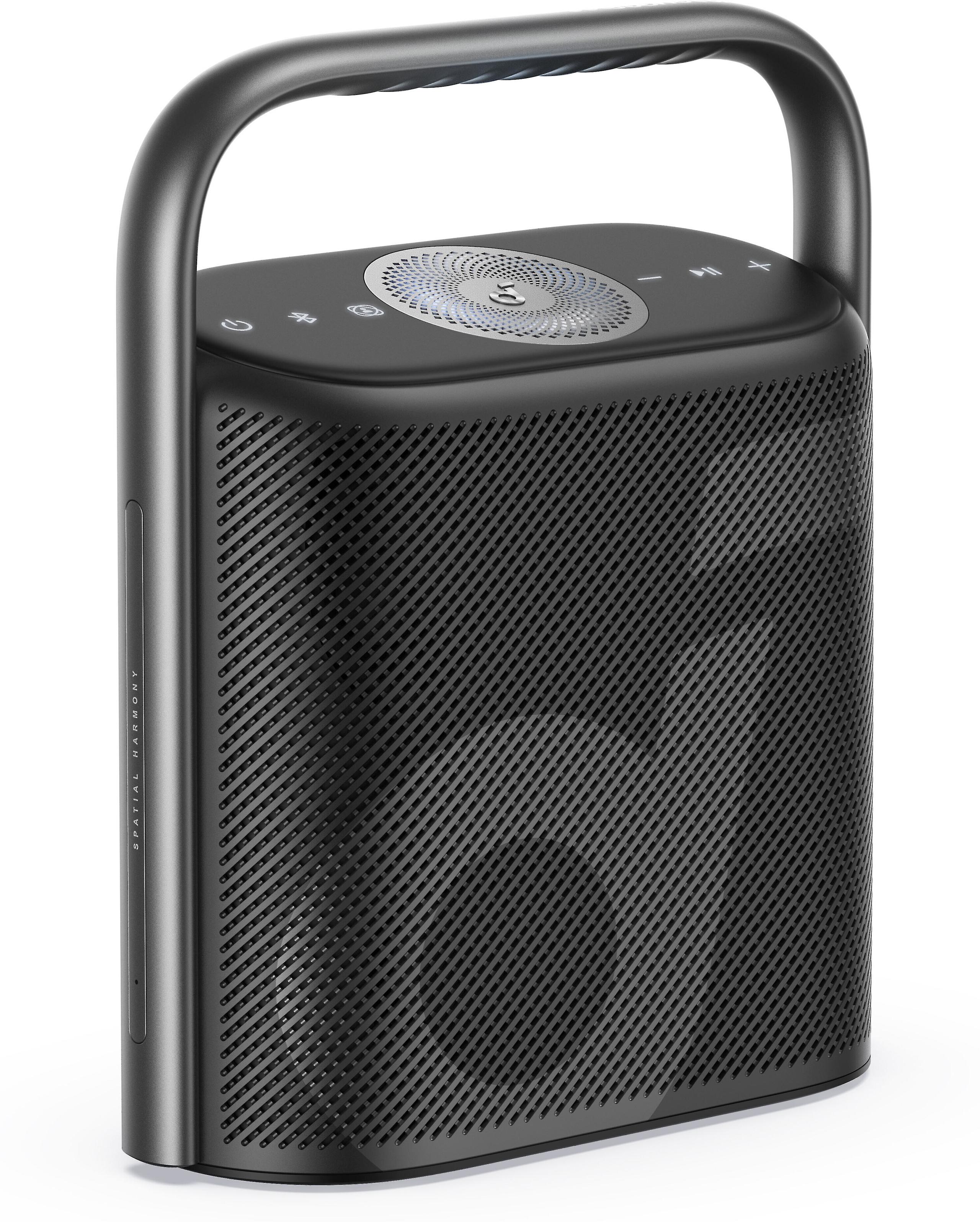
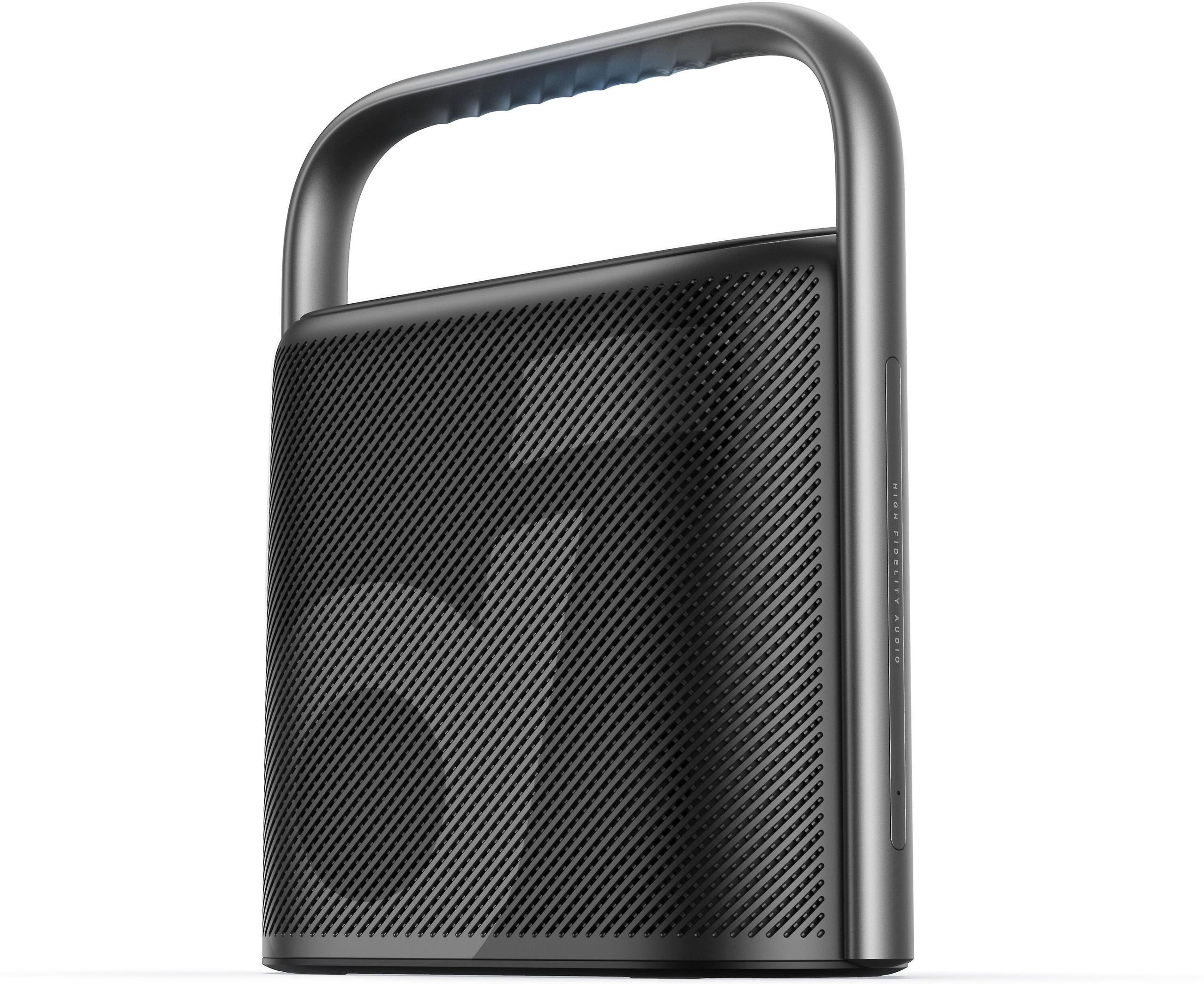
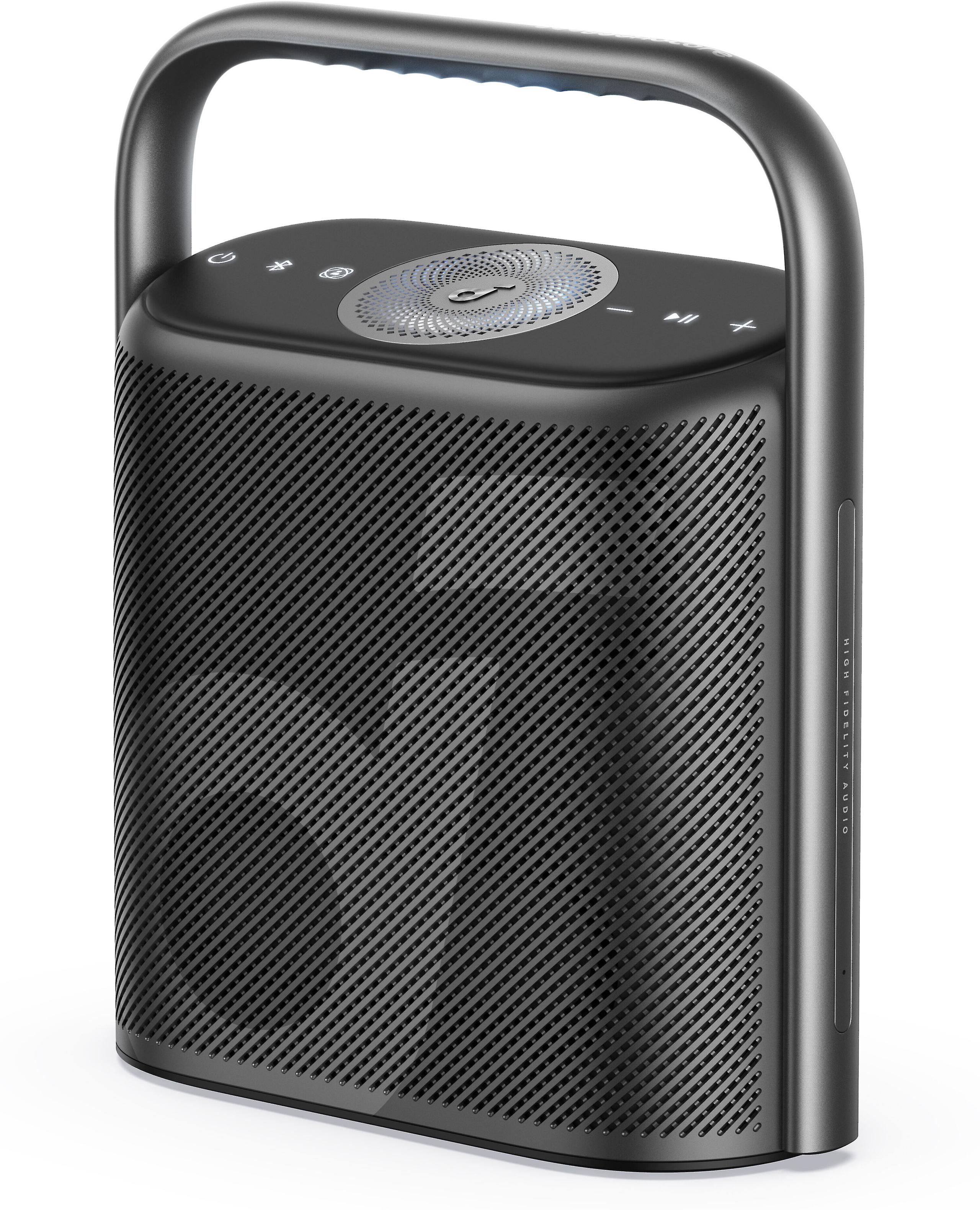
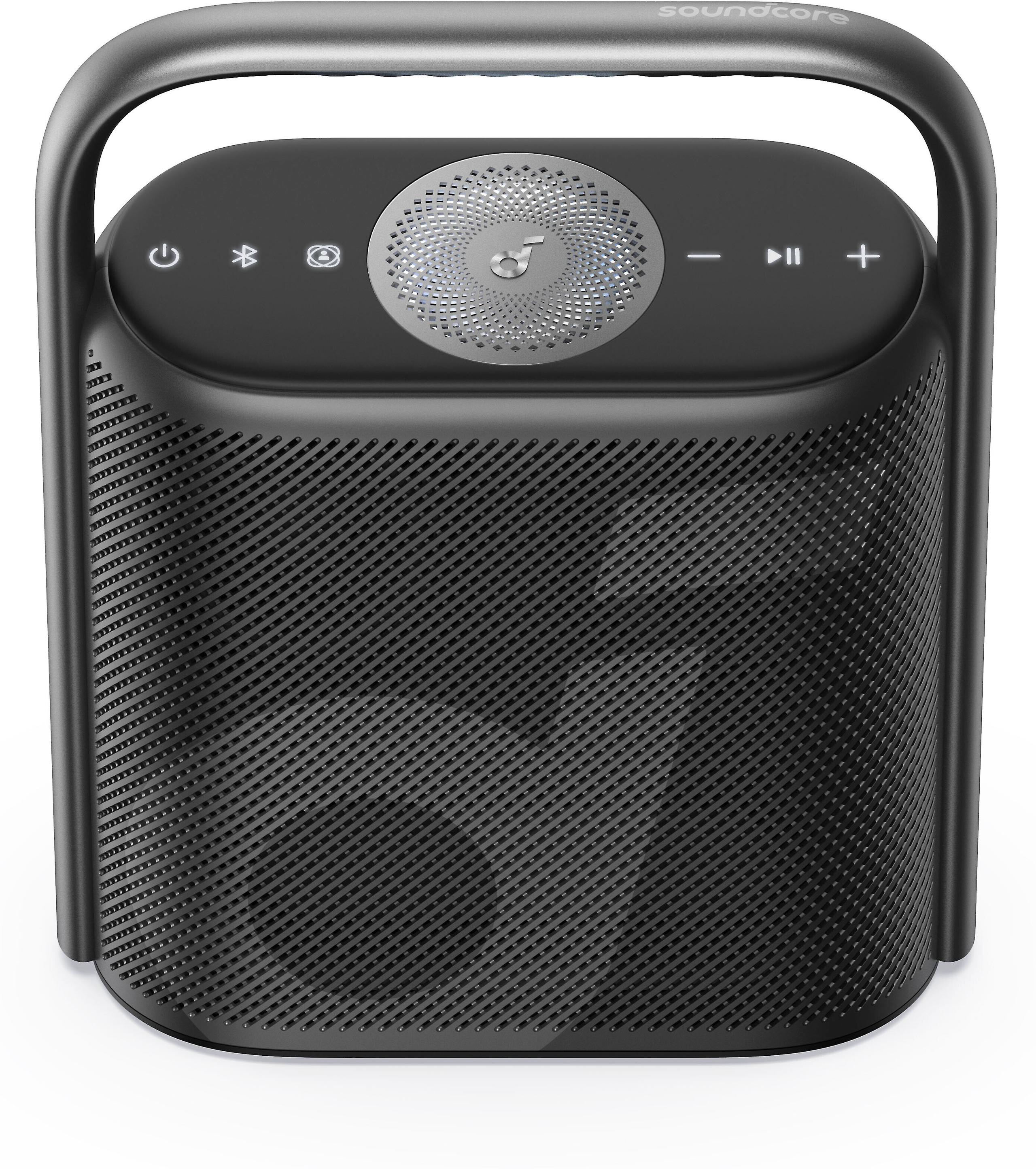
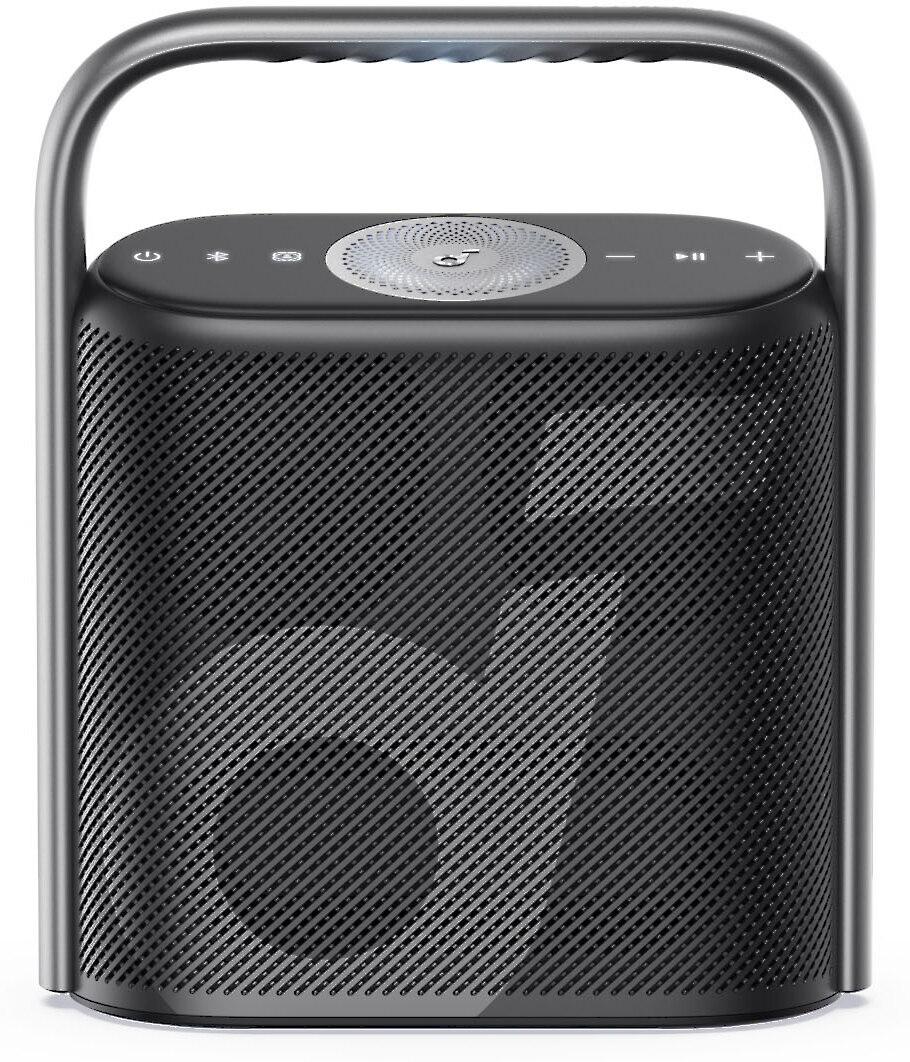
The physical difference between these speakers is striking. The Motion X500 is what I'd call "portable-ish" - at 1.6kg and about the size of a large coffee thermos, it's something you'll pack deliberately rather than carry routinely. It's perfect for moving room to room or taking to outdoor gatherings, but it's not something you'd clip to a backpack.
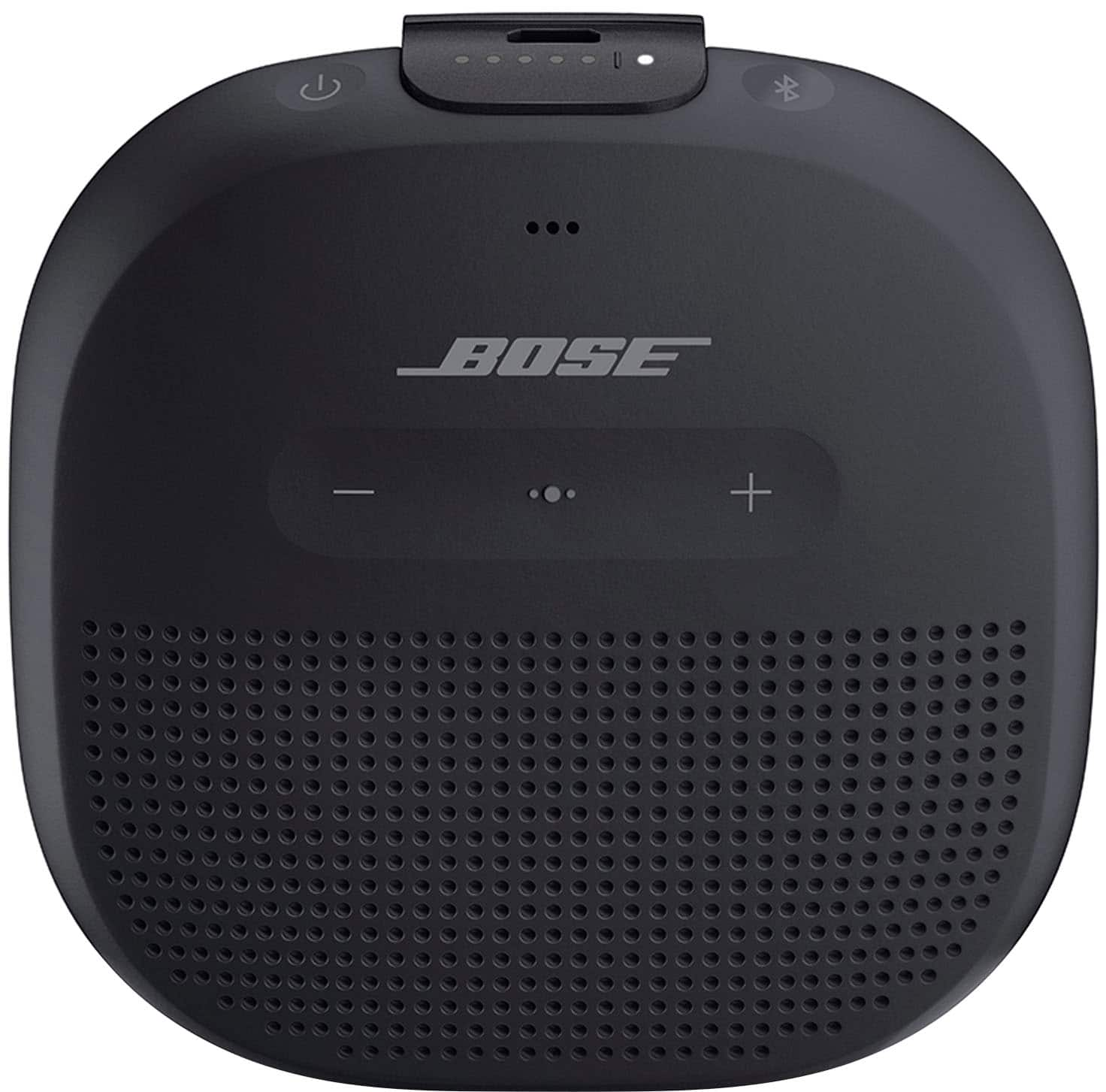
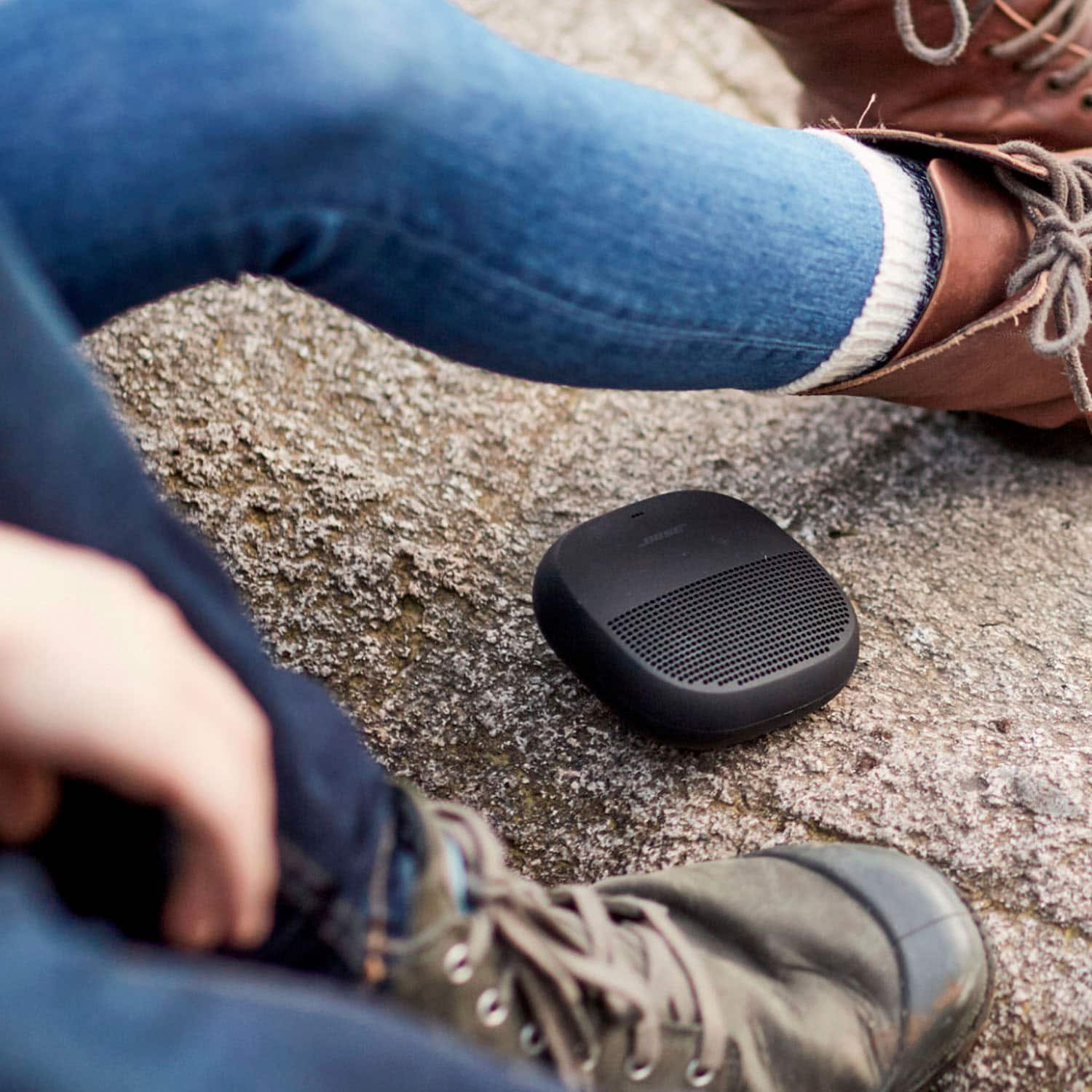
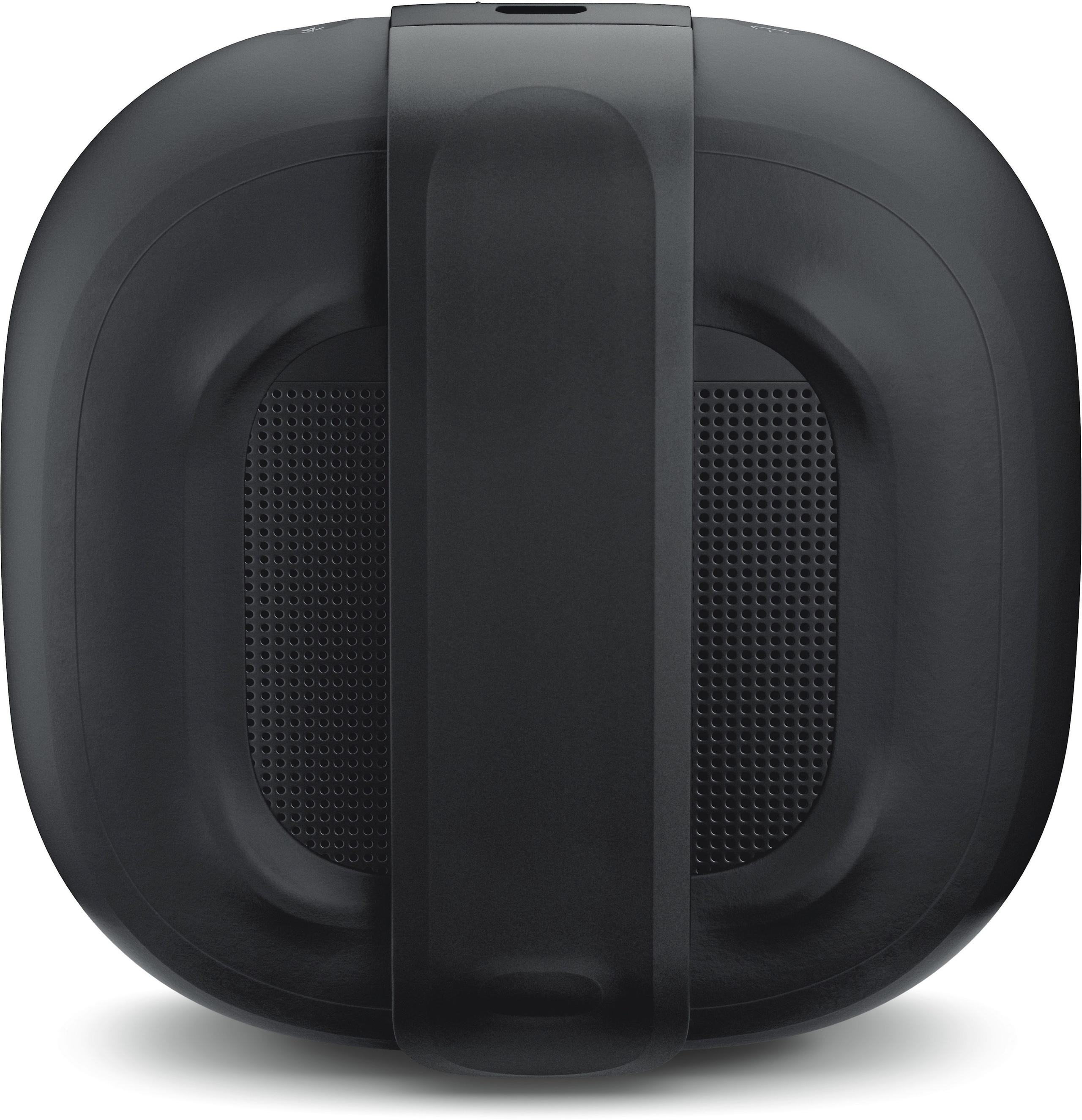
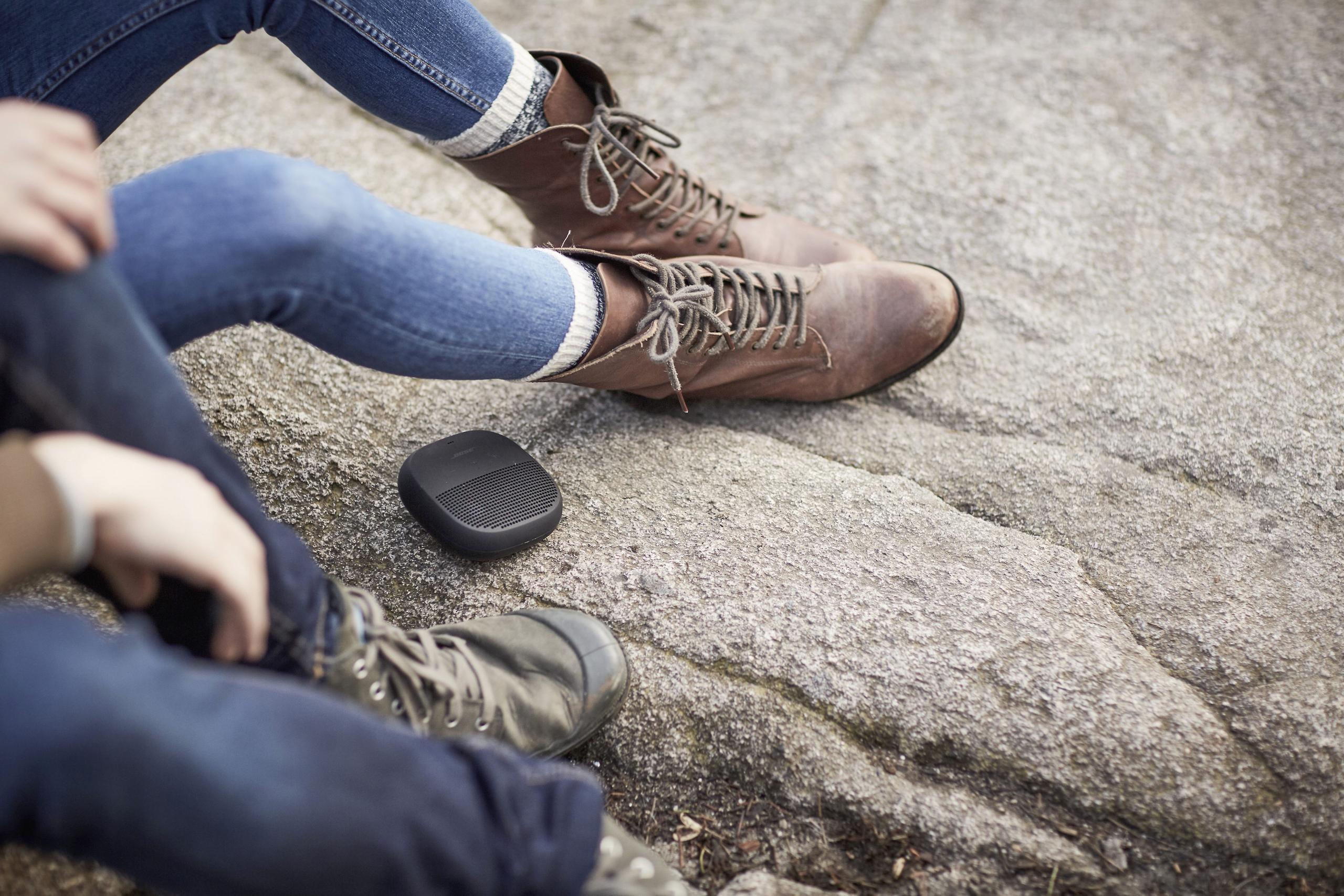
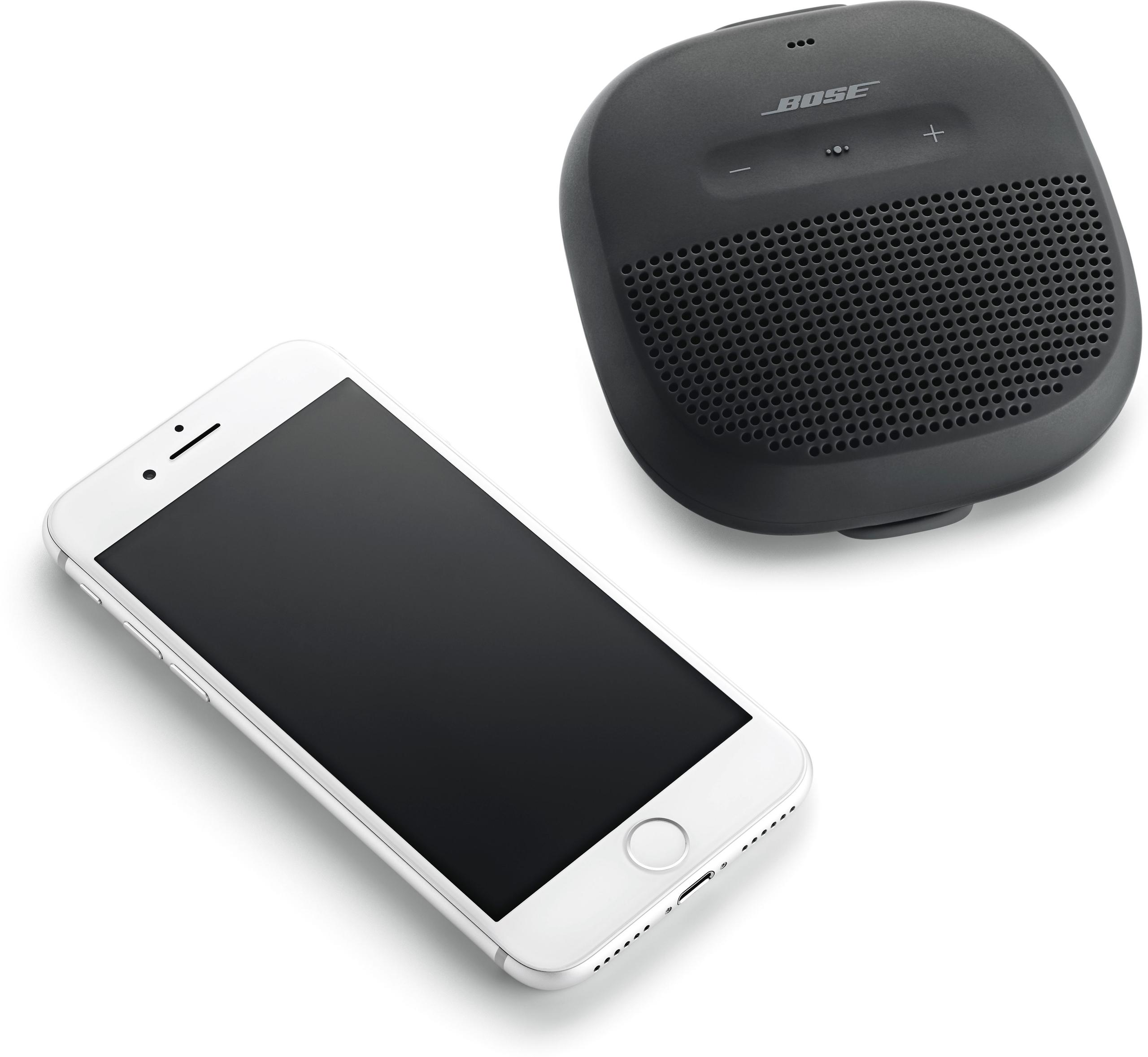
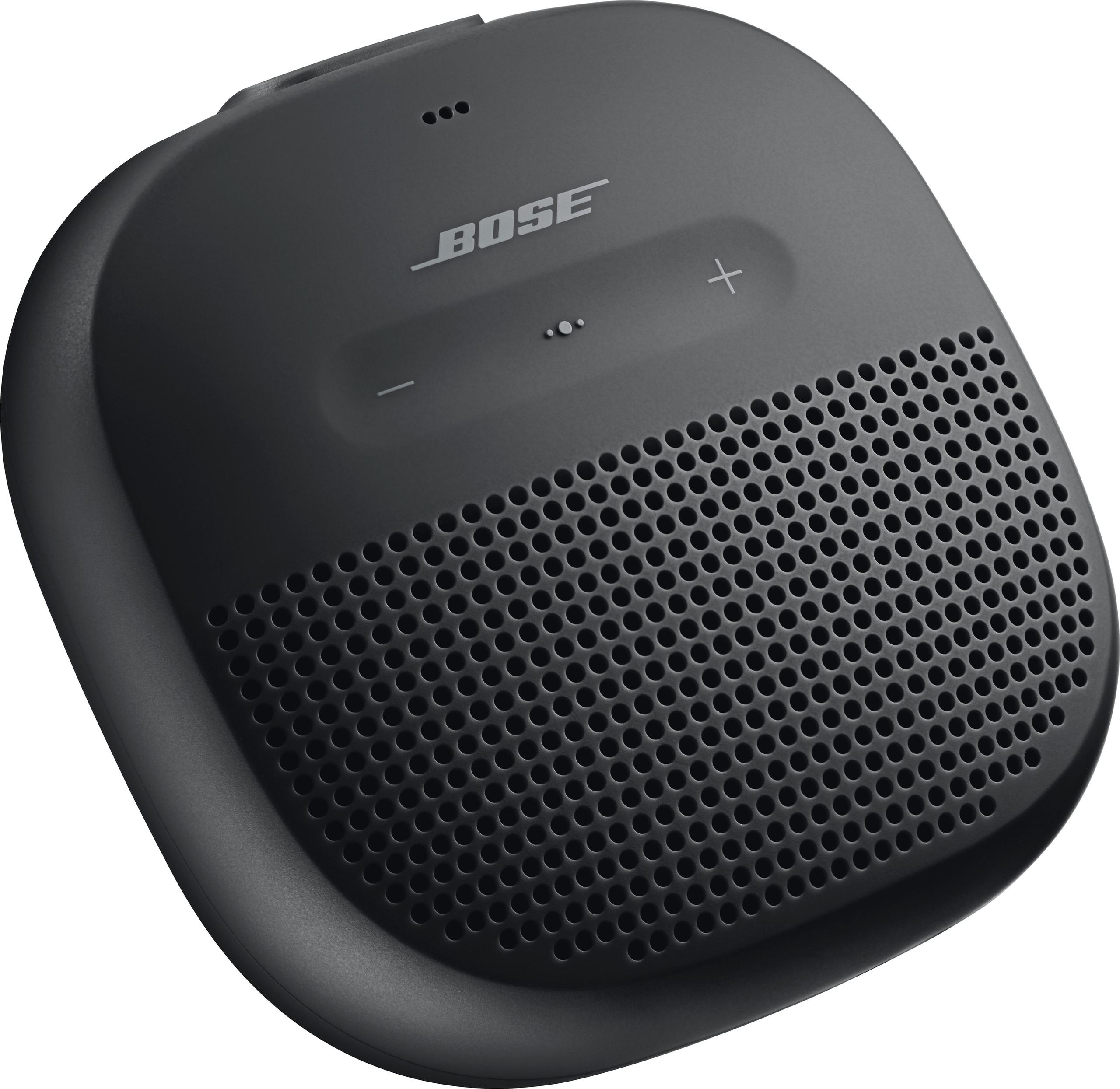
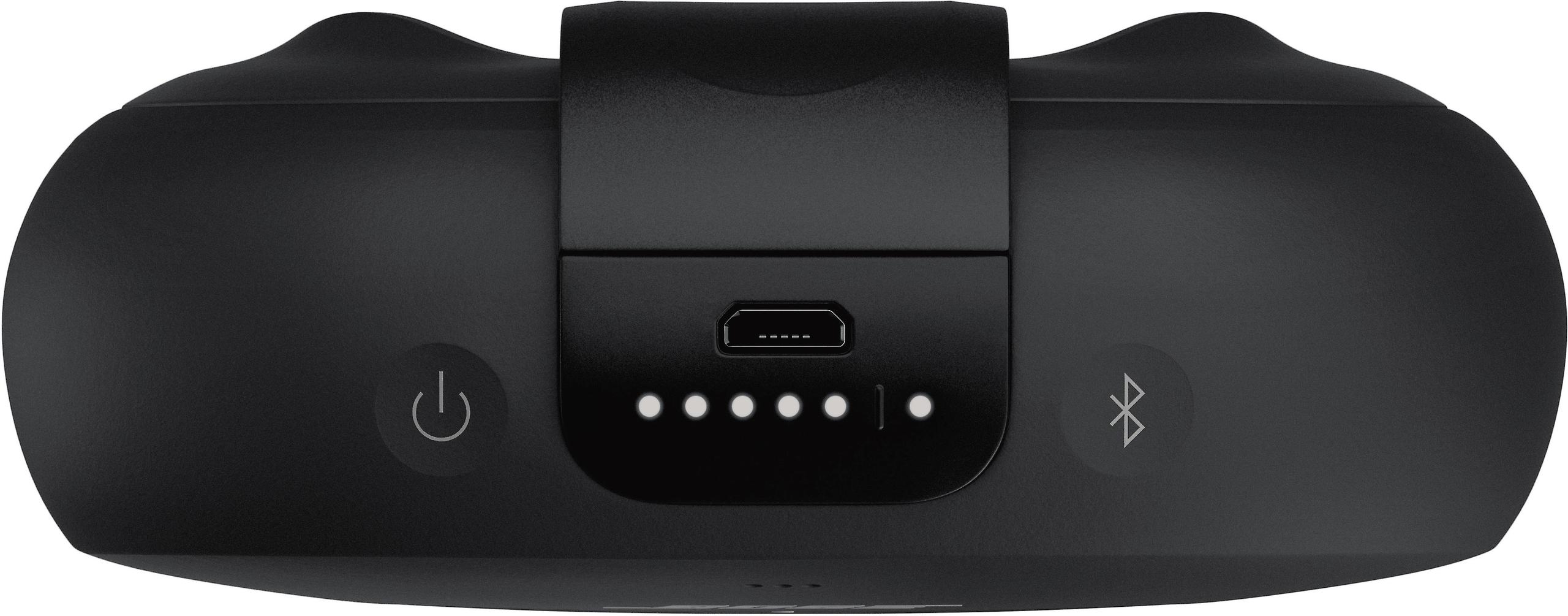
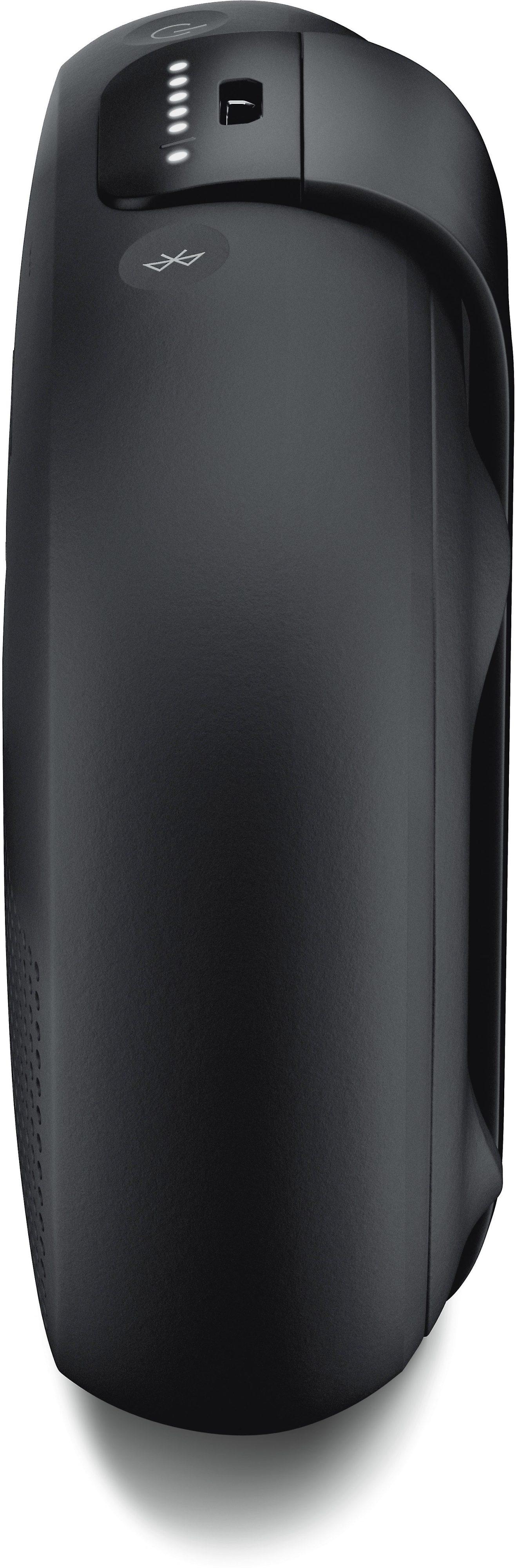
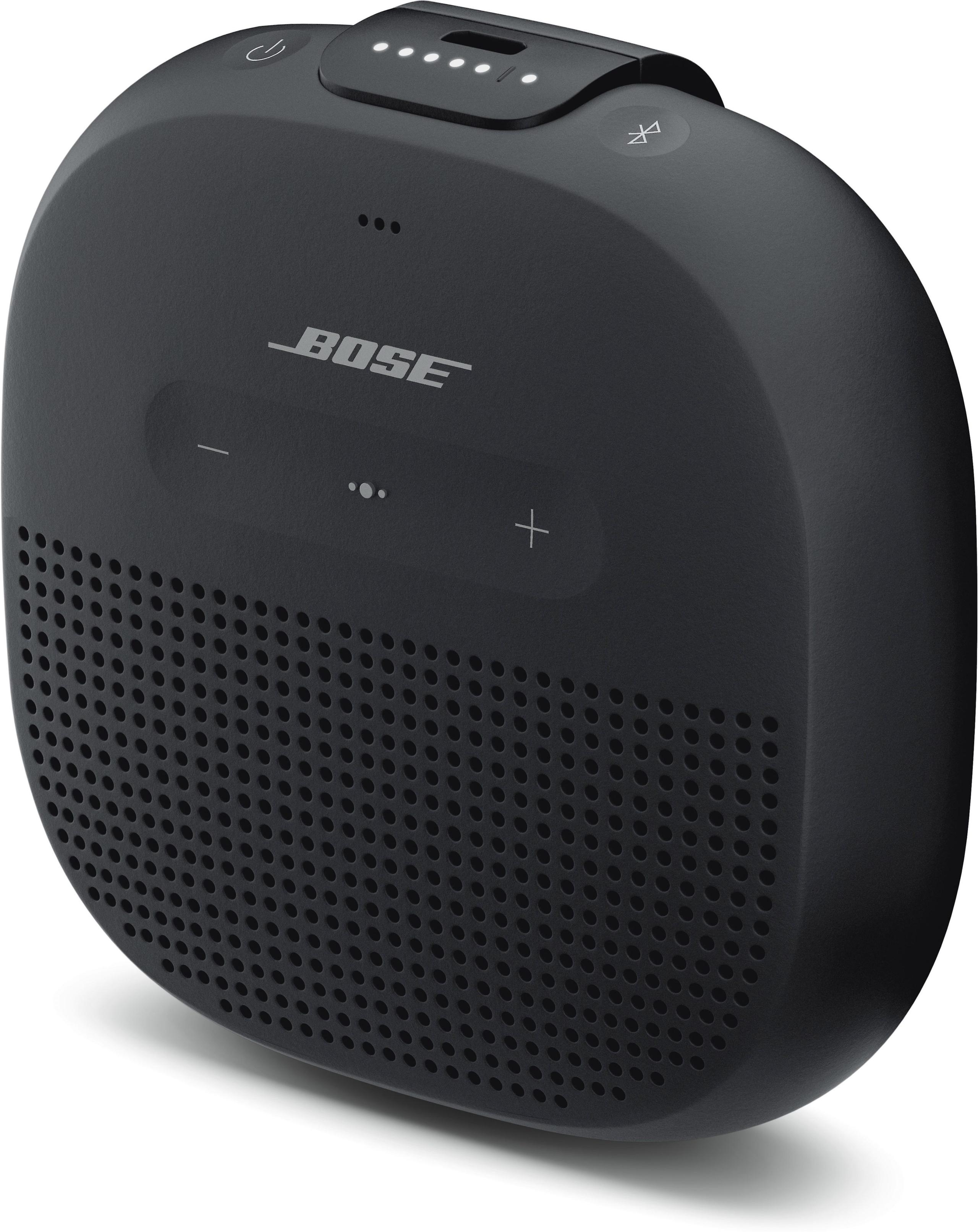
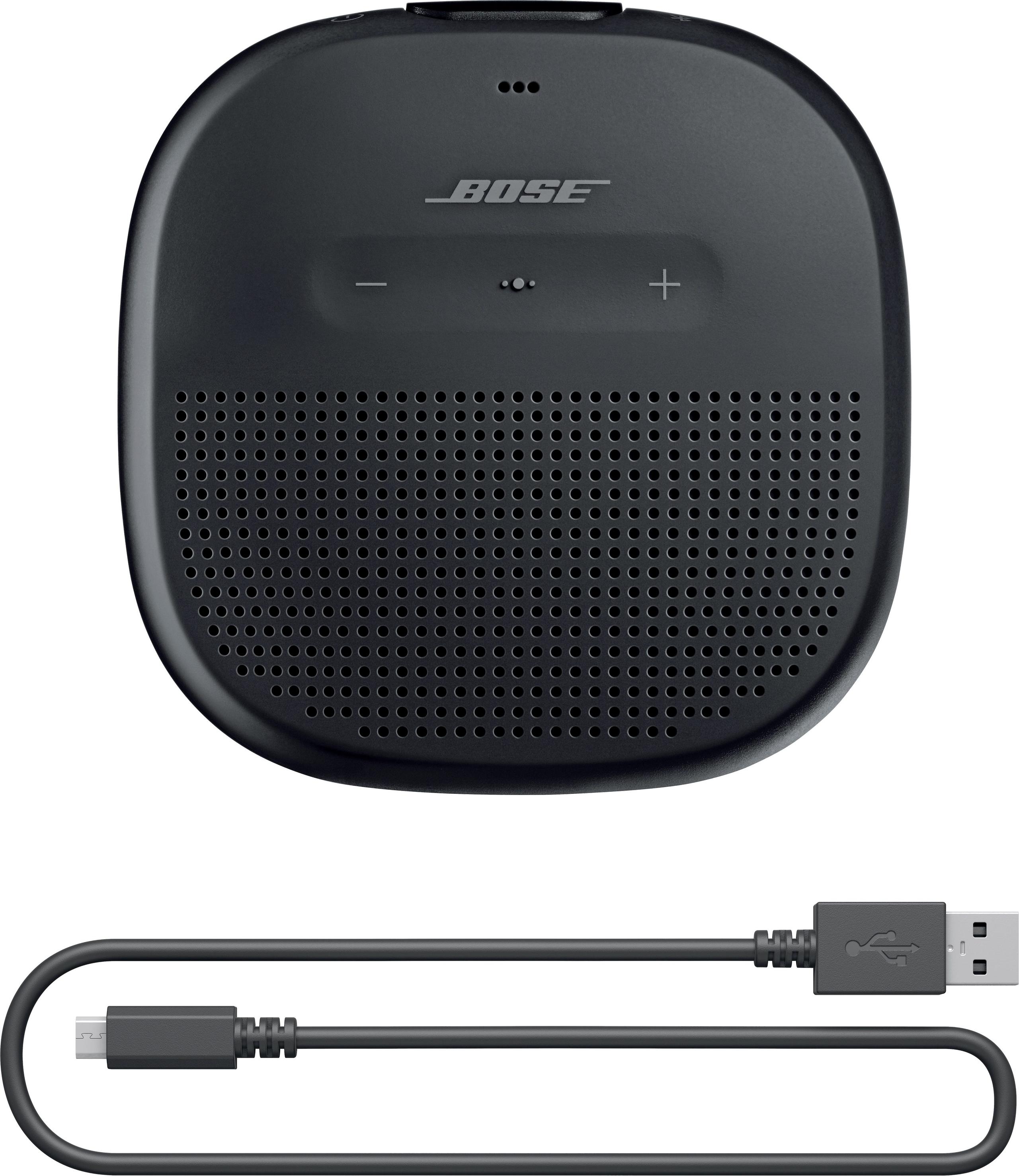
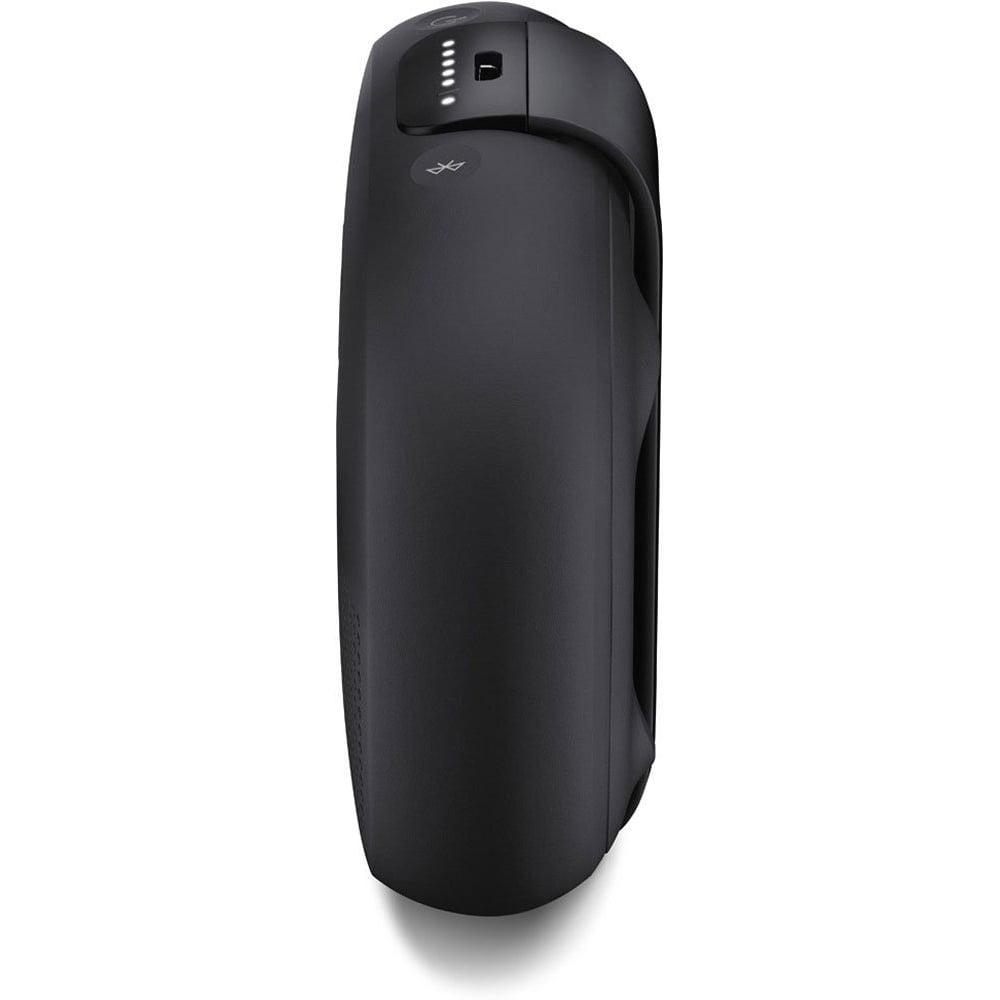
The SoundLink Micro takes the opposite approach. At just 310g and roughly the size of a stack of coasters, it's designed for true grab-and-go portability. Its built-in silicone strap makes it easy to attach to bike handlebars, backpack straps, or even belt loops. While testing, I found myself naturally taking it places I wouldn't bother with larger speakers.
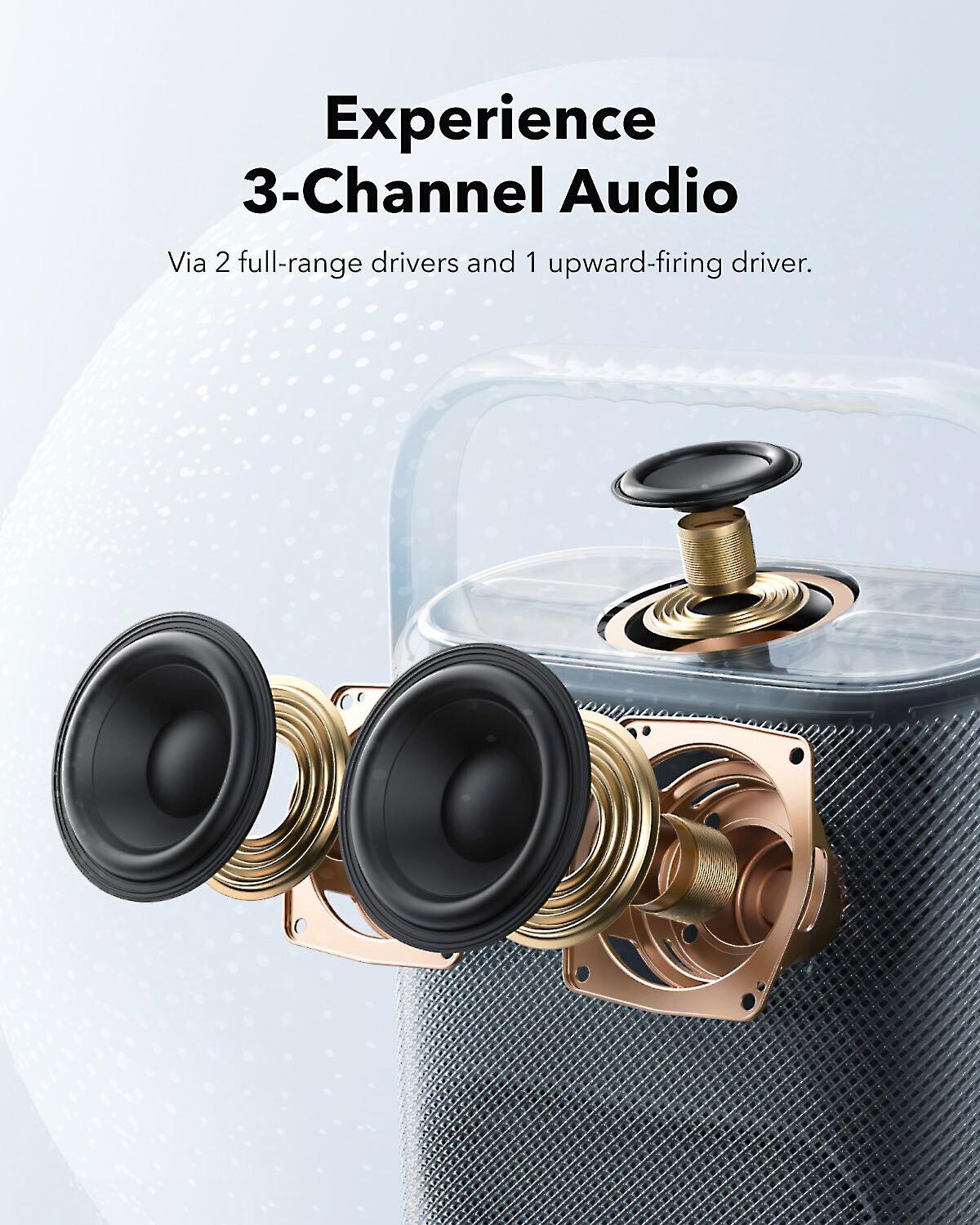
The Motion X500 showcases what's possible with modern portable audio. Its 40-watt system uses three drivers (speakers), including an upward-firing driver that helps create spatial audio effects. This means music feels more open and room-filling rather than coming from a single point. When testing with tracks like "Hotel California," you can hear distinct instrument placement and a wider soundstage than typical portable speakers provide.
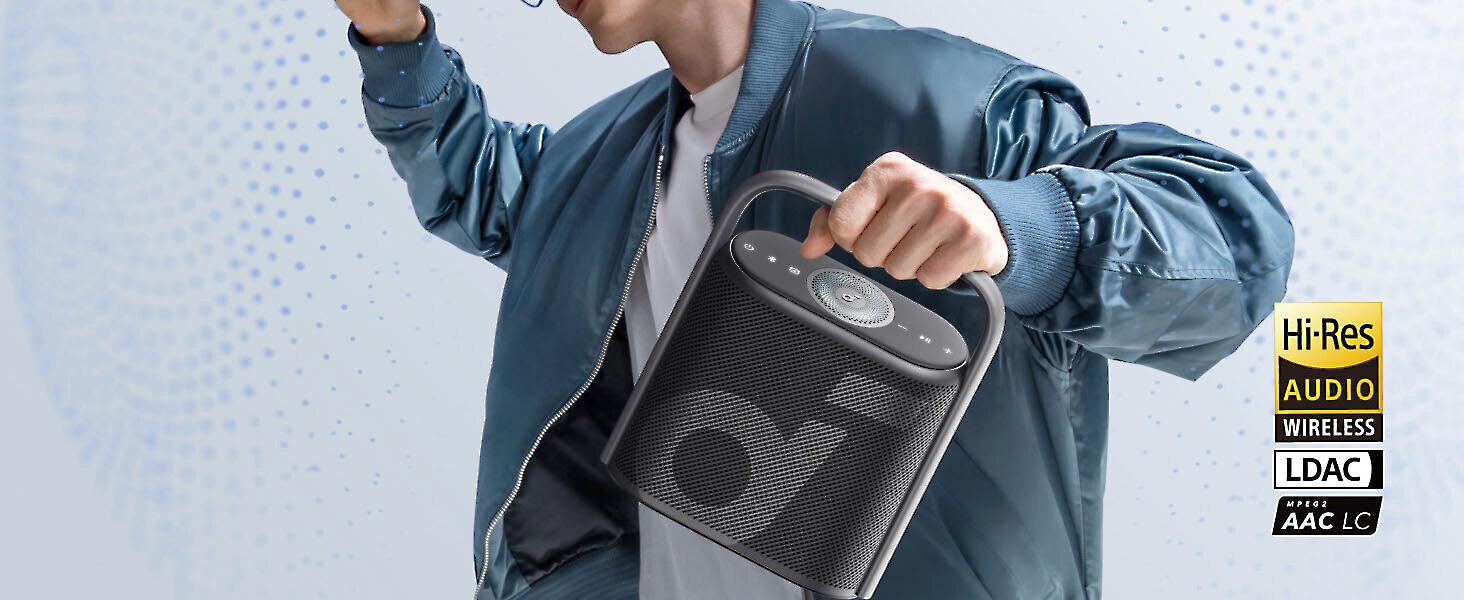
The speaker also supports LDAC - a high-quality Bluetooth audio codec that can transmit about three times more audio data than standard Bluetooth. If you use a compatible Android phone and high-quality music sources, you'll notice better clarity and detail.
The SoundLink Micro takes a different approach, focusing on getting the basics right in a tiny package. Its custom-designed transducer (the part that creates sound) and passive radiators (which help enhance bass) produce surprisingly good audio for its size. While it can't match the X500's volume or bass impact, it excels at personal listening and small group settings.
The X500 includes several modern features:
The Micro focuses on core functionality:
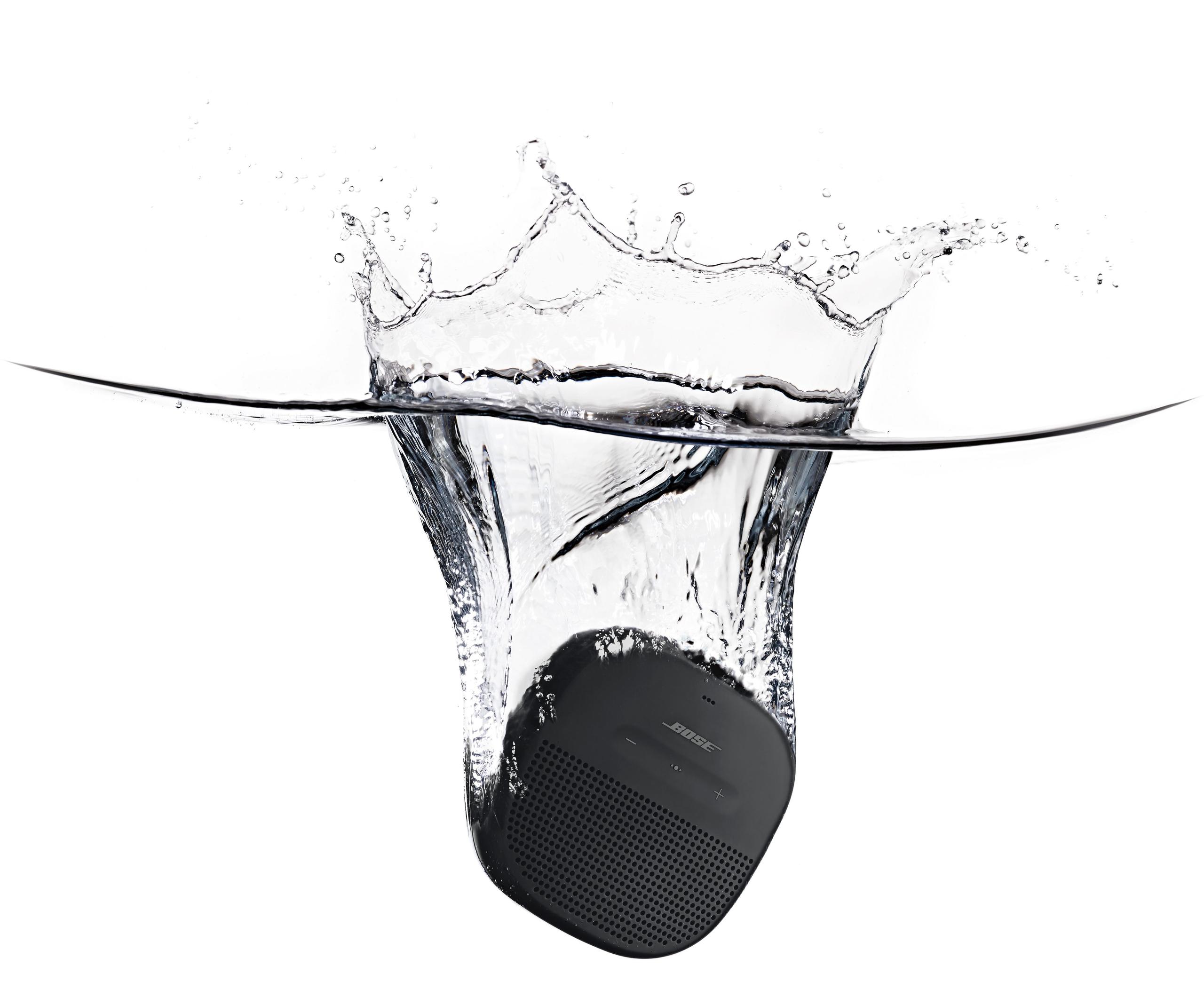
Both speakers offer serious water protection, but there are important differences. The Motion X500 has an IPX7 rating, meaning it can handle submersion in 1 meter of water for 30 minutes. The SoundLink Micro goes further with an IP67 rating, adding dust protection to the same water resistance.
In practical use, both can handle rain, poolside splashes, and accidental dunks. The Micro's additional dust protection makes it slightly more versatile for beach use or dusty environments.
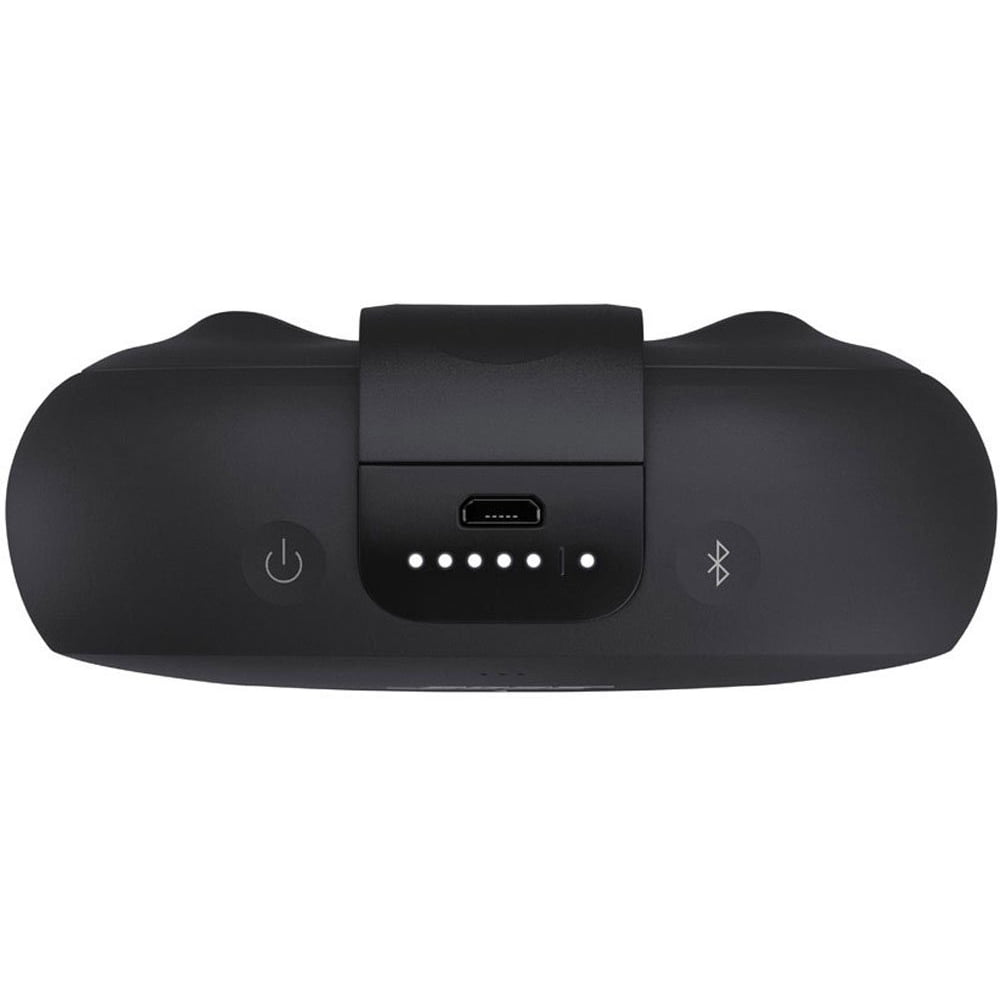
Battery technology has improved significantly since the Micro's release. The X500 delivers up to 12 hours of playback at moderate volume, while the Micro manages 6 hours. However, real-world battery life depends heavily on volume levels and features used. Using spatial audio on the X500, for instance, reduces battery life noticeably.
The X500 uses modern USB-C charging, while the Micro relies on the older micro-USB standard. This might matter if you're trying to minimize the number of different cables you carry.
The X500's higher price brings significant audio improvements and modern features. If you're primarily using it at home or for regular gatherings, these advantages justify the cost. The spatial audio feature, in particular, makes a noticeable difference when watching movies or gaming.
The Micro, despite its age, remains competitively priced for its category. Its ultra-portable design and proven durability make it an excellent second speaker or travel companion. I've found myself using both in different scenarios - the X500 as a primary room speaker and the Micro for travel and outdoor activities.
Consider your primary use case:
For the Motion X500:
For the SoundLink Micro:
Both speakers excel in their intended roles. The X500 represents the current state of portable audio technology, while the Micro remains a benchmark for ultra-portable design. Your choice should align with how you'll actually use the speaker rather than just specs alone.
For home theater use, the X500's spatial audio and higher volume capability make it the clear choice, especially when paired with a second unit for true stereo. The Micro wasn't designed for this use case and wouldn't be a good fit.
Remember that portability often involves trade-offs. The X500 sacrifices some portability for better sound, while the SoundLink Micro compromises some audio capability for ultimate convenience. Understanding these trade-offs is key to making the right choice for your needs.
| Anker Soundcore Motion X500 | Bose SoundLink Micro |
|---|---|
| Audio Power - Determines max volume and sound quality at higher levels | |
| 40W total (2x15W + 10W upward) - Room-filling sound | 5W (estimated) - Personal listening volume |
| Size - Impacts portability and ease of transport | |
| 191 x 81 x 228 mm - Larger portable size | 98 x 98 x 35 mm - Ultra-compact |
| Weight - Affects how likely you are to carry it regularly | |
| 1.6 kg - Occasional transport | 310g - True pocket-portable |
| Water Resistance - Important for outdoor use and durability | |
| IPX7 - Water resistant | IP67 - Water and dust resistant |
| Battery Life - Critical for extended use away from power | |
| 12 hours at 50% volume | 6 hours at 50% volume |
| Bluetooth Version - Affects connection stability and range | |
| 5.3 with LDAC support - Higher quality audio | 4.2 - Standard quality audio |
| Special Features - Additional functionality beyond basic audio | |
| Spatial audio, custom EQ, ambient light | Voice assistant, speakerphone, clip-on strap |
| Price - Value consideration vs features | |
| $169 - Premium features justify cost | $99 - Excellent value for portability |
| Primary Use Case - Helps determine best fit for needs | |
| Home audio, parties, medium rooms | Personal audio, travel, outdoor activities |
| Audio Features - Important for sound quality | |
| Three drivers, spatial audio, LDAC codec | Single driver, passive radiators |
| Charging - Convenience factor | |
| USB-C, 5-6 hours to full | Micro USB, 4 hours to full |
| Connection Range - Important for larger spaces | |
| Up to 100m line of sight | Up to 30m line of sight |
The Anker Soundcore Motion X500 offers significantly better sound quality with its 40W output and spatial audio features. The Bose SoundLink Micro provides good sound for its size but can't match the X500's room-filling capabilities and bass response.
The Bose SoundLink Micro is far more portable at just 310g and pocket-sized dimensions. The Anker Motion X500 is more of a transportable speaker at 1.6kg - suitable for moving between rooms but not for everyday carry.
The Motion X500 offers up to 12 hours of playback at moderate volume, while the SoundLink Micro provides 6 hours. Both estimates assume 50% volume level.
Yes, both speakers are water-resistant. The X500 has IPX7 rating for water resistance, while the Micro has IP67 for both water and dust protection. Both can handle rain and splashes safely.
The Anker Motion X500 is significantly better for parties with its higher volume output and spatial audio features. The SoundLink Micro is more suited for personal or small group listening.
Both speakers support pairing with a second unit of the same model. The X500 offers true stereo pairing, while the Micro allows synchronized playback for wider coverage.
The Motion X500 offers superior Bluetooth range up to 100m in line of sight, compared to the Micro's 30m range.
The Micro offers excellent value at $99 for ultra-portable use, while the X500's $169 price is justified by its superior audio features and modern technology.
Both are very durable, but the SoundLink Micro has a slight edge with its IP67 rating adding dust protection. The X500 is still very robust with IPX7 water resistance.
The Bose SoundLink Micro includes a built-in speakerphone feature specifically for calls. The Motion X500 doesn't include this feature.
The Motion X500 delivers significantly stronger bass due to its larger size and more powerful drivers. The Micro produces surprisingly good bass for its size but can't match the X500's low-end response.
For home use, the Anker Motion X500 is the better choice with its superior sound quality, spatial audio, and room-filling volume. The SoundLink Micro is better suited as a portable companion rather than a primary home speaker.
We've done our best to create useful and informative comparisons to help you decide what product to buy. Our research uses advanced automated methods to create this comparison and perfection is not possible - please contact us for corrections or questions. These are the sites we've researched in the creation of this article: tomsguide.com - outeraudio.com - gadgetoid.com - soundguys.com - pcgamesn.com - hktvmall.com - elomymelo.com - youtube.com - jopanda.com - shop.menshealth.com - soundphilereview.com - rtings.com - mygolfspy.com - youtube.com - cnet.com - bose.com - bose.com - alwayswander.info - target.com - bose.com - bose.com

Privacy Policy
Terms and Conditions - Affiliate Policy
Home Security
© Copyright 2008-2026.
11816 Inwood Rd #1211, Dallas, TX 75244