

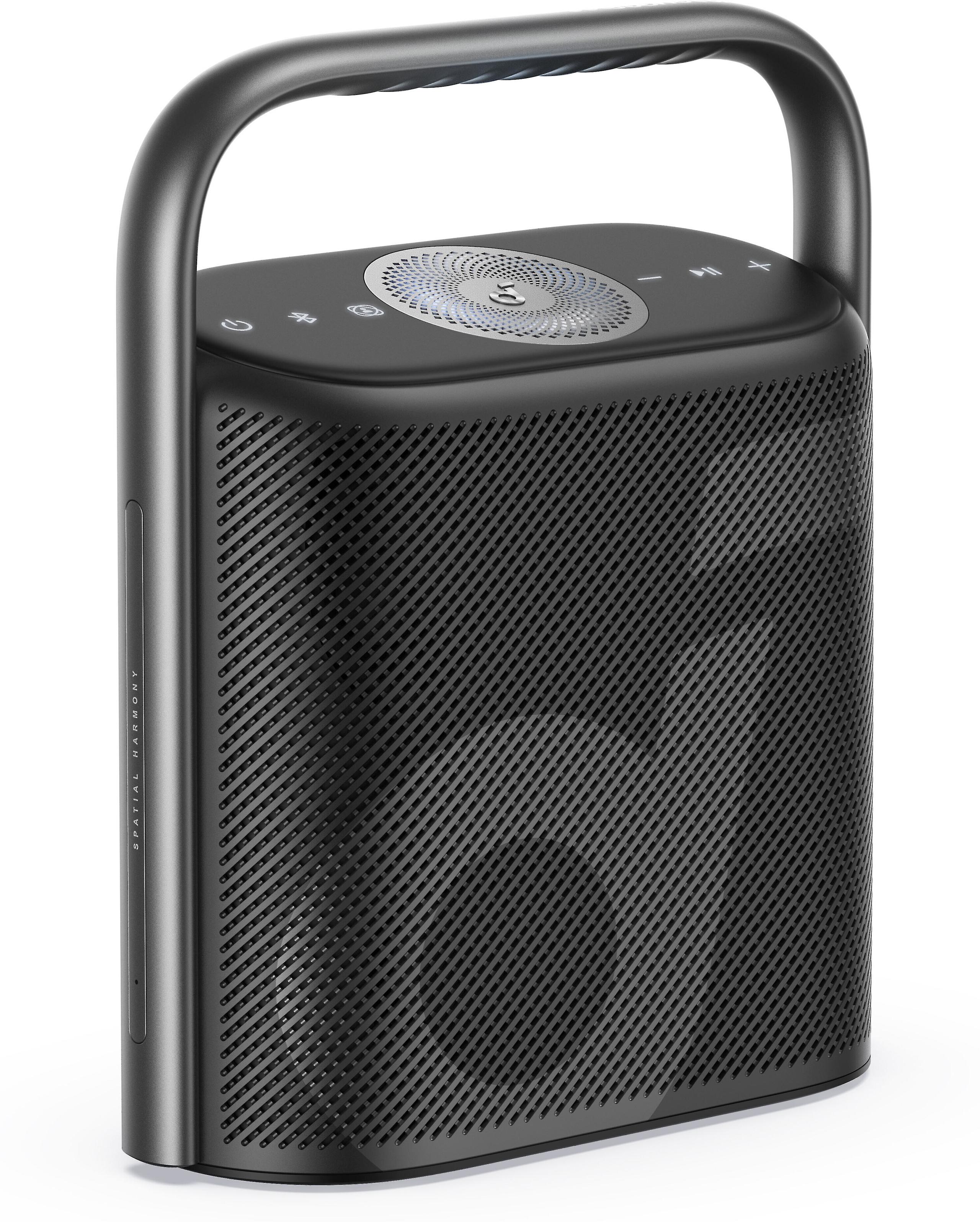
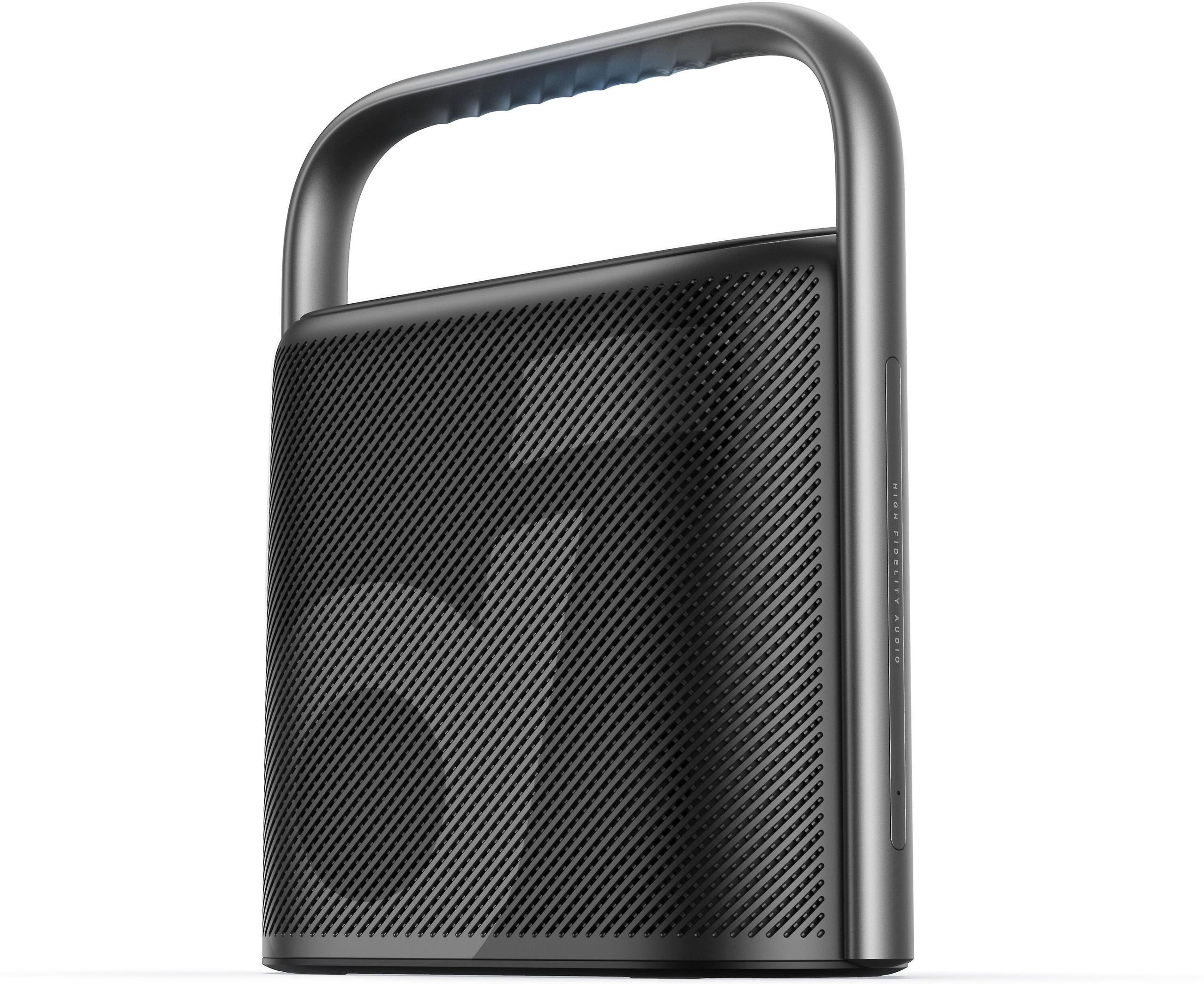
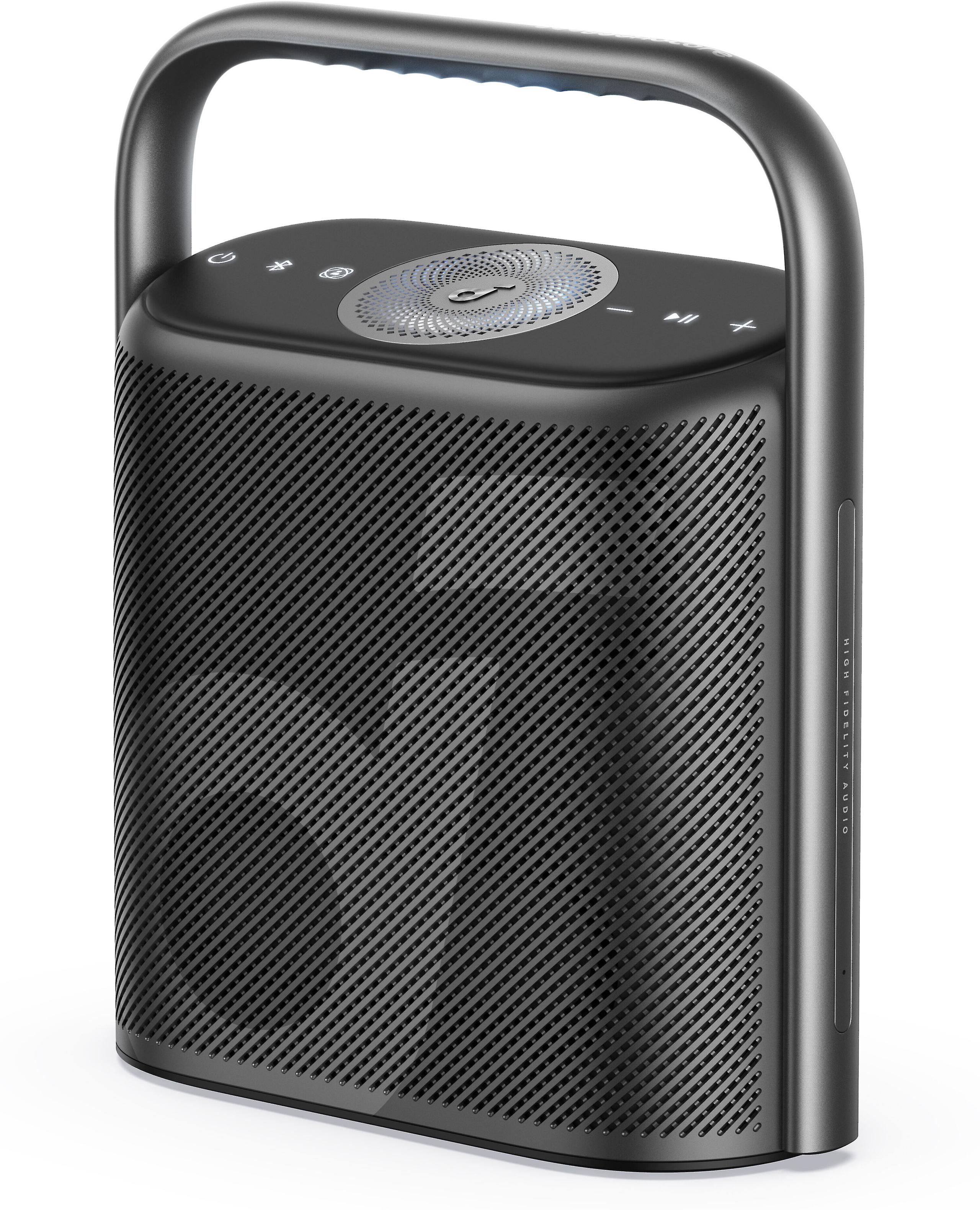
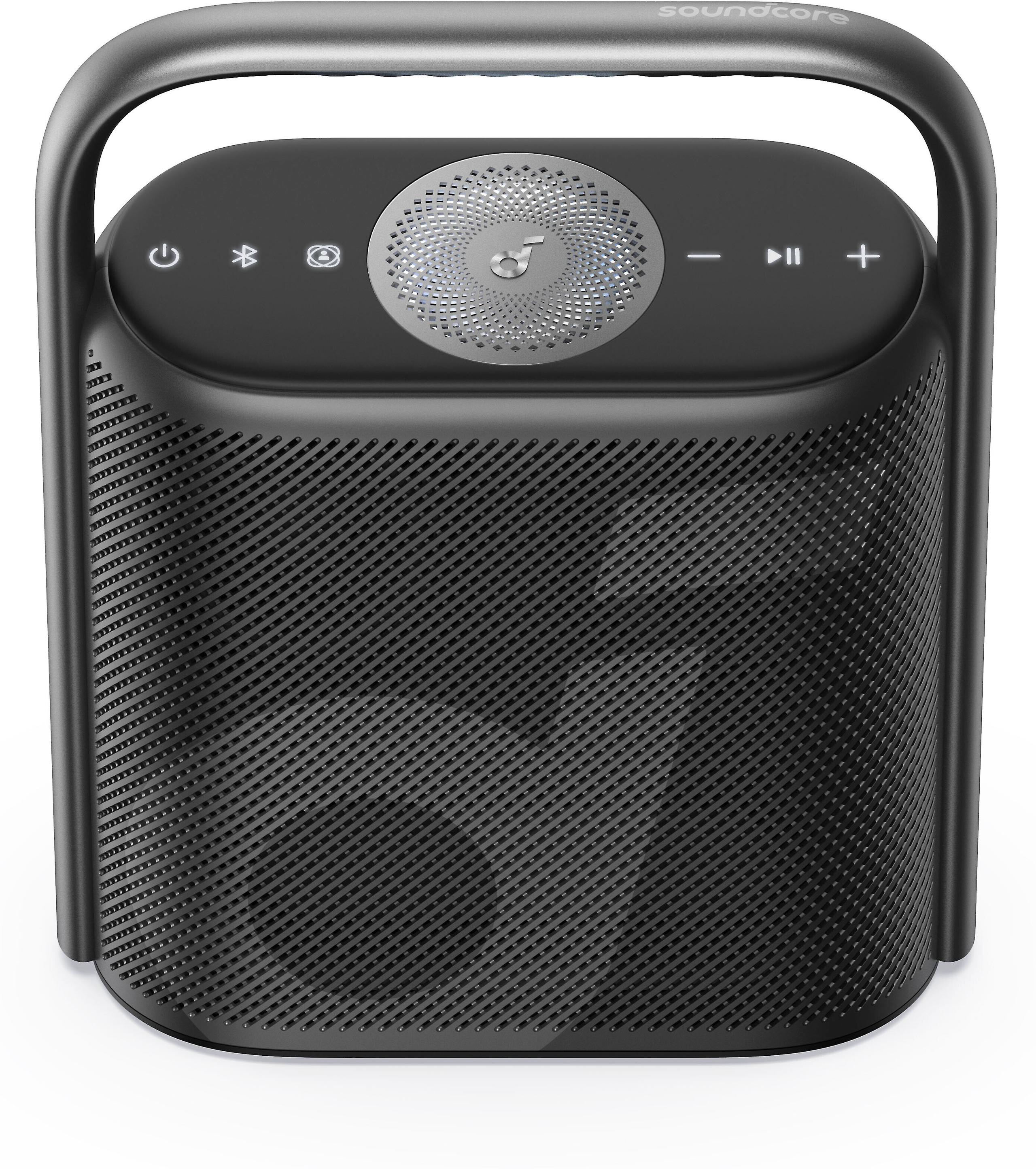


When it comes to portable Bluetooth speakers, choosing between the newer Anker Soundcore Motion X500 and the battle-tested JBL Flip 6 really comes down to how you plan to use them. These speakers represent two different approaches to portable audio, and understanding their strengths will help you make the right choice.
The portable speaker market has evolved significantly in recent years. We've moved well beyond basic mono sound, with manufacturers now offering sophisticated audio processing, robust weatherproofing, and impressive battery life. Modern portable speakers need to handle everything from background music to outdoor parties, and both of these models reflect that versatility.
The $170 Motion X500 represents the premium end of the market, released in late 2023 with features like spatial audio and high-resolution LDAC support (which allows for better quality Bluetooth audio transmission than standard codecs). Meanwhile, the $80-130 Flip 6, released in late 2021, builds on JBL's proven portable speaker design with improved durability and refined sound.
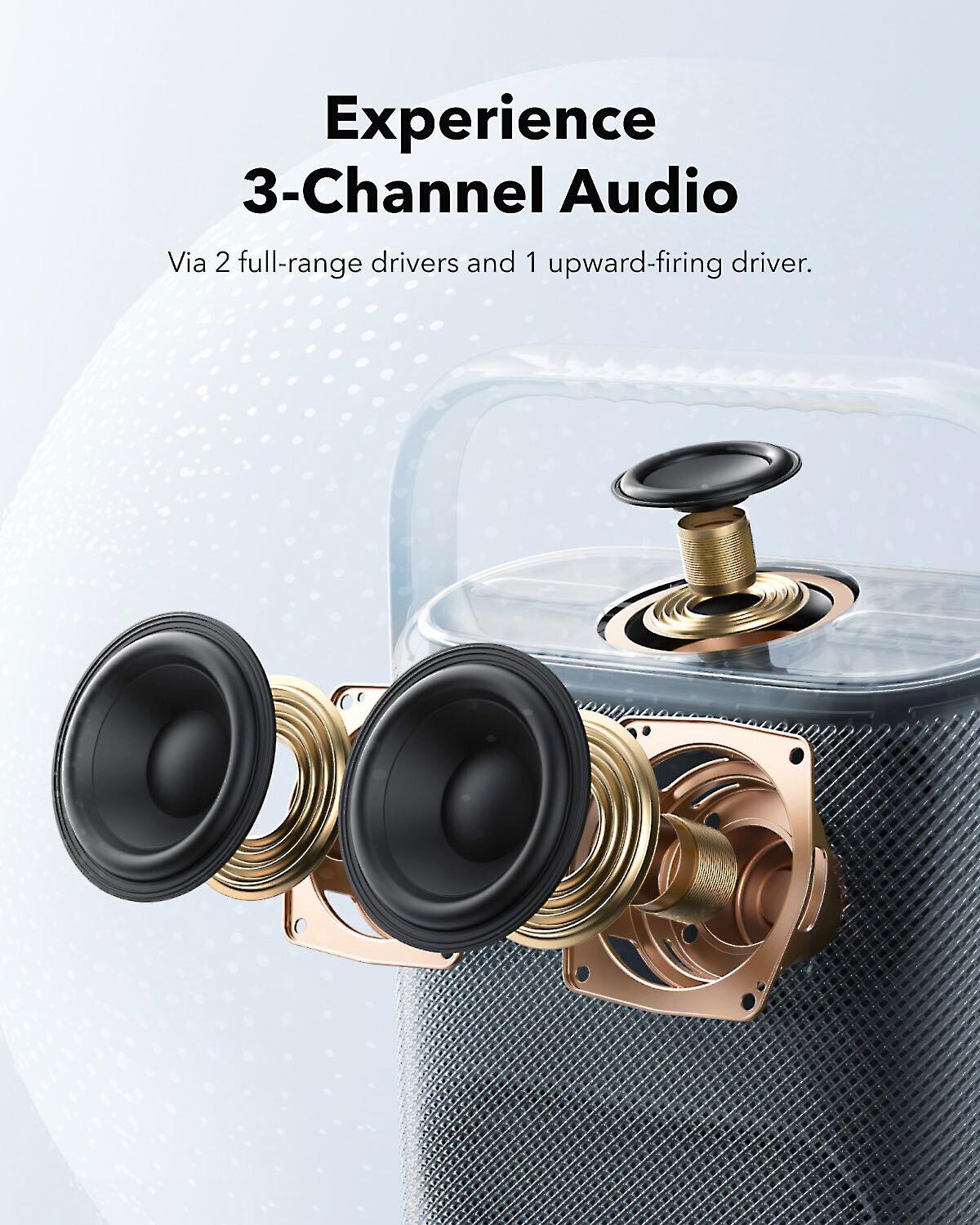
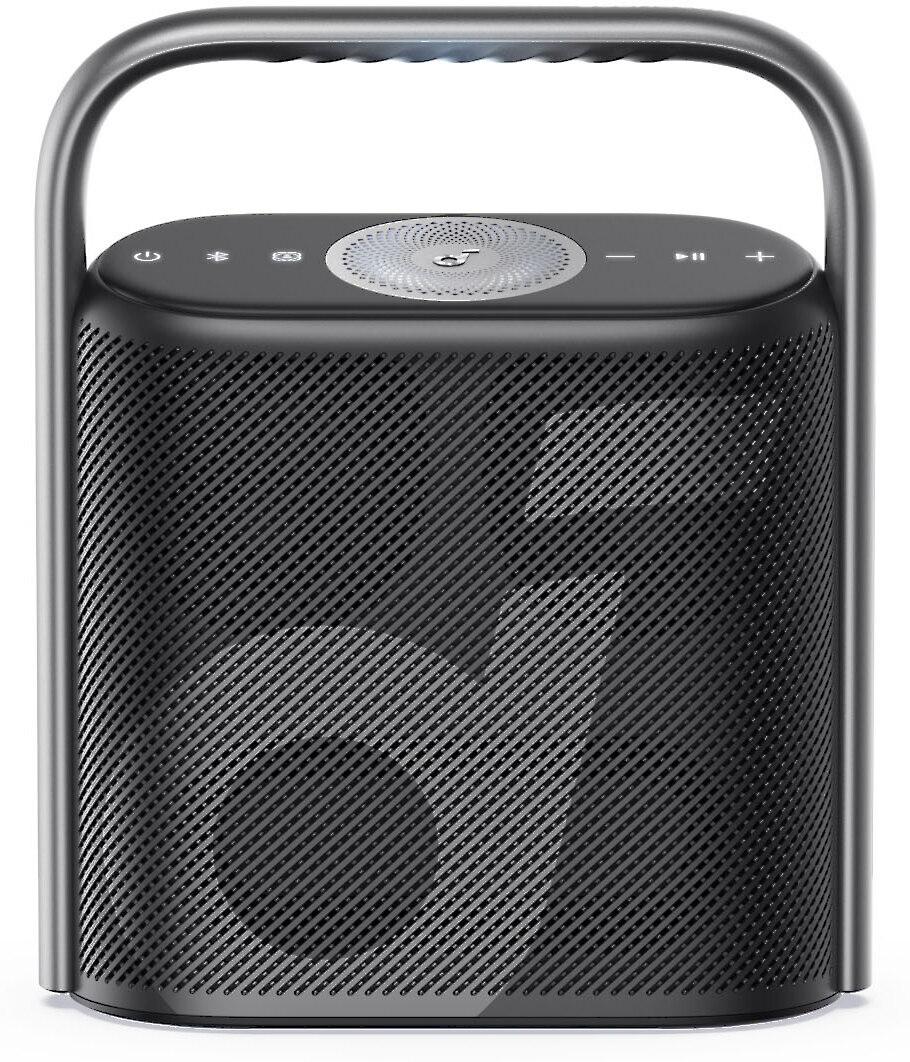
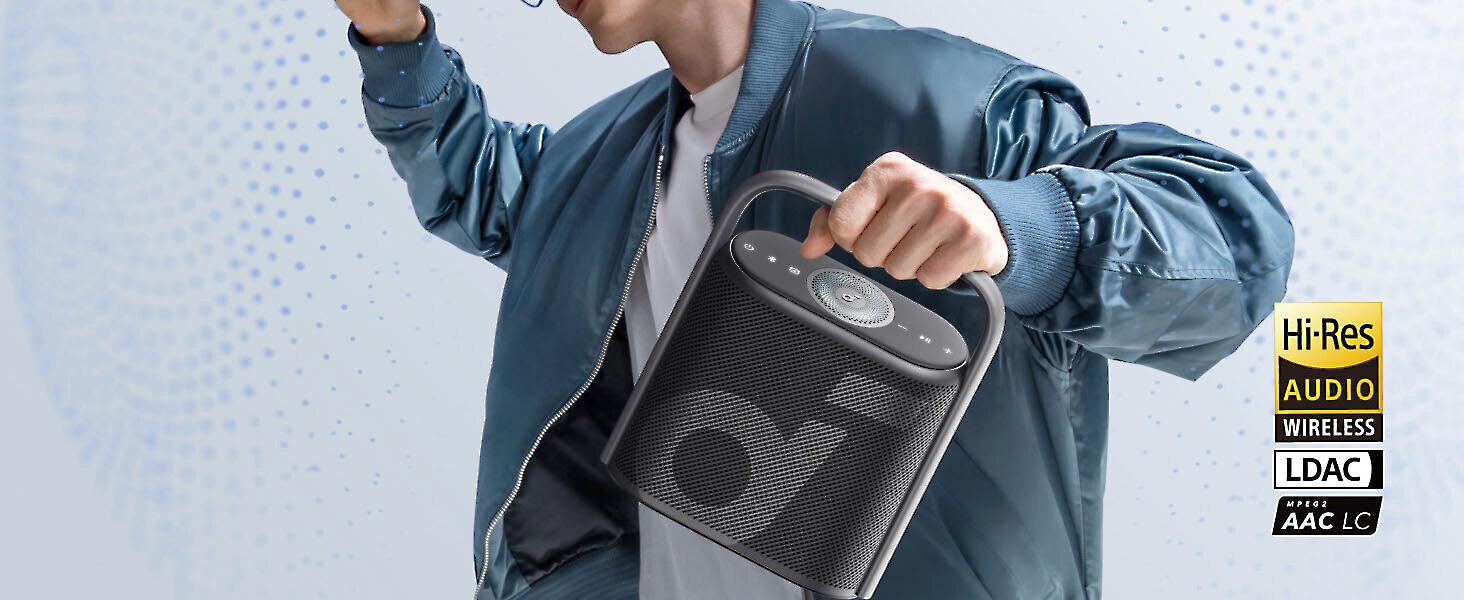
The Motion X500 takes a more sophisticated approach to sound reproduction. Its 40W system uses three drivers - two full-range units and an upward-firing speaker - to create a more immersive soundstage. This means music feels like it's coming from a larger space rather than a single point. The inclusion of LDAC support is particularly noteworthy for audiophiles, as it allows for nearly CD-quality wireless audio when used with compatible devices (mostly higher-end Android phones).
The spatial audio processing is quite effective in larger rooms, creating an impressive sense of width and depth that you wouldn't expect from a portable speaker. Bass response is clean rather than boomy, which works well for acoustic music and vocal-heavy tracks but might disappoint those seeking party-level bass.
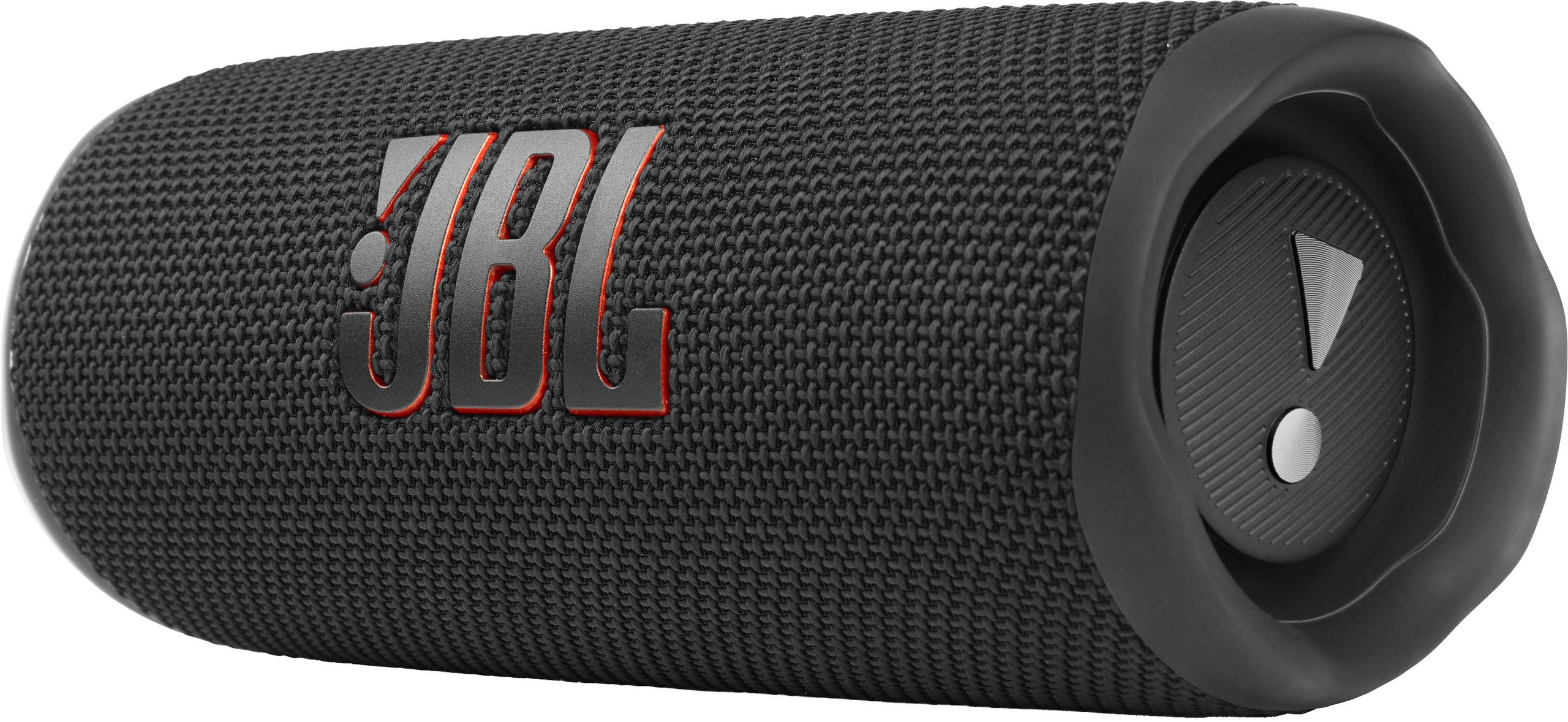
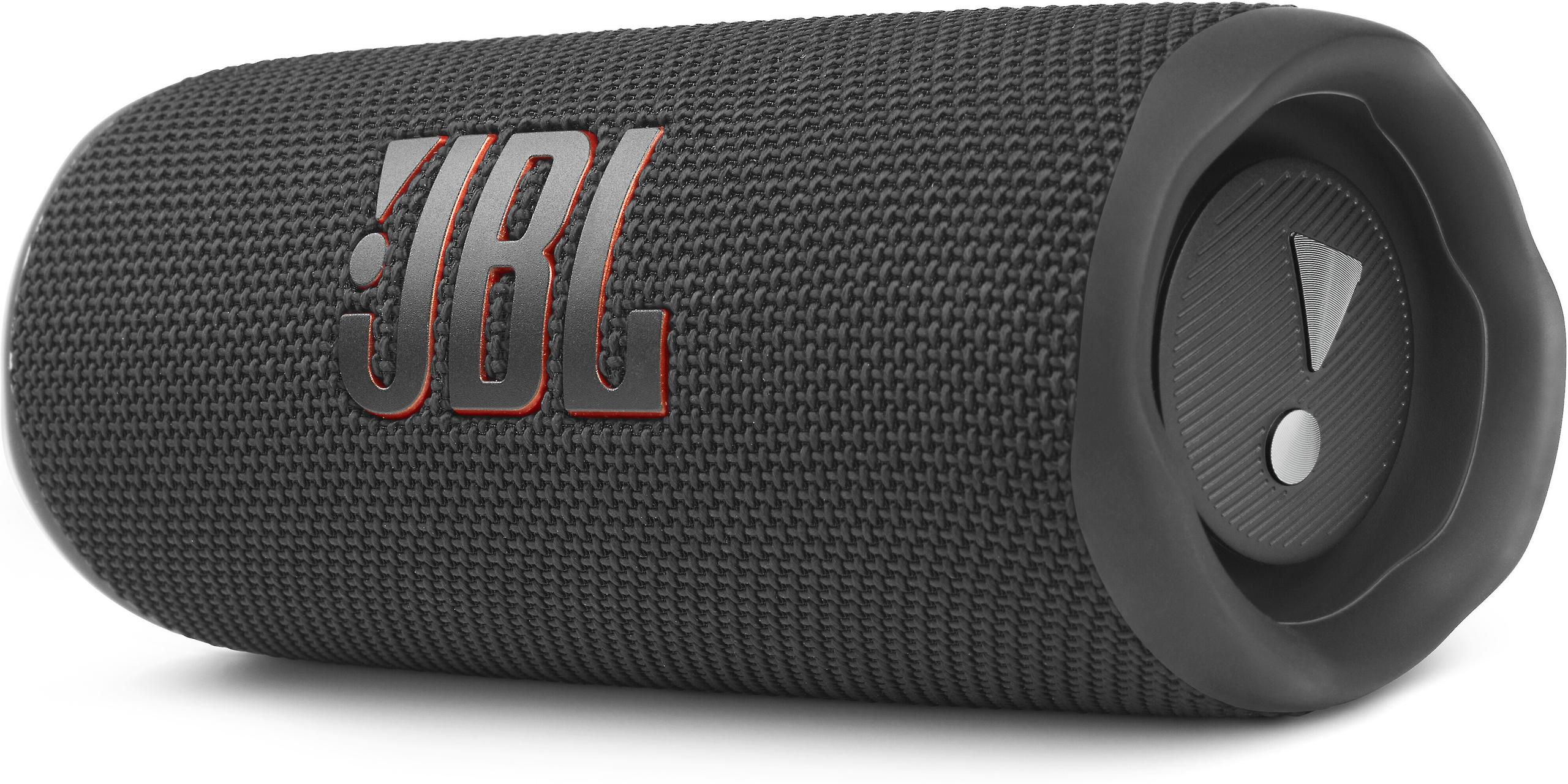
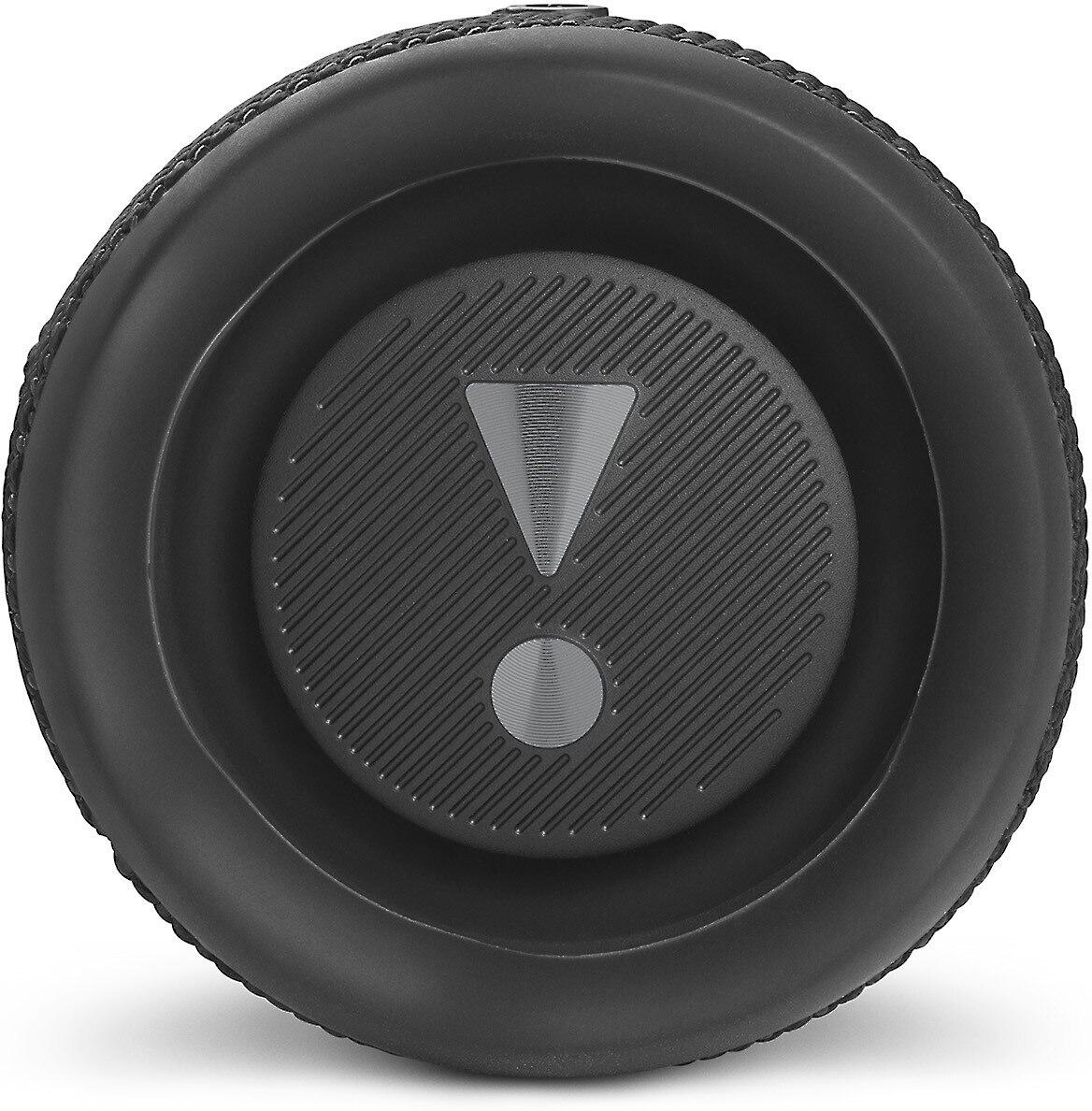
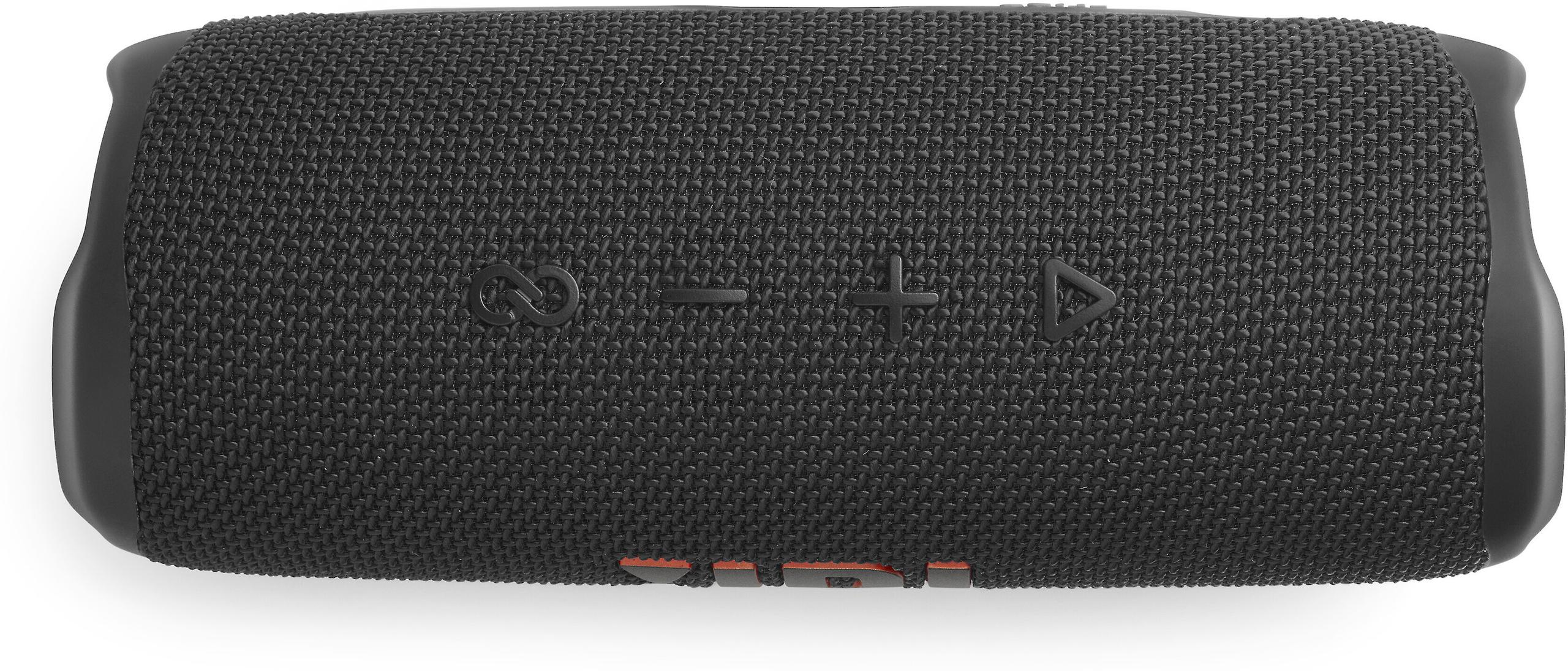
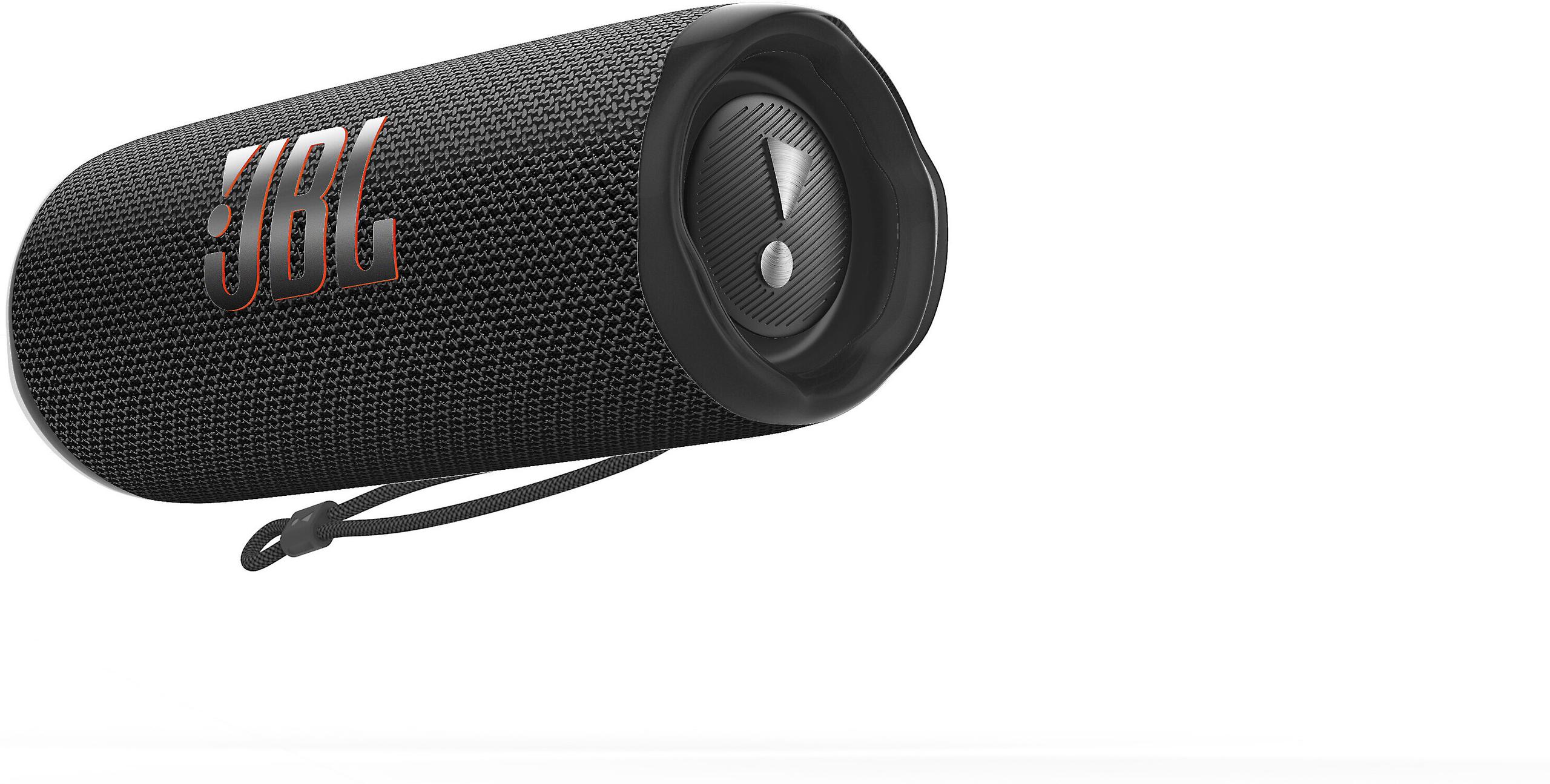
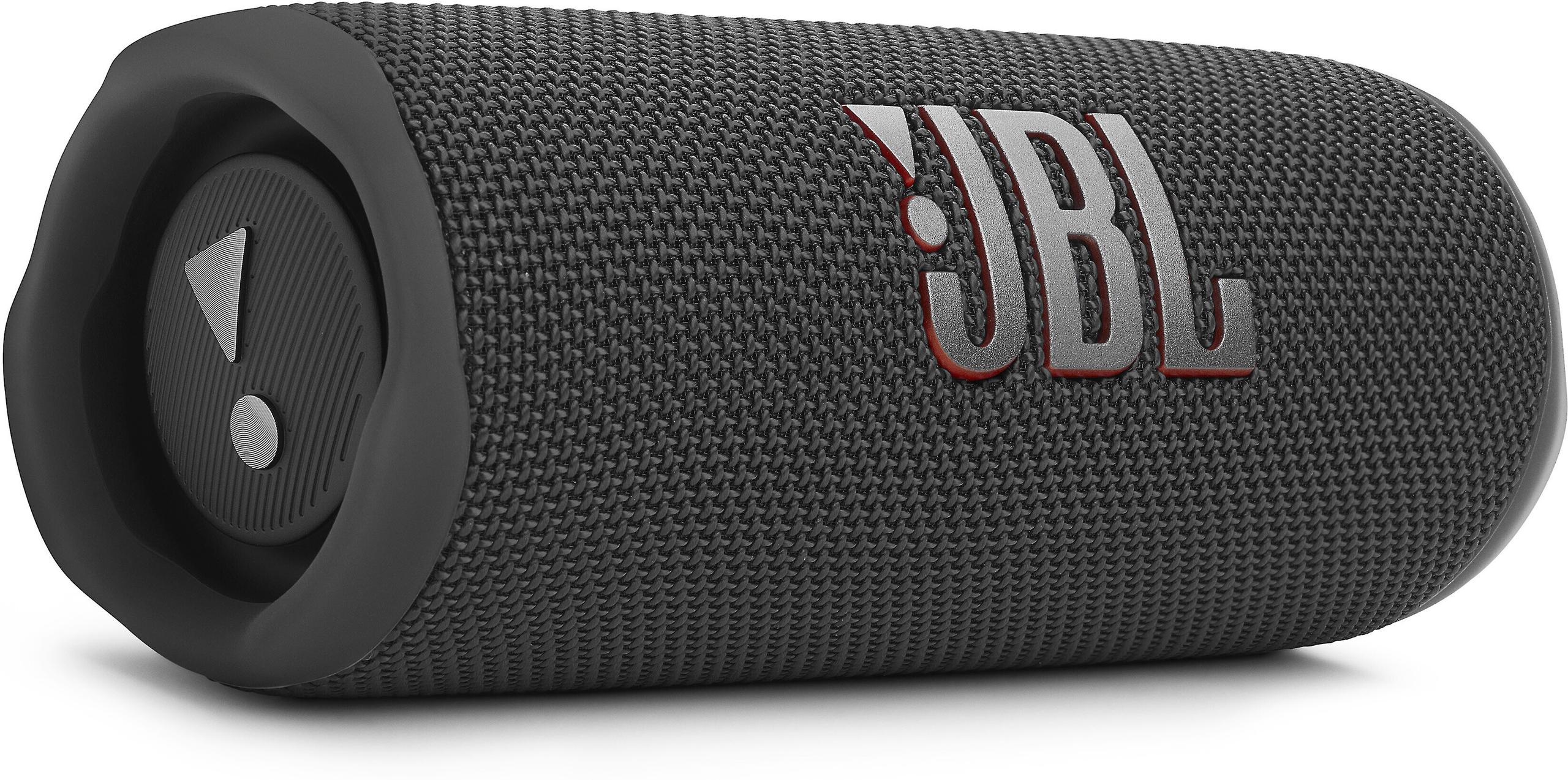
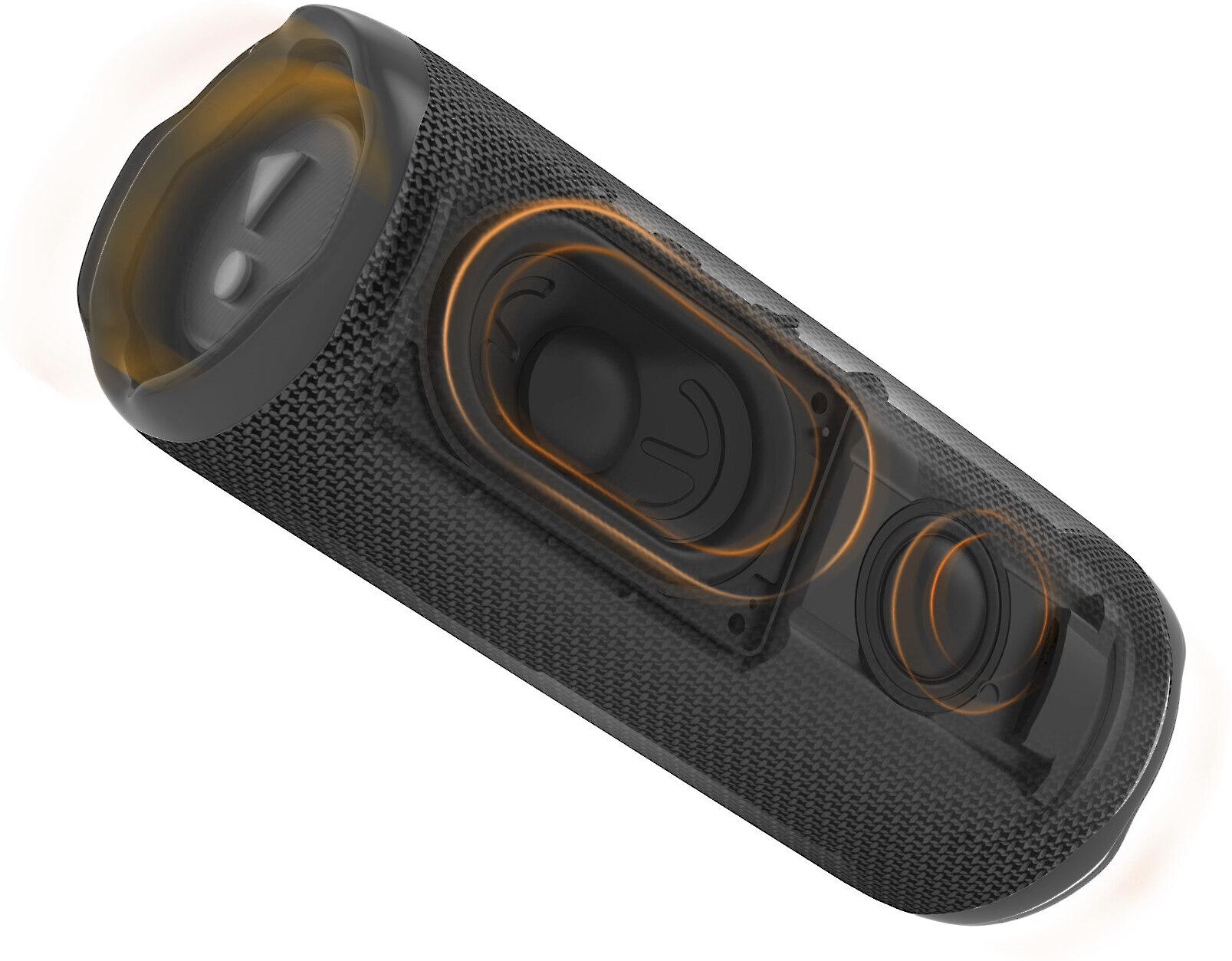
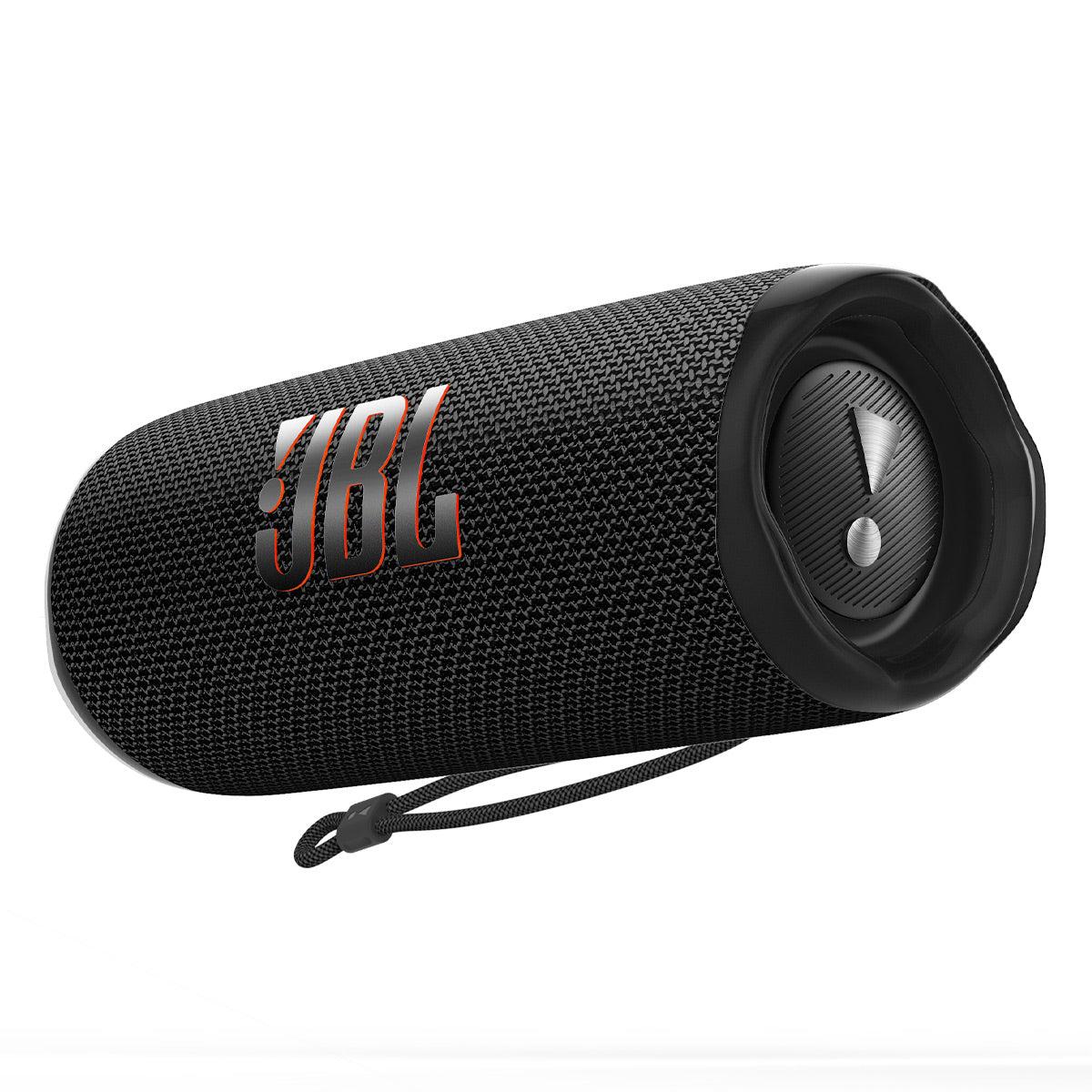
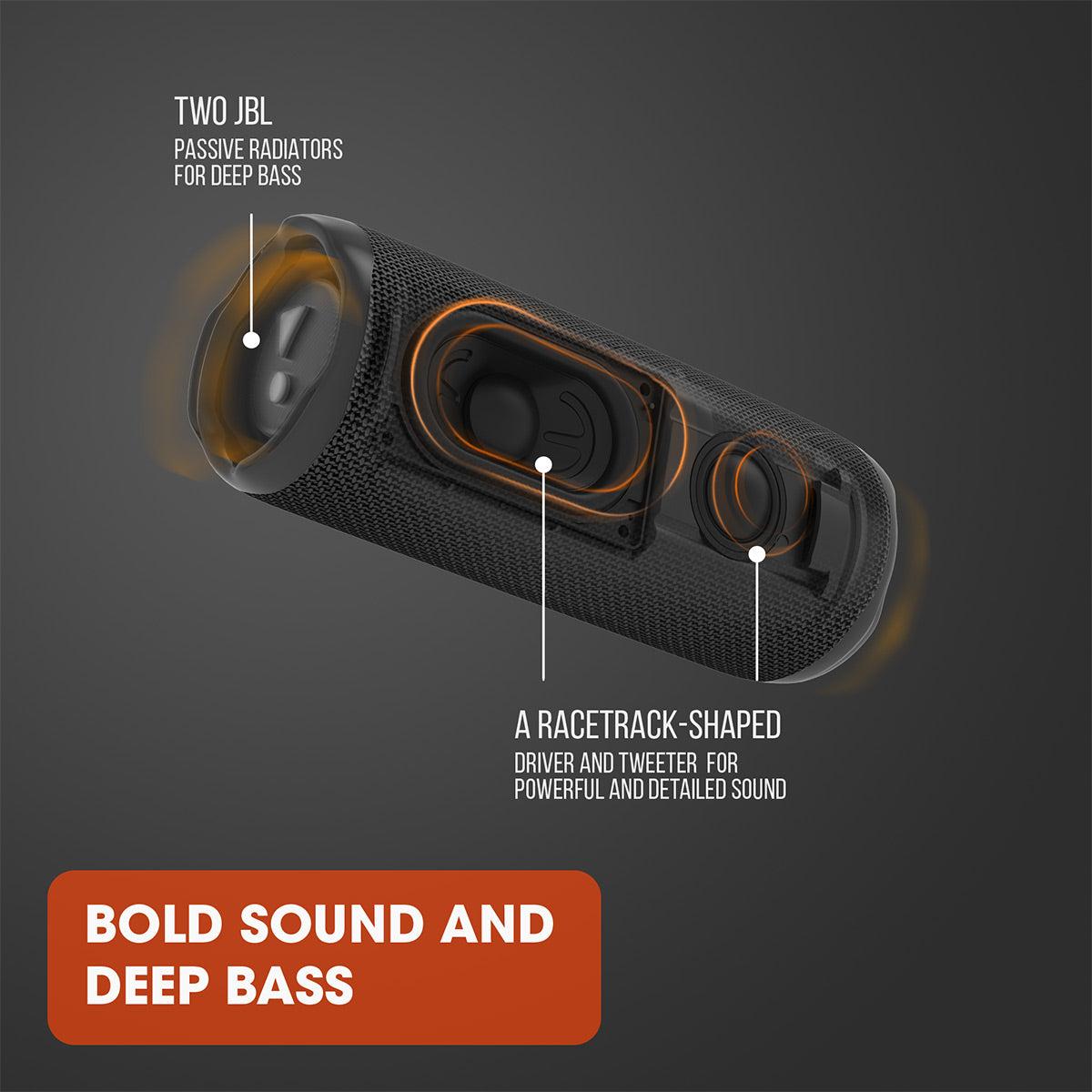
The Flip 6 takes a more traditional approach but executes it exceptionally well. Its 30W system uses a racetrack-shaped woofer combined with a dedicated tweeter, plus those signature passive radiators at the ends. This configuration produces surprisingly powerful bass for its size, and the sound projection is more focused and directional - perfect for outdoor use where sound can easily dissipate.
The latest generation includes refined digital signal processing that helps prevent distortion at higher volumes, a common issue with portable speakers. While it doesn't support high-res codecs like LDAC, its implementation of standard Bluetooth audio is excellent, with minimal latency and reliable connectivity.
I've tested both speakers in various scenarios, and their different design philosophies become very apparent in use. The Motion X500 really shines in indoor spaces where its spatial audio processing can interact with room acoustics. It's particularly impressive when streaming high-res audio from a compatible device, offering detail and clarity that's rare in portable speakers.
The Flip 6 proves its worth outdoors, where its focused sound projection and robust bass cut through ambient noise effectively. Its cylindrical design also helps it project sound in a way that works well for small gatherings, though it lacks the room-filling capabilities of the Motion X500.
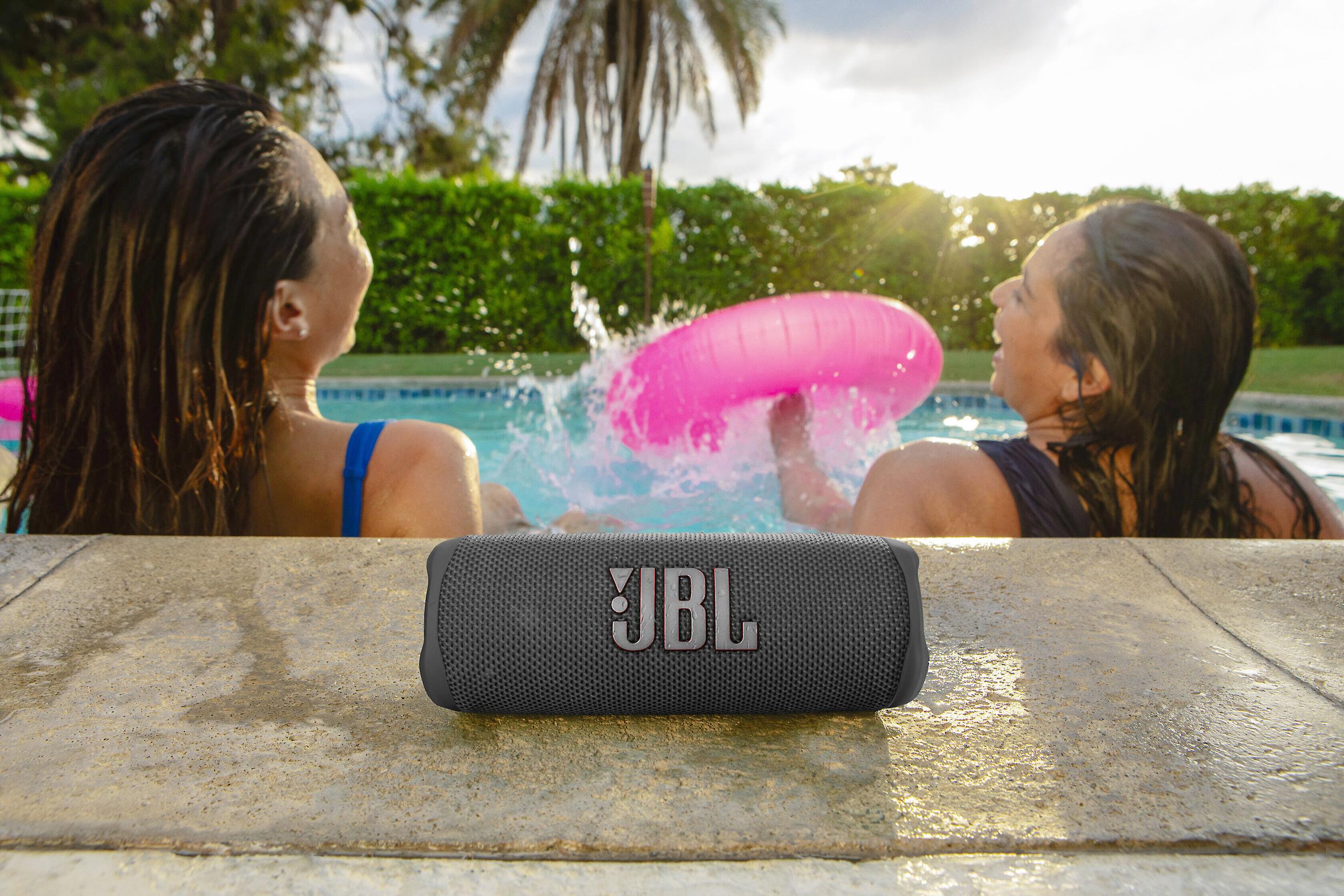
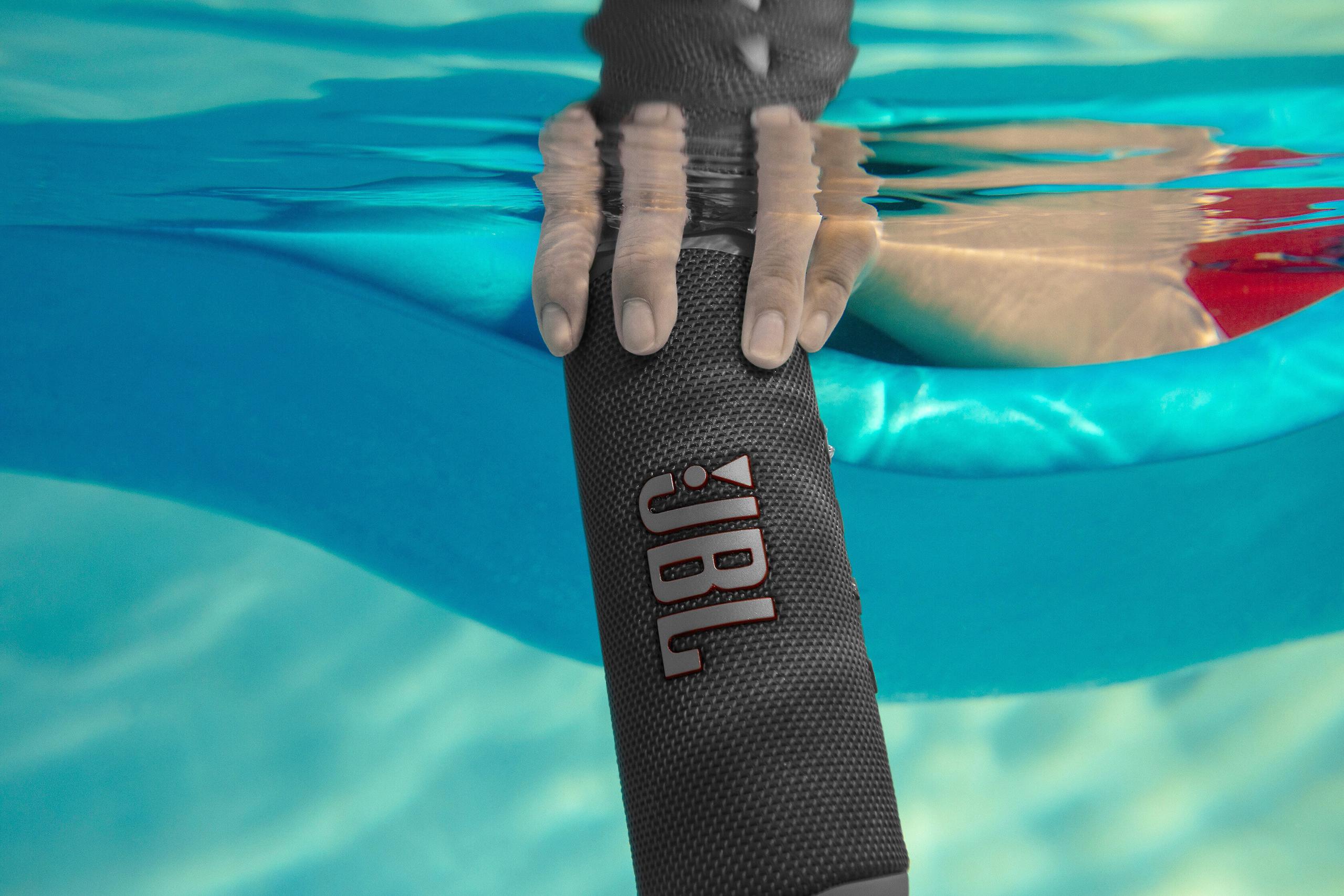
The durability difference between these speakers is notable. While both offer water resistance, the Flip 6's IP67 rating means it's fully dustproof and can handle submersion in water. The Motion X500's IPX7 rating protects against water but not dust. In practical terms, the Flip 6 is simply more suited to rough handling and outdoor adventures.
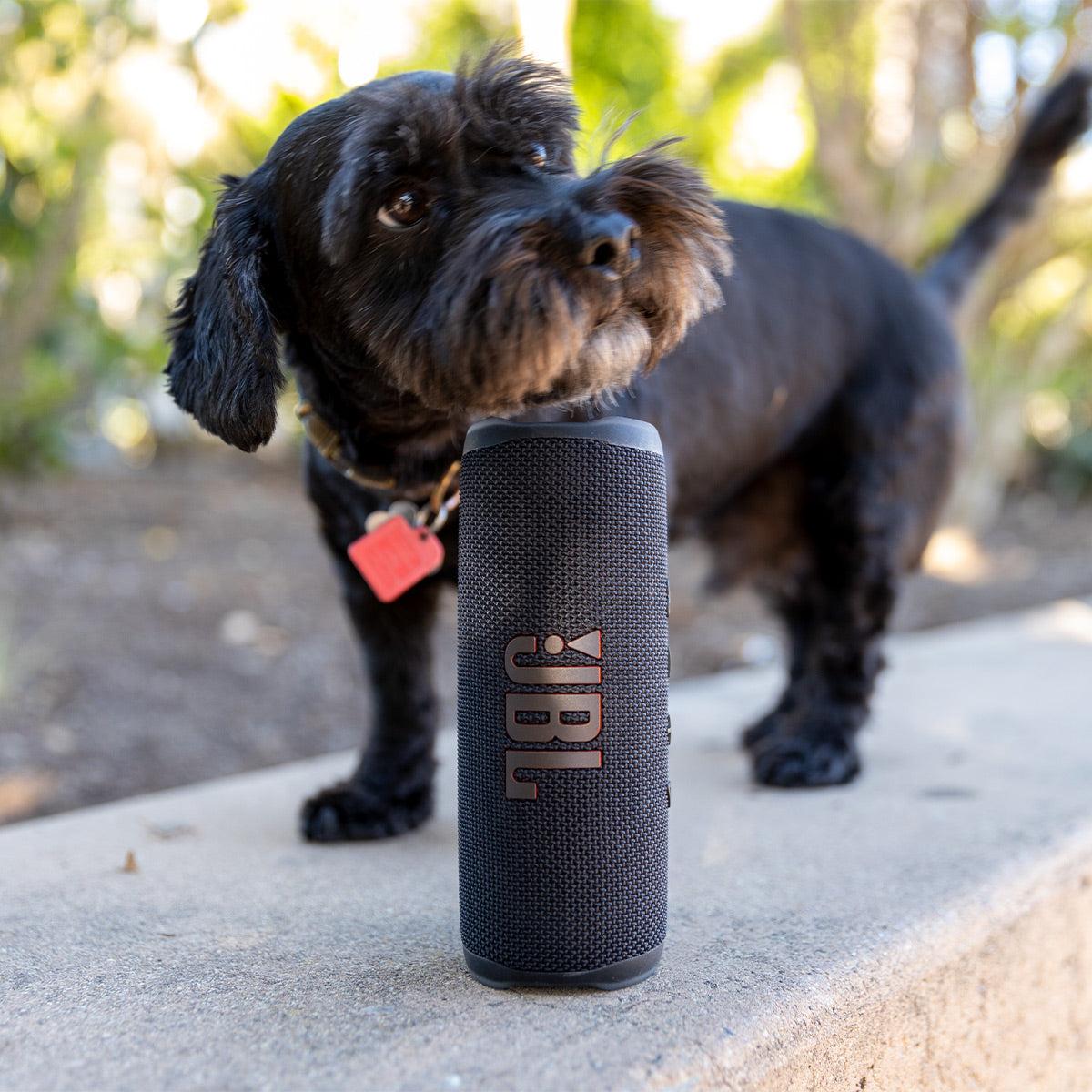
Design-wise, the Motion X500's bookshelf-style form factor (1.6kg) works well for semi-permanent placement but makes it less convenient to carry around. The Flip 6's compact cylindrical design (0.55kg) and included strap make it truly portable.
Both speakers advertise 12-hour battery life, but real-world usage tells a different story. The Motion X500's more powerful amplification and advanced processing mean it typically manages 8-10 hours at moderate volumes. The Flip 6 often exceeds its rated battery life, regularly achieving 14+ hours at similar volume levels.
The Motion X500's Bluetooth 5.3 implementation with LDAC support offers better wireless audio quality when used with compatible devices. Its companion app provides detailed EQ controls and spatial audio adjustments. The Flip 6 uses Bluetooth 5.1 and offers simpler app features but includes PartyBoost for connecting multiple JBL speakers together.
At $170, the Motion X500 represents a premium option with advanced features that justify its price for the right user. Its spatial audio processing and superior detail retrieval make it a compelling choice for critical listening or home use.
The $80-130 Flip 6 offers exceptional value, especially when found at the lower end of its price range. Its proven design and robust construction make it a safe choice for users prioritizing durability and portability over advanced audio features.
The choice between these speakers should primarily depend on your intended use:
For indoor use or critical listening:
For outdoor or active use:
For mixed use:
Both speakers excel in their intended roles, but they're designed for different users. The Motion X500 is for the audio enthusiast who wants premium sound in a semi-portable package, while the Flip 6 is for the active user who needs a durable, great-sounding speaker that can go anywhere.
| Anker Soundcore Motion X500 | JBL Flip 6 |
|---|---|
| Price - Current market positioning | |
| $170 (premium feature set) | $80-130 (excellent value) |
| Total Power Output - Impacts maximum volume and sound quality | |
| 40W (2x15W + 10W upward firing) | 30W (20W woofer + 10W tweeter) |
| Audio Features - Determines sound quality and versatility | |
| LDAC support, spatial audio, custom EQ | Standard codecs, PartyBoost, basic EQ |
| Physical Size - Affects portability and placement options | |
| 191 x 81 x 228 mm (1.6kg) | 178 x 68 x 72 mm (0.55kg) |
| Weatherproofing - Important for outdoor use | |
| IPX7 (water resistant) | IP67 (water and dust resistant) |
| Battery Life - Real-world usage time | |
| 8-10 hours typical use | 12-14 hours typical use |
| Bluetooth Version - Affects connection quality and range | |
| 5.3 with LDAC codec | 5.1 with standard codecs |
| Speaker Configuration - Impacts sound quality and dispersion | |
| 3 drivers with spatial audio processing | 2 drivers with passive radiators |
| Primary Use Case - Best application scenario | |
| Indoor/home listening, detailed audio | Outdoor/portable use, durability |
| Additional Features - Extra functionality | |
| App control, customizable EQ, ambient light | PartyBoost multi-speaker pairing, strap |
| Warranty Coverage - Purchase protection | |
| 18 months | 12 months |
The Anker Soundcore Motion X500 is better for indoor use and sound quality, while the JBL Flip 6 is better for outdoor use and portability. Your choice should depend on primary use case rather than overall "better" status.
The Motion X500 costs $170, while the Flip 6 typically ranges from $80-130, making it the more budget-friendly option.
The Motion X500 offers superior sound quality with its 40W output and spatial audio features, though the Flip 6 provides excellent balanced sound for its size and price point.
The JBL Flip 6 is more durable with IP67 water and dust resistance, compared to the Motion X500's IPX7 water-only resistance.
The JBL Flip 6 typically provides 12-14 hours of playback, while the Motion X500 averages 8-10 hours in real-world use.
Both can be used outdoors, but the Flip 6 is better suited for outdoor use due to its rugged design and focused sound projection. The Motion X500 is primarily designed for indoor use.
The JBL Flip 6 is significantly more portable at 0.55kg with a carrying strap, compared to the Motion X500 at 1.6kg with a larger form factor.
Both speakers support Bluetooth multipoint connection, allowing you to switch between devices easily.
The Flip 6 delivers punchier bass for its size, while the Motion X500 offers more refined, accurate bass response.
Yes, both can be paired with a second unit of the same model. The Flip 6 offers PartyBoost for connecting multiple JBL speakers, while the Motion X500 supports basic stereo pairing.
The Motion X500 offers more advanced app features including detailed EQ settings and spatial audio controls, while the Flip 6 provides basic EQ and speaker management features.
The JBL Flip 6 offers better value for general use at $80-130, while the Motion X500 at $170 justifies its premium price for users who prioritize sound quality and advanced features.
We've done our best to create useful and informative comparisons to help you decide what product to buy. Our research uses advanced automated methods to create this comparison and perfection is not possible - please contact us for corrections or questions. These are the sites we've researched in the creation of this article: tomsguide.com - outeraudio.com - gadgetoid.com - soundguys.com - pcgamesn.com - hktvmall.com - elomymelo.com - youtube.com - jopanda.com - shop.menshealth.com - soundphilereview.com - techradar.com - phonearena.com - youtube.com - tomsguide.com - outeraudio.com - wcucampusstore.com - jbl.com.sg - pcrichard.com - kh.jbl.com - musicarts.com - jbl.com - cnet.com - youtube.com

Privacy Policy
Terms and Conditions - Affiliate Policy
Home Security
© Copyright 2008-2026.
11816 Inwood Rd #1211, Dallas, TX 75244