

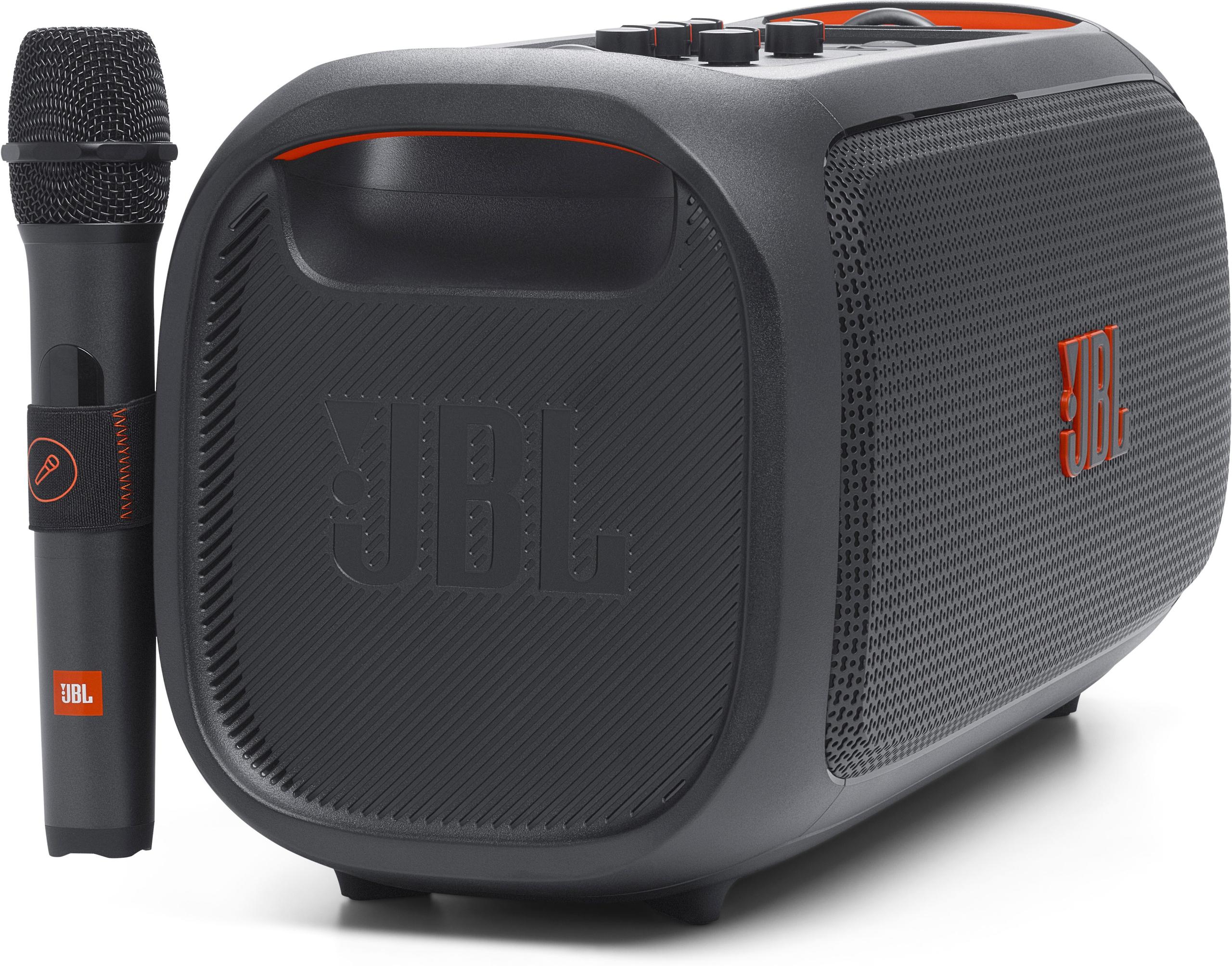
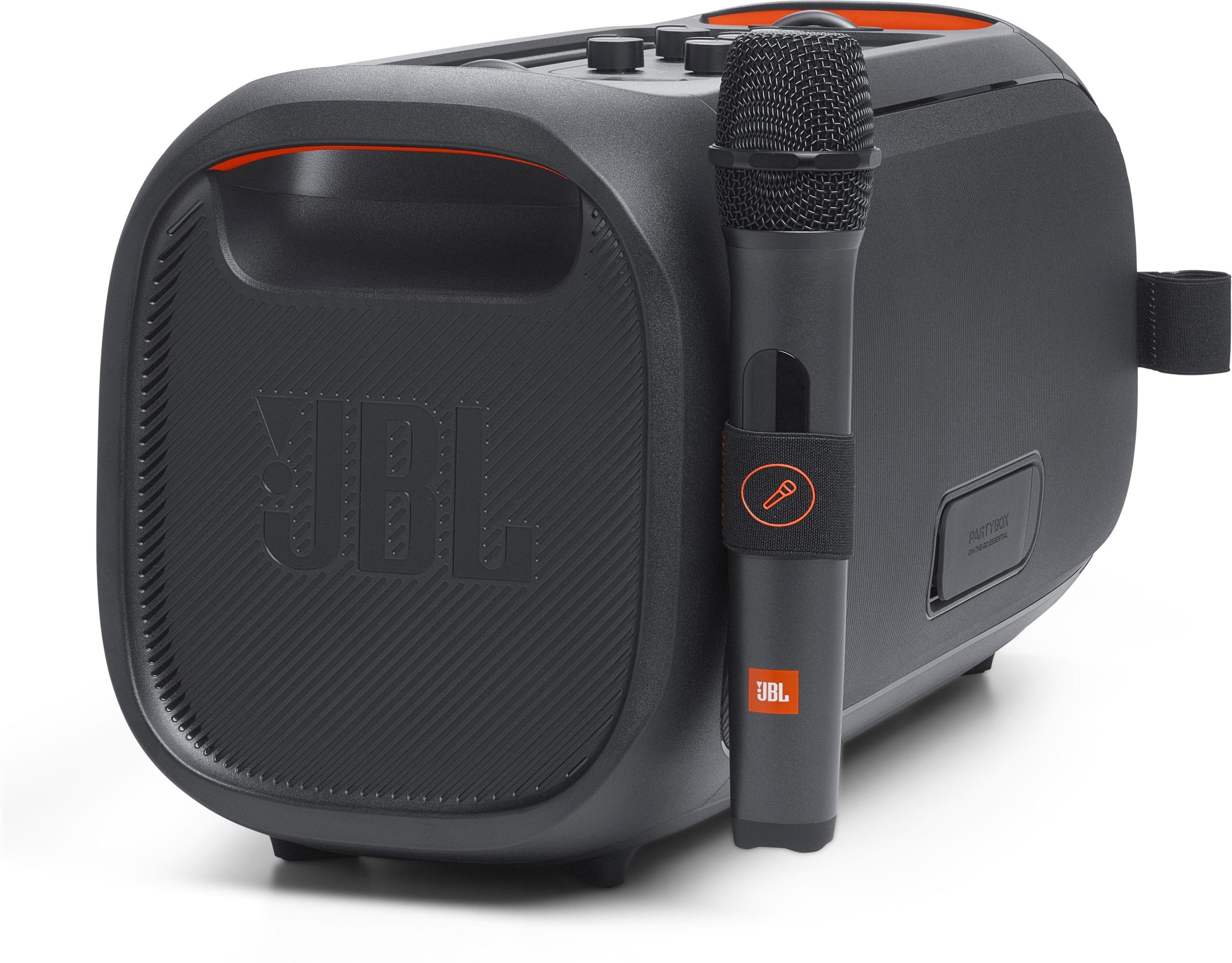
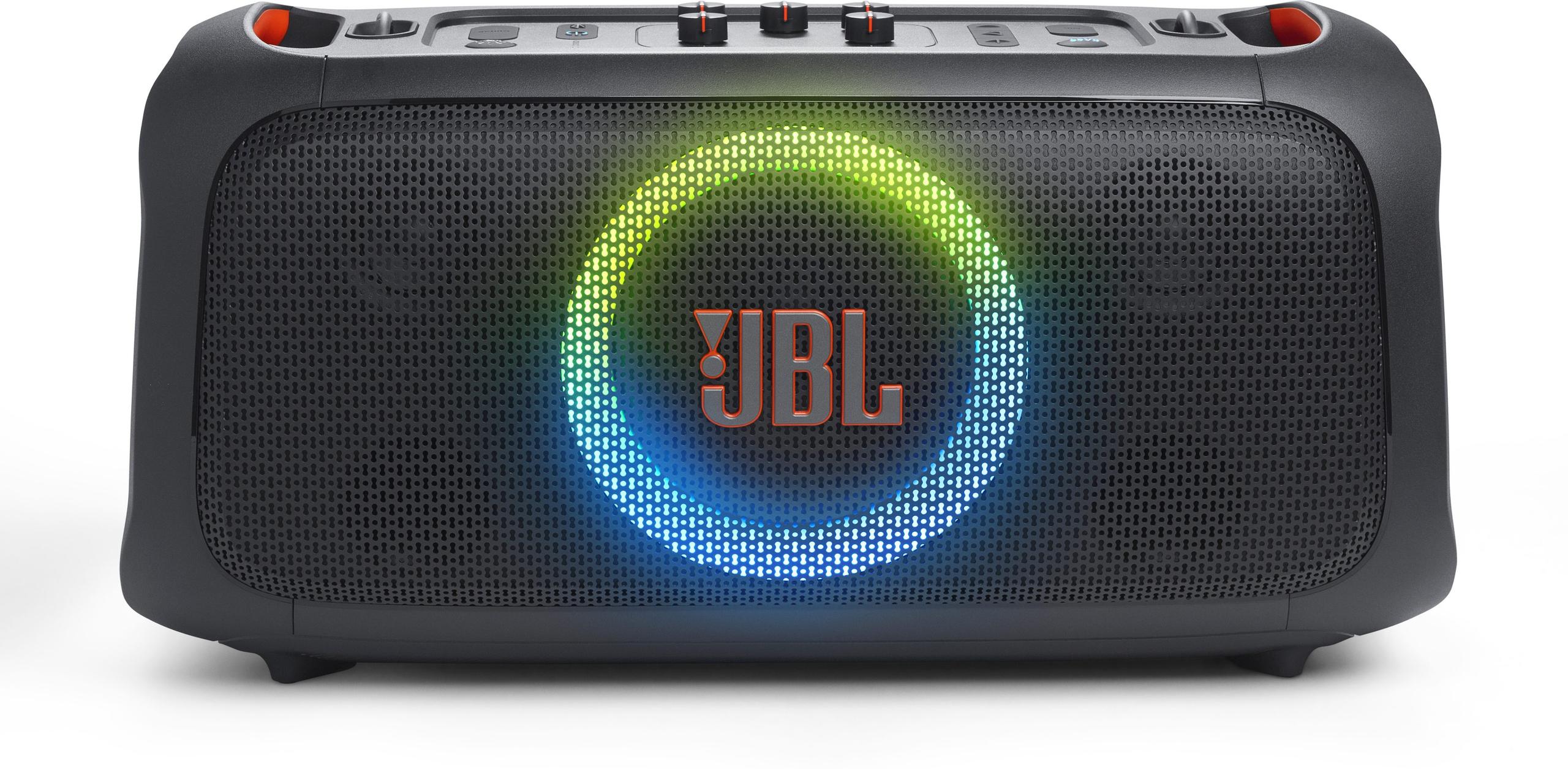
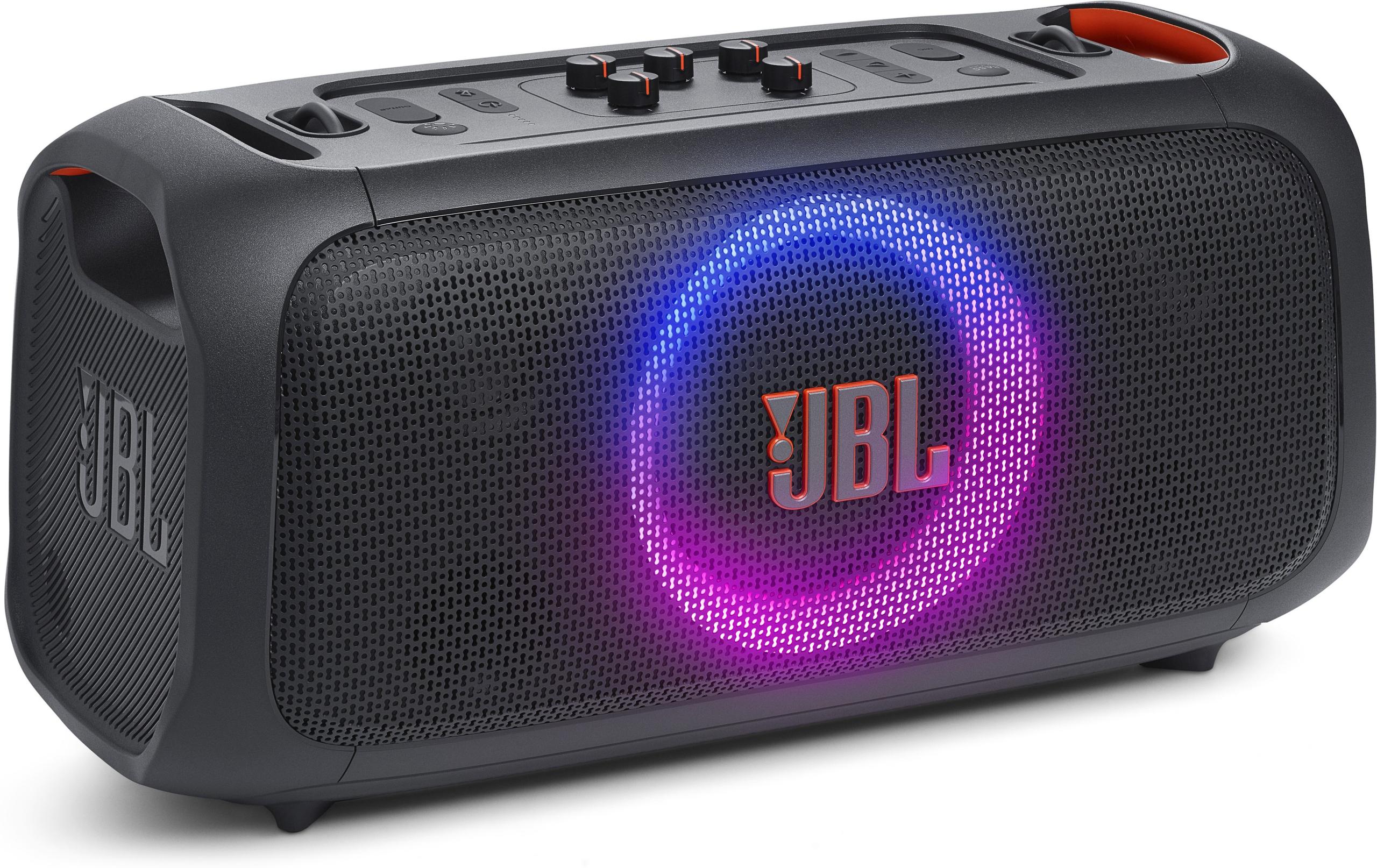
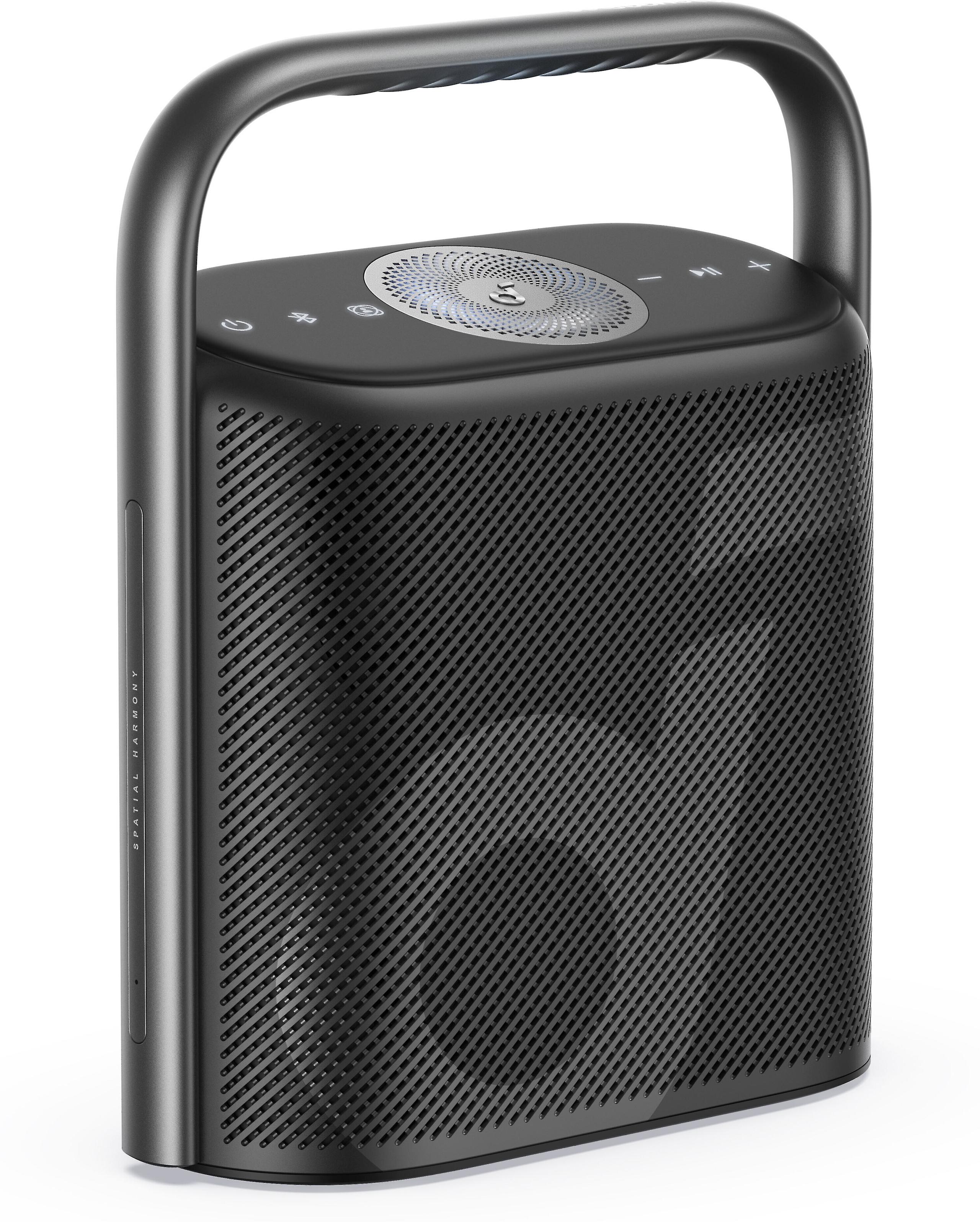
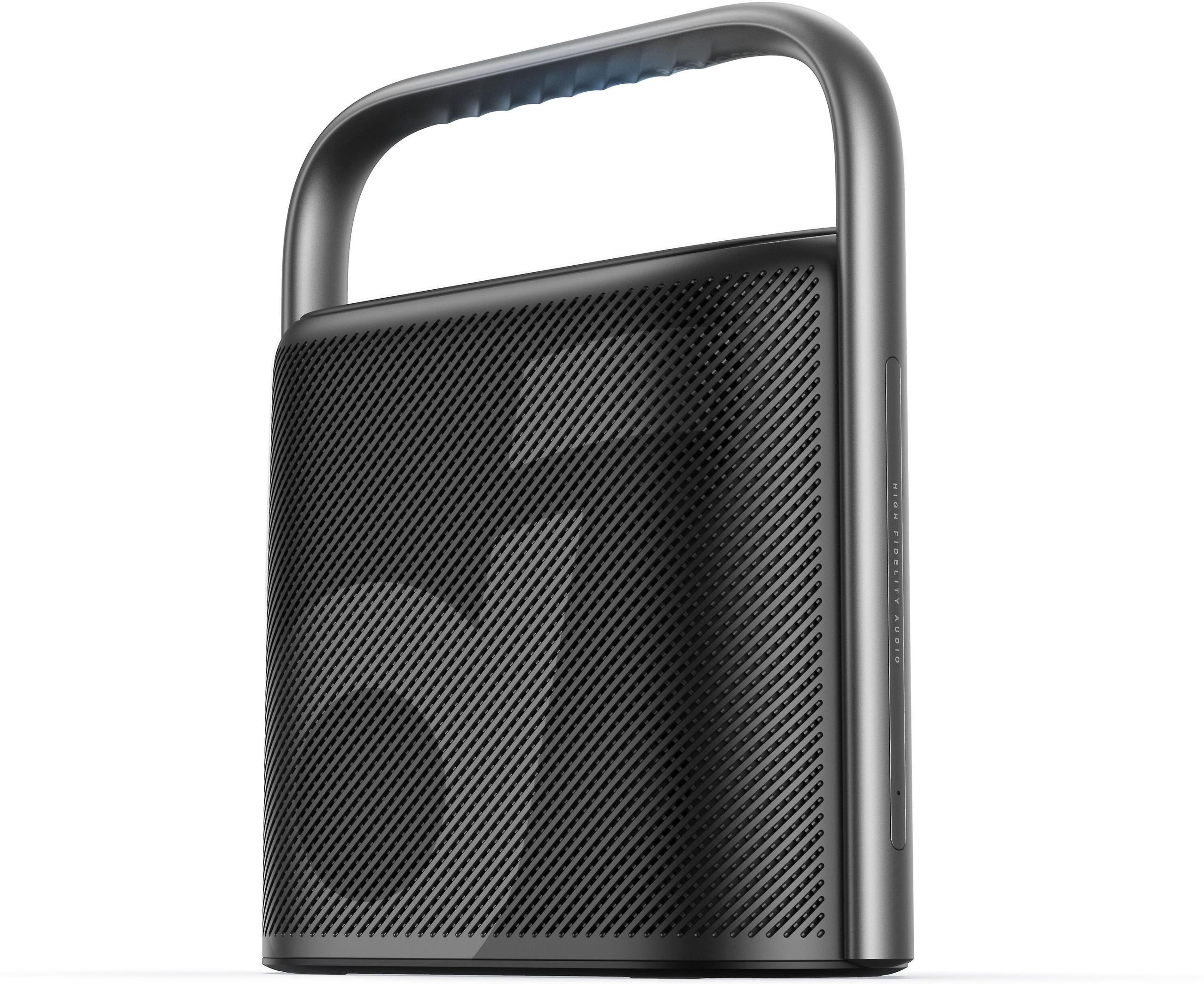
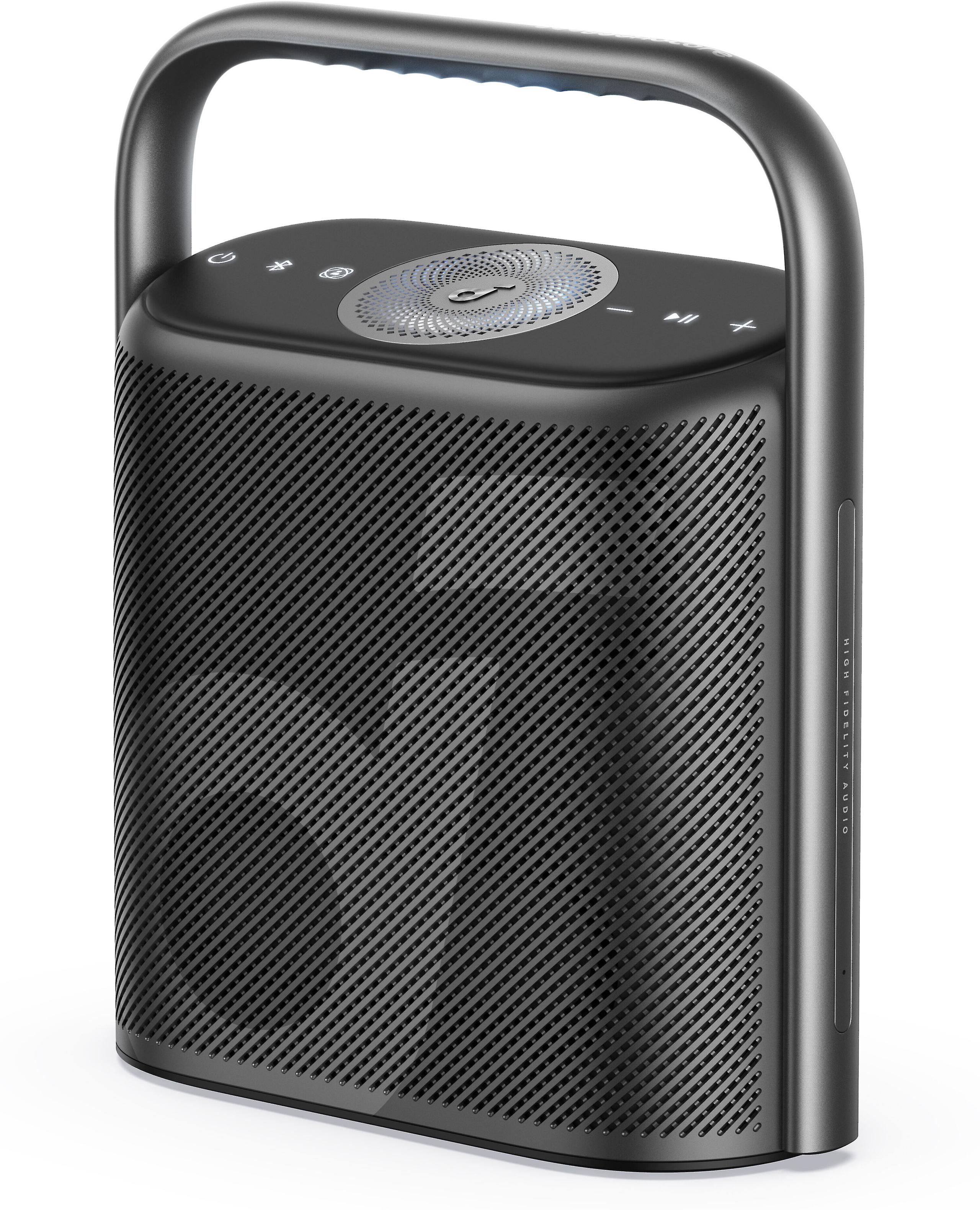
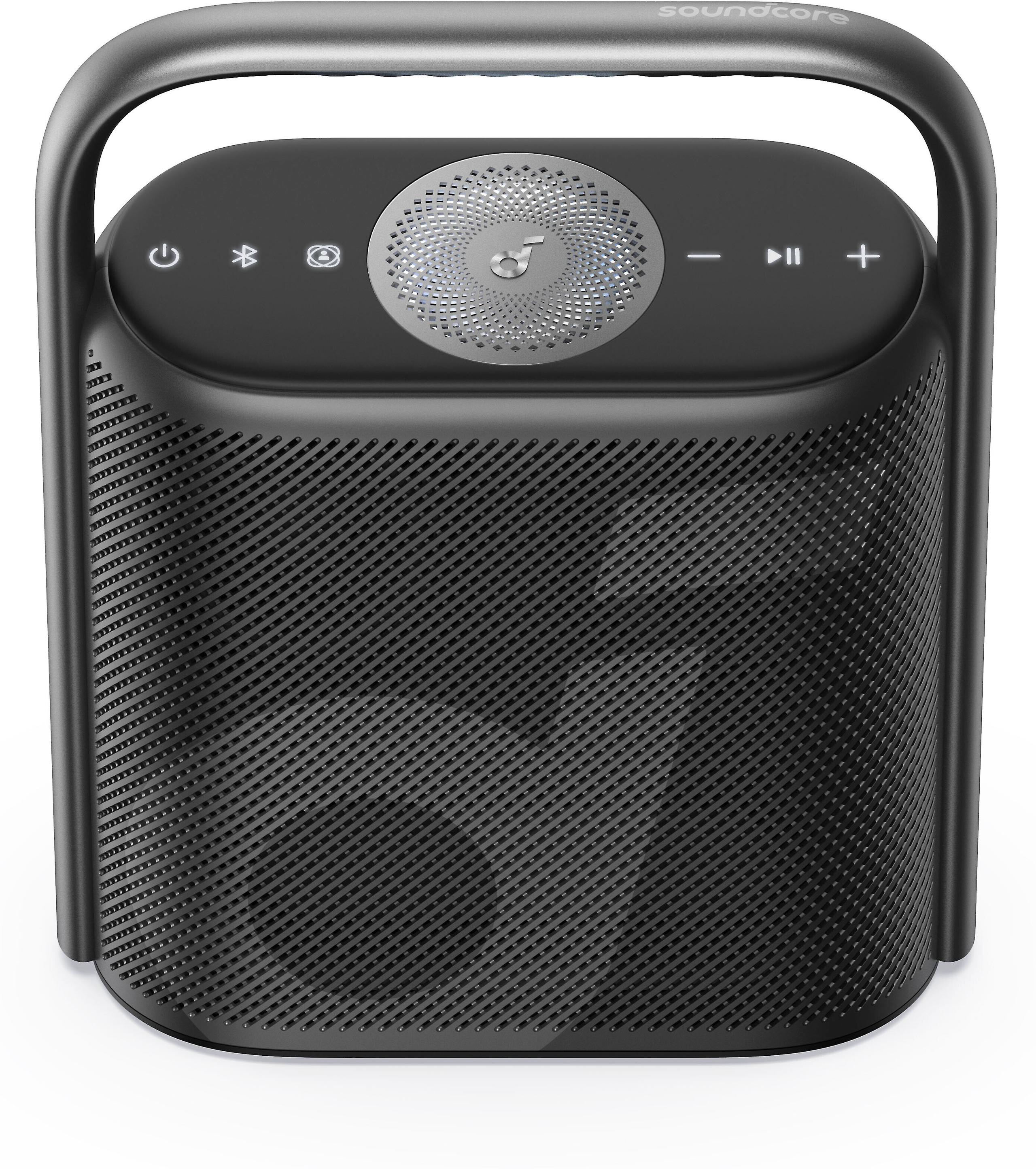
In late 2023, both JBL PartyBox On-The-Go Essential ($249.99) and Anker Soundcore Motion X500 ($169.99) entered the portable speaker market, each taking distinctly different approaches to mobile audio. Let's explore how these speakers serve different needs and help you decide which might be right for your situation.
The portable speaker market has evolved significantly in recent years. We've moved beyond simple battery-powered speakers to sophisticated audio systems that can serve multiple purposes. Today's speakers need to balance sound quality, durability, and features while maintaining portability and reasonable battery life.
Modern portable speakers typically fall into two categories: lifestyle audio devices for personal or small group listening, and larger party-oriented systems with additional entertainment features. The Motion X500 and PartyBox On-The-Go Essential perfectly represent these different approaches.
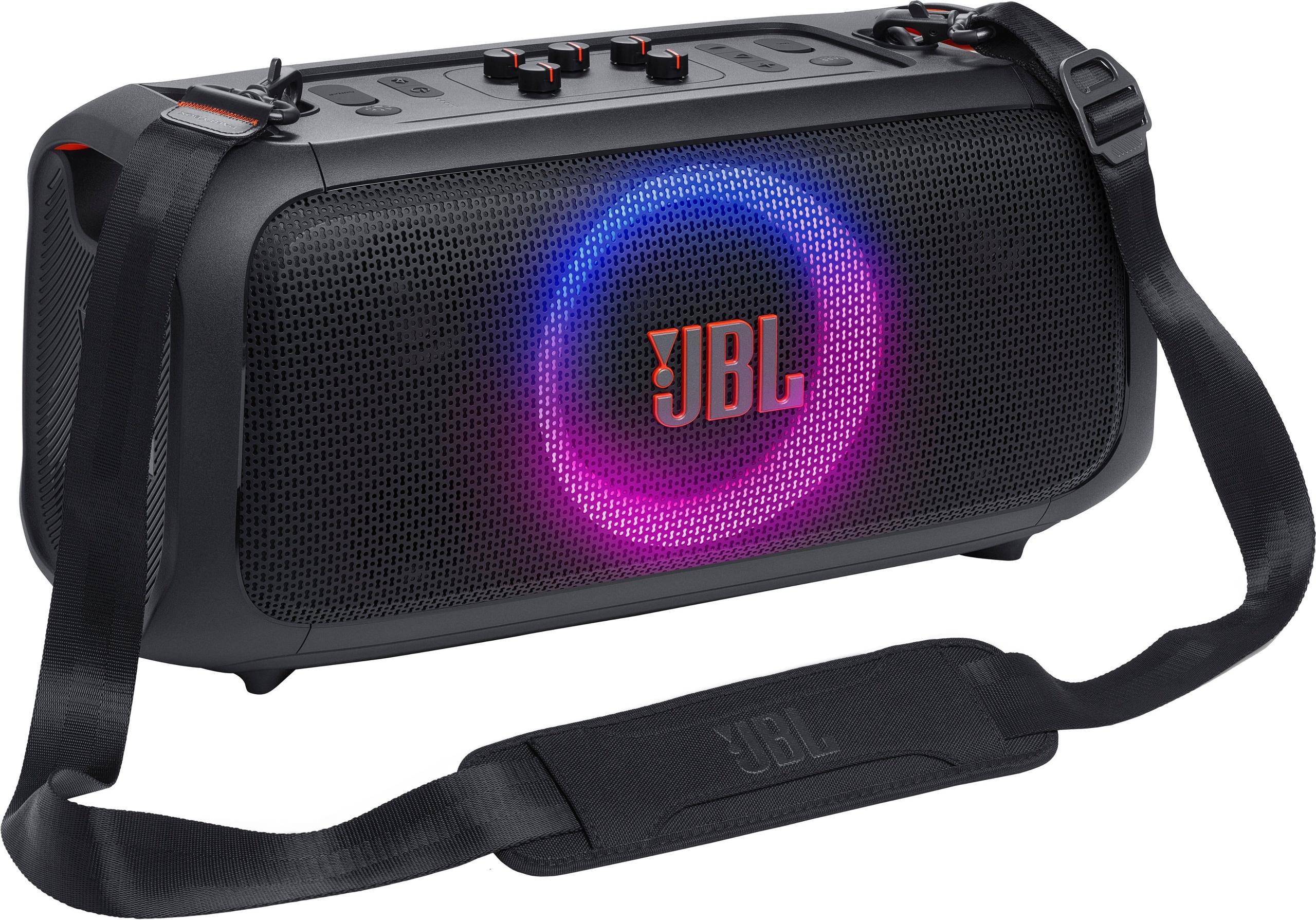
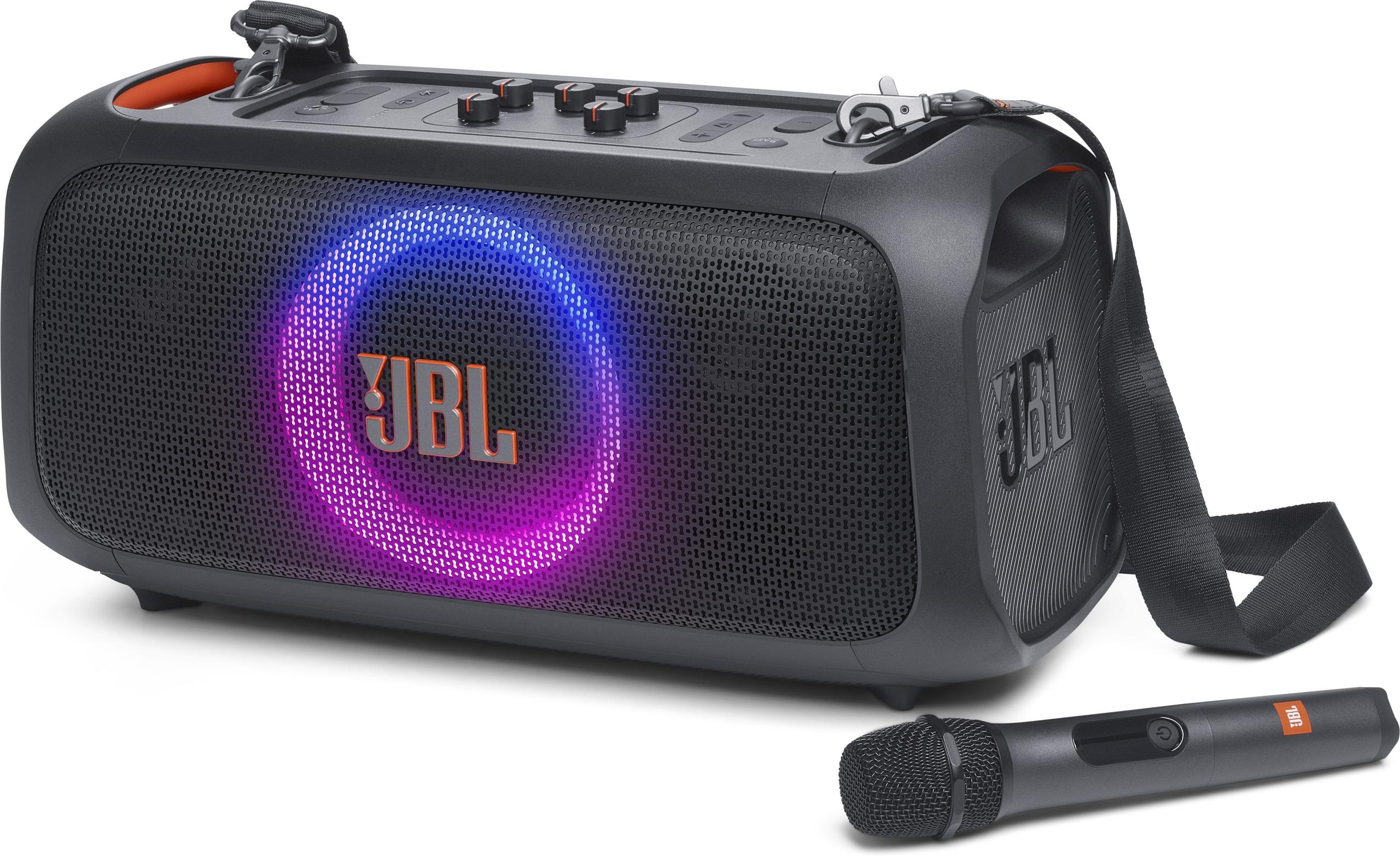
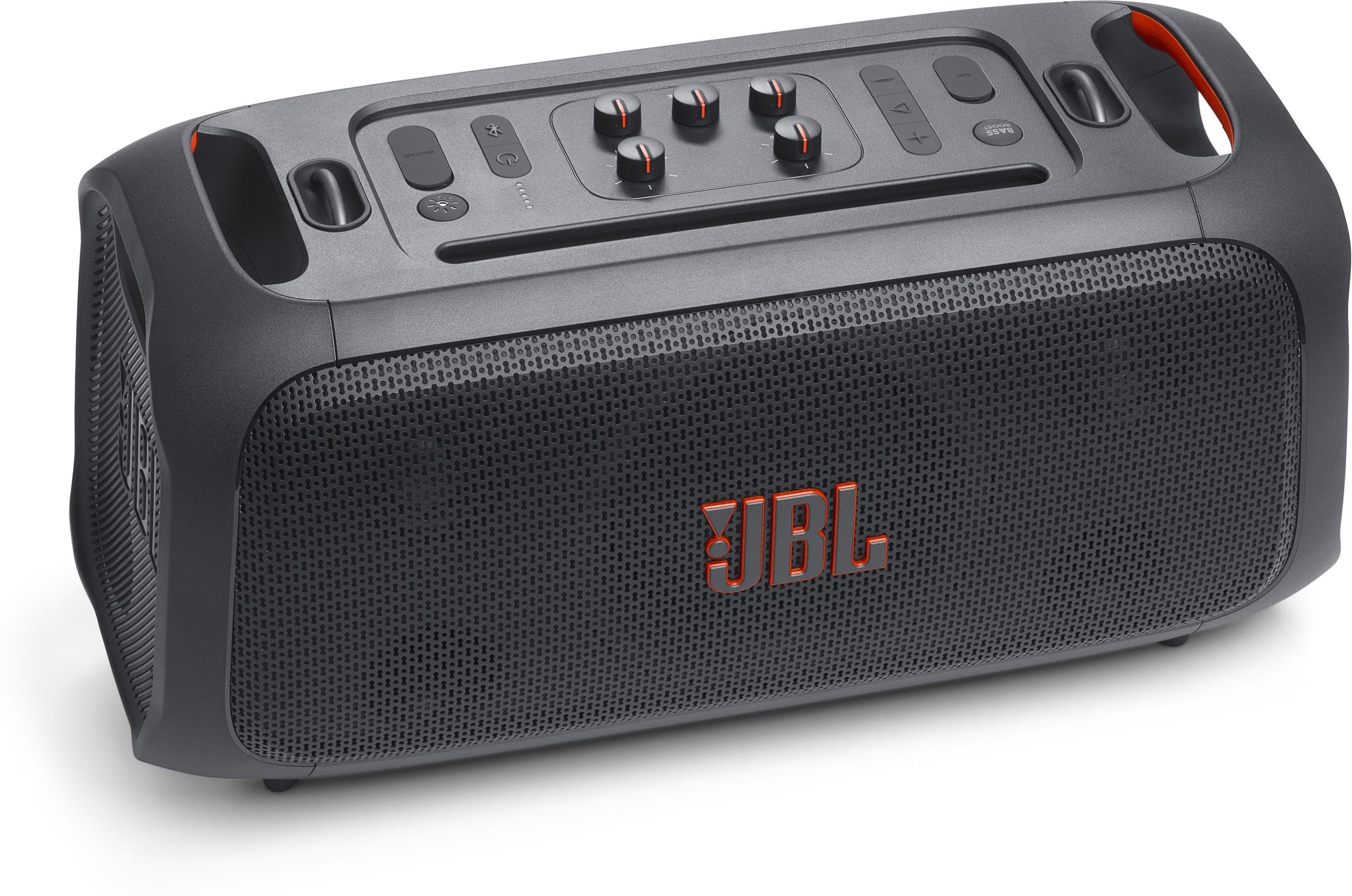
The JBL PartyBox approaches audio with raw power, employing a 100-watt system with dedicated woofers and tweeters. This traditional PA-style setup excels at high volumes and delivers the kind of bass response you'd want for a party environment. The speaker uses JBL's Pro Sound technology, which emphasizes clear vocals and impactful bass - crucial for both music playback and karaoke use.
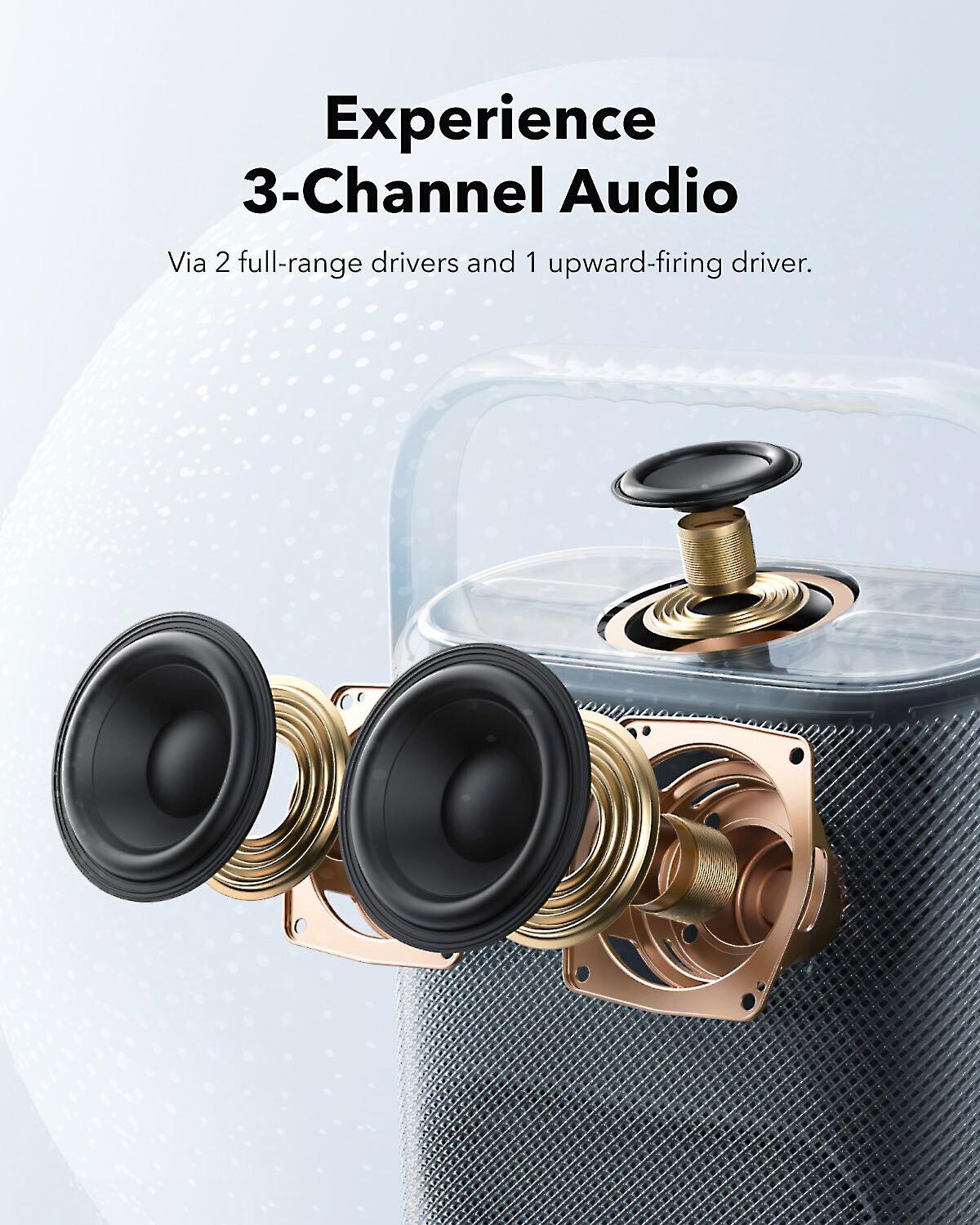
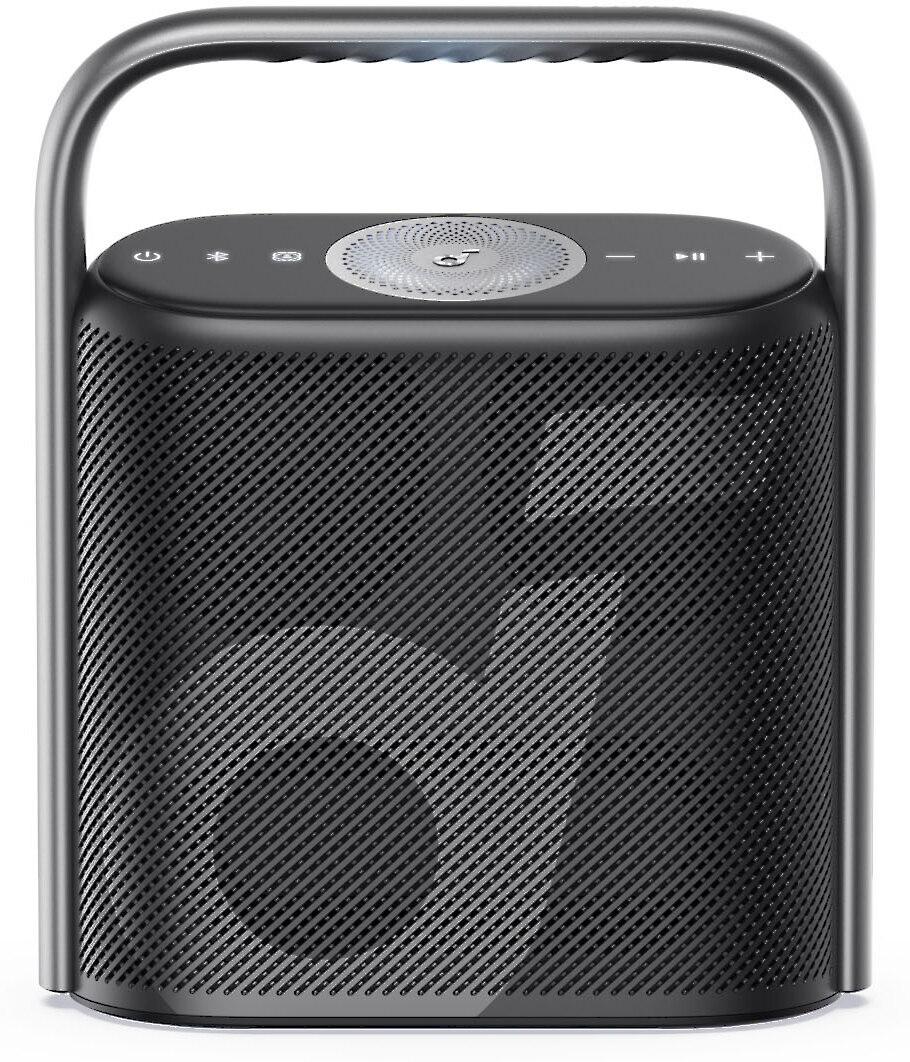
In contrast, the Motion X500 takes a more sophisticated approach with its 40-watt system. While that might seem significantly less powerful, the speaker utilizes an innovative three-driver design including an upward-firing speaker. This creates a more immersive listening experience through spatial audio, which makes music sound like it's coming from a larger space than the speaker itself occupies.
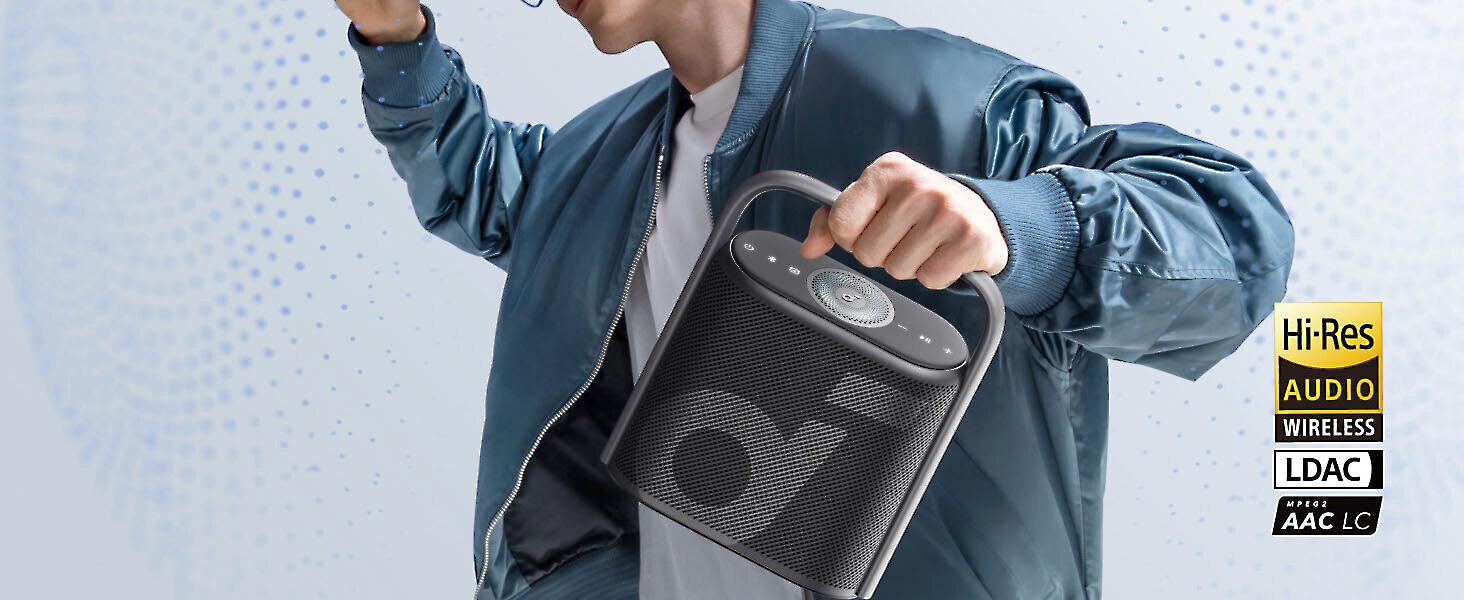
The Motion X500 supports the LDAC codec, which allows for much higher quality Bluetooth audio transmission (up to 990kbps compared to standard Bluetooth's 328kbps). This means you can hear more detail in your music, provided your source device also supports LDAC. The speaker also offers customizable EQ settings through its app, letting you fine-tune the sound to your preferences.
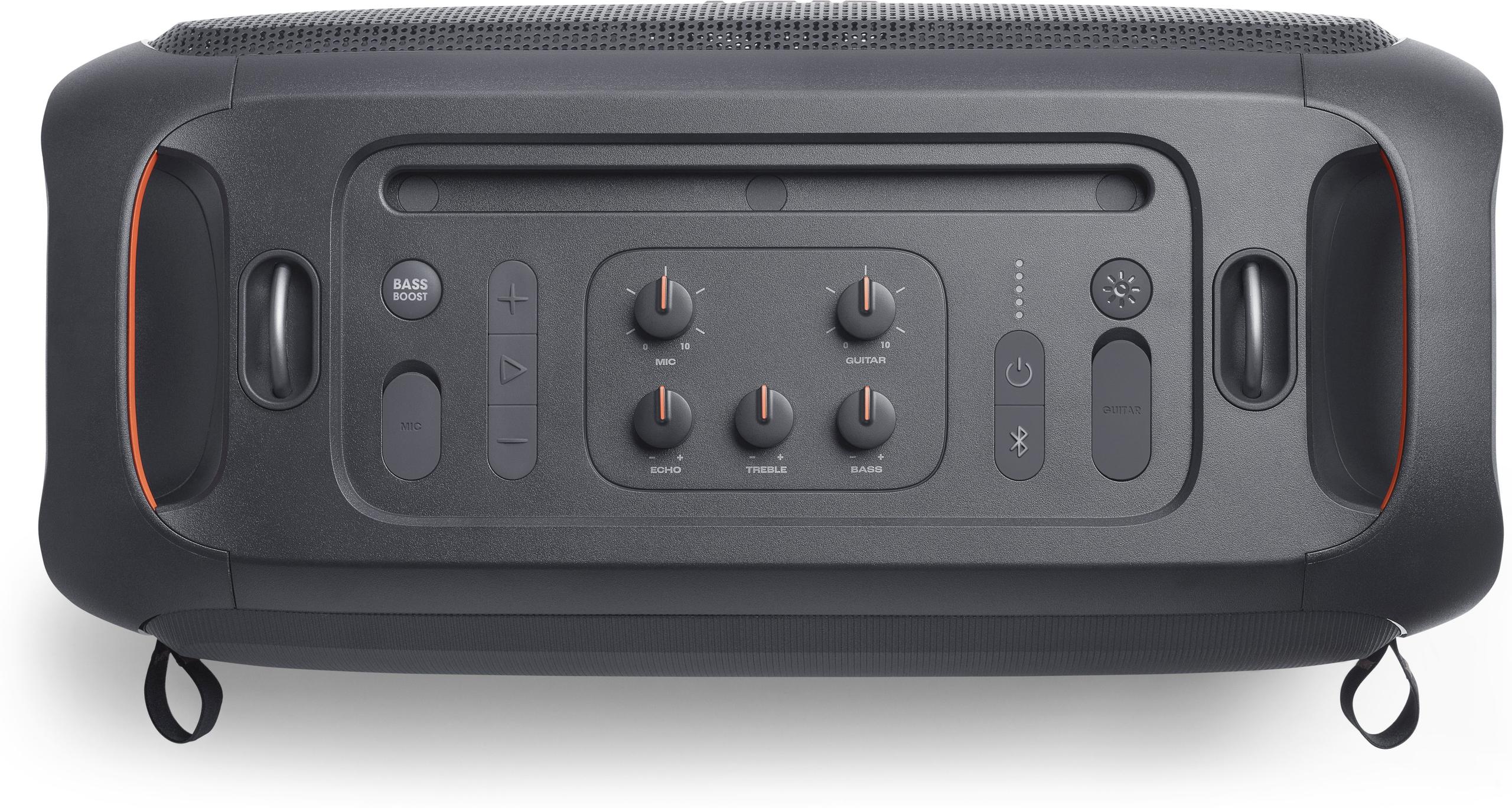
The PartyBox focuses more on volume and impact than subtle audio details. Its Bass Boost feature offers two levels of enhancement, which can really bring dance music and hip-hop tracks to life. While it may not offer the same level of audio refinement as the Motion X500, it excels at its intended purpose - getting people dancing.
The PartyBox clearly wins in pure volume output. Its 100-watt system can easily fill large outdoor spaces or rooms up to 1000 square feet. The bass response remains strong even at high volumes, though there's some noticeable flattening at maximum levels - typical for speakers in this category.
The Motion X500's 40-watt system provides enough volume for most indoor situations and small outdoor gatherings. What's impressive is how it maintains clarity across its volume range, with virtually no distortion even at maximum output. The spatial audio feature creates a surprisingly wide soundstage that can make the speaker sound larger than it is.
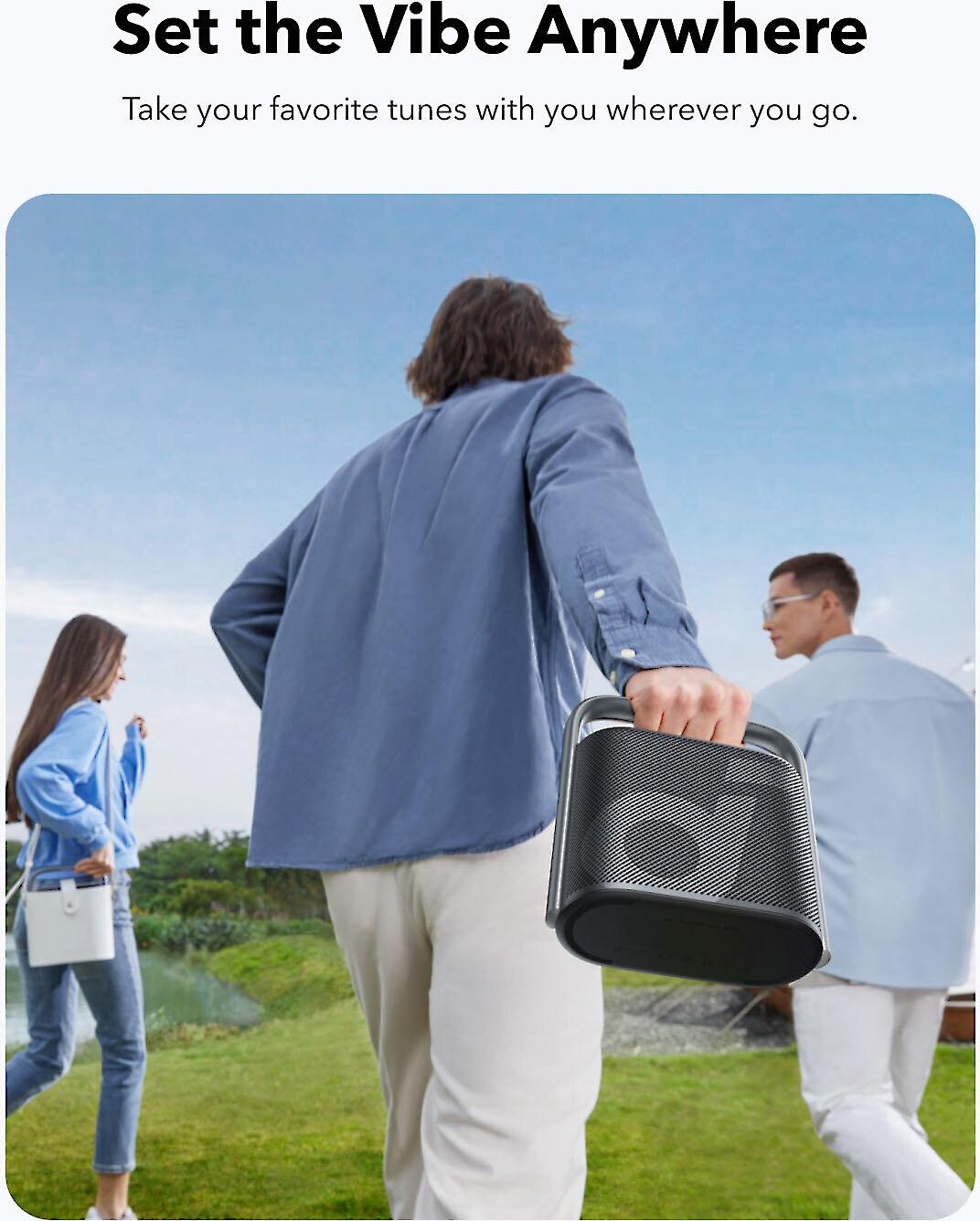
Battery performance shows a clear divide in design priorities. The Motion X500 offers 8-12 hours of playback, which drops when using spatial audio features or higher volumes. Still, it's enough for a full day of use in most situations.
The PartyBox provides about 6 hours of playback, reflecting its high-power design. This is adequate for most parties but might require careful management during longer events. Both speakers use USB-C charging, though the PartyBox takes longer to reach a full charge due to its larger battery capacity.
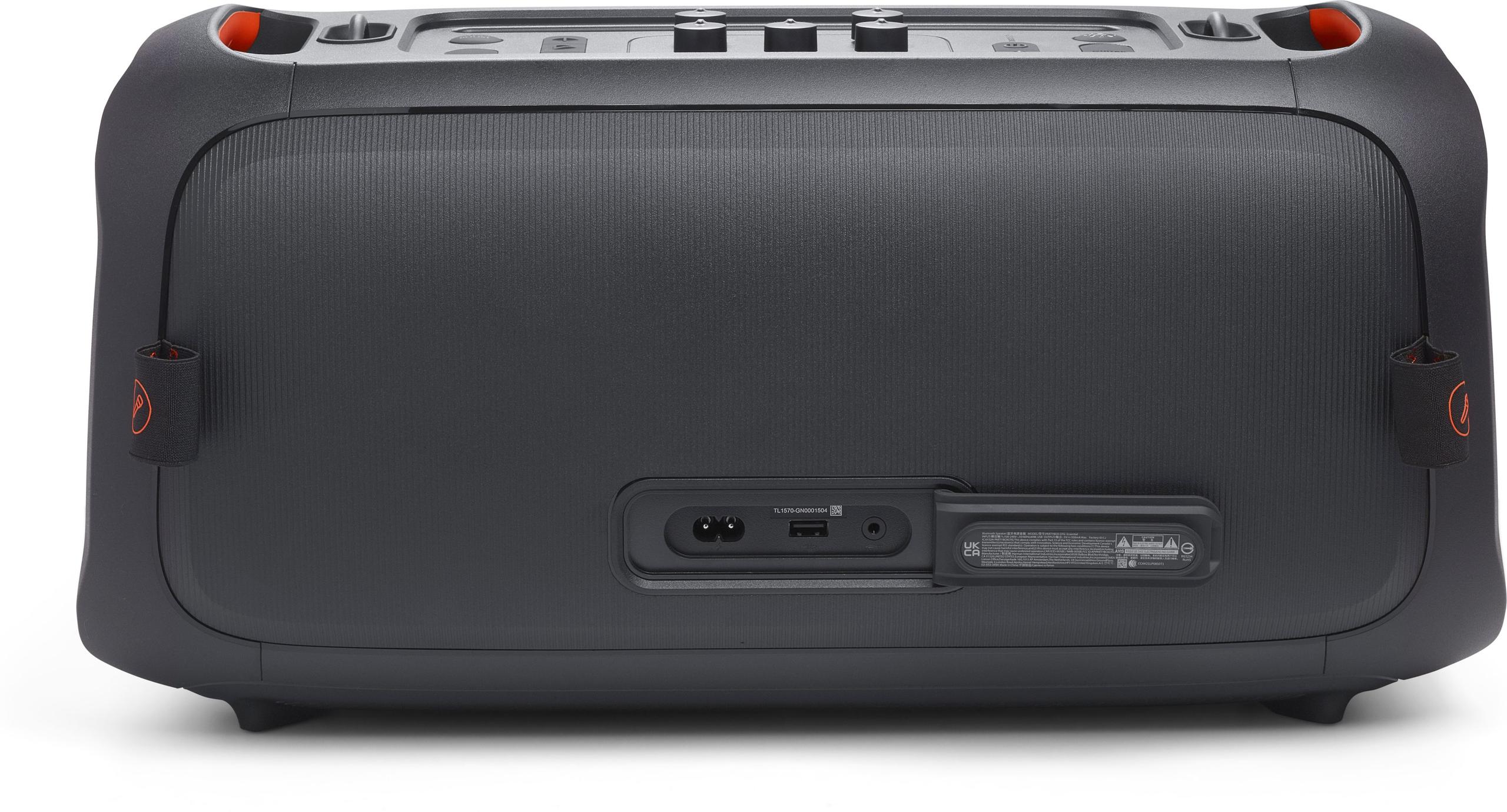
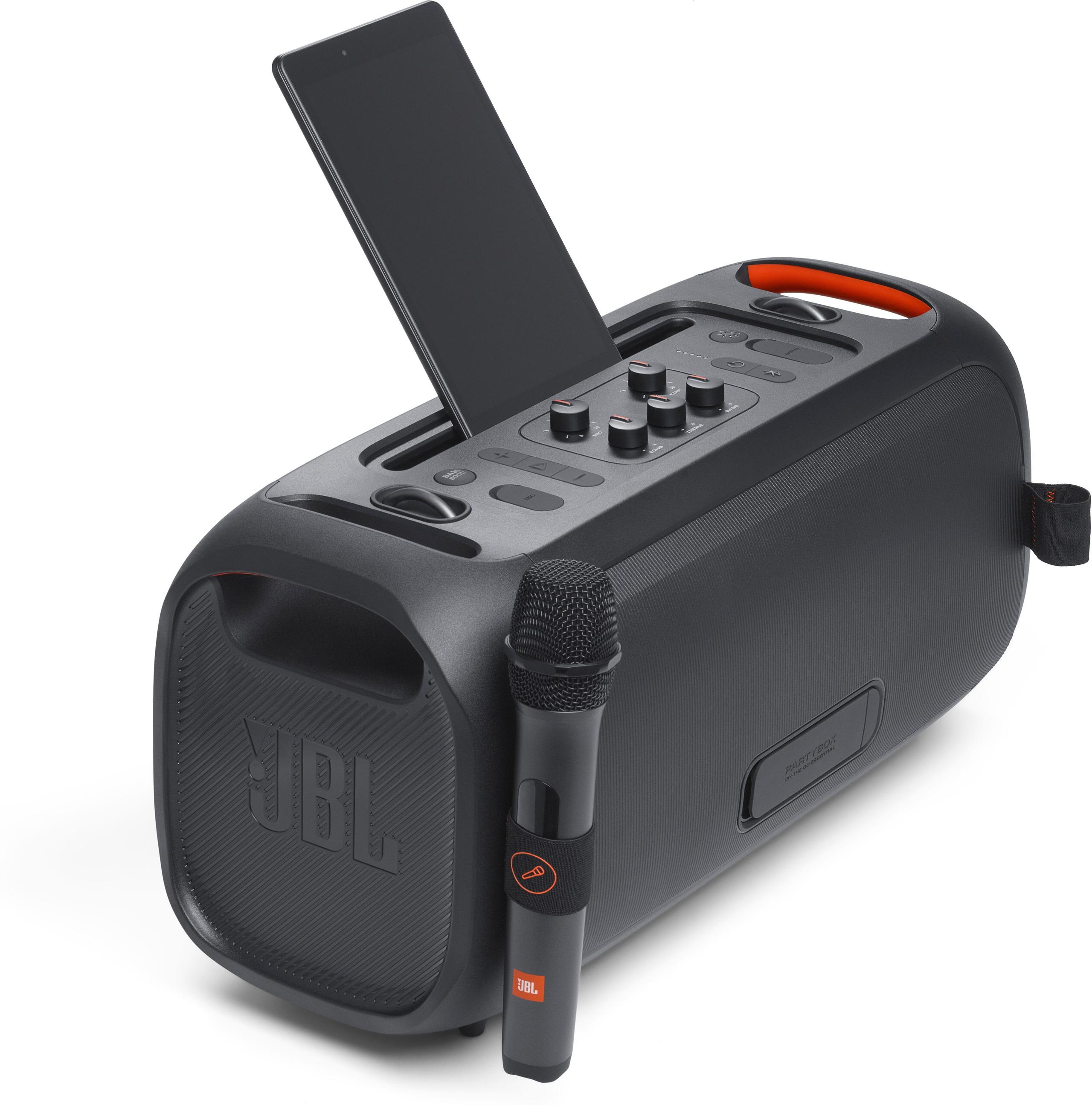
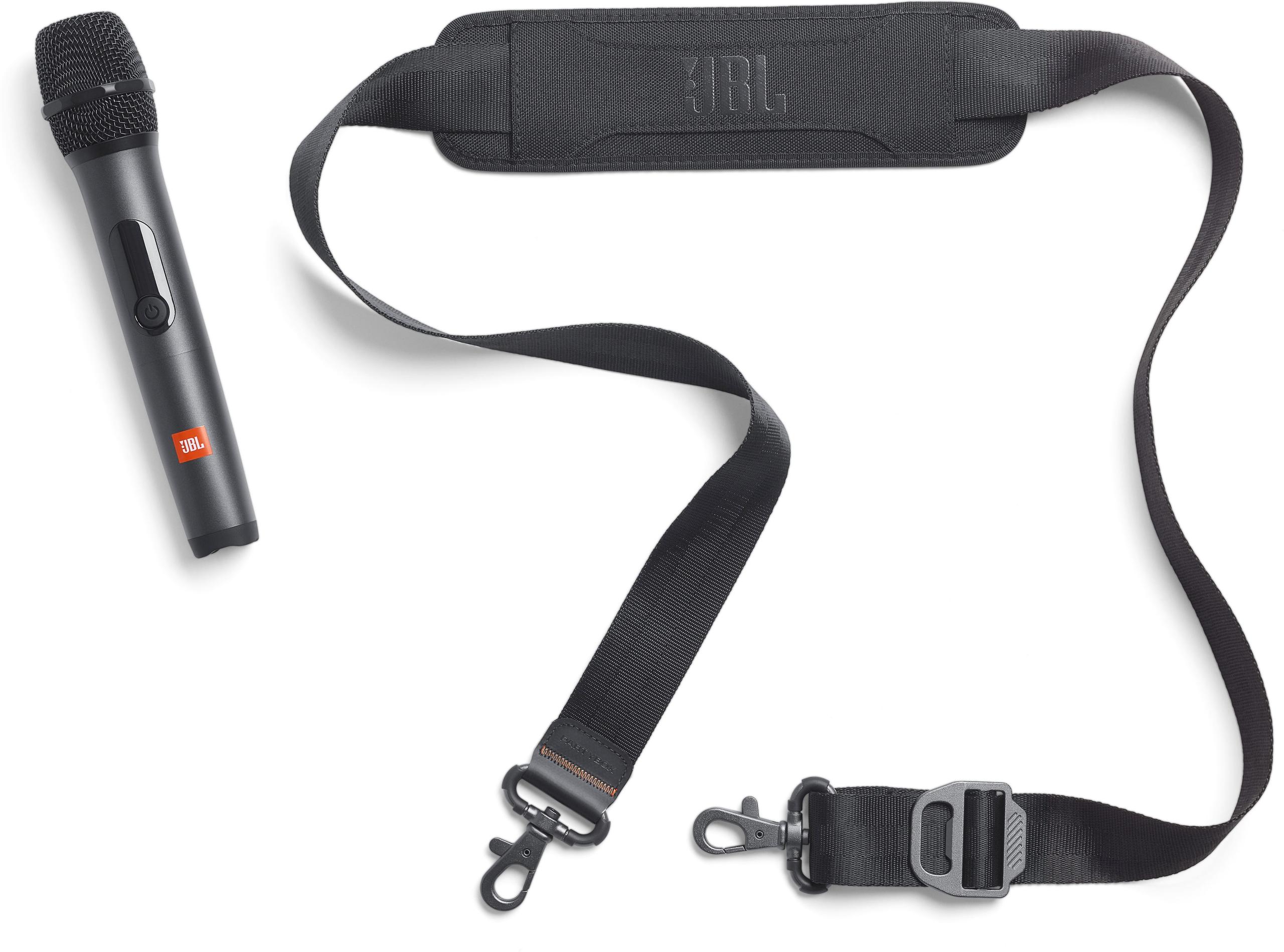
The PartyBox includes several features that make it a complete entertainment system:
The Motion X500 offers more lifestyle-oriented features:
While neither speaker is specifically designed for home theater use, the Motion X500's spatial audio capabilities make it an interesting option for improving TV sound in small rooms. Its upward-firing speaker can create a more immersive experience than typical soundbars in this price range, though it lacks specific features like dialogue enhancement or virtual surround sound.
Both speakers handle outdoor use differently. The PartyBox's higher power output makes it better for large outdoor gatherings, though its IPX4 rating only protects against splashes. The Motion X500's IPX7 rating makes it more suitable for poolside use or rainy conditions, but its lower maximum volume might not carry as well in open spaces.
The Motion X500 at $169.99 represents excellent value for those prioritizing sound quality and daily use. Its premium features like LDAC support and spatial audio typically appear in more expensive speakers. The build quality and water resistance add to its long-term value.
The PartyBox at $249.99 includes everything needed for mobile entertainment. While more expensive, it eliminates the need for separate karaoke equipment or party lighting, potentially making it a better value for those specific use cases.
Choose the PartyBox if:
Choose the Motion X500 if:
Both speakers represent the latest in their respective categories, with the PartyBox focusing on entertainment features and the Motion X500 emphasizing audio quality and technical innovation. Your choice should ultimately depend on how you plan to use the speaker most often.
| JBL PartyBox On-The-Go Essential ($249.99) | Anker Soundcore Motion X500 ($169.99) |
|---|---|
| Power Output - Determines maximum volume and sound coverage | |
| 100W total output (ideal for outdoor parties) | 40W total output (suitable for indoor/small gatherings) |
| Audio Architecture - Affects sound quality and dispersion | |
| 5.25" woofer + dual 1.75" tweeters (traditional design) | 2x15W full-range + 1x10W upward-firing (spatial audio design) |
| Battery Life - Critical for extended use without power | |
| 6 hours (sufficient for most parties) | 12 hours (better for daily use, 8-10 typical) |
| Water Resistance - Important for outdoor use | |
| IPX4 (splash resistant) | IPX7 (fully waterproof) |
| Bluetooth Version - Affects connection quality and range | |
| Bluetooth 4.2 (older standard) | Bluetooth 5.3 with LDAC support (superior audio quality) |
| Weight - Impacts portability | |
| 6.1 kg (less portable, includes shoulder strap) | 1.6 kg (easily portable) |
| Special Features - Additional functionality | |
| Built-in lights, wireless mic, guitar input, bottle opener | Spatial audio, app control, custom EQ, ambient light |
| Primary Use Case - Determines best fit | |
| Party/karaoke system (large gatherings) | Personal/small group listening (daily use) |
| Sound Signature - Different audio priorities | |
| Bass-heavy, emphasis on volume and impact | Balanced, emphasis on clarity and spatial effects |
| Connectivity Options - Flexibility in use | |
| Bluetooth, 3.5mm aux, mic inputs, guitar input | Bluetooth with LDAC, USB-C |
The JBL PartyBox On-The-Go Essential ($249.99) is significantly better for parties with its 100W output, built-in light show, and karaoke capabilities. The Anker Motion X500 ($169.99) is more suited for personal listening.
The Motion X500 offers superior sound quality with LDAC support and spatial audio, while the PartyBox focuses on louder volume and stronger bass response.
The Motion X500 provides 8-12 hours of playback, while the PartyBox lasts about 6 hours. Both times decrease at higher volumes.
The Motion X500 is much more portable at 1.6kg, compared to the PartyBox which weighs 6.1kg.
Both can be used outdoors, but serve different purposes. The PartyBox has more power for large gatherings, while the Motion X500 has better water resistance (IPX7 vs IPX4).
The Motion X500 at $169.99 offers better value for daily use, while the PartyBox at $249.99 is better value if you need party features like karaoke and lighting.
The PartyBox includes a wireless microphone and additional mic inputs, while the Motion X500 doesn't support microphone connectivity.
The Motion X500 is fully waterproof (IPX7), while the PartyBox is only splash-resistant (IPX4).
The PartyBox delivers stronger bass with its larger woofer and Bass Boost feature, compared to the Motion X500's more balanced approach.
Both speakers support True Wireless Stereo (TWS) pairing with a second unit of the same model.
The Motion X500 is ideal for small rooms with its spatial audio and compact size, while the PartyBox might be oversized for such spaces.
Both work with all Bluetooth devices, but the Motion X500 offers better audio quality with LDAC-compatible devices. The PartyBox uses standard Bluetooth connectivity.
We've done our best to create useful and informative comparisons to help you decide what product to buy. Our research uses advanced automated methods to create this comparison and perfection is not possible - please contact us for corrections or questions. These are the sites we've researched in the creation of this article: jbl.com - pcrichard.com - jbl.com - bestbuy.com - verizon.com - greentoe.com - youtube.com - listenup.com - hypermicro.com - jbl.com - mm.jbl.com - tomsguide.com - outeraudio.com - gadgetoid.com - soundguys.com - pcgamesn.com - hktvmall.com - elomymelo.com - youtube.com - jopanda.com - shop.menshealth.com - soundphilereview.com

Privacy Policy
Terms and Conditions - Affiliate Policy
Home Security
© Copyright 2008-2026.
11816 Inwood Rd #1211, Dallas, TX 75244