

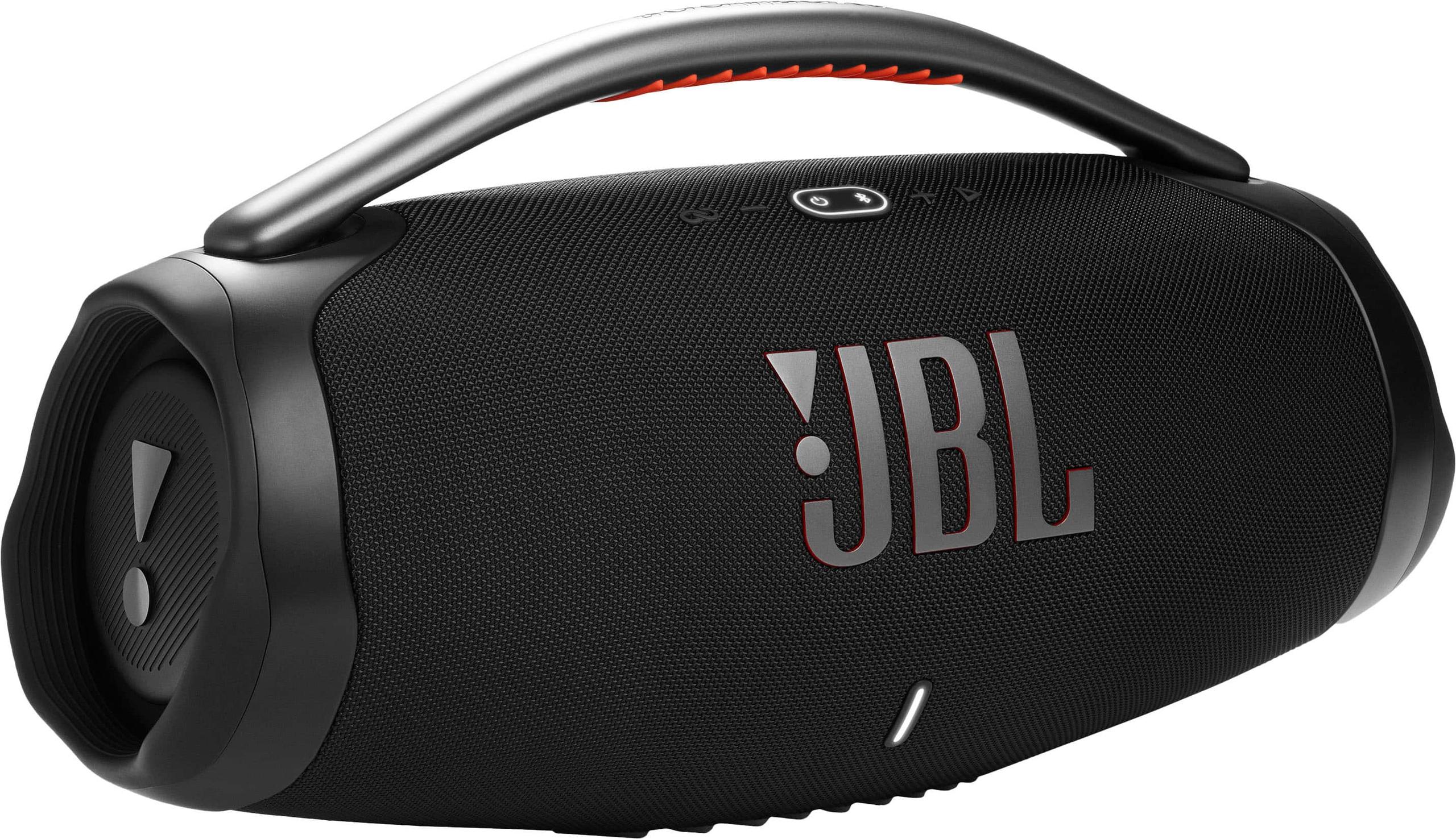
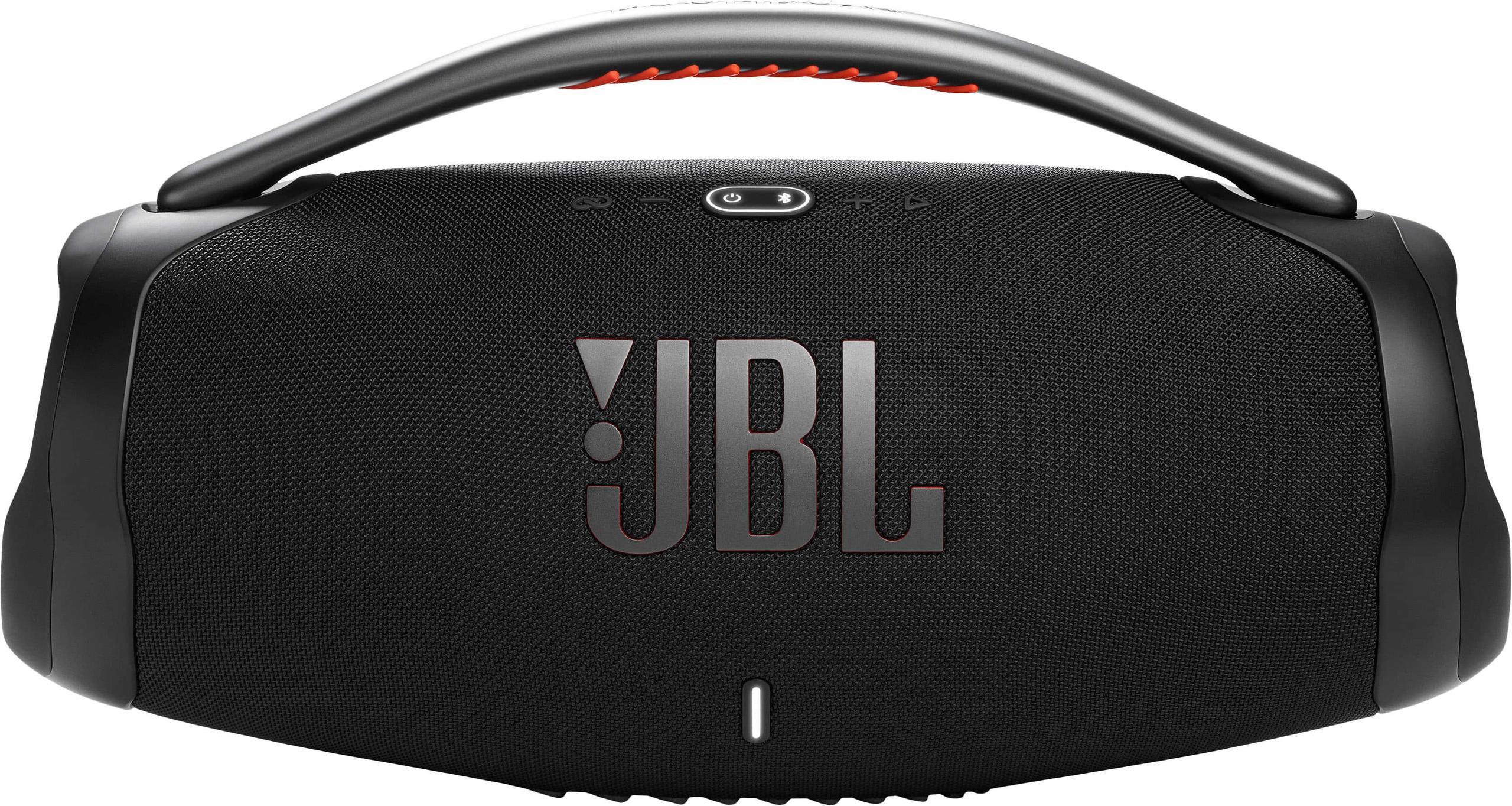
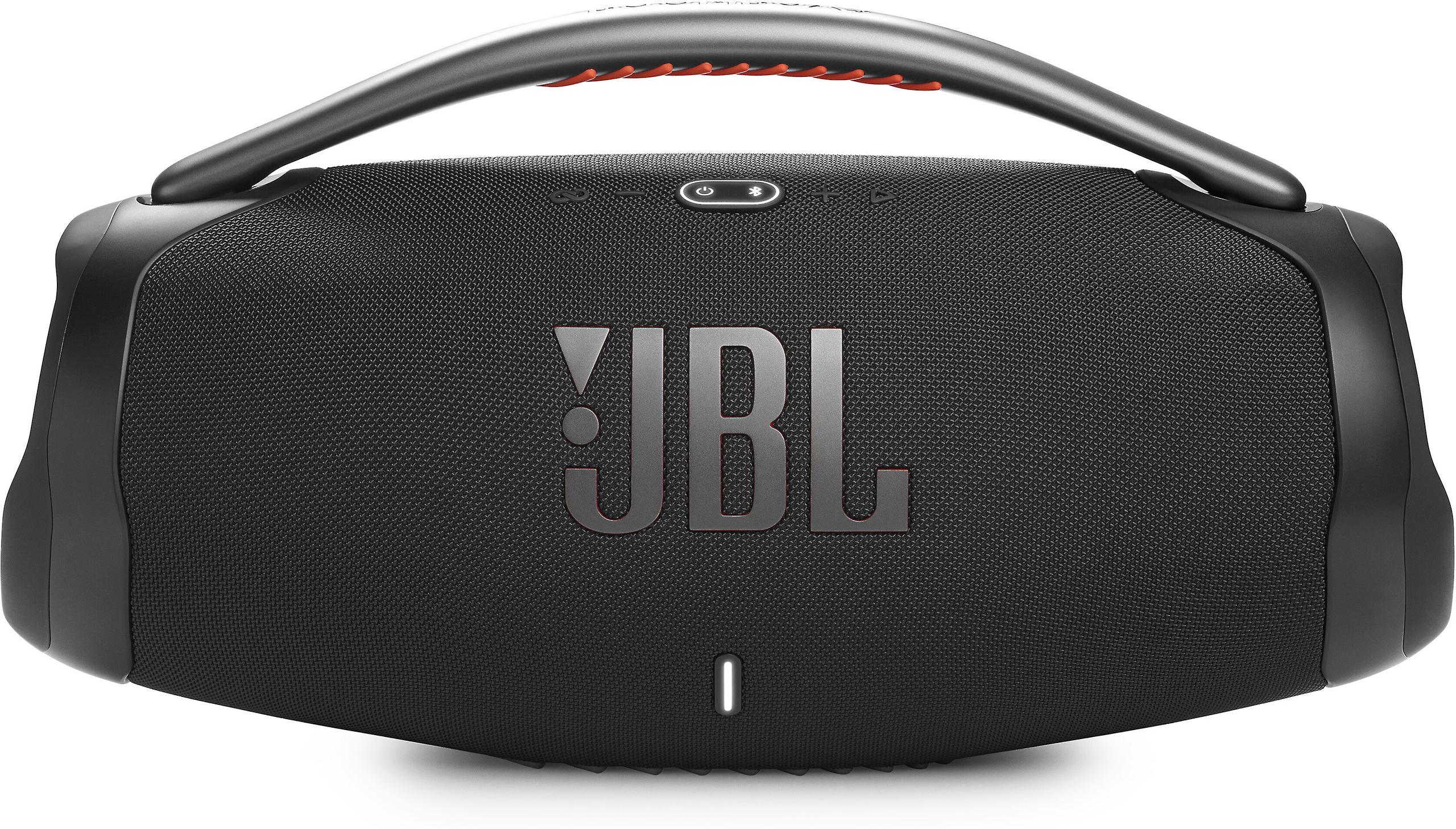
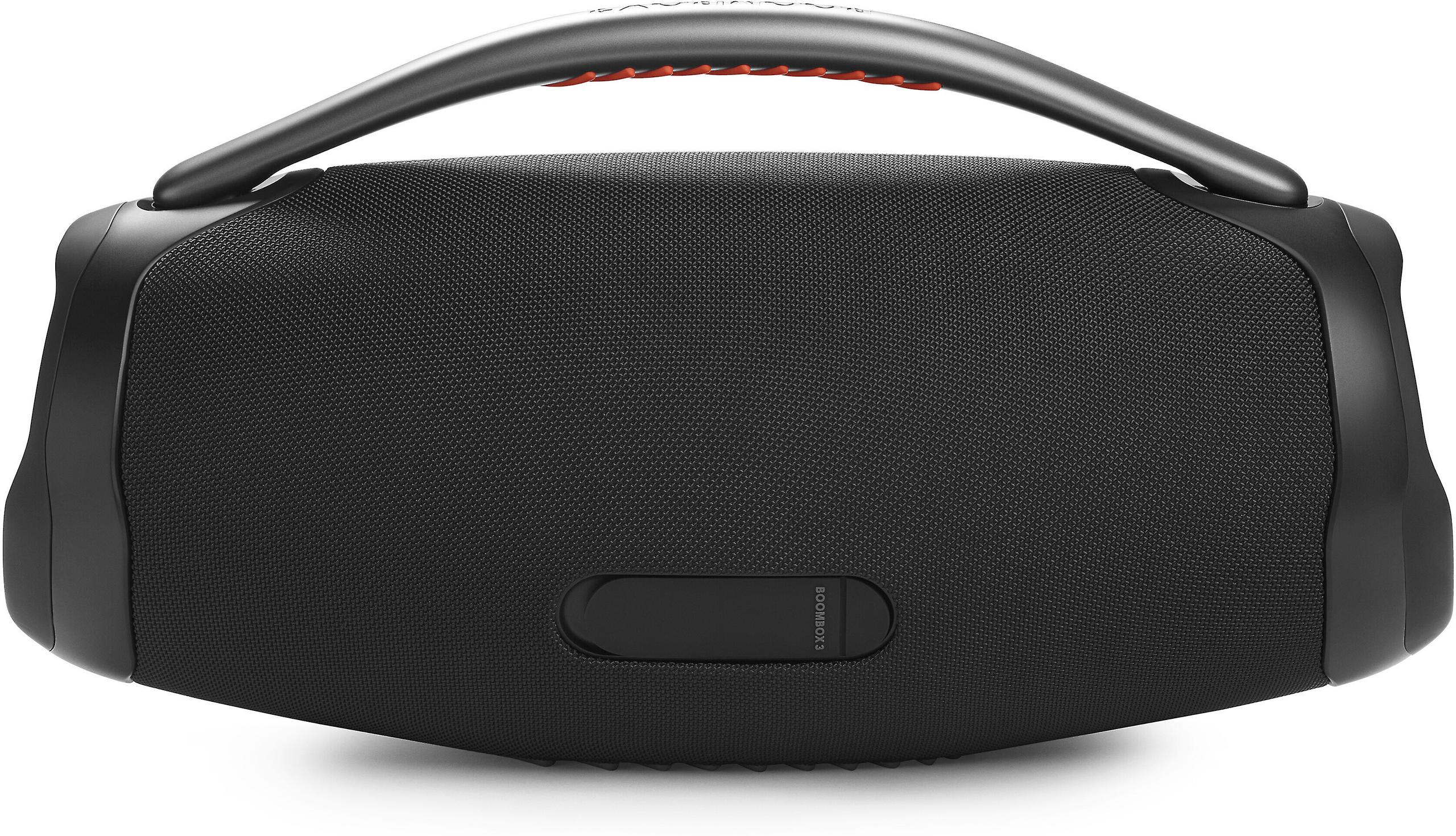
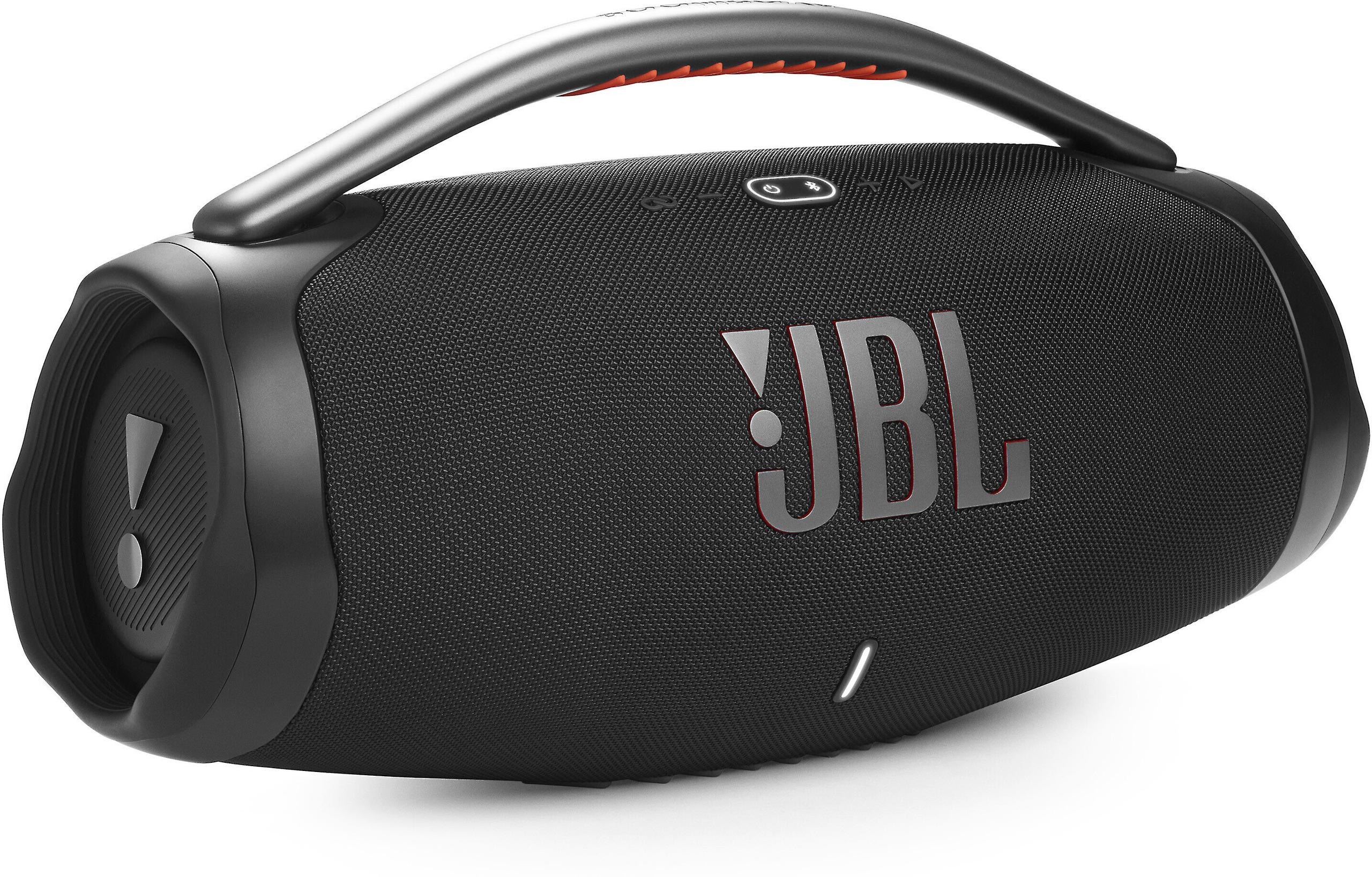
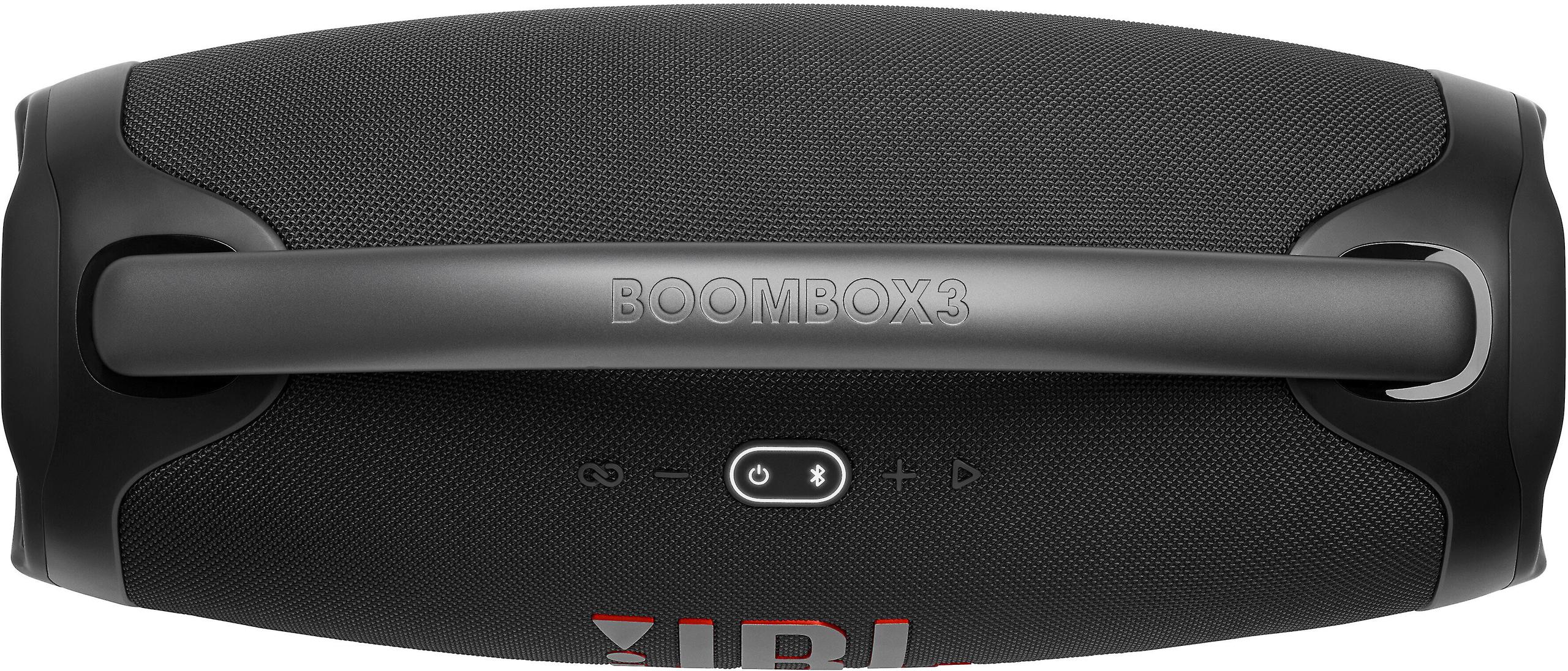
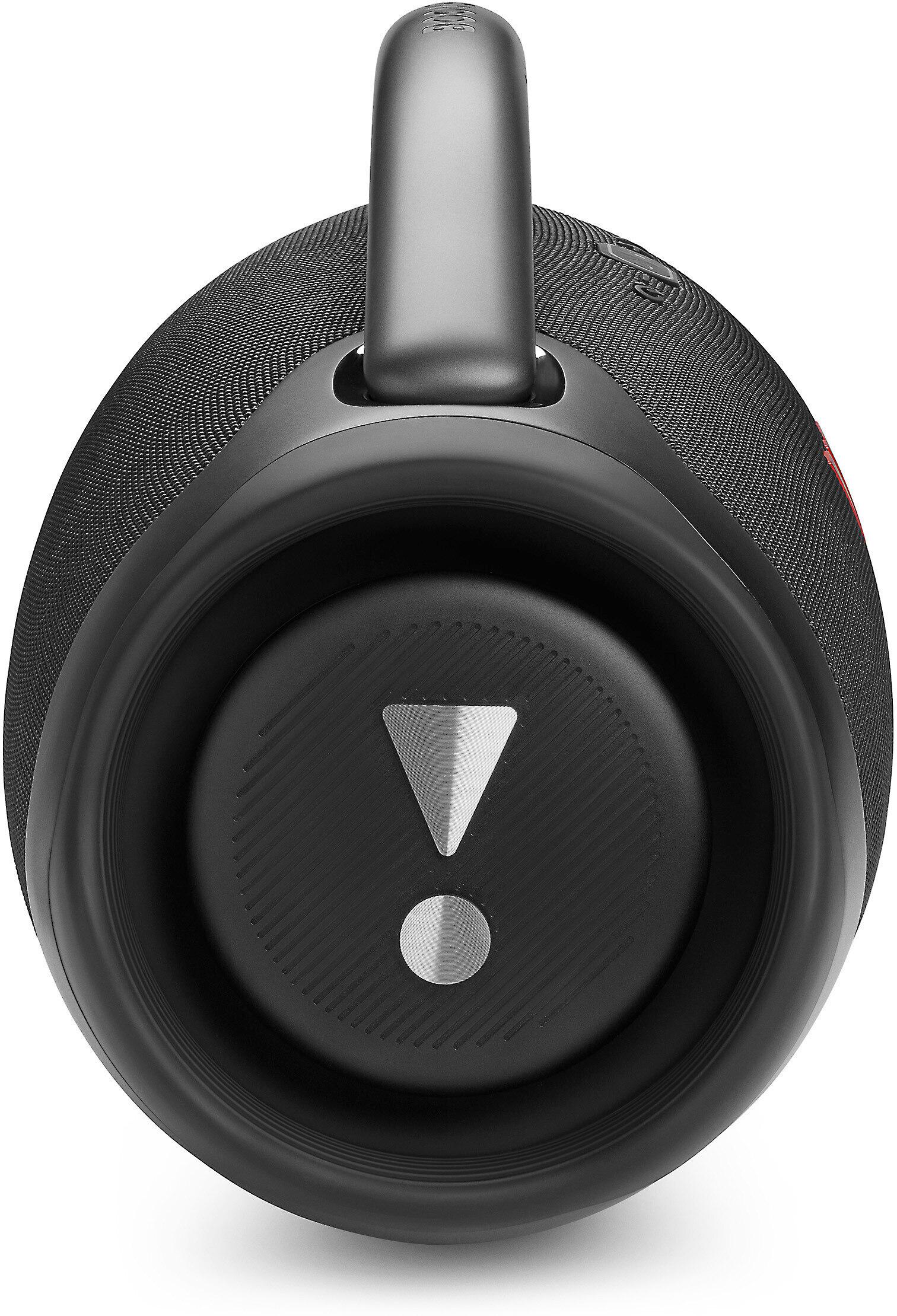
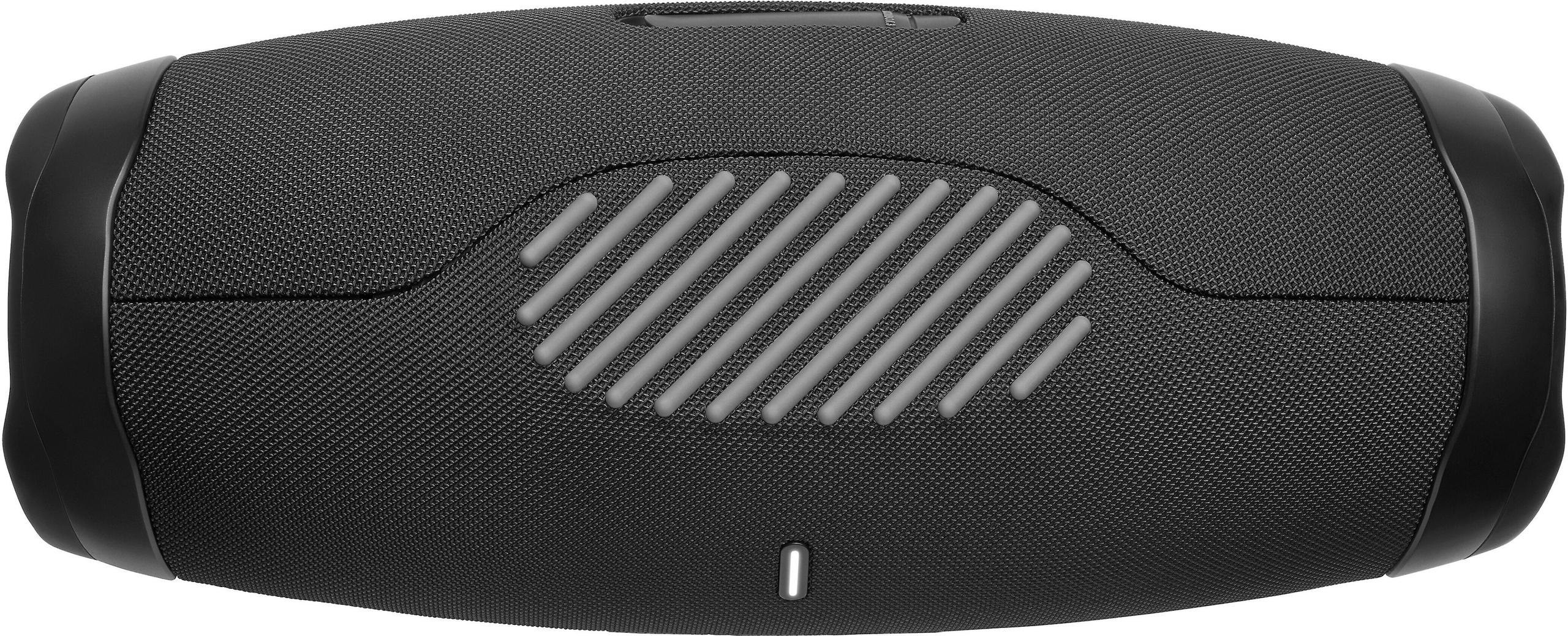

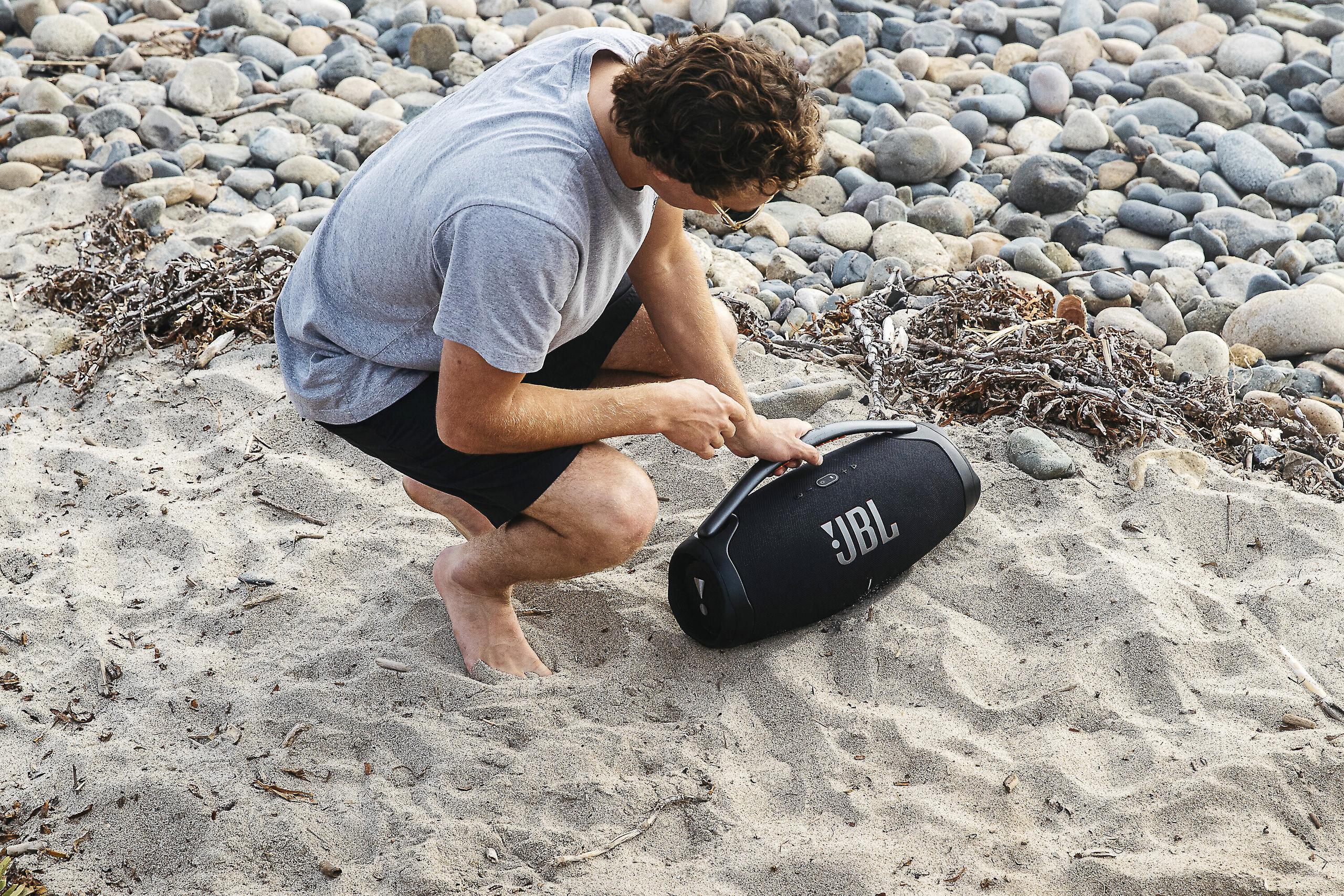


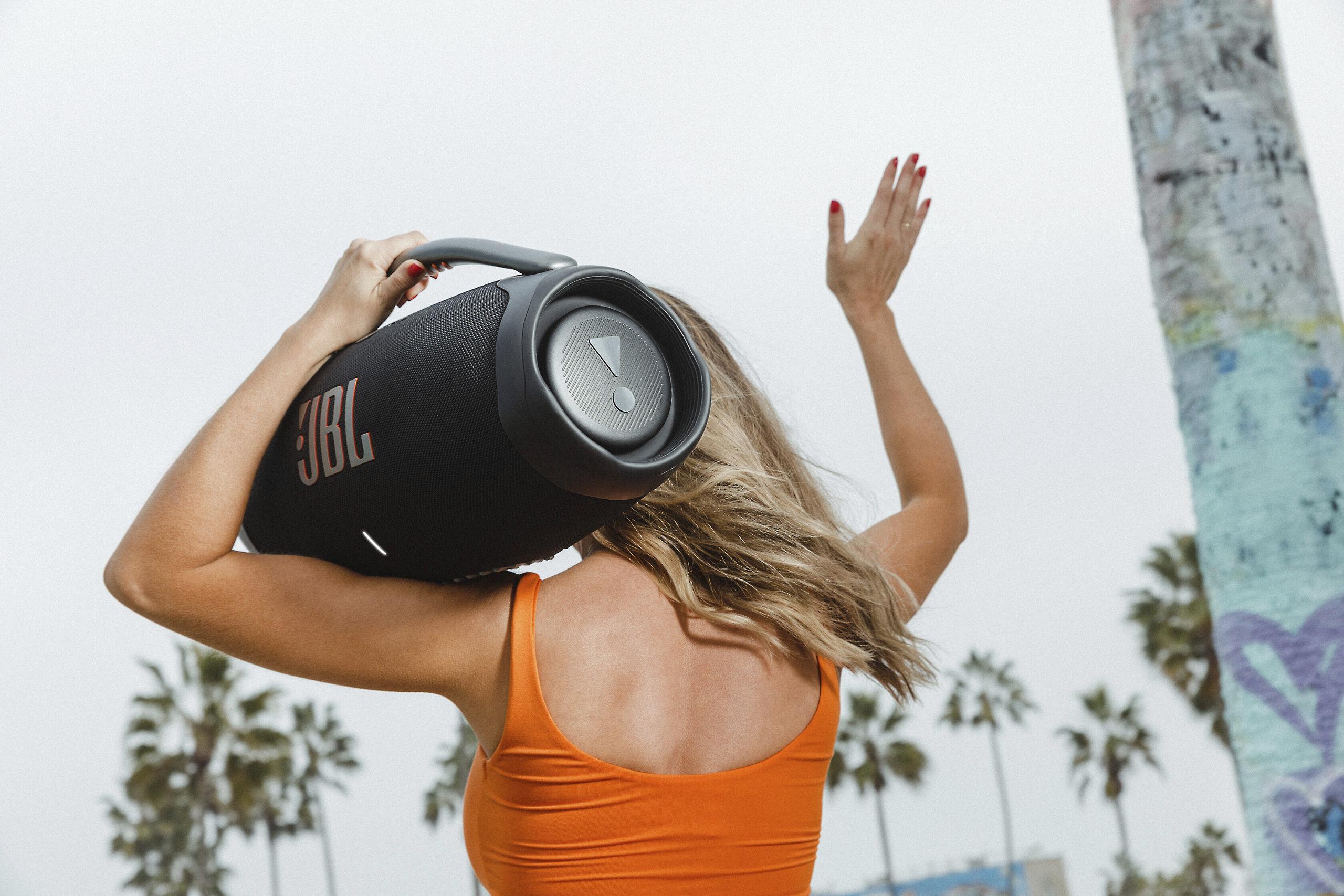
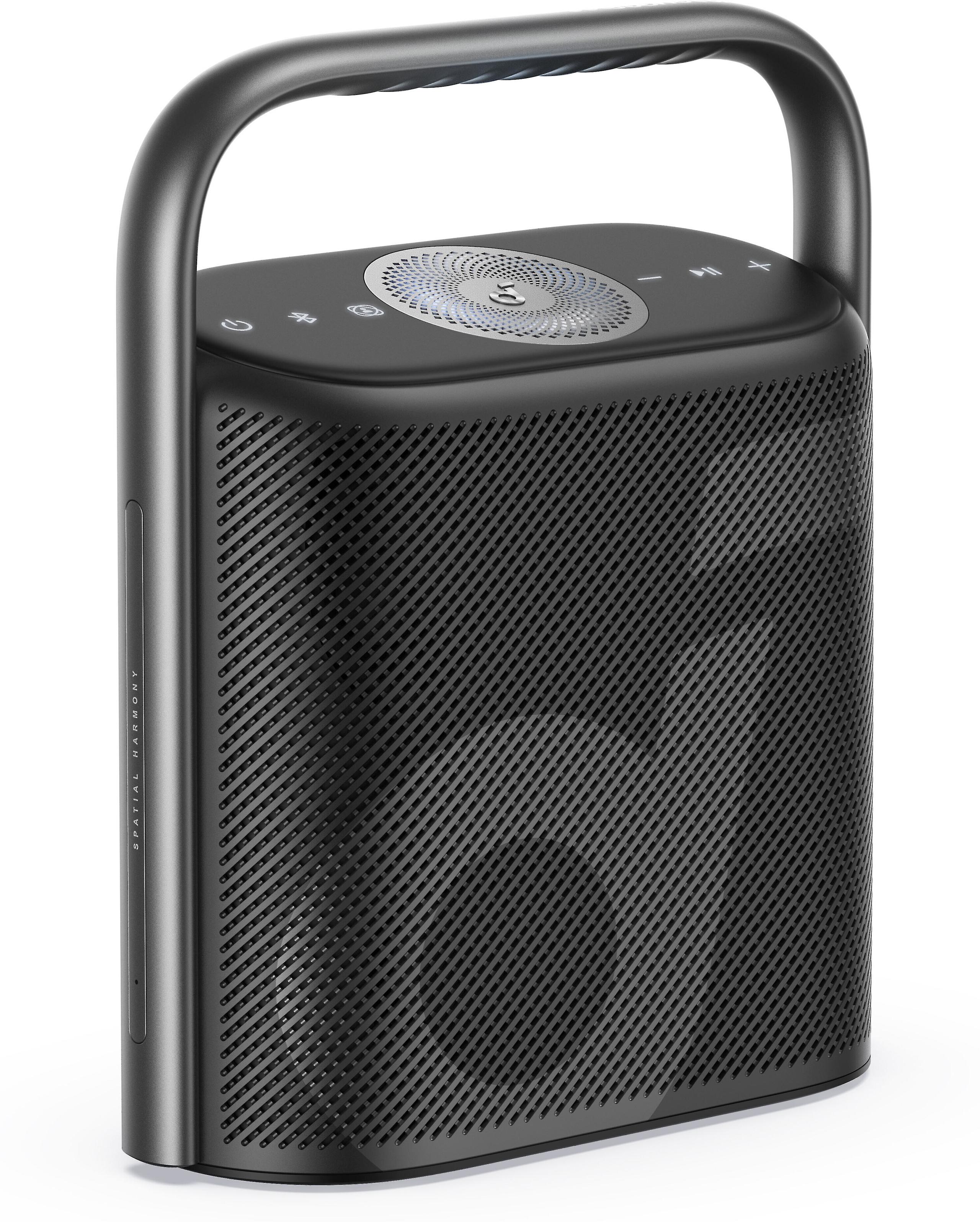
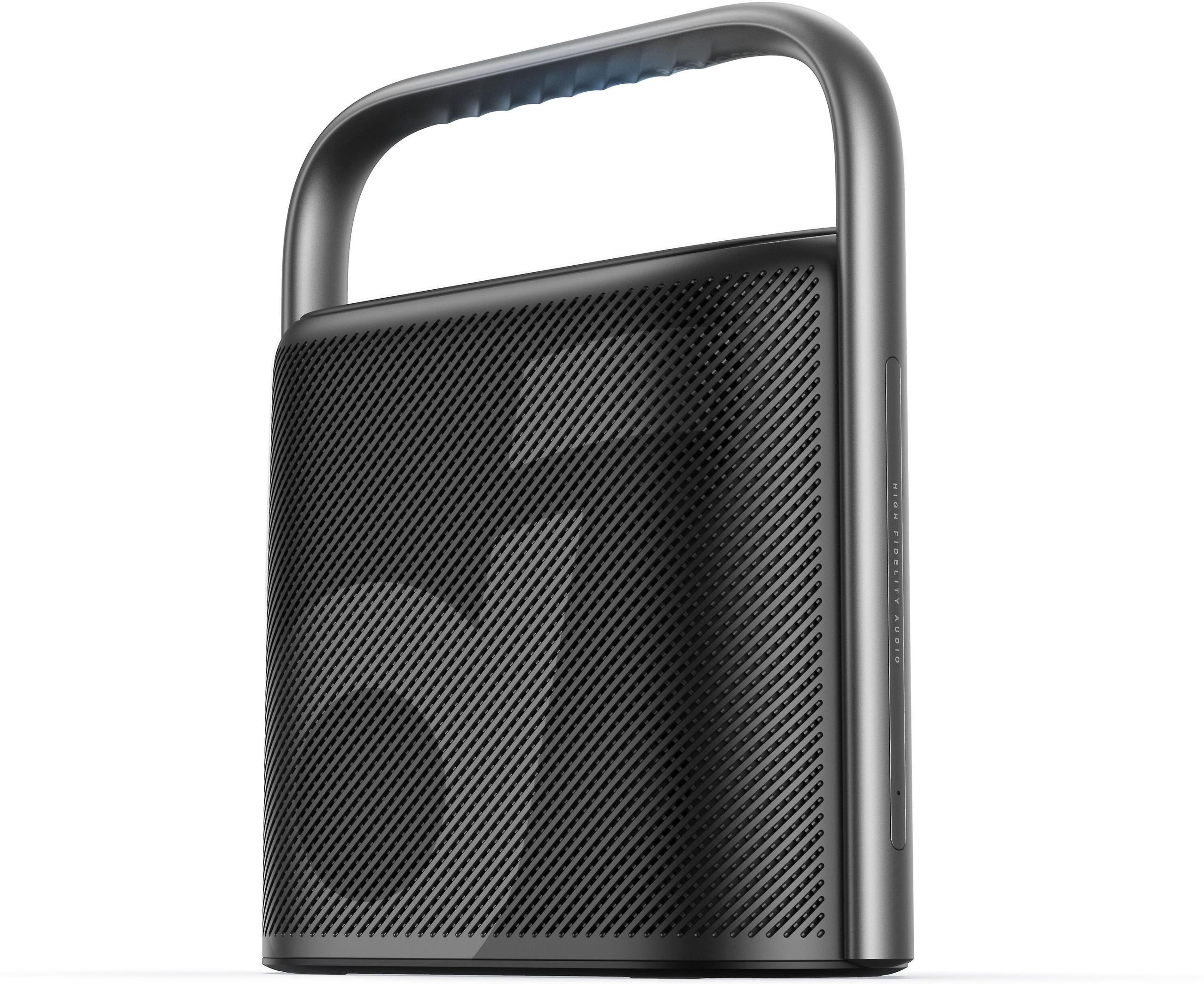
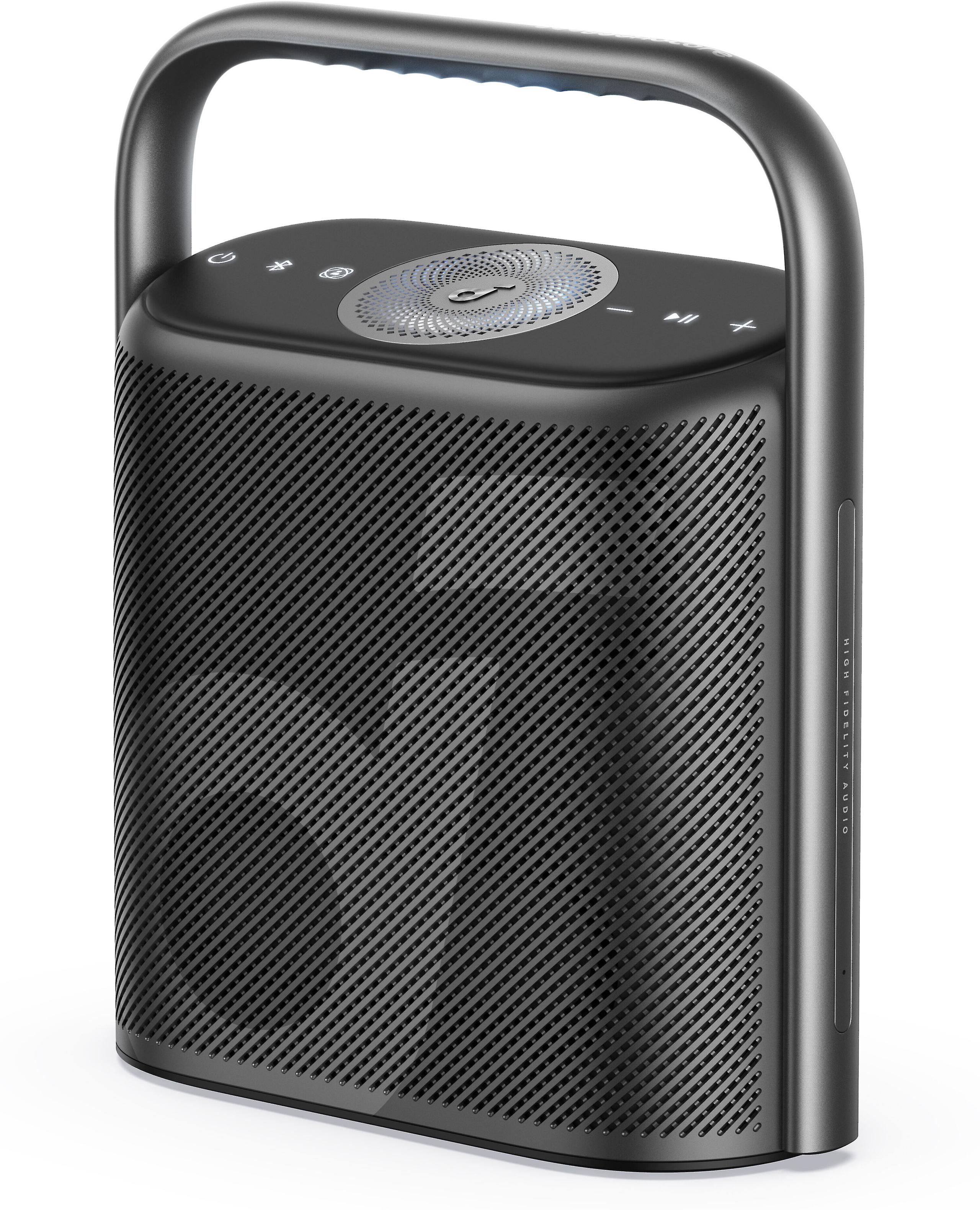
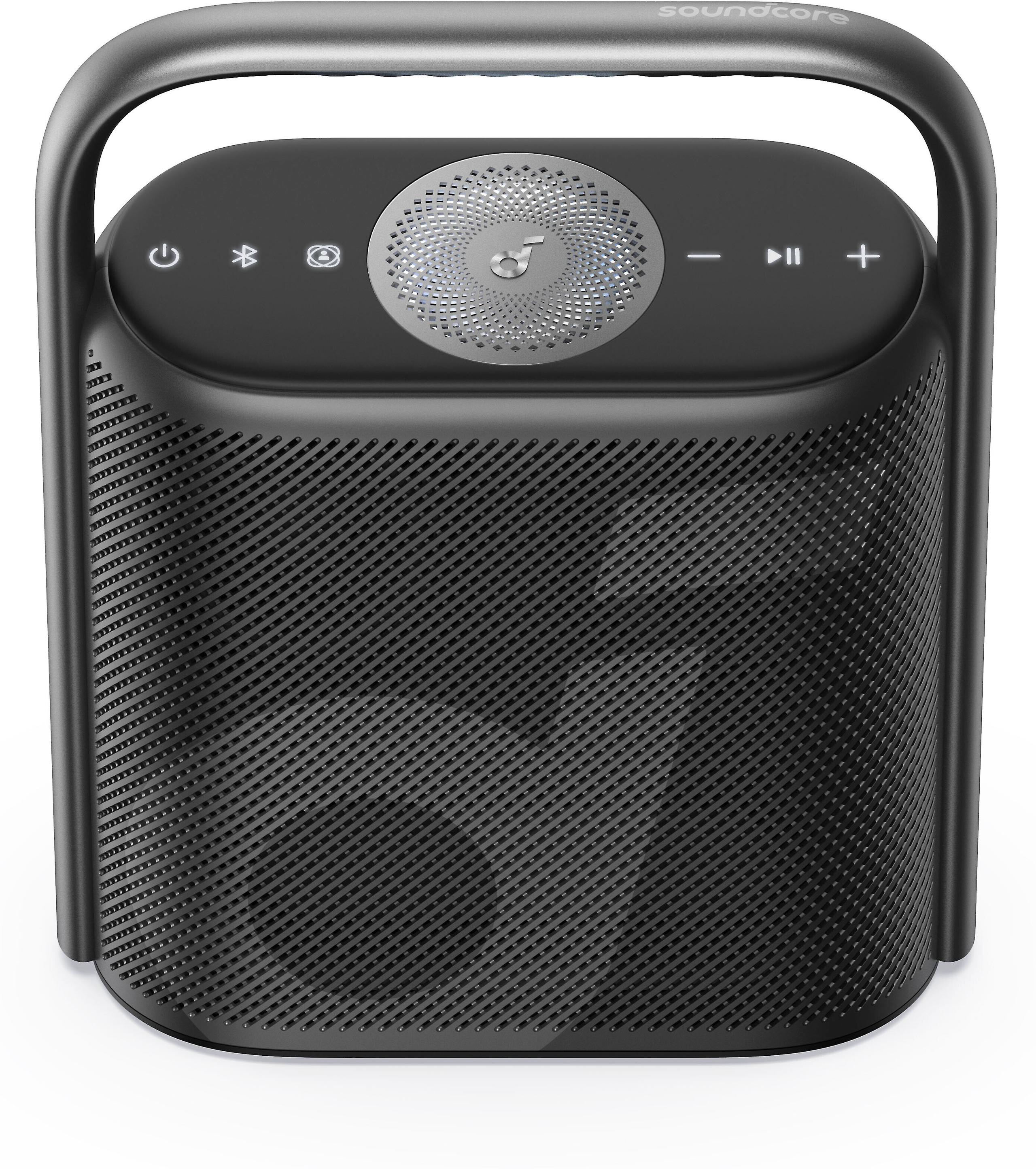

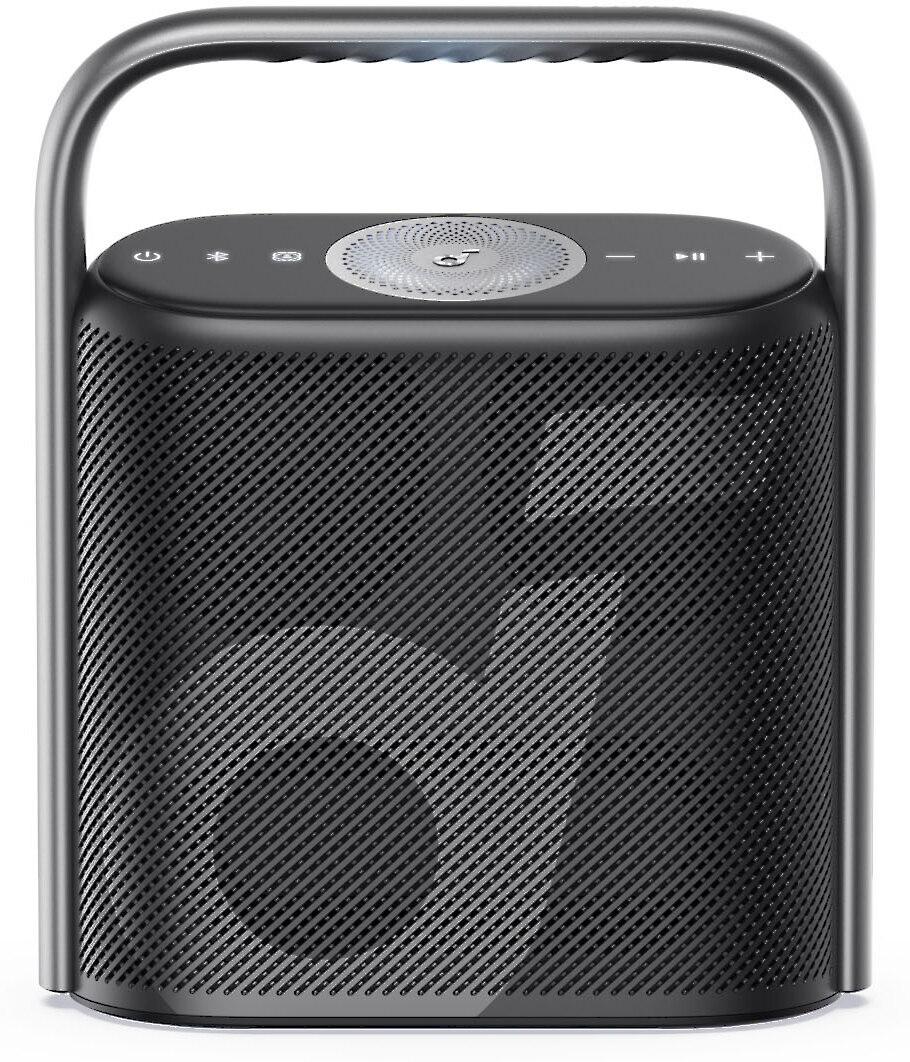

The portable speaker market has evolved dramatically in recent years, with manufacturers pushing the boundaries of what's possible in terms of sound quality and features. When comparing the JBL Boombox 3 ($399.99) and Anker Soundcore Motion X500 ($99.99), we're looking at two different approaches to portable audio, released about a year apart.
Since the Boombox 3's release in August 2022, it has established itself as a premium outdoor powerhouse, while the Motion X500, launched in July 2023, represents a more modern, tech-forward approach with features like spatial audio and high-resolution codec support.
The JBL Boombox 3 delivers impressive power with its 180W total output when plugged in (130W on battery). This translates to real-world performance that can easily fill large outdoor spaces. The three-way speaker design, which means separate drivers for high, mid, and low frequencies, provides clearer sound across all volume levels.
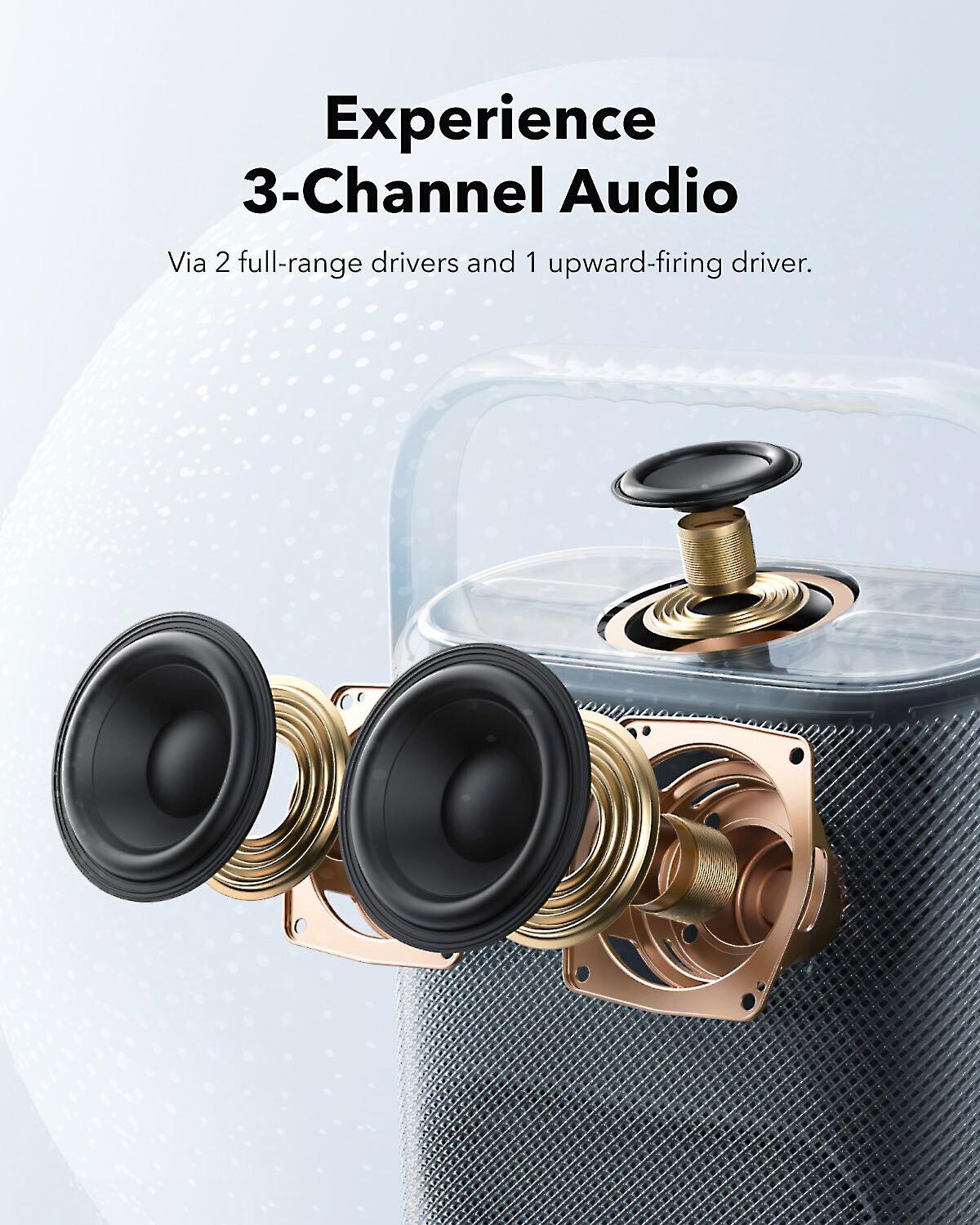
The Motion X500 takes a different approach with its 40W system. While this might seem significantly less powerful on paper, the speaker's upward-firing driver and spatial audio processing create an impressive sound stage that works particularly well in medium-sized rooms or intimate outdoor gatherings.
Here's where the size difference really shows: The Boombox 3's dedicated subwoofer and larger cabinet volume allow it to produce deeper, more impactful bass. It can reach down to 40Hz, which means you'll feel those low notes in electronic music and movie soundtracks. This makes it particularly suitable as a temporary home theater speaker when needed.
The Motion X500 compensates for its smaller size with well-tuned passive radiators and digital signal processing. While it can't match the raw bass output of the Boombox 3, it produces tight, controlled low frequencies that work well for most music genres.
One of the Motion X500's standout features is its support for the LDAC codec, which allows for higher-quality Bluetooth audio streaming (up to 990kbps) when paired with compatible devices. This is particularly noticeable when streaming high-resolution audio files or using services like Tidal HiFi.
The Boombox 3 focuses more on reliable connectivity and compatibility, using standard SBC and AAC codecs. While these don't offer the same theoretical quality as LDAC, JBL's processing and superior speaker hardware often make this difference negligible in real-world use.
The Boombox 3's 6.7kg weight makes it a commitment to transport, though its handle design helps. Think of it as more of a "portable party speaker" than something you'd casually take on a picnic. Its size (48.2 x 25.7 x 20.0 cm) demands dedicated space in your car or home.
The Motion X500, at just 1.6kg, offers true portability. Its modern design and compact form factor (19.1 x 8.1 x 22.8 cm) make it easy to toss in a backpack or carry around the house. This difference in portability often becomes the deciding factor for many buyers.
Battery life shows a clear advantage for the JBL Boombox 3, offering up to 24 hours of playback. However, this figure drops significantly at higher volumes. The 6.5-hour charging time is considerable but acceptable given the capacity.
The Motion X500 provides 12 hours of playback, which is reasonable for its size but means you'll need to charge it more frequently during heavy use. It charges in about 5 hours, and both speakers use USB-C connections.
Both speakers offer robust weather protection, but the Boombox 3's IP67 rating provides slightly better dust protection compared to the Motion X500's IPX7 rating. Both can handle submersion in water, making them suitable for pool parties or beach visits.
The Motion X500's companion app offers more extensive EQ controls and the ability to update firmware. Its spatial audio feature, while not revolutionary, adds an interesting dimension to the listening experience that some users might prefer.
The Boombox 3's PartyBoost feature allows connection with other compatible JBL speakers, and its built-in power bank feature can charge your devices in a pinch - something the Motion X500 doesn't offer.
Since their respective launches, both speakers have received firmware updates improving stability and features. The Motion X500's spatial audio processing has been refined, while the Boombox 3's PartyBoost functionality has become more reliable.
At $399.99, the Boombox 3 represents a significant investment. Its value proposition rests on its superior power output, build quality, and versatility as a potential home theater supplement. The Motion X500, at $99.99, offers impressive features and sound quality for its price point, making it an excellent value for those who prioritize portability and modern features over maximum volume output.
Choose the JBL Boombox 3 if:
Choose the Anker Motion X500 if:
Both speakers excel in their respective categories, but they serve different needs. The JBL Boombox 3 remains the go-to choice for those needing maximum output and battery life, while the Anker Soundcore Motion X500 offers an impressive feature set and sound quality in a more portable and affordable package.
The choice ultimately depends on your specific needs and use cases. For most users, the Motion X500's balance of features, portability, and price makes it the more practical choice. However, if you need a speaker that can serve as the life of the party or a temporary home theater solution, the Boombox 3's additional power and features justify its premium price tag.
| JBL Boombox 3 | Anker Soundcore Motion X500 |
|---|---|
| Price - Major factor in value proposition | |
| $399.99 (premium pricing) | $99.99 (mid-range pricing) |
| Total Power Output - Determines maximum volume and sound coverage | |
| 180W (AC) / 130W (battery) - Sufficient for large outdoor spaces | 40W total (2x15W + 10W) - Good for medium spaces |
| Speaker Configuration - Impacts sound quality and clarity | |
| 3-way system with dedicated subwoofer, mid-range, and tweeters | Dual full-range drivers + upward-firing speaker |
| Battery Life - Critical for extended outdoor use | |
| 24 hours (at moderate volume) | 12 hours (at moderate volume) |
| Weight - Affects portability and ease of transport | |
| 6.7 kg (14.7 lbs) - Requires deliberate transport | 1.6 kg (3.5 lbs) - Highly portable |
| Water/Dust Resistance - Important for outdoor durability | |
| IP67 (fully waterproof and dustproof) | IPX7 (waterproof only) |
| Special Audio Features - Enhanced listening experience | |
| PartyBoost for multi-speaker pairing | Spatial Audio, LDAC codec support |
| Additional Features - Extra functionality | |
| Built-in powerbank, auxiliary input | Custom EQ via app, ambient lighting |
| Bluetooth Version - Connection quality and range | |
| 5.3 with standard codecs (SBC, AAC) | 5.3 with LDAC high-res support |
| Size - Physical space requirements | |
| 48.2 x 25.7 x 20.0 cm (larger footprint) | 19.1 x 8.1 x 22.8 cm (compact design) |
| Primary Use Case - Best suited for | |
| Large gatherings, outdoor events, powerful audio needs | Personal listening, small gatherings, travel |
The JBL Boombox 3 offers superior sound quality and volume, but the Anker Motion X500 provides better value and portability. The Boombox 3 is better for large spaces and outdoor events, while the Motion X500 is ideal for personal use and smaller gatherings.
The JBL Boombox 3 costs $399.99, while the Anker Motion X500 is priced at $99.99, making it $300 less expensive.
The JBL Boombox 3 offers 24 hours of playback, while the Motion X500 provides 12 hours. Both estimates are based on moderate volume levels.
Yes, both speakers are waterproof. The Boombox 3 has an IP67 rating (waterproof and dustproof), while the Motion X500 has an IPX7 rating (waterproof only).
The Anker Motion X500 is significantly more portable at 1.6kg, compared to the Boombox 3 at 6.7kg. The Motion X500's smaller size makes it much easier to carry and transport.
The JBL Boombox 3 is considerably louder with 180W of power compared to the Motion X500's 40W output. The Boombox 3 can easily fill large outdoor spaces.
The Boombox 3 offers PartyBoost to connect with other JBL speakers, while the Motion X500 can pair with another Motion X500 for stereo sound.
The JBL Boombox 3 produces significantly stronger bass due to its dedicated subwoofer and larger size. The Motion X500 offers good but lighter bass response.
The Anker Motion X500 is more practical for indoor use due to its size and spatial audio features. However, the Boombox 3 can serve as a powerful room speaker if space permits.
The Boombox 3 takes about 6.5 hours to charge fully, while the Motion X500 requires approximately 5 hours.
The JBL Boombox 3 offers fuller, more detailed sound with its three-way speaker system. The Motion X500 provides clear audio with LDAC support for high-resolution streaming.
The Anker Motion X500 offers better value with its feature set and sound quality at $99.99. However, if you need maximum volume and power, the Boombox 3's premium features justify its higher price for some users.
We've done our best to create useful and informative comparisons to help you decide what product to buy. Our research uses advanced automated methods to create this comparison and perfection is not possible - please contact us for corrections or questions. These are the sites we've researched in the creation of this article: tomsguide.com - sweetwater.com - bestbuy.com - jbl.com - rtings.com - harmanaudio.com - jbl.com - jbl.com - thepowercentre.ca - youtube.com - bhphotovideo.com - krazykileys.ca - tomsguide.com - outeraudio.com - gadgetoid.com - soundguys.com - pcgamesn.com - hktvmall.com - elomymelo.com - youtube.com - jopanda.com - shop.menshealth.com - soundphilereview.com

Privacy Policy
Terms and Conditions - Affiliate Policy
Home Security
© Copyright 2008-2026.
11816 Inwood Rd #1211, Dallas, TX 75244