

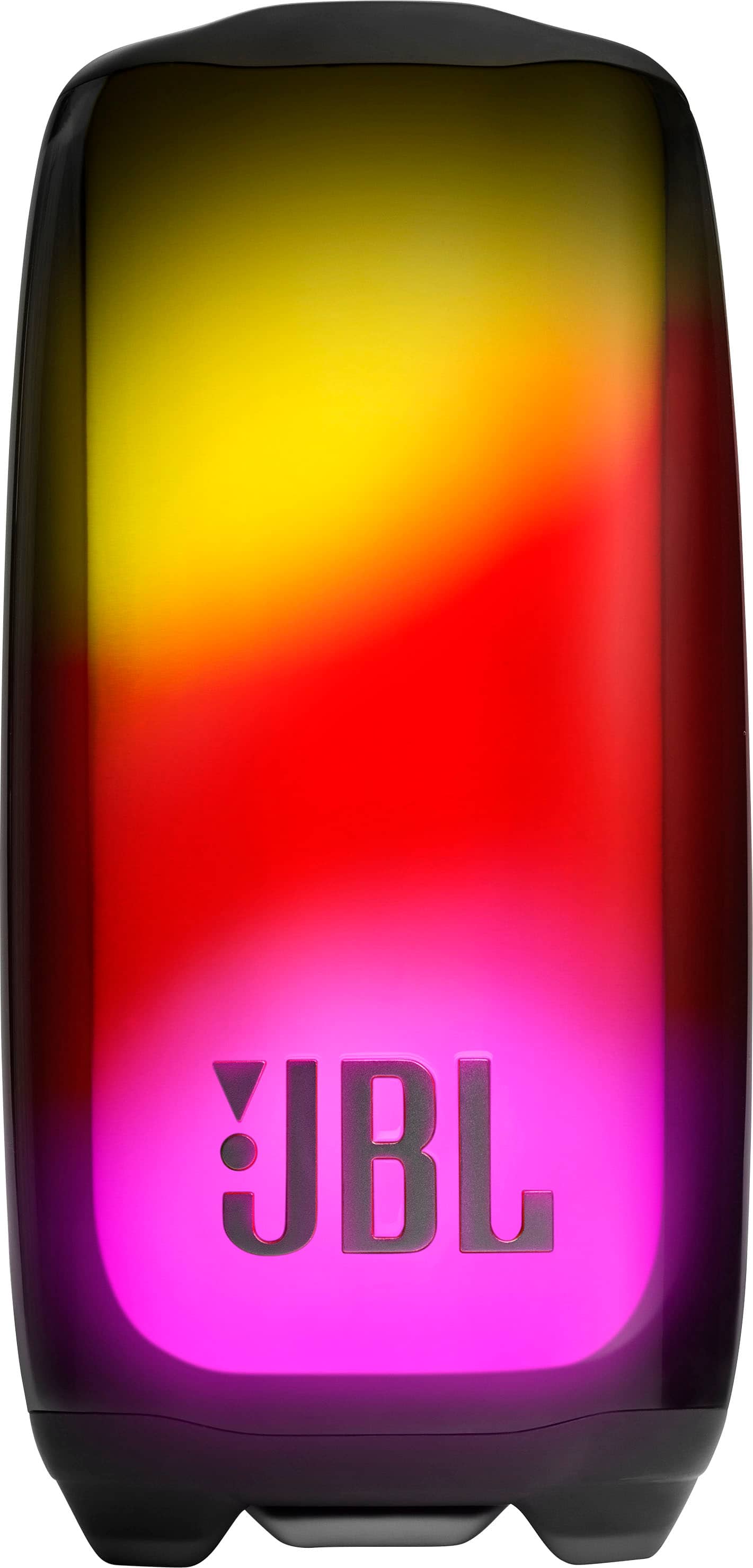
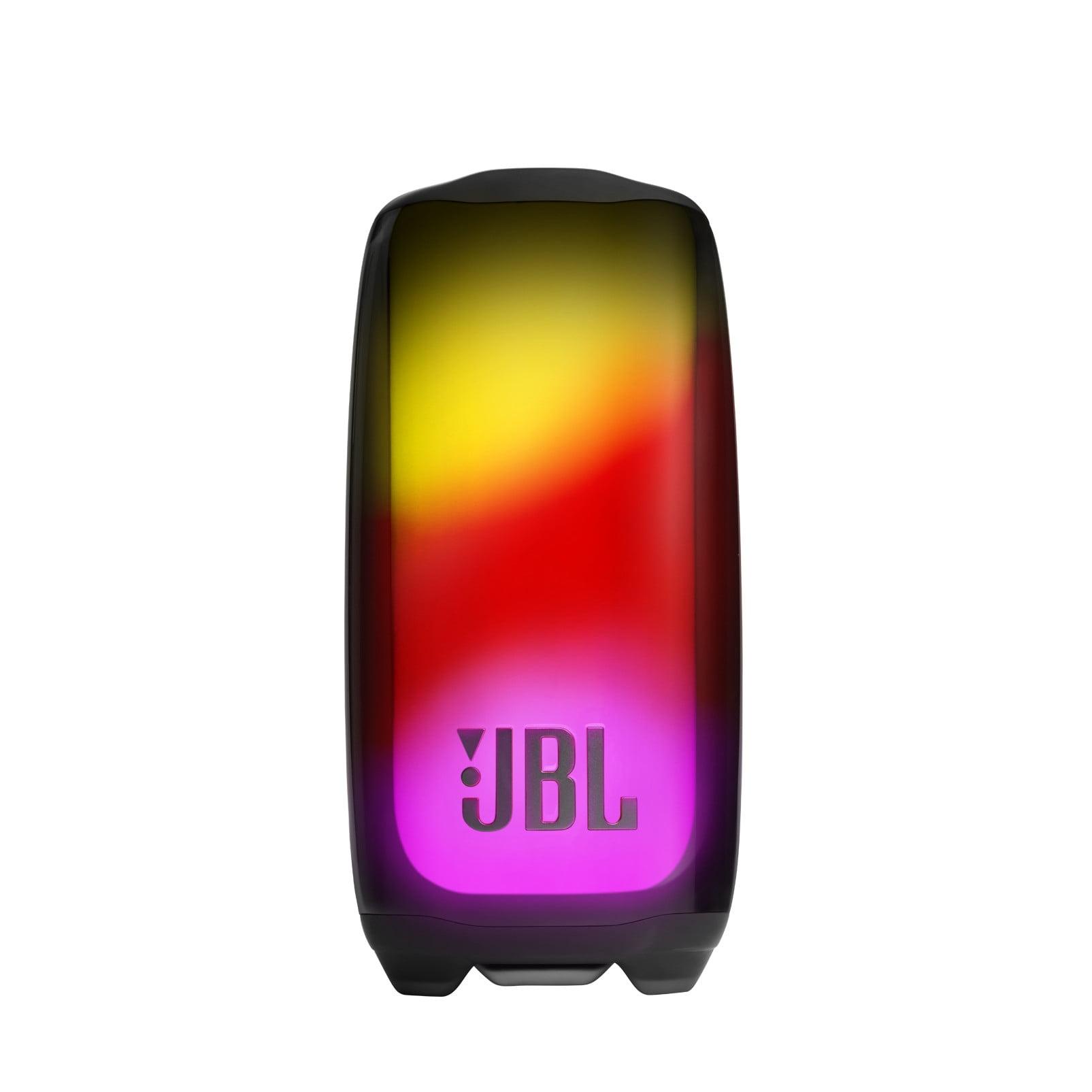
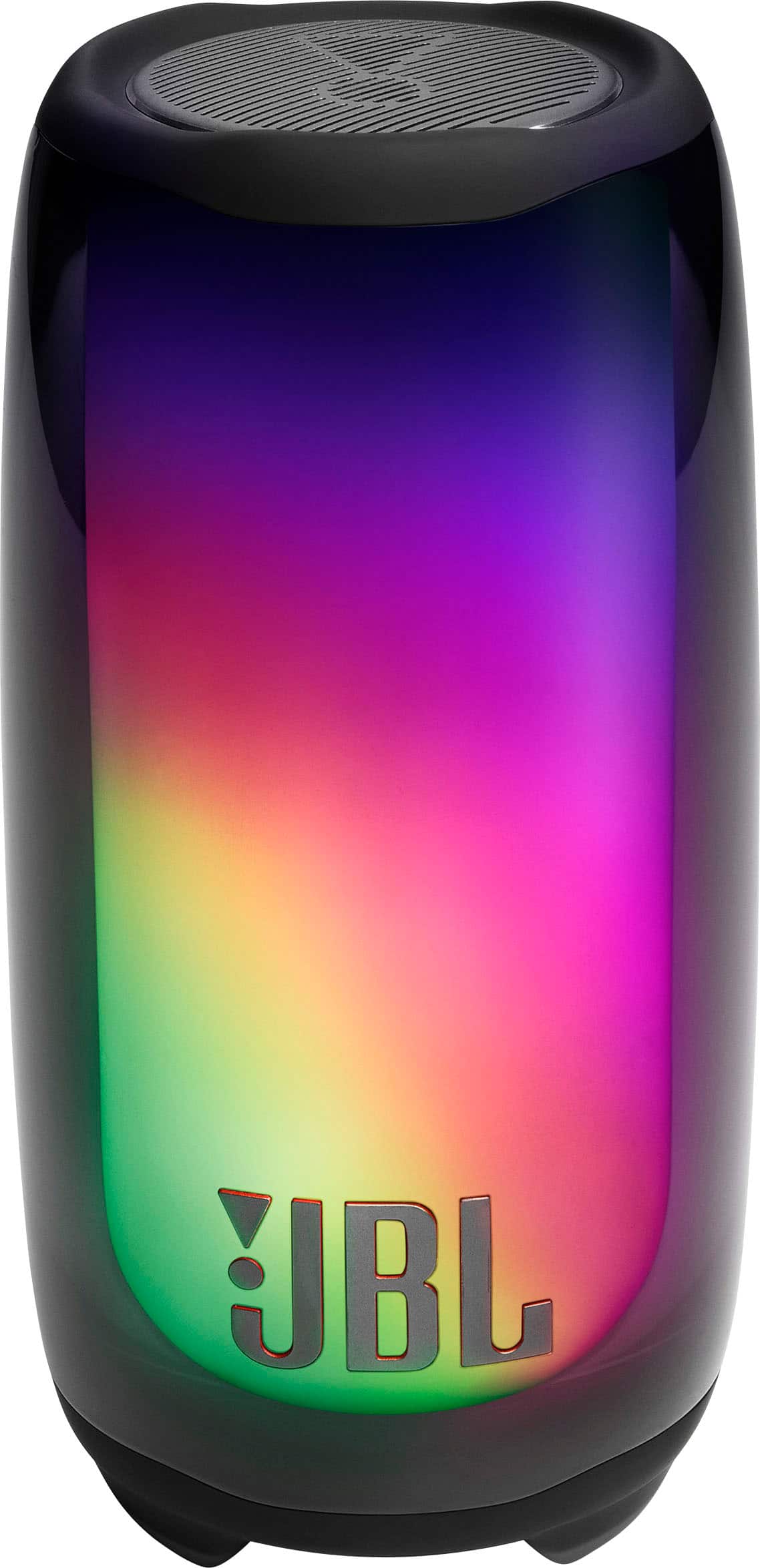
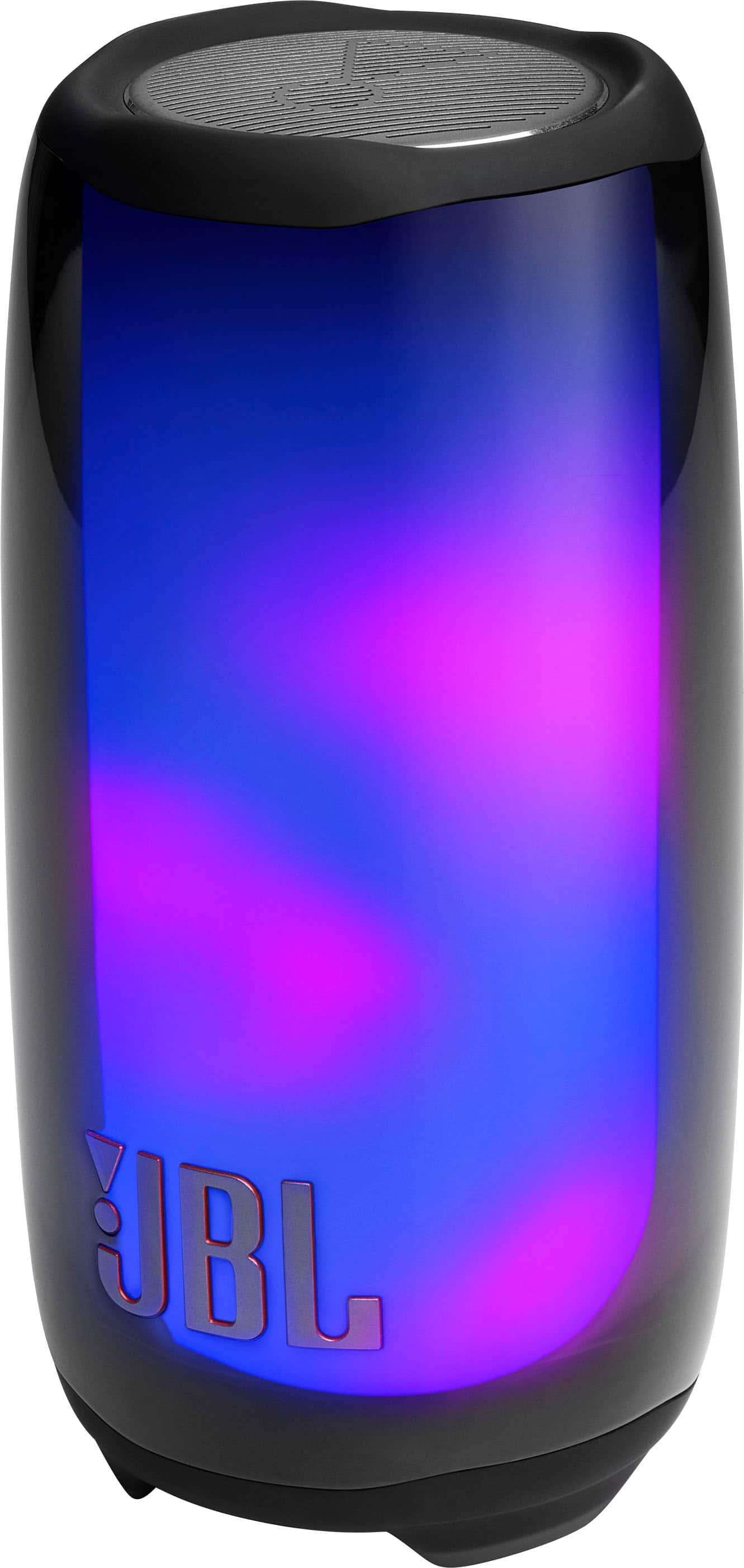
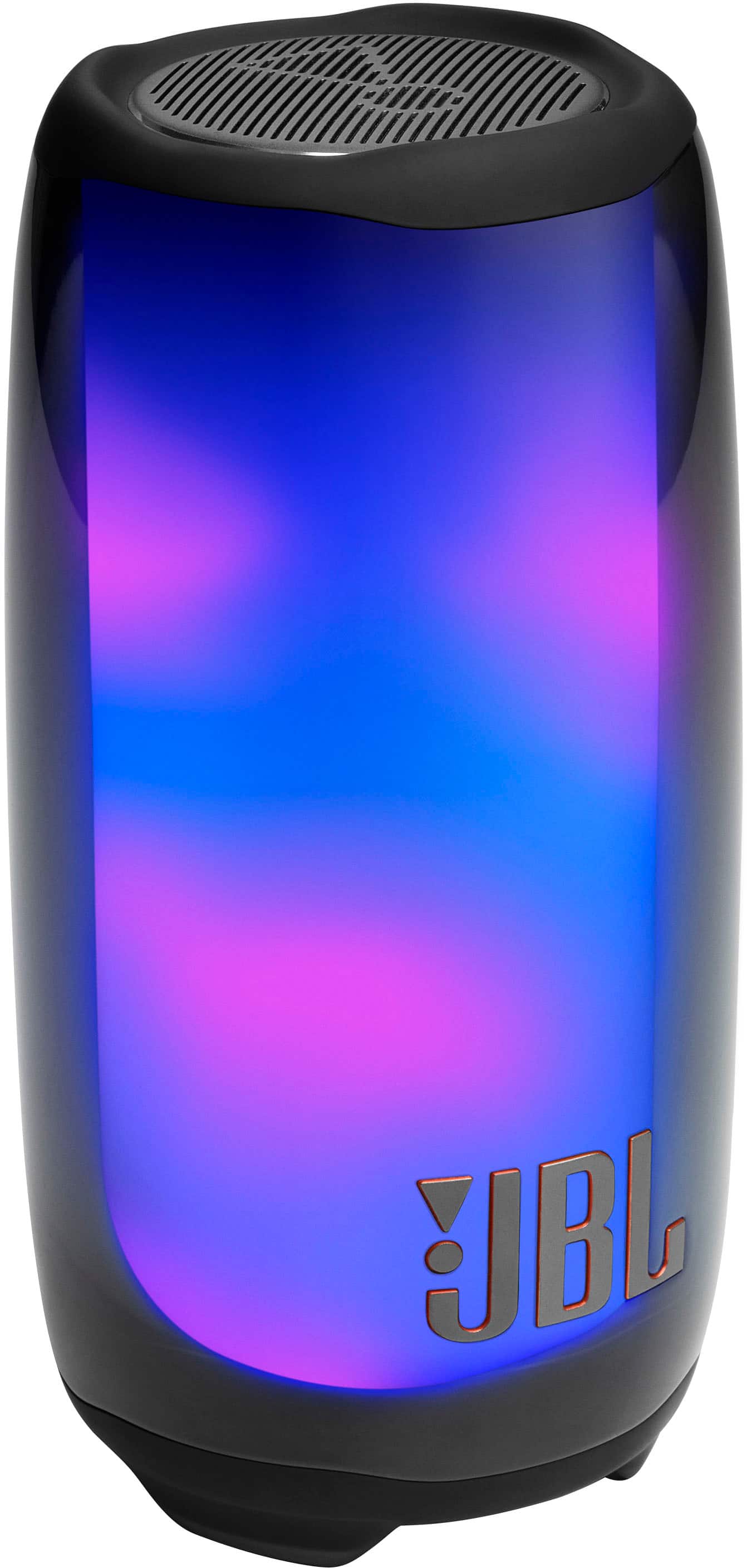
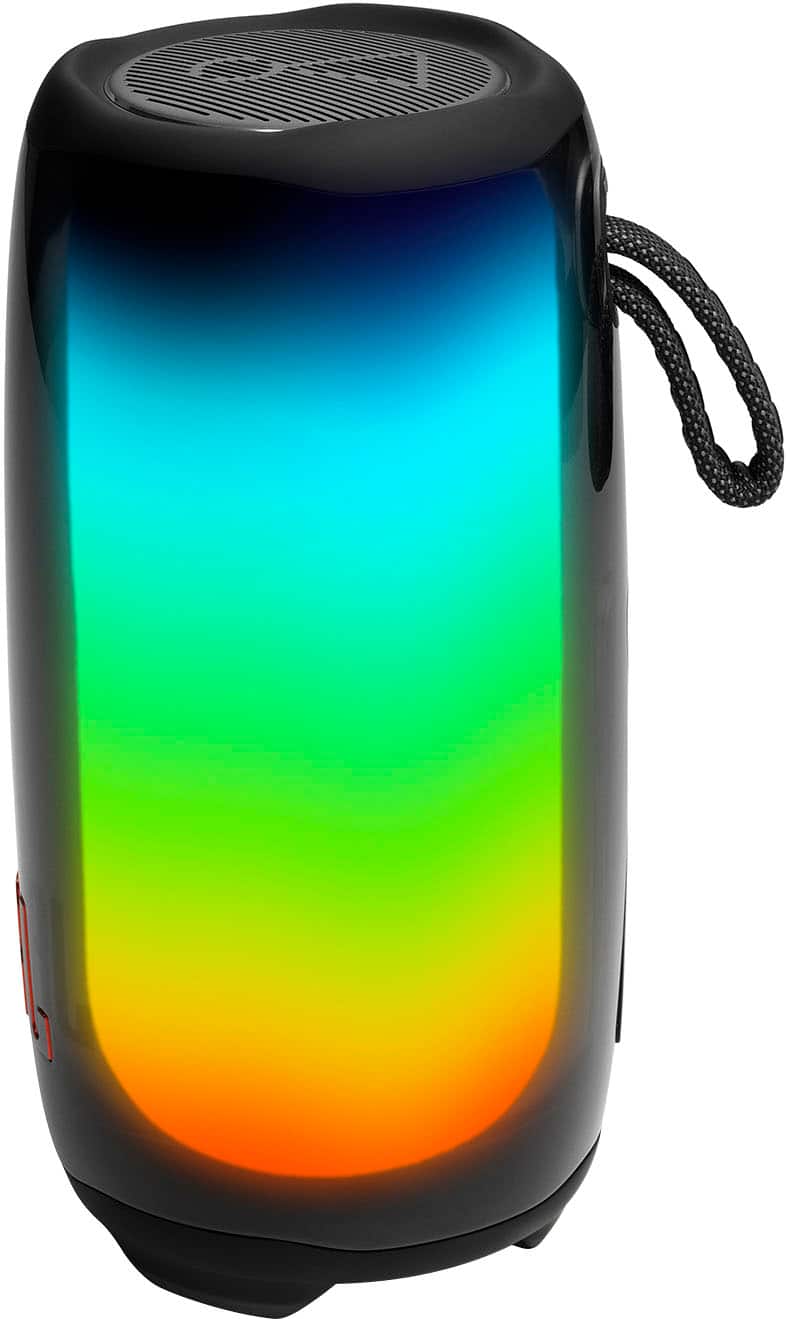
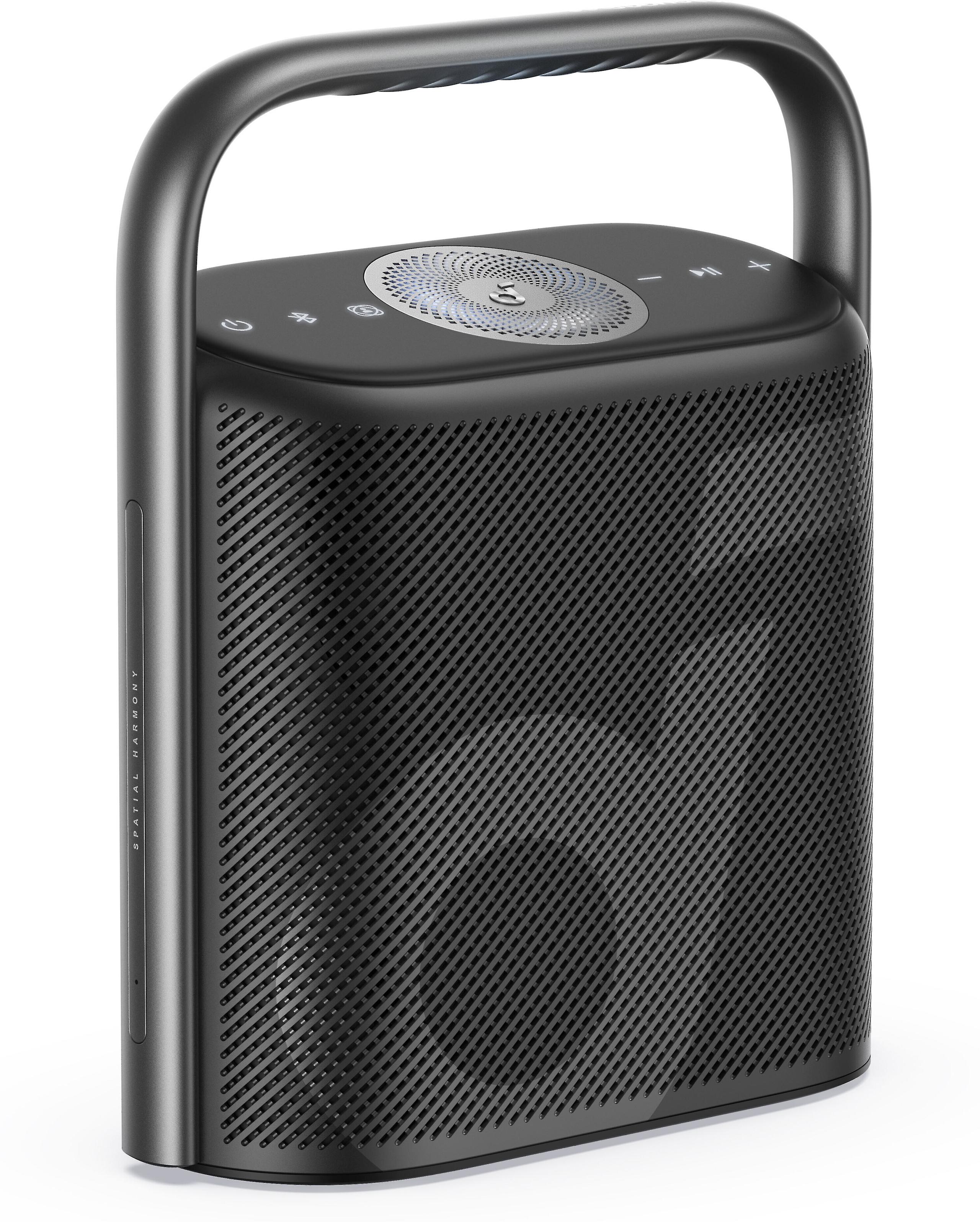
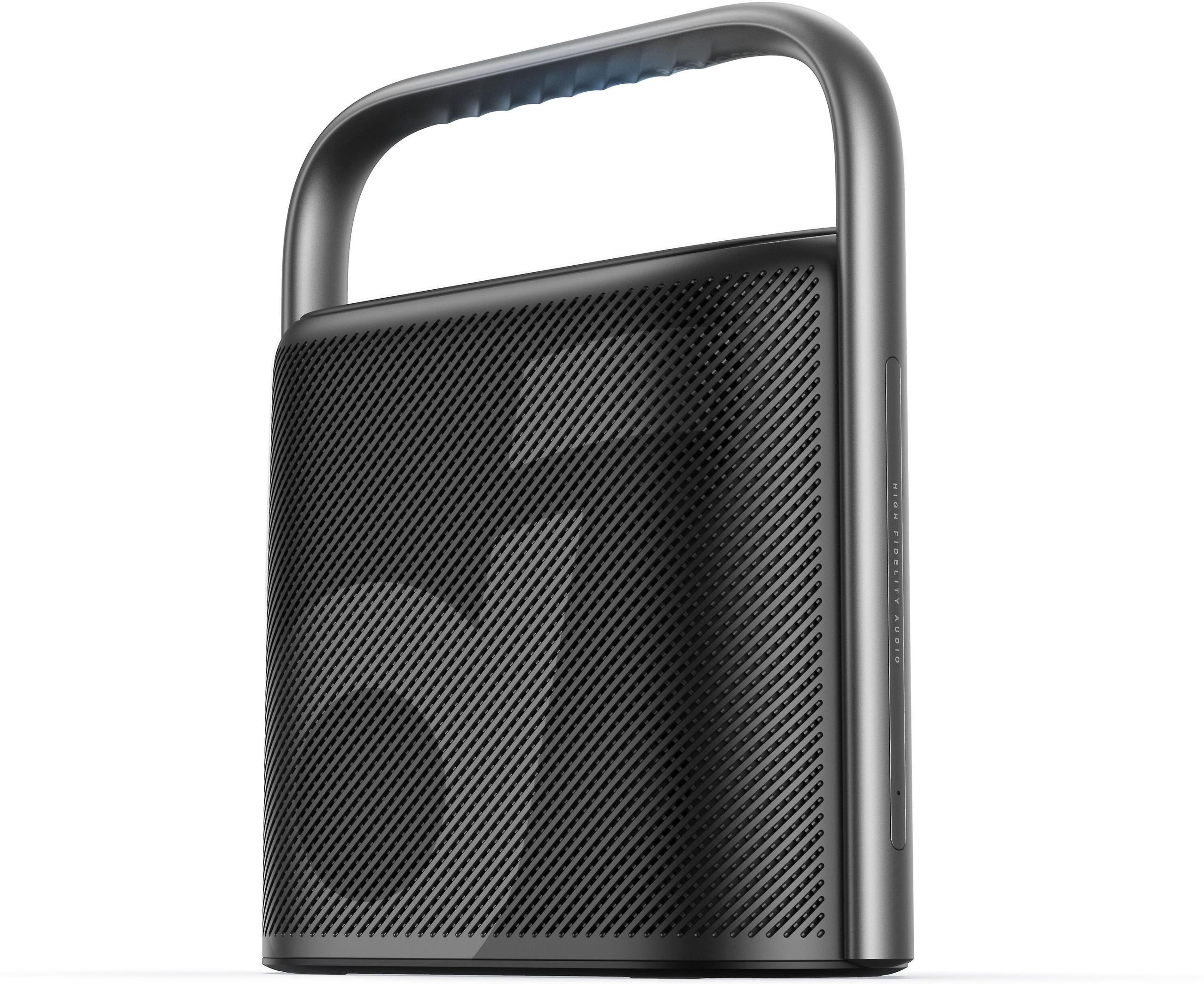
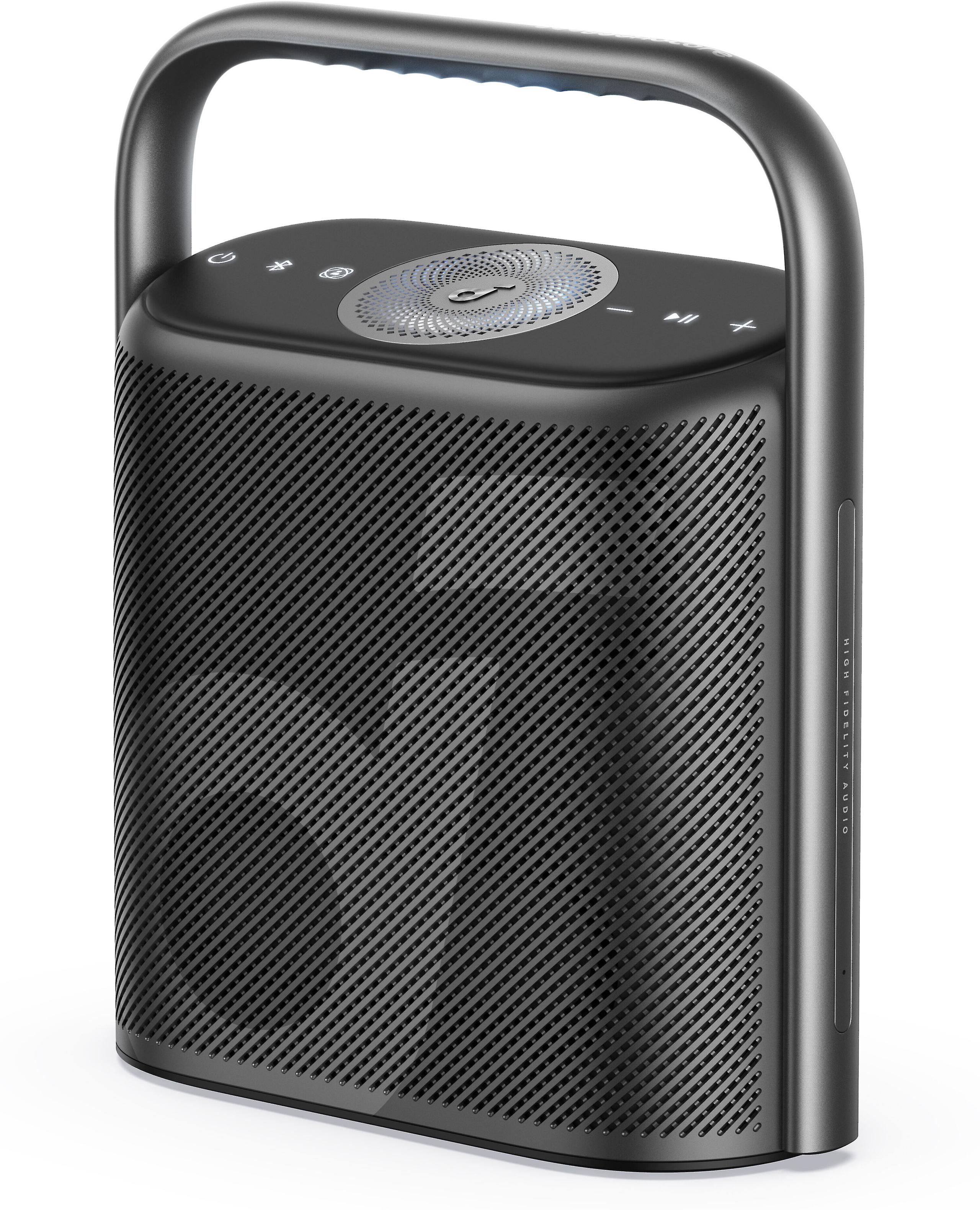
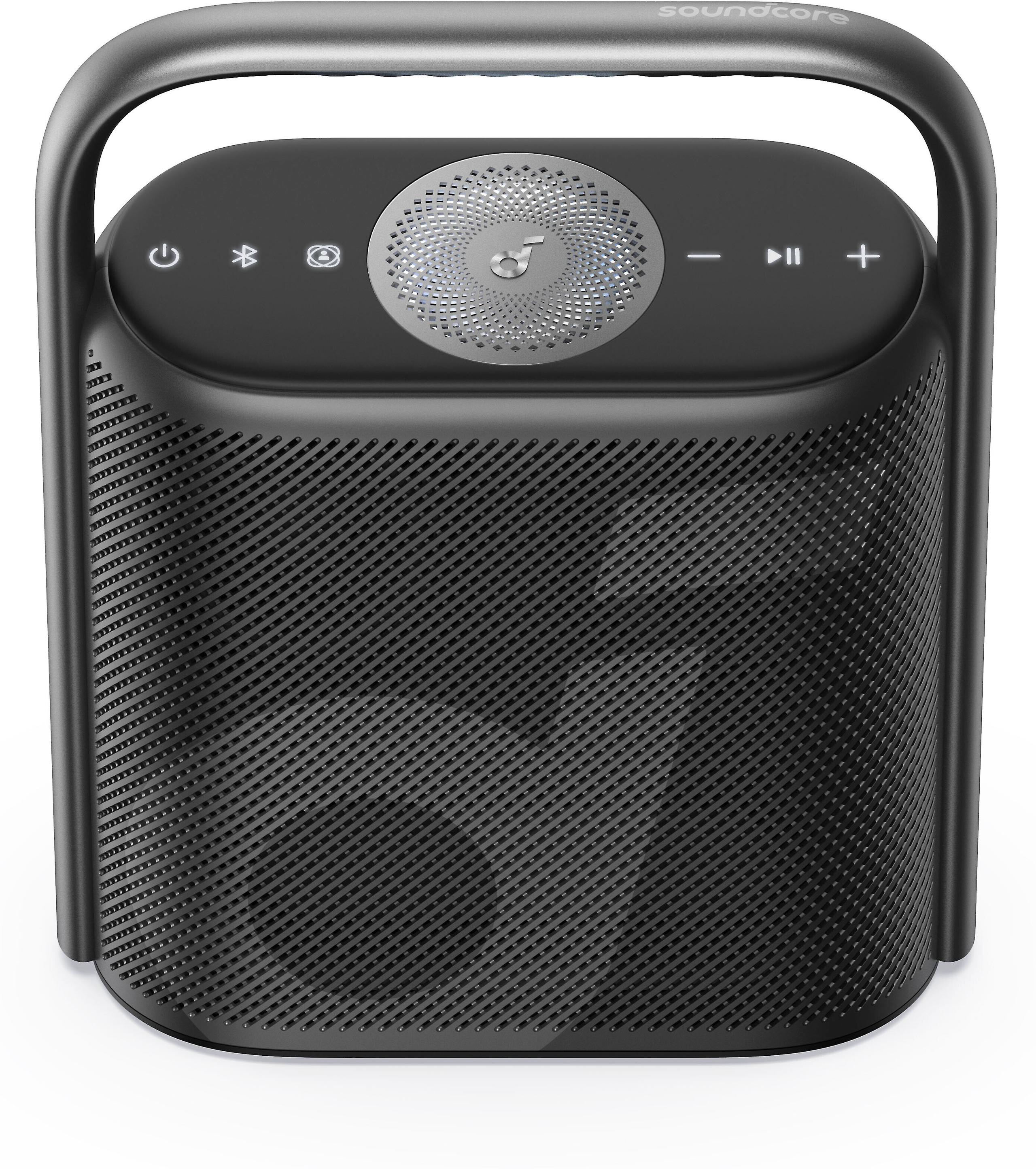


When it comes to premium portable Bluetooth speakers, two recent releases have caught the attention of audio enthusiasts: the JBL Pulse 5 ($199) and the Anker Soundcore Motion X500 ($169). Both speakers aim to deliver high-quality sound in a portable package, but they take distinctly different approaches to standing out in a crowded market.
The portable speaker market has evolved significantly in recent years, with manufacturers pushing beyond basic audio playback to include features like spatial audio, high-resolution codec support, and visual elements. Today's premium speakers in the $150-200 range are expected to deliver room-filling sound, weather resistance, and extended battery life as standard features.
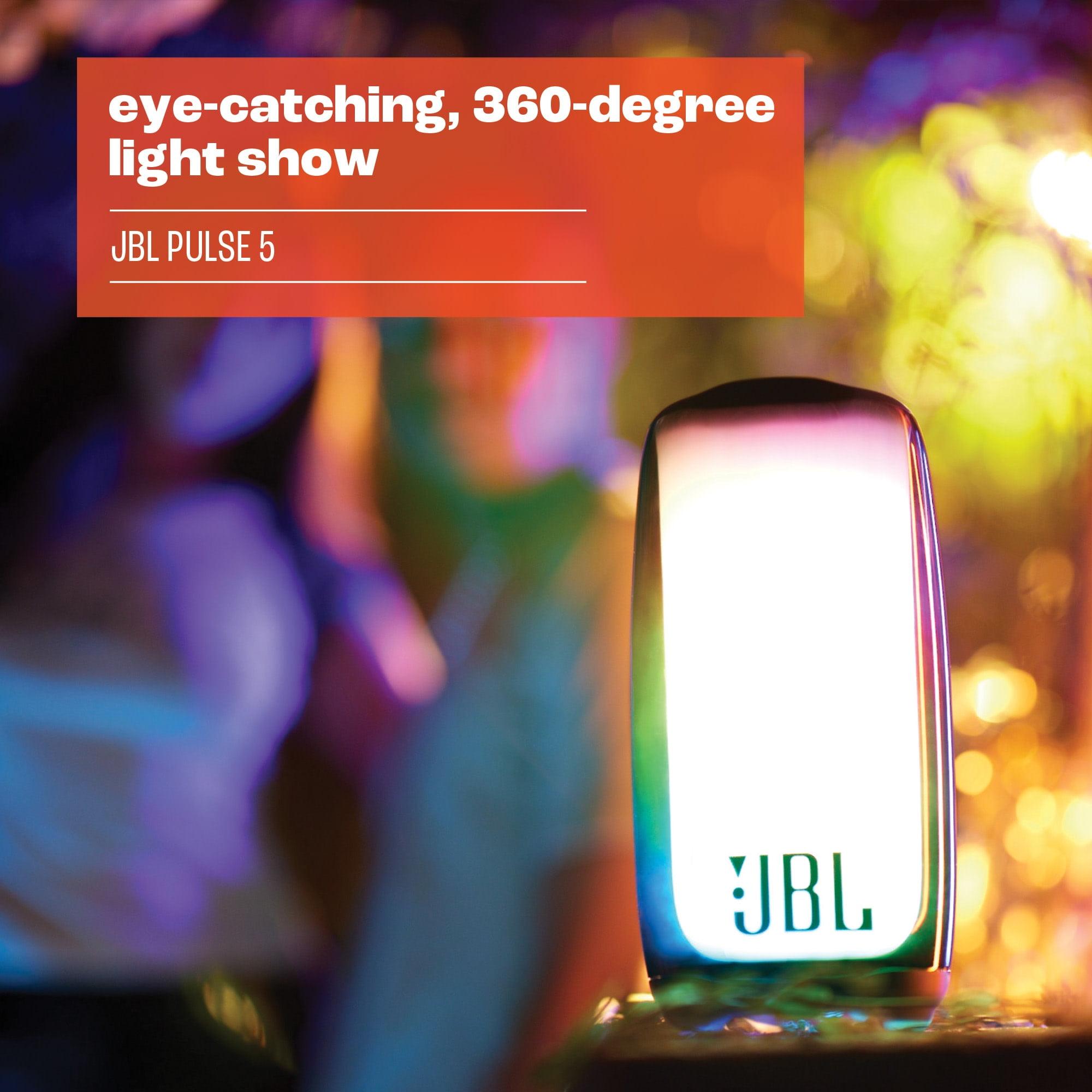
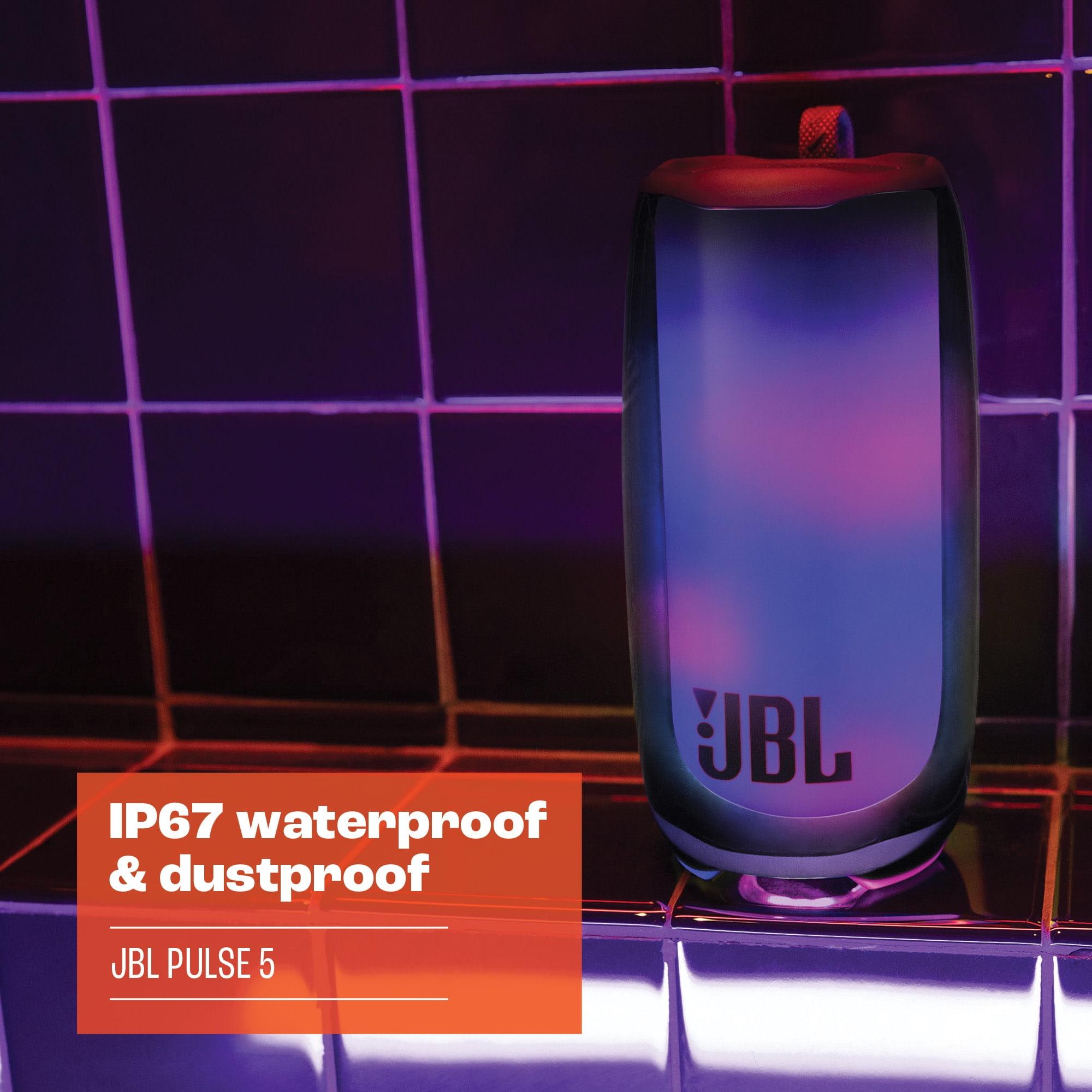
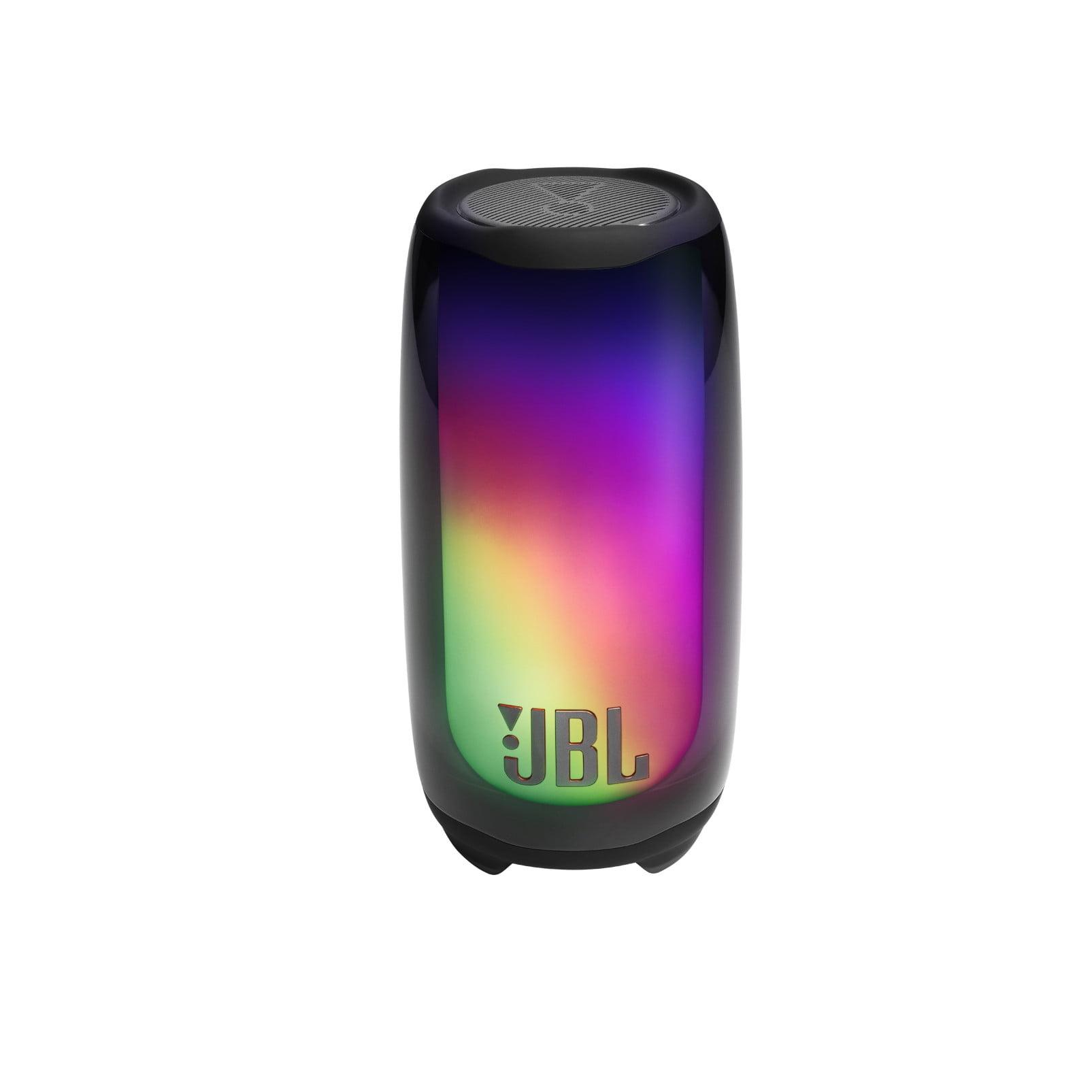
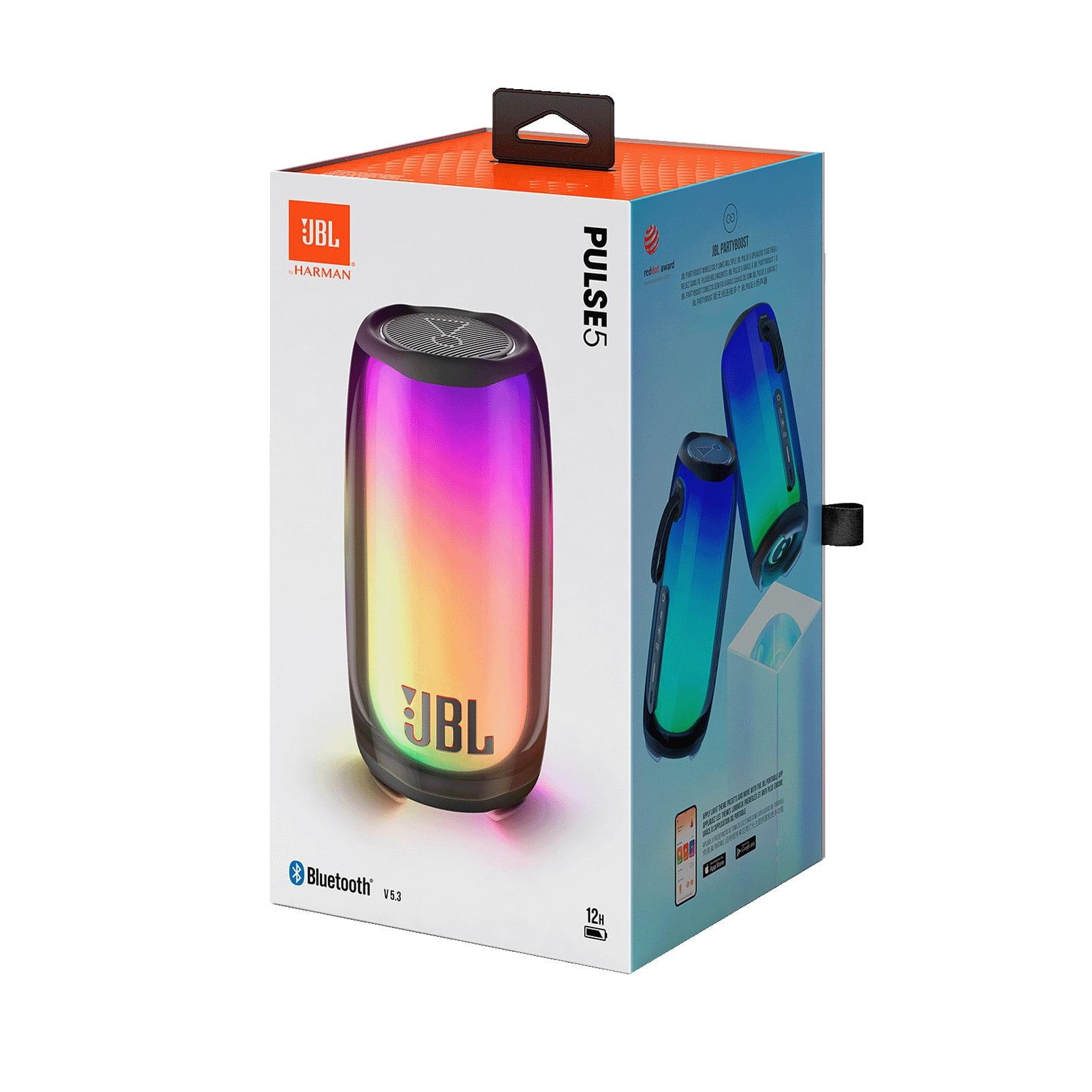
The JBL Pulse 5, released in late 2022, continues JBL's tradition of combining audio with visual appeal. Its most striking feature is the 360-degree LED light show, displayed through a transparent housing that's larger than its predecessor. This latest iteration increases the display area significantly, creating more impactful lighting effects that sync with your music.
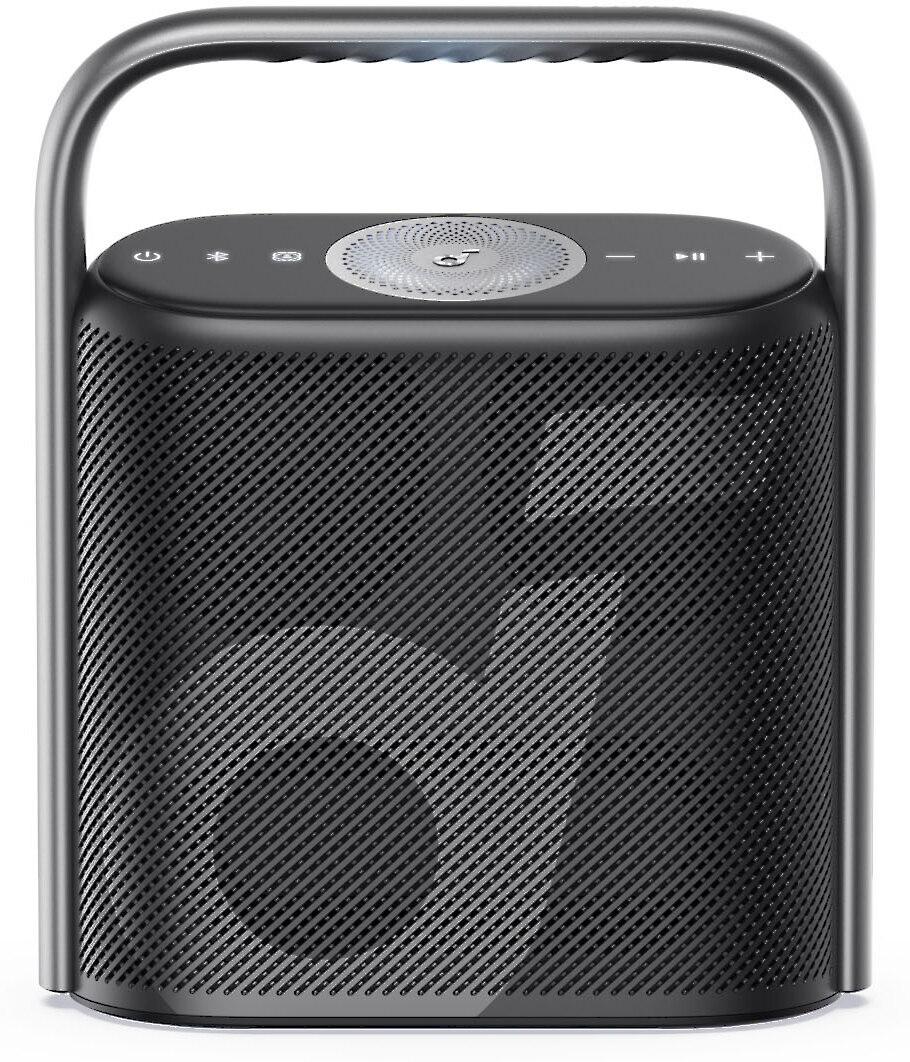
In contrast, the Anker Soundcore Motion X500, launched in late 2023, focuses entirely on audio innovation. Anker has implemented spatial audio processing and support for the LDAC codec (which allows for higher-quality Bluetooth audio transmission up to 990kbps, compared to standard SBC's 328kbps), targeting listeners who prioritize sound quality over visual effects.
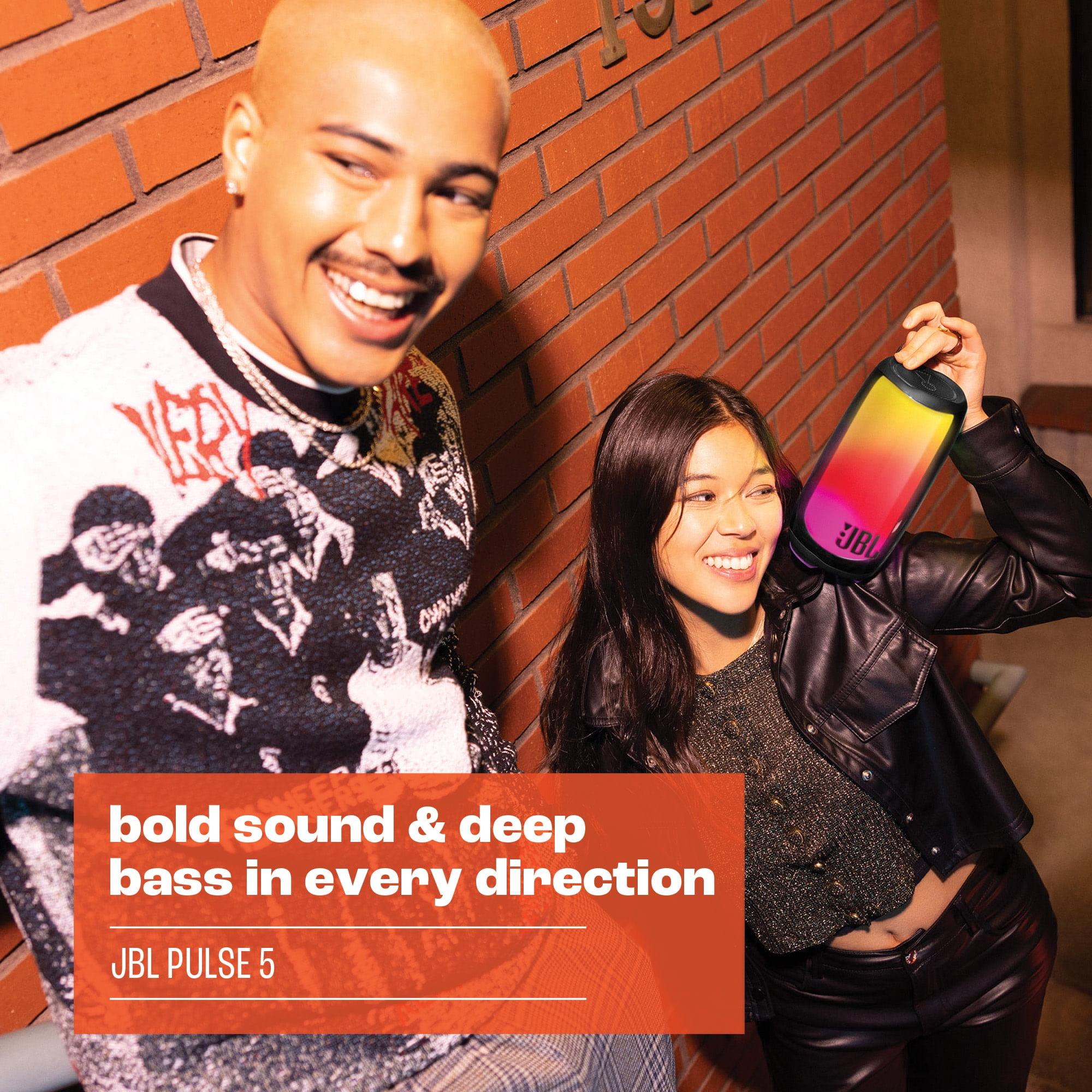
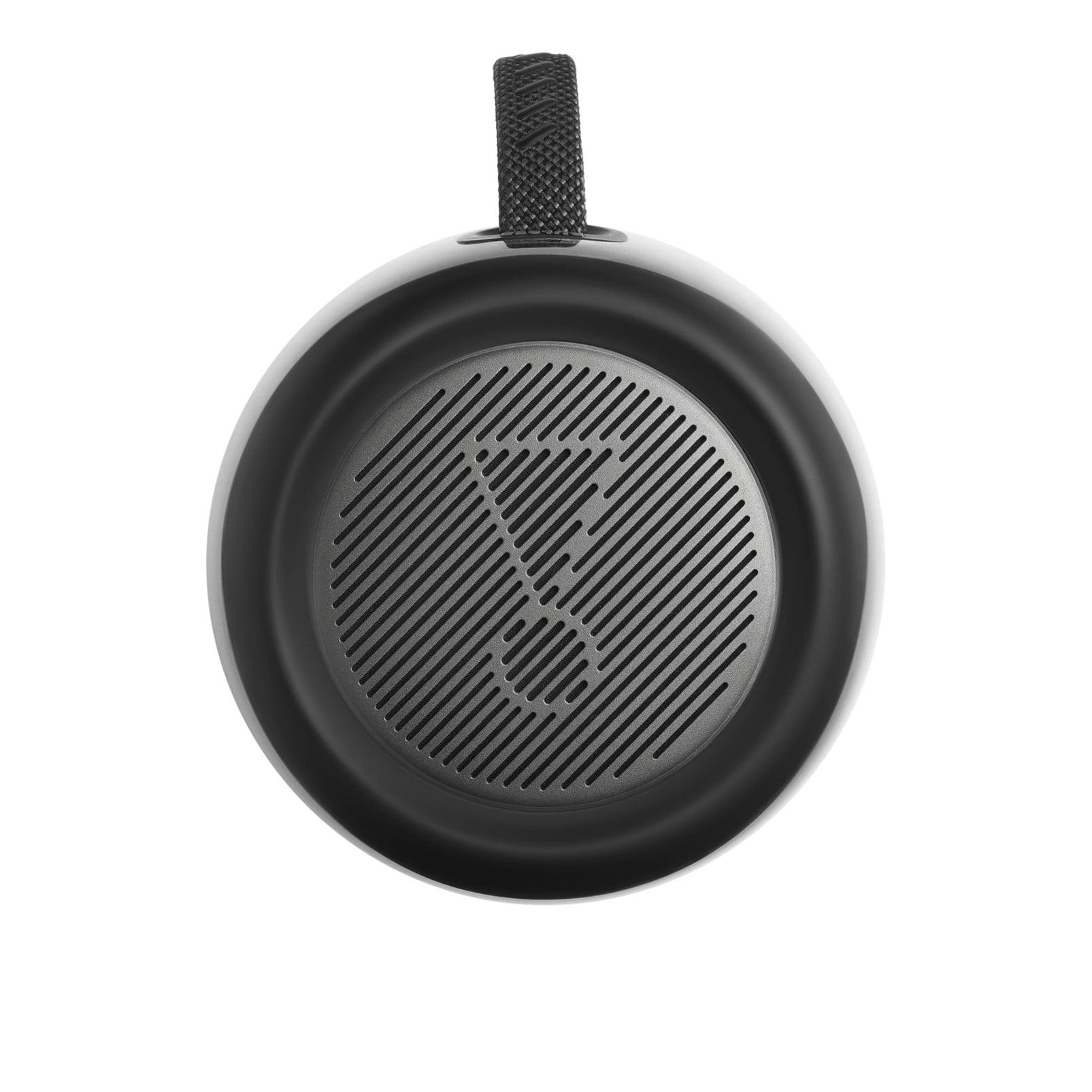
The Pulse 5's 40W system (30W woofer + 10W tweeter) creates an omnidirectional sound field that works particularly well in outdoor settings or large rooms where people gather around the speaker. The upward-firing passive radiator helps deliver surprisingly powerful bass for its size.
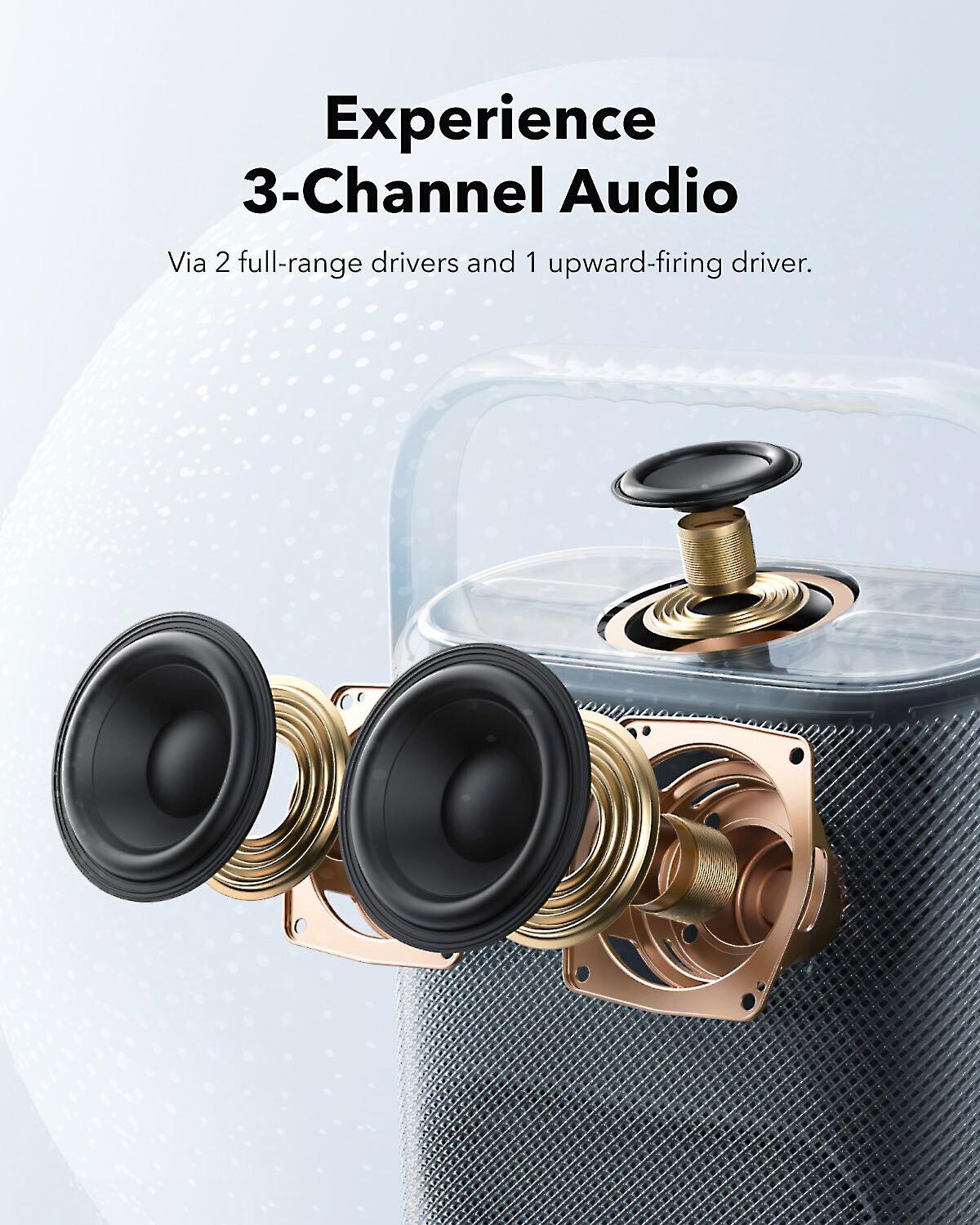
The Motion X500 takes a different approach with its three-driver system (2x15W full-range + 10W upward-firing). This configuration, combined with spatial audio processing, creates a more focused soundstage that's particularly impressive when placed on a shelf or table. The upward-firing driver adds vertical dimension to the sound, making music feel more expansive.
In testing both speakers, clear differences emerge in how they handle different types of music:
Battery performance varies significantly based on usage:
JBL Pulse 5
Motion X500
The JBL Pulse 5 justifies its higher price through the unique light show feature and robust build quality. However, the Motion X500 delivers more advanced audio technology at a lower price point, making it a compelling value for audio enthusiasts.
Price differences become more significant when considering sales and discounts:
While neither speaker is designed primarily for home theater use, they can serve as temporary solutions:
The Motion X500's spatial audio processing and more detailed sound make it better suited for movie dialogue and atmospheric effects. The Pulse 5's 360-degree sound, while impressive for music, can actually detract from proper stereo imaging when watching movies.
Both speakers represent different priorities in modern portable audio. The Pulse 5 continues JBL's successful formula of combining good sound with attractive lighting effects, while the Motion X500 pushes technical boundaries with advanced audio features at a lower price point.
The choice ultimately depends on your primary use case: If you're looking for a speaker that's also a visual centerpiece for parties and gatherings, the Pulse 5 is unmatched. If you're more interested in getting the best possible audio quality and features for your money, the Motion X500 is the clear winner.
Remember that both speakers represent significant improvements over their predecessors and the broader market of budget Bluetooth speakers. Either choice will deliver satisfying audio performance - it's just a matter of whether you value the light show and brand recognition of JBL or the advanced audio features and value proposition of Anker.
| JBL Pulse 5 | Anker Soundcore Motion X500 |
|---|---|
| Price - Current retail pricing and typical sale prices | |
| $199 MSRP (often $169 on sale) | $169 MSRP (frequently $99 on sale) |
| Audio Output - Total power affects maximum volume and clarity | |
| 40W (30W woofer + 10W tweeter) | 40W (2x15W full-range + 10W upward-firing) |
| Sound Configuration - Affects how sound spreads in the room | |
| 360° omnidirectional with passive radiator | Directional with spatial audio processing |
| Bluetooth Version & Codecs - Higher quality codecs mean better sound | |
| Bluetooth 5.3, SBC/AAC | Bluetooth 5.3, LDAC/SBC/AAC |
| Water/Dust Resistance - Higher ratings mean better outdoor durability | |
| IP67 (fully dustproof and waterproof) | IPX7 (waterproof only) |
| Battery Life - Real-world usage times | |
| 12 hours (8-10 with light show) | 8-10 hours (4-6 with spatial audio) |
| Charging Time - How long until you're back up and running | |
| 4 hours | 5-6 hours |
| Special Features - Unique capabilities that add value | |
| 360° LED light show, PartyBoost multi-speaker pairing | Spatial audio, LDAC support, detailed EQ controls |
| Weight - Affects portability | |
| 1.47 kg (3.2 lbs) | 1.63 kg (3.5 lbs) |
| Dimensions - Consider for placement and transport | |
| 21.4 x 10.7 x 13.2 cm | 19.1 x 8.1 x 22.8 cm |
| App Support - Adds customization options | |
| JBL Portable app (light show + basic EQ) | Soundcore app (advanced EQ + spatial audio controls) |
The JBL Pulse 5 is better for parties and outdoor use with its 360° sound and light show, while the Anker Soundcore Motion X500 offers superior audio quality and features for less money.
The Anker Motion X500 has better overall sound quality with its spatial audio processing and LDAC support. The JBL Pulse 5 offers stronger bass and 360-degree sound coverage.
The JBL Pulse 5 costs $199 (often $169 on sale), while the Anker Motion X500 is priced at $169 (frequently available for $99).
The JBL Pulse 5 offers 12 hours of playback (8-10 with light show), while the Motion X500 provides 8-10 hours (4-6 with spatial audio enabled).
Yes, both are waterproof. The JBL Pulse 5 has IP67 rating (dust and water resistant), while the Motion X500 has IPX7 rating (water resistant only).
The JBL Pulse 5 is better for parties due to its 360° sound coverage, light show feature, and PartyBoost capability for connecting multiple speakers.
The Anker Motion X500 offers better connectivity with LDAC codec support for high-quality audio. Both speakers use Bluetooth 5.3.
The JBL Pulse 5 can connect to other JBL PartyBoost speakers, while the Motion X500 can pair with another Motion X500 for stereo sound.
The JBL Pulse 5 is slightly lighter at 3.2 lbs versus the Motion X500's 3.5 lbs, but both are similarly portable.
Yes, both have apps. The JBL Pulse 5 uses the JBL Portable app for light show and basic EQ, while the Motion X500 uses the Soundcore app for advanced EQ and spatial audio settings.
The Anker Motion X500 is better for home listening with its spatial audio and superior sound detail, while the JBL Pulse 5 works better for larger rooms where 360° sound is beneficial.
The Anker Motion X500 offers better value for audio quality, while the JBL Pulse 5 justifies its higher price if you want the light show feature and brand reliability.
We've done our best to create useful and informative comparisons to help you decide what product to buy. Our research uses advanced automated methods to create this comparison and perfection is not possible - please contact us for corrections or questions. These are the sites we've researched in the creation of this article: digitaltrends.com - youtube.com - target.com - rtings.com - jbl.com - jblonlinestore.com - harmanaudio.com - assistivetech.com.au - stereoguide.com - mm.jbl.com - jbl.com - creativeaudio.net - tomsguide.com - outeraudio.com - gadgetoid.com - soundguys.com - pcgamesn.com - hktvmall.com - elomymelo.com - youtube.com - jopanda.com - shop.menshealth.com - soundphilereview.com

Privacy Policy
Terms and Conditions - Affiliate Policy
Home Security
© Copyright 2008-2026.
11816 Inwood Rd #1211, Dallas, TX 75244