

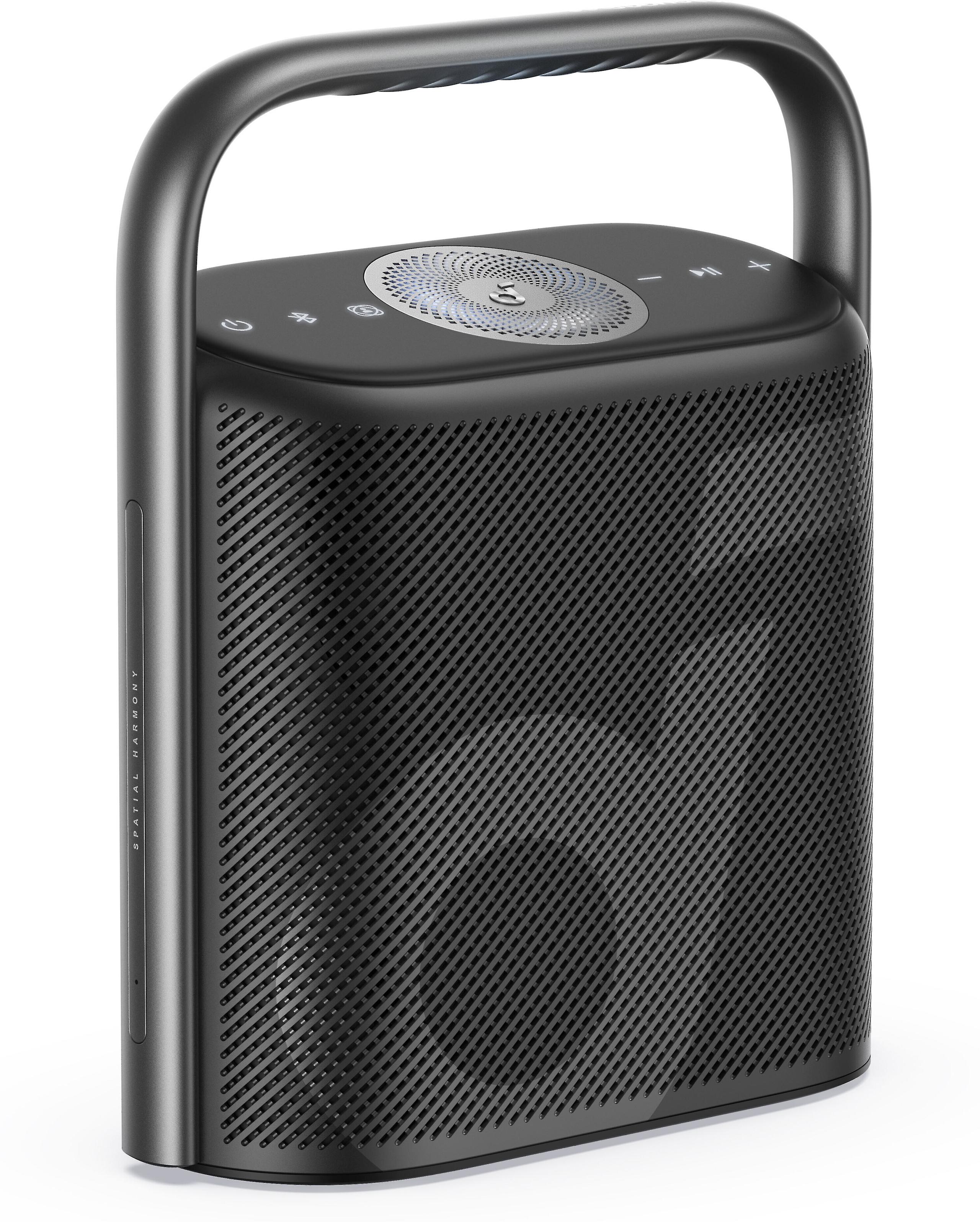
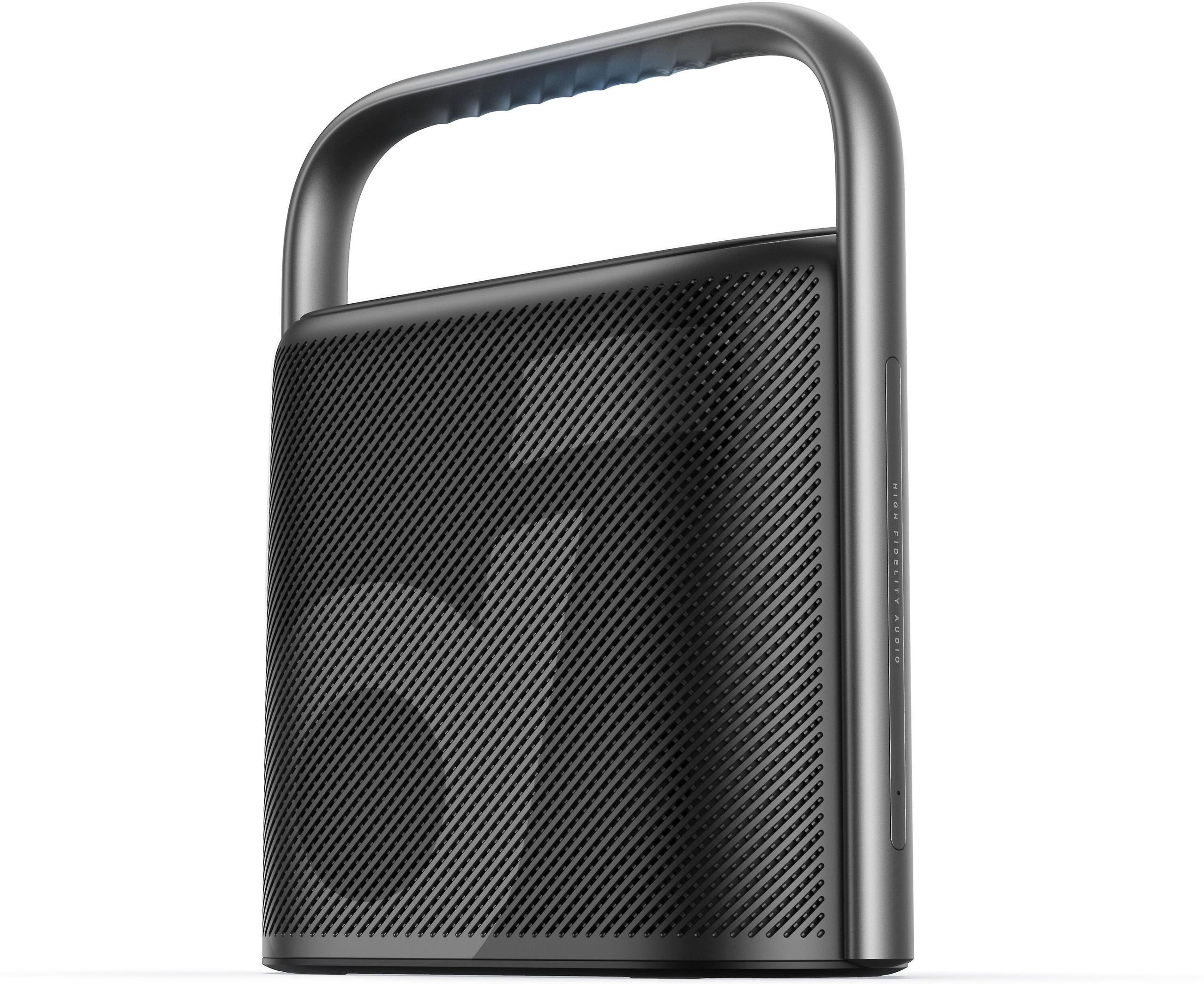
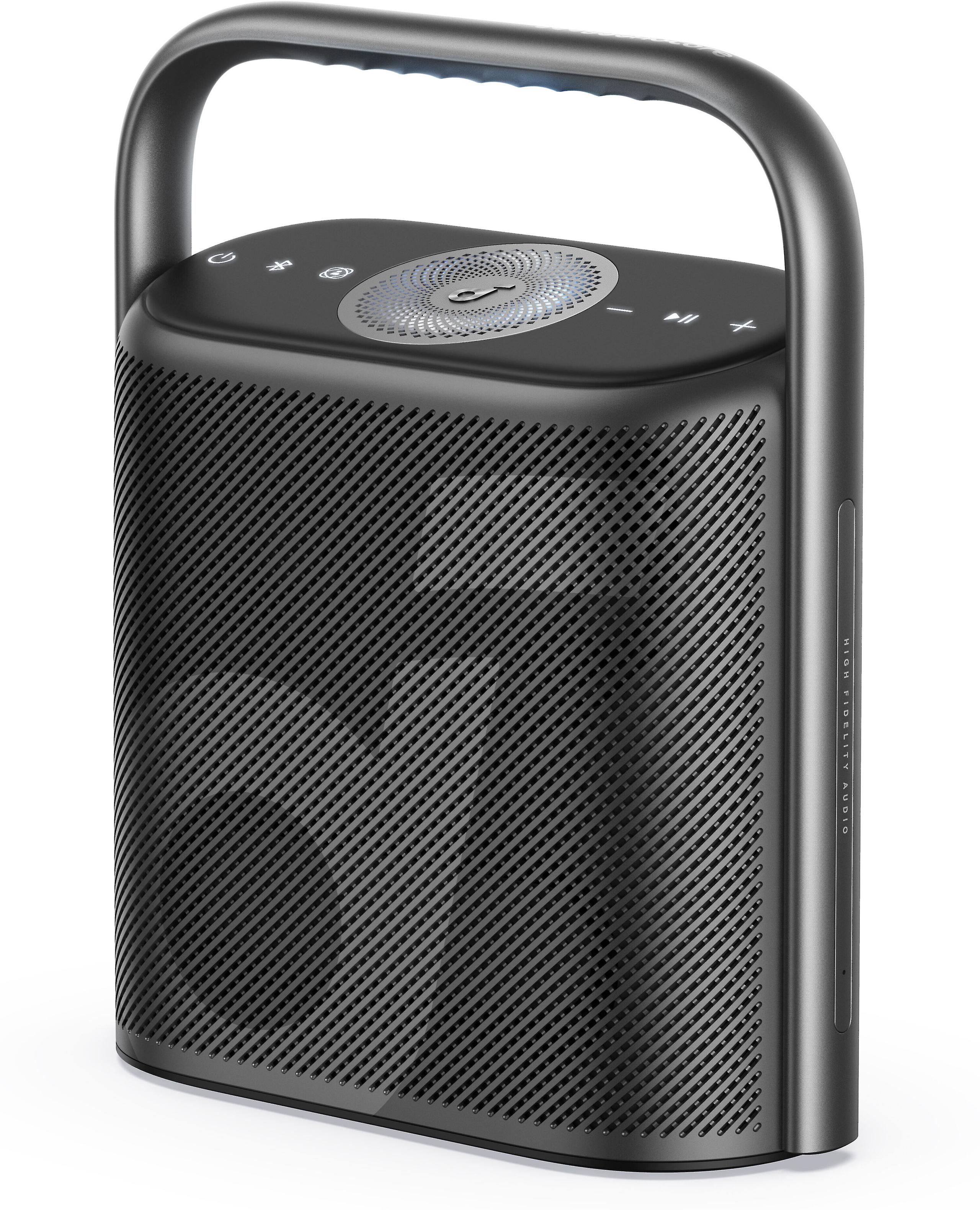
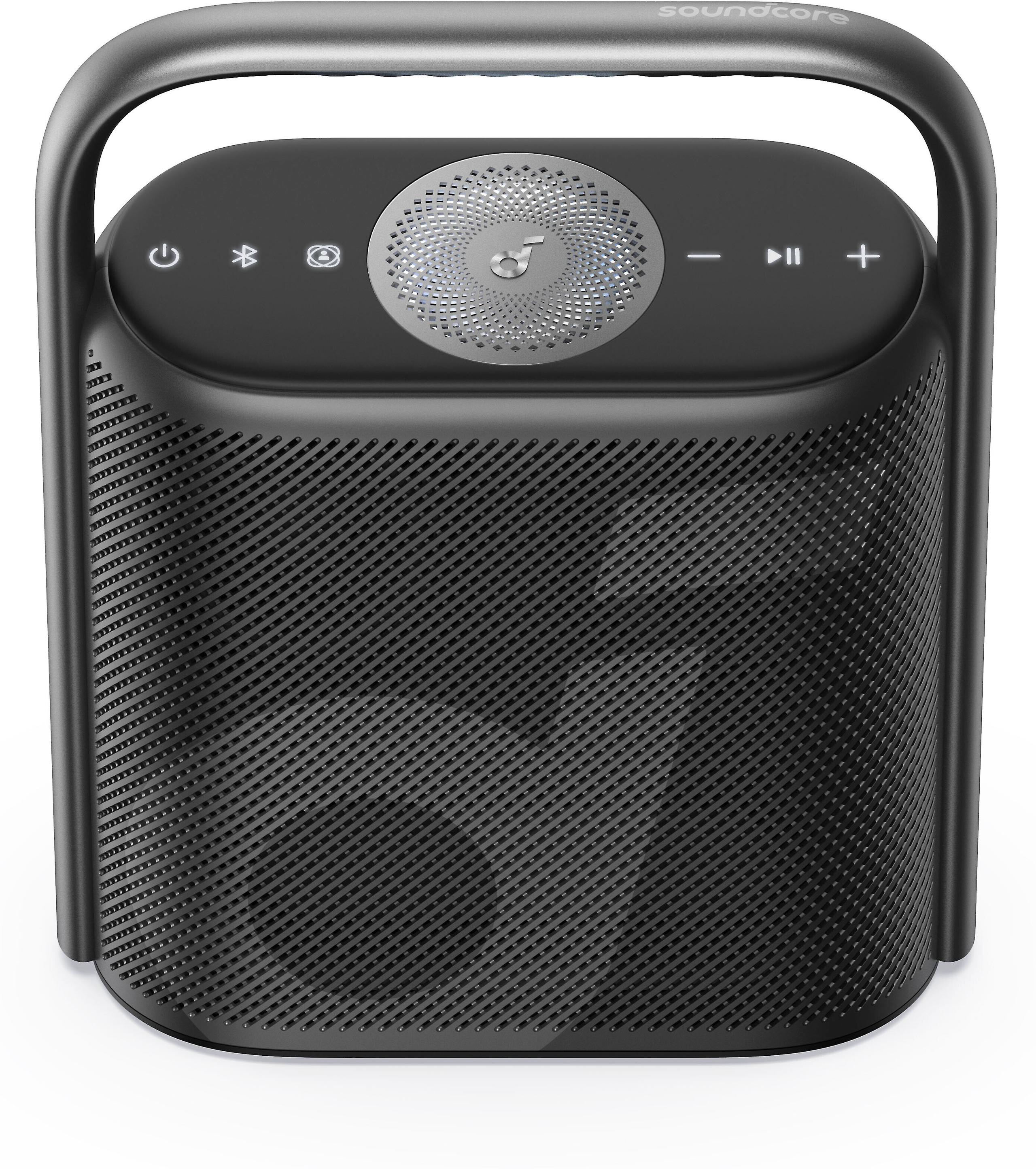

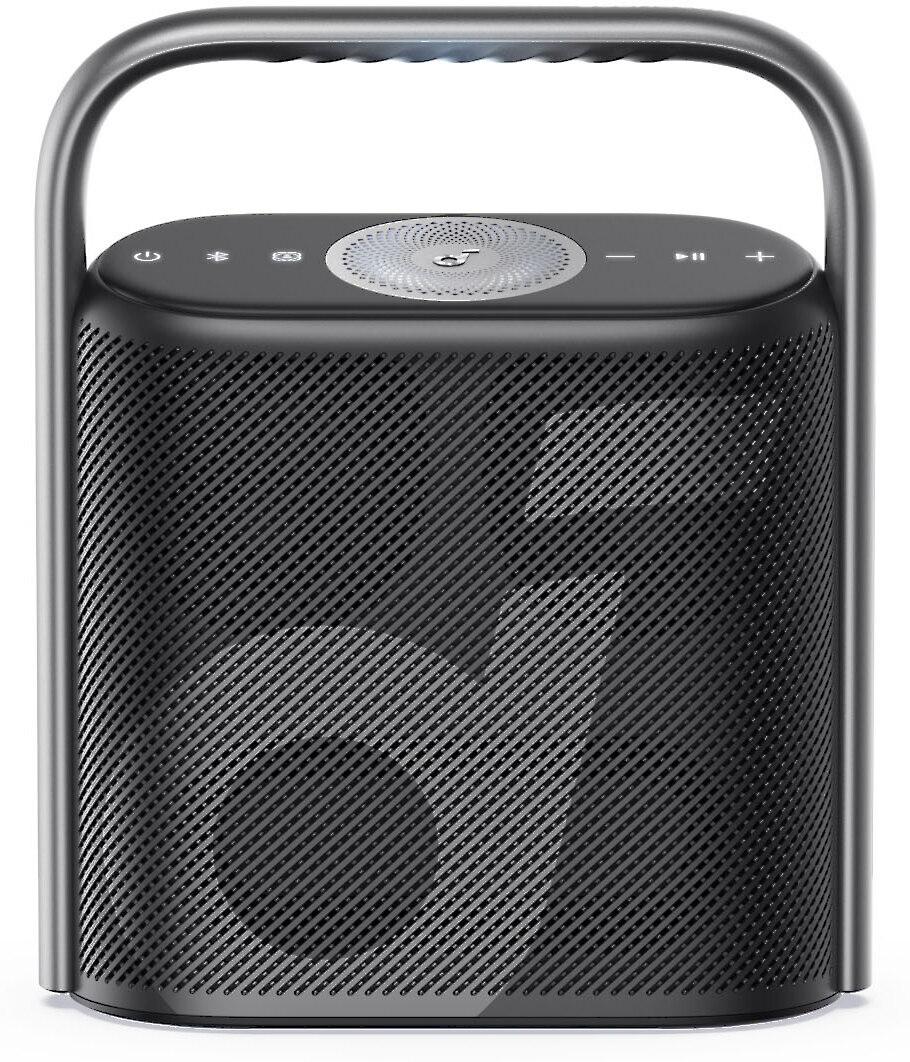
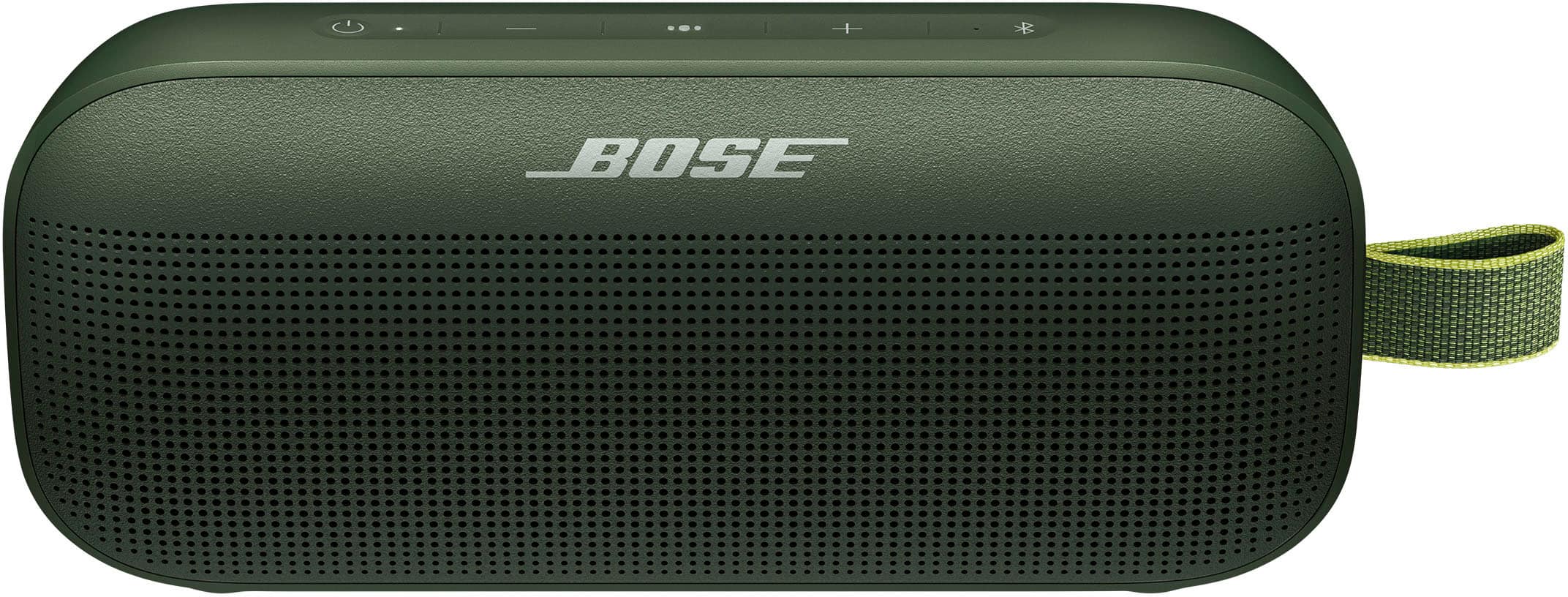
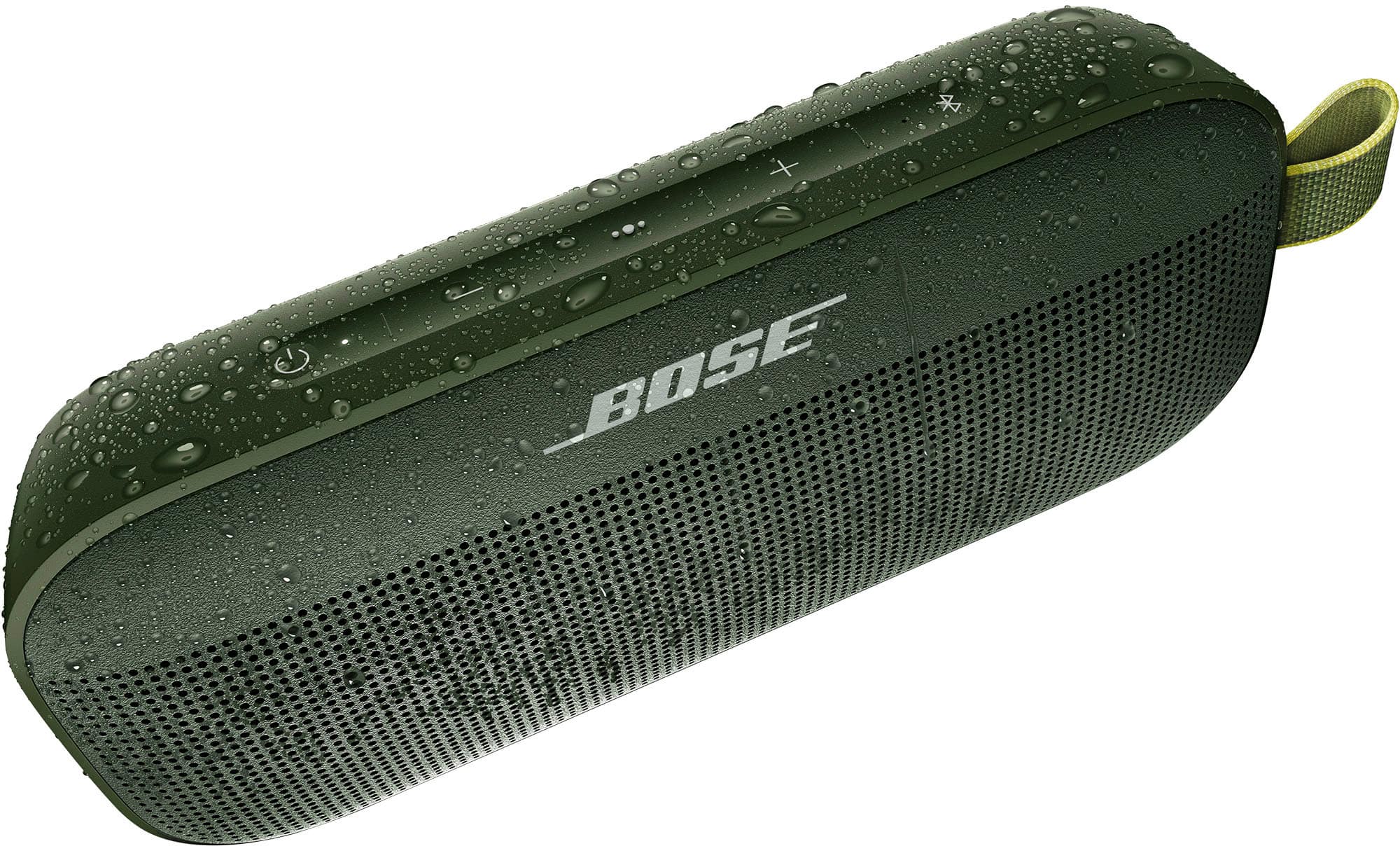
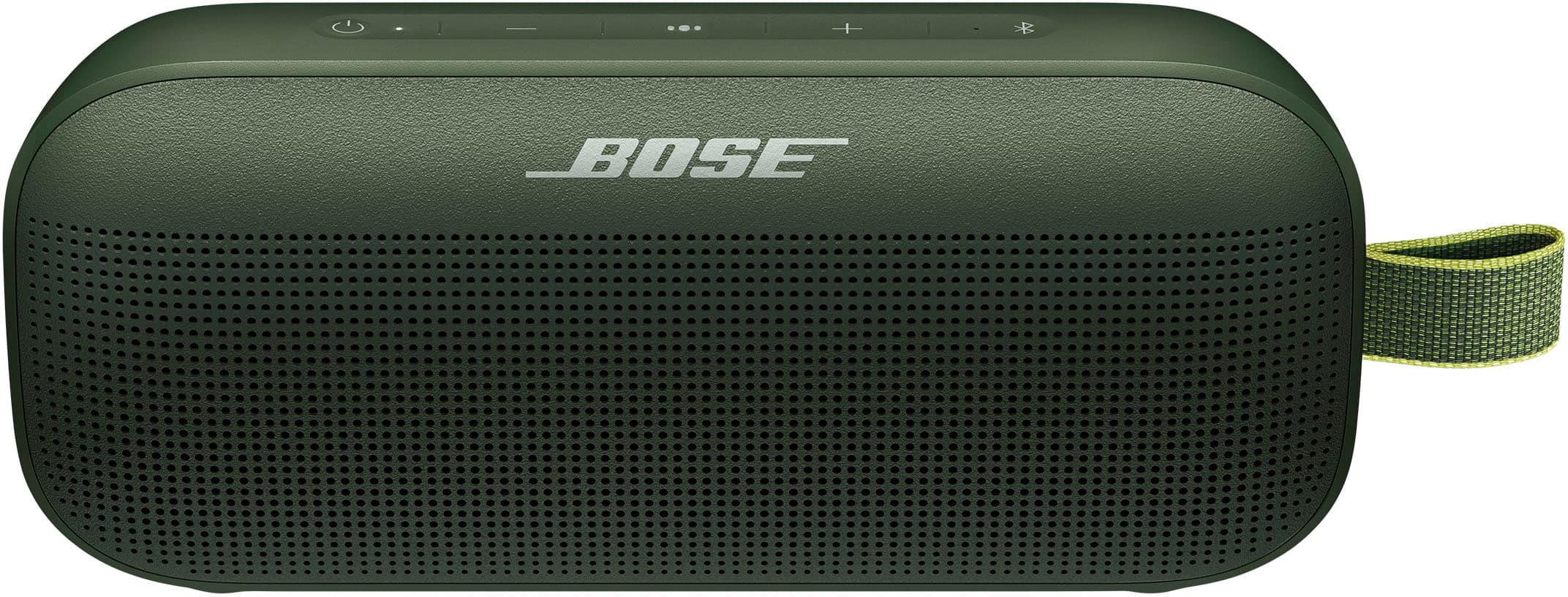
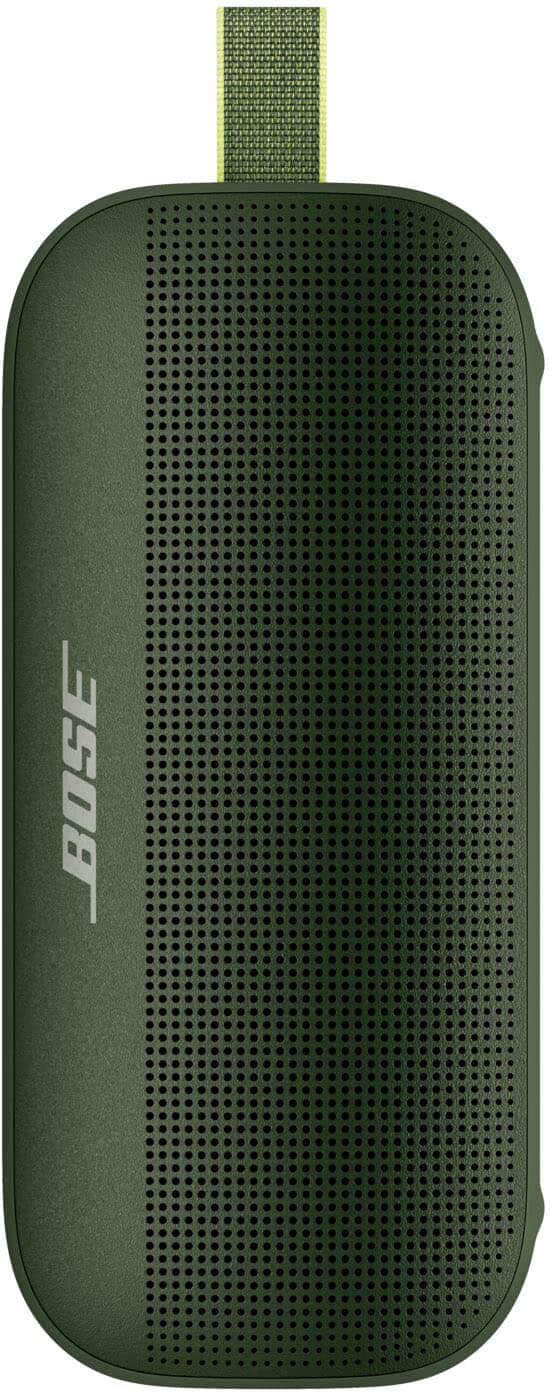
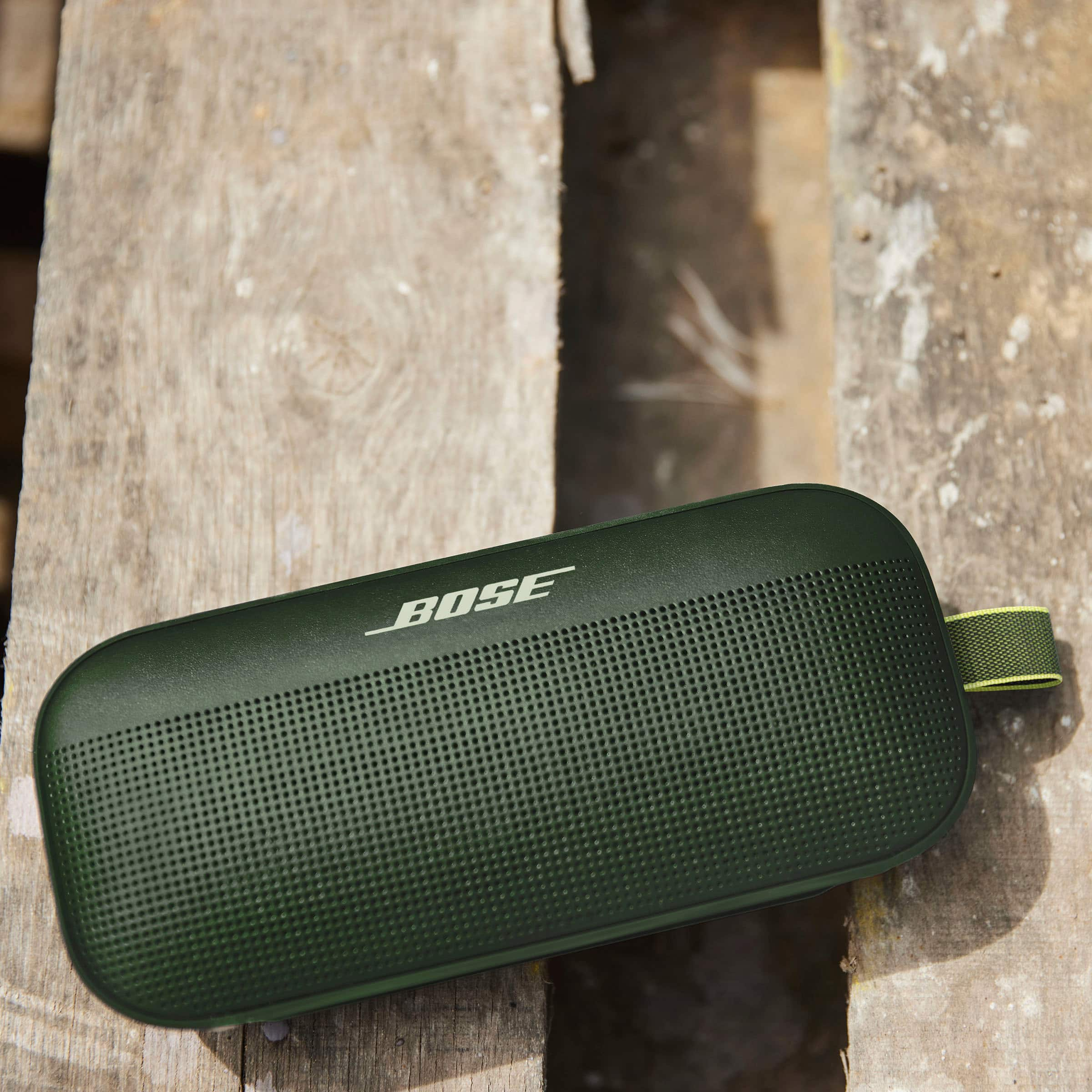

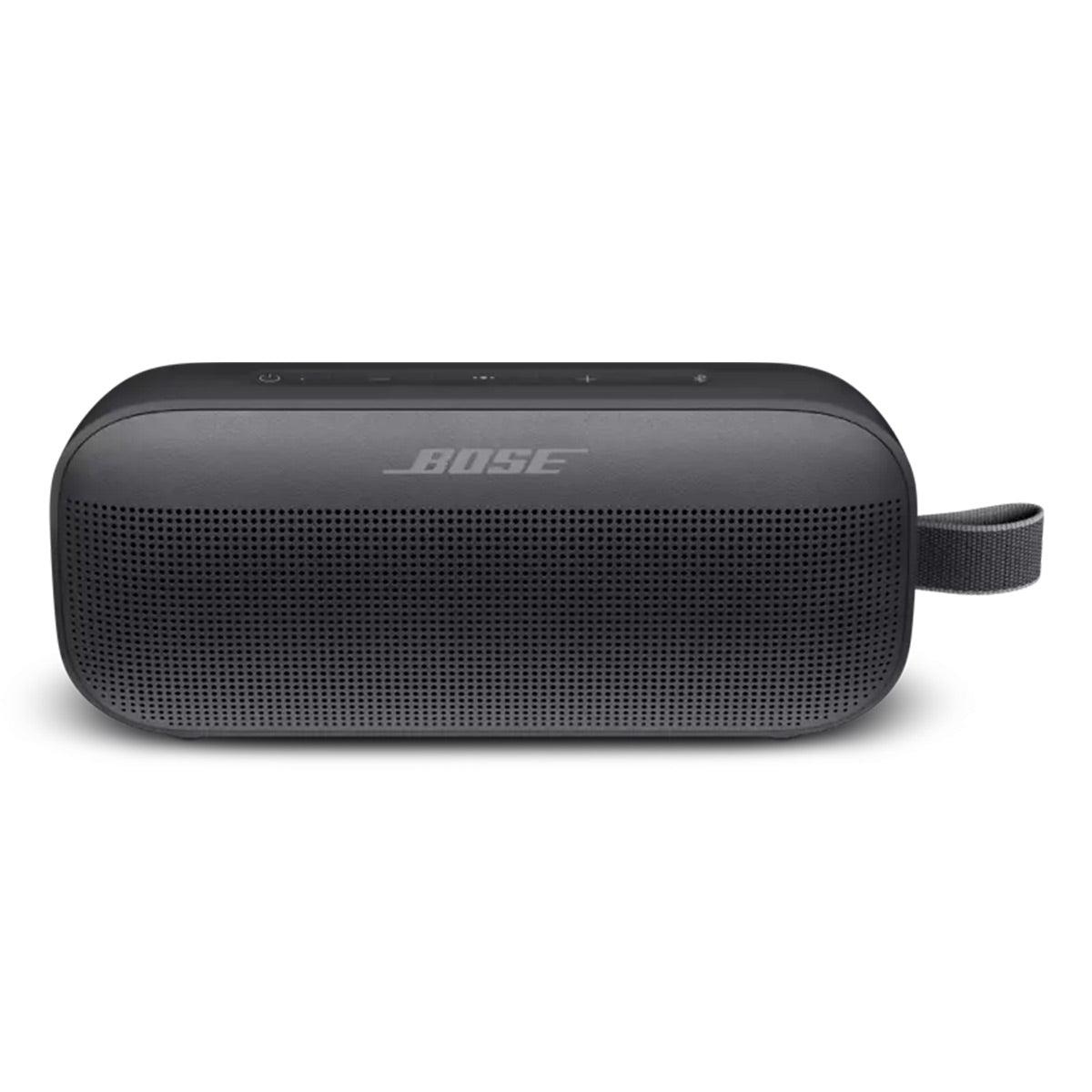
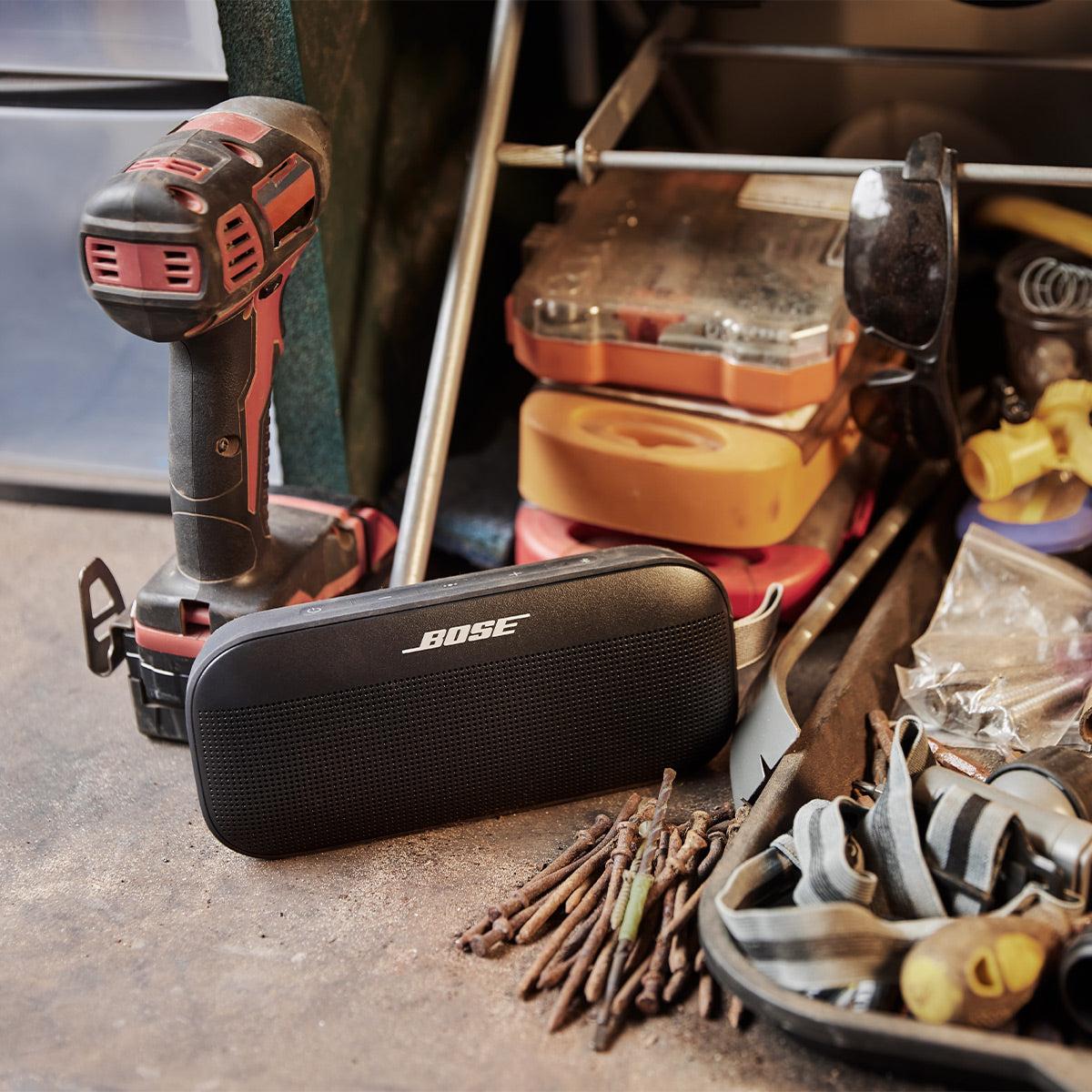
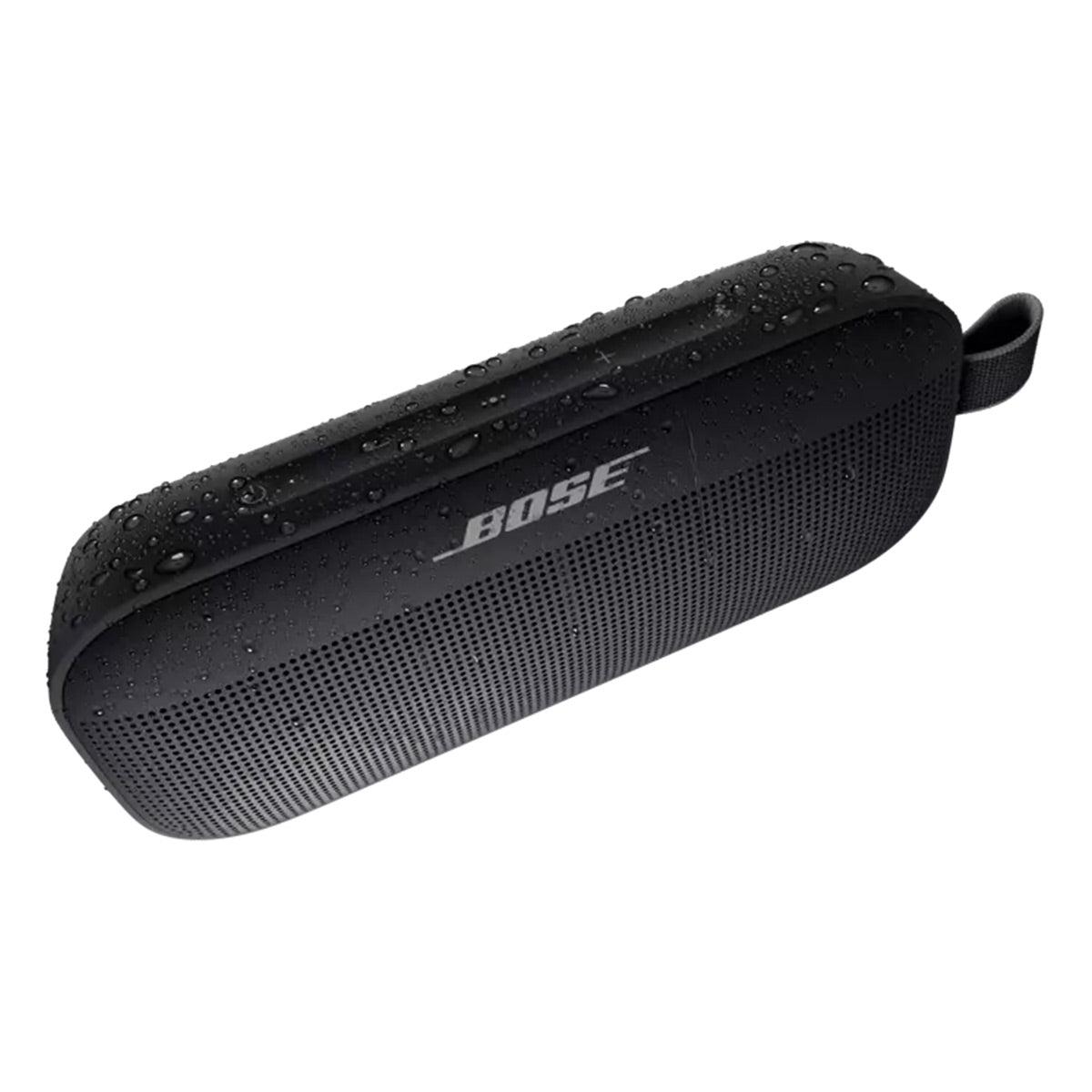
In the ever-evolving world of portable audio, two speakers have caught significant attention: the Anker Soundcore Motion X500 and the Bose SoundLink Flex. Let's dive deep into what makes each unique and help you decide which best fits your needs.
Today's portable speakers do much more than just play music loudly. They've become sophisticated audio devices with features like spatial audio (creating a more immersive, room-filling sound), high-resolution audio support, and smart positioning technology. When choosing between speakers, we need to consider sound quality, portability, durability, and how these features translate to real-world use.
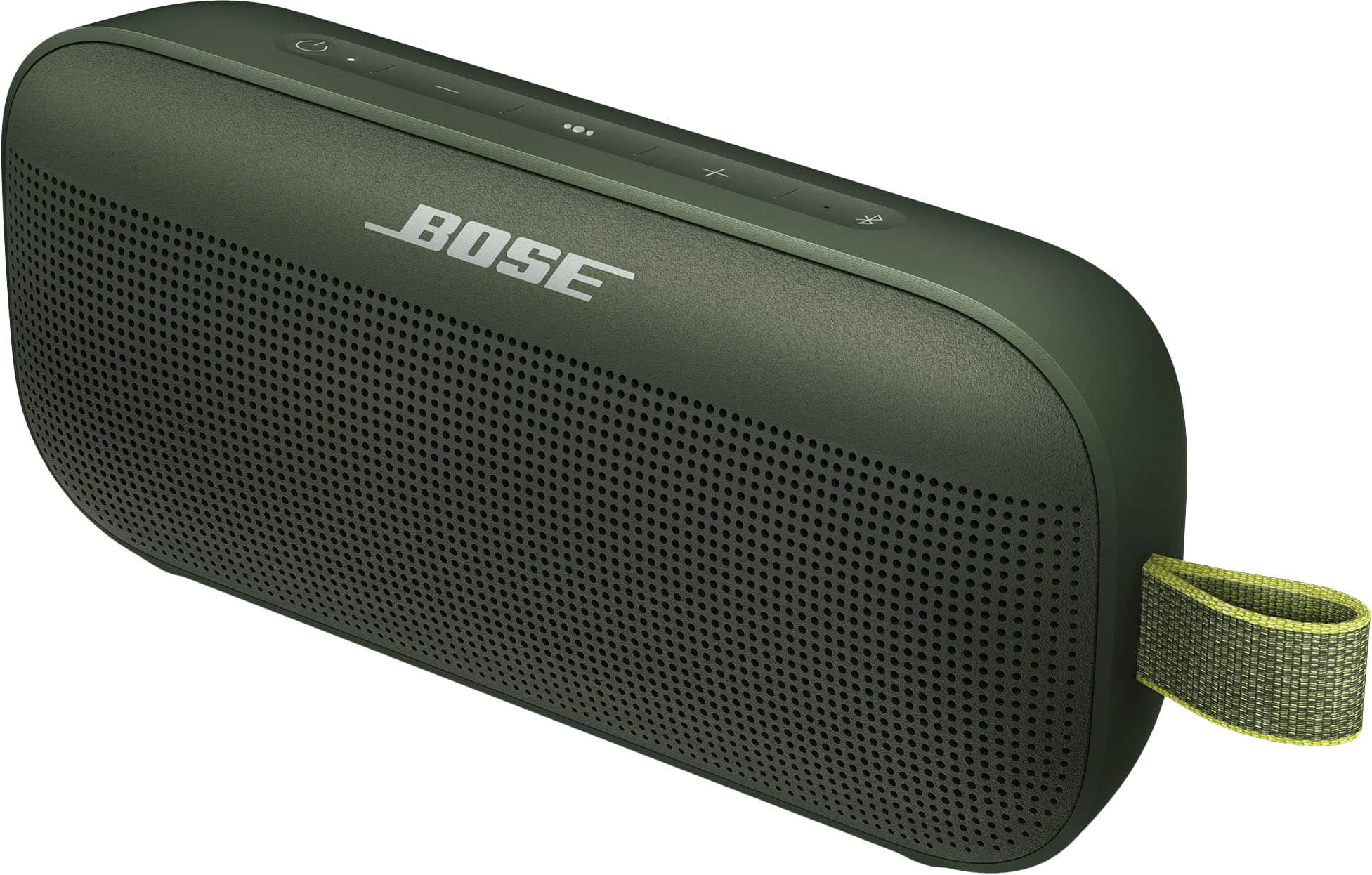
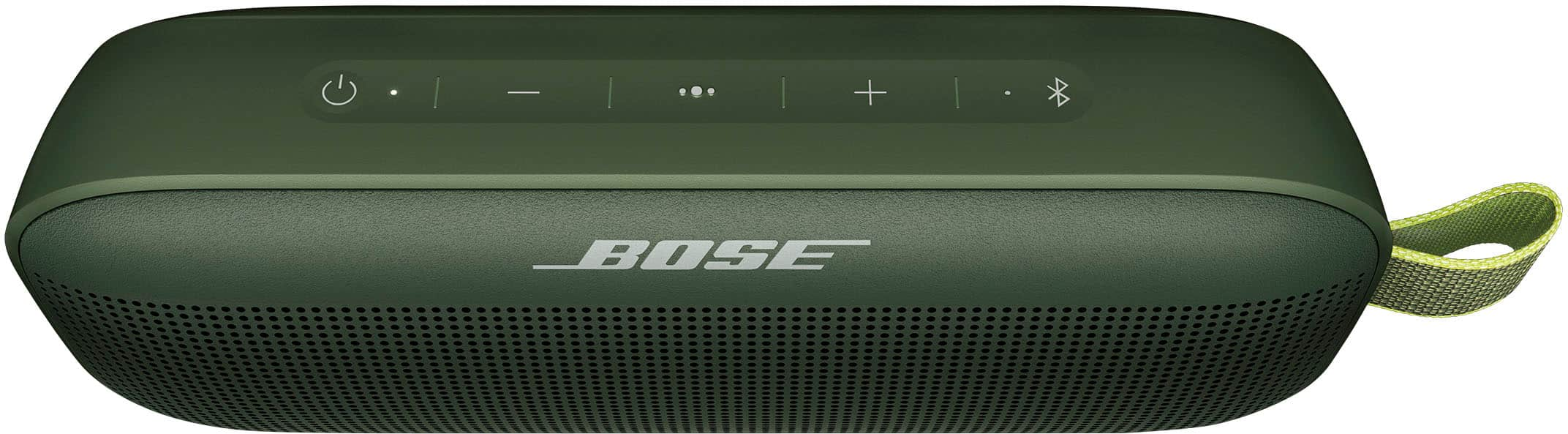
The Bose SoundLink Flex, released in October 2021, represented a significant step forward in portable audio with its PositionIQ technology - which automatically adjusts the sound based on whether the speaker is standing, lying flat, or hanging. Two years later, the Anker Soundcore Motion X500 arrived in November 2023, bringing newer technologies like LDAC support (a high-quality Bluetooth audio codec that transmits about three times more data than standard Bluetooth) and spatial audio processing.
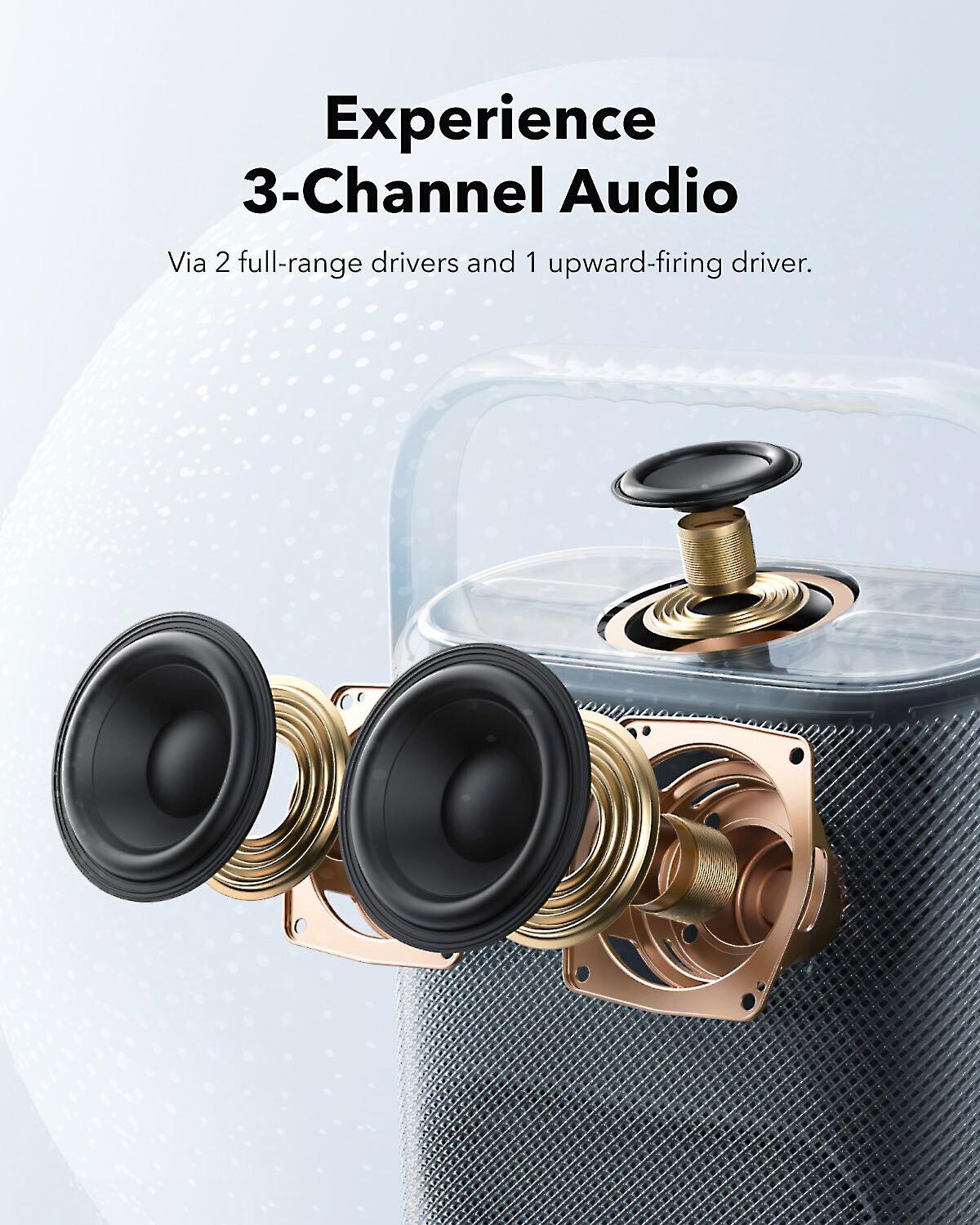
The X500's 40-watt system, with its unique three-driver setup including an upward-firing speaker, creates a noticeably more expansive soundstage. In testing, this configuration produces an impressive "bigger-than-the-box" sound, especially noticeable when playing modern pop and rock music. The spatial audio processing adds depth that's particularly engaging in larger rooms.
The Flex takes a different approach, using Bose's proven single-driver design with passive radiators. While it doesn't match the X500's raw power, its sound signature is remarkably balanced and natural. The PositionIQ technology ensures consistent sound quality regardless of speaker orientation - something I've found particularly useful when moving between rooms or outdoor spaces.
Both speakers handle moderate volumes well, but their differences become apparent at higher volumes:
The X500's larger size allows for better bass extension, though it can sometimes seem overwhelming in smaller spaces. The Flex's bass is tighter and more controlled - perfect for outdoor use where excessive bass can sound boomy.
The weight difference between these speakers is significant:
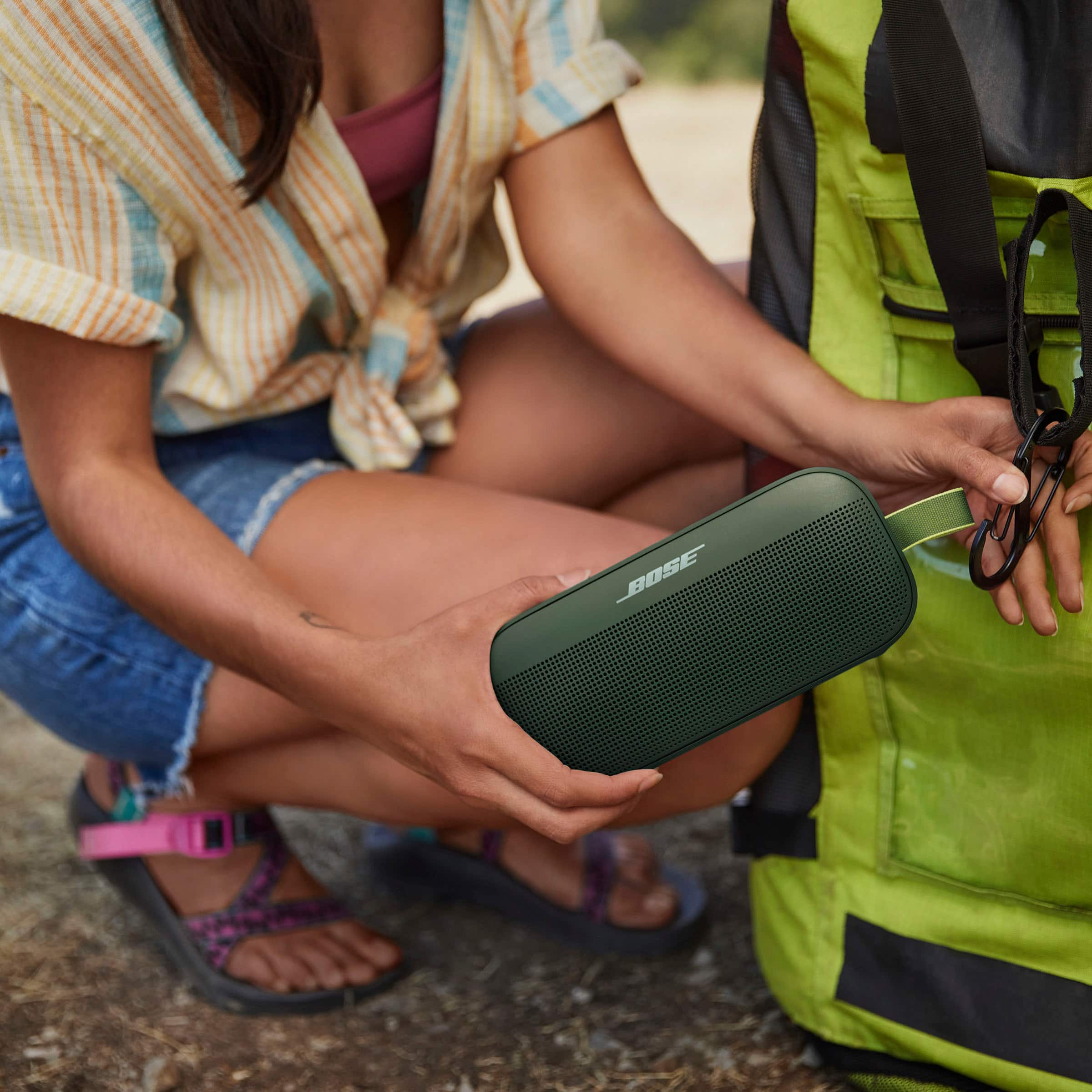
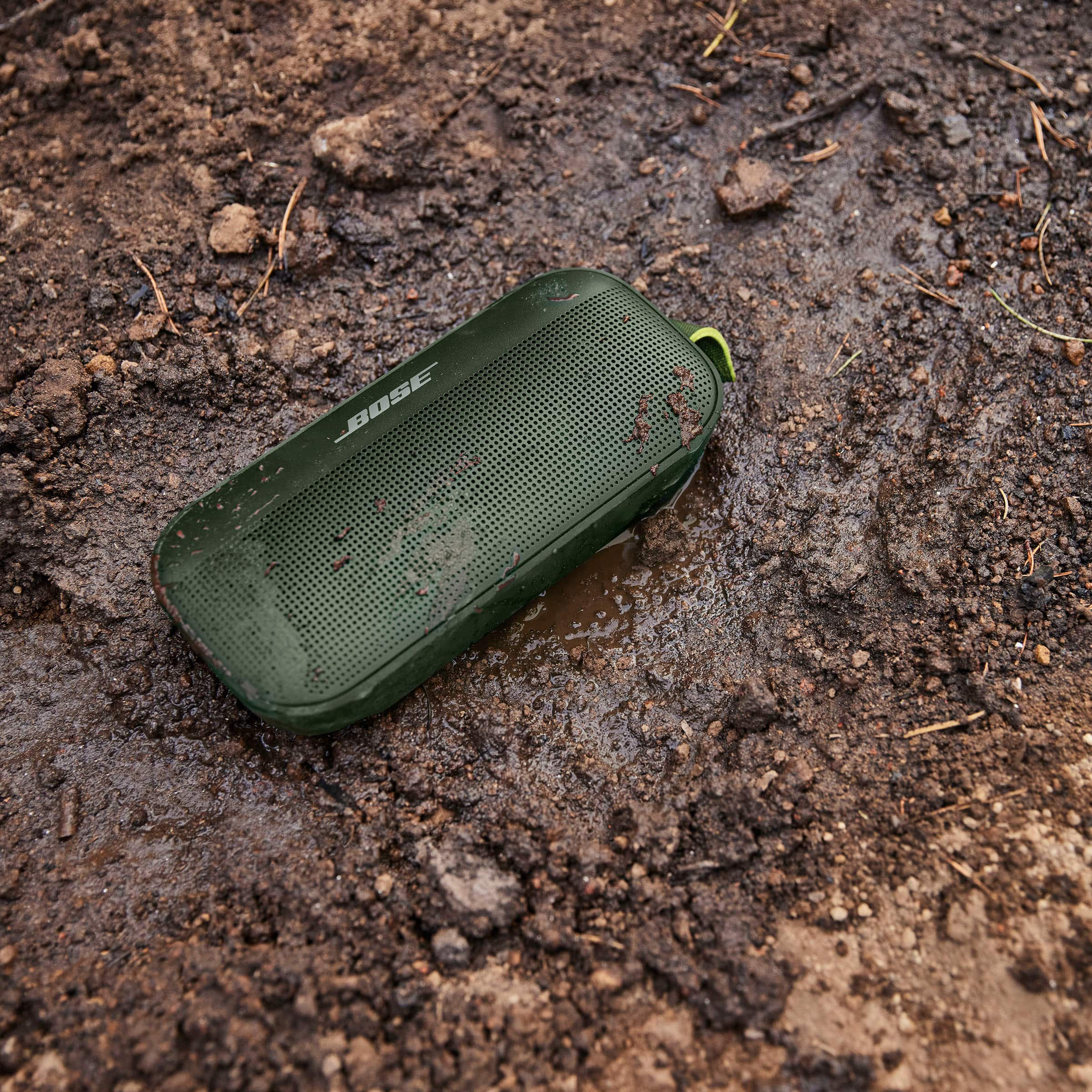
This makes the Flex substantially more portable for everyday carry. Both offer water resistance, but the Flex's IP67 rating adds dust protection - a meaningful advantage for beach or outdoor use.
Both advertise 12-hour battery life, but real-world testing shows:
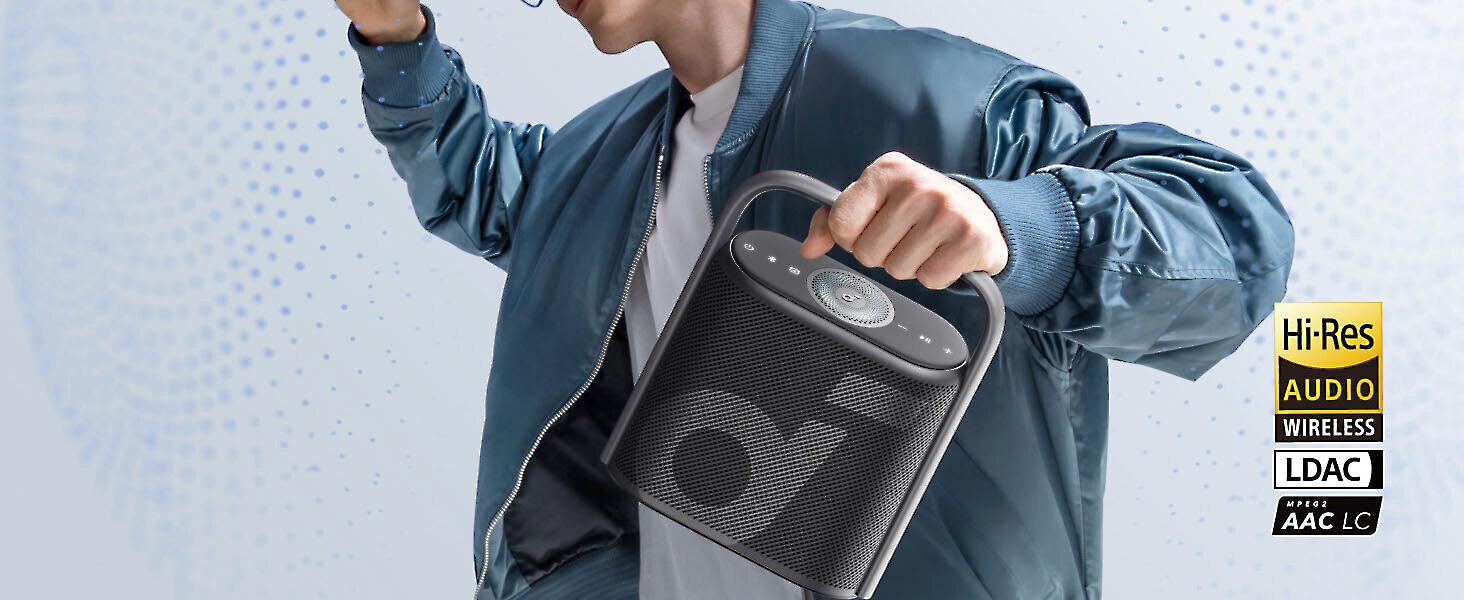
The X500's Bluetooth 5.3 with LDAC support provides noticeably better audio quality when used with compatible devices (mostly newer Android phones). The Flex's older Bluetooth 4.2 is reliable but doesn't support high-resolution audio codecs.
The Anker X500 launched at $169.99 but often sells for $99.99, while the Bose Flex has maintained its $149 price point. This pricing dynamic makes the X500 particularly attractive when on sale, offering more modern features at a lower price.
Choose the X500 if:
Choose the Flex if:
Both speakers excel in their intended use cases. The X500 represents the cutting edge of portable speaker technology, offering more power and features at a competitive price point. The Flex focuses on reliability, portability, and consistent performance across various environments.
Your choice should ultimately depend on how you'll use the speaker most often. For home use with occasional outdoor sessions, the X500's additional features and power make it compelling, especially at its sale price. For a grab-and-go speaker that can handle any environment while delivering reliable sound, the Flex remains an excellent choice despite its premium pricing.
| Anker Soundcore Motion X500 | Bose SoundLink Flex |
|---|---|
| Power Output - Determines maximum volume and sound clarity | |
| 40W (2x15W + 10W upward firing) - Powerful room-filling sound | ~20W (estimated) - Good for personal listening |
| Audio Features - Impact on sound quality and versatility | |
| Spatial audio, LDAC codec, Custom EQ, upward-firing driver | PositionIQ technology, standard codecs, fixed EQ |
| Size & Weight - Affects portability and placement options | |
| 191 x 81 x 228 mm, 1.6 kg (3.59 lbs) - Less portable | 90.4 x 201.4 x 52.3 mm, 0.59 kg (1.3 lbs) - Highly portable |
| Water Resistance - Important for outdoor use | |
| IPX7 (waterproof) | IP67 (waterproof and dustproof) |
| Battery Life - Real-world usage time | |
| 8-10 hours typical, 4-6 hours at high volume | 11-12 hours consistent performance |
| Bluetooth Version - Affects connection quality and range | |
| 5.3 with LDAC support - Better audio quality possible | 4.2 - Standard quality but reliable |
| Current Price - Value consideration | |
| $99-169 (often on sale) - Better value when discounted | $149 (consistent pricing) |
| Special Features - Additional functionality | |
| Ambient lighting, app control, custom EQ, TWS pairing | Built-in utility loop, speakerphone, multi-device memory |
| Release Date - Indicates technology generation | |
| November 2023 - Latest technology | October 2021 - Proven design |
The Anker Soundcore Motion X500 offers more power (40W vs ~20W) and newer technology like spatial audio, while the Bose SoundLink Flex provides more balanced, natural sound. The X500 has better technical specs, but the Flex offers Bose's proven sound quality.
The Bose SoundLink Flex is significantly more portable at 1.3 pounds versus the X500's 3.59 pounds. The Flex is also more compact and easier to carry.
Yes, both are waterproof. The Bose Flex has better protection with IP67 rating (water and dust), while the Anker X500 has IPX7 (water only).
The Anker X500 often sells for $99 (regular $169), making it better value when on sale. The Bose Flex maintains a steady $149 price point.
The Anker X500 offers custom EQ through its app, while the Bose Flex relies on automatic PositionIQ adjustment without user customization.
The Anker X500 gets louder with its 40W output compared to the Flex's estimated 20W, making it better for larger spaces and parties.
The Anker X500 produces more powerful bass due to its larger size and higher power output, while the Bose Flex offers tighter, more controlled bass.
We've done our best to create useful and informative comparisons to help you decide what product to buy. Our research uses advanced automated methods to create this comparison and perfection is not possible - please contact us for corrections or questions. These are the sites we've researched in the creation of this article: tomsguide.com - outeraudio.com - gadgetoid.com - soundguys.com - pcgamesn.com - hktvmall.com - elomymelo.com - youtube.com - jopanda.com - shop.menshealth.com - soundphilereview.com - bose.com - bose.com - youtube.com - rtings.com - projectorscreen.com - assets.bose.com - boselatam.com - adorama.com - bose.com

Privacy Policy
Terms and Conditions - Affiliate Policy
Home Security
© Copyright 2008-2026.
11816 Inwood Rd #1211, Dallas, TX 75244