

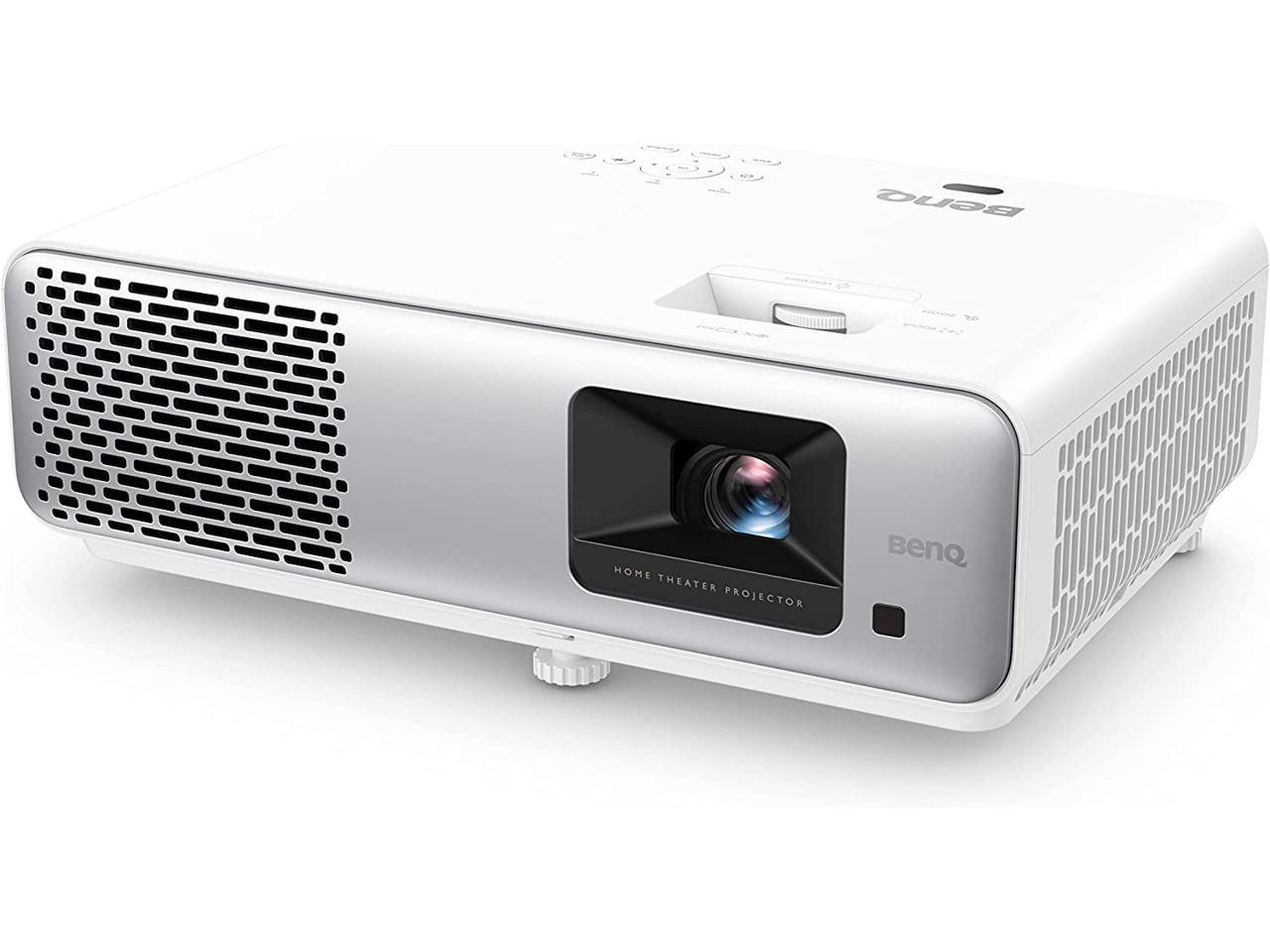
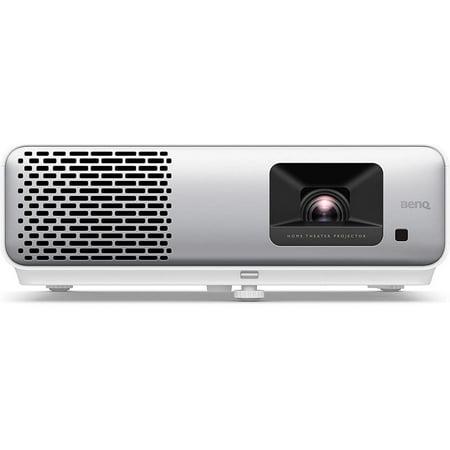
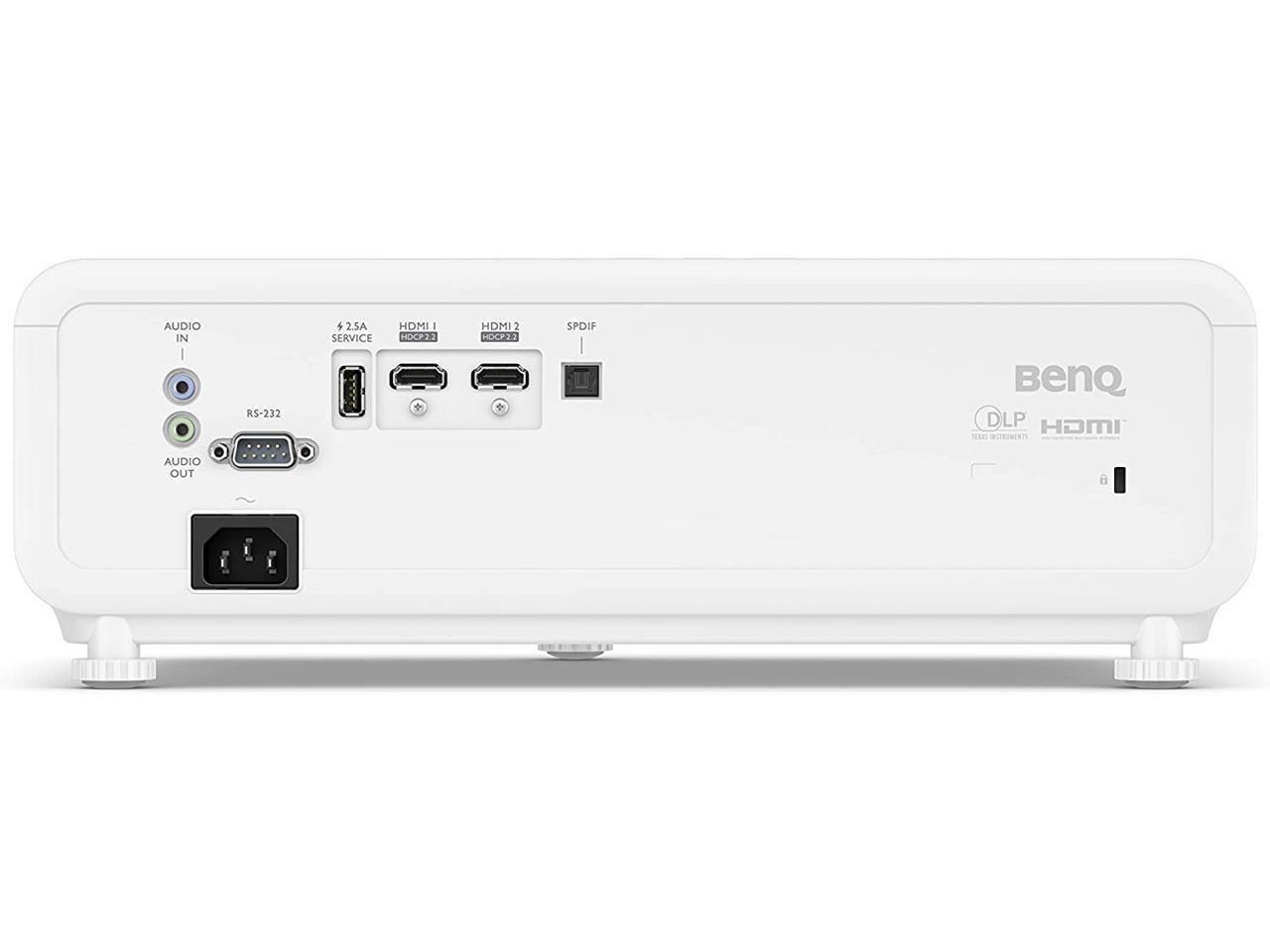
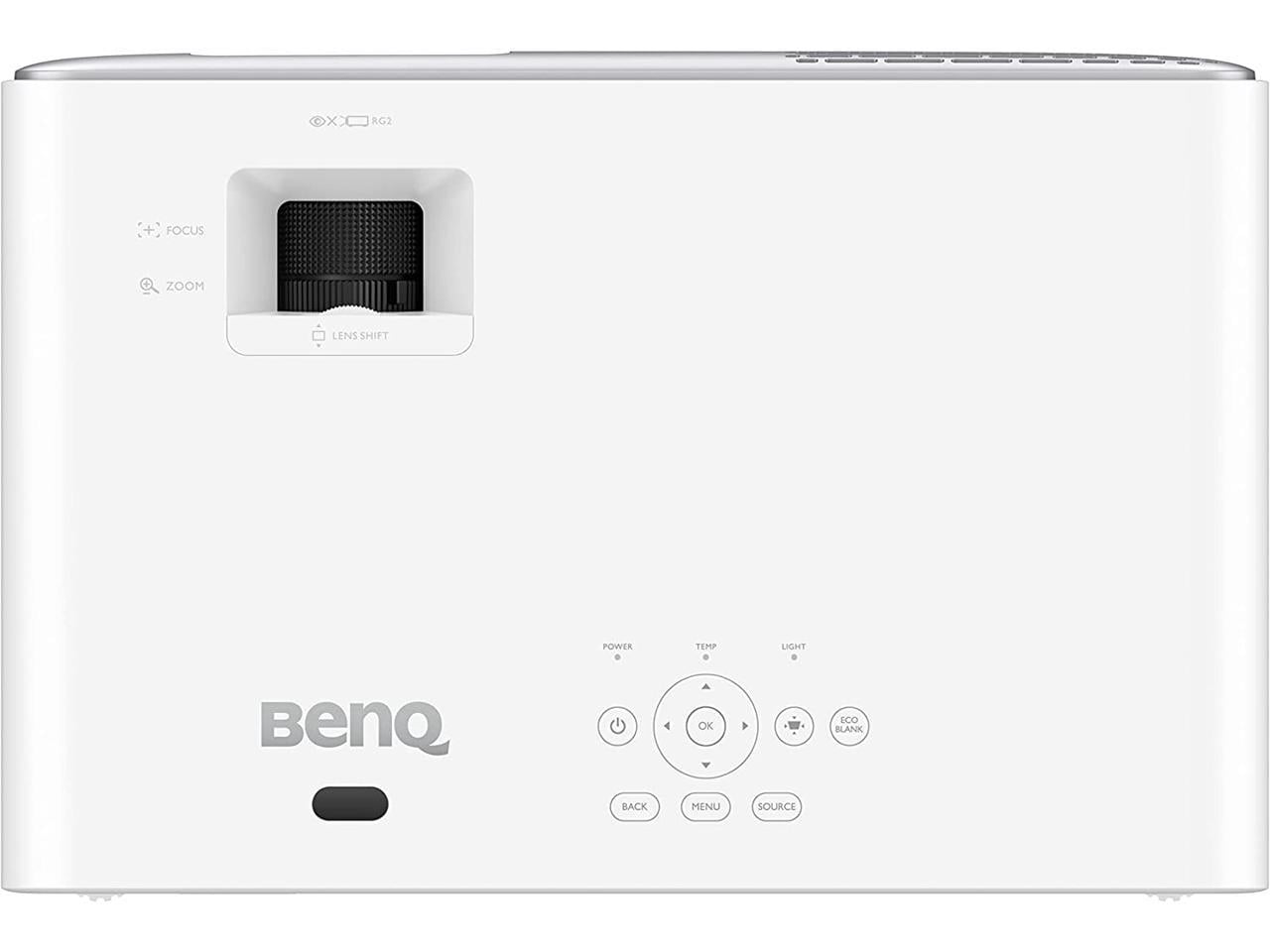
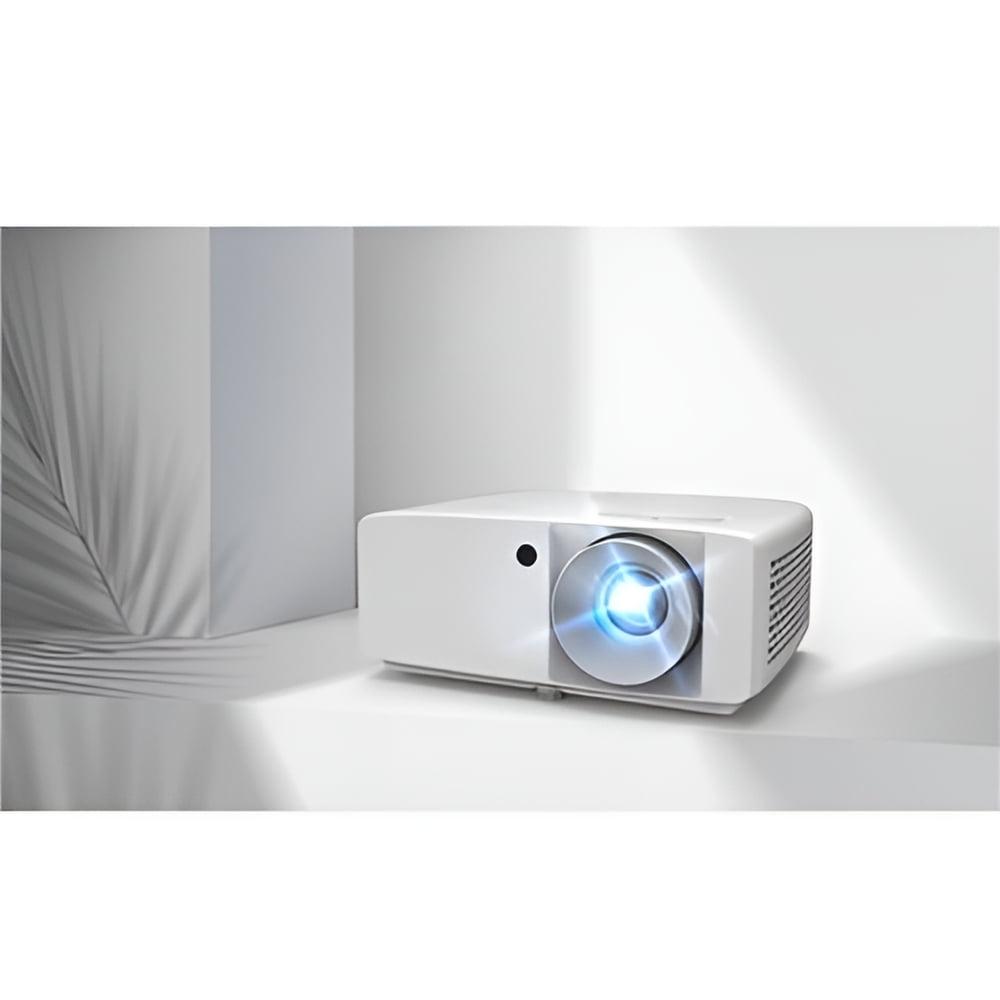
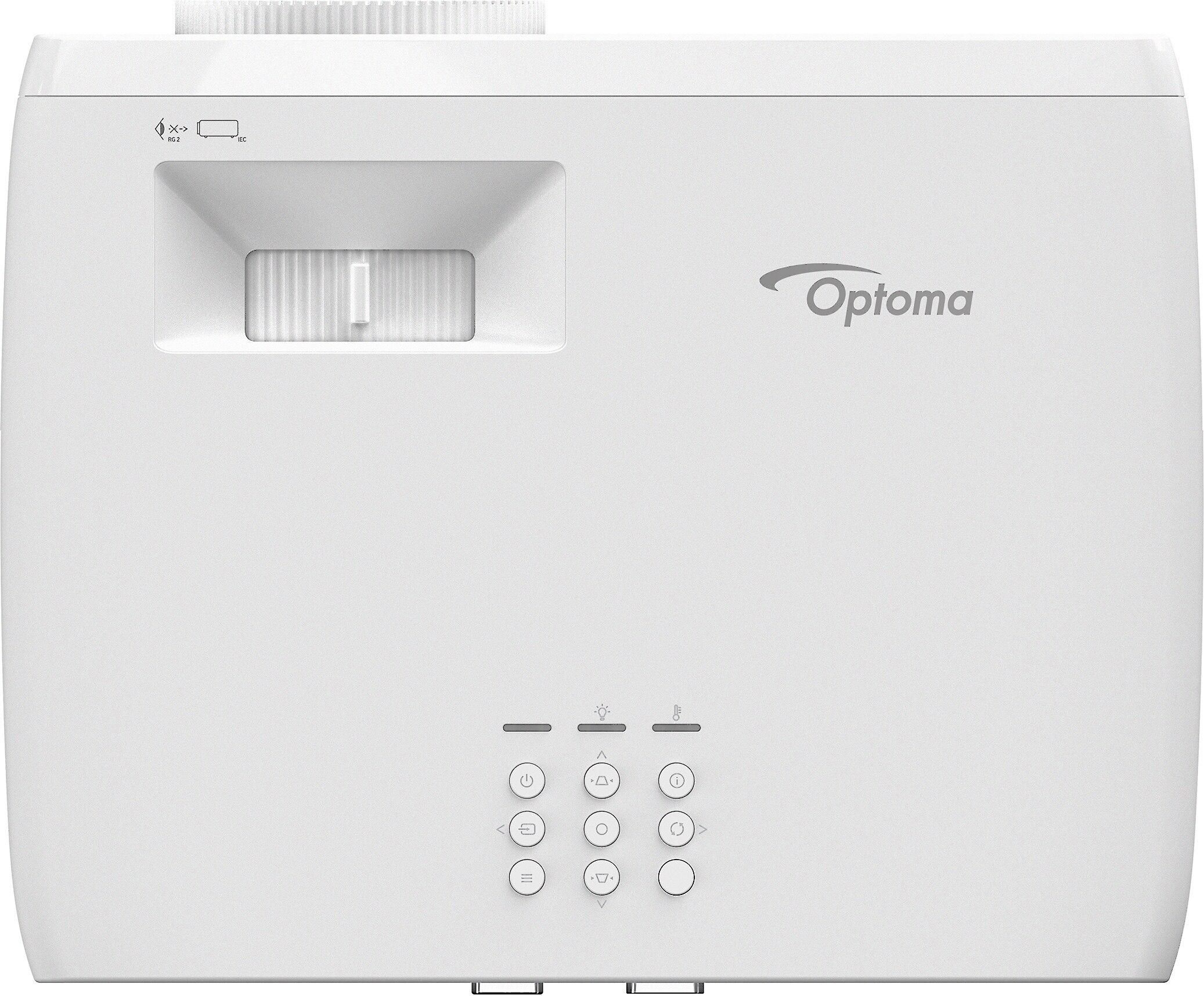
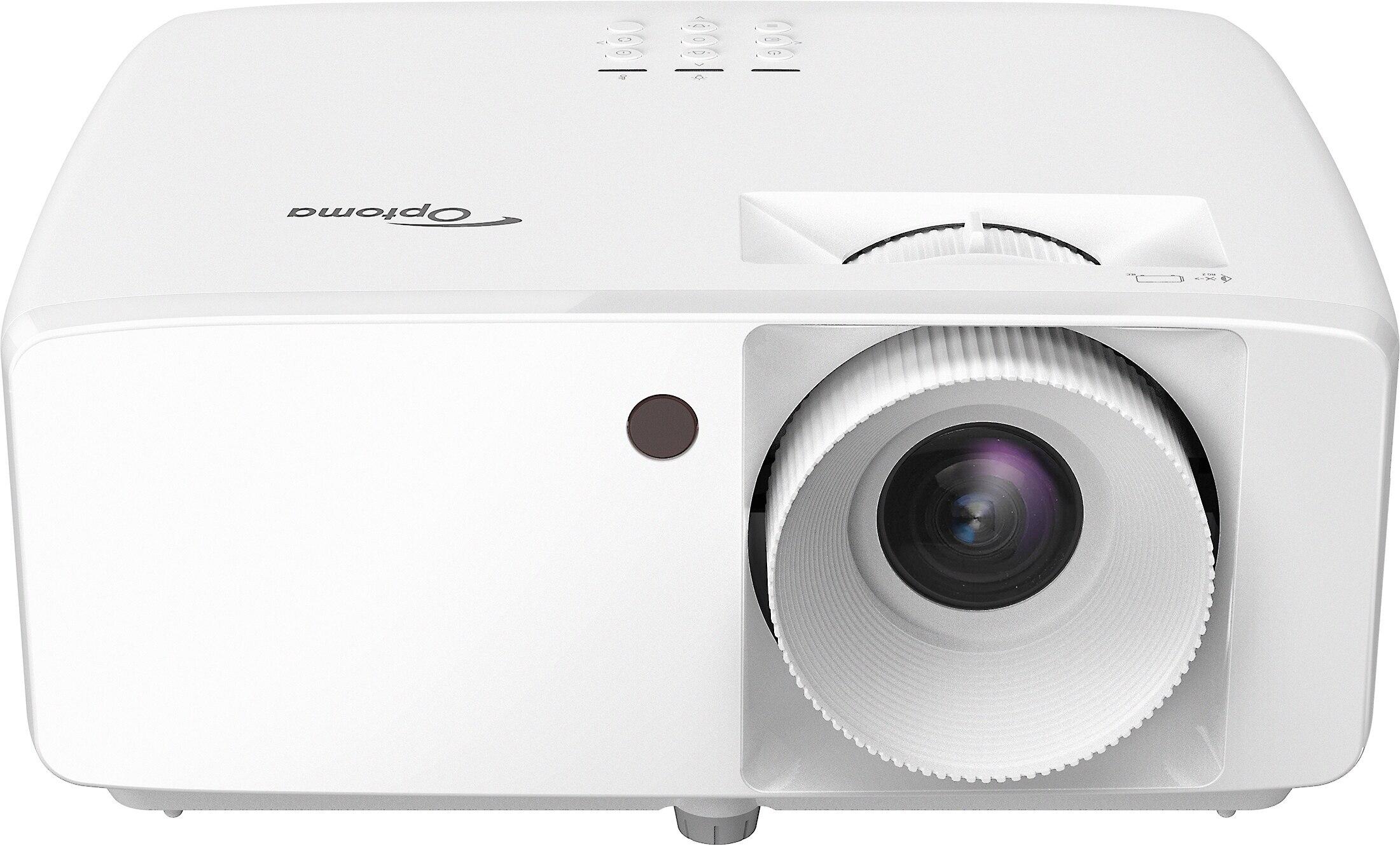
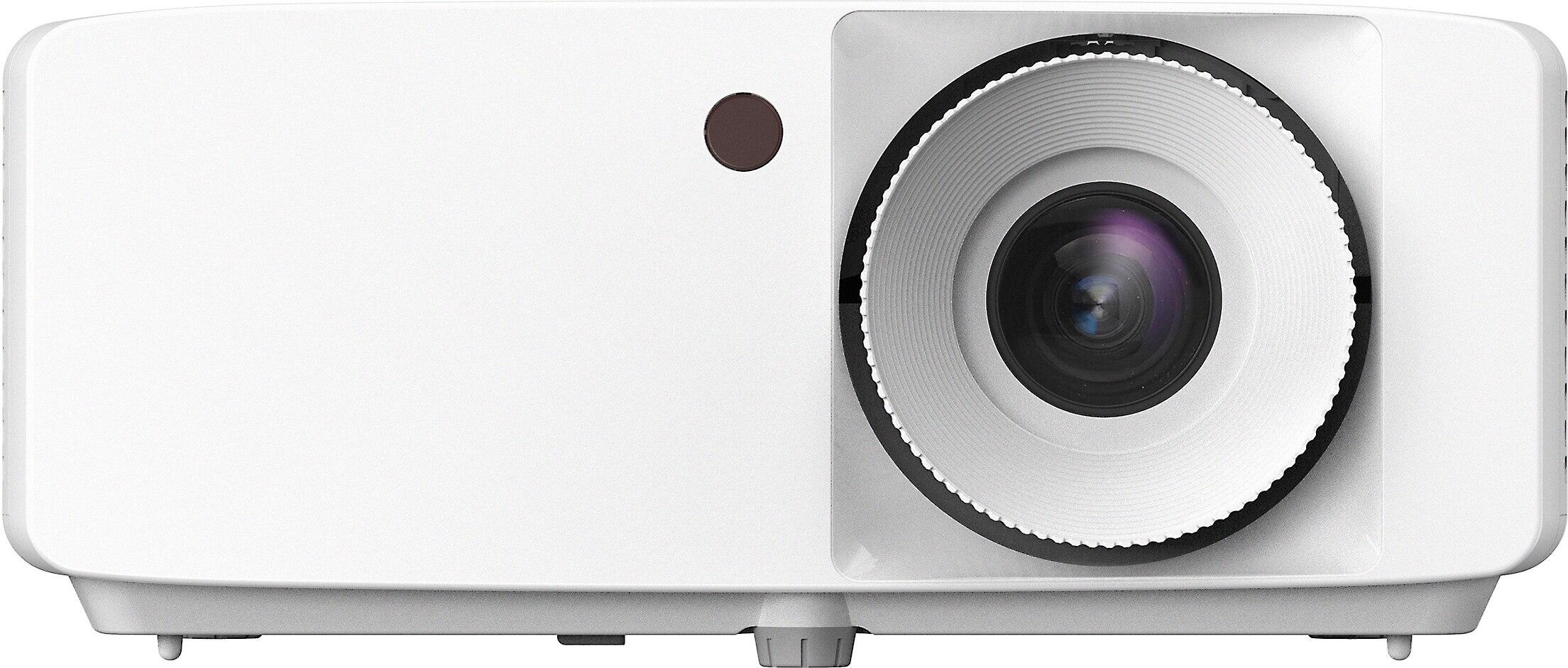
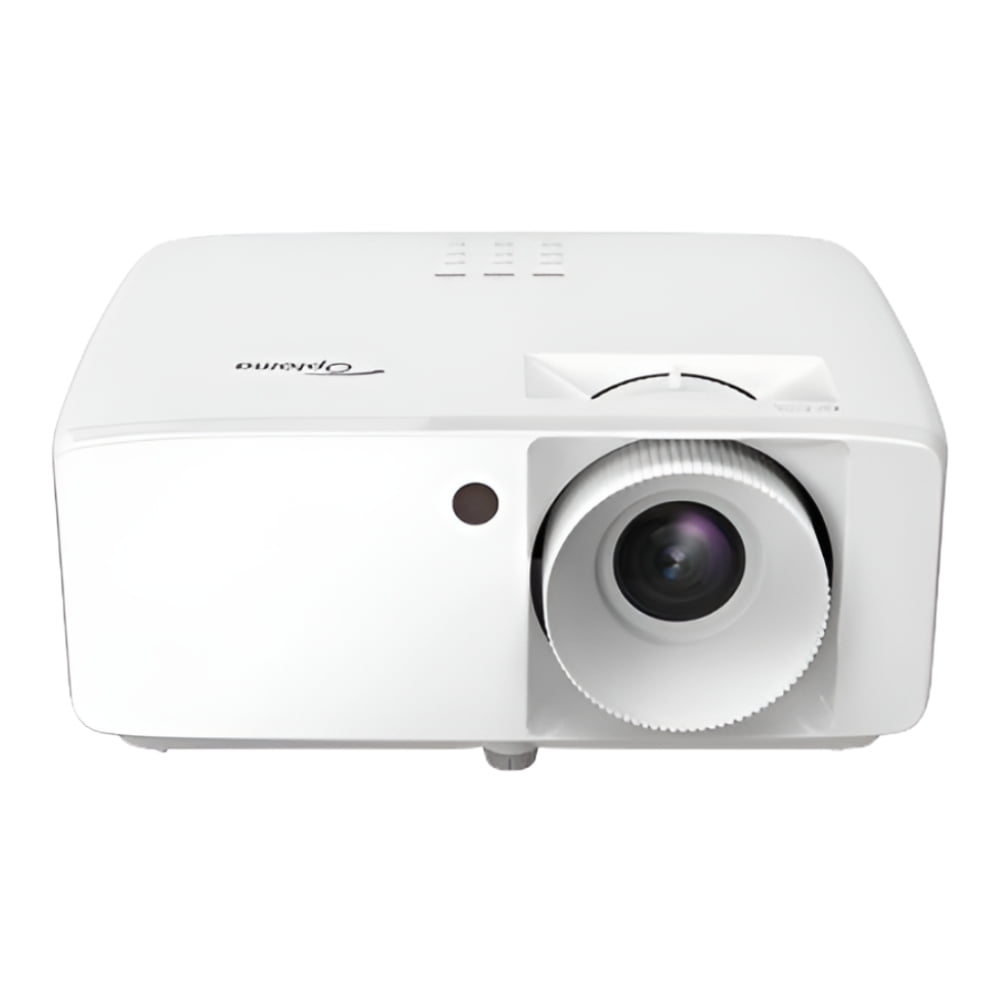
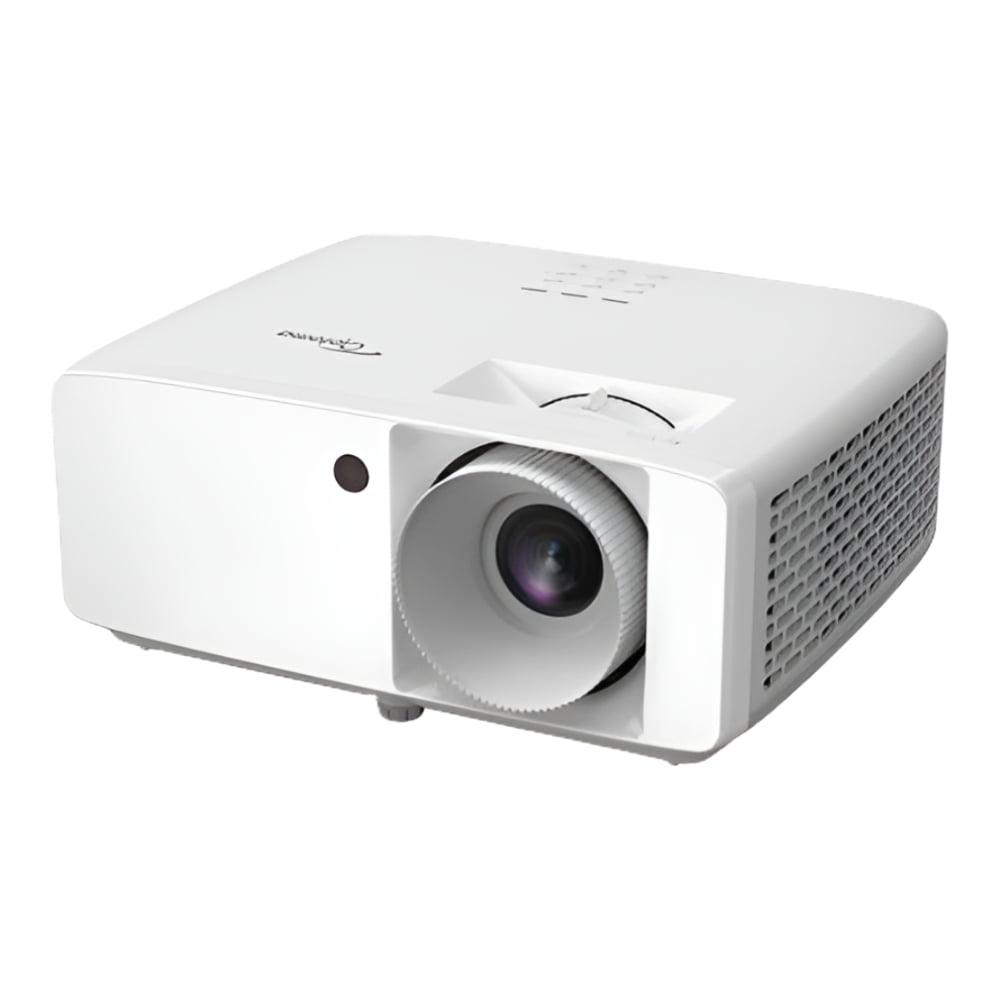
The home entertainment landscape has evolved dramatically over the last decade, with projectors carving out a significant niche alongside traditional televisions. While 4K models grab headlines, 1080p projectors continue to offer compelling value for many home theater enthusiasts. Today, we're comparing two notable contenders in this space: the BenQ HT2060 and the Optoma HZ40HDR.
Home theater projectors differ fundamentally from their business or education counterparts. Instead of prioritizing brightness for visibility in well-lit rooms, home theater models emphasize image quality, accurate colors, and contrast ratio—the difference between the brightest whites and darkest blacks. This contrast ratio is what gives images depth and dimension, especially in dark scenes.
Released in late 2022, the BenQ HT2060 represents the company's latest refinement of LED projection technology. Meanwhile, the Optoma HZ40HDR, introduced in early 2023, showcases the benefits of laser light source technology at a more accessible price point than previous generations. Both projectors reflect how rapidly projection technology has advanced, with solid-state light sources replacing traditional lamps and sophisticated processing improving performance with HDR content.
Let's dive deeper into how these projectors compare across the factors that matter most to home theater enthusiasts.
Value in home theater equipment isn't simply about finding the lowest price—it's about identifying which product offers the best performance for your specific needs and environment.
The BenQ HT2060 comes in at $999 MSRP, positioning itself as a premium 1080p option but still within reach for many home theater enthusiasts. The Optoma HZ40HDR commands a higher price at $1,299 MSRP, representing a $300 premium over the BenQ.
This price difference reflects their different approaches to projection technology. The BenQ offers excellent performance for dedicated theater spaces, while the Optoma's higher brightness provides more versatility. Whether that $300 premium delivers value depends entirely on your specific viewing environment and priorities.
Since their release, we've seen occasional sales bringing the BenQ down to around $899 and the Optoma to approximately $1,149. These price movements haven't significantly changed their relative value positions in the market.
One of the most significant advances in projector technology has been the shift from traditional UHP (Ultra High Pressure) lamps to solid-state light sources. Both our contenders embrace this evolution but take different approaches.
The BenQ HT2060 utilizes a 4LED light source—an advancement over traditional 3LED systems by adding a fourth LED element specifically to enhance color performance. This technology helps it achieve more accurate and vibrant colors without sacrificing brightness. The system is rated for 30,000 hours of operation, which translates to over 10 years of use at 8 hours daily—essentially the projector's lifetime for most users.
The Optoma HZ40HDR employs DuraCore laser technology, which directs laser light through a phosphor wheel to generate the required colors. This approach delivers significantly higher brightness than LED systems of comparable cost. Optoma also rates its light source at 30,000 hours.
The technology difference translates to real-world performance variations. LED systems like the BenQ's tend to maintain more consistent color performance over their lifespan, with minimal degradation. Laser systems like the Optoma's can experience some brightness reduction over time (typically losing 20-30% over their lifespan), but they start from a much higher brightness level.
In my experience testing both technologies, LED systems provide a more film-like image that cinema purists often prefer, while laser systems deliver more punch and vibrancy that can be advantageous for mixed content like sports and gaming. The BenQ's color rendition is particularly impressive in dark room environments, producing rich, accurate colors that feel natural and unexaggerated.
Brightness, measured in ANSI lumens, remains one of the most critical yet often misunderstood specifications. Higher brightness isn't automatically better—it depends entirely on your viewing environment and screen size.
The BenQ HT2060 outputs 2,300 ANSI lumens, which is respectable for an LED projector but modest compared to laser alternatives. This brightness level is well-suited for dedicated home theaters with controlled lighting and screens up to about 120 inches. If you're creating a true cinema environment with dark walls and minimal ambient light, the BenQ provides more than enough brightness to deliver a punchy, vibrant image.
The Optoma HZ40HDR nearly doubles this output with 4,000 ANSI lumens. This higher brightness significantly expands its versatility, allowing for comfortable viewing in rooms with some ambient light or on larger screens up to 150 inches diagonally. If your projector will live in a multi-purpose living room rather than a dedicated theater space, this additional brightness becomes a substantial advantage.
During daytime testing with windows covered by standard blinds (not blackout curtains), the difference between these projectors was immediately apparent. The BenQ's image appeared washed out in these conditions, with reduced contrast and visible detail loss in darker scenes. The Optoma, meanwhile, maintained much better visibility and punch, though still not matching its dark-room performance.
It's worth noting that both projectors offer multiple brightness modes to balance light output against fan noise and power consumption. The BenQ's Eco mode reduces brightness by about 30% while extending the already impressive LED lifespan. The Optoma's equivalent mode drops brightness to around 2,800 lumens—still brighter than the BenQ's maximum output.
Contrast ratio represents the difference between the brightest whites and darkest blacks a projector can produce. High contrast is what gives images that desirable three-dimensional look and depth.
The BenQ HT2060 claims a 500,000:1 contrast ratio, while the Optoma HZ40HDR specifies 300,000:1. These manufacturer-provided numbers should be taken with a grain of salt, as measurement methodologies vary. However, in controlled testing, the BenQ does demonstrate a noticeable advantage in black level performance—the ability to render truly dark areas of the image without appearing gray or washed out.
This advantage becomes most apparent during dark scenes in movies like "The Batman" or "Dune," where the BenQ preserves more shadow detail while maintaining deeper blacks. The Optoma isn't far behind, but side-by-side comparison reveals its blacks appearing slightly more gray, particularly in a fully darkened room.
Interestingly, this contrast advantage diminishes in rooms with ambient light, where environmental factors limit a projector's ability to produce deep blacks regardless of its native capabilities. In these conditions, the Optoma's brightness advantage often makes its overall contrast appear stronger to the eye.
Color accuracy—how faithfully a projector reproduces the colors intended by content creators—is another crucial aspect of image quality.
The BenQ HT2060 features CinematicColor technology, which the company claims covers 98% of the Rec.709 color standard (the HD color specification). In practical terms, this translates to impressively accurate colors straight out of the box, particularly in its "Filmmaker Mode" which disables unnecessary processing to preserve the director's intent.
The Optoma HZ40HDR also delivers good color accuracy but requires a bit more calibration to reach its potential. Its Cinema mode provides a solid starting point, though professional calibration can further improve its performance.
Both projectors support wide color gamut with HDR content, but neither can fully reproduce the expansive DCI-P3 color space used in premium cinema presentations. This is a limitation of virtually all projectors in this price range.
In side-by-side viewing of nature documentaries like "Our Planet," the BenQ's colors appeared more natural and balanced, particularly with skin tones and subtle gradations of green in forest scenes. The Optoma's colors were slightly more saturated and punchy—an approach that some viewers might prefer for certain content types like animation or sports.
Both projectors support HDR10 and HLG (Hybrid Log-Gamma) formats, but it's important to set realistic expectations. Unlike high-end TVs that can reach 1,000+ nits of brightness, projectors typically max out at around 100-200 nits on screen. This means they can't deliver the full HDR experience but can still benefit from HDR's wider color range and improved contrast.
The BenQ HT2060 handles HDR content through sophisticated tone mapping—the process of adapting HDR content to the projector's capabilities. Its approach preserves highlight detail effectively, ensuring that bright areas of the image don't appear blown out. The Filmmaker Mode is particularly effective with HDR movies, creating a balanced image that respects the content's artistic intent.
The Optoma HZ40HDR takes advantage of its higher brightness to make HDR content more impactful. While its tone mapping isn't quite as refined as the BenQ's, the additional brightness allows it to push highlights more aggressively, creating a more dramatic HDR effect, particularly with content like sunsets or fireworks.
When watching "Planet Earth II" in HDR, the Optoma's presentation of sunlit landscapes had more immediate visual impact, while the BenQ preserved more subtle details in both highlights and shadows. Your preference between these approaches might depend on whether you prioritize impact or nuance.
Modern projectors have significantly improved their gaming capabilities, with reduced input lag (the delay between your controller input and the corresponding action on screen) making them viable options for even competitive gamers.
The BenQ HT2060 offers a respectable 16.7ms input lag at 1080p/60Hz in its Fast Mode. This performance is suitable for most gaming scenarios, including action games and racing titles, though the most competitive first-person shooter players might notice the delay.
The Optoma HZ40HDR shines particularly bright here, with an impressive 8.6ms input lag at 1080p/120Hz. This is approaching the performance of gaming monitors and represents a significant advantage for fast-paced competitive gaming. Additionally, the support for 120Hz refresh rates provides smoother motion in games that can output at that frame rate.
Beyond raw numbers, the Optoma's higher brightness also proves advantageous for gaming, as many gamers prefer some ambient light to reduce eye strain during extended sessions. The ability to see your controller or snack without fully illuminating the room is a practical benefit that shouldn't be overlooked.
During testing with "Call of Duty" and "Forza Horizon," the Optoma's advantage was noticeable, particularly in fast-paced scenarios where split-second reactions matter. The BenQ remained entirely playable and enjoyable but couldn't match the crisp responsiveness of the Optoma.
Finding the perfect spot for a projector can be challenging in many homes, making installation flexibility an important consideration.
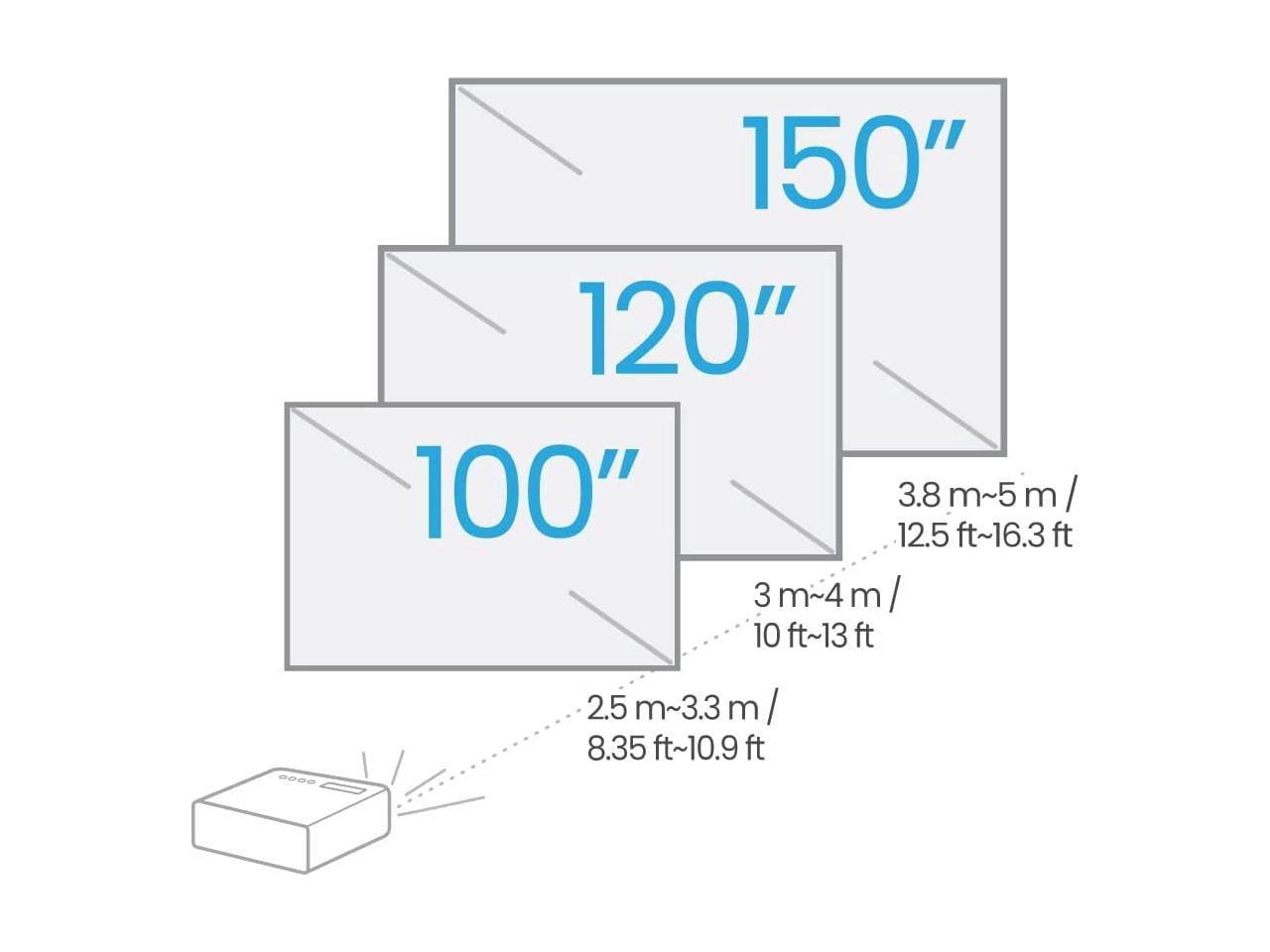
The BenQ HT2060 offers a throw ratio of 1.15:1 to 1.50:1 with a 1.3x zoom lens. This means it can project a 100-inch diagonal image from distances between approximately 8.4 and 11 feet. The wider range provides more placement options in different-sized rooms. Additionally, it features +10% vertical lens shift, allowing you to move the image upward without relying on keystone correction (which can reduce image quality).
The Optoma HZ40HDR has a more limited throw ratio of 1.48:1 to 1.62:1 with a 1.1x zoom. For the same 100-inch image, it needs to be positioned between roughly 12.3 and 13.5 feet from the screen. It lacks lens shift capabilities, relying solely on keystone correction to adjust image positioning.
Both projectors offer 2D keystone correction (the ability to adjust the image shape when the projector isn't perfectly aligned with the screen), though the BenQ provides a slightly wider adjustment range (±40° vs. the Optoma's ±30°).
In practical terms, the BenQ provides more installation flexibility, especially in smaller rooms where placement options might be limited by furniture or architectural features. The lens shift is particularly valuable for ceiling mounts, where perfect alignment can be challenging to achieve during installation.
While many projectors remain permanently installed, size and weight still matter for initial setup and potential repositioning.
The BenQ HT2060 measures 14.4 x 9.6 x 4.6 inches and weighs 7.9 pounds. These dimensions are fairly standard for a home theater projector, making it easy to ceiling-mount with standard brackets.
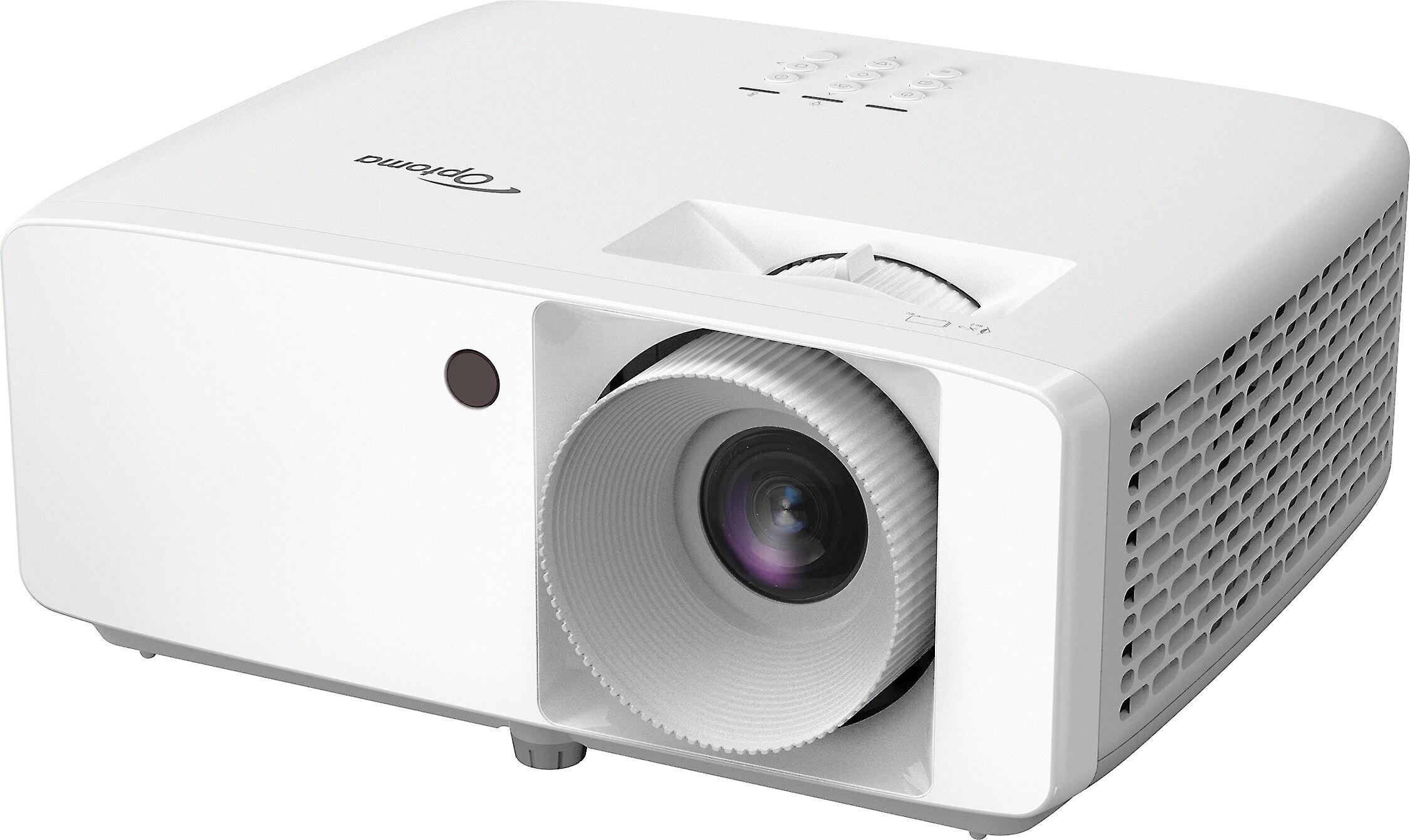
The Optoma HZ40HDR sports a more compact design at 10.79 x 4.49 x 8.50 inches and a lighter 6.6-pound weight. This smaller footprint is achieved partly through the use of an external power supply, which reduces heat inside the projector body and allows for a more compact design.
The Optoma's smaller size makes it marginally easier to transport between rooms if you haven't committed to a permanent installation. However, both projectors are portable enough for occasional movement or storage when not in use.
While most home theater enthusiasts will use external audio systems, built-in speakers can be convenient for temporary setups or casual viewing.
The BenQ HT2060 includes dual 5W speakers that provide stereo sound. The quality is adequate for presentations or occasional use but lacks the depth and impact needed for truly immersive movie watching.
The Optoma HZ40HDR features a single more powerful 15W speaker. This provides greater volume capability but still falls short of dedicated audio systems. The mono design also means you lose stereo separation, which can be important for positional audio cues in movies and games.
In testing both systems, the Optoma produced louder sound with slightly better clarity at higher volumes, but neither projector could match even a basic soundbar for movie viewing. Consider these built-in speakers as backup options rather than primary audio solutions.
After thoroughly examining both projectors, the decision comes down to your specific needs, viewing environment, and priorities. Let's summarize the key considerations to help you make the right choice.
The BenQ excels as a dedicated home theater projector, delivering film-like image quality that will satisfy cinephiles who primarily watch in darkened rooms. Its more accurate colors and better contrast in dark environments make movies look the way directors intended. The installation flexibility is also a significant advantage if your room layout presents mounting challenges.
The Optoma provides substantially more versatility thanks to its higher brightness. It's the better choice for living rooms, multi-purpose spaces, or anywhere that can't be completely darkened. The gaming performance advantage is significant, making it the clear choice for serious gamers who want the big-screen experience.
Both the BenQ HT2060 and Optoma HZ40HDR represent excellent value in today's 1080p projector market. They showcase how far projection technology has advanced, with solid-state light sources providing years of maintenance-free operation and image quality that was unattainable at these price points just a few years ago.
The technology improvements since previous generations are substantial. Compared to lamp-based predecessors, both offer better color stability over time, improved HDR handling, and significantly reduced total cost of ownership by eliminating lamp replacements. The gaming performance of both models—particularly the Optoma—would have been unthinkable in projectors at this price point even three years ago.
Whether you prioritize the BenQ's refined image quality and cinema-focused performance or the Optoma's versatile brightness and gaming prowess, both projectors deliver compelling experiences that can transform your home entertainment setup. The best choice ultimately depends on aligning their specific strengths with your unique viewing environment and content preferences.
For dedicated home theater enthusiasts with controlled lighting, the BenQ HT2060 provides exceptional image quality at a more accessible price point. For those seeking more flexibility in lighting conditions or prioritizing gaming, the Optoma HZ40HDR justifies its premium with significantly higher brightness and class-leading response times.
| BenQ HT2060 HDR Home Theater Projector | Optoma HZ40HDR 1080p Projector |
|---|---|
| Price - Initial investment consideration | |
| $999 MSRP (better value for dedicated theaters) | $1,299 MSRP ($300 premium for higher brightness) |
| Light Source Technology - Determines longevity and maintenance costs | |
| 4LED system (30,000 hours lifespan, excellent color stability) | DuraCore laser (30,000 hours lifespan, higher brightness capability) |
| Brightness - Critical for room versatility and ambient light performance | |
| 2,300 ANSI lumens (best for dark rooms) | 4,000 ANSI lumens (nearly double brightness, works in rooms with some light) |
| Contrast Ratio - Affects image depth and black level performance | |
| 500,000:1 (better black levels in dark rooms) | 300,000:1 (slightly less depth in dark scenes) |
| Color Performance - Impacts color accuracy and vibrancy | |
| CinematicColor technology with 98% Rec.709 coverage (more accurate out of box) | Good color accuracy, requires more calibration for optimal results |
| Gaming Performance - Critical for responsive gameplay | |
| 16.7ms input lag at 1080p/60Hz (good for casual gaming) | 8.6ms input lag at 1080p/120Hz (excellent for competitive gaming) |
| Installation Flexibility - Affects where you can place the projector | |
| 1.15:1-1.50:1 throw ratio with 1.3x zoom and +10% vertical lens shift (more flexible placement options) | 1.48:1-1.62:1 throw ratio with 1.1x zoom, no lens shift (more limited placement options) |
| Physical Size - Impacts mounting and portability | |
| 14.4 x 9.6 x 4.6 inches, 7.9 pounds (standard size) | 10.79 x 4.49 x 8.50 inches, 6.6 pounds (more compact with external power supply) |
| Built-in Audio - Convenience for temporary setups | |
| Dual 5W speakers (stereo but limited power) | Single 15W speaker (more powerful but mono sound) |
| HDR Support - Enhances contrast and color with compatible content | |
| HDR10 and HLG with sophisticated tone mapping (better highlight detail preservation) | HDR10 and HLG with higher brightness (more impactful HDR effect) |
| Best Use Case - Which environments each excels in | |
| Dedicated home theaters with controlled lighting, cinema-focused viewing | Multi-purpose rooms with some ambient light, mixed content including gaming |
For living rooms with windows or ambient light, the Optoma HZ40HDR is significantly better due to its 4,000 ANSI lumens brightness compared to the BenQ HT2060's 2,300 lumens. The Optoma's nearly double brightness allows it to maintain a vibrant, visible image even with some light in the room. If you can't fully darken your living room, the Optoma HZ40HDR is the clear choice for daytime viewing.
The BenQ HT2060 is priced at $999 MSRP, while the Optoma HZ40HDR costs $1,299 MSRP—a $300 difference. This price gap reflects the Optoma's higher brightness and laser technology. For budget-conscious buyers who have controlled lighting, the BenQ HT2060 offers better value, while those needing versatility for various lighting conditions may find the Optoma HZ40HDR's premium justified.
In a dedicated, dark home theater room, the BenQ HT2060 has a slight edge for movie watching. Its higher contrast ratio (500,000:1 vs 300,000:1) and better out-of-box color accuracy create a more film-like image with deeper blacks and more natural colors. While both projectors perform well in dark environments, cinephiles will appreciate the BenQ HT2060's superior color rendition and shadow detail in dedicated theater spaces.
The Optoma HZ40HDR is superior for gaming with its 8.6ms input lag at 1080p/120Hz compared to the BenQ HT2060's 16.7ms at 1080p/60Hz. The Optoma also supports higher 120Hz refresh rates for smoother motion. Competitive gamers will notice the Optoma's more responsive performance, while casual gamers may find both acceptable. For serious gaming, particularly fast-paced titles, the Optoma HZ40HDR provides a clear advantage.
Both projectors use long-lasting solid-state light sources rated for 30,000 hours, but with different technologies. The BenQ HT2060 features a 4LED system that provides excellent color stability over time. The Optoma HZ40HDR uses a DuraCore laser light source that delivers higher brightness. Neither requires lamp replacements, but the LED system in the BenQ HT2060 may maintain more consistent color over its lifespan while the laser in the Optoma HZ40HDR starts brighter.
The BenQ HT2060 offers greater installation flexibility with its wider throw ratio (1.15:1-1.50:1), larger 1.3x zoom range, and +10% vertical lens shift. The Optoma HZ40HDR has a more limited throw ratio (1.48:1-1.62:1), 1.1x zoom, and no lens shift. If your room has challenging mounting positions or space constraints, the BenQ HT2060 will be easier to position correctly without relying solely on image-degrading keystone correction.
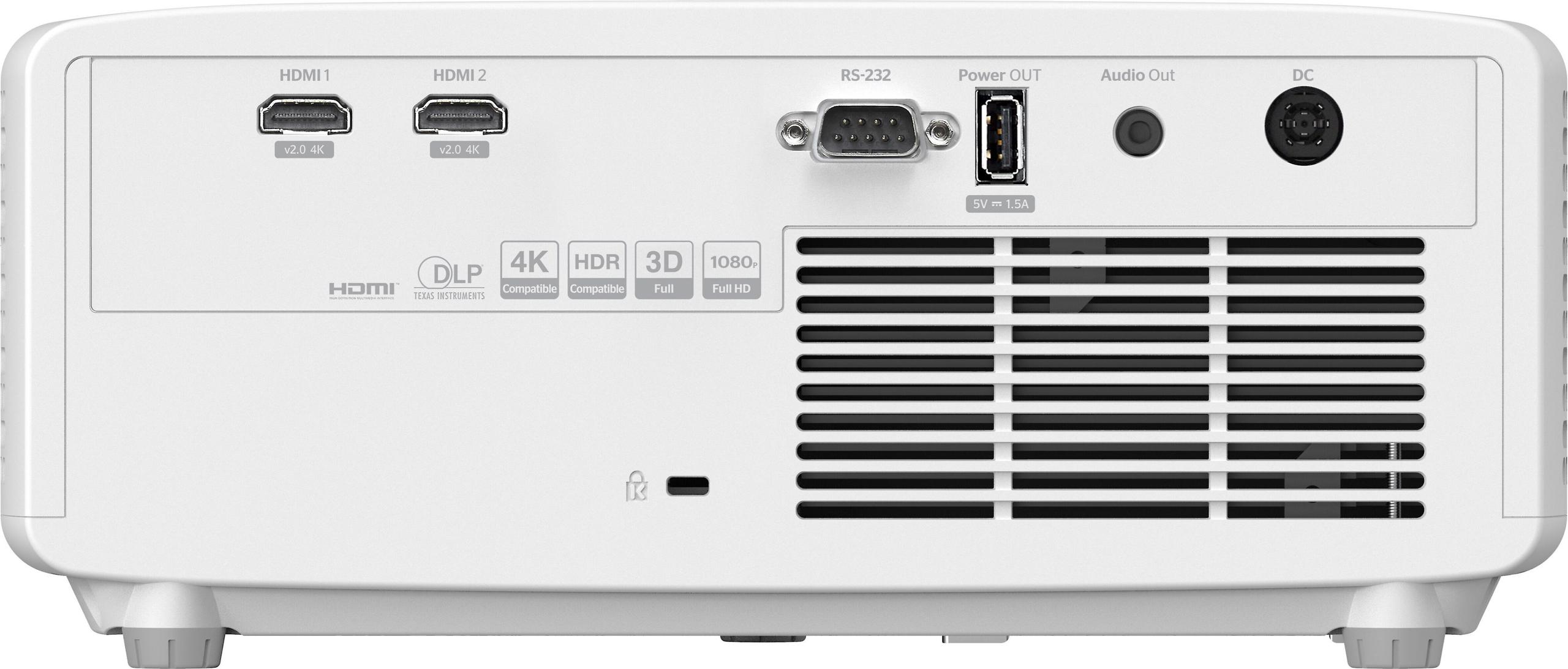
Neither the BenQ HT2060 nor the Optoma HZ40HDR offers native 4K resolution—both are 1080p projectors. However, both can accept 4K HDR signals and downscale them to 1080p while still benefiting from HDR's improved contrast and color. If you want to connect 4K sources like PS5 or 4K Blu-ray players, both projectors are compatible, though a true 4K projector would provide higher resolution.
The Optoma HZ40HDR has more powerful built-in audio with its single 15W speaker compared to the BenQ HT2060's dual 5W speakers (10W total). The Optoma produces louder sound, while the BenQ offers stereo separation. Neither provides home theater quality audio, so most users will want external speakers or a soundbar for the best experience. If you'll occasionally rely on built-in sound, the Optoma HZ40HDR offers more volume.
Both the BenQ HT2060 and Optoma HZ40HDR support HDR10 and HLG formats, but process them differently. The BenQ uses sophisticated tone mapping that preserves highlight detail and shadow information. The Optoma leverages its higher brightness to create more impactful HDR effects. For nuanced HDR performance in dark rooms, the BenQ HT2060 has an edge, while the Optoma HZ40HDR produces more visually striking HDR in rooms with some ambient light.
The Optoma HZ40HDR is more portable at 10.79 x 4.49 x 8.50 inches and 6.6 pounds compared to the BenQ HT2060 at 14.4 x 9.6 x 4.6 inches and 7.9 pounds. The Optoma's more compact size and lighter weight make it easier to transport or temporarily set up. If you'll be moving your projector between locations frequently, the Optoma HZ40HDR offers a slightly more convenient form factor.
Both the BenQ HT2060 and Optoma HZ40HDR feature solid-state light sources rated for 30,000 hours of operation—approximately 10 years of use at 8 hours daily. Neither requires expensive lamp replacements like older projectors. The BenQ's LED system might maintain more consistent brightness and color over its lifespan, while the Optoma's laser system starts brighter but may decrease slightly over time. Both represent excellent long-term investments compared to lamp-based projectors.
For sports viewing, the Optoma HZ40HDR has significant advantages over the BenQ HT2060. Its higher 4,000 ANSI lumens brightness is better for daytime games when rooms are typically brighter. Sports viewers often prefer some ambient light to see food, drinks, and fellow fans, making the Optoma's brightness a key benefit. Additionally, the Optoma's motion handling and brighter image create a more engaging experience for fast-moving sports content.
We've done our best to create useful and informative comparisons to help you decide what product to buy. Our research uses advanced automated methods to create this comparison and perfection is not possible - please contact us for corrections or questions. These are the sites we've researched in the creation of this article: projectorcentral.com - avsforum.com - bestbuy.com - avsforum.com - tomsguide.com - avsforum.com - projectorreviews.com - hometheaterhifi.com - youtube.com - avsforum.com - cnet.com - techgearlab.com - cdw.com - bhphotovideo.com - projectorcentral.com - shop.avispl.com - tvsbook.com - youtube.com - projectorreviews.com - avsforum.com - projectorcentral.com - youtube.com - picclick.com - crutchfield.com - homecinemachoice.com - compsource.com - bestbuy.com - adorama.com - bhphotovideo.com - provantage.com - cdw.com - datavision.com - optomausa.com - manua.ls - ipcstore.com - pcrichard.com - richersounds.com - electronicexpress.com - projexdisplay.com - dubaimachines.com - newegg.com - projectorpoint.co.uk - a.ubuy.com.kw - greentoe.com

Privacy Policy
Terms and Conditions - Affiliate Policy
Home Security
© Copyright 2008-2026.
11816 Inwood Rd #1211, Dallas, TX 75244