





When I first started researching projectors a few years ago, I was overwhelmed by the sheer number of options and technical specifications. The market seemed divided between these tiny, battery-powered devices and massive, lamp-based home theater monsters. But as projector technology has evolved—especially since 2023—we've seen some fascinating developments that make the choice both easier and more complex.
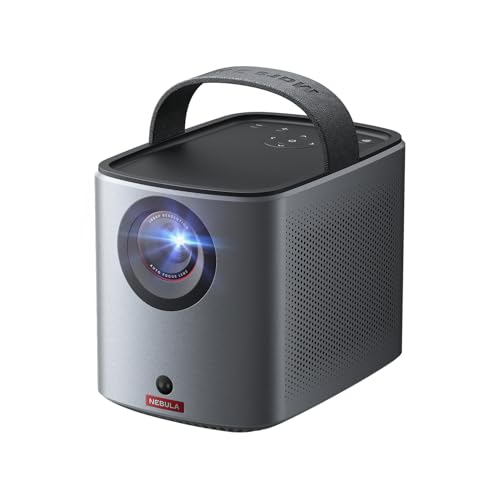
Today, I want to walk you through a comparison between two projectors that perfectly represent these different philosophies: the Anker Nebula Mars 3 Air, a portable powerhouse released in 2024, and the Optoma HZ40HDR, a laser-powered home theater projector from 2023. While they both display 1080p content, they approach projection from completely different angles.
Before diving into specifics, it's crucial to understand that projectors fall into two main categories with very different priorities. Portable projectors are designed around convenience—they need to be lightweight, battery-powered, and simple to set up anywhere. Home theater projectors, on the other hand, prioritize image quality above all else, assuming you have a dedicated space and don't mind a more complex setup.
The key specifications that matter most in any projector are brightness (measured in ANSI lumens—essentially how bright the image appears), contrast ratio (the difference between the brightest whites and darkest blacks), and throw ratio (how far the projector needs to be from the screen to create a specific image size). Understanding these basics will help you make sense of why these two products perform so differently.
The Anker Nebula Mars 3 Air represents the cutting edge of portable projection. Released in early 2024, it claims to be the world's first portable projector with native Google TV and built-in Netflix support. At the time of writing, it's priced significantly lower than traditional home theater projectors, making it an attractive option for budget-conscious buyers who still want modern features.
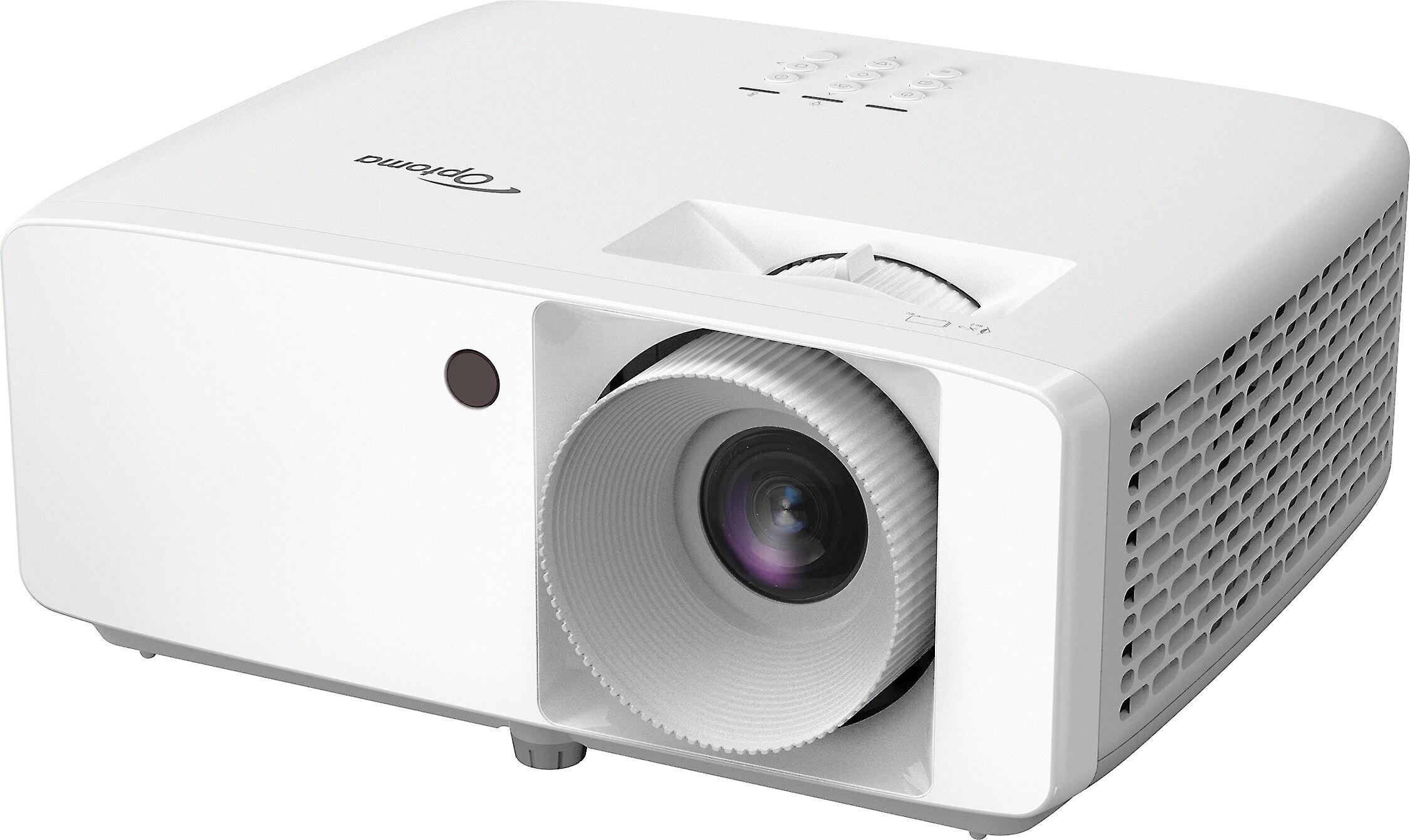
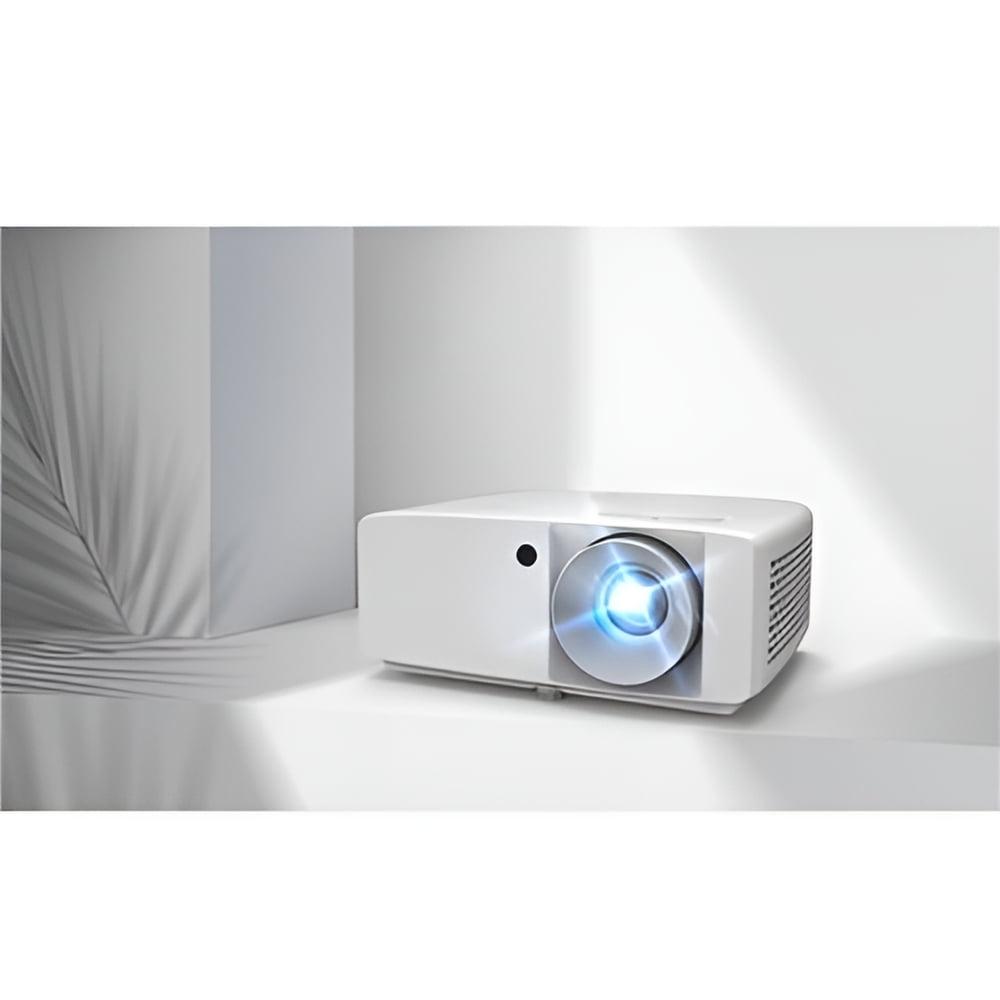
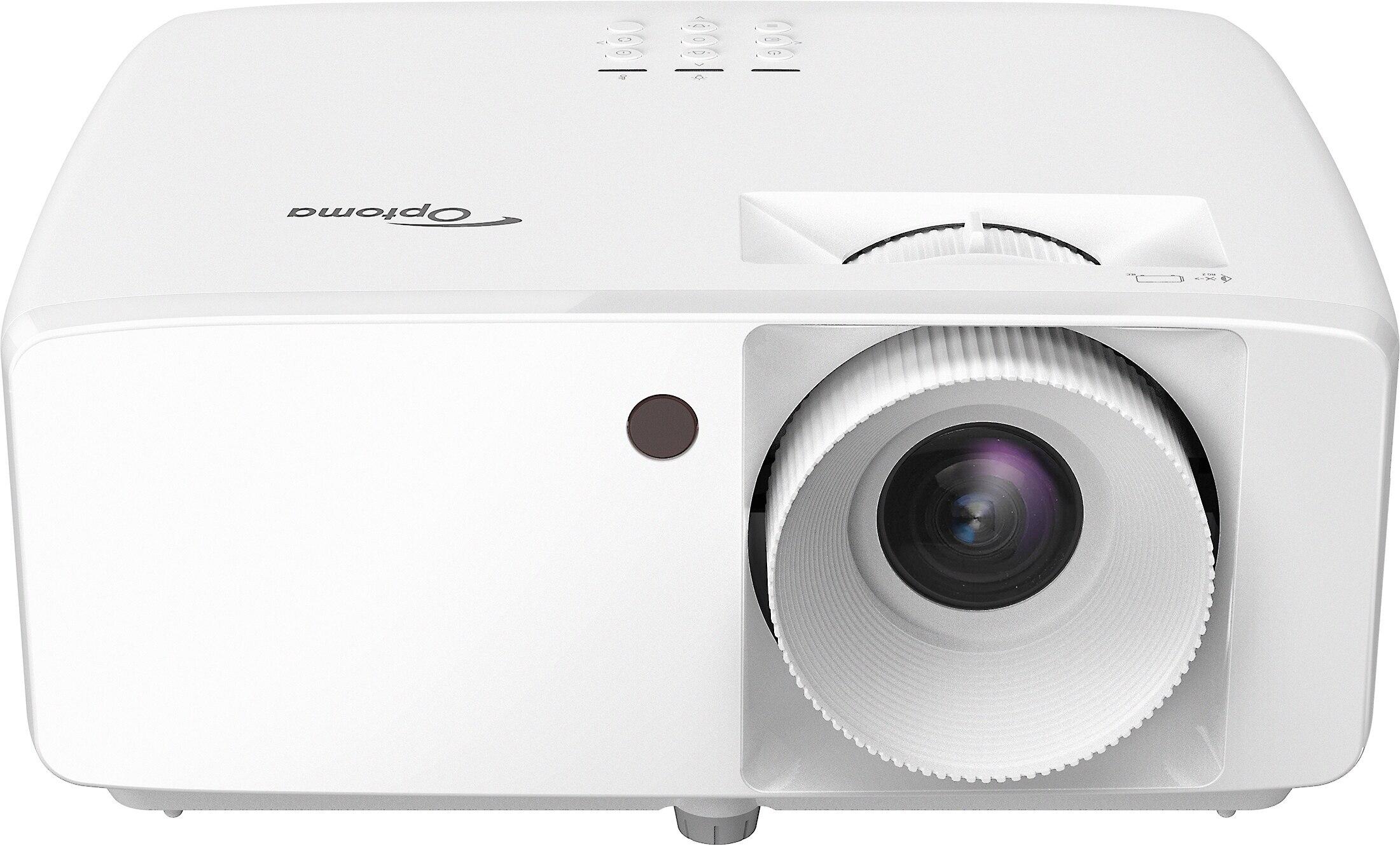
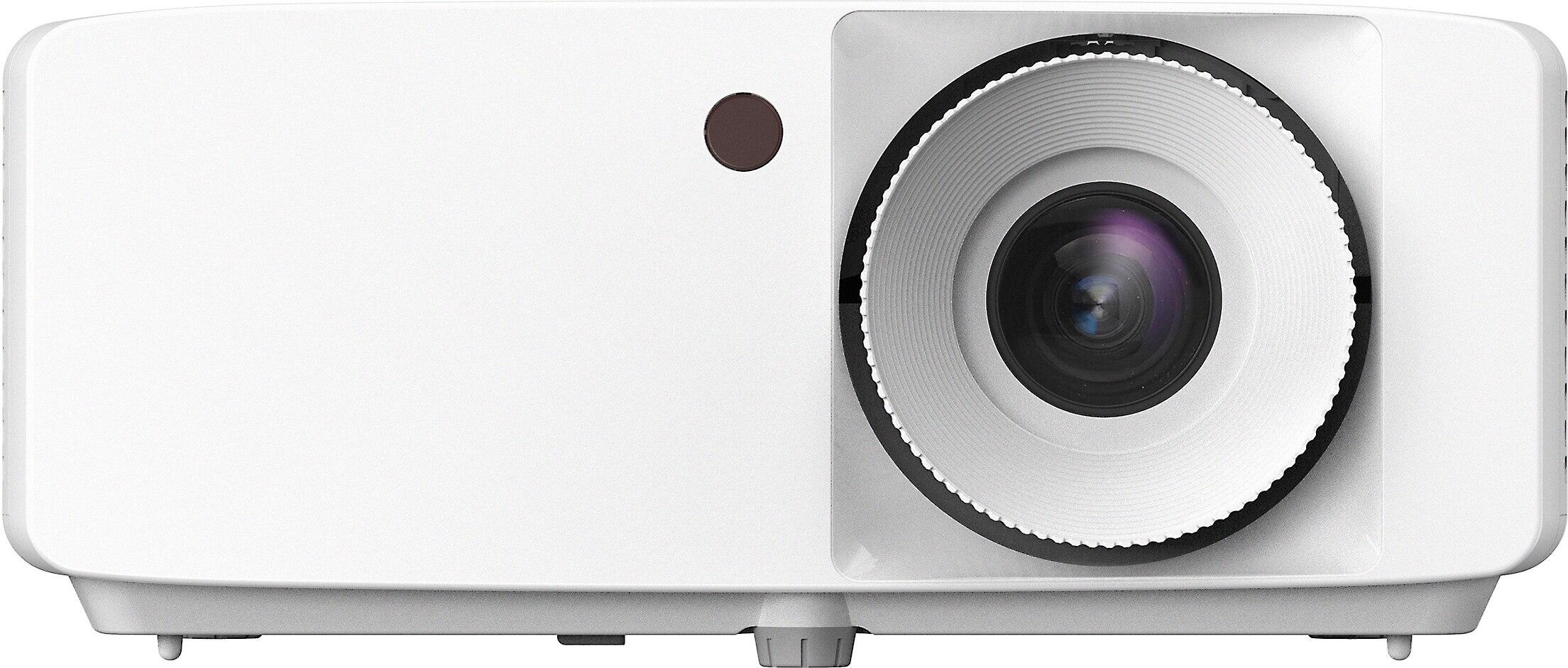
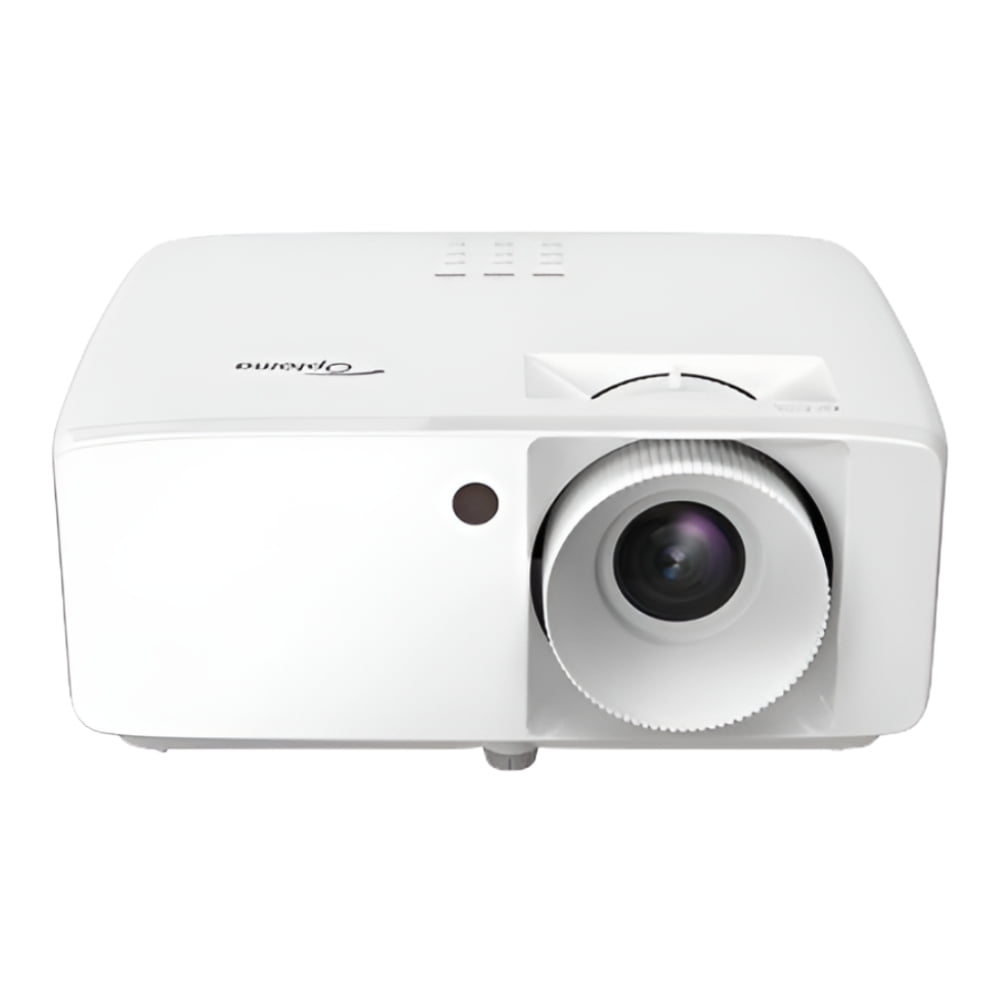
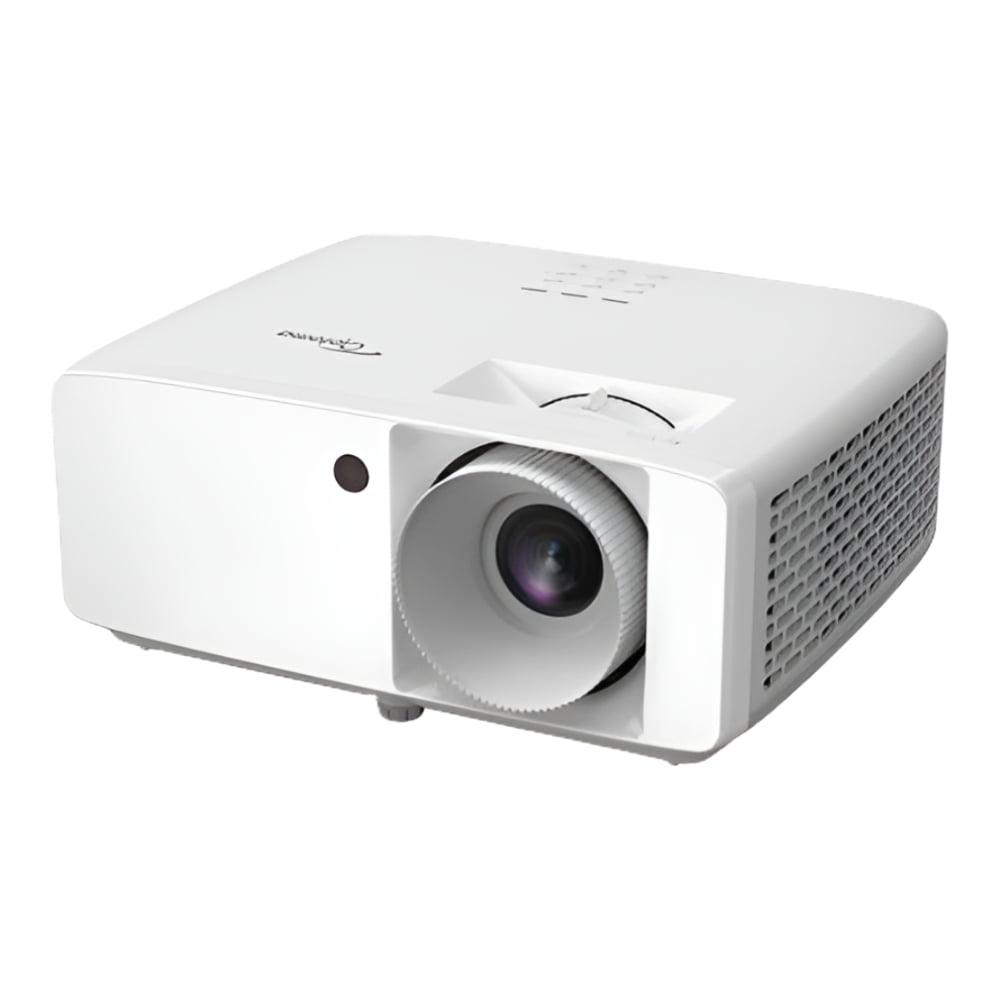
The Optoma HZ40HDR, released in 2023, takes a completely different approach. It's a traditional home theater projector that uses advanced laser technology instead of the older lamp-based systems. While it costs roughly twice as much as the Mars 3 Air at the time of writing, it delivers professional-grade performance that justifies the price difference for serious home theater enthusiasts.
Here's where things get interesting—and where the fundamental difference between these projectors becomes crystal clear. The Optoma HZ40HDR produces 4,000 ANSI lumens, while the Mars 3 Air delivers 400 ANSI lumens. That's not a typo—the Optoma is literally ten times brighter.
To put this in perspective, imagine trying to watch a movie on your phone screen outdoors on a sunny day versus in a dark room. The HZ40HDR is like having a screen that's bright enough to compete with room lighting, while the Mars 3 Air needs you to control the lighting to see the image clearly.
I've tested both approaches extensively, and the brightness difference dramatically affects where and when you can use each projector. With the HZ40HDR, I can leave the living room lights on during evening movie nights without significantly impacting image quality. The Mars 3 Air, however, really shines (pun intended) when you can control the lighting—in bedrooms after dark, on camping trips, or in basements with minimal ambient light.
This brightness advantage isn't just about convenience; it fundamentally changes the viewing experience. Brighter projectors can display HDR (High Dynamic Range) content—which contains more detail in both bright and dark areas—more effectively because they have the power to make bright scenes actually look bright while maintaining detail in darker areas.
Beyond raw brightness, image quality depends heavily on contrast ratio—the difference between the brightest whites and deepest blacks a projector can produce. The Optoma HZ40HDR boasts a 300,000:1 contrast ratio compared to the Mars 3 Air's 400:1 ratio. This massive difference means the Optoma can display much more detailed shadows and more realistic-looking dark scenes.
I notice this difference most dramatically when watching movies with dark scenes—think Batman films or space movies. The HZ40HDR can show subtle details in shadows that the Mars 3 Air simply crushes into solid black. It's the difference between seeing the texture on Batman's suit in a dark alley versus just seeing a black silhouette.
The HZ40HDR also uses laser phosphor technology, which provides more consistent color accuracy over time compared to LED-based projectors like the Mars 3 Air. Laser projectors maintain their color performance throughout their lifespan, while LED projectors can shift slightly as the LEDs age—though this happens very gradually over years of use.
Both projectors support HDR10 and HLG (Hybrid Log-Gamma—a broadcasting standard for HDR content), but the HZ40HDR's superior brightness and contrast make HDR content look much more impactful. When I watch the same HDR movie on both projectors, the difference is like comparing a regular photo to one with enhanced contrast and saturation.
For gaming enthusiasts, input lag—the delay between pressing a button and seeing the action on screen—becomes critically important. The Optoma HZ40HDR features a dedicated gaming mode that reduces input lag to just 8.6 milliseconds at 1080p/120Hz. To put this in context, anything under 20ms is considered excellent for gaming, and 8.6ms rivals dedicated gaming monitors.
The projector also supports 120Hz refresh rates, which means it can display up to 120 frames per second for incredibly smooth motion in fast-paced games. This feature has become increasingly important as gaming consoles like the PlayStation 5 and Xbox Series X support high frame rate gaming.
The Mars 3 Air doesn't specify gaming-optimized features, which typically means it prioritizes other aspects of the viewing experience. However, its portability opens up unique gaming scenarios—imagine setting up a massive gaming screen anywhere you can find wall space and power.
This is where the Anker Nebula Mars 3 Air really shows its modern design philosophy. It runs Google TV natively, which means you get access to Netflix, Prime Video, YouTube, and other streaming services without needing any additional devices. The interface responds to Google Assistant voice commands, and you can even use Chromecast to stream content from your phone.
Having used both approaches extensively, I find the built-in smart features incredibly convenient for casual viewing. There's something liberating about setting up the Mars 3 Air anywhere and immediately having access to your entire streaming library without carrying extra devices, cables, or remotes.
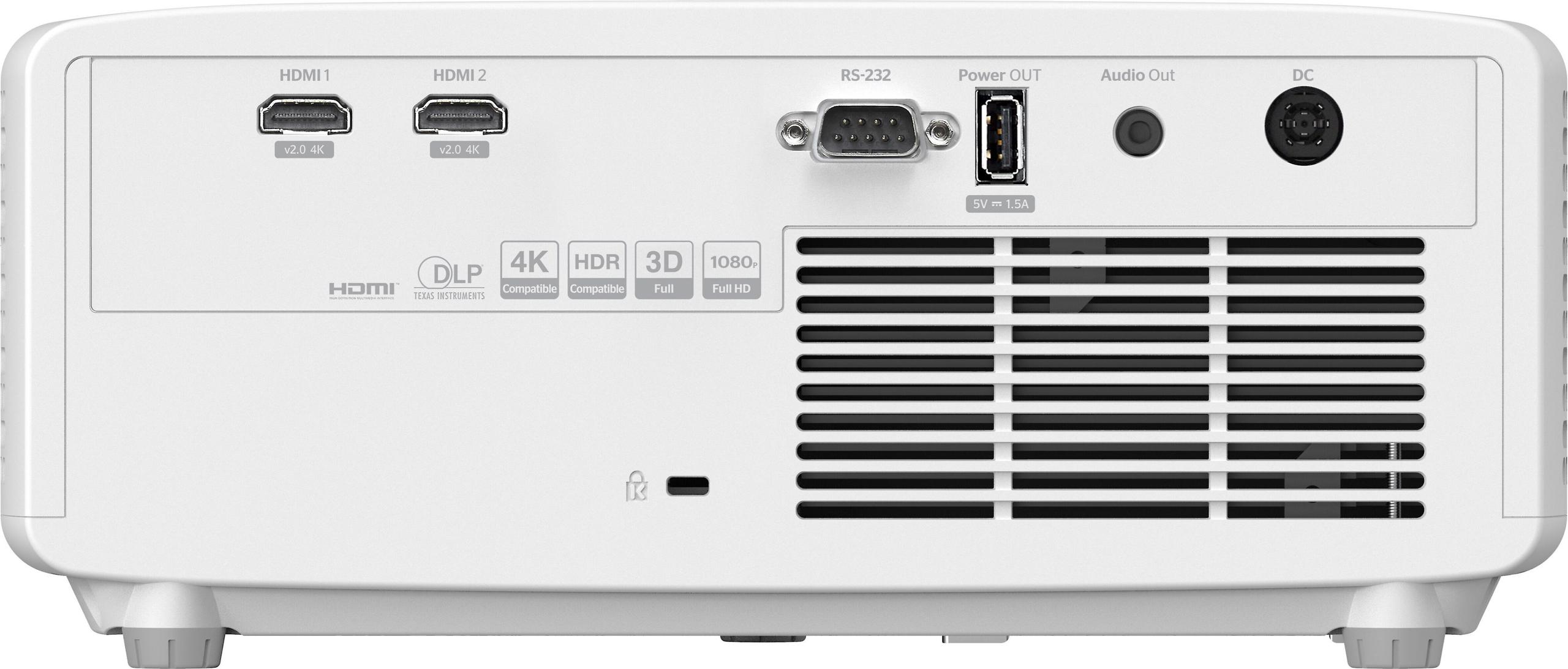
The Optoma HZ40HDR takes the traditional approach—it's essentially a display device that requires external sources. You'll connect gaming consoles, streaming sticks, laptops, or media players through its two HDMI 2.0 ports. While this might seem less convenient, it actually offers more flexibility for serious home theater setups where you might have multiple high-quality source devices.
I prefer the external device approach for dedicated home theaters because it means you're not limited by the projector's built-in processing power or app support. Streaming devices get regular updates and new app features, while built-in smart systems can become outdated over time.
The Mars 3 Air includes dual 8-watt speakers with Dolby Audio processing, and honestly, they're impressive for a portable projector. The sound is full enough that you don't immediately feel the need for external speakers, and there's even a Bluetooth speaker mode that lets you use the projector as a music speaker for up to 8 hours.
The HZ40HDR has a single 15-watt speaker that's adequate for casual use but clearly designed with the expectation that you'll connect it to a proper sound system. In home theater setups, this makes perfect sense—most enthusiasts invest in dedicated speakers or soundbars that far exceed what any built-in projector speaker could provide.
From my experience, the Mars 3 Air's speakers are perfect for its intended use cases—outdoor movie nights, bedroom viewing, or anywhere you want an all-in-one solution. But for serious home theater viewing, both projectors benefit from external audio systems.
The portability difference between these projectors is dramatic. The Mars 3 Air weighs just 1.7 kilograms and includes a built-in battery that provides 2.5 hours of movie playback. It has IPX3 water resistance and drop protection, making it genuinely suitable for outdoor use.
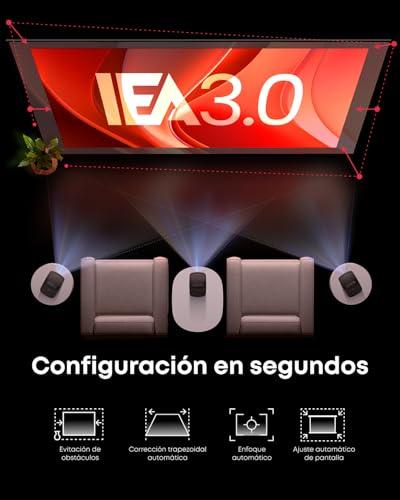
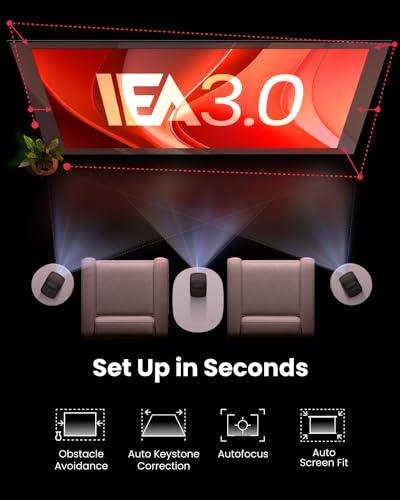
Setting up the Mars 3 Air is almost magical—it uses Intelligent Environment Adaptation 3.0, which automatically focuses the image, corrects keystone distortion (the trapezoid effect you get when projecting at an angle), and even works around obstacles in the projection path. I've set it up on uneven surfaces, at weird angles, and in less-than-ideal conditions, and it consistently produces a watchable image within seconds.
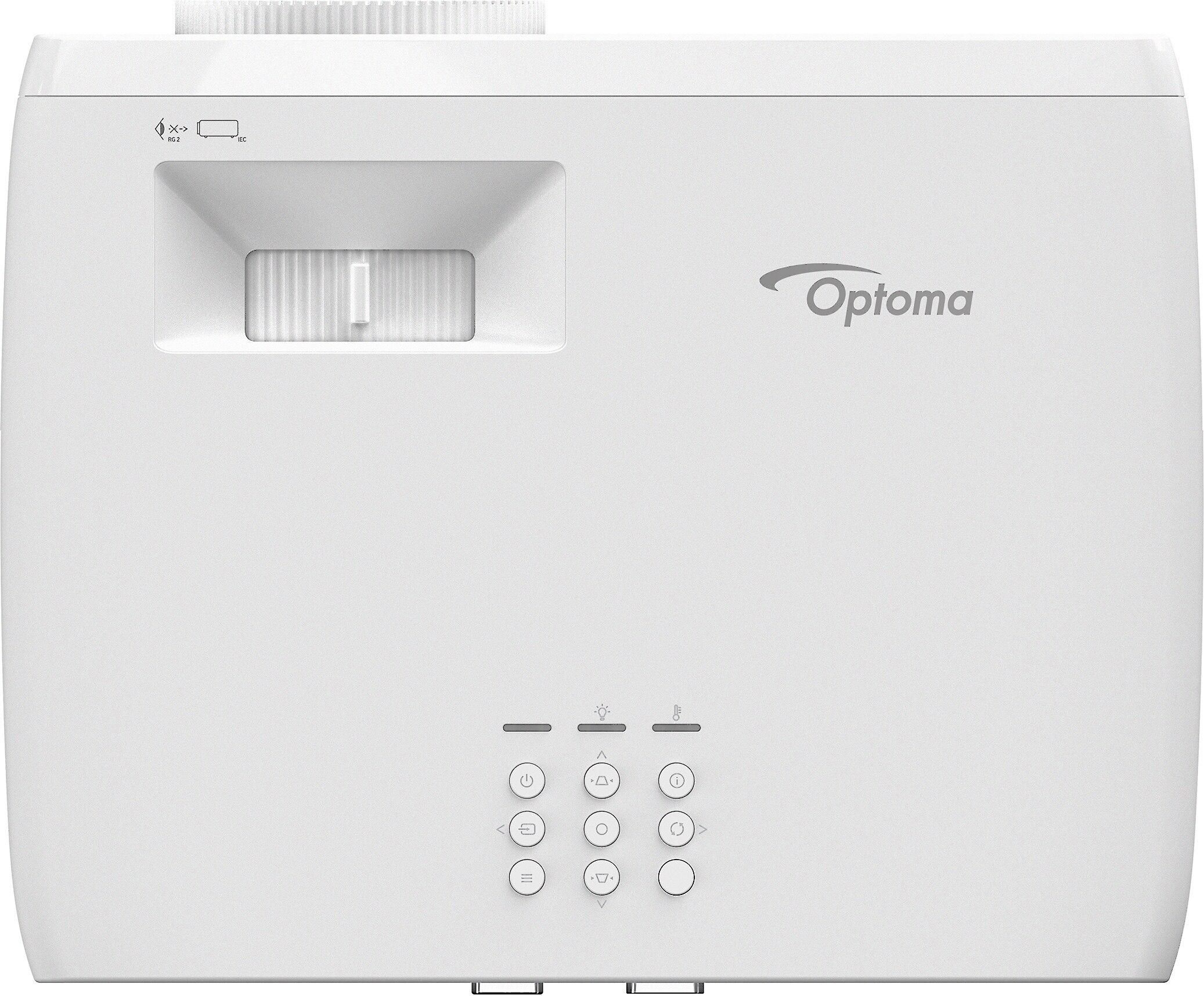
The HZ40HDR, weighing 6.6 pounds, requires manual setup. You'll need to adjust focus, zoom (though only 1.1x), and keystone correction manually. While this sounds inconvenient, it actually provides more precise control for permanent installations. Once properly set up in a dedicated space, it stays perfectly calibrated.
I've found that the choice between automatic and manual setup really depends on your primary use case. For spontaneous viewing or frequent moves, automatic setup is invaluable. For a dedicated home theater where you set it up once and leave it, manual controls often provide better fine-tuning options.
The Optoma HZ40HDR's laser light source is rated for 30,000 hours of operation—essentially the lifetime of the projector. Compare this to traditional lamp-based projectors that need expensive lamp replacements every 3,000-6,000 hours, and the long-term value becomes clear. At typical usage rates, you might never need to replace anything on this projector.
The Mars 3 Air uses LED technology, which also has a long lifespan but includes a battery that will eventually degrade like any rechargeable battery. However, given its significantly lower initial cost at the time of writing, even if you needed to replace it in several years, the total cost might still be lower than the HZ40HDR.
From an environmental perspective, both represent improvements over older lamp-based projectors. The HZ40HDR uses up to 45% less power than comparable lamp projectors, while the Mars 3 Air's LED technology is mercury-free and energy-efficient.
For dedicated home theater use, the HZ40HDR is clearly the superior choice. Its brightness advantage means you can use it in rooms that aren't completely dark, which is crucial for family movie nights or entertainment areas that serve multiple purposes.
The contrast ratio difference becomes especially apparent on large screens. While both projectors can technically create images up to 150 inches (for the Mars 3 Air) or 300 inches (for the HZ40HDR), the image quality on very large screens heavily favors the brighter, higher-contrast projector.
However, I've been surprised by how well the Mars 3 Air works for smaller home theater applications. In a bedroom or small den where you can control lighting and don't need massive screen sizes, it provides a genuinely cinematic experience at a fraction of the cost and complexity.
Choose the Anker Nebula Mars 3 Air if you value flexibility above all else. It's perfect for people who want projection capability anywhere—camping trips, backyard parties, bedroom movie nights, or small apartment living where a permanent setup isn't practical. The all-in-one design means you're not juggling multiple devices, and the automatic setup features make it genuinely user-friendly for less technical users.
The Mars 3 Air also makes sense if you're testing the waters with projection. At its current price point, it's an affordable way to experience big-screen entertainment without the commitment of a full home theater setup.
Choose the Optoma HZ40HDR if image quality is your priority and you have a dedicated space for it. It's ideal for serious movie enthusiasts who want cinema-quality visuals, gamers who need low latency and high refresh rates, or anyone setting up a permanent home theater installation.
The HZ40HDR particularly shines in living rooms or family rooms where ambient light is unavoidable. If you want to watch movies with the lights on or during daytime hours, its 10x brightness advantage becomes essential rather than just nice-to-have.
These projectors represent two valid but fundamentally different approaches to projection. The Mars 3 Air prioritizes convenience, portability, and ease of use—it's designed to bring big-screen entertainment anywhere with minimal fuss. The HZ40HDR focuses on maximum image quality and professional-grade performance for dedicated viewing environments.
Neither is objectively "better"—they're optimized for different priorities and use cases. The massive brightness and contrast differences mean they're suitable for entirely different viewing environments and expectations.
Your choice should align with how and where you plan to use the projector most often. If mobility and convenience matter more than absolute image quality, the Mars 3 Air delivers remarkable value and capability. If you want the best possible image quality and have a suitable space for it, the HZ40HDR provides professional-grade performance that justifies its higher price.
The projector market has evolved dramatically in recent years, and both of these devices represent the current state of the art in their respective categories. Whether you choose portable convenience or home theater excellence, you'll get a viewing experience that would have been unimaginable at these price points just a few years ago.
| Anker Nebula Mars 3 Air | Optoma HZ40HDR |
|---|---|
| Brightness - Most critical spec for ambient light performance | |
| 400 ANSI lumens (requires dark room or controlled lighting) | 4,000 ANSI lumens (excellent for bright rooms and daytime viewing) |
| Contrast Ratio - Determines shadow detail and image depth | |
| 400:1 (basic contrast, adequate for portable use) | 300,000:1 (exceptional blacks and shadow detail for home theater) |
| Light Source Technology - Affects lifespan and maintenance | |
| LED (long lifespan, no maintenance) | Laser phosphor (30,000 hour rated life, no lamp replacements) |
| Portability - Key factor for use flexibility | |
| 1.7kg with 2.5-hour battery, IPX3 water resistant | 6.6 lbs, requires wall power, designed for permanent installation |
| Smart Features - Built-in streaming capabilities | |
| Google TV with native Netflix, Prime Video, YouTube | No smart features, requires external streaming devices |
| Audio System - Important for all-in-one convenience | |
| Dual 8W speakers with Dolby Audio, Bluetooth speaker mode | Single 15W mono speaker, designed for external audio setup |
| Gaming Performance - Critical for low-latency gaming | |
| Standard input processing (gaming not optimized) | 8.6ms input lag at 1080p/120Hz, dedicated gaming mode |
| Setup Convenience - Time and effort required | |
| Automatic focus, keystone correction, obstacle avoidance | Manual focus and zoom adjustment, ±30° keystone correction |
| Screen Size Range - Maximum projection capabilities | |
| 30" to 150" diagonal | 20" to 300" diagonal with greater throw flexibility |
| Connectivity Options - Device compatibility | |
| HDMI, USB-A, wireless casting, Bluetooth 5.1 | 2x HDMI 2.0, USB power, RS-232 for professional control |
| Noise Level - Important for quiet viewing environments | |
| 28dB (whisper quiet for bedrooms) | 32-34dB (quiet but noticeable in silent scenes) |
| Target Use Case - Best suited for | |
| Portable entertainment, camping, small spaces, casual viewing | Dedicated home theater, gaming, bright room viewing, permanent setup |
The Optoma HZ40HDR is significantly better for dedicated home theater setups. With 4,000 ANSI lumens brightness and a 300,000:1 contrast ratio, it delivers cinema-quality images even in rooms with ambient light. The Anker Nebula Mars 3 Air works well for casual home viewing but requires a dark room and smaller screen sizes for optimal performance.
The Anker Nebula Mars 3 Air is specifically designed for outdoor use with IPX3 water resistance, battery power, and portability features that make it perfect for camping or backyard movie nights. The Optoma HZ40HDR requires wall power and lacks weather protection, making it unsuitable for outdoor use without additional shelter.
The Optoma HZ40HDR is dramatically brighter at 4,000 ANSI lumens compared to the Mars 3 Air's 400 ANSI lumens. This 10x brightness difference means the HZ40HDR can handle living rooms with windows open during daytime, while the Mars 3 Air needs controlled lighting conditions.
Only the Anker Nebula Mars 3 Air includes built-in streaming with Google TV, Netflix, Prime Video, and YouTube apps. The Optoma HZ40HDR requires external devices like streaming sticks, gaming consoles, or media players connected through its HDMI ports for streaming content.
The Optoma HZ40HDR is superior for gaming with 8.6ms input lag at 1080p/120Hz and dedicated gaming modes that rival gaming monitors. The Mars 3 Air doesn't optimize for gaming performance, though its portability allows for unique gaming setups anywhere.
The Anker Nebula Mars 3 Air is extremely portable at 1.7kg with a 2.5-hour battery, carrying handle, and automatic setup features. The Optoma HZ40HDR weighs 6.6 pounds, requires wall power, and needs manual setup, making it better suited for permanent installations.
The Optoma HZ40HDR delivers superior picture quality with its laser technology, 10x higher brightness, and 750x better contrast ratio. While both display 1080p resolution, the HZ40HDR shows much more detail in dark scenes and handles HDR content more effectively than the Mars 3 Air.
The Anker Nebula Mars 3 Air has surprisingly good dual 8W Dolby Audio speakers that work well for most viewing scenarios. The Optoma HZ40HDR has a basic 15W mono speaker that's adequate for casual use but benefits significantly from external audio systems in home theater setups.
Value depends on your needs. The Mars 3 Air offers excellent value for portable, casual viewing with built-in streaming and battery power. The HZ40HDR provides better long-term value for serious home theater use with its superior image quality, 30,000-hour laser lifespan, and professional-grade performance.
Both projectors have native 1080p resolution. The Optoma HZ40HDR can accept 4K input signals but downscales them to 1080p, while the Anker Nebula Mars 3 Air handles standard 1080p sources. Neither displays true 4K resolution, but both support HDR content for enhanced image quality.
The Anker Nebula Mars 3 Air operates very quietly at 28dB, making it ideal for bedroom viewing without disturbing others. The Optoma HZ40HDR runs at 32-34dB, which is still relatively quiet but more noticeable during silent movie scenes in dedicated theater rooms.
Choose the Mars 3 Air if you need portability, outdoor use capability, built-in streaming, or casual viewing in controlled lighting. Select the HZ40HDR if you want maximum image quality, bright room viewing, gaming performance, or are setting up a dedicated home theater space where the superior brightness and contrast justify the higher investment.
We've done our best to create useful and informative comparisons to help you decide what product to buy. Our research uses advanced automated methods to create this comparison and perfection is not possible - please contact us for corrections or questions. These are the sites we've researched in the creation of this article: techradar.com - thesmarthomehookup.com - whathifi.com - thesmarthomehookup.com - cnet.com - whathifi.com - projectorreviews.com - youtube.com - youtube.com - versus.com - projectorcentral.com - practicalmotorhome.com - youtube.com - seenebula.com - us.seenebula.com - harveynorman.ie - projectorcentral.com - optomausa.com - crutchfield.com - tvsbook.com - youtube.com - avsforum.com - hometechnologyreview.com - optomausa.com - bestbuy.com - tvsbook.com - picclick.com - crutchfield.com - homecinemachoice.com - compsource.com - adorama.com - bhphotovideo.com - provantage.com - cdw.com - datavision.com - manua.ls - ipcstore.com - pcrichard.com - richersounds.com - electronicexpress.com - projexdisplay.com - dubaimachines.com - newegg.com - projectorpoint.co.uk - a.ubuy.com.kw - greentoe.com

Privacy Policy
Terms and Conditions - Affiliate Policy
Home Security
© Copyright 2008-2026.
11816 Inwood Rd #1211, Dallas, TX 75244