





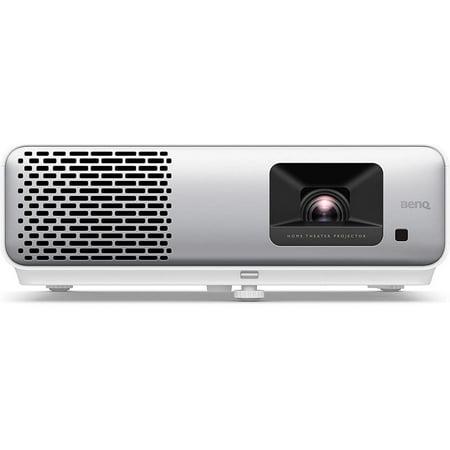
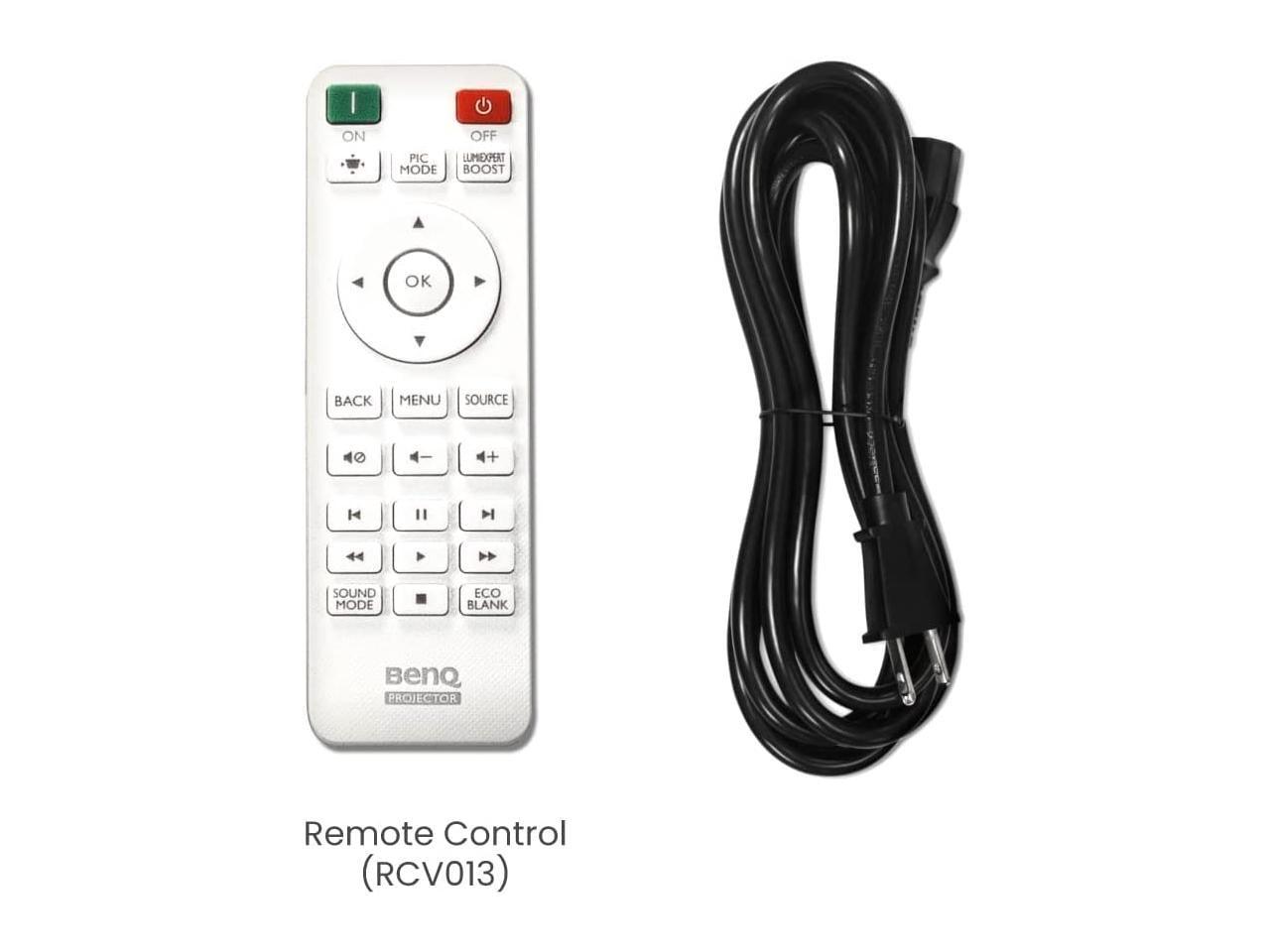
The projector world has split into two very different camps, and choosing between them can feel overwhelming. On one side, you have ultra-portable projectors like the Anker Nebula Mars 3 Air that prioritize convenience and mobility. On the other, traditional home theater projectors like the BenQ HT2060 focus on delivering the best possible image quality for dedicated viewing spaces.
I've spent considerable time with both approaches, and the reality is that neither is universally "better" – they're solving fundamentally different problems. Understanding which problem you're trying to solve will guide you to the right choice.
Think of projectors like vehicles. Portable projectors are like crossover SUVs – they sacrifice some performance for versatility and ease of use. Home theater projectors are more like sports cars – they excel in their intended environment but require more commitment and setup.
The key considerations that should drive your decision include brightness requirements based on your room's lighting, whether you need a permanent installation or flexible setup, how you'll access content, your image quality priorities, and of course, your budget. Each of these factors carries different weight depending on your specific situation.
When I help people choose projectors, I always start with one crucial question: where and how will you actually use this device? The answer usually reveals whether convenience or performance should take priority.
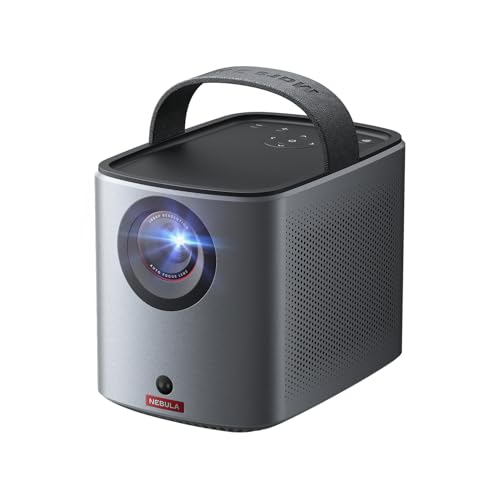
Released in 2024, the Anker Nebula Mars 3 Air represents a significant leap forward in portable projection technology. What makes it revolutionary isn't just its compact size – it's the integration of Google TV with built-in Netflix access, making it the first portable projector that doesn't need any external devices to deliver a complete entertainment experience.
At roughly the size of a large thermos, the Mars 3 Air delivers 400 ANSI lumens through DLP (Digital Light Processing) technology. DLP uses microscopic mirrors to create images, and when combined with LED light sources, it provides excellent color accuracy and longevity without the maintenance headaches of traditional bulb-based projectors.
The built-in battery provides about 2.5 hours of movie playback, which sounds limiting until you realize this enables scenarios that traditional projectors simply can't handle. I've used portable projectors for everything from backyard movie nights to hotel room entertainment, and having that power independence changes everything about how you think about projection.
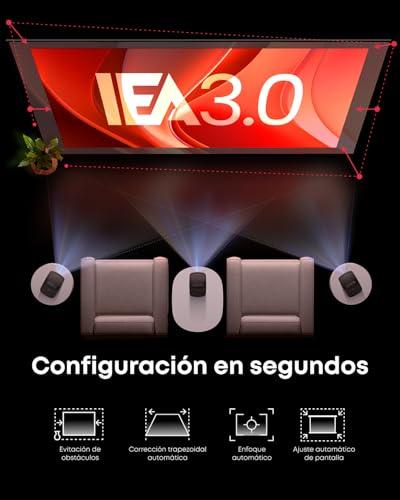
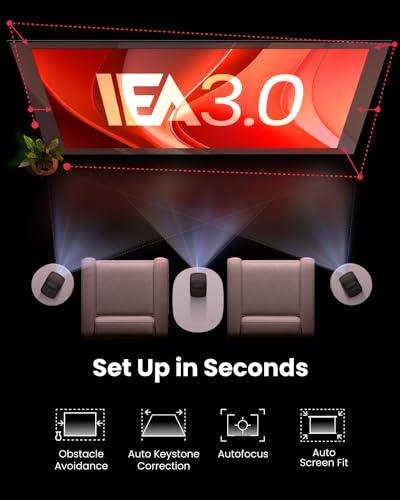
What really sets the Mars 3 Air apart is its Intelligent Environment Adaptation 3.0 system. This automatically handles focus, keystone correction (fixing the trapezoidal distortion when projecting at an angle), and even obstacle avoidance. Traditional projectors require manual adjustment of these parameters, which can take 15-20 minutes to get right. The Mars 3 Air does it automatically in seconds.
The dual 8W speakers with Dolby Audio support are surprisingly robust for such a compact device. They can even function as a standalone Bluetooth speaker for up to 8 hours, essentially giving you two products in one. This integration approach – combining projection, audio, streaming, and power into one portable package – represents a fundamental shift in how we think about entertainment systems.
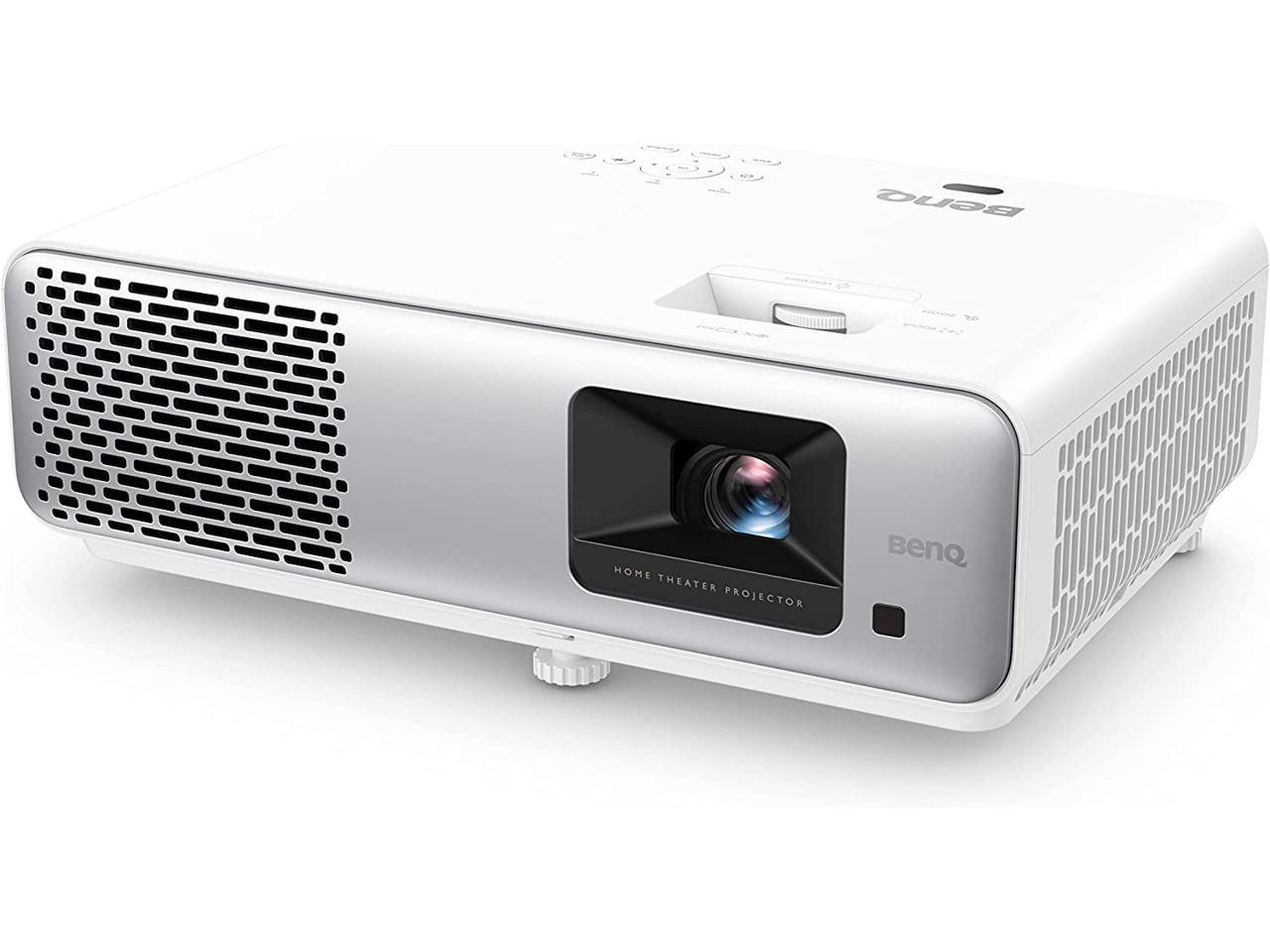
The BenQ HT2060, available since around 2022, takes the opposite approach. Instead of cramming everything into a portable package, it focuses entirely on delivering the best possible 1080p image quality while maintaining reasonable affordability.
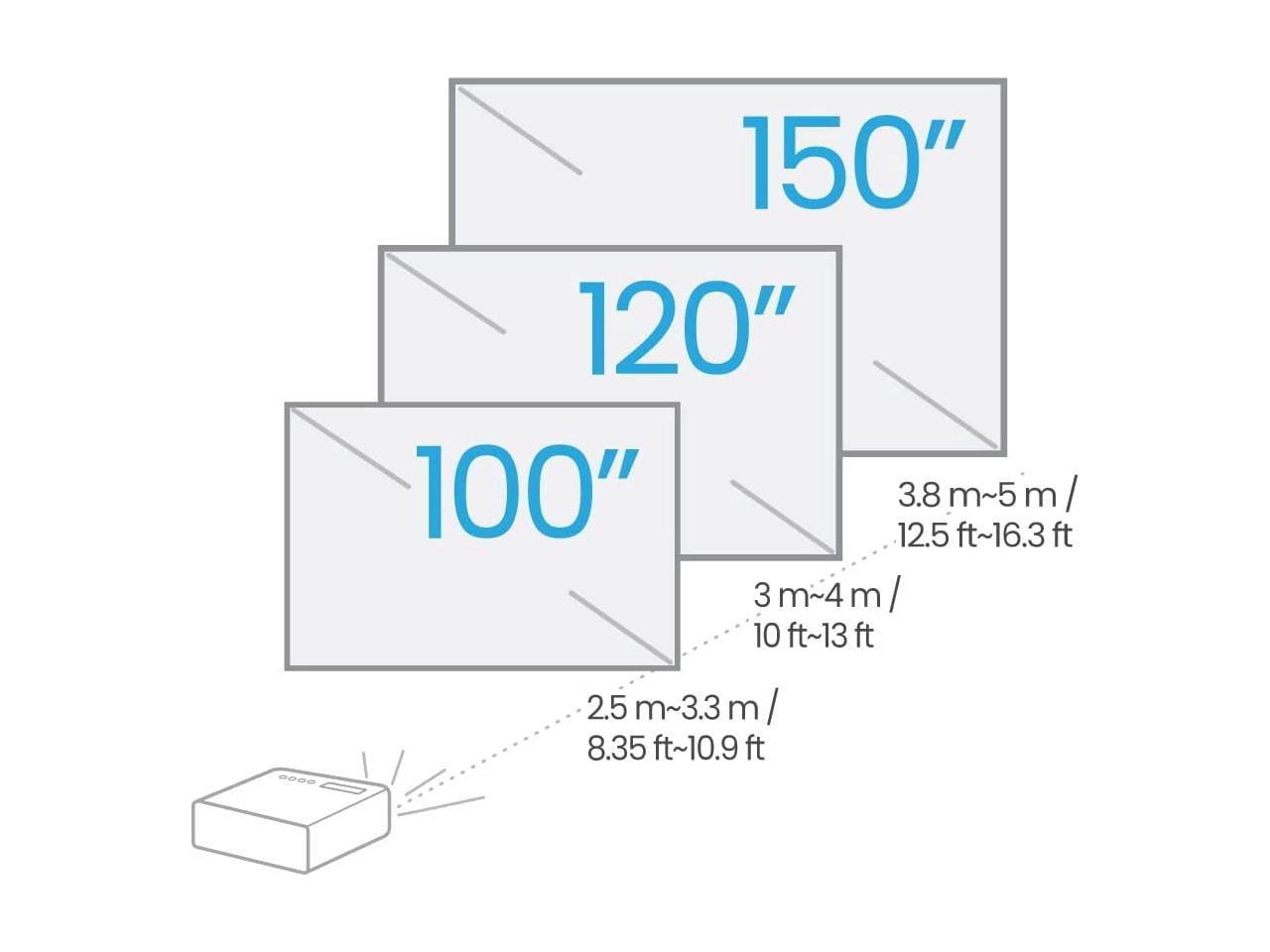
With 2,300 lumens of brightness, the HT2060 delivers nearly six times more light output than the Mars 3 Air. This isn't just a numbers game – it translates to dramatically different usage scenarios. While the Mars 3 Air works best with 70-90 inch screens in dark rooms, the HT2060 can fill 300-inch screens and maintain watchable images even with some ambient lighting.
The contrast ratio tells an even more dramatic story. The BenQ HT2060 achieves a 500,000:1 contrast ratio compared to the Mars 3 Air's 400:1. Contrast ratio measures the difference between the brightest whites and darkest blacks a projector can produce. Higher contrast means more detailed shadows, more vibrant colors, and a more three-dimensional image quality that draws you into the content.
BenQ's implementation of HDR (High Dynamic Range) in the HT2060 is particularly impressive. HDR allows displays to show a wider range of brightness levels and colors than standard content, creating more lifelike images. The HT2060's tone mapping – how it translates HDR content to its display capabilities – maintains detail in both bright highlights and dark shadows better than most projectors in its price range.
The 4LED light source provides up to 30,000 hours of operation, meaning you'll likely never need to replace it during normal use. Traditional lamp-based projectors require expensive bulb replacements every 2,000-5,000 hours, making LED projectors much more cost-effective long-term.
Brightness, measured in lumens, determines how large a screen you can use and how much ambient light your viewing environment can have. The BenQ HT2060's 2,300 lumens enable impressive flexibility – I've comfortably watched content on 150-inch screens with some table lamps on, something impossible with most portable projectors.
The Mars 3 Air's 400 ANSI lumens might sound weak, but it's actually quite competitive within the portable category. ANSI lumens is a more standardized measurement that often results in lower numbers than manufacturer-rated lumens, so this represents solid performance for its size class.
In practical terms, the brightness difference means the HT2060 works well in family rooms, living rooms, and dedicated theater spaces, while the Mars 3 Air performs best in bedrooms, during evening outdoor use, or in any space where you can control lighting.
Color accuracy matters more than many people realize. Poor color reproduction makes skin tones look unnatural, landscapes appear flat, and animated content lose its vibrancy. The BenQ HT2060 covers 98% of both the Rec.709 and DCI-P3 color gamuts – technical standards that define the range of colors displays should reproduce.
To put this in perspective, many budget projectors only achieve 70-80% coverage of these standards. The difference is immediately visible: grass looks genuinely green instead of yellowish, movie theater content appears as directors intended, and animated films pop with vibrant colors.
The Mars 3 Air achieves 90% DCI-P3 coverage, which is excellent for a portable projector. While not quite matching the HT2060's reference-level accuracy, it's more than adequate for most content and significantly better than older portable projectors.
HDR performance varies dramatically between these projectors. The HT2060's superior brightness and contrast allow it to display HDR content with genuine impact – bright highlights that don't wash out details and dark scenes that maintain shadow detail. The Mars 3 Air supports HDR formats but lacks the brightness and contrast to fully realize HDR's benefits.
Gaming introduces additional performance requirements, primarily input lag – the delay between pressing a controller button and seeing the action on screen. The BenQ HT2060 achieves 16.7ms input lag in its gaming mode, which is excellent for a projector and competitive with many gaming monitors.
The Mars 3 Air measures 45.1ms in its fastest gaming mode, which is acceptable for casual gaming but noticeable for competitive play. This difference becomes more apparent in fast-paced games where split-second timing matters.
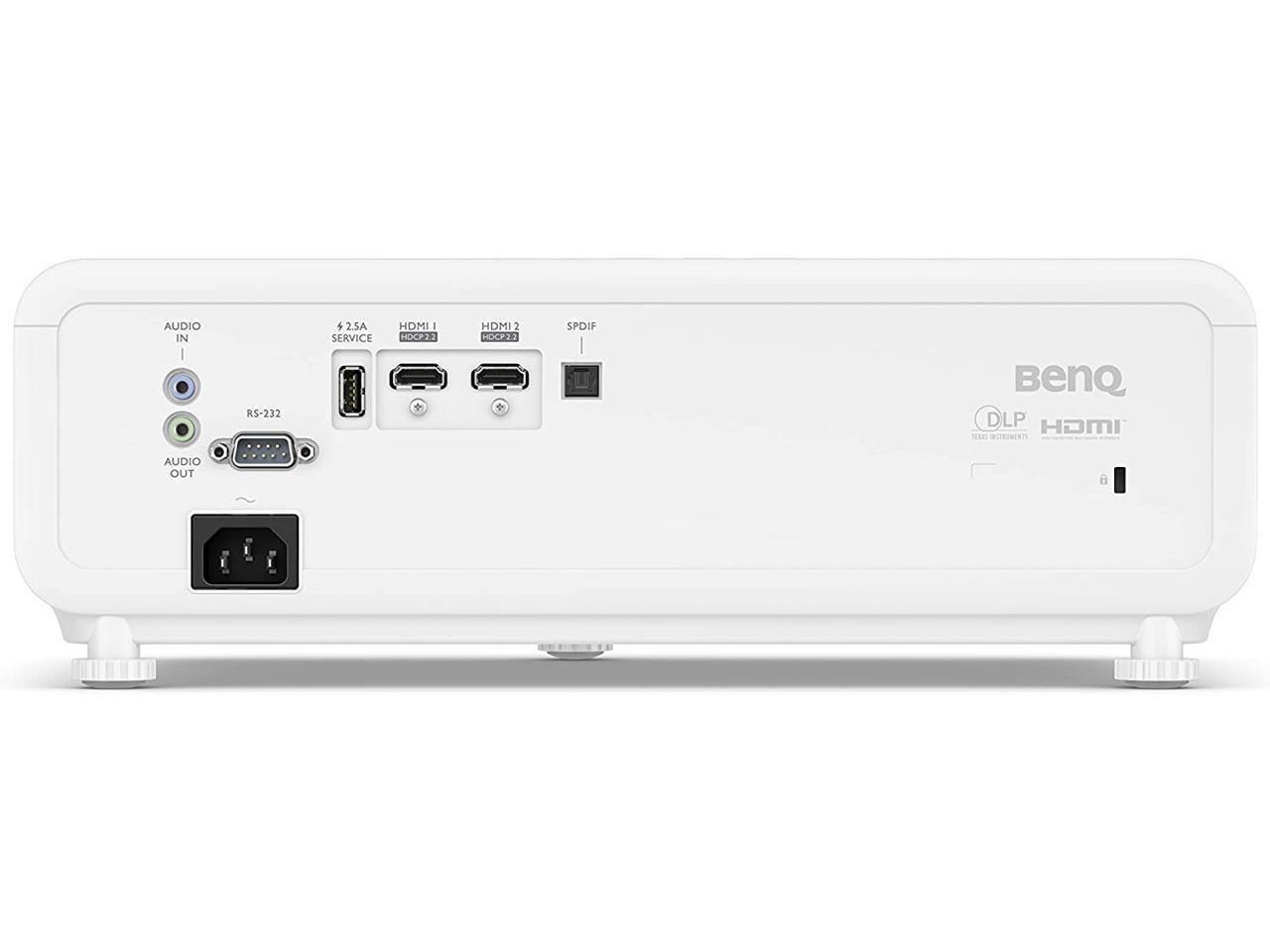
The HT2060's dual HDMI 2.0 ports provide practical advantages for gaming setups, allowing simultaneous connection of multiple consoles or a console plus streaming device without constantly swapping cables.
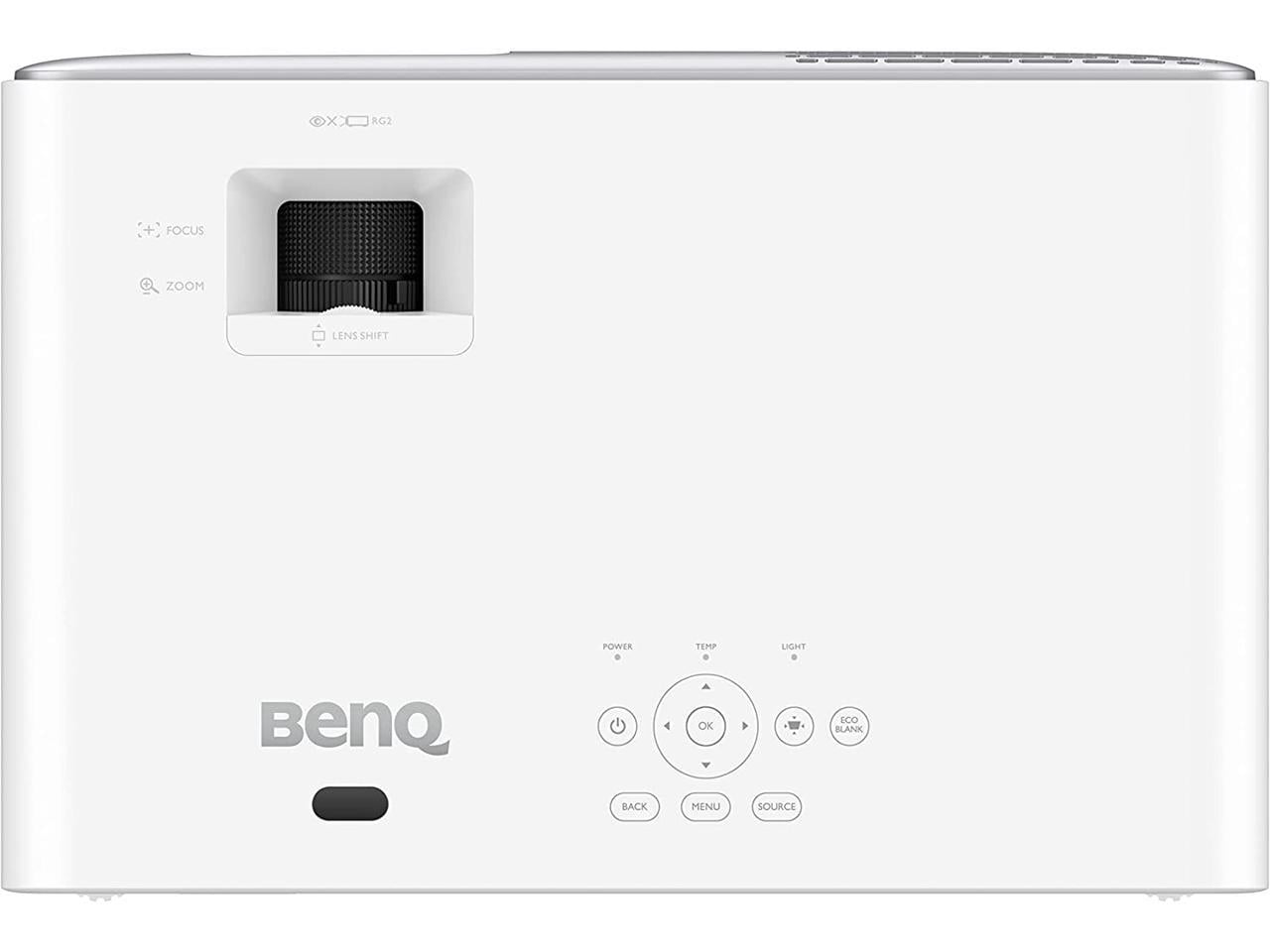
Traditional projectors require significant setup time and often permanent mounting for optimal results. The BenQ HT2060 includes useful features like 1.3x optical zoom and +10% vertical lens shift, but you'll still spend time positioning it correctly, adjusting focus, and correcting keystone distortion.
I've set up dozens of traditional projectors, and even with experience, achieving optimal alignment typically takes 15-30 minutes. This process becomes tedious if you're moving the projector frequently or setting it up temporarily.
The Mars 3 Air's automatic setup features eliminate this friction entirely. Place it roughly where you want it, turn it on, and within seconds it's automatically focused, keystoned, and ready to watch. This might seem like a minor convenience, but it fundamentally changes how you use the device.
The Mars 3 Air includes Google TV with native Netflix, Prime Video, YouTube, and thousands of other apps. This integration means you literally need nothing else – no streaming devices, no HDMI cables, no setup beyond connecting to Wi-Fi.
Traditional projectors like the HT2060 require external content sources – streaming devices, cable boxes, gaming consoles, or media players. While this approach offers more flexibility and potentially better performance from dedicated devices, it adds complexity and cost.
The built-in approach works particularly well for casual viewing scenarios. I've used the Mars 3 Air for quick Netflix sessions in bed, impromptu outdoor movie nights, and even as background entertainment while cooking – scenarios where setting up multiple devices would deter usage entirely.
At the time of writing, portable projectors like the Mars 3 Air typically cost less upfront than home theater models like the HT2060. However, value calculations become complex when considering total system cost.
The Mars 3 Air includes everything needed for immediate use – projection, audio, streaming, and power. A comparable traditional setup requires the projector, streaming device, potentially a sound system, and often professional mounting hardware.
However, the BenQ HT2060 delivers significantly more brightness per dollar and enables larger screen sizes that would require much more expensive portable projectors to achieve. If you're building a dedicated home theater, the performance advantages often justify the higher investment.
Consider also the longevity factor. Traditional projectors like the HT2060 typically maintain their relevance longer because you can upgrade streaming devices independently as technology evolves. Portable projectors may become obsolete faster as their integrated systems age.
I've found portable projectors transformative in several specific scenarios. Apartment living represents a major use case – many renters can't or won't install permanent theater equipment, but want large-screen entertainment. The Mars 3 Air provides this without any permanent modifications.
Outdoor entertainment has become increasingly popular, and portable projectors enable experiences impossible with traditional displays. Beach houses, camping trips, backyard parties, and tailgating all become potential movie theaters with a device like the Mars 3 Air.
Business travel presents another compelling use case. Hotel room entertainment options are often limited and expensive. A portable projector transforms any blank wall into a large display for streaming, presentations, or gaming.
Dedicated home theaters benefit enormously from traditional projectors' superior performance. The BenQ HT2060's brightness and color accuracy create genuinely cinematic experiences that portable projectors can't match.
Large family viewing situations also favor traditional projectors. When you're regularly entertaining 6-8 people, the larger, brighter images possible with devices like the HT2060 ensure everyone has a good view from various seating positions.
Gaming enthusiasts particularly benefit from traditional projectors' lower input lag and multiple HDMI inputs. The ability to connect multiple consoles simultaneously while maintaining competitive gaming performance makes devices like the HT2060 superior for serious gaming setups.
The decision between portable and traditional projectors ultimately comes down to prioritizing convenience versus performance. Neither approach is objectively superior – they're optimized for different use cases and user priorities.
Choose a portable projector like the Mars 3 Air if you value flexibility above all else. This means you frequently move your entertainment setup, live in rental housing, want outdoor viewing capabilities, or prefer simple all-in-one solutions. The convenience factor can't be overstated – these devices make projection accessible in scenarios where traditional projectors simply aren't practical.
Traditional projectors like the BenQ HT2060 make sense when you have a dedicated viewing space and prioritize image quality. This typically means homeowners with basements, spare bedrooms, or living rooms where permanent mounting is acceptable. The superior brightness, contrast, and color accuracy create genuinely superior viewing experiences in controlled environments.
Consider your viewing habits honestly. If you primarily watch content casually – Netflix series, YouTube videos, occasional movies – the convenience and good-enough quality of portable projectors may satisfy your needs while enabling usage scenarios traditional projectors can't handle.
However, if you're passionate about movies, have a family that regularly watches together, or want to create a true home theater experience, traditional projectors' performance advantages typically justify their complexity and cost.
The projector market's evolution into these distinct categories reflects genuine user need differences. Rather than viewing this as a limitation, embrace it as an opportunity to choose a solution precisely matched to your specific requirements and usage patterns.
Both the Anker Nebula Mars 3 Air and BenQ HT2060 excel within their respective categories, making your choice less about finding the "best" projector and more about identifying which approach aligns with your lifestyle, space, and priorities.
| Anker Nebula Mars 3 Air | BenQ HT2060 |
|---|---|
| Brightness - Determines screen size and room lighting tolerance | |
| 400 ANSI lumens (best for 70-90" screens in dark rooms) | 2,300 lumens (supports 150-300" screens with some ambient light) |
| Portability - Key factor for flexible usage scenarios | |
| Ultra-portable with 2.5-hour battery, weighs 1.7kg | Stationary design at 7.9 lbs, requires AC power |
| Resolution & HDR - Image clarity and color range | |
| 1080p with HDR10/HLG support, 90% DCI-P3 color gamut | 1080p with HDR10/HLG support, 98% Rec.709 + DCI-P3 coverage |
| Contrast Ratio - Affects black levels and image depth | |
| 400:1 (adequate for portable class) | 500,000:1 (exceptional depth and shadow detail) |
| Smart Features - Built-in streaming capabilities | |
| Google TV with native Netflix, Prime Video, YouTube apps | No built-in streaming (requires external devices) |
| Gaming Performance - Input lag for responsive gameplay | |
| 45.1ms in Game Mode (casual gaming acceptable) | 16.7ms in Fast Mode (competitive gaming ready) |
| Audio System - Built-in sound quality | |
| Dual 8W Dolby Audio speakers, doubles as Bluetooth speaker | Dual 5W speakers (adequate but not exceptional) |
| Connectivity - Input options and flexibility | |
| Single HDMI, USB-A, Wi-Fi 6, Bluetooth 5.1 | Dual HDMI 2.0, S/PDIF audio out, USB 2.0 |
| Setup Experience - Installation complexity | |
| Automatic focus, keystone correction, obstacle avoidance | Manual setup with 1.3x zoom, +10% lens shift |
| Light Source Lifespan - Long-term maintenance costs | |
| LED rated for projector lifetime (no replacements) | LED rated for 30,000 hours (no bulb changes needed) |
| Maximum Screen Size - Viewing experience potential | |
| 30-150" optimal range (best at 70-90") | 30-300" range (excellent performance up to 200") |
| Best Use Cases - Ideal scenarios for each projector | |
| Portable entertainment, apartments, outdoor viewing, travel | Dedicated home theaters, large family rooms, gaming setups |
The BenQ HT2060 is significantly better for dedicated home theater setups. With 2,300 lumens of brightness compared to the Anker Nebula Mars 3 Air's 400 lumens, the BenQ HT2060 can fill larger screens (up to 300 inches) and handle some ambient lighting. Its superior 500,000:1 contrast ratio and 98% color accuracy deliver the cinematic image quality that home theater enthusiasts expect.
The primary difference is portability versus performance. The Anker Nebula Mars 3 Air is an ultra-portable projector with a built-in battery and Google TV streaming, designed for flexible use anywhere. The BenQ HT2060 is a traditional home theater projector focused on maximum image quality for permanent installations, delivering nearly 6 times more brightness.
The Anker Nebula Mars 3 Air is ideal for outdoor use thanks to its built-in 2.5-hour battery, compact size, and integrated streaming capabilities. You don't need power outlets, external devices, or complex setup. The BenQ HT2060 requires AC power and external streaming devices, making it impractical for most outdoor scenarios.
The Anker Nebula Mars 3 Air includes Google TV with built-in Netflix, Prime Video, and other streaming apps, so no external devices are required. The BenQ HT2060 has no built-in streaming capabilities and requires external devices like streaming sticks, cable boxes, or gaming consoles to access content.
The BenQ HT2060 is much brighter at 2,300 lumens versus 400 lumens for the Mars 3 Air. This makes the BenQ HT2060 suitable for rooms with some ambient lighting, while the Anker Nebula Mars 3 Air works best in dark environments for optimal image quality.
Both support gaming, but the BenQ HT2060 is better for serious gamers with 16.7ms input lag compared to 45.1ms for the Mars 3 Air. The BenQ HT2060 also offers dual HDMI ports for multiple console connections. The Anker Nebula Mars 3 Air is adequate for casual gaming but may feel sluggish for competitive play.
Value depends on your needs. The Anker Nebula Mars 3 Air typically costs less and includes everything needed (streaming, audio, power), making it excellent value for portable use. The BenQ HT2060 costs more but delivers superior performance per dollar for dedicated home theater setups, especially considering its brightness and image quality advantages.
The Anker Nebula Mars 3 Air has superior built-in audio with dual 8W Dolby Audio speakers that can also function as a standalone Bluetooth speaker. The BenQ HT2060 includes basic dual 5W speakers that are adequate but not exceptional. However, the BenQ HT2060 offers S/PDIF output for connecting to external sound systems.
The Anker Nebula Mars 3 Air is much easier to set up with automatic focus, keystone correction, and obstacle avoidance - just place it and turn it on. The BenQ HT2060 requires manual adjustments for focus, positioning, and image correction, typically taking 15-30 minutes to optimize properly.
The Anker Nebula Mars 3 Air works best with 70-90 inch screens, though it can project up to 150 inches in very dark rooms. The BenQ HT2060 excels with larger screens from 100-300 inches, maintaining excellent image quality even at maximum sizes thanks to its superior brightness.
The Anker Nebula Mars 3 Air is ideal for apartments since it requires no permanent installation, works well in smaller spaces, and can be easily stored when not in use. Its portability also makes it perfect for renters who may move frequently. The BenQ HT2060 is better suited for homeowners with dedicated viewing spaces.
Neither projector requires bulb replacements. Both the Anker Nebula Mars 3 Air and BenQ HT2060 use LED light sources rated for 20,000-30,000 hours of operation, which should last the lifetime of the projector under normal use. This eliminates the ongoing maintenance costs associated with traditional lamp-based projectors.
We've done our best to create useful and informative comparisons to help you decide what product to buy. Our research uses advanced automated methods to create this comparison and perfection is not possible - please contact us for corrections or questions. These are the sites we've researched in the creation of this article: techradar.com - thesmarthomehookup.com - whathifi.com - thesmarthomehookup.com - cnet.com - whathifi.com - projectorreviews.com - youtube.com - youtube.com - versus.com - projectorcentral.com - practicalmotorhome.com - youtube.com - seenebula.com - us.seenebula.com - harveynorman.ie - projectorcentral.com - avsforum.com - bestbuy.com - avsforum.com - tomsguide.com - avsforum.com - projectorreviews.com - hometheaterhifi.com - youtube.com - avsforum.com - cnet.com - techgearlab.com - cdw.com - bhphotovideo.com - projectorcentral.com - shop.avispl.com - tvsbook.com - youtube.com - projectorreviews.com - avsforum.com

Privacy Policy
Terms and Conditions - Affiliate Policy
Home Security
© Copyright 2008-2026.
11816 Inwood Rd #1211, Dallas, TX 75244