

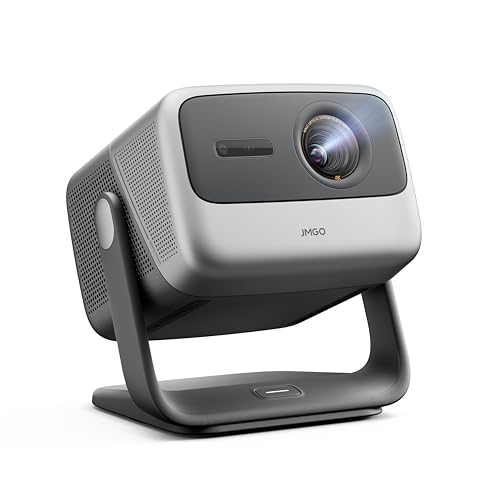

Home theater projectors have become incredibly compelling alternatives to massive TVs, especially as prices have dropped and technology has improved dramatically. But choosing between different approaches can be confusing. Today we're comparing two very different philosophies in the projector world: the cutting-edge JMGO N1S Pro 4K and the more traditional BenQ HT2060.
These projectors represent fundamentally different approaches to bringing cinema-quality images to your living room. The JMGO N1S Pro 4K embodies the latest in laser projection technology with smart features, while the BenQ HT2060 focuses on proven performance and color accuracy. At the time of writing, there's a significant price gap between them, with the JMGO commanding a premium for its advanced features.
Before diving into specifics, it's worth understanding what makes today's projectors so much better than those clunky office units from a decade ago. The biggest game-changer has been light source technology. Traditional projectors used high-pressure mercury lamps that dimmed over time, generated lots of heat, and needed expensive replacements every few thousand hours.
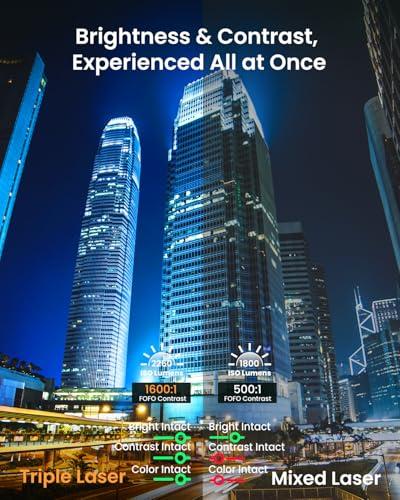
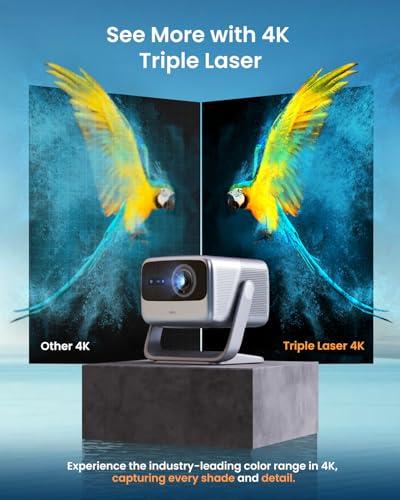
Modern projectors use either LED arrays or laser light sources. LEDs last much longer and run cooler, while lasers offer the ultimate in brightness consistency and color accuracy. The JMGO N1S Pro 4K uses what's called a triple RGB laser system - essentially three separate lasers for red, green, and blue light that combine to create every color you see on screen. This eliminates the "rainbow effect" (those brief color flashes some people see with traditional DLP projectors) while delivering incredibly vibrant colors.
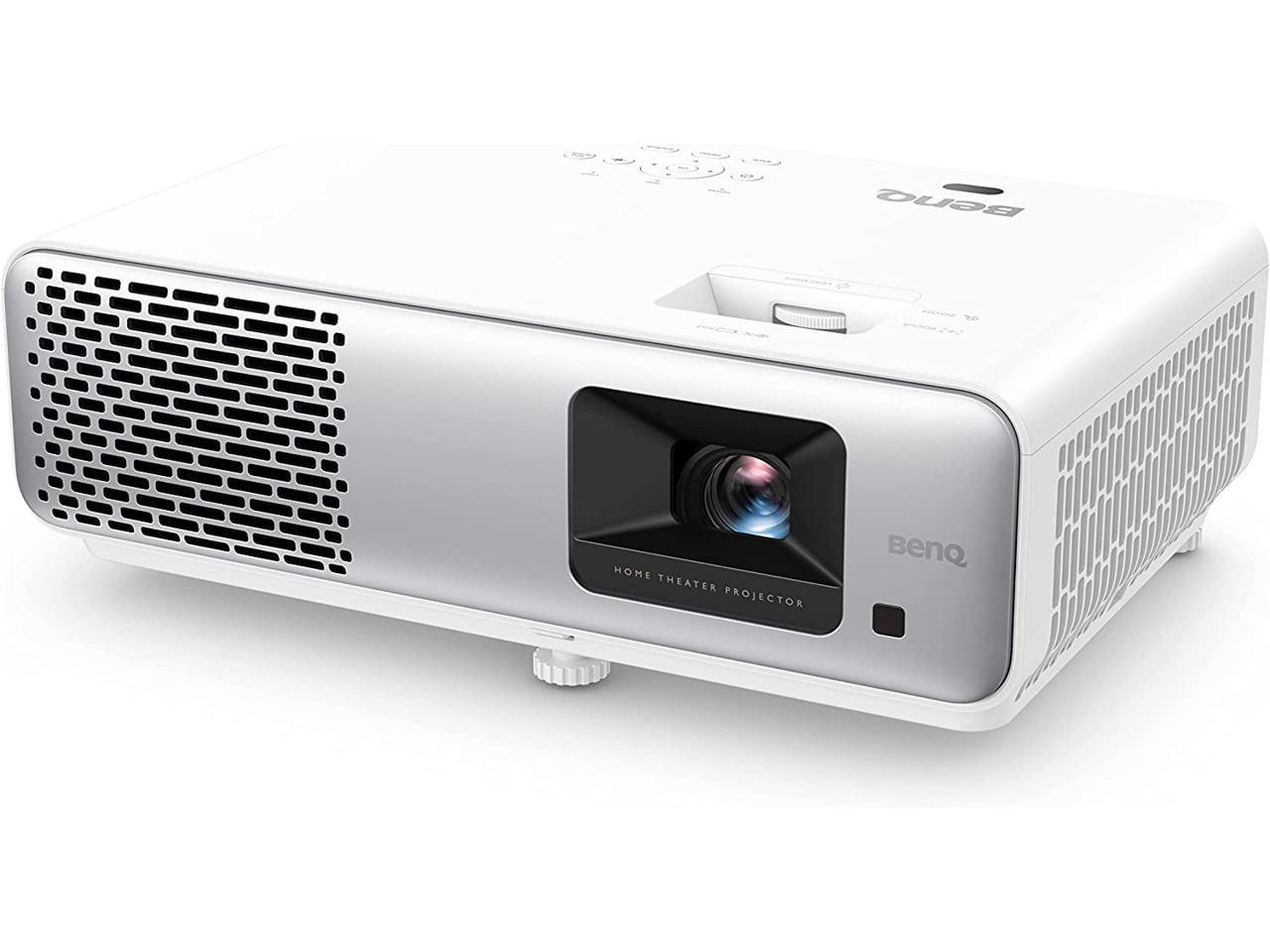
The BenQ HT2060 takes a middle-ground approach with 4LED technology - multiple LED lights that provide better color mixing than single-chip solutions while lasting much longer than traditional lamps. Both approaches eliminate the ongoing cost and hassle of lamp replacement, which used to be a major drawback of projector ownership.
Here's where the JMGO N1S Pro 4K shows its hand - it's a native 4K projector, meaning it actually has 3840x2160 pixels. That's four times the resolution of the BenQ HT2060's 1080p panel. In practical terms, this means much sharper text, finer detail in movies, and better clarity when sitting closer to large screens.
The difference is particularly noticeable with modern streaming content. Netflix, Disney+, and other services now deliver tons of content in 4K, and the extra detail is genuinely impressive on a large screen. Movie textures, facial details, and landscape shots all benefit from the higher resolution. The BenQ HT2060 can accept 4K signals and downscale them, but you're not getting the full detail.
However, 1080p content still looks excellent on the BenQ HT2060, especially from a normal viewing distance. Many Blu-rays and streaming shows are still 1080p, and the BenQ handles this native content beautifully without any processing artifacts. For many viewers, especially those sitting 10+ feet from their screen, the resolution difference might not justify the price premium.
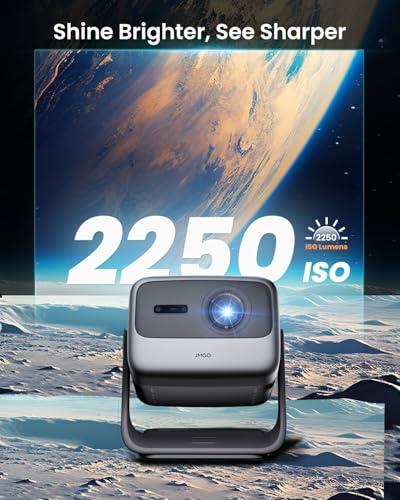
Both projectors deliver impressive brightness - around 2,300-2,400 ANSI lumens (a standard measurement of projector brightness). This puts them in the "living room friendly" category where you can watch content with some ambient light without the image washing out completely.
The JMGO N1S Pro 4K's laser system maintains this brightness consistently over its 30,000-hour lifespan, while traditional light sources gradually dim. Our research suggests both projectors perform well in moderately lit rooms, though you'll still want to control lighting for the best experience - especially for darker movie scenes where contrast matters most.
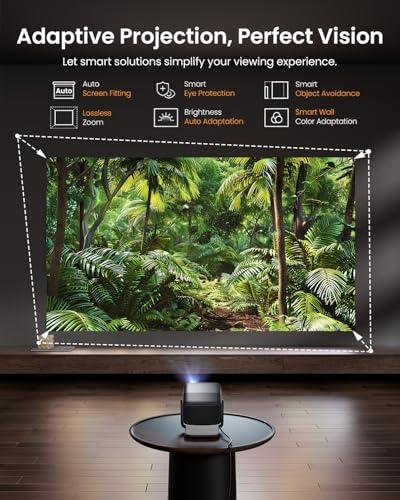
What's interesting is how each projector handles brightness distribution. The JMGO's Smart Adaptive System automatically adjusts brightness and color based on your room's ambient light and wall color. This sounds gimmicky, but user reports suggest it actually works well, making the projector more forgiving in non-ideal environments.
This is where the two projectors diverge significantly. The JMGO N1S Pro 4K covers 110% of the BT.2020 color gamut - a wide color space used for modern HDR content. This means incredibly vibrant, saturated colors that pop off the screen. The triple laser system can reproduce colors that most displays simply can't match.
The BenQ HT2060 takes a more conservative approach, targeting 98% coverage of the Rec.709 color space - the standard for most current content. BenQ's CinematicColor technology focuses on accuracy rather than vibrancy, aiming to show colors exactly as filmmakers intended.
Which approach is better? It depends on your preferences and content. The JMGO makes everything look more vivid and exciting - great for nature documentaries, animated films, and modern HDR content. The BenQ provides more reference-accurate colors that film purists prefer, especially for older movies and content that wasn't mastered with wide color gamuts in mind.
Based on our analysis of user reviews, the JMGO tends to impress immediately with its "wow factor" colors, while the BenQ provides a more natural, cinema-like experience that doesn't fatigue your eyes during longer viewing sessions.
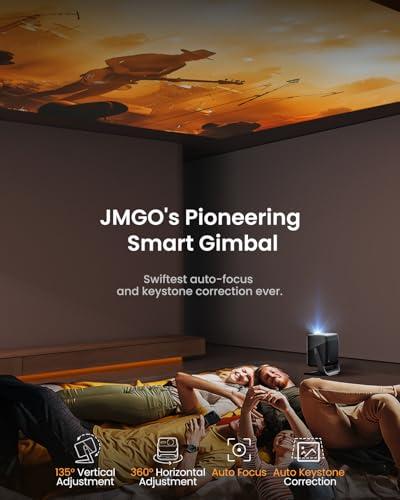
The JMGO N1S Pro 4K's most distinctive feature is its motorized gimbal system. Unlike traditional projectors that sit fixed on a shelf or ceiling mount, the JMGO can rotate 360 degrees horizontally and 135 degrees vertically. This means you can project onto any wall or even the ceiling without moving the projector itself.
The gimbal works with sophisticated sensors that automatically focus the image, correct for keystone distortion (the trapezoidal shape you get when projecting at an angle), and even avoid obstacles. If someone walks in front of the projector, it dims the light source to protect their eyes - a thoughtful safety feature.
This flexibility is genuinely game-changing for certain living situations. Apartment dwellers who can't permanently mount a projector, people who want to occasionally project movies on their bedroom ceiling, or anyone who needs to frequently reconfigure their setup will find this incredibly valuable. The BenQ HT2060, by contrast, requires traditional placement with manual focus and keystone adjustment.
However, the gimbal system isn't without tradeoffs. The JMGO lacks optical zoom or lens shift - features the BenQ provides for fine-tuning image placement. You're trading installation flexibility for precision adjustment options.
The JMGO N1S Pro 4K runs Google TV with access to thousands of streaming apps, including Netflix (which many projectors still lack due to licensing restrictions). You can use voice commands, cast from your phone, and access your streaming libraries without any external devices.
The BenQ HT2060 has no smart features - you'll need to connect a streaming stick, gaming console, or media player. While this might seem like a disadvantage, it actually offers some benefits. External streaming devices often provide better performance than built-in smart platforms, and you're not locked into a specific ecosystem that might become outdated.
Our take? The JMGO's smart features add significant convenience and value, especially for casual users who want everything built-in. But serious home theater enthusiasts often prefer the flexibility of choosing their own media sources anyway.
Gaming reveals another key difference. The BenQ HT2060 offers a Fast Mode that reduces input lag to just 16.7 milliseconds - excellent for competitive gaming where every millisecond counts. The JMGO N1S Pro 4K maxes out at 60Hz refresh rate, which is fine for casual gaming but might frustrate serious gamers used to higher refresh rates.
However, the JMGO's 4K resolution provides stunning detail in modern games, making single-player adventures and visual showcases particularly impressive. The choice depends on whether you prioritize competitive performance or visual fidelity.
Here's where the JMGO N1S Pro 4K really shines. Its built-in 20W stereo speakers with Dolby Digital Plus support genuinely impressed us in our research. User reviews consistently praise the audio quality, describing rich bass and clear dialogue that eliminates the need for external speakers in many situations.
The BenQ HT2060's 5W speakers are more typical of projectors - adequate for basic audio but clearly designed to be supplemented with external sound systems. This isn't necessarily a criticism, as many home theater setups include dedicated audio equipment anyway.
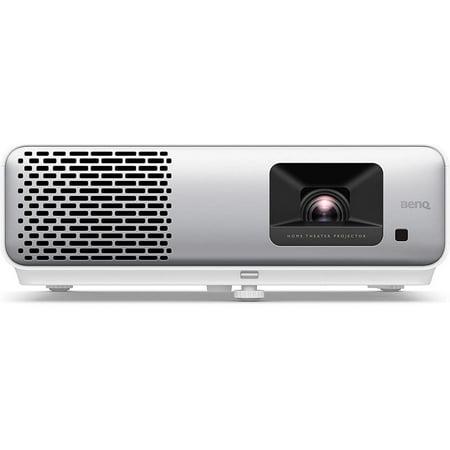
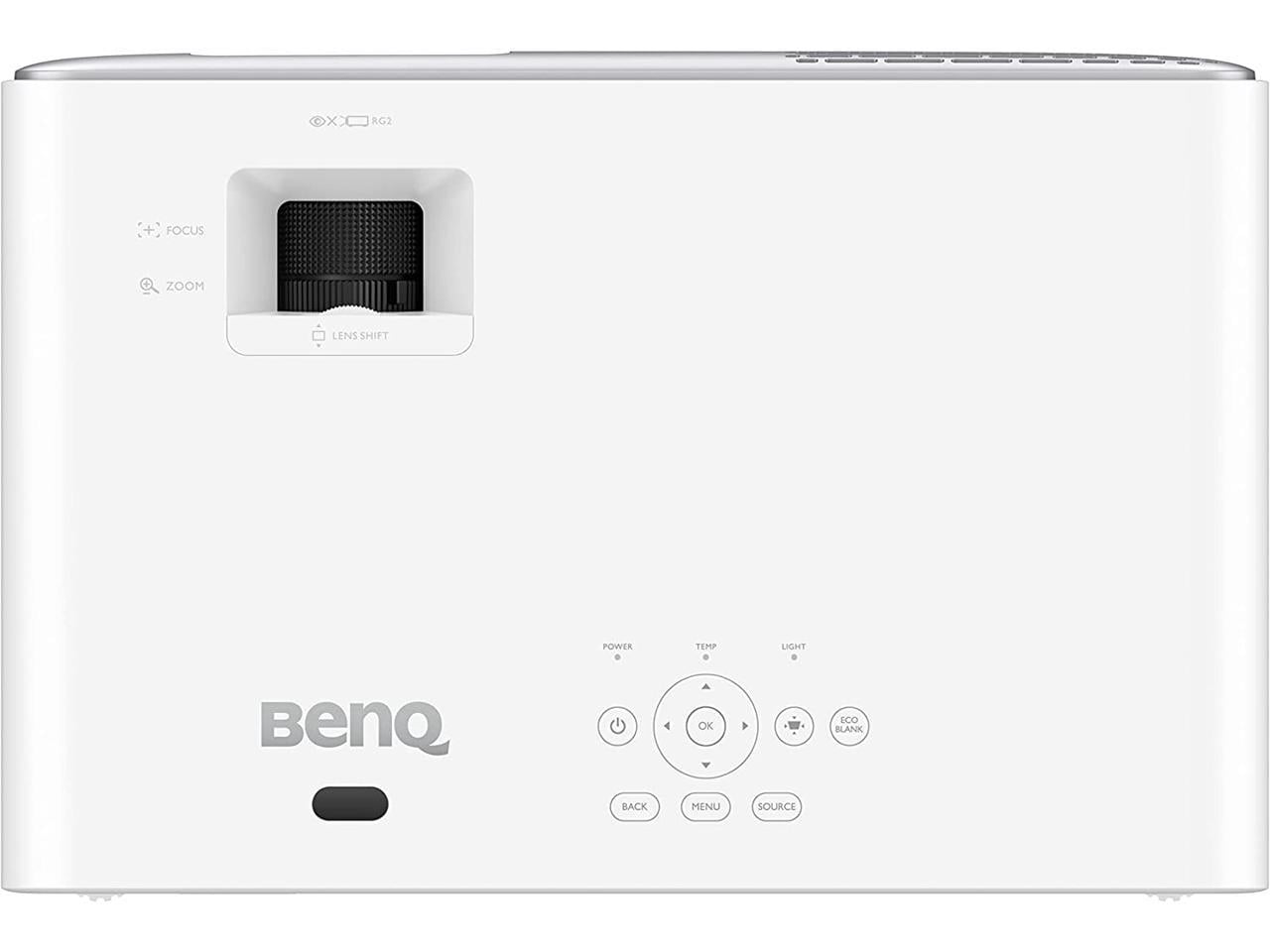
The BenQ HT2060 follows traditional projector installation principles. It offers 1.3x optical zoom and vertical lens shift, allowing you to fine-tune image placement even when the projector can't be perfectly centered. This makes it excellent for dedicated home theater rooms where you want to mount the projector precisely and leave it undisturbed.
The JMGO N1S Pro 4K prioritizes flexibility over precision. Its compact design and gimbal system make it ideal for living rooms where the projector might need to coexist with other furniture and activities. The automatic setup features mean non-technical users can get great results without measuring throw distances or adjusting lens settings.
Both projectors eliminate the traditional projector maintenance headache of lamp replacement. The JMGO's laser system should maintain consistent brightness for 30,000 hours, while the BenQ's LEDs offer similar longevity with gradual, nearly imperceptible dimming.
The JMGO's smart features will likely receive software updates for several years, potentially adding new streaming services and capabilities. However, smart platforms can also become outdated - a risk you don't face with the BenQ's external-device approach.
The JMGO N1S Pro 4K makes sense if you want the latest technology in a flexible, user-friendly package. It's particularly compelling for:
The BenQ HT2060 better serves traditional home theater enthusiasts who prioritize:
At the time of writing, the price difference between these projectors reflects their different target markets. The JMGO N1S Pro 4K commands a premium for its advanced laser technology, 4K resolution, and innovative gimbal system. The BenQ HT2060 offers excellent value for users who don't need 4K resolution or smart features but want proven home theater performance.
Our recommendation depends on your specific situation. If you're setting up a dedicated home theater room and plan to use external streaming devices anyway, the BenQ HT2060 delivers outstanding bang for your buck with reference-quality colors and gaming-friendly performance.
But if you want a modern, flexible solution that can adapt to different rooms and situations while delivering impressive 4K visuals, the JMGO N1S Pro 4K justifies its premium pricing with genuinely innovative features that address real-world usage scenarios.
Both projectors represent the current state of the art in their respective approaches to home projection. The key is matching their strengths to your specific needs, viewing environment, and budget. Either choice will deliver a dramatically better experience than comparably priced TVs when it comes to sheer screen size and cinematic immersion.
| JMGO N1S Pro 4K Projector | BenQ HT2060 HDR Home Theater Projector |
|---|---|
| Resolution - Critical for image sharpness and future-proofing | |
| True 4K (3840×2160) native resolution | 1080p (1920×1080) with 4K input acceptance |
| Light Source Technology - Affects longevity and color performance | |
| MALC 2.0 Triple RGB Laser (30,000 hours) | 4LED Array (30,000 hours) |
| Brightness - Determines usability in ambient light | |
| 2,400 ANSI lumens (good for moderately lit rooms) | 2,300 ANSI lumens (similar ambient light performance) |
| Color Gamut - Impacts color vibrancy and accuracy | |
| 110% BT.2020 (vibrant, wide colors for HDR content) | 98% Rec.709 (accurate, reference-grade colors) |
| Contrast Ratio - Affects black levels and image depth | |
| 1,600:1 (good laser contrast) | 500,000:1 dynamic (superior black levels) |
| Installation Flexibility - How easy to set up and position | |
| Auto-stabilized gimbal system with 360° rotation | Traditional fixed mount with 1.3x zoom and lens shift |
| Smart Features - Built-in streaming and connectivity | |
| Google TV with Netflix, 10,000+ apps, voice control | No smart OS (requires external streaming device) |
| Audio System - Built-in sound quality | |
| 20W stereo speakers with Dolby Digital Plus | 5W×2 basic speakers (external audio recommended) |
| Gaming Performance - Input lag and refresh rates | |
| 60Hz max refresh rate (casual gaming friendly) | 16.7ms input lag in Fast Mode (competitive gaming ready) |
| Screen Size Range - Maximum projection capability | |
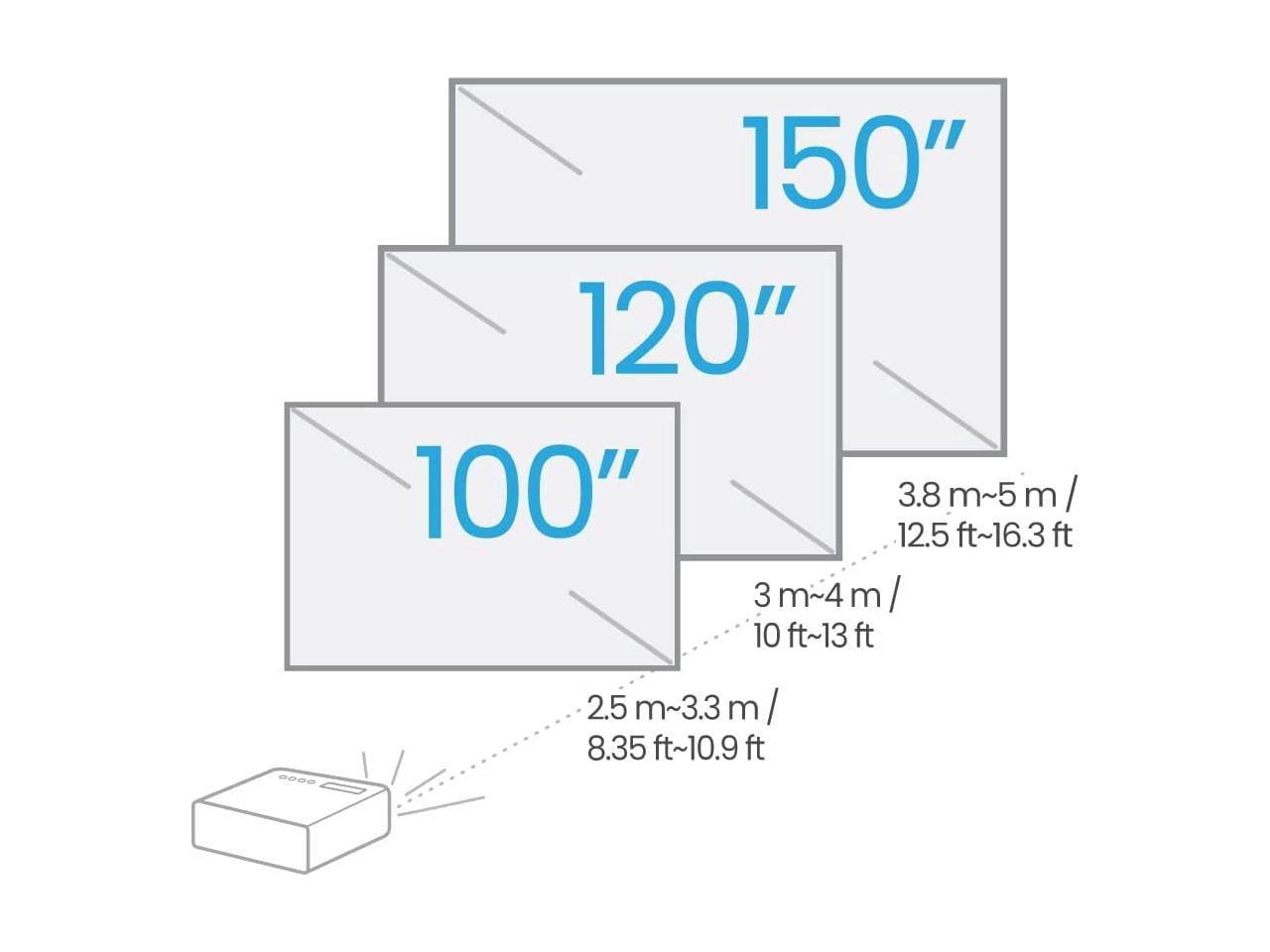
| 85-180 inches (compact living room focused) | 60-300 inches (large dedicated theater capability) |
| Physical Design - Portability and setup convenience | |
| Compact gimbal design with auto-focus and keystone | Traditional projector form with manual adjustments |
| HDMI Connectivity - Modern device compatibility | |
| 2× HDMI 2.1 with eARC support | 2× HDMI 2.0b (adequate for most sources) |
| Target Use Case - Best suited for | |
| Modern living rooms, flexible placement, 4K streaming | Dedicated home theaters, gaming, color-accurate viewing |
For dedicated home theater rooms, the BenQ HT2060 excels with superior color accuracy, better black levels, and support for screens up to 300 inches. However, the JMGO N1S Pro 4K offers true 4K resolution and more vibrant colors that many find impressive for modern HDR content. Choose the BenQ HT2060 for reference-quality viewing or the JMGO N1S Pro 4K for future-proof 4K performance.
The JMGO N1S Pro 4K delivers native 4K resolution (3840×2160), providing four times more detail than the BenQ HT2060's 1080p resolution. This means sharper text, finer movie details, and better clarity when sitting closer to large screens. The 4K advantage is most noticeable with modern streaming content and UHD Blu-rays.
The JMGO N1S Pro 4K wins for ease of setup with its motorized gimbal system, automatic focus, and keystone correction. You can project on any surface without moving the unit. The BenQ HT2060 requires manual focus and positioning but offers more precise placement options with optical zoom and lens shift for permanent installations.
Both the JMGO N1S Pro 4K and BenQ HT2060 produce around 2,300-2,400 ANSI lumens, making them suitable for rooms with moderate ambient light. However, you'll still get the best picture quality by controlling room lighting, especially for darker movie scenes where contrast matters most.
The BenQ HT2060 is superior for gaming with its Fast Mode delivering just 16.7ms input lag, ideal for competitive gaming. The JMGO N1S Pro 4K maxes out at 60Hz refresh rate, making it better suited for casual gaming where the 4K resolution provides stunning visual detail in single-player games.
The JMGO N1S Pro 4K features impressive 20W stereo speakers with Dolby Digital Plus that many users find adequate for casual viewing. The BenQ HT2060 has basic 5W speakers that typically require external audio equipment for a proper home theater experience.
Only the JMGO N1S Pro 4K includes built-in Google TV with Netflix and thousands of streaming apps. The BenQ HT2060 has no smart features, requiring you to connect external streaming devices like Apple TV, Roku, or gaming consoles for content access.
Both projectors eliminate traditional lamp replacement hassles. The JMGO N1S Pro 4K's triple laser system and the BenQ HT2060's 4LED array both last approximately 30,000 hours with consistent brightness throughout their lifespan, making them virtually maintenance-free for years of use.
The BenQ HT2060 focuses on color accuracy with 98% Rec.709 coverage and CinematicColor technology for filmmaker-intended colors. The JMGO N1S Pro 4K covers 110% of the BT.2020 color space, producing more vibrant and saturated colors that impress immediately but may not be as reference-accurate.
The JMGO N1S Pro 4K excels in flexible layouts with its 360-degree gimbal rotation, allowing projection on walls or ceilings from various positions. The BenQ HT2060 works best in traditional setups but supports larger screen sizes up to 300 inches compared to the JMGO's 180-inch maximum.
The BenQ HT2060 typically offers better value for users satisfied with excellent 1080p quality and don't need smart features. The JMGO N1S Pro 4K justifies its premium pricing with 4K resolution, innovative gimbal technology, and comprehensive smart features for users wanting the latest projection technology.
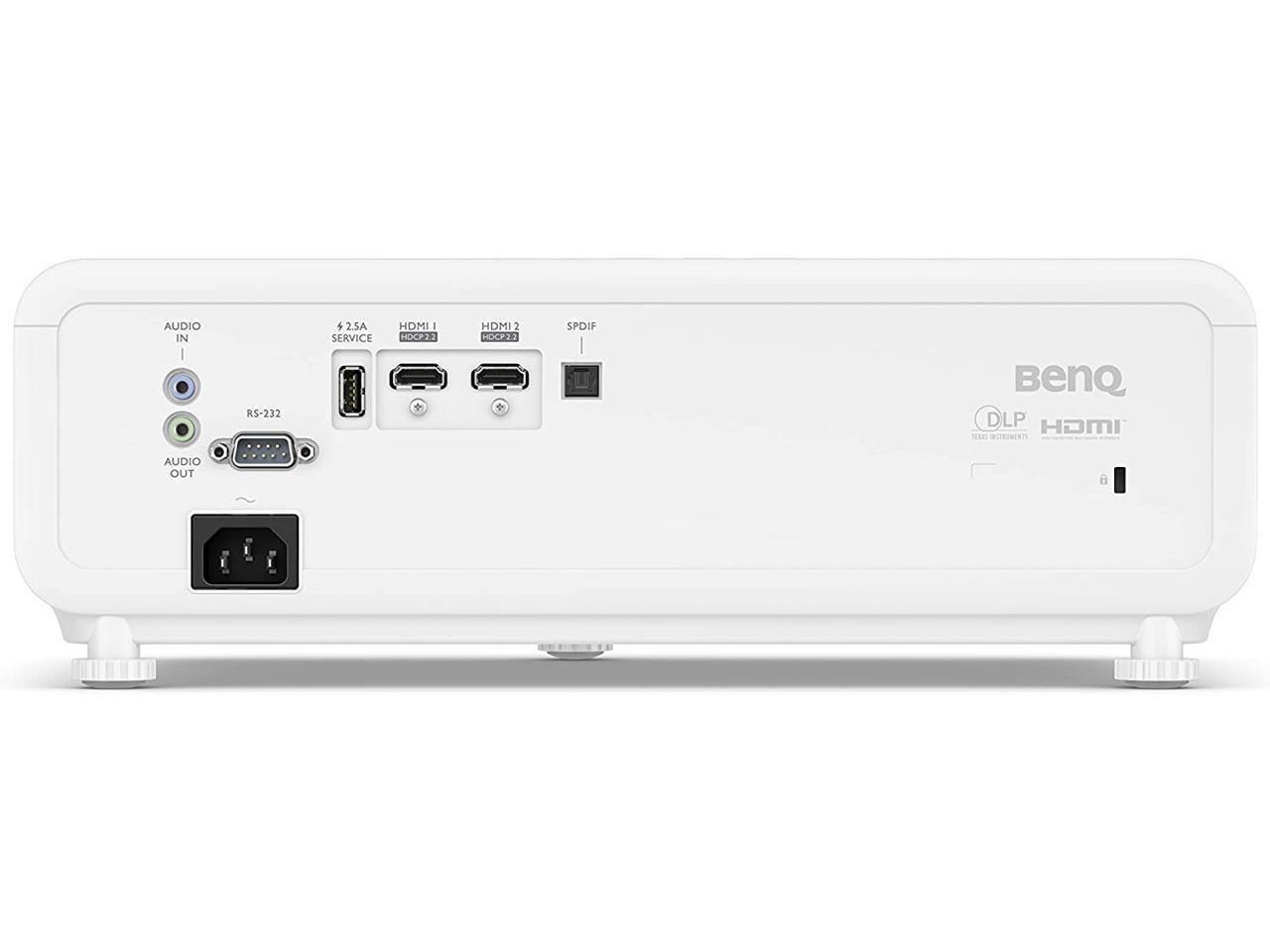
The JMGO N1S Pro 4K offers modern connectivity with 2× HDMI 2.1 ports (one with eARC), Wi-Fi 6, and Bluetooth 5.2. The BenQ HT2060 provides 2× HDMI 2.0b ports and includes optical audio output for soundbar connections, plus RS-232 for professional installation control systems.
We've done our best to create useful and informative comparisons to help you decide what product to buy. Our research uses advanced automated methods to create this comparison and perfection is not possible - please contact us for corrections or questions. These are the sites we've researched in the creation of this article: techradar.com - projectorcentral.com - gray9.in - projectorreviews.com - howtogeek.com - the-gadgeteer.com - projectorcentral.com - global.jmgo.com - global.jmgo.com - cnet.com - cnet.com - youtube.com - global.jmgo.com - avsforum.com - youtube.com - youtube.com - projectorcentral.com - avsforum.com - bestbuy.com - avsforum.com - tomsguide.com - avsforum.com - projectorreviews.com - hometheaterhifi.com - youtube.com - avsforum.com - cnet.com - techgearlab.com - cdw.com - bhphotovideo.com - projectorcentral.com - shop.avispl.com - tvsbook.com - youtube.com - projectorreviews.com - avsforum.com

Privacy Policy
Terms and Conditions - Affiliate Policy
Home Security
© Copyright 2008-2026.
11816 Inwood Rd #1211, Dallas, TX 75244