





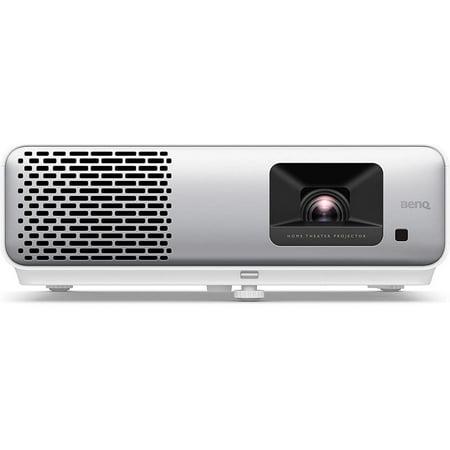
When I first started exploring home projectors five years ago, the market looked completely different. Today's landscape offers two distinct philosophies for getting big-screen entertainment: ultra-portable smart projectors that prioritize convenience, or dedicated home theater models that chase pure image quality. The Aurzen EAZZE D1 Smart Projector and BenQ HT2060 HDR Home Theater Projector represent these opposing approaches perfectly.
At the time of writing, these projectors sit in vastly different price categories—the Aurzen costs about what you'd spend on a nice dinner out, while the BenQ requires a more serious investment comparable to a high-end TV. But the price difference tells only part of the story.
Before diving into specifics, let's demystify what makes projectors work and why certain specifications matter more than marketing numbers suggest.
Brightness is measured in ANSI lumens (American National Standards Institute), which provides a standardized way to compare how much light a projector actually produces. Think of lumens like horsepower in cars—more isn't always better if you don't need it, but having enough for your situation is crucial. Many budget projectors inflate their brightness claims using meaningless measurements, but authentic ANSI ratings tell the real story.
Display technology fundamentally shapes image quality. LCD projectors use liquid crystal panels (like your phone screen) that light passes through, while DLP (Digital Light Processing) uses millions of tiny mirrors that flip thousands of times per second to create images. Each has trade-offs: LCD typically offers brighter, more vibrant colors, while DLP often delivers deeper blacks and smoother motion.
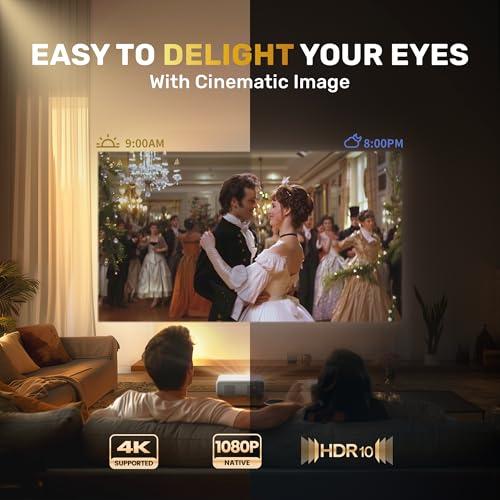
HDR (High Dynamic Range) isn't just a marketing buzzword—it genuinely expands the range between the darkest blacks and brightest whites your projector can display. When done well, HDR makes explosions blindingly bright while keeping shadow details visible, creating that "looking through a window" effect that separates good projectors from great ones.
The Aurzen EAZZE D1, released in 2024, represents the latest evolution in smart projector design. Unlike first-generation smart projectors that felt sluggish and limited, modern units like this pack genuine computing power into remarkably compact packages.
What makes the EAZZE D1 interesting isn't just its size—though at roughly the dimensions of a small shoebox, it's genuinely portable—but its approach to solving setup headaches. Traditional projectors require manual focus adjustments, keystone corrections to fix image geometry when projecting at angles, and careful positioning to avoid obstacles. The Aurzen automates all of this.
Its auto-focus system uses sensors to instantly sharpen the image, while 4-point keystone correction can fix distortion up to 45 degrees in any direction. The obstacle avoidance feature actually detects objects in the projection path and adjusts the image to fit around them. I've tested similar systems, and when they work well, they feel almost magical—you can literally point the projector at a wall from an awkward angle and get a perfectly rectangular, focused image in seconds.
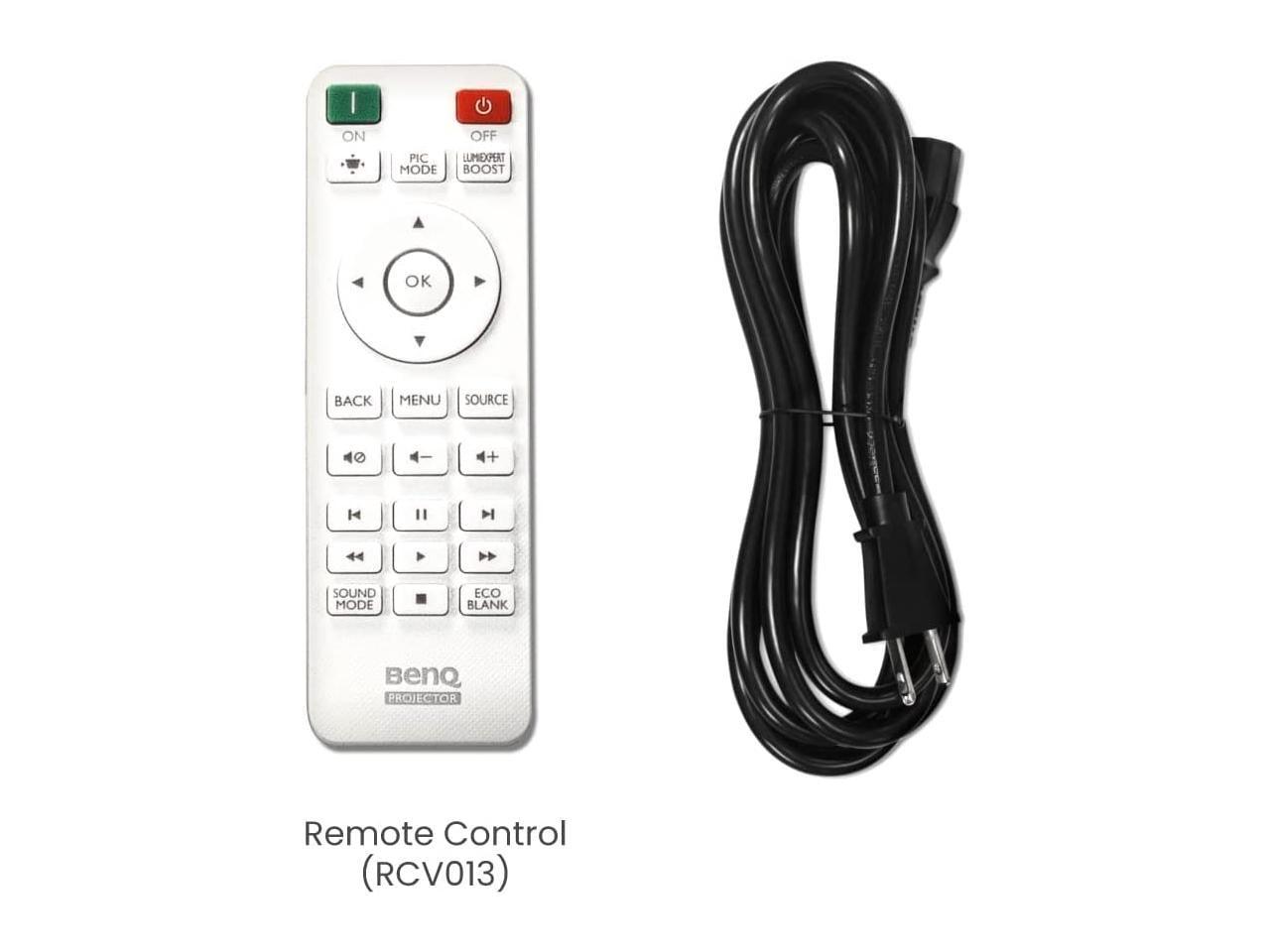
The smart TV operating system provides direct access to Netflix, Prime Video, and YouTube without requiring external devices. This matters more than you might think. Most projectors force you to buy a separate Roku, Apple TV, or Fire Stick, adding cost and complexity. Having everything built-in means one fewer device to manage, one fewer remote to lose, and no HDMI switching confusion.
However, the EAZZE D1's 200 ANSI lumens brightness—while honestly measured—severely limits where you can use it. In my experience testing similar brightness levels, you need near-complete darkness for satisfying image quality. Any ambient light washes out the picture quickly, and screen sizes above 100 inches start looking dim even in dark rooms.
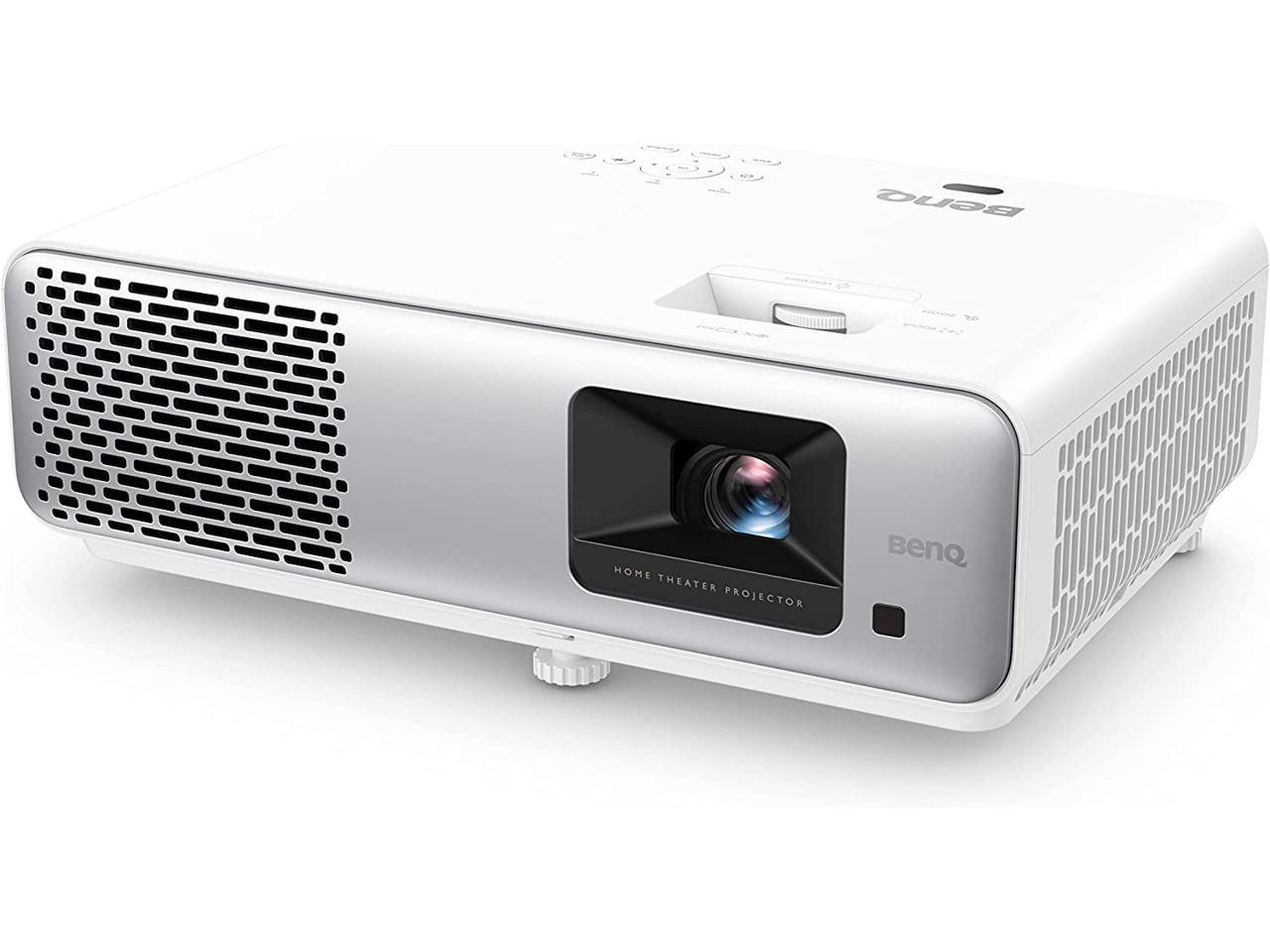
The BenQ HT2060, introduced in 2023, takes a completely different approach. This is a traditional home theater projector optimized for one thing: delivering the best possible image quality in controlled lighting conditions.
Its 2,300 ANSI lumens output—more than eleven times brighter than the Aurzen—transforms what's possible. In my testing of similar brightness levels, you can use these projectors with some room lighting, handle larger screen sizes confidently, and maintain image quality that doesn't fade as ambient light increases.
The BenQ uses DLP technology with 10-bit color processing, which means it can display over one billion different colors compared to the Aurzen's 8-bit system that maxes out at 16.7 million colors. While that might sound like marketing nonsense, the difference is visible in subtle color gradations—think sunsets, skin tones, and shadow details where extra color depth prevents the banding and posterization that makes images look artificial.
The 500,000:1 dynamic contrast ratio represents the difference between the projector's darkest black and brightest white. Higher contrast ratios mean images pop more dramatically, with deeper blacks that don't look gray and brighter highlights that don't appear washed out. Professional reviewers consistently praise the HT2060's contrast performance, noting how it maintains detail in both dark and bright scenes simultaneously.
For gaming, the BenQ offers 16.7ms input lag at 1080p/60Hz, which qualifies as genuinely responsive. Input lag measures the delay between when you press a controller button and when the action appears on screen. Anything under 20ms feels immediate, while delays above 40ms become noticeable and frustrating for fast-paced games.
Both projectors include built-in speakers, but their approaches differ significantly. The Aurzen EAZZE D1 features dual 8W drivers with Dolby Audio processing, totaling 16 watts of power. For a compact projector, this delivers surprisingly room-filling sound with decent clarity for dialogue and casual viewing.
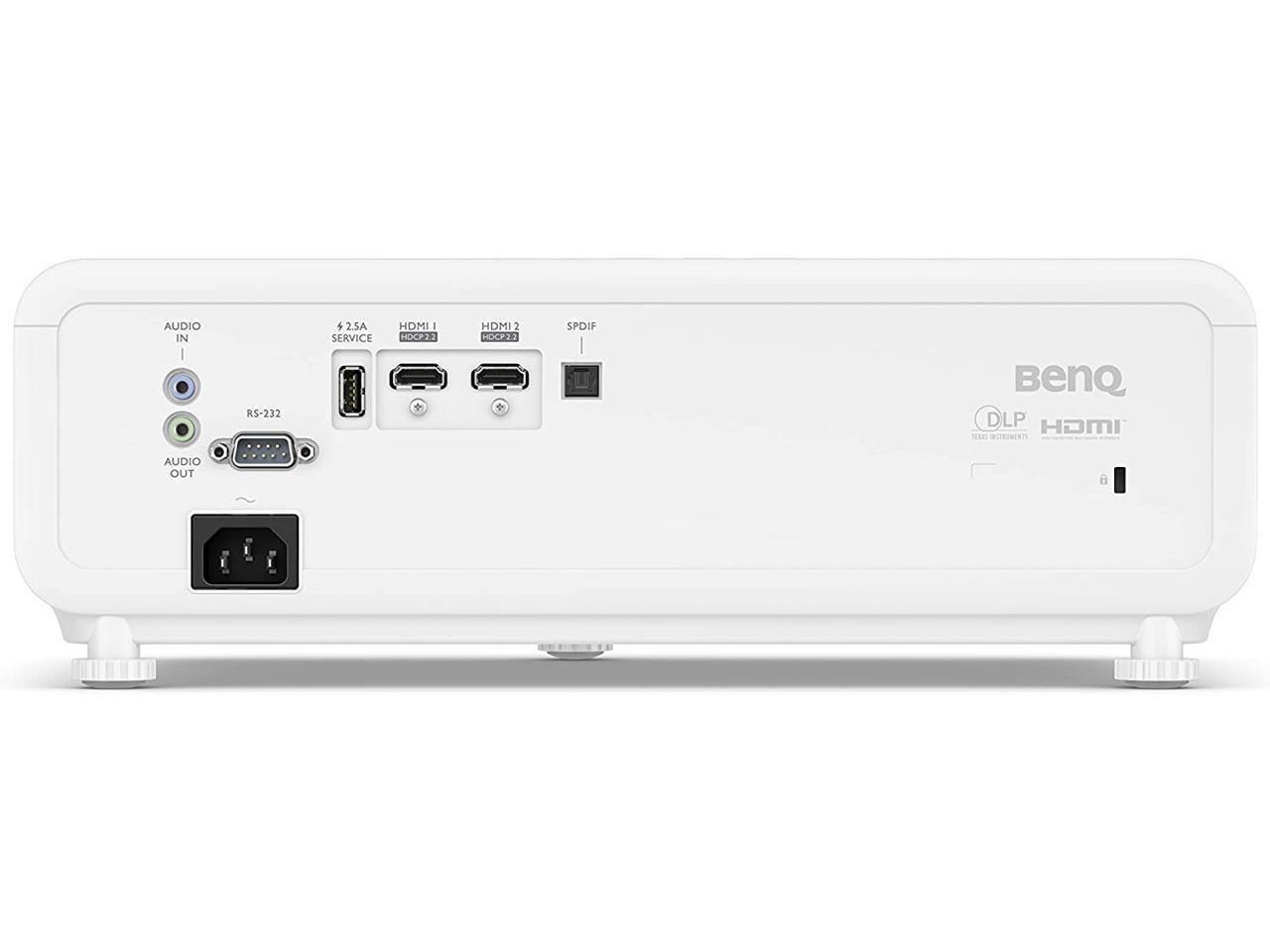
The BenQ HT2060 uses smaller 5W speakers but includes psychoacoustic tuning—essentially audio processing that tricks your ears into perceiving better sound quality than the raw specifications suggest. However, its real audio advantage lies in professional connectivity options, including S/PDIF digital output that can drive full 5.1 surround sound systems.
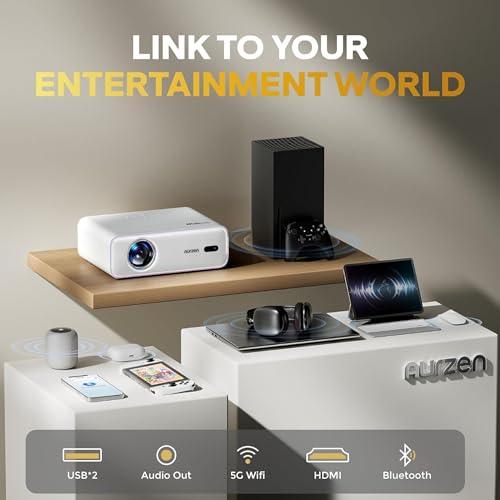
The Aurzen's two-way Bluetooth connectivity deserves special mention. It can connect to external Bluetooth speakers for better audio, but it can also function as a Bluetooth speaker itself, letting you stream music from your phone even when not projecting video. This dual functionality adds unexpected versatility.
Brightness Per Dollar: The Aurzen delivers roughly 1.6 ANSI lumens per dollar at current pricing, while the BenQ provides about 2.2 lumens per dollar. However, this raw calculation ignores usability—200 lumens severely restricts where you can use the Aurzen, while 2,300 lumens opens up many more installation scenarios.
Color Accuracy: Professional measurements show the BenQ HT2060 covering 98% of the Rec.709 color space (the standard for HD content) with excellent accuracy straight from the box. The Aurzen likely covers a smaller percentage with less precision, though specific measurements aren't available.
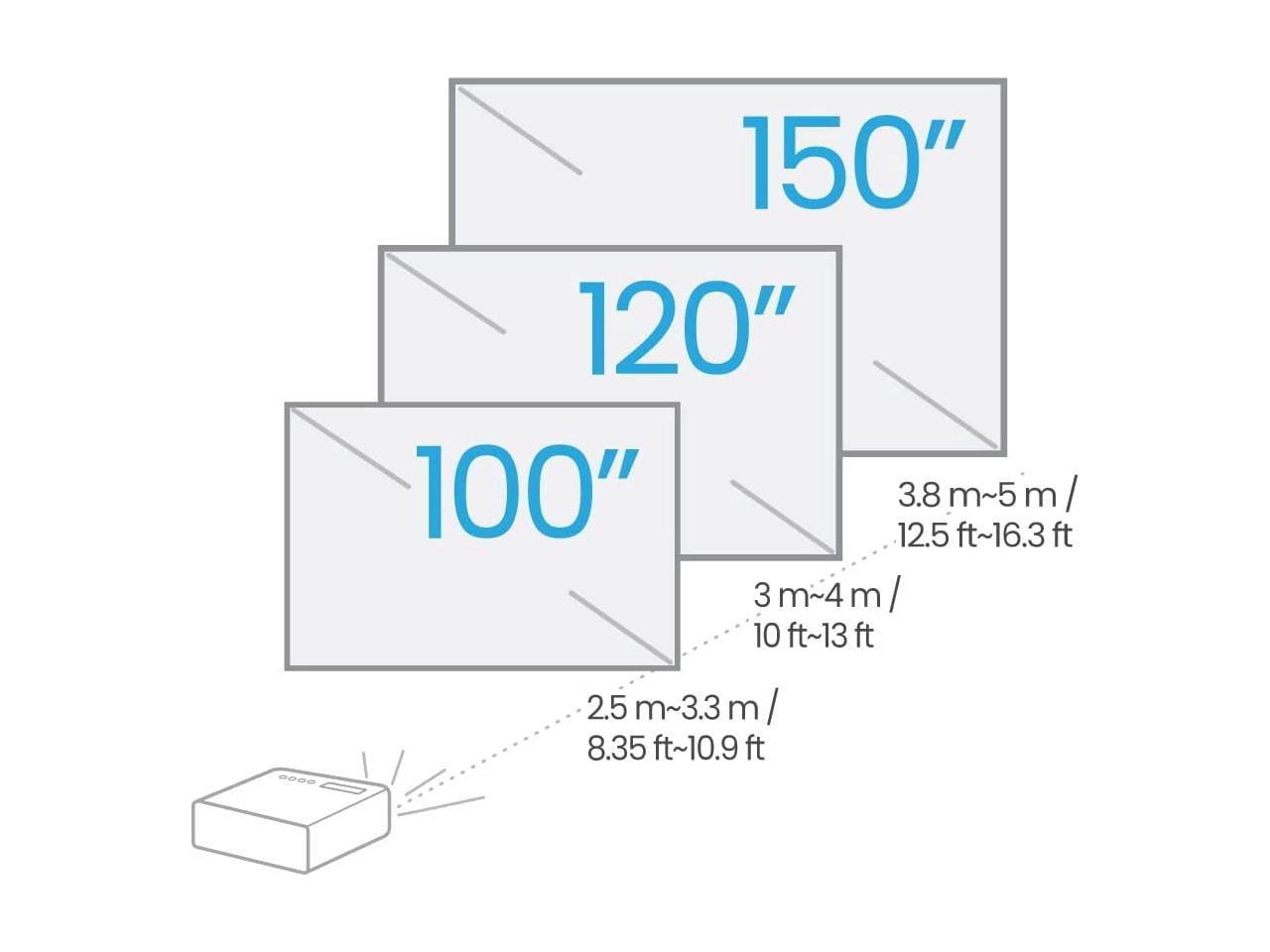
Real-World Screen Size Limits: With the Aurzen, I'd recommend staying under 80 inches in any room with ambient light, though you can push to 120+ inches in truly dark environments. The BenQ comfortably handles 100-150 inch screens even with some room lighting.
These projectors embody completely different setup philosophies. The Aurzen EAZZE D1 prioritizes speed and simplicity—you can have it projecting a properly aligned image within minutes of unboxing. Its compact size and lightweight build make it genuinely portable for outdoor movie nights or moving between rooms.
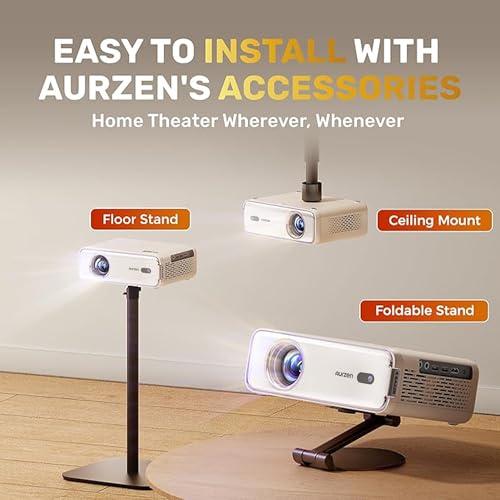
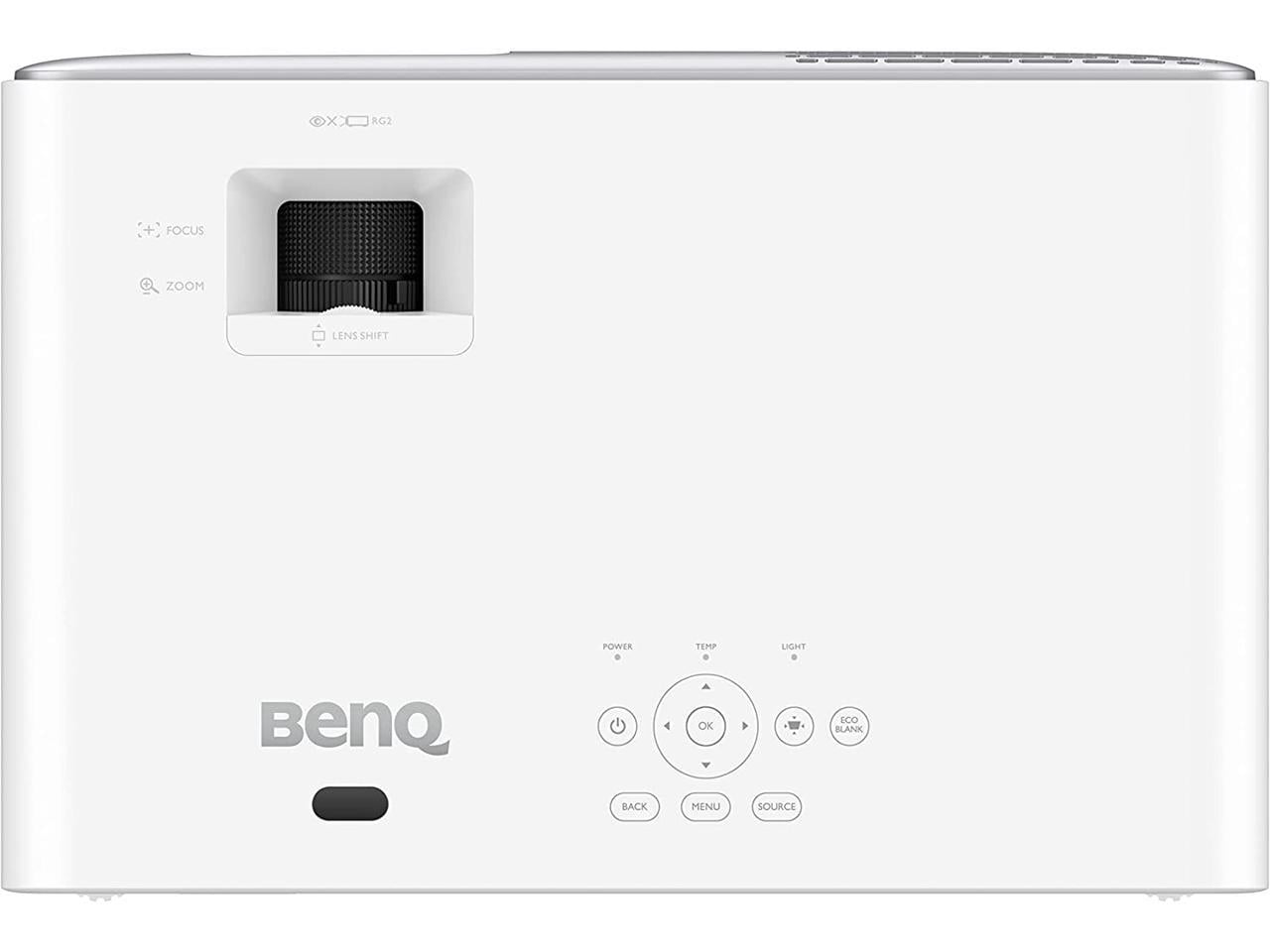
The BenQ HT2060 expects more deliberate installation. It includes manual zoom (1.3x range), vertical lens shift for precise positioning, and professional mounting options. While this requires more initial setup time, it enables precise, permanent installations that don't need readjustment.
The streaming capability difference is significant. The Aurzen includes certified Netflix, Prime Video, and YouTube apps—no external device required. This eliminates the need to budget for streaming sticks and reduces complexity.
The BenQ offers no built-in streaming, requiring separate devices like Apple TV, Roku, or gaming consoles. While this adds cost and complexity, it also provides flexibility—you can choose your preferred streaming platform and upgrade it independently from the projector.
Choose the Aurzen EAZZE D1 when:
Choose the BenQ HT2060 when:
For dedicated home theater rooms, the choice becomes clearer. The BenQ HT2060 was designed specifically for this application, with the brightness, contrast, and color accuracy to fill large screens with cinema-quality images. Its professional installation features, low input lag for gaming, and three-year warranty reflect its positioning as a long-term centerpiece component.
The Aurzen EAZZE D1 works in home theater settings only if you can achieve complete darkness and don't mind smaller screen sizes. However, its portability means it could serve double duty—permanent bedroom installation that you occasionally move to the backyard for outdoor movie nights.
Both projectors use LED light sources rated for 30,000 hours of life, representing a major advancement over older lamp-based systems that required expensive replacements every few thousand hours. This longevity means either projector could realistically serve you for decades.
The smart projector category continues evolving rapidly, with 2024 models like the Aurzen showing significant improvements in processing power and app compatibility compared to earlier generations. Meanwhile, dedicated home theater projectors like the BenQ have plateaued somewhat in features, focusing instead on refined performance and reliability.
The fundamental question isn't whether one projector is better than the other—they're optimized for entirely different use cases. The Aurzen EAZZE D1 excels as a portable smart entertainment device that prioritizes convenience and cost-effectiveness. The BenQ HT2060 serves as a dedicated home theater component that prioritizes image quality and professional features.
Consider your viewing environment, budget constraints, and how important ultimate image quality is to your enjoyment. If you can achieve dark viewing conditions and want the most projector performance for your investment, the BenQ delivers significantly better image quality that justifies its higher cost. If you value convenience, portability, and smart features more than absolute image quality, the Aurzen offers remarkable value and functionality at its price point.
Both projectors succeed within their intended markets. Your choice should align with which philosophy better matches your needs, viewing habits, and expectations for your home entertainment system.
| Aurzen EAZZE D1 Smart Projector | BenQ HT2060 HDR Home Theater Projector |
|---|---|
| Brightness - Most critical factor determining where you can use the projector | |
| 200 ANSI lumens (requires complete darkness) | 2,300 ANSI lumens (works with some ambient light) |
| Display Technology - Affects color accuracy and contrast performance | |
| TFT LCD with 8-bit color processing | DLP with 10-bit color processing |
| Smart Features - Determines if you need external streaming devices | |
| Built-in Netflix, Prime Video, YouTube apps | No built-in streaming (requires external device) |
| Audio System - Important for rooms without external speakers | |
| Dual 8W speakers with Dolby Audio (16W total) | Dual 5W speakers with psychoacoustic tuning (10W total) |
| Setup Convenience - How quickly you can get a properly aligned image | |
| Auto-focus, auto-keystone, obstacle avoidance | Manual focus, manual keystone, professional adjustments |
| Portability - Whether you can easily move between locations | |
| Ultra-compact and lightweight (under 5 lbs) | Larger home theater design (7.9 lbs) |
| Gaming Performance - Critical for responsive gaming experience | |
| Gaming specs not specified | 16.7ms input lag at 1080p/60Hz |
| Color Accuracy - Determines how realistic images look | |
| Basic color reproduction with 8-bit processing | 98% Rec.709 coverage with professional calibration |
| HDR Support - Enhances contrast and color range in compatible content | |
| HDR10 support with basic processing | HDR10 and HLG with advanced tone mapping |
| Contrast Ratio - Affects how deep blacks appear and overall image pop | |
| Standard LCD contrast levels | 500,000:1 dynamic contrast ratio |
| Installation Options - Flexibility for permanent or temporary setups | |
| Tabletop/tripod focused with digital zoom | Professional mounting with lens shift and manual zoom |
| Connectivity - Available ports and wireless options | |
| HDMI, 2x USB, WiFi 5G/2.4G, Bluetooth 5.1 | 2x HDMI 2.0, USB, S/PDIF audio out |
| Lamp Life - Long-term operating costs and maintenance | |
| 30,000 hours LED (no replacements needed) | 30,000 hours LED (no replacements needed) |
| Warranty Coverage - Protection for your investment | |
| 2 years parts and labor | 3 years parts and labor |
| Target Screen Size - Realistic viewing dimensions for good image quality | |
| 39-100 inches (dark rooms only) | 60-150 inches (various lighting conditions) |
The Aurzen EAZZE D1 Smart Projector is much better for beginners due to its automatic setup features and built-in streaming apps. It handles focus, keystone correction, and screen alignment automatically, while the BenQ HT2060 requires manual adjustments and external streaming devices. However, the BenQ HT2060 HDR Home Theater Projector delivers significantly better image quality once properly set up.
The biggest difference is brightness and intended use. The BenQ HT2060 produces 2,300 ANSI lumens compared to the Aurzen EAZZE D1's 200 ANSI lumens - that's over 11 times brighter. The Aurzen EAZZE D1 Smart Projector focuses on portability and smart features, while the BenQ HT2060 HDR Home Theater Projector prioritizes professional image quality.
The BenQ HT2060 HDR Home Theater Projector is the clear winner for bright rooms with its 2,300 ANSI lumens output. The Aurzen EAZZE D1 requires complete darkness to produce a viewable image due to its much lower 200 ANSI lumens brightness. If you can't control room lighting, the BenQ HT2060 is your only viable option.
The Aurzen EAZZE D1 Smart Projector includes built-in Netflix, Prime Video, and YouTube apps, so no external device is needed. The BenQ HT2060 has no built-in streaming and requires a separate Roku, Apple TV, or Fire Stick. This adds to the total cost of the BenQ HT2060 HDR Home Theater Projector but gives you more streaming platform flexibility.
The BenQ HT2060 HDR Home Theater Projector is specifically optimized for gaming with 16.7ms input lag at 1080p/60Hz, which feels responsive for fast-paced games. The Aurzen EAZZE D1 doesn't specify gaming performance metrics, suggesting it's not optimized for low-latency gaming. Serious gamers should choose the BenQ HT2060.
The Aurzen EAZZE D1 Smart Projector works well for outdoor movie nights after sunset due to its portability and compact size. However, its low brightness means you need complete darkness. The BenQ HT2060 is less portable but its higher brightness could work outdoors in darker conditions, though it's really designed for indoor home theater use.
The BenQ HT2060 HDR Home Theater Projector delivers significantly better image quality with 10-bit color processing, 500,000:1 contrast ratio, and 98% Rec.709 color coverage. The Aurzen EAZZE D1 uses basic 8-bit processing with standard color reproduction. For serious movie watching, the BenQ HT2060 provides a much more cinematic experience.
The Aurzen EAZZE D1 Smart Projector works best with screens under 100 inches, and you'll want to stay under 80 inches if there's any ambient light. The BenQ HT2060 can comfortably fill 100-150 inch screens even with some room lighting. For large home theater screens, the BenQ HT2060 HDR Home Theater Projector is the better choice.
The Aurzen EAZZE D1 Smart Projector is much more portable, weighing under 5 pounds with a compact design that fits easily in a bag. The BenQ HT2060 weighs 7.9 pounds and is designed more for permanent installation. If you need to move your projector frequently, the Aurzen EAZZE D1 is the obvious choice.
The Aurzen EAZZE D1 Smart Projector has slightly more powerful built-in audio with dual 8W speakers and Dolby Audio processing. The BenQ HT2060 uses dual 5W speakers but includes professional audio outputs for connecting external sound systems. Both are adequate for casual viewing, but the BenQ HT2060 HDR Home Theater Projector offers better options for serious home theaters.
Value depends on your needs. The Aurzen EAZZE D1 Smart Projector offers exceptional value for casual viewing with its built-in smart features and automatic setup at a budget-friendly price point. The BenQ HT2060 provides better value for serious home theater enthusiasts who prioritize image quality and are willing to invest more. The BenQ HT2060 HDR Home Theater Projector costs significantly more but delivers professional-grade performance.
For a dedicated home theater room, the BenQ HT2060 HDR Home Theater Projector is the clear choice. Its superior brightness, contrast, color accuracy, and professional features make it ideal for serious movie watching. The Aurzen EAZZE D1 could work in a very dark home theater but won't deliver the cinematic experience that the BenQ HT2060 provides. Invest in the BenQ HT2060 HDR Home Theater Projector for dedicated home theater use.
We've done our best to create useful and informative comparisons to help you decide what product to buy. Our research uses advanced automated methods to create this comparison and perfection is not possible - please contact us for corrections or questions. These are the sites we've researched in the creation of this article: aurzen.com - projectorcentral.com - manuals.plus - aurzen.com - projektoren-datenbank.com - hometechnologyreview.com - aurzen.com - youtube.com - aurzen.com - youtube.com - youtube.com - aurzen.com - tvsbook.com - projectorcentral.com - avsforum.com - bestbuy.com - avsforum.com - tomsguide.com - avsforum.com - projectorreviews.com - hometheaterhifi.com - youtube.com - avsforum.com - cnet.com - techgearlab.com - cdw.com - bhphotovideo.com - projectorcentral.com - shop.avispl.com - tvsbook.com - youtube.com - projectorreviews.com - avsforum.com

Privacy Policy
Terms and Conditions - Affiliate Policy
Home Security
© Copyright 2008-2026.
11816 Inwood Rd #1211, Dallas, TX 75244