

Home theater projectors have come a long way from the bulky, expensive units that dominated the market just a decade ago. Today's projectors offer incredible picture quality, smart features, and in some cases, surprising portability. But with so many options available, choosing the right projector for your home can feel overwhelming.
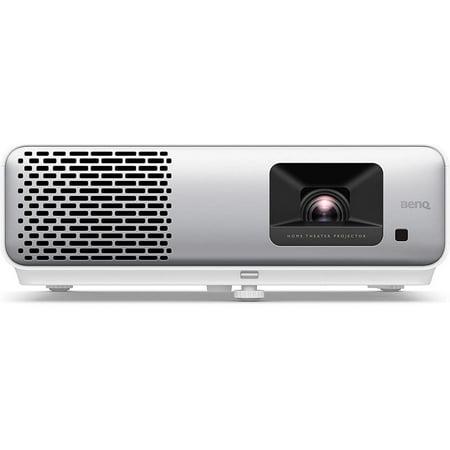
Two projectors that perfectly illustrate the current market split are the Hisense M2 Pro 4K Triple Laser Portable Projector and the BenQ HT2060 HDR Home Theater Projector. These represent fundamentally different approaches to home projection: one prioritizes cutting-edge technology and flexibility, while the other focuses on proven performance and value. Understanding their differences will help you make the right choice for your viewing needs.
The projector world has evolved into distinct categories, each serving different needs. Traditional home theater projectors emphasize brightness and color accuracy for dedicated viewing rooms, while portable projectors focus on convenience and smart features for flexible entertainment. The technology inside these devices has also advanced dramatically, with laser and LED light sources replacing traditional bulbs that needed frequent replacement.
When evaluating projectors, the most critical factors are display technology, light source, brightness output, color accuracy, and installation flexibility. Resolution has become a major dividing line, with 4K becoming the premium standard while 1080p remains highly viable for many users. Smart features, gaming performance, and total cost of ownership round out the key considerations.
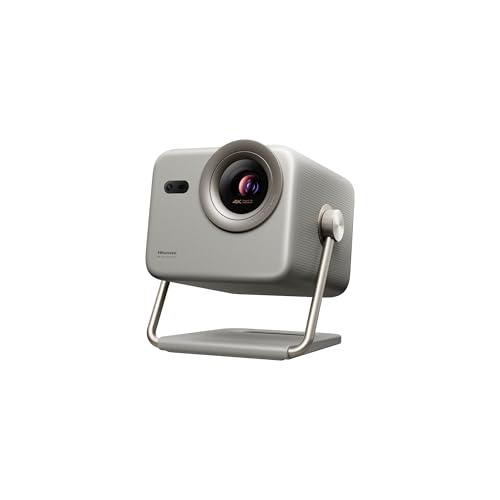
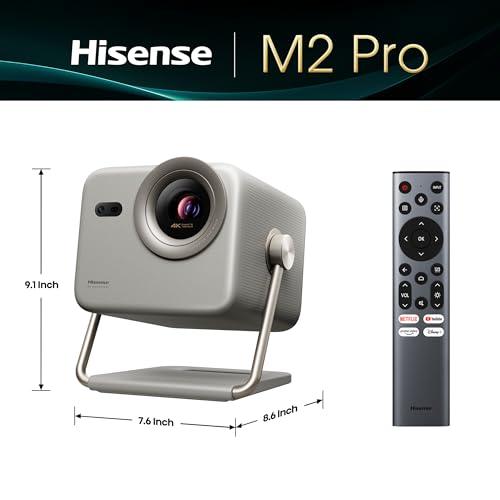
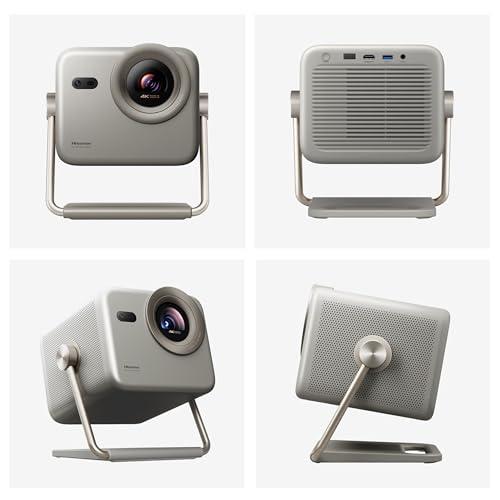
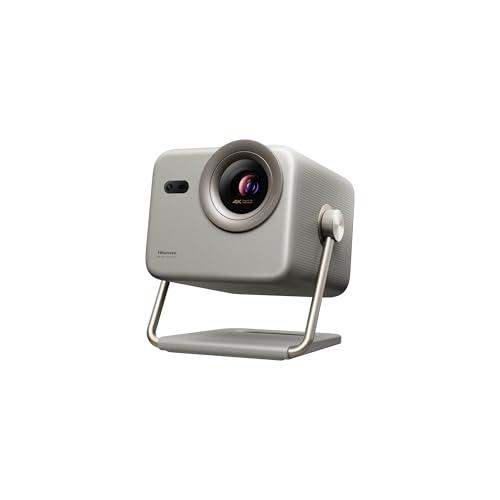
The Hisense M2 Pro, released in 2024, represents the latest in portable 4K laser projection technology. It's designed for users who want cinema-quality visuals in a compact, flexible package that can project anywhere from walls to ceilings. At 8.6 pounds with a built-in gimbal system, it's unlike any traditional projector you've seen.
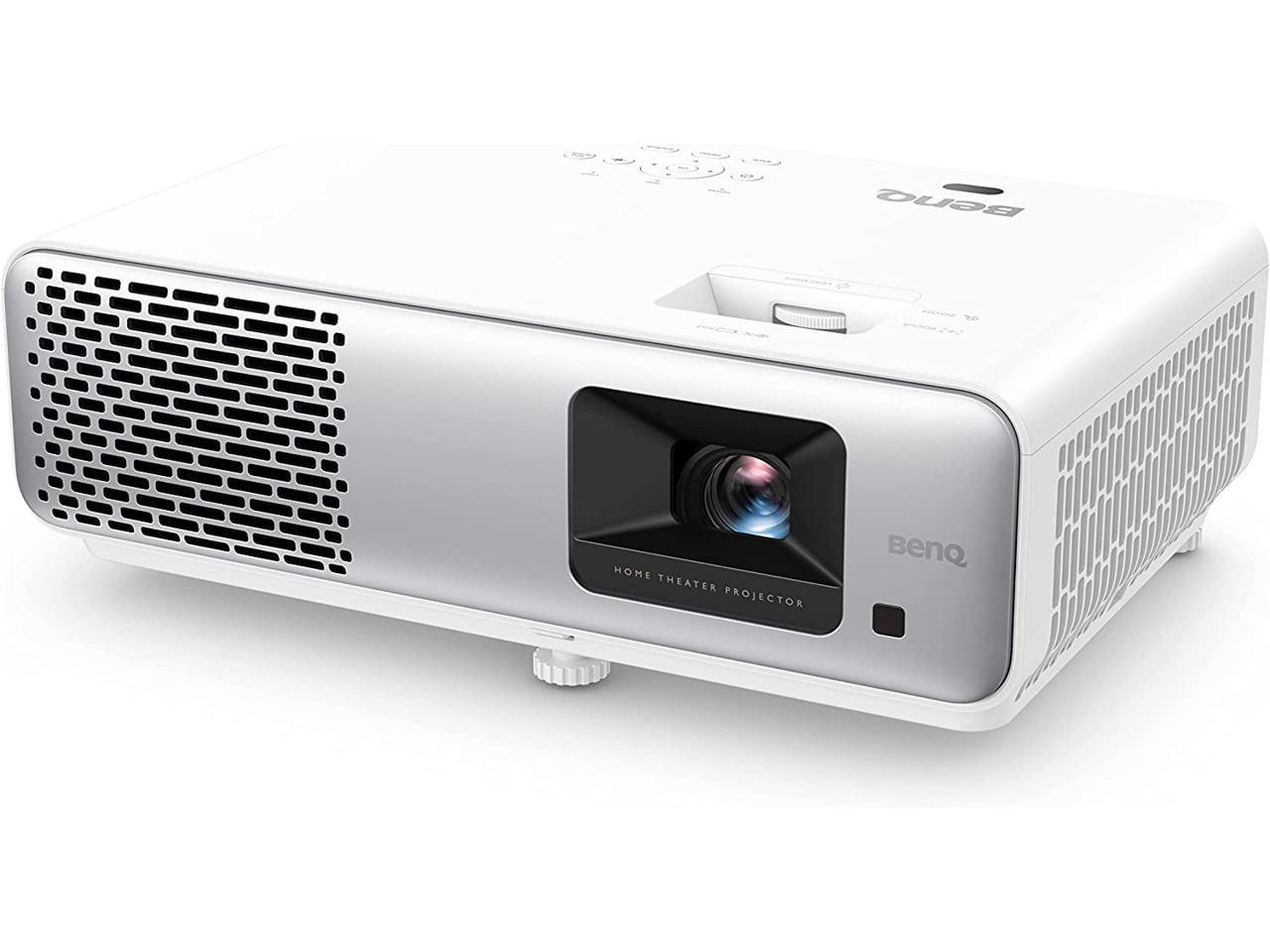
The BenQ HT2060, launched in 2023, takes a more traditional approach as a dedicated home theater projector. It focuses on delivering exceptional 1080p performance with high brightness output and proven reliability. While it lacks the portability of the Hisense, it compensates with superior brightness and traditional home theater features.
This is where these projectors diverge most dramatically. The Hisense M2 Pro delivers true native 4K resolution at 3840×2160 pixels, while the BenQ HT2060 operates at Full HD 1080p resolution (1920×1080 pixels). But what does this mean in practice?
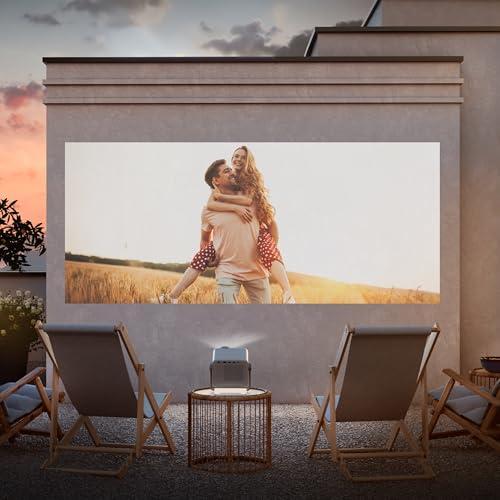
Native 4K resolution means the M2 Pro can display every pixel of 4K content without any scaling or processing. When you're watching Netflix's latest 4K series or playing games on a PlayStation 5, you're seeing the full detail the creators intended. The difference becomes most apparent on screen sizes above 100 inches, where the additional resolution creates noticeably sharper text, finer details in landscapes, and more defined textures.
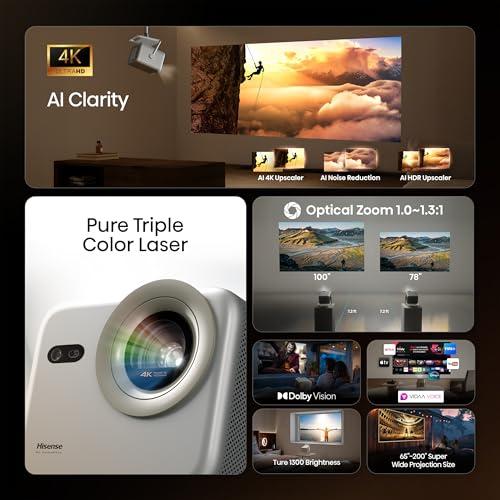
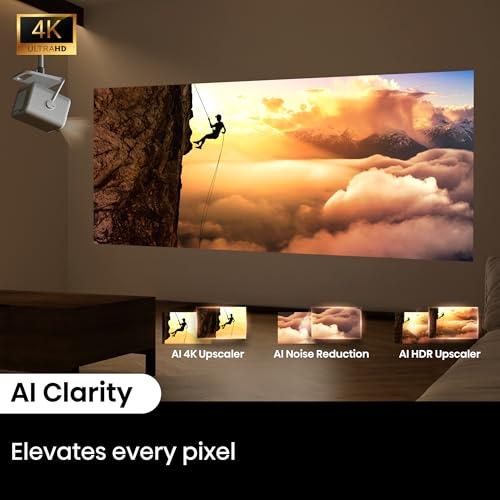
The M2 Pro also includes AI 4K Clarity technology, which uses artificial intelligence algorithms to upscale lower-resolution content and reduce noise. This means your 1080p Blu-rays and streaming content will look better than they would on a native 1080p projector.
However, the BenQ HT2060 shouldn't be dismissed. Its 1080p resolution, when properly implemented with quality DLP (Digital Light Processing) technology, can look surprisingly sharp. DLP uses millions of tiny mirrors to create the image, and BenQ's implementation delivers excellent clarity. For screen sizes under 120 inches, many viewers struggle to see the resolution difference from typical viewing distances.
The HT2060 can accept 4K input signals and downscale them, so you won't lose compatibility with modern devices. While it can't display true 4K detail, it benefits from the higher-quality source material through better color information and improved HDR processing.
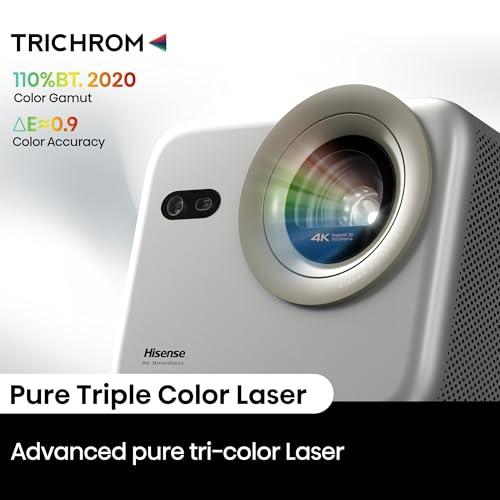
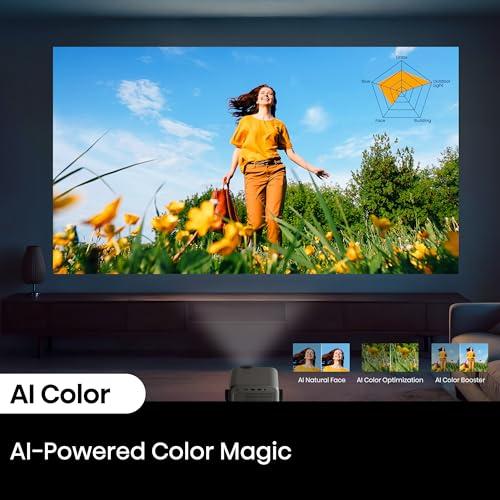
Here's where things get technically interesting. The Hisense M2 Pro uses TriChroma triple laser technology—essentially three separate lasers for red, green, and blue light. This approach delivers several advantages: incredibly wide color gamut (covering 110% of the BT.2020 color space), instant on/off capability, and a 25,000+ hour lifespan with no maintenance.
Laser technology produces exceptionally vibrant colors that pop off the screen. When watching nature documentaries or animated films, the color saturation and accuracy are immediately apparent. The wide color gamut means the M2 Pro can display colors that simply aren't possible with traditional projection technologies.
The BenQ HT2060 uses a 4LED light source, which represents BenQ's take on solid-state lighting. This system uses four LEDs (typically red, green, blue, and white) to create the projected image. While it doesn't match the color gamut of triple laser technology, covering 98% of the Rec.709 color space, it delivers excellent color accuracy and consistency.
LED technology offers different benefits: no speckle effects (a potential issue with some laser projectors on certain screen surfaces), proven reliability, and consistent brightness over the lamp's lifetime. The HT2060 rated lifespan is 20,000-30,000 hours depending on usage mode, meaning you'll likely never need to replace the light source.
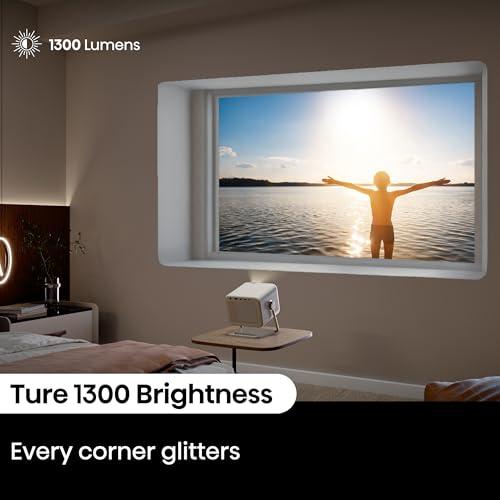
Brightness is measured in ANSI lumens, and here the BenQ HT2060 holds a significant advantage at 2300 ANSI lumens compared to the M2 Pro's 1300 ANSI lumens. This difference matters more than you might think.
Higher brightness means better performance in rooms with ambient light. If you're planning to watch during the day with curtains partially open, or in a living room with some lighting, the HT2060 will maintain better image quality and color saturation. The extra brightness also helps when projecting onto larger screens, where the same amount of light is spread over a bigger area.
The Hisense M2 Pro, while dimmer, still provides adequate brightness for most home situations. Its 1300 lumens work well in darkened rooms and for screen sizes up to about 120 inches. The laser technology also helps maintain color accuracy even at lower brightness levels, something traditional projectors sometimes struggle with.
For dedicated home theaters with light control, either brightness level works well. But for multi-purpose rooms or daytime viewing, the BenQ advantage becomes clear.
Gaming has become a crucial projector feature, and both units address this differently. The Hisense M2 Pro includes impressive gaming specs with support for 240Hz refresh rates and just 12ms input lag. Input lag is the delay between when you press a controller button and see the action on screen—lower is always better for competitive gaming.
The 240Hz capability means the M2 Pro can take full advantage of high-end gaming PCs and next-generation consoles when they support these frame rates. For competitive gaming, especially fast-paced shooters or racing games, this responsiveness makes a noticeable difference.
The BenQ HT2060 offers 16.7ms input lag in its Fast Mode, which is still excellent for gaming. While it doesn't support the ultra-high refresh rates of the Hisense, its performance is more than adequate for console gaming and most PC gaming scenarios. The slightly higher input lag is barely perceptible to most users.
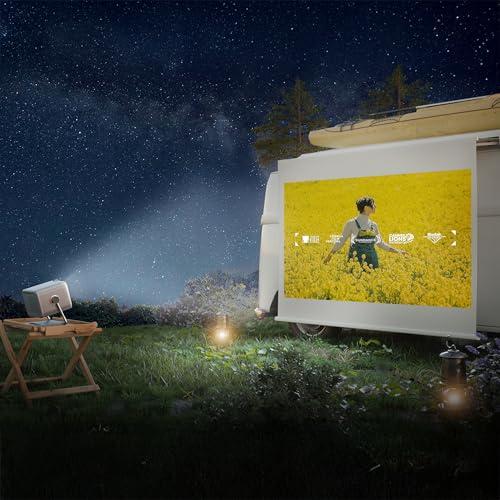
This is where the Hisense M2 Pro truly shines. Its built-in gimbal system allows 360° horizontal rotation and 135° vertical adjustment, meaning you can project onto walls, ceilings, or even angled surfaces. This flexibility opens up use cases that traditional projectors simply can't handle—outdoor movie nights, ceiling projection for bedtime viewing, or temporary setups in different rooms.
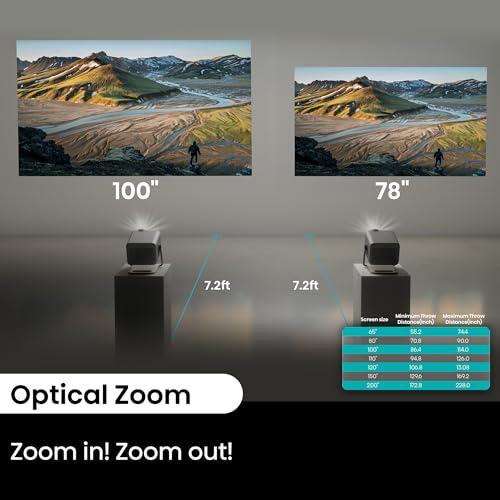
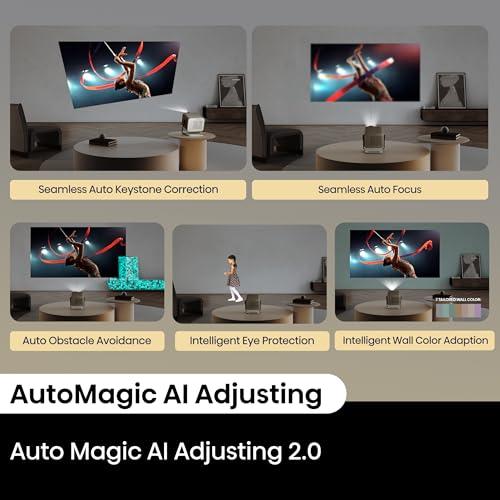
The auto-focus and auto-keystone correction mean setup is nearly effortless. Keystone correction fixes the trapezoidal distortion that occurs when projecting at an angle, and having it happen automatically removes a major setup headache. The optical zoom (1.0-1.3x) allows you to adjust image size without moving the projector, and importantly, without losing 4K sharpness.
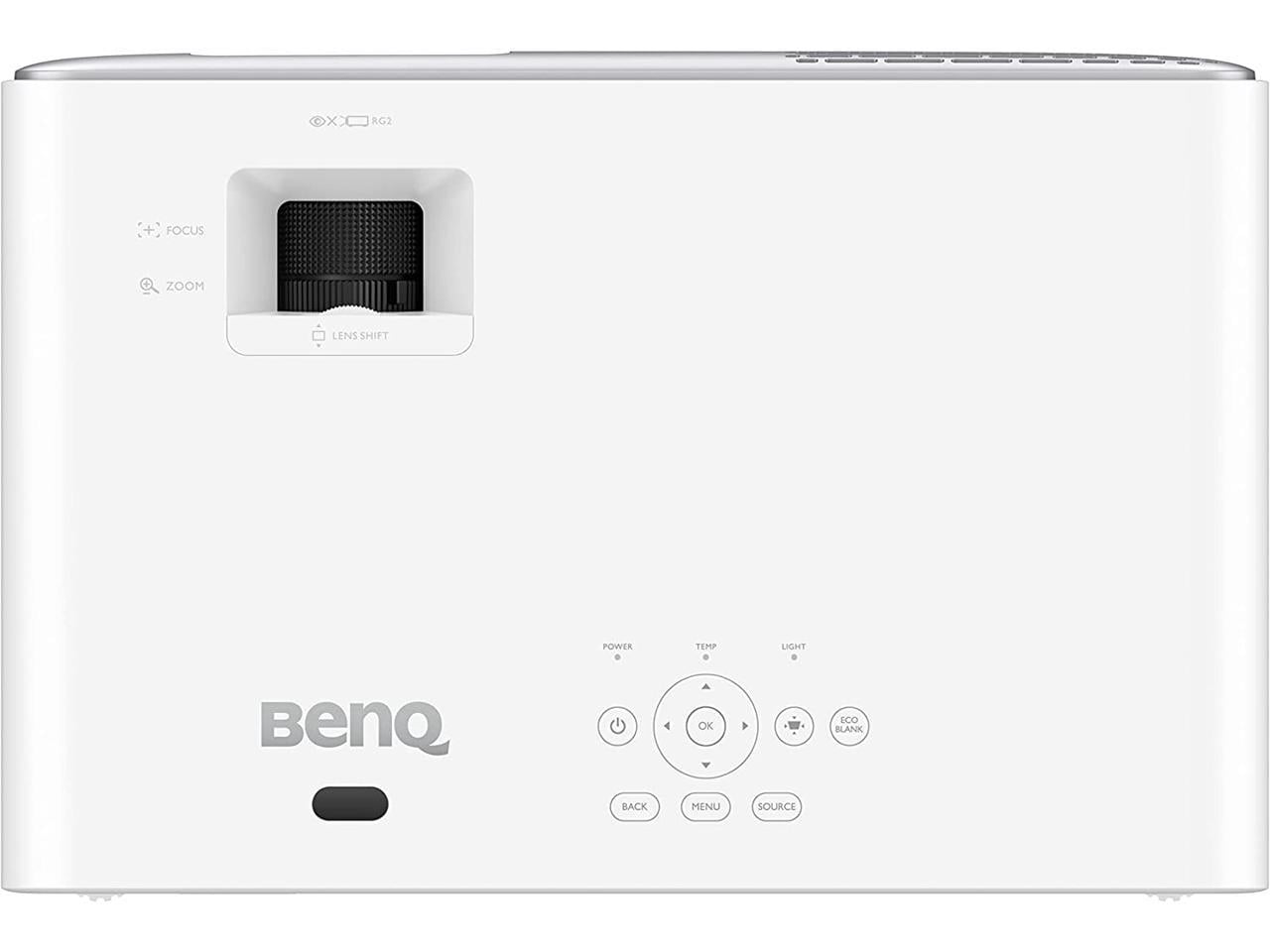
The BenQ HT2060 takes the traditional approach with fixed installation in mind. It includes 10% vertical lens shift, which helps with placement flexibility, and 1.3x zoom for sizing adjustment. While less flexible than the Hisense, these features are exactly what you need for a dedicated home theater room.
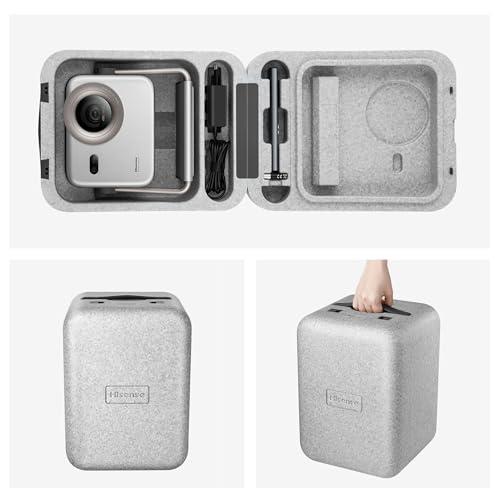
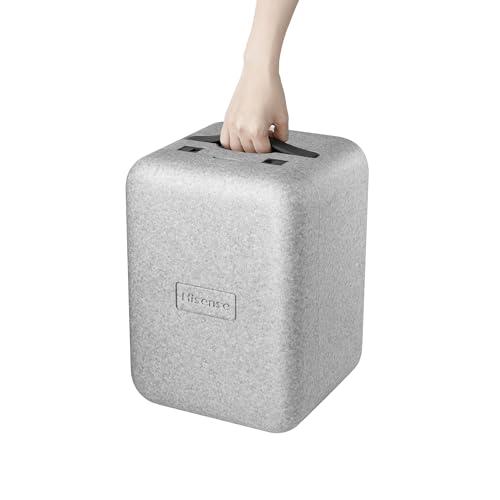
The weight difference is interesting: the HT2060 is actually lighter at 7.9 pounds versus 8.6 pounds, but the M2 Pro feels more portable due to its compact dimensions and included carrying case.
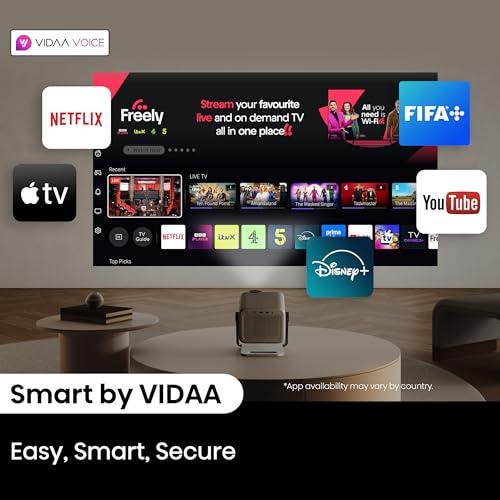
The Hisense M2 Pro includes VIDAA Smart OS with built-in apps for Netflix, Disney+, Prime Video, and other streaming services. This means you can use it completely standalone—just plug it in and start streaming. The voice remote with backlight adds convenience, and support for AirPlay2 and Miracast enables easy casting from mobile devices.
Having smart features built-in eliminates the need for additional devices and reduces cable clutter. However, smart TV platforms can become outdated over time, and streaming app support can vary. At the time of writing, VIDAA OS supports all major streaming services, but this landscape changes frequently.
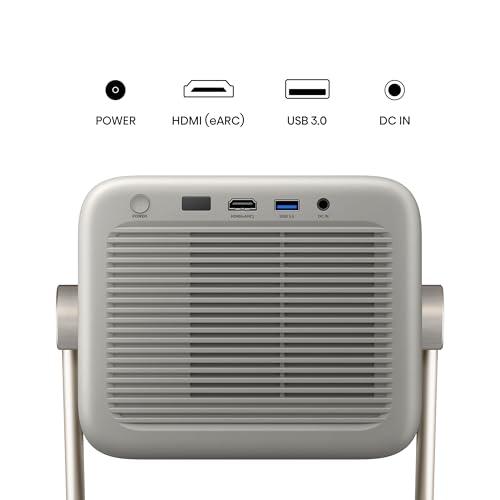
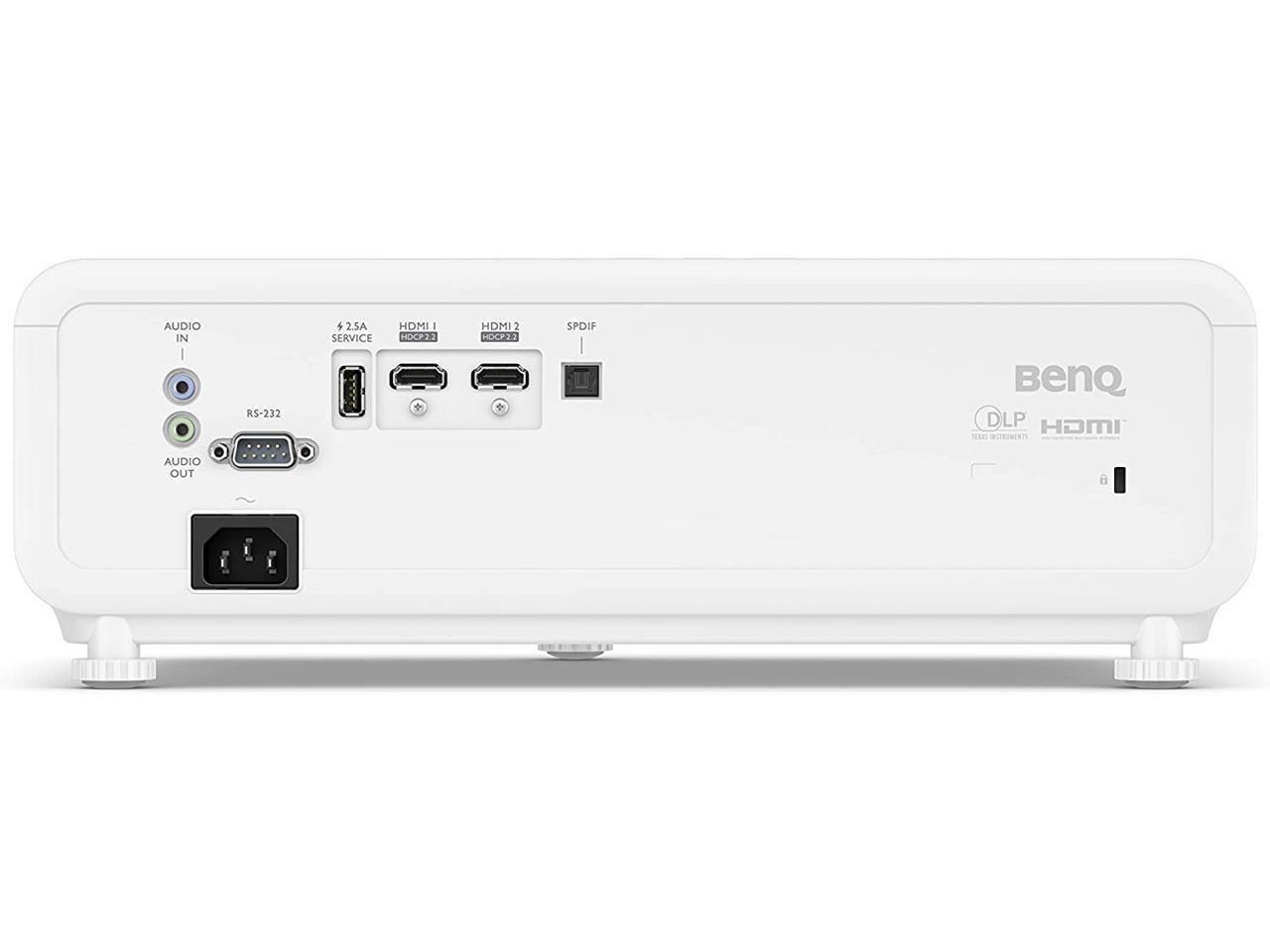
The BenQ HT2060 requires external devices for streaming, but this isn't necessarily a disadvantage. Many home theater enthusiasts prefer dedicated streaming devices like Apple TV, Nvidia Shield, or gaming consoles that often provide better app support and regular updates. The HT2060 includes two HDMI 2.0b inputs, USB connectivity, and both optical and analog audio outputs for flexible setup options.
Both projectors support HDR (High Dynamic Range), which provides better contrast and more realistic colors by displaying a wider range of brightness levels. However, their HDR implementations differ significantly.
The Hisense M2 Pro supports Dolby Vision, HDR10, HDR10+ (decoding), and HLG formats. Dolby Vision is considered the premium HDR standard, using dynamic metadata to optimize each scene. The triple laser technology excels at displaying the wide color gamut that HDR content demands, covering 110% of the BT.2020 color space that represents the HDR standard.
The BenQ HT2060 supports HDR10 and HLG, which covers most HDR content available today. Its color accuracy within the Rec.709 space (covering 98%) is excellent, and the higher brightness helps with HDR tone mapping—the process of fitting HDR content's bright highlights into the projector's capabilities.
Based on professional reviews and user feedback, both projectors handle HDR well within their capabilities. The M2 Pro excels with wide color gamut content, while the HT2060 benefits from higher peak brightness for HDR highlights.
The Hisense M2 Pro includes a robust 20-watt stereo speaker system with Dolby Audio and DTS Virtual:X support. This creates simulated surround sound that's quite impressive for integrated speakers. For casual viewing or temporary setups, these speakers eliminate the need for additional audio equipment.
The BenQ HT2060 includes dual 5-watt speakers with BenQ's TreVolo tuning. While adequate for basic audio, they're clearly designed as a backup rather than the primary audio solution. However, the HT2060 includes optical audio output with 5.1 channel support, making it easy to connect to a proper home theater audio system.
For serious home theater use, external audio is always preferable, but the M2 Pro integrated solution offers genuine convenience and surprisingly good performance.
At the time of writing, these projectors represent different value propositions. The Hisense M2 Pro commands premium pricing reflecting its 4K resolution, laser technology, and smart features. The BenQ HT2060 offers more traditional home theater value at a lower price point.
When evaluating value, consider total cost of ownership. The M2 Pro eliminates lamp replacement costs with its 25,000+ hour laser lifespan. The HT2060 LED system also offers long life expectancy, so lamp replacement isn't a concern for either projector.
The M2 Pro pricing includes smart features that would require separate purchases with the HT2060, potentially narrowing the price gap when you factor in streaming devices, longer cables, and mounting hardware.
Choose the Hisense M2 Pro if you want cutting-edge technology with maximum flexibility. It's perfect for renters who can't install permanent mounting, outdoor movie enthusiasts, or anyone who wants to use their projector in multiple locations. The 4K resolution and wide color gamut make it ideal for streaming modern content and gaming. Its smart features and excellent built-in audio create a complete entertainment solution.
The M2 Pro also makes sense if you prioritize future-proofing. As 4K content becomes more prevalent and streaming quality improves, having native 4K resolution ensures you can take full advantage of these improvements.
Choose the BenQ HT2060 if you have a dedicated home theater room and want maximum brightness and proven reliability. It's excellent for movie nights in spaces with some ambient light, and the higher brightness makes it more forgiving of screen choice and room lighting. The traditional design works well with existing home theater components and room layouts.
The HT2060 is also the better choice if you prefer using dedicated streaming devices or gaming consoles, as its multiple inputs and lack of built-in smart features won't become outdated. For viewers primarily watching 1080p content or sitting at distances where 4K resolution isn't clearly beneficial, the HT2060 offers exceptional value.
Both projectors represent excellent choices within their respective categories, but they serve different needs. The Hisense M2 Pro pushes the boundaries of what's possible in portable projection, delivering 4K quality with unprecedented flexibility. The BenQ HT2060 perfects the traditional home theater projector formula with excellent 1080p performance and superior brightness.
Your choice should align with your viewing habits, installation requirements, and long-term entertainment plans. If you value flexibility, modern features, and 4K resolution, the M2 Pro represents the future of home projection. If you want proven performance, maximum brightness, and traditional home theater reliability, the HT2060 delivers exceptional value that's hard to beat.
| Hisense M2 Pro 4K Triple Laser Portable Projector | BenQ HT2060 HDR Home Theater Projector |
|---|---|
| Resolution - Determines sharpness and detail, especially on screens over 100 inches | |
| Native 4K (3840×2160) with AI upscaling | Full HD 1080p (1920×1080) with 4K input acceptance |
| Light Source Technology - Affects color quality, lifespan, and maintenance costs | |
| TriChroma Triple Laser (25,000+ hour lifespan, no maintenance) | 4LED Array (20,000-30,000 hour lifespan, consistent brightness) |
| Brightness - Critical for rooms with ambient light and larger screens | |
| 1,300 ANSI lumens (good for controlled lighting) | 2,300 ANSI lumens (excellent for bright rooms) |
| Color Gamut - Determines color vibrancy and accuracy | |
| 110% BT.2020 (exceptional wide color range) | 98% Rec.709 (excellent standard color accuracy) |
| Portability and Installation - Affects where and how you can use the projector | |
| 8.6 lbs with 360° gimbal, ceiling/wall projection | 7.9 lbs traditional design, requires stable mounting |
| Gaming Performance - Important for console and PC gaming | |
| 240Hz refresh rate, 12ms input lag | 60Hz refresh rate, 16.7ms input lag |
| Smart Features - Determines if you need external streaming devices | |
| Built-in VIDAA OS with Netflix, Disney+, voice remote | No smart features, requires external streaming devices |
| HDR Support - Enhances contrast and color in compatible content | |
| Dolby Vision, HDR10, HDR10+, HLG | HDR10, HLG (covers most HDR content) |
| Audio System - Quality of built-in speakers | |
| 20W stereo with Dolby Audio, DTS Virtual:X | 10W stereo with TreVolo tuning |
| Zoom and Lens Features - Affects installation flexibility | |
| 1.0-1.3x optical zoom (maintains 4K quality) | 1.3x zoom with 10% vertical lens shift |
| Connectivity Options - Number and type of inputs available | |
| Wi-Fi, Bluetooth, AirPlay2, Miracast | 2x HDMI 2.0b, USB 2.0, optical audio out |
| Target Use Case - Best suited for different viewing scenarios | |
| Flexible entertainment anywhere, 4K streaming, portable cinema | Dedicated home theater, bright room viewing, traditional setup |
The Hisense M2 Pro delivers superior picture quality with native 4K resolution and triple laser technology that covers 110% of the BT.2020 color space. However, the BenQ HT2060 offers excellent 1080p clarity with higher brightness at 2300 ANSI lumens. For screens under 120 inches, the difference may be less noticeable, but the M2 Pro excels with 4K content and wider color gamut.
The BenQ HT2060 performs better in bright rooms with its 2300 ANSI lumens output, making daytime viewing more practical. The Hisense M2 Pro at 1300 lumens works best in darkened rooms or with controlled lighting. For multi-purpose living rooms with ambient light, the HT2060 is the better choice.
The Hisense M2 Pro offers superior gaming performance with 240Hz refresh rate support and 12ms input lag, ideal for competitive gaming and next-gen consoles. The BenQ HT2060 provides solid gaming with 16.7ms input lag, which is perfectly adequate for most console gaming but doesn't match the M2 Pro's high-refresh capabilities.
The Hisense M2 Pro includes built-in VIDAA OS with Netflix, Disney+, and other streaming apps, plus voice remote control. The BenQ HT2060 requires external streaming devices like Apple TV or Fire Stick, but offers more HDMI inputs for multiple sources. The M2 Pro provides more convenience for standalone use.
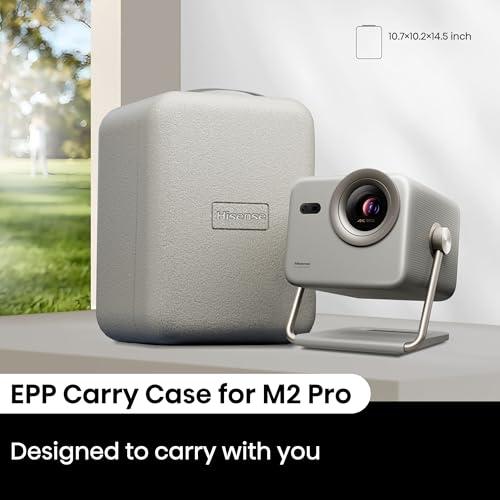
The Hisense M2 Pro is designed for portability with its compact design, built-in gimbal for 360° adjustment, and included carrying case. You can easily move it between rooms or take it outdoors. The BenQ HT2060 is lighter but designed for fixed installation in a dedicated home theater room.
Both projectors use solid-state lighting with long lifespans. The Hisense M2 Pro triple laser system lasts 25,000+ hours with no maintenance required. The BenQ HT2060 4LED array provides 20,000-30,000 hours depending on usage mode. Neither projector requires expensive lamp replacements like older models.
The BenQ HT2060 is specifically designed for dedicated home theater setups with higher brightness, traditional mounting options, and multiple inputs for various sources. While the Hisense M2 Pro can work in a theater room, its strengths lie in flexibility rather than fixed installation performance.
Both support HDR formats, but differently. The Hisense M2 Pro supports Dolby Vision, HDR10, HDR10+, and HLG with its wide color gamut ideal for HDR content. The BenQ HT2060 handles HDR10 and HLG effectively, with its higher brightness helping HDR tone mapping. The M2 Pro has more comprehensive HDR support.
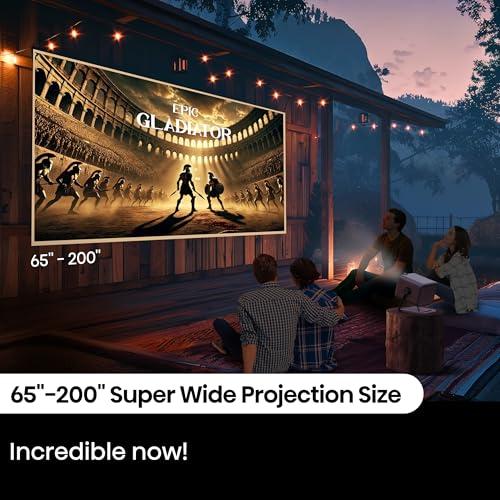
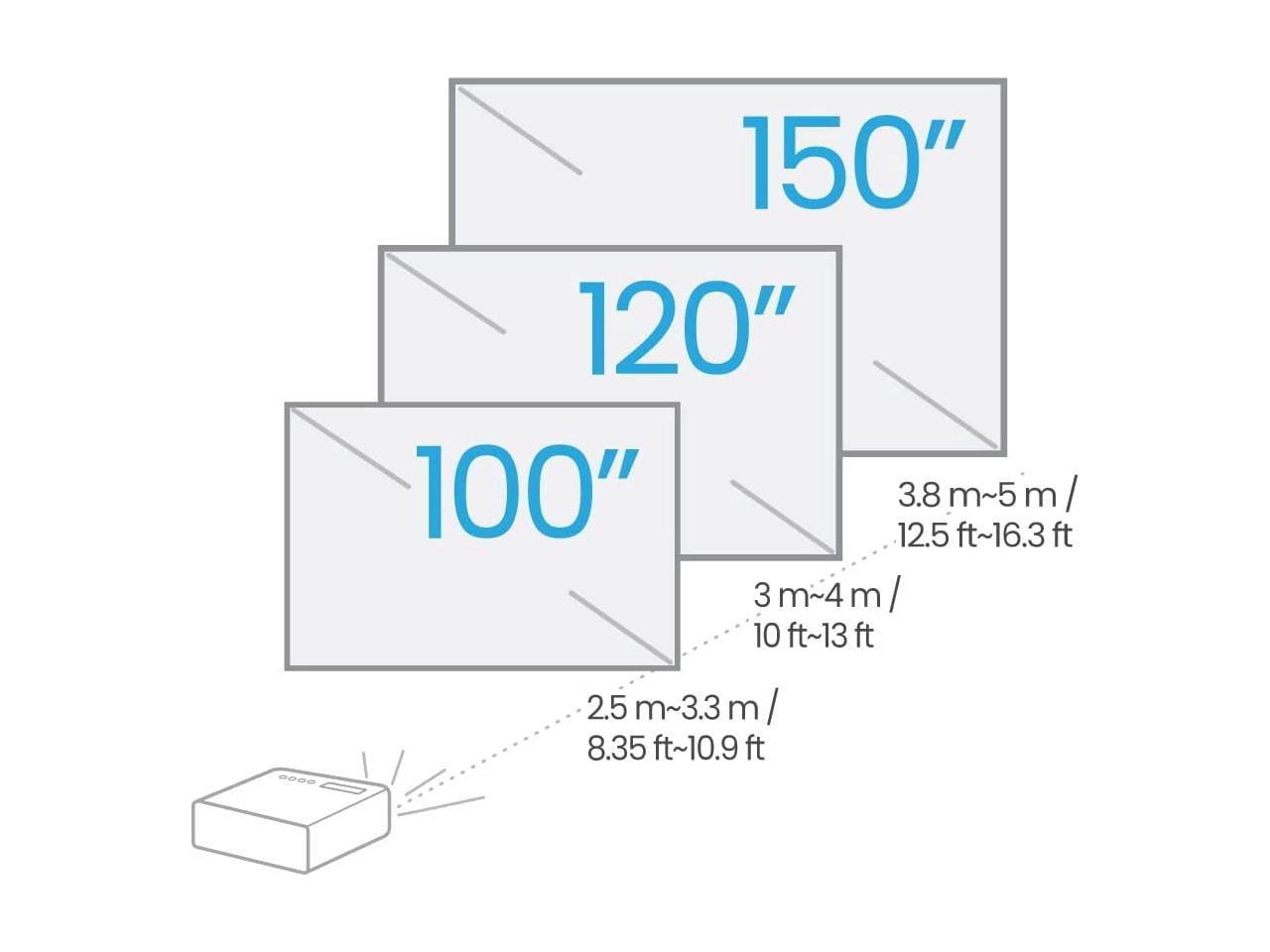
The Hisense M2 Pro projects 65-200 inches with optimal performance around 100-150 inches in dark rooms. The BenQ HT2060 handles 30-300 inches effectively, with its higher brightness supporting larger screens and brighter viewing conditions better than the M2 Pro.
The Hisense M2 Pro features superior integrated audio with 20W stereo speakers supporting Dolby Audio and DTS Virtual:X for simulated surround sound. The BenQ HT2060 has basic 10W speakers designed as backup audio, with optical output for connecting external sound systems.
The Hisense M2 Pro excels for outdoor use with its portability, battery-free operation, built-in streaming, and flexible gimbal mounting. Its carry case makes transport easy. The BenQ HT2060 can work outdoors but requires more setup planning and external streaming devices, making the M2 Pro more practical for portable entertainment.
The BenQ HT2060 typically offers better initial value for dedicated 1080p home theater use with proven reliability. The Hisense M2 Pro provides premium features like 4K resolution, smart functionality, and exceptional flexibility that justify higher costs for users wanting cutting-edge technology and maximum versatility.
We've done our best to create useful and informative comparisons to help you decide what product to buy. Our research uses advanced automated methods to create this comparison and perfection is not possible - please contact us for corrections or questions. These are the sites we've researched in the creation of this article: thegadgetflow.com - valueelectronics.com - youtube.com - projectorscreenstore.com - whathifi.com - hisense-usa.com - tomsguide.com - content.syndigo.com - youtube.com - shop.hisense-usa.com - avsforum.com - projectorscreen.com - projectorscreen.com - projectorcentral.com - avsforum.com - youtube.com - projector-database.com - projectorcentral.com - avsforum.com - bestbuy.com - avsforum.com - tomsguide.com - avsforum.com - projectorreviews.com - hometheaterhifi.com - youtube.com - avsforum.com - cnet.com - techgearlab.com - cdw.com - bhphotovideo.com - projectorcentral.com - shop.avispl.com - tvsbook.com - youtube.com - projectorreviews.com - avsforum.com

Privacy Policy
Terms and Conditions - Affiliate Policy
Home Security
© Copyright 2008-2026.
11816 Inwood Rd #1211, Dallas, TX 75244