

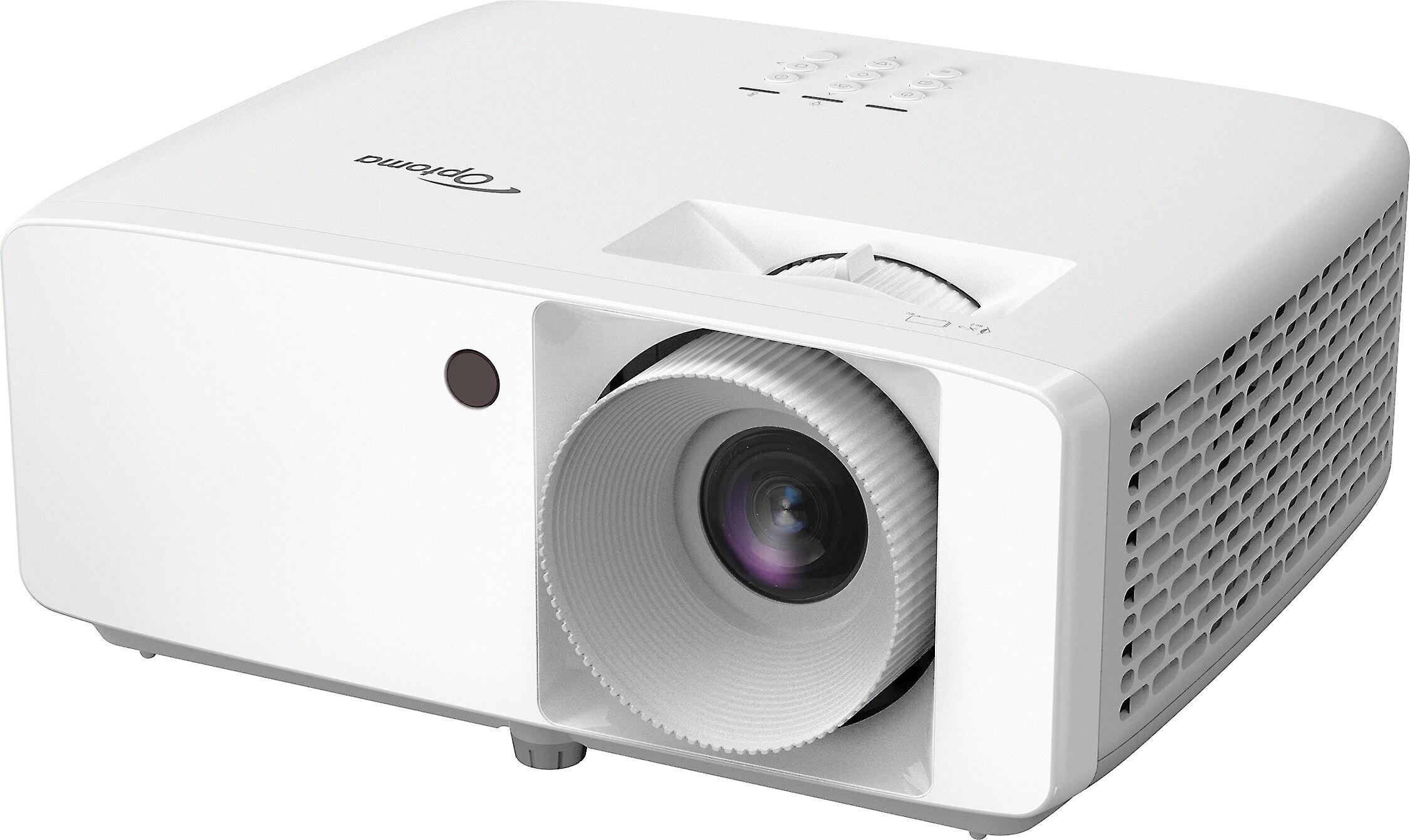
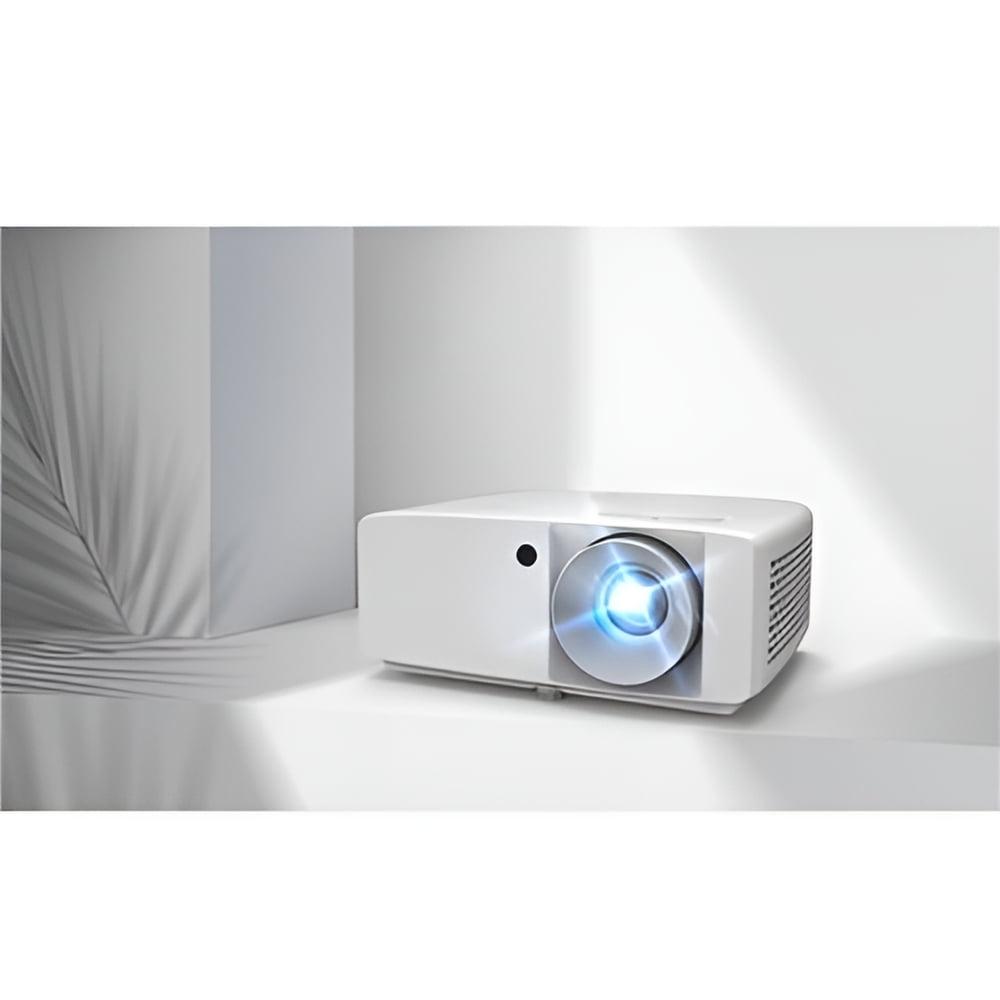
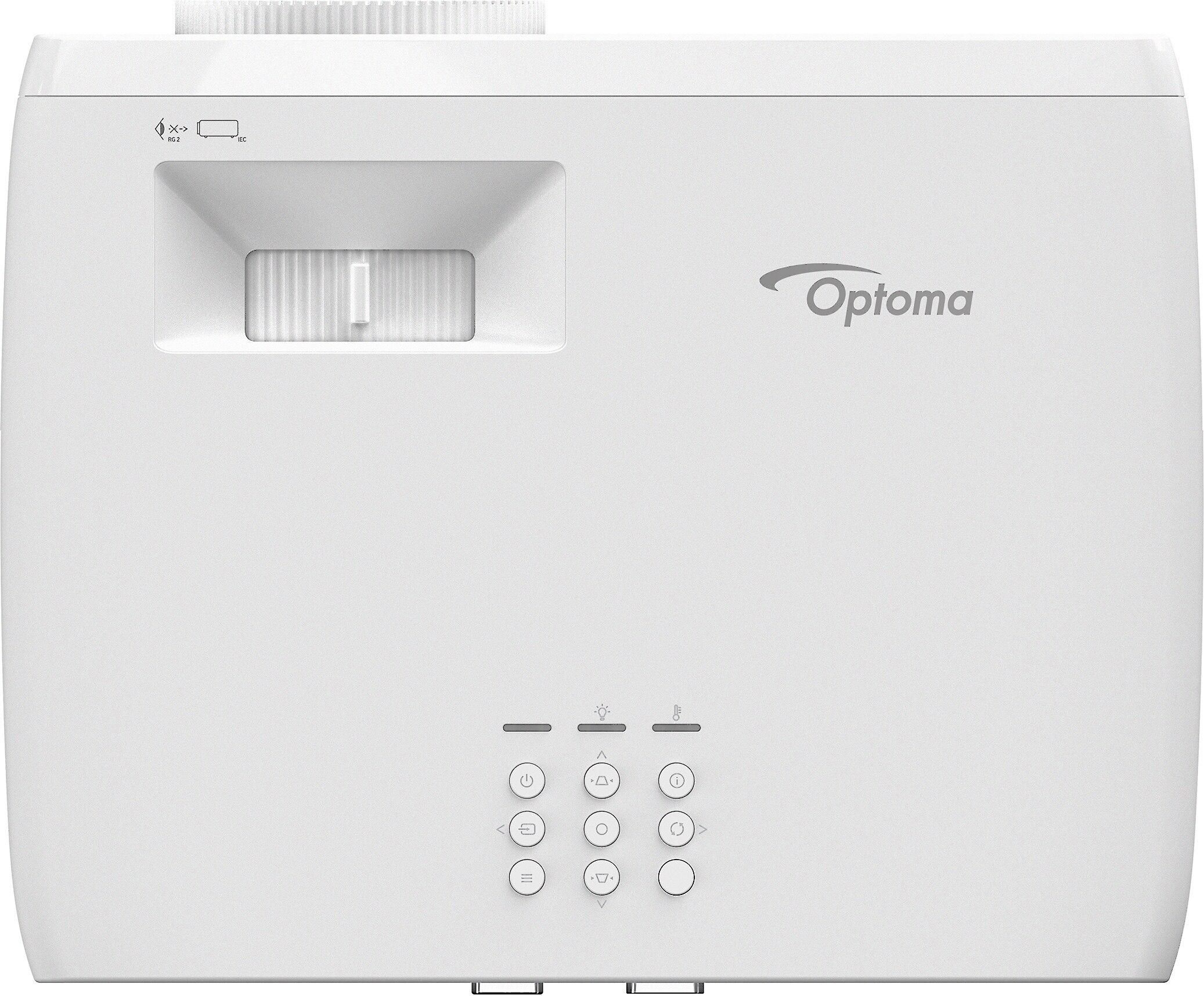
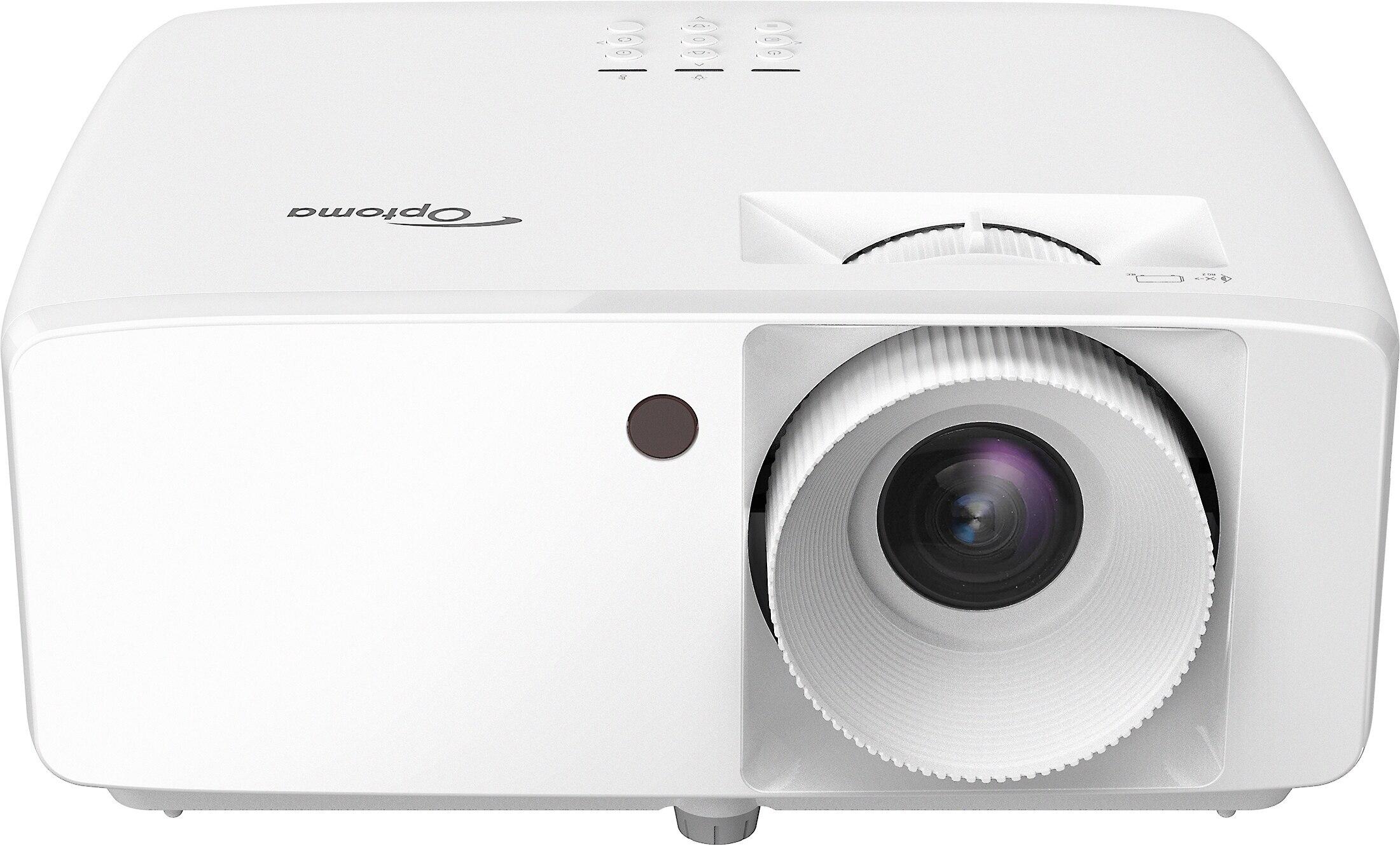
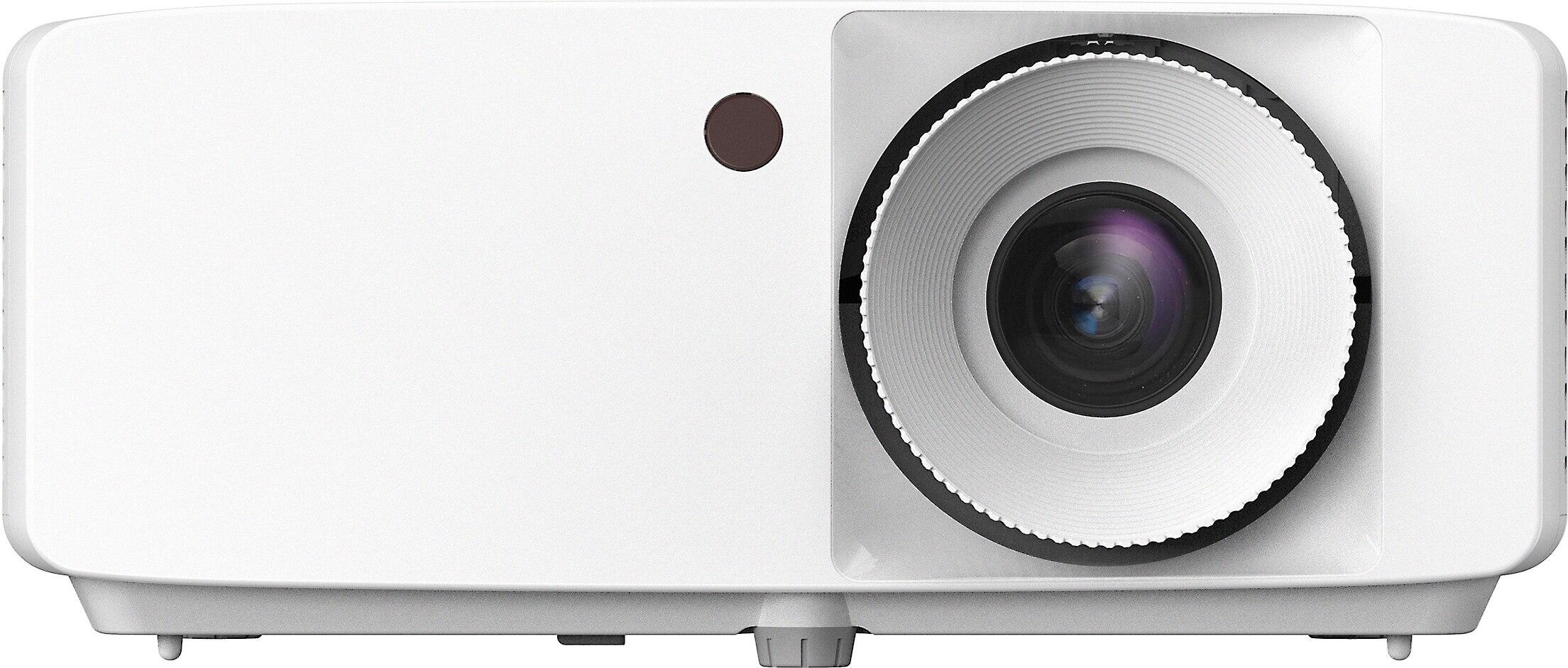
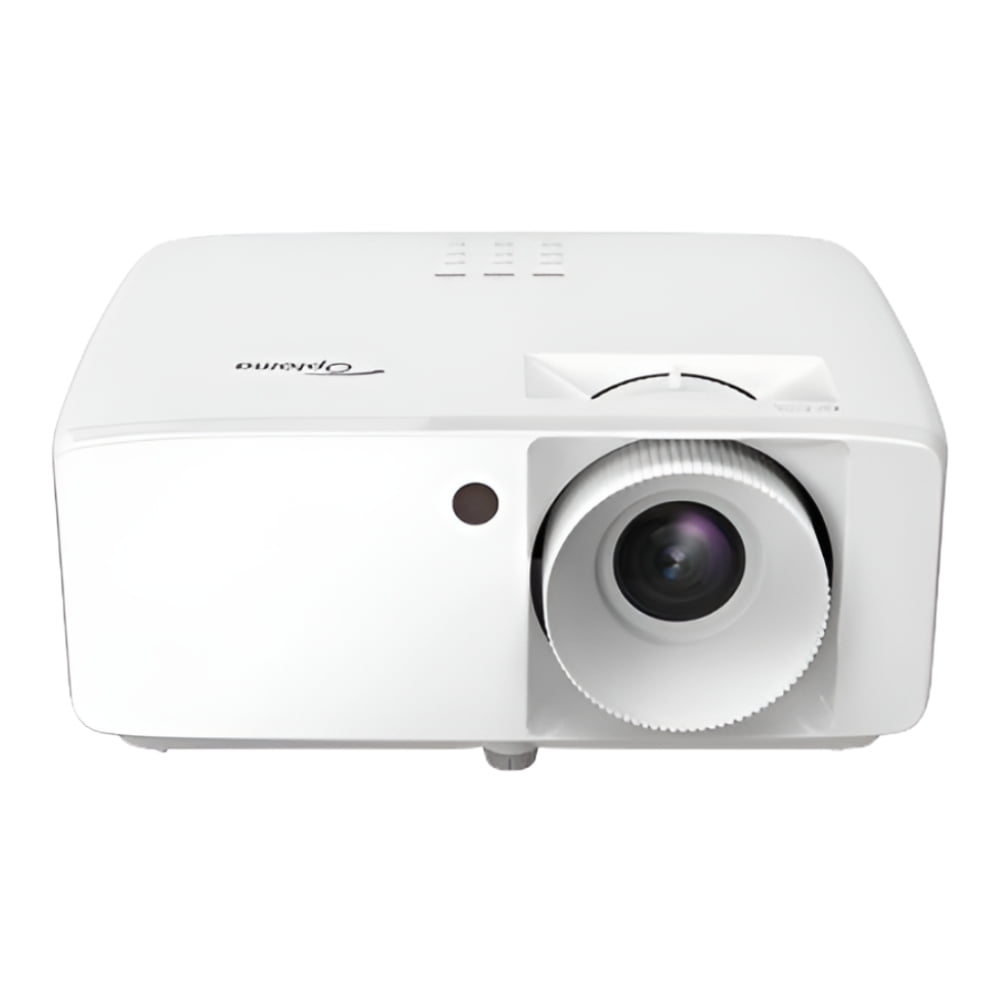
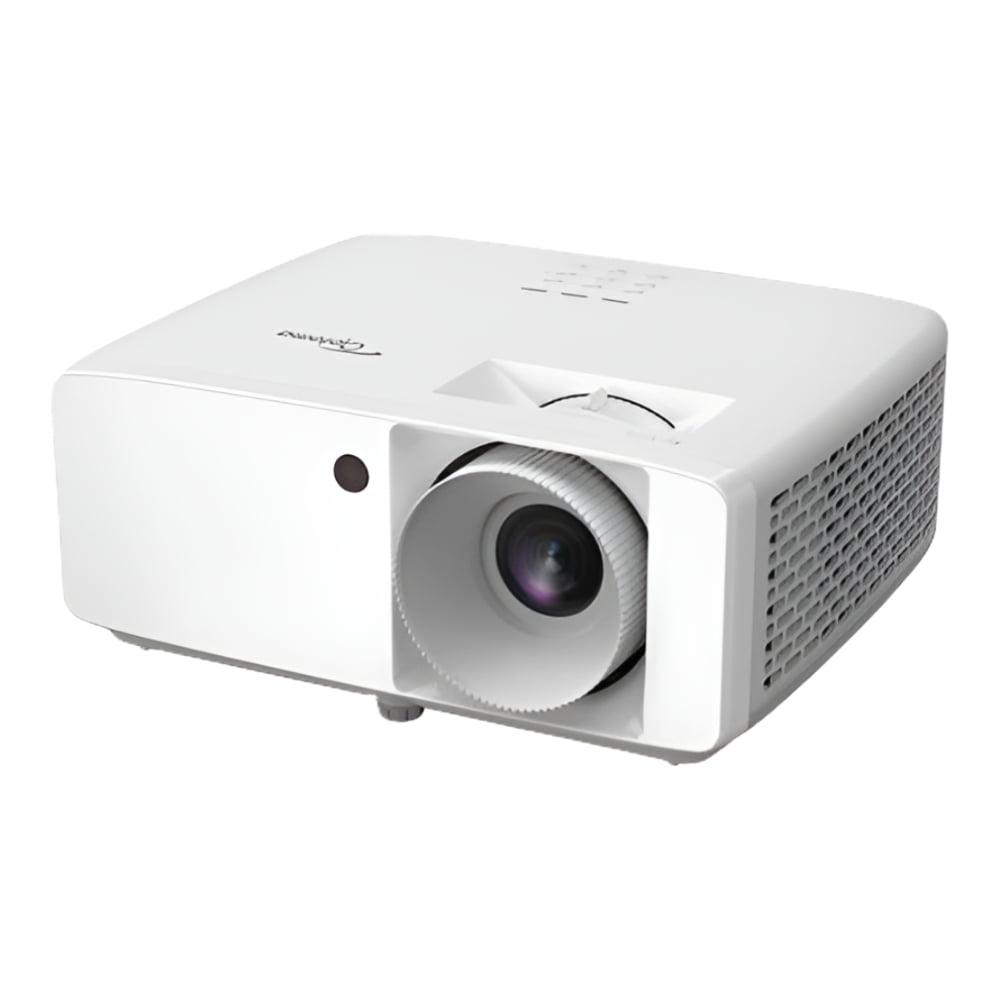
In the world of home entertainment, few things match the thrill of having your own big-screen setup. While TVs continue growing larger, projectors remain the ultimate choice for those seeking a true cinematic experience at home. Today, we're comparing two distinct yet compelling options: the Optoma HZ40HDR and the LG CineBeam Q—devices that represent different philosophies in the projector market.
The home projector landscape has transformed dramatically in recent years. Traditional home theater projectors have become brighter and more affordable, while an entirely new category of portable projectors has emerged to serve different needs. Released in mid-2020, the Optoma HZ40HDR ($1,399) represents the evolution of traditional home theater projectors with its high-brightness laser design. The LG CineBeam Q ($1,299), launched in early 2023, showcases the cutting edge of portable projector technology with its compact form factor and smart capabilities.
Since these products' releases, we've seen continued improvement in laser light sources and image processing technology. The Optoma's approach prioritizes raw performance and reliability for dedicated spaces, while LG's newer design embraces the streaming-first, multi-use philosophy that dominates today's entertainment landscape.
"The projector you choose should reflect how you plan to use it, not just which has the most impressive specs on paper," as my colleague often reminds clients. Understanding this fundamental difference is crucial before diving into specifications.
Let's start with a straightforward comparison of the key specifications:
| Feature | Optoma HZ40HDR | LG CineBeam Q |
|---|---|---|
| Resolution | 1080p (1920×1080) | 4K UHD (3840×2160) |
| Brightness | 4000 ANSI lumens | 500 ANSI lumens |
| Light source | Laser (30,000 hours) | RGB laser (20,000 hours) |
| Weight | 6.6 lbs | 3.3 lbs |
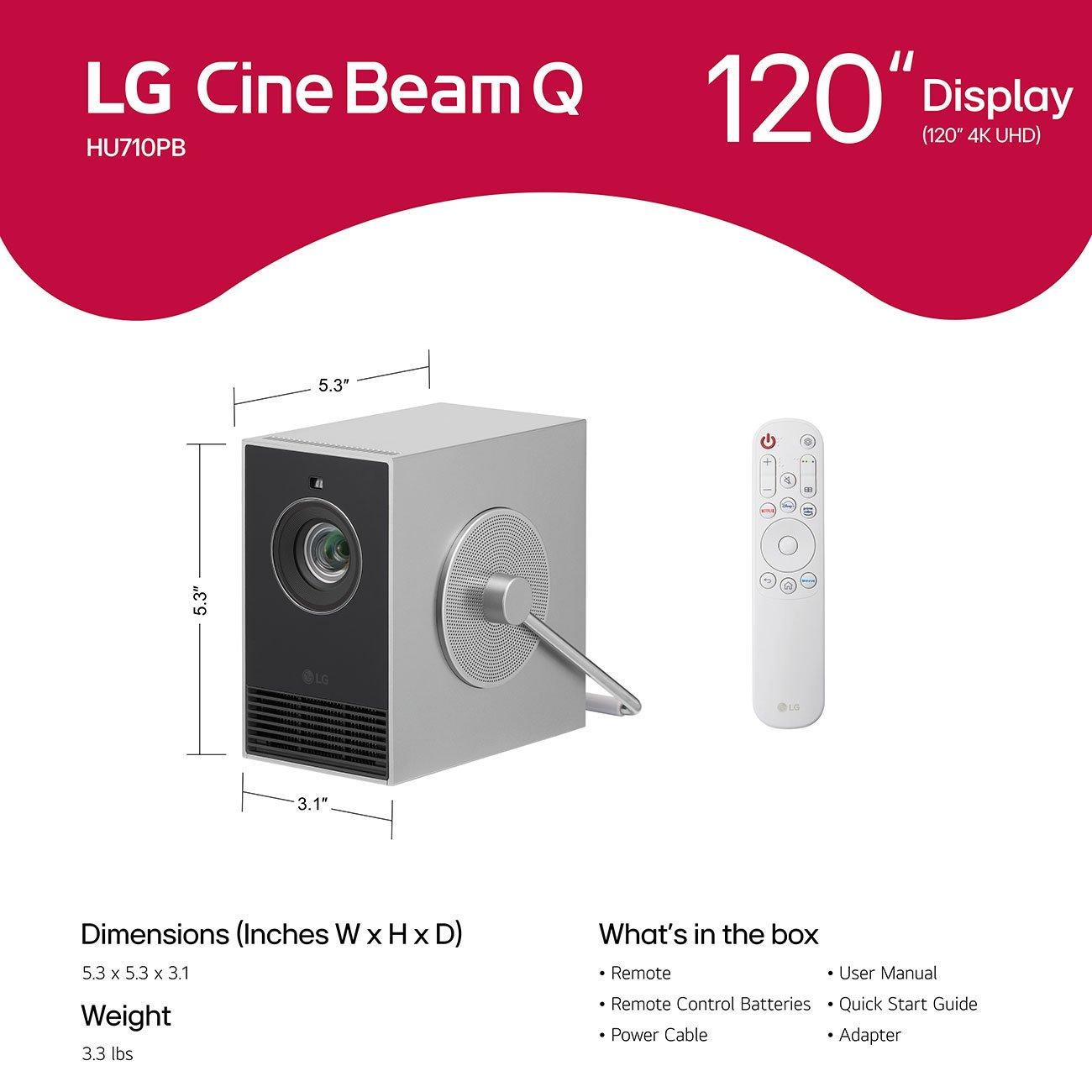
| Size | 10.79" × 4.49" × 8.50" | 5.31" × 3.15" × 5.31" (cube) |
| Smart platform | No | webOS |
| HDR Support | HDR10, HLG | HDR10, HLG |
| Built-in audio | 15W mono speaker | 3W mono speaker |
| Price | ~$1,399 | ~$1,299 |
These specifications tell part of the story, but understanding what they mean for real-world performance is what matters to most users.
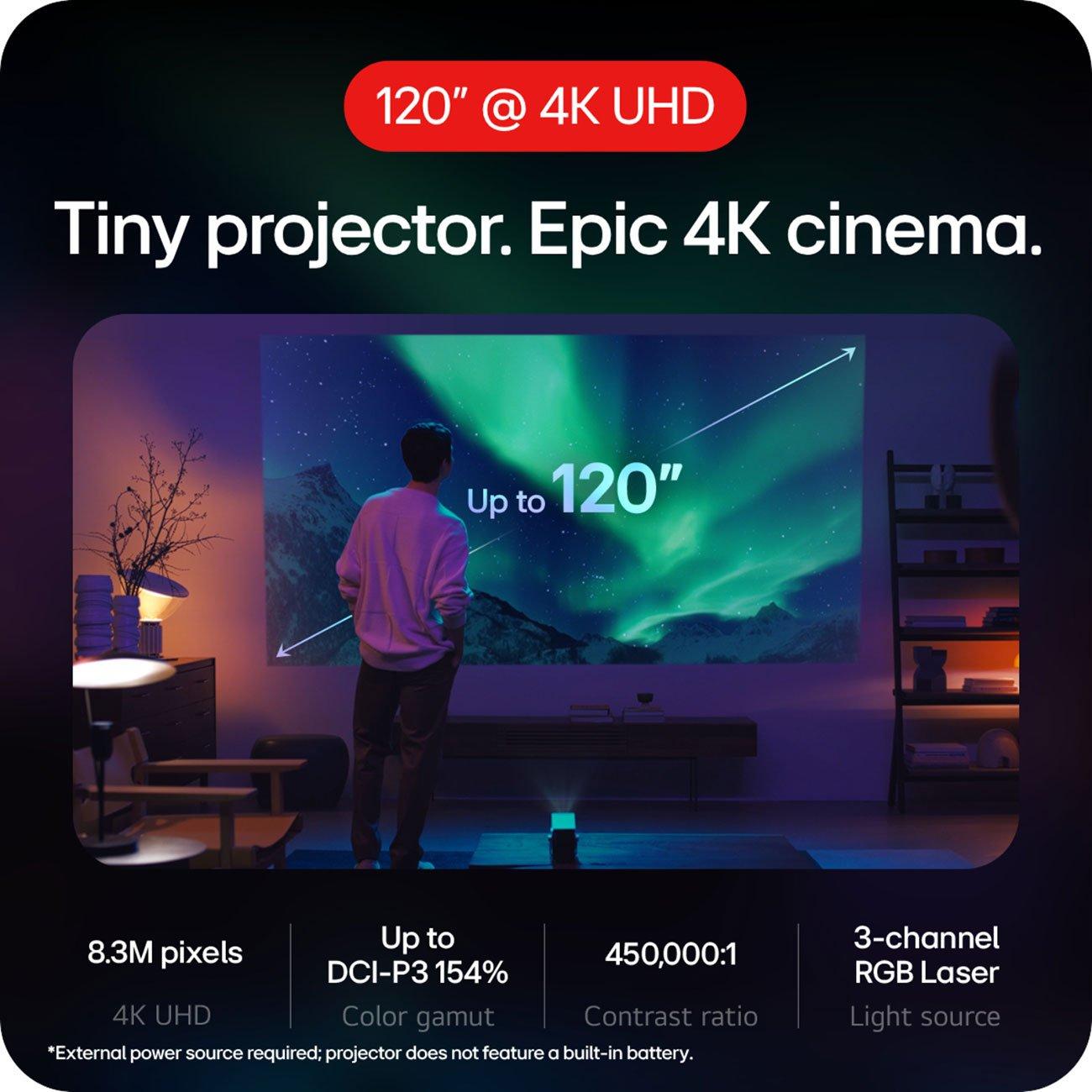
The most obvious technical difference between these projectors is resolution. The LG CineBeam Q boasts 4K UHD resolution, delivering 8.3 million pixels compared to the Optoma's 2.1 million at 1080p. On paper, this suggests the LG should produce much sharper images with finer detail.
In practice, however, resolution is just one factor in perceived image clarity. At typical viewing distances in average living rooms (10-12 feet from the screen), the human eye struggles to distinguish between 1080p and 4K on screens smaller than 100 inches. If you're planning a larger screen or sitting closer, the LG's resolution advantage becomes more meaningful.
The LG achieves its 4K resolution using DLP's XPR (eXpanded Pixel Resolution) technology, which rapidly shifts pixels to create the perception of 4K resolution from a lower-resolution chip. While not native 4K like some high-end projectors, the result is visually indistinguishable from native 4K for most content.
The most significant performance difference between these projectors is brightness—an 8:1 advantage for the Optoma. ANSI lumens are a standardized measurement of projector brightness, and this difference has profound implications for how and when you can use each projector.
With 4000 ANSI lumens, the Optoma HZ40HDR can produce a perfectly viewable image with some lights on or even modest daylight in the room. This makes it suitable for everyday viewing in living rooms, not just dedicated home theaters. You could watch sports on a Sunday afternoon without needing to completely darken the room.
The LG CineBeam Q, with 500 ANSI lumens, requires near-darkness for optimal viewing. In a completely dark room, 500 lumens is adequate for screens up to about 100 inches, but any ambient light will quickly wash out the image. This limits its practical use to nighttime viewing or spaces where you can control the lighting completely.
I've tested projectors across the brightness spectrum and can attest that this difference fundamentally changes how you use the device. The Optoma can effectively replace a living room TV; the LG is more of a special-occasion device for movie nights.
Both projectors support HDR (High Dynamic Range) content, which allows for brighter highlights and deeper blacks in compatible media. However, they implement this technology differently:
The LG CineBeam Q uses a 3-channel RGB laser system that produces exceptionally vivid colors, covering 154% of the DCI-P3 color space (the standard used for digital cinema). This wide color gamut means the projector can reproduce more saturated and varied colors than what standard displays can show.
The Optoma HZ40HDR uses a blue laser with phosphor wheel technology (where a blue laser hits a yellow phosphor wheel to create white light, which is then filtered into colors). While this provides good color accuracy, it can't match the pure RGB laser system's color volume. However, the Optoma's much higher brightness allows it to deliver more impactful HDR highlights in practice.
In a completely dark room, the LG's superior colors are noticeable, particularly in content like nature documentaries or animated films where color richness matters. For typical movie and TV content viewed with some ambient light, the Optoma's brightness advantage often makes its HDR presentation more impactful.
The physical designs of these projectors reflect their intended usage scenarios:
The Optoma HZ40HDR follows a traditional projector design approach. It's meant to be installed in a fixed location, either ceiling-mounted or placed on a shelf. It offers standard throw ratio (1.48:1 - 1.62:1), meaning you'll need about 10 feet of distance to project a 100-inch image. It has limited keystone correction (±30° vertical and horizontal) and minimal zoom (1.1x), so careful positioning during installation is important.
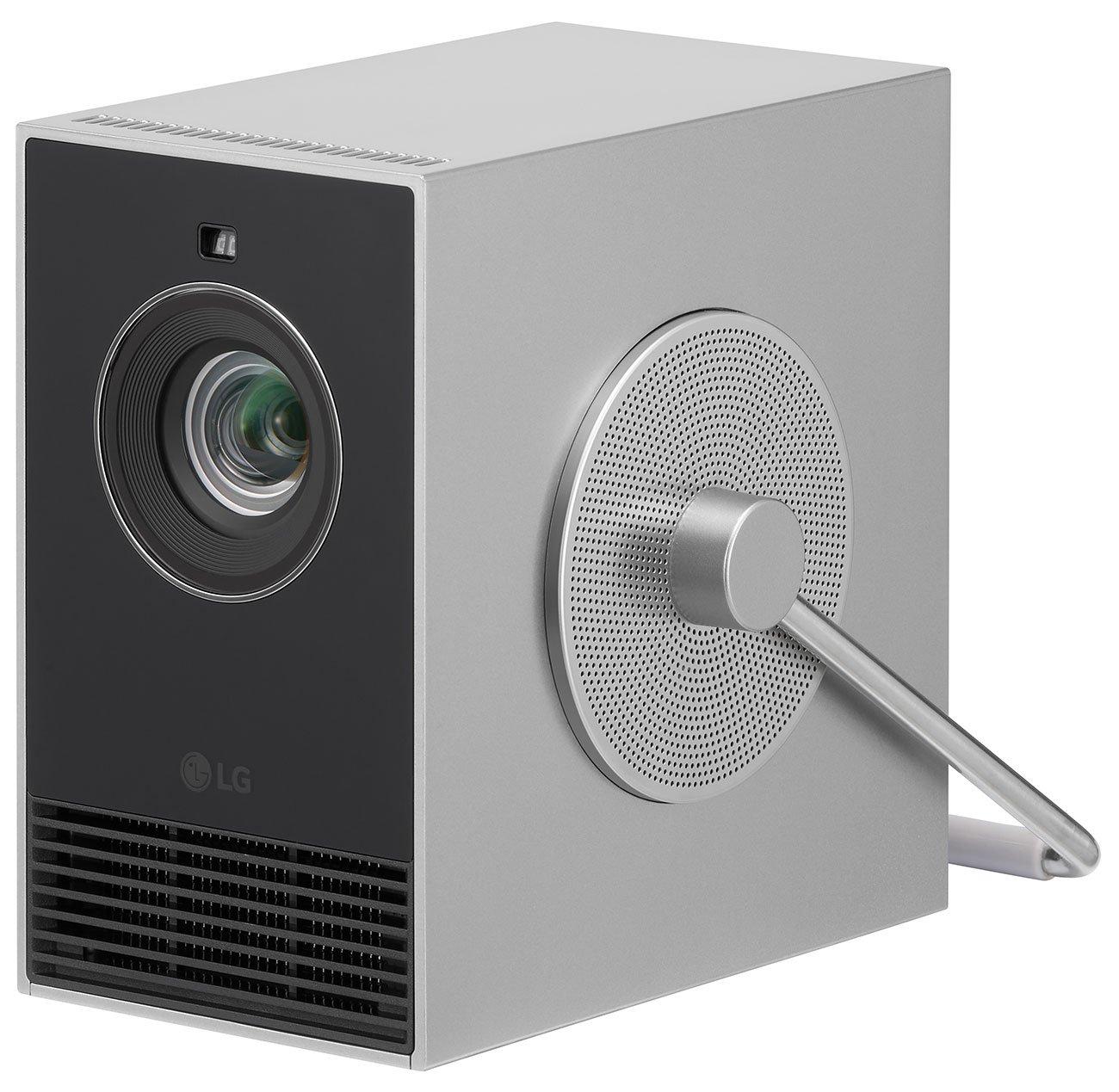
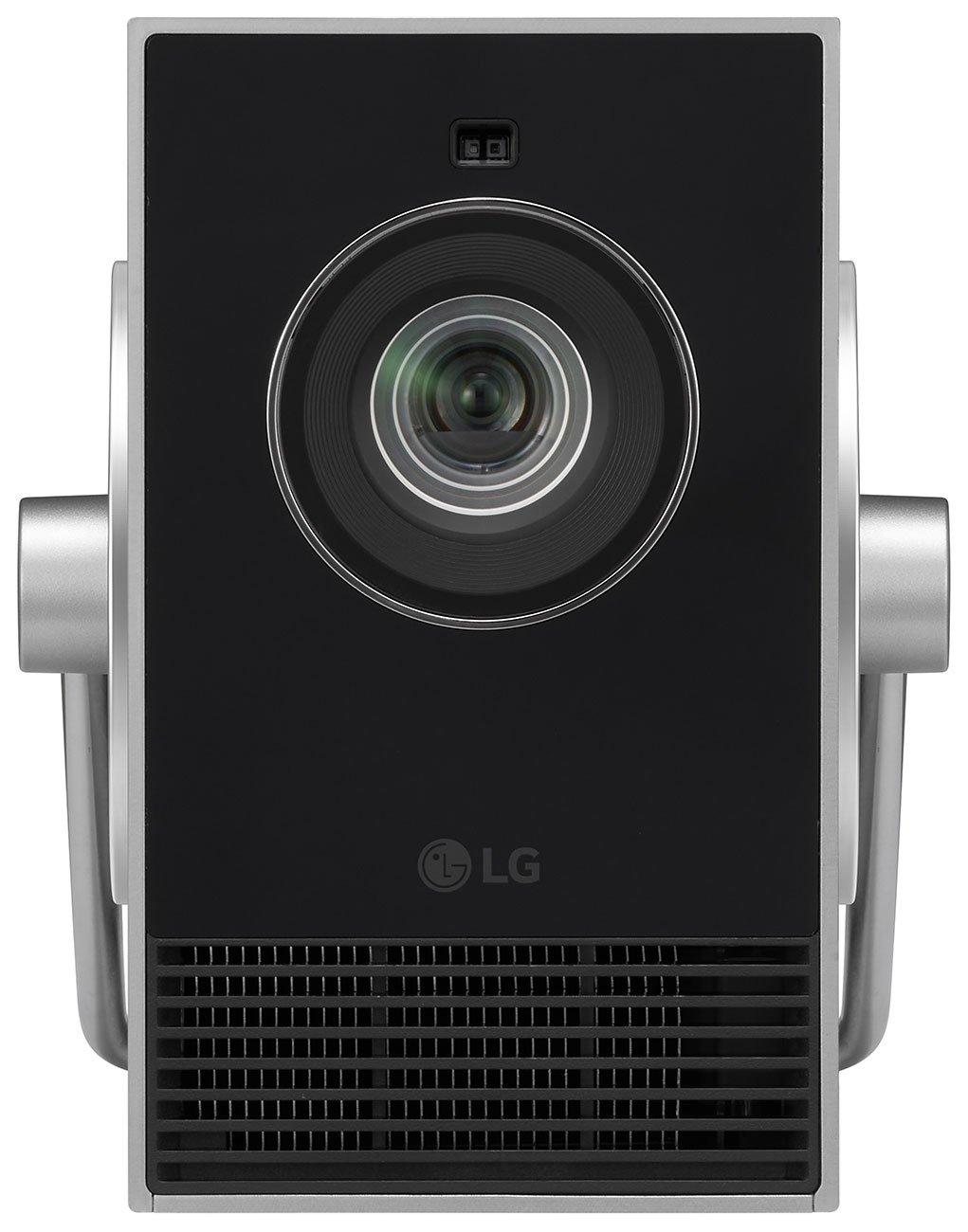
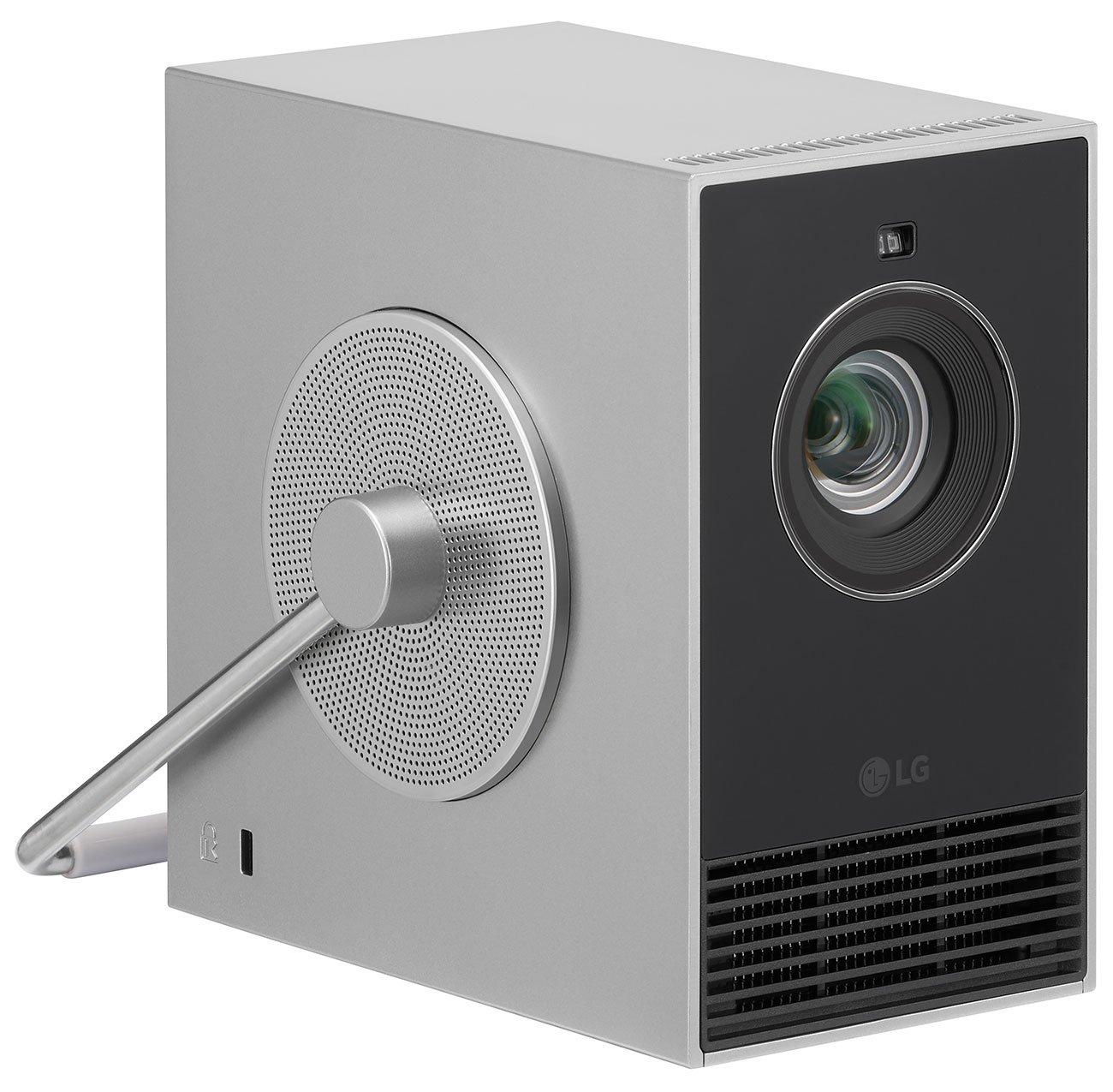
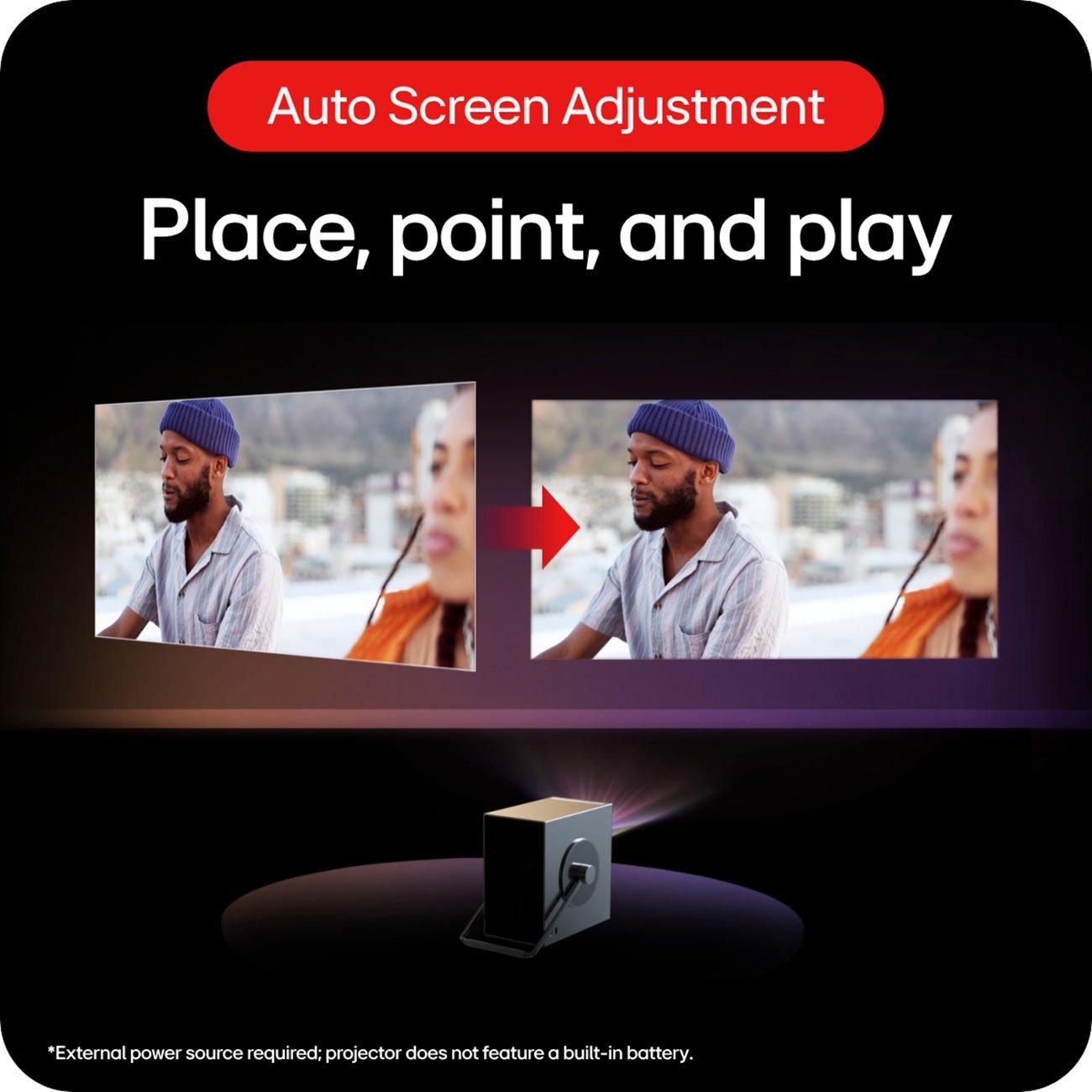
The LG CineBeam Q revolutionizes setup with its cube-shaped design and automatic adjustment features. At just 5.3 inches in each dimension, it's about the size of a lunch box and weighs only 3.3 pounds. It features auto-focus and auto keystone correction, which automatically straighten the image even when the projector is placed at an angle. Its 360-degree rotating handle doubles as an adjustable stand, allowing for flexible positioning.
Having set up dozens of projectors over the years, I can appreciate LG's approach. The auto-adjustment features really do work well in most situations, saving the frustration of manual tweaking. The Optoma requires more planning and precision during installation but rewards with a permanently optimized setup.
Another major difference is in their approach to content sources:
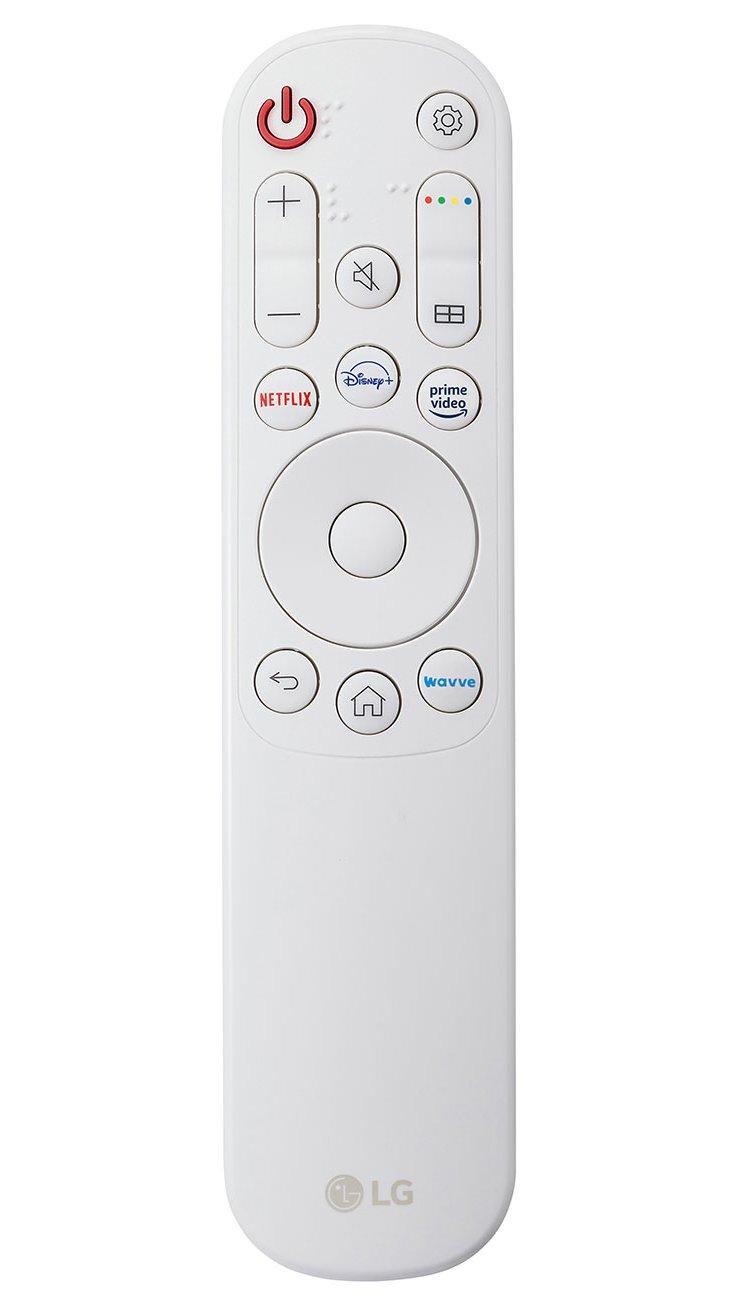
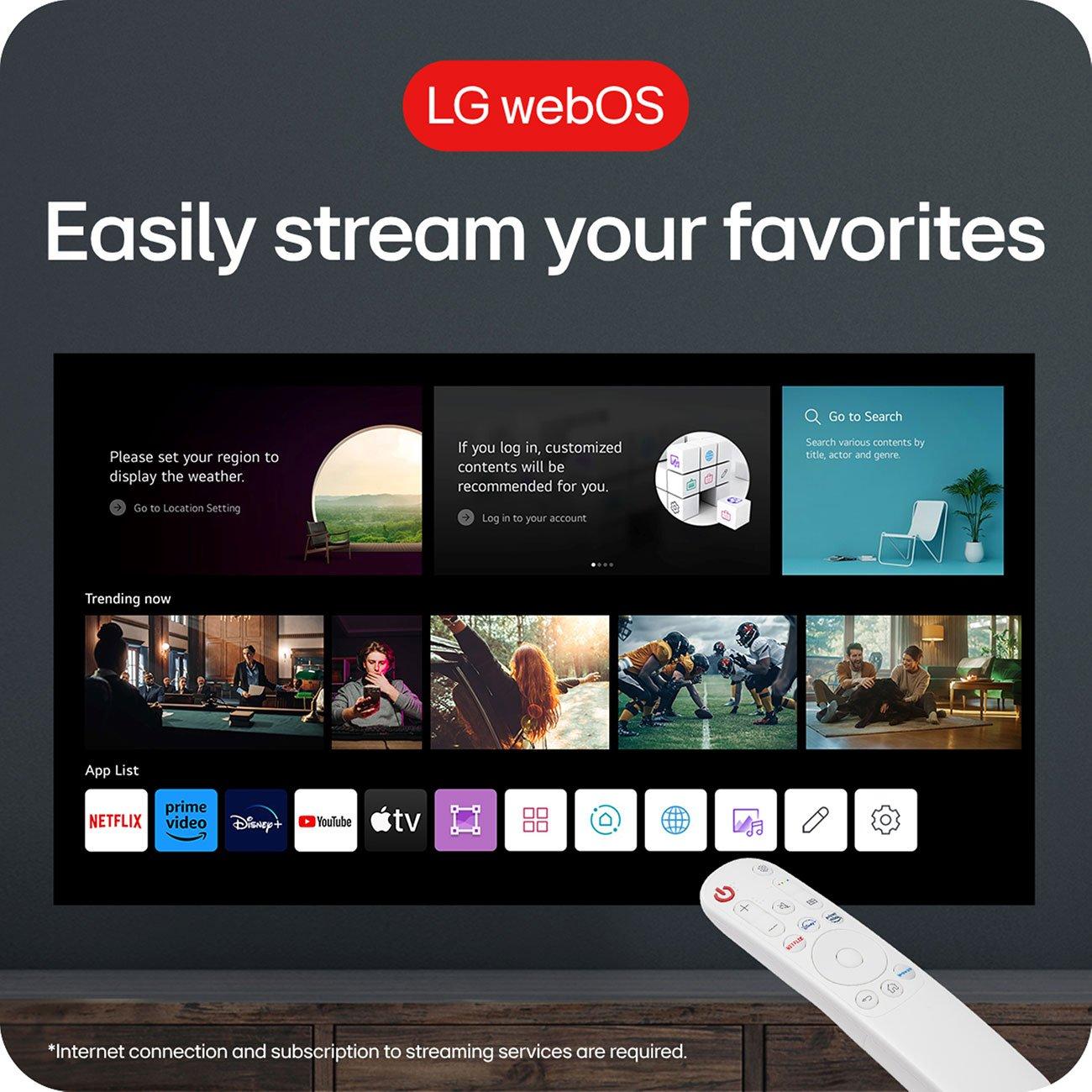
The LG CineBeam Q runs LG's webOS smart TV platform, providing built-in access to streaming services like Netflix, Disney+, and Prime Video without needing external devices. It also supports screen mirroring via AirPlay 2 (for Apple devices) and Android Screen Share. This means you can use it as a standalone entertainment system.
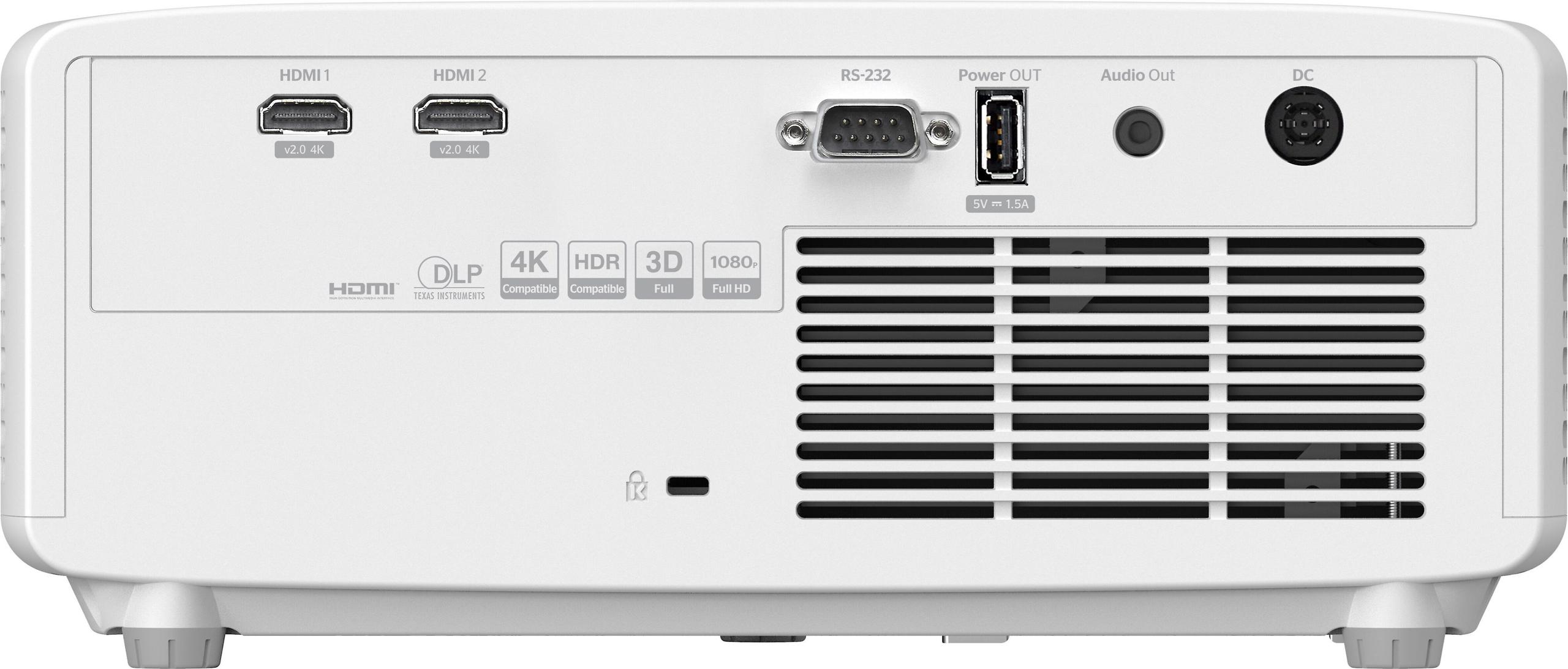
The Optoma HZ40HDR takes a more traditional approach with multiple input ports (2 HDMI 2.0 ports, RS-232, etc.) but no smart platform. You'll need to connect external devices like streaming sticks, Blu-ray players, or gaming consoles to provide content.
For permanent home theater setups, Optoma's approach makes sense—most enthusiasts prefer using dedicated streaming devices or AV receivers to manage their content. For portable use, LG's all-in-one approach is far more convenient, requiring only a power outlet to start watching.
If you're a gamer, the Optoma HZ40HDR offers a significant advantage with its 8.6ms input lag at 1080p/120Hz. Input lag refers to the delay between when your controller sends a signal and when that action appears on screen—lower numbers mean more responsive gameplay. This low latency makes the Optoma suitable for competitive gaming where reaction time matters.
The LG CineBeam Q doesn't advertise specific gaming features or input lag measurements. Portable projectors typically have higher input lag (often 30-50ms or more), making them less suitable for fast-paced or competitive games. It will still work fine for casual gaming or turn-based games where split-second reactions aren't critical.
The brightness difference also impacts gaming. Games often contain both bright and dark scenes, and the Optoma's higher brightness helps maintain detail visibility across this range, especially in rooms that aren't completely dark.
Where the LG CineBeam Q truly shines is in its flexibility. Its compact size and lightweight design make it ideal for:
The auto-setup features are particularly valuable in these scenarios, allowing quick configuration in varied environments. The built-in 3W speaker, while not impressive, provides adequate audio for casual viewing when external audio isn't practical.
The Optoma HZ40HDR, while transportable at 6.6 pounds, is designed primarily for fixed installation. Its larger size, manual adjustment requirements, and lack of built-in streaming make it less practical for frequent moving. However, its 15W speaker provides noticeably better sound than the LG's, which might matter for temporary setups where external audio isn't available.
Despite similar pricing (around $1,300-1,400), these projectors deliver value in different ways:
The Optoma HZ40HDR offers exceptional brightness per dollar. Traditional home theater projectors with similar brightness levels often cost significantly more. Its laser light source with 30,000 hours of rated life means you'll never need to replace a lamp—a common hidden cost with older projector technologies that could add hundreds of dollars over the device's lifespan.
The LG CineBeam Q provides 4K resolution and smart TV capabilities in an ultra-portable package. Comparable portable 4K projectors often cost significantly more, and its RGB laser technology delivers color performance typically found only in much more expensive models.
From a longevity perspective, both use laser light sources that should last many years before showing significant degradation. The Optoma's higher brightness gives it more headroom for gradual dimming over time while still remaining usable.
For dedicated home theater enthusiasts, several additional factors deserve attention:
In a properly darkened home theater, contrast ratio (the difference between the brightest whites and darkest blacks) becomes more important than raw brightness. The Optoma HZ40HDR claims a 300,000:1 contrast ratio, while the LG CineBeam Q advertises 450,000:1.
However, these manufacturer-provided contrast ratios use different measurement methodologies and aren't directly comparable. In practice, both projectors will benefit significantly from dark wall colors and controlled lighting in a dedicated theater space. The LG's lower brightness actually gives it an advantage in perceived contrast in completely dark rooms, as the black floor (how dark the darkest parts of the image can be) is lower.
Your choice of projection screen interacts significantly with your projector selection:
For the Optoma HZ40HDR, a standard white screen works well in controlled lighting. In rooms with some ambient light, consider a gray screen with some ambient light rejection properties to preserve contrast.
For the LG CineBeam Q, screen selection is even more critical due to its lower brightness. A high-gain screen (which reflects more light back to the viewer) can effectively boost perceived brightness, though usually at the cost of narrower viewing angles. In completely dark rooms, however, even a basic white screen will work well with the LG.
While both projectors include built-in speakers, most home theater enthusiasts will want external audio. The Optoma provides a 3.5mm audio output for connection to external speakers or sound systems. The LG offers Bluetooth audio output, allowing wireless connection to Bluetooth speakers or headphones—including the ability to connect two Bluetooth audio devices simultaneously for shared listening.
For permanent installations, the Optoma's approach integrates better with traditional AV receivers and wired speaker systems. For portable setups, the LG's Bluetooth capabilities offer more flexibility.
After comparing these projectors across various aspects, the decision ultimately comes down to your specific needs and usage patterns:
Choose the Optoma HZ40HDR if:
Choose the LG CineBeam Q if:
For my personal setup, I've found that brightness requirements typically outweigh resolution concerns in real-world viewing. The ability to watch without completely darkening the room makes a projector much more practical for everyday use. However, if you're creating a dedicated theater space or primarily watch movies at night, the LG CineBeam Q's superior colors and resolution might well be worth the brightness trade-off.
Ultimately, both the Optoma HZ40HDR and LG CineBeam Q represent excellent values within their respective categories. The Optoma excels as a dedicated, bright home theater projector, while the LG shines as a portable, smart entertainment device for dark-room viewing. Understanding your viewing environment, usage patterns, and personal priorities will guide you to the right choice for your home entertainment needs.
| Optoma HZ40HDR 1080p Projector | LG CineBeam Q 4K UHD Portable Laser Projector |
|---|---|
| Price - Bottom line cost consideration | |
| $1,399 (higher brightness, lower resolution) | $1,299 (better portability, higher resolution) |
| Resolution - Determines image sharpness and detail | |
| 1080p Full HD (1920×1080) - sufficient for most content at normal viewing distances | 4K UHD (3840×2160) - sharper image with 4× the pixels, noticeable on screens over 100" |
| Brightness - Most critical spec determining when and where you can use the projector | |
| 4,000 ANSI lumens (works well in rooms with ambient light, can replace a TV) | 500 ANSI lumens (requires near-darkness for optimal viewing) |
| Light Source - Affects lifespan, color performance, and maintenance costs | |
| Laser with phosphor wheel (30,000 hour lifespan, no lamp replacements) | RGB 3-channel laser (20,000 hour lifespan, superior color reproduction with 154% DCI-P3) |
| Size & Weight - Determines portability and installation options | |
| 10.79" × 4.49" × 8.50", 6.6 lbs (designed for permanent installation) | 5.31" × 3.15" × 5.31", 3.3 lbs (cube design with handle, ultra-portable) |
| Smart Features - Affects need for additional devices | |
| No built-in smart platform (requires external streaming devices) | Built-in webOS smart platform with streaming apps, AirPlay 2, and Screen Share |
| Gaming Performance - Critical for interactive content | |
| 8.6ms input lag at 1080p/120Hz (excellent for competitive gaming) | No specified gaming mode (likely 30-50ms input lag, suitable for casual gaming) |
| Setup Features - Determines ease of installation | |
| Manual focus, limited keystone correction (±30°), 1.1× zoom | Auto focus, auto keystone correction, 360° rotating handle/stand |
| Audio Capabilities - Affects need for external speakers | |
| 15W mono speaker (decent for built-in audio), 3.5mm audio out | 3W mono speaker (minimal audio quality), dual Bluetooth audio output |
| Ideal Use Case - When to choose each projector | |
| Permanent home theater setups, living rooms with some ambient light, gaming | Portable viewing in multiple locations, completely dark rooms, users wanting built-in streaming |
The LG CineBeam Q 4K UHD Portable Laser Projector offers better resolution with true 4K UHD (3840×2160 pixels), which is four times the resolution of the Optoma HZ40HDR 1080p Projector that provides Full HD 1080p (1920×1080 pixels). If you're primarily concerned with image sharpness and detail, especially on larger screens over 100 inches, the LG CineBeam Q will provide a noticeably sharper picture.
The Optoma HZ40HDR 1080p Projector is significantly brighter with 4,000 ANSI lumens compared to the LG CineBeam Q's 500 ANSI lumens. This makes the Optoma HZ40HDR much better suited for daytime viewing or rooms with ambient light, as it can produce a clear, visible image even with some lights on. The LG CineBeam Q requires near-darkness for optimal viewing.
Yes, but the Optoma HZ40HDR 1080p Projector is much better for gaming with its low input lag of 8.6ms at 1080p/120Hz, making it suitable for competitive gaming where reaction time matters. The LG CineBeam Q doesn't advertise specific gaming features or input lag measurements, suggesting it's better suited for casual gaming rather than fast-paced competitive games.
The LG CineBeam Q 4K UHD Portable Laser Projector is significantly more portable, weighing just 3.3 pounds with compact dimensions of 5.31" × 3.15" × 5.31" in a cube design with a rotating handle/stand. The Optoma HZ40HDR weighs 6.6 pounds with larger dimensions (10.79" × 4.49" × 8.50"), making it more suitable for permanent installation rather than frequent moving.
Only the LG CineBeam Q 4K UHD Portable Laser Projector has built-in streaming with the webOS smart platform, providing access to Netflix, Disney+, Prime Video, and other streaming services without requiring external devices. The Optoma HZ40HDR 1080p Projector has no smart features and requires external streaming devices connected via HDMI.
For a dedicated, completely dark home theater room, both projectors have merits. The LG CineBeam Q offers superior 4K resolution and exceptional color performance with its RGB laser technology. However, the Optoma HZ40HDR provides much higher brightness, which allows for a larger screen size and better HDR performance. If your home theater is completely light-controlled and you prioritize color accuracy and resolution, the LG may be preferable. For larger screens or some ambient light, the Optoma is better.
The LG CineBeam Q 4K UHD Portable Laser Projector offers significantly easier setup with auto-focus, auto keystone correction, and a 360° rotating handle/stand for flexible positioning. The Optoma HZ40HDR requires more manual adjustment with limited keystone correction (±30°) and minimal zoom (1.1x), making initial setup more involved but potentially more precise for permanent installations.
The Optoma HZ40HDR 1080p Projector has better built-in sound with a more powerful 15W mono speaker compared to the LG CineBeam Q's minimal 3W mono speaker. However, the LG offers dual Bluetooth audio output, allowing connection to external Bluetooth speakers without wires. For serious home theater use, external speakers are recommended with either projector.
Both projectors use laser light sources that last much longer than traditional lamp projectors. The Optoma HZ40HDR offers up to 30,000 hours of laser light source life, while the LG CineBeam Q provides around 20,000 hours. At 4 hours of viewing per day, this represents over 13 years for the Optoma and about 9 years for the LG before significant brightness degradation.
Value depends on your needs. At around $1,399, the Optoma HZ40HDR 1080p Projector offers exceptional brightness-per-dollar and versatility for various lighting conditions. At approximately $1,299, the LG CineBeam Q provides 4K resolution and ultra-portability at a competitive price point. If you need brightness and versatility, the Optoma offers better value. If portability and resolution are priorities, the LG represents better value.
Both can be used outdoors in darkness, but the Optoma HZ40HDR 1080p Projector will perform much better with its 4,000 ANSI lumens brightness, allowing for earlier evening viewing when it's not completely dark. The LG CineBeam Q is more convenient to transport outdoors with its compact size and handle, but its 500 ANSI lumens require complete darkness for a good viewing experience. Neither projector is weatherproof, so they should only be used in dry conditions.
For movie viewing in a dark dedicated theater, the LG CineBeam Q 4K UHD Portable Laser Projector offers advantages with its 4K resolution and superior color reproduction (154% DCI-P3 coverage). For versatile movie viewing in varied lighting or on larger screens, the Optoma HZ40HDR performs better with its much higher brightness. Movie enthusiasts who watch primarily in darkness might prefer the LG's image quality, while those who want flexibility in viewing conditions will appreciate the Optoma's brightness.
We've done our best to create useful and informative comparisons to help you decide what product to buy. Our research uses advanced automated methods to create this comparison and perfection is not possible - please contact us for corrections or questions. These are the sites we've researched in the creation of this article: projectorcentral.com - youtube.com - picclick.com - crutchfield.com - homecinemachoice.com - compsource.com - bestbuy.com - adorama.com - bhphotovideo.com - provantage.com - cdw.com - datavision.com - optomausa.com - manua.ls - ipcstore.com - pcrichard.com - richersounds.com - electronicexpress.com - projexdisplay.com - dubaimachines.com - newegg.com - projectorpoint.co.uk - a.ubuy.com.kw - greentoe.com - projectorcentral.com - lg.com - thefrogpadappliances.com - youtube.com - techradar.com - lg.com - avsforum.com - lg.com - tomsguide.com - jefflynch.com - hometheaterview.com - projectorreviews.com - youtube.com - avsforum.com - projectorcentral.com - pcrichard.com - bhphotovideo.com - youtube.com - lg.com - applerivertvandappliance.com - big-georges.com - queencityonline.com - lg.com - lg.com - lg.com - lgnewsroom.com - heimkino.de

Privacy Policy
Terms and Conditions - Affiliate Policy
Home Security
© Copyright 2008-2026.
11816 Inwood Rd #1211, Dallas, TX 75244