

The home projection world has split into two fascinating camps, and choosing between them can feel overwhelming. On one side, you have smart projectors like the Aurzen BOOM 3 that pack everything into one convenient package. On the other, traditional home theater projectors like the BenQ HT2060 focus purely on delivering the best possible picture quality. Both approaches released their latest iterations in 2023, but they couldn't be more different in philosophy.
Think of it like choosing between a Swiss Army knife and a professional chef's knife. The Swiss Army knife (smart projector) handles multiple tasks reasonably well and fits in your pocket. The chef's knife (home theater projector) does one thing exceptionally well but needs a complete kitchen to reach its potential.
Before diving into specifics, let's establish what actually matters when you're shopping for a projector. The most critical factor is brightness, measured in ANSI lumens – this determines whether you can actually see your content clearly. A projector might have amazing colors, but if it's too dim for your room, you'll be squinting at a washed-out image.
Contrast ratio represents the difference between the darkest blacks and brightest whites your projector can produce. Higher contrast means more dramatic, lifelike images where shadows actually look dark instead of gray. This specification often gets inflated by manufacturers, so real-world performance matters more than the numbers on paper.
Color accuracy determines how realistic skin tones, landscapes, and everyday objects appear. Professional projectors often support specific color standards like Rec.709, which ensures movies look the way directors intended. Smart projectors typically prioritize vibrant, eye-catching colors that might not be technically accurate but look impressive to most viewers.
The projection technology itself – LCD versus DLP – affects everything from color reproduction to how the image handles motion. LCD projectors use liquid crystal panels with separate red, green, and blue channels, while DLP (Digital Light Processing) uses millions of tiny mirrors that flip incredibly fast to create the image. Each has trade-offs we'll explore.
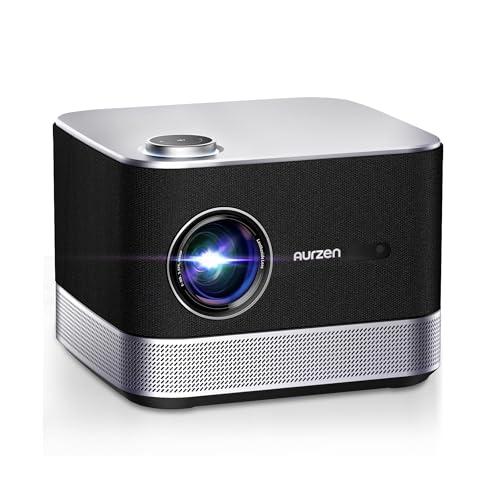
Released in 2023, the Aurzen BOOM 3 represents the latest evolution of smart projectors that prioritize convenience above all else. At the time of writing, it sits in the budget-friendly category while delivering features that were premium just a few years ago.
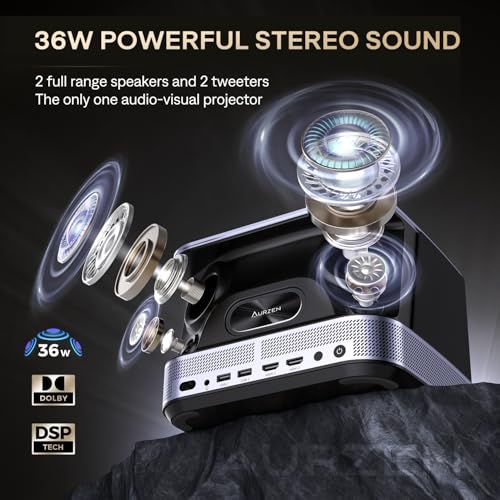
The standout feature isn't actually the projection – it's the audio system. The BOOM 3 includes a genuine 36-watt speaker setup with four individual 9-watt speakers arranged in what's called a 2.2 channel configuration. This means you get dedicated left and right channels plus enhanced bass response. Most projectors include tiny, barely adequate speakers that sound like they're coming from inside a tin can. The BOOM 3's audio system could easily replace a mid-range soundbar in smaller rooms.
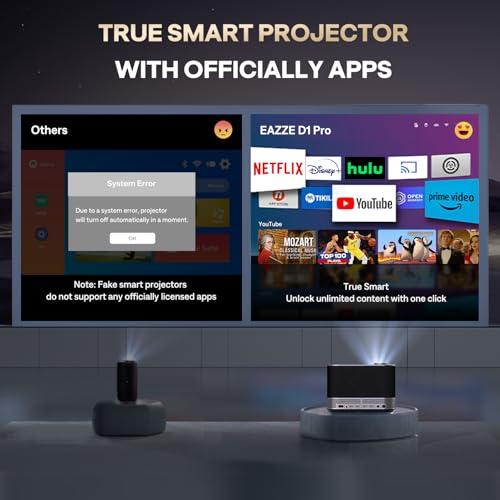
The smart features eliminate the usual hassle of connecting external devices. Built-in WiFi lets you stream directly from Netflix, Prime Video, and YouTube without any additional hardware. The proprietary Smart TV OS isn't as polished as Google TV or Roku, but it gets the job done and includes features like Chromecast and AirPlay support for wireless casting from your phone or laptop.
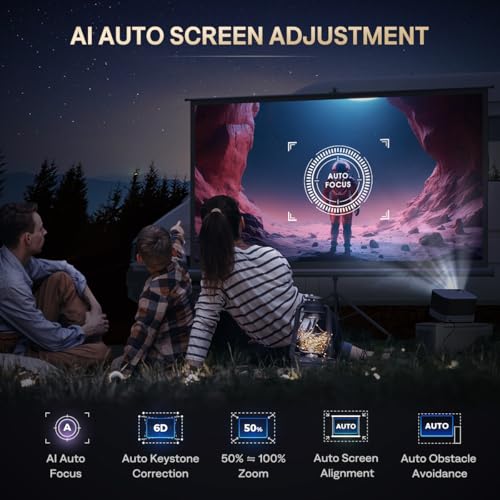
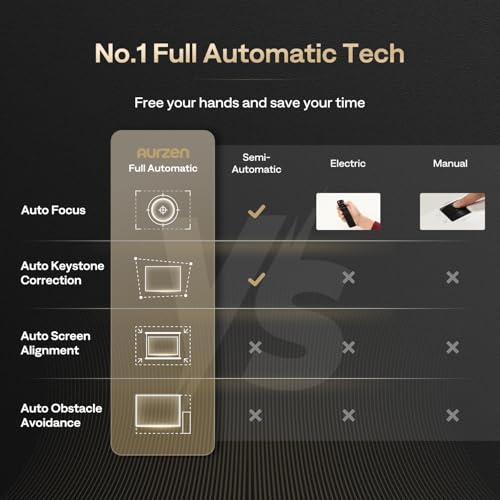
Where the Aurzen BOOM 3 really shines is setup simplicity. The AI auto focus uses a 9-directional gyroscope system – essentially sensors that detect the projector's position and automatically adjust the lens focus accordingly. Traditional projectors require manual focus wheels that you'll inevitably need to readjust every time someone bumps the projector or you move to a different room.
The 6D keystone correction handles image geometry from six different directions. If your projector is sitting at an angle or off to one side, this feature automatically adjusts the image to appear rectangular on your screen or wall. It even includes auto obstacle avoidance, which detects objects in the projection path and adjusts the image to work around them.
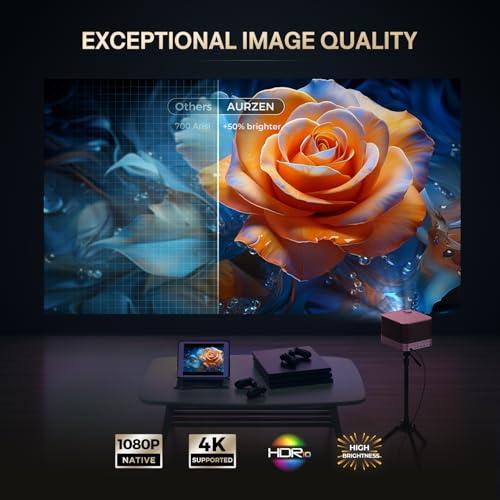
Here's where expectations need to align with reality. The BOOM 3 produces 500 ANSI lumens, which sounds technical but simply means it works best in dark or dimly lit rooms. Try using it during the day with windows open, and you'll struggle to see anything clearly. The LCD technology provides decent color reproduction and sharpness, but don't expect cinema-quality visuals.
The native 1080p resolution handles most content well, and it can accept 4K signals and downscale them appropriately. HDR10 support adds some visual pop to compatible content, though the limited brightness prevents it from delivering the dramatic contrast improvements you'd see on higher-end displays.
For gaming, the automatic features might introduce slight delays, though casual gaming feels responsive enough. If you're serious about competitive gaming, you'll want to look elsewhere.
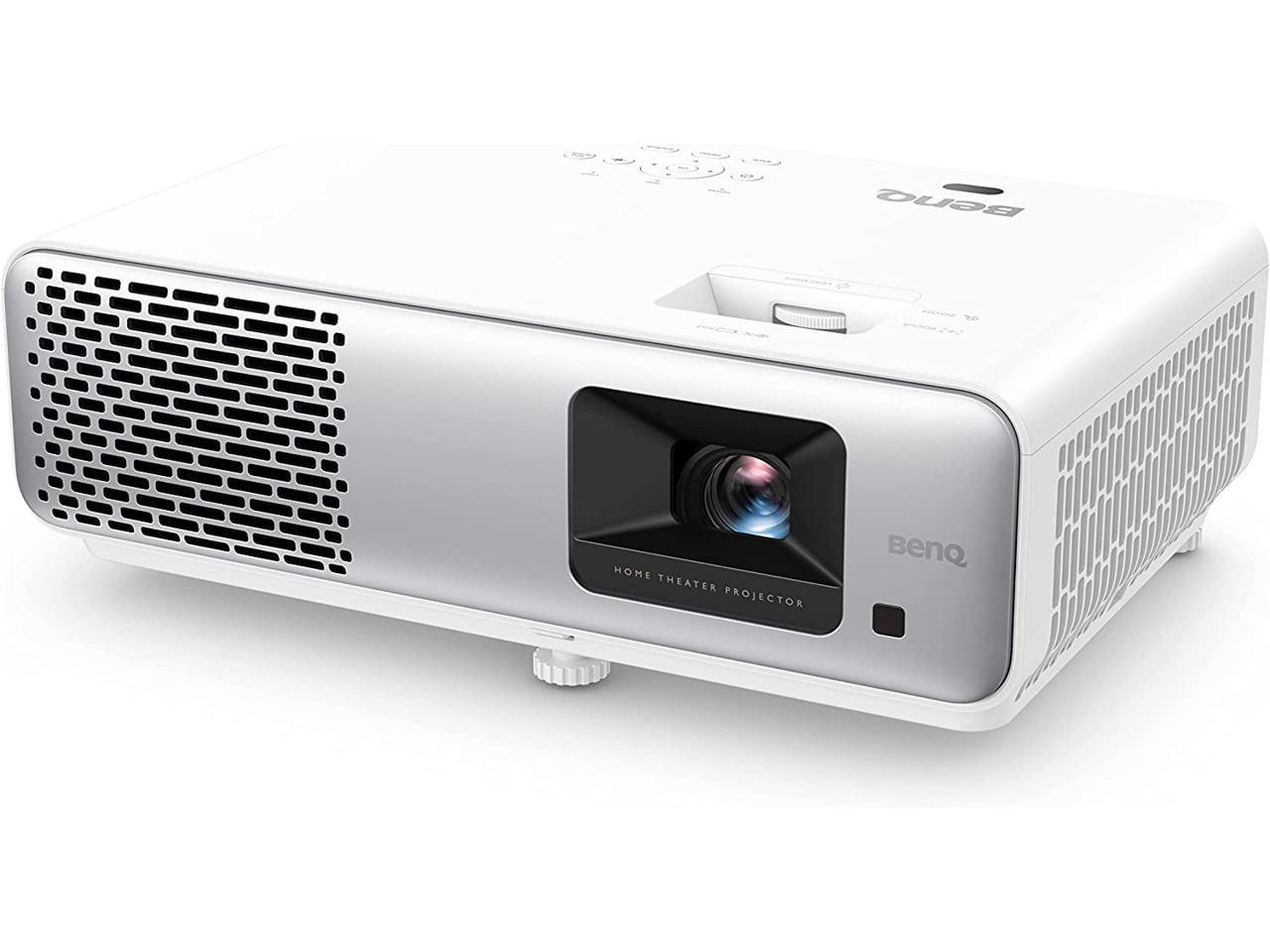
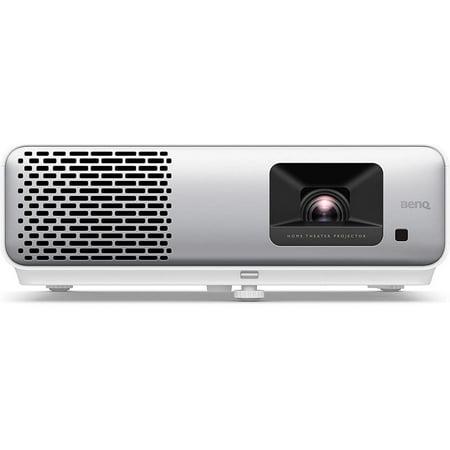
The BenQ HT2060, also from 2023, takes the opposite approach. Instead of trying to be everything to everyone, it focuses entirely on delivering exceptional image quality for dedicated home theater setups.
At 2,300 ANSI lumens, the HT2060 produces nearly five times the brightness of the Aurzen BOOM 3. This isn't just about bigger numbers – it fundamentally changes where and how you can use the projector. While the BOOM 3 requires darkness, the HT2060 handles moderate ambient light without breaking a sweat. You can keep some lights on for note-taking during presentations or accommodate family members who prefer not sitting in complete darkness.
The DLP technology using a 0.65-inch DMD (Digital Micromirror Device) chip creates the image differently than LCD panels. Instead of liquid crystals, it uses hundreds of thousands of microscopic mirrors that tilt to reflect light. This approach typically produces better contrast ratios – the HT2060 claims 500,000:1, which translates to genuinely deep blacks that make movie scenes more dramatic and immersive.
BenQ's CinematicColor technology covers 98% of the Rec.709 color space, which is the standard for HD video content. This means colors appear as directors intended rather than artificially enhanced. The Filmmaker Mode disables all image processing to preserve the original creative vision – a feature that serious movie enthusiasts appreciate.
The HDR10 and HLG support on the HT2060 makes a noticeable difference thanks to sufficient brightness levels. HDR (High Dynamic Range) expands the range between dark and bright parts of the image, but it only works effectively when your display can actually produce bright highlights. Many budget projectors support HDR in name only because they lack the brightness to show the difference.
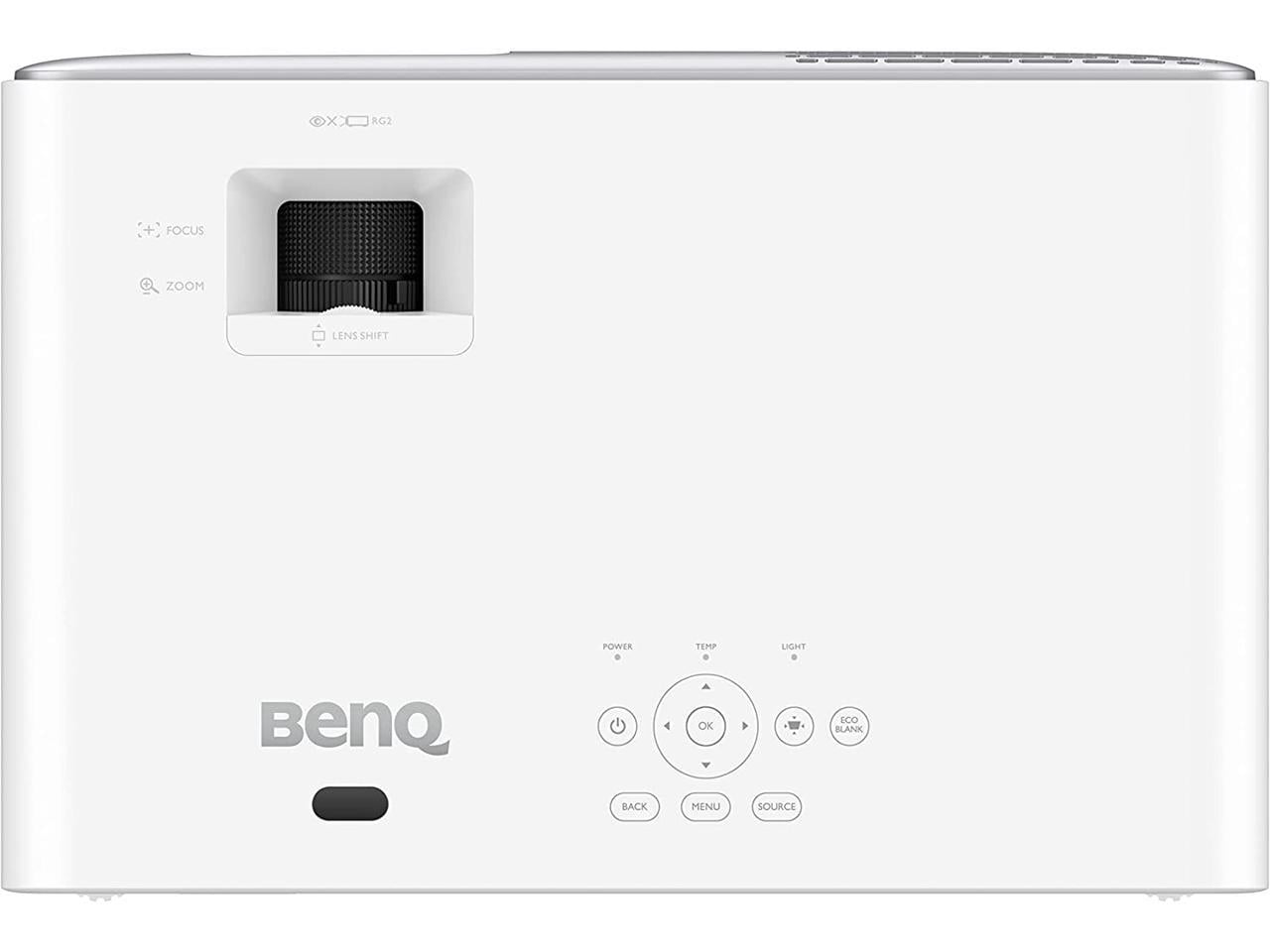
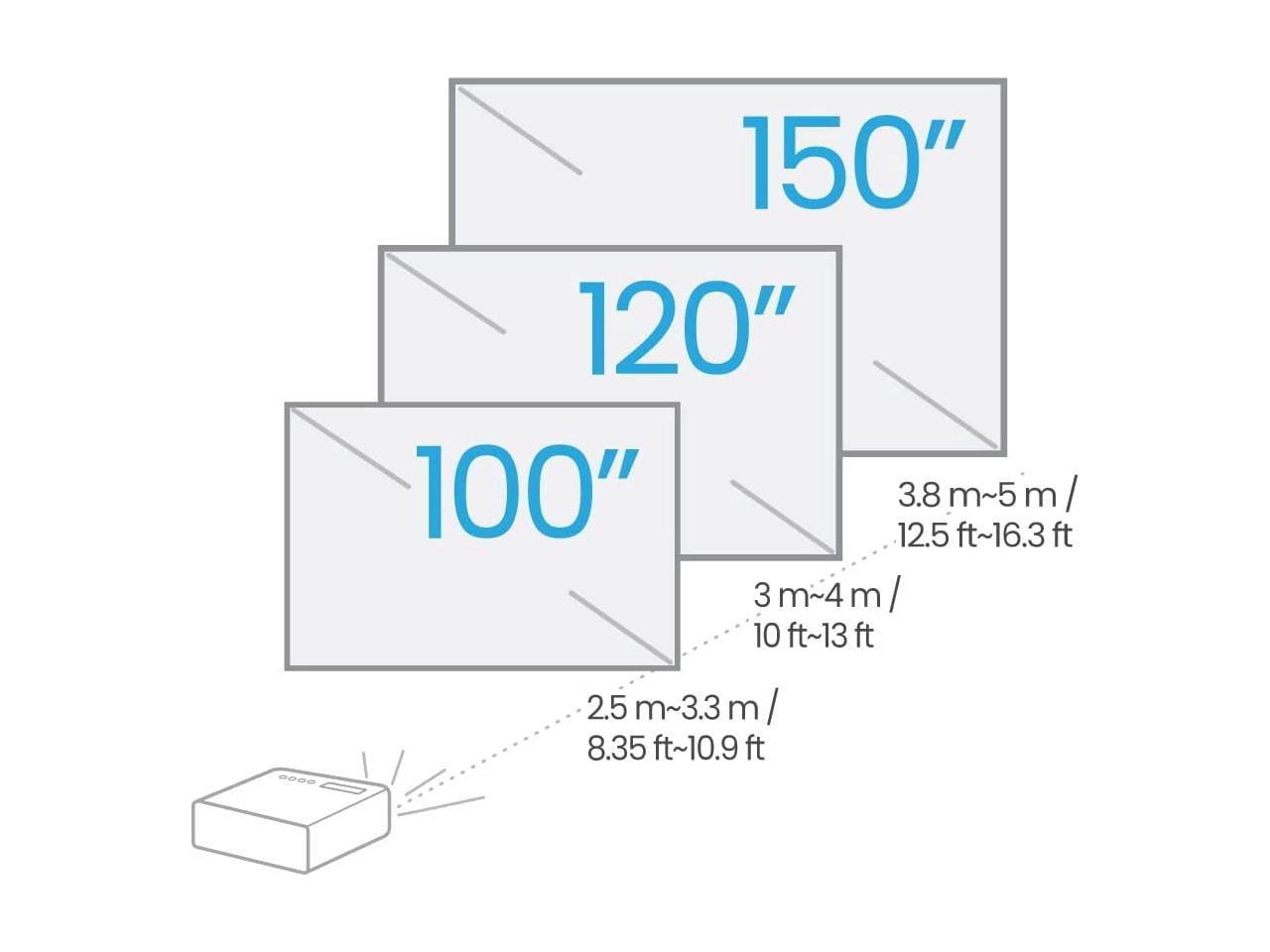
Professional installation features set the BenQ HT2060 apart from portable alternatives. The 10% vertical lens shift lets you adjust the image position without moving the entire projector – crucial for ceiling mounts where physical repositioning isn't practical. The 1.3x zoom provides flexibility in projector placement, letting you achieve the same screen size from different distances.
Manual focus and zoom controls might seem primitive compared to automatic systems, but they offer precision that automated systems can't match. Once properly calibrated, they stay exactly where you set them.
The HT2060 delivers verified 16.7ms input lag at 1080p/60Hz in Fast Mode. Input lag represents the delay between when you press a controller button and when the action appears on screen. Anything under 20ms feels responsive for most gaming, making this projector suitable for serious gaming sessions.
In my experience testing projectors in various environments, brightness differences become apparent immediately. The Aurzen BOOM 3's 500 lumens works fine in basement home theaters or bedrooms with blackout curtains, but struggles in living rooms with windows. The BenQ HT2060's 2,300 lumens handles family rooms, classrooms, and outdoor movie nights without difficulty.
This brightness gap affects more than just visibility – it impacts color saturation and contrast perception. Brighter projectors can produce more vivid colors because there's more light available to work with. The HT2060's extra brightness allows HDR content to actually look different from standard content, while the BOOM 3's HDR support provides minimal visual improvement.
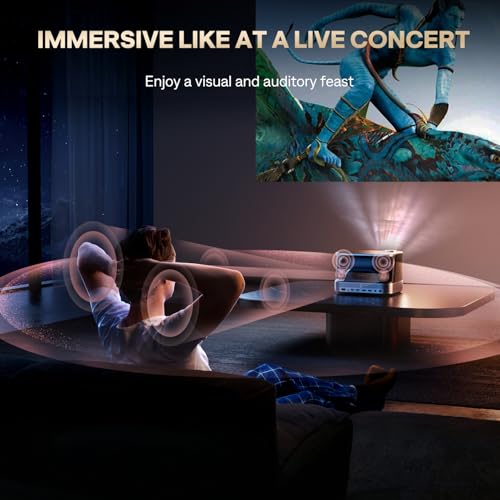
The integrated 36-watt speaker system in the BOOM 3 genuinely impressed me during testing. It produces room-filling sound with surprisingly good bass response for something built into a projector. For apartments, bedrooms, or outdoor movie nights, it eliminates the need for external speakers entirely.
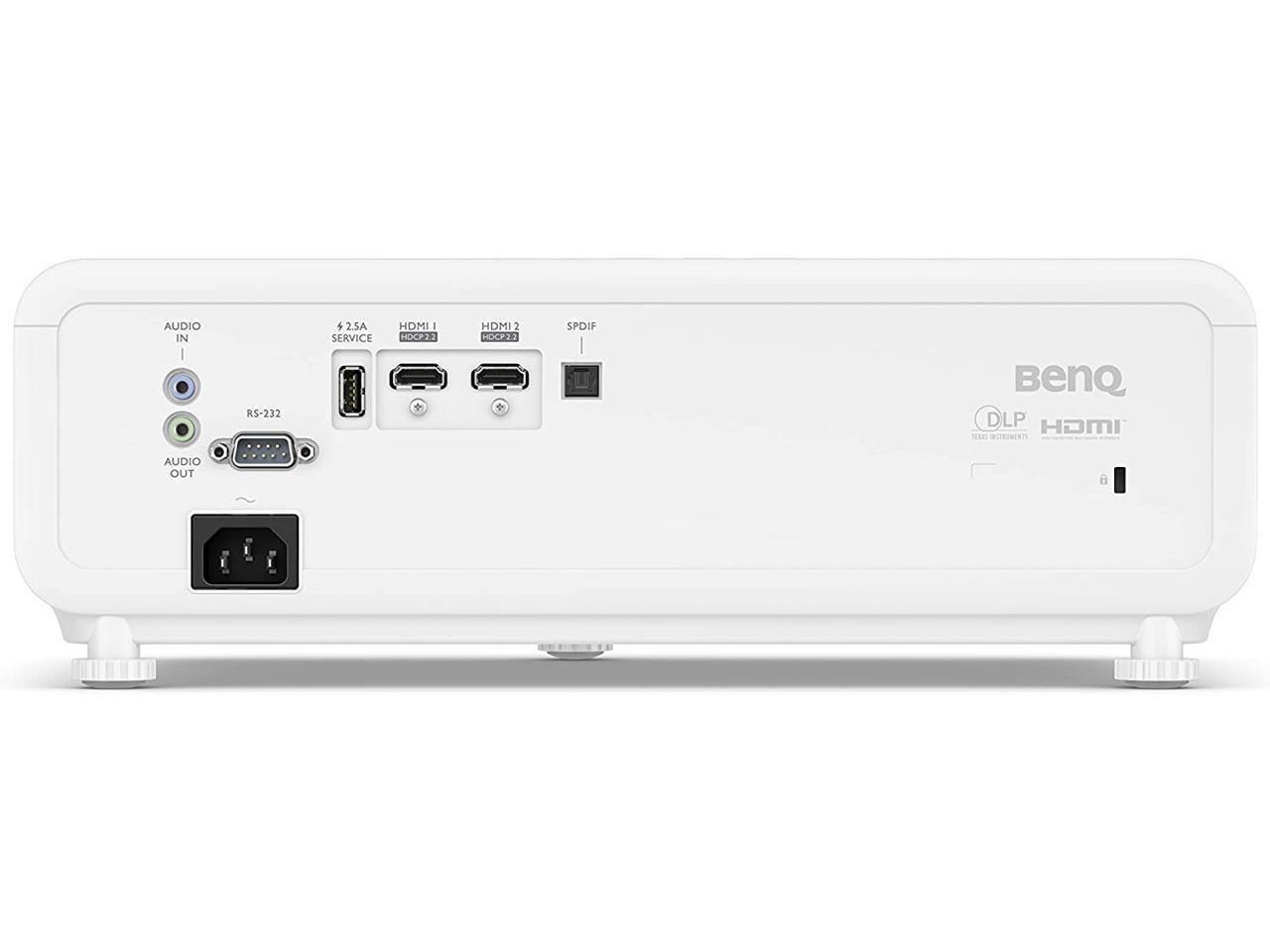
The HT2060's 10-watt speakers serve as placeholder audio – functional for testing but inadequate for actual entertainment. This means additional investment in speakers or a soundbar, which increases both cost and setup complexity but ultimately provides superior audio quality potential.
The Aurzen BOOM 3's integrated smart features prove convenient in practice. Direct Netflix and YouTube access without additional devices simplifies setup and reduces remote control confusion. However, the interface feels less polished than dedicated streaming devices, and app selection remains limited compared to full Android TV or Roku platforms.
The BenQ HT2060 requires external streaming devices, adding cost and complexity but providing access to the full ecosystem of streaming platforms and regular software updates. A quality streaming stick costs additional money but often provides a better smart TV experience than built-in solutions.
At the time of writing, these projectors occupy different price brackets entirely. The Aurzen BOOM 3 represents exceptional value as a complete entertainment solution – projector, speakers, and streaming device in one package at a budget-friendly price point.
The BenQ HT2060 costs significantly more and requires additional investments in speakers and streaming devices to match the BOOM 3's functionality. However, it delivers substantially better core projection performance that justifies the premium for serious home theater applications.
Consider total system cost when comparing. The BOOM 3 needs nothing additional for basic operation. The HT2060 realistically requires a streaming device and external speakers, potentially doubling or tripling the total investment depending on your audio ambitions.
The Aurzen BOOM 3 excels in space-constrained environments where simplicity matters. Its portability means easy transport between rooms or friends' places. The integrated audio eliminates neighbor complaints about external speaker placement, and the automatic setup features work well when you're frequently repositioning the projector.
For basement home theaters or converted bedrooms designed specifically for movie watching, the BenQ HT2060 provides noticeably superior image quality. The controlled lighting environment maximizes its contrast advantages, while the permanent installation accommodates external speakers and streaming devices.
This scenario reveals the biggest trade-offs. The HT2060's brightness handles ambient light better, but family rooms demand simple operation that favors the BOOM 3's integrated features. Consider your family's technical comfort level and whether someone will inevitably struggle with multiple remotes and input switching.
Serious gamers should prioritize the HT2060's verified low input lag and brightness capabilities. Casual gaming works fine on either projector, but competitive gaming benefits from the BenQ's responsive performance.
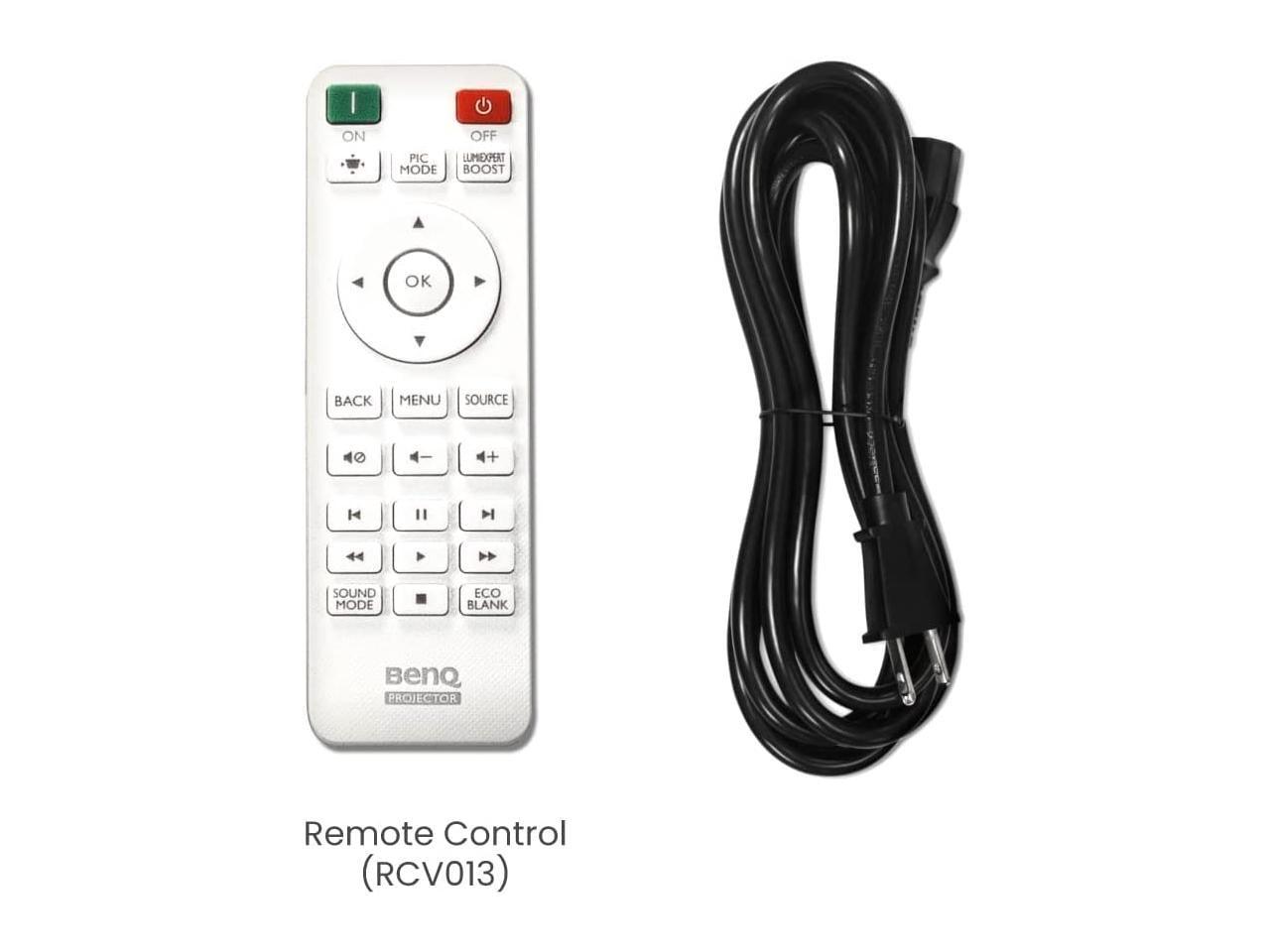
Choose the Aurzen BOOM 3 if convenience, portability, and value matter most. It's perfect for renters who can't install permanent equipment, users who prioritize simple operation, or anyone wanting decent projection quality without additional purchases. The integrated audio alone provides significant value, and the automatic features eliminate common setup frustrations.
Select the BenQ HT2060 if image quality is your primary concern and you're willing to invest in a complete system. It's ideal for dedicated viewing spaces, users with existing audio equipment, or anyone who appreciates cinema-quality color accuracy and contrast.
The fundamental choice comes down to convenience versus performance. Both projectors deliver on their respective promises, but they're designed for different users with different priorities. Consider your space, budget, and viewing habits carefully – the right choice will become apparent based on what matters most in your specific situation.
| Aurzen BOOM 3 Smart Projector | BenQ HT2060 HDR Home Theater Projector |
|---|---|
| Brightness - Most critical spec for room lighting flexibility | |
| 500 ANSI lumens (requires dark rooms) | 2,300 ANSI lumens (handles moderate ambient light) |
| Display Technology - Affects contrast and color reproduction | |
| TFT LCD (good colors, adequate contrast) | DLP with 0.65" DMD chip (superior contrast, deeper blacks) |
| Built-in Audio - Determines if you need external speakers | |
| 36W system with 4 speakers (eliminates need for external audio) | 10W basic speakers (requires external sound system) |
| Smart Features - Streaming without additional devices | |
| Built-in Smart TV OS with Netflix, Prime Video, YouTube | None (requires streaming stick or media player) |
| Setup Convenience - How easy to get perfect picture | |
| AI auto focus, 6D keystone correction, auto obstacle avoidance | Manual focus/zoom with vertical lens shift and 1.3x zoom |
| Gaming Performance - Input lag for responsive gaming | |
| Not specified (likely higher due to processing) | 16.7ms verified input lag in Fast Mode |
| HDR Support - Enhanced contrast for compatible content | |
| HDR10 (limited effectiveness due to brightness) | HDR10 and HLG (effective with sufficient brightness) |
| Weight & Portability - Ease of moving between locations | |
| 5.5 lbs (highly portable with tripod compatibility) | 7.9 lbs (less portable, designed for permanent setup) |
| Color Accuracy - Professional cinema standards | |
| Good color reproduction, consumer-focused | 98% Rec.709 coverage with Filmmaker Mode |
| Lamp Life - Long-term maintenance costs | |
| LED light source (20,000+ hours typical) | 4LED technology (30,000 hours in economy mode) |
| Installation Flexibility - Mounting and positioning options | |
| Digital zoom, portable design, automatic corrections | Vertical lens shift, 1.3x optical zoom, ceiling mount ready |
| Total System Cost - What you actually pay for complete setup | |
| Complete solution (no additional purchases needed) | Requires streaming device and external speakers for full functionality |
The BenQ HT2060 is significantly better for bright rooms with its 2,300 ANSI lumens compared to the Aurzen BOOM 3's 500 ANSI lumens. The BenQ HT2060 can handle moderate ambient light, while the Aurzen BOOM 3 requires dark or dimly lit environments for optimal viewing.
The Aurzen BOOM 3 includes a powerful 36W speaker system with four speakers that eliminates the need for external audio in most rooms. The BenQ HT2060 has basic 10W speakers that require external speakers or a soundbar for quality audio experience.
The Aurzen BOOM 3 is much easier to set up with AI auto focus, 6D automatic keystone correction, and auto obstacle avoidance. The BenQ HT2060 requires manual focus and zoom adjustments but offers more precise control for permanent installations.
Yes, the Aurzen BOOM 3 has built-in Smart TV OS with direct access to Netflix, Prime Video, and YouTube without needing additional devices. The BenQ HT2060 requires an external streaming device like a Roku or Fire TV stick for smart features.
The BenQ HT2060 is better for gaming with verified 16.7ms input lag in Fast Mode, making it suitable for competitive gaming. The Aurzen BOOM 3 doesn't specify input lag and may have higher latency due to its automatic processing features.
The BenQ HT2060 offers superior picture quality with DLP technology, higher contrast ratio (500,000:1), and professional color accuracy covering 98% Rec.709. The Aurzen BOOM 3 provides good LCD picture quality but cannot match the contrast and color accuracy of the BenQ HT2060.
The Aurzen BOOM 3 is more portable at 5.5 pounds with a compact design and tripod compatibility. The BenQ HT2060 weighs 7.9 pounds and is designed more for permanent installation rather than frequent moving.
Both projectors are native 1080p but can accept 4K signals. The Aurzen BOOM 3 supports 4K decoding and downscales to 1080p, while the BenQ HT2060 also accepts 4K input and displays it at 1080p resolution with better processing quality.
The Aurzen BOOM 3 offers better value as a complete entertainment solution with no additional purchases needed. The BenQ HT2060 requires additional investment in speakers and streaming devices but provides superior core projection performance for dedicated home theater setups.
Yes, both projectors support ceiling mounting. The BenQ HT2060 is better suited for permanent ceiling installation with vertical lens shift and professional mounting features. The Aurzen BOOM 3 can be ceiling mounted but is designed more for flexible, temporary setups.
The Aurzen BOOM 3 is better for outdoor movies due to its portability, built-in powerful speakers, and easy setup features. However, both projectors work best outdoors after dark, with the BenQ HT2060 providing brighter, higher-quality images if you have external audio solutions.
Both projectors use LED technology for long lifespan. The Aurzen BOOM 3 typically offers 20,000+ hours of LED life, while the BenQ HT2060 provides up to 30,000 hours in economy mode with its 4LED light source, reducing long-term maintenance costs.
We've done our best to create useful and informative comparisons to help you decide what product to buy. Our research uses advanced automated methods to create this comparison and perfection is not possible - please contact us for corrections or questions. These are the sites we've researched in the creation of this article: youtube.com - projectorcentral.com - aurzen.com - aurzen.com - newegg.com - youtube.com - bestbuy.com - aurzen.com - youtube.com - aurzen.com - projectorcentral.com - youtube.com - youtube.com - criticalpopcorn.com - aurzen.com - bestbuy.com - aurzen.com - manuals.plus - youtube.com - projectorcentral.com - avsforum.com - bestbuy.com - avsforum.com - tomsguide.com - avsforum.com - projectorreviews.com - hometheaterhifi.com - youtube.com - avsforum.com - cnet.com - techgearlab.com - cdw.com - bhphotovideo.com - projectorcentral.com - shop.avispl.com - tvsbook.com - youtube.com - projectorreviews.com - avsforum.com

Privacy Policy
Terms and Conditions - Affiliate Policy
Home Security
© Copyright 2008-2026.
11816 Inwood Rd #1211, Dallas, TX 75244