

When I first started reviewing projectors back in the early 2010s, the market was pretty straightforward - you either bought a massive, expensive home theater projector or you made do with tiny, dim portable units that barely qualified as "watchable." Today's projector landscape tells a completely different story, with innovations that have created two distinct but equally valid approaches to big-screen entertainment.
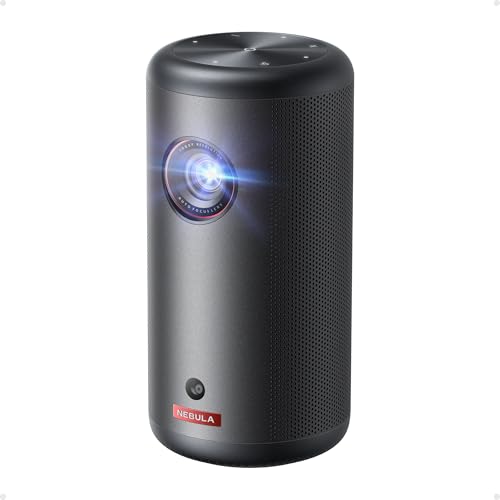
The Nebula Capsule 3 GTV, released in 2022, represents the pinnacle of ultra-portable projection technology, while the BenQ HT2060 embodies what traditional home theater projectors have evolved into - brighter, more color-accurate, and surprisingly affordable compared to their predecessors.
The projector world has essentially split into two camps, each serving fundamentally different needs. Ultra-portable projectors like the Nebula Capsule 3 GTV prioritize convenience above all else - they're battery-powered, incredibly compact, and designed to work anywhere you can find a wall or screen. Traditional home theater projectors like the BenQ HT2060 focus on delivering the best possible image quality for dedicated entertainment spaces.
This split makes perfect sense when you think about how we consume entertainment today. Some people want the flexibility to watch movies in their backyard one night and their bedroom the next, while others are building dedicated spaces where image quality trumps everything else.
The key technical considerations that separate these categories are brightness output (measured in ANSI lumens), installation flexibility, power requirements, and smart features integration. Understanding these differences will help you choose the right approach for your lifestyle and viewing preferences.
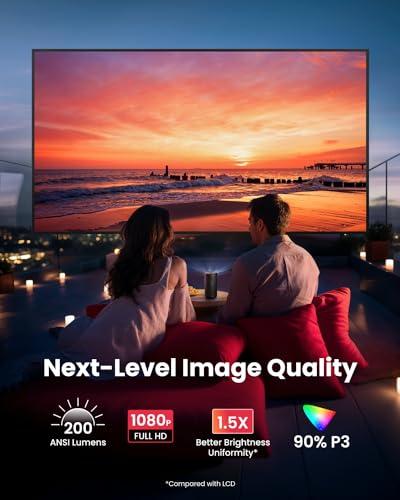
Let's start with the most critical specification: brightness. The BenQ HT2060 produces 2,300 ANSI lumens, while the Nebula Capsule 3 GTV outputs 200 ANSI lumens when plugged in - that's more than an eleven-fold difference.
ANSI lumens measure how much light a projector actually puts on your screen, accounting for brightness variations across the entire image. This isn't just a numbers game - it fundamentally determines where and how you can use your projector.
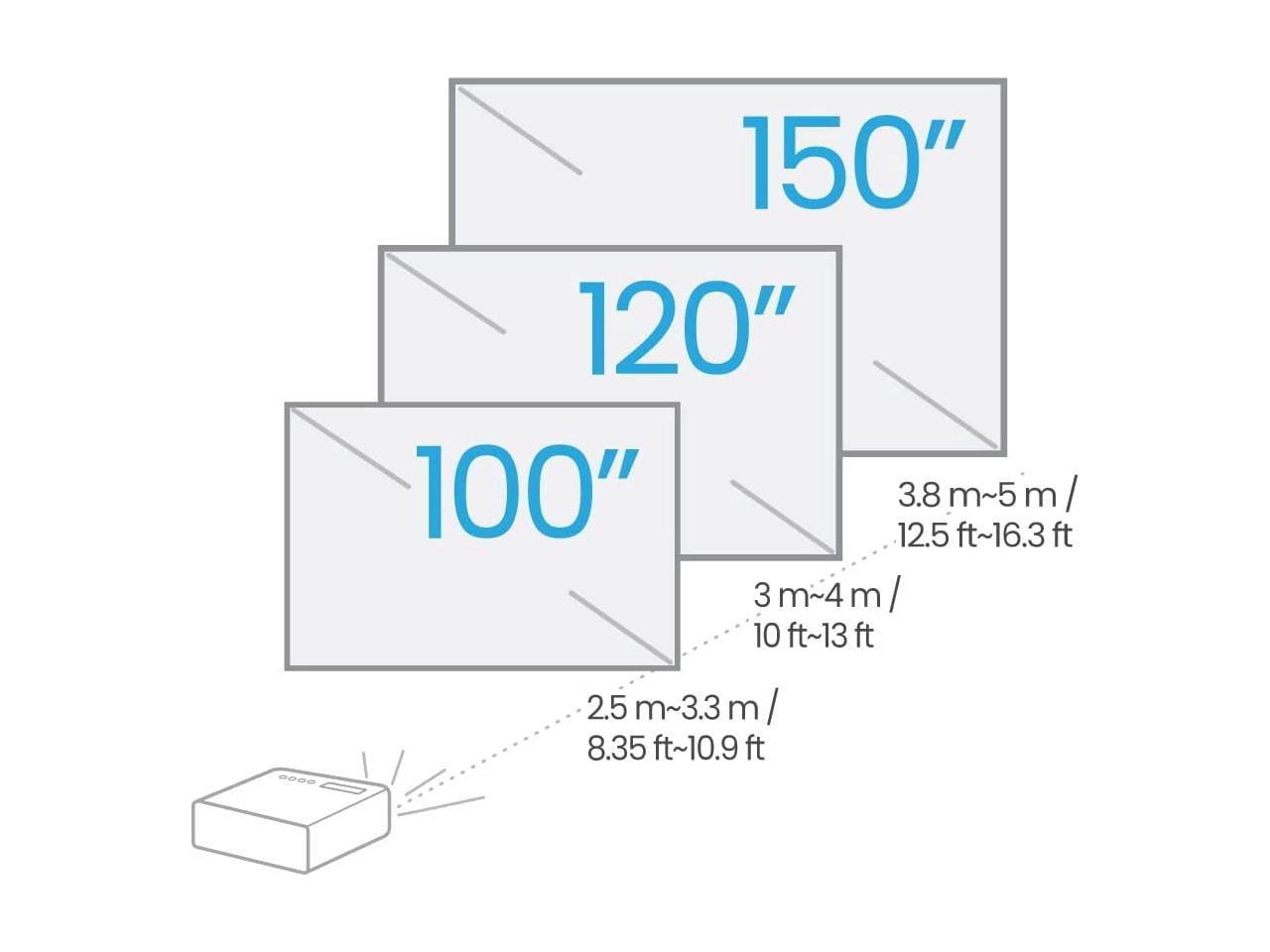
With 2,300 ANSI lumens, the BenQ HT2060 can fill a 150-inch screen with a watchable image even with some room lighting. You could have table lamps on during a movie and still enjoy the experience. The Capsule 3, on the other hand, really needs a dark room to perform at its best, and even then, you'll want to keep screen sizes closer to 60-100 inches for optimal image quality.
Here's where it gets interesting: the Capsule 3 drops to just 46 ANSI lumens when running on battery power. That's extremely dim - think of it as emergency backup brightness rather than your primary viewing mode. This limitation means you'll need to stay plugged in for serious movie watching, which somewhat defeats the portability advantage.
Both projectors use DLP (Digital Light Processing) technology, which creates images by reflecting light off millions of tiny mirrors. DLP generally produces sharp, detailed images with good color accuracy, and both units deliver native 1080p Full HD resolution (1920×1080 pixels).
However, the BenQ HT2060 has several image quality advantages beyond just brightness. It supports HDR10 and HLG, which are high dynamic range formats that provide better contrast between the darkest blacks and brightest whites. When you watch HDR content on the BenQ, you'll see more detail in both shadows and highlights - think of the difference between looking at a photo on an old phone versus a modern smartphone screen.
The Capsule 3 can accept HDR signals through its HDMI input, but it doesn't actually display them with improved contrast or color. It's like having a sports car engine in a economy car - the input is there, but the display can't take advantage of it.
Color accuracy is where the BenQ HT2060 really shines. It covers 98% of the Rec.709 color space, which is the standard for HD video content. This means colors appear as the content creators intended - skin tones look natural, grass looks properly green, and sunset scenes have that warm, golden glow you remember from the theater.
This is where the philosophical differences between these projectors become most apparent. The Nebula Capsule 3 GTV runs Google TV, essentially putting an Android TV streaming device inside the projector. You get native Netflix, Disney+, Prime Video, YouTube, and thousands of other apps right out of the box. There's built-in Google Assistant for voice control, and Chromecast lets you beam content from your phone or laptop wirelessly.
The experience feels seamless - you power on the Capsule 3, it connects to your Wi-Fi automatically, and you're browsing Netflix within 30 seconds. For someone who values simplicity, this approach is hard to beat.
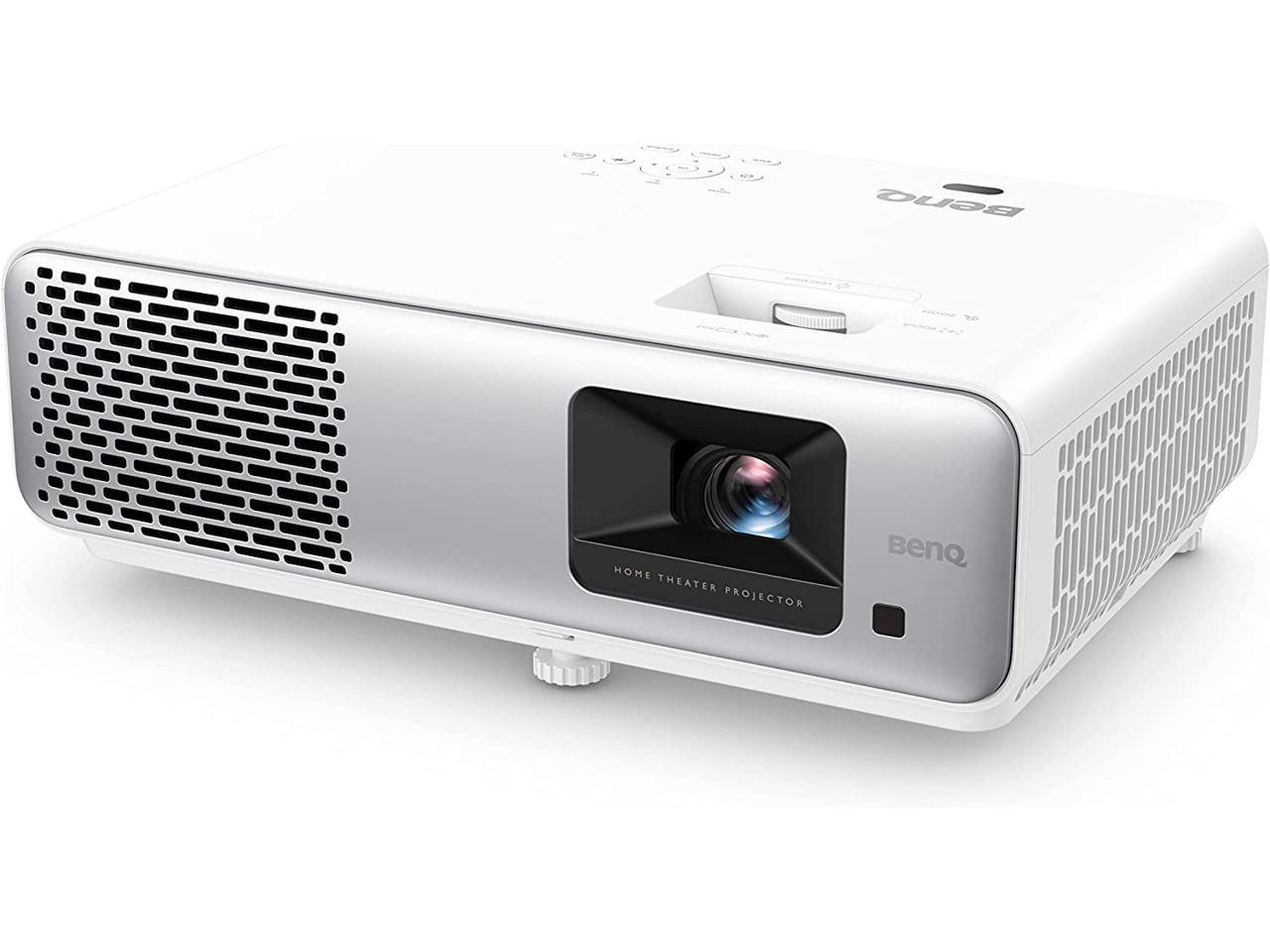
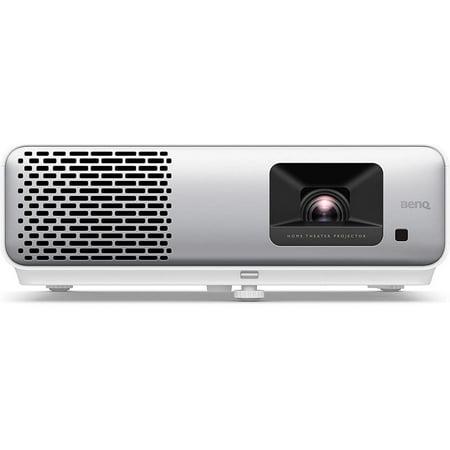
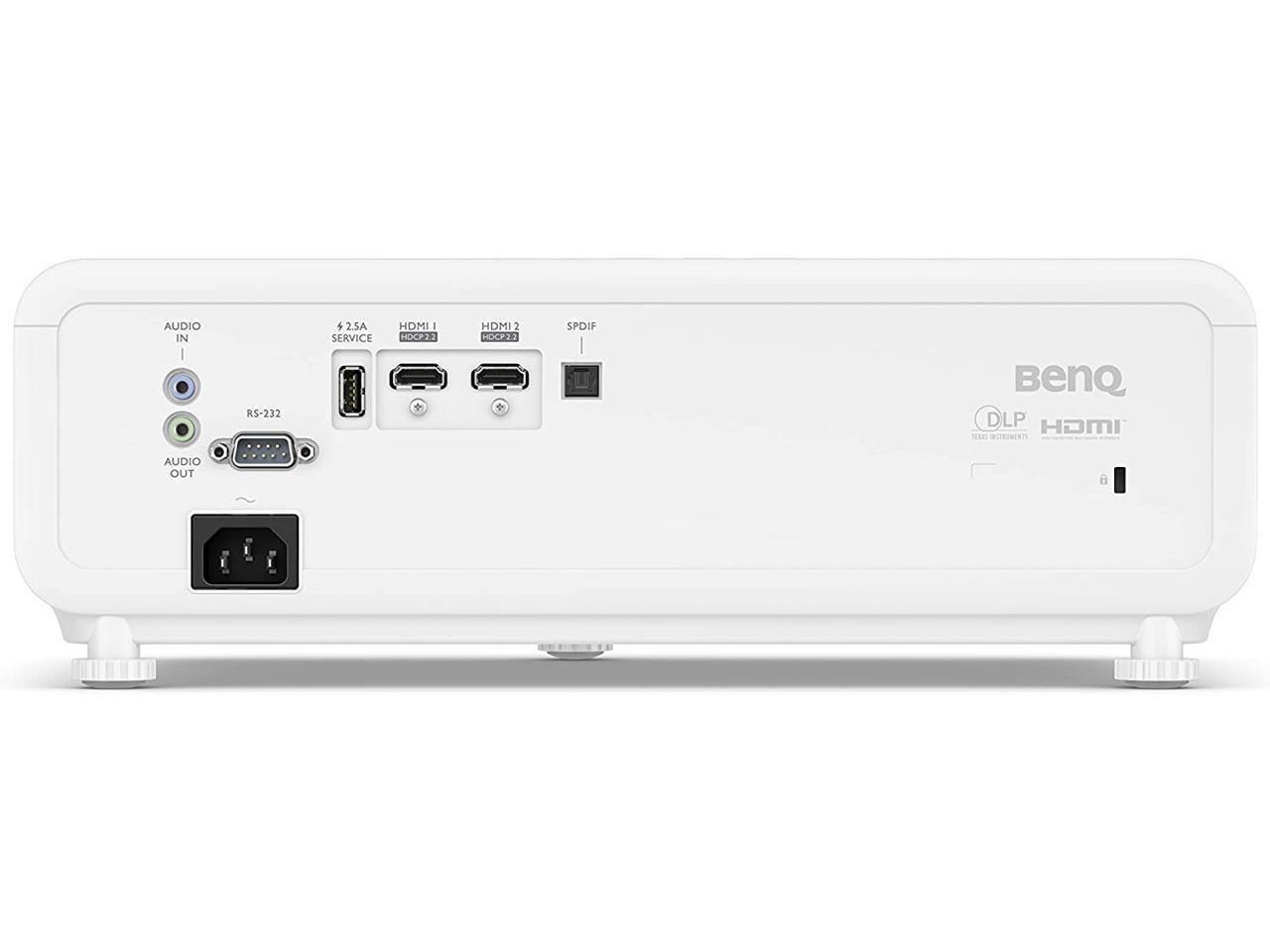
The BenQ HT2060 takes the opposite approach. It has two HDMI 2.0b inputs and expects you to connect external devices - an Apple TV, Roku, Fire TV Stick, or gaming console. While this requires additional purchases and setup, it also provides flexibility. You can upgrade your streaming capabilities independently of your projector, and you're not locked into any particular smart TV platform.
For gaming specifically, the BenQ offers 16.7ms input lag at 1080p/60Hz, which is excellent for responsive gameplay. It can also accept 4K signals and downscale them to 1080p while preserving HDR information - useful if you have a PlayStation 5 or Xbox Series X.
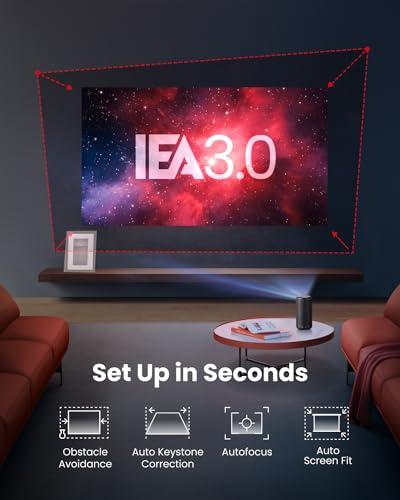
Here's where the Capsule 3 truly excels. Its Intelligent Environment Adaptation 3.0 system automatically handles focus, keystone correction (fixing image distortion when projecting at an angle), and screen fitting within about three seconds. You literally just point it at a wall, press a button, and get a properly aligned image.
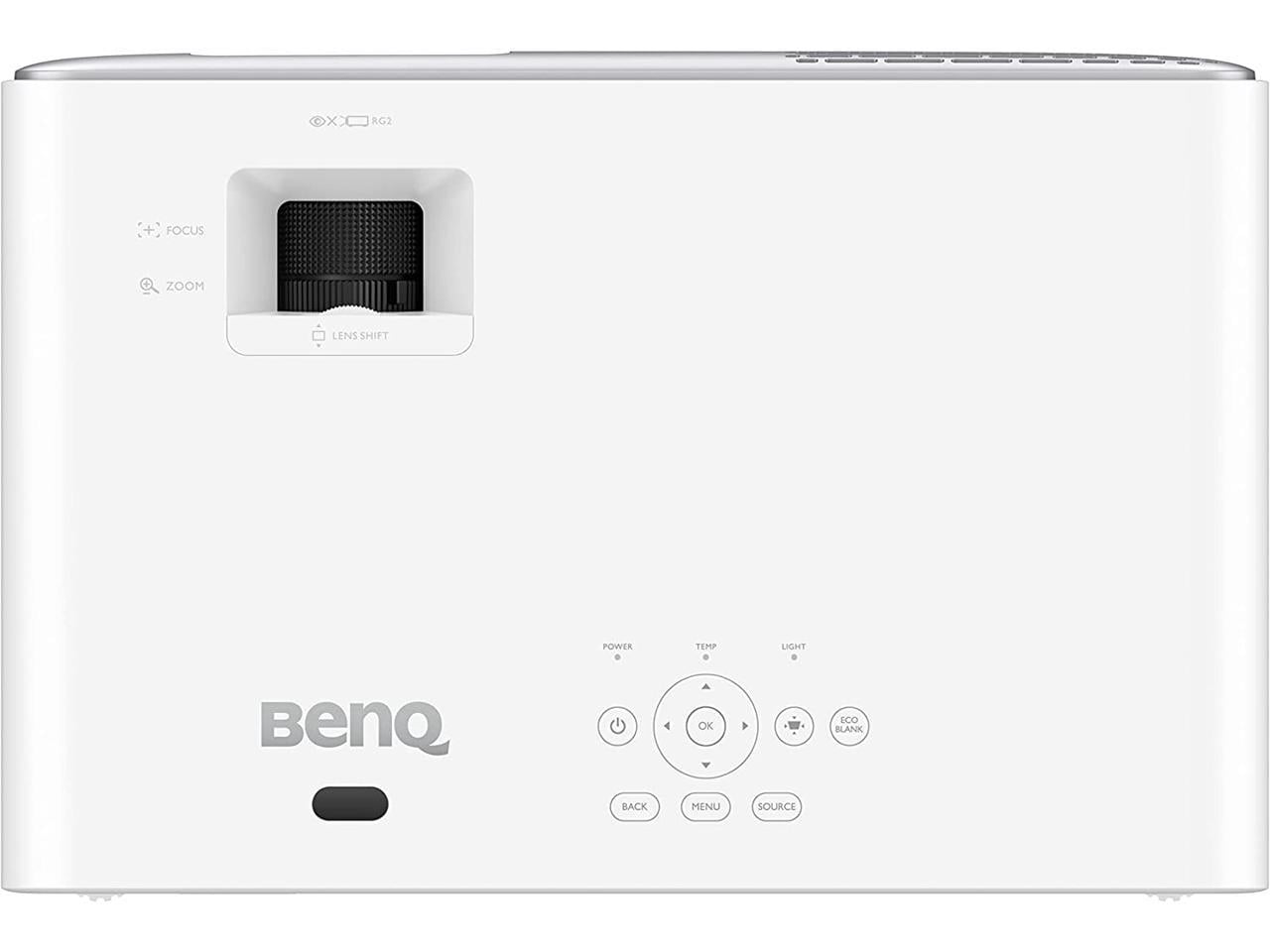
Having tested dozens of projectors over the years, I can tell you that traditional setup procedures can be frustratingly time-consuming. The BenQ HT2060 requires manual focus adjustment, keystone correction, and careful positioning to get the image just right. However, it also offers more precision tools: a 1.3x optical zoom lens for flexible positioning, +10% vertical lens shift for mounting flexibility, and manual controls that let you dial in the perfect image.
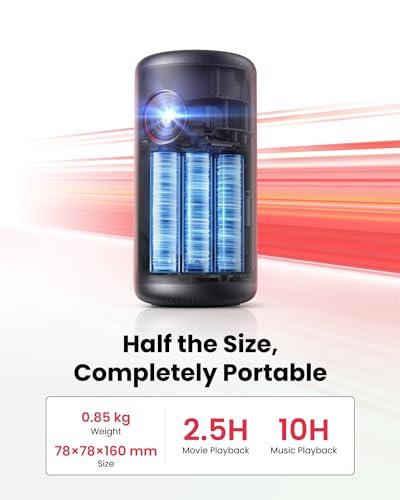
The Capsule 3 weighs just 2.1 pounds and measures about the size of a large water bottle. You can literally carry it in a backpack. The BenQ HT2060 weighs nearly 8 pounds and requires mounting or a sturdy table - it's designed for permanent installation.
The built-in battery is the Capsule 3's killer feature for certain use cases. With a 52Wh battery capacity, you get about 2.5 hours of video playback - enough for most movies. Music playback extends to 8-10 hours, and the unit can function as a Bluetooth speaker even when not projecting.
This battery capability opens up use cases that simply aren't possible with traditional projectors. Backyard movie nights, camping trips, hotel room entertainment, and bedroom viewing all become effortless. However, remember that brightness drops significantly on battery power.
The BenQ HT2060 consumes 220 watts and requires AC power, making it unsuitable for portable use but ensuring consistent, full-brightness performance.
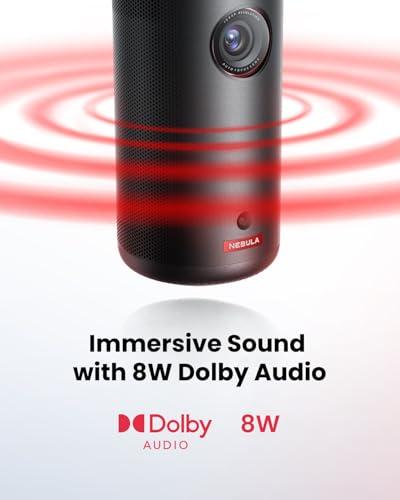
Both projectors include built-in speakers, but with different philosophies. The Capsule 3 has an 8W mono speaker that's designed to provide adequate audio for casual viewing and impressive performance for such a small device. It also functions as a standalone Bluetooth speaker for music playback.
The BenQ HT2060 includes dual 5W speakers, but as with most home theater projectors, you'll likely want to connect external audio equipment for the best experience. It provides both optical digital and 3.5mm analog outputs for connecting to soundbars, receivers, or powered speakers.
At the time of writing, these projectors occupy different price tiers that reflect their target markets. The Capsule 3 typically retails for around $550, while the BenQ HT2060 commands closer to $1,000.
However, total cost of ownership tells a more complex story. The Capsule 3 includes everything you need for immediate use - streaming apps, speakers, battery power, and automatic setup. The BenQ HT2060 requires additional investments: a streaming device ($50-200), potentially a sound system ($100-500+), and mounting hardware ($50-150).
When you factor in the dramatic performance differences, the BenQ actually delivers impressive value for dedicated home theater use. You're getting over 11 times the brightness, professional-grade color accuracy, and HDR support for roughly double the base price.
Both projectors incorporate relatively recent technological advances. The Capsule 3, released in 2022, benefits from improvements in LED efficiency and miniaturization that weren't possible just a few years ago. Earlier portable projectors were either dim, had terrible battery life, or both.
The BenQ HT2060 uses a 4LED light source rated for 30,000 hours of operation. This solid-state lighting represents a significant advancement over traditional projector lamps, which typically lasted 3,000-5,000 hours and cost $200-300 to replace. The LED approach also provides more consistent brightness and color over the projector's lifetime.
If you're building a dedicated home theater space, the performance gap becomes crucial. Home theater design typically assumes controlled lighting, permanent seating arrangements, and screens larger than 100 inches. In this context, the BenQ HT2060's brightness advantage isn't just nice to have - it's essential.
I've seen too many people compromise on brightness for their home theater and regret it later. Dark scenes in movies become murky, colors look washed out on large screens, and the overall experience feels disappointing compared to commercial theaters.
The BenQ also offers Filmmaker Mode, which disables post-processing effects to display content as directors intended. Combined with its accurate color reproduction and HDR support, serious movie enthusiasts will appreciate the authentic viewing experience.
Choose the Nebula Capsule 3 GTV if:
Choose the BenQ HT2060 if:
After years of testing projectors in both categories, I believe both approaches have merit, but they serve fundamentally different users. The Capsule 3 excels at democratizing big-screen entertainment - it makes projection accessible to people who couldn't or wouldn't commit to a traditional setup. The automatic setup alone is worth the price for many users.
However, if you're serious about image quality and have a suitable space, the BenQ HT2060 delivers a dramatically superior viewing experience. The brightness difference isn't just measurable - it's visceral. Colors pop, details emerge from dark scenes, and the overall impact approaches what you'd expect from a commercial theater.
For most people, I'd recommend starting with your space and usage patterns. If you value flexibility and convenience above all else, the Capsule 3 will likely exceed your expectations. If you're building a entertainment space and want the best image quality possible within this price range, the BenQ HT2060 is the clear choice.
Neither projector is perfect, but both represent the best of their respective categories. The key is understanding which category matches your priorities, space, and viewing habits. Choose based on how you'll actually use the projector, not on specifications alone, and you'll be happy with either option.
| Nebula Capsule 3 GTV Projector | BenQ HT2060 HDR Home Theater Projector |
|---|---|
| Brightness - The single most important spec for image quality and room flexibility | |
| 200 ANSI lumens (requires dark rooms, best under 100" screens) | 2,300 ANSI lumens (works with ambient light, supports 150" screens) |
| Portability - Determines where and how you can use the projector | |
| 2.1 lbs, battery-powered, fits in a backpack | 7.9 lbs, requires AC power and permanent mounting |
| Resolution - Image sharpness and detail level | |
| 1080p Full HD native (1920×1080) | 1080p Full HD native (1920×1080) |
| HDR Support - Better contrast and color in supported content | |
| Accepts HDR signals but no meaningful HDR performance | True HDR10 and HLG support with proper tone mapping |
| Smart Features - Built-in streaming vs external devices | |
| Google TV with native Netflix, Disney+, Prime Video | No built-in apps, requires external streaming devices |
| Setup Convenience - Time from box to watching | |
| Automatic focus, keystone, and screen fitting in 3 seconds | Manual focus, zoom, and keystone adjustments required |
| Battery Life - Freedom from power outlets | |
| 2.5 hours video playback, 8 hours audio (brightness drops to 46 lumens on battery) | No battery, requires constant AC power |
| Gaming Performance - Input lag for responsive gameplay | |
| Adequate for casual gaming | Excellent 16.7ms input lag, accepts 4K gaming signals |
| Color Accuracy - How realistic and vibrant colors appear | |
| Good for portable projector class, limited by low brightness | 98% Rec.709 coverage, cinema-quality color reproduction |
| Light Source Lifespan - Long-term ownership costs | |
| 30,000 hour LED (no lamp replacements needed) | 30,000 hour 4LED system (no lamp replacements needed) |
| Audio System - Built-in sound quality | |
| 8W mono speaker, doubles as Bluetooth speaker | Dual 5W speakers, optical and analog outputs for external audio |
| Installation Flexibility - Placement and mounting options | |
| 360-degree placement, tripod mount, no zoom or lens shift | 1.3x optical zoom, +10% vertical lens shift, requires stable mounting |
| Connectivity Options - Input types and wireless features | |
| HDMI, USB-A, USB-C, dual-band Wi-Fi, Bluetooth 5.1 | 2x HDMI 2.0b, USB 2.0, RS-232 control, no wireless |
The BenQ HT2060 HDR Home Theater Projector is significantly better for dedicated home theater setups. With 2,300 ANSI lumens compared to the Nebula Capsule 3 GTV Projector's 200 lumens, the BenQ HT2060 can fill large screens up to 150 inches with bright, vibrant images even with some ambient lighting. It also supports true HDR content and offers superior color accuracy for serious movie watching.
The primary difference is portability versus performance. The Nebula Capsule 3 GTV Projector is ultra-portable at 2.1 pounds with a built-in battery, while the BenQ HT2060 is a traditional home theater projector requiring permanent installation. The BenQ produces over 11 times more brightness for dramatically better image quality in dedicated viewing spaces.
Only the Nebula Capsule 3 GTV Projector is suitable for outdoor use thanks to its built-in battery providing 2.5 hours of video playback. The BenQ HT2060 requires AC power and permanent mounting, making it unsuitable for camping, backyard movies, or other portable outdoor entertainment scenarios.
The Nebula Capsule 3 GTV Projector has superior built-in streaming with Google TV, native Netflix support, and access to thousands of apps without additional devices. The BenQ HT2060 HDR Home Theater Projector has no built-in streaming capabilities and requires external devices like Apple TV, Roku, or Fire TV Stick for smart features.
The BenQ HT2060 produces 2,300 ANSI lumens, making it suitable for rooms with moderate ambient lighting and large screens up to 150 inches. The Nebula Capsule 3 GTV Projector outputs 200 ANSI lumens when plugged in (dropping to just 46 lumens on battery), requiring dark rooms and smaller screens under 100 inches for optimal viewing.
The Nebula Capsule 3 GTV Projector is dramatically easier to set up with Intelligent Environment Adaptation that automatically handles focus, keystone correction, and screen fitting in 3 seconds. The BenQ HT2060 requires manual adjustments for focus, zoom, keystone correction, and positioning, though it offers more precise control for permanent installations.
Both projectors are native 1080p, but the BenQ HT2060 HDR Home Theater Projector can accept 4K HDR signals through its HDMI 2.0b inputs and downscale them while preserving HDR information. The Nebula Capsule 3 GTV Projector can accept 4K signals but doesn't provide meaningful HDR performance improvements over standard content.
The BenQ HT2060 is superior for gaming with excellent 16.7ms input lag at 1080p/60Hz and the ability to accept 4K gaming signals from PlayStation 5 or Xbox Series X. The Nebula Capsule 3 GTV Projector has adequate input lag for casual gaming but is limited by its lower brightness for competitive or serious gaming scenarios.
Both the Nebula Capsule 3 GTV Projector and BenQ HT2060 use LED light sources rated for 30,000 hours of operation, eliminating the need for expensive lamp replacements that traditional projectors require. This translates to about 10-15 years of typical use without maintenance costs for the light source.
Value depends on your needs. The Nebula Capsule 3 GTV Projector offers complete package value with built-in streaming, battery power, and speakers requiring no additional purchases. The BenQ HT2060 provides superior performance value for dedicated home theater use, delivering dramatically better image quality and brightness despite requiring additional streaming devices.
The BenQ HT2060 HDR Home Theater Projector is designed for ceiling mounting with standard mounting points and offers 1.3x optical zoom plus vertical lens shift for installation flexibility. The Nebula Capsule 3 GTV Projector has a tripod mount but is designed for tabletop or portable use rather than permanent ceiling installation.
For small apartments, the Nebula Capsule 3 GTV Projector is typically the better choice due to its compact size, no installation requirements, built-in streaming, and flexibility to move between rooms. The BenQ HT2060 requires permanent mounting and external devices, making it less suitable for renters or those with limited space and setup flexibility.
We've done our best to create useful and informative comparisons to help you decide what product to buy. Our research uses advanced automated methods to create this comparison and perfection is not possible - please contact us for corrections or questions. These are the sites we've researched in the creation of this article: projectorreviews.com - projectorcentral.com - tvsbook.com - gadgetoid.com - newegg.com - thesmarthomehookup.com - whathifi.com - seenebula.com - rtings.com - cnet.com - seenebula.com - youtube.com - youtube.com - walmart.com - support.seenebula.com - projectorcentral.com - avsforum.com - bestbuy.com - avsforum.com - tomsguide.com - avsforum.com - projectorreviews.com - hometheaterhifi.com - youtube.com - avsforum.com - cnet.com - techgearlab.com - cdw.com - bhphotovideo.com - projectorcentral.com - shop.avispl.com - tvsbook.com - youtube.com - projectorreviews.com - avsforum.com

Privacy Policy
Terms and Conditions - Affiliate Policy
Home Security
© Copyright 2008-2026.
11816 Inwood Rd #1211, Dallas, TX 75244