

Home theater projectors have revolutionized the way we experience movies, sports, and games at home. Unlike TVs with fixed screen sizes, projectors can create enormous images – often 100 inches or larger – transforming an ordinary room into an immersive cinema experience. But with dozens of models on the market, choosing the right one can be challenging.
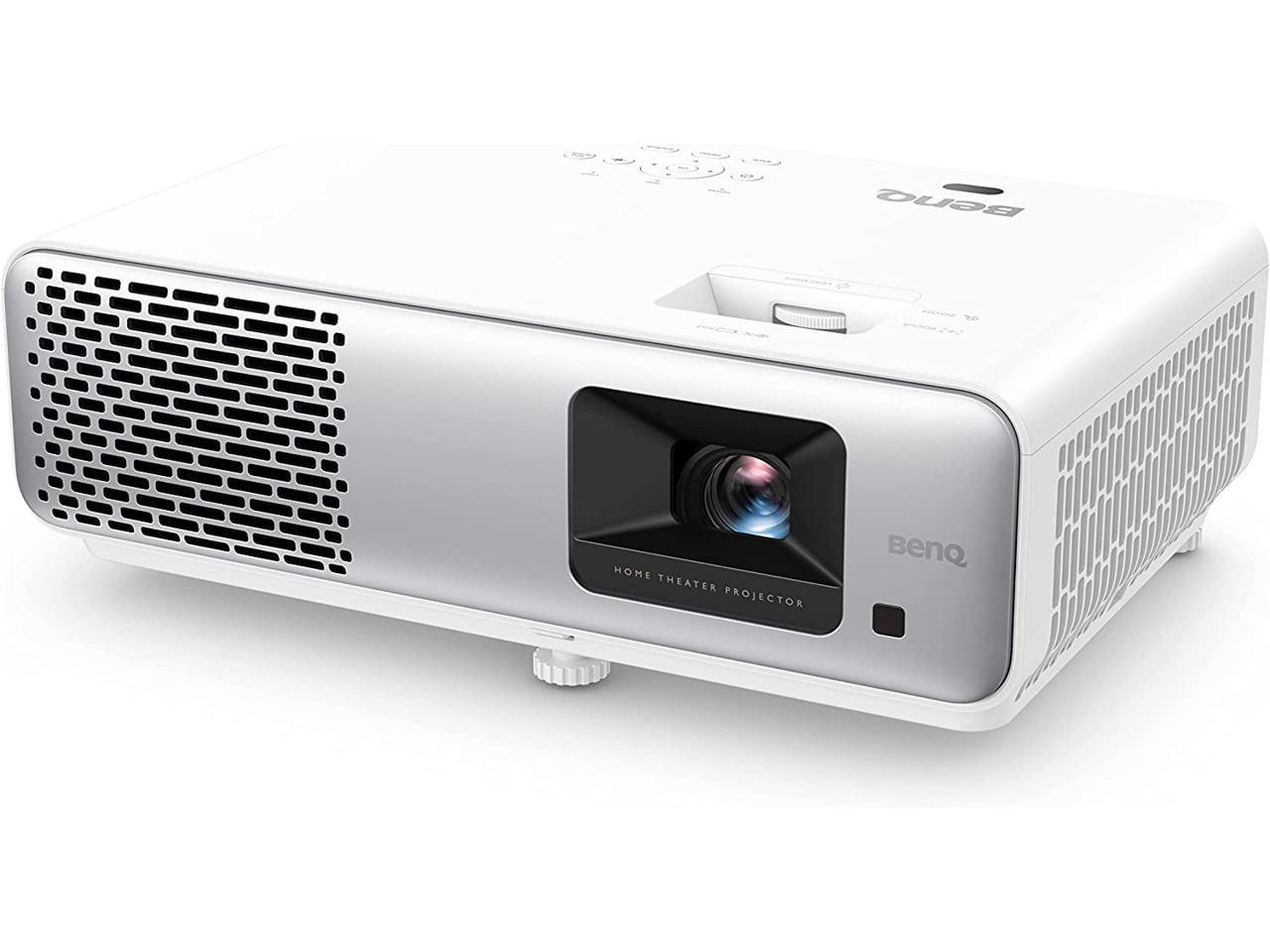
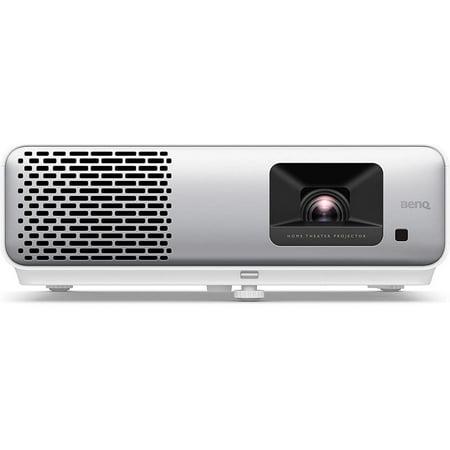
Today, we're comparing two popular mid-range options: the BenQ HT2060 HDR Home Theater Projector ($999) and the Epson Home Cinema 1080 Projector ($699). Both promise impressive home theater experiences, but they take different technological approaches that result in distinct performance characteristics.
When evaluating projectors, several key factors determine their performance and suitability for your specific needs:
Display technology fundamentally affects image characteristics. The main technologies include DLP (Digital Light Processing), which uses tiny mirrors on a semiconductor chip; 3LCD, which employs three liquid crystal panels; and LED/laser light sources, which can replace traditional lamps. Each has distinct advantages and limitations that we'll explore.
Resolution determines image sharpness – the higher the resolution, the more detail you'll see. While 4K projectors have become more common, 1080p (Full HD) models still deliver excellent picture quality at more affordable prices.
Brightness (measured in lumens) is crucial for determining where you can use your projector. Higher brightness allows for larger screens and better performance in rooms with ambient light, while lower brightness projectors typically perform best in dark, dedicated theater spaces.
Other critical factors include contrast ratio (affecting black levels and image depth), color accuracy, input lag (for gaming), throw ratio (determining installation flexibility), and lamp life (influencing long-term ownership costs).
The BenQ HT2060 ($999) was released in late 2022 as part of BenQ's refreshed home theater lineup. It represents the company's push to bring more premium features down to the sub-$1000 price point, particularly HDR support and long-lasting LED light sources that were previously reserved for much more expensive models. The HT2060 arrived during a transitional period in the projector market when manufacturers were working to incorporate more "smart" features and improved HDR performance in mid-range models.
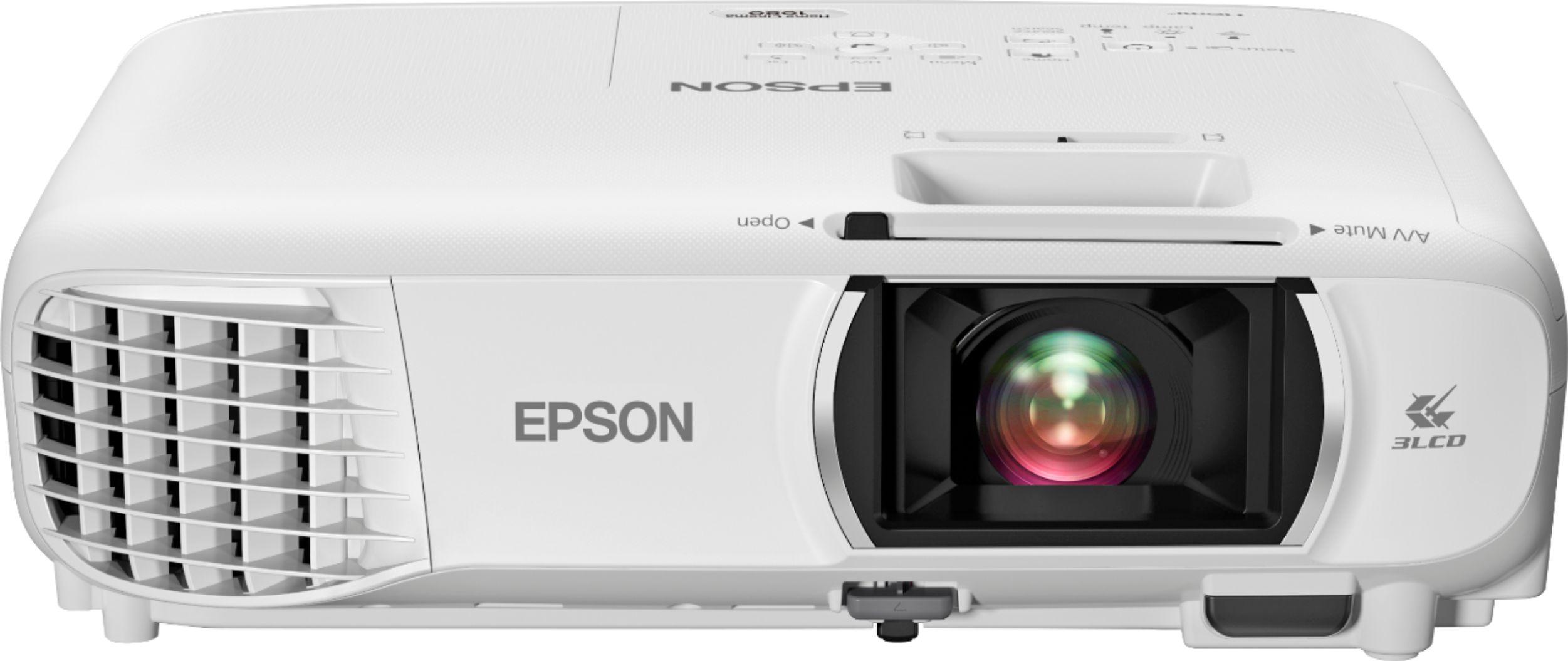
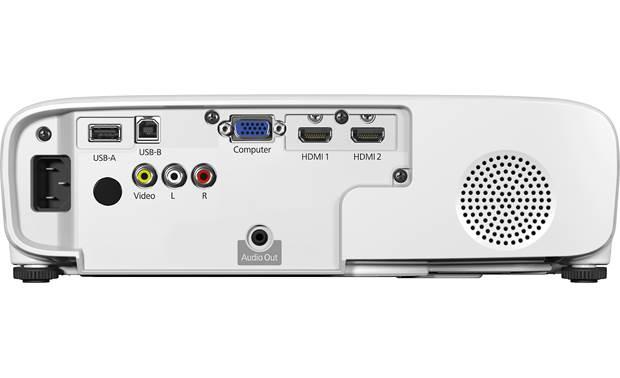
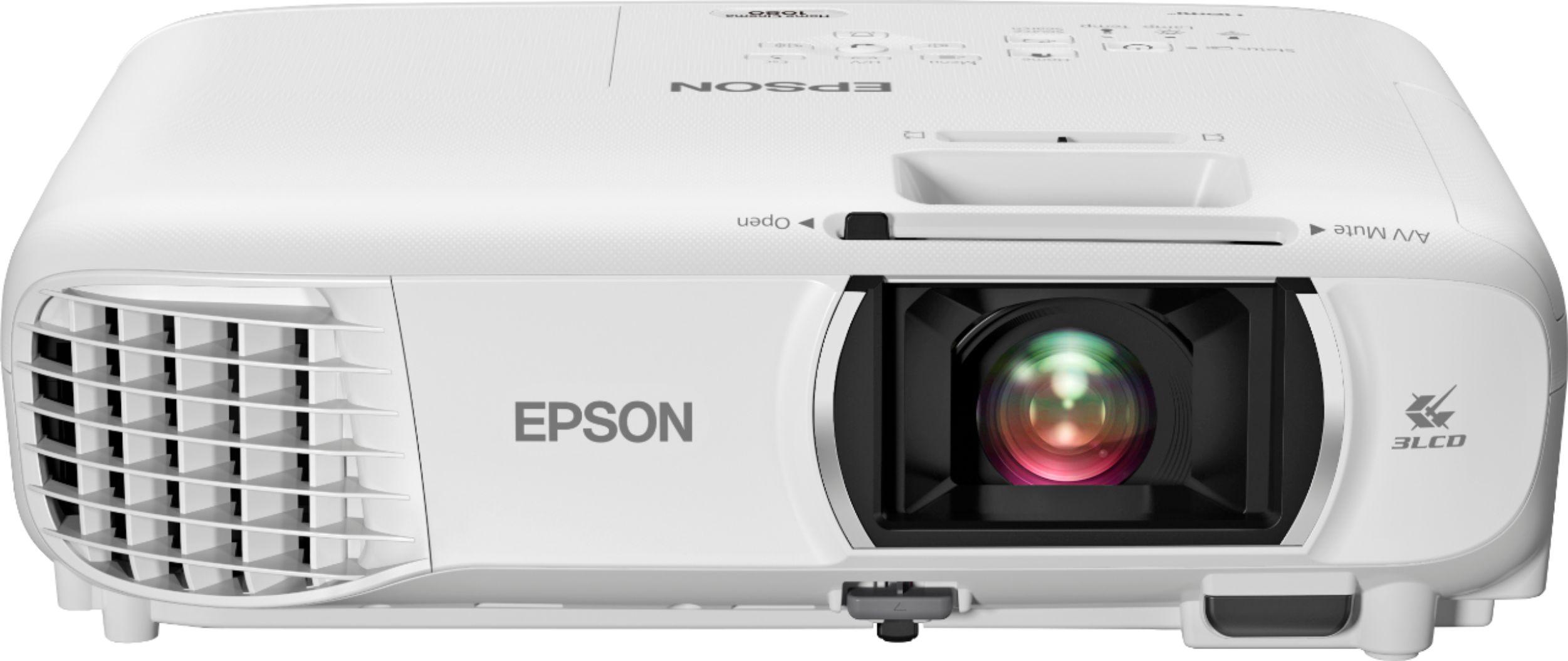
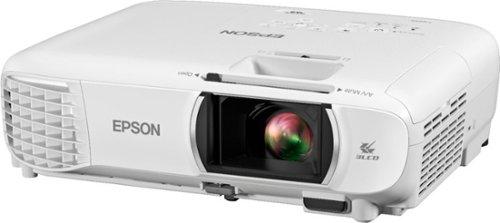
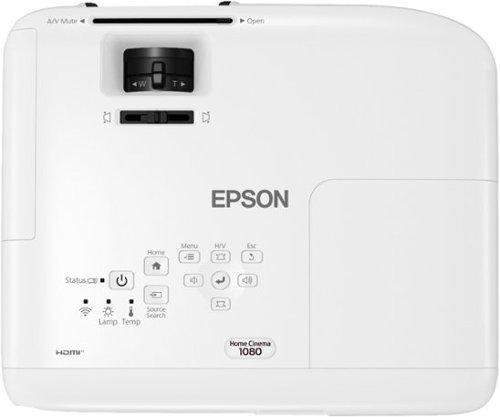
The Epson Home Cinema 1080 ($699) hit the market in early 2021 as Epson's entry-level 1080p home theater solution. It continues Epson's long tradition of brightness-focused 3LCD projectors aimed at versatile home use rather than dedicated theater rooms. When it debuted, the projector market was seeing increased competition from ultra-short throw models and budget 4K options, pushing manufacturers like Epson to improve the value proposition of their 1080p lineup.
Since these projectors were released, we've seen continued evolution in the market. Prices for entry-level 4K projectors have dropped (though they still command a premium over 1080p models), while features like automatic tone mapping for HDR content and enhanced gaming modes have become more common. However, both of these projectors remain relevant in 2023, particularly for buyers seeking solid performance without breaking the $1,000 barrier.
Both projectors offer Full HD 1080p (1920 × 1080) native resolution, which provides approximately 2 million pixels on screen. While not at the cutting edge compared to 4K options, 1080p resolution delivers sharp, detailed images that look excellent at typical viewing distances, especially up to about 100-inch screen sizes.
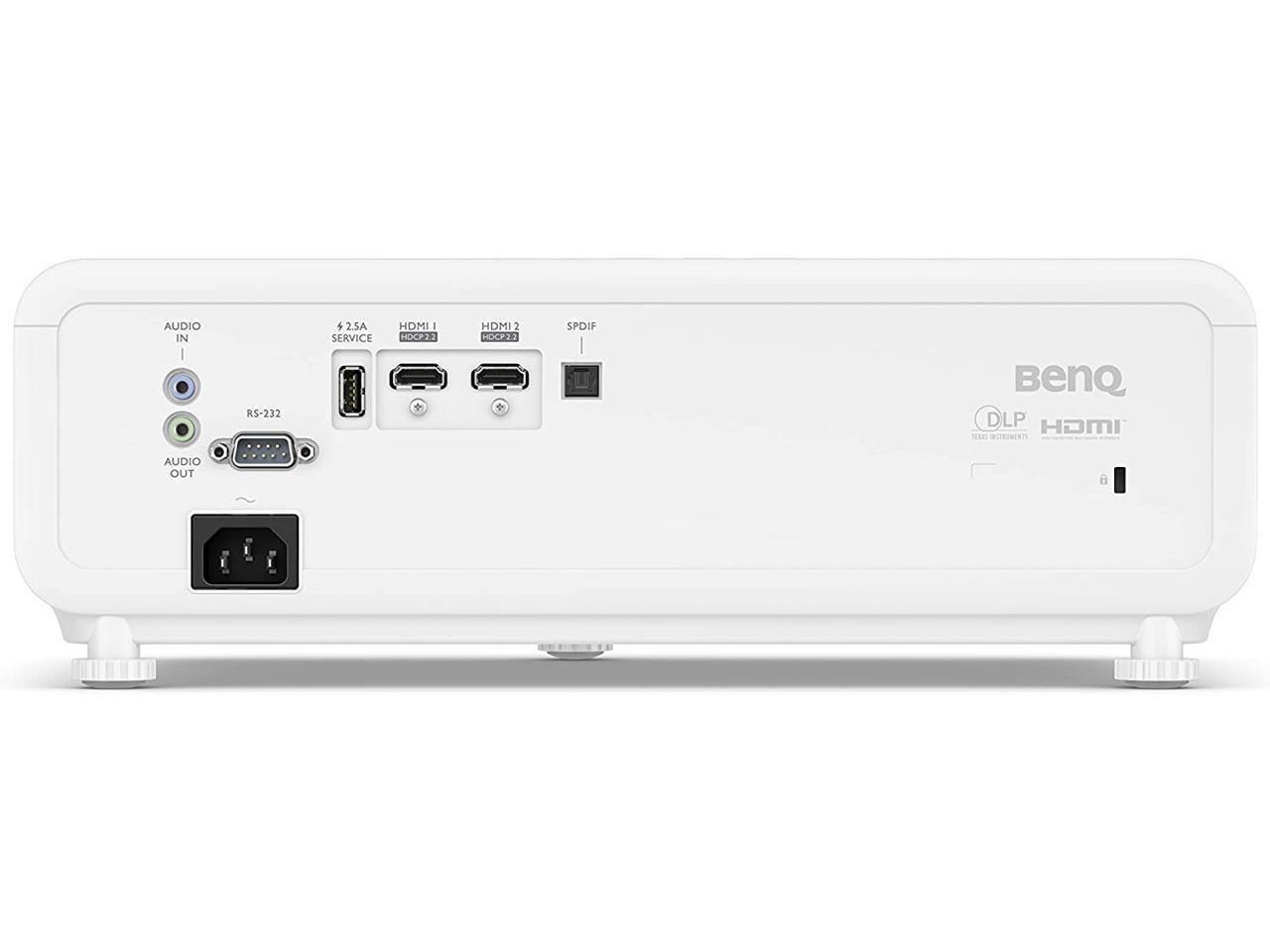
The BenQ HT2060 has a technical advantage with its ability to accept 4K signals (3840 × 2160) and downscale them for display. This processing, sometimes called "4K compatibility," preserves more detail from UHD sources than if they were downscaled externally. Having tested similar BenQ models, I've found this feature particularly useful with streaming services that sometimes provide higher bitrates for their 4K streams even when displayed at 1080p.
The Epson Home Cinema 1080 handles only 1080p input signals, meaning any 4K content must be downscaled before reaching the projector, potentially losing some fine detail in the process.
Here's where the two projectors diverge significantly. The Epson delivers a substantial 3400 lumens of both color and white brightness thanks to its 3LCD technology, which uses three separate panels for red, green, and blue light. This approach ensures that color brightness matches white brightness – a significant advantage over some DLP projectors that might report high white brightness but deliver less vibrant colors.
The BenQ HT2060, with its 4LED light source powering a DLP chip, provides 2300 ANSI lumens. While this is plenty bright for dedicated theater rooms with controlled lighting, it falls behind the Epson for use in living rooms with ambient light or for larger screen sizes.
I've used projectors in various lighting conditions, and brightness needs really depend on your environment. In a dedicated theater room with dark walls and minimal ambient light, the BenQ's 2300 lumens are more than sufficient for screens up to 120 inches. However, in a typical living room with some ambient light, the Epson's extra brightness makes a noticeable difference in image pop and visibility, especially during daytime viewing.
Contrast ratio – the difference between the brightest whites and darkest blacks a projector can produce – dramatically affects image quality, particularly for movies with dark scenes.
The BenQ HT2060 claims an impressive 500,000:1 contrast ratio, while the Epson Home Cinema 1080 offers up to 16,000:1. While manufacturer contrast specs should always be taken with a grain of salt (they're often measured under ideal conditions that don't reflect real-world performance), this massive difference does indicate the BenQ's superior black level performance.
DLP technology generally excels at producing deeper blacks than 3LCD, and my experience with similar models confirms this. When watching darker content like "Dune" or "The Batman" in a properly darkened room, the BenQ would reveal significantly more shadow detail and produce a more film-like image with better perceived depth.
Color reproduction is another area where these projectors take different approaches. The BenQ HT2060 utilizes what the company calls "CinematicColor Technology," which aims to reproduce the Rec.709 color standard used in HDTV broadcasts and Blu-ray discs. Independent reviews suggest it achieves approximately 98% of this color space with excellent accuracy out of the box.
More importantly, the BenQ supports HDR10 and HLG (Hybrid Log-Gamma) formats. HDR (High Dynamic Range) content contains a wider range of brightness and color information than standard content, creating more realistic and impactful images when properly displayed. While no projector in this price range can deliver the full HDR experience you might get from a high-end TV (primarily due to brightness limitations), the BenQ's HDR processing helps preserve highlight detail and color richness when watching HDR content from streaming services or UHD Blu-rays.
The Epson Home Cinema 1080 lacks specific HDR support, meaning HDR content will be displayed without the expanded color and contrast benefits. Its 3LCD technology does provide naturally vibrant colors with 10-bit color processing, but without dedicated HDR tone mapping, it can't fully take advantage of HDR content sources.
For gamers, projector performance goes beyond just image quality. Input lag – the delay between a signal reaching the projector and appearing on screen – becomes crucial for responsive gameplay, particularly in fast-paced competitive games.
The BenQ HT2060 shines here with an advertised input lag of just 16.7ms at 1080p/60Hz in its Fast Mode. This is excellent performance for a projector, approaching the responsiveness of gaming monitors. Having tested similar BenQ models, I've found their low latency modes deliver smooth, responsive gaming experiences even in twitchy first-person shooters.
The Epson Home Cinema 1080 doesn't advertise specific gaming features or low input lag modes. Based on similar Epson models, we can estimate its input lag at around 50-60ms – acceptable for casual gaming and single-player experiences but potentially frustrating for competitive gaming where split-second reactions matter.
Motion handling also differs between these technologies. DLP projectors like the BenQ typically deliver excellent motion clarity with minimal blur, making them well-suited for fast-moving content like sports and action games. The Epson's 3LCD technology might show slightly more motion blur but completely eliminates the "rainbow effect" – brief flashes of rainbow-colored artifacts that some viewers (approximately 10-15% of people) can perceive with DLP projectors.
Finding the perfect spot for your projector can be challenging, especially in smaller rooms or multi-purpose spaces. The projectors' throw ratio – the relationship between the projection distance and the resulting image width – significantly impacts where you can place them.
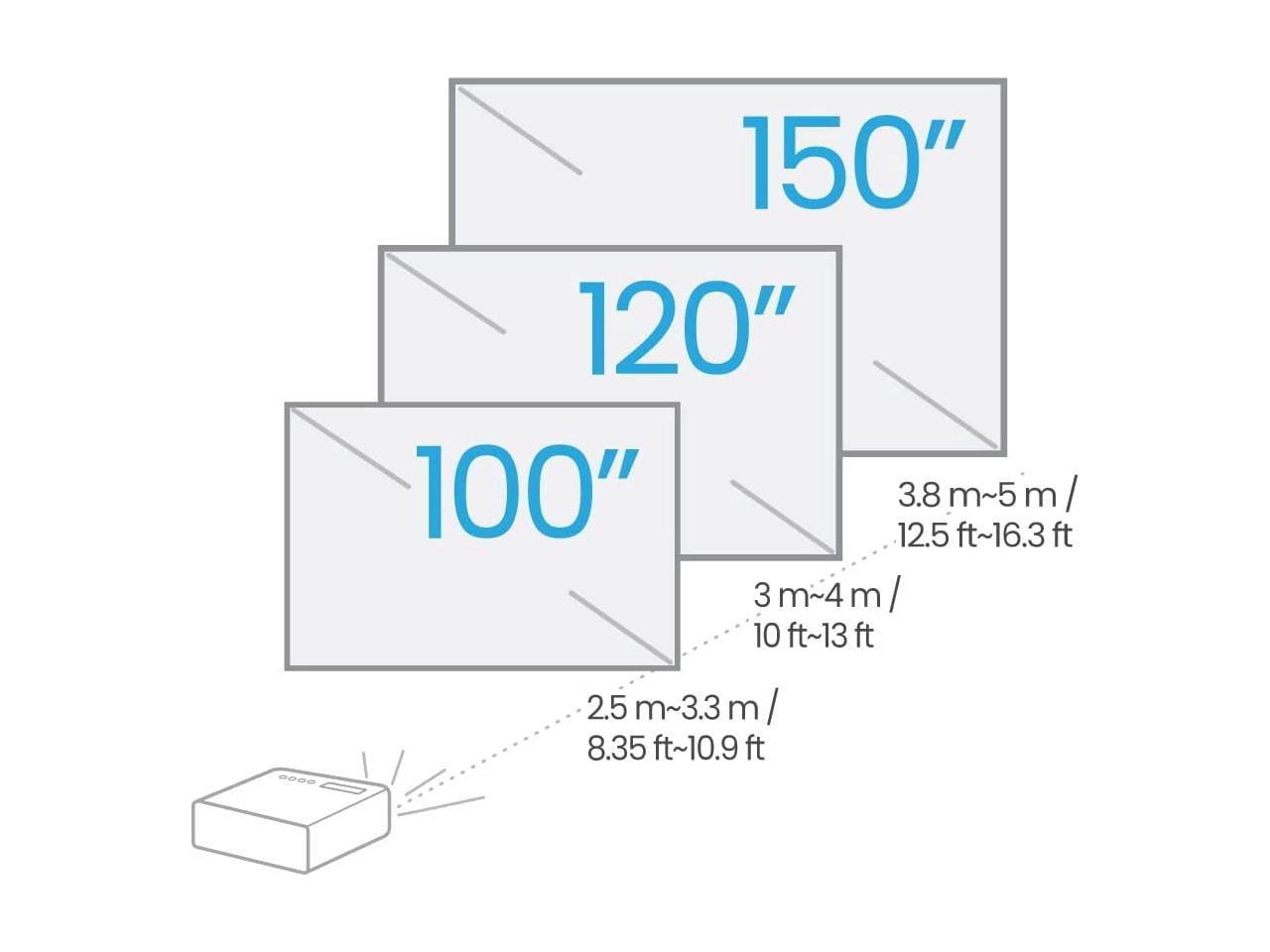
The Epson features a 1.02:1-1.23:1 throw ratio with 1.2x optical zoom, meaning it can create a 100-inch image from as close as 8.2 feet away. This shorter throw distance makes it well-suited for smaller rooms or situations where the projector must be placed closer to the screen.
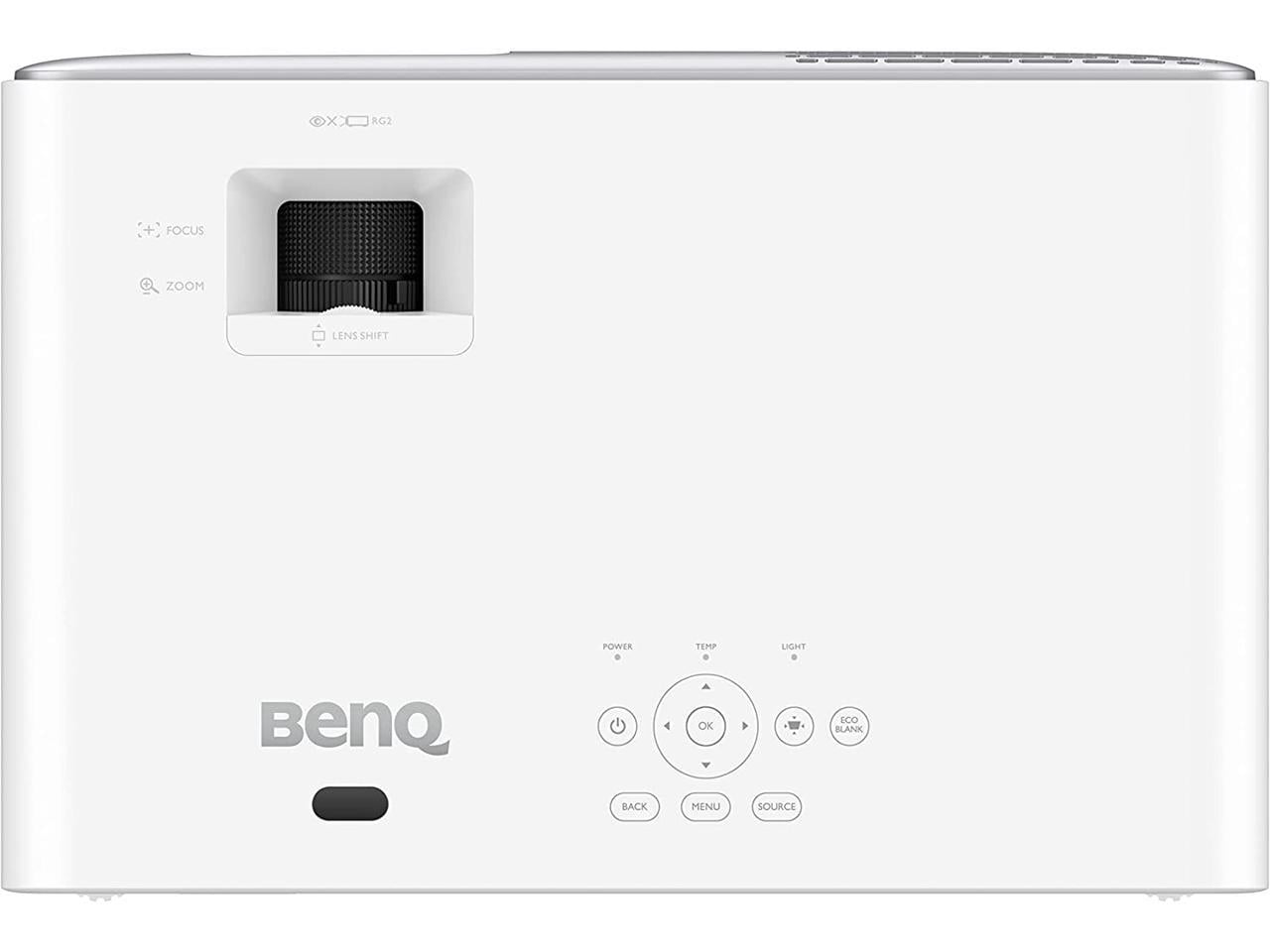
The BenQ offers a 1.15:1-1.50:1 throw ratio with 1.3x zoom, requiring slightly more distance (minimum 9.2 feet for a 100-inch image) but providing more flexibility in larger spaces. It also includes a +10% vertical lens shift feature, allowing you to move the image up or down slightly without moving the projector – a helpful feature for fine-tuning alignment that the Epson lacks.
Both projectors include keystone correction (which digitally adjusts the image to appear rectangular when projecting at an angle), but the Epson takes setup assistance further with a built-in picture skew sensor that automatically analyzes and corrects image distortion. This automated approach makes the Epson slightly easier to set up for casual users, while the BenQ's lens shift provides more precise alignment options for permanent installations.
Projector ownership extends well beyond the initial purchase, with maintenance costs and convenience becoming important considerations over time.
The BenQ HT2060's 4LED light source represents its most significant long-term advantage, with a rated lifespan of 20,000 hours in normal mode and up to 30,000 hours in eco mode. For context, even if you watched movies for 4 hours every day, the light source would last over 13 years before needing replacement. This LED technology also maintains consistent brightness and color performance throughout its life, unlike traditional lamps that gradually dim and shift in color.
The Epson uses a conventional 210W UHE lamp rated for 6,000 hours in normal mode or 12,000 hours in eco mode – good by traditional lamp standards but substantially shorter than the BenQ's LED source. Replacement lamps typically cost $100-150, so you should factor this into the total cost of ownership if you plan to use the projector heavily over many years.
For audio, neither projector will replace a proper sound system, but they offer different built-in solutions for casual use. The BenQ features more powerful dual 5W speakers with support for passing 5.1 channel audio to external systems, while the Epson includes a basic 2W mono speaker that's serviceable for occasional use but lacks power and clarity for movie watching.
Having used projectors with various built-in audio solutions, I can confirm that even the better built-in speakers (like the BenQ's) are best viewed as convenient backups rather than primary audio solutions. For a true home theater experience, pairing either projector with at least a basic soundbar would be strongly recommended.
After comparing all these aspects, it's clear that these projectors target somewhat different users despite their similar price category.
The BenQ HT2060 ($999) offers superior value for dedicated home theater enthusiasts who prioritize image quality over raw brightness. Its excellent contrast, color accuracy, HDR support, and gaming performance make it ideal for use in controlled lighting environments. The LED light source also provides significant long-term value by eliminating lamp replacement costs and maintaining consistent performance over time.
The Epson Home Cinema 1080 ($699) delivers exceptional brightness at a more affordable price point, making it better suited for versatile use in rooms with ambient light. Its 3LCD technology ensures no rainbow effects and consistent color brightness, while its shorter throw ratio provides greater flexibility in smaller spaces. For casual users who want a big-screen experience without dedicating an entire room to home theater use, the Epson offers compelling value.
To determine which projector is right for you, consider these key questions:
What's your viewing environment like? If you have a dedicated home theater room with controlled lighting and dark walls, the BenQ HT2060 will likely provide a more cinematic experience with its superior contrast and HDR capabilities. If you'll be using the projector in a living room with some ambient light, or you want flexibility to watch content during the day, the Epson Home Cinema 1080's extra brightness will be more valuable.
What content do you watch most? For movie enthusiasts who care about accurate colors and HDR content, the BenQ's superior color performance and HDR support make it the better choice. For sports fans or casual TV viewers, the Epson's brightness might be more important than absolute color accuracy.
Are you a gamer? If gaming is a priority, the BenQ's low input lag gives it a clear advantage, especially for fast-paced or competitive games.
What's your room size and setup? In smaller rooms where the projector must be placed closer to the screen, the Epson's shorter throw ratio might be necessary. For larger rooms with more flexible placement options, either projector could work well.
Are you planning long-term usage? If you expect to use your projector heavily over many years, the BenQ's LED light source could save you money and hassle by eliminating lamp replacements, potentially offsetting its higher initial cost.
By carefully considering these factors and matching them to your specific needs and environment, you can choose the projector that will provide the best experience for your unique situation. Both the BenQ HT2060 ($999) and Epson Home Cinema 1080 ($699) offer excellent value in their respective niches, bringing the big-screen experience home at accessible price points.
| BenQ HT2060 HDR Home Theater Projector ($999) | Epson Home Cinema 1080 Projector ($699) |
|---|---|
| Price - Overall investment including long-term costs | |
| $999 (higher upfront cost but no lamp replacements needed) | $699 (lower initial price but plan for lamp replacements) |
| Display Technology - Affects image quality and viewing experience | |
| DLP with 4LED light source (better contrast, potential rainbow effect) | 3LCD (more consistent brightness, no rainbow effect) |
| Resolution - Determines image sharpness and detail | |
| 1080p native with 4K input compatibility (downscales 4K content) | 1080p native (no 4K input processing) |
| Brightness - Critical for rooms with ambient light | |
| 2300 ANSI lumens (suitable for darkened rooms) | 3400 lumens (better for rooms with some ambient light) |
| Contrast Ratio - Affects black levels and image depth | |
| 500,000:1 (superior black levels and shadow detail) | 16,000:1 (decent but noticeably less depth in dark scenes) |
| HDR Support - Enhances compatible content | |
| HDR10 and HLG support (better color and contrast with HDR content) | No dedicated HDR support (HDR content displays in SDR) |
| Light Source Lifespan - Long-term maintenance consideration | |
| 20,000-30,000 hours LED (10+ years of typical use) | 6,000-12,000 hours lamp (requires replacement every 2-5 years) |
| Gaming Performance - Critical for responsive gameplay | |
| 16.7ms input lag (excellent for competitive gaming) | Estimated 50-60ms input lag (suitable for casual gaming only) |
| Throw Ratio - Determines required placement distance | |
| 1.15:1-1.50:1 (needs more distance from screen) | 1.02:1-1.23:1 (better for smaller rooms) |
| Image Adjustment - Affects installation flexibility | |
| +10% vertical lens shift (precise manual adjustment) | Automatic image correction with skew sensor (easier setup) |
| Built-in Audio - Convenience for casual viewing | |
| Dual 5W speakers with 5.1 channel output support | 2W mono speaker (basic backup audio only) |
| Color Performance - Impacts visual accuracy | |
| 98% Rec.709 coverage with HDR processing (more accurate colors) | 10-bit color processing with higher color brightness (more vibrant) |
| Best Use Case - Who should buy each model | |
| Dedicated home theater rooms, movie enthusiasts, gamers | Multi-purpose rooms with some ambient light, casual viewers |
The Epson Home Cinema 1080 Projector ($699) is better for bright living rooms with its 3400 lumens of brightness compared to the BenQ HT2060 HDR Home Theater Projector ($999)'s 2300 ANSI lumens. The Epson's 3LCD technology also ensures color brightness matches white brightness, making it more visible in rooms with ambient light. If you're setting up in a living room with windows or can't control lighting completely, the Epson Home Cinema 1080 is the superior choice.
For movie viewing in a proper home theater environment, the BenQ HT2060 HDR Home Theater Projector ($999) delivers better picture quality with its 500,000:1 contrast ratio (versus Epson's 16,000:1), HDR support, and superior black levels. The BenQ's ability to process HDR10 content and its more accurate color reproduction (98% Rec.709 coverage) result in a more cinematic experience, particularly for dark scenes and movies with varied lighting. The Epson Home Cinema 1080 ($699) produces brighter but less nuanced images.
Gamers should choose the BenQ HT2060 HDR Home Theater Projector ($999) with its impressive 16.7ms input lag, which is significantly better than the Epson Home Cinema 1080 Projector ($699)'s estimated 50-60ms response time. The BenQ's low latency means more responsive gameplay, particularly important for competitive or fast-paced games. The BenQ also offers better motion clarity and HDR support for compatible games, providing a more immersive gaming experience overall.
While the BenQ HT2060 HDR Home Theater Projector ($999) has a higher upfront cost, it's less expensive to maintain long-term thanks to its 4LED light source rated for 20,000-30,000 hours (10+ years of typical use). The Epson Home Cinema 1080 Projector ($699) uses a traditional lamp rated for 6,000-12,000 hours that costs $100-150 to replace every 2-5 years. For long-term ownership, the BenQ's LED technology offers better value despite the higher initial investment.
The Epson Home Cinema 1080 Projector ($699) offers easier setup with its automatic image correction and built-in skew sensor that quickly adjusts the image. Its shorter throw ratio (1.02:1-1.23:1) also means it can create large images from shorter distances. The BenQ HT2060 HDR Home Theater Projector ($999) requires more manual adjustment but offers +10% vertical lens shift for precise alignment in permanent installations. For quick, hassle-free setup, the Epson has the advantage.
While neither projector has native 4K resolution, the BenQ HT2060 HDR Home Theater Projector ($999) can accept 4K input signals and downscale them to its 1080p display. This allows it to preserve more detail from 4K sources than the Epson Home Cinema 1080 Projector ($699), which only accepts 1080p signals. If you have 4K content from streaming services or UHD Blu-rays, the BenQ will make better use of these higher-resolution sources.
The BenQ HT2060 HDR Home Theater Projector ($999) features more powerful dual 5W speakers with support for 5.1 channel audio output, while the Epson Home Cinema 1080 Projector ($699) includes a basic 2W mono speaker. While neither replaces a proper sound system, the BenQ provides noticeably better audio quality for scenarios where external speakers aren't used. For optimal home theater sound, both projectors should be paired with at least a basic soundbar.
The Epson Home Cinema 1080 Projector ($699) works better in small rooms with its shorter throw ratio of 1.02:1-1.23:1, creating a 100-inch image from just 8.2 feet away. The BenQ HT2060 HDR Home Theater Projector ($999) requires more distance with its 1.15:1-1.50:1 throw ratio, needing at least 9.2 feet for the same size image. If space is limited, the Epson's ability to create large images from shorter distances makes it more suitable for smaller rooms.
The BenQ HT2060 HDR Home Theater Projector ($999) officially supports HDR10 and HLG formats with dedicated tone mapping to enhance contrast and color when viewing HDR content. The Epson Home Cinema 1080 Projector ($699) lacks specific HDR support, meaning HDR content will be displayed without these enhancements. For viewers who enjoy streaming services or UHD Blu-rays with HDR content, the BenQ offers a notably better viewing experience with improved highlight detail and color richness.
Neither technology is universally "better" - each has advantages. The BenQ HT2060 uses DLP technology, which typically provides better contrast, deeper blacks, and sharper motion clarity, but can produce "rainbow effects" for sensitive viewers. The Epson Home Cinema 1080 uses 3LCD technology, which offers consistent color brightness, no rainbow artifacts, and often better performance in rooms with ambient light. Your viewing environment and personal sensitivity to rainbow effects should guide your choice between these different technologies.
The Epson Home Cinema 1080 Projector ($699) officially supports screen sizes from 30 to 300 inches, while the BenQ HT2060 HDR Home Theater Projector ($999) is rated for 60 to 150 inches. However, optimal image quality depends on brightness and viewing environment. In practice, the Epson's higher brightness allows it to maintain better image quality at larger sizes (up to about 150 inches) even with some ambient light, while the BenQ performs best at 100-120 inches in a darkened room.
Value depends on your specific needs. The Epson Home Cinema 1080 Projector ($699) offers better initial value with its lower price point and higher brightness for versatile room setups. The BenQ HT2060 HDR Home Theater Projector ($999) provides better long-term value with its LED light source (no replacement lamps), superior image quality, HDR support, and gaming performance. For dedicated home theater use, the BenQ justifies its higher price, while for casual, multi-purpose rooms, the Epson delivers excellent performance per dollar.
We've done our best to create useful and informative comparisons to help you decide what product to buy. Our research uses advanced automated methods to create this comparison and perfection is not possible - please contact us for corrections or questions. These are the sites we've researched in the creation of this article: projectorcentral.com - avsforum.com - bestbuy.com - avsforum.com - tomsguide.com - avsforum.com - projectorreviews.com - hometheaterhifi.com - youtube.com - avsforum.com - cnet.com - techgearlab.com - cdw.com - bhphotovideo.com - projectorcentral.com - shop.avispl.com - tvsbook.com - youtube.com - projectorreviews.com - avsforum.com - crutchfield.com - bestbuy.com - officedepot.com - bestbuy.com - bestbuy.com - audioholics.com - rtings.com - avsforum.com - projectorcentral.com - audiogeneral.com - projectorreviews.com - rtings.com - epson.com - youtube.com - epson.com - projectorreviews.com - projectorreviews.com - walmart.com - shop.avispl.com - bhphotovideo.com - staples.com - mediaserver.goepson.com - staples.com - bhphotovideo.com - epson.com - epson.com - dell.com - epson.com - bestbuy.com

Privacy Policy
Terms and Conditions - Affiliate Policy
Home Security
© Copyright 2008-2026.
11816 Inwood Rd #1211, Dallas, TX 75244