

In the evolving world of home entertainment, projectors have carved out a special place for themselves. Unlike TVs, which are limited by physical screen sizes, projectors can transform nearly any wall into a massive display for a fraction of what an equivalently-sized TV would cost. Today, we're comparing two compelling options in the home theater projector market: the BenQ HT2060 ($989) and the Epson EpiqVision Mini EF22 ($999).
These similarly-priced projectors represent two distinct approaches to home cinema, and determining which is right for you depends on understanding their strengths, limitations, and intended use cases. Let's dive in and explore how these projectors stack up against each other.
Before we compare specific models, it's worth understanding what makes a good home projector. Unlike the office projectors you might have encountered in meeting rooms (which prioritize brightness above all else), home theater projectors need to balance several key factors:
Image quality encompasses resolution (how many pixels make up the image), contrast ratio (the difference between the brightest whites and darkest blacks), color accuracy (how faithfully colors are reproduced), and brightness (how much light the projector outputs).
Usability features like automatic setup, lens shift (the ability to move the image without moving the projector), keystone correction (adjusting for when the projector isn't perfectly perpendicular to the screen), and smart capabilities can dramatically impact your overall experience.
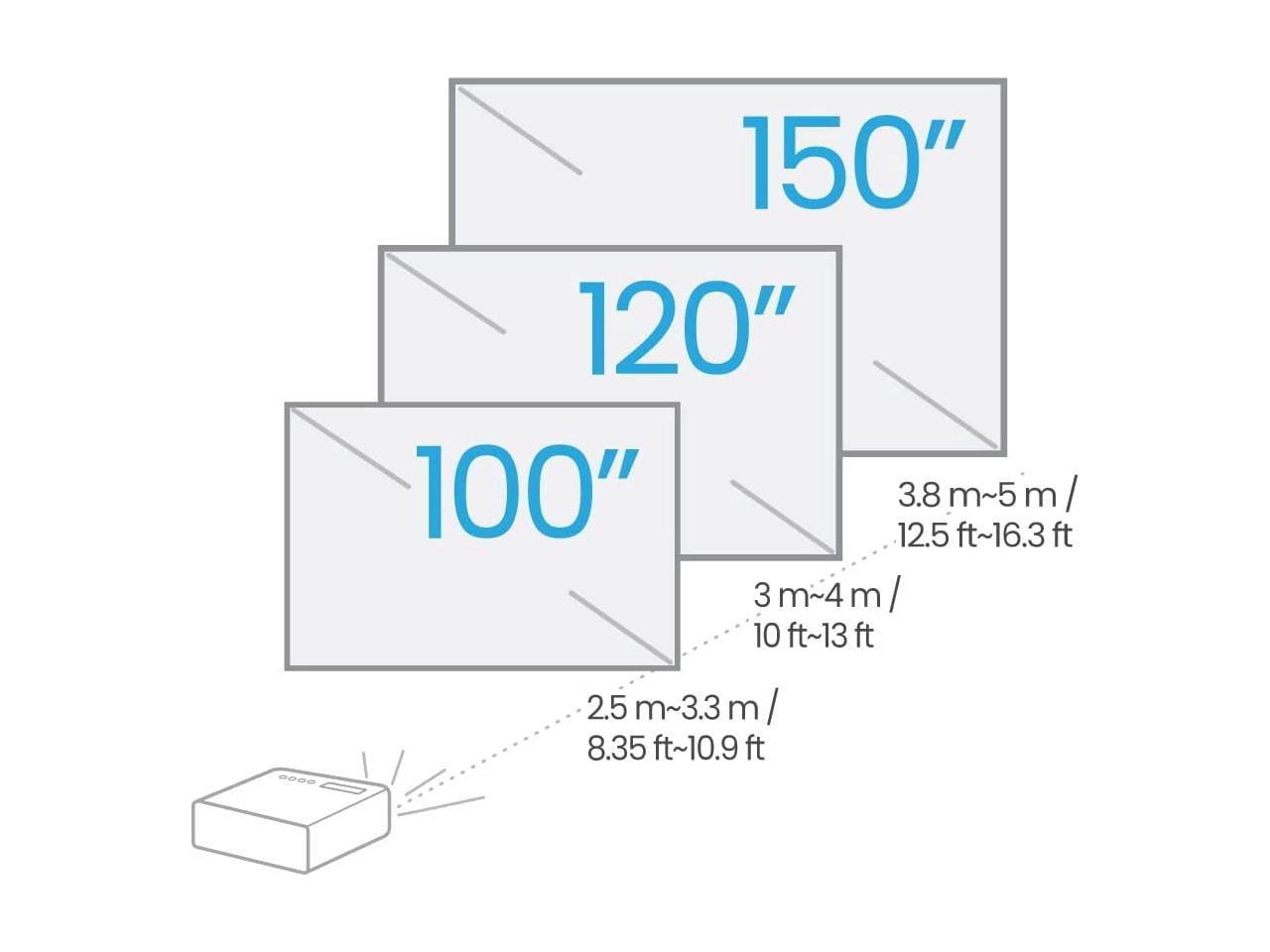
Installation flexibility considers how easily the projector can be positioned in your space, including throw ratio (the relationship between screen size and distance from the wall) and physical design.
The BenQ HT2060 and Epson EF22 use fundamentally different projection technologies, which affects everything from image quality to long-term reliability.
The BenQ uses Digital Light Processing (DLP) technology, which works by reflecting light off a chip containing millions of tiny mirrors – one for each pixel in the image. Each mirror can tilt toward or away from the light source thousands of times per second, determining how bright that pixel appears. DLP projectors typically offer excellent contrast ratios and sharper images, but some viewers may notice a "rainbow effect" (momentary color separation) during quick eye movements.
The Epson, meanwhile, employs 3LCD technology, which splits light through three separate LCD panels (one each for red, green, and blue) before recombining them to form the final image. 3LCD projectors generally provide more consistent color brightness and don't suffer from the rainbow effect, but they might not match DLP for contrast or black levels.
The BenQ HT2060, released in April 2023, uses a 4LED light source (adding a yellow LED to the standard red, green, and blue), which helps improve color accuracy and vibrancy. LED light sources typically last 20,000-30,000 hours before significant degradation, meaning you could use the projector for 5 hours daily for 10+ years without replacement.
The Epson EF22, released in October 2024, features a laser light source, which also offers extremely long life (rated at 20,000 hours) and maintains brightness more consistently over time than traditional lamp projectors. Laser technology represents one of the newest advancements in projection technology, offering instant on/off capability without warm-up times.
Both these lighting technologies represent significant improvements over traditional UHP (Ultra High Pressure) lamps that dominated projectors for decades, which typically required replacement every 3,000-5,000 hours at considerable expense.
With 2,300 ANSI lumens, the BenQ HT2060 offers more than twice the brightness of the Epson EF22 (1,000 lumens). This difference is substantial and affects where and when you can comfortably use each projector.
The BenQ's higher brightness means it can produce a visible, enjoyable image even with some ambient light present – making it more versatile for everyday use in living rooms that aren't perfectly dark. You'll still get the best results in a darkened room, but you won't need to create complete blackout conditions.
The Epson, with its more modest brightness output, performs best in controlled lighting environments. In a dedicated home theater room with minimal ambient light, the brightness difference becomes less noticeable, but in rooms with windows or significant lighting, the BenQ will maintain image quality better.
Contrast ratio measures the difference between the brightest whites and darkest blacks a projector can produce. The BenQ boasts an impressive 500,000:1 contrast ratio, which contributes to its excellent black levels – crucial for scenes set in space, night sequences, or any dark movie moments. High contrast creates a sense of depth and dimensionality that makes images pop.
The Epson doesn't specify its contrast ratio, but 3LCD projectors generally don't achieve the same extreme contrast levels as their DLP counterparts. In practice, this means that in dark scenes, blacks might appear more dark gray than true black, which can reduce the perceived "punch" of the image.
Color performance is an area where both projectors shine, but in different ways. The BenQ HT2060 uses CinematicColor technology to cover 98% of the Rec.709 color standard (the international standard for HDTV), ensuring colors look natural and accurate without adjustment. Reviewers consistently praise the HT2060's out-of-box color accuracy, which rivals much more expensive projectors.
The Epson EF22's 3LCD technology offers the advantage of equal color and white brightness (some projectors measure white brightness separately and have lower color brightness), leading to vibrant, well-saturated colors. However, its color accuracy may not match the precision calibration of the BenQ.
Both projectors support HDR10 and HLG (Hybrid Log-Gamma) HDR formats, which expand the range of brightness and color the projector can display when fed compatible content. However, projectors generally can't match the peak brightness of HDR-capable TVs, so HDR content appears as an enhanced version of SDR (Standard Dynamic Range) rather than true HDR as you'd see on a high-end TV.
For gamers, projector response time (how quickly the projector processes and displays an image after receiving it) can make the difference between victory and defeat in fast-paced games. This is measured as input lag and is expressed in milliseconds.
The BenQ HT2060 shines here with just 16.7ms of input lag at 1080p/60Hz, which is impressively low for a projector. This makes it suitable even for reflex-dependent games like first-person shooters or fighting games, where every millisecond counts.
The Epson EF22 doesn't specify its input lag, which typically suggests it's not optimized for gaming. Based on similar models, we can estimate its input lag is likely in the 50-80ms range, which would be noticeable to serious gamers but acceptable for casual gaming or slower-paced titles.
Neither projector supports high refresh rates beyond 60Hz, which might disappoint gamers accustomed to 120Hz+ displays. However, this limitation is common among projectors in this price range.
The physical design and installation options of a projector can significantly impact your setup experience and the rooms where it can be used effectively.
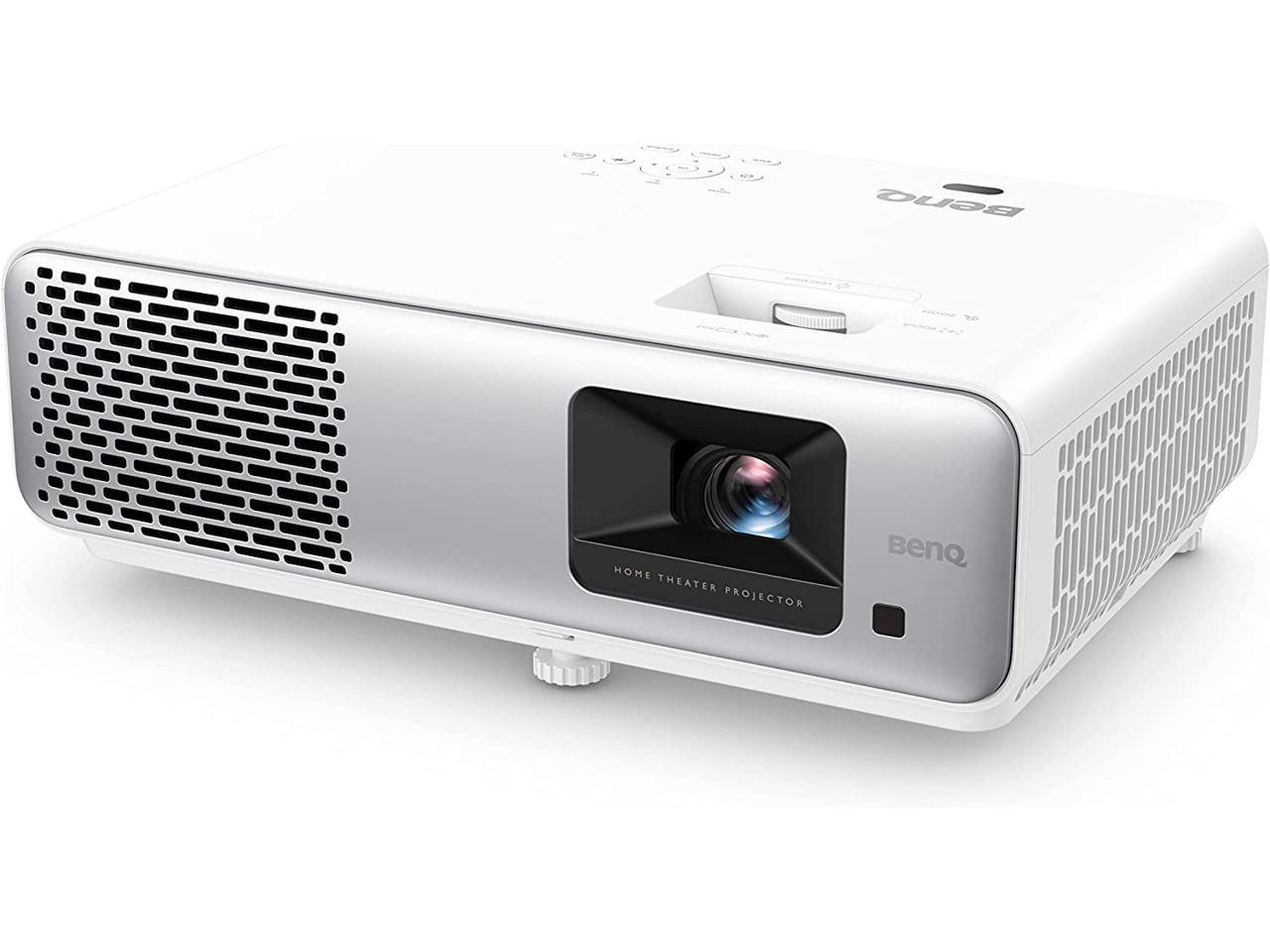
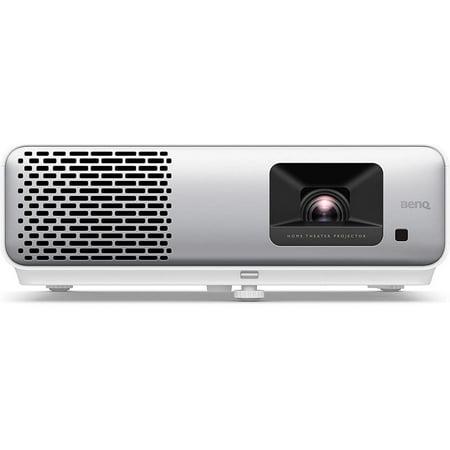
The BenQ HT2060 follows a traditional projector design – a rectangular unit measuring 14.4 x 9.6 x 4.6 inches and weighing about 8 pounds. It's designed primarily for fixed installation in a home theater setting, though it's not prohibitively heavy to move occasionally.
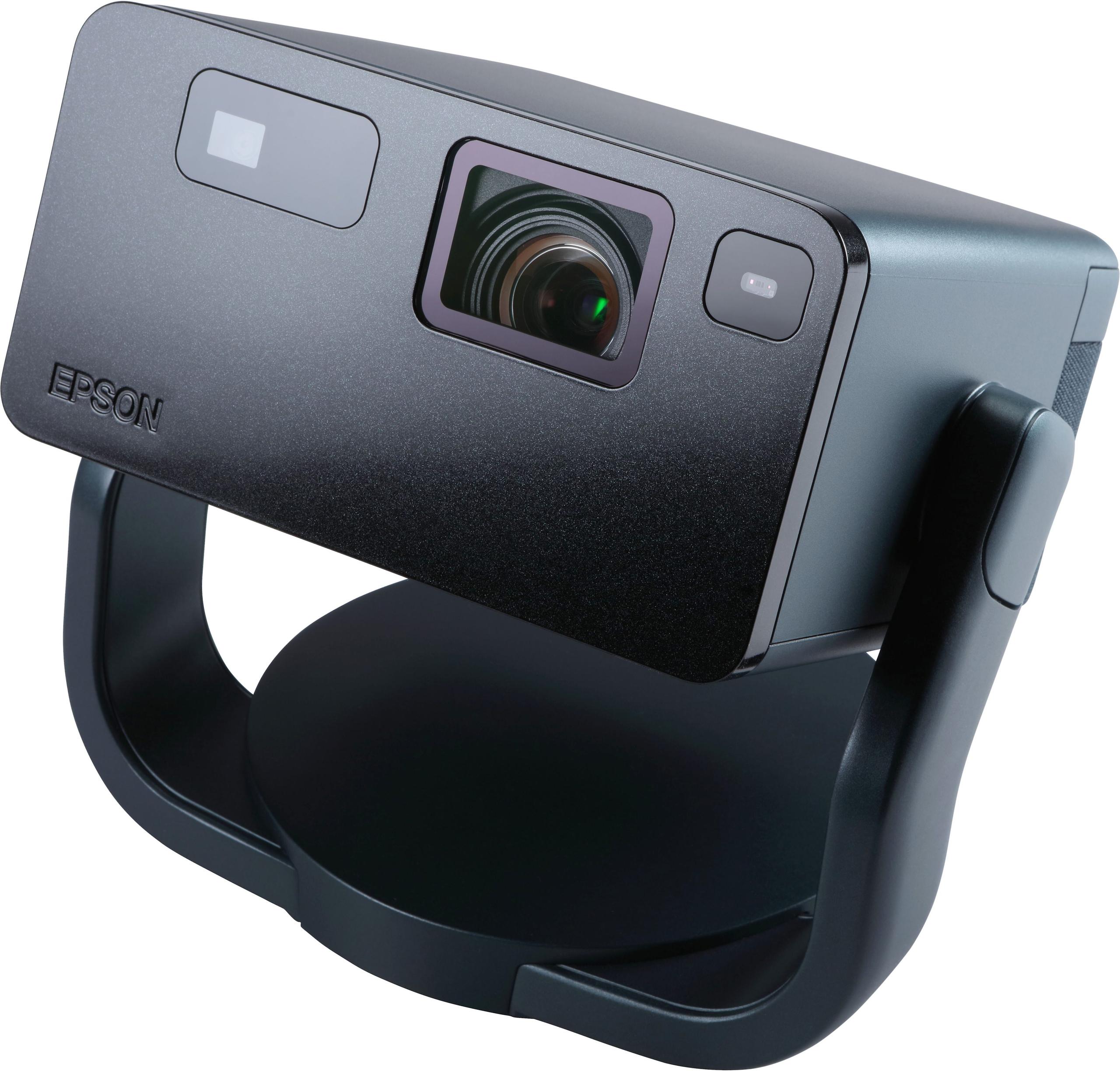
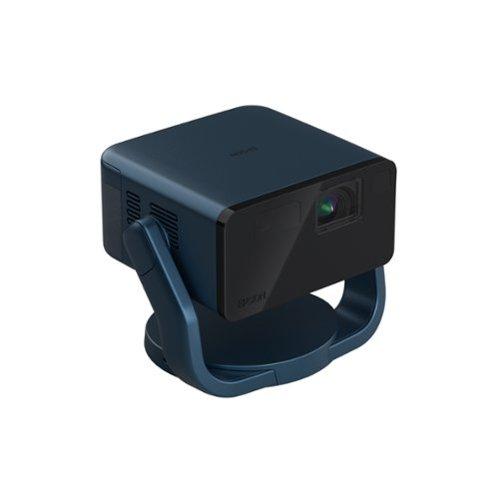
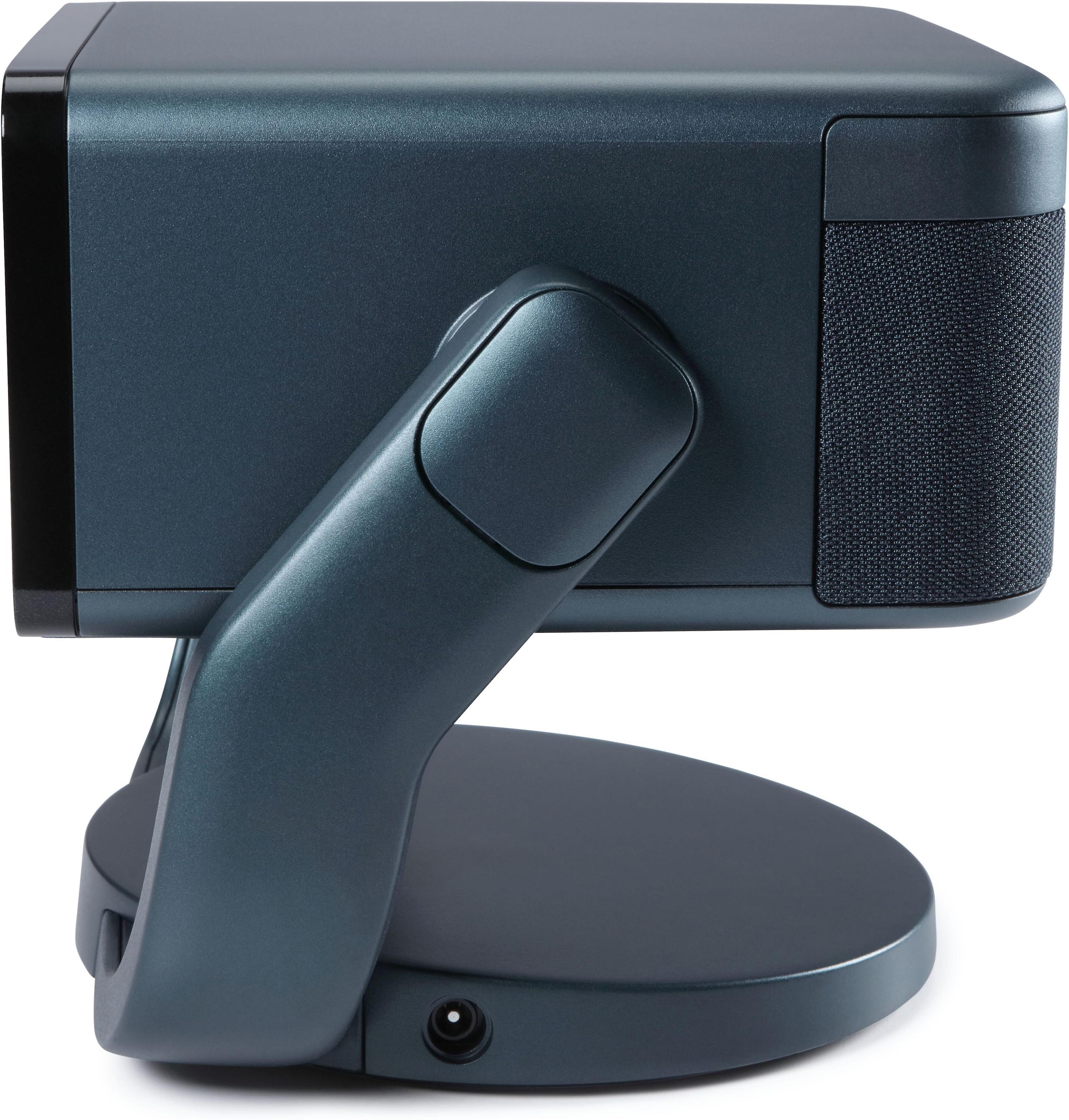
The Epson EF22 takes a radically different approach with its compact, cube-shaped design (approximately 7.5 inches in each dimension) and weighing just 3.5 pounds. What makes it truly unique is its 360-degree rotatable stand, which allows you to point the projection in virtually any direction – even onto the ceiling – without complex mounting solutions.
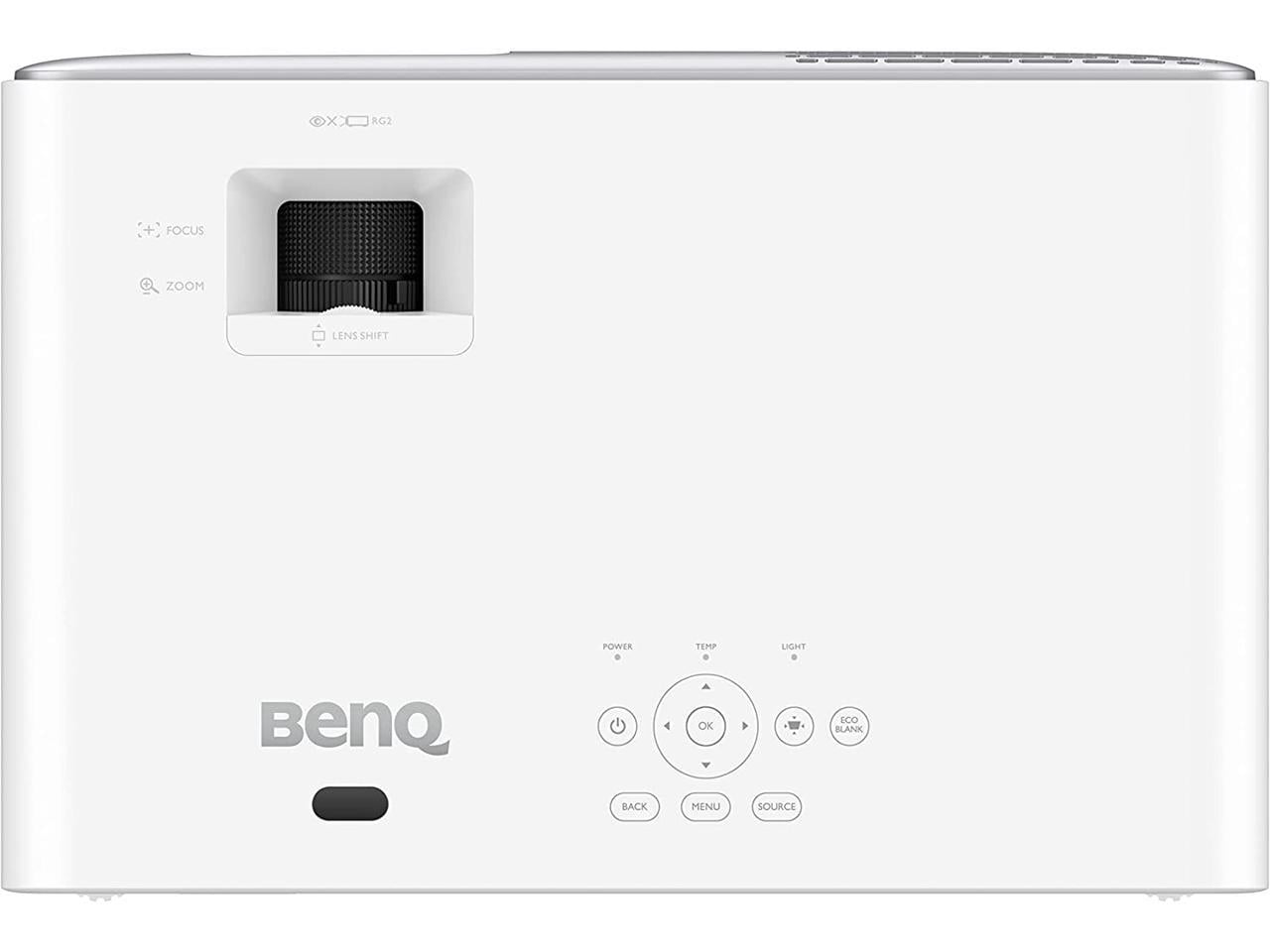
The BenQ offers standard installation flexibility with a 1.3x zoom lens (allowing you to adjust image size without moving the projector) and a modest +10% vertical lens shift (letting you move the image up or down slightly without keystone distortion). It also provides 2D keystone correction to square up the image when the projector can't be positioned perfectly.
The Epson's EpiqSense technology takes automatic setup to another level with auto focus and keystone correction that can detect the projection surface and optimize the image automatically. The gimbal design with 360° rotation allows for creative placement options that would be impossible with traditional projectors. This makes the EF22 particularly well-suited for spaces where conventional mounting might be challenging.
The BenQ HT2060 has a throw ratio of 1.15:1 to 1.50:1, meaning to project a 100-inch diagonal image, you'd need to position it between 9.6 and 12.5 feet from your screen. It supports screen sizes from 60 to 150 inches.
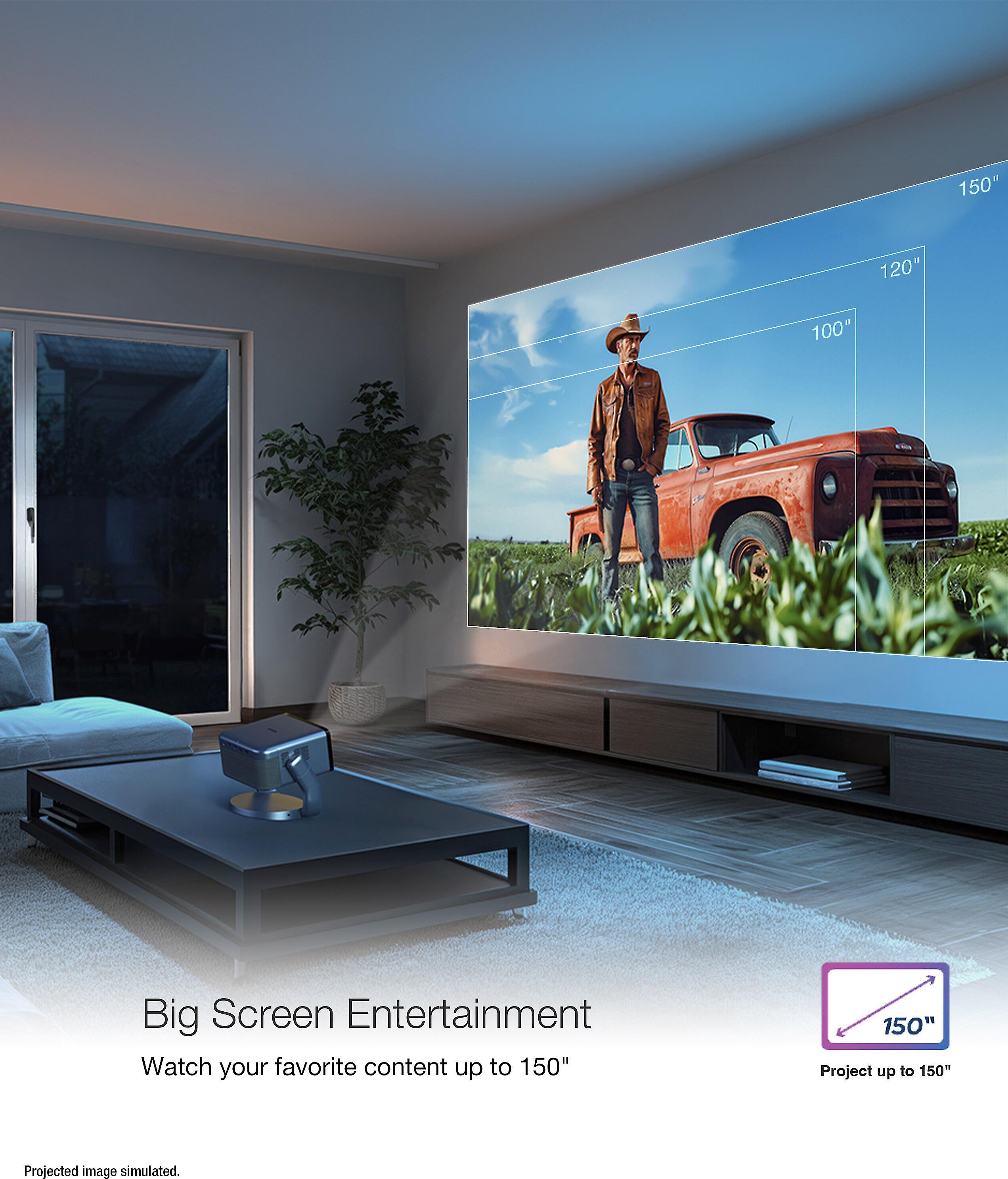
The Epson EF22 features a shorter throw distance, allowing you to position it closer to your projection surface – a significant advantage in smaller rooms. It can project images from 30 to 150 inches, giving it more flexibility for both smaller and larger displays.
One of the most significant differences between these projectors is their approach to content streaming.
The BenQ HT2060 is a "dumb" projector – it has no built-in operating system or streaming capabilities. You'll need to connect an external streaming device like an Apple TV, Roku, Fire TV Stick, or game console to access streaming content. This isn't necessarily a disadvantage if you already own these devices, as standalone streaming devices often offer better performance and more frequent updates than built-in solutions.
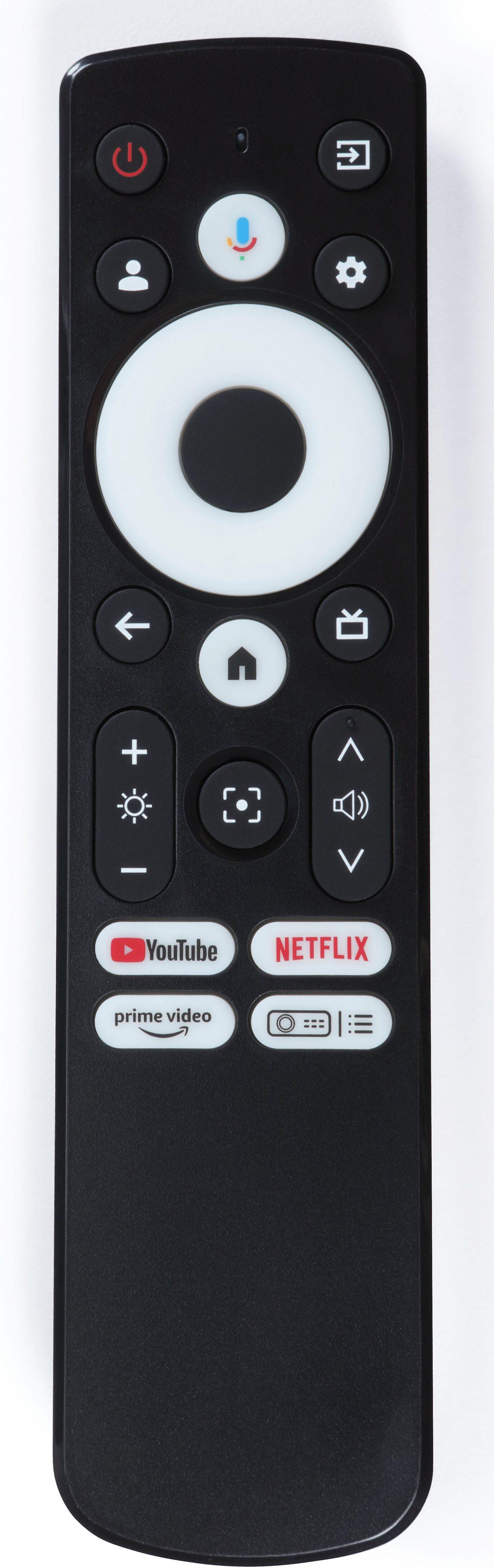
The Epson EF22, released more recently, embraces the smart projector approach with built-in Google TV, giving you access to thousands of streaming apps without additional hardware. This includes Netflix, Disney+, HBO Max, YouTube, and many others. The built-in interface also supports Google Assistant for voice control and content discovery.
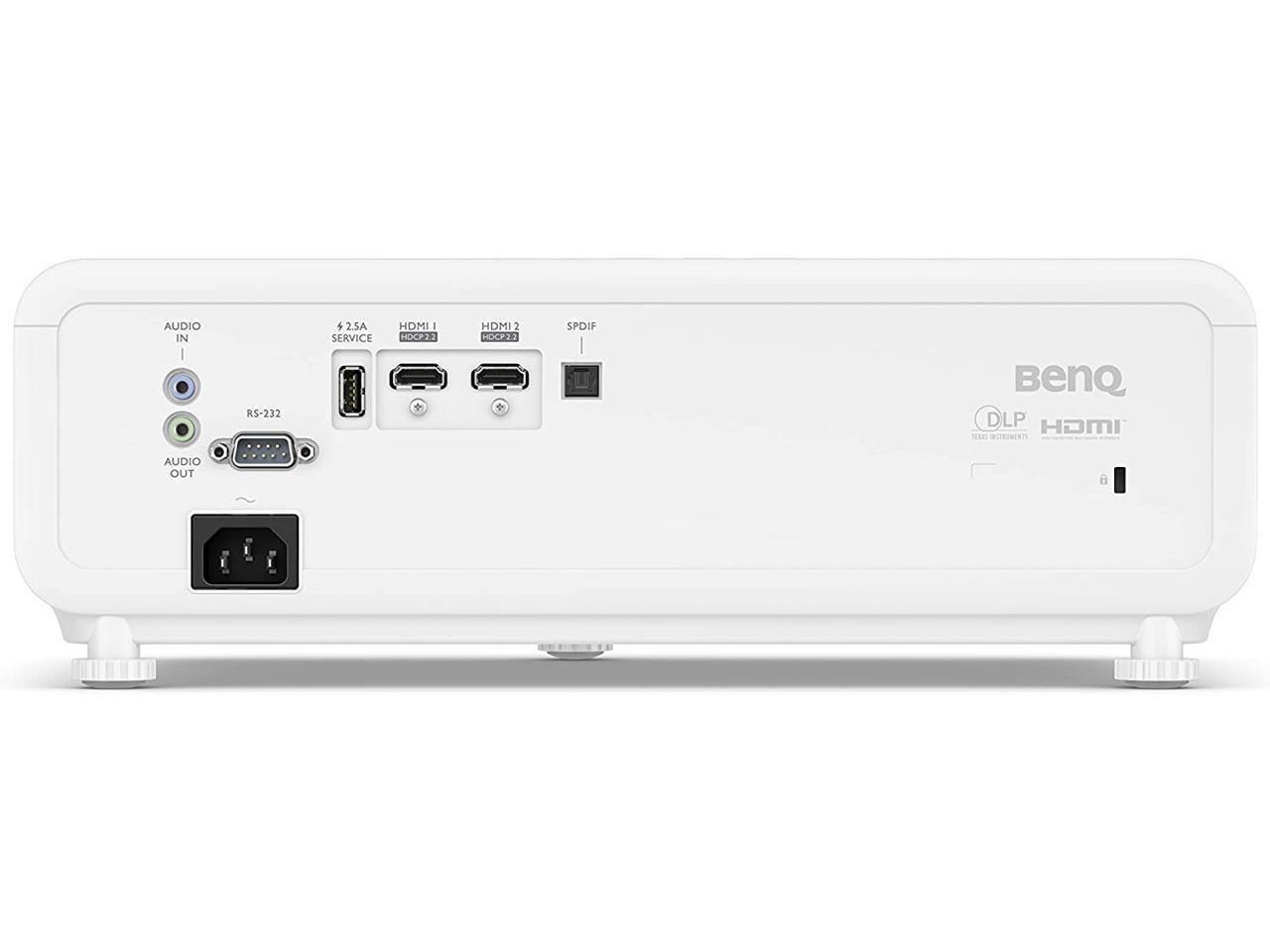
The BenQ provides comprehensive connectivity with two HDMI 2.0b ports (supporting 4K HDR inputs, which it downscales to its 1080p resolution), a USB 2.0 port for power, optical audio out, and a 3.5mm audio output. This covers most modern connection needs for home theater use.
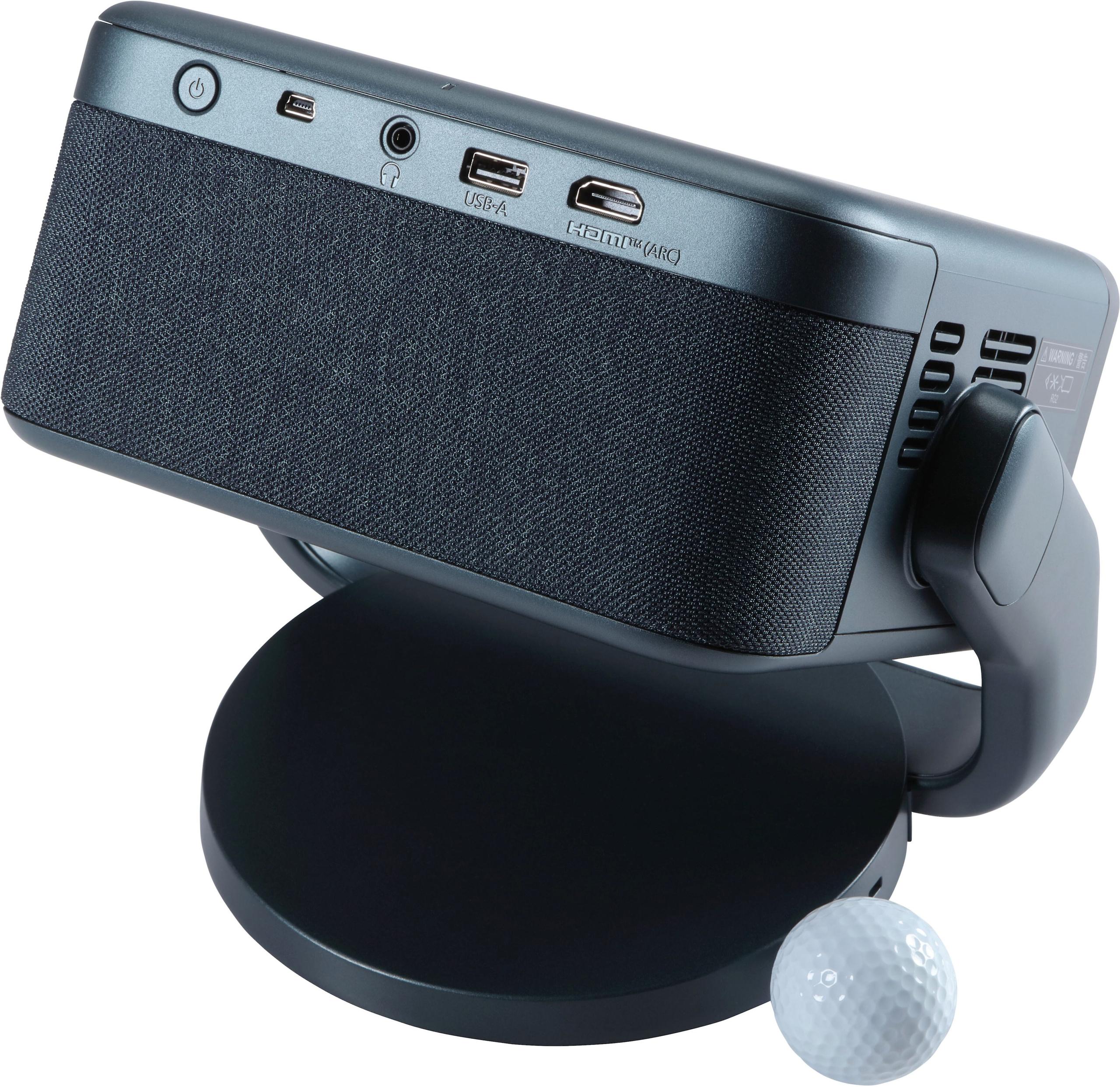
The Epson offers a more streamlined connection setup with a single HDMI input, USB port, plus Wi-Fi and Bluetooth 5.1 connectivity. The wireless options allow for easy content casting from mobile devices and connection to Bluetooth speakers or headphones.
Both projectors include built-in speakers (5W x 2 on both models), with the Epson adding Dolby Audio support for enhanced sound quality. These speakers are adequate for casual viewing but lack the power and depth for a true cinematic experience.
For serious home theater use, you'll want to connect either projector to an external sound system. The BenQ offers both optical and 3.5mm audio outputs for this purpose, while the Epson can connect to external audio systems via HDMI ARC (Audio Return Channel) or Bluetooth.
If you're building a dedicated home theater room with controlled lighting and permanent installation, the BenQ HT2060 is likely the better choice. Its superior brightness, contrast, and black levels will provide a more cinematic experience, especially for movie enthusiasts who appreciate image quality above all else. The lack of smart features is easily addressed with an external streaming device, which many home theater enthusiasts already own.
In my experience testing projectors in dedicated spaces, the difference in black levels becomes particularly noticeable during dark scenes – the BenQ's ability to render deep blacks adds a dimensionality that enhances the viewing experience considerably.
For a living room or multi-purpose space where ambient light can't always be controlled and where flexibility matters, the choice is less clear-cut. The BenQ's higher brightness gives it an edge for daytime viewing, but the Epson's all-in-one design and automatic setup features make it more user-friendly for casual viewers.
If you're someone who doesn't want to fuss with multiple devices and complex installations, the Epson EF22 offers a compelling plug-and-play solution that anyone in the household can use easily.
Gamers should strongly consider the BenQ HT2060, as its low input lag provides a significantly more responsive gaming experience. The difference between 16.7ms and 50+ms might not seem huge on paper, but it's immediately noticeable in gameplay, particularly in reflex-dependent games.
When I tested racing and fighting games on various projectors, those with input lag above 30ms created a disconnected feeling between controller inputs and on-screen action – something the BenQ skillfully avoids.
If you plan to move your projector between rooms or take it to different locations, the Epson's compact size, lighter weight, and auto-setup features make it substantially more practical. Its ability to project in virtually any direction thanks to the rotating gimbal stand means you can quickly set up a movie night almost anywhere – from projecting on the ceiling for bedroom viewing to creating an impromptu backyard cinema.
After comparing these projectors across multiple dimensions, how do you determine which is right for you? Consider these deciding factors:
Both the BenQ HT2060 and Epson EpiqVision Mini EF22 represent excellent value at their $989-$999 price points, but they serve different types of users. The BenQ is the performance champion, delivering superior image quality and gaming responsiveness that will satisfy enthusiasts. The Epson is the convenience leader, offering innovative design, smart features, and flexibility that make it approachable for anyone.
In the rapidly evolving projector market, both models incorporate significant technological advancements over their predecessors – the BenQ with its 4LED light source providing enhanced color performance over traditional lamp-based projectors, and the Epson with its laser lighting and innovative gimbal design challenging conventional projector form factors.
Your perfect projector ultimately depends on your specific needs and preferences. By understanding the strengths and limitations of each model, you can make an informed decision that will provide years of big-screen entertainment enjoyment.
| BenQ HT2060 HDR Home Theater Projector | Epson EpiqVision Mini EF22 Streaming Projector |
|---|---|
| Technology - Affects image quality, color reproduction, and potential artifacts | |
| DLP with 4LED light source | 3LCD with laser light source |
| Brightness - Determines visibility in ambient light and maximum usable screen size | |
| 2,300 ANSI lumens (great for rooms with some ambient light) | 1,000 lumens (best in controlled, darker environments) |
| Contrast Ratio - Higher contrast creates more depth and better black levels | |
| 500,000:1 (exceptional black levels for cinematic viewing) | Not specified (typically lower than DLP, blacks may appear as dark gray) |
| Light Source Lifespan - Affects long-term ownership costs | |
| 20,000-30,000 hours (5+ years of heavy use) | 20,000 hours (comparable longevity) |
| Input Lag - Critical for gaming responsiveness | |
| 16.7ms at 1080p/60Hz (excellent for gaming) | Not specified (likely 50-80ms, adequate for casual gaming only) |
| Smart Features - Determines need for additional devices | |
| None (requires external streaming device) | Built-in Google TV with 10,000+ apps (all-in-one solution) |
| Installation Flexibility - Affects where and how you can place the projector | |
| 1.3x zoom, +10% vertical lens shift, 2D keystone correction | 360° rotatable stand, auto focus, auto keystone correction |
| Physical Size - Impacts portability and placement options | |
| 14.4 x 9.6 x 4.6 inches, 7.9 lbs (traditional design) | 7.5 x 7.5 x 7.5 inches, 3.5 lbs (compact cube design) |
| Screen Size Range - Determines minimum and maximum viewing dimensions | |
| 60-150 inches (better for dedicated theater use) | 30-150 inches (more flexible for smaller spaces) |
| Throw Distance - Determines how far from the wall the projector needs to be | |
| 5.7-14 feet for 100-inch screen (requires more space) | Shorter throw distance (works better in smaller rooms) |
| Audio - Built-in sound quality for standalone use | |
| 5W x 2 speakers (adequate for casual use) | 5W x 2 speakers with Dolby Audio (slightly better sound) |
| Connectivity - Determines what devices you can connect | |
| 2x HDMI 2.0b, USB, optical audio out, 3.5mm audio out | 1x HDMI, USB, Wi-Fi, Bluetooth 5.1 |
| Price - Overall value proposition | |
| $989 (better for performance-focused buyers) | $999 (better for convenience-focused buyers) |
| Best For - Primary use case where each excels | |
| Dedicated home theaters, gaming, and movie enthusiasts prioritizing image quality | Multi-purpose spaces, casual viewers wanting simplicity, and flexible/portable setups |
The BenQ HT2060 HDR Home Theater Projector is significantly brighter with 2,300 ANSI lumens compared to the Epson EpiqVision Mini EF22 Streaming Projector which offers 1,000 lumens. This makes the BenQ HT2060 a better choice for rooms with ambient light, while the Epson EF22 performs best in darkened rooms.
The BenQ HT2060 is superior for gaming with its low 16.7ms input lag at 1080p/60Hz. The Epson EF22 doesn't specify its input lag but likely has higher latency (50-80ms range), making it less responsive for fast-paced games. Serious gamers should choose the BenQ HT2060 for a more responsive gaming experience.
The Epson EpiqVision Mini EF22 features built-in Google TV, giving you access to 10,000+ streaming apps without additional devices. The BenQ HT2060 doesn't have smart features and requires an external streaming device like a Roku, Apple TV, or Fire TV Stick to access streaming content.
For a dedicated home theater room, the BenQ HT2060 is generally better with its superior contrast ratio (500,000:1), deeper black levels, and higher brightness. The Epson EF22 is more suitable for casual viewing environments where convenience and flexibility matter more than ultimate image quality.
The Epson EpiqVision Mini EF22 is significantly smaller with a compact cube design (approximately 7.5 x 7.5 x 7.5 inches) and weighs just 3.5 pounds. The BenQ HT2060 has a traditional projector design measuring 14.4 x 9.6 x 4.6 inches and weighs 7.9 pounds, making the Epson much more portable.
Both projectors are priced very similarly. The BenQ HT2060 HDR Home Theater Projector costs $989, while the Epson EpiqVision Mini EF22 Streaming Projector is priced at $999. Despite the $10 difference, they offer very different features and performance characteristics.
The Epson EF22 offers superior installation flexibility with its 360-degree rotatable stand, auto focus, and auto keystone correction features. The BenQ HT2060 provides more traditional installation options with 1.3x zoom, +10% vertical lens shift, and 2D keystone correction, but isn't as versatile in terms of placement.
Neither projector has native 4K resolution—both are 1080p (Full HD) projectors. However, both the BenQ HT2060 and Epson EF22 can accept 4K HDR input signals and downscale them to 1080p while preserving HDR color and contrast benefits. Both support HDR10 and HLG formats.
The BenQ HT2060 is known for exceptional color accuracy with its CinematicColor technology covering 98% of the Rec.709 color standard. The Epson EF22 uses 3LCD technology which provides consistent color brightness but may not match the BenQ's precise color calibration out of the box.
The Epson EpiqVision Mini EF22 supports screen sizes from 30 to 150 inches, providing more flexibility for smaller spaces. The BenQ HT2060 projects images from 60 to 150 inches, making the Epson a better choice if you need to project smaller images in confined spaces.
Both projectors offer excellent light source longevity. The BenQ HT2060 uses a 4LED light source rated for 20,000-30,000 hours depending on usage mode. The Epson EF22 features a laser light source rated for 20,000 hours. Both should last 5-10+ years under normal use without replacement.
For pure movie-watching quality, the BenQ HT2060 HDR Home Theater Projector offers superior performance with better contrast, deeper blacks, and higher brightness, creating a more cinema-like experience. The Epson EpiqVision Mini EF22 Streaming Projector offers convenience with built-in streaming but doesn't match the BenQ's image quality for dedicated movie enthusiasts.
We've done our best to create useful and informative comparisons to help you decide what product to buy. Our research uses advanced automated methods to create this comparison and perfection is not possible - please contact us for corrections or questions. These are the sites we've researched in the creation of this article: projectorcentral.com - avsforum.com - bestbuy.com - avsforum.com - tomsguide.com - avsforum.com - projectorreviews.com - hometheaterhifi.com - youtube.com - avsforum.com - cnet.com - techgearlab.com - cdw.com - bhphotovideo.com - projectorcentral.com - shop.avispl.com - tvsbook.com - youtube.com - projectorreviews.com - avsforum.com - techradar.com - bestbuy.com - geekingout.ca - crutchfield.com - whatgear.net - youtube.com - epson.com - crutchfield.com - projectorcentral.com - epson.com - bestbuy.com - whathifi.com - projectorreviews.com - youtube.com - youtube.com - hometheaterhifi.com - projectorreviews.com - bestbuy.com - youtube.com - staples.com - projectorcentral.com - bestbuy.com - mediaserver.goepson.com - epson.com - news.epson.com

Privacy Policy
Terms and Conditions - Affiliate Policy
Home Security
© Copyright 2008-2026.
11816 Inwood Rd #1211, Dallas, TX 75244