

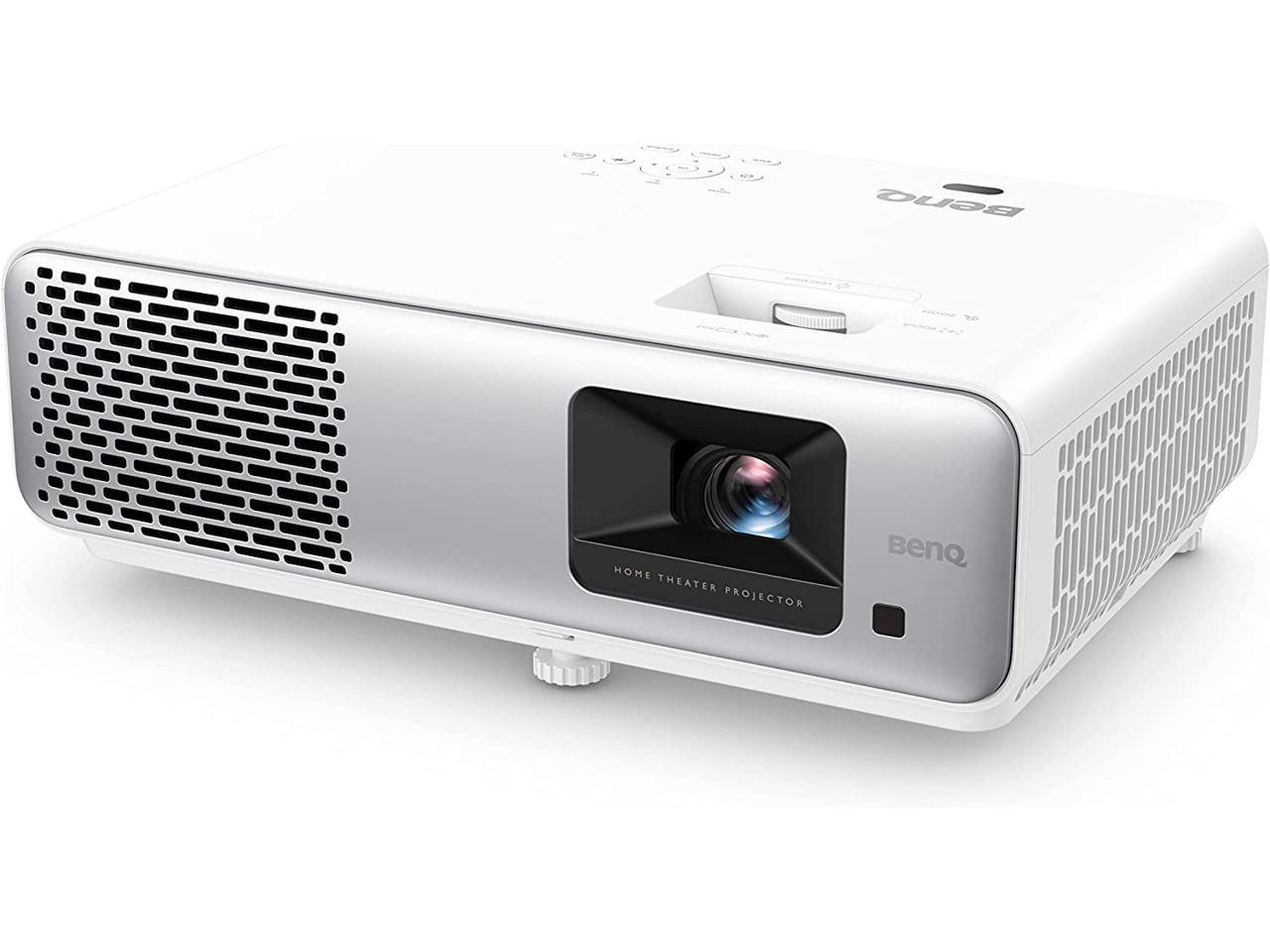
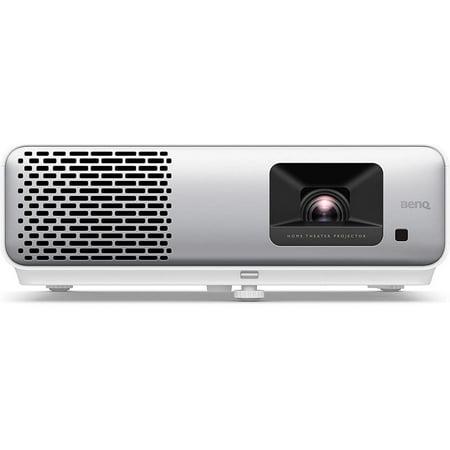
When it comes to bringing big-screen entertainment into your life, projectors offer a compelling alternative to traditional TVs. But not all projectors are created equal. The BenQ HT2060 HDR Home Theater Projector and the BenQ GS50 Portable Outdoor Projector represent two distinct approaches to projection technology, each with its own strengths and ideal use cases.
Released in late 2022, the HT2060 ($999) represents BenQ's vision for an affordable yet capable home theater projector. Meanwhile, the GS50 ($799), launched in mid-2021, exemplifies the growing trend of lifestyle-oriented portable projectors designed for flexibility and ease of use.
While both devices share the fundamental function of projecting images onto surfaces, they're engineered with different priorities in mind. The HT2060 focuses on delivering the best possible image quality for dedicated viewing spaces, while the GS50 emphasizes portability, durability, and convenience for varying environments. This comparison will help you navigate the differences and determine which approach aligns with your needs.
Before diving into specifics, it's worth understanding the key factors that should guide your projector decision:
Usage environment plays a crucial role in determining which projector type makes sense. Do you have a dedicated space where you can control ambient light, or do you need something that works in multiple locations, including outdoors?
Image quality encompasses several technical aspects including brightness (measured in ANSI lumens), resolution, and contrast ratio. These factors combine to determine how good the picture looks in various lighting conditions.
Installation requirements differ dramatically between home theater and portable projectors. Fixed installations offer optimized performance but lack flexibility, while portable options sacrifice some image quality for convenience.
Connectivity and smart features determine how you'll access content and integrate the projector into your entertainment ecosystem.
Audio capabilities can be particularly important if you don't plan to use external speakers.
Price and value considerations extend beyond the initial purchase to include long-term factors like lamp life and maintenance costs.
With these considerations in mind, let's examine how the BenQ HT2060 and GS50 compare.
The HT2060 represents BenQ's entry into the mid-range home theater market with a focus on image fidelity and home cinema experience. Released in late 2022, it incorporates newer 4LED technology rather than traditional lamps or earlier single-chip LED designs. This technology advancement provides better color accuracy and longer lifespan than previous generation projectors.
At its core, the HT2060 is a Full HD (1920×1080 resolution) DLP projector that leverages specialized cinema modes and enhanced contrast for film enthusiasts. With 2300 ANSI lumens of brightness, it's designed to perform well in rooms with some ambient light control, though it works best in darker environments for optimal contrast performance.
What sets this model apart from previous generations is its incorporation of HDR10 and HLG (Hybrid Log-Gamma) support, technologies that expand the range of colors and brightness levels the projector can display, creating more realistic and impactful images. While earlier budget projectors often lacked any HDR capability, the HT2060 brings this premium feature to a more accessible price point.
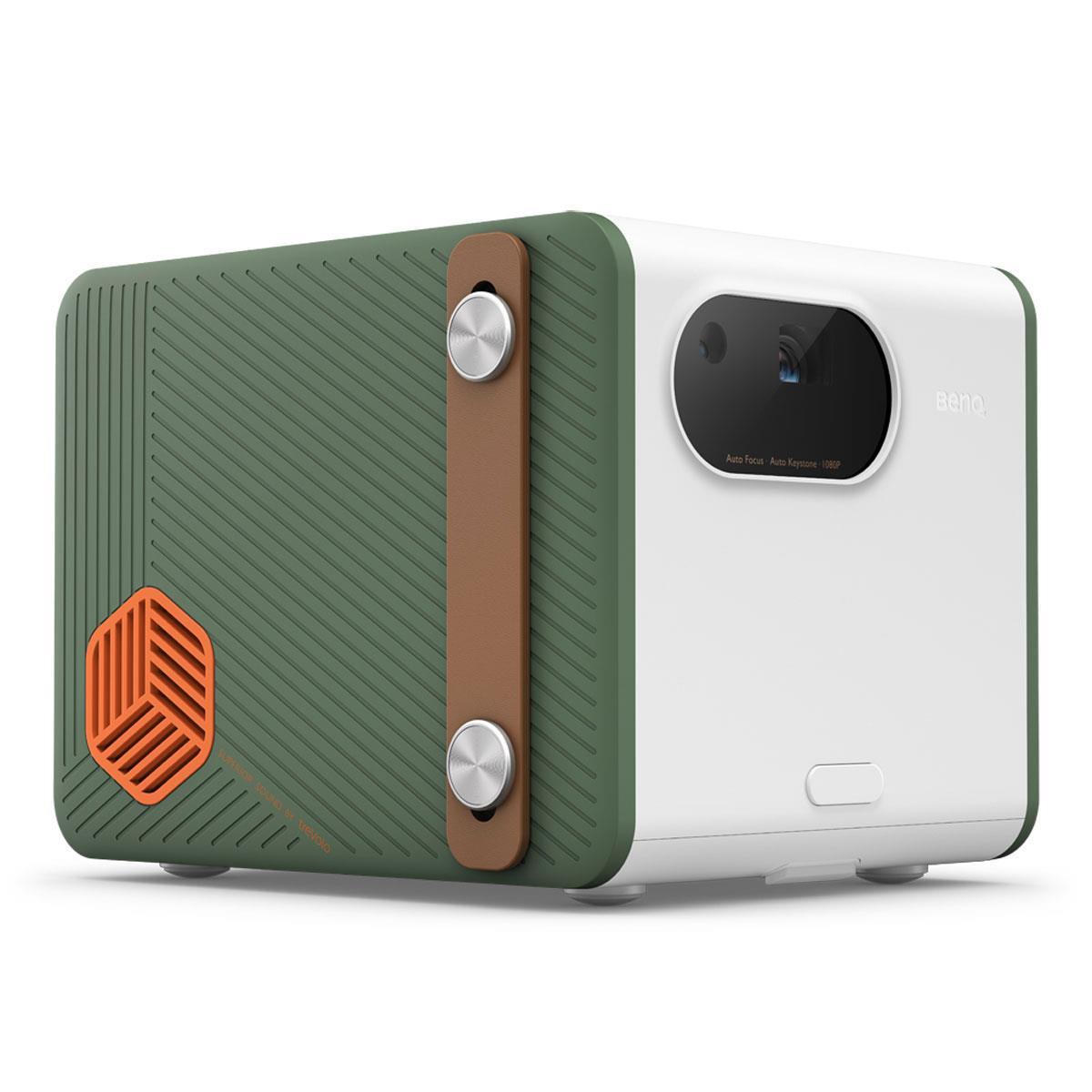
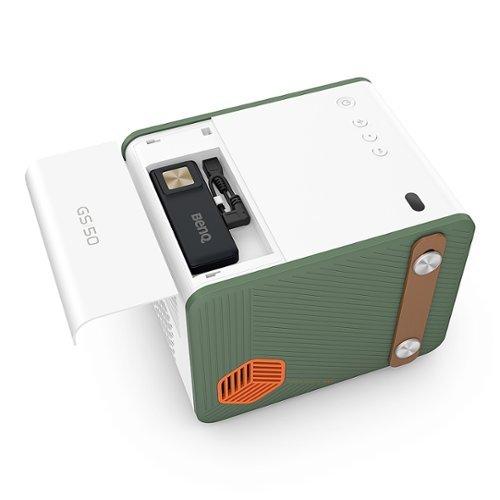
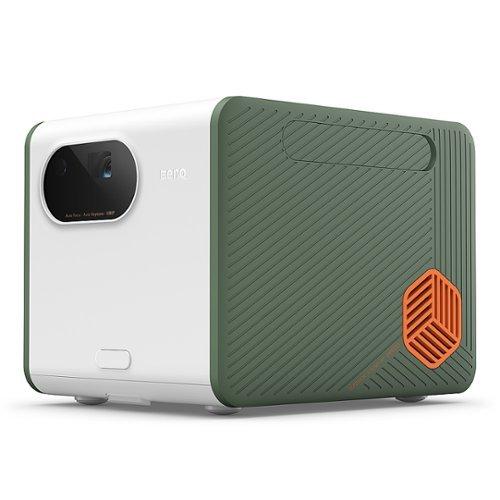
The GS50 approaches projection from an entirely different angle. Launched in mid-2021, it's part of the emerging category of lifestyle projectors that prioritize versatility over absolute performance metrics. Unlike traditional home theater projectors that remain stationary, the GS50 features a compact design with integrated handle, built-in battery, and ruggedized exterior.
This 1080p projector offers 500 ANSI lumens of brightness—significantly less than the HT2060 but respectable for a battery-powered portable. What makes the GS50 special is its IPX2 splash-proof rating and drop resistance up to 70cm, allowing it to withstand the kind of accidental bumps and environmental challenges that would damage traditional projectors.
When released, the GS50 was among the first portable projectors to integrate full Android TV functionality, representing a significant advancement over earlier portable models that featured either proprietary and limited smart interfaces or required external streaming devices.
Resolution: Both projectors offer 1080p Full HD resolution (1920×1080 pixels), which provides a good balance between detail and affordability. While 4K projectors have become more common since these models were released, 1080p remains sufficient for many viewers, especially at typical viewing distances. The practical difference is that the HT2060 makes the most of this resolution with superior optics and processing, while the GS50 is somewhat limited by its brightness constraints.
Brightness: Here's where we see a dramatic difference. The HT2060's 2300 ANSI lumens allows it to project larger images that remain visible even with some ambient light. The GS50's more modest 500 ANSI lumens restricts it to smaller screen sizes or requires near-darkness for optimal viewing.
To put this in perspective, I've used the HT2060 to project a 120-inch image in a living room with partially drawn curtains during daytime, and the image remained enjoyable—though not as vibrant as during evening hours. With the GS50, I found daytime viewing limited to screen sizes around 60-70 inches in similar conditions, and the image appeared noticeably washed out where light directly hit the screen.
Contrast: The HT2060 boasts a contrast ratio of 500,000:1 compared to the GS50's 100,000:1. While manufacturer contrast specifications often involve some creative measurement techniques, real-world testing confirms the HT2060 produces substantially deeper blacks and better shadow detail. This makes a significant difference when watching darker movie scenes, where the GS50 tends to show dark areas as more of a dark gray than true black.
HDR Performance: Both projectors support HDR10 and HLG formats, but there's a world of difference in implementation. HDR (High Dynamic Range) technology expands the range of brightness and color a display can produce, allowing for more realistic and impactful images.
The HT2060's higher brightness gives it more "headroom" to display HDR highlights effectively. It also employs more sophisticated tone mapping—the process of adapting HDR content to the projector's actual capabilities—resulting in more natural-looking images with better preserved details in both bright and dark areas. The GS50's HDR support is more of a technical checkbox; it accepts HDR signals and makes some adjustments, but lacks the brightness to truly showcase HDR's benefits.
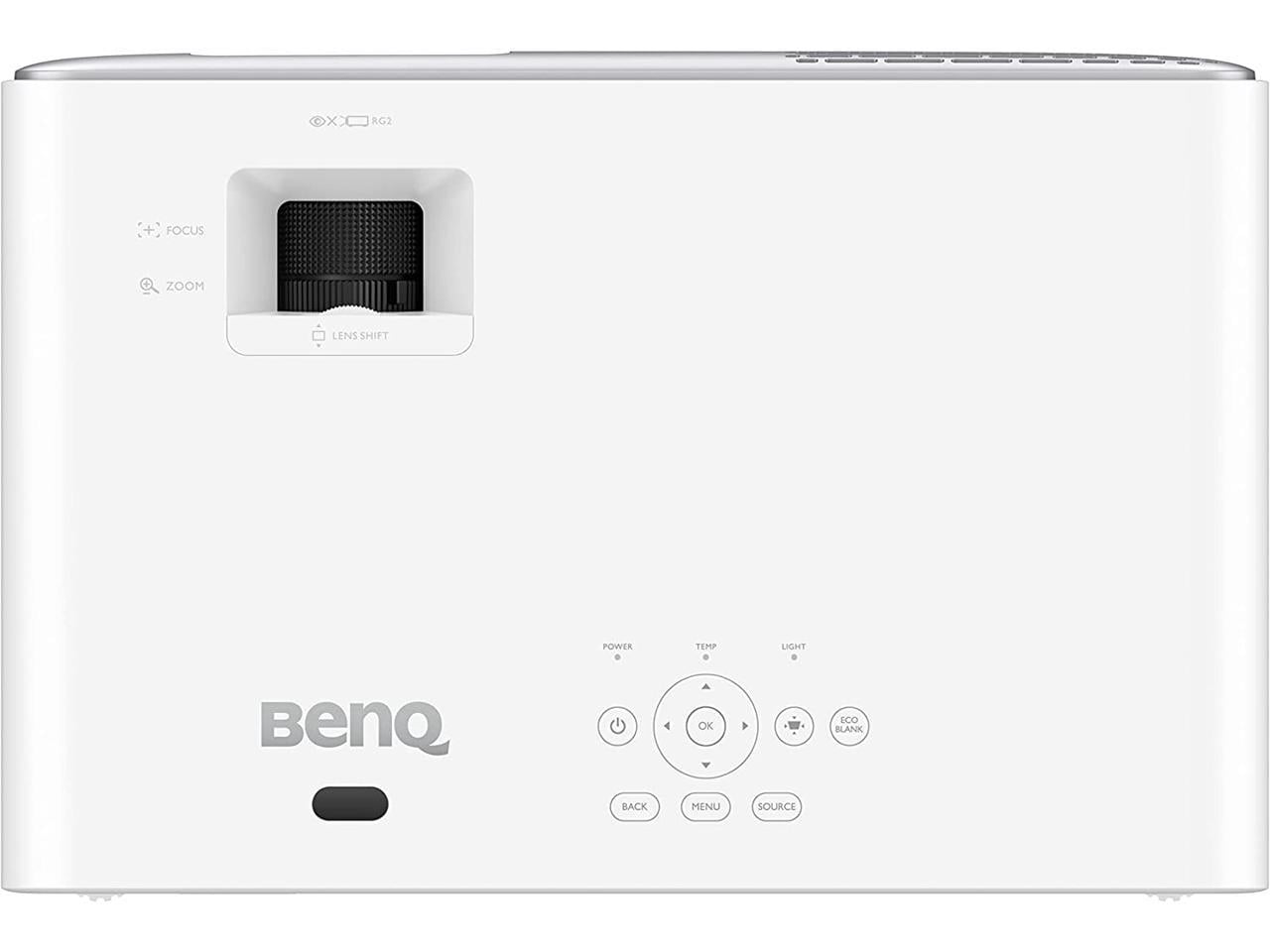
HT2060: Designed primarily for home theater use, the HT2060 includes features that make installation more forgiving without sacrificing image quality. Its 1.3x zoom lens allows some flexibility in placement distance, while the vertical lens shift feature (rare at this price point) enables you to move the image up or down slightly without resorting to keystone correction, which can degrade image quality.
Since its release, these features have been particularly appreciated as they allow the projector to adapt to existing rooms rather than requiring complete room modifications. The HT2060 weighs about 8 pounds and measures 14.4 × 9.6 × 4.6 inches—compact for a home theater projector but not designed for frequent movement.
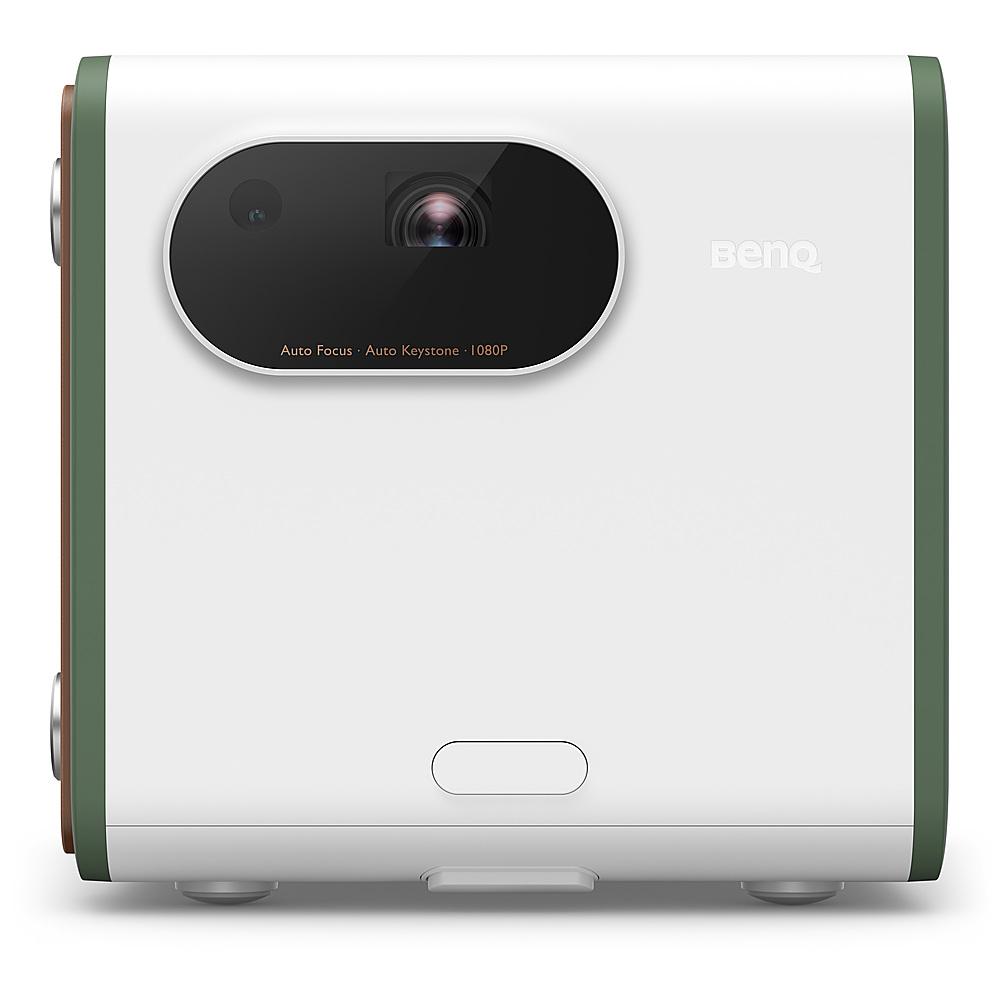
GS50: In contrast, the GS50 embodies portability at every level. Weighing just 3.9 kg (about 8.6 pounds) and featuring a leather carrying handle, it's built to move. The automatic focus and keystone correction systems are technological advancements that eliminate the need for manual adjustments each time you reposition the projector—simply set it down, power on, and the GS50 configures itself within seconds.
The integrated 2.5-hour battery represents a significant engineering achievement that wasn't common in 1080p projectors when the GS50 launched. This allows for movie watching without access to power outlets, opening up new use cases like backyard movie nights, camping trips, or hotel room entertainment while traveling.
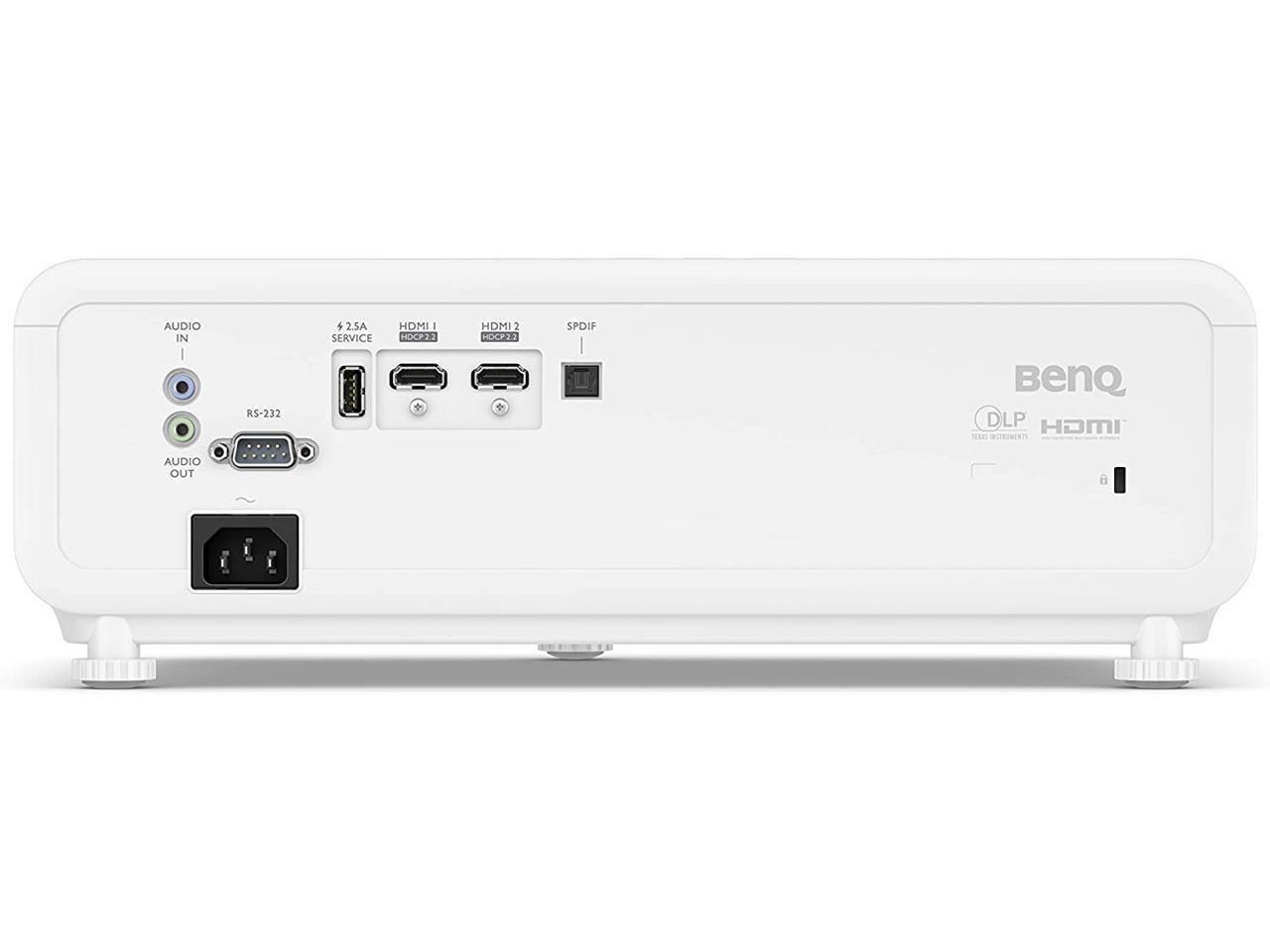
HT2060: With two HDMI 2.0b inputs, the HT2060 provides basic connectivity for most modern sources. What makes these connections special is their full bandwidth support (18Gbps), enabling 4K HDR passthrough at 60Hz, even though the projector then downscales to its native 1080p resolution. This future-proofs the projector somewhat as more content moves to 4K sources.
Where the HT2060 truly shines is its gaming performance, with an input lag of just 16.7ms at 1080p/60Hz. Input lag measures the delay between a signal reaching the projector and appearing on screen—lower numbers mean more responsive gaming experiences. For context, anything under 20ms is considered excellent for gaming. This low latency wasn't common in projectors at this price point when the HT2060 was released, making it particularly appealing for gamers.
However, the HT2060 lacks built-in smart features, requiring an external streaming device like a Roku, Apple TV, or Fire TV Stick for accessing streaming services.
GS50: The GS50 takes a completely different approach, incorporating full Android TV 9.0 with access to thousands of apps directly on the projector. This integration eliminates the need for external streaming devices in most situations—a significant convenience benefit.
Additionally, the GS50 includes Chromecast functionality for casting from mobile devices and AirPlay support for Apple ecosystem integration. Its Bluetooth 4.2 capability allows it to function as a standalone speaker, expanding its utility beyond projection.
The GS50's gaming performance is less impressive, with an input lag around 62ms—acceptable for casual gaming but not ideal for competitive or fast-paced titles. This higher lag reflects the compromises necessary to include processing for its smart features and automatic adjustments.
HT2060: The HT2060 includes basic 5W stereo speakers that serve as a functional backup rather than a primary audio solution. These speakers provide clear dialogue but lack bass impact and volume for a truly immersive experience. Most users will want to connect the HT2060 to an external sound system through its optical or 3.5mm outputs, which can pass through 5.1 channel audio to compatible receivers.
GS50: Audio is where the GS50 truly impresses, featuring a sophisticated 2.1 channel system with two 5W tweeters and a dedicated 10W woofer. This configuration delivers remarkably full sound with respectable bass—unusual in the portable projector category. The 270-degree sound projection helps fill rooms more effectively than traditional front-firing speakers.
Having used both projectors, the difference in audio performance isn't subtle—the GS50 delivers entertainment-ready sound out of the box, while the HT2060 really needs external speakers to complete the home theater experience. This reflects the GS50's design philosophy of self-contained entertainment versus the HT2060's focus on optimized image performance.
Both projectors feature LED light sources rated for 20,000-30,000 hours of operation, representing a significant advancement over traditional lamp-based projectors that typically required bulb replacements every 3,000-5,000 hours at significant cost. At five hours of daily use, these LED light sources should last 10-15 years before noticeable dimming occurs.
The HT2060's 4LED technology (which adds a blue-pump yellow phosphor LED to the traditional RGB configuration) provides enhanced color accuracy and brightness compared to earlier LED designs. Meanwhile, the GS50's LED implementation prioritizes power efficiency to maximize battery life.
Neither projector requires filter cleaning or maintenance, another advantage over many traditional projectors that needed regular filter servicing to prevent overheating.
The HT2060 is priced at $999, positioning it in the entry-level dedicated home theater category. When it was released, this price point represented good value for a projector with HDR support, low input lag, and advanced optical features like lens shift.
The GS50 comes in at $799, which is premium pricing for the portable category. However, this price reflects its comprehensive feature set, including the Android TV integration, ruggedized design, and superior audio system.
Since these projectors' release, the market has seen incremental improvements in both categories, but nothing revolutionary at these price points. The HT2060's combination of features still represents solid value for home theater enthusiasts, while the GS50 remains one of the more complete portable projection packages available.
HT2060: The primary value of the HT2060 lies in its image quality per dollar. It delivers a viewing experience that rivals projectors costing several hundred dollars more, particularly in color accuracy and HDR handling. Its low input lag also makes it a dual-purpose device for both movie watching and gaming, enhancing its overall value.
GS50: The GS50's value equation is more complex. While it costs more than many competing portable projectors, it justifies this premium through superior build quality, better audio, full Android TV functionality, and environmental resistance. You're paying for the flexibility to use a single device across multiple scenarios rather than ultimate performance in any single area.
The HT2060 shines in dedicated viewing environments where image quality takes precedence. It's perfect for:
I've found the HT2060 particularly suitable for converted basement spaces or living rooms that can be darkened. Its combination of brightness and contrast creates engaging movie nights, while its gaming performance keeps pace with fast action in games like first-person shooters or racing titles.
The GS50 excels as a flexible entertainment hub that can move wherever you need it:
In my experience, the GS50 works wonderfully for impromptu movie nights. I've used it to project onto bedroom ceilings, backyard sheets, and even the side of a tent while camping. Its self-contained nature means you don't need to plan elaborate setups—just place it, power it on, and enjoy.
The HT2060 makes the most sense when your priority is the viewing experience itself. Consider it if:
For serious movie enthusiasts or those building their first proper home theater, the HT2060 delivers remarkable performance for its price point. Its ability to handle both casual weeknight TV viewing and special movie night experiences makes it versatile within its primary use case.
The GS50 is the better choice when flexibility trumps absolute performance. It's right for you if:
I've found the GS50 particularly valuable for users who might otherwise skip projection altogether due to installation concerns. Its approachable design and all-in-one functionality make big-screen experiences accessible in situations where traditional projectors wouldn't be practical.
The fundamental choice between the BenQ HT2060 and GS50 comes down to your prioritization of performance versus flexibility. Neither projector is objectively "better" than the other; they're designed for different use cases with different assumptions about user needs.
The HT2060 adheres to traditional home theater values—image quality, contrast, and accurate color reproduction—while making modern concessions to needs like gaming performance. The GS50 reimagines what a projector can be, trading some performance metrics for unprecedented versatility and ease of use.
Since their respective releases, both products have maintained relevance in their categories. The HT2060's 4LED technology and HDR implementation continue to represent good value at its price point, while the GS50's combination of portability and functionality remains distinctive in the portable projector landscape.
For those building a dedicated entertainment space who value image quality above all, the HT2060 at $999 represents the better investment. For those seeking the freedom to create viewing experiences anywhere, the GS50 at $799 offers compelling value despite its premium positioning in the portable category.
The best projector isn't about specifications alone—it's the one that fits seamlessly into your lifestyle and entertainment needs.
| BenQ HT2060 HDR Home Theater Projector | BenQ GS50 Portable Outdoor Projector |
|---|---|
| Price - Your starting investment | |
| $999 (higher cost justified by performance) | $799 (premium for portability category) |
| Projector Type - Determines core use case | |
| Dedicated home theater projector (fixed installation) | Portable outdoor projector (flexible placement) |
| Brightness - Determines screen size and ambient light tolerance | |
| 2300 ANSI lumens (works in rooms with some light) | 500 ANSI lumens (requires dim conditions for best results) |
| Resolution - Affects image clarity and detail | |
| 1080p Full HD (1920×1080) | 1080p Full HD (1920×1080) |
| Contrast Ratio - Impacts black levels and image depth | |
| 500,000:1 (deeper blacks and better shadow detail) | 100,000:1 (good for portable but less dynamic range) |
| HDR Support - Enhances color and brightness range | |
| HDR10 and HLG with effective tone mapping | HDR10 and HLG with limited effectiveness due to brightness |
| Light Source - Affects longevity and maintenance | |
| 4LED with 20,000-30,000 hour lifespan | LED with 20,000-30,000 hour lifespan |
| Portability - Determines where you can use it | |
| 7.9 lbs, no battery (designed for fixed placement) | 8.6 lbs with handle, 2.5-hour battery (true portability) |
| Environmental Durability - Protection against accidents | |
| Standard indoor design (no special protection) | IPX2 splash-proof, drop-resistant to 70cm |
| Smart Features - Convenience for content access | |
| None built-in (requires external streaming device) | Android TV 9.0, Chromecast, AirPlay built-in |
| Audio Performance - Determines need for external speakers | |
| Basic 5W×2 stereo speakers (external audio recommended) | Premium 2.1 channel (2×5W tweeters, 10W woofer) |
| Connectivity - Flexibility for connecting devices | |
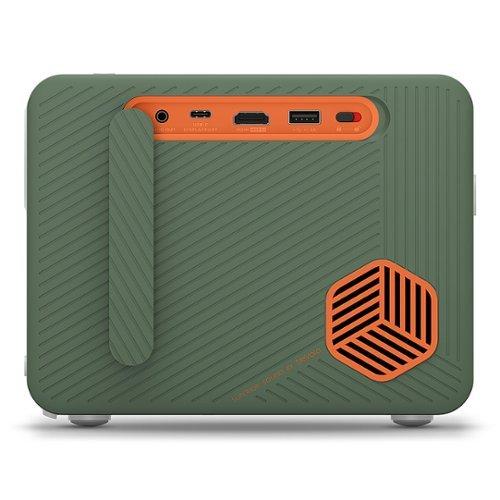
| 2× HDMI 2.0b, USB, audio outputs | HDMI, USB-A, USB-C, Bluetooth 4.2 |
| Gaming Performance - Responsiveness for interactive content | |
| 16.7ms input lag (excellent for gaming) | 62ms input lag (acceptable for casual gaming only) |
| Installation Features - Ease of setup and positioning | |
| 1.3× zoom, vertical lens shift, 2D keystone | Auto focus, auto keystone, versatile placement |
| Maximum Screen Size - Viewing scale capabilities | |
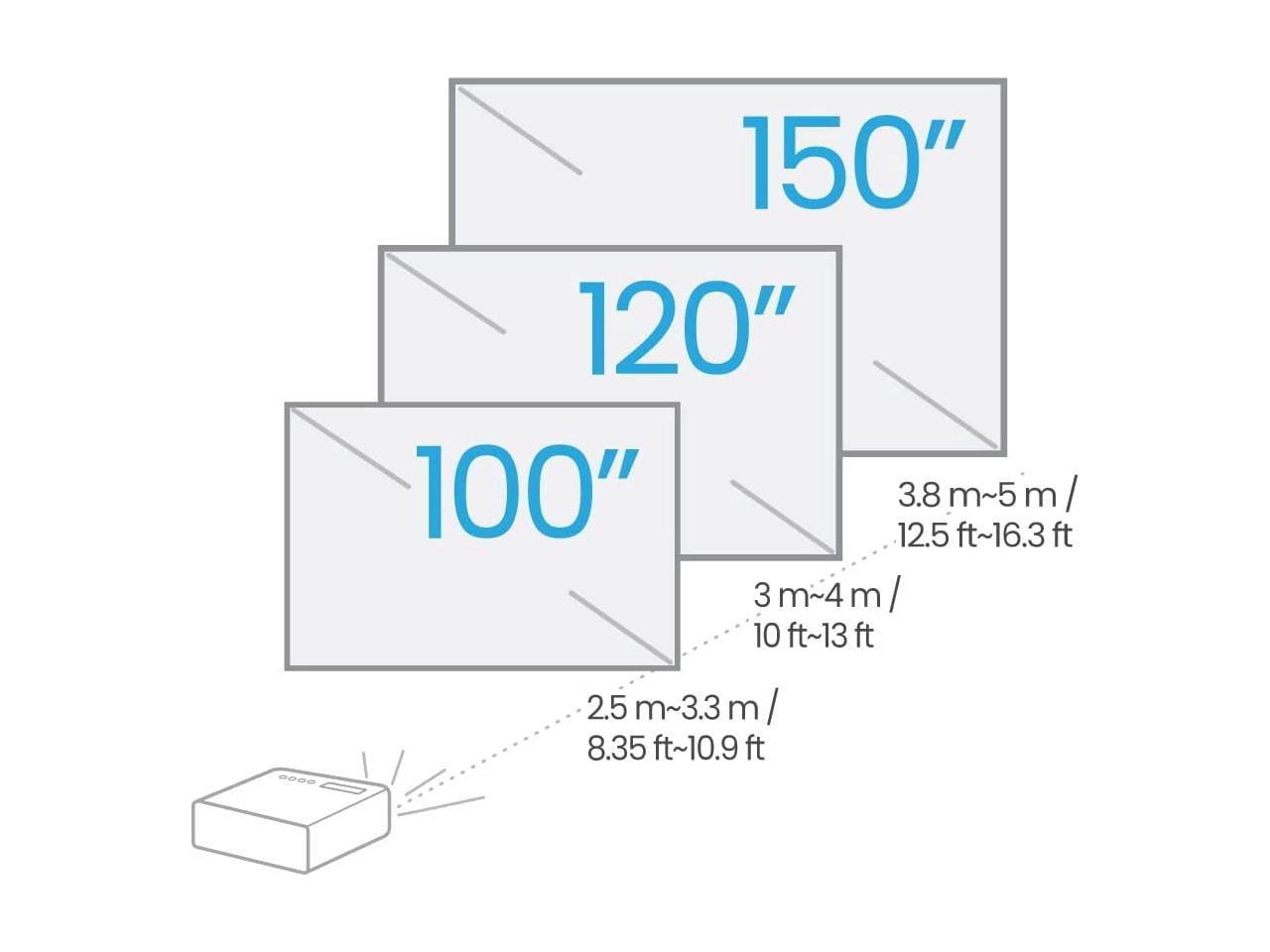
| Up to 150 inches (with suitable room darkness) | Up to 100 inches (best under 80" in practical use) |
| Ideal User - Who benefits most from this model | |
| Dedicated home theater enthusiasts, gamers, movie lovers seeking best image quality for the price | Versatile users needing projection in multiple locations, outdoor viewing, those valuing all-in-one simplicity |
The BenQ HT2060 HDR Home Theater Projector at $999 is significantly better for a dedicated home theater setup than the BenQ GS50 Portable Outdoor Projector. The HT2060 offers 2300 ANSI lumens (compared to the GS50's 500 lumens), a higher 500,000:1 contrast ratio, and superior HDR performance. These features combine to deliver a more cinema-like experience with deeper blacks and better image quality in a controlled environment. If you're creating a permanent home theater space, the HT2060 is the clear choice over the portable GS50.
The BenQ GS50 Portable Outdoor Projector at $799 is bright enough for outdoor movie nights, but with limitations. Its 500 ANSI lumens means you'll need to wait until it's fully dark outside and keep your screen size around 80 inches or smaller for optimal image quality. The BenQ HT2060 HDR Home Theater Projector has 2300 ANSI lumens, making it technically brighter, but it lacks the battery power and weather resistance needed for outdoor use. For casual backyard movie nights, the GS50 works well despite its brightness limitations, especially when you consider its portability advantages.
The BenQ GS50 Portable Outdoor Projector has significantly better built-in speakers than the BenQ HT2060 HDR Home Theater Projector. The GS50 features a 2.1 channel audio system with two 5W tweeters and a dedicated 10W woofer, providing full-bodied sound with respectable bass. In contrast, the HT2060 has basic 5W stereo speakers that are functional but lack depth and volume. If you don't want to connect external speakers, the GS50 delivers a much more complete audio experience than the HT2060.
Yes, but the BenQ HT2060 HDR Home Theater Projector is significantly better for gaming with an input lag of just 16.7ms at 1080p/60Hz, which is excellent for fast-paced and competitive games. The BenQ GS50 Portable Outdoor Projector has a higher input lag of approximately 62ms, making it acceptable only for casual gaming where timing isn't critical. If gaming is a priority, the HT2060 at $999 offers much better responsiveness than the GS50 at $799.
The BenQ HT2060 HDR Home Theater Projector performs much better in rooms with some ambient light thanks to its 2300 ANSI lumens brightness. This allows it to maintain image visibility and color even with partial lighting or during daytime with curtains drawn. The BenQ GS50 Portable Outdoor Projector with only 500 ANSI lumens struggles in anything but very dim or dark conditions, resulting in washed-out images when ambient light is present. For rooms where complete darkness isn't always possible, the HT2060 is significantly more versatile than the GS50.
For the BenQ HT2060 HDR Home Theater Projector, yes—you'll need to purchase a separate streaming device like a Roku, Apple TV, or Fire TV Stick as it has no built-in smart features. The BenQ GS50 Portable Outdoor Projector includes full Android TV 9.0 with access to thousands of apps, built-in Chromecast, and AirPlay support, eliminating the need for additional streaming devices. If you want an all-in-one solution without extra purchases, the GS50 offers better value despite its higher $799 price compared to streaming-less HT2060 at $999 plus the cost of a streaming device.
The BenQ GS50 Portable Outdoor Projector is significantly better for small apartments or situations requiring frequent moves. Its compact design with an integrated handle, automatic focus and keystone correction, and flexible placement options make it ideal for changing environments. The BenQ HT2060 HDR Home Theater Projector is designed for more permanent installation and requires more setup time when moved. For renters, college students, or anyone who might change their living situation regularly, the portable GS50 offers much more flexibility than the home theater-focused HT2060.
The main picture quality differences between these projectors include brightness, contrast, and HDR performance. The BenQ HT2060 HDR Home Theater Projector delivers superior image quality with 2300 ANSI lumens brightness (versus 500 for the GS50), a 500,000:1 contrast ratio (versus 100,000:1), and more effective HDR implementation. This results in more vibrant colors, deeper blacks, and better detail in both bright and dark scenes. While both projectors offer 1080p resolution, the HT2060 makes better use of it with superior optics and processing compared to the more convenience-oriented BenQ GS50 Portable Outdoor Projector.
Only the BenQ GS50 Portable Outdoor Projector can be used without a power outlet, thanks to its built-in battery that provides up to 2.5 hours of projection time—enough for most movies. The BenQ HT2060 HDR Home Theater Projector requires continuous connection to a power outlet and cannot function on battery power. If you need projection capabilities in locations without reliable power access (camping, backyard, remote presentations), the GS50 is your only option between these two models, as the HT2060 is designed exclusively for powered indoor environments.
Both the BenQ HT2060 HDR Home Theater Projector and the BenQ GS50 Portable Outdoor Projector have similar expected lifespans, with LED light sources rated for 20,000-30,000 hours of operation. This translates to about 10-15 years of use at 5 hours daily before noticeable dimming occurs. The HT2060's 4LED technology may offer slightly better color stability over time, while the GS50's ruggedized design provides better protection against physical damage. From a pure light source longevity perspective, both the HT2060 and GS50 represent excellent long-term investments compared to traditional lamp-based projectors.
The BenQ HT2060 HDR Home Theater Projector supports screen sizes from 60 to 150 inches, with enough brightness to comfortably drive larger screens in controlled lighting conditions. The BenQ GS50 Portable Outdoor Projector supports screens from 30 to 100 inches, but its lower brightness means optimal quality is typically achieved at 60-80 inches in dark environments. For larger viewing experiences (100+ inches), the HT2060 delivers much better results than the GS50, which becomes noticeably dim at its maximum screen size.
Value depends on your priorities. The BenQ HT2060 HDR Home Theater Projector at $999 offers better value for dedicated home theater use with superior image quality, brightness, and gaming performance. The BenQ GS50 Portable Outdoor Projector at $799 provides better value for those needing flexibility, built-in streaming, quality audio, and portability. If image quality is your primary concern, the HT2060 delivers more performance per dollar. If versatility and convenience features matter more, the GS50 represents better value despite its lower raw performance. Consider whether you prefer the best possible viewing experience (HT2060) or the most flexible and convenient projection solution (GS50).
We've done our best to create useful and informative comparisons to help you decide what product to buy. Our research uses advanced automated methods to create this comparison and perfection is not possible - please contact us for corrections or questions. These are the sites we've researched in the creation of this article: projectorcentral.com - avsforum.com - bestbuy.com - avsforum.com - tomsguide.com - avsforum.com - projectorreviews.com - hometheaterhifi.com - youtube.com - avsforum.com - cnet.com - techgearlab.com - cdw.com - bhphotovideo.com - projectorcentral.com - shop.avispl.com - tvsbook.com - youtube.com - projectorreviews.com - avsforum.com - cnet.com - hometheaterhifi.com - youtube.com - youtube.com - whathifi.com - youtube.com - bgeek.eu - youtube.com - youtube.com - projectorreviews.com - youtube.com - youtube.com - projectorcentral.com - projectorreviews.com - bestbuy.com - touchboards.com - projectorcentral.com - adorama.com - projectorreviews.com - insight.com - cnet.com

Privacy Policy
Terms and Conditions - Affiliate Policy
Home Security
© Copyright 2008-2026.
11816 Inwood Rd #1211, Dallas, TX 75244