


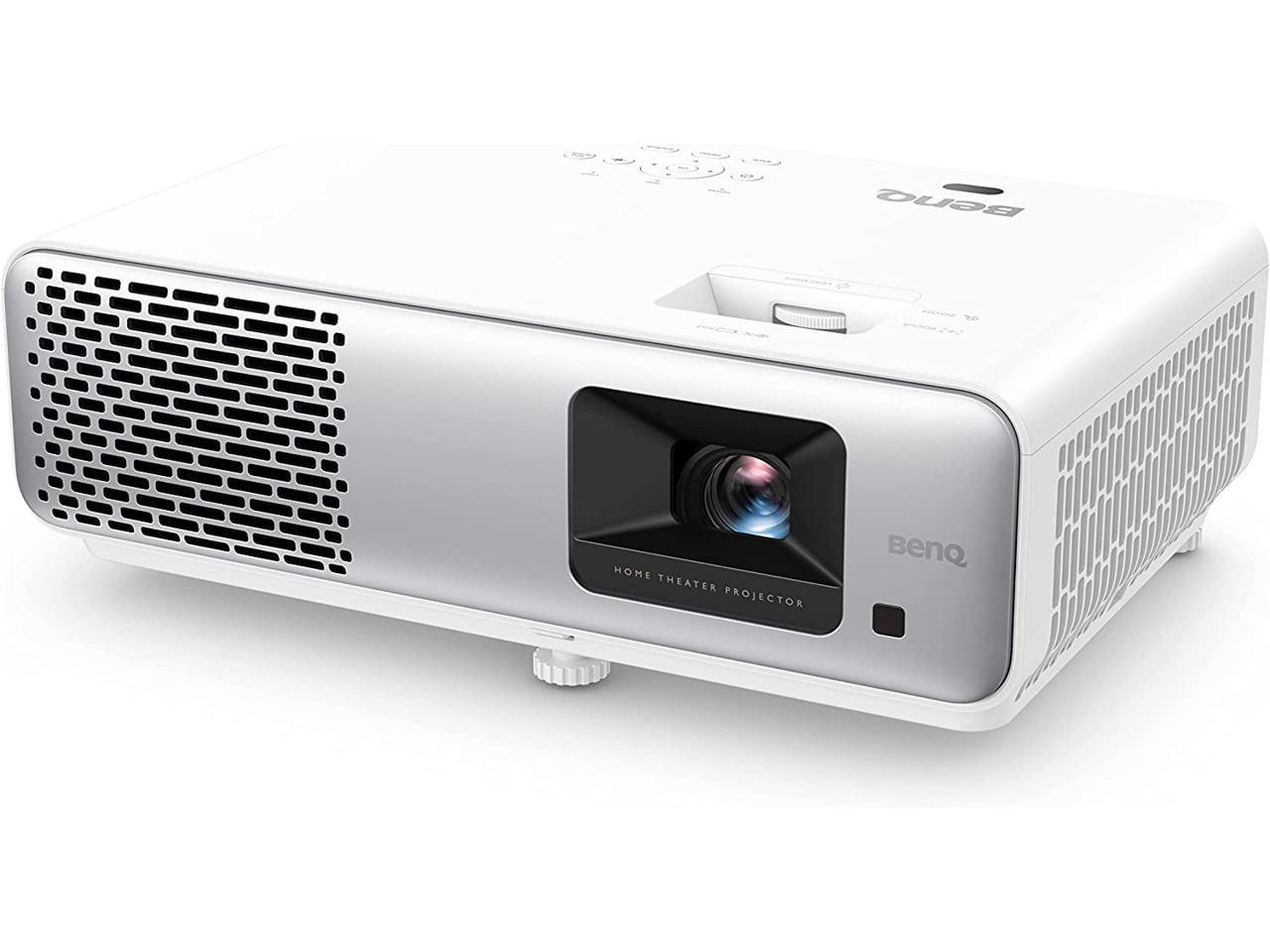
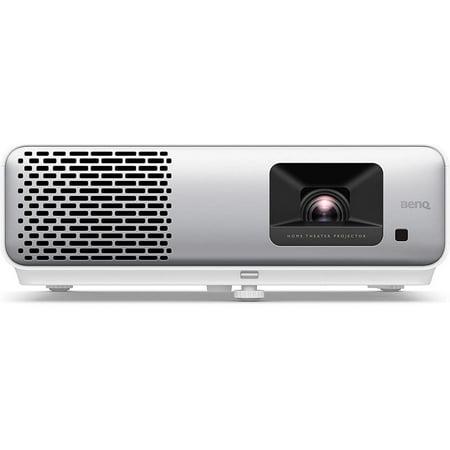
The projector world has split into two fascinating directions over the past few years. On one side, you have ultra-portable smart projectors that prioritize convenience and modern features. On the other, traditional home theater projectors continue pushing brightness and image quality boundaries. Today, we're examining two excellent examples of these philosophies: the XGIMI MoGo 3 Pro and the BenQ HT2060.
After spending considerable time with both categories of projectors, I've learned that choosing between them isn't really about which is "better" – it's about understanding what type of viewing experience you're after and where you plan to use your projector most often.
The projector landscape has evolved dramatically since 2020. Portable projectors have become genuinely smart entertainment devices, while home theater models have gotten brighter and more color-accurate than ever before. The XGIMI MoGo 3 Pro, released in 2024, represents the cutting edge of portable projection technology with features that would have been unimaginable in compact projectors just a few years ago. Meanwhile, the BenQ HT2060 continues the tradition of dedicated home theater projection, focusing on the fundamentals that matter most for fixed installations.
What's changed most dramatically is the integration of smart features. Modern portable projectors like the MoGo 3 Pro now run full Android TV operating systems with access to streaming services, while traditional projectors maintain their focus on pure image quality and connectivity options for external devices.
Let's start with the most crucial specification that determines where and when you can actually use your projector: brightness, measured in lumens. Think of lumens as the projector's ability to punch through ambient light – the more lumens, the brighter your image will appear.
The BenQ HT2060 delivers a substantial 2,300 ANSI lumens (ANSI stands for American National Standards Institute, which provides standardized brightness measurements). This level of brightness means you can watch movies in a living room with some lights on, or even catch a game during the day with curtains partially open.
The XGIMI MoGo 3 Pro, by contrast, produces 450 ISO lumens (ISO is another standardized measurement system). Independent testing typically shows this translates to around 394 ANSI lumens in real-world conditions. While this might sound dramatically lower, it's actually quite impressive for a portable projector that weighs less than 2.5 pounds.
Here's the reality: the brightness difference means these projectors excel in completely different environments. I've found the HT2060 works beautifully in my living room during evening news or weekend sports, while the MoGo 3 Pro shines (literally) for outdoor movie nights or bedroom viewing with blackout curtains.
The 5x brightness advantage of the BenQ HT2060 isn't just about numbers – it fundamentally changes how and where you can use the projector. Brighter images also tend to show better contrast and more vivid colors when dealing with ambient light, which is why home theater enthusiasts often prioritize lumens above other specifications.
Both projectors deliver native 1080p Full HD resolution (1920 x 1080 pixels), which remains the sweet spot for most content and budgets. However, their approaches to color reproduction and image processing differ significantly.
The XGIMI MoGo 3 Pro covers 90% of the DCI-P3 color gamut – this technical term refers to the range of colors a display can reproduce, with DCI-P3 being the standard used for digital cinema. Covering 90% means you're getting most of the rich, saturated colors that filmmakers intended. The projector also supports HDR10 (High Dynamic Range), which provides better contrast between the darkest and brightest parts of an image.
What impressed me most about the MoGo 3 Pro is its automatic color calibration. The projector uses sensors to adjust colors based on your projection surface, whether it's a white wall, beige ceiling, or even a bedsheet. This intelligent adaptation means you get surprisingly good colors without any manual tweaking.
The BenQ HT2060 takes a more traditional approach, focusing on accuracy out of the box. Its contrast ratio of 500,000:1 (the difference between the darkest blacks and brightest whites it can display) significantly exceeds what portable projectors can achieve. In practice, this means deeper blacks and more defined shadow details when watching movies in dark rooms.
For HDR content, both projectors support HDR10, but the HT2060's higher brightness gives it a significant advantage. HDR really needs brightness to shine, and at 2,300 lumens, the BenQ can display more of the HDR brightness range that content creators intended.
If gaming is important to you, response time becomes crucial. Input lag – the delay between pressing a button and seeing the action on screen – can make or break competitive gaming experiences.
The BenQ HT2060 delivers an impressive 16.7ms input lag in its dedicated Game Mode. For context, anything under 20ms is considered excellent for gaming, and many gamers won't notice delays at this level. I've played everything from fast-paced shooters to racing games on the HT2060 without feeling any frustrating delay.
The XGIMI MoGo 3 Pro measures between 27-60ms depending on which image processing features you have enabled. With auto-keystone correction (which automatically adjusts for angled projection) turned off, you can get down to around 27ms, which is acceptable for casual gaming but not ideal for competitive play. The variable delay comes from the intelligent image processing features that make the portable projector so convenient – there's always a trade-off between convenience and performance.
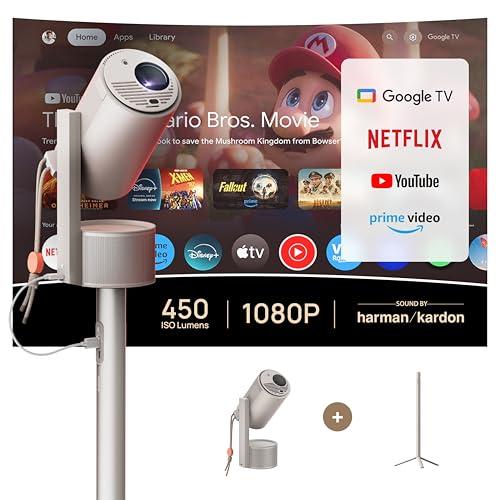
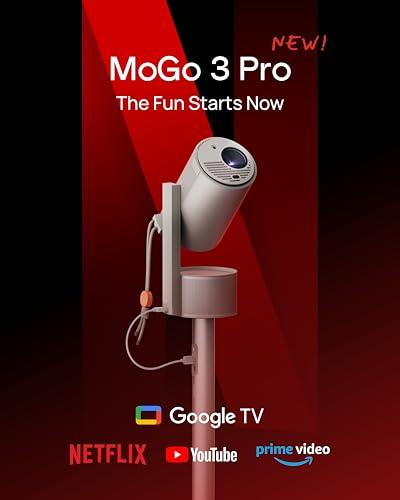
This is where these two projectors diverge most dramatically. The XGIMI MoGo 3 Pro represents a new generation of truly smart projectors, running Google TV with official Netflix licensing – something that was nearly impossible to find in projectors just a couple years ago.
Having Netflix, Disney+, YouTube, and over 10,000 other apps built right into the projector eliminates the need for external streaming devices. The Google TV interface is smooth and responsive, with voice control through Google Assistant and seamless casting from your phone via Chromecast. I find this integration particularly valuable when traveling – you can pack just the projector and have access to all your streaming services without carrying additional devices.
The BenQ HT2060 takes the opposite approach, focusing entirely on being an excellent display for external sources. You'll need to connect a streaming stick, gaming console, or media player to access modern content. While this might seem like a limitation, it actually provides more flexibility for complex home theater setups where you want dedicated components for different functions.
Sound quality varies significantly between these projectors. The MoGo 3 Pro features dual 5-watt Harman Kardon speakers that produce surprisingly room-filling audio for such a small device. What makes it special is the Ambient Light Mode – press the top of the projector and it becomes a Bluetooth speaker with customizable mood lighting that pulses with your music. It's a unique feature that transforms the device into an entertainment centerpiece even when not projecting.
The BenQ HT2060 includes basic 5-watt stereo speakers that are adequate for casual viewing but will likely leave you wanting external audio for serious movie watching. Most users of traditional home theater projectors plan to connect to a sound bar or surround sound system anyway, so the basic built-in audio serves more as a backup than a primary solution.
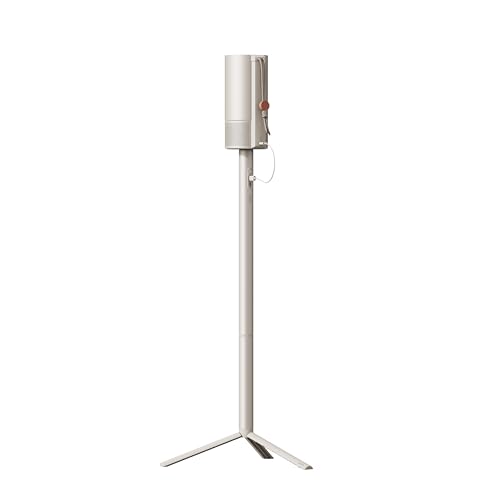
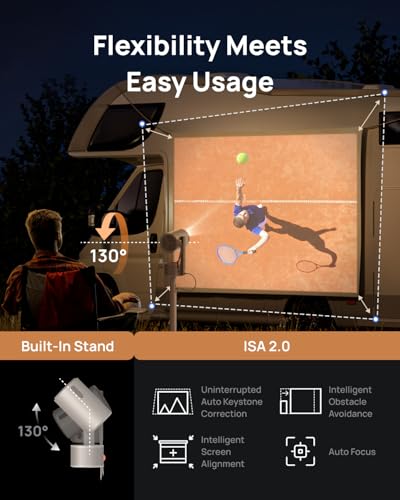
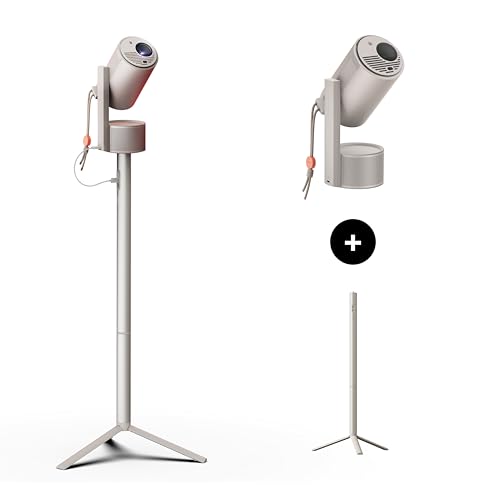
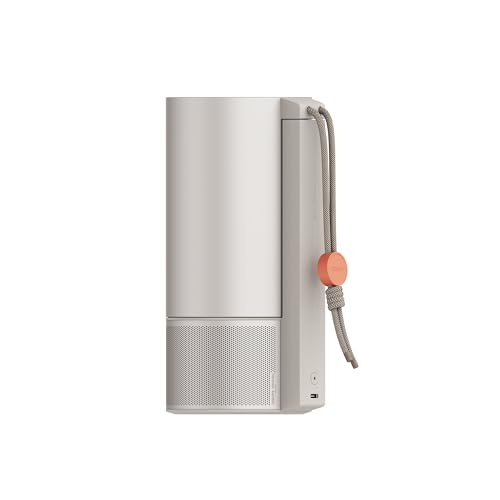
The physical differences between these projectors tell the story of their intended use cases. The XGIMI MoGo 3 Pro measures roughly the size of a large coffee cup and weighs 2.4 pounds. Its integrated 130-degree adjustable stand means you can position it almost anywhere – on a nightstand, coffee table, or even angled upward toward a ceiling.
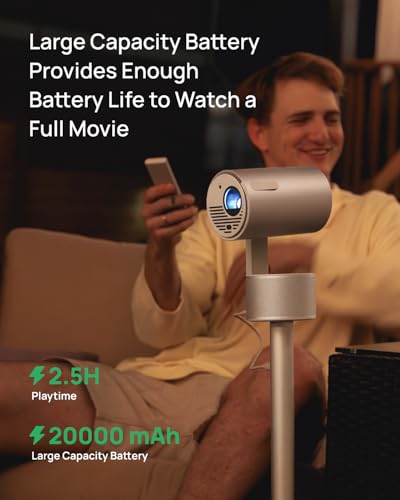
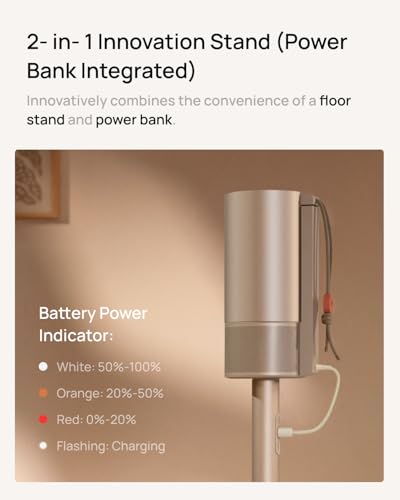
Power flexibility sets portable projectors apart from their larger cousins. The MoGo 3 Pro runs on 65 watts and can operate from any USB-C power delivery source, including many laptop chargers and high-capacity power banks. This opens up possibilities for truly portable outdoor entertainment, camping trips, or hotel room movie nights.
The BenQ HT2060 represents traditional home theater design philosophy: larger size for better cooling, more ports for connectivity, and permanent mounting options. At 220 watts, it needs a dedicated power outlet and typically gets mounted to a ceiling or shelf in a fixed position. The trade-off for this larger footprint is better heat dissipation, which allows for higher brightness and longer component life.
Modern portable projectors have revolutionized setup convenience. The XGIMI MoGo 3 Pro includes Intelligent Screen Adaptation (ISA) 2.0, which automatically focuses the image, corrects keystone distortion (the trapezoidal shape you get when projecting at an angle), and even detects obstacles like wall outlets or picture frames, resizing the image to avoid them.
This automation works impressively well in most situations, though I've found the auto-keystone correction occasionally needs manual fine-tuning for perfectly rectangular images. The eye protection feature that dims the projector when people walk in front of it is genuinely useful, especially with kids around.
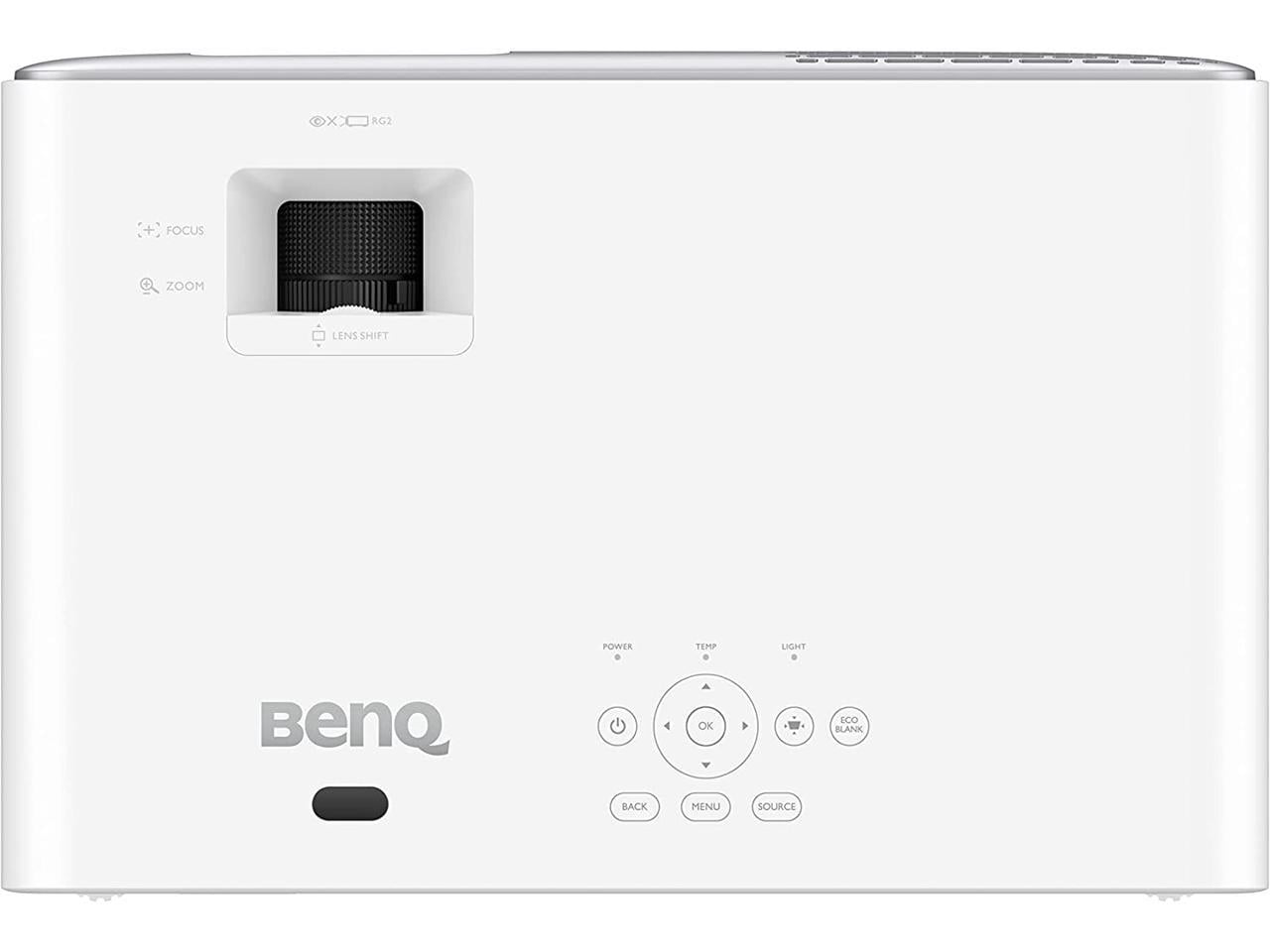
The BenQ HT2060 offers more precise but manual control over image geometry. It includes 1.3x optical zoom, vertical lens shift (allowing you to move the image up or down without moving the projector), and extensive keystone correction options. While requiring more setup time, these features provide pixel-perfect positioning for permanent installations.
The shift to LED lighting in portable projectors has significant long-term implications. The MoGo 3 Pro uses LED technology rated for 25,000 hours – essentially the life of the projector with no lamp replacements needed. LEDs also provide instant on/off capability and consistent brightness over their lifespan.
Traditional projectors like the HT2060 still use lamp-based lighting systems, typically rated for 20,000-30,000 hours depending on brightness settings. Eventually, you'll need to replace the lamp, which usually costs several hundred dollars. However, lamp-based systems currently provide higher peak brightness levels that LED technology hasn't quite matched in this price range.
The XGIMI MoGo 3 Pro excels in scenarios where flexibility and convenience matter most. I've found it perfect for apartment living where you might not want to commit to a permanent projector installation. Its ability to quickly transform any room into a entertainment space is genuinely impressive.
Outdoor use represents another major advantage. Whether it's backyard movie nights, camping trips, or poolside entertainment, the MoGo 3 Pro opens up possibilities that traditional projectors simply can't match. The combination of portability and built-in streaming means you can create instant entertainment anywhere with power.
For travelers, business presentations, or anyone who moves frequently, portable projectors offer obvious benefits. The MoGo 3 Pro fits in a backpack and works in hotel rooms, Airbnb accommodations, or friend's houses without any additional equipment.
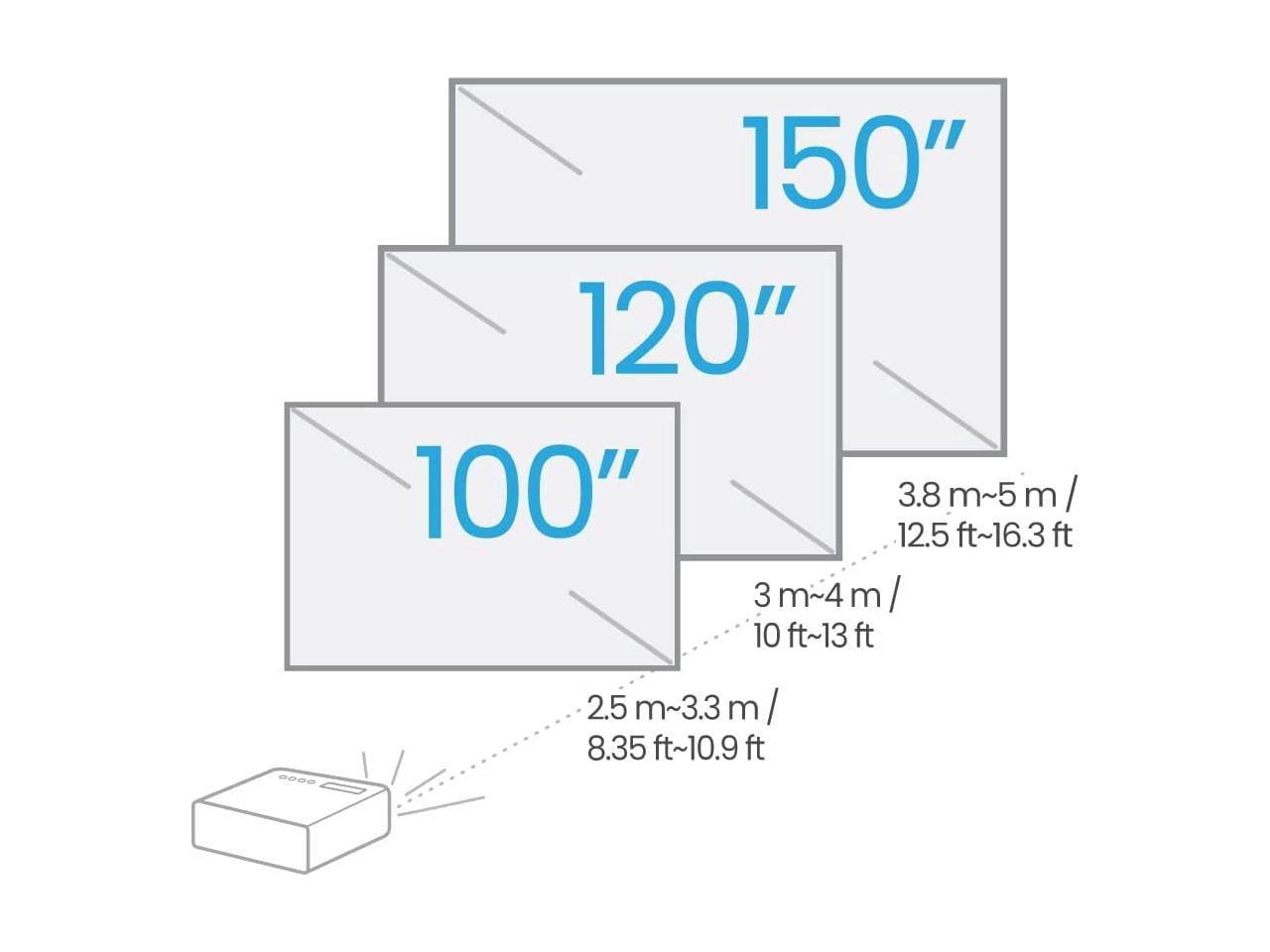
The BenQ HT2060 makes most sense when you're building a dedicated viewing space. Its 2,300-lumen brightness enables screen sizes up to 300 inches in properly darkened rooms, creating truly cinematic experiences that portable projectors can't match.
Gaming enthusiasts will appreciate the low input lag and larger image sizes possible with the HT2060. The combination of 16.7ms response time and 120+ inch images creates an immersive gaming experience that's difficult to achieve any other way.
For family rooms or spaces with some ambient light, the brightness advantage becomes crucial. While the MoGo 3 Pro requires lights-off viewing for best results, the HT2060 maintains watchable images even with some room lighting.
At the time of writing, the XGIMI MoGo 3 Pro represents exceptional value in the portable category, typically priced significantly lower than traditional home theater models. When you factor in the built-in streaming capabilities, speakers, and elimination of lamp replacement costs, the total cost of ownership becomes very attractive for casual users.
The BenQ HT2060 commands a premium price but delivers substantially better performance in brightness, gaming responsiveness, and overall image quality. For dedicated home theater applications, the per-lumen cost and feature set justify the investment for many users.
Choose the XGIMI MoGo 3 Pro if you prioritize convenience, portability, and modern smart features over maximum brightness. It's perfect for renters, travelers, outdoor enthusiasts, or anyone who wants an all-in-one entertainment solution that can adapt to different spaces and situations.
The BenQ HT2060 makes sense when you have a dedicated viewing space, need maximum brightness for ambient light conditions, or want the lowest possible input lag for competitive gaming. It's the better choice for permanent installations where image quality takes precedence over portability.
Both projectors excel in their intended roles, representing different philosophies about what matters most in modern projection. The MoGo 3 Pro embraces the future of portable, intelligent entertainment devices, while the HT2060 perfects the traditional home theater projector formula. Your choice should align with your lifestyle, viewing habits, and primary use cases rather than specifications alone.
| XGIMI MoGo 3 Pro | BenQ HT2060 |
|---|---|
| Brightness - Most critical spec determining where you can watch | |
| 450 ISO lumens (dark rooms only) | 2,300 ANSI lumens (works with ambient light) |
| Resolution - Image sharpness and detail level | |
| 1080p Full HD native | 1080p Full HD native |
| Weight & Portability - How easily you can move it | |
| 2.4 lbs, coffee cup size with built-in stand | 7.9 lbs, requires permanent mounting |
| Smart Features - Built-in streaming capabilities | |
| Google TV with Netflix, 10,000+ apps | No smart features, requires external devices |
| Gaming Input Lag - Response time for competitive gaming | |
| 27-60ms (casual gaming acceptable) | 16.7ms (excellent for competitive play) |
| Audio Quality - Built-in speaker performance | |
| Dual 5W Harman Kardon speakers, Bluetooth mode | Basic 5W x 2 speakers (external audio recommended) |
| Power Requirements - Installation flexibility | |
| 65W via USB-C, works with power banks | 220W AC power, permanent installation needed |
| HDR Support - Enhanced contrast and colors | |
| HDR10 (limited by brightness) | HDR10 with better tone mapping due to higher brightness |
| Lamp Life - Long-term maintenance costs | |
| 25,000 hour LED (no replacement needed) | 20,000 hour lamp (eventual replacement required) |
| Maximum Screen Size - How big you can project | |
| 200 inches (optimal 60-120 inches) | 300 inches (excellent for large dedicated spaces) |
| Connectivity - Input options for external devices | |
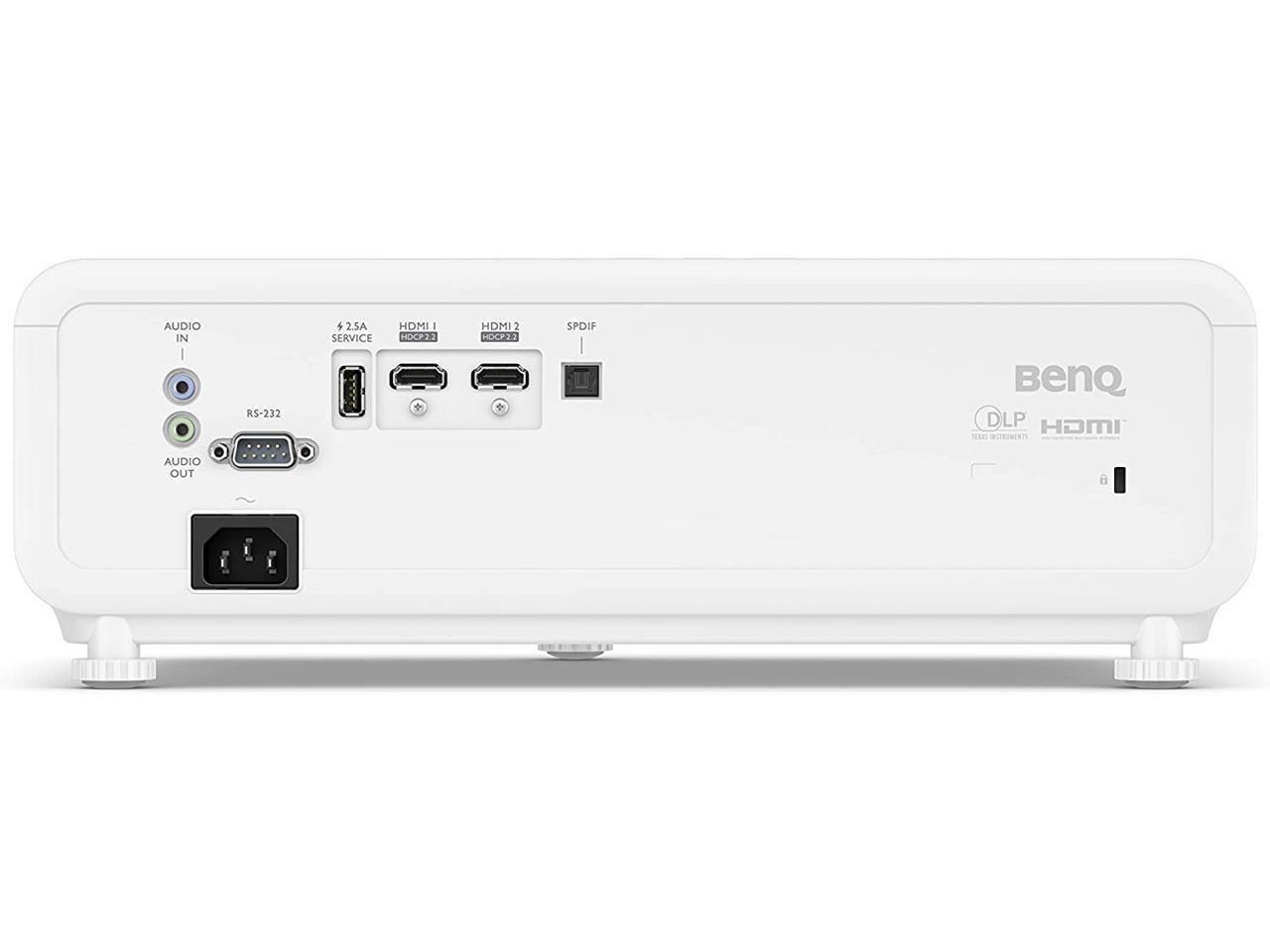
| Micro HDMI, USB-A, USB-C (limited but wireless-focused) | 2x HDMI 2.0b, USB, optical audio (extensive wired options) |
| Setup Convenience - How easy to get perfect image | |
| Auto-focus, auto-keystone, obstacle avoidance | Manual adjustments with 1.3x zoom and lens shift |
The BenQ HT2060 is significantly brighter at 2,300 ANSI lumens compared to the XGIMI MoGo 3 Pro's 450 ISO lumens. This makes the BenQ HT2060 much better for rooms with ambient light, while the XGIMI MoGo 3 Pro requires dark environments for optimal viewing.
The XGIMI MoGo 3 Pro weighs only 2.4 pounds with a built-in adjustable stand, making it extremely portable. The BenQ HT2060 weighs 7.9 pounds and is designed for permanent ceiling or shelf mounting, making room-to-room moves impractical.
The XGIMI MoGo 3 Pro runs Google TV with licensed Netflix and access to over 10,000 apps. The BenQ HT2060 has no smart features and requires external streaming devices like Fire TV Stick or Apple TV.
The BenQ HT2060 offers superior gaming with 16.7ms input lag, excellent for competitive gaming. The XGIMI MoGo 3 Pro has 27-60ms input lag depending on settings, which is acceptable for casual gaming but not ideal for fast-paced competitive play.
The BenQ HT2060 is specifically designed for home theaters with high brightness, low input lag, and traditional connectivity options. The XGIMI MoGo 3 Pro works better as a flexible entertainment device rather than a dedicated home theater solution due to its lower brightness.
The XGIMI MoGo 3 Pro features dual 5W Harman Kardon speakers that provide room-filling sound and can function as a Bluetooth speaker. The BenQ HT2060 has basic 5W stereo speakers that typically require external audio for the best experience.
The XGIMI MoGo 3 Pro excels for outdoor use with its portable design, USB-C power compatibility with power banks, and built-in streaming. The BenQ HT2060 requires AC power and permanent setup, making it unsuitable for outdoor or camping use.
The BenQ HT2060 can project up to 300 inches, making it ideal for large dedicated viewing spaces. The XGIMI MoGo 3 Pro maxes out at 200 inches, with optimal performance between 60-120 inches for most viewing situations.
The XGIMI MoGo 3 Pro provides excellent value as an all-in-one entertainment system with no additional devices needed. The BenQ HT2060 costs more but delivers substantially better performance for dedicated home theater applications where brightness and image quality are priorities.
The XGIMI MoGo 3 Pro uses LED technology rated for 25,000 hours with no lamp replacement needed. The BenQ HT2060 has a 20,000-hour lamp life but will eventually require expensive lamp replacement, adding to long-term ownership costs.
The XGIMI MoGo 3 Pro offers automatic focus, keystone correction, and obstacle avoidance for effortless setup anywhere. The BenQ HT2060 requires manual adjustment of focus, zoom, and positioning but provides more precise control for permanent installations.
The BenQ HT2060 provides extensive wired connectivity with dual HDMI 2.0b ports, USB, and optical audio outputs. The XGIMI MoGo 3 Pro has limited physical ports (micro HDMI, USB-A, USB-C) but emphasizes wireless connectivity through built-in streaming and casting capabilities.
We've done our best to create useful and informative comparisons to help you decide what product to buy. Our research uses advanced automated methods to create this comparison and perfection is not possible - please contact us for corrections or questions. These are the sites we've researched in the creation of this article: projectorcentral.com - techradar.com - androidcentral.com - tvsbook.com - techradar.com - thesmarthomehookup.com - whathifi.com - youtube.com - youtube.com - projectorcentral.com - projectorcentral.com - youtube.com - global.xgimi.com - us.xgimi.com - youtube.com - us.xgimi.com - us.xgimi.com - projectorcentral.com - avsforum.com - bestbuy.com - avsforum.com - tomsguide.com - avsforum.com - projectorreviews.com - hometheaterhifi.com - youtube.com - avsforum.com - cnet.com - techgearlab.com - cdw.com - bhphotovideo.com - projectorcentral.com - shop.avispl.com - tvsbook.com - youtube.com - projectorreviews.com - avsforum.com

Privacy Policy
Terms and Conditions - Affiliate Policy
Home Security
© Copyright 2008-2026.
11816 Inwood Rd #1211, Dallas, TX 75244