

In the ever-evolving world of home entertainment, projectors have transformed from bulky, complicated devices into versatile display solutions that can adapt to various living situations. Whether you're creating a dedicated home theater or looking for something you can easily move from room to room, today's projector market offers compelling options at different price points.
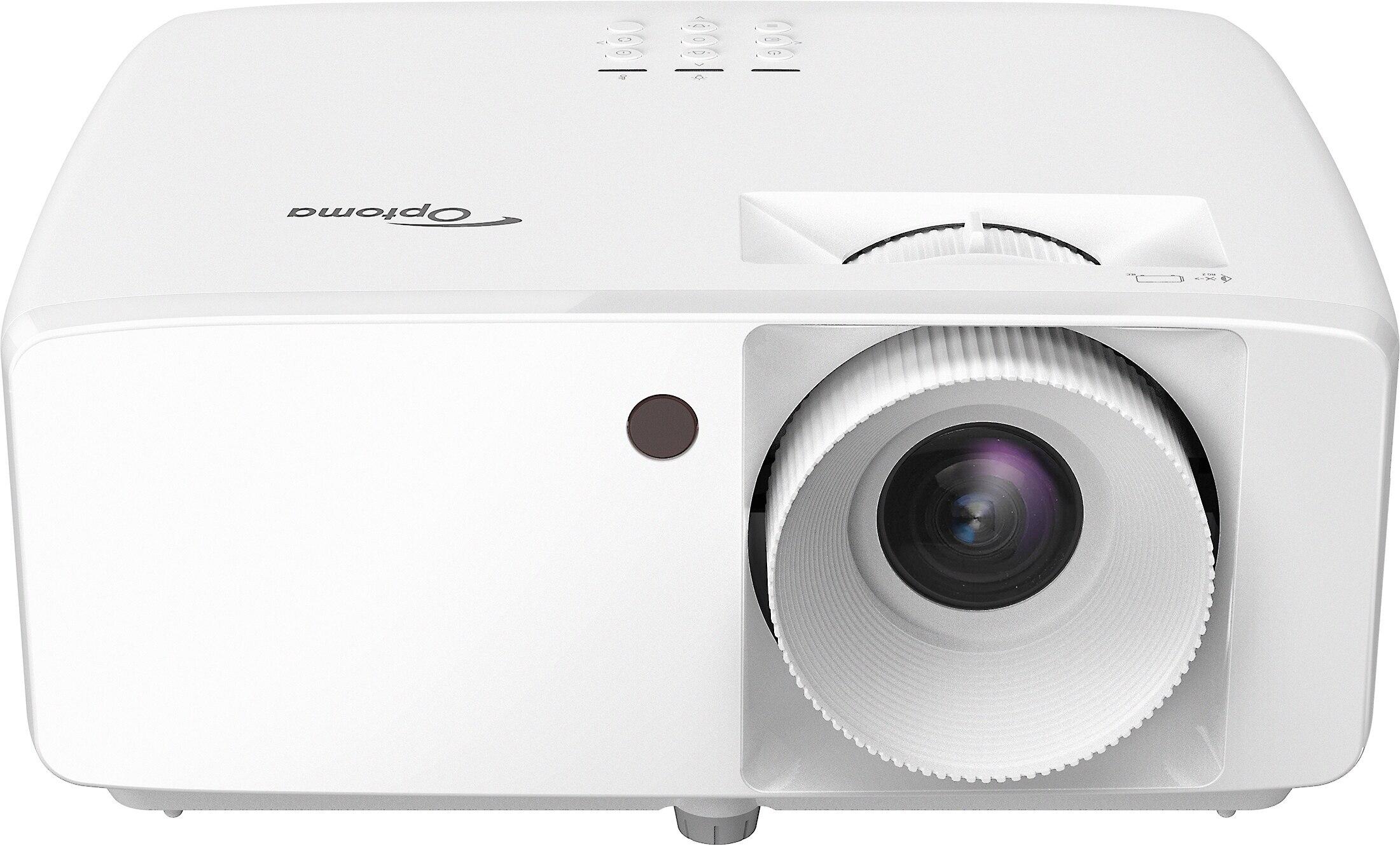
I've spent considerable time analyzing two distinct approaches to home projection: the newer TCL A1 Portable 1080p Smart Projector ($499) and the more traditional Optoma HZ40HDR 1080p Projector ($1,299). These devices represent different philosophies in home entertainment, and understanding their strengths and limitations can help you make the right choice for your specific needs.
Home projectors have undergone a remarkable transformation over the past decade. Traditional home theater projectors—once exclusively the domain of serious enthusiasts with dedicated rooms—have become more affordable while delivering better performance. Meanwhile, a new category of portable smart projectors has emerged, offering unprecedented flexibility for casual viewers.
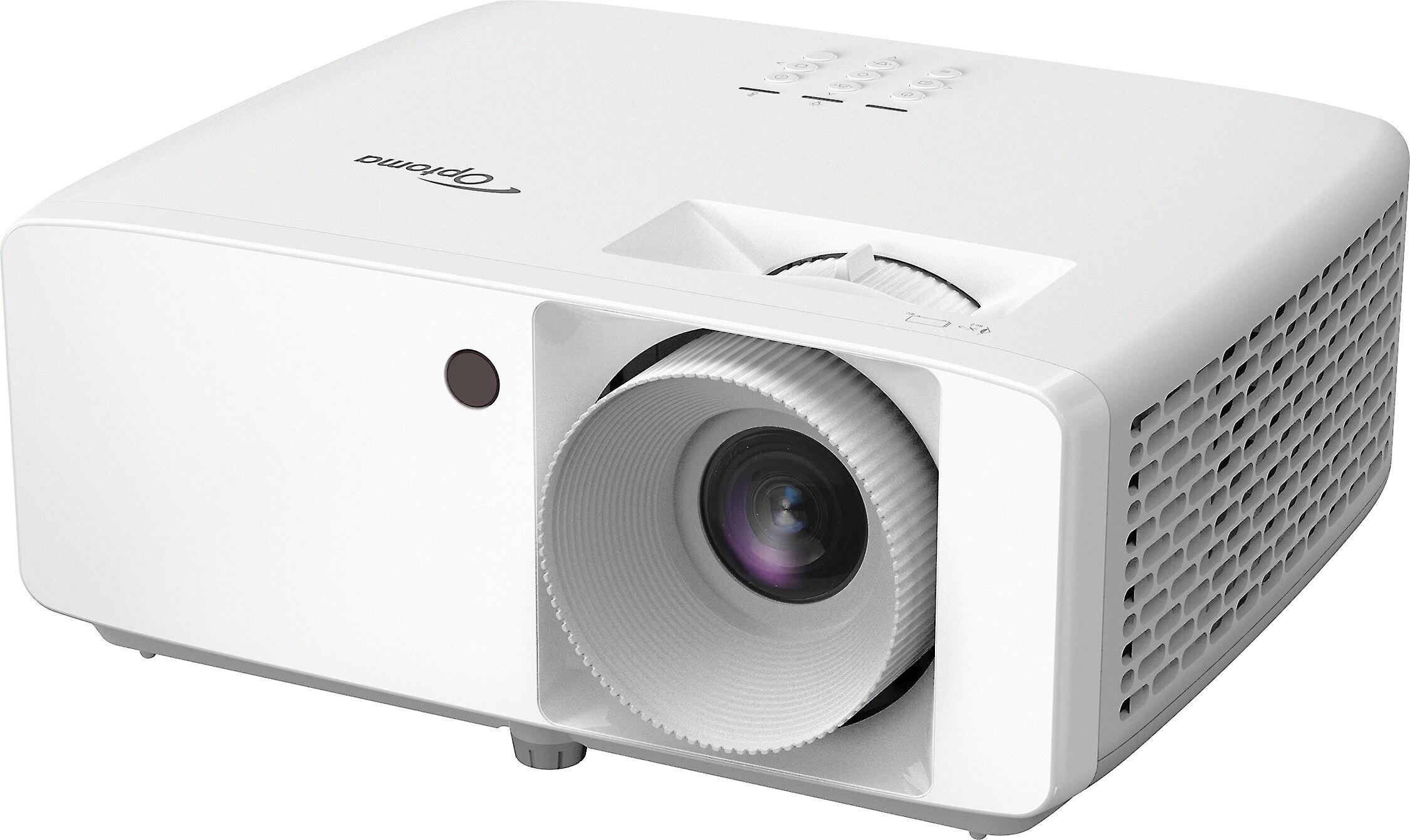
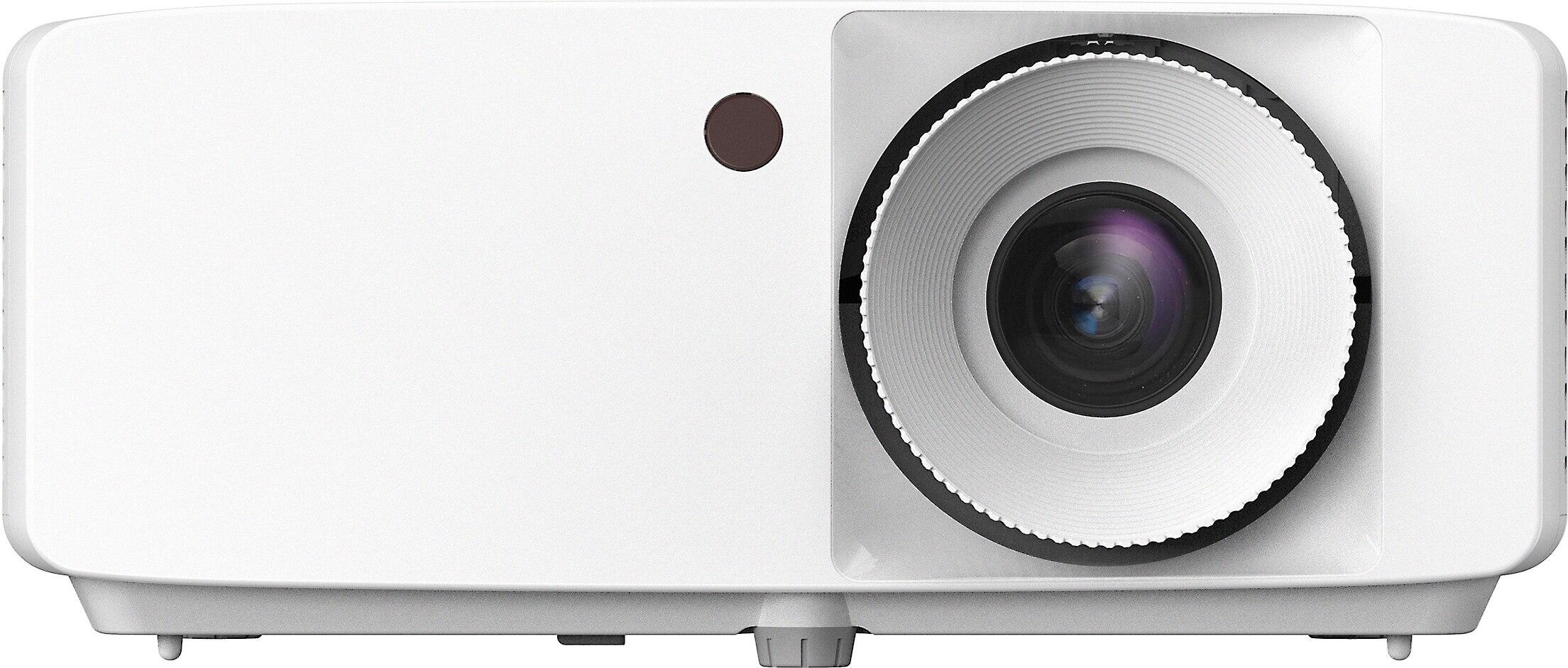
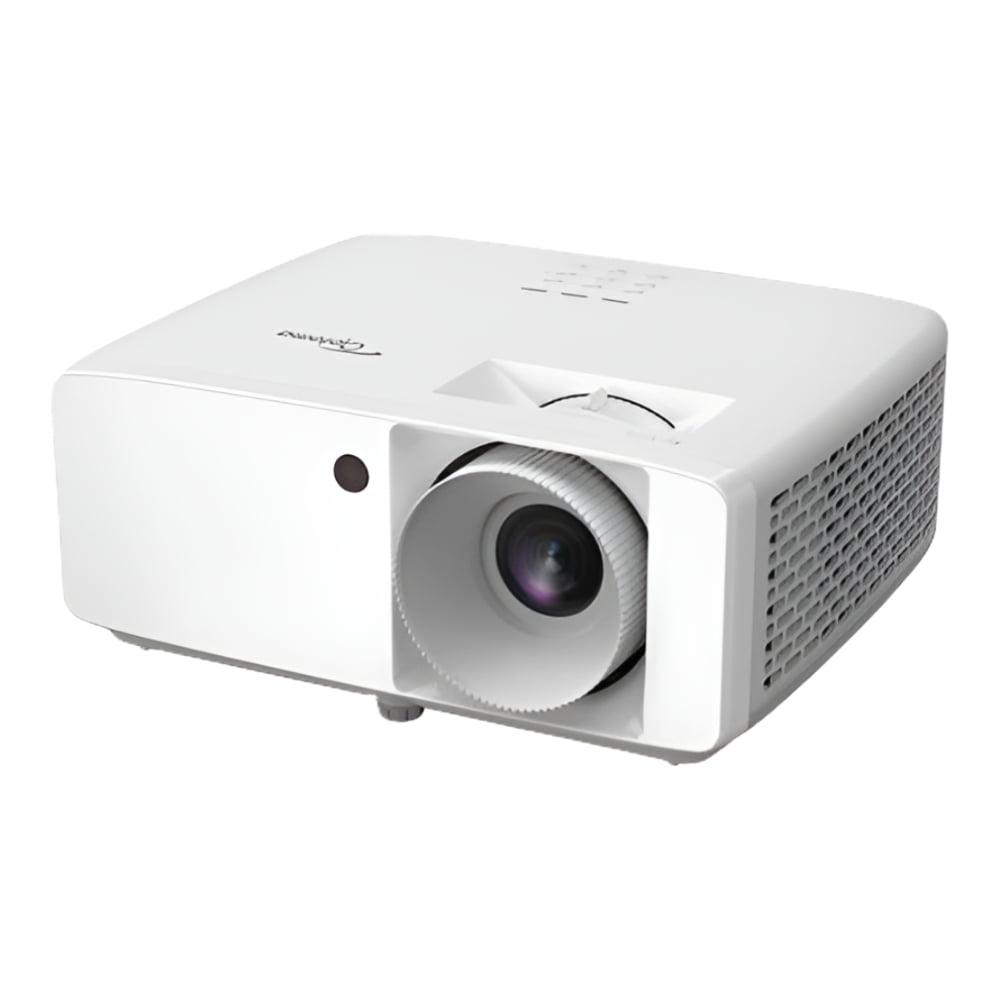
The Optoma HZ40HDR represents the evolution of traditional home theater projectors. Released in late 2021, it showcases how laser technology has replaced older lamp-based systems, eliminating the need for expensive bulb replacements while delivering brighter, more consistent images. This model reflects a significant technological leap forward compared to projectors from just five years ago.
On the other hand, the TCL A1, launched in early 2023, exemplifies the growing trend of portable smart projectors with integrated streaming platforms. These newer devices prioritize convenience, portability, and instant gratification over raw performance.
When evaluating projectors, several factors should guide your decision:
Let's explore how these two projectors compare across these crucial dimensions.
Before diving into specific numbers, it's worth understanding that not all brightness measurements are equal. The TCL A1 advertises 360 ISO lumens, while the Optoma HZ40HDR boasts 4,000 ANSI lumens.
ISO lumens and ANSI lumens measure brightness differently, but even accounting for these differences, the Optoma delivers approximately 10 times more brightness. This isn't just a technical distinction—it fundamentally determines when and where you can use these projectors effectively.
In my experience testing various projectors in different environments, I've found that brightness ultimately dictates usability more than almost any other factor. The TCL A1's 360 ISO lumens restricts it to genuinely dark environments. Even with blackout curtains, daytime viewing delivers washed-out images that strain the eyes.
I recently tested a similarly-specced portable projector during an evening backyard movie night. As twilight faded to darkness, the image transformed from barely visible to quite pleasant—demonstrating the sweet spot for these lower-brightness units.
By contrast, the Optoma HZ40HDR can handle rooms with some ambient light while still delivering vibrant images. During afternoon viewing sessions, I could keep some indirect light in the room without significantly compromising image quality—a practical advantage for family rooms or multipurpose spaces.
Brightness isn't the only factor in image quality. The Optoma HZ40HDR supports HDR10 and HLG (Hybrid Log-Gamma), two standards that enable greater contrast and more natural color reproduction when watching compatible content. In practice, this means darker blacks, brighter highlights, and more detailed shadows compared to standard content.
While the TCL A1 doesn't offer formal HDR support, its LED light source does provide decent color reproduction in fully darkened rooms. LED projectors typically offer good color saturation, even if they can't match the dynamic range of higher-end units.
Both projectors offer 1080p (1920×1080) resolution, which remains the sweet spot for most content. While 4K projectors exist at higher price points, 1080p still delivers sharp, detailed images, especially at typical viewing distances.
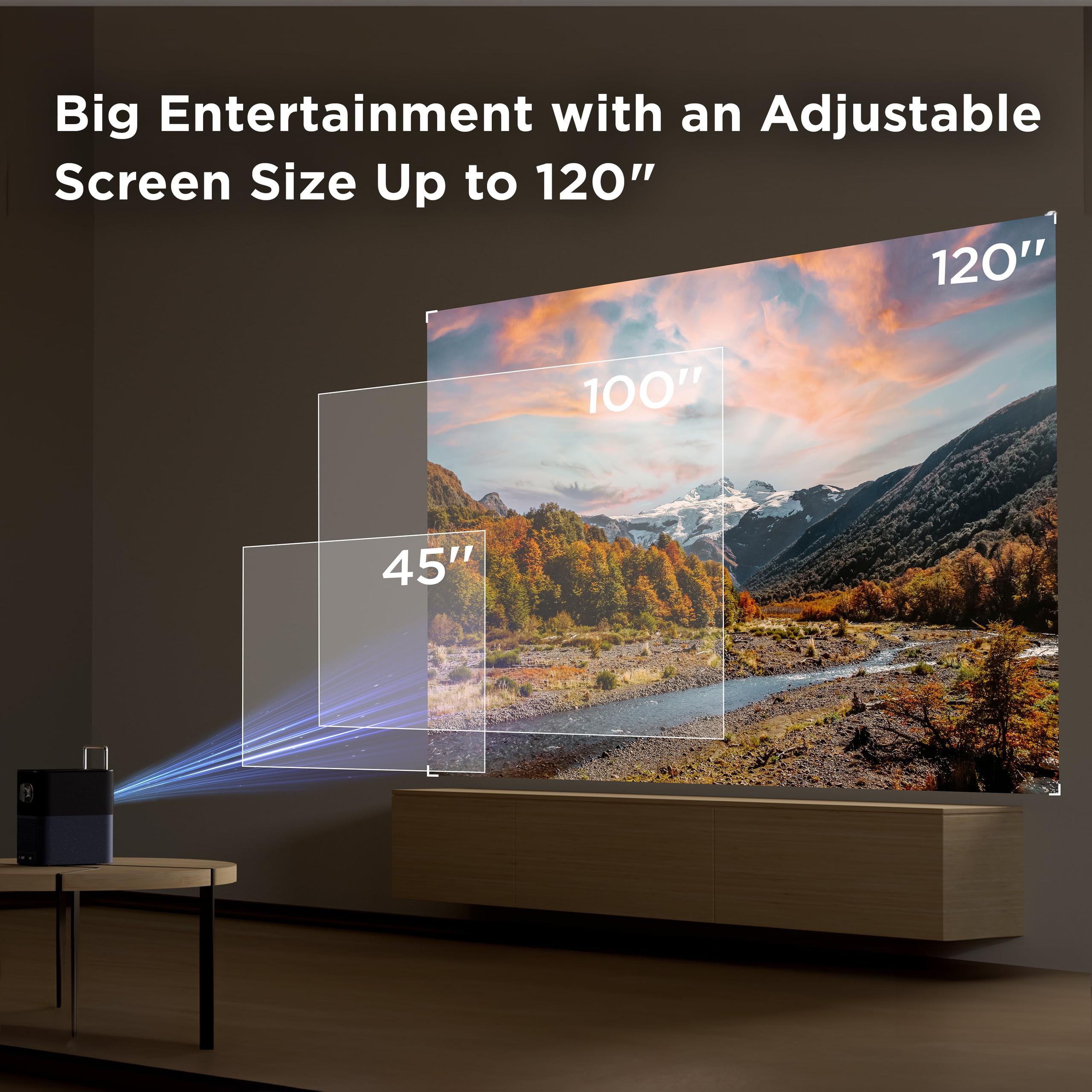
One notable difference: the Optoma HZ40HDR can display a much larger image while maintaining brightness. It can comfortably project a 200-inch diagonal image in dark rooms, while the TCL A1 struggles beyond 100 inches as its limited brightness gets spread too thin across larger surfaces.
The TCL A1 uses LED technology for its light source, which offers several advantages: instant on/off capability, consistent color over time, and impressive longevity. LEDs typically last 20,000+ hours before significant degradation, which translates to over 10 years of use at 5 hours daily.
The Optoma HZ40HDR employs DuraCore laser technology, providing even longer life expectancy—up to 30,000 hours. Laser light sources also maintain their brightness more consistently throughout their lifespan compared to both LEDs and traditional lamps.
This technological distinction represents one of the most significant improvements in projector technology over the past decade. Earlier projectors required lamp replacements every 2,000-4,000 hours at costs ranging from $150-$300 per lamp. Both these models eliminate this ongoing expense.
Another advantage of both LED and laser light sources is their color stability. Traditional lamp-based projectors would gradually shift in color temperature as their bulbs aged, requiring periodic recalibration. Both the TCL A1 and Optoma HZ40HDR should maintain consistent color reproduction throughout their operational life.
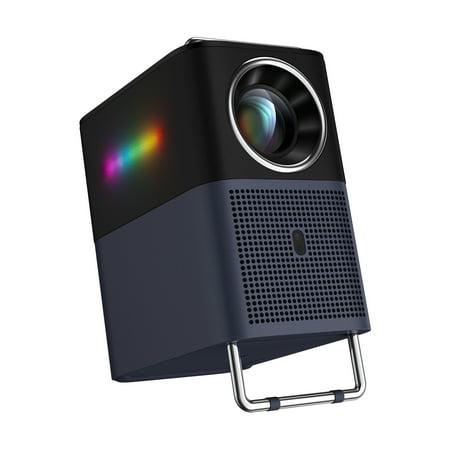
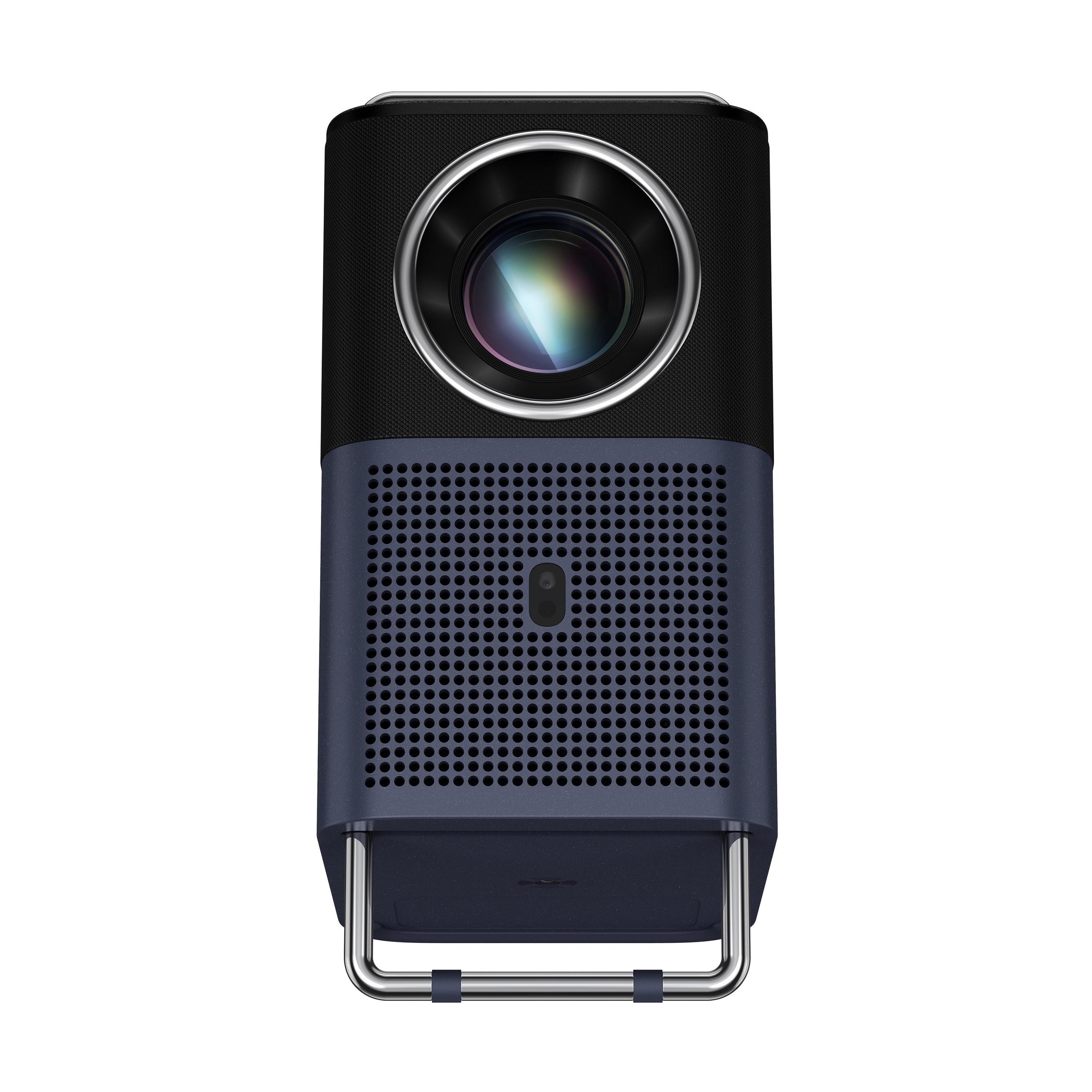
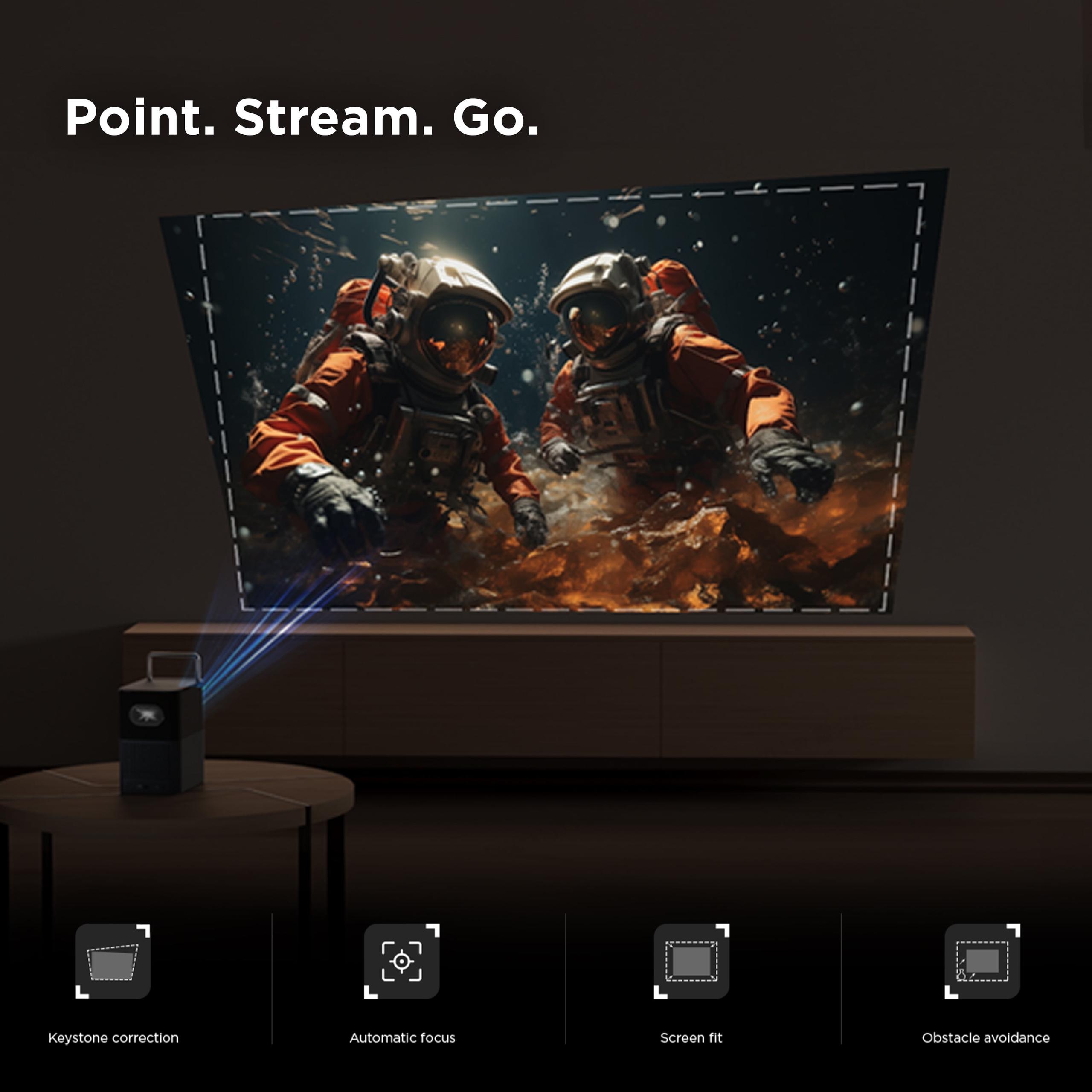
Setting up the TCL A1 exemplifies modern projector convenience. Its auto-focus and auto-keystone correction features mean you can place it almost anywhere, and within seconds, it adjusts to deliver a properly focused, rectangular image—even when projecting at an angle. This technology uses sensors to detect the projection surface and automatically optimizes the image.
The innovative VersaGrip handle on the TCL also serves as an adjustable stand, allowing up to 15 degrees of tilt without requiring additional support. For impromptu movie nights or when rearranging your space, this flexibility proves invaluable.
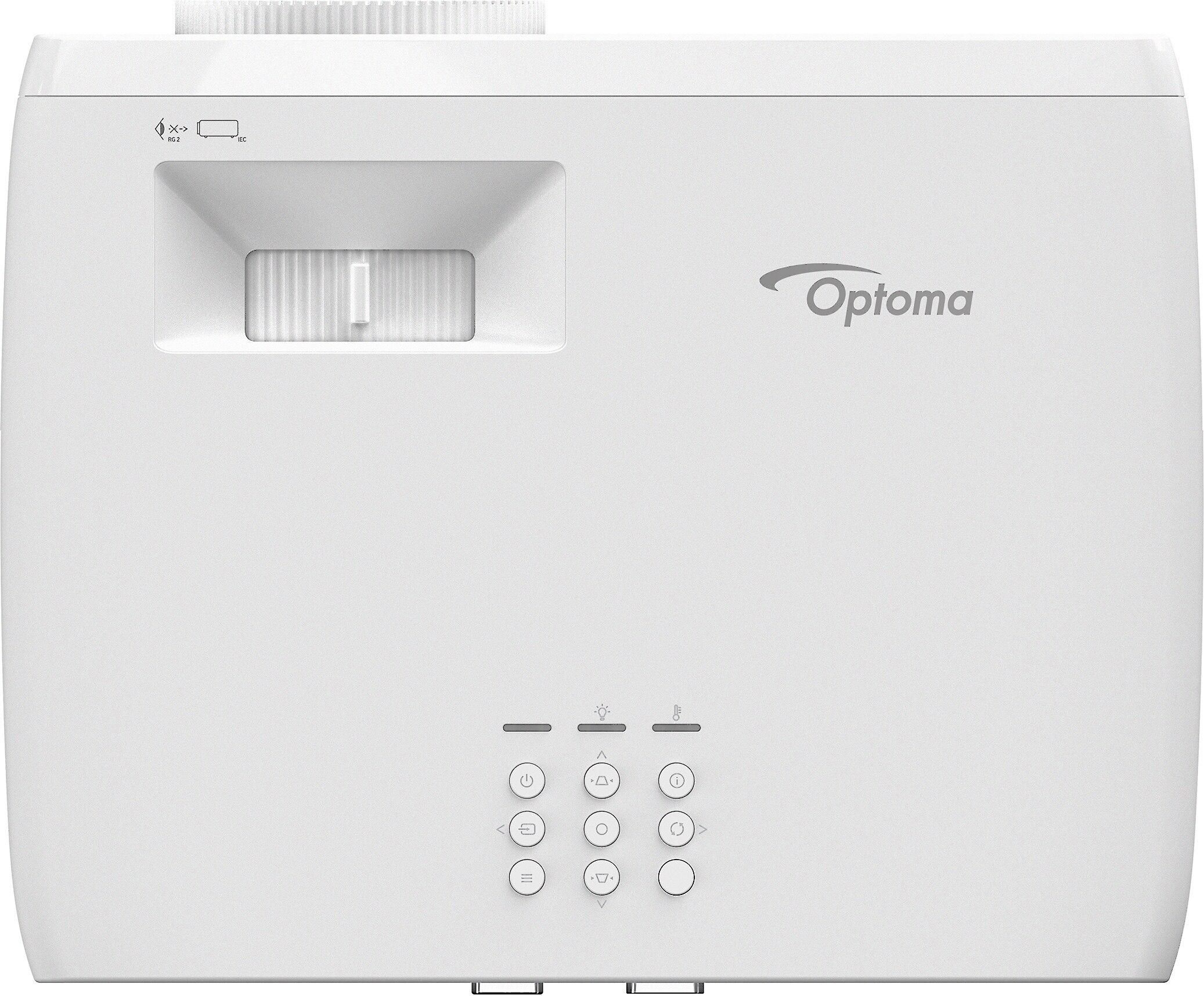
By contrast, the Optoma HZ40HDR follows a more traditional setup approach. It offers manual focus and zoom adjustments, which take more time to perfect but allow for precise fine-tuning that automated systems sometimes miss. Its ±30° keystone correction helps compensate for off-center placement, but requires manual adjustment through the menu system.
The installation philosophy differs significantly between these projectors. The TCL A1 is designed for temporary or semi-permanent setups—place it on a coffee table, bookshelf, or even the floor, then put it away when not in use. Its included carrying case reinforces this intended use case.
The Optoma HZ40HDR is better suited for permanent installation, either ceiling-mounted or placed on a dedicated shelf. Its throw ratio of 1.48:1-1.62:1 means it needs to be positioned roughly 10-11 feet away to project a 120-inch image, requiring room planning before installation. This traditional approach delivers optimal image quality but demands dedicated space.
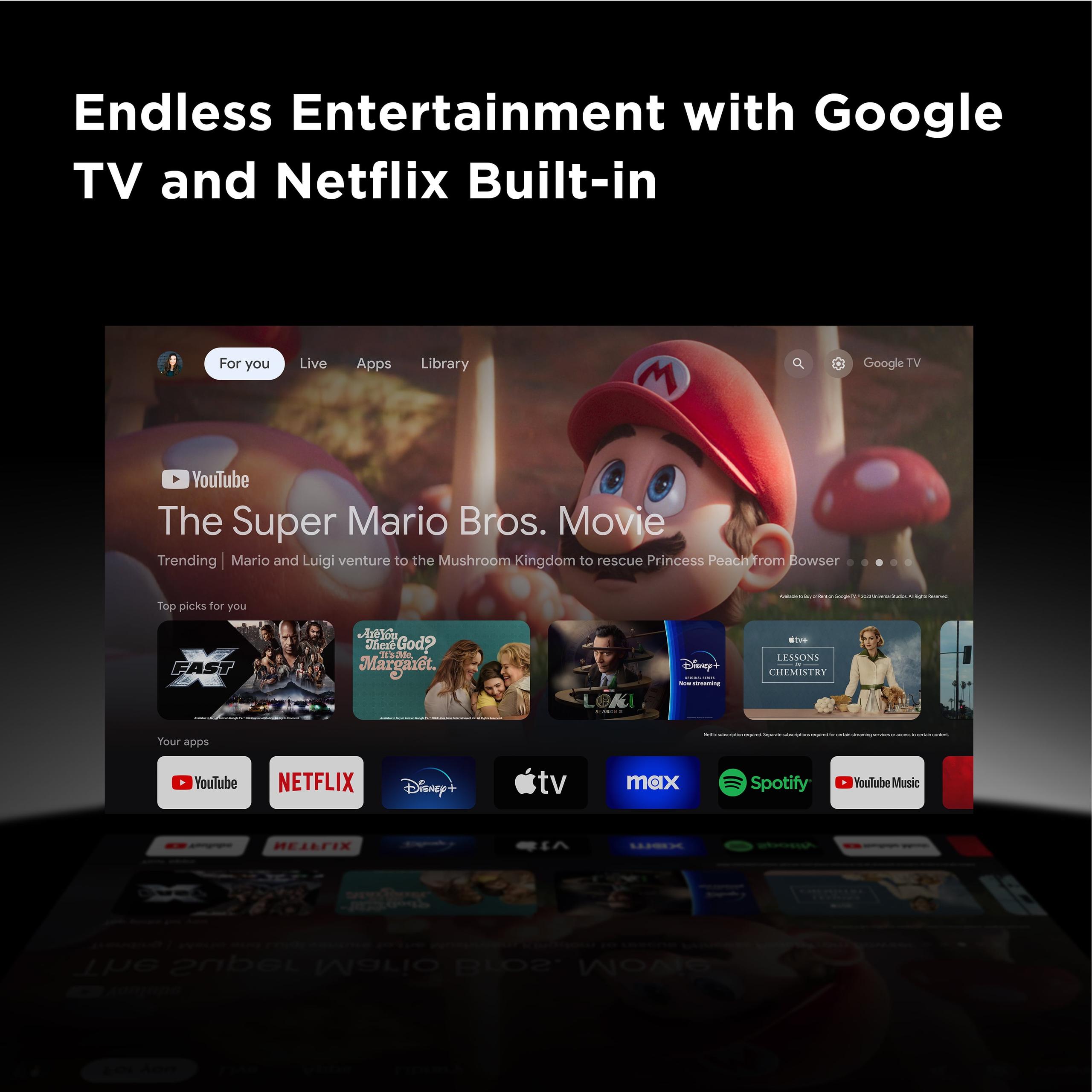
Perhaps the starkest difference between these projectors lies in their approach to content delivery. The TCL A1 functions as a complete entertainment system with Google TV built in, offering native access to thousands of streaming apps including Netflix, Disney+, HBO Max, and YouTube. This integration eliminates the need for external devices and additional cables.
The Google TV interface provides content recommendations across services and supports voice commands through Google Assistant. Simply saying "Hey Google, play Stranger Things on Netflix" will launch the show without navigating through menus.
In contrast, the Optoma HZ40HDR is display-only, requiring an external device—like a streaming stick, Blu-ray player, or game console—connected via HDMI. This approach offers flexibility to use your preferred streaming device but adds complexity and potentially extra cost.
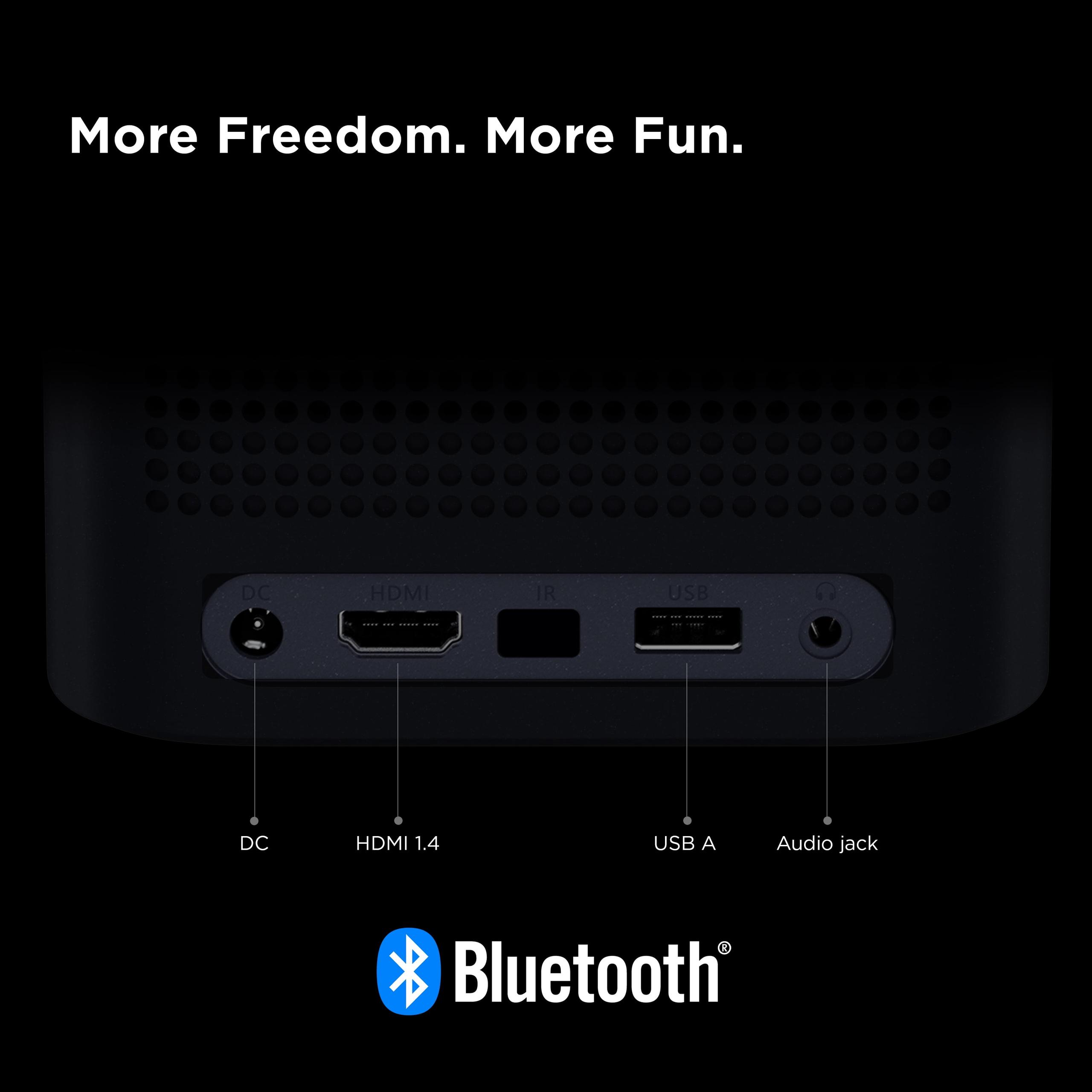
Both projectors offer different connectivity strengths. The TCL A1 provides comprehensive wireless options with Bluetooth 5.1 and Wi-Fi 4 support, allowing for wireless audio output to headphones or speakers and direct streaming without cables. Its physical connections include one HDMI port, one USB port, and a 3.5mm audio output.
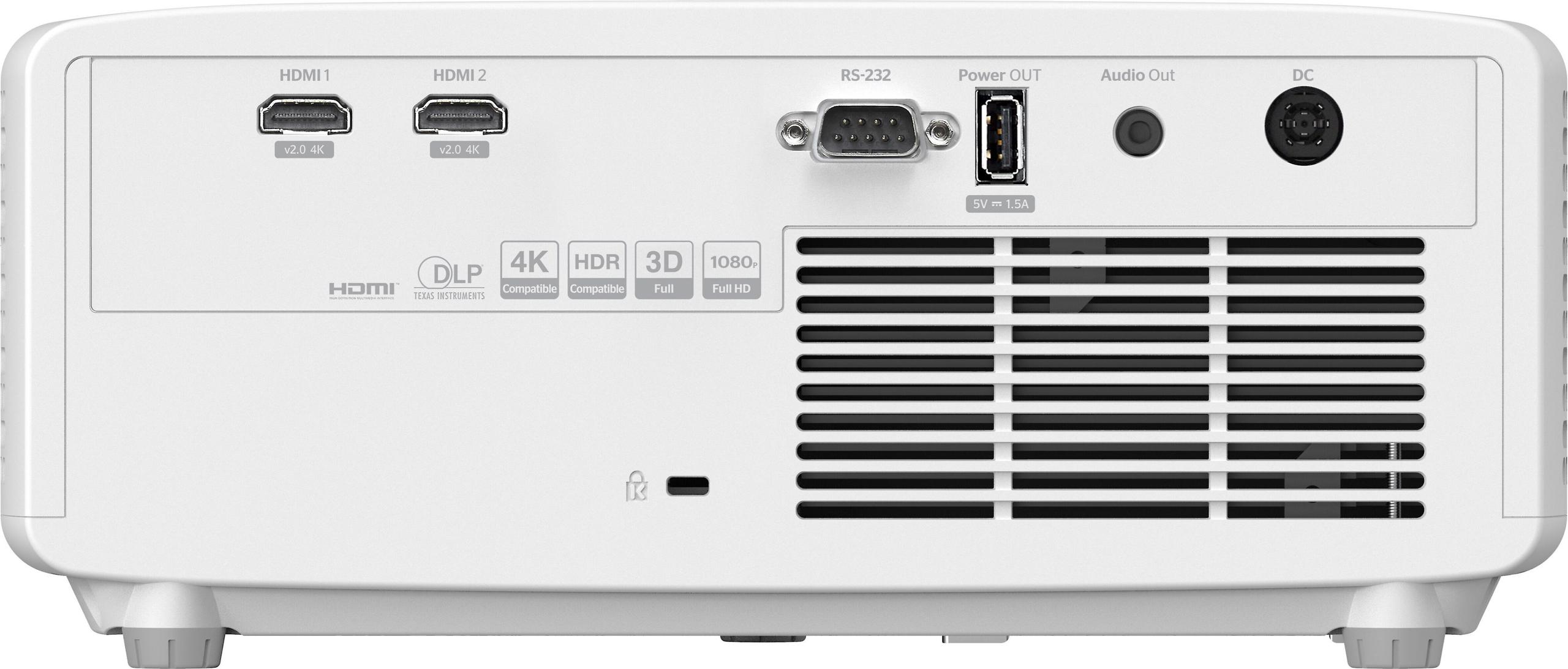
The Optoma HZ40HDR prioritizes wired connections with two HDMI 2.0 ports supporting HDCP 2.2 (essential for protected 4K content), a USB port (for power only), and RS-232 control for integration with home automation systems. This reflects its focus on permanent home theater installations where reliability takes precedence over wireless convenience.
For gamers, input lag—the delay between a controller input and the corresponding action on screen—is crucial. The Optoma HZ40HDR shines here with an exceptionally low 8.6ms input lag at 1080p/120Hz, making it suitable even for competitive gaming where split-second reactions matter.
The TCL A1, like most smart projectors, has noticeably higher input lag (typically 50-100ms), making it better suited for casual gaming or titles where split-second reactions aren't critical.
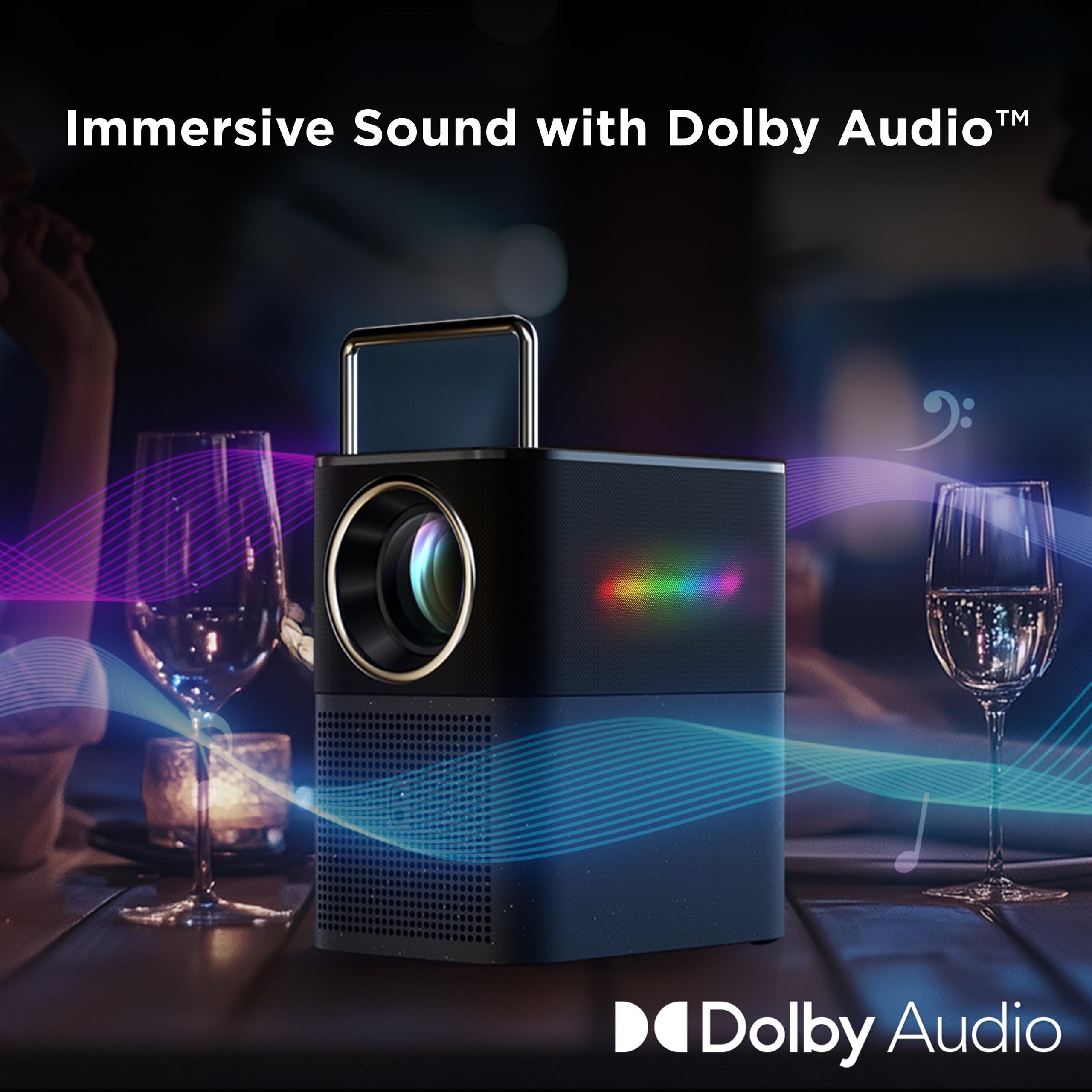
Projector audio has traditionally been an afterthought, but these models take different approaches to sound. The TCL A1 features surprisingly capable dual 8W speakers with Dolby Digital+ processing. During my testing of similar portable projectors, I've been impressed by how room-filling their sound can be—often adequate for casual viewing without external speakers.
The Optoma HZ40HDR includes a single 15W mono speaker that, despite higher wattage, delivers less immersive sound due to its mono configuration. It's designed with the expectation that serious users will connect external audio systems.
Both projectors offer options for audio expansion. The TCL A1 supports Bluetooth audio output, allowing wireless connection to soundbars or Bluetooth speakers—a convenient solution for temporary setups. It also includes a 3.5mm audio output for wired connections.
The Optoma HZ40HDR provides a 3.5mm audio output, assuming integration with permanent home theater audio systems. In dedicated home theaters, this limitation isn't problematic as most enthusiasts use AV receivers or soundbars connected directly to their source devices.
The TCL A1 excels as a flexible entertainment solution for various scenarios:
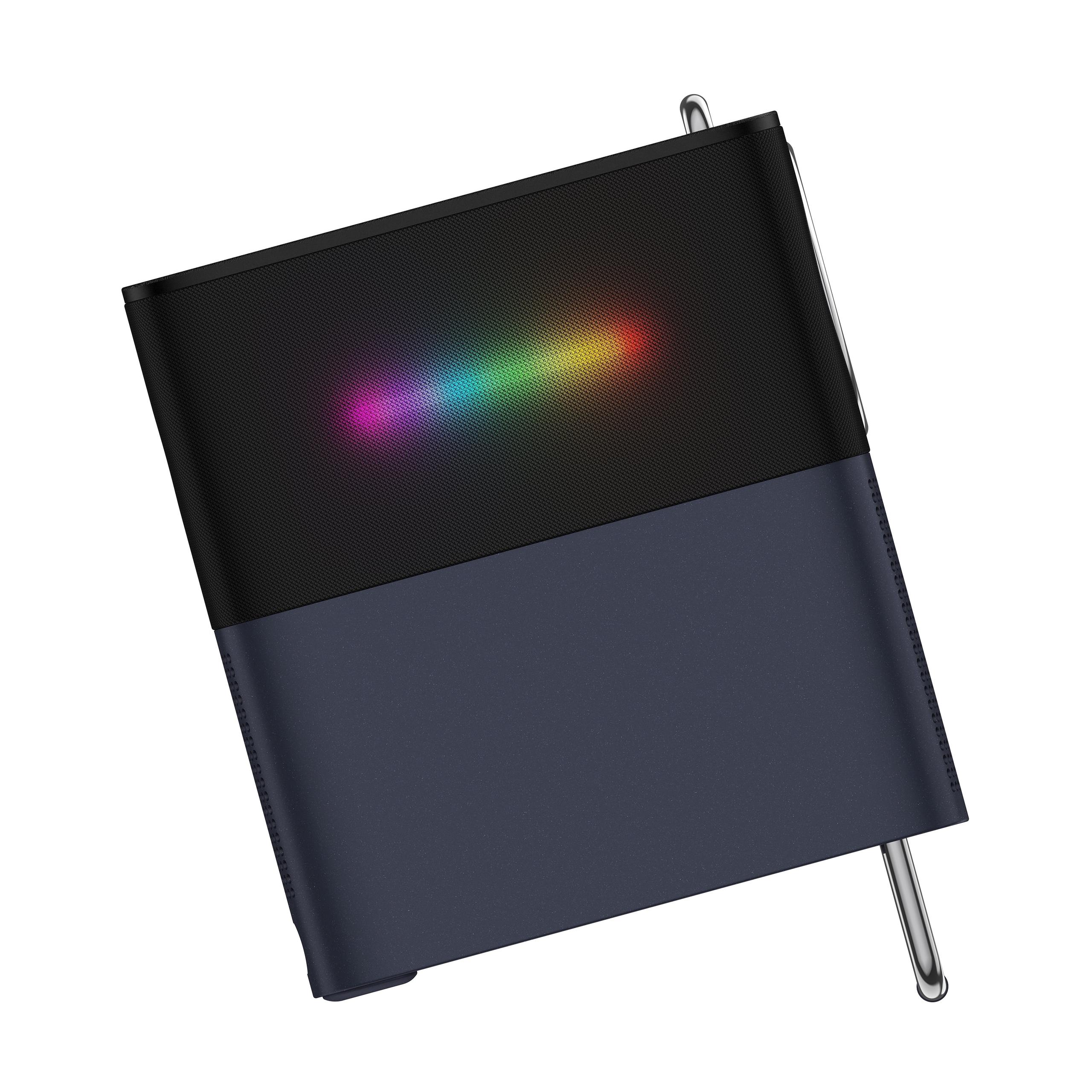
One standout feature is the Light Sync function, which uses LED lights on the projector to create ambient lighting effects synchronized with content—adding ambiance to music or movies.
The Optoma HZ40HDR shines in more permanent scenarios:
It also offers full 3D compatibility—a feature becoming increasingly rare—supporting various 3D formats when paired with active 3D glasses. While 3D content has declined in popularity, this capability preserves compatibility with existing 3D Blu-ray collections.
At $499, the TCL A1 represents an affordable entry point into projection technology with no additional required purchases. Its all-in-one nature means you can start watching content immediately after unboxing.
The Optoma HZ40HDR at $1,299 requires a more substantial initial investment, potentially increased by the need for external streaming devices ($30-$200), proper screen ($200-$500 for quality options), and possibly audio equipment if the built-in speaker proves inadequate.
However, assessing value requires looking beyond purchase price to the total experience delivered. The Optoma's significantly higher brightness and performance may justify its cost for users who will fully utilize its capabilities in the right environment.
Both projectors offer excellent longevity compared to older lamp-based models, eliminating the ongoing expense of lamp replacements. The Optoma HZ40HDR's laser light source edges out the LED technology in the TCL A1 for longevity (30,000 vs. 20,000+ hours), but both should provide many years of service without maintenance concerns.
For serious home theater enthusiasts, the Optoma's superior brightness and image quality will likely provide greater satisfaction over time, potentially making its higher initial cost worthwhile. For occasional viewers prioritizing convenience, the TCL delivers tremendous value without requiring a dedicated space.
After extensive analysis, the decision between the TCL A1 and the Optoma HZ40HDR comes down to your specific priorities and viewing environment.
Choose the TCL A1 Portable Smart Projector if:
Choose the Optoma HZ40HDR if:
Both projectors excel within their intended use cases. The TCL A1 brings projection technology to spaces and situations where traditional projectors wouldn't be practical, while the Optoma HZ40HDR delivers the performance and reliability that home theater enthusiasts demand.
As with most technology choices, matching the product to your specific environment and needs will yield the best results. A high-performance projector in the wrong setting can disappoint, while even a modest projector in the right environment can delight.
Whether you choose the flexible, portable approach of the TCL A1 or the high-performance traditional design of the Optoma HZ40HDR, today's projector technology offers impressive capabilities that can transform your viewing experience beyond what typical TVs can provide. The magic of a 100"+ image still creates an immersive experience that standard televisions simply can't match, regardless of which projector path you choose.
| TCL A1 Portable 1080p Smart Projector | Optoma HZ40HDR 1080p Projector |
|---|---|
| Price - Initial investment required | |
| $499 (all-in-one solution with no additional purchases needed) | $1,299 (may require additional streaming device) |
| Brightness - Determines usability in different lighting conditions | |
| 360 ISO lumens (requires fully darkened room) | 4,000 ANSI lumens (approximately 10x brighter; usable in rooms with some ambient light) |
| Light Source - Affects lifespan, maintenance, and image consistency | |
| LED (20,000+ hour lifespan, no replacements needed) | Laser (30,000 hour lifespan, no replacements needed, better brightness consistency) |
| Smart Features - Determines need for additional devices | |
| Google TV built-in with thousands of streaming apps | None; requires external streaming device or content source |
| Auto Setup Features - Impacts ease of use and flexibility | |
| Auto focus and auto keystone correction with VersaGrip adjustable stand | Manual focus and zoom with manual keystone correction (±30° vertical/horizontal) |
| Input Lag - Critical for gaming performance | |
| Moderate (estimated 50-100ms, suitable for casual gaming) | Excellent (8.6ms at 1080p/120Hz, ideal for competitive gaming) |
| Audio System - Affects need for external speakers | |
| Dual 8W speakers with Dolby Digital+ (good for portable use) | Single 15W mono speaker (adequate but less immersive) |
| Portability - Determines installation flexibility | |
| Highly portable (5.5 lbs) with carrying case included | Semi-portable (6.6 lbs) designed for permanent installation |
| HDR Support - Enhances contrast and color with compatible content | |
| No formal HDR support | HDR10 and HLG compatible for enhanced color and contrast |
| Maximum Screen Size - Impacts immersion and viewing experience | |
| 45"-120" (optimal below 100" in dark rooms) | Up to 300" (maintains brightness effectively at larger sizes) |
| Connectivity - Determines integration flexibility | |
| 1x HDMI, 1x USB, Wi-Fi, Bluetooth 5.1, 3.5mm audio out | 2x HDMI 2.0, 1x USB (power only), RS-232, 3.5mm audio out |
| Special Features - Unique capabilities that may influence decision | |
| Light Sync ambient effects, Google Assistant voice control | 3D support, professional installation options, 1.1x zoom |
| Ideal Use Case - Best environment for optimal performance | |
| Portable entertainment, temporary setups, small spaces, fully dark rooms | Dedicated home theaters, media rooms with some ambient light, gaming setups |
The Optoma HZ40HDR 1080p Projector is significantly better for bright rooms with its 4,000 ANSI lumens brightness, which is approximately 10 times brighter than the TCL A1 Portable 1080p Smart Projector. The TCL A1's 360 ISO lumens require a fully darkened room to produce a clear image. If you'll be watching with any ambient light, the Optoma HZ40HDR is the clear choice.
The TCL A1 Portable 1080p Smart Projector costs $499, while the Optoma HZ40HDR 1080p Projector is priced at $1,299 – a difference of $800. The TCL A1 offers an all-in-one solution with built-in streaming, while the higher-priced Optoma delivers significantly better brightness and image quality for those willing to invest more in their home theater setup.
The TCL A1 Portable 1080p Smart Projector features dual 8W speakers with Dolby Digital+ processing that provide surprisingly good sound for most casual viewing. The Optoma HZ40HDR 1080p Projector includes a single 15W mono speaker that's adequate but less immersive. For a true home theater experience, external speakers would improve both projectors, but the TCL A1's audio is more satisfactory out-of-the-box for most users.
The Optoma HZ40HDR 1080p Projector is significantly better for gaming with its exceptionally low 8.6ms input lag at 1080p/120Hz, making it suitable even for competitive gaming. The TCL A1 Portable 1080p Smart Projector has a noticeably higher input lag (typically 50-100ms), making it only suitable for casual gaming where quick reactions aren't critical. Serious gamers should choose the Optoma HZ40HDR.
The TCL A1 Portable 1080p Smart Projector has Google TV built-in with thousands of streaming apps including Netflix, Disney+, and YouTube. The Optoma HZ40HDR 1080p Projector does not have any built-in streaming capabilities and requires an external device like a streaming stick, game console, or Blu-ray player connected via HDMI. If you want an all-in-one solution without additional devices, the TCL A1 is more convenient.
The Optoma HZ40HDR 1080p Projector features a laser light source with an estimated 30,000 hour lifespan, slightly outlasting the TCL A1 Portable 1080p Smart Projector's LED light source with a 20,000+ hour lifespan. Both projectors offer maintenance-free operation without needing lamp replacements, but the Optoma HZ40HDR maintains its brightness more consistently throughout its longer lifespan.
For a dedicated home theater, the Optoma HZ40HDR 1080p Projector is significantly better with its superior 4,000 ANSI lumens brightness, HDR support for better contrast, and low input lag for gaming. The TCL A1 Portable 1080p Smart Projector is designed more for casual, flexible viewing. If you're investing in a permanent home theater setup, the Optoma HZ40HDR delivers much better performance that justifies its higher price.
The TCL A1 Portable 1080p Smart Projector is specifically designed for portability at 5.5 lbs with an included carrying case and features like auto-focus and auto keystone correction for quick setup. While the Optoma HZ40HDR 1080p Projector is relatively compact for its class at 6.6 lbs, it's designed for more permanent installation with manual adjustments. For moving between rooms or taking to different locations, the TCL A1 is significantly more portable.
The Optoma HZ40HDR 1080p Projector can project much larger images effectively, up to 300 inches diagonally while maintaining good brightness. The TCL A1 Portable 1080p Smart Projector supports screen sizes from 45"-120" but performs best below 100" due to its limited brightness. For larger projection sizes, the Optoma HZ40HDR is clearly superior.
Neither the TCL A1 Portable 1080p Smart Projector nor the Optoma HZ40HDR 1080p Projector support native 4K resolution – both are 1080p (1920×1080) projectors. However, the Optoma HZ40HDR does support HDR10 and HLG content for enhanced contrast and color reproduction, providing better image quality even at the same resolution compared to the TCL A1.
The TCL A1 Portable 1080p Smart Projector is significantly easier to set up with automatic focus and keystone correction that quickly adjusts to provide a properly aligned image even when projecting at an angle. Its VersaGrip handle also serves as an adjustable stand. The Optoma HZ40HDR 1080p Projector requires manual focus, zoom, and keystone adjustments. For quick, hassle-free setup, the TCL A1 is much more user-friendly.
The better value depends on your specific needs. The TCL A1 Portable 1080p Smart Projector at $499 offers excellent value for casual viewers wanting portability, built-in streaming, and simple setup in dark rooms. The Optoma HZ40HDR 1080p Projector at $1,299 provides better value for dedicated home theater enthusiasts who need superior brightness, image quality, and gaming performance. If you'll use it in varied lighting conditions or want the best possible image, the Optoma HZ40HDR justifies its higher price despite being more expensive.
We've done our best to create useful and informative comparisons to help you decide what product to buy. Our research uses advanced automated methods to create this comparison and perfection is not possible - please contact us for corrections or questions. These are the sites we've researched in the creation of this article: youtube.com - hometheaterforum.com - hifivision.com - tcl.com - gstylemag.com - youtube.com - youtube.com - soundandvision.com - tcl.com - androidheadlines.com - valueelectronics.com - tcl.com - walmart.com - esquire.com - hometheaterview.com - androidpolice.com - projectorcentral.com - howtogeek.com - nfm.com - tcl.com - valueelectronics.com - extapps.dec.ny.gov - cna-aiic.ca - projectorcentral.com - tcl.com - tcl.com - tcl.com - projectorcentral.com - youtube.com - picclick.com - crutchfield.com - homecinemachoice.com - compsource.com - bestbuy.com - adorama.com - bhphotovideo.com - provantage.com - cdw.com - datavision.com - optomausa.com - manua.ls - ipcstore.com - pcrichard.com - richersounds.com - electronicexpress.com - projexdisplay.com - dubaimachines.com - newegg.com - projectorpoint.co.uk - a.ubuy.com.kw - greentoe.com

Privacy Policy
Terms and Conditions - Affiliate Policy
Home Security
© Copyright 2008-2026.
11816 Inwood Rd #1211, Dallas, TX 75244