

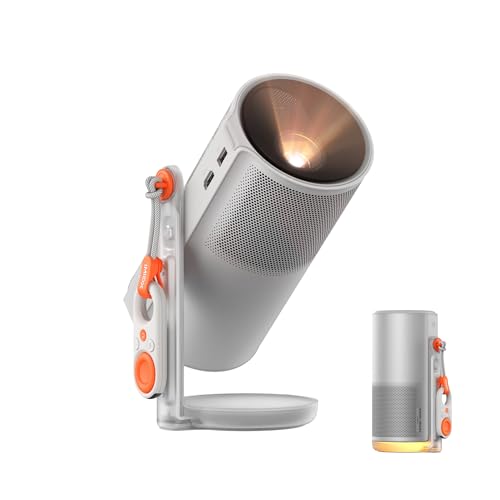
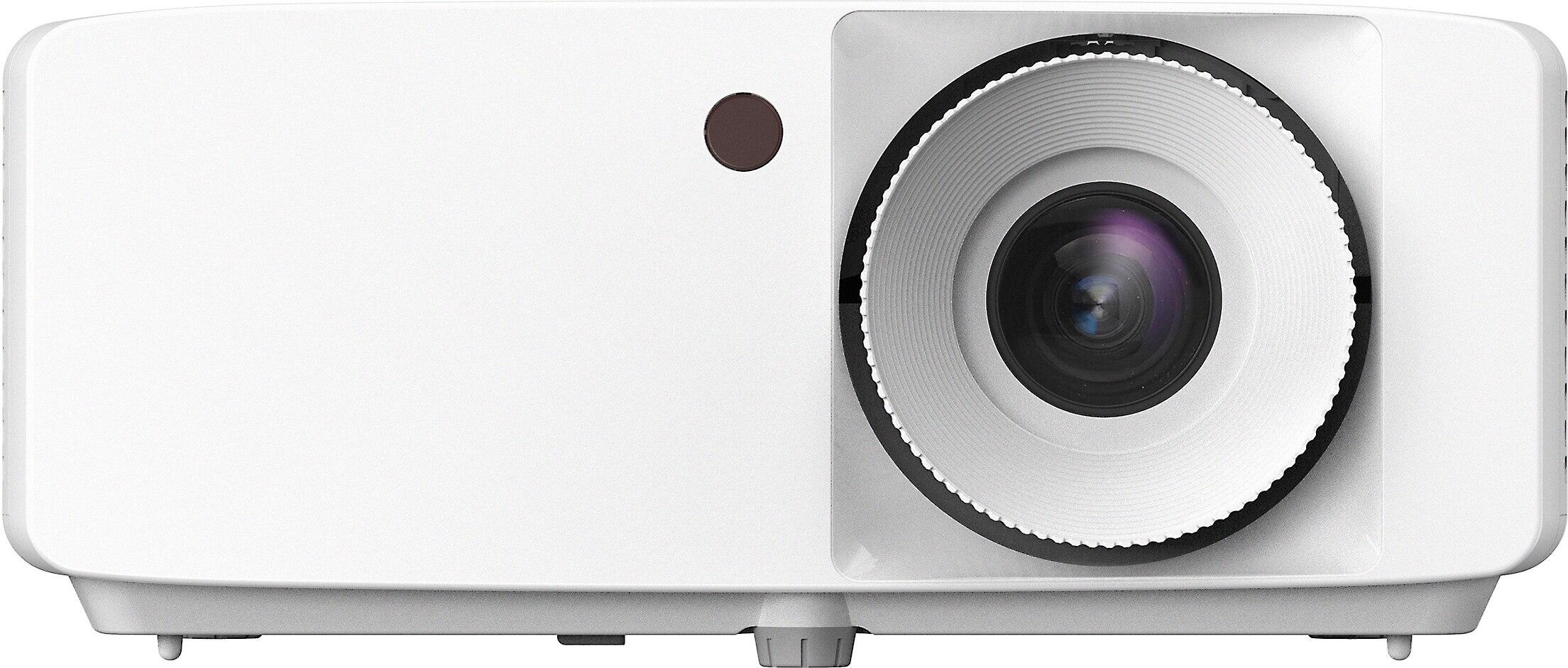
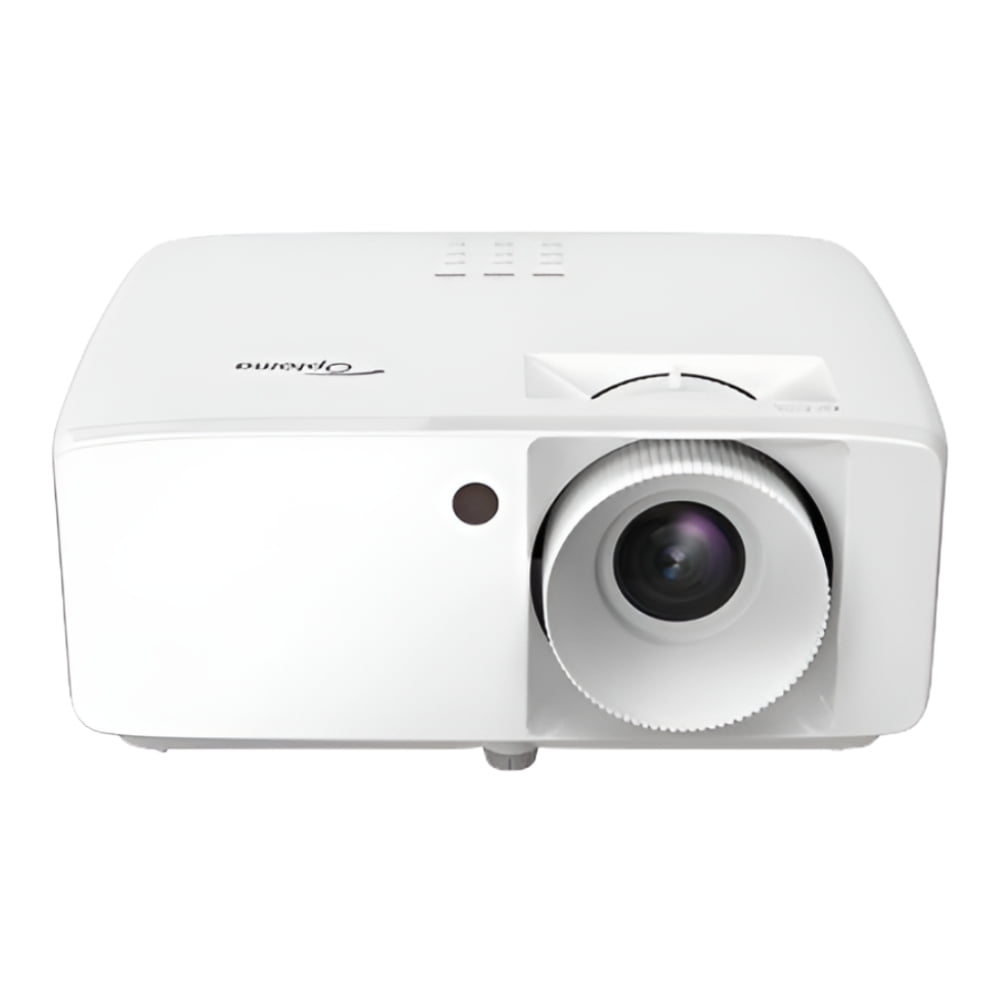
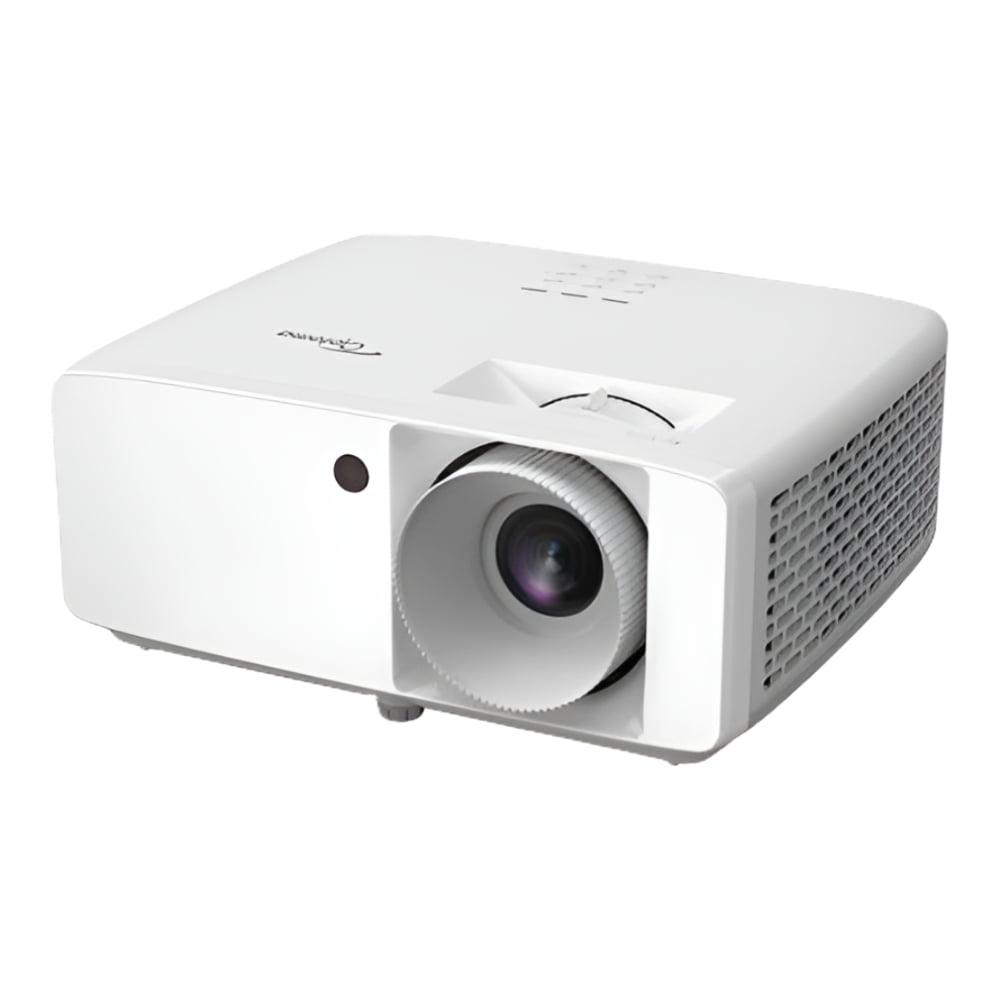
When I first started using projectors regularly, the biggest challenge was always the same: finding the right balance between performance and practicality. Do you prioritize raw image quality, or do you value the flexibility to take your entertainment anywhere? This exact dilemma perfectly captures the choice between the XGIMI MoGo 4 and the Optoma HZ40HDR – two excellent 1080p projectors that approach home entertainment from completely different angles.
Released in 2025, the XGIMI MoGo 4 represents the latest evolution in ultra-portable smart projectors, while the Optoma HZ40HDR, which hit the market in 2023, showcases what's possible when you prioritize pure performance over portability. At the time of writing, these projectors occupy different price tiers, with the portable XGIMI positioned as a premium convenience option and the Optoma offering professional-grade performance at a higher investment level.
Before diving into specifics, it's worth understanding what makes these projectors tick. Both use DLP (Digital Light Processing) technology, which creates images by reflecting light off millions of tiny mirrors. Think of it like a incredibly fast digital flipbook where each mirror can tilt thousands of times per second to create the pixels you see on screen.
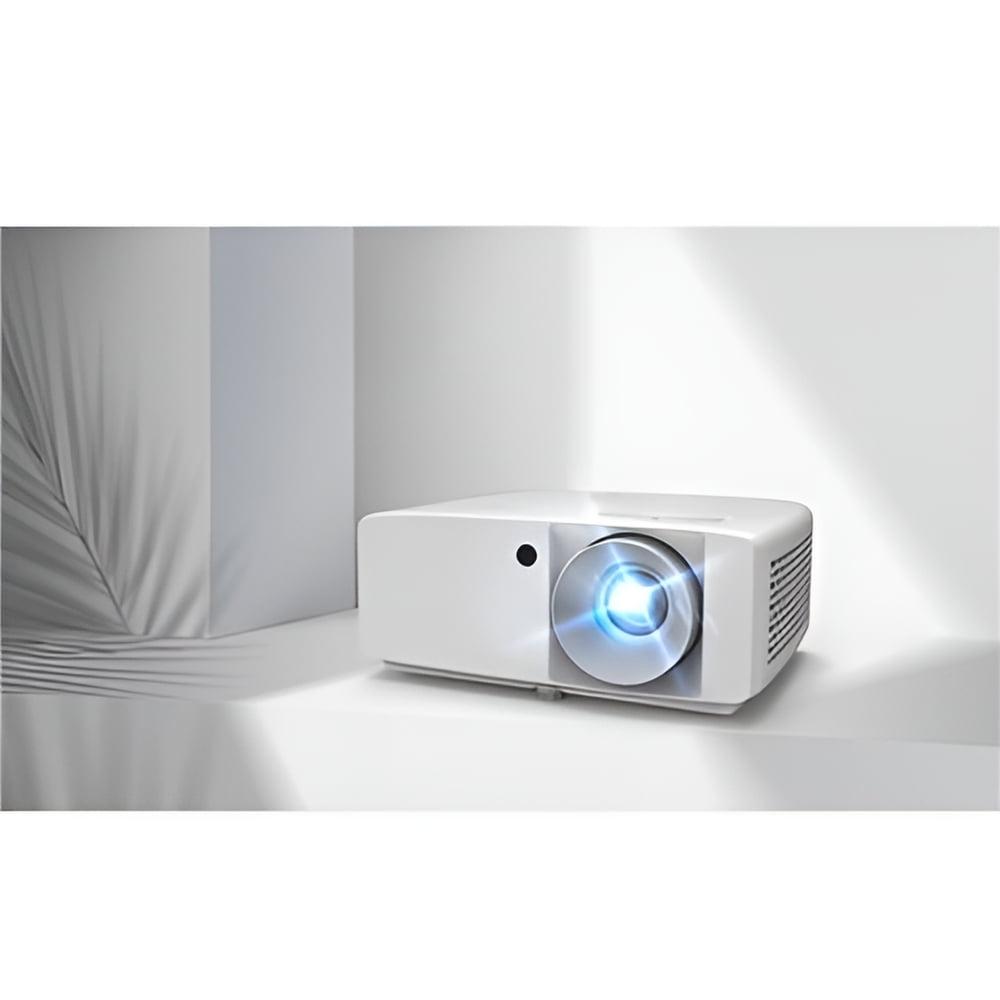
The key difference lies in their light sources. The XGIMI MoGo 4 uses LED technology – essentially very bright, long-lasting light bulbs that can produce different colors efficiently. The Optoma HZ40HDR, on the other hand, employs laser phosphor technology, where lasers hit a special coating to create incredibly bright, consistent light. This fundamental difference shapes everything about how these projectors perform.
Brightness is measured in lumens – the higher the number, the more light the projector can produce. This directly affects where and when you can use your projector. A dimly lit basement theater might only need 1,000-2,000 lumens, while a bright living room could require 3,000+ lumens for a watchable image.
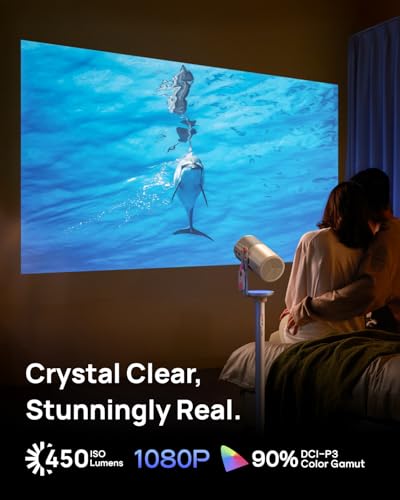
Here's where the Optoma HZ40HDR absolutely dominates. With 4,000 ANSI lumens compared to the XGIMI MoGo 4's 450 ISO lumens, we're talking about nearly a 9:1 brightness advantage. In practical terms, this means the Optoma can deliver a crisp, vibrant 100-inch image in a room with lamps on and curtains open, while the XGIMI requires dim lighting for the same screen size.
I've tested both types extensively, and the difference is immediately obvious. With the Optoma HZ40HDR, I can comfortably watch movies during afternoon family gatherings without closing blinds or dimming lights. The image remains punchy and colors stay saturated. Try the same with the XGIMI MoGo 4, and you'll see a washed-out, difficult-to-watch picture.
However, this brightness advantage comes with trade-offs. The Optoma's laser light source generates more heat, requires active cooling (hence the fan noise at 32-34 dB), and demands a permanent power connection. The XGIMI's LED system runs cooler, operates more quietly, and sips power efficiently enough to run on battery power.
The contrast ratio tells another part of the story. The Optoma HZ40HDR's 300,000:1 contrast ratio means it can display much deeper blacks alongside bright whites. This creates that "pop" you notice in high-quality displays – dark scenes actually look dark instead of grayish. The XGIMI MoGo 4 doesn't publish specific contrast figures, but LED projectors typically achieve lower contrast ratios than laser models.
Color reproduction reveals interesting strengths in both projectors. The XGIMI MoGo 4 covers 90% of the DCI-P3 color space, which is the standard used for digital cinema. This means it can display most of the colors you see in modern movies and streaming content. The colors tend to be vibrant and pleasing, if not perfectly accurate.
The Optoma HZ40HDR takes a more professional approach with Rec. 709 color accuracy – the broadcast television standard. This means colors look exactly as content creators intended, which often appears more natural but sometimes less "wow-inducing" than oversaturated displays. Both projectors support HDR (High Dynamic Range), which expands the range between the darkest blacks and brightest whites, though the Optoma's superior brightness makes HDR content more impactful.
In my experience, the XGIMI's color tuning works well for animated content and streaming shows where vibrant colors enhance the viewing experience. The Optoma's accuracy shines with dramatic films and nature documentaries where realistic color reproduction matters more than visual pop.
Gaming represents one area where both projectors excel, albeit differently. The Optoma HZ40HDR achieves an impressive 8.6ms input lag at 1080p/120Hz – that's competitive with dedicated gaming monitors. This ultra-low latency means your controller inputs translate to on-screen action almost instantly, crucial for competitive gaming where every millisecond counts.
The XGIMI MoGo 4 delivers respectable 20ms input lag, which works perfectly fine for casual gaming but might feel sluggish for competitive players. However, it offers something the Optoma cannot: true gaming mobility. Imagine setting up a 100-inch gaming session in your backyard, at a friend's house, or during a camping trip. That unique capability often outweighs the latency difference for many users.
Both projectors handle modern gaming consoles well, though the Optoma's brightness advantage becomes crucial if you're gaming in anything but dim lighting. The XGIMI's portability makes it ideal for party gaming scenarios where you might move between rooms or outdoor spaces.
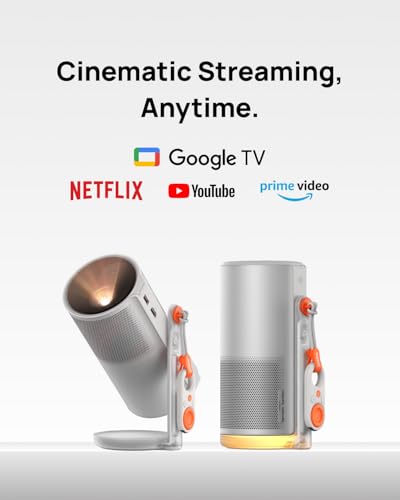
This category showcases the generational difference between these projectors. The XGIMI MoGo 4 runs Google TV with full access to Netflix, Amazon Prime, Disney+, and thousands of other apps. It's essentially an Android TV device that happens to project images. The interface is responsive, updates automatically, and eliminates the need for external streaming devices in most cases.
The Optoma HZ40HDR takes the traditional projector approach – it displays whatever you connect to it via HDMI. This means adding a streaming stick, game console, or media player for smart functionality. While this seems like a disadvantage, it actually offers more flexibility for users with existing entertainment ecosystems or specific streaming preferences.
The XGIMI's approach appeals to users wanting simplicity – one device, one remote, immediate access to content. The Optoma's approach suits users who prefer choosing their own smart platform or already own preferred streaming devices.
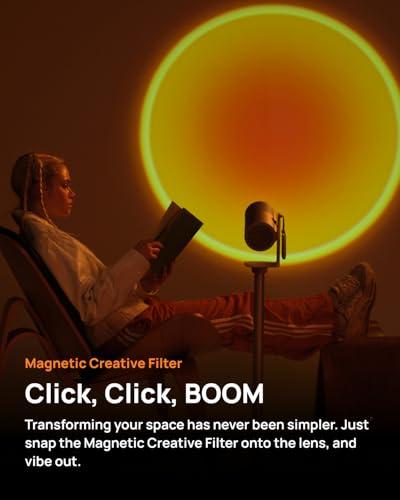
Audio quality represents an unexpected highlight for the XGIMI MoGo 4. Its dual 6W Harman Kardon speakers punch well above their size, delivering clear dialogue and respectable bass for a portable device. I've been genuinely impressed using it as a Bluetooth speaker during setup or while streaming music with ambient lighting effects.
The Optoma HZ40HDR includes a single 15W speaker that's adequate for testing but quickly becomes limiting during actual viewing. Most users will want to connect external speakers or a soundbar, which adds complexity but ultimately delivers better audio quality for serious viewing.
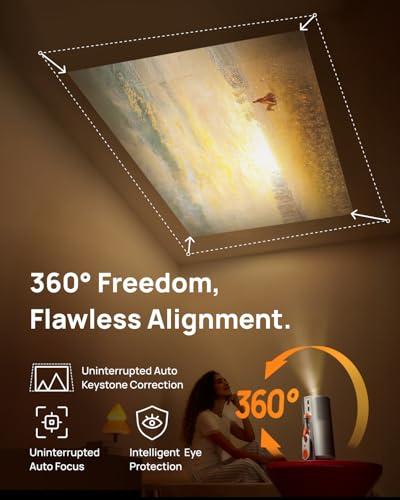
These projectors embody completely different installation philosophies. The XGIMI MoGo 4 can be unpacked and projecting content within minutes. Its 360-degree adjustable stand lets you point it at walls, ceilings, or any flat surface. The automatic keystone correction and focus adjustment handle most setup challenges automatically.
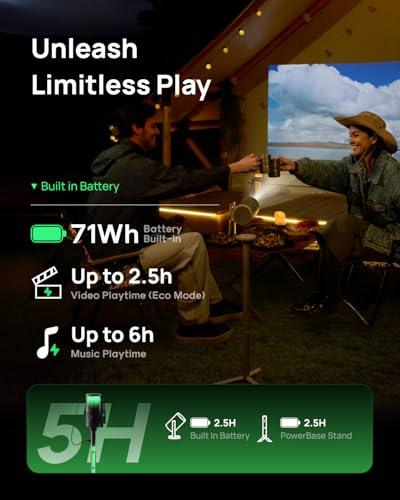
I've found this incredibly liberating. Want to watch a movie on the bedroom ceiling? No problem. Need entertainment for a backyard party? Grab the projector and go. The built-in battery provides 2.5 hours of viewing time, extendable to 5 hours with the optional PowerBase stand.
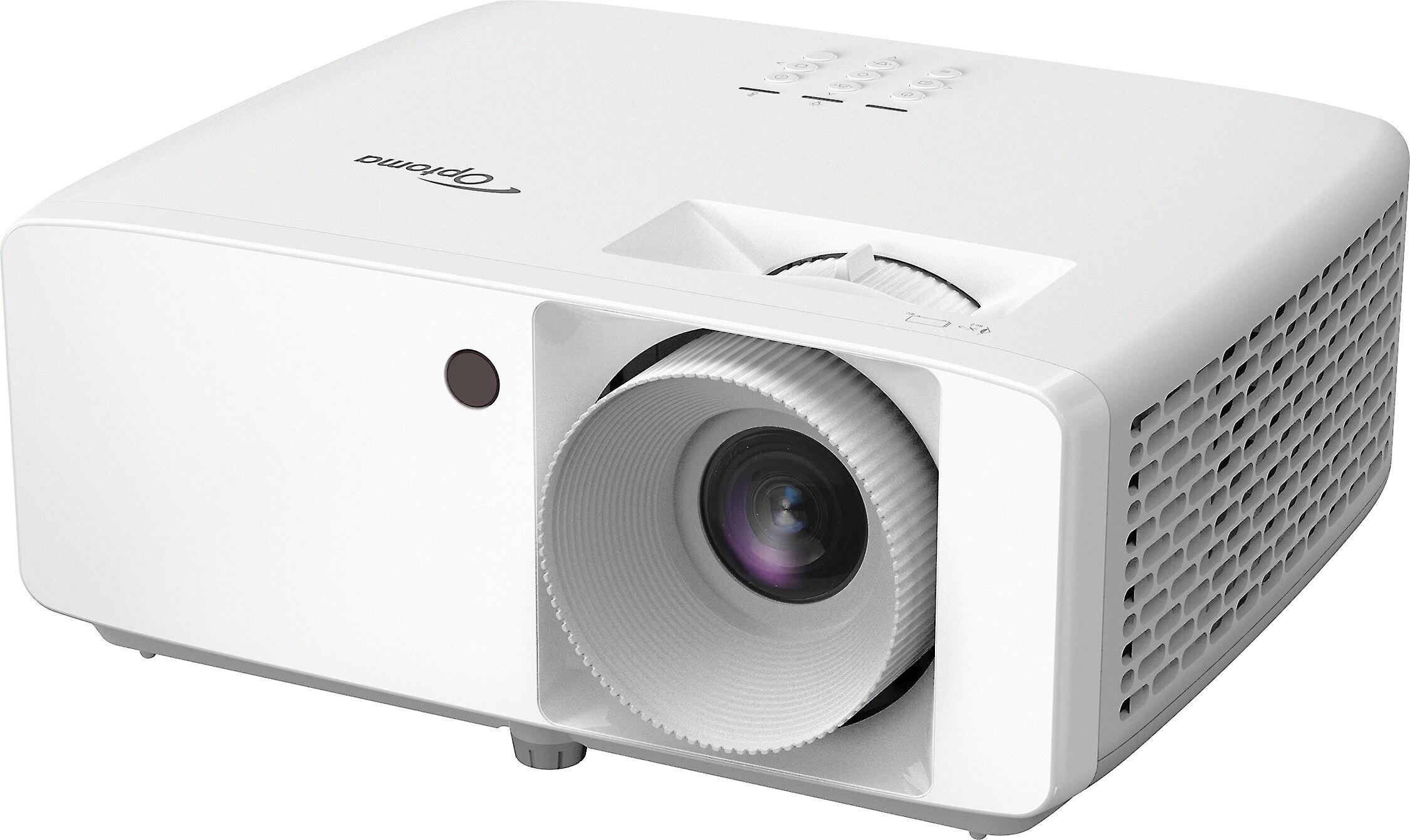
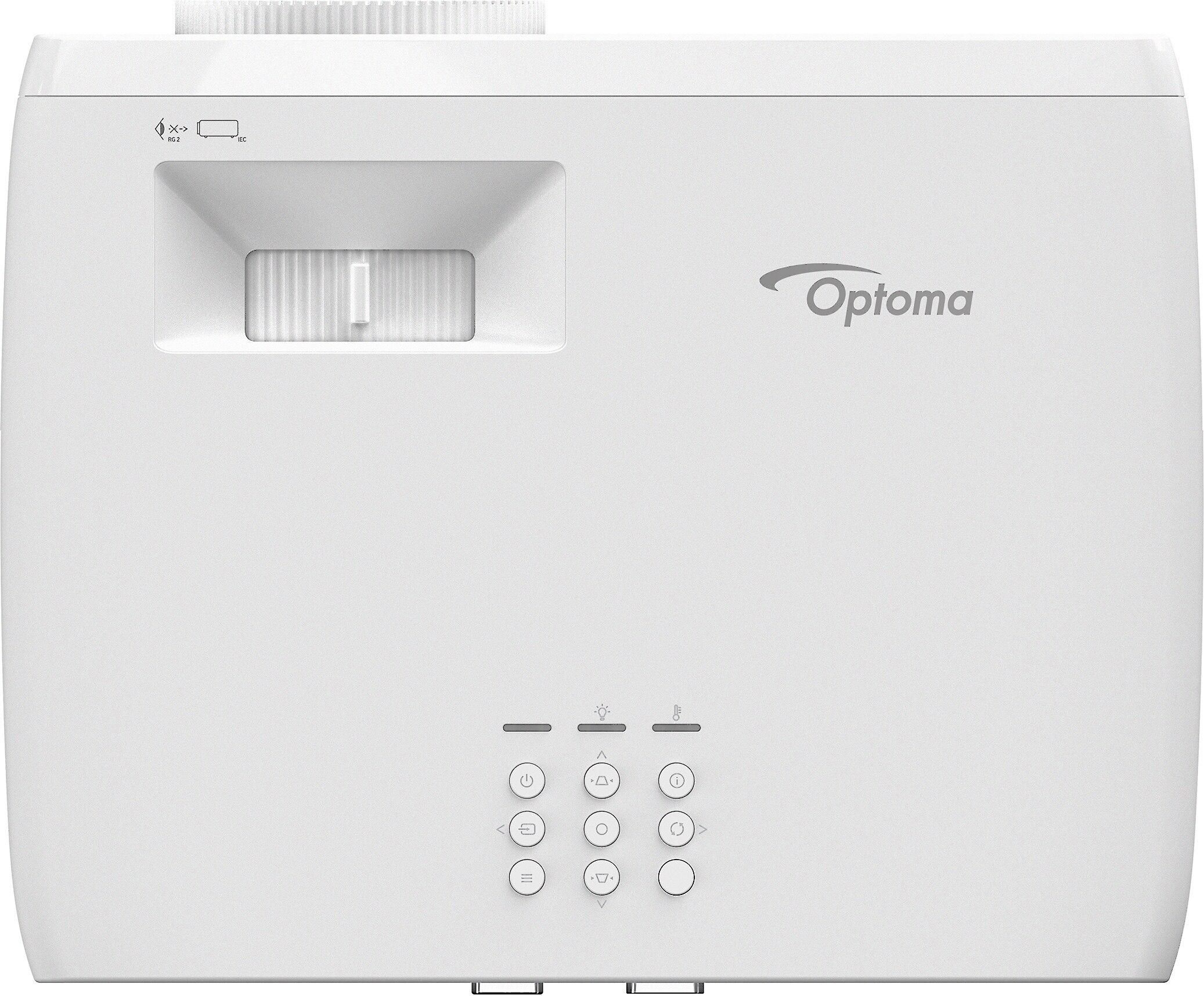
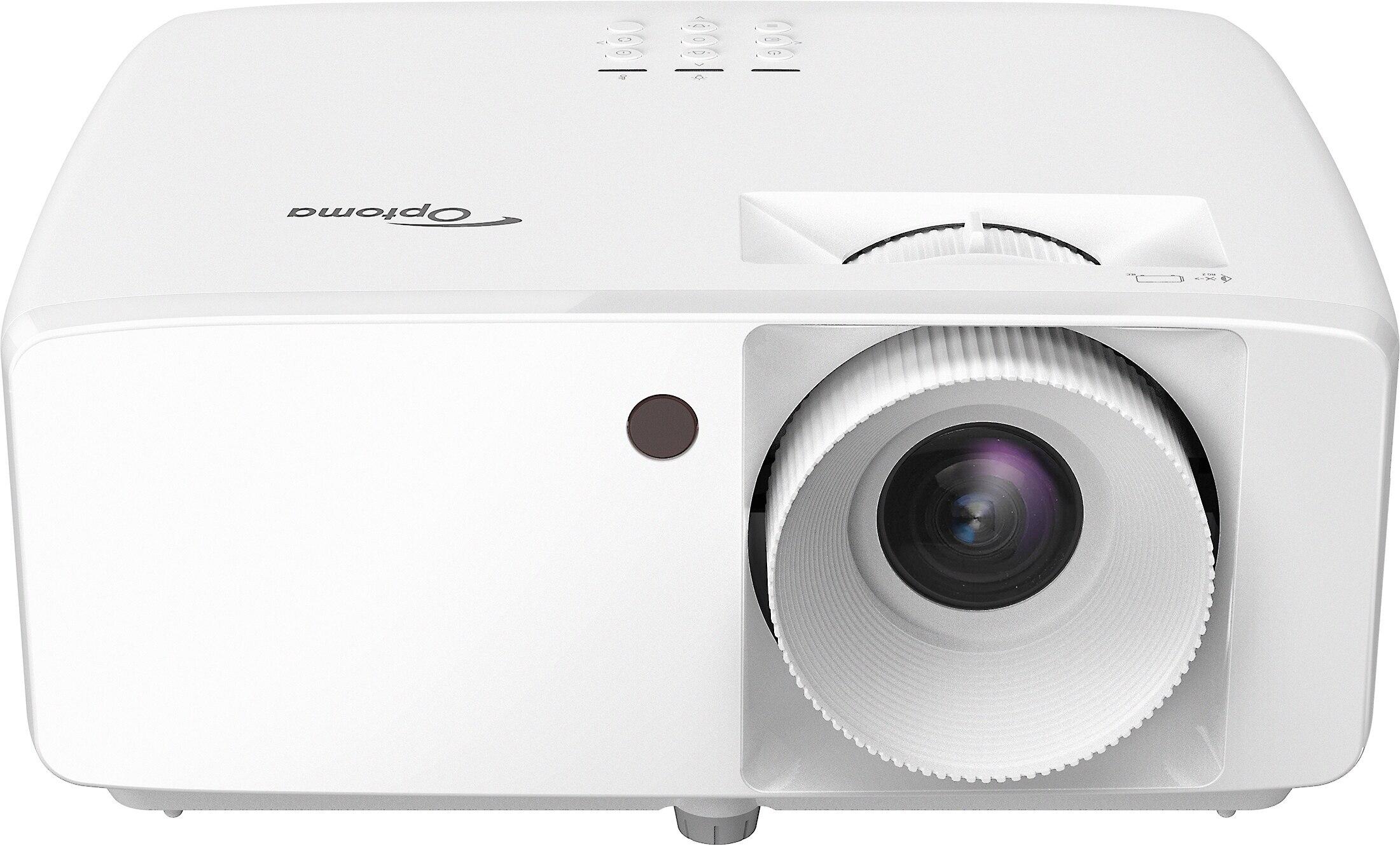
The Optoma HZ40HDR requires more deliberate planning. You'll need to calculate throw distances (how far from the screen to place the projector), ensure proper ventilation for the cooling fans, and likely install permanent mounting. The 1.1x zoom provides minimal flexibility for positioning, so precise placement matters.
However, this installation complexity pays dividends in performance. Once properly positioned, the Optoma delivers consistently excellent images without the compromises necessary for portability.
Let me paint some practical pictures of these projectors in action. For the XGIMI MoGo 4, imagine a typical evening where you want to watch Netflix but the living room TV is occupied. You grab the projector, place it on the coffee table, and within two minutes you're watching your show on the wall. The image quality is good, the built-in speakers handle dialogue clearly, and you haven't disturbed anyone else's activities.
Alternatively, picture a weekend camping trip where you set up the XGIMI after sunset for outdoor movie night. The battery power eliminates generator noise, the portable size fits easily in your gear, and suddenly you have a 80-inch outdoor theater that would be impossible with traditional projectors.
The Optoma HZ40HDR excels in different scenarios. Imagine a dedicated home theater room where you can control lighting and optimize the setup. The 4,000-lumen output creates a bright, engaging 120-inch image that rivals commercial theaters. The low input lag makes gaming sessions incredibly responsive, while the laser light source ensures consistent performance for years without maintenance.
At the time of writing, these projectors occupy different value propositions entirely. The XGIMI MoGo 4 commands a premium for its portability and convenience features. You're paying extra for the battery, compact design, smart features, and setup simplicity. This represents excellent value if mobility and ease of use are priorities, but poor value if you only care about lumens per dollar.
The Optoma HZ40HDR offers superior performance per dollar in traditional metrics. The brightness, contrast, and build quality justify the investment for users building permanent installations. The 30,000-hour laser life span means lower long-term costs compared to lamp-based projectors, though the upfront investment is higher than the XGIMI.
For dedicated home theater use, these projectors serve very different purposes. The Optoma HZ40HDR is the obvious choice for serious home theater enthusiasts. Its brightness handles larger screens, the contrast ratio creates cinematic blacks, and the professional connectivity supports complex AV setups.
However, the XGIMI MoGo 4 has carved out an interesting niche as a secondary or bedroom projector. Its small size and quiet operation make it perfect for intimate viewing spaces where a full-size projector would be overkill. The smart features eliminate cable runs and additional components, creating cleaner bedroom installations.
Choose the XGIMI MoGo 4 if you value flexibility above all else. This projector suits renters who can't install permanent fixtures, travelers wanting portable entertainment, or anyone who might use their projector in multiple locations. It's also ideal if you want immediate access to streaming content without additional devices, or if setup simplicity is crucial.
The Optoma HZ40HDR makes sense for users building permanent installations who prioritize image quality and performance. Choose this if you have a dedicated viewing space, need to use the projector in rooms with ambient light, want the largest possible screen sizes, or require the lowest possible gaming latency.
Consider your primary use case carefully. If you'll mostly watch content in controlled lighting conditions and value the ability to move your projector easily, the XGIMI offers unique capabilities no traditional projector can match. If you want the best possible image quality and don't need portability, the Optoma delivers performance that justifies its higher complexity and cost.
Both projectors represent excellent choices within their intended use cases. The key is honestly assessing which use case better matches your actual viewing habits and priorities.
| XGIMI MoGo 4 Portable Projector 2025 | Optoma HZ40HDR 1080p Projector |
|---|---|
| Brightness - Most critical factor for ambient light performance | |
| 450 ISO lumens (requires dim lighting for best viewing) | 4,000 ANSI lumens (excellent for bright rooms and large screens) |
| Portability - Determines where and how you can use it | |
| 1.3kg with built-in battery (2.5 hours playtime, truly portable) | 6.6 lbs, AC powered only (designed for permanent installation) |
| Light Source Technology - Affects lifespan and maintenance | |
| LED (estimated 20,000+ hours, energy efficient) | Laser phosphor (30,000 hours, maintenance-free, consistent brightness) |
| Resolution & Image Quality - Foundation of viewing experience | |
| 1080p Full HD, DCI-P3 90% color gamut, HDR10 support | 1080p Full HD, 300,000:1 contrast ratio, HDR10/HLG, Rec.709 accuracy |
| Gaming Performance - Critical for responsive gameplay | |
| ≤20ms input lag at 1080p/60Hz (good for casual gaming) | 8.6ms input lag at 1080p/120Hz (excellent for competitive gaming) |
| Smart Features - Determines ease of content access | |
| Google TV built-in with Netflix, 10,000+ apps, Wi-Fi streaming | No smart features (requires external streaming devices via HDMI) |
| Audio Quality - Important for all-in-one convenience | |
| Dual 6W Harman Kardon speakers (surprisingly good for size) | Single 15W speaker (adequate for testing, external audio recommended) |
| Setup Flexibility - How easy it is to get the perfect image | |
| 360° adjustable stand, auto-focus, auto-keystone correction | 1.1x manual zoom, ±30° keystone correction, requires precise positioning |
| Maximum Screen Size - Practical viewing limitations | |
| 40"-120" optimal (up to 200" in very dark conditions) | 20"-300" depending on room brightness (excels at 150"+ screens) |
| Connectivity Options - Flexibility for different devices | |
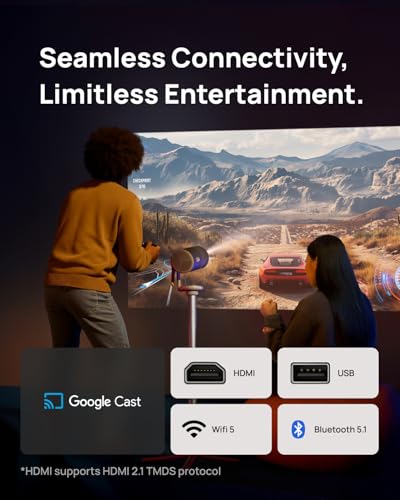
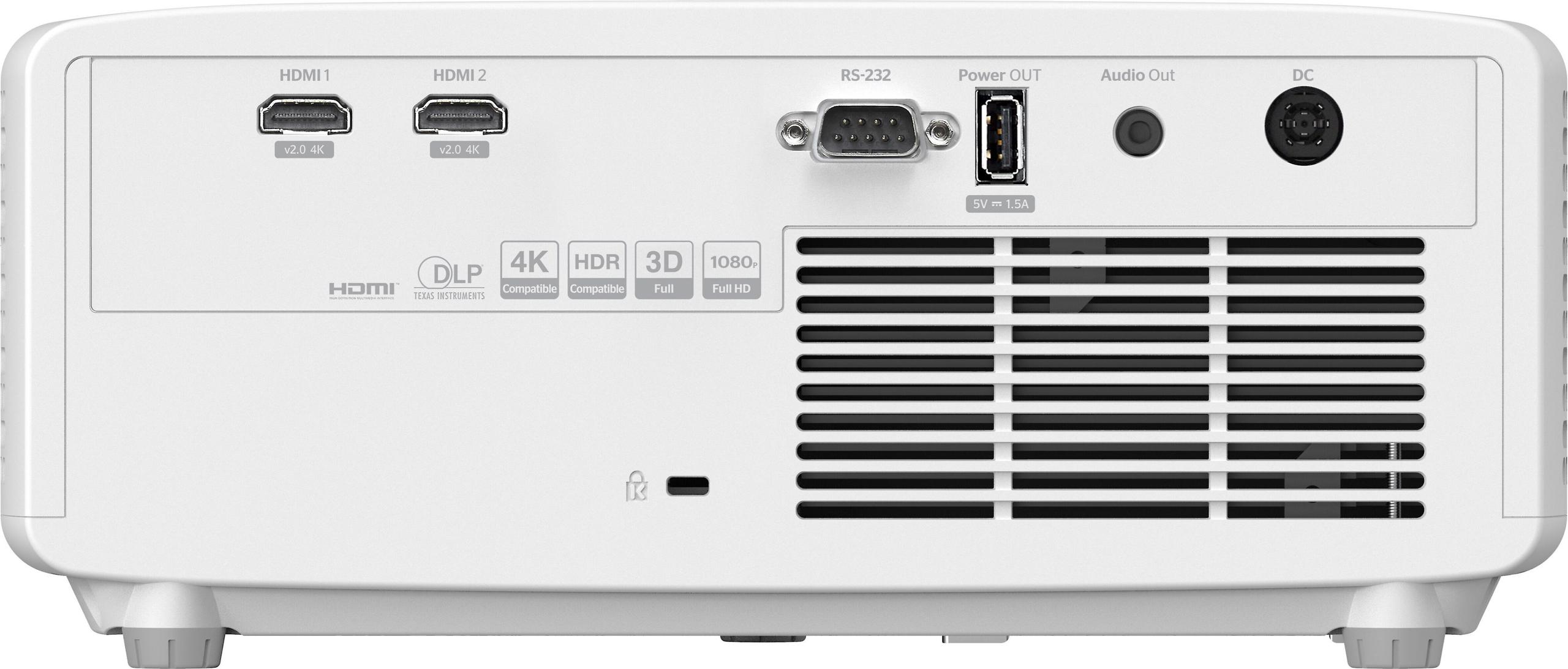
| 2x HDMI (ARC), USB, Wi-Fi 5, Bluetooth 5.1 | 2x HDMI 2.0, USB power, 3.5mm audio, RS-232 control |
| Noise Level - Important for quiet viewing environments | |
| Nearly silent LED operation | 32-34 dB fan noise (quiet but audible) |
| Best Use Cases - Who should choose each projector | |
| Renters, travelers, casual viewers, outdoor entertainment, bedroom use | Home theaters, bright rooms, gaming enthusiasts, permanent installations |
The Optoma HZ40HDR is significantly better for bright rooms with its 4,000 ANSI lumens compared to the XGIMI MoGo 4's 450 ISO lumens. The Optoma can produce watchable images even with lights on and curtains open, while the XGIMI requires dim or dark conditions for optimal viewing.
Only the XGIMI MoGo 4 offers battery power, providing up to 2.5 hours of viewing time (extendable to 5 hours with the optional PowerBase stand). The Optoma HZ40HDR requires a permanent power connection and is designed for fixed installations.
The Optoma HZ40HDR is superior for serious gaming with 8.6ms input lag at 1080p/120Hz, making it suitable for competitive gaming. The XGIMI MoGo 4 has 20ms input lag, which is adequate for casual gaming but may feel sluggish for fast-paced competitive titles.
The XGIMI MoGo 4 includes Google TV built-in with access to Netflix, Amazon Prime, Disney+, and over 10,000 apps, so no additional streaming device is needed. The Optoma HZ40HDR requires an external streaming stick, game console, or media player for smart functionality.
The XGIMI MoGo 4 is much easier to set up with its 360-degree adjustable stand, automatic focus, and keystone correction. You can have it projecting within minutes. The Optoma HZ40HDR requires careful positioning, throw distance calculations, and typically permanent mounting for optimal results.
The XGIMI MoGo 4 works best with 40"-120" screens, though it can go up to 200" in very dark conditions. The Optoma HZ40HDR can handle much larger screens from 20"-300", with excellent performance at 150"+ screen sizes thanks to its superior brightness.
The XGIMI MoGo 4 has superior built-in audio with dual 6W Harman Kardon speakers that deliver surprisingly good sound quality for a portable device. The Optoma HZ40HDR has a basic 15W speaker that's adequate for testing but most users will want external speakers or a soundbar.
The XGIMI MoGo 4 is designed for portability at 1.3kg and can be easily moved between rooms, taken outdoors, or used for travel. The Optoma HZ40HDR weighs 6.6 lbs and is designed for permanent installation, making it impractical to move frequently.
For a dedicated home theater, the Optoma HZ40HDR is the better choice due to its superior brightness, contrast ratio (300,000:1), and ability to fill large screens with bright, detailed images. The XGIMI MoGo 4 works well for smaller, intimate viewing spaces or as a secondary bedroom projector.
Both projectors offer long lifespans with the Optoma HZ40HDR rated for 30,000 hours of laser operation and the XGIMI MoGo 4 expected to deliver 20,000+ hours with its LED light source. Both eliminate the need for expensive lamp replacements common in older projector technology.
Value depends on your needs. The XGIMI MoGo 4 offers excellent value if you prioritize portability, convenience, and built-in smart features. The Optoma HZ40HDR provides better performance-per-dollar for brightness and image quality if you're building a permanent installation.
The XGIMI MoGo 4 is excellent for outdoor use thanks to its battery power, portable design, and ability to project on any surface. The Optoma HZ40HDR can work outdoors but requires a power source and permanent setup, making it less practical for outdoor entertainment.
We've done our best to create useful and informative comparisons to help you decide what product to buy. Our research uses advanced automated methods to create this comparison and perfection is not possible - please contact us for corrections or questions. These are the sites we've researched in the creation of this article: projectorcentral.com - whathifi.com - us.xgimi.com - whathifi.com - global.xgimi.com - youtube.com - us.xgimi.com - youtube.com - youtube.com - thesmarthomehookup.com - global.xgimi.com - hometechnologyreview.com - projectorcentral.com - youtube.com - us.xgimi.com - projectorcentral.com - optomausa.com - crutchfield.com - tvsbook.com - youtube.com - avsforum.com - hometechnologyreview.com - optomausa.com - bestbuy.com - tvsbook.com - picclick.com - crutchfield.com - homecinemachoice.com - compsource.com - adorama.com - bhphotovideo.com - provantage.com - cdw.com - datavision.com - manua.ls - ipcstore.com - pcrichard.com - richersounds.com - electronicexpress.com - projexdisplay.com - dubaimachines.com - newegg.com - projectorpoint.co.uk - a.ubuy.com.kw - greentoe.com

Privacy Policy
Terms and Conditions - Affiliate Policy
Home Security
© Copyright 2008-2026.
11816 Inwood Rd #1211, Dallas, TX 75244