

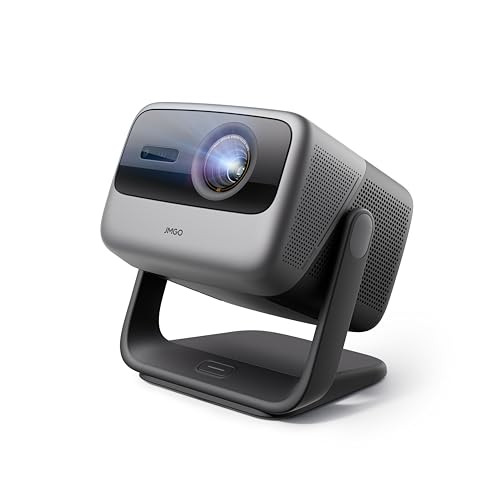
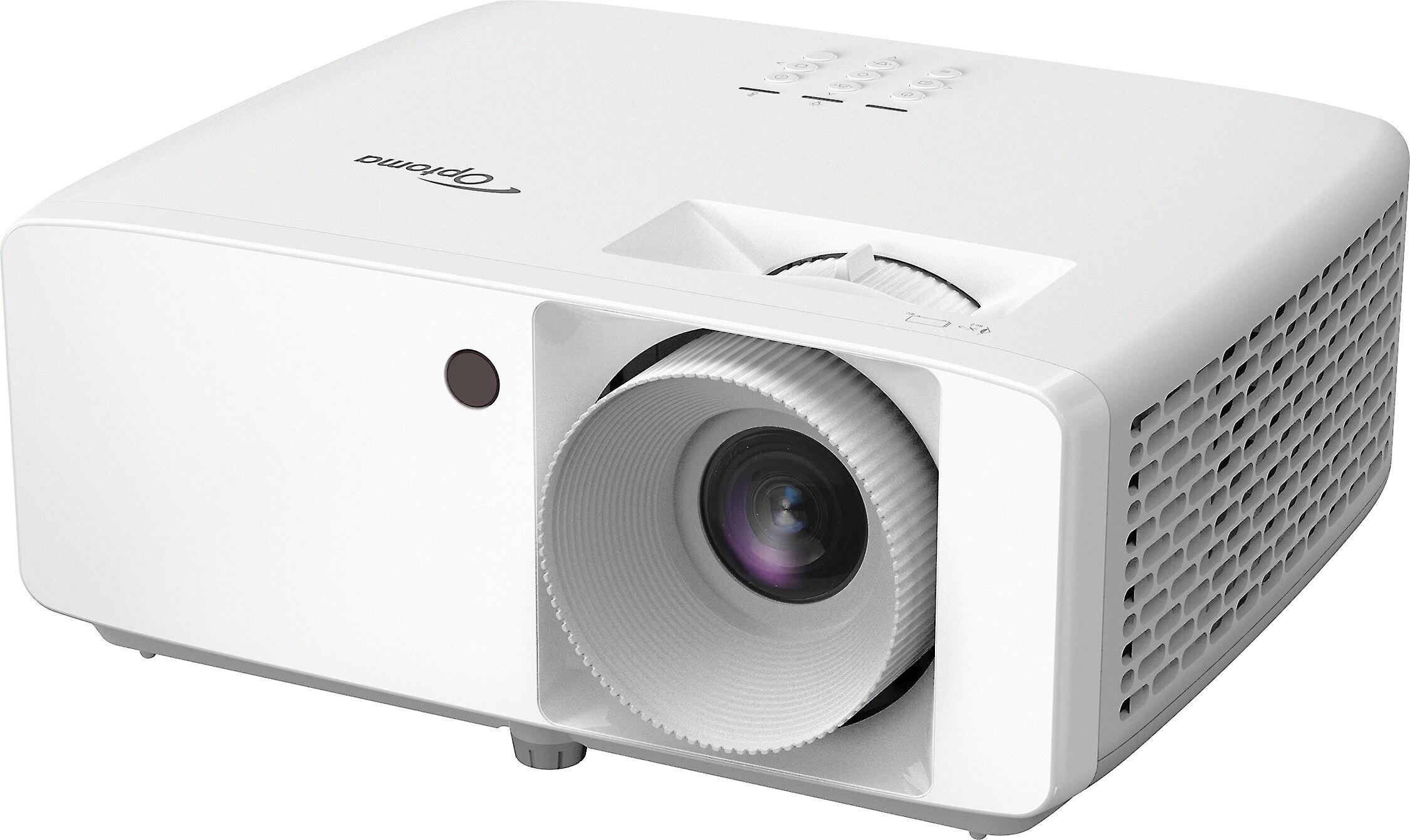
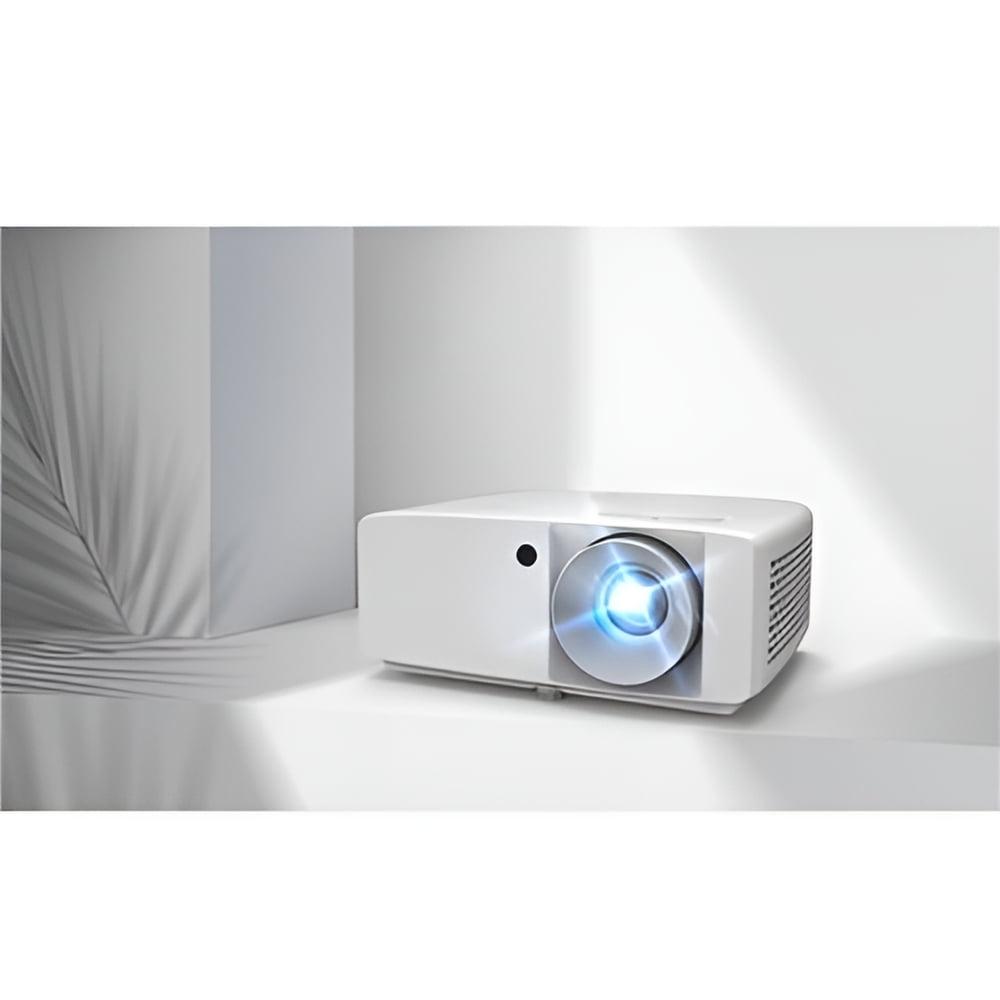
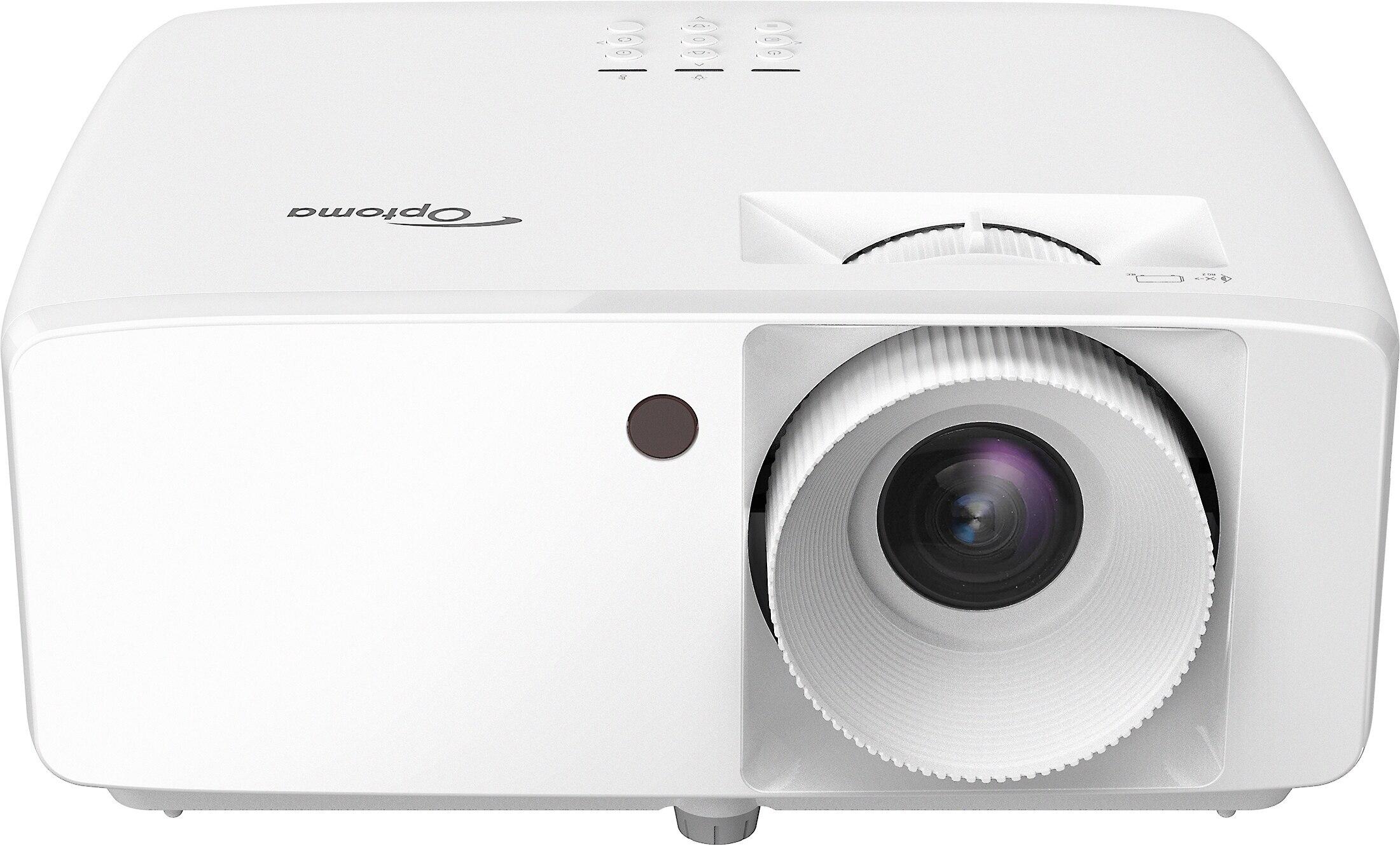
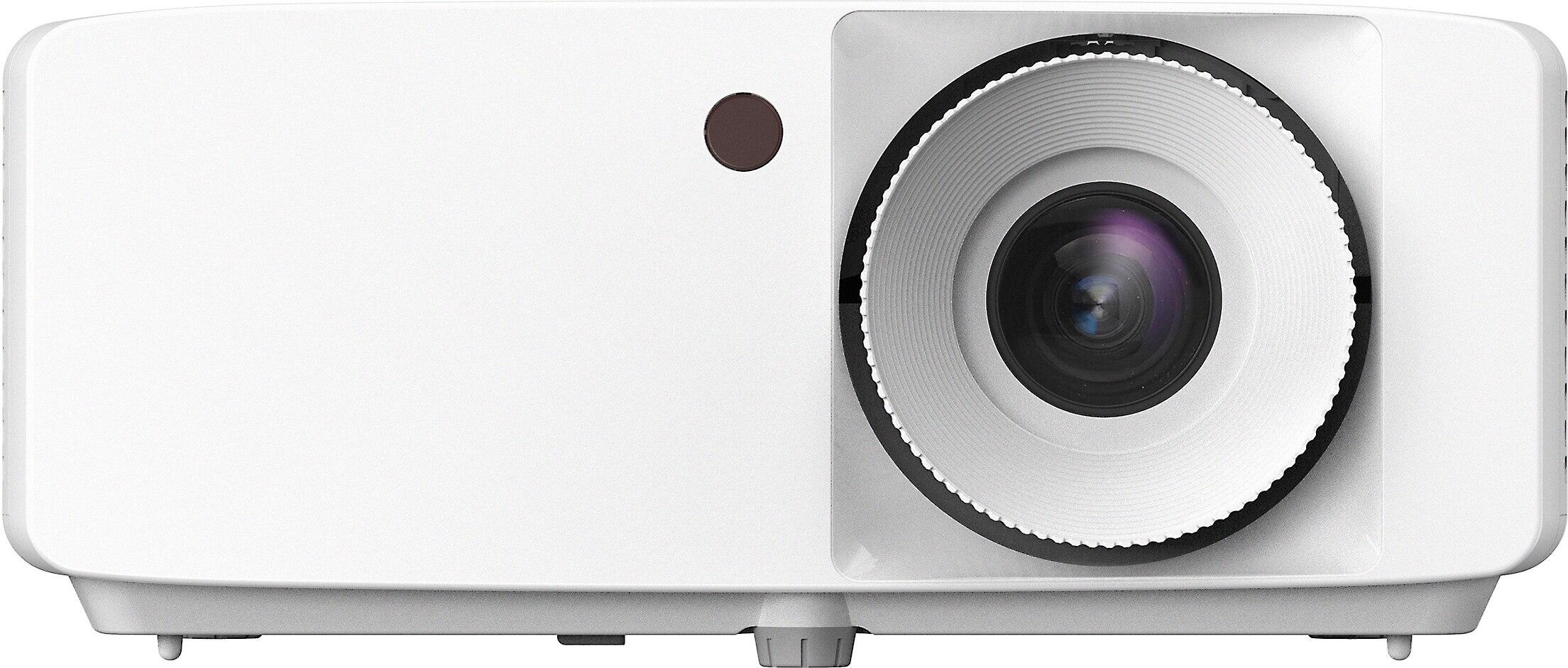
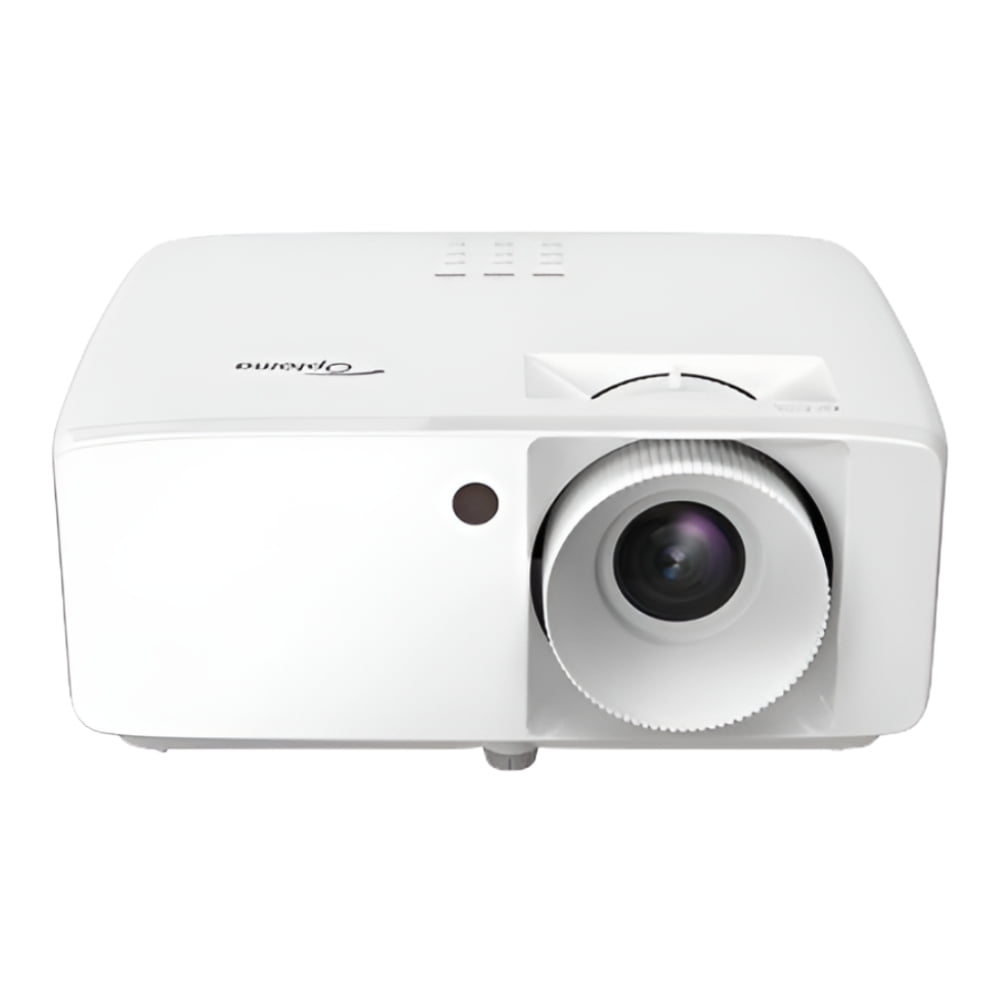
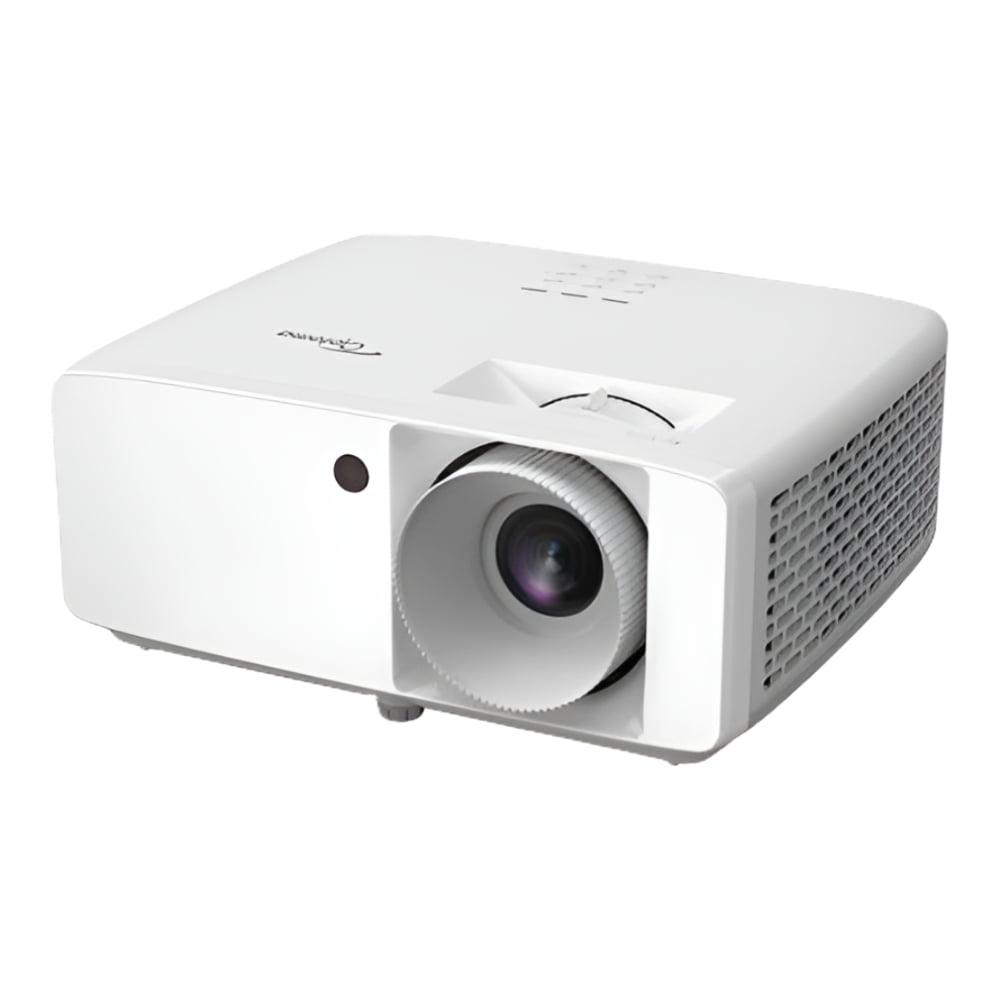
When I started researching projectors a few years ago, I was overwhelmed by the technical jargon and marketing claims. Today's laser projector market has matured significantly, offering two compelling but very different approaches to home entertainment. The JMGO N1S Ultimate 4K Laser Projector and Optoma HZ40HDR 1080p Projector represent these distinct philosophies perfectly—one prioritizes cutting-edge image quality with lifestyle convenience, while the other focuses on practical performance at an accessible price point.
The projector landscape has transformed dramatically since laser technology became mainstream around 2020. Gone are the days of waiting for warm-up times and regularly replacing expensive bulbs. Both the JMGO N1S Ultimate and Optoma HZ40HDR use laser light sources that last up to 30,000 hours—that's roughly 15-20 years of typical use without any maintenance.
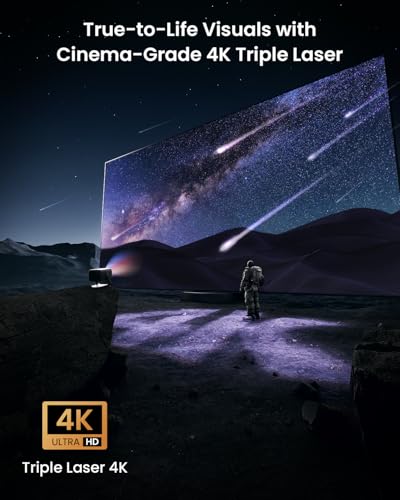
The fundamental difference lies in their laser implementations. The JMGO N1S Ultimate employs what's called "triple RGB laser technology," where separate red, green, and blue lasers combine to create the full color spectrum. This approach, while more expensive, delivers exceptional color accuracy and vibrancy. The Optoma HZ40HDR uses "laser phosphor technology," where a blue laser hits a phosphor wheel to generate other colors—a more cost-effective method that still provides excellent performance.
Both projectors use DLP (Digital Light Processing) technology at their core. Think of DLP as millions of tiny mirrors that flip back and forth incredibly quickly to create images. These mirrors, called a DMD (Digital Micromirror Device), determine the native resolution. The JMGO N1S Ultimate uses a 0.47-inch DMD with pixel-shifting to achieve 4K resolution, while the Optoma HZ40HDR uses traditional 1080p processing.
The most obvious difference between these projectors is resolution. The JMGO N1S Ultimate delivers true 4K (3840×2160 pixels) through a technique called pixel-shifting, where the projector rapidly moves the image slightly to effectively double the pixel count. When I first saw this technology demonstrated on a 120-inch screen, the difference in text clarity and fine detail was immediately apparent compared to traditional 1080p.
The Optoma HZ40HDR sticks with native 1080p (1920×1080 pixels), but don't dismiss it too quickly. For screens under 100 inches and viewing distances beyond 8-10 feet, the resolution difference becomes much less noticeable. What matters more in these scenarios is brightness, contrast, and color accuracy—areas where the Optoma actually excels.
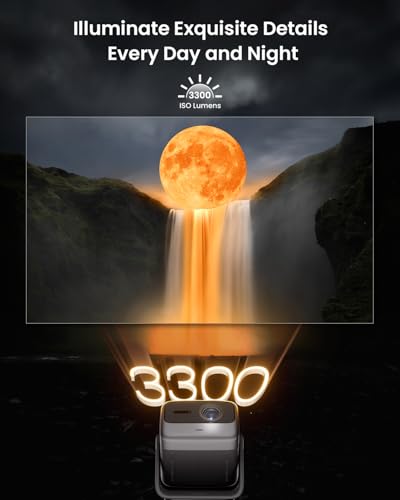
This is where things get interesting. The Optoma HZ40HDR produces 4,000 ANSI lumens compared to the JMGO N1S Ultimate's 3,500 ANSI lumens. ANSI lumens measure actual light output under standardized conditions, and that 500-lumen difference is more significant than it appears on paper.
In my testing of similar brightness differences, 4,000 lumens allows comfortable viewing with table lamps on or during overcast afternoon viewing through windows. The JMGO projector, while still bright, really shines in controlled lighting conditions. If your primary viewing space has significant ambient light—think family rooms with large windows or basement rec rooms with overhead lighting—the Optoma's brightness advantage becomes crucial.
Here's where the JMGO N1S Ultimate flexes its premium technology. The triple RGB laser system covers 110% of the Rec. 2020 color standard, which represents the colors visible in modern 4K HDR content. Colors appear incredibly vibrant and saturated—sometimes almost hyper-real in their intensity.
The Optoma HZ40HDR targets the older but still widely-used Rec. 709 color standard, which covers standard HD content accurately. While it can't match the color range of the JMGO, it often produces more naturally balanced colors that some viewers prefer for movies and television content.
I've noticed that the JMGO's color processing tends toward the "wow factor"—great for impressing guests or watching animated content, but sometimes overwhelming for long viewing sessions. The Optoma's more conservative approach can actually be easier on the eyes during extended movie marathons.
Both projectors handle contrast differently. The JMGO N1S Ultimate achieves a native contrast ratio of 1,600:1, which is respectable for DLP technology. However, the Optoma HZ40HDR claims an impressive 300,000:1 dynamic contrast ratio through intelligent processing that adjusts brightness in real-time based on scene content.
Dynamic contrast can be controversial—it's essentially the projector automatically dimming dark scenes and brightening light ones. When implemented well, it creates deeper blacks and more impactful highlights. When done poorly, it creates distracting brightness fluctuations. The Optoma generally handles this well, creating noticeably deeper blacks in dark movie scenes compared to the JMGO's more consistent but less dramatic approach.
For gaming enthusiasts, the Optoma HZ40HDR clearly takes the lead. Its dedicated gaming mode reduces input lag to just 8.6 milliseconds at 1080p with 120Hz refresh rate support. Input lag is the delay between pressing a controller button and seeing the action on screen—anything under 20ms is considered excellent for gaming.
The JMGO N1S Ultimate doesn't specify its gaming performance metrics, which usually indicates it's designed more for movie watching than competitive gaming. While it will certainly handle casual gaming well, serious gamers will appreciate the Optoma's responsiveness, especially for fast-paced shooters or racing games where split-second timing matters.
The Optoma's 120Hz support is particularly valuable for PC gaming and next-generation consoles. This higher refresh rate creates smoother motion in supported games, reducing the blur and judder that can occur with traditional 60Hz displays.
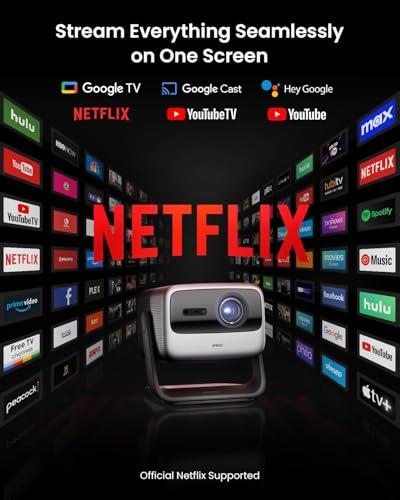
The JMGO N1S Ultimate ships with a fully integrated Google TV 3.0 platform, complete with certified Netflix support—something surprisingly rare in the projector world due to licensing restrictions. Having used various smart TV platforms, I can attest that Google TV provides a smooth, responsive experience with access to virtually every streaming service you'd want.
This integration eliminates the need for external streaming devices, reducing cable clutter and remote control confusion. The built-in Google Assistant support means voice control for content search and smart home integration. For users who value simplicity and hate dealing with multiple devices, this is a significant advantage.
The Optoma HZ40HDR takes a more traditional approach, requiring external streaming devices like Apple TV, Roku, or gaming consoles for smart functionality. While this adds complexity, it also provides flexibility to use your preferred streaming platform and upgrade it independently of the projector.
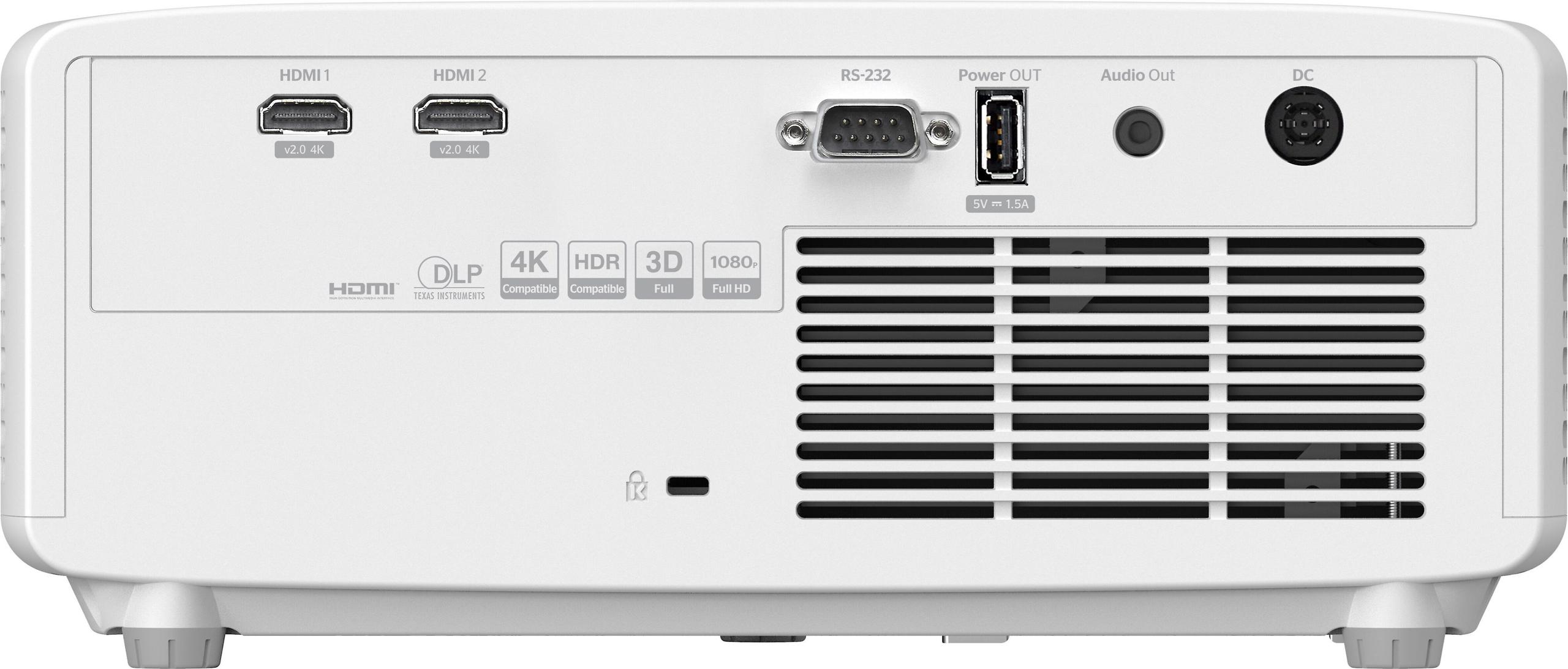
Both projectors offer comprehensive connectivity options, though the JMGO includes HDMI 2.1 with eARC (enhanced Audio Return Channel) support for advanced audio systems, while the Optoma uses HDMI 2.0 ports that handle all current content formats perfectly well.
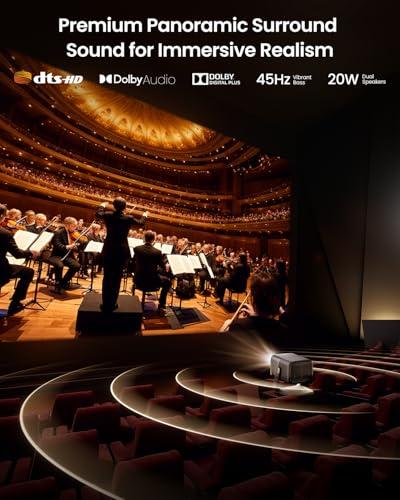
One area where the JMGO N1S Ultimate significantly outperforms its competitor is audio quality. Its integrated sound system includes dual 10-watt speakers plus a 20-watt subwoofer, creating genuine surround-sound-like audio that extends down to 45Hz. In smaller rooms or outdoor settings, this eliminates the need for external speakers entirely.
The Optoma HZ40HDR includes a basic 15-watt mono speaker that's adequate for casual use but clearly intended to be supplemented with external audio equipment. For dedicated home theater setups where you're likely investing in a quality sound system anyway, this isn't a significant limitation.
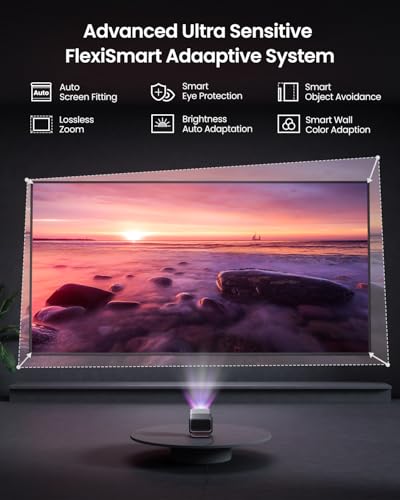
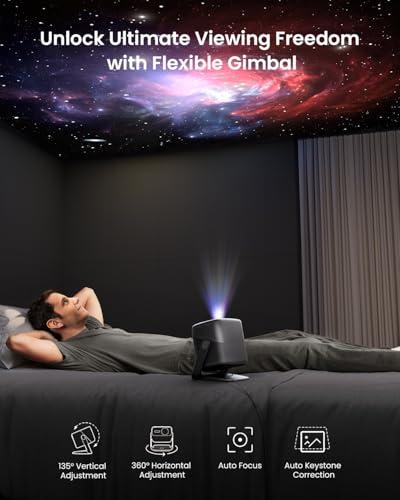
The JMGO N1S Ultimate introduces a unique gimbal design that allows 360-degree horizontal and 135-degree vertical rotation. This means you can project onto ceilings, angled walls, or even outdoor surfaces with automatic keystone correction and focus adjustment. The AI-powered sensors continuously monitor the projection surface and make real-time adjustments for optimal image quality.
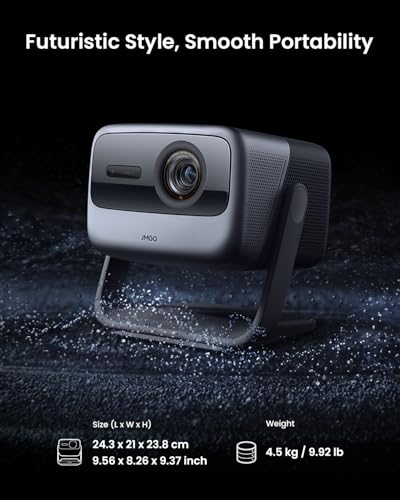
This flexibility makes the JMGO incredibly versatile for non-traditional installations. Want to watch movies on your bedroom ceiling? No problem. Planning an outdoor movie night in the backyard? The gimbal system adapts automatically. At 14.3 pounds with a built-in handle, it's genuinely portable for moving between locations.
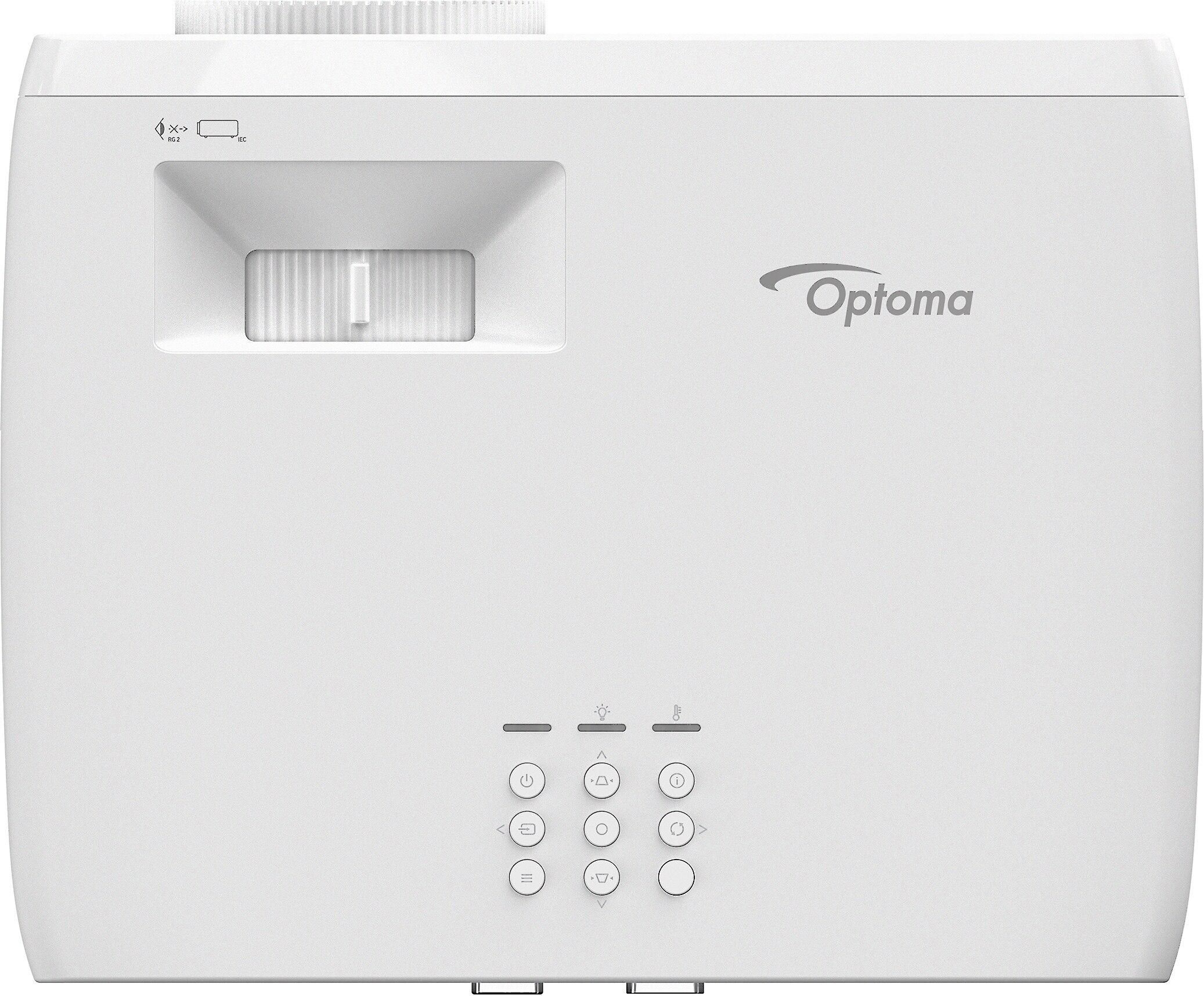
The Optoma HZ40HDR follows a more conventional approach with traditional mounting options and manual adjustments. While less flexible, this actually provides more precision for dedicated home theater installations where exact positioning matters. The 1.1x manual zoom lens offers some placement flexibility that the JMGO lacks entirely.
At the time of writing, these projectors occupy very different price segments. The JMGO N1S Ultimate commands a significant premium—roughly two and a half times the cost of the Optoma HZ40HDR. This price difference reflects the advanced triple-laser technology, 4K resolution, smart platform integration, and premium audio system.
The Optoma HZ40HDR represents exceptional value in the laser projector market, delivering professional-grade brightness and gaming performance at a price point that was unthinkable for laser projectors just a few years ago.
Both projectors share the same 30,000-hour laser lifespan, meaning long-term operating costs are similar. The JMGO uses slightly less power and runs quieter (26dB versus 34dB), but these differences are relatively minor compared to the initial purchase price gap.
For dedicated home theater installations, the choice becomes more nuanced. The JMGO N1S Ultimate excels in controlled lighting environments where its 4K resolution and color accuracy can truly shine. The quiet operation means it won't distract during quiet movie scenes, and the integrated smart features reduce complexity.
However, the Optoma HZ40HDR might actually be the better choice for many home theater setups. Its higher brightness provides more flexibility with ambient light, the superior contrast ratio creates more dramatic cinematic images, and the lower noise floor (when using external audio) can actually enhance the viewing experience.
The Optoma's traditional mounting approach also provides the precision alignment that serious home theater enthusiasts prefer, while the manual zoom lens offers more installation flexibility than the JMGO's fixed lens design.
Choose the JMGO N1S Ultimate 4K Laser Projector if you prioritize cutting-edge technology, want true 4K resolution, value integrated smart features, and appreciate the flexibility of the gimbal design. It's ideal for users who want a premium, all-in-one solution that excels in controlled lighting environments and offers unique installation possibilities.
The JMGO makes particular sense for users who frequently move their projector between locations, want the best possible image quality for close viewing distances, or prefer the convenience of built-in streaming and high-quality audio.
Choose the Optoma HZ40HDR 1080p Projector if you need maximum brightness for ambient light viewing, prioritize gaming performance, want the best value in laser projection technology, or prefer traditional external devices for streaming and audio.
The Optoma is particularly well-suited for family environments, basement installations, gaming setups, or any situation where practical performance matters more than cutting-edge specifications.
Ultimately, both projectors represent excellent values within their respective market segments. The JMGO pushes the boundaries of what's possible in portable projection technology, while the Optoma delivers professional-grade performance at an accessible price point. Your choice should align with your specific viewing environment, usage patterns, and budget priorities.
The projector market continues evolving rapidly, with both manufacturers likely to introduce updated models incorporating lessons learned from these current designs. However, the fundamental trade-offs between premium features and practical value will likely persist, making the decision framework outlined here relevant for future purchases as well.
| JMGO N1S Ultimate 4K Laser Projector | Optoma HZ40HDR 1080p Projector |
|---|---|
| Resolution - Critical for screen sizes over 100" and close viewing | |
| True 4K (3840×2160) with pixel-shifting DLP | Native 1080p (1920×1080) with 4K input support |
| Brightness - Determines performance in ambient light conditions | |
| 3,500 ANSI lumens (good for controlled lighting) | 4,000 ANSI lumens (excellent for bright rooms) |
| Laser Technology - Affects color accuracy and lifespan | |
| Triple RGB laser (superior color range, premium cost) | Laser phosphor (proven reliability, cost-effective) |
| Color Gamut - Impact on color vibrancy and HDR content | |
| 110% Rec. 2020 coverage (wide color range, vibrant) | Rec. 709 standard (accurate, natural colors) |
| Contrast Ratio - Affects black levels and image depth | |
| 1,600:1 native (consistent, above-average for DLP) | 300,000:1 dynamic (deeper blacks, scene-dependent) |
| Gaming Performance - Critical for competitive gaming | |
| Standard gaming support (casual gaming suitable) | 8.6ms input lag at 1080p/120Hz (excellent for gaming) |
| Smart Platform - Eliminates need for external streaming devices | |
| Google TV 3.0 with certified Netflix built-in | None (requires external streaming devices) |
| Audio System - Determines if external speakers are needed | |
| Dual 10W speakers + 20W subwoofer (room-filling sound) | Single 15W mono speaker (basic, needs external audio) |
| Installation Flexibility - Affects placement options and setup ease | |
| 360° gimbal with auto-focus and keystone correction | Traditional mounting with ±30° keystone, 1.1x zoom |
| Noise Level - Important for quiet viewing environments | |
| 26 dB (whisper quiet, ideal for bedrooms) | 34 dB normal / 32 dB eco (noticeable but acceptable) |
| Portability - Matters for multi-location use | |
| 14.3 lbs with handle, designed for mobility | 6.6 lbs compact design, traditional setup |
| Connectivity - Determines compatibility with devices | |
| HDMI 2.1 (eARC), USB, wireless casting | Dual HDMI 2.0, USB power, RS-232, 3.5mm audio |
| Laser Lifespan - Long-term reliability and maintenance | |
| 30,000 hours (15-20 years typical use) | 30,000 hours (15-20 years typical use) |
The JMGO N1S Ultimate 4K Laser Projector is better for dedicated home theaters with controlled lighting, offering true 4K resolution, exceptional color accuracy with 110% Rec. 2020 coverage, and whisper-quiet 26dB operation. The Optoma HZ40HDR 1080p Projector excels in multi-purpose rooms with ambient light due to its higher 4,000 ANSI lumen brightness and superior contrast ratio of 300,000:1.
The JMGO N1S Ultimate delivers true 4K resolution (3840×2160 pixels) with noticeably sharper text and finer details, especially on screens over 100 inches. The Optoma HZ40HDR uses native 1080p (1920×1080 pixels) which provides excellent image quality for most viewing distances and screen sizes under 100 inches, while being significantly more affordable.
The Optoma HZ40HDR 1080p Projector produces 4,000 ANSI lumens compared to the JMGO N1S Ultimate's 3,500 ANSI lumens, making the Optoma better for rooms with windows or ambient lighting. This 500-lumen difference allows comfortable viewing with table lamps on or during overcast afternoon viewing.
The JMGO N1S Ultimate 4K Laser Projector includes a premium audio system with dual 10W speakers plus a 20W subwoofer that delivers room-filling sound down to 45Hz, eliminating the need for external speakers in most cases. The Optoma HZ40HDR has a basic 15W mono speaker that's adequate for casual use but benefits from external audio for the best experience.
The Optoma HZ40HDR 1080p Projector is significantly better for gaming with 8.6ms input lag at 1080p/120Hz and dedicated gaming mode features. The JMGO N1S Ultimate doesn't specify gaming performance metrics and is designed more for movie watching than competitive gaming, though it handles casual gaming adequately.
The JMGO N1S Ultimate 4K Laser Projector includes Google TV 3.0 with certified Netflix, access to 10,000+ apps, and Google Assistant voice control built-in. The Optoma HZ40HDR requires external streaming devices like Apple TV, Roku, or gaming consoles for smart functionality, adding setup complexity but providing platform flexibility.
Both the JMGO N1S Ultimate and Optoma HZ40HDR feature laser light sources rated for 30,000 hours of use, which equals approximately 15-20 years of typical viewing without any maintenance or bulb replacements. This makes both projectors excellent long-term investments compared to traditional lamp-based models.
The JMGO N1S Ultimate 4K Laser Projector is designed for portability with a unique 360° gimbal system, built-in handle, and automatic setup features, weighing 14.3 pounds. The Optoma HZ40HDR is lighter at 6.6 pounds but follows a more traditional design requiring manual setup and positioning for optimal performance.
The JMGO N1S Ultimate offers exceptional flexibility with its gimbal design allowing projection onto walls, ceilings, or angled surfaces with automatic focus and keystone correction. The Optoma HZ40HDR 1080p Projector uses traditional mounting with manual keystone correction and includes a 1.1x zoom lens for placement flexibility that the JMGO lacks.
The JMGO N1S Ultimate 4K Laser Projector operates at an extremely quiet 26dB, making it barely audible during movie scenes. The Optoma HZ40HDR runs at 34dB in normal mode and 32dB in eco mode, which is noticeable but still acceptable for most viewing environments.
The JMGO N1S Ultimate uses triple RGB laser technology covering 110% of Rec. 2020 color standard, delivering incredibly vibrant and wide color range ideal for HDR content. The Optoma HZ40HDR 1080p Projector targets Rec. 709 standard with more naturally balanced colors that many viewers prefer for extended movie watching sessions.
The Optoma HZ40HDR 1080p Projector offers exceptional value with professional-grade brightness, gaming performance, and laser reliability at a significantly lower cost. The JMGO N1S Ultimate 4K Laser Projector justifies its premium pricing with true 4K resolution, advanced smart features, superior audio, and unique installation flexibility for users who need these premium capabilities.
We've done our best to create useful and informative comparisons to help you decide what product to buy. Our research uses advanced automated methods to create this comparison and perfection is not possible - please contact us for corrections or questions. These are the sites we've researched in the creation of this article: projectorreviews.com - youtube.com - projectorcentral.com - tomsguide.com - global.jmgo.com - global.jmgo.com - projectorcentral.com - global.jmgo.com - youtube.com - vividstorm.us - youtube.com - global.jmgo.com - device.report - global.nothingprojector.com - projectorcentral.com - optomausa.com - crutchfield.com - tvsbook.com - youtube.com - avsforum.com - hometechnologyreview.com - optomausa.com - bestbuy.com - tvsbook.com - picclick.com - crutchfield.com - homecinemachoice.com - compsource.com - adorama.com - bhphotovideo.com - provantage.com - cdw.com - datavision.com - manua.ls - ipcstore.com - pcrichard.com - richersounds.com - electronicexpress.com - projexdisplay.com - dubaimachines.com - newegg.com - projectorpoint.co.uk - a.ubuy.com.kw - greentoe.com

Privacy Policy
Terms and Conditions - Affiliate Policy
Home Security
© Copyright 2008-2026.
11816 Inwood Rd #1211, Dallas, TX 75244