

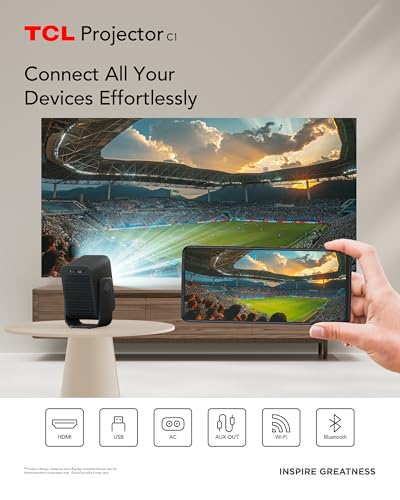

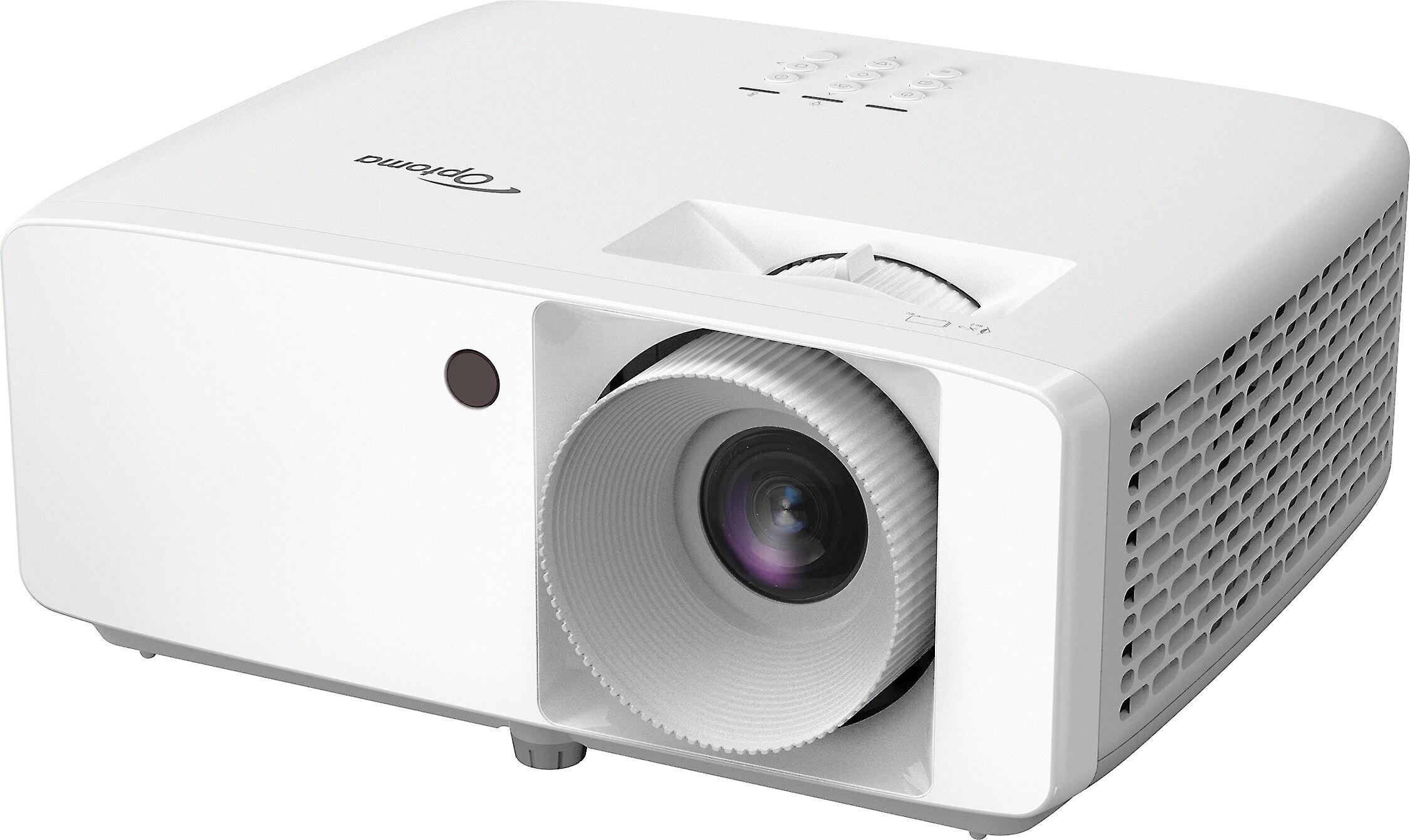
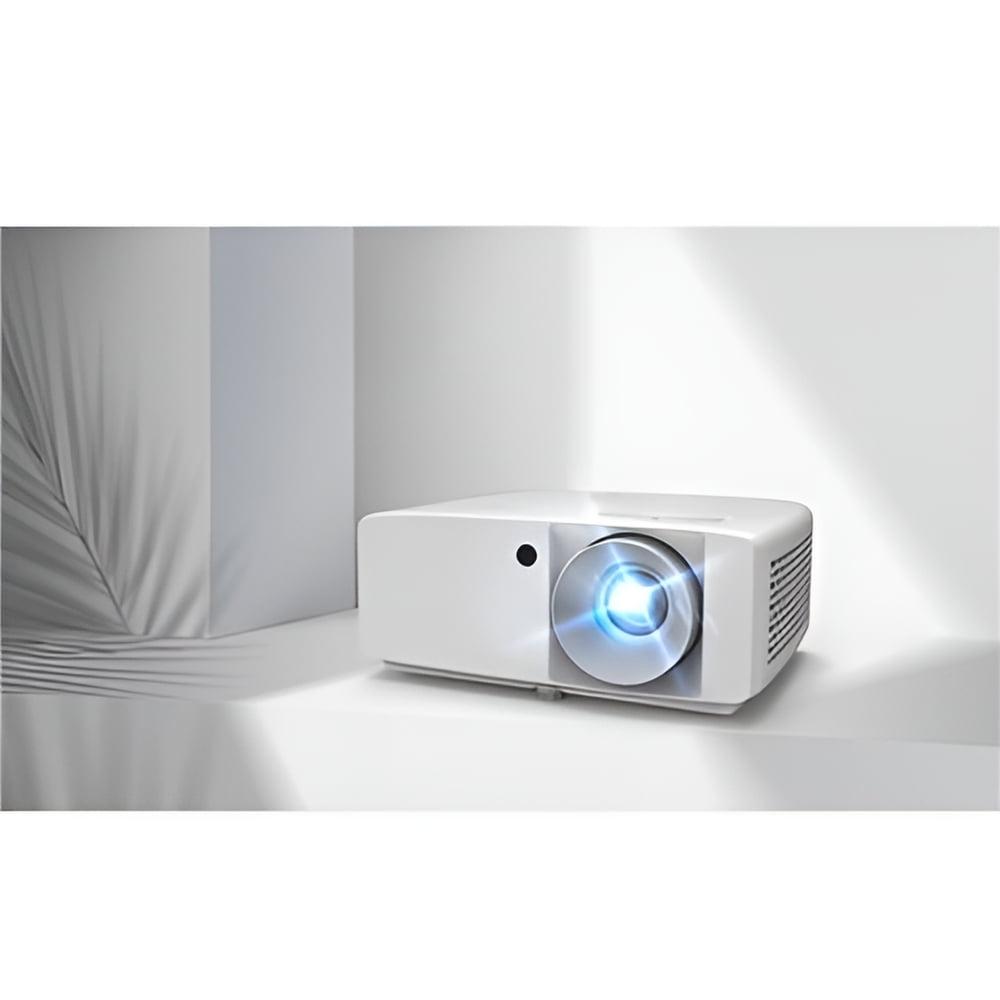
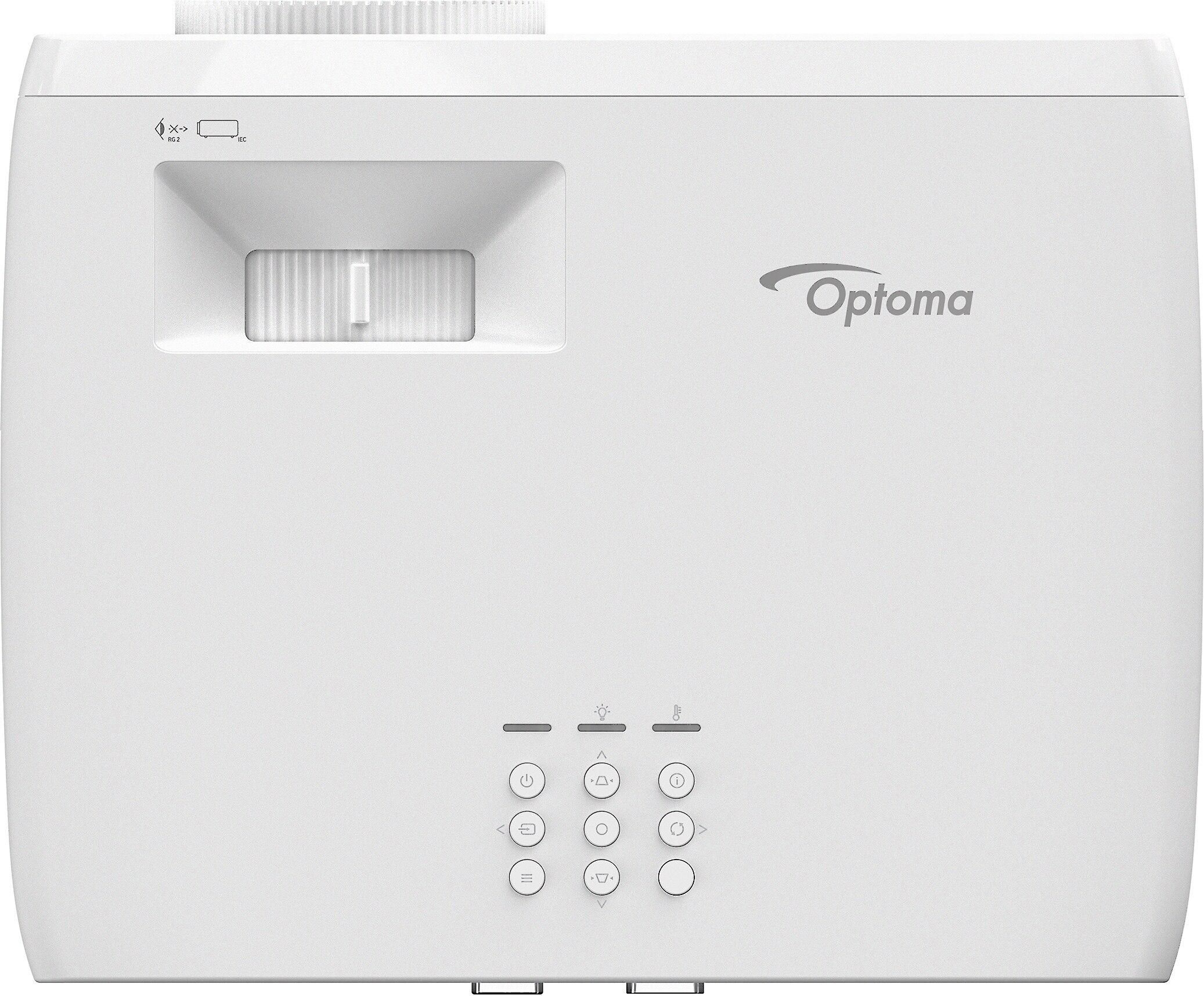
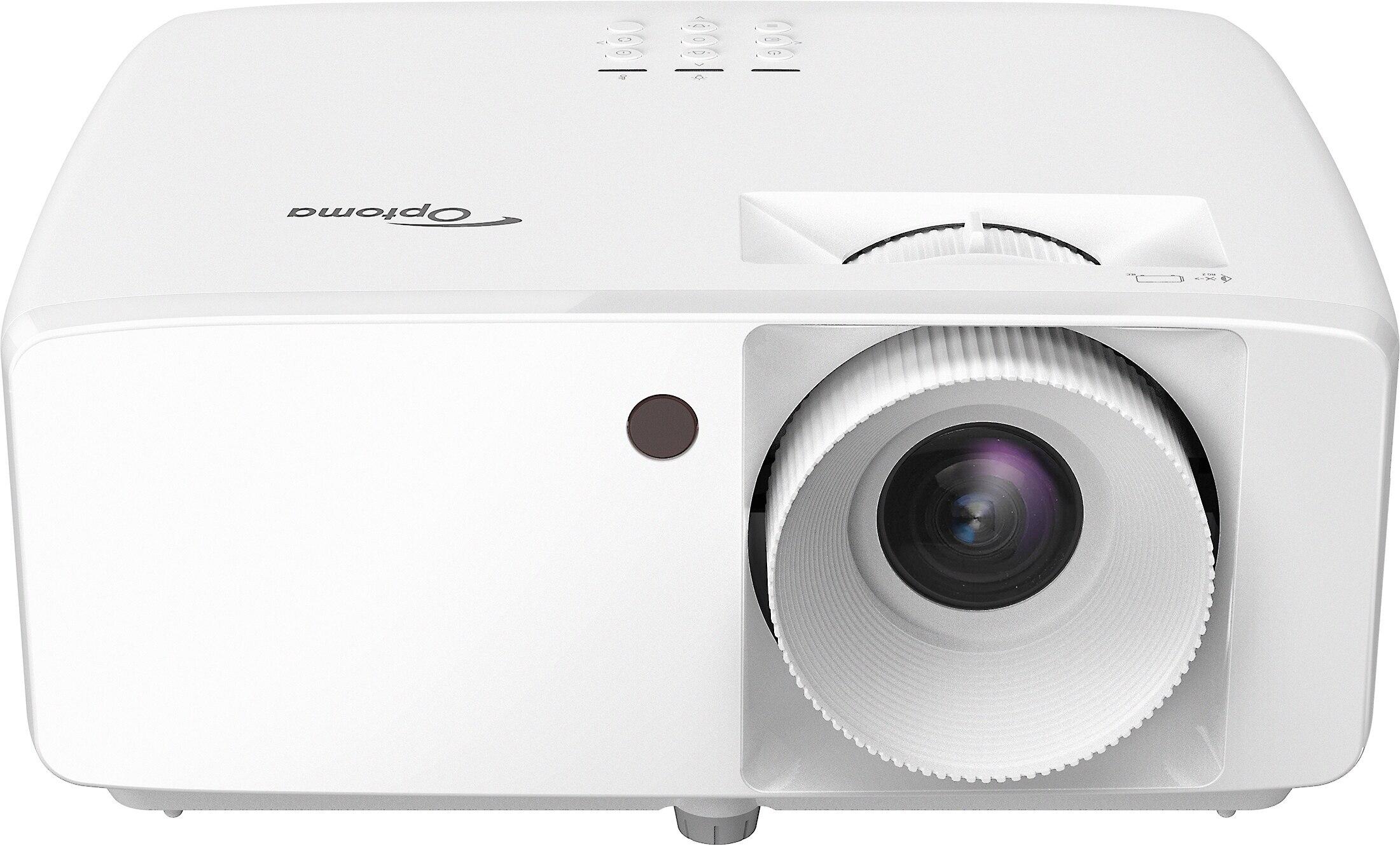
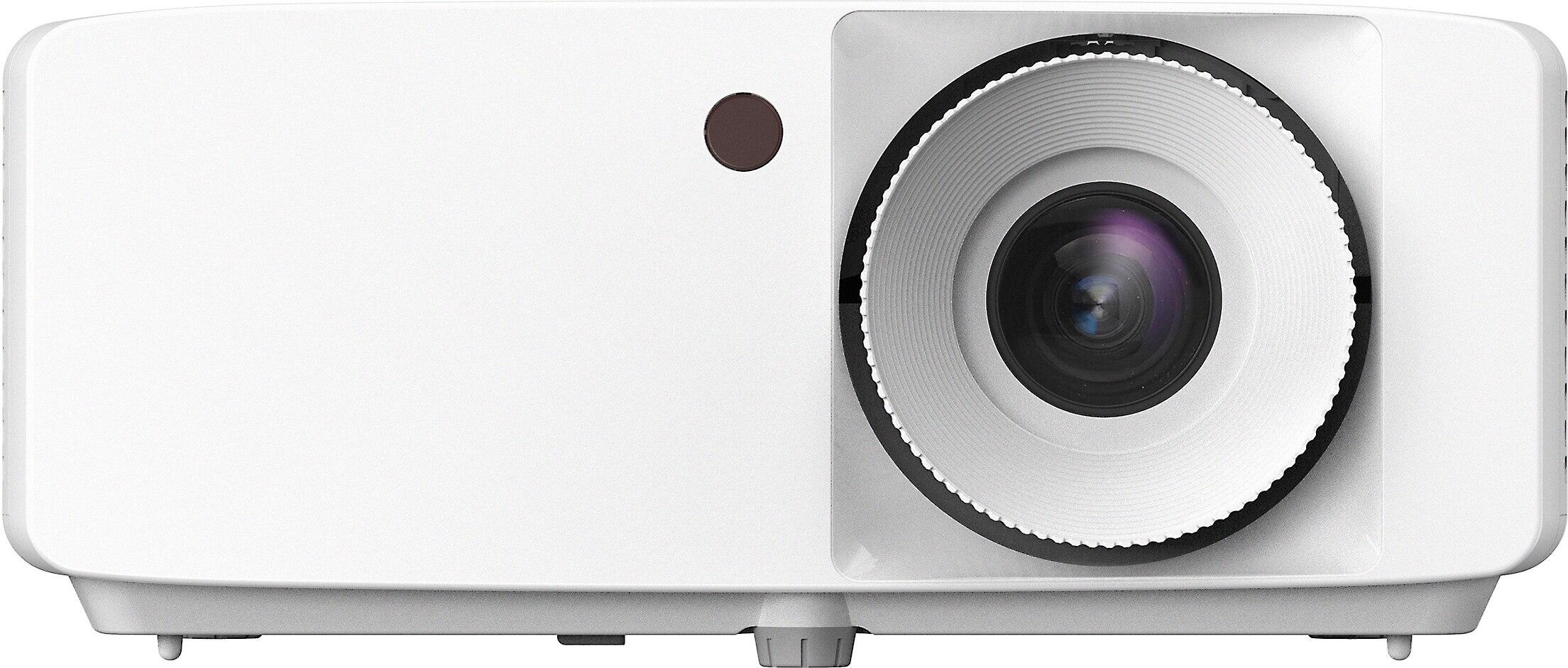
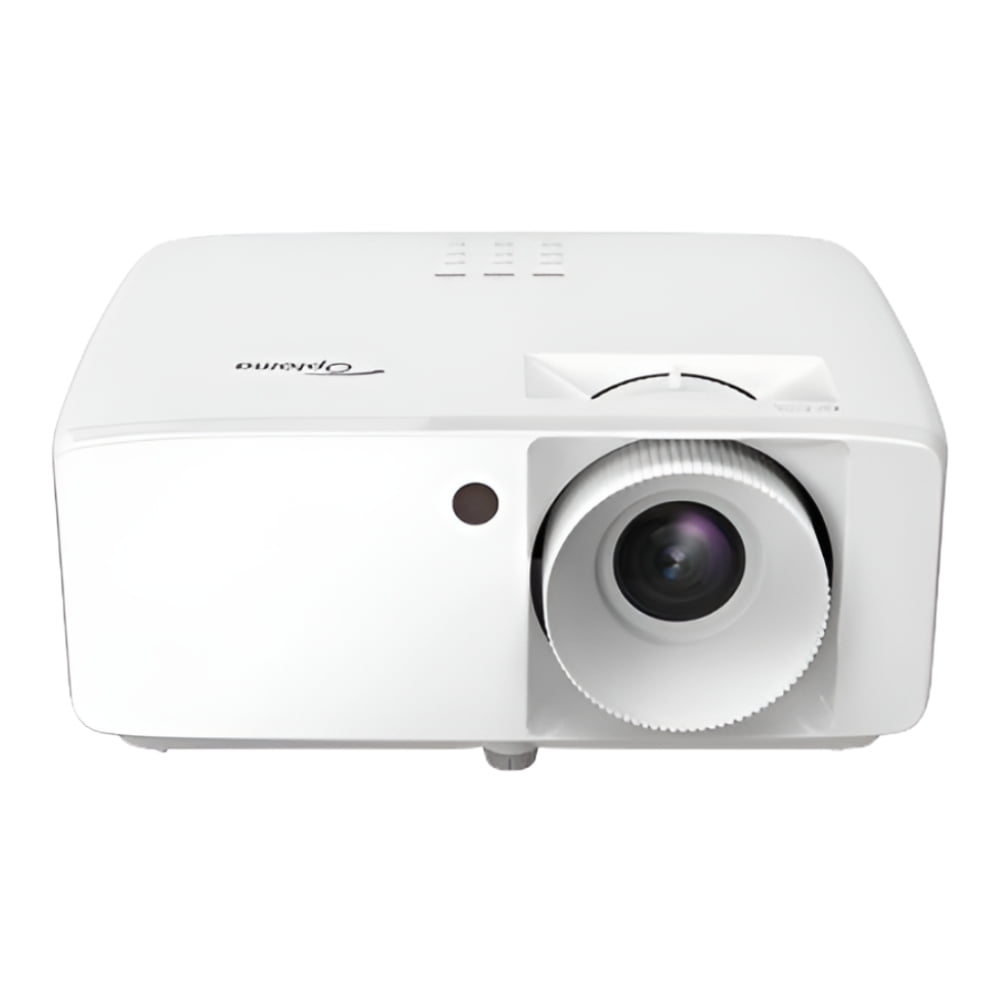
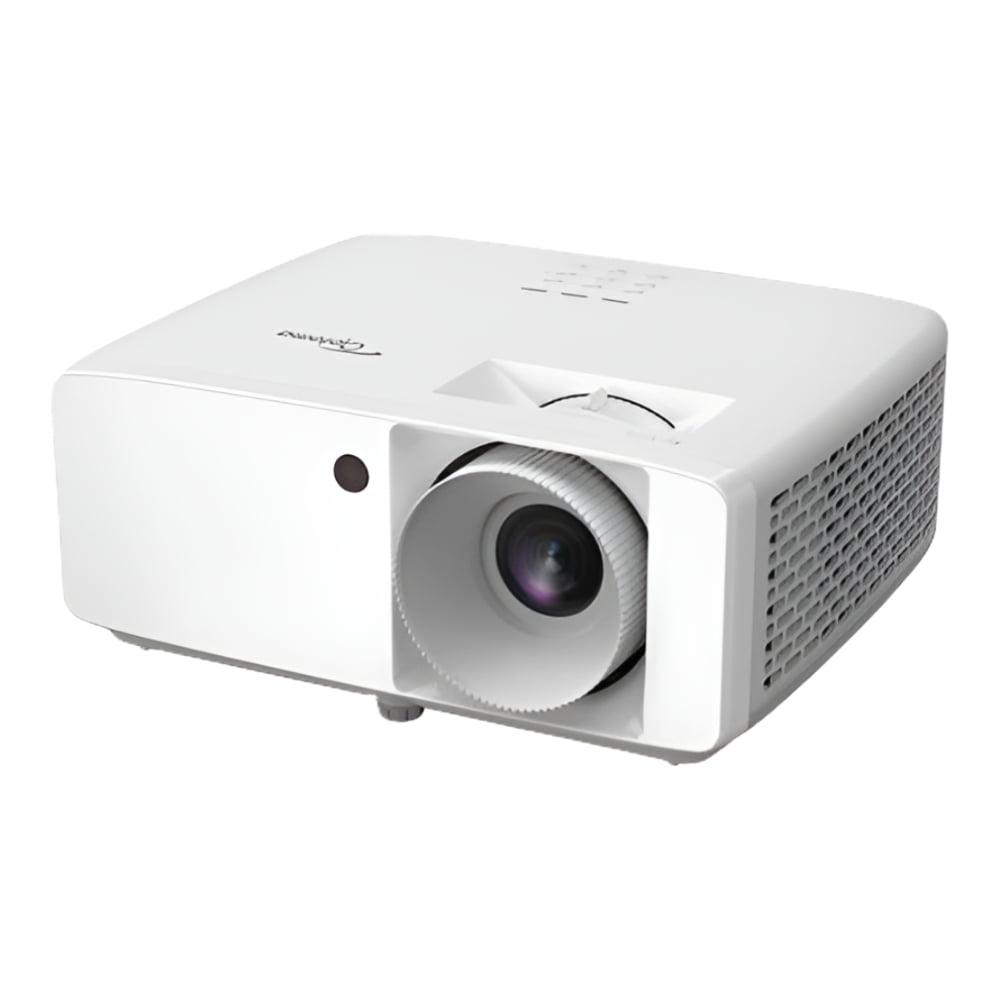
The projector market has evolved dramatically over the past few years, splitting into two distinct camps that serve very different needs. On one side, you have ultra-portable smart projectors like the TCL C1 Google TV Portable Projector that prioritize convenience and built-in streaming. On the other, traditional home theater projectors like the Optoma HZ40HDR focus purely on image performance and brightness. Understanding which camp fits your lifestyle is crucial to making the right purchase decision.
Today's projector landscape offers two fundamentally different approaches to home entertainment. Portable smart projectors emerged around 2020 as manufacturers began integrating streaming platforms directly into compact, lightweight designs. These devices prioritize ease of use, automatic setup, and the ability to move between rooms effortlessly.
Fixed installation projectors, meanwhile, have been the traditional home theater choice for decades. They focus on maximum brightness, contrast, and image quality for dedicated theater spaces. Recent innovations in laser technology have made these projectors more reliable and energy-efficient than ever before.
The key consideration isn't just about image quality—it's about how you plan to use your projector. Do you want something that works anywhere with minimal setup, or are you creating a dedicated viewing space where performance matters most?
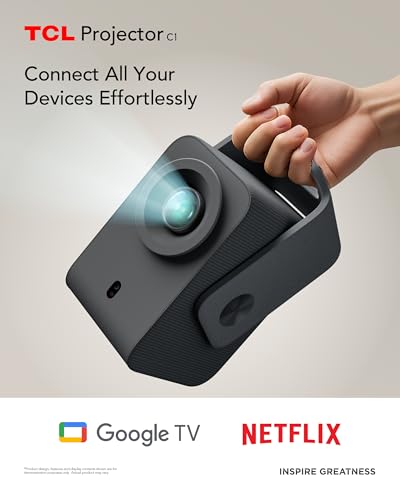
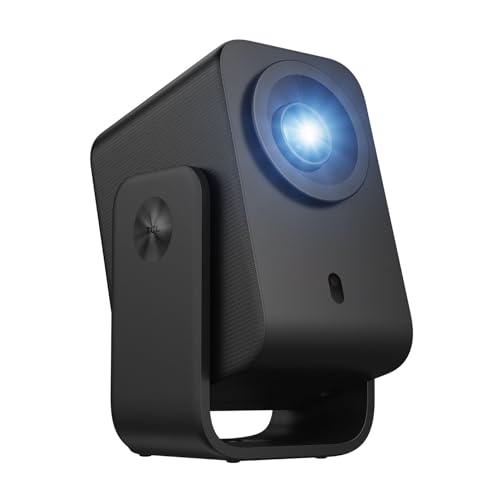
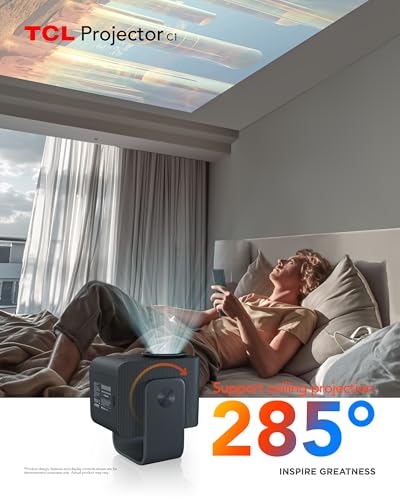
The TCL C1, released in 2024, represents the latest evolution in portable smart projectors. It combines Google TV's streaming ecosystem with a unique gimbal design that allows projection at virtually any angle, including straight up to the ceiling. At its heart, this projector is designed for convenience above all else.
The Optoma HZ40HDR, launched in 2023, takes a completely different approach. It's built around a DuraCore laser light source—a technology that provides consistent brightness for up to 30,000 hours without bulb replacements. This projector is engineered for serious home theater enthusiasts who want the brightest, most detailed image possible.
Understanding these core philosophies helps explain why their specifications and features differ so dramatically.
Brightness measured in lumens determines where and when you can actually use your projector. The difference between these two models is staggering: the TCL C1 produces 230 ISO lumens, while the Optoma HZ40HDR delivers 4,000 ANSI lumens—roughly 17 times brighter.
Here's what this means in practical terms: the TCL C1 requires a dark room to produce a watchable image. Think movie theater dark, with blackout curtains and lights off. Any ambient light—even from a nearby hallway—will wash out the image significantly. This isn't necessarily a flaw; it's a deliberate design choice that keeps the projector compact and affordable.
The Optoma HZ40HDR, with its massive 4,000-lumen output, can handle significant ambient light. You can watch movies with table lamps on, during daytime hours with curtains drawn, or even in rooms with some natural light filtering in. This brightness comes from its laser phosphor technology, which maintains consistent output throughout its 30,000-hour lifespan.
Contrast ratio—the difference between the brightest whites and darkest blacks—tells you how much depth your image will have. The TCL C1 offers a respectable 1,500:1 contrast ratio, enhanced by its TrueHue technology that optimizes color and contrast frame-by-frame. This creates smooth, film-like images that look natural in dark environments.
The Optoma HZ40HDR delivers a massive 300,000:1 dynamic contrast ratio. This means darker scenes will have genuinely black shadows rather than the grayish appearance common in budget projectors. Combined with HDR10 and HLG support—formats that expand the range of colors and brightness levels—the Optoma produces images with remarkable depth and realism.
Color accuracy matters more than you might think. The TCL C1 uses LCD panel technology, which typically provides good color accuracy out of the box. The Optoma HZ40HDR uses DLP (Digital Light Processing) technology with 10-bit color processing, covering the Rec. 709 color space standard used for HD content.
The TCL C1 works best with screen sizes between 40-120 inches. Beyond this range, the limited brightness becomes problematic—larger screens spread the same amount of light over more area, making images appear dimmer.
The Optoma HZ40HDR can handle massive projections from 20 inches up to 300 inches. Its high brightness means even at 200+ inch sizes, images remain vibrant and detailed. This flexibility makes it suitable for everything from small bedroom setups to large basement theaters.
For gamers, input lag—the delay between pressing a button and seeing the action on screen—is crucial. The Optoma HZ40HDR excels here with just 8.6ms of input lag at 1080p/120Hz in gaming mode. This rivals dedicated gaming monitors and makes competitive gaming feel responsive and natural.
The TCL C1 offers adequate gaming performance for casual play, with HDMI 2.1 support for 4K HDR signals (downscaled to 1080p). While not optimized for competitive gaming, it handles console games perfectly well for most users.
Both projectors support modern gaming consoles, but the Optoma's dedicated gaming mode and multiple HDMI inputs make it the clear choice for serious gamers.
This is where these projectors diverge most dramatically. The TCL C1 runs Google TV 11 natively, providing access to Netflix, YouTube, Disney+, and thousands of other apps without any external devices. It's officially certified for Netflix—a rarity in the projector world—and includes Google Assistant voice control and Chromecast functionality.
The built-in streaming experience eliminates cable clutter and simplifies setup. You literally plug it in, connect to Wi-Fi, and you're watching content within minutes. The projector even includes free live TV channels through Google TV's interface.
The Optoma HZ40HDR takes the traditional approach: no built-in smart features whatsoever. You'll need external devices like Apple TV, Roku, gaming consoles, or streaming sticks. While this might seem like a disadvantage, it actually provides flexibility—you can use whatever streaming platform you prefer and upgrade it independently of the projector.
Many home theater enthusiasts actually prefer this approach, as external streaming devices often provide better performance and more frequent updates than built-in systems.
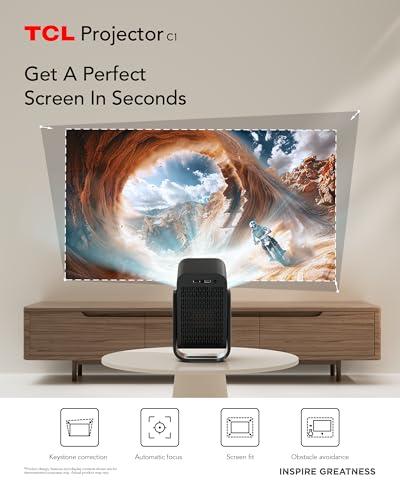
The TCL C1 is designed for zero-effort setup. Its auto-focus system, omni-directional keystone correction (automatic image squaring), obstacle avoidance, and screen alignment work together to produce a perfect image regardless of where you place it. The 285-degree gimbal stand means you can project onto walls, ceilings, or any surface with minimal adjustment.
This automation comes at the cost of fine control. You can't manually adjust focus or make precise geometric corrections if the automatic systems don't get it quite right.
The Optoma HZ40HDR requires more traditional setup with manual keystone correction up to ±30 degrees vertically and horizontally, plus 1.1x manual zoom. While this means more initial work, it provides precise control over image geometry and positioning. The projector's throw ratio of 1.48:1 to 1.62:1 means you need to carefully plan placement distances.
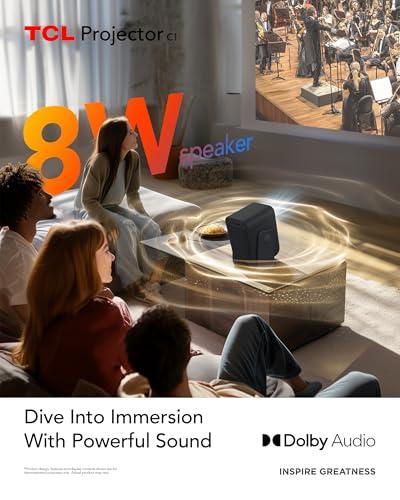
Both projectors include speakers, but with different philosophies. The TCL C1 has an 8-watt Dolby Audio speaker that's surprisingly good for its size. It fills small to medium rooms adequately and can even function as a Bluetooth speaker for music when not projecting.
The Optoma HZ40HDR includes a more powerful 15-watt mono speaker designed for larger spaces. However, at this performance level, most users will want to connect external speakers or a sound system for the full home theater experience.
Both projectors offer 3.5mm audio outputs, and the TCL C1 adds Bluetooth audio connectivity, though there can be slight audio lag when watching video content over Bluetooth.
The TCL C1 weighs just 1.77kg with a footprint roughly the size of a CD case. Its integrated handle and gimbal design make it genuinely portable—you can easily move it between rooms, take it outdoors for backyard movie nights, or pack it for travel.
The Optoma HZ40HDR, at 6.6 pounds, is designed for fixed installation. While not impossible to move, it's clearly intended to stay in one location. Its external power supply adds to setup complexity but improves reliability and reduces heat generation.
At the time of writing, these projectors target completely different price segments. The TCL C1 represents exceptional value in the budget portable category, offering features typically found in much more expensive units. You're getting a complete smart TV experience, automatic setup, and decent image quality for casual viewing.
The Optoma HZ40HDR competes in the mid-range home theater segment, where its laser technology and high brightness justify the higher cost. The 30,000-hour laser lifespan means you'll never buy replacement bulbs—a significant long-term cost savings over traditional lamp-based projectors.
For dedicated home theater use, the Optoma HZ40HDR is the clear winner. Its high brightness works in rooms that aren't perfectly dark, the large screen capability creates an immersive experience, and the excellent contrast makes movies look cinematic. The gaming performance is a bonus for households with console gamers.
However, the TCL C1 works beautifully for bedroom theaters or situations where you want the flexibility to create a movie experience anywhere in your home. Its automatic setup means anyone in the family can use it without technical knowledge.
The TCL C1 showcases how AI-assisted image correction has matured. Its obstacle avoidance and automatic screen fitting represent genuine innovations that make projectors accessible to mainstream consumers who might be intimidated by traditional setup requirements.
The Optoma HZ40HDR demonstrates how laser technology has reached price points that compete with traditional lamp projectors. The instant on/off capability, consistent brightness, and mercury-free operation represent significant improvements over older technologies.
Choose the TCL C1 if you:
Choose the Optoma HZ40HDR if you:
These projectors succeed in their respective categories but serve fundamentally different needs. The TCL C1 democratizes projector technology, making it accessible and user-friendly for anyone who wants big-screen entertainment without complexity. It's perfect for renters, students, or families who want flexibility.
The Optoma HZ40HDR is for serious home theater enthusiasts who want professional-grade performance. If you're creating a dedicated viewing space and prioritize image quality, this projector delivers exceptional brightness and contrast that rivals much more expensive models.
The decision ultimately comes down to your primary use case: convenience and portability versus maximum performance and image quality. Both projectors excel in their intended roles, so choose based on how and where you plan to watch, not on specs alone.
| TCL C1 Google TV Portable Projector | Optoma HZ40HDR 1080p Projector |
|---|---|
| Brightness - The most critical factor determining where you can use your projector | |
| 230 ISO lumens (requires dark rooms, like movie theaters) | 4,000 ANSI lumens (works in well-lit rooms, 17x brighter) |
| Native Resolution - Both deliver sharp Full HD content | |
| 1920 x 1080 (1080p) with 4K input support | 1920 x 1080 (1080p) with 4K input support |
| Contrast Ratio - Determines image depth and black levels | |
| 1,500:1 (good for the price range) | 300,000:1 (exceptional blacks and shadow detail) |
| Light Source Technology - Affects lifespan and maintenance | |
| LED with 30,000-hour life (no bulb changes needed) | Laser with 30,000-hour life (instant on/off, consistent brightness) |
| Screen Size Range - Maximum and minimum projection sizes | |
| 40-120 inches (limited by low brightness) | 20-300 inches (extreme flexibility for any room size) |
| Gaming Performance - Input lag for responsive gameplay | |
| Adequate for casual gaming with HDMI 2.1 | 8.6ms at 1080p/120Hz (excellent for competitive gaming) |
| Smart TV Features - Built-in streaming and apps | |
| Full Google TV 11 with certified Netflix, voice control | None - requires external streaming device |
| Portability - Weight and ease of moving between rooms | |
| 1.77kg with handle and gimbal stand (ultra-portable) | 6.6 lbs fixed installation design (not meant to move) |
| Setup Automation - How much manual adjustment is needed | |
| Auto-focus, keystone correction, obstacle avoidance | Manual keystone correction (±30°), 1.1x zoom |
| Connectivity Options - Available ports and wireless features | |
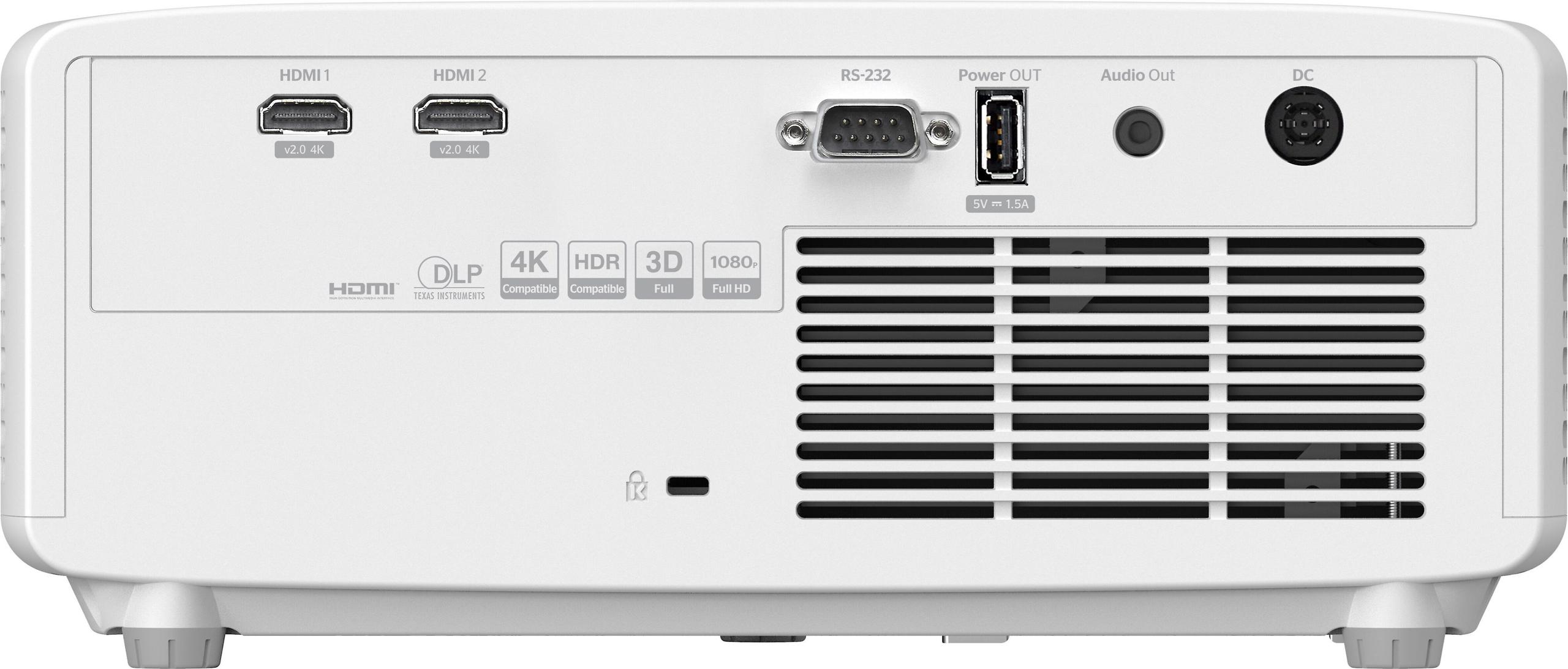
| 1x HDMI 2.1, USB, Wi-Fi 5, Bluetooth 5.1 | 2x HDMI 2.0, USB, RS-232 (no wireless) |
| Audio System - Built-in speaker quality | |
| 8W Dolby Audio speaker with Bluetooth speaker mode | 15W mono speaker (more powerful for larger rooms) |
| 3D Support - For compatible movies and games | |
| Not supported | Full 3D with active glasses support |
| HDR Support - Enhanced contrast and color range | |
| Basic HDR input support | HDR10 and HLG with enhanced processing |
| Noise Level - Fan noise during operation | |
| Under 30 dB (whisper quiet) | 32-34 dB (still very quiet for home use) |
| Best Use Case - Primary intended environment and audience | |
| Dark room portable entertainment, bedroom viewing | Bright room home theater, large screen gaming |
The Optoma HZ40HDR is significantly better for bright rooms with its 4,000 ANSI lumens output. The TCL C1 Google TV Portable Projector only produces 230 ISO lumens, requiring complete darkness to produce a watchable image. If you plan to watch during daytime or with lights on, the Optoma HZ40HDR is the clear choice.
Yes, but only the TCL C1 Google TV Portable Projector has Netflix built-in with official certification. It runs Google TV 11 with access to thousands of streaming apps. The Optoma HZ40HDR has no smart features and requires an external streaming device like Apple TV, Roku, or gaming console to access Netflix.
The Optoma HZ40HDR is superior for gaming with just 8.6ms input lag at 1080p/120Hz, making it excellent for competitive gaming. The TCL C1 offers adequate gaming performance for casual play but isn't optimized for fast-paced or competitive gaming scenarios.
The TCL C1 Google TV Portable Projector works best with 40-120 inch screens due to its limited brightness. The Optoma HZ40HDR can project massive images from 20 inches up to 300 inches while maintaining brightness and clarity, making it ideal for large home theater setups.
The TCL C1 is extremely portable at just 1.77kg with a built-in handle and gimbal stand that allows projection at any angle. The Optoma HZ40HDR weighs 6.6 pounds and is designed for fixed installation rather than portability.
Neither projector requires bulb replacements. Both the TCL C1 Google TV Portable Projector and Optoma HZ40HDR use solid-state light sources (LED and laser respectively) with 30,000-hour lifespans, eliminating ongoing maintenance costs.
The Optoma HZ40HDR delivers superior image quality with 300,000:1 contrast ratio, HDR10/HLG support, and much higher brightness for detailed, vibrant images. The TCL C1 produces good quality images for its class but is limited by lower brightness and contrast.
Yes, both projectors work with gaming consoles. The TCL C1 Google TV Portable Projector has HDMI 2.1 support for modern consoles, while the Optoma HZ40HDR offers two HDMI 2.0 ports and is specifically optimized for gaming performance.
The Optoma HZ40HDR is designed for dedicated home theater use with its high brightness, large screen capability, excellent contrast, and professional-grade performance. The TCL C1 works well for casual home theater in dark bedrooms or small spaces but isn't suitable for larger dedicated theater rooms.
The TCL C1 Google TV Portable Projector includes everything needed - just plug in and connect to Wi-Fi for streaming. The Optoma HZ40HDR requires external streaming devices and likely external speakers for the full home theater experience.
The Optoma HZ40HDR has a more powerful 15W speaker compared to the TCL C1's 8W Dolby Audio speaker. However, the TCL C1 Google TV Portable Projector can also function as a Bluetooth speaker and offers better audio connectivity options.
The TCL C1 Google TV Portable Projector offers exceptional value for portable, casual viewing with built-in smart features at a budget-friendly price. The Optoma HZ40HDR provides excellent value for serious home theater enthusiasts who need professional-grade brightness and image quality. Choose based on your primary use case and budget.
We've done our best to create useful and informative comparisons to help you decide what product to buy. Our research uses advanced automated methods to create this comparison and perfection is not possible - please contact us for corrections or questions. These are the sites we've researched in the creation of this article: youtube.com - thegadgetflow.com - notebookcheck.net - shopabunda.com - youtube.com - youtube.com - youtube.com - youtube.com - tcl.com - androidauthority.com - manuals.plus - westcoast.co.uk - projectorcentral.com - optomausa.com - crutchfield.com - tvsbook.com - youtube.com - avsforum.com - hometechnologyreview.com - optomausa.com - bestbuy.com - tvsbook.com - picclick.com - crutchfield.com - homecinemachoice.com - compsource.com - adorama.com - bhphotovideo.com - provantage.com - cdw.com - datavision.com - manua.ls - ipcstore.com - pcrichard.com - richersounds.com - electronicexpress.com - projexdisplay.com - dubaimachines.com - newegg.com - projectorpoint.co.uk - a.ubuy.com.kw - greentoe.com

Privacy Policy
Terms and Conditions - Affiliate Policy
Home Security
© Copyright 2008-2026.
11816 Inwood Rd #1211, Dallas, TX 75244