

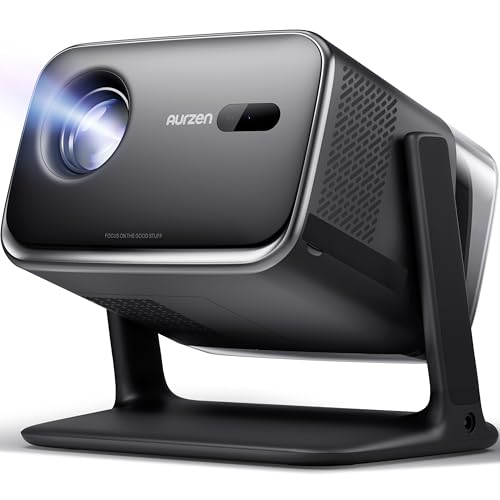
The world of home projection has split into two fascinating camps, each taking radically different approaches to bringing big-screen entertainment home. On one side, you have smart portable projectors like the Aurzen BOOM Mini that pack streaming services, speakers, and convenience into a compact package. On the other, traditional home theater projectors like the BenQ HT2060 focus relentlessly on image quality and brightness, expecting you to handle the smart features separately.
This isn't just about choosing between two products—it's about choosing between two completely different philosophies of what a projector should be. The decision you make will shape how you watch movies, where you can set up your entertainment, and how much tinkering you'll need to do before pressing play.
The projector market has evolved dramatically since the days when these devices were exclusively expensive, lamp-based monsters requiring darkened rooms and professional installation. Today's projectors use LED and laser light sources that last tens of thousands of hours, eliminating the anxiety of expensive lamp replacements that plagued earlier generations.
When evaluating any projector, several factors determine your viewing experience. Brightness, measured in ANSI lumens, determines how well your projector performs with ambient light—more lumens mean you can watch with lights on or curtains open. Contrast ratio describes the difference between the brightest whites and darkest blacks the projector can display, directly impacting how detailed and realistic your picture looks. Resolution determines image sharpness, though both projectors we're examining offer the same native 1080p resolution that remains the sweet spot for home entertainment.
The real revolution has been in convenience features. Automatic focus adjustment, keystone correction (which fixes the trapezoidal distortion when projecting at an angle), and built-in smart platforms have transformed projectors from technical equipment into consumer electronics anyone can use.
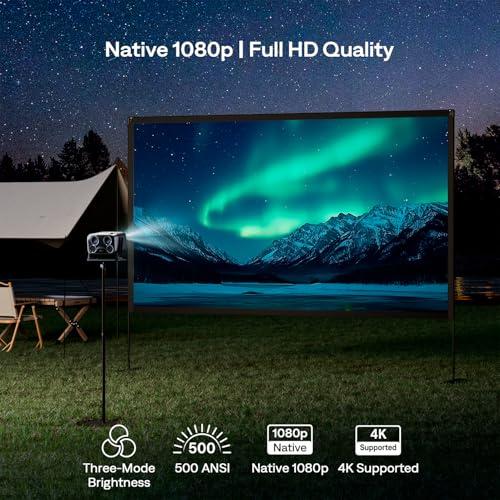
Released in 2025, the Aurzen BOOM Mini represents the latest evolution in portable smart projectors. At its core, this device embodies the "everything included" philosophy—you literally unbox it, plug it in, and start streaming Netflix within minutes.
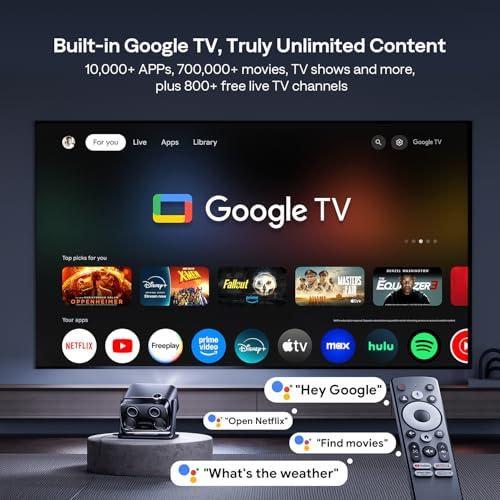
The standout feature here is the built-in Google TV platform, which isn't just a basic smart TV interface slapped onto a projector. This is the full Google TV experience with access to over 10,000 apps, including all the major streaming services you'd expect: Netflix, Disney+, Hulu, YouTube, and countless others. The BOOM Mini includes 2GB of RAM and 16GB of storage, which provides enough horsepower for smooth app performance and storing downloaded content.
What makes this particularly impressive is the Google Assistant integration. You can literally say "Hey Google, play Stranger Things on Netflix" and it happens. For families, the built-in Kids Mode filters content and manages screen time, something you'd typically need to configure through external devices.
Here's where we need to have an honest conversation about the Aurzen BOOM Mini's limitations. At 500 ANSI lumens, this projector requires a dark or dimly lit environment to shine. ANSI lumens represent a standardized brightness measurement that accounts for real-world conditions rather than peak brightness in ideal lab conditions, so that 500-lumen rating is actually trustworthy.
In practical terms, this means the BOOM Mini works beautifully for evening movie nights, bedroom ceiling projection, or basement entertainment areas. But if you're hoping to watch the big game on Sunday afternoon with the living room windows open, you'll be disappointed. The image will appear washed out and lacking contrast in bright ambient light.
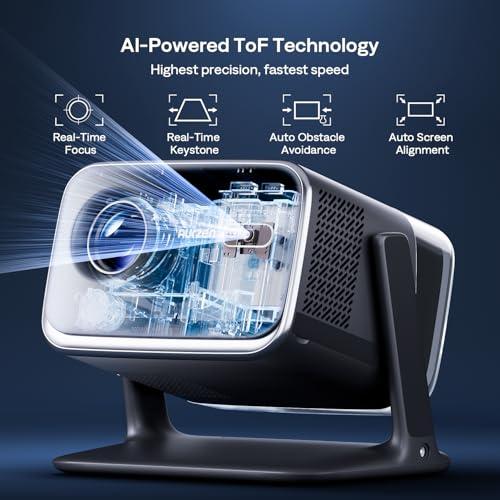
The BOOM Mini's real strength lies in its user-friendliness. The Time-of-Flight (ToF) autofocus system uses infrared sensors to measure distance and automatically adjusts the lens for sharp focus in about three seconds—even if you move the projector mid-movie. The automatic keystone correction handles both horizontal and vertical distortion, so you can literally place this projector anywhere and get a properly rectangular image.
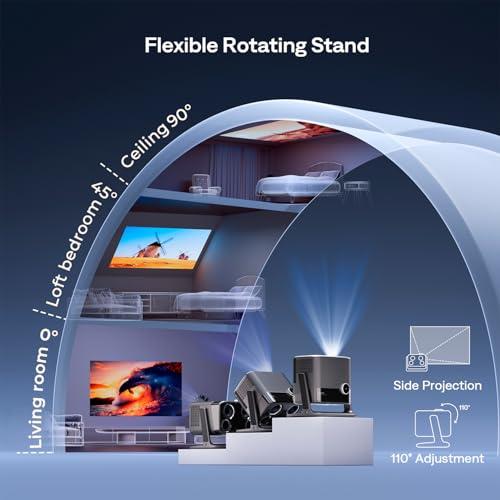
The 110-degree flexible stand deserves special mention because it enables ceiling projection, turning any bedroom into a personal theater. This isn't a gimmick—lying in bed watching movies on the ceiling creates a surprisingly immersive experience that's impossible with traditional TVs.
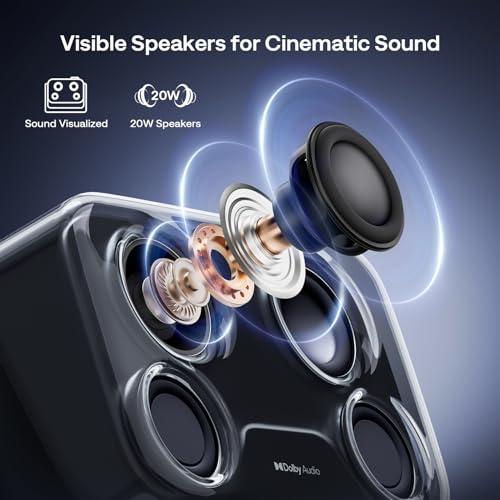
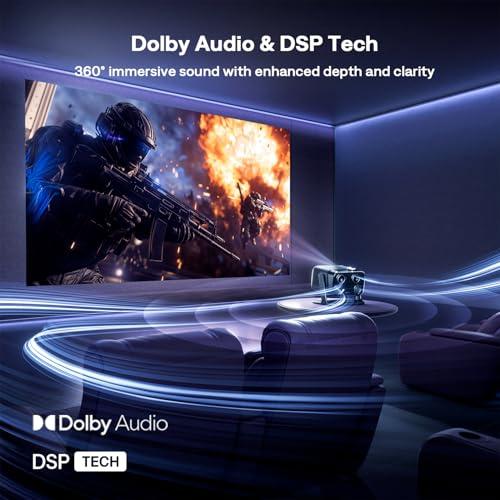
Most portable projectors have terrible built-in speakers, but the BOOM Mini breaks that mold with dual 10W speakers that actually deliver room-filling sound. The Dolby Audio processing and rear-facing speaker design create surprisingly immersive audio for a device this size. In fact, the projector doubles as a Bluetooth speaker when you're not watching content, adding utility beyond projection.
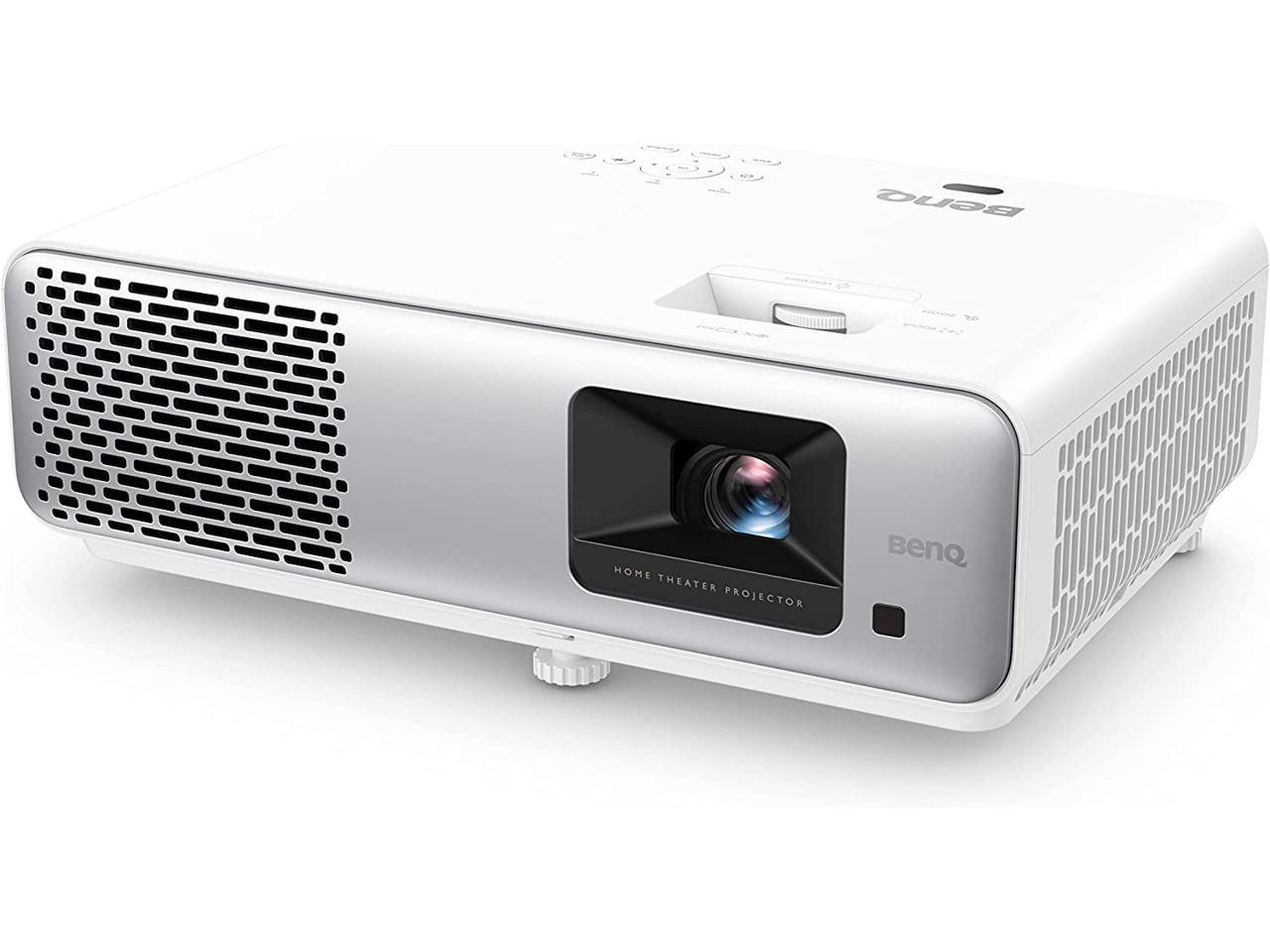
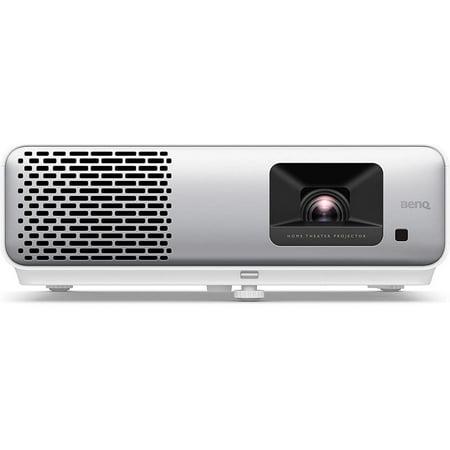
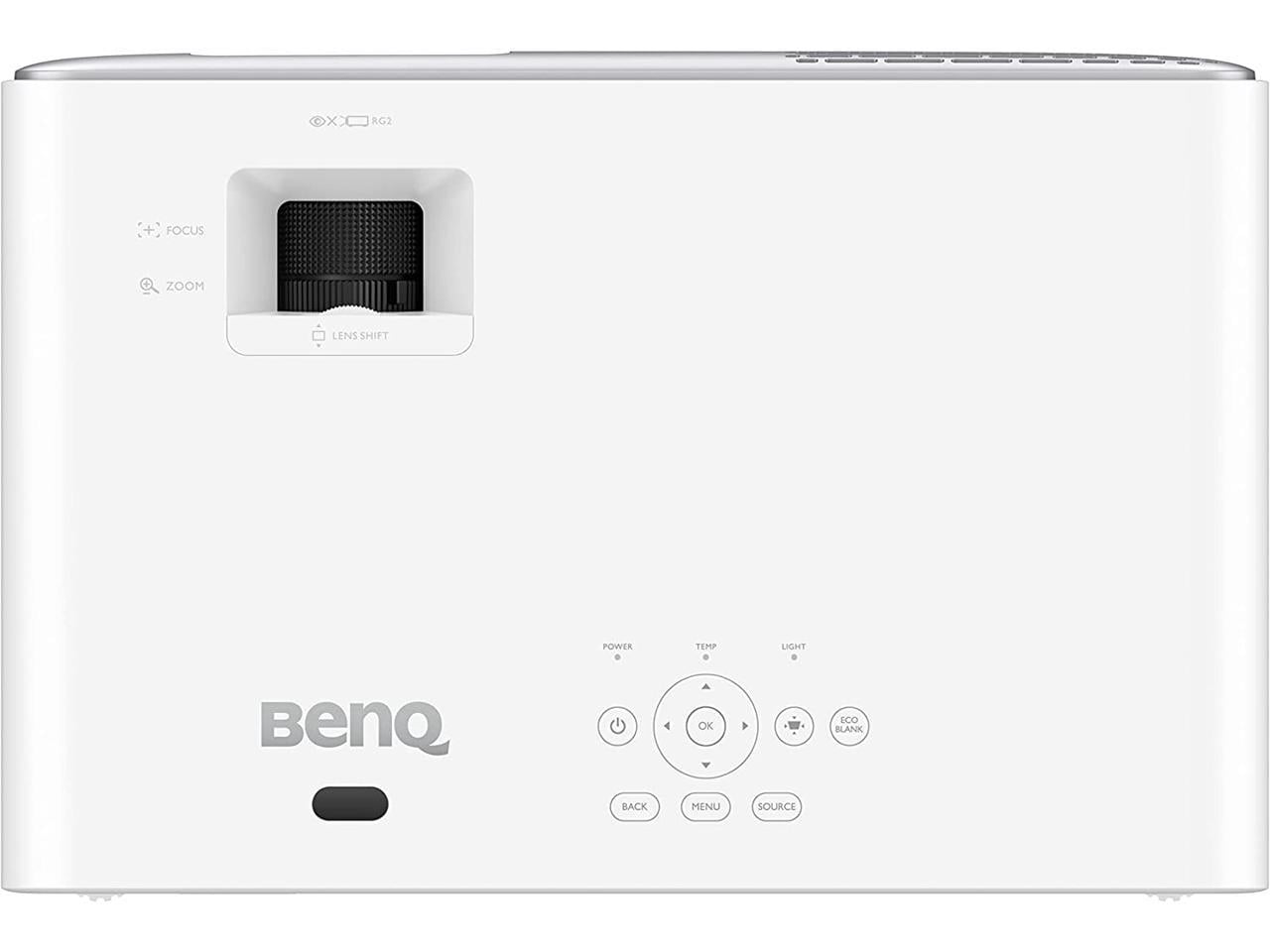
Released in 2023, the BenQ HT2060 represents the traditional home theater projector philosophy refined for modern users. While it lacks built-in streaming, it compensates with superior image quality and brightness that puts it in a completely different performance class.
The BenQ HT2060's 2,300 ANSI lumens fundamentally changes how and when you can use a projector. This isn't just a numbers game—it's nearly five times brighter than the BOOM Mini, enabling viewing in moderately lit rooms and creating larger, more vibrant images even in challenging lighting conditions.
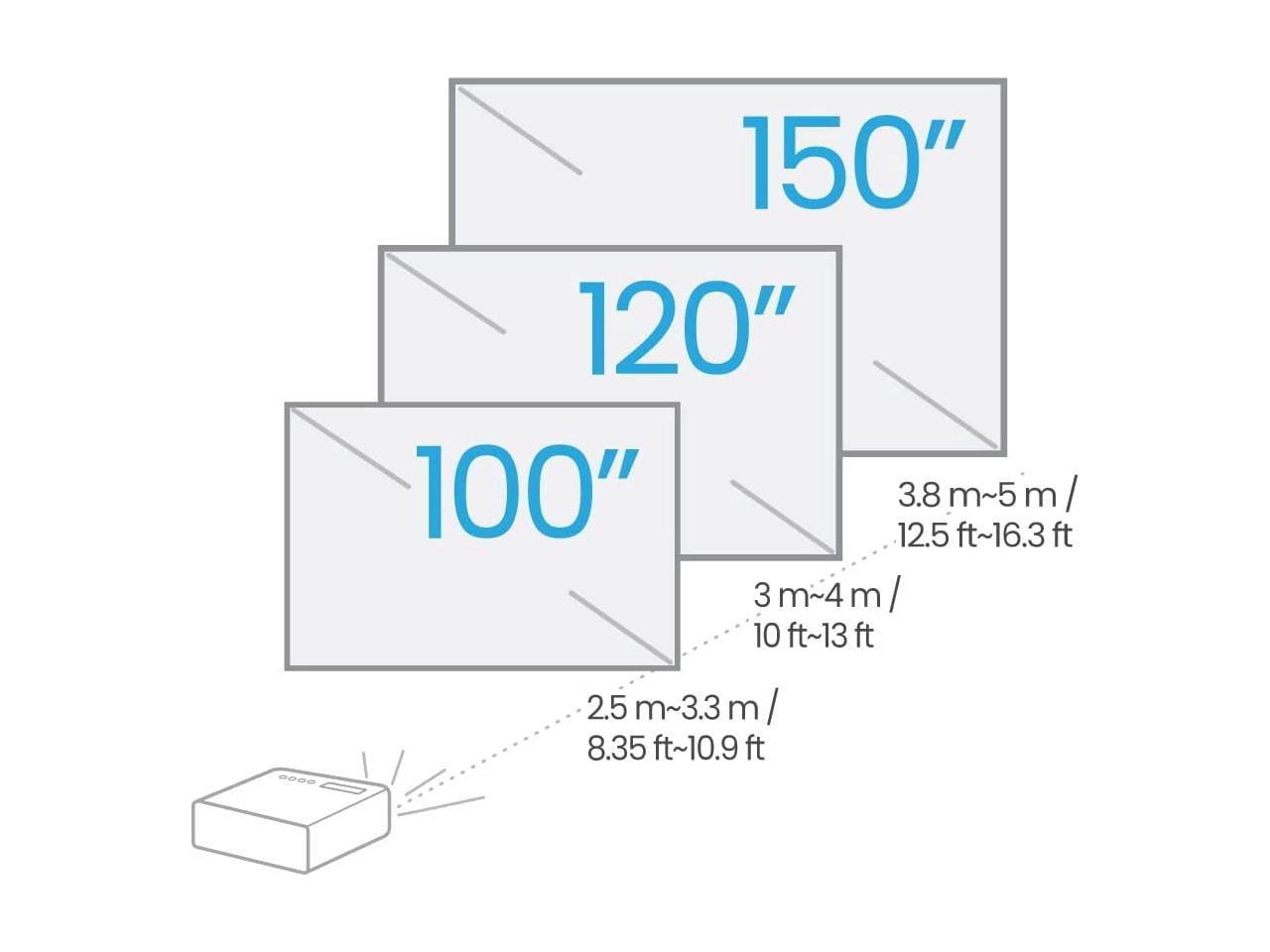
This brightness advantage means you can watch movies during daytime hours without completely blackout curtains, project larger screen sizes while maintaining image quality, and accommodate more people in brighter environments. For families with young children or anyone who doesn't want to darken their living space completely, this brightness difference is transformative.
The BenQ HT2060 uses DLP (Digital Light Processing) technology, while the Aurzen BOOM Mini employs LCD panels. DLP projectors use millions of tiny mirrors to create images, typically resulting in sharper details, better contrast, and more accurate colors. LCD projectors use liquid crystal panels, which can be more affordable but sometimes struggle with deep blacks and color accuracy.
In practice, the BenQ's 500,000:1 contrast ratio versus the BOOM Mini's 1,000:1 ratio translates to dramatically deeper blacks and more detailed shadow areas. When watching dark scenes in movies like "Dune" or "The Batman," the HT2060 reveals details that simply disappear into gray murk on lower-contrast projectors.
The BenQ HT2060 covers 98% of the Rec.709 color space, which is the standard for HDTV content. More importantly, it includes Filmmaker Mode, a picture preset that disables all post-processing effects to display movies exactly as directors intended. This might sound like marketing fluff, but it's actually crucial for anyone who cares about seeing films as they were meant to be seen.
The CinematicColor technology ensures that skin tones look natural, grass appears genuinely green, and sunset skies display the full range of orange and red hues. While the BOOM Mini produces acceptable colors for casual viewing, side-by-side comparisons reveal the HT2060's superior color reproduction.
For gaming enthusiasts, the BenQ HT2060's 16.7ms input lag at 1080p/60Hz puts it in serious gaming projector territory. Input lag measures the delay between pressing a controller button and seeing the action on screen—anything under 20ms feels responsive for most games, while competitive gaming typically requires under 30ms.
The BOOM Mini doesn't specify its input lag, which usually means it's not optimized for gaming and likely exceeds 50ms. That's fine for casual gaming but problematic for fast-paced competitive games where timing matters.
This is where the philosophical difference becomes starkest. The Aurzen BOOM Mini assumes you want everything integrated—streaming services, voice control, parental features, and automatic setup all built into one device. You literally connect to Wi-Fi and start watching.
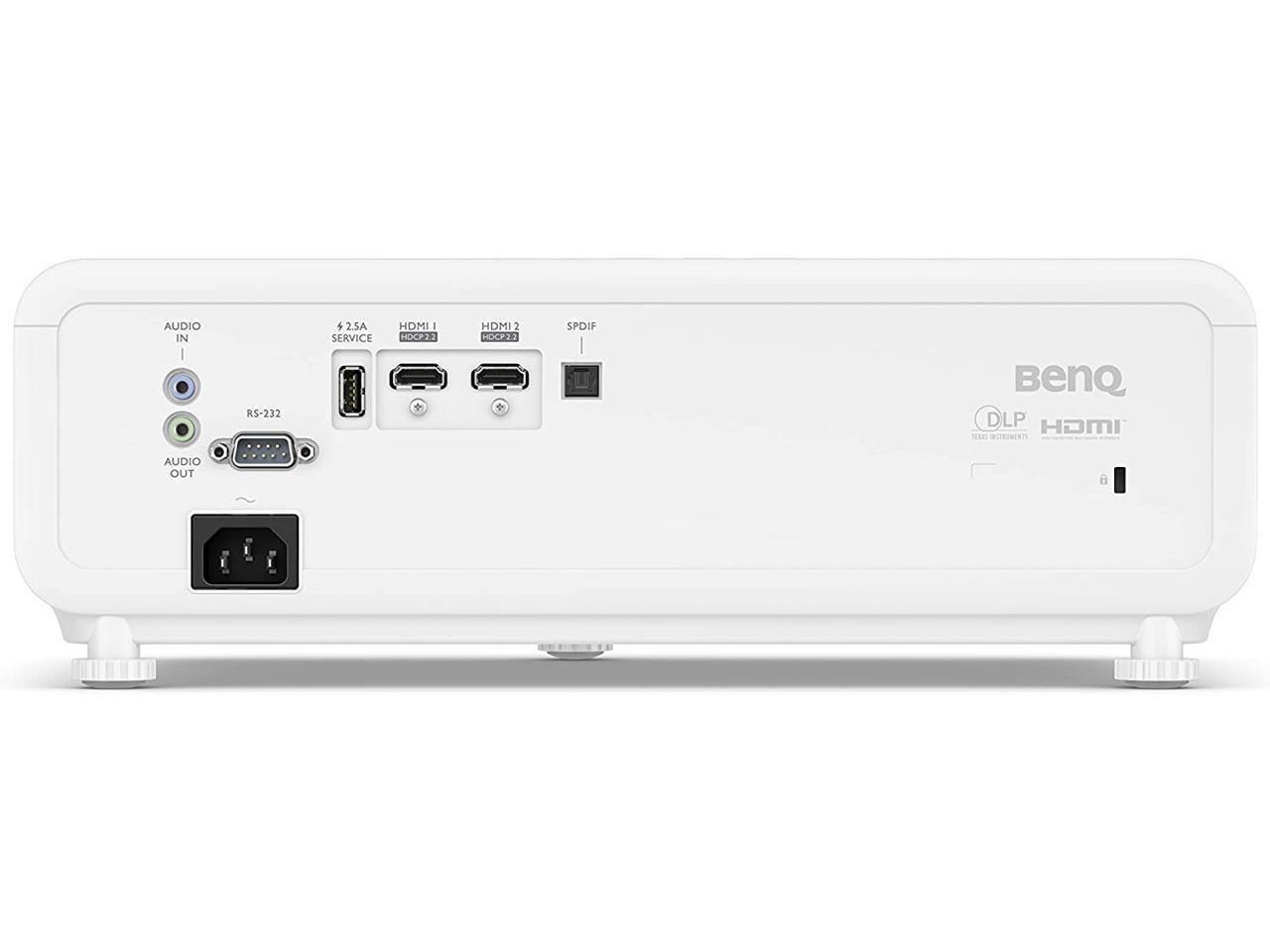
The BenQ HT2060 takes the opposite approach, providing two HDMI inputs and expecting you to connect your preferred streaming device. While this requires additional purchases and setup complexity, it offers several advantages: you can upgrade streaming capabilities independently, use your favorite interface (Apple TV, Roku, Nvidia Shield), and avoid the performance limitations of budget processors in integrated systems.
At the time of writing, a high-quality streaming device like an Apple TV 4K or Nvidia Shield TV costs $100-200, which needs to be factored into the HT2060's total cost of ownership.
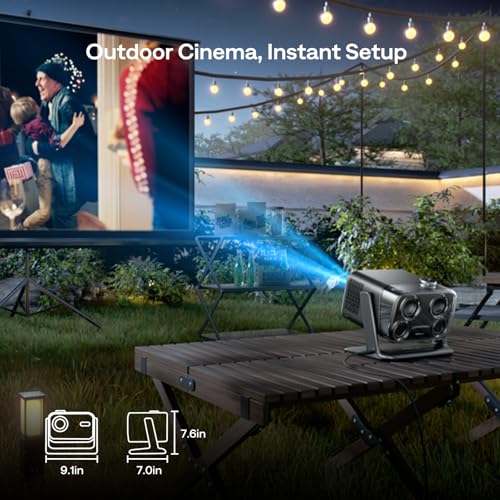
The BOOM Mini's compact 9.1 x 7 x 7.6-inch form factor and lightweight design make it genuinely portable between rooms. The automatic setup features mean anyone in the family can move it to different locations without technical knowledge. The 110-degree stand adjustment and ceiling projection capability add usage scenarios impossible with traditional projectors.
The BenQ HT2060 measures 14.4 x 9.6 x 4.6 inches and weighs nearly 8 pounds, making it more suited to permanent or semi-permanent installation. However, it offers professional installation features like vertical lens shift (which moves the image up or down without distortion) and 1.3x zoom that provide precise positioning impossible with the BOOM Mini.
At the time of writing, these projectors occupy different price tiers that reflect their design philosophies. The Aurzen BOOM Mini represents exceptional value in the under-$400 category when you consider the included smart platform, speakers, and convenience features. Add up the cost of a basic projector, streaming device, and decent speakers separately, and you'd spend significantly more.
The BenQ HT2060 commands a premium price in the under-$1,100 range but delivers image quality that justifies the investment for serious home theater use. When you factor in the superior brightness, color accuracy, and contrast performance, it provides excellent value for users prioritizing picture quality over convenience.
The Aurzen BOOM Mini makes sense for several specific user groups. College students and renters who move frequently will appreciate the portability and simple setup. Families with young children benefit from the built-in parental controls and ceiling projection for bedtime stories. Anyone wanting their first projector experience without technical complexity should seriously consider this approach.
The projector also excels for outdoor movie nights, guest room entertainment, and situations where you need projection in multiple locations. The combination of Google TV integration and decent built-in speakers creates a complete entertainment package that requires minimal setup knowledge.
The BenQ HT2060 targets users with different priorities. If you're setting up a dedicated home theater room or media room where image quality trumps convenience, this projector delivers professional-grade performance. Serious gamers who need responsive input lag will find the HT2060 suitable for competitive gaming.
Anyone upgrading from an older projector or TV who wants significantly better brightness and color accuracy should lean toward the BenQ. The superior light output makes it practical for larger rooms and less controlled lighting conditions.
These projectors serve fundamentally different use cases, and the right choice depends entirely on your priorities and viewing environment. The Aurzen BOOM Mini excels when convenience, portability, and integrated smart features matter more than maximum image quality. It's genuinely impressive how much functionality they've packed into such a compact, affordable package.
The BenQ HT2060 represents the traditional home theater approach done right—superior brightness, color accuracy, and image quality for users willing to handle smart features through external devices. If you're creating a dedicated viewing space and want the best possible picture quality in this price range, the BenQ delivers.
Neither projector is objectively better than the other because they're solving different problems. The BOOM Mini prioritizes user experience and versatility, while the HT2060 prioritizes image performance and traditional home theater values. Your lifestyle, viewing habits, and room conditions should drive your decision more than specifications alone.
For most people buying their first projector, the Aurzen BOOM Mini's combination of convenience and capability makes it the more practical choice. For dedicated movie enthusiasts or anyone upgrading from basic projection equipment, the BenQ HT2060's superior performance justifies the additional complexity and cost.
| Aurzen BOOM Mini Smart Projector Google TV | BenQ HT2060 HDR Home Theater Projector |
|---|---|
| Brightness - Determines viewing environment flexibility | |
| 500 ANSI lumens (requires dark/dim rooms) | 2,300 ANSI lumens (works in moderately lit rooms) |
| Display Technology - Affects image quality and longevity | |
| LCD with LED light source | DLP with 4LED light source |
| Native Resolution - Both deliver sharp 1080p content | |
| 1920x1080 (Full HD) | 1920x1080 (Full HD) |
| Contrast Ratio - Critical for deep blacks and detail in dark scenes | |
| 1,000:1 (basic contrast performance) | 500,000:1 (exceptional blacks and shadow detail) |
| Smart Platform Integration - Streaming convenience vs. flexibility | |
| Built-in Google TV with 10,000+ apps | No built-in platform (requires external streaming device) |
| Audio System - Built-in sound quality | |
| Dual 10W speakers with Dolby Audio (surprisingly good) | Dual 5W speakers (adequate, assumes external audio) |
| Gaming Performance - Input lag for responsive gaming | |
| Not specified (likely 50ms+ - casual gaming only) | 16.7ms (excellent for competitive gaming) |
| Portability - Ease of moving between rooms | |
| Compact 9.1"x7"x7.6", lightweight with flexible stand | Larger 14.4"x9.6"x4.6", 7.9 lbs (semi-permanent setup) |
| Auto Setup Features - Plug-and-play convenience | |
| Real-time autofocus, auto keystone, obstacle avoidance | Manual lens shift, zoom, and keystone correction |
| Color Accuracy - Important for movie purists | |
| Standard LCD color reproduction | 98% Rec.709 coverage with Filmmaker Mode |
| Projection Flexibility - Installation options | |
| 110° stand, ceiling projection, multiple orientations | Professional lens shift, 1.3x zoom, precise positioning |
| Light Source Lifespan - Long-term reliability | |
| 30,000 hours LED (no lamp replacements needed) | 20,000-30,000 hours 4LED system |
| Target User - Best fit scenarios | |
| Renters, families, first-time buyers, portable use | Home theater enthusiasts, permanent installations, gamers |
The BenQ HT2060 is significantly brighter at 2,300 ANSI lumens compared to the Aurzen BOOM Mini's 500 ANSI lumens. This means the BenQ HT2060 can handle moderately lit rooms and daytime viewing, while the Aurzen BOOM Mini requires dark or dimly lit environments for optimal picture quality.
The Aurzen BOOM Mini Smart Projector Google TV has built-in Google TV with access to Netflix, Disney+, Hulu, and over 10,000 apps - no external streaming device needed. The BenQ HT2060 requires an external streaming device like Apple TV, Roku, or Fire TV stick, which adds to the total setup cost but provides more flexibility.
The BenQ HT2060 is superior for gaming with its 16.7ms input lag, making it excellent for competitive gaming and fast-paced games. The Aurzen BOOM Mini doesn't specify gaming performance and is likely better suited for casual gaming rather than competitive play.
The Aurzen BOOM Mini is much more portable at 9.1"x7"x7.6" with a flexible stand that allows ceiling projection and easy room-to-room movement. The BenQ HT2060 is larger and heavier, designed more for permanent or semi-permanent home theater installations.
The Aurzen BOOM Mini has superior built-in audio with dual 10W speakers and Dolby Audio processing, creating surprisingly good sound for a portable projector. The BenQ HT2060 has basic 5W speakers that are adequate but most users will want to add external audio for serious home theater use.
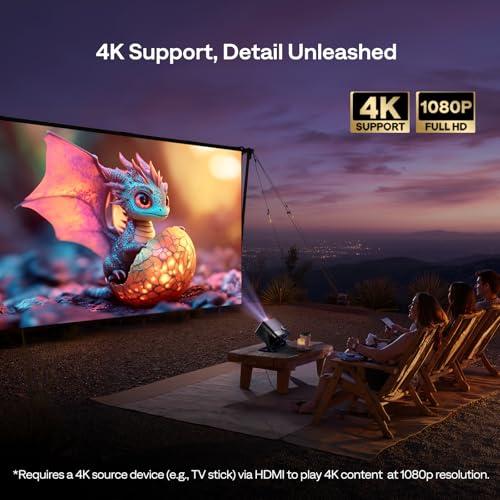
Both the Aurzen BOOM Mini and BenQ HT2060 accept 4K input but display it at their native 1080p resolution. Neither is a true 4K projector, but both can downscale 4K content for viewing at Full HD quality.
The Aurzen BOOM Mini Smart Projector Google TV is much easier to set up with real-time autofocus, automatic keystone correction, and obstacle avoidance. The BenQ HT2060 requires manual adjustments for focus, zoom, and keystone correction, but offers more precise control for dedicated installations.
The BenQ HT2060 has dramatically better contrast at 500,000:1 compared to the Aurzen BOOM Mini's 1,000:1 ratio. This means the BenQ displays much deeper blacks and better detail in dark movie scenes, while the Aurzen provides basic contrast performance.
The BenQ HT2060 HDR Home Theater Projector is specifically designed for home theater use with superior brightness, contrast, color accuracy, and Filmmaker Mode for authentic movie viewing. The Aurzen BOOM Mini is better for flexible, casual viewing rather than dedicated theater rooms.
Both projectors use LED technology with impressive lifespans - the Aurzen BOOM Mini offers 30,000 hours while the BenQ HT2060 provides 20,000-30,000 hours depending on usage mode. Neither requires expensive lamp replacements like older projector technology.
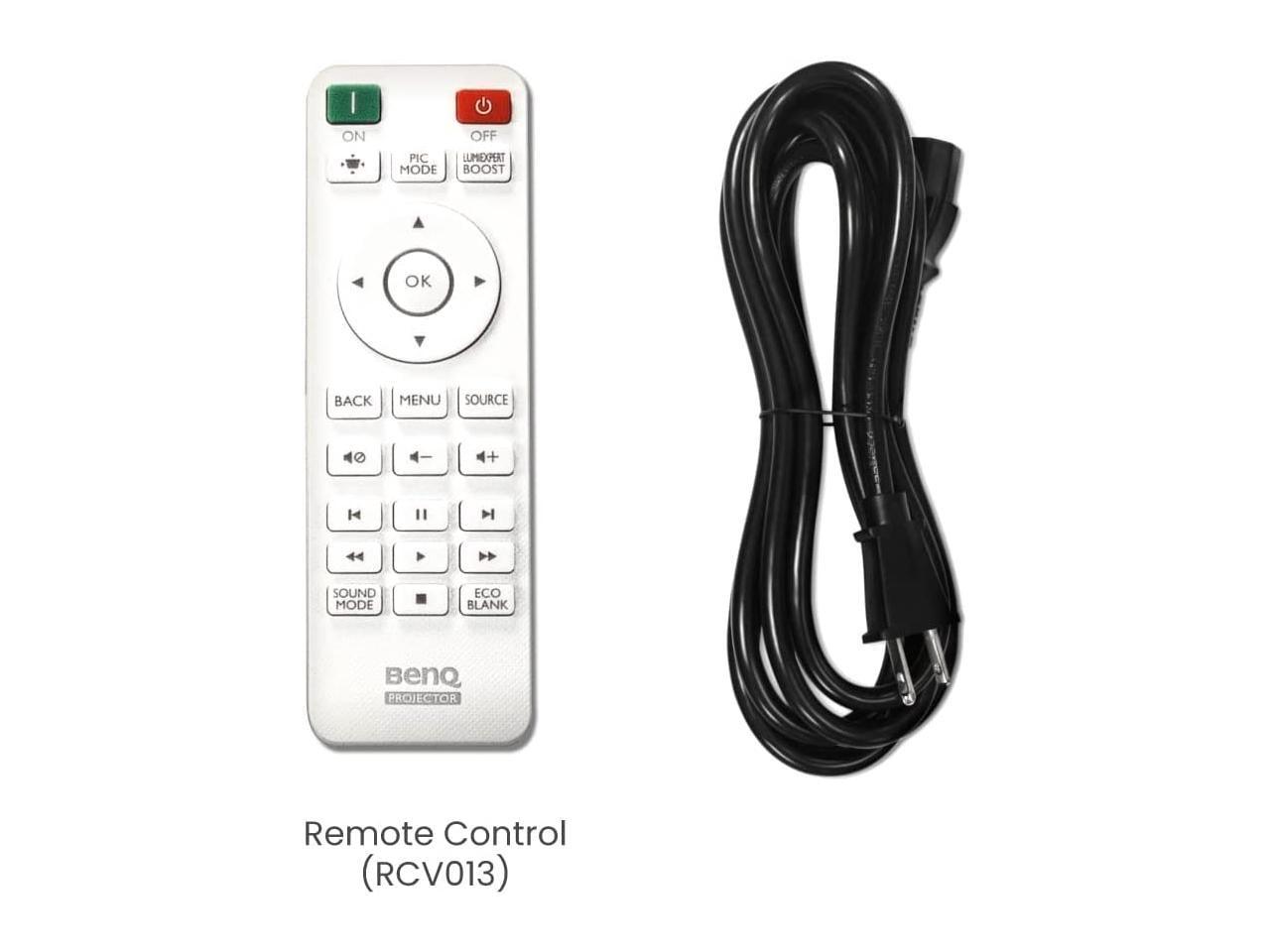
Only the Aurzen BOOM Mini Smart Projector Google TV offers built-in voice control through Google Assistant, allowing hands-free operation and smart home integration. The BenQ HT2060 uses traditional remote control and doesn't include voice command capabilities.
The Aurzen BOOM Mini offers exceptional value for users wanting an all-in-one solution with streaming, speakers, and portability included. The BenQ HT2060 provides better value for serious home theater enthusiasts who prioritize image quality and brightness over convenience features, though it requires additional investment in streaming devices.
We've done our best to create useful and informative comparisons to help you decide what product to buy. Our research uses advanced automated methods to create this comparison and perfection is not possible - please contact us for corrections or questions. These are the sites we've researched in the creation of this article: aurzen.com - aurzen.com - the-gadgeteer.com - projectorcentral.com - aurzen.com - aurzen.com - youtube.com - bestbuy.com - bestbuy.com - youtube.com - aurzen.com - youtube.com - hometechnologyreview.com - youtube.com - aurzen.com - projectorcentral.com - avsforum.com - bestbuy.com - avsforum.com - tomsguide.com - avsforum.com - projectorreviews.com - hometheaterhifi.com - youtube.com - avsforum.com - cnet.com - techgearlab.com - cdw.com - bhphotovideo.com - projectorcentral.com - shop.avispl.com - tvsbook.com - youtube.com - projectorreviews.com - avsforum.com

Privacy Policy
Terms and Conditions - Affiliate Policy
Home Security
© Copyright 2008-2026.
11816 Inwood Rd #1211, Dallas, TX 75244