

In the ever-evolving world of home entertainment, projectors have carved out a special place by offering the closest experience to a commercial cinema right in your living room. Today, we're comparing two distinct options in the projector market: the BenQ HT2060 HDR Home Theater Projector and the LG CineBeam Q 4K UHD Portable Laser Projector. Though they both project images onto screens, they represent two different approaches to home entertainment, each with its own strengths and ideal use cases.
Home theater projectors have come a long way from the dim, fuzzy image throwers of yesteryear. Today's models offer remarkable brightness, clarity, and features that rival traditional TVs while providing much larger screen sizes. Before diving into our comparison, let's establish what matters most when choosing a projector for your home.
The most crucial factors include resolution (how sharp the image looks), brightness (measured in ANSI lumens, determining how visible the image is in different lighting conditions), contrast ratio (the difference between the brightest whites and darkest blacks), color accuracy, and input lag (important for gaming). Beyond these performance metrics, considerations like setup flexibility, connectivity options, and special features can make a big difference in your day-to-day experience.
Released in 2023, the BenQ HT2060 represents a modern approach to the traditional home theater projector, while the LG CineBeam Q, also released in 2023, showcases innovation in portable projection technology. Both reflect the latest trends in their respective categories, with solid-state lighting systems replacing older lamp technologies and smart features becoming increasingly important.
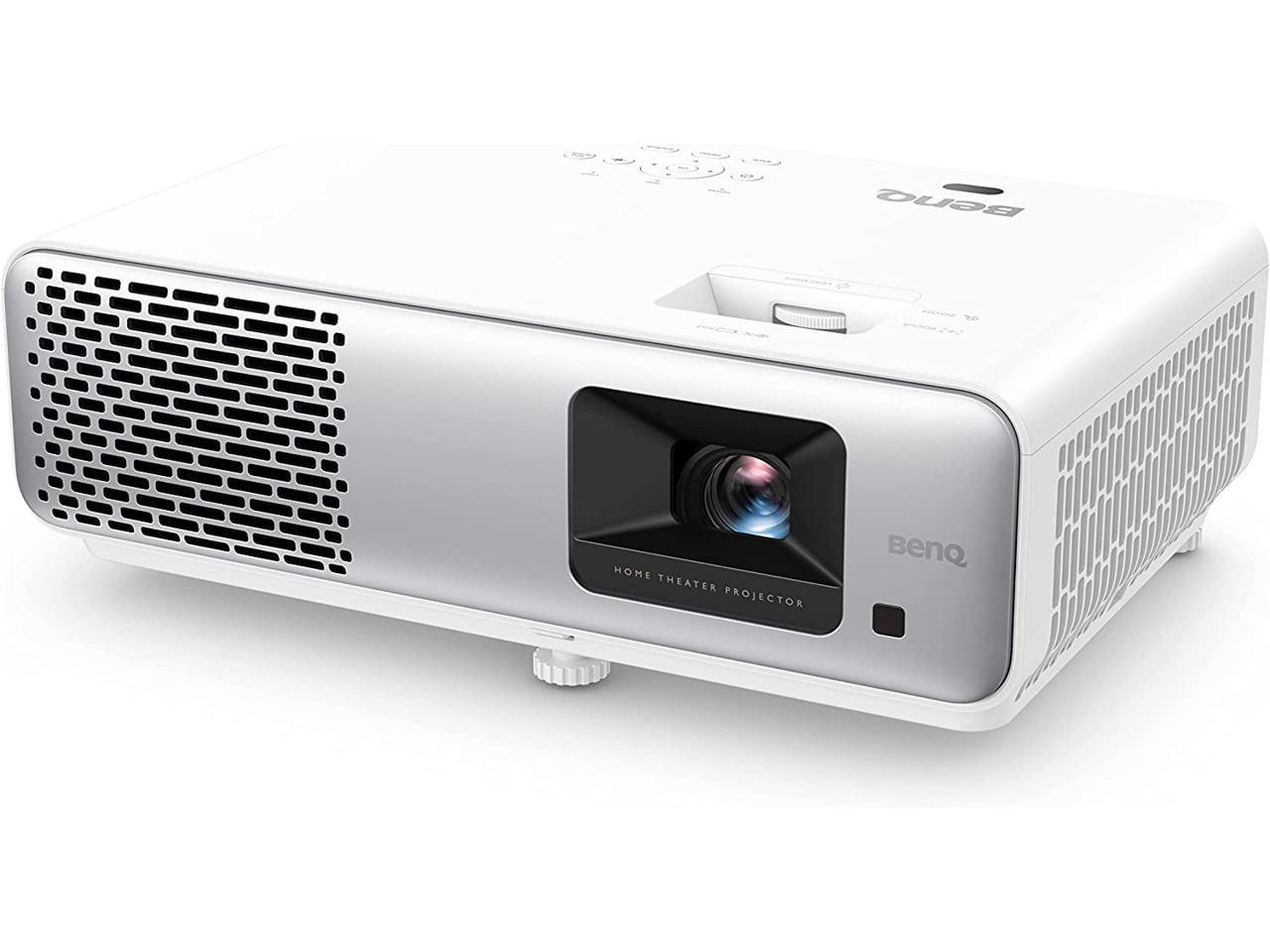
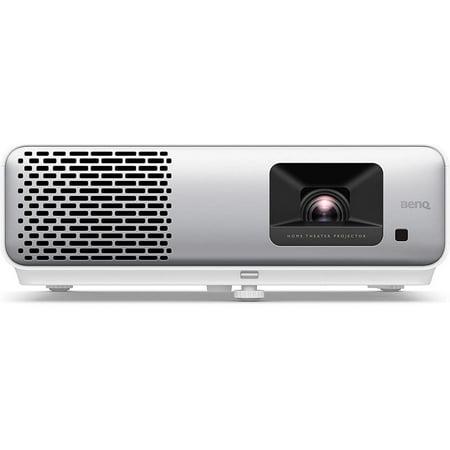
The BenQ HT2060, priced at $999, is a classic home theater projector designed for dedicated viewing spaces. It employs 4LED technology—a significant advancement over traditional lamp-based projectors—offering enhanced color performance and vastly improved longevity. This technology uses four LED light sources (red, green, blue, and a supplementary one) to create more accurate and vibrant colors without the degradation common in lamp projectors.
With dimensions of 14.4 x 9.6 x 4.6 inches and weighing 7.9 pounds, the HT2060 is meant to be installed semi-permanently in your entertainment space. It features a conventional design that prioritizes performance over portability.
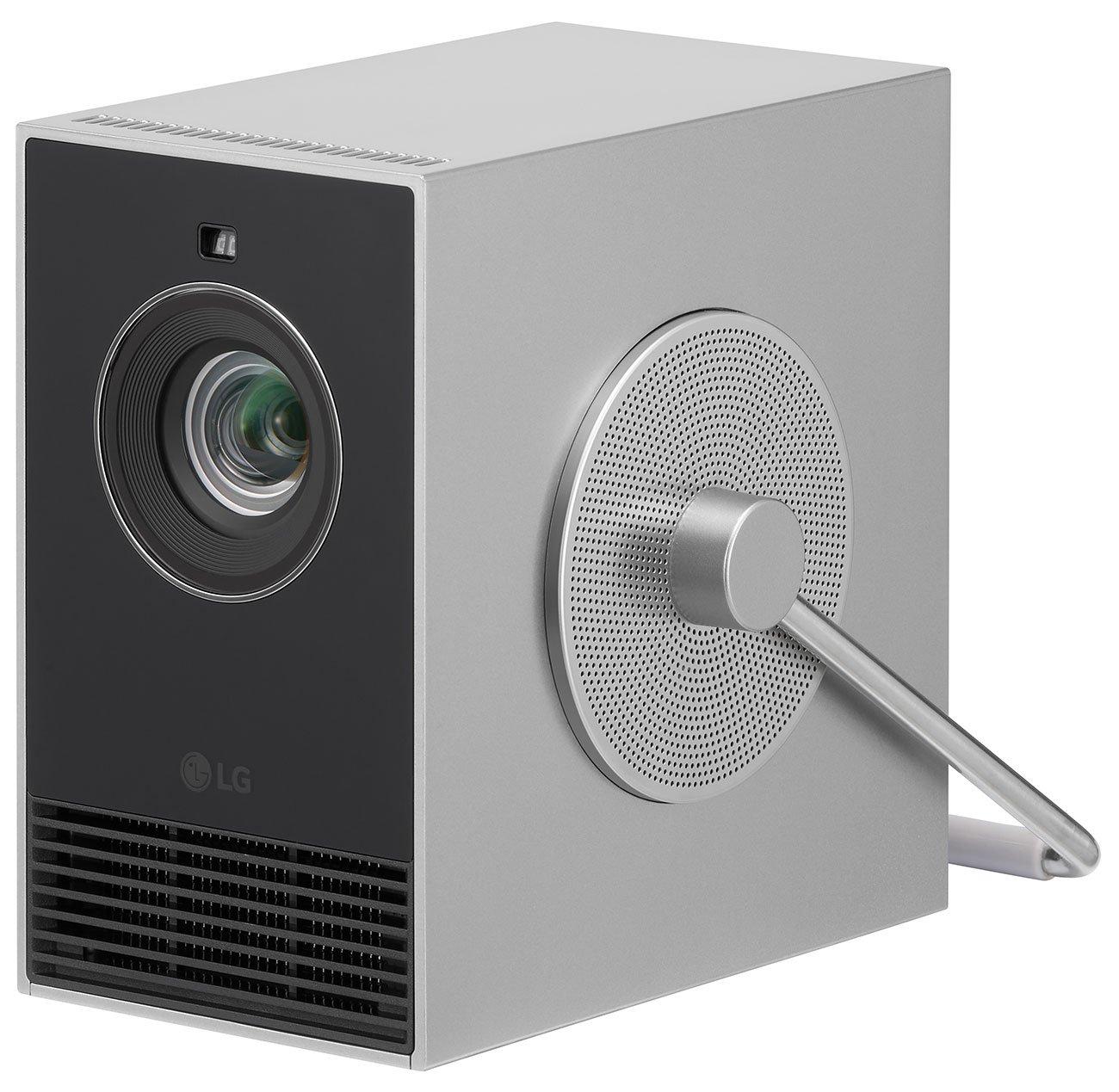
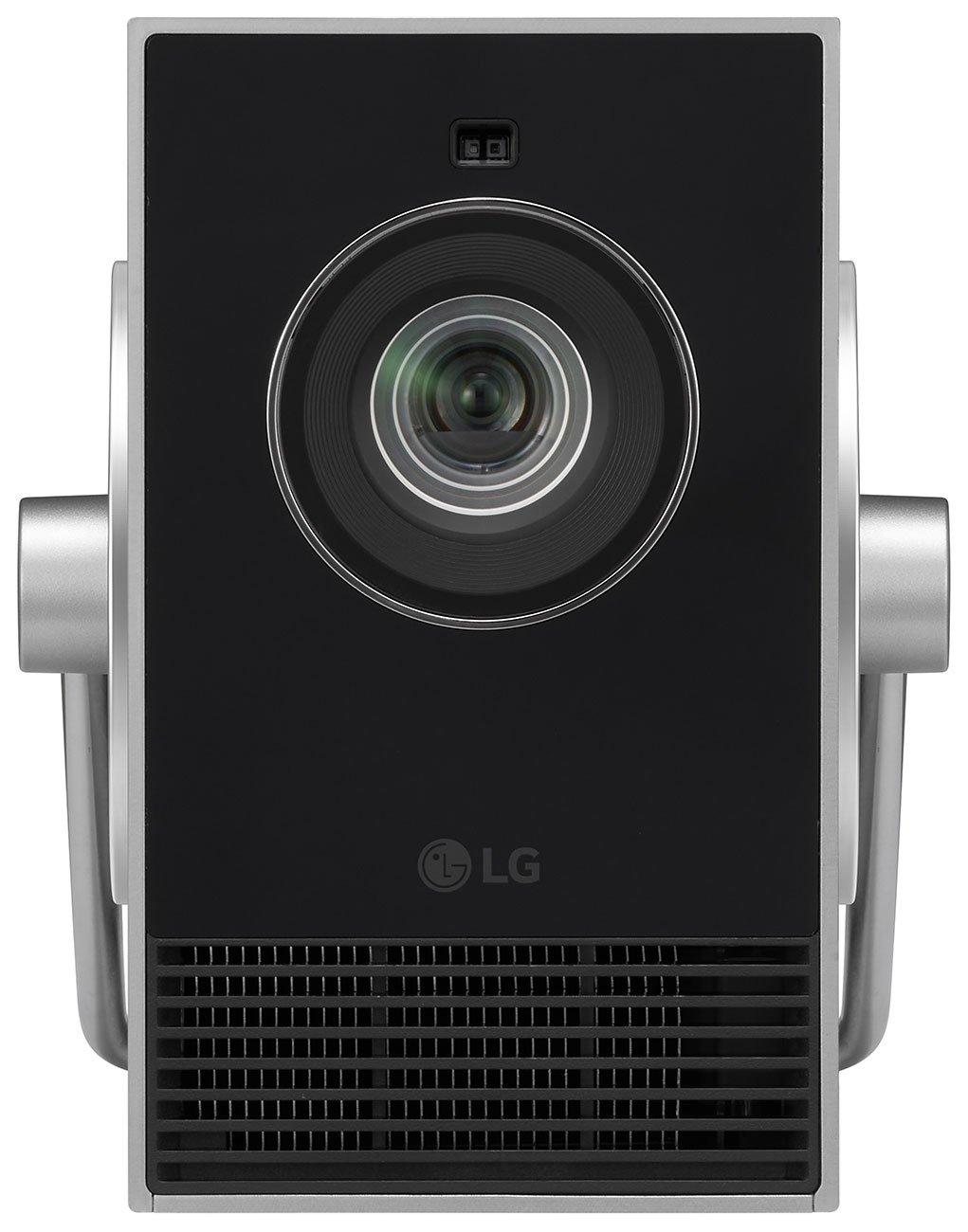
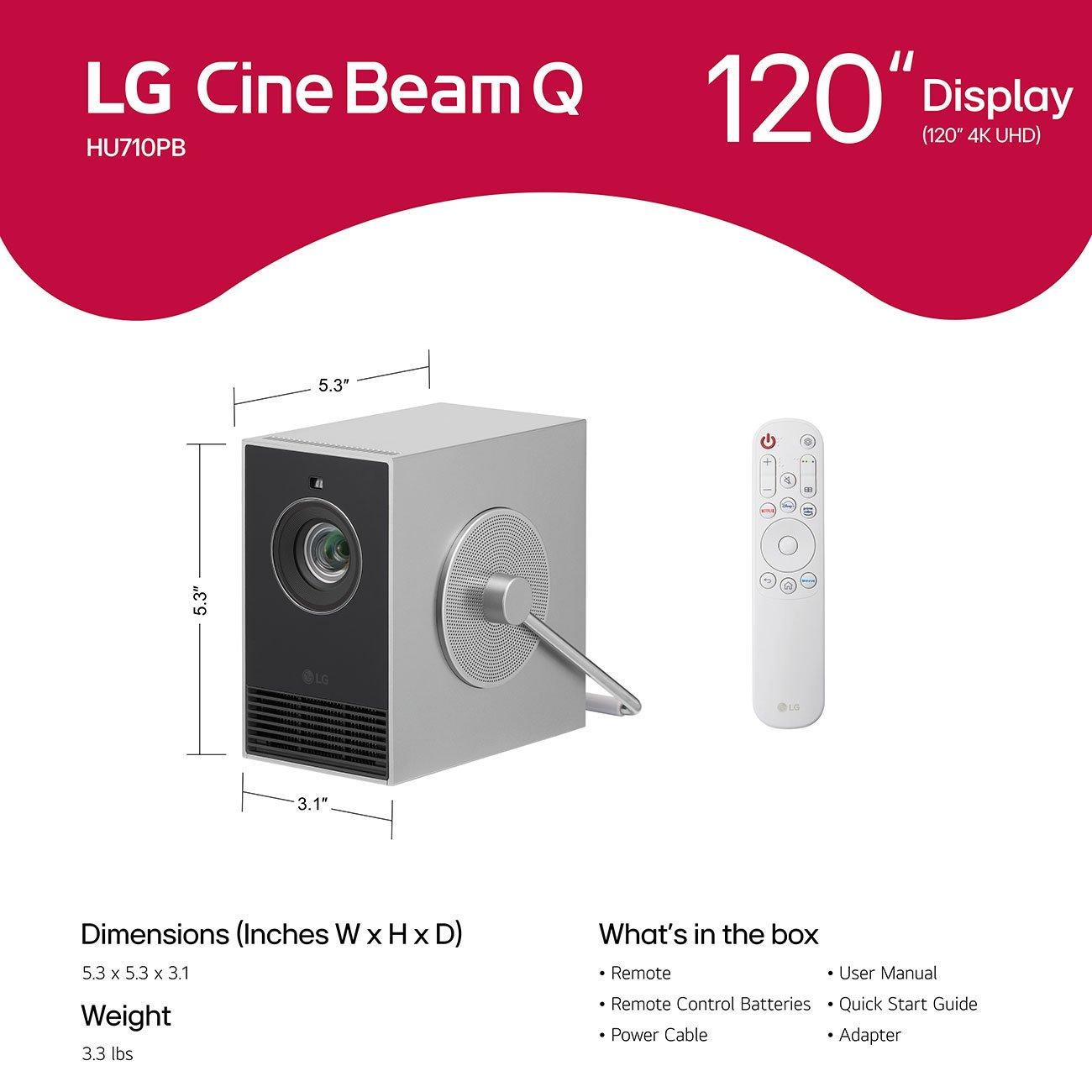
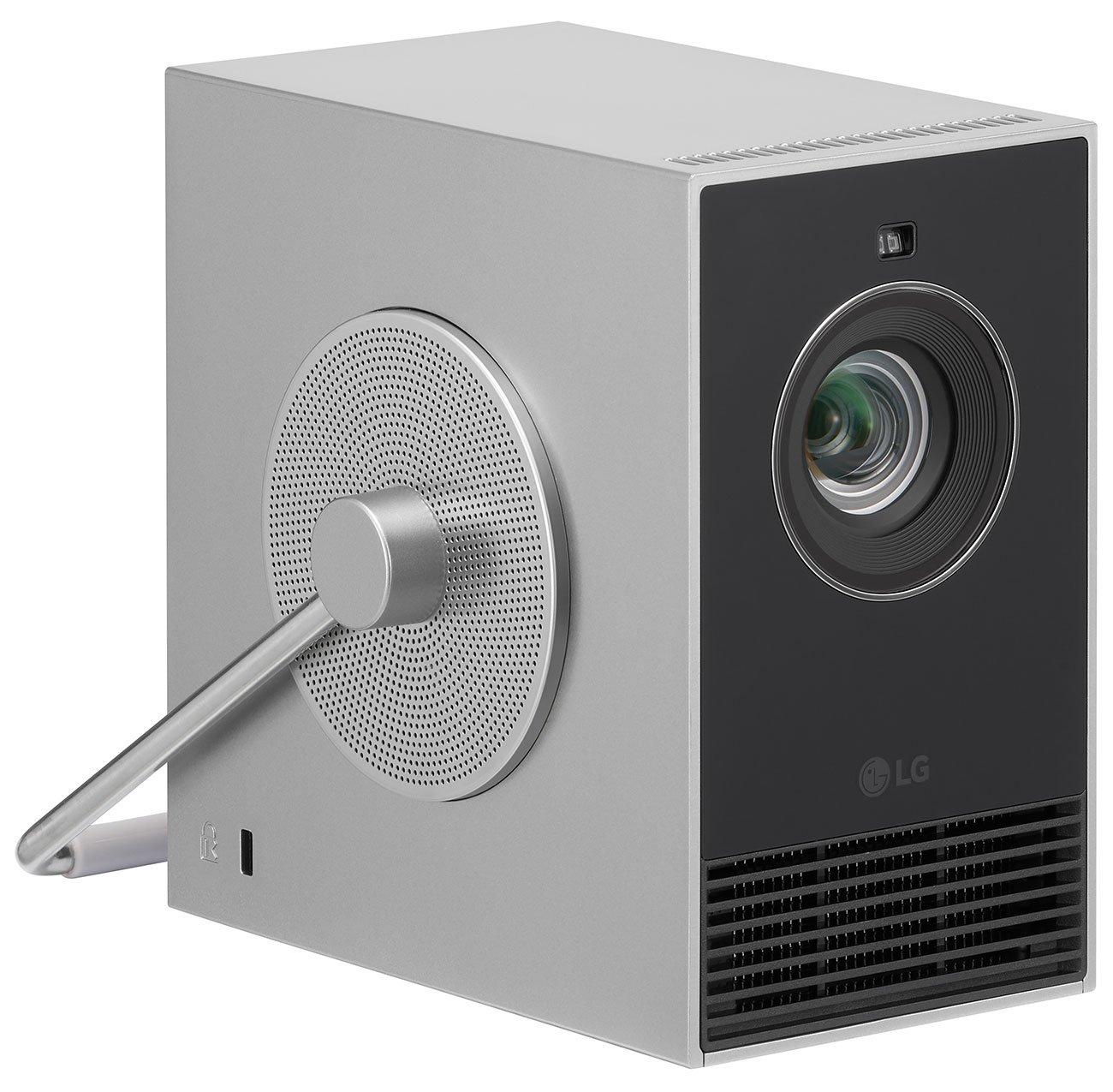
In contrast, the LG CineBeam Q, priced at $1,299, embraces a radically different approach. This ultra-compact cube (measuring just 5.3 x 3.1 x 5.3 inches and weighing 3.3 pounds) utilizes RGB laser technology to deliver 4K resolution in a package you can literally carry with one hand, thanks to its integrated 360-degree rotating handle.
The CineBeam Q represents the cutting edge in projection miniaturization, showing how far the technology has come in recent years. Five years ago, a 4K projector of this size would have been unthinkable, and the RGB laser technology it employs was primarily found only in high-end commercial projectors costing many times more.
When it comes to resolution, there's a clear distinction between these projectors:
The difference is substantial—the CineBeam Q displays four times as many pixels as the HT2060. This becomes increasingly noticeable as screen size increases. On a 100-inch screen, the pixel density difference is readily apparent, especially with 4K content sources like UHD Blu-rays or high-end streaming.
However, resolution isn't everything. Many viewers still find 1080p perfectly acceptable, especially for standard HD content like cable TV or regular Blu-rays. The jump to 4K becomes most noticeable when you're viewing native 4K content and sitting relatively close to a large screen.
Perhaps the most significant practical difference between these projectors is brightness:
This nearly 5:1 difference in brightness completely changes where and when these projectors can be effectively used. Brightness, measured in ANSI lumens, determines how visible your projected image will be, especially when competing with ambient light.
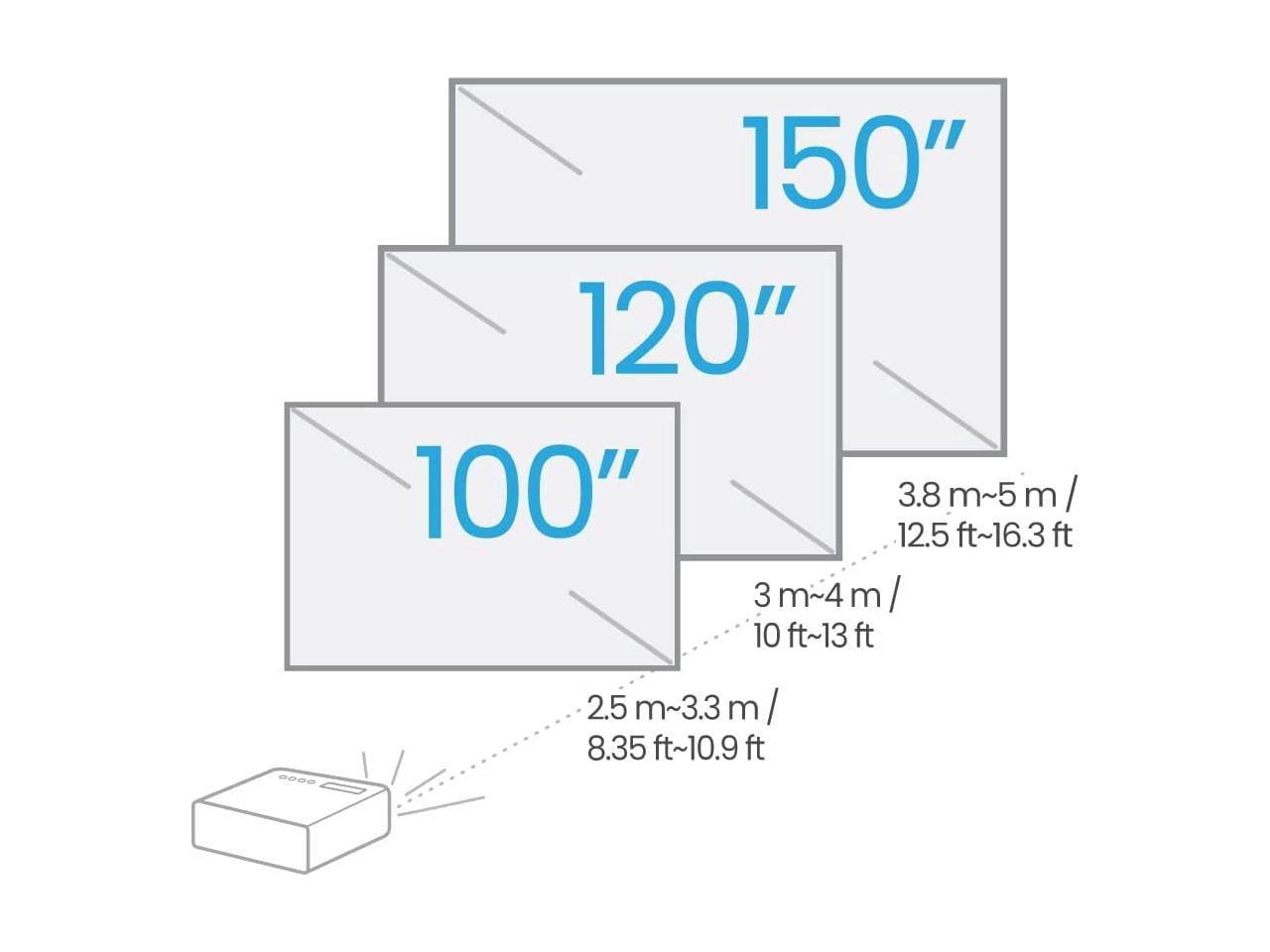
The HT2060's 2300 lumens provides enough power to maintain a vibrant image even with some ambient light present—think of a living room with blinds drawn during the day or normal evening lighting. You can watch sports, play games, or enjoy movies without requiring complete darkness.
In contrast, the CineBeam Q's 500 lumens means it performs best in controlled, dark environments. In a fully darkened room, it can produce a beautiful image, but introduce even moderate ambient light, and the picture will appear washed out. This limitation is a direct consequence of its ultra-portable design—more brightness requires larger cooling systems and power supplies.
I've tested similar projectors in various lighting conditions, and this brightness difference is not just a spec sheet concern—it fundamentally changes when and where you can use these devices comfortably.
The color technologies in these projectors tell an interesting story:
The BenQ's 4LED system provides excellent color accuracy within the standard HD color space (Rec.709), which covers most streaming content and Blu-rays. Reviewers consistently praise its out-of-box color accuracy, often noting it requires minimal calibration.
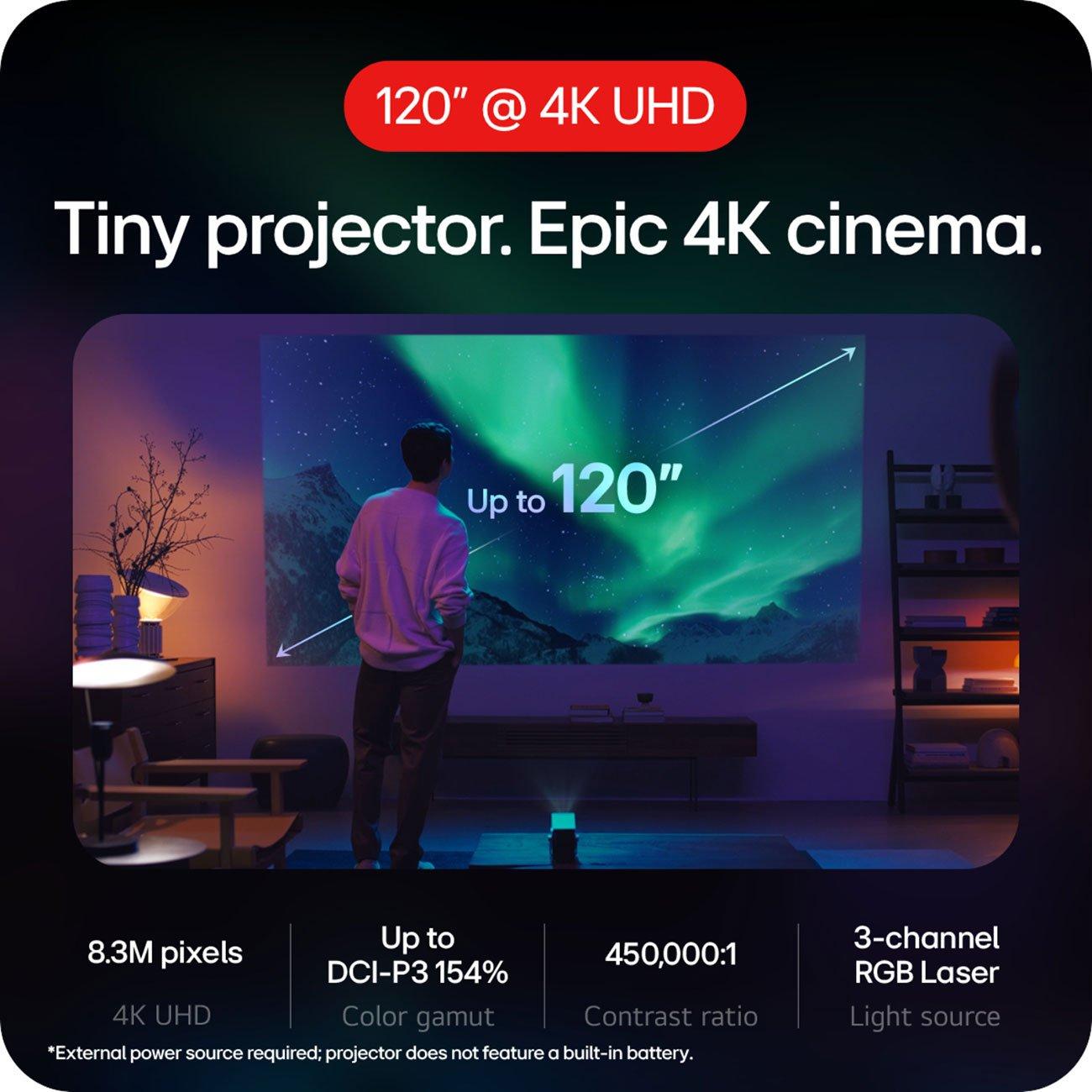
The LG's RGB laser system delivers a significantly wider color gamut, going well beyond the DCI-P3 space used in digital cinema. This means more vibrant, saturated colors—especially noticeable with HDR content. The lasers produce pure, specific wavelengths of light that result in exceptionally vivid colors that traditional LED systems simply cannot match.
In practical terms, both offer impressive color, but the CineBeam Q can display a wider range of colors, particularly in the greens and reds, giving a more "cinematic" feel to movies that take advantage of wide color gamut mastering.
Both projectors boast impressive contrast ratio specifications:
While these numbers are close, it's worth noting that manufacturer contrast specifications often use different measurement methods, making direct comparisons difficult. In real-world use, both projectors deliver solid black level performance in darkened rooms.
From my experience testing similar technologies, the BenQ's 4LED system typically provides slightly better native contrast, while the laser technology in the LG excels at creating brighter highlights, especially with HDR content.
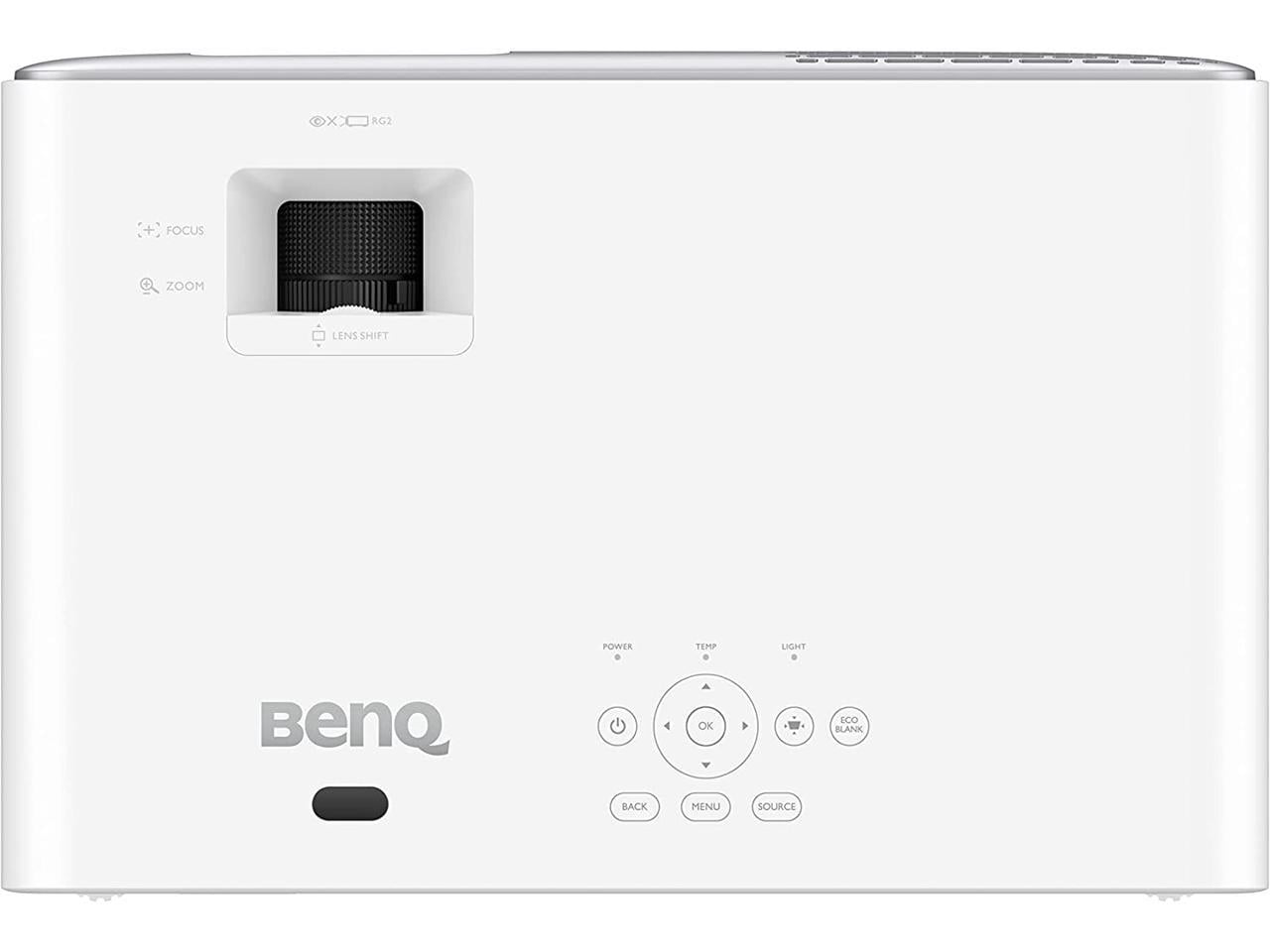
The BenQ HT2060 offers traditional installation flexibility with:
These features make it well-suited for permanent or semi-permanent installation in a dedicated home theater or living room. The zoom and lens shift are particularly valuable for fine-tuning the image without compromising quality.
The LG CineBeam Q takes a completely different approach, focusing on quick, hassle-free setup:
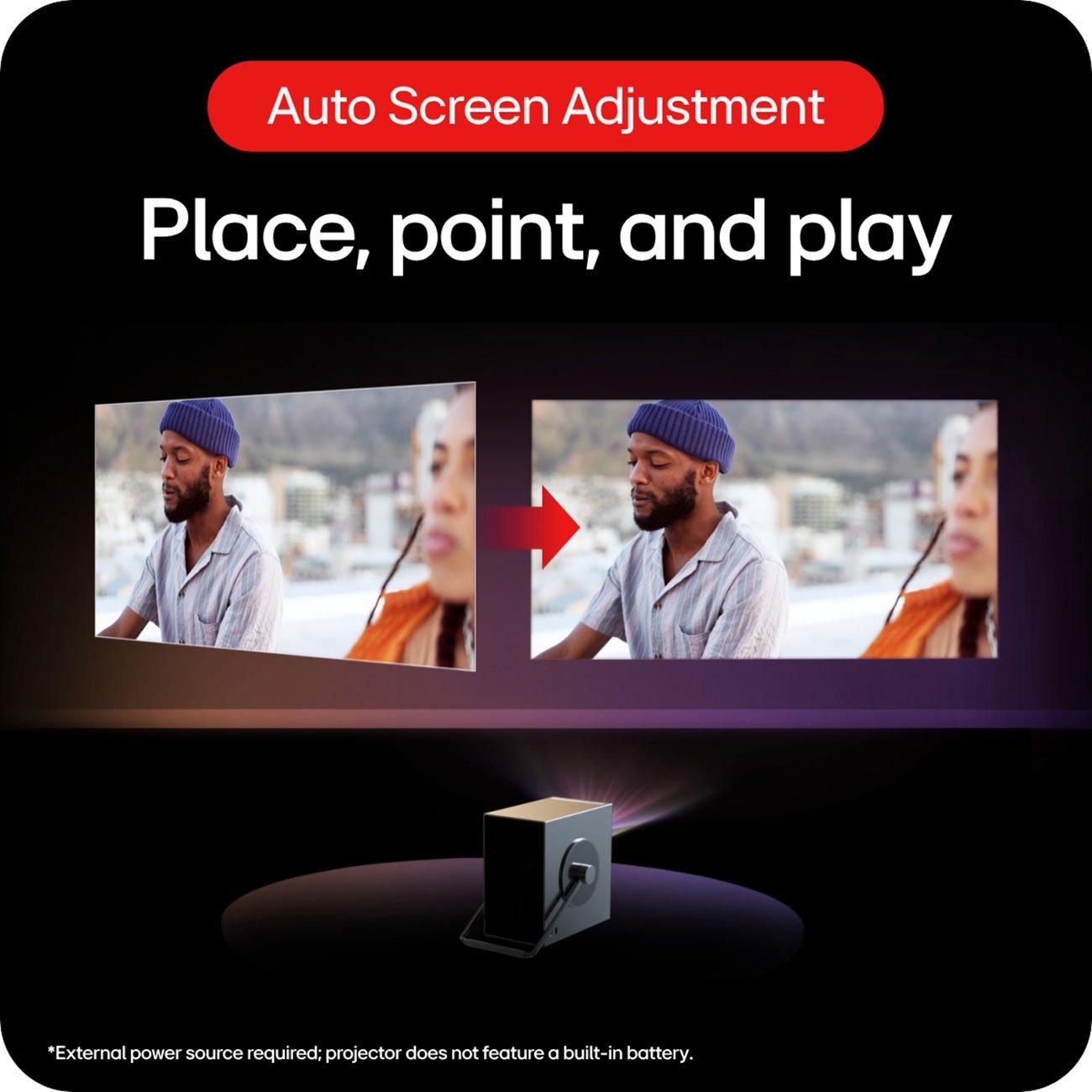
These automated features make the CineBeam Q ideal for temporary setups. You can place it on a coffee table, adjust the handle to point at your wall or screen, and the projector handles the rest. Having used similar auto-correction systems, I've found they work impressively well for casual setups but can introduce some image distortion that videophiles might notice.
Both projectors use solid-state lighting that far outlasts traditional lamp-based projectors:
These extended lifespans represent one of the most significant advancements in projector technology over the past decade. Traditional lamp projectors typically required expensive bulb replacements every 3,000-5,000 hours. At an average of 4 hours of daily use, both these projectors should last 13+ years before the light source dims significantly—essentially the entire useful life of the product.
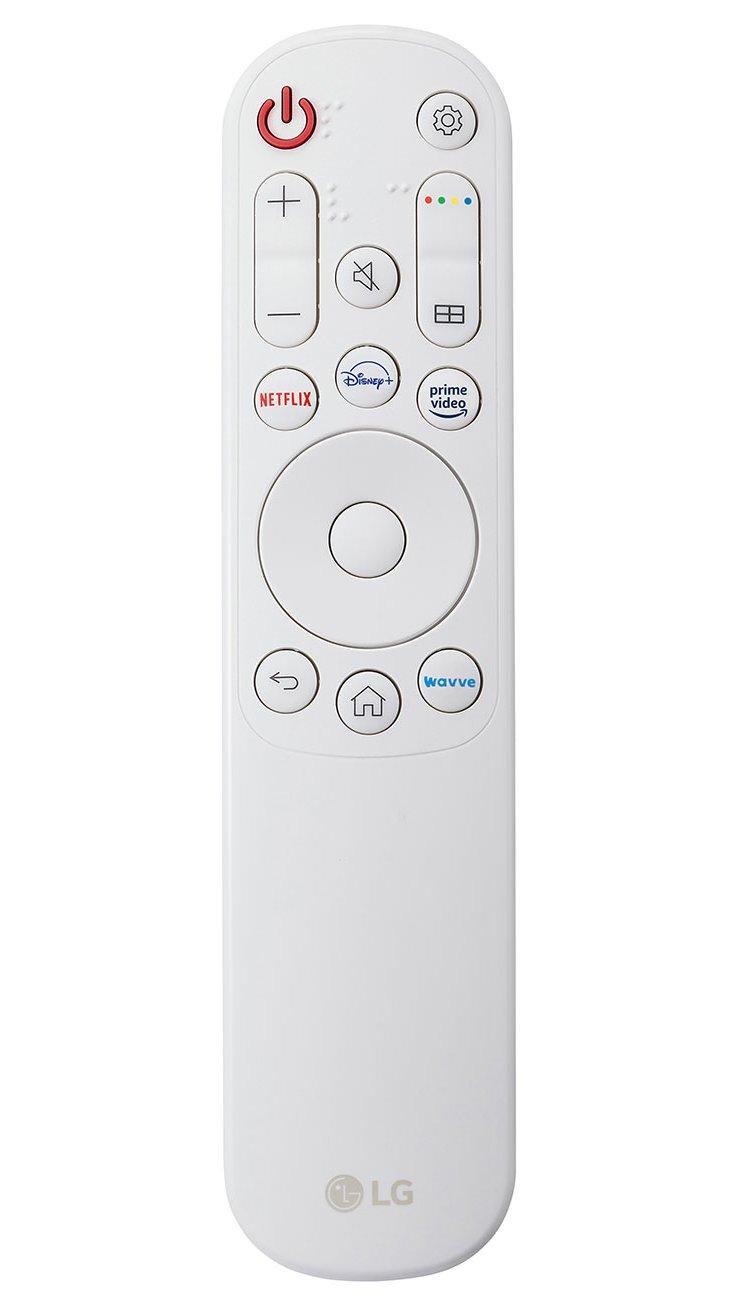
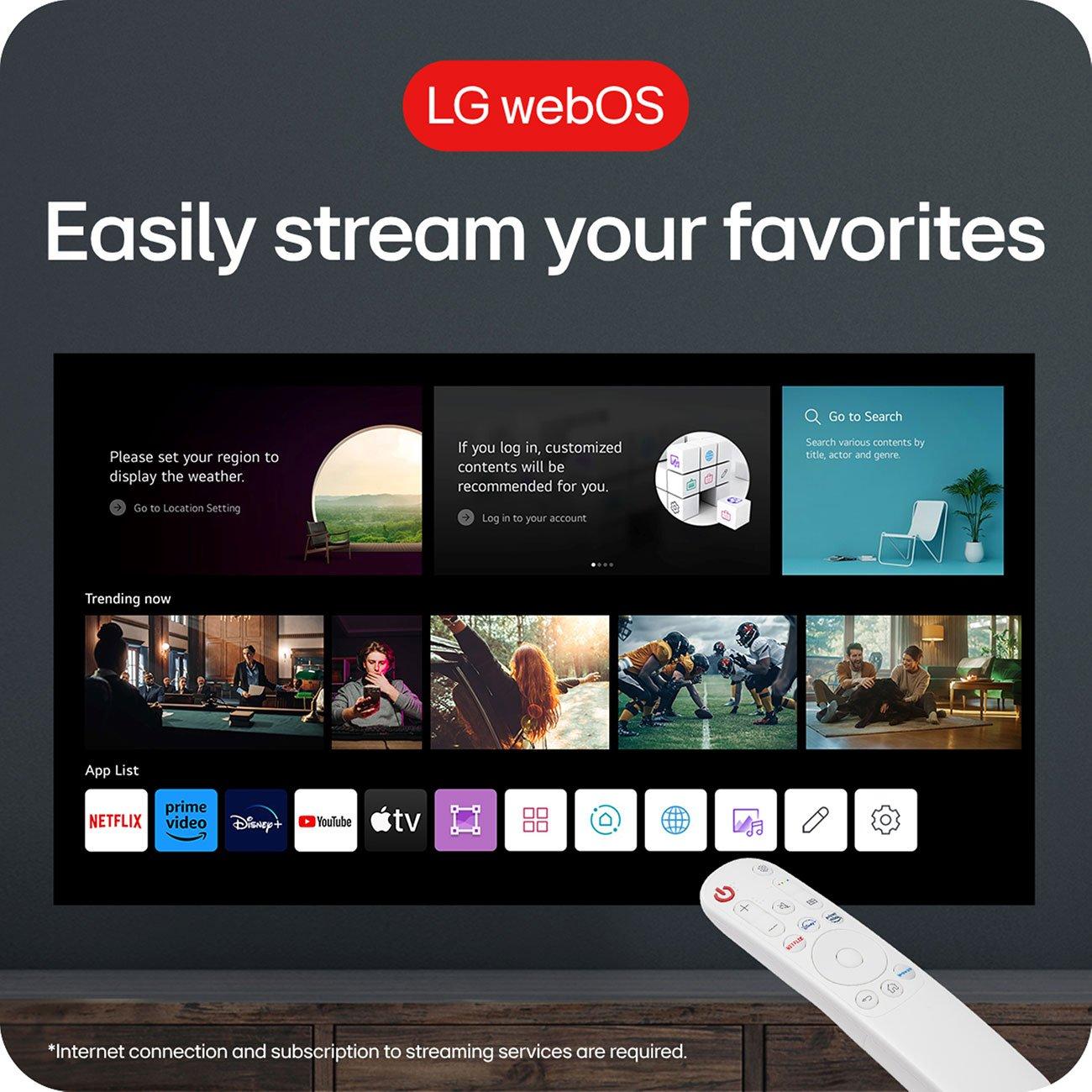
The LG CineBeam Q incorporates LG's webOS smart TV platform, the same system found in their premium televisions. This provides built-in access to streaming services like Netflix, Disney+, Prime Video, and more without requiring external devices. It also supports AirPlay 2 and Android Screen Share for wireless casting from your mobile devices.
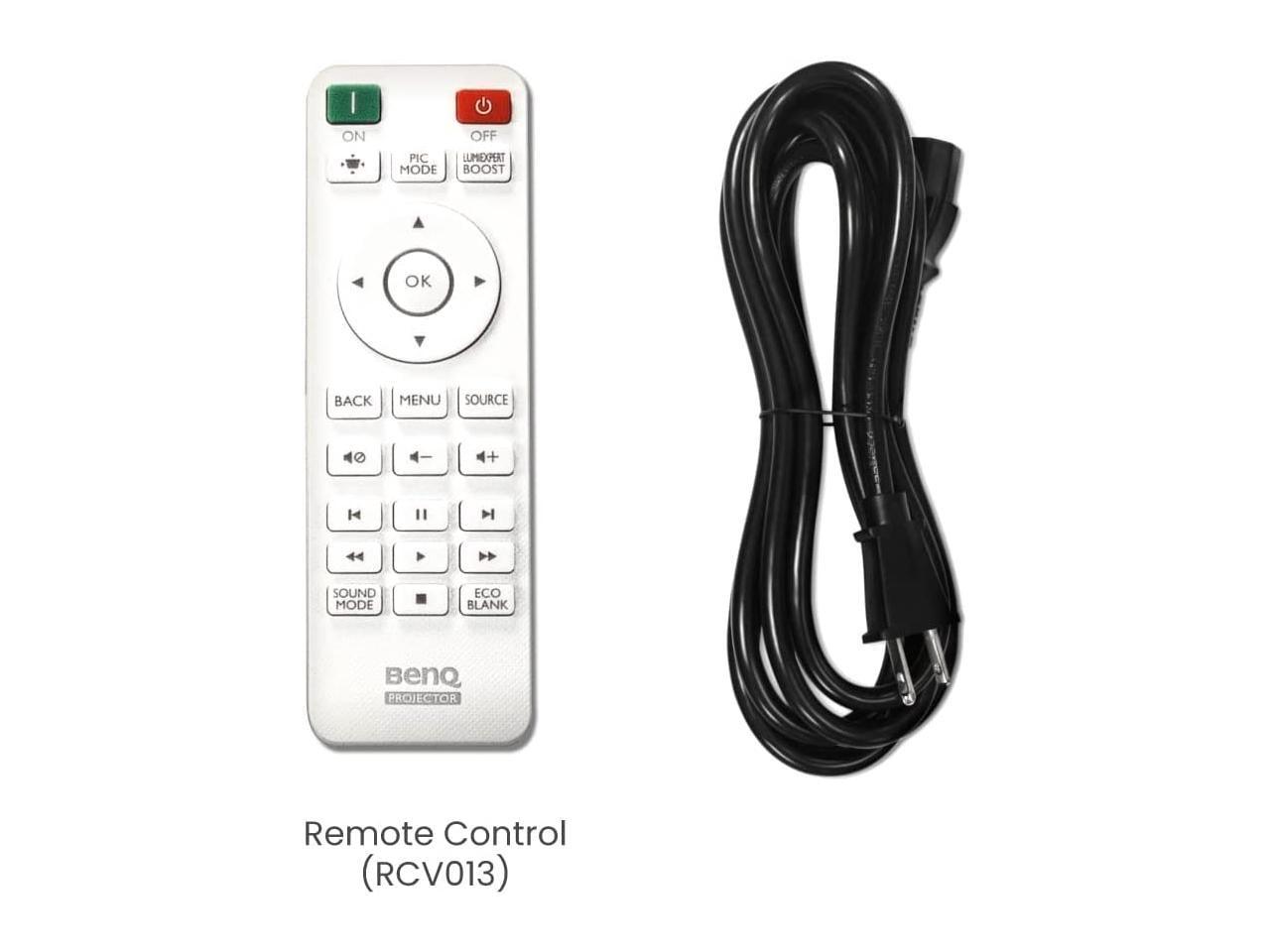
In contrast, the BenQ HT2060 doesn't include a smart operating system. It functions as a display only, requiring external source devices like streaming sticks, Blu-ray players, or gaming consoles. While this might seem like a disadvantage, many home theater enthusiasts prefer separate streaming devices, which often receive updates longer than built-in smart systems and can be replaced independently of the projector.
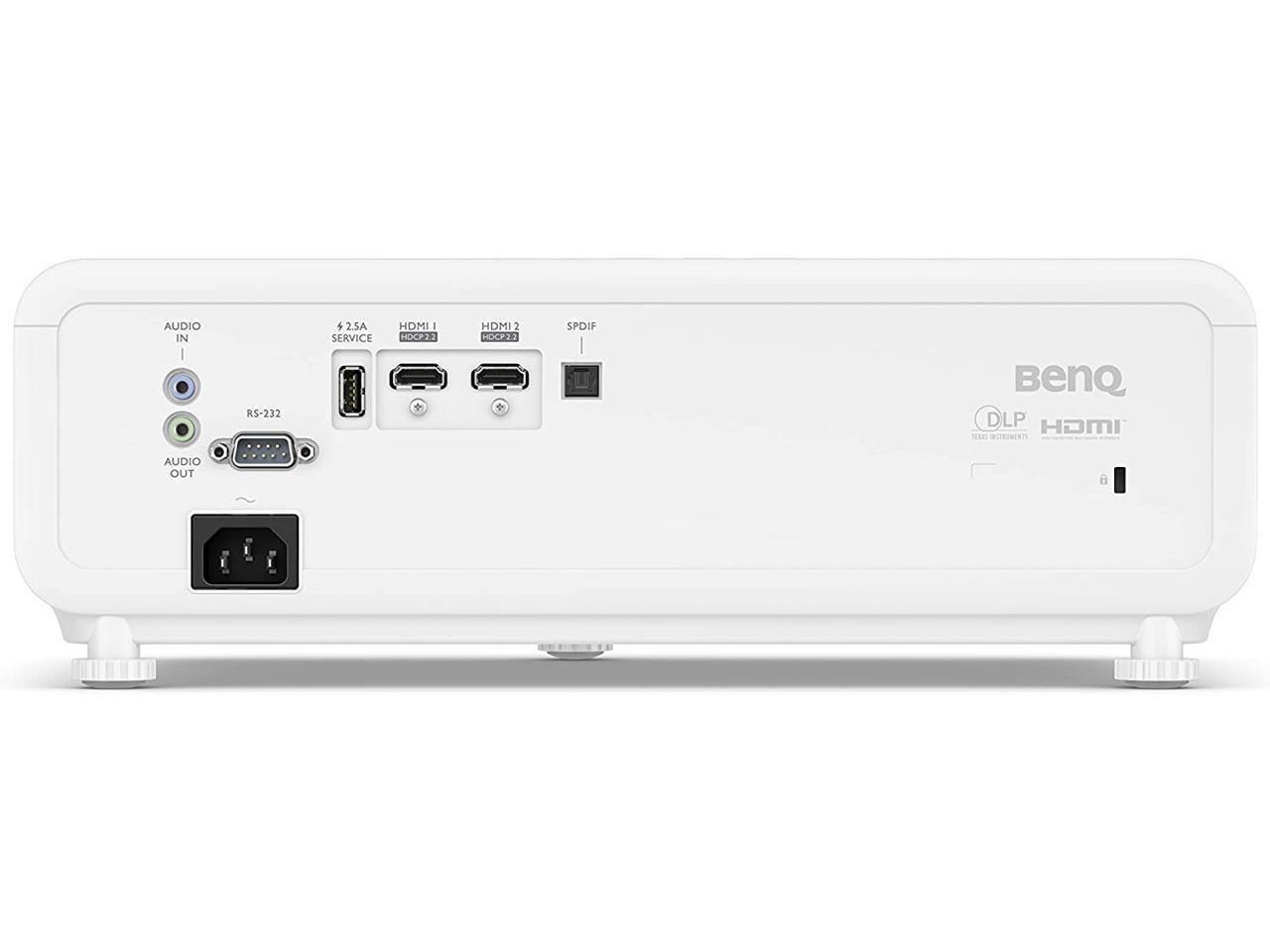
Connectivity options highlight the different design philosophies of these projectors:
The BenQ provides more extensive connection options suitable for a permanent home theater setup, including the ability to connect multiple sources simultaneously. The optical audio output also allows direct connection to sound systems for 5.1 channel audio.
The LG's minimal port selection reflects its portable nature—just enough connectivity for quick setups. The USB-C port is a modern touch, allowing direct connection to laptops and some mobile devices for easy content sharing.
Neither projector will satisfy audio enthusiasts without external speakers:
The BenQ's speakers are noticeably more powerful and provide stereo separation, making them adequate for casual viewing. However, for a true home theater experience, external audio is essential with either projector.
The LG's Bluetooth audio output is particularly useful for its portable use case, allowing easy connection to wireless speakers or headphones without additional cables. In my experience with similar features, this can be incredibly convenient for impromptu movie nights.
For gamers, input lag—the delay between your controller input and the corresponding action on screen—is critical:
The BenQ's low input lag makes it suitable for all but the most competitive gaming scenarios. Most players won't notice any delay, even in fast-paced games. The LG, while capable of gaming, doesn't provide the responsiveness serious gamers require.
Modern gaming consoles like the PS5 and Xbox Series X support 4K output, which the LG can display natively. However, the BenQ's superior responsiveness and brightness make it the better gaming choice despite its lower resolution.
At $999, the BenQ HT2060 delivers excellent brightness, color accuracy, and gaming performance at a price point that's accessible to many home theater enthusiasts. Its value proposition centers on delivering the core features most viewers care about—a bright, accurate image with low lag—without the premium price of 4K projectors.
The LG CineBeam Q at $1,299 commands a 30% premium but offers 4K resolution, laser technology, and unmatched portability. You're paying for cutting-edge miniaturization and versatility rather than raw performance in a fixed location.
The BenQ excels in these situations:
I've found projectors with similar specifications to the HT2060 to be remarkably versatile. The combination of good brightness, accurate colors, and responsive gaming performance creates a projector that handles nearly everything well.
The LG CineBeam Q shines in these scenarios:
The CineBeam Q represents a specialized tool. While limited by its brightness, its portability opens up use cases traditional projectors can't address. During a recent power outage, I used a similar portable projector to create an impromptu movie night powered by a USB power bank—something impossible with conventional projectors.
When choosing between these projectors, ask yourself these questions:
The BenQ HT2060 represents better value for traditional home theater uses. It delivers on the fundamentals that matter most for a fixed installation: brightness, color accuracy, and responsiveness at a reasonable price.
The LG CineBeam Q carves out a specialized niche for those who prioritize portability and 4K resolution. Its premium price buys you cutting-edge technology in an incredibly compact package, opening up projection possibilities that didn't exist just a few years ago.
Ultimately, both projectors excel in their intended use cases. The best choice depends on how you plan to use it and which features matter most for your specific situation. If you're creating a dedicated home cinema on a reasonable budget, the BenQ offers exceptional performance. If you need projection flexibility across multiple spaces and prioritize resolution, the LG's innovative approach is worth the premium.
| BenQ HT2060 HDR Home Theater Projector | LG CineBeam Q 4K UHD Portable Laser Projector |
|---|---|
| Price - Base investment required | |
| $999 | $1,299 |
| Resolution - Determines image sharpness and detail | |
| 1080p Full HD (1920×1080) | 4K UHD (3840×2160) - 4× the pixels of Full HD |
| Brightness - Critical for viewing with ambient light | |
| 2300 ANSI lumens (works well in living rooms with some light) | 500 ANSI lumens (requires near-dark conditions) |
| Light Technology - Affects color quality and lifespan | |
| 4LED system (20,000-30,000 hour lifespan) | RGB Laser (20,000 hour lifespan with superior color) |
| Color Performance - Impacts vibrancy and accuracy | |
| 98% Rec.709 color space (excellent for standard content) | 154% DCI-P3 color gamut (exceptional for HDR content) |
| Size & Portability - Determines installation flexibility | |
| 14.4 × 9.6 × 4.6 inches, 7.9 lbs (traditional form factor) | 5.3 × 3.1 × 5.3 inches, 3.3 lbs (ultra-compact with rotating handle) |
| Setup Features - Affects ease of installation | |
| 1.3× zoom, +10% vertical lens shift, 2D keystone | Auto focus, auto keystone, 360° rotating stand |
| Smart Features - Determines need for external devices | |
| No built-in smart platform (requires external streaming devices) | webOS with built-in streaming apps, AirPlay 2, Screen Share |
| Gaming Performance - Important for responsive gameplay | |
| 16.7ms input lag at 1080p/60Hz (excellent for gaming) | Not optimized for gaming (higher input lag) |
| Connectivity - Options for source devices | |
| 2× HDMI 2.0b, USB, optical audio out, 3.5mm audio | 1× HDMI, 1× USB-C |
| Audio - Built-in sound capabilities | |
| Dual 5W speakers with 5.1 channel pass-through | Single 3W mono speaker with Bluetooth audio output |
| Best Use Case - When to choose this projector | |
| Dedicated home theaters, living rooms with some ambient light, gaming setups | Portable setups, multiple locations, completely dark rooms, travel use |
The LG CineBeam Q 4K UHD Portable Laser Projector has better overall picture quality with its true 4K resolution (3840 x 2160) and wider color gamut (154% DCI-P3). The BenQ HT2060 HDR Home Theater Projector offers excellent 1080p quality with accurate colors (98% Rec.709), but can't match the detail level of the CineBeam Q's 4K resolution. However, the BenQ HT2060 compensates with significantly higher brightness, which can make its image appear more vibrant in rooms that aren't completely dark.
The BenQ HT2060 is substantially brighter with 2300 ANSI lumens compared to the LG CineBeam Q's 500 ANSI lumens. This makes the BenQ HT2060 about 4.6 times brighter, allowing it to produce a visible image even with some ambient light present. The LG CineBeam Q requires near-darkness to display its optimal image quality.
The BenQ HT2060 HDR Home Theater Projector with its 2300 ANSI lumens can handle rooms with some ambient light, such as drawn blinds during daytime or moderate evening lighting. The LG CineBeam Q with only 500 ANSI lumens will produce a washed-out image unless used in a very dark room with minimal ambient light. For rooms with windows or regular lighting, the BenQ HT2060 is significantly more practical.
The BenQ HT2060 is much better for gaming with its low 16.7ms input lag at 1080p/60Hz, providing responsive gameplay with minimal delay. The LG CineBeam Q isn't specifically optimized for gaming and has higher measured input lag. While the CineBeam Q offers 4K resolution for gaming, the BenQ's superior responsiveness and brightness make it the better choice for most gamers.
The LG CineBeam Q is significantly more portable at just 5.3 × 3.1 × 5.3 inches and 3.3 pounds with a built-in rotating handle. The BenQ HT2060 has a traditional projector form factor measuring 14.4 × 9.6 × 4.6 inches and weighing 7.9 pounds. If you need to move your projector between locations frequently, the ultra-compact LG CineBeam Q is designed specifically for portability.
The LG CineBeam Q 4K UHD Portable Laser Projector features a built-in webOS smart platform with popular streaming apps like Netflix, Disney+, and Prime Video. The BenQ HT2060 HDR Home Theater Projector doesn't have built-in streaming capabilities and requires external devices like Roku, Apple TV, or Fire TV stick to access streaming services.
The BenQ HT2060 HDR Home Theater Projector is priced at $999, while the LG CineBeam Q 4K UHD Portable Laser Projector costs $1,299. This represents a $300 (30%) price premium for the LG CineBeam Q. The higher price of the LG reflects its 4K resolution, laser technology, and ultra-portable design.
Both projectors feature long-lasting solid-state light sources. The BenQ HT2060 uses 4LED technology rated for 20,000-30,000 hours of use, while the LG CineBeam Q employs RGB laser technology with a 20,000-hour rating. At 4 hours of daily use, both projectors should provide over 13 years of viewing before significant light degradation, eliminating the need for lamp replacements.
For a dedicated home theater room, the BenQ HT2060 offers better overall value with its higher brightness, excellent color accuracy, and installation flexibility including 1.3× zoom and vertical lens shift. The LG CineBeam Q provides superior 4K resolution but its 500 ANSI lumens brightness is limiting even in controlled lighting. Unless 4K resolution is your top priority, the BenQ HT2060 delivers a more satisfying home theater experience at a lower price.
The LG CineBeam Q is a true 4K UHD projector with 3840 × 2160 native resolution, displaying 4K content in its full detail. The BenQ HT2060 has a native 1080p resolution but can accept 4K input signals, downscaling them to 1080p for display. For viewers who prioritize the highest resolution, especially on larger screens, the LG CineBeam Q offers a noticeable advantage with native 4K.
The BenQ HT2060 HDR Home Theater Projector offers more comprehensive connectivity with 2 HDMI 2.0b ports, USB, optical audio out, 3.5mm audio out, and RS-232 control. The LG CineBeam Q provides more limited physical connections with just 1 HDMI port and 1 USB-C port. However, the LG compensates with wireless options including AirPlay 2 and Screen Share for mobile devices. For home theater setups with multiple source devices, the BenQ provides greater flexibility.
If you plan to use your projector in multiple rooms, the LG CineBeam Q is the clear choice with its ultra-compact size, light 3.3-pound weight, built-in handle, and automatic setup features (auto focus and auto keystone correction). The BenQ HT2060 is designed more for permanent installation and would require more effort to relocate and set up each time. The LG's built-in smart features also reduce the need to move additional streaming devices between rooms.
We've done our best to create useful and informative comparisons to help you decide what product to buy. Our research uses advanced automated methods to create this comparison and perfection is not possible - please contact us for corrections or questions. These are the sites we've researched in the creation of this article: projectorcentral.com - avsforum.com - bestbuy.com - avsforum.com - tomsguide.com - avsforum.com - projectorreviews.com - hometheaterhifi.com - youtube.com - avsforum.com - cnet.com - techgearlab.com - cdw.com - bhphotovideo.com - projectorcentral.com - shop.avispl.com - tvsbook.com - youtube.com - projectorreviews.com - avsforum.com - projectorcentral.com - lg.com - thefrogpadappliances.com - youtube.com - techradar.com - lg.com - avsforum.com - lg.com - tomsguide.com - jefflynch.com - hometheaterview.com - projectorreviews.com - youtube.com - avsforum.com - projectorcentral.com - pcrichard.com - bhphotovideo.com - youtube.com - lg.com - applerivertvandappliance.com - big-georges.com - queencityonline.com - lg.com - lg.com - lg.com - lgnewsroom.com - heimkino.de

Privacy Policy
Terms and Conditions - Affiliate Policy
Home Security
© Copyright 2008-2026.
11816 Inwood Rd #1211, Dallas, TX 75244