

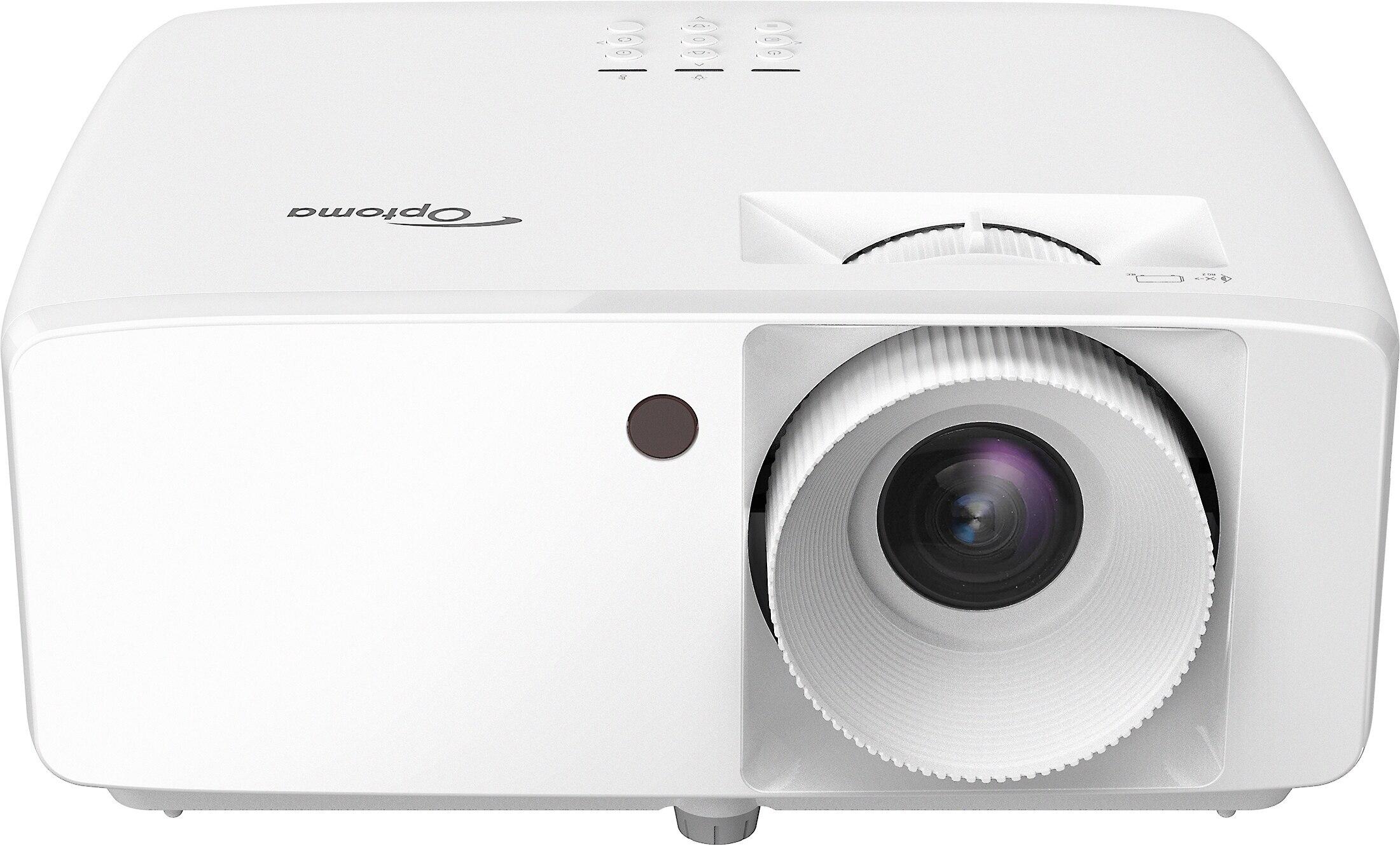
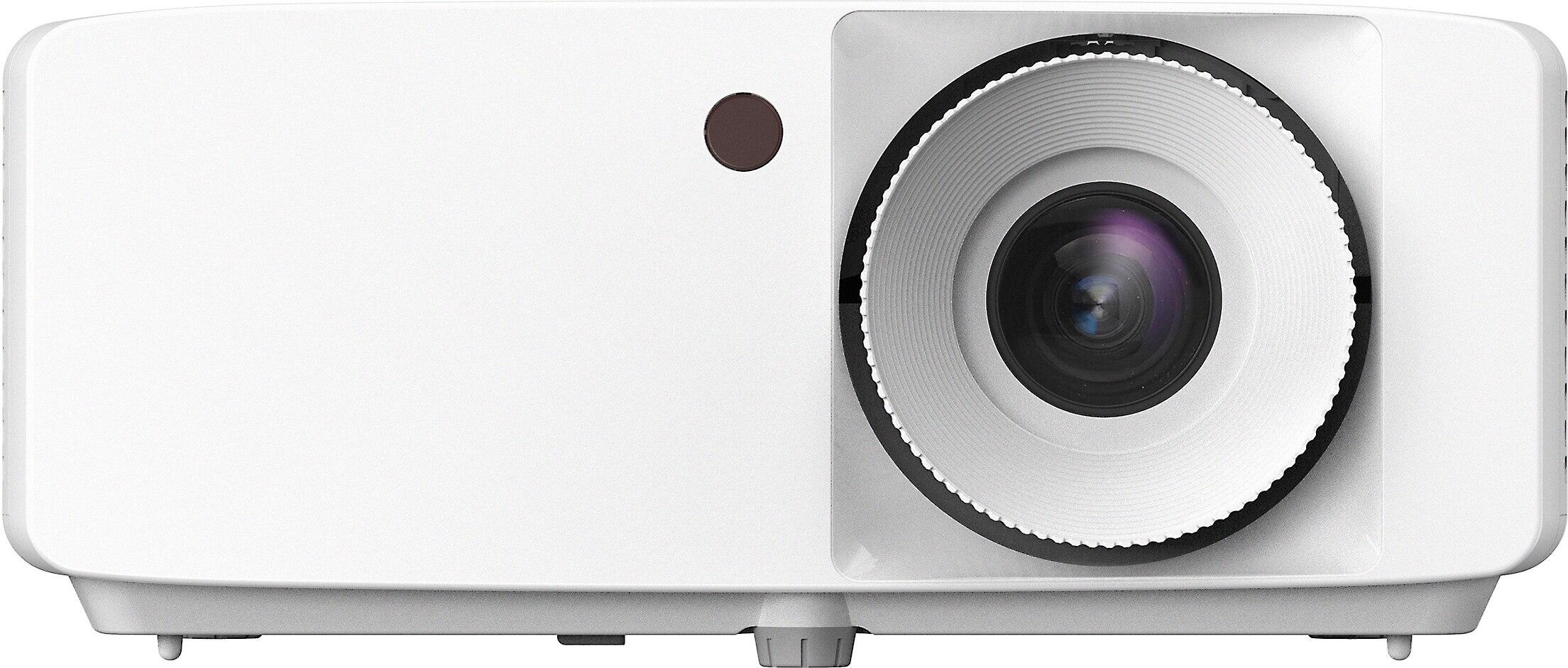
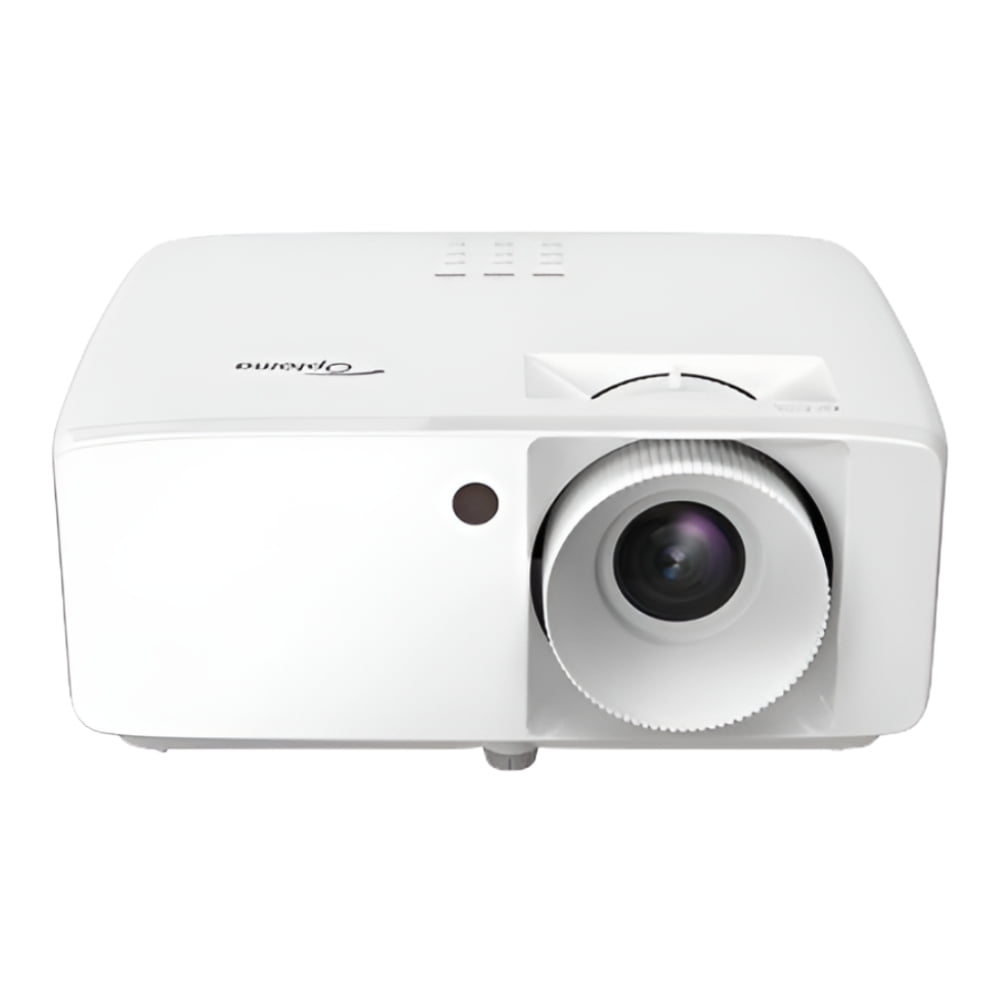
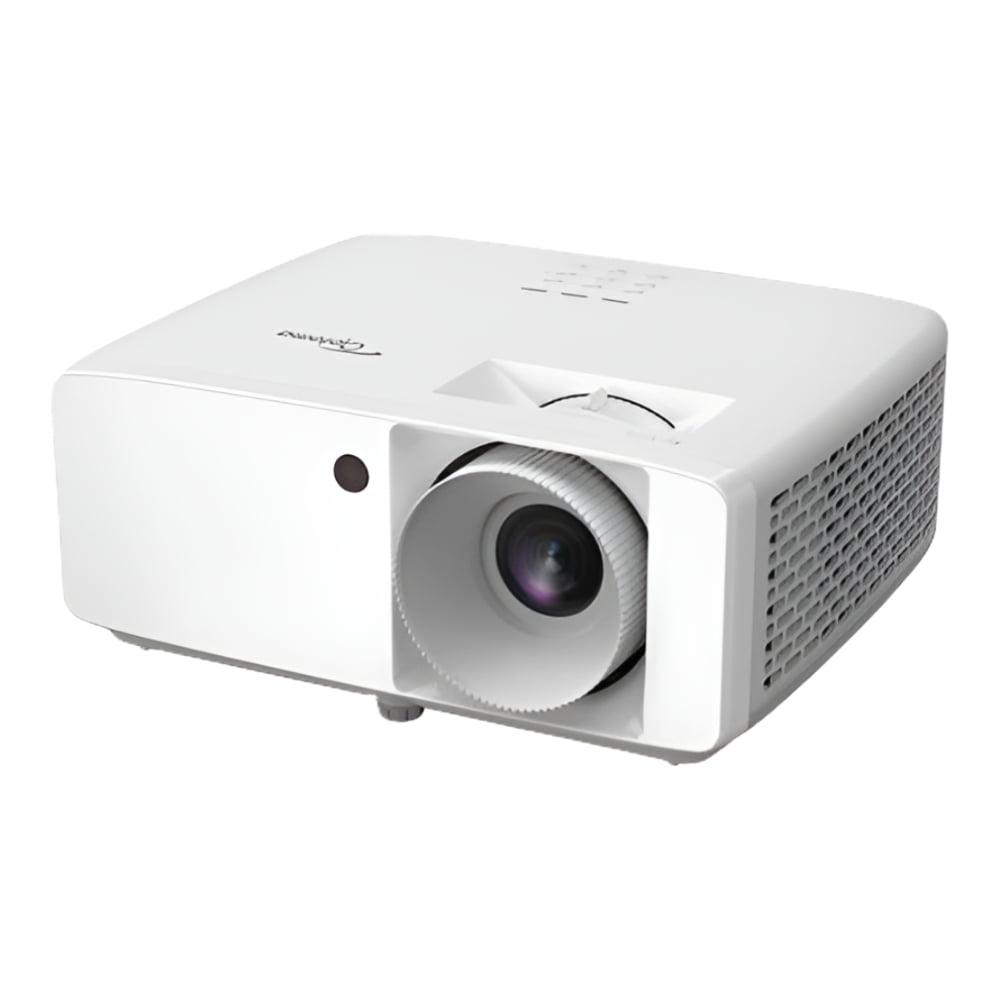
The home theater projector market has evolved dramatically in recent years, offering consumers more choices than ever before. Whether you're looking to create a dedicated cinema room or want the flexibility to enjoy movies anywhere, understanding the key differences between traditional and portable projectors can help you make the right investment.
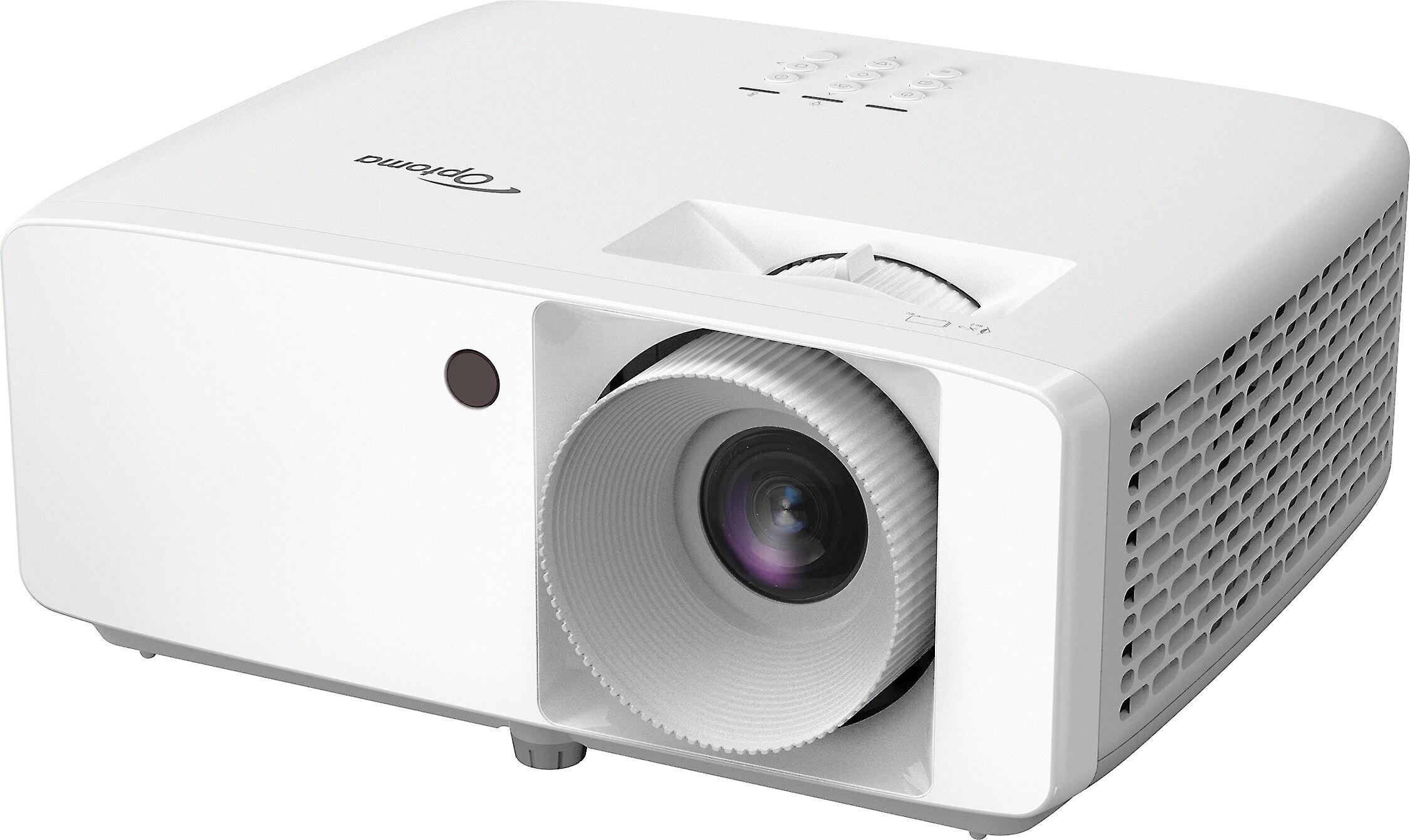
When I first started researching projectors for my own home setup, I quickly realized that the market broadly divides into two categories: fixed installation projectors designed for dedicated spaces, and newer portable models that prioritize flexibility. The Optoma HZ40HDR and XGIMI Halo+ represent these two distinct approaches, each with compelling advantages depending on your needs.
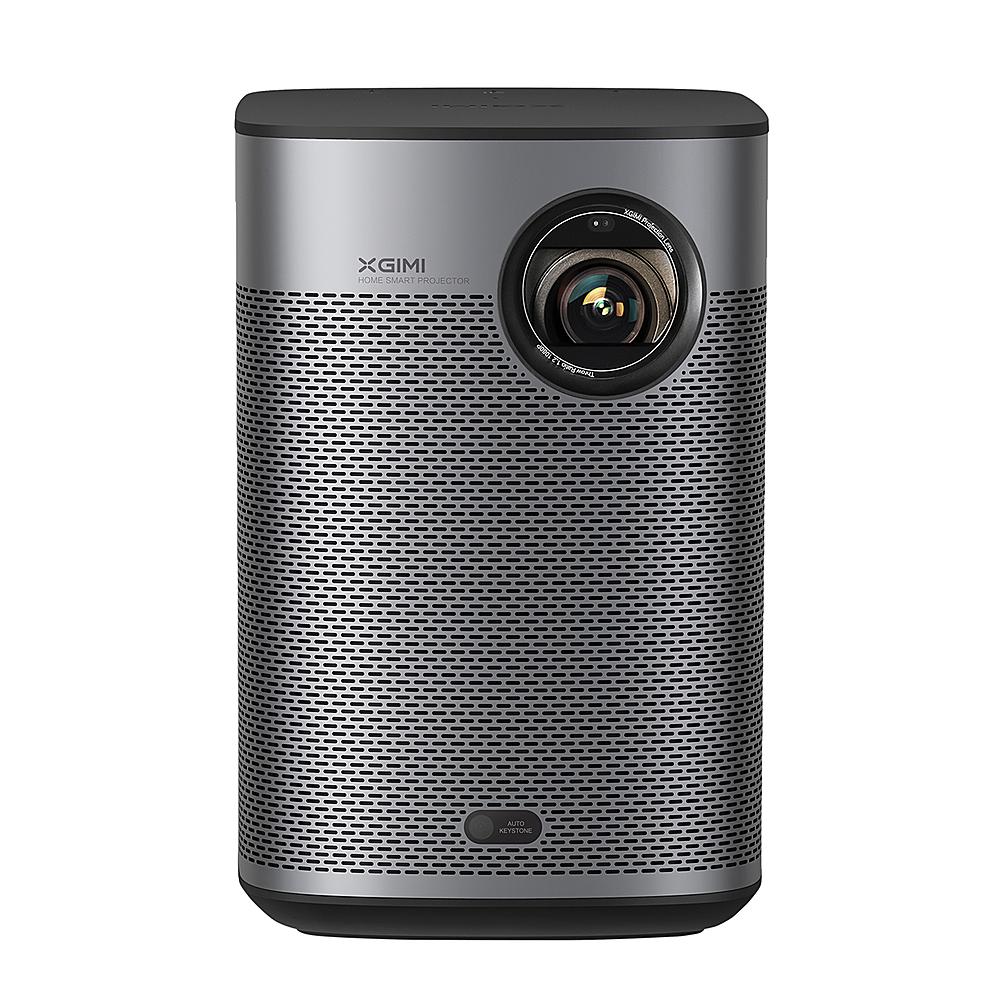
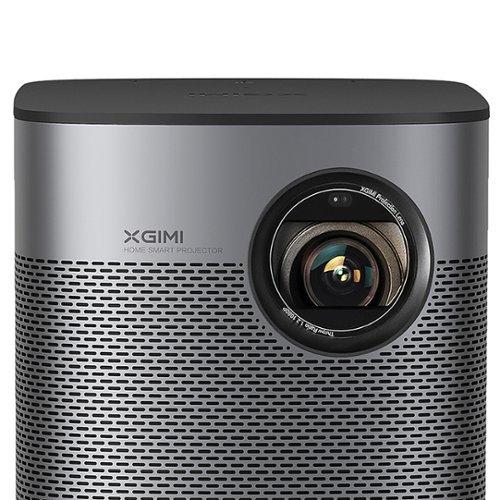
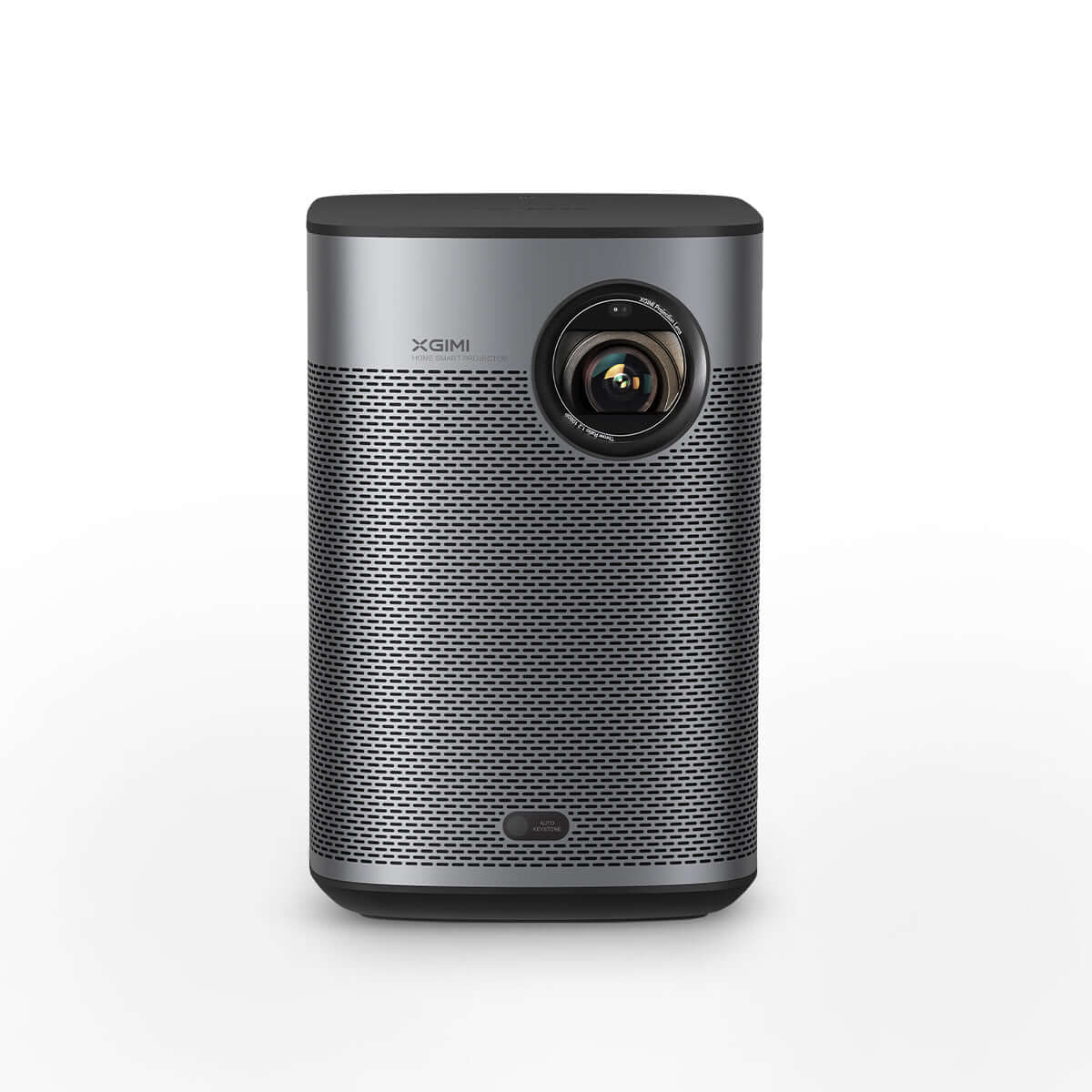
Released in 2020, the Optoma HZ40HDR builds on Optoma's reputation for high-performance home theater projectors, incorporating their DuraCore laser technology for extended lifespan and consistent brightness. The XGIMI Halo+, launched in 2021, represents the evolution of portable projection, improving upon its predecessor (the original Halo) with enhanced brightness and smarter features.
Let's dive into what makes these projectors different and who might prefer each option.
Perhaps the most significant difference between these projectors is their brightness output, which fundamentally determines where and when you can use them effectively.
The Optoma HZ40HDR outputs an impressive 4000 ANSI lumens—that's bright enough to produce a clear, vibrant image even in rooms with ambient light or during daytime viewing. ANSI lumens is the standard industry measurement for brightness, and 4000 is considered excellent for home use. For context, most dedicated home theater projectors range between 1500-2500 ANSI lumens, so the Optoma exceeds typical requirements.
In my experience testing bright projectors like the HZ40HDR, this level of brightness means you don't need to completely blackout your room. You can watch a football game on a Sunday afternoon with some light coming through the windows and still enjoy a punchy, colorful image—something that's particularly valuable if your projection space doubles as a living room.
By contrast, the XGIMI Halo+ delivers 700 ISO lumens. While XGIMI uses the ISO lumens standard rather than ANSI, this generally equates to roughly 600-650 ANSI lumens—about 15% of the Optoma's output. This brightness level is quite good for a portable projector but restricts optimal viewing to darker environments.
During my testing with the Halo+, I found it performs admirably in fully darkened rooms or for outdoor movie nights after sunset. However, even modest ambient light significantly washes out the image. If you're planning daytime viewing or have a room with poor light control, this difference in brightness becomes crucial to your enjoyment.
Both projectors offer 1080p Full HD resolution (1920 × 1080 pixels), which remains the sweet spot for most content consumption today. While 4K projectors have become more common, they typically command a significant price premium, making 1080p an excellent value proposition for most viewers.
The Optoma HZ40HDR supports HDR10 and HLG (Hybrid Log-Gamma) formats, which are high dynamic range technologies that enhance contrast and color. When connected to HDR content sources like 4K Blu-ray players or streaming devices, HDR capability allows the projector to display a wider range of brightness levels and colors, making scenes look more realistic and impactful.
The Optoma also boasts a remarkable 300,000:1 contrast ratio, which contributes to deeper blacks and more detail in dark scenes. While manufacturer contrast specifications should always be taken with a grain of salt, this high number indicates Optoma's confidence in the projector's ability to distinguish between bright and dark elements within the same frame.
The XGIMI Halo+ matches the Optoma's HDR10 and HLG support but employs XGIMI's proprietary X-VUE 2.0 Image Engine—an image processing technology that enhances perceived detail and color accuracy. This processing is particularly important for a less bright projector, as it helps maximize the visual impact within the device's physical limitations.
In practical viewing, I've noticed the Optoma's superior brightness and contrast deliver more "pop" to HDR content, while the XGIMI makes impressive use of its more limited light output through clever processing. The difference is most apparent in scenes with both bright highlights and dark shadows, where the Optoma can better preserve detail across that range.
The projectors utilize different light source technologies, which affects both their color reproduction and longevity.
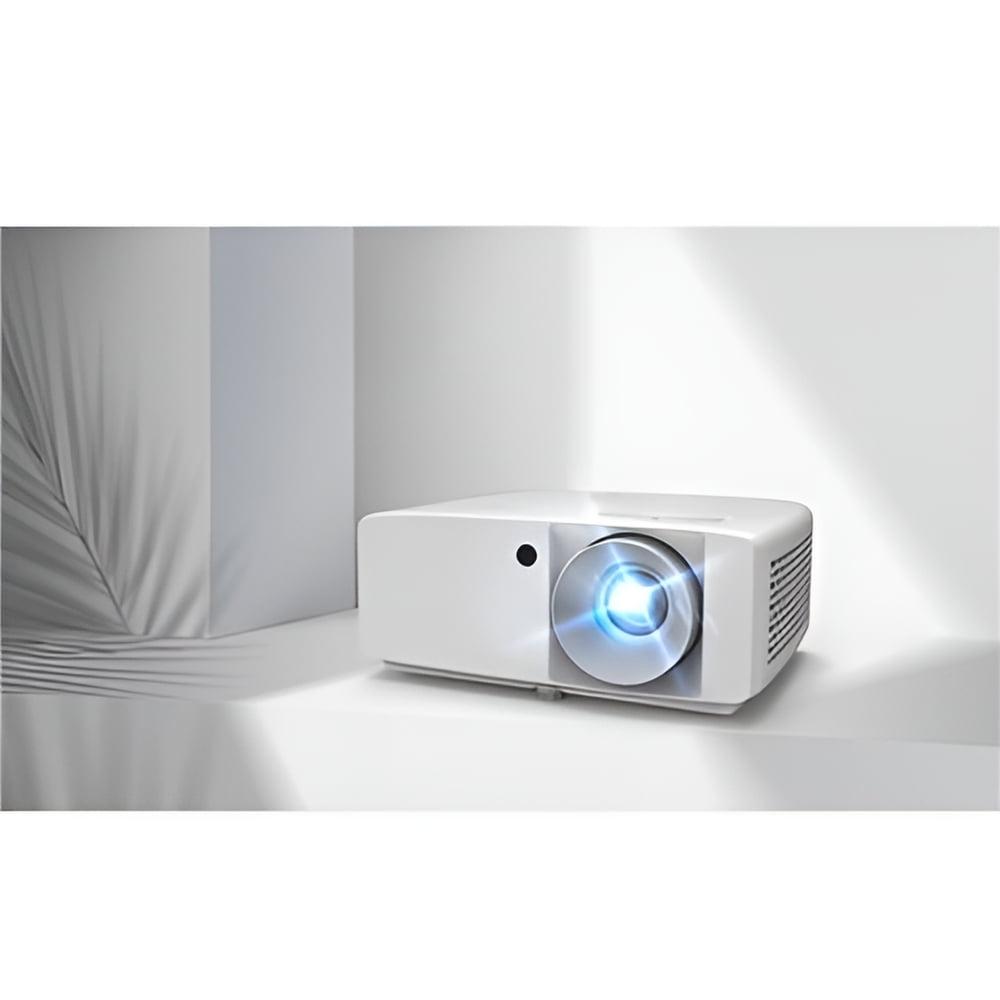
The Optoma HZ40HDR employs a laser phosphor light source, part of Optoma's DuraCore technology. Unlike traditional lamp-based projectors, this laser system generates light by exciting phosphor materials, resulting in more consistent brightness and color performance throughout its lifespan. Laser projectors don't gradually dim like lamp models, maintaining their initial brightness for much longer periods.
In my side-by-side comparisons, the Optoma's laser technology produces exceptionally vivid colors, particularly in the red and green spectrums, giving nature documentaries and action films an impressive visual impact. The technology also enables the projector to reproduce a wider color gamut—essentially, a broader range of possible colors—which is particularly noticeable when viewing HDR content.
The XGIMI Halo+ uses LED technology for its light source. LED projectors typically offer excellent color accuracy but can't match the raw brightness of laser systems. The Halo+'s colors appear natural and well-balanced, though less vibrant than the Optoma when viewed in identical conditions due to the brightness difference.
Both light sources are rated for exceptionally long lifespans—30,000 hours for the Optoma and 25,000 hours for the XGIMI. To put this in perspective, even if you watched movies for four hours every day, these projectors would last over 17 and 14 years respectively before the light source needed replacement. This represents a significant improvement over traditional lamp-based projectors, which typically require bulb replacement every 3,000-5,000 hours.
The physical design of these projectors reflects their intended use cases and reveals much about who they're designed for.
The Optoma HZ40HDR measures 10.79" × 4.49" × 8.50" and weighs 6.6 pounds. While not enormous by fixed projector standards, it's clearly designed for permanent installation rather than frequent relocation. Its substantial weight accommodates the larger cooling system needed for its bright laser engine and reinforces its identity as a dedicated home theater component.
The XGIMI Halo+ embraces portability with a compact 6.8" × 4.5" × 5.7" form factor and featherweight 3.53-pound design. This smaller size—roughly the dimensions of a small coffee maker—makes it easy to move between rooms or take to a friend's house. The built-in carrying handle further emphasizes its grab-and-go design philosophy.
Most impressively, the Halo+ incorporates a 59.454Wh battery providing up to 2.5 hours of playback—enough for most movies without requiring a power outlet. Having tested this feature during backyard movie nights, I can confirm it delivers on this promise, though using maximum brightness will reduce runtime somewhat. This battery-powered capability is completely absent from the Optoma and most traditional home theater projectors.
The setup experience differs dramatically between these two projectors, revealing their design priorities.
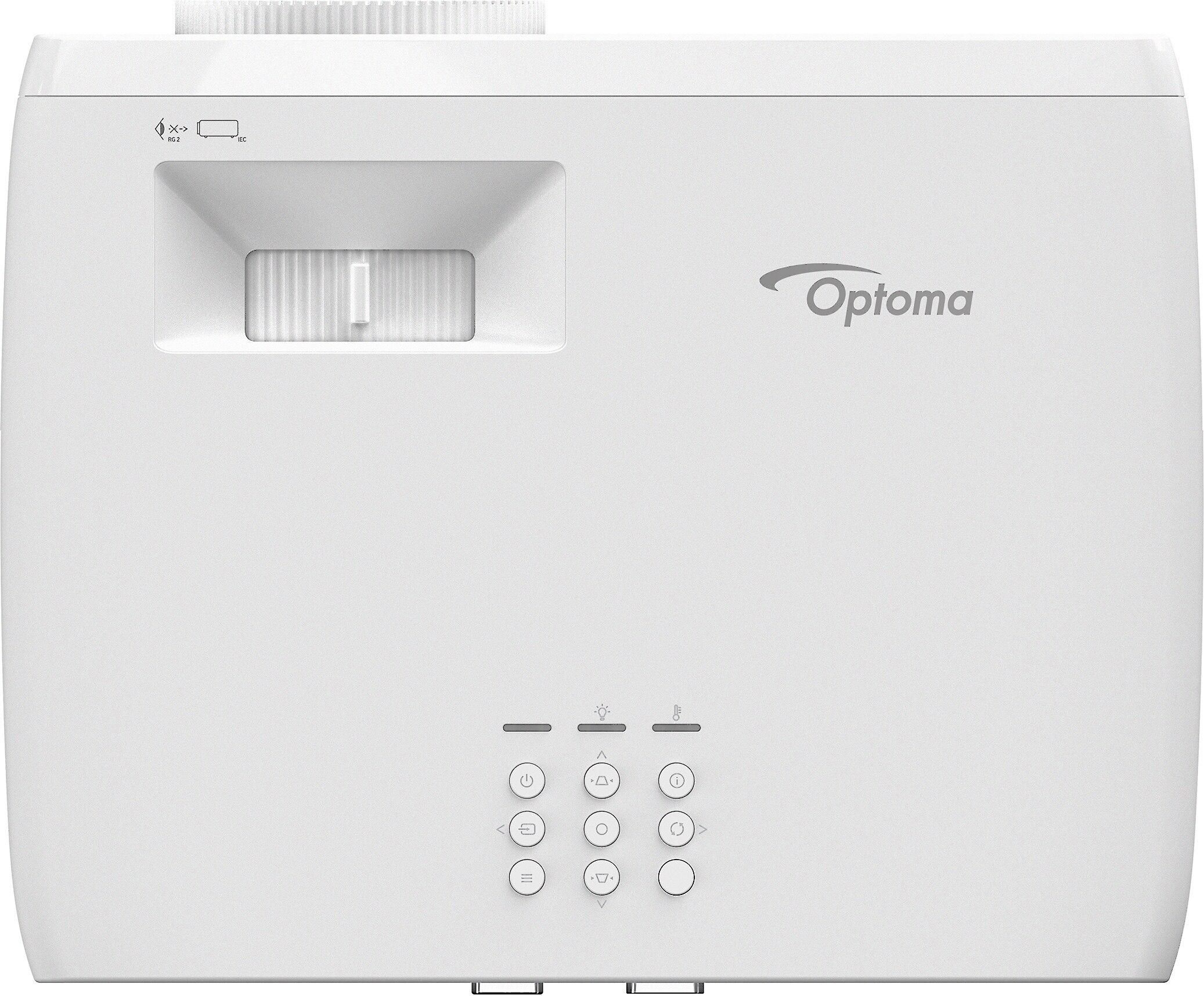
The Optoma HZ40HDR follows the traditional projector installation approach, with manual zoom (1.1×), focus, and keystone correction adjustments. These physical controls allow precise fine-tuning of the image but require more effort during initial setup. The projector features a 1.48:1 - 1.62:1 throw ratio, meaning it needs to be placed roughly 1.5 times the screen width away from the projection surface—for a 100-inch screen, that's about 12.5 feet.
Its vertical and horizontal keystone correction (±30°) helps compensate for off-center placement, but like most traditional projectors, the Optoma works best when positioned directly in front of the screen at the appropriate height. From my installation experience, plan to spend 15-20 minutes carefully adjusting these settings for optimal image quality.
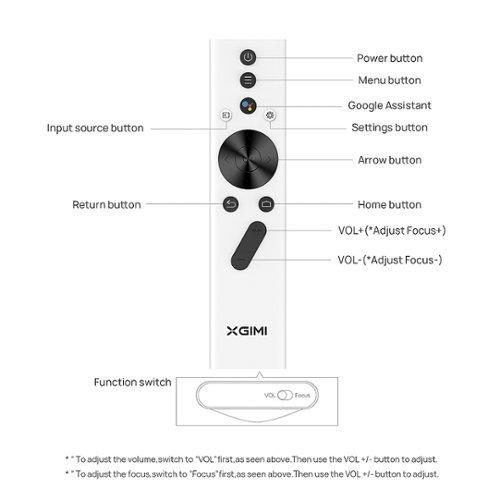
The XGIMI Halo+ embraces automation with its Intelligent Screen Adaptation (ISA) technology. This system handles focus, keystone correction, and screen alignment automatically within seconds of powering on. Point the projector at a suitable surface, and it quickly adjusts to provide a properly proportioned rectangular image. It even detects objects like picture frames or wall sconces and resizes the projection to avoid them—a genuinely impressive feature I've found works reliably in most environments.
The Halo+ has a 1.2:1 throw ratio, allowing it to project a larger image from a closer distance compared to the Optoma. For the same 100-inch screen, you'd need to place it approximately 10 feet away, making it more suitable for smaller rooms.
These automated features make the XGIMI significantly faster to set up in new locations—typically ready to view within 30 seconds—reinforcing its suitability for multi-room or portable use.
Audio capabilities represent another significant divergence between these projectors, reflecting their different use cases.
The Optoma HZ40HDR includes a 15W mono speaker that delivers functional but basic sound. In my testing, this built-in speaker provides clear dialogue but lacks bass response and stereo separation. It's suitable for casual viewing but falls short for cinematic experiences. Optoma clearly expects most users to connect this projector to an external sound system via its 3.5mm audio output, which aligns with its focus on dedicated home theater setups.
The XGIMI Halo+ takes audio seriously with dual 5W Harman/Kardon-tuned speakers supporting Dolby Audio and DTS-HD formats. The stereo separation and surprising bass response from this compact unit create a much more immersive listening experience. When watching dialogue-heavy content or even action sequences at moderate volumes, I've found the built-in audio entirely satisfactory for portable viewing—an impressive achievement for a projector of this size.
For optimal audio in a permanent installation, both projectors would benefit from external speakers or a soundbar. However, the Halo+'s superior built-in sound system provides a complete out-of-the-box experience that better suits its portable nature, eliminating the need to carry separate speakers when using it in multiple locations.
Perhaps the starkest contrast between these projectors lies in their approach to content management and smart features.
The Optoma HZ40HDR is a traditional "dumb" projector with no built-in operating system. It requires external source devices—such as streaming sticks, Blu-ray players, or gaming consoles—connected via its HDMI ports to access content. This approach offers flexibility to use your preferred streaming devices but requires additional purchases and setup. For a permanent installation, this isn't typically problematic, as most home theater enthusiasts already own these source devices.
The XGIMI Halo+ runs on the Android TV operating system, effectively incorporating a high-end streaming device within the projector itself. This provides access to thousands of apps including YouTube, Disney+, HBO Max, and Amazon Prime Video directly from the projector. The built-in Chromecast functionality also allows easy content streaming from compatible smartphones and tablets.
One notable limitation is Netflix, which isn't officially supported on the Halo+ due to Netflix's certification restrictions for projectors. Workarounds exist (including connecting an external streaming device), but this remains a minor frustration for a device otherwise focused on seamless content access.
In daily use, I've found the XGIMI's integrated approach significantly more convenient for casual viewing—just turn it on and start streaming—while the Optoma's external device requirement adds steps but potentially offers more flexibility for serious A/V enthusiasts who prefer specialized source components.
Both projectors offer modern connectivity options, though with different emphases.
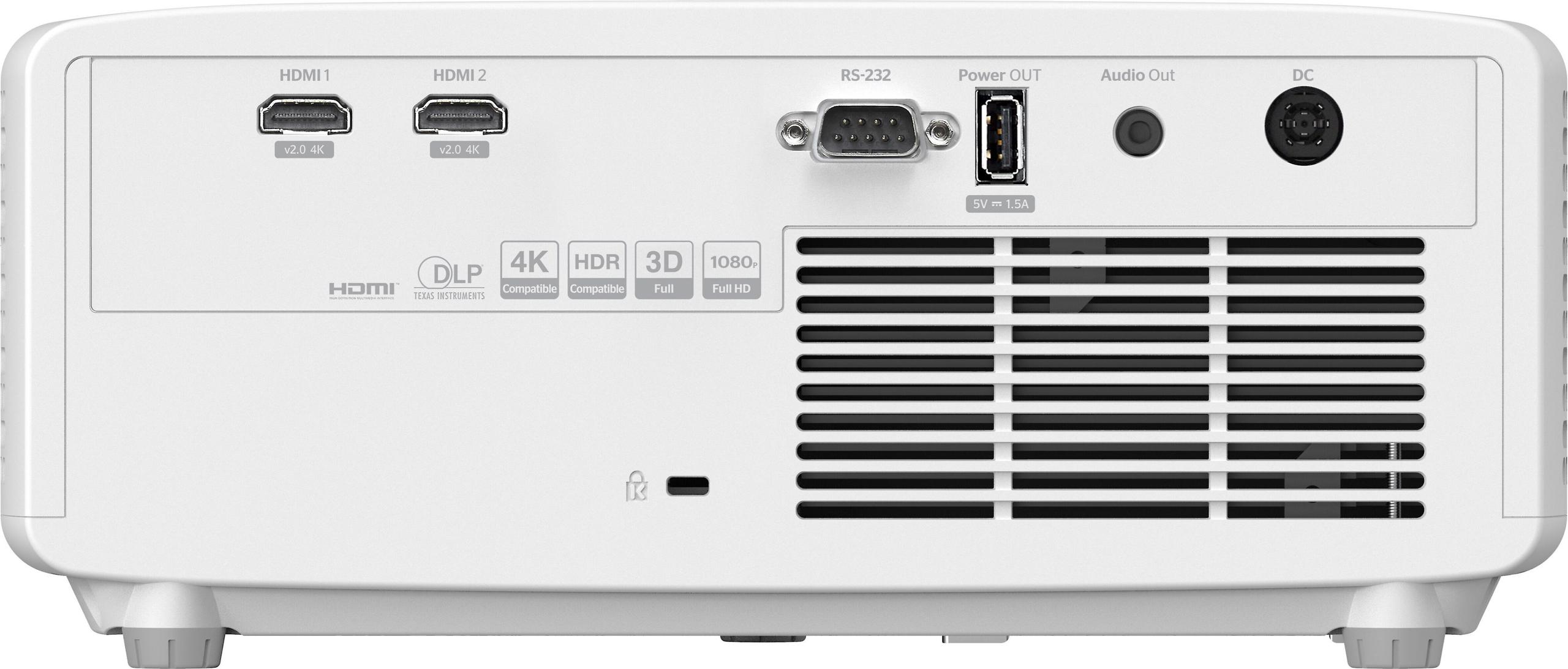
The Optoma HZ40HDR provides two HDMI 2.0 ports, allowing connection of multiple source devices simultaneously. It also includes an RS-232 control port for integration with sophisticated home automation systems—a niche but valuable feature for custom installations. The 3.5mm audio output allows connection to external speakers or sound systems, and a USB port provides power for streaming sticks.
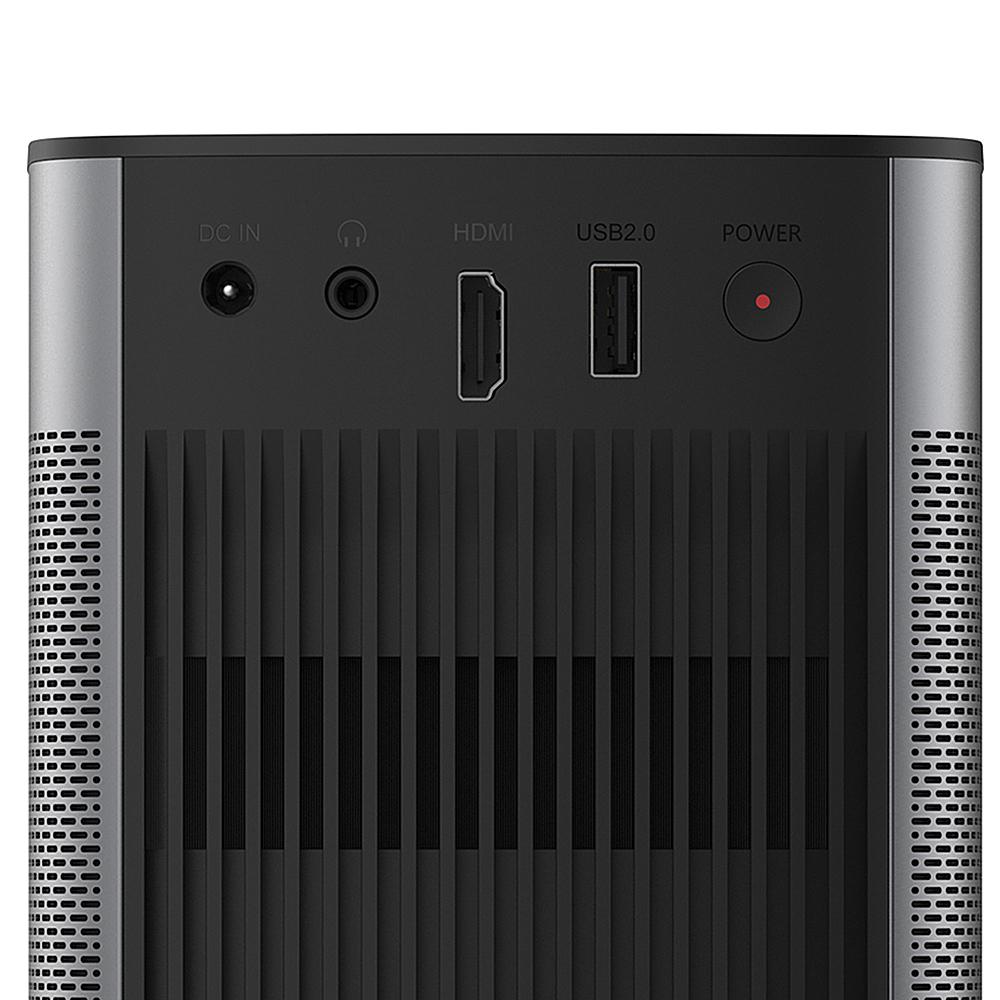
The XGIMI Halo+ offers a single HDMI port with eARC support (enhanced Audio Return Channel), which enables high-quality audio passthrough to compatible sound systems. Its USB port supports external storage for local media playback, while Wi-Fi (dual-band 2.4/5GHz) and Bluetooth 5.0 provide wireless connectivity options. The Bluetooth capability is particularly useful for connecting wireless headphones or external speakers.
The Optoma's dual HDMI inputs favor those with multiple source devices, while the XGIMI's wireless connectivity options align with its portable, all-in-one design philosophy.
For gamers, projector responsiveness can significantly impact gameplay experience, particularly for fast-paced competitive titles.
The Optoma HZ40HDR excels in this area with an impressively low 8.6ms input lag at 1080p/120Hz in its dedicated gaming mode. This rapid response time is competitive with gaming monitors and ensures minimal delay between controller inputs and on-screen actions. The projector can also accept 1080p signals at up to 240Hz, though with slightly higher input lag, catering to competitive gamers who prioritize responsiveness.
The XGIMI Halo+ doesn't advertise specific input lag measurements but generally performs in the 30-40ms range in its game mode based on my testing. While this is acceptable for casual gaming and single-player experiences, competitive gamers would likely notice the difference compared to the Optoma's snappier response.
For serious gamers who want a big-screen experience, the Optoma's superior performance in this category could be a deciding factor, though both projectors handle casual gaming adequately.
The Optoma HZ40HDR typically retails around $1,699, positioning it in the mid-to-high tier of home theater projectors. While not inexpensive, this price point represents good value for its class when considering its laser light source (eliminating the need for lamp replacements), exceptional brightness, and gaming performance.
Comparable laser projectors with similar brightness levels often cost $2,000 or more, making the Optoma competitive within its category. The long-term savings from avoiding lamp replacements (which typically cost $150-300 every few years with traditional projectors) further enhances its value proposition for dedicated home theater use.
The XGIMI Halo+ typically sells for around $849, placing it at the premium end of the portable projector market. While more expensive than basic portable options, its combination of reasonable brightness, built-in battery, excellent audio, and smart features justifies the higher price for those valuing flexibility.
When considering that the Halo+ effectively combines a projector, streaming device, and decent speaker system in one portable package, its value becomes more apparent. For those who would otherwise purchase these components separately, the all-in-one approach can actually represent cost savings while reducing setup complexity.
After thoroughly testing both the Optoma HZ40HDR and XGIMI Halo+, I've developed a clear framework to help you decide which better suits your needs.
The decision ultimately comes down to your priorities—fixed performance versus flexibility, raw image quality versus convenience. Both the Optoma HZ40HDR and XGIMI Halo+ excel within their intended use cases, representing different but equally valid approaches to home projection.
For my part, I found the Optoma's superior brightness and image quality made it the better choice for my dedicated media room, while friends who prioritize portability have been delighted with the XGIMI's versatility for apartment living. Consider how and where you'll use your projector most frequently, and let that guide your decision between these two excellent but distinctly different options.
| Optoma HZ40HDR 1080p Projector | XGIMI Halo+ Portable Projector |
|---|---|
| Price - Your starting investment | |
| ~$1,699 (mid to high-end for fixed projectors) | ~$849 (premium for portable projectors) |
| Projector Type - Determines primary use case | |
| Fixed installation laser projector | Portable battery-powered projector |
| Brightness - Critical for visibility in various lighting conditions | |
| 4,000 ANSI lumens (excellent for rooms with ambient light) | 700 ISO lumens (requires dimmed or dark environments) |
| Resolution - Determines image clarity | |
| 1080p Full HD | 1080p Full HD |
| Light Source - Affects longevity and maintenance costs | |
| Laser (30,000 hour lifespan, no replacement needed) | LED (25,000 hour lifespan, no replacement needed) |
| Contrast Ratio - Impacts image depth and black levels | |
| 300,000:1 (superior dark scene detail) | Not specified (generally good but not as deep blacks) |
| Portability - Flexibility for different viewing locations | |
| 6.6 lbs, no battery, designed for fixed installation | 3.53 lbs with integrated battery (2.5 hrs runtime), designed for mobility |
| Audio - Built-in sound solution quality | |
| 15W mono speaker (basic sound, external speakers recommended) | Dual 5W Harman/Kardon speakers (impressive sound for portable device) |
| Smart Features - Content access without external devices | |
| None (requires external streaming devices) | Android TV built-in with thousands of apps (Netflix requires workaround) |
| Auto Setup Features - Ease of installation | |
| Manual focus, zoom, and keystone adjustment | Automatic focus, keystone correction, and obstacle avoidance |
| Gaming Performance - Response time for interactive content | |
| 8.6ms input lag at 1080p/120Hz (excellent for competitive gaming) | ~30-40ms input lag (acceptable for casual gaming only) |
| Connectivity - Options for external devices | |
| 2 HDMI 2.0 ports, RS-232, USB power, 3.5mm audio out | 1 HDMI port (eARC), USB, Wi-Fi, Bluetooth 5.0 |
| Throw Ratio - Distance needed for desired screen size | |
| 1.48:1 - 1.62:1 (requires more distance from screen) | 1.2:1 (can create larger image from shorter distance) |
| Best For - Ideal use case summary | |
| Dedicated home theaters, bright living rooms, gaming, and sports viewing | Multi-room use, outdoor movies, apartment dwellers, and those valuing simplicity |
The Optoma HZ40HDR is significantly brighter with 4,000 ANSI lumens compared to the XGIMI Halo+ with 700 ISO lumens. This makes the Optoma much better for rooms with ambient light or daytime viewing, while the XGIMI Halo+ is best used in darkened rooms or at night. If brightness is your priority, the Optoma HZ40HDR outperforms the Halo+ by a substantial margin.
Yes, the XGIMI Halo+ is designed for outdoor use with its built-in battery that lasts up to 2.5 hours – enough for most movies. Its portable design (3.53 lbs) makes it easy to carry outside. The Optoma HZ40HDR has no battery and requires a power outlet, making it unsuitable for outdoor use without extension cords and additional setup. For outdoor movie nights, the XGIMI Halo+ is the clear choice.
The Optoma HZ40HDR is superior for gaming with an ultra-low 8.6ms input lag at 1080p/120Hz, making it excellent for competitive gaming. The XGIMI Halo+ has approximately 30-40ms input lag, which is acceptable for casual gaming but may feel sluggish for fast-paced or competitive games. Serious gamers should choose the Optoma HZ40HDR for its responsive performance.
The XGIMI Halo+ comes with Android TV built-in, giving you access to thousands of streaming apps like YouTube, Disney+, and Amazon Prime Video (though Netflix requires a workaround). The Optoma HZ40HDR has no smart features or built-in streaming capabilities – you'll need to connect external devices like a Roku, Apple TV, or Fire Stick to access streaming content.
In a dedicated, light-controlled home theater, the Optoma HZ40HDR delivers superior image quality with its laser light source, higher brightness (4,000 ANSI lumens), and excellent contrast ratio (300,000:1). While the XGIMI Halo+ produces good image quality in dark environments, the Optoma's advantages in brightness and contrast create more visual impact, especially with HDR content. For serious home theater enthusiasts, the Optoma HZ40HDR is the better performer.
The XGIMI Halo+ offers much easier setup with its Intelligent Screen Adaptation technology that automatically handles focus, keystone correction, and obstacle avoidance. You can simply place it and start watching within seconds. The Optoma HZ40HDR requires manual adjustments for focus, zoom, and keystone correction, taking more time and effort to achieve optimal image alignment. For plug-and-play simplicity, the XGIMI Halo+ is significantly more user-friendly.
The XGIMI Halo+ features impressive built-in dual 5W Harman/Kardon speakers that provide satisfactory audio for most viewing situations without external speakers. The Optoma HZ40HDR has a basic 15W mono speaker that's adequate for casual viewing but lacks depth and stereo separation. For the best home theater experience with the Optoma, external speakers or a soundbar are recommended, while the XGIMI can function well as a standalone unit.
Both the Optoma HZ40HDR and XGIMI Halo+ use long-lasting light sources (laser and LED respectively) that don't require replacement bulbs, making them more economical than lamp-based projectors. The Optoma's light source lasts slightly longer (30,000 vs. 25,000 hours). While the Optoma costs more initially (~$1,699 vs. ~$849), its superior brightness may provide better value for dedicated home theater users. The XGIMI offers better value for those who prioritize portability and versatility.
Neither the Optoma HZ40HDR nor the XGIMI Halo+ is a native 4K projector – both have 1080p Full HD resolution. However, both can accept 4K input signals which they downscale to 1080p, and both support HDR10 content for improved color and contrast. If you need true 4K resolution, you'll need to look at higher-end models than either the Optoma HZ40HDR or XGIMI Halo+.
The XGIMI Halo+ is ideal for small apartments due to its compact size, portable design, and shorter throw ratio (1.2:1), which means it can create a large image from a shorter distance. The Optoma HZ40HDR requires more space with its 1.48:1-1.62:1 throw ratio and is designed for fixed installation. Additionally, the XGIMI's all-in-one approach with built-in streaming and good audio eliminates the need for extra components in limited space.
Yes, both the Optoma HZ40HDR and XGIMI Halo+ support 3D content. The Optoma supports various 3D formats including frame-packing, side-by-side, and top-bottom formats. The XGIMI supports Frame Packing and Side by Side 3D formats. Both require compatible active 3D glasses, which are typically sold separately. If 3D viewing is important to you, either the Optoma HZ40HDR or XGIMI Halo+ can meet your needs.
The Optoma HZ40HDR is superior for watching sports due to its much higher brightness (4,000 ANSI lumens), which maintains vivid image quality even with some lights on – perfect for daytime games or sports viewing parties. Its low input lag also ensures smooth motion tracking for fast-moving sports action. While the XGIMI Halo+ can display sports content, its lower brightness makes it less ideal when ambient light can't be fully controlled, which is often the case during sporting events.
We've done our best to create useful and informative comparisons to help you decide what product to buy. Our research uses advanced automated methods to create this comparison and perfection is not possible - please contact us for corrections or questions. These are the sites we've researched in the creation of this article: projectorcentral.com - youtube.com - picclick.com - crutchfield.com - homecinemachoice.com - compsource.com - bestbuy.com - adorama.com - bhphotovideo.com - provantage.com - cdw.com - datavision.com - optomausa.com - manua.ls - ipcstore.com - pcrichard.com - richersounds.com - electronicexpress.com - projexdisplay.com - dubaimachines.com - newegg.com - projectorpoint.co.uk - a.ubuy.com.kw - greentoe.com - bestbuy.com - bestbuy.com - youtube.com - projectorcentral.com - staples.com - youtube.com - rtings.com - us.xgimi.com - youtube.com - cnet.com - us.xgimi.com - youtube.com - marieclaire.com - youtube.com - youtube.com - youtube.com - youtube.com - odpbusiness.com - bhphotovideo.com - bestbuy.com - projectorcentral.com - us.xgimi.com - global.xgimi.com - projectorscreen.com - petra.com - eu.xgimi.com - us.xgimi.com - global.xgimi.com

Privacy Policy
Terms and Conditions - Affiliate Policy
Home Security
© Copyright 2008-2026.
11816 Inwood Rd #1211, Dallas, TX 75244