

Remember when home projectors were bulky, expensive machines that required complete darkness and frequent lamp replacements? Those days are thankfully behind us. Today's projectors have transformed into versatile entertainment powerhouses that can genuinely compete with traditional TVs in many homes.
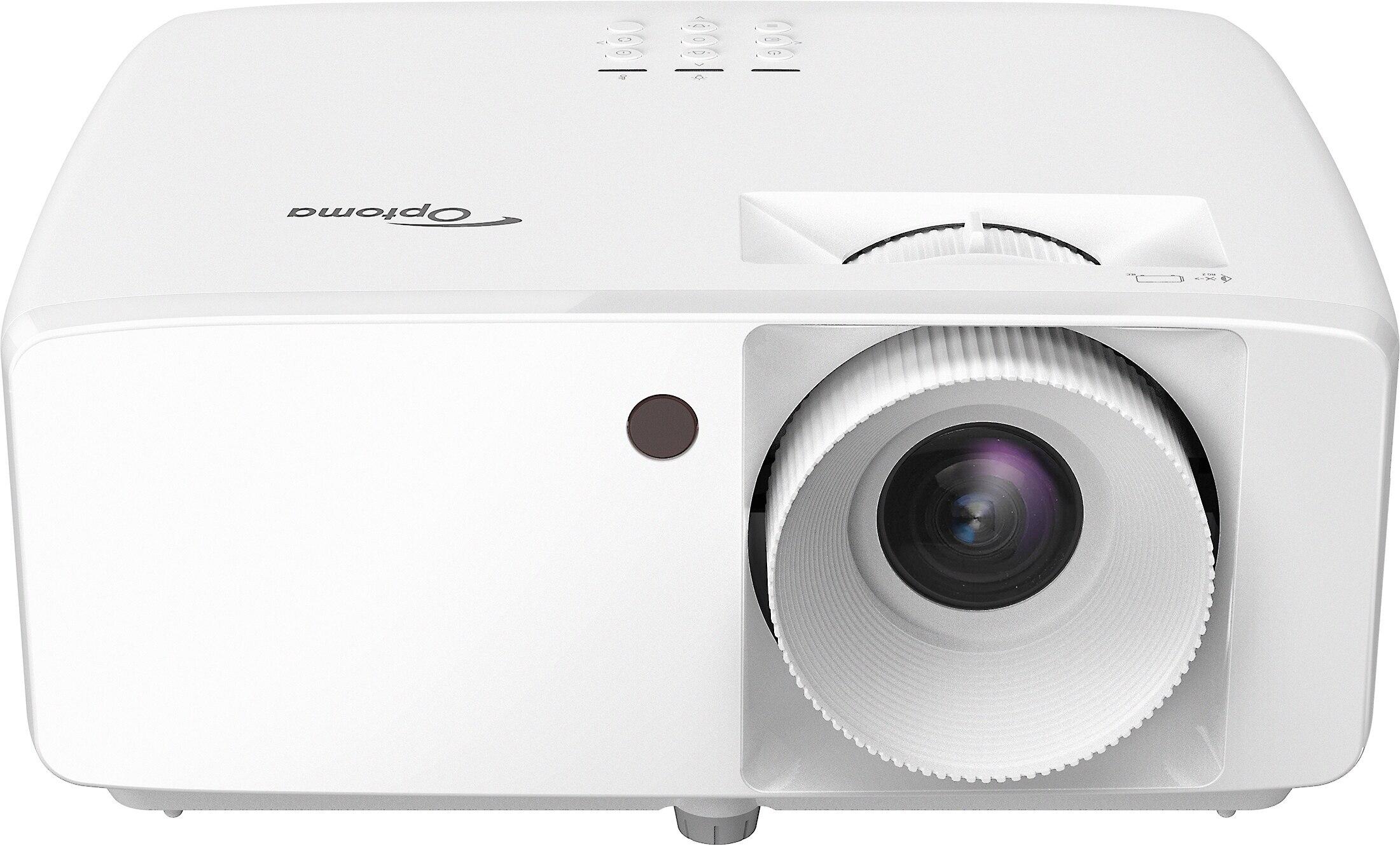
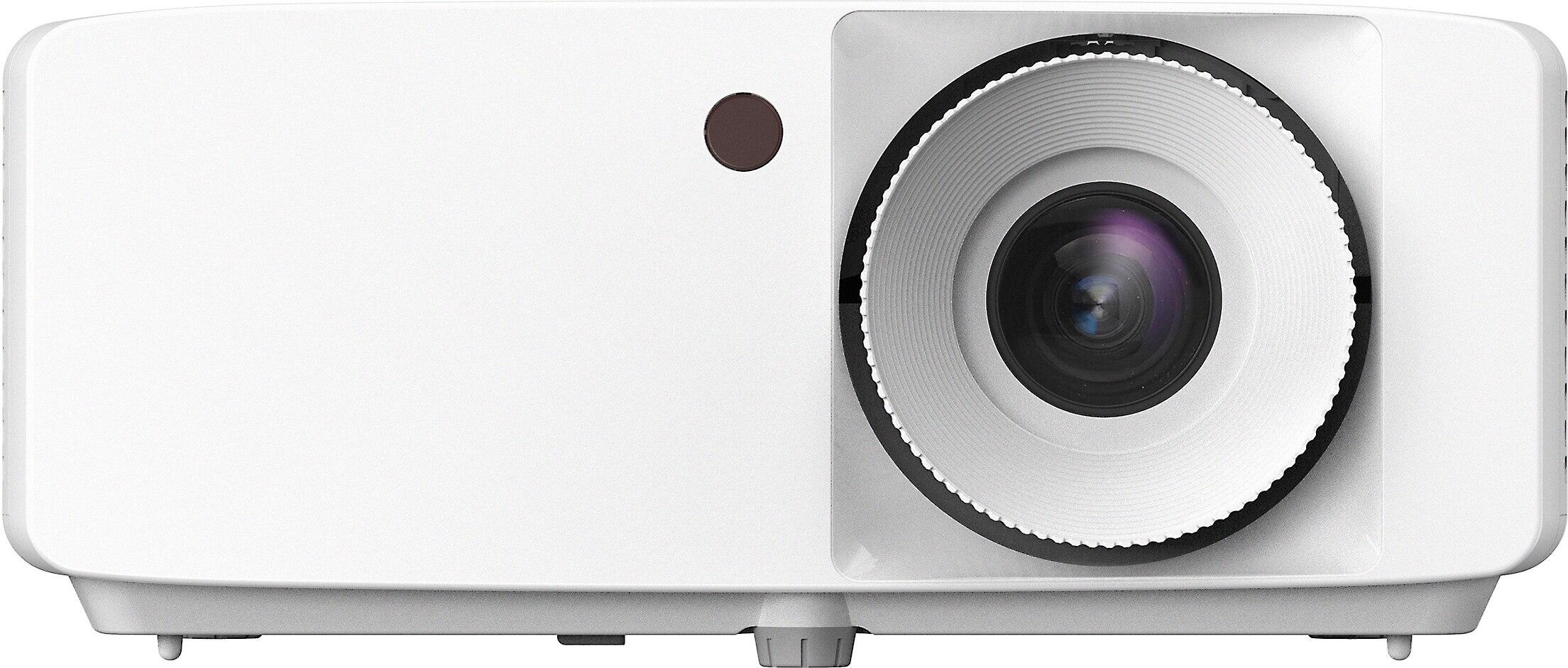
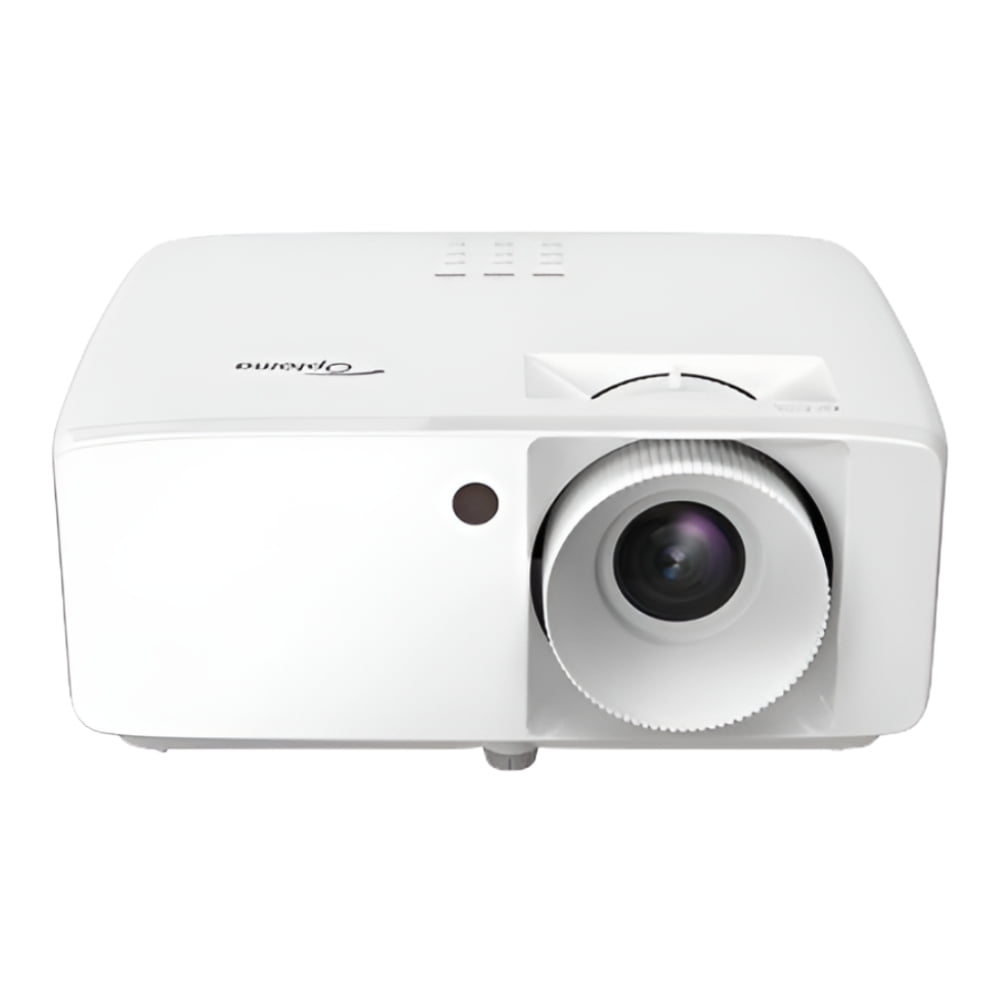
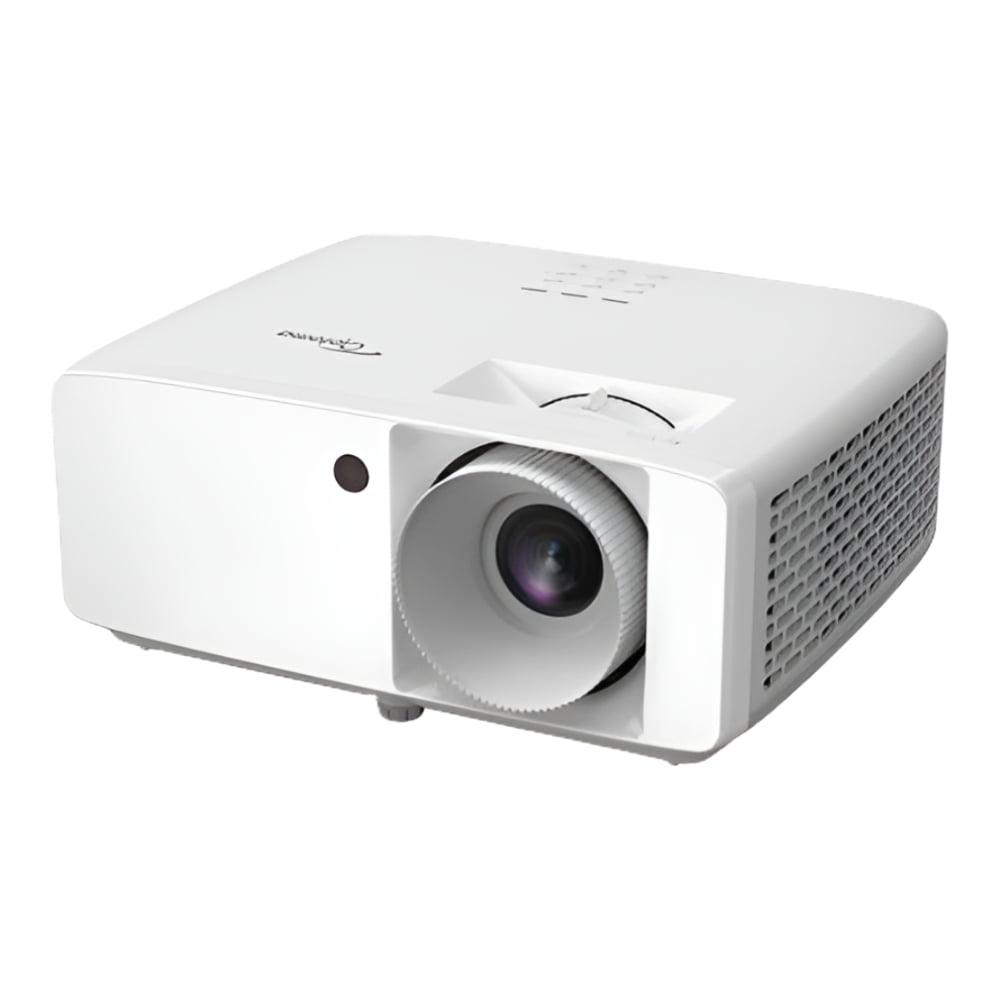
The WEMAX Vogue Pro 1080P Smart Projector and Optoma HZ40HDR 1080p Projector represent two distinct approaches to modern home projection. Both released within the last two years—the WEMAX in early 2022 and the Optoma in mid-2023—they showcase how quickly this technology continues to evolve.
But with prices ranging from $640 to $799, choosing between them requires understanding their strengths, limitations, and which features truly matter for your specific needs. Let's break down everything you need to know to make an informed decision.
Before diving into specific features, it's helpful to understand the fundamental difference between these projectors: their light source technology.
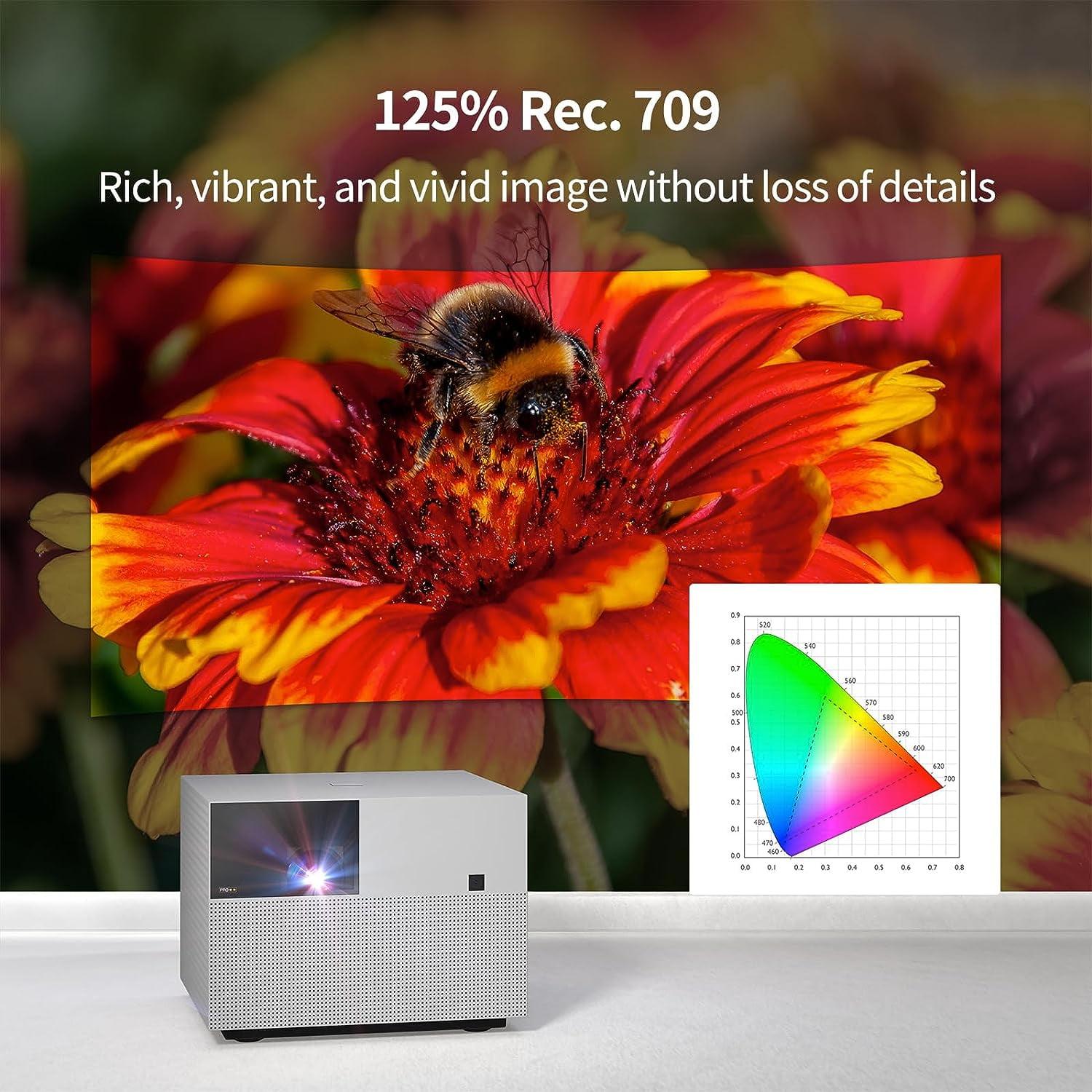
The WEMAX Vogue Pro uses an advanced 4-channel LED system. Traditional projectors use 3-channel RGB (red, green, blue) LEDs, but WEMAX adds a fourth yellow channel to enhance color accuracy and brightness. LED systems generally run cooler, start up instantly, and maintain consistent color over their lifespan.
In contrast, the Optoma HZ40HDR employs laser phosphor technology, where a blue laser excites a phosphor wheel to create light. This approach delivers significantly higher brightness levels and typically offers superior contrast ratios compared to LED systems.
Both technologies represent massive improvements over traditional lamp-based projectors that dominated the market just five years ago. Neither requires lamp replacement—a significant long-term cost saving—and both provide consistent brightness throughout their extended lifespans.
Perhaps no specification matters more for practical projector use than brightness, measured in ANSI lumens. This is where the Optoma and WEMAX differ most dramatically.
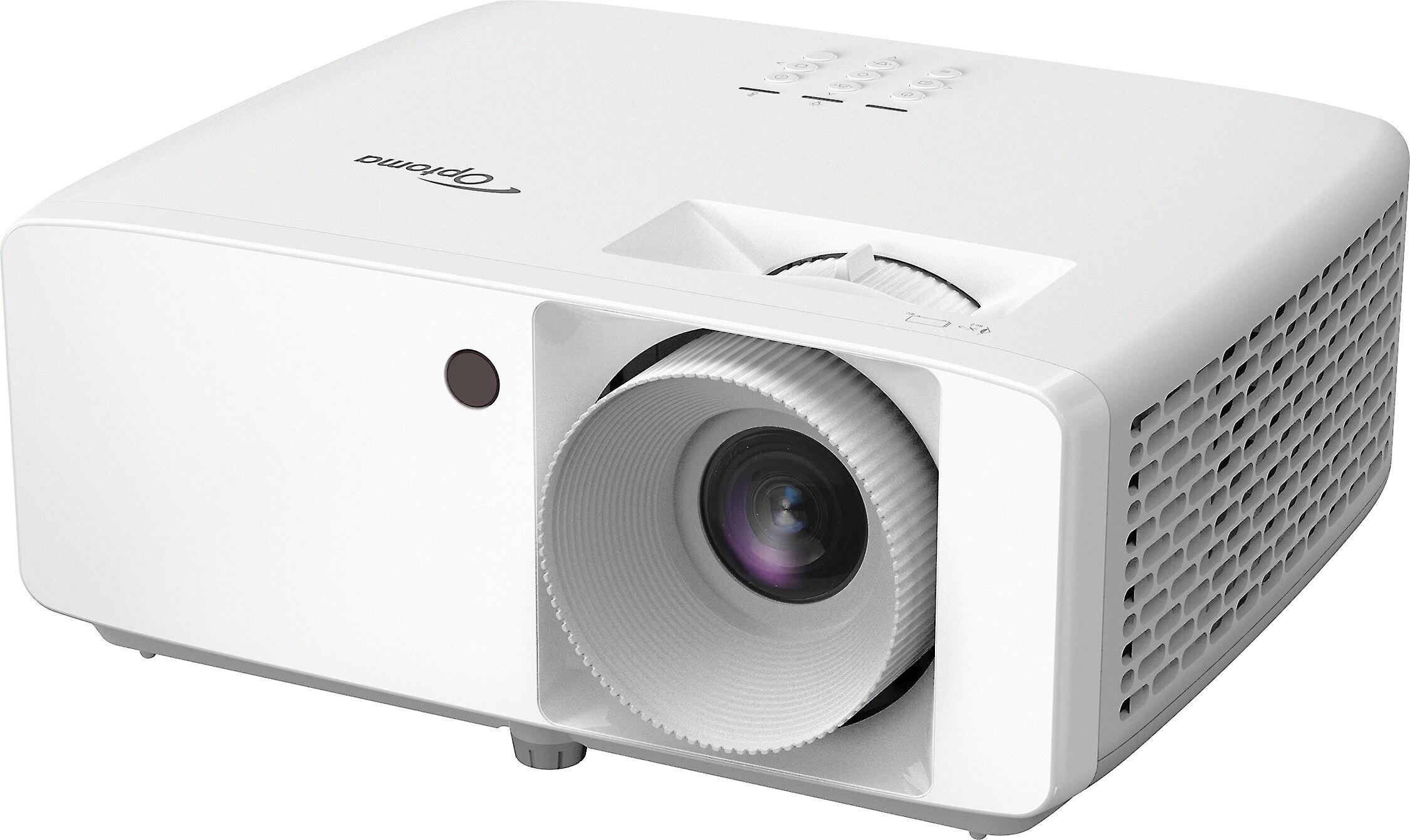
The Optoma HZ40HDR outputs an impressive 4,000 ANSI lumens—a brightness level that was virtually unheard of in home projectors just a few years ago. This high brightness means you can use it in rooms with ambient light, such as living rooms with partially drawn curtains or even some lights on. The image remains visible and vibrant even when not in perfect darkness.
The WEMAX Vogue Pro, with its 1,600 ANSI lumens, falls into what I'd call the "controlled environment" category. While this is perfectly adequate for dedicated home theater spaces or nighttime viewing with lights dimmed, it will struggle against significant ambient light. Images will appear washed out in brighter rooms, regardless of the projector's other qualities.
This 2.5× brightness difference is immediately noticeable in real-world use and represents a fundamental consideration. If you're setting up a dedicated home theater where you control the lighting, both projectors can perform well. But if you're looking for a living room TV replacement that family members will use throughout the day, the Optoma's superior brightness becomes almost essential.
Contrast ratio—the difference between the brightest whites and darkest blacks a projector can produce—significantly impacts image quality, especially for movies with dark scenes.
The Optoma boasts a remarkable 300,000:1 contrast ratio compared to the WEMAX's 2,500:1. While manufacturer contrast specifications often involve some creative measuring, this vast difference does translate to noticeable real-world performance. The Optoma produces deeper blacks and more detail in shadowy scenes, creating a more immersive experience when watching films like "The Batman" or "Dune" that feature extensive dark sequences.
In a dedicated home theater with black walls and controlled lighting, this contrast difference becomes even more apparent. The Optoma can deliver a more cinema-like experience with its superior dynamic range, while the WEMAX produces more of a "very good TV" level of contrast.
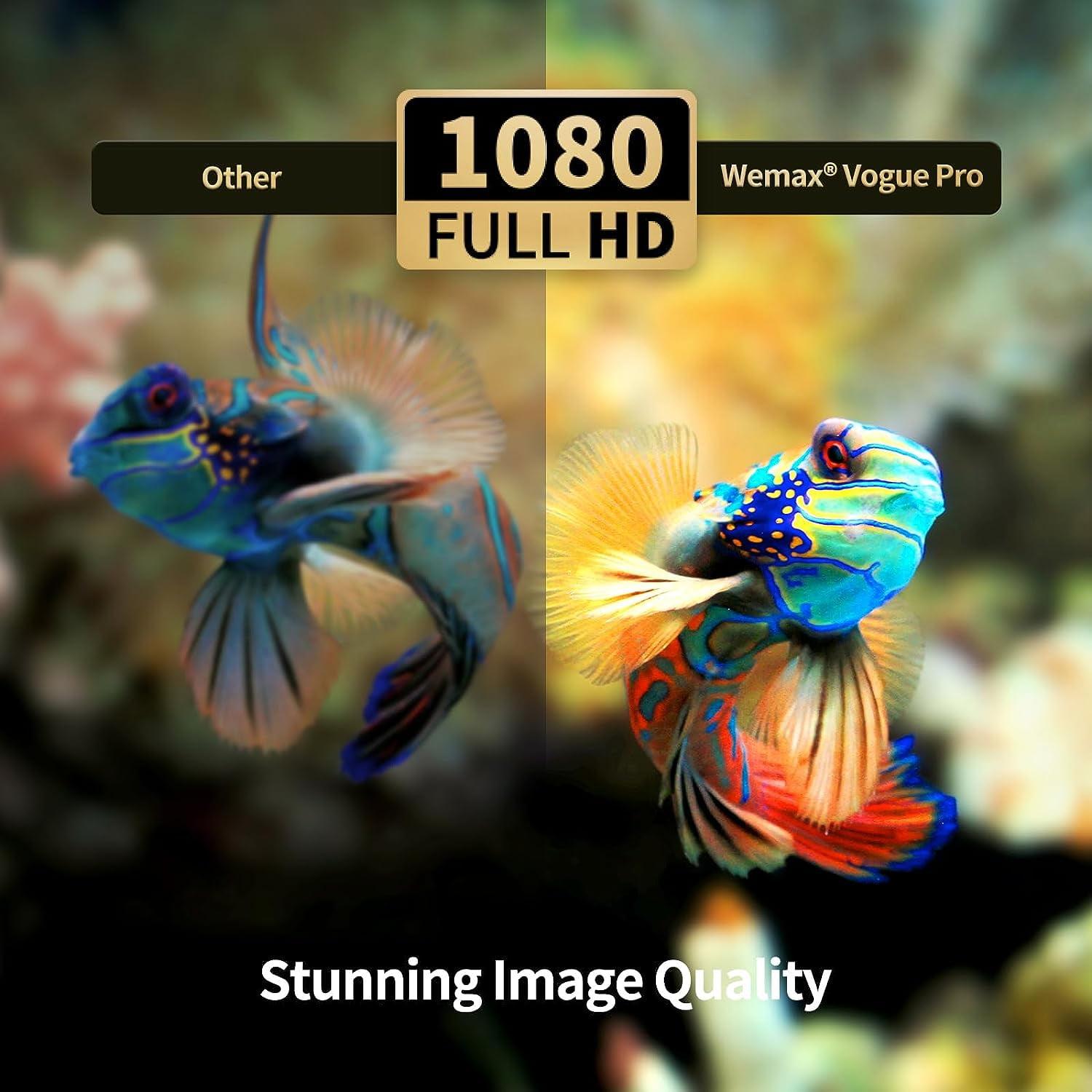
While the Optoma wins on brightness and contrast, the WEMAX Vogue Pro fights back with its innovative 4-channel LED system. By adding a yellow channel to the standard RGB configuration, WEMAX achieves 100% coverage of the Rec.709 color space (the standard for HDTV) with impressive accuracy.
Colors on the WEMAX appear naturally vibrant without seeming oversaturated. Skin tones look realistic, and subtle color gradients show minimal banding. The Optoma also offers good color performance with support for HDR10 and HLG formats, but its focus is clearly on brightness and contrast rather than pushing the boundaries of color reproduction.
For photography enthusiasts or viewers who prioritize color accuracy over raw brightness, the WEMAX's approach offers genuine advantages, particularly when viewing content in properly darkened rooms where its relative brightness limitation isn't as noticeable.
One of the most immediately obvious differences between these projectors is their approach to content streaming.
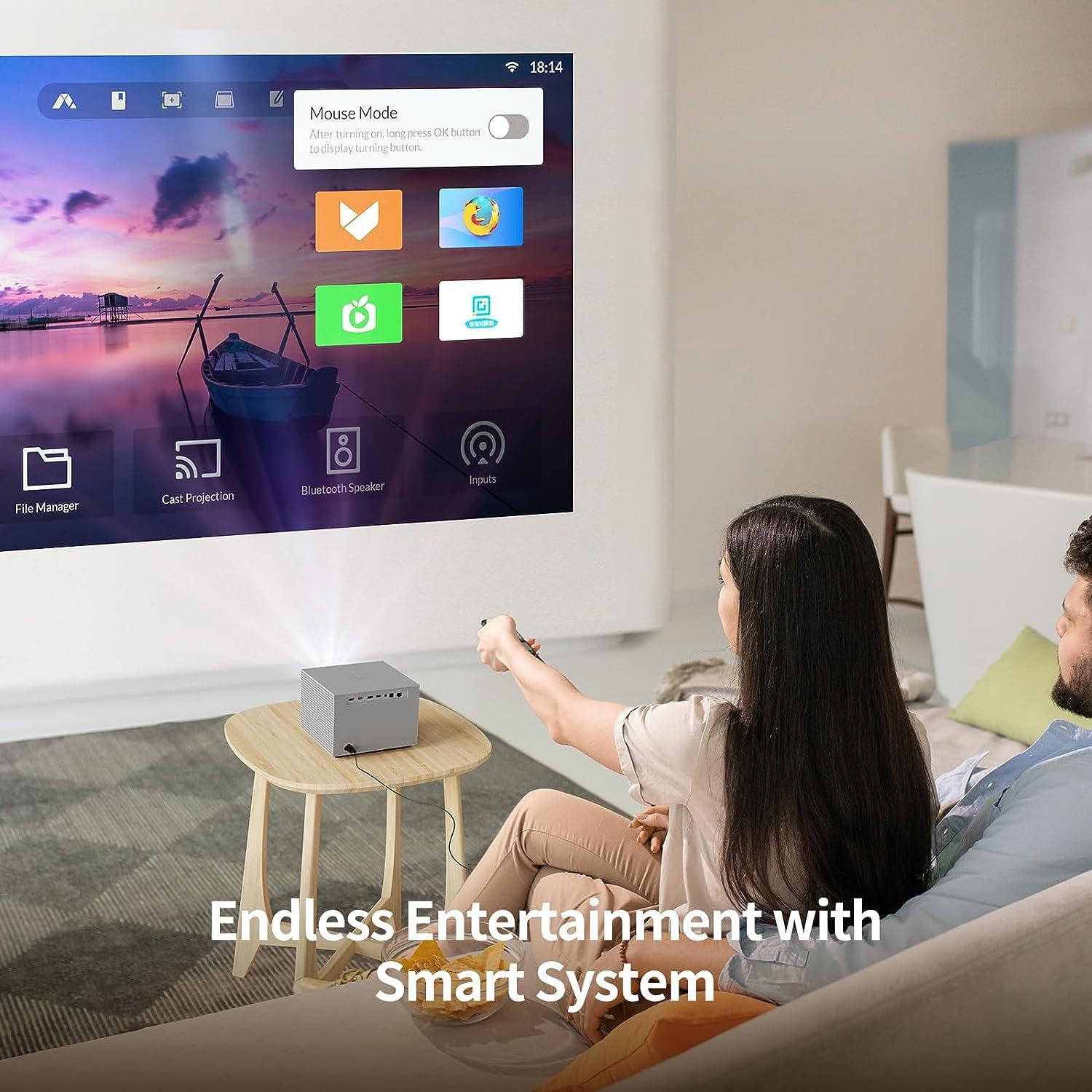
The WEMAX Vogue Pro comes with a built-in Android-based operating system called Feng OS. This allows you to access popular streaming services like Netflix, Amazon Prime Video, Disney+, and YouTube directly from the projector without connecting any external devices. The interface is relatively intuitive, though not quite as polished as higher-end smart TVs.
The Optoma HZ40HDR, by contrast, offers no built-in smart platform. To stream content, you'll need to connect an external device like a Roku, Apple TV, Fire Stick, or game console. This adds both cost and complexity but can actually provide a better overall experience since dedicated streaming devices typically offer more responsive interfaces and receive more frequent updates than built-in smart platforms.
For casual viewing and simple setup, the WEMAX's all-in-one approach is undeniably convenient. However, if you're already invested in a streaming ecosystem or want the best possible interface experience, the Optoma's "bring your own device" approach might actually be preferable despite requiring additional equipment.
Both projectors offer the essential connections most users need, but with some notable differences:
The WEMAX provides:
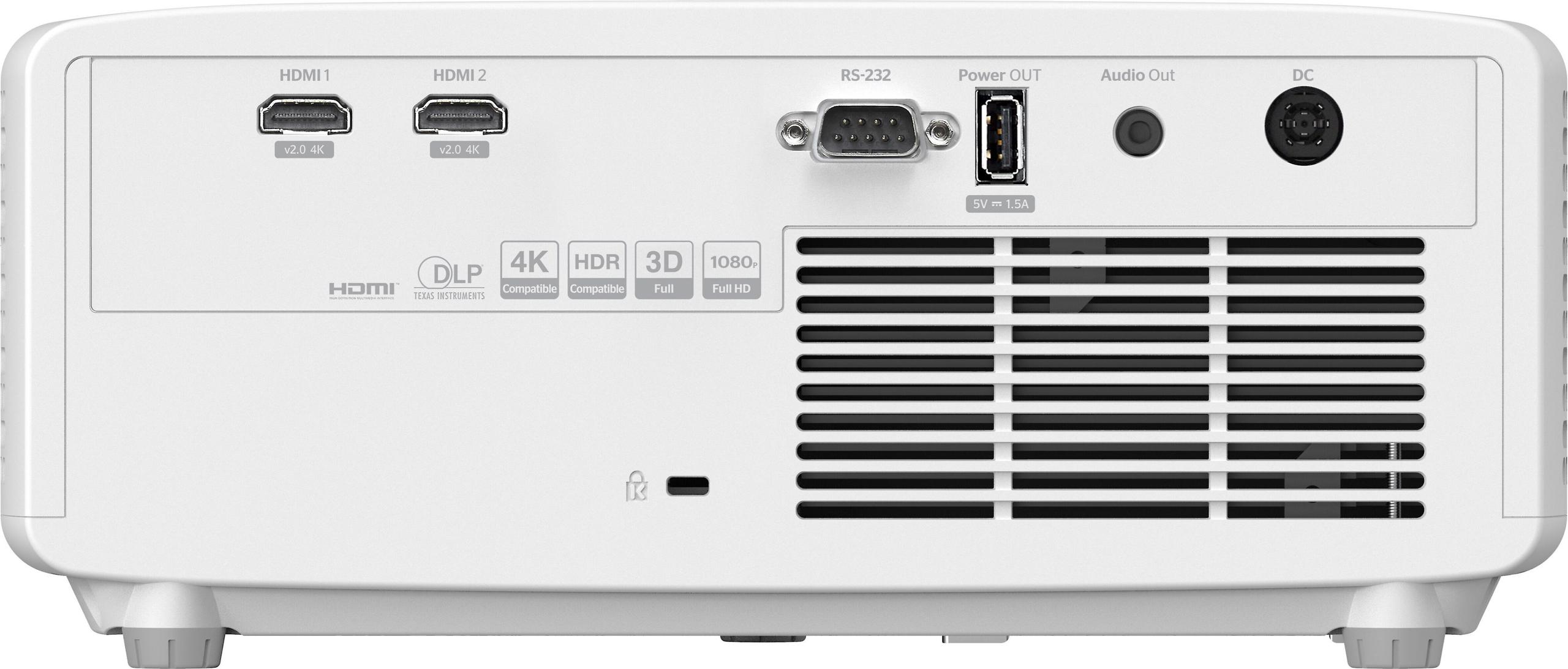
The Optoma includes:
The WEMAX clearly offers more versatile connectivity, particularly with its HDMI 2.1 ports (which support higher bandwidth than HDMI 2.0) and functional USB ports for playing media files. The inclusion of an Ethernet port also enables more stable streaming compared to Wi-Fi alone.
For most home theater setups, either projector provides sufficient connectivity, but the WEMAX's more comprehensive options might prove valuable for more complex arrangements or future-proofing.
Gaming on projectors has traditionally been problematic due to input lag—the delay between pressing a button and seeing the result on screen. However, both of these modern projectors have made significant strides in this area.
The Optoma HZ40HDR clearly targets gamers with its impressive 8.6ms input lag at 1080p/120Hz. This approaches the responsiveness of gaming monitors and makes it suitable even for competitive gaming where split-second reactions matter. It also supports high refresh rates up to 120Hz, providing smoother motion for fast-paced games.
The WEMAX Vogue Pro doesn't publish specific input lag specifications, which typically suggests less impressive performance in this area. Based on user reports, it likely falls in the 30-50ms range—acceptable for casual gaming and single-player experiences but potentially problematic for competitive multiplayer games.
If gaming is a primary use case for your projector, the Optoma's superior input lag and refresh rate support make it the clear choice. For occasional gaming alongside movie watching, either projector will serve adequately.
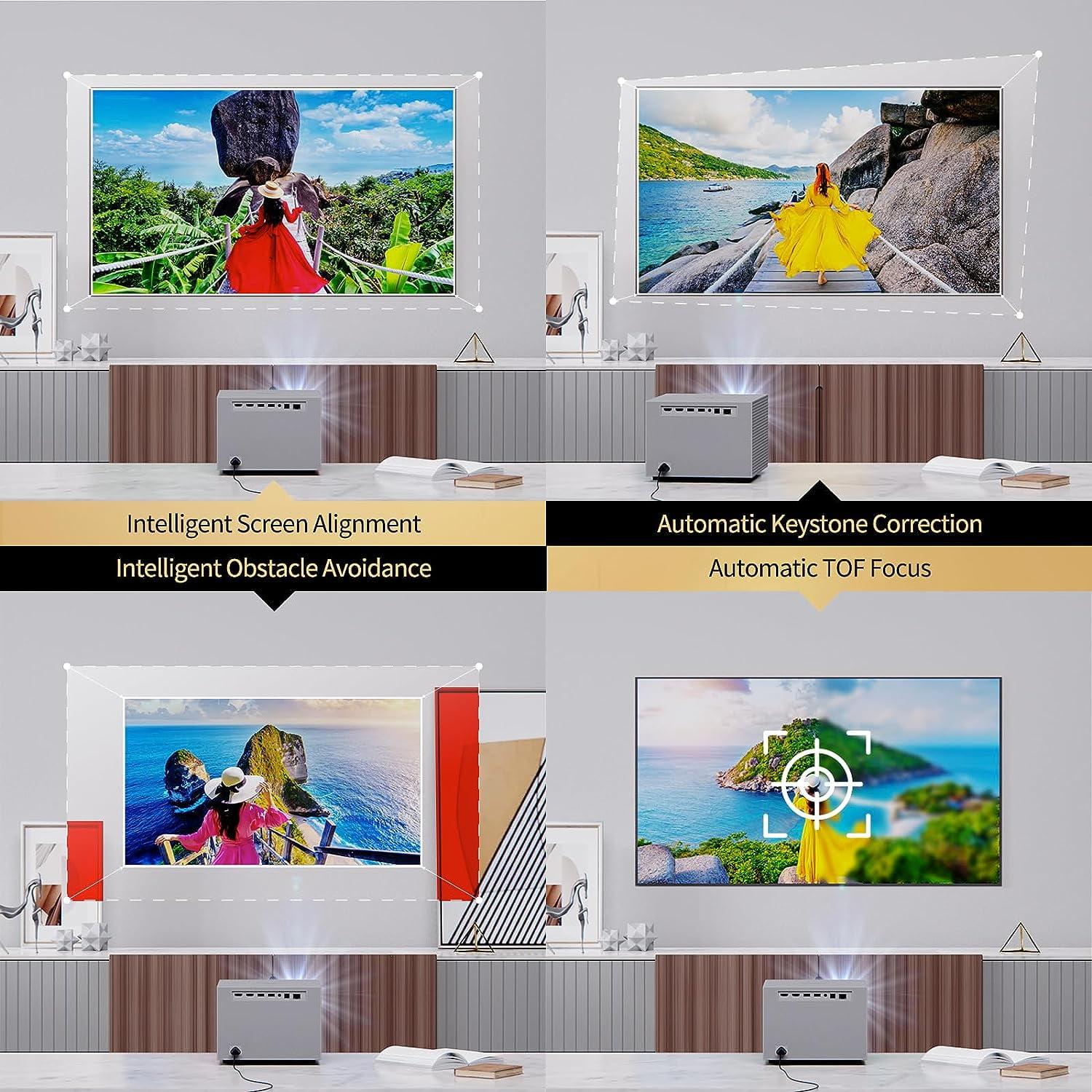
One of the WEMAX's most impressive features is its suite of automatic adjustment capabilities that simplify setup:
These features make the WEMAX Vogue Pro exceptionally user-friendly, especially if you plan to move the projector between different viewing locations or don't want to perfect the alignment manually.
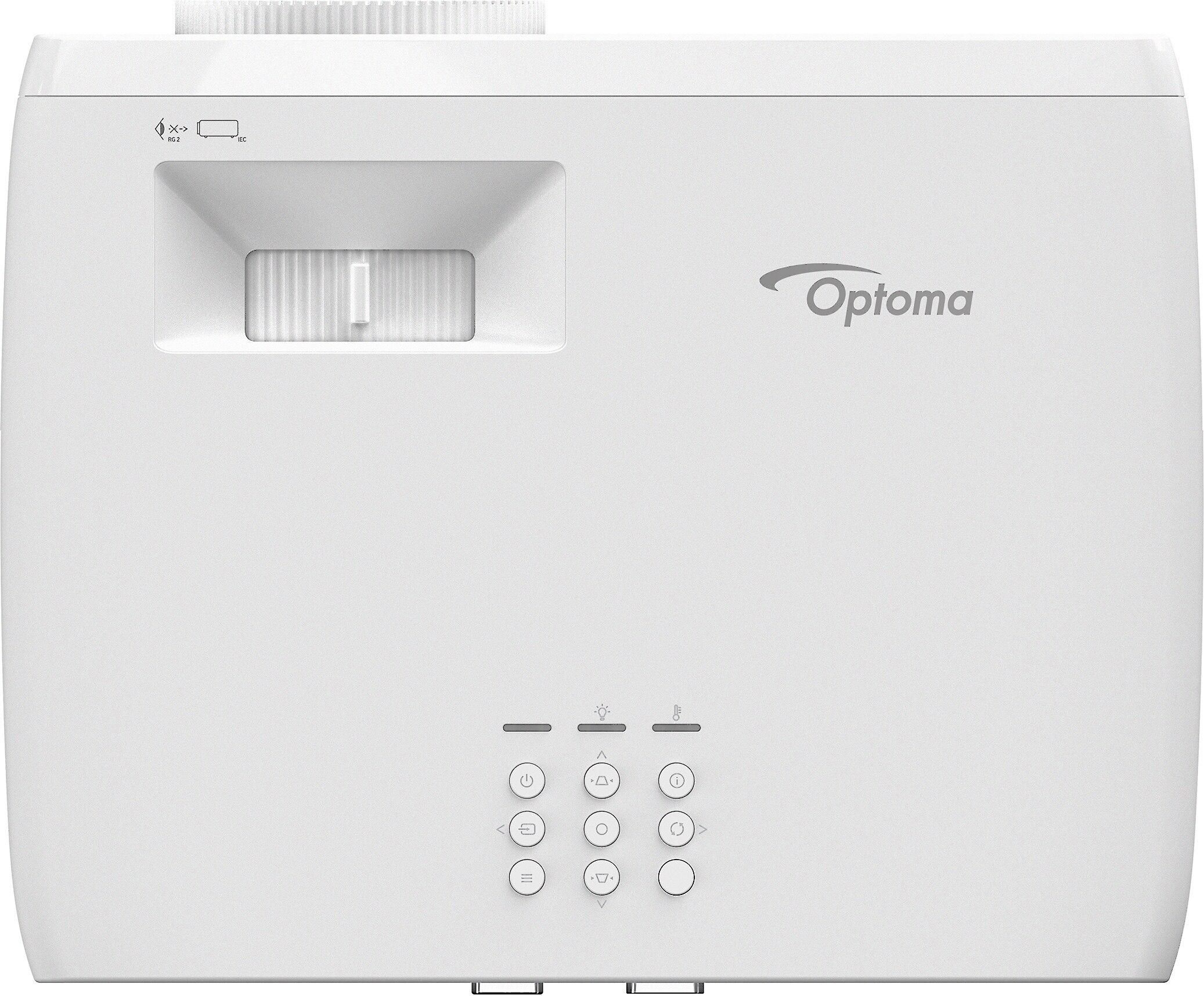
The Optoma HZ40HDR takes a more traditional approach with manual focus and keystone adjustment. While this requires more effort during initial setup, it can actually result in better image quality since digital keystone correction inevitably reduces effective resolution slightly. For permanent installations where you'll set it up once and leave it, the manual approach is perfectly adequate.
The projectors also differ in their physical design:
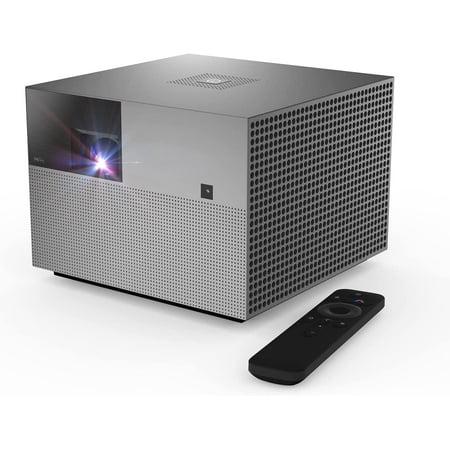
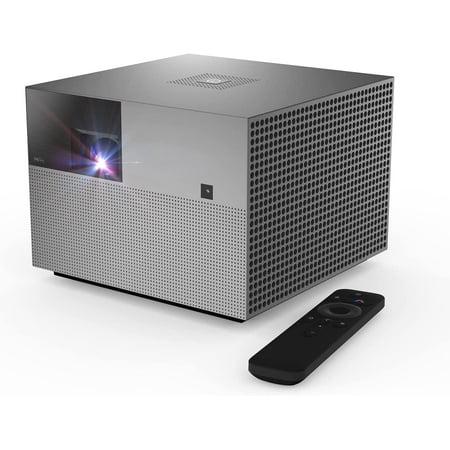
The WEMAX features a modern cube shape measuring 200 × 200 × 148 mm (7.9 × 7.9 × 5.8 inches) and weighing 3.5 kg (7.7 lbs). This compact design makes it easier to place on coffee tables or bookshelves.
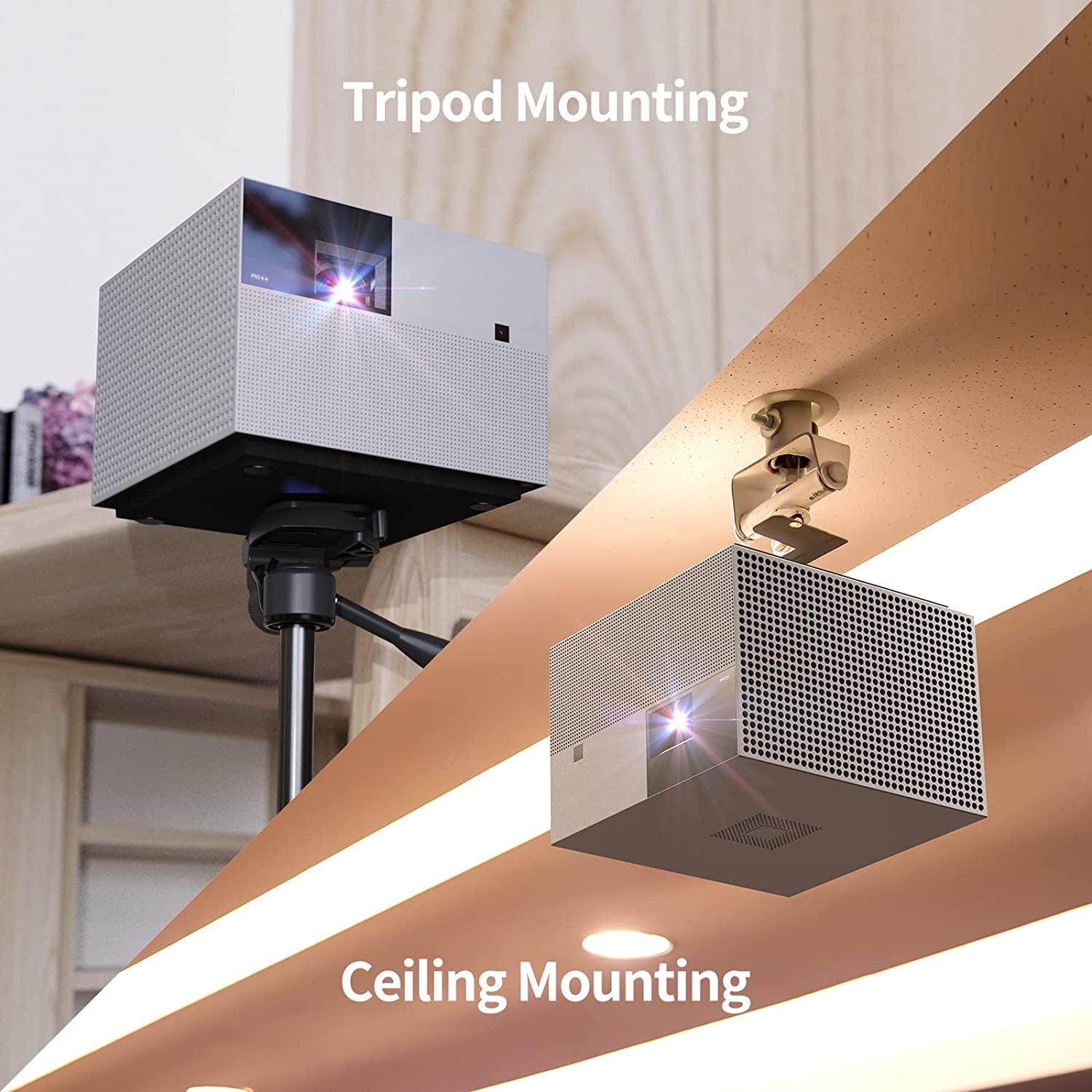
The Optoma has a more traditional rectangular projector shape at 274 × 114 × 216 mm (10.8 × 4.5 × 8.5 inches) and weighs slightly less at 3 kg (6.6 lbs). Its conventional design is optimized for either ceiling mounting or tabletop placement.
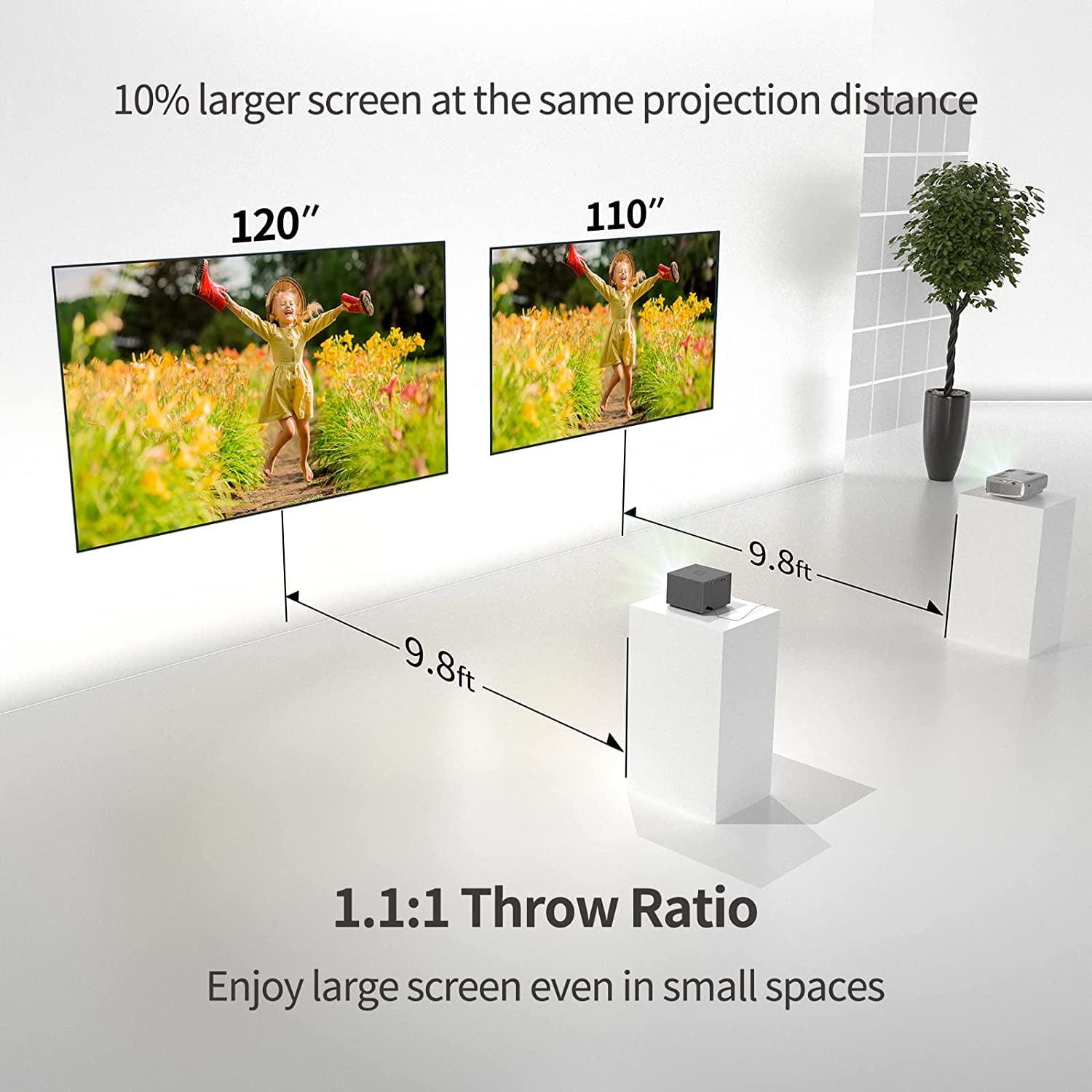
Both projectors support various installation options, but the WEMAX's auto-adjustment features make it more forgiving of imperfect placement, while the Optoma's higher brightness allows for larger screen sizes in the same space.
Built-in projector speakers have traditionally been an afterthought, but both these models offer surprisingly decent audio options:
The WEMAX Vogue Pro includes dual 10W speakers with support for Dolby Audio and DTS-HD, creating genuine stereo separation that enhances the viewing experience. For a bedroom or small living room, these speakers are perfectly adequate for casual viewing without additional audio equipment.
The Optoma HZ40HDR features a single 15W mono speaker. While more powerful than the individual WEMAX speakers, the lack of stereo separation is noticeable, particularly when watching action movies or content with directional audio cues.
That said, for a proper home theater experience, you'll want to connect either projector to external speakers or a soundbar. Both support this through their audio output options, with the WEMAX offering more flexibility through its HDMI ARC port that allows controlling compatible soundbars with the projector's remote.
One of the major advantages of both LED and laser projectors compared to traditional lamp-based models is their significantly lower maintenance requirements:
To put this in perspective, even if you watched movies for 4 hours every single day, both projectors would last over 17 years before the light source dimmed significantly. This eliminates the lamp replacement costs that typically added $150-300 every 3,000-5,000 hours with older projector technology.
The only regular maintenance either projector requires is occasional dusting of the air vents to prevent overheating. There are no filters to replace or internal components that need servicing under normal use.
This radical improvement in lifespan represents one of the most significant advancements in projector technology over the past decade and makes both models excellent long-term investments compared to earlier generations.
After comparing all these features, which projector is right for you ultimately depends on your specific viewing environment and priorities:
The WEMAX excels in controlled environments where its brightness limitations won't be exposed, and its convenience features make it exceptionally user-friendly. For a bedroom, basement home theater, or other space where you can control the lighting, it offers excellent value.
The Optoma's exceptional brightness and contrast make it more versatile across different lighting conditions, and its gaming performance is notably superior. For living rooms or multipurpose spaces where perfect darkness isn't always possible, its additional brightness provides a much better viewing experience despite the higher price.
Both the WEMAX Vogue Pro and Optoma HZ40HDR represent excellent values in today's projector market, offering features that would have cost thousands more just a few years ago. The core difference between them isn't quality but approach—WEMAX prioritizes convenience and color, while Optoma focuses on raw performance metrics like brightness and contrast.
For dedicated home theater enthusiasts who can control their viewing environment, either projector can provide an enjoyable experience, with the choice coming down to whether you prefer the WEMAX's smart features and auto-adjustments or the Optoma's superior contrast and brightness.
For those looking to replace a living room TV with a projector that family members will use throughout the day, the Optoma's significant brightness advantage makes it the more practical choice despite its higher price and lack of built-in streaming.
Whichever you choose, both projectors demonstrate how far home projection technology has come—offering longer lifespans, better image quality, and more versatility than ever before at increasingly accessible price points.
| WEMAX Vogue Pro 1080P Smart Projector | Optoma HZ40HDR 1080p Projector |
|---|---|
| Price - Initial investment cost | |
| $640 (originally $999) - More affordable option | $799 - Higher price point |
| Brightness - Critical for rooms with ambient light | |
| 1,600 ANSI lumens - Adequate for dark rooms but struggles with ambient light | 4,000 ANSI lumens - 2.5× brighter, suitable for rooms with windows or lights on |
| Light Source Technology - Affects color reproduction and lifespan | |
| 4-channel LED (RGBY) with 25,000+ hour lifespan - Adds yellow channel for better color accuracy | Laser phosphor with 30,000 hour lifespan - More traditional approach optimized for brightness |
| Contrast Ratio - Impacts black levels and image depth | |
| 2,500:1 - Adequate but not exceptional | 300,000:1 - Significantly better black levels and shadow detail |
| Smart Platform - Convenience for streaming content | |
| Built-in Android-based Feng OS with streaming apps - No additional devices needed | No smart features - Requires external streaming device |
| Auto-Adjustment Features - Ease of setup and placement | |
| Auto focus, auto keystone correction, obstacle avoidance - Excellent for flexible or temporary setups | Manual adjustments only - Better for permanent installations |
| Gaming Performance - Response time for interactive use | |
| No published input lag specs (likely 30-50ms) - Adequate for casual gaming | 8.6ms input lag at 1080p/120Hz - Excellent for competitive gaming |
| Audio System - Built-in sound quality | |
| Dual 10W speakers with Dolby Audio and DTS-HD - Good stereo separation | Single 15W mono speaker - More powerful but lacks stereo |
| Connectivity - Options for external devices | |
| 2× HDMI 2.1 (1 with ARC), 2× USB, Ethernet, S/PDIF, 3.5mm audio - More versatile connectivity | 2× HDMI 2.0, USB (power only), 3.5mm audio, RS-232 - More basic connections |
| Physical Design - Size and installation flexibility | |
| Cube design: 200×200×148mm, 3.5kg - More compact, modern aesthetic | Traditional design: 274×114×216mm, 3kg - Slightly lighter but larger footprint |
| Best Use Case - Who should buy each projector | |
| Ideal for dedicated home theaters with controlled lighting and users who value convenience features | Perfect for multipurpose rooms with ambient light and users who prioritize image quality and gaming |
The Optoma HZ40HDR Projector is significantly brighter with 4,000 ANSI lumens compared to the WEMAX Vogue Pro Smart Projector's 1,600 ANSI lumens. This makes the Optoma a better choice for rooms with ambient light or daytime viewing, while the WEMAX requires more controlled lighting conditions to perform at its best.
The Optoma HZ40HDR is superior for gaming with its 8.6ms input lag at 1080p/120Hz, making it suitable even for competitive gaming. The WEMAX Vogue Pro doesn't publish specific input lag figures but likely has higher latency (estimated 30-50ms), making it better for casual gaming rather than fast-paced or competitive games.
The WEMAX Vogue Pro comes with built-in Android-based Feng OS that includes popular streaming apps like Netflix and Disney+. The Optoma HZ40HDR has no smart features and requires an external streaming device like a Roku, Apple TV, or Fire Stick to access streaming services.
The Optoma HZ40HDR delivers substantially better contrast with a 300,000:1 contrast ratio compared to the WEMAX Vogue Pro's 2,500:1 ratio. This means the Optoma produces deeper blacks and more detail in dark scenes, creating a more cinematic experience for movie watching, especially in home theater environments.
The WEMAX Vogue Pro is currently priced at $640 (originally $999), while the Optoma HZ40HDR costs $799. This makes the WEMAX approximately $160 less expensive, representing a significant savings for buyers on a budget, though the Optoma offers higher brightness and contrast for the additional investment.
Both projectors can perform well in a dedicated home theater with controlled lighting. The Optoma HZ40HDR offers superior contrast and black levels for a more cinematic experience, while the WEMAX Vogue Pro provides built-in streaming and convenient auto-adjustment features. If perfect darkness is achievable, either projector can work well, though serious movie enthusiasts may prefer the Optoma's superior contrast.
Neither the WEMAX Vogue Pro nor the Optoma HZ40HDR requires lamp replacements. The WEMAX uses a 4-channel LED light source rated for 25,000+ hours, while the Optoma uses a laser phosphor system rated for 30,000 hours. Both technologies eliminate the ongoing maintenance cost of replacing lamps that was common with older projector technology.
The WEMAX Vogue Pro is significantly easier to set up with its automatic focus, auto keystone correction, and obstacle avoidance features. The Optoma HZ40HDR requires manual adjustments for focus and keystone correction. If you plan to move your projector frequently or want hassle-free setup, the WEMAX offers much more convenience.
The WEMAX Vogue Pro offers more comprehensive connectivity with 2× HDMI 2.1 ports (one with ARC for soundbars), 2× USB ports for media playback, Ethernet, S/PDIF, and a 3.5mm audio jack. The Optoma HZ40HDR provides more basic connectivity with 2× HDMI 2.0 ports, a USB port (power only), 3.5mm audio output, and RS-232 for home automation. For most users, the WEMAX provides greater flexibility.
The Optoma HZ40HDR with its 4,000 ANSI lumens can effectively display content in a bright living room with some ambient light, though direct sunlight on the screen should still be avoided. The WEMAX Vogue Pro at 1,600 ANSI lumens will struggle in bright rooms and is best used with dimmed lights or at night in typical living room environments.
The WEMAX Vogue Pro features dual 10W speakers with Dolby Audio and DTS-HD support, providing stereo separation for a more immersive audio experience. The Optoma HZ40HDR has a single 15W mono speaker that's louder but lacks stereo imaging. For built-in audio without external speakers, the WEMAX generally provides better sound quality despite lower total wattage.
For sports and TV shows, which are often viewed with some ambient light, the Optoma HZ40HDR's superior brightness of 4,000 ANSI lumens makes it the better choice in most living environments. The WEMAX Vogue Pro works well for evening viewing with controlled lighting and offers the convenience of built-in streaming apps. If you primarily watch sports during daytime hours, the Optoma's brightness advantage becomes particularly important.
We've done our best to create useful and informative comparisons to help you decide what product to buy. Our research uses advanced automated methods to create this comparison and perfection is not possible - please contact us for corrections or questions. These are the sites we've researched in the creation of this article: wemax.com - wemax.com - youtube.com - techpowerup.com - wemax.com - projectorcentral.com - nikktech.com - youtube.com - techpowerup.com - techpowerup.com - youtube.com - nikktech.com - walmart.com - business.walmart.com - projectorcentral.com - techpowerup.com - projektoren-datenbank.com - wemax.com - projectorcentral.com - youtube.com - picclick.com - crutchfield.com - homecinemachoice.com - compsource.com - bestbuy.com - adorama.com - bhphotovideo.com - provantage.com - cdw.com - datavision.com - optomausa.com - manua.ls - ipcstore.com - pcrichard.com - richersounds.com - electronicexpress.com - projexdisplay.com - dubaimachines.com - newegg.com - projectorpoint.co.uk - a.ubuy.com.kw - greentoe.com

Privacy Policy
Terms and Conditions - Affiliate Policy
Home Security
© Copyright 2008-2026.
11816 Inwood Rd #1211, Dallas, TX 75244