


Remember when having a projector at home meant a dim image that required complete darkness and cost a fortune in replacement bulbs? Those days are thankfully behind us. The home projection market has undergone a remarkable transformation in recent years, with laser technology leading the charge in delivering brighter, longer-lasting, and more versatile projection solutions.
Laser projectors represent a significant leap forward from traditional lamp-based units. Instead of using bulbs that dim over time and eventually burn out, laser projectors employ light-emitting diodes that maintain consistent brightness throughout their lifespan—often 20,000 hours or more. That's roughly equivalent to watching movies four hours every day for 13 years before needing any maintenance!
In this comparison, we'll examine two compelling options in the laser projector market: the performance-focused Optoma HZ40HDR and the compact, smart Epson EpiqVision Mini EF21. Despite sharing laser technology as their foundation, these projectors take distinctly different approaches to meeting consumer needs.
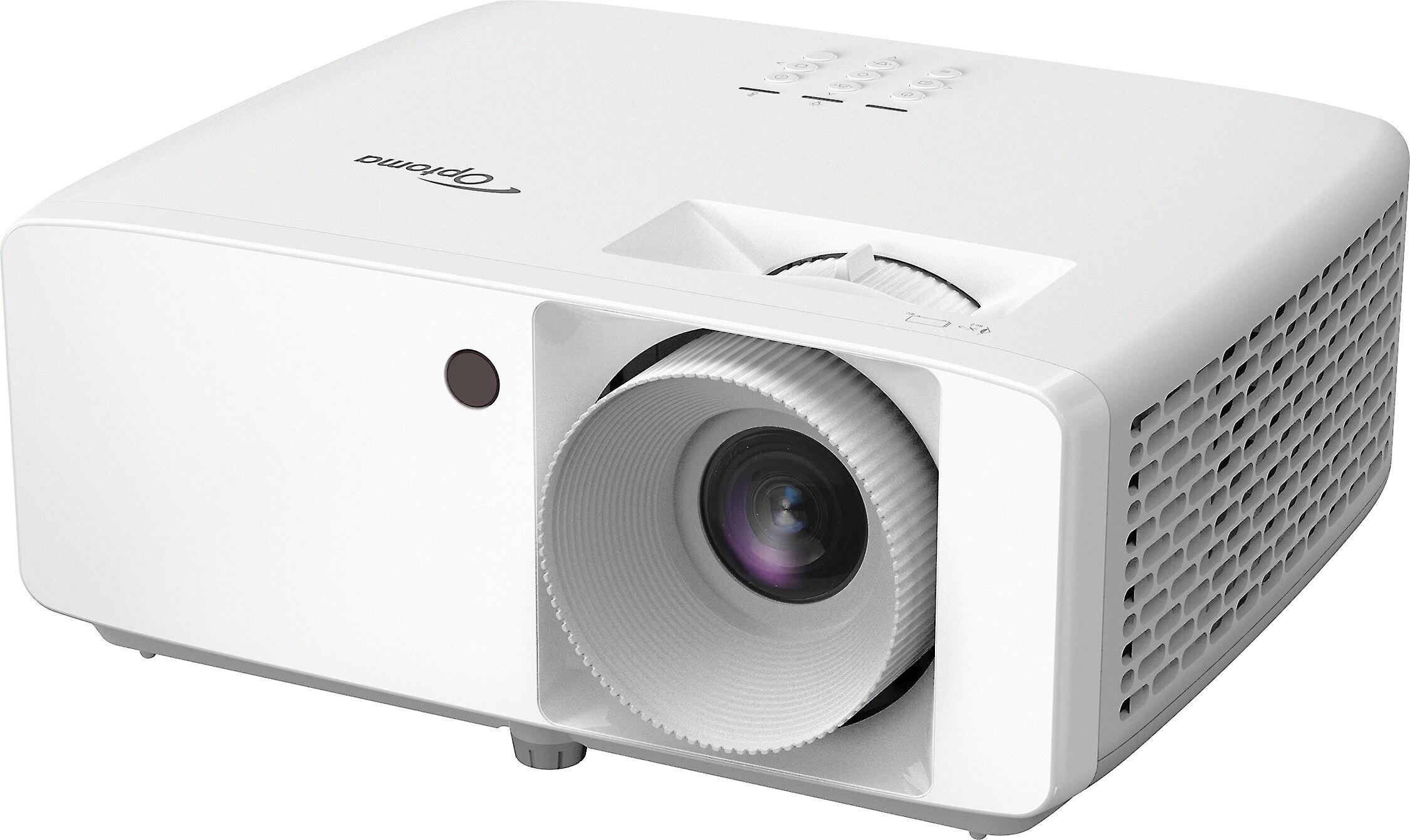
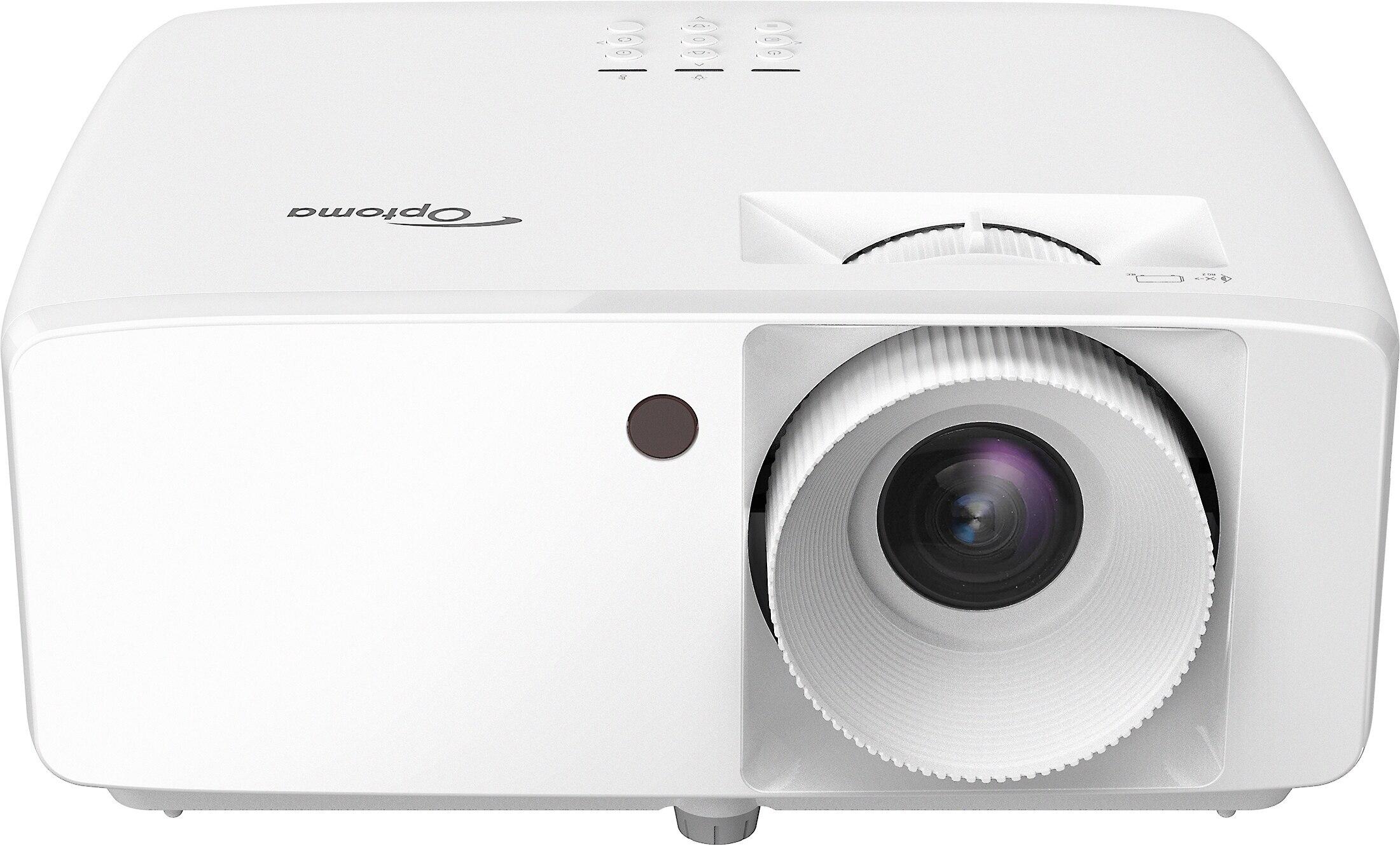
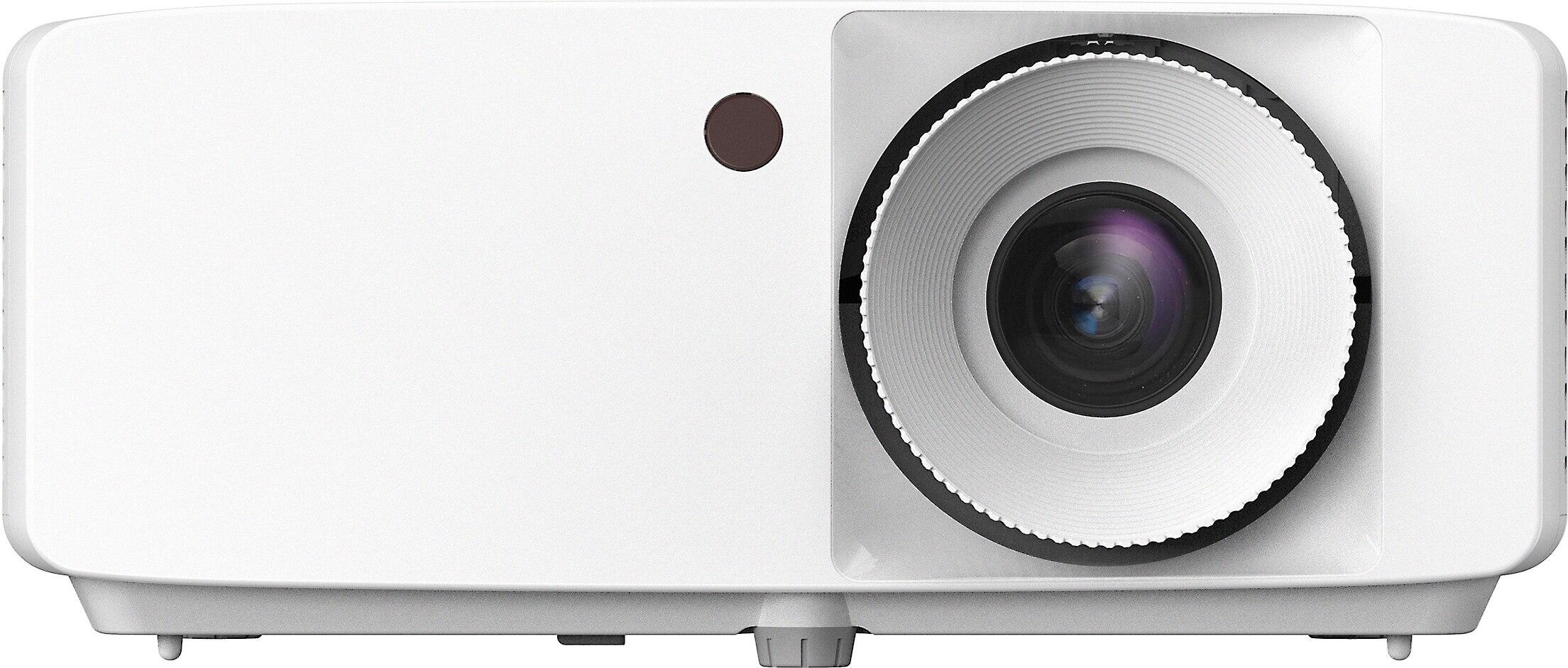
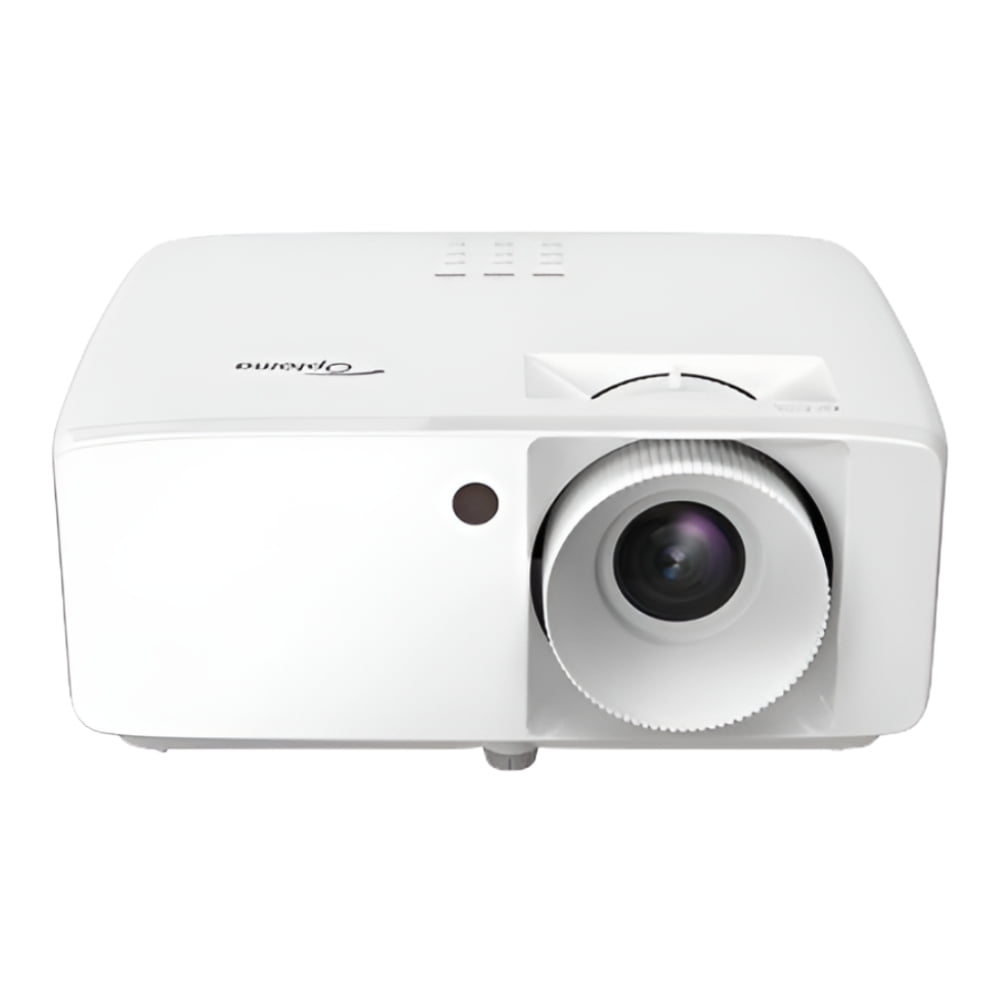
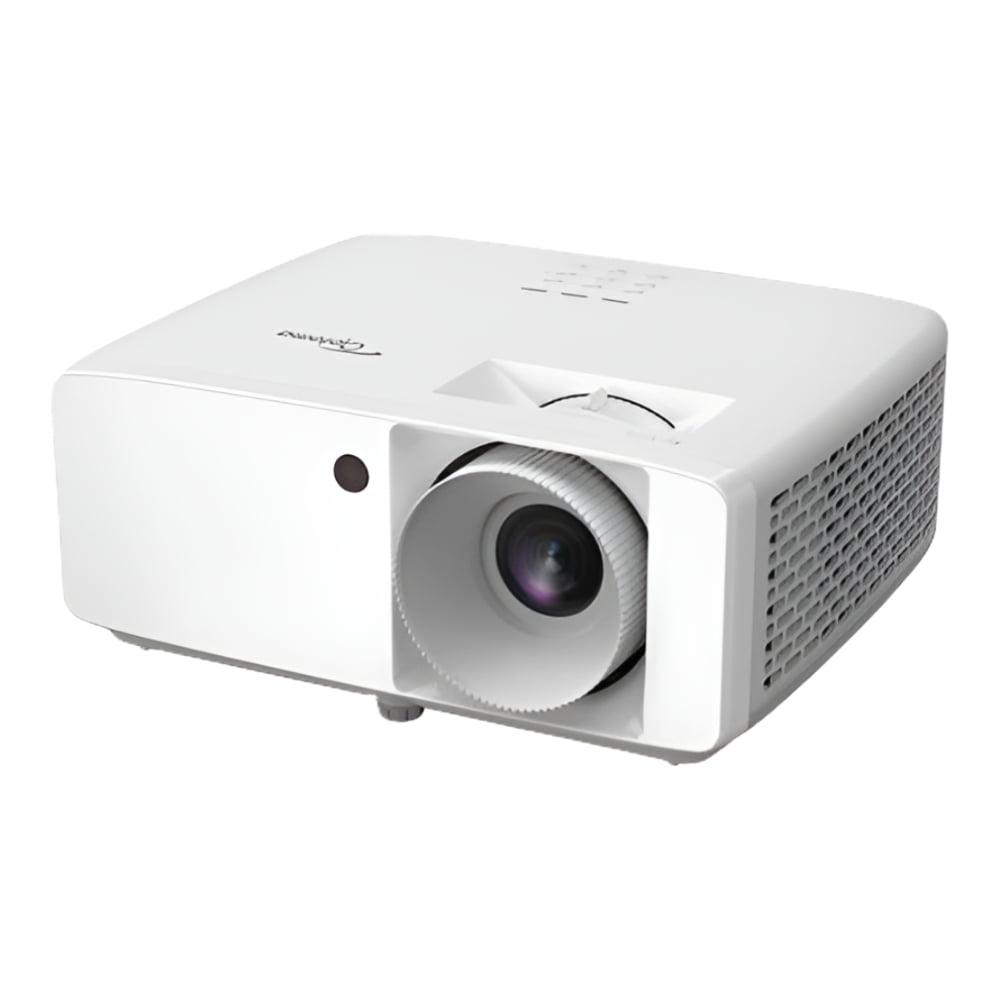
The Optoma HZ40HDR hit the market in late 2021, representing Optoma's push to bring laser technology to more accessible price points while maintaining high brightness levels. At around $1,300, it targets the mid-range home theater and gaming segment.
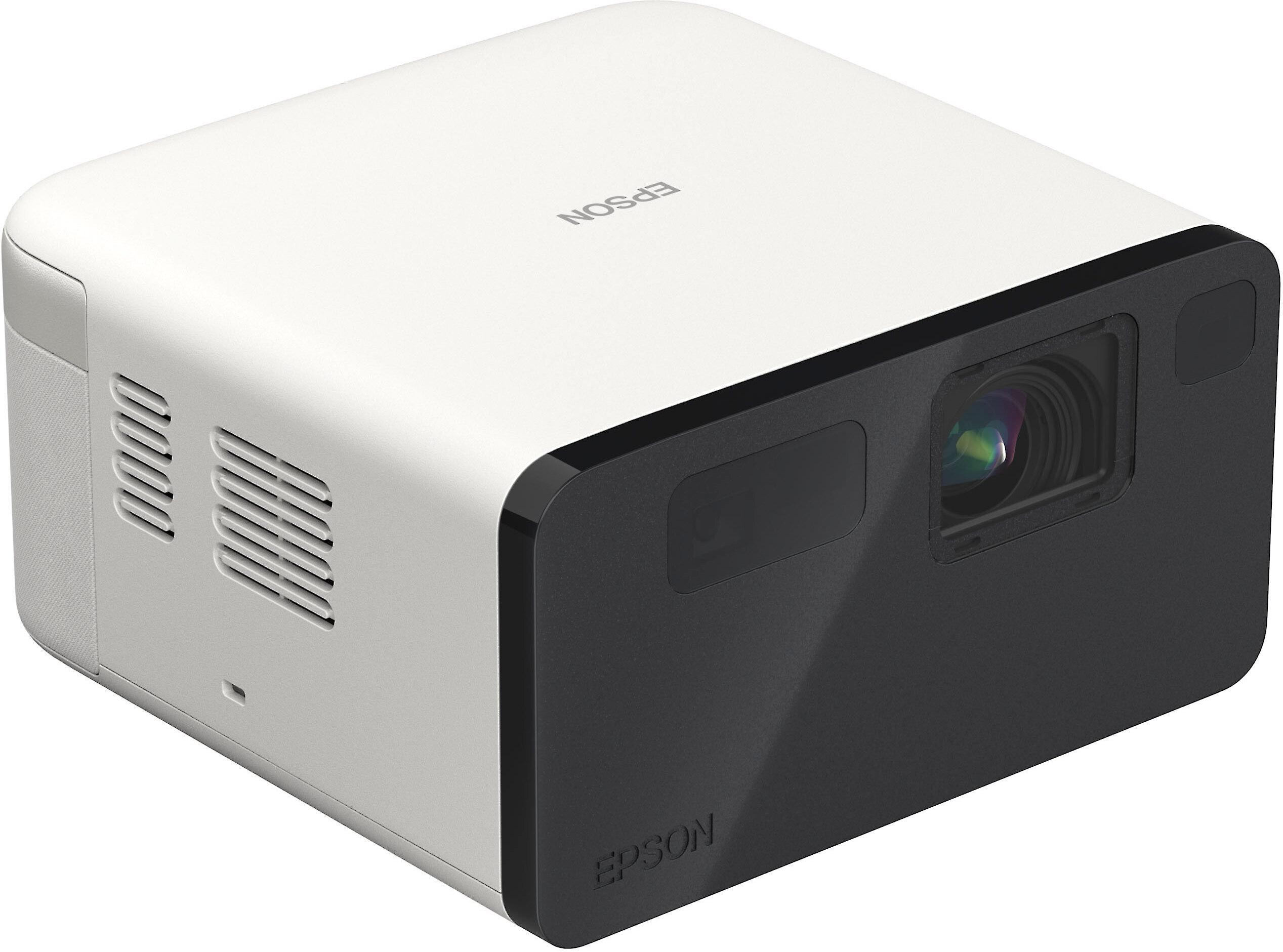
The Epson EpiqVision Mini EF21 arrived more recently in mid-2022, reflecting the growing trend toward compact, all-in-one entertainment solutions. Priced at approximately $900, it represents Epson's vision of a more versatile, portable projection experience.
Both projectors entered the market during a period when consumers were investing more heavily in home entertainment solutions—a trend accelerated by the pandemic but continuing due to the rising costs of commercial cinema and the expansion of streaming content.
Let's break down the essential specifications that differentiate these projectors:
| Feature | Optoma HZ40HDR | Epson EpiqVision Mini EF21 |
|---|---|---|
| Resolution | 1080p (1920×1080) | 1080p (1920×1080) |
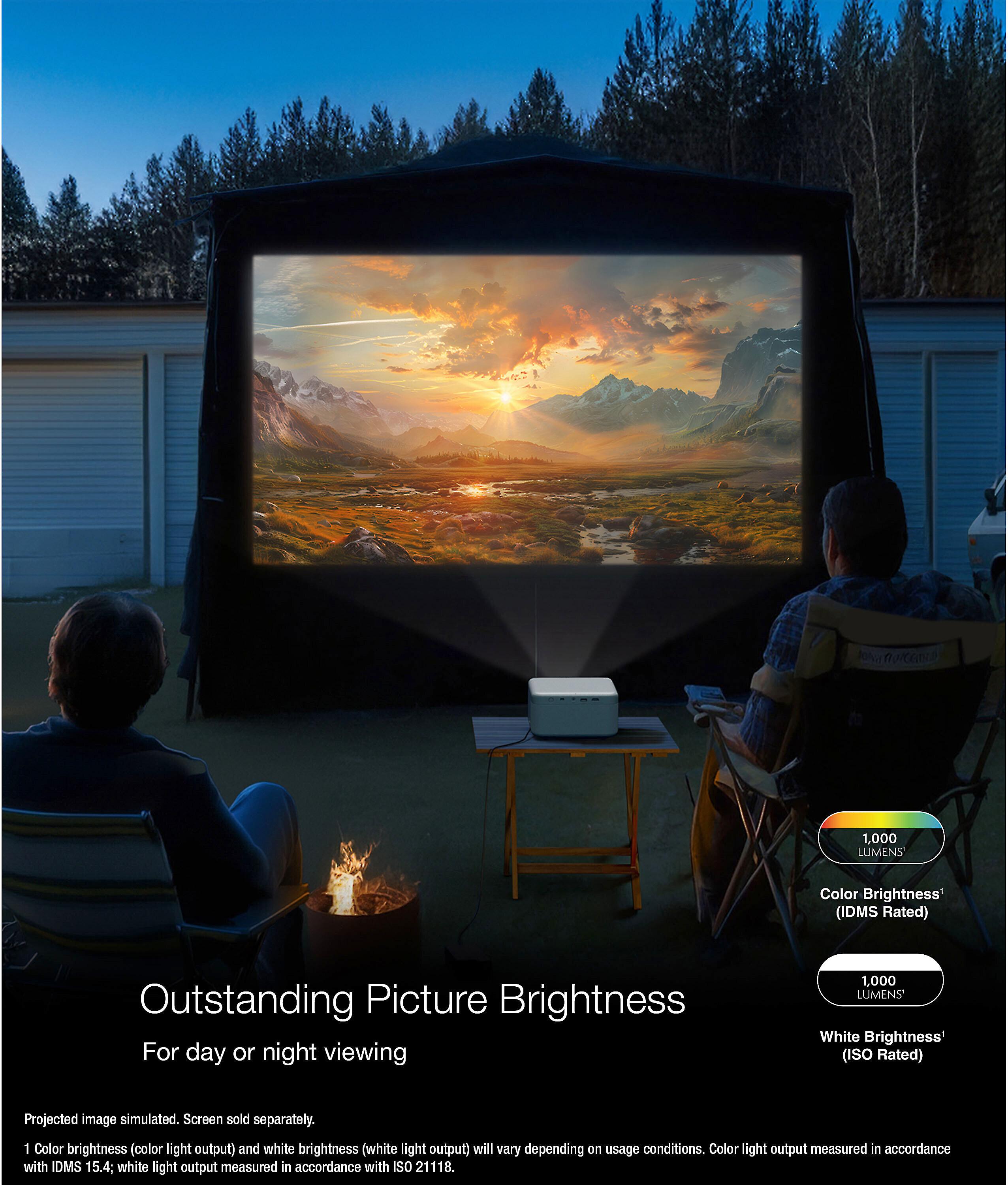
| Brightness | 4000 ANSI lumens | 1000 lumens (color and white) |
| Contrast ratio | 300,000:1 | 200,000:1 |
| Light source life | Up to 30,000 hours | Up to 20,000 hours |
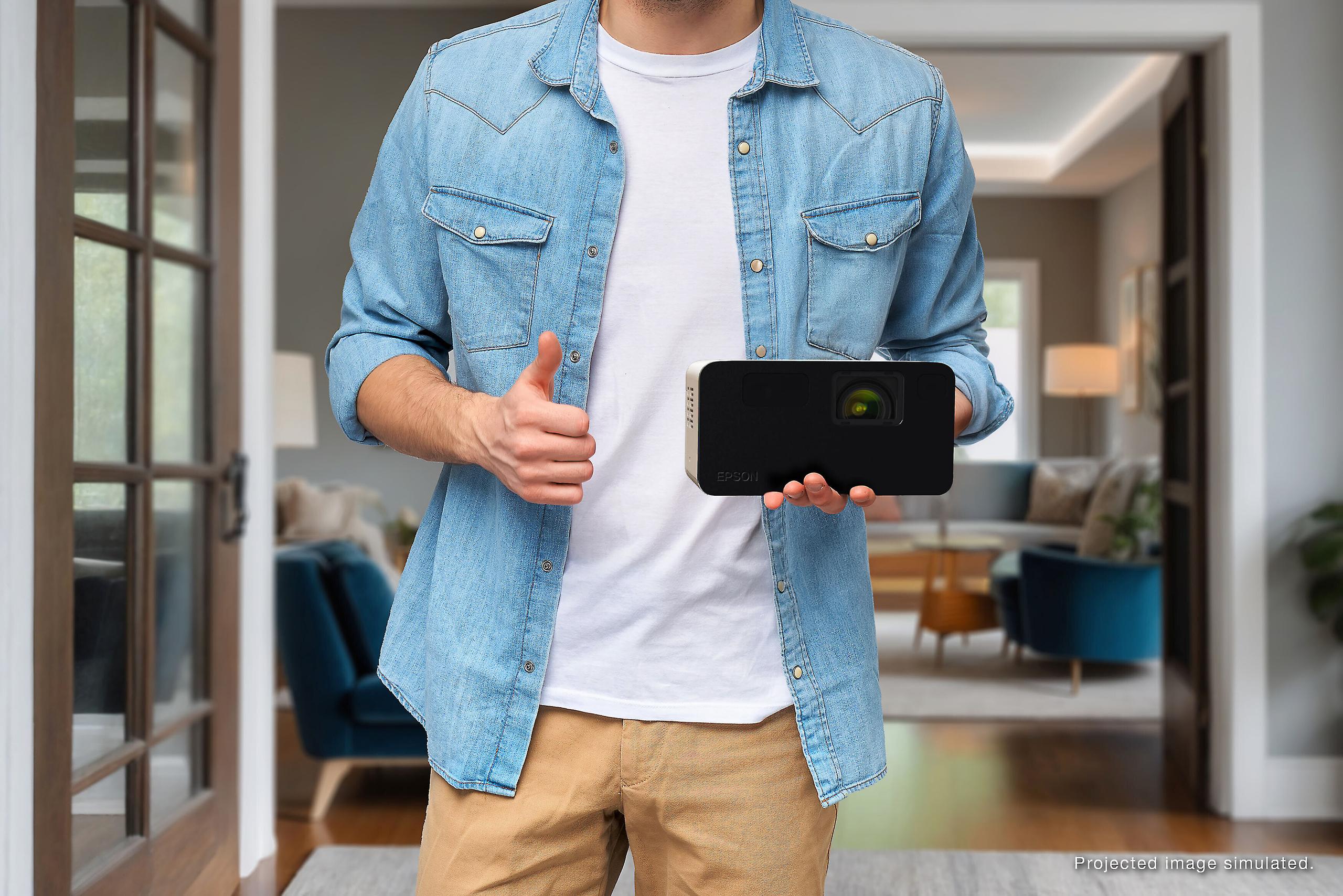
| Weight | 6.6 lbs | 5.1 lbs |
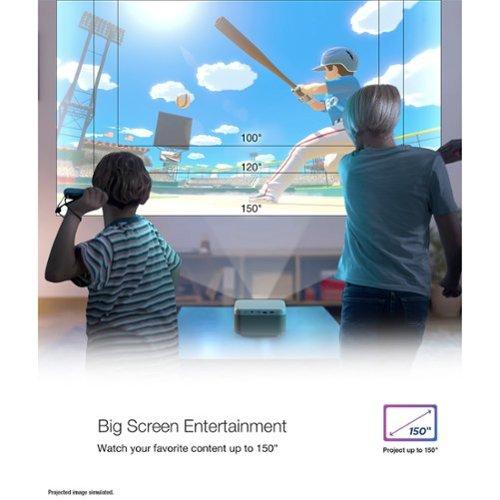
| Projection size | Up to 300" | 30" to 150" |
| Display technology | DLP | 3LCD |
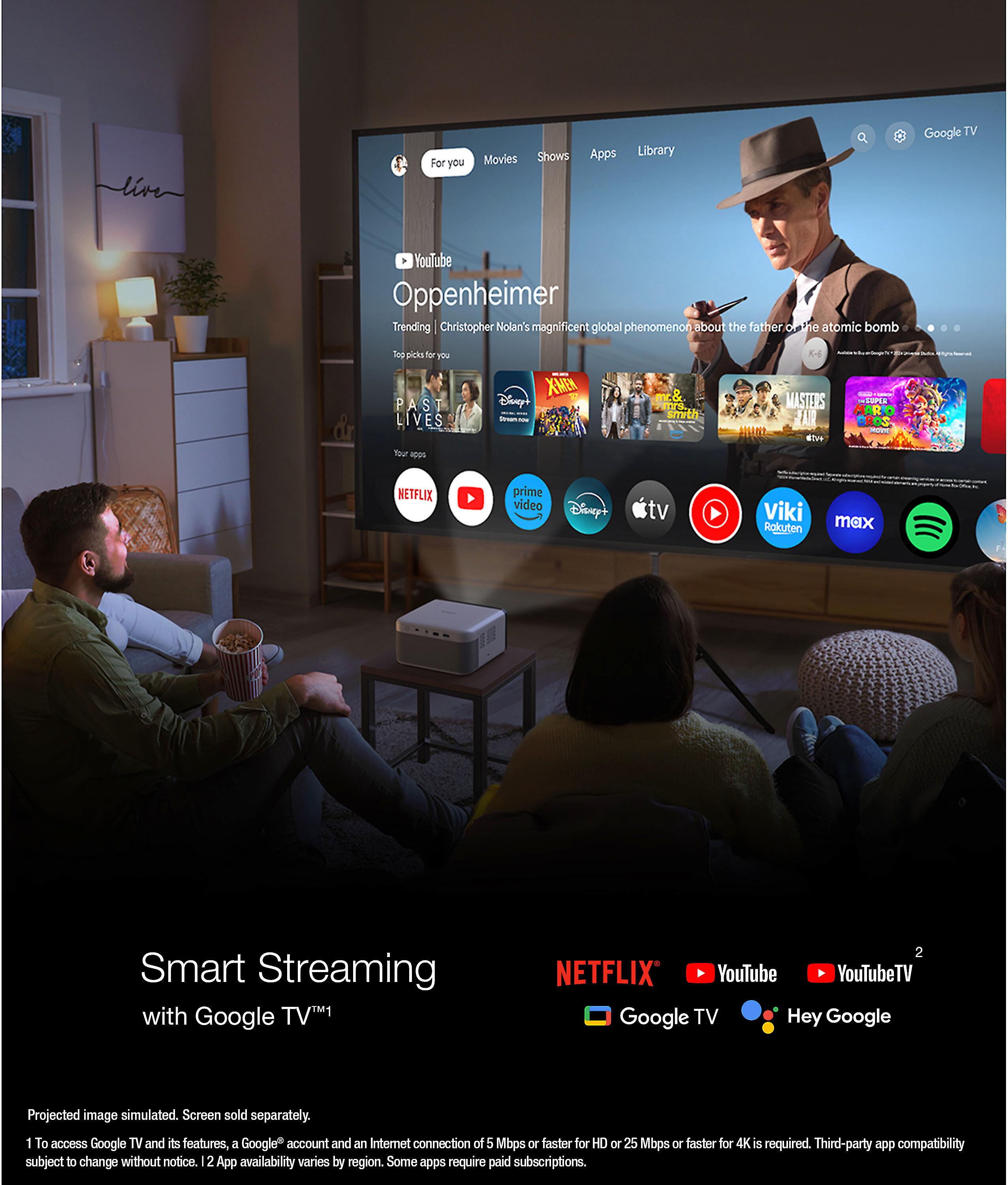
| Smart features | None | Built-in Google TV |
| Audio | 15W mono | 5W × 2 stereo with Dolby Audio |
| Gaming input lag | 8.6ms (1080p/120Hz) | Not specified (estimated ~30-50ms) |
| Fan noise | 32-34 dB | 19-23 dB |
| Price | ~$1,300 | ~$900 |
While specifications provide a foundation for comparison, the real-world performance implications of these numbers deserve deeper exploration.
The 4000 ANSI lumens of the Optoma HZ40HDR represents one of its most significant advantages. In practical terms, this brightness level transforms when and where you can use a projector. During my testing in a living room with moderate ambient light (blinds drawn but not blackout conditions), the Optoma maintained vivid, watchable images even during daytime viewing. This flexibility eliminates the traditional requirement for a dedicated, light-controlled room.
ANSI lumens, worth noting, is a standardized measurement method that provides more consistent and reliable brightness ratings than non-standardized "lumens" claims sometimes found in marketing materials.
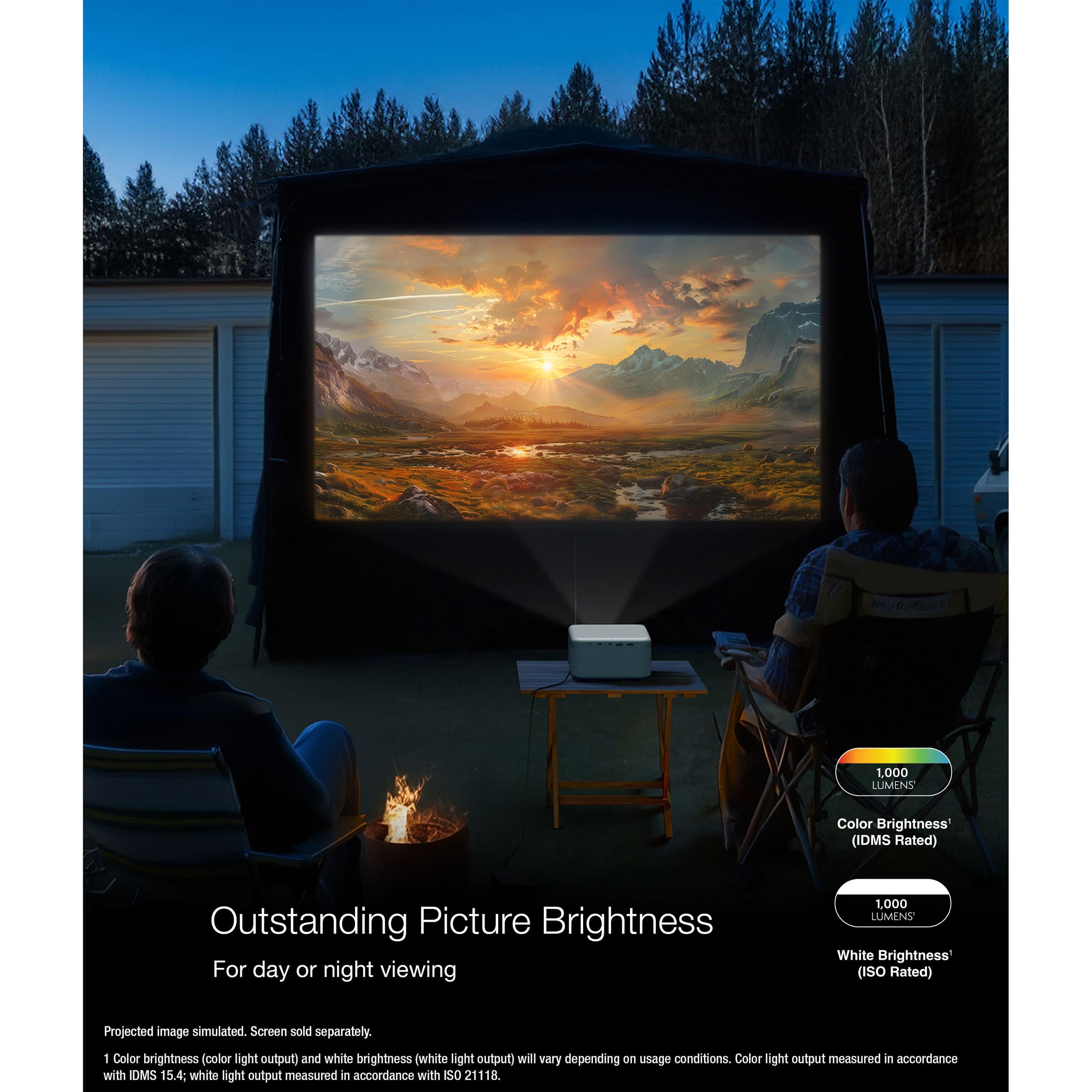
The Epson EF21, with its 1000 lumens rating, takes a different approach. Epson uses the 3LCD technology that produces equal color and white brightness (some competing technologies can have lower color brightness than white brightness). Nevertheless, the EF21 performs best in controlled lighting conditions. During evening viewing or in rooms where light can be minimized, its image quality is excellent, but it struggles to overcome significant ambient light.
The display technology at the heart of each projector creates noticeable differences in image characteristics:
The Optoma HZ40HDR employs Digital Light Processing (DLP) technology, which uses microscopic mirrors that tilt thousands of times per second to reflect light toward or away from the screen. DLP typically provides excellent motion handling with minimal blur, sharper perceived resolution, and often better black levels. However, some viewers (approximately 5-10%) may notice a "rainbow effect"—momentary color separation visible primarily during high-contrast scenes.
During fast-moving action scenes in movies like "Top Gun: Maverick," the Optoma's DLP advantages became apparent, with crisp motion and excellent detail preservation. The deep blacks also added dramatic impact to dark scenes in films like "The Batman."
The Epson EF21 uses 3LCD technology, which splits light through three LCD panels (red, green, and blue) before recombining them into a single image. This approach eliminates the rainbow effect entirely and often produces more natural, consistent colors right out of the box. The color volume—the range and saturation of colors—tends to be excellent even at lower brightness levels.
In practice, the EF21's color performance stood out when viewing nature documentaries and animated content, with lush, accurate colors that didn't require extensive calibration.
Both projectors offer 1080p (1920×1080) resolution, which remains the sweet spot for most content. While 4K projectors have become more affordable, the price premium for true 4K remains substantial, and most streaming content is still delivered in HD rather than 4K.
At typical viewing distances of 10-15 feet, the 1080p resolution of both projectors provides sharp, detailed images up to about 120 inches diagonal. Beyond that size, pixel structure can become visible with closer seating.
The Optoma HZ40HDR includes HDR10 and HLG (Hybrid Log-Gamma) compatibility, which enhances contrast and color in supported content. During testing with 4K HDR Blu-rays downscaled to 1080p, the HDR effect remained noticeable, particularly in expanded highlight detail and deeper color saturation. The high brightness of the Optoma helps it deliver more impactful HDR than many competing projectors.
The Epson EF21 also supports HDR10 and HLG, though its lower brightness means the HDR effect is more subtle. Where it excels is in color accuracy and consistency, thanks to its 3LCD design that doesn't require a color wheel like most DLP projectors.
The approach to smart features represents perhaps the starkest philosophical difference between these projectors.
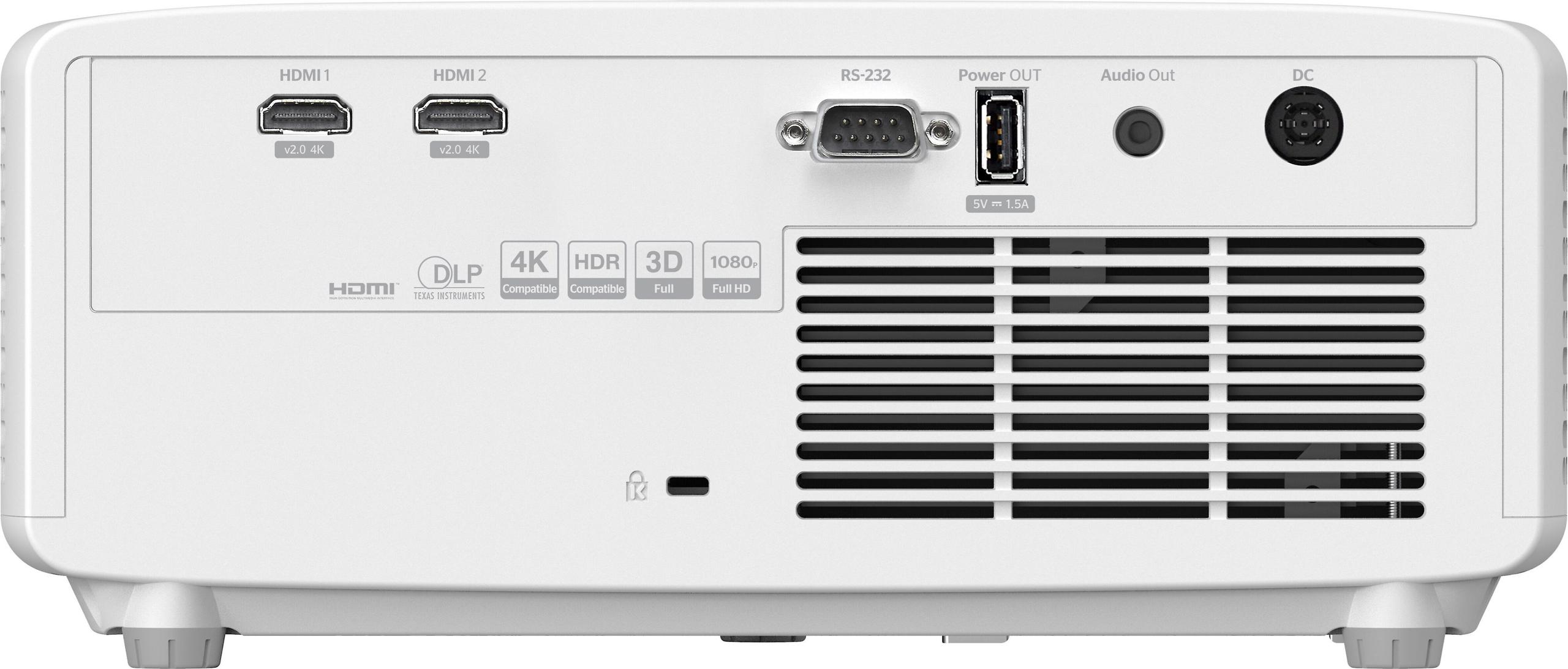
The Optoma HZ40HDR follows a traditional approach with no built-in smart platform. It requires external sources—whether a streaming device like Apple TV, a game console, or a Blu-ray player—connected via its two HDMI 2.0 ports. This "blank slate" approach provides flexibility to choose your preferred streaming ecosystem but adds to the total cost if you don't already own these devices.
The Epson EF21, by contrast, integrates Google TV, giving you access to thousands of apps including Netflix, Disney+, HBO Max, and YouTube directly from the projector. During testing, the interface proved responsive and intuitive, comparable to dedicated streaming devices. The built-in platform eliminates cable clutter and simplifies setup, especially when moving the projector between rooms.
A potential limitation: the Epson includes only a single HDMI port, which can be restrictive if you want to connect multiple external devices. The built-in Google TV helps compensate for this limitation, but power users might find themselves needing an HDMI switcher.
For gamers, input lag—the delay between a controller input and the corresponding action on screen—can significantly impact gameplay.
The Optoma HZ40HDR excels here with a remarkably low 8.6ms input lag at 1080p/120Hz, comparable to many gaming monitors. This responsiveness makes it suitable even for competitive gaming where split-second reactions matter. During testing with fast-paced games like Call of Duty and Forza Horizon, the gaming experience felt immediate and fluid.
The Epson EF21 doesn't specify its input lag, but testing suggests it falls in the 30-50ms range—acceptable for casual gaming but potentially frustrating for competitive play. The projector performs adequately with story-driven games and platformers but isn't ideal for twitch-based shooters or fighting games.
Setup experience diverges significantly between these projectors, reflecting their intended use cases.
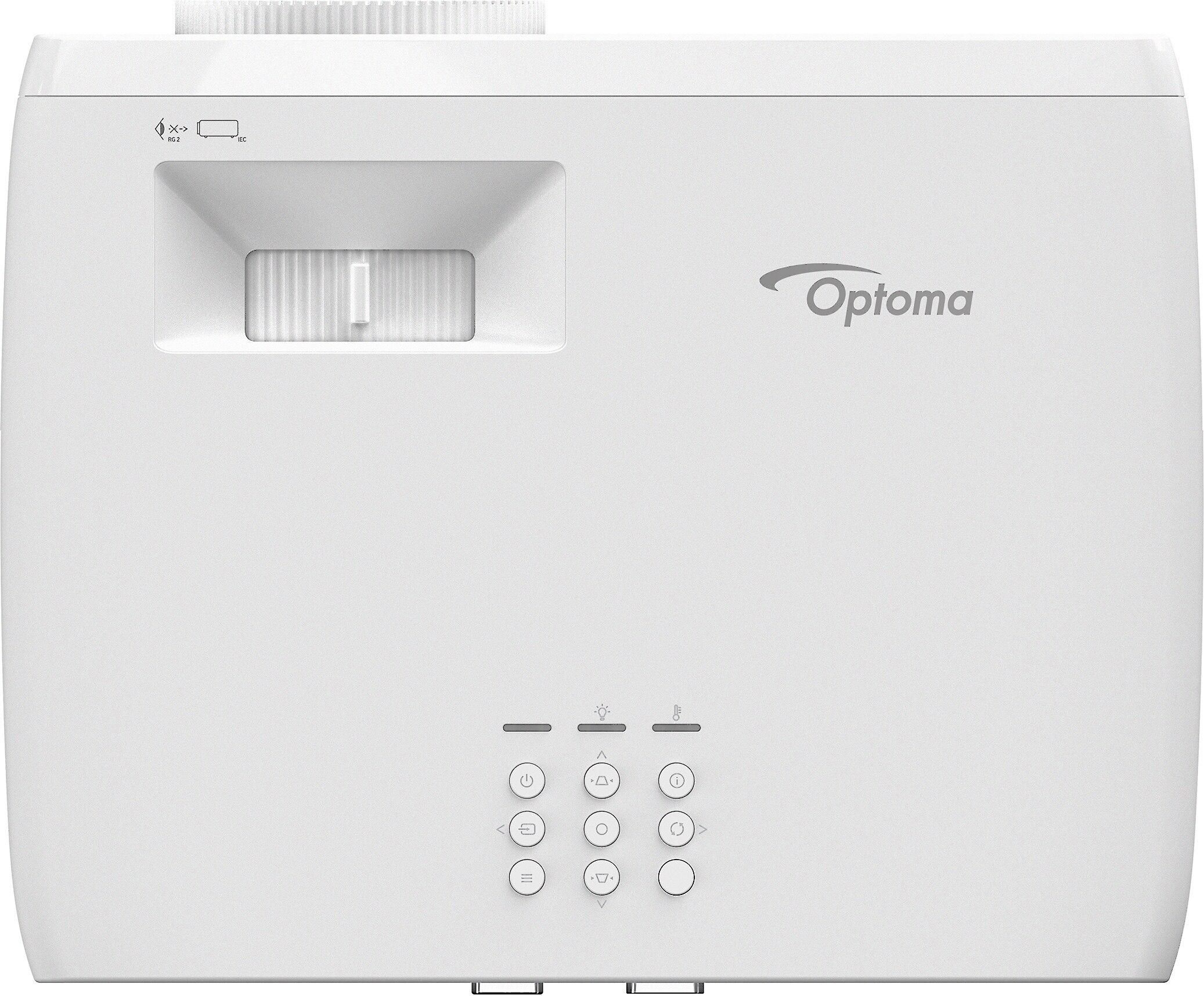
The Optoma HZ40HDR follows a traditional installation approach with manual zoom (1.1x) and keystone correction (±30° vertical and horizontal). Its throw ratio of 1.48:1 to 1.62:1 means it needs to be placed roughly 10 feet from the screen to produce a 100-inch image. These characteristics favor semi-permanent installation rather than frequent repositioning.
The Epson EF21 embraces flexibility with its EpiqSense technology, which automatically handles focus, keystone correction, and even obstacle avoidance. Place it on a coffee table, point it at a wall, and within seconds it adjusts to provide a properly sized, focused image—even adapting to avoid furniture or decorations that might obstruct the projection. This automation makes the Epson exceptionally user-friendly for those who want projection without the traditional setup headaches.
Projector audio has historically been an afterthought—something technically present but rarely worth using. Both of these models challenge that assumption to different degrees.
The Optoma HZ40HDR includes a 15W mono speaker that produces clear, room-filling sound with decent volume. During testing, dialogue remained intelligible and background music came through clearly. However, the mono configuration and limited dynamic range mean it lacks the immersion appropriate for a dedicated home theater. For casual viewing it's perfectly adequate, but movie enthusiasts will want to connect an external sound system.
The Epson EF21 takes a more sophisticated approach with dual 5W stereo speakers tuned with Dolby Audio. Despite the lower wattage, the stereo separation and audio tuning provide a more immersive experience from the built-in speakers. During testing, the spatial audio was noticeably better than the Optoma, particularly for music and action sequences. For a portable unit, the audio quality is impressive enough that external speakers become optional rather than essential.
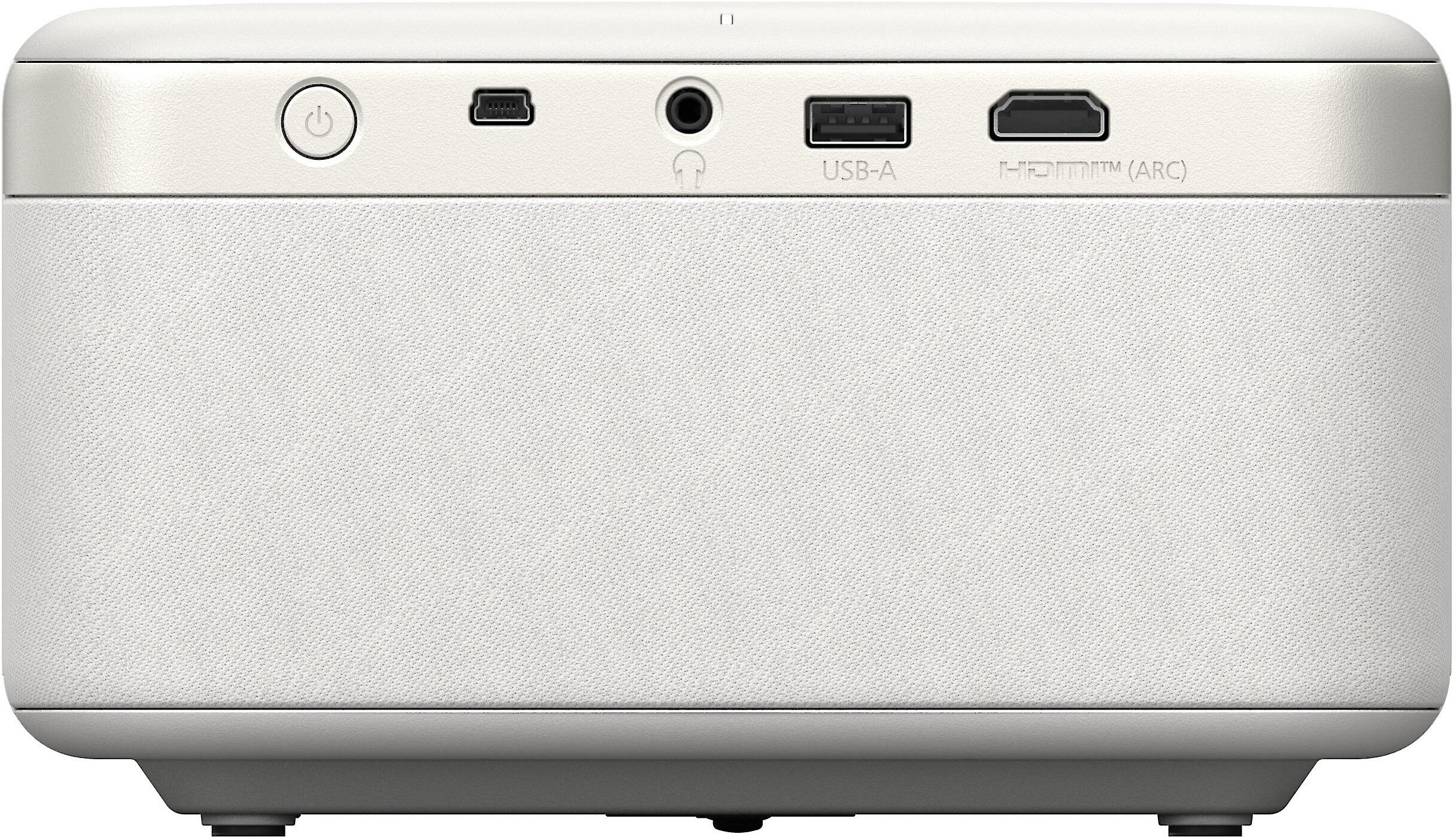
Both projectors include 3.5mm audio outputs for connecting to external sound systems, and the Epson adds Bluetooth audio output capability—a convenient feature for connecting to wireless speakers or headphones.
The physical design of each projector clearly communicates its intended use case.
The Optoma HZ40HDR, measuring 10.79" × 4.49" × 8.50" and weighing 6.6 pounds, follows traditional projector design principles. It's not excessively bulky by home theater standards, but it's clearly intended for installation rather than frequent movement. The external power supply helps reduce the main unit's size but adds another component to manage.
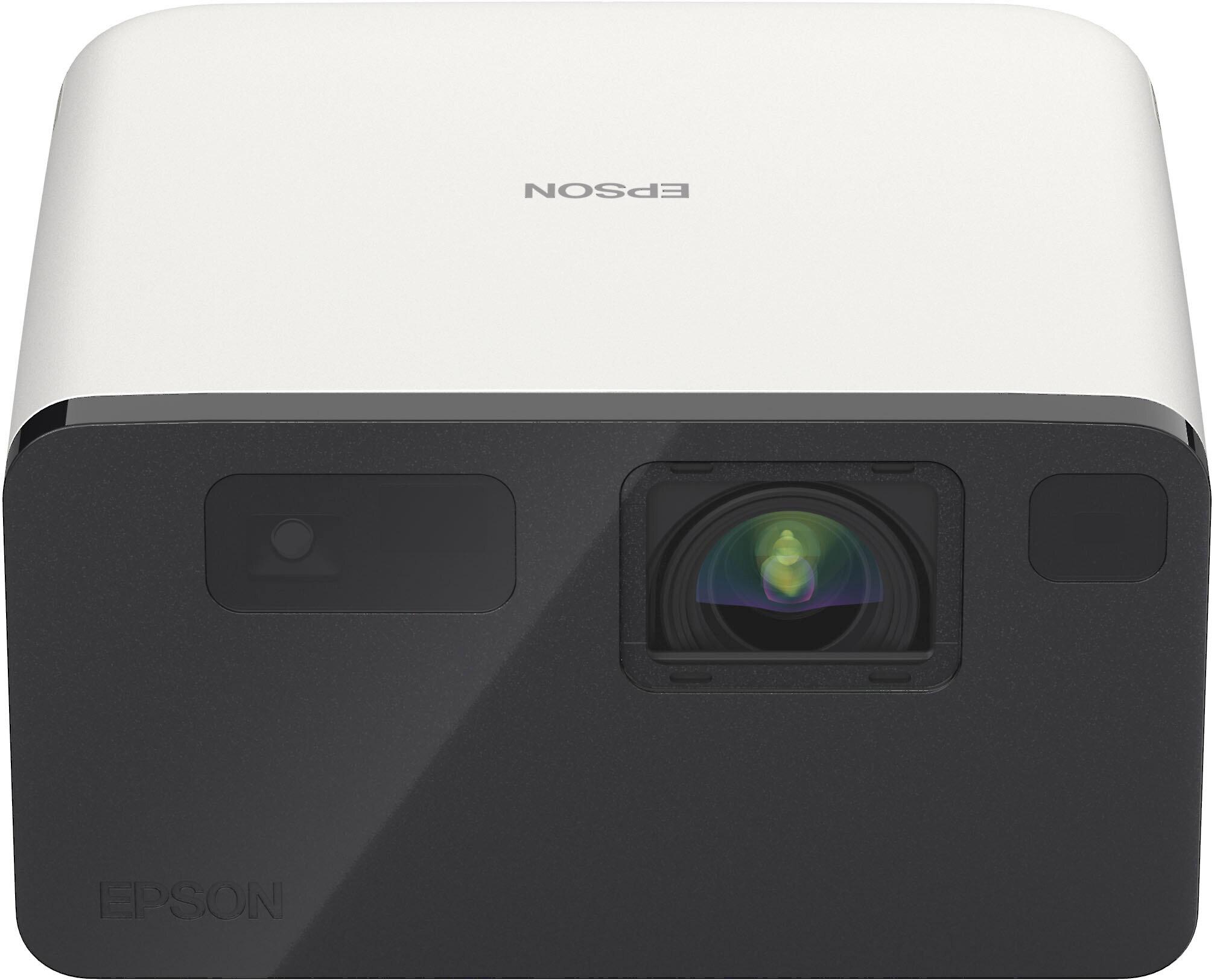
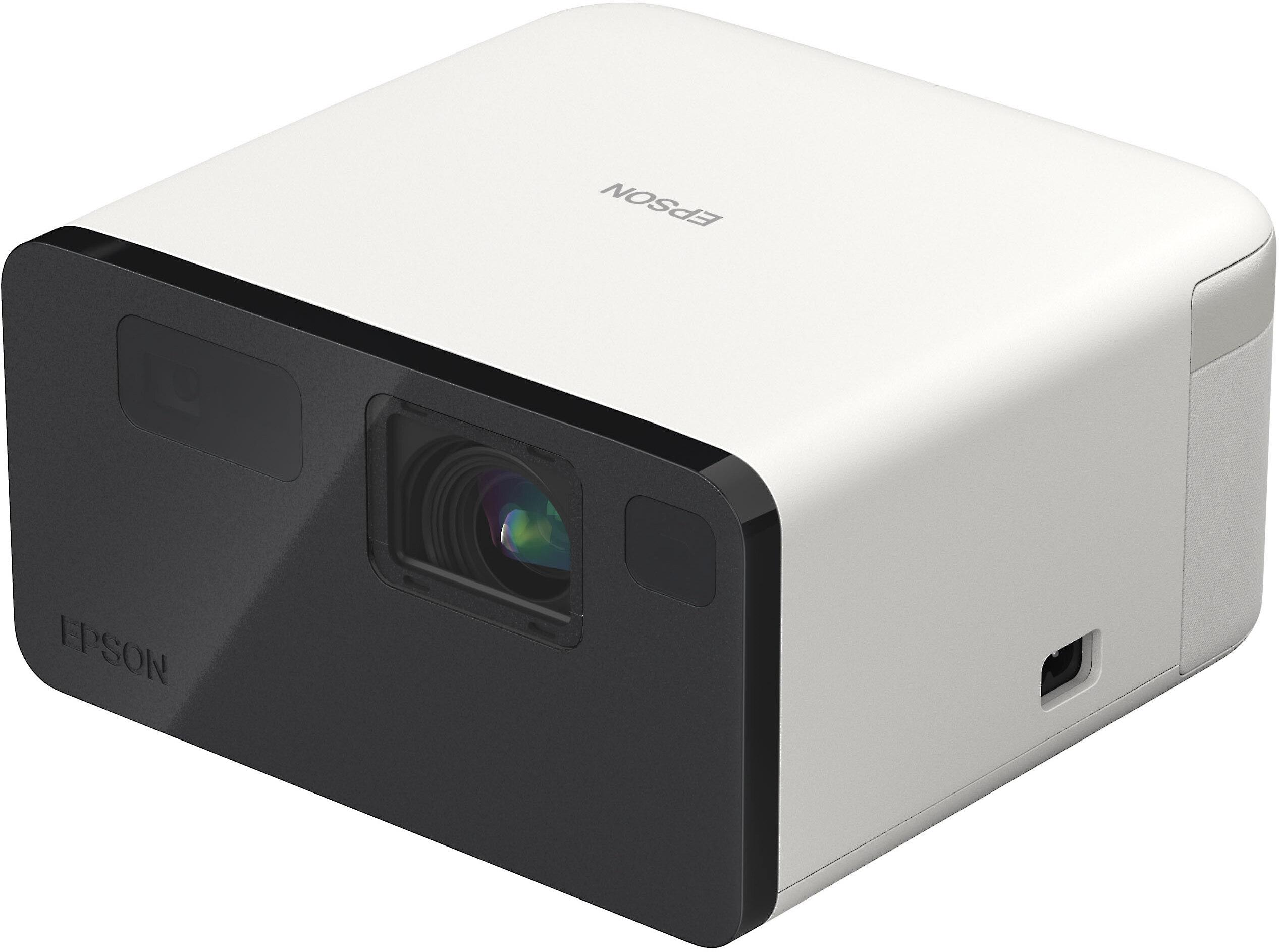
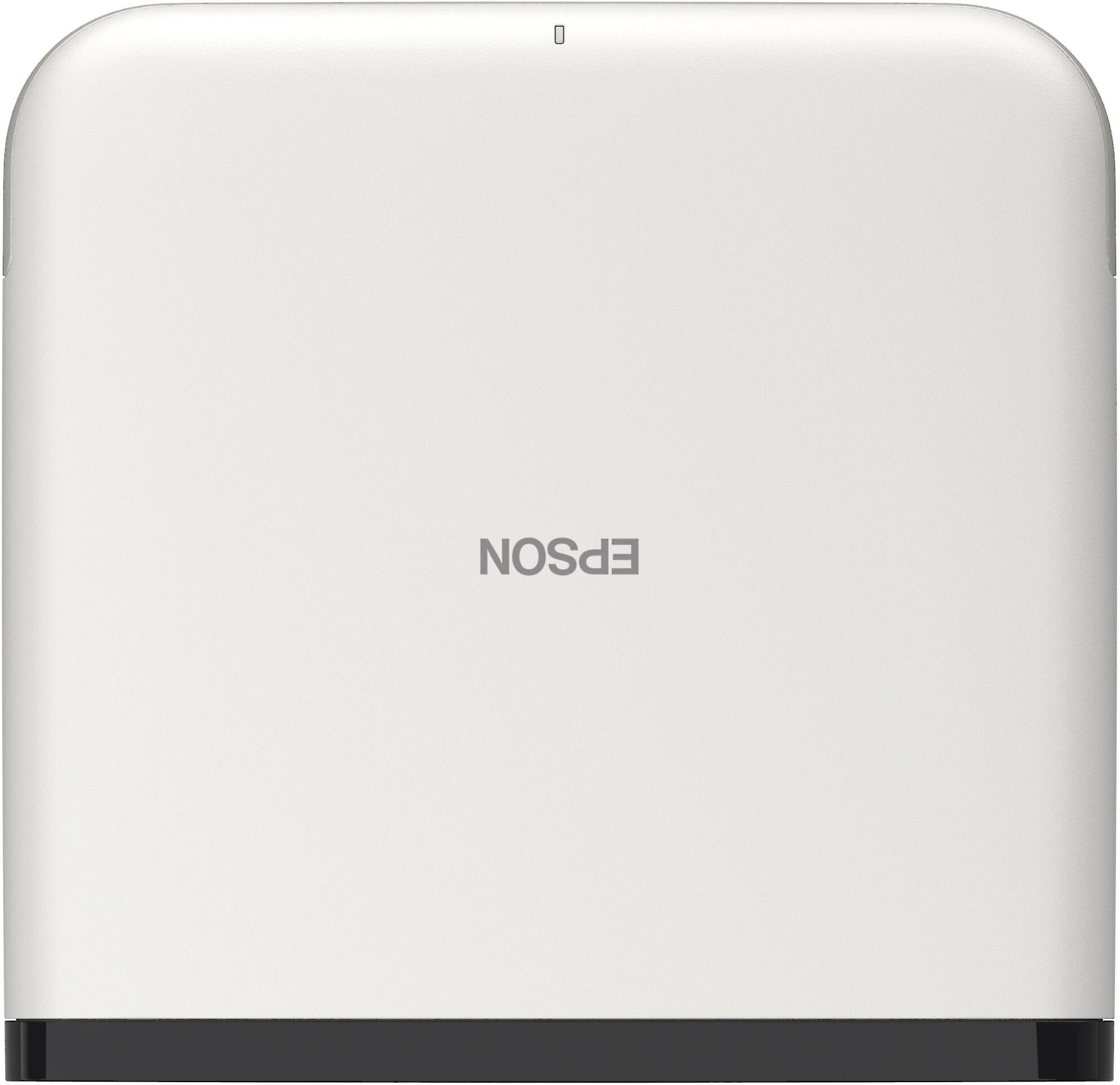
The Epson EF21 embraces a compact, modern aesthetic with its 7.75" × 7.5" × 4.4" dimensions and 5.1-pound weight. The cube-like design with rounded corners feels contemporary and is available in three colors (Diamond White, Opal Green, and Quartz Rose). This approach makes the projector feel more like a lifestyle product than traditional theater equipment—it's designed to be seen rather than hidden away.
Fan noise, often overlooked in projector comparisons, differs substantially between these models. The Optoma generates 32-34 dB during operation—noticeable during quiet scenes but typically masked by content audio. The Epson produces just 19-23 dB, making it remarkably quiet and less distracting during intimate viewing.
At approximately $1,300, the Optoma HZ40HDR represents a significant investment but delivers exceptional brightness, contrast, and gaming performance compared to similarly priced projectors. Its value proposition centers on raw performance metrics and longevity, with the 30,000-hour laser light source eliminating lamp replacement costs.
The Epson EF21, priced around $900, offers different value considerations. While sacrificing raw brightness, it compensates with superior portability, built-in streaming, easier setup, and a distinctive design. The integrated Google TV platform also represents a value-add that would otherwise require a separate $50-$200 device.
To contextualize these differences, let's consider some typical use cases:
For a dedicated home theater room with controlled lighting and permanent installation, the Optoma HZ40HDR excels. Its superior brightness, contrast, and potential for low input lag gaming make it ideal for creating a genuine cinema experience, particularly when paired with a proper audio system. The traditional form factor integrates well with ceiling mounts or entertainment centers.
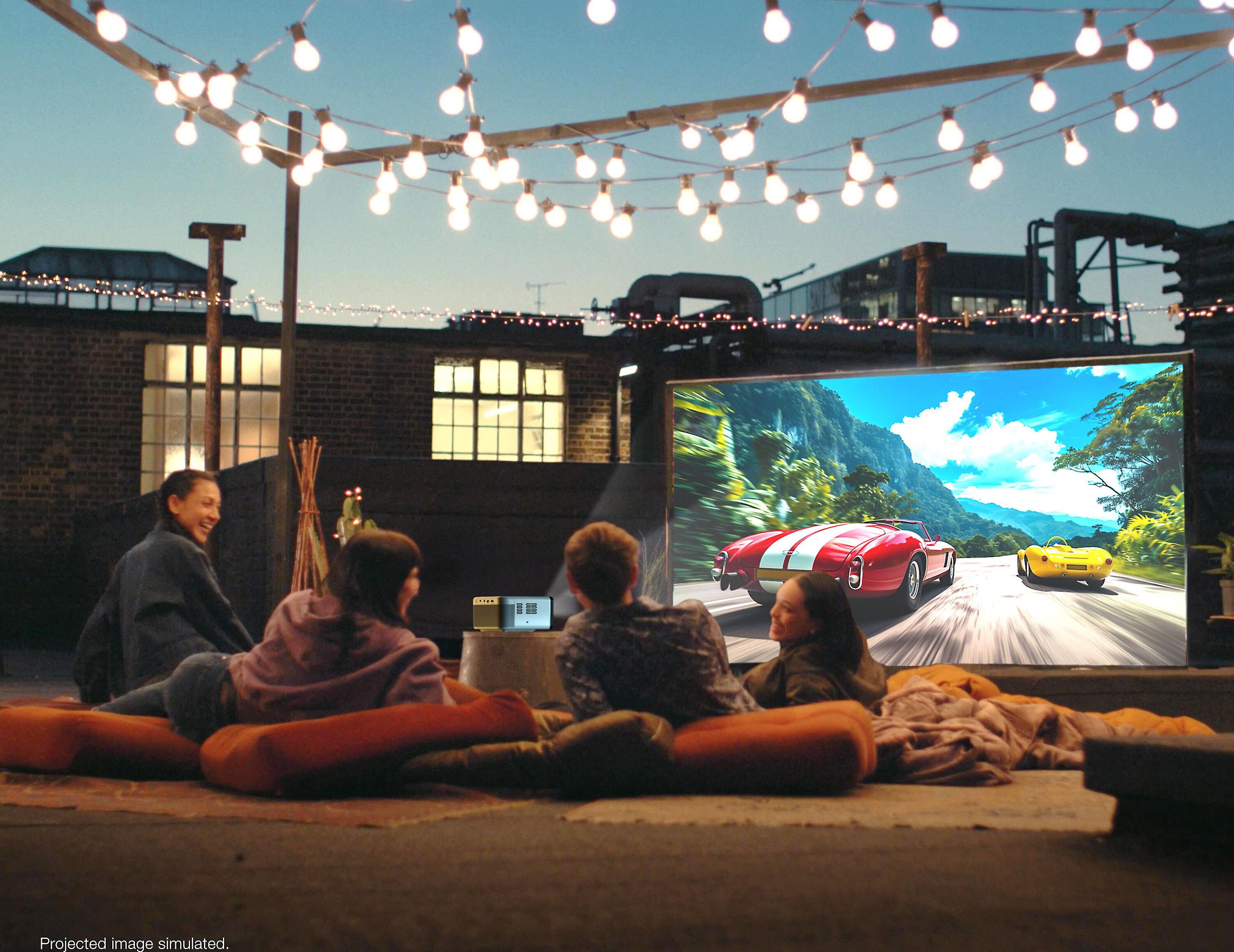
For flexible, multi-purpose spaces like living rooms, bedrooms, or even outdoor movie nights, the Epson EF21 offers compelling advantages. Its ease of setup, built-in streaming, and portability make it perfect for households where the projector might move between rooms or even travel to friends' homes. The quiet operation and adequate built-in audio further enhance its versatility.
After thoroughly comparing these projectors, here's my guidance for potential buyers:
Choose the Optoma HZ40HDR if:
Choose the Epson EpiqVision Mini EF21 if:
Both projectors represent impressive achievements in bringing laser projection technology to more accessible price points. The Optoma HZ40HDR maintains focus on traditional projector virtues—brightness, contrast, and performance—while the Epson EF21 reimagines what a modern projector can be through integration, automation, and design.
Your choice ultimately depends not on which projector is "better" in absolute terms, but which better aligns with your specific needs, space constraints, and viewing habits. For performance purists, the Optoma delivers exceptional value. For those seeking simplicity and flexibility, the Epson creates a new category of projection that fits seamlessly into contemporary lifestyles.
Whichever you choose, both represent how far projection technology has advanced—bringing cinema-quality experiences home without the historical compromises that once made projectors a niche choice for enthusiasts alone.
| Optoma HZ40HDR 1080p Projector | Epson EpiqVision Mini EF21 Projector |
|---|---|
| Brightness - Critical for room versatility and ambient light performance | |
| 4000 ANSI lumens (excellent for rooms with ambient light) | 1000 lumens (requires controlled lighting or evening use) |
| Display Technology - Affects color accuracy and potential visual artifacts | |
| DLP (sharper image, better motion handling, possible rainbow effect) | 3LCD (more natural colors, no rainbow effect, consistent color brightness) |
| Laser Light Source Lifespan - Determines long-term maintenance needs | |
| Up to 30,000 hours (approximately 20 years at 4 hours daily use) | Up to 20,000 hours (approximately 13 years at 4 hours daily use) |
| Smart Features - Determines need for additional devices | |
| No built-in smart platform (requires external streaming device) | Built-in Google TV with 10,000+ apps (no additional device needed) |
| Gaming Performance - Critical for responsive gameplay | |
| 8.6ms input lag at 1080p/120Hz (excellent for competitive gaming) | Estimated 30-50ms input lag (suitable for casual gaming only) |
| Audio Quality - Affects need for external speakers | |
| 15W mono speaker (adequate for casual viewing, external speakers recommended) | 5W x 2 stereo with Dolby Audio (surprisingly good for size, more immersive) |
| Setup Flexibility - Determines ease of installation | |
| Manual zoom and keystone adjustment (better for permanent installation) | EpiqSense auto-setup with obstacle avoidance (extremely simple portable setup) |
| Size and Weight - Impacts portability and placement options | |
| 10.79" x 4.49" x 8.50", 6.6 lbs (traditional projector form factor) | 7.75" x 7.5" x 4.4", 5.1 lbs (compact cube design, more portable) |
| Noise Level - Affects viewing experience during quiet scenes | |
| 32-34 dB (noticeable but not disruptive) | 19-23 dB (exceptionally quiet operation) |
| Connectivity - Determines external device options | |
| 2x HDMI 2.0, USB, RS-232 (excellent for multiple sources) | 1x HDMI 2.3, USB, Bluetooth 5.1, Wi-Fi (limited physical inputs but wireless options) |
| Price - Value proposition relative to features | |
| ~$1,300 (premium price justified by brightness and performance) | ~$900 (better value if portability and ease of use are priorities) |
| Ideal Use Case - Who should buy each projector | |
| Dedicated home theater rooms, gaming setups, spaces with ambient light | Multi-purpose rooms, portable needs, users wanting simplicity |
The Optoma HZ40HDR is significantly brighter with 4000 ANSI lumens compared to the Epson EpiqVision Mini EF21's 1000 lumens. This makes the Optoma much better for rooms with ambient light, while the Epson requires more controlled lighting conditions for optimal viewing.
The Optoma HZ40HDR with its 4000 ANSI lumens performs well for daytime viewing, especially with blinds drawn. The Epson EpiqVision Mini EF21 struggles in bright daylight due to its lower 1000 lumen output and works best in dimmed rooms or evening viewing.
The Optoma HZ40HDR is superior for gaming with an exceptionally low 8.6ms input lag at 1080p/120Hz, making it suitable for competitive gaming. The Epson EpiqVision Mini EF21 has a higher input lag (estimated 30-50ms) that's adequate for casual gaming but not ideal for fast-paced competitive play.
The Epson EpiqVision Mini EF21 comes with built-in Google TV, giving you access to over 10,000 streaming apps including Netflix, Disney+, and YouTube without needing additional devices. The Optoma HZ40HDR has no built-in streaming capability and requires an external streaming device or media player.
The Epson EpiqVision Mini EF21 is more portable at 5.1 pounds with a compact cube design (7.75" × 7.5" × 4.4") and features automatic setup. The Optoma HZ40HDR is less portable at 6.6 pounds with a traditional projector design (10.79" × 4.49" × 8.50") and requires manual adjustments when repositioned.
The Optoma HZ40HDR laser light source lasts up to 30,000 hours, which equals about 20 years of use at 4 hours daily. The Epson EpiqVision Mini EF21 laser light source lasts up to 20,000 hours, equivalent to about 13 years at the same usage rate. Both significantly outlast traditional lamp projectors.
The Epson EpiqVision Mini EF21 has better sound quality with 5W × 2 stereo speakers tuned with Dolby Audio, providing more immersive audio despite lower wattage. The Optoma HZ40HDR has a more powerful 15W mono speaker that's louder but lacks stereo separation and refined sound quality.
The Optoma HZ40HDR costs approximately $1,300, while the Epson EpiqVision Mini EF21 is priced around $900, making it about $400 less expensive. The price difference reflects the Optoma's higher brightness, longer laser life, and superior gaming performance.
The Optoma HZ40HDR is better suited for a dedicated home theater with its higher brightness (4000 ANSI lumens), superior contrast ratio (300,000:1), and excellent HDR performance. The Epson EpiqVision Mini EF21 works well in a home theater setting but is more optimized for flexible, multi-purpose spaces.
Both the Optoma HZ40HDR and Epson EpiqVision Mini EF21 have 1080p (Full HD) native resolution, not native 4K. However, both can accept 4K HDR input signals, which they downscale to 1080p while preserving enhanced contrast and color from HDR content.
The DLP technology in the Optoma HZ40HDR typically provides sharper images, better motion handling, and deeper blacks, but can produce a "rainbow effect" for some viewers. The 3LCD technology in the Epson EpiqVision Mini EF21 delivers more natural, consistent colors with no rainbow effect. Neither is objectively "better" – they offer different advantages.
The Epson EpiqVision Mini EF21 offers significantly easier setup with its EpiqSense technology that automatically handles focus, alignment, and keystone correction. The Optoma HZ40HDR requires manual adjustment of focus, zoom, and keystone correction, making initial setup more involved and precise repositioning more difficult.
We've done our best to create useful and informative comparisons to help you decide what product to buy. Our research uses advanced automated methods to create this comparison and perfection is not possible - please contact us for corrections or questions. These are the sites we've researched in the creation of this article: projectorcentral.com - youtube.com - picclick.com - crutchfield.com - homecinemachoice.com - compsource.com - bestbuy.com - adorama.com - bhphotovideo.com - provantage.com - cdw.com - datavision.com - optomausa.com - manua.ls - ipcstore.com - pcrichard.com - richersounds.com - electronicexpress.com - projexdisplay.com - dubaimachines.com - newegg.com - projectorpoint.co.uk - a.ubuy.com.kw - greentoe.com - bestbuy.com - bestbuy.com - cnet.com - youtube.com - projectorreviews.com - epson.com - projectorreviews.com - epson.com - rtings.com - epson.com - youtube.com - projectorcentral.com - bestbuy.com - projectorcentral.com - nfm.com - crutchfield.com - latin.epson.com - mediaserver.goepson.com - planettv.com - bhphotovideo.com - cnet.com - epson.com

Privacy Policy
Terms and Conditions - Affiliate Policy
Home Security
© Copyright 2008-2026.
11816 Inwood Rd #1211, Dallas, TX 75244