

The home projector market has evolved dramatically over the past decade, transforming from bulky, dim machines into sophisticated display devices that can rival traditional TVs in many scenarios. When considering a projector for your home, you're essentially choosing between different approaches to creating a large-screen experience.
Today, we're comparing two distinct projector options from BenQ: the HT2060 HDR Home Theater Projector ($989) and the GV50 Full HD Smart Ceiling Projector ($699). Though both carry the BenQ name and project images, they represent different philosophies in home entertainment.
Before diving into specifics, let's consider what matters most in a projector. Brightness (measured in ANSI lumens) determines how visible your image will be in various lighting conditions. Resolution affects image clarity and detail. Throw ratio influences how far from your screen the projector needs to be placed. Then there are considerations like smart features, portability, and specialized functions that might align with particular viewing habits.
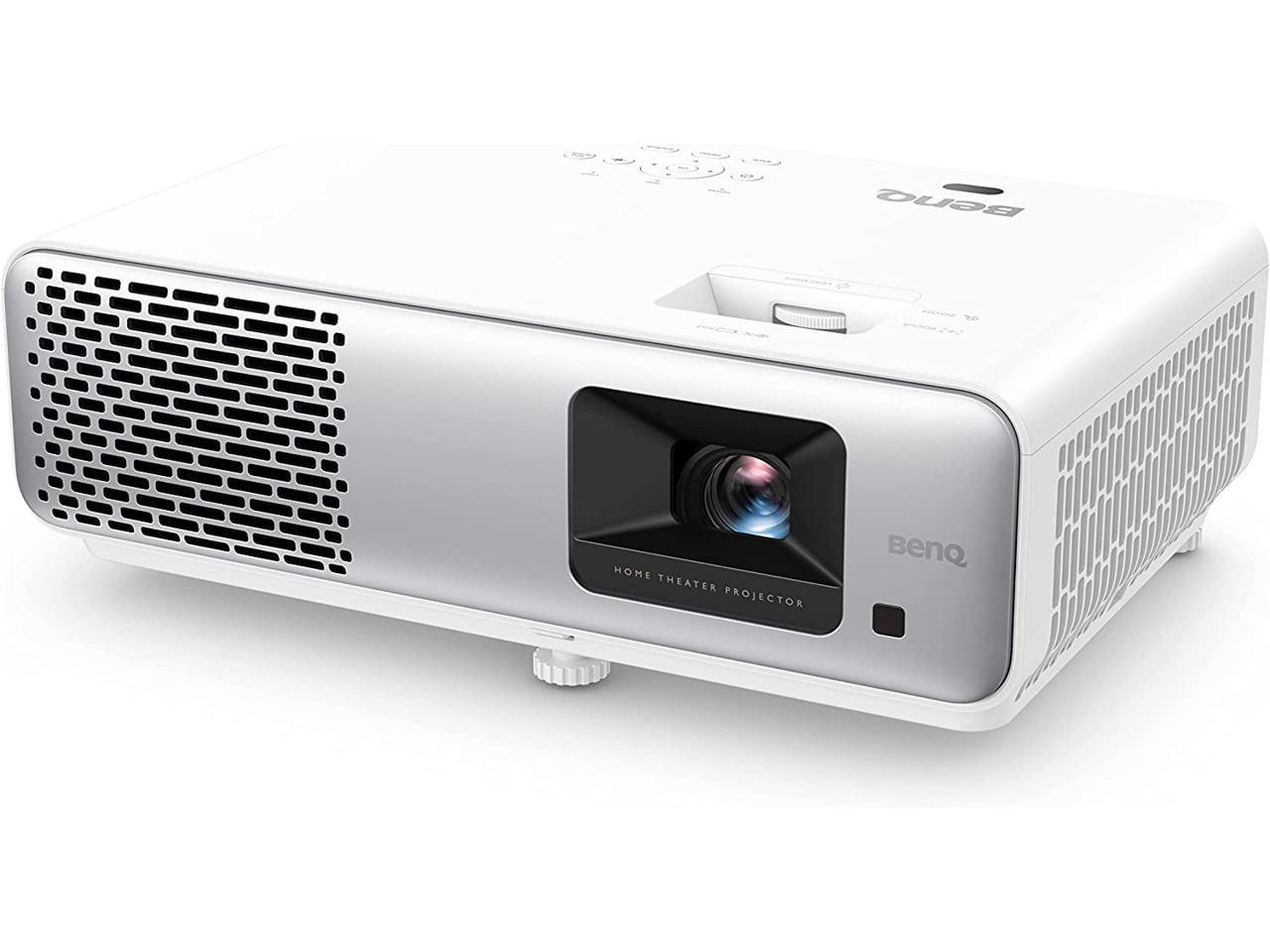
The BenQ HT2060 was released in April 2023, representing BenQ's approach to a mid-range dedicated home theater projector. Priced at $989, it uses DLP (Digital Light Processing) technology paired with a 4LED light source—a notable improvement over traditional lamp-based systems that dominated the market just a few years earlier. This technology offers better color accuracy and significantly longer lifespan than conventional bulbs.
In contrast, the BenQ GV50, released in August 2024, takes a completely different approach. At $699, it's positioned as a portable smart projector with unique ceiling projection capabilities. Its recent release reflects the growing trend toward versatile, all-in-one entertainment solutions rather than dedicated home theater components.
The price difference of nearly $300 initially suggests the HT2060 might be the superior device, but as we'll see, these projectors serve different purposes and scenarios—making a direct "better or worse" comparison somewhat misleading.
Both projectors offer Full HD 1920×1080 resolution, which remains the standard for most streaming content despite the growing availability of 4K material. Where they differ dramatically is brightness: the HT2060 outputs 2300 ANSI lumens compared to the GV50's 500 ANSI lumens.
This difference is substantial in practical terms. The HT2060's brightness makes it viable in rooms with some ambient light, though you'll still want to control light for optimal performance. I've used similar brightness projectors in living rooms with blinds drawn during daytime and achieved perfectly watchable images.
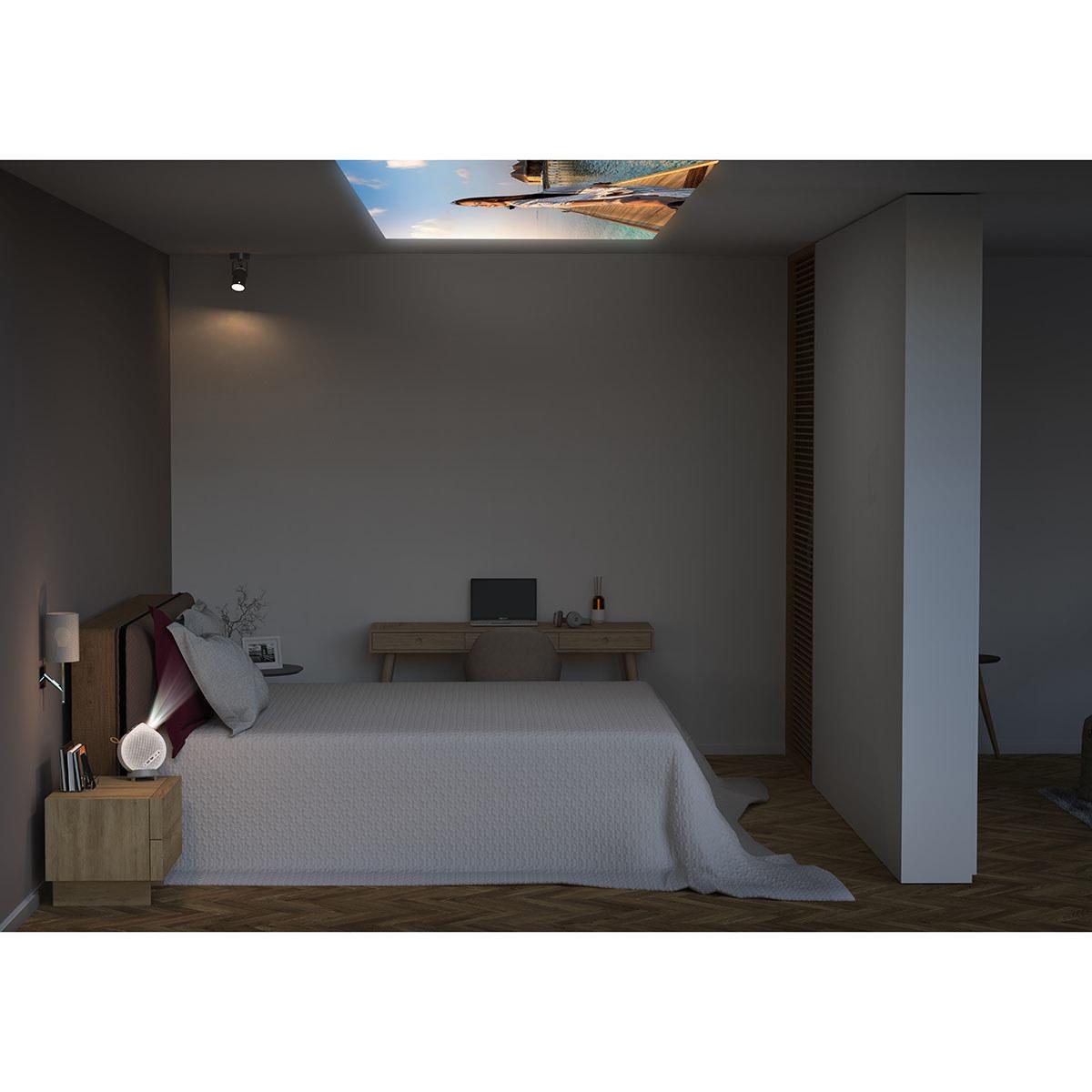
The GV50, with its 500 lumens, is firmly in the category of projectors that require near-darkness to shine. This isn't necessarily a dealbreaker—many home theater enthusiasts specifically design spaces with zero ambient light—but it limits flexibility. For bedroom ceiling projection (one of its primary use cases), this brightness level is actually quite appropriate since you're likely viewing in darkness anyway.
The HT2060 boasts an impressive 500,000:1 contrast ratio, which helps deliver deep blacks and bright highlights—essential for HDR content. It supports both HDR10 and HLG (Hybrid Log-Gamma) formats, allowing it to display the expanded color and brightness range of modern content. Its CinematicColor technology covers 98% of the Rec.709 color space, which is the standard color profile for HDTV content.
In comparison, the GV50 doesn't specify its contrast ratio, which typically suggests it may not be as impressive in this department. It does support HDR content, but the lower brightness means the HDR effect will be subtler than on the HT2060.
In my experience, projectors with the HT2060's specifications can deliver surprisingly cinematic experiences, particularly for movies with well-executed HDR grading. You'll notice details in shadows and highlights that lower-contrast projectors simply can't reproduce.
The brightness differential means these projectors perform very differently depending on your environment:
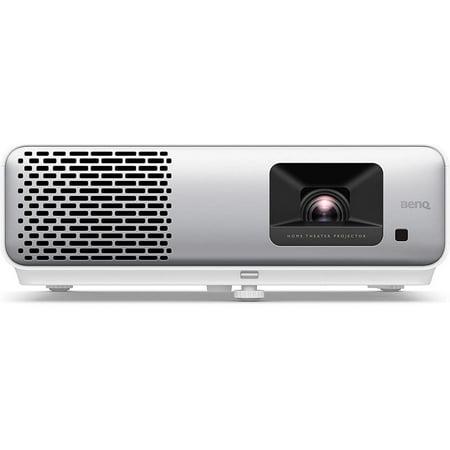
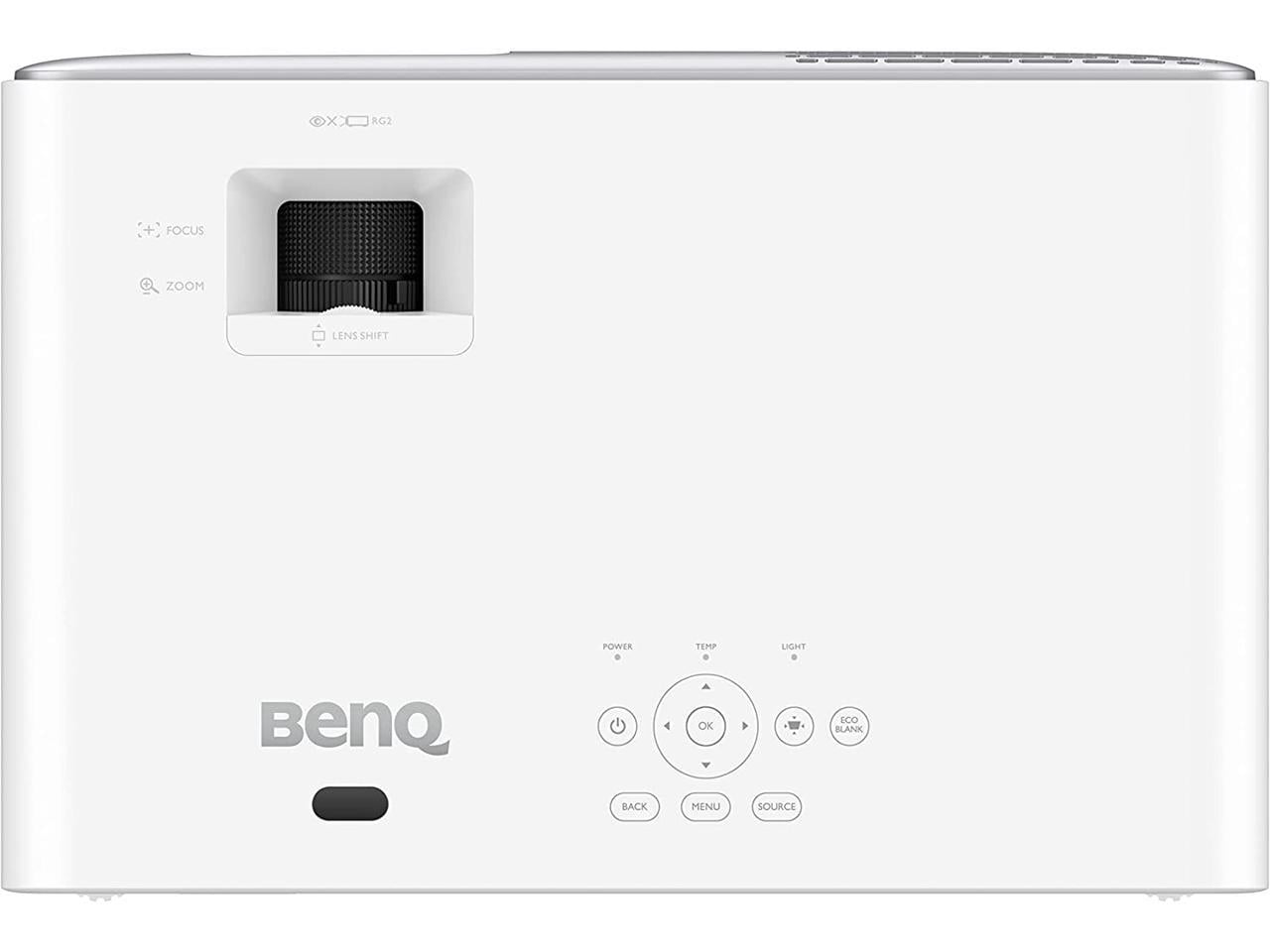
The HT2060 follows a traditional home theater projector design: rectangular, substantial (7.9 pounds), and designed to be placed on a table, ceiling-mounted, or installed on a dedicated shelf. It offers 1.3x optical zoom and +10% vertical lens shift, which provide some flexibility in positioning. These features let you fine-tune the image size and position without physically moving the projector—a significant advantage for permanent installations.
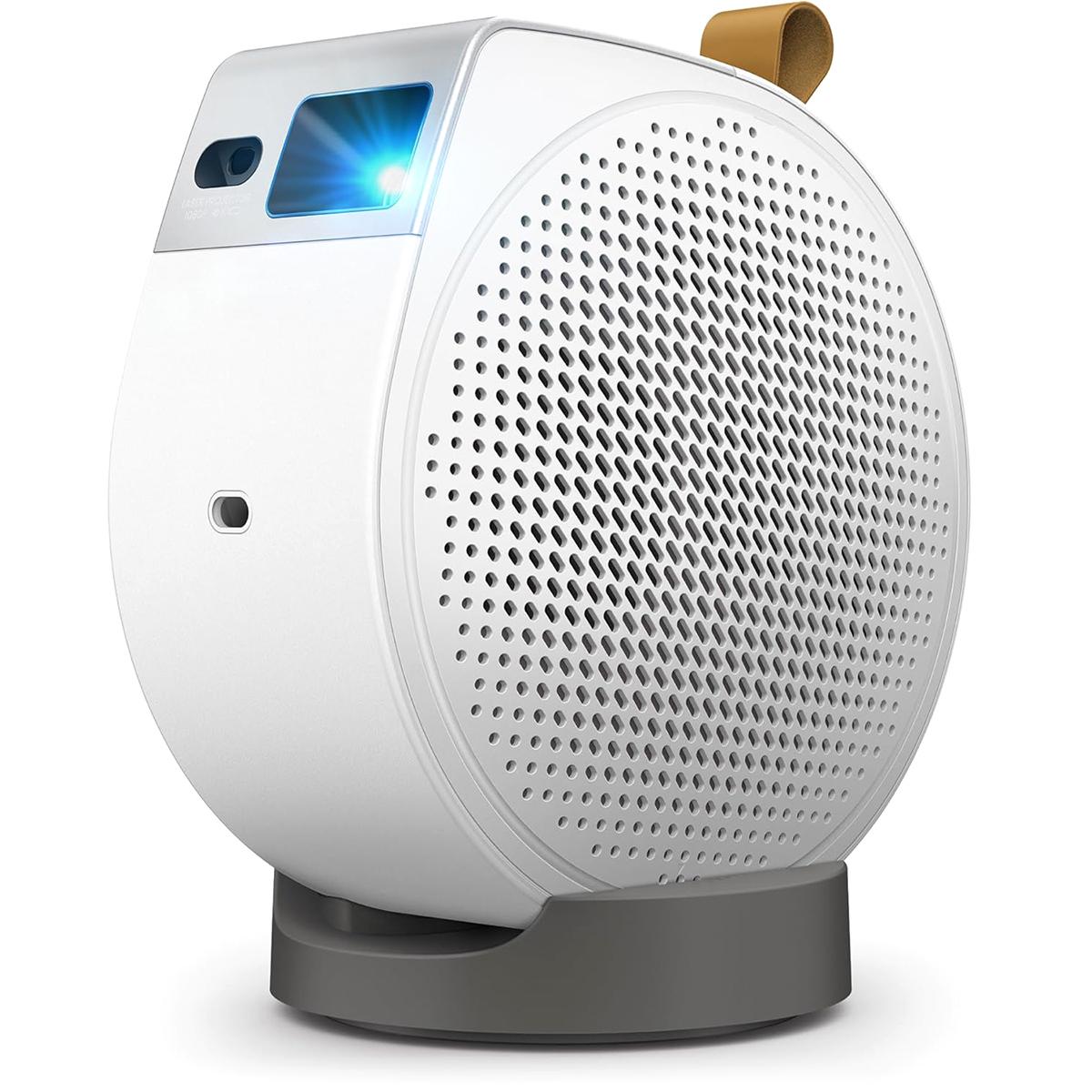
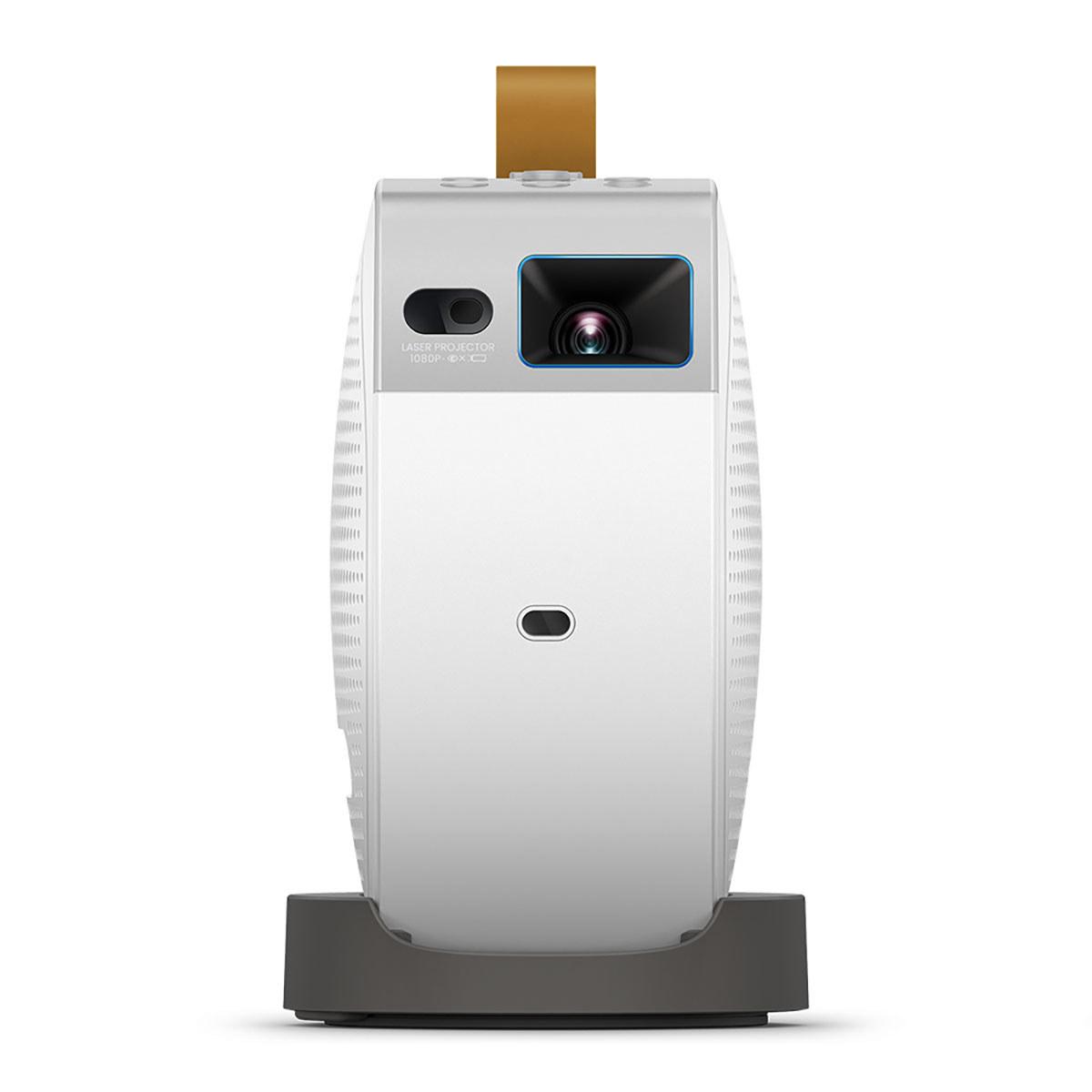
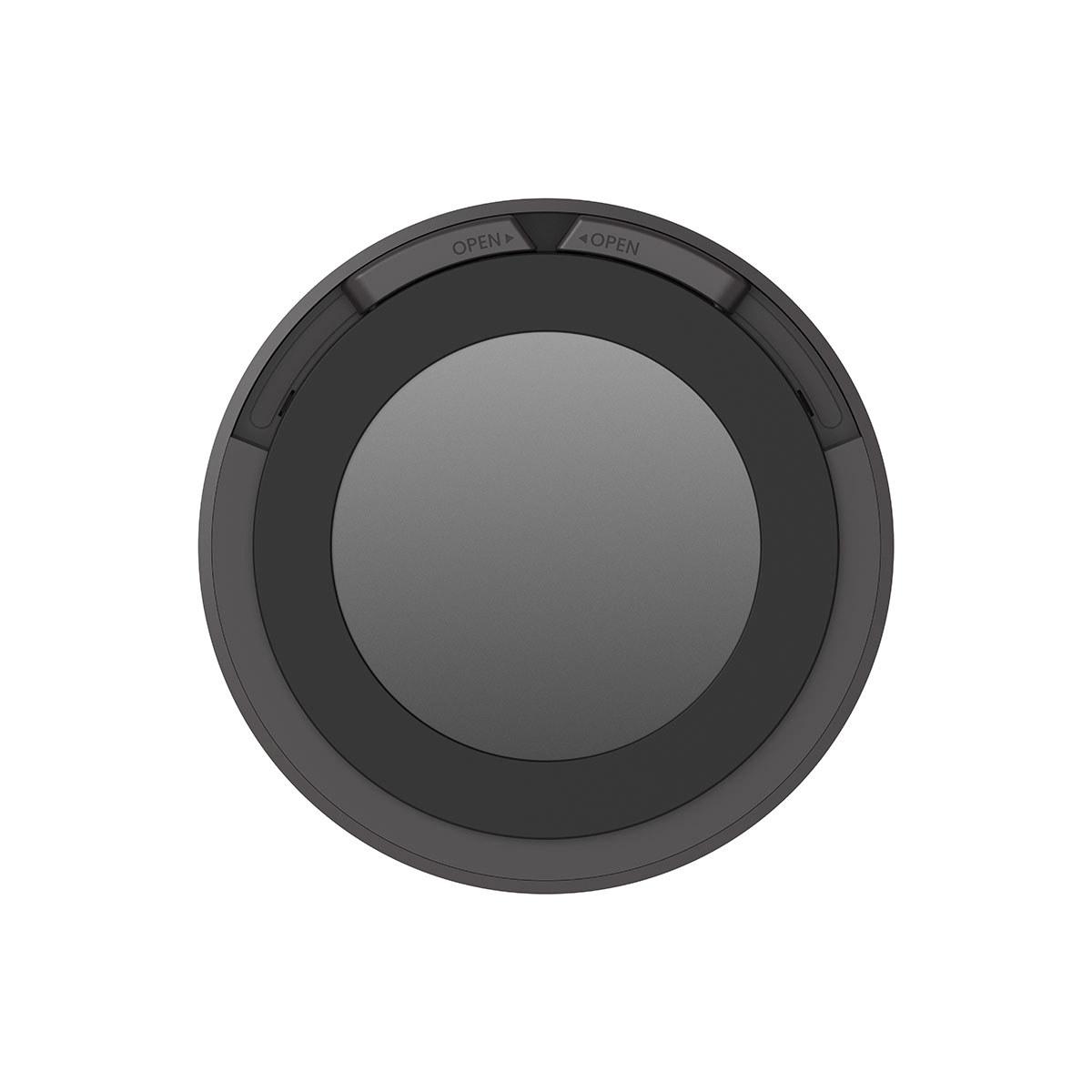
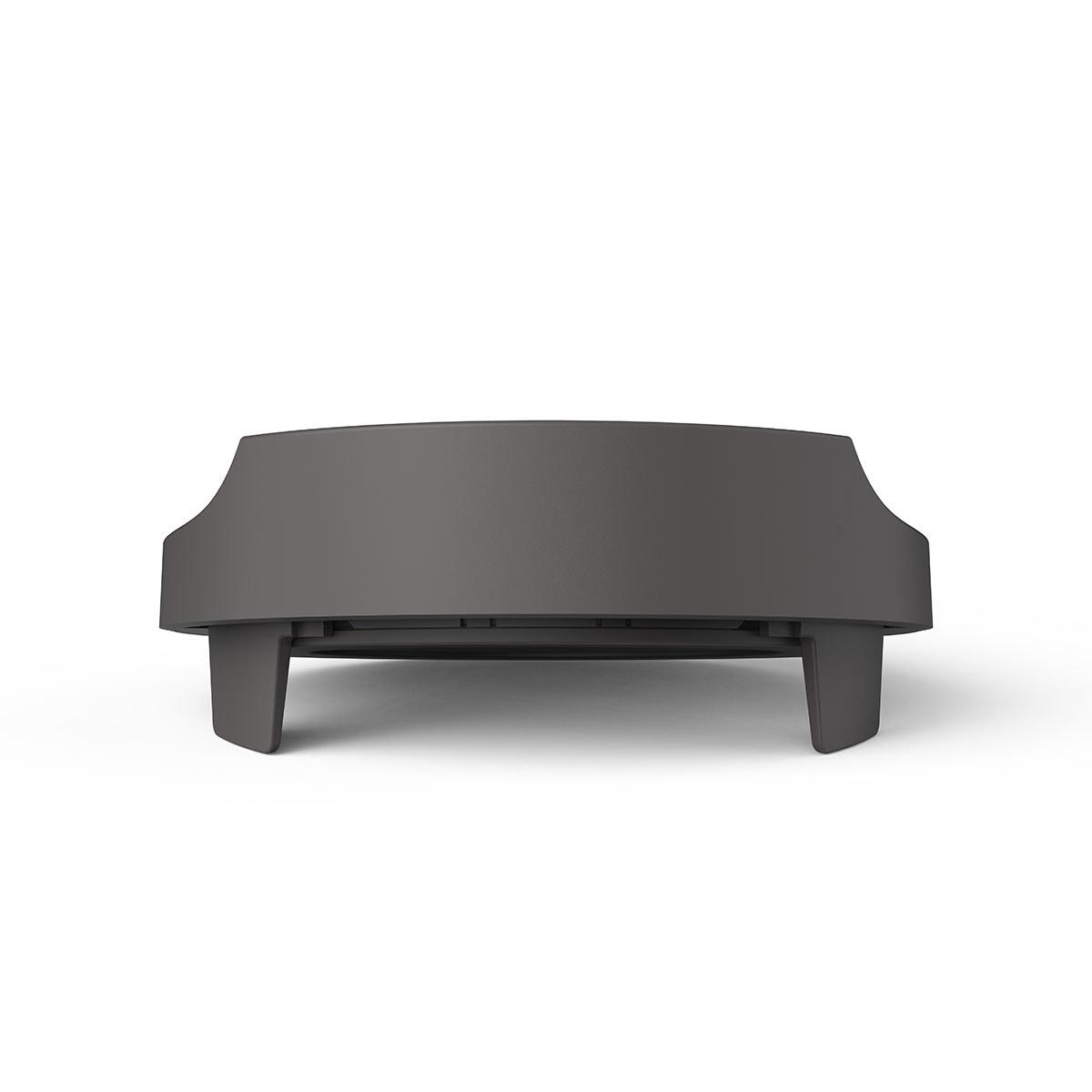
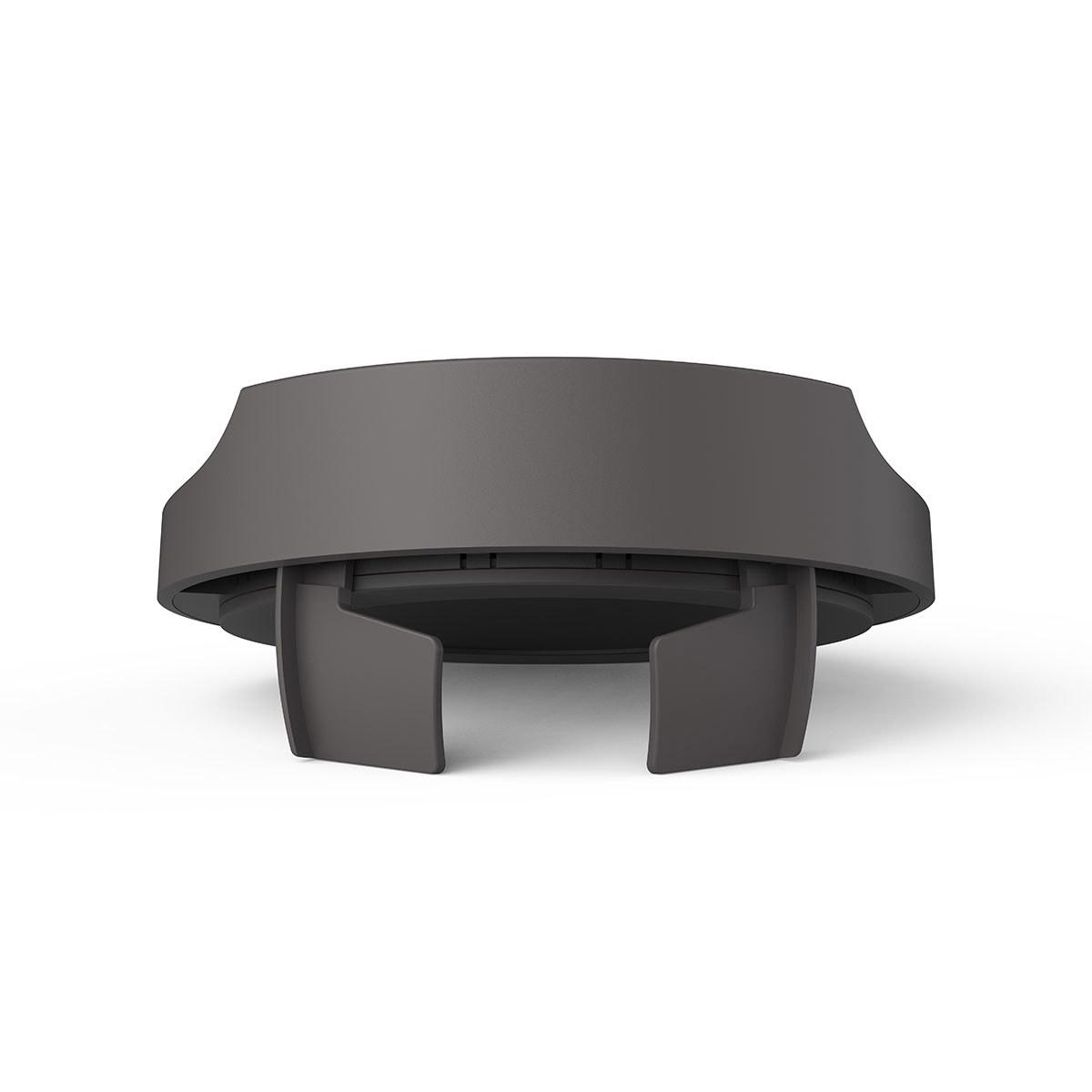
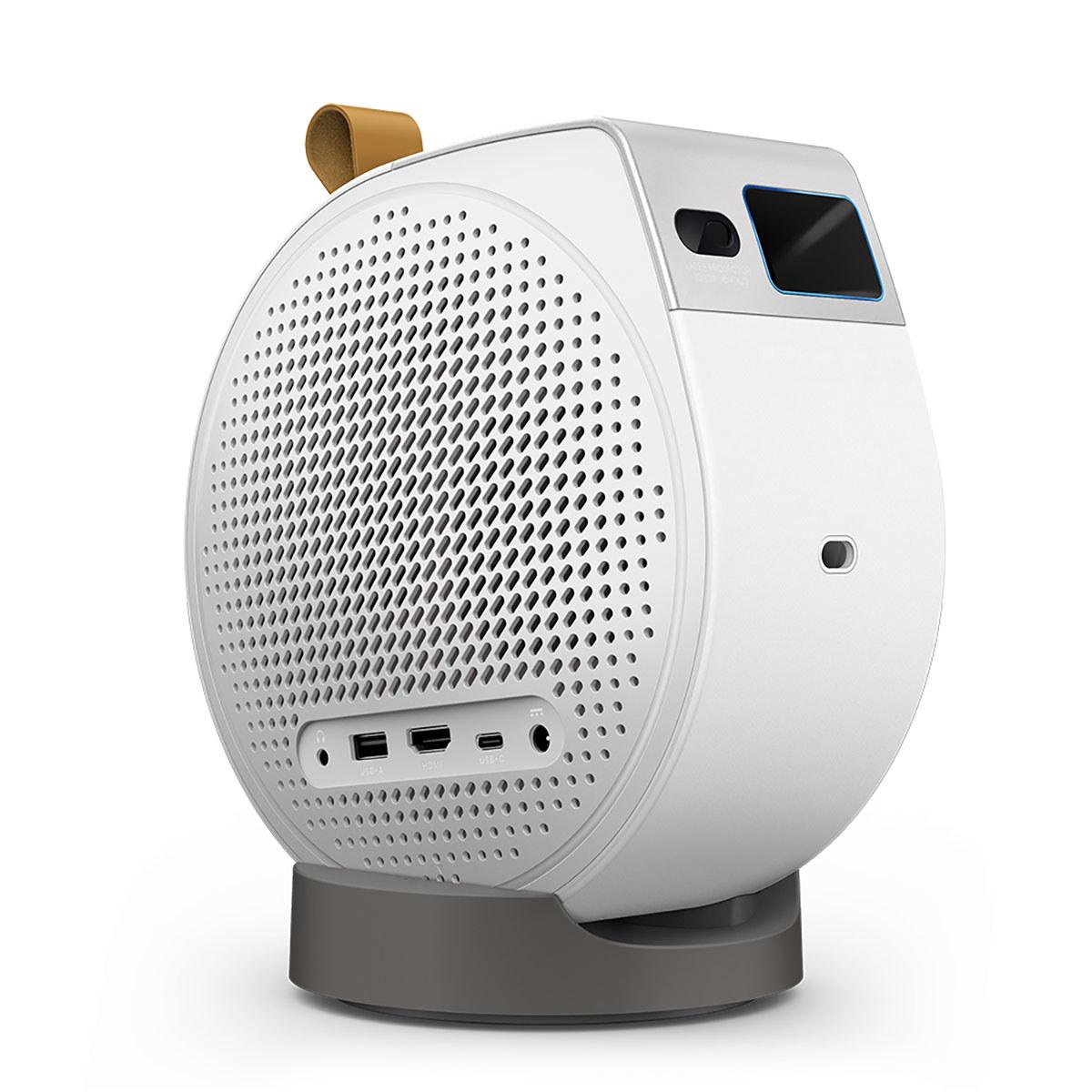
The GV50 takes a radically different approach with its compact, cube-like design weighing just 2.1 kg (about 4.6 pounds). Its standout feature is a base that allows for 360° rotation and 135° vertical tilt adjustment, specifically designed for bedside ceiling projection. This means you can point it at virtually any surface in a room without moving the projector itself.
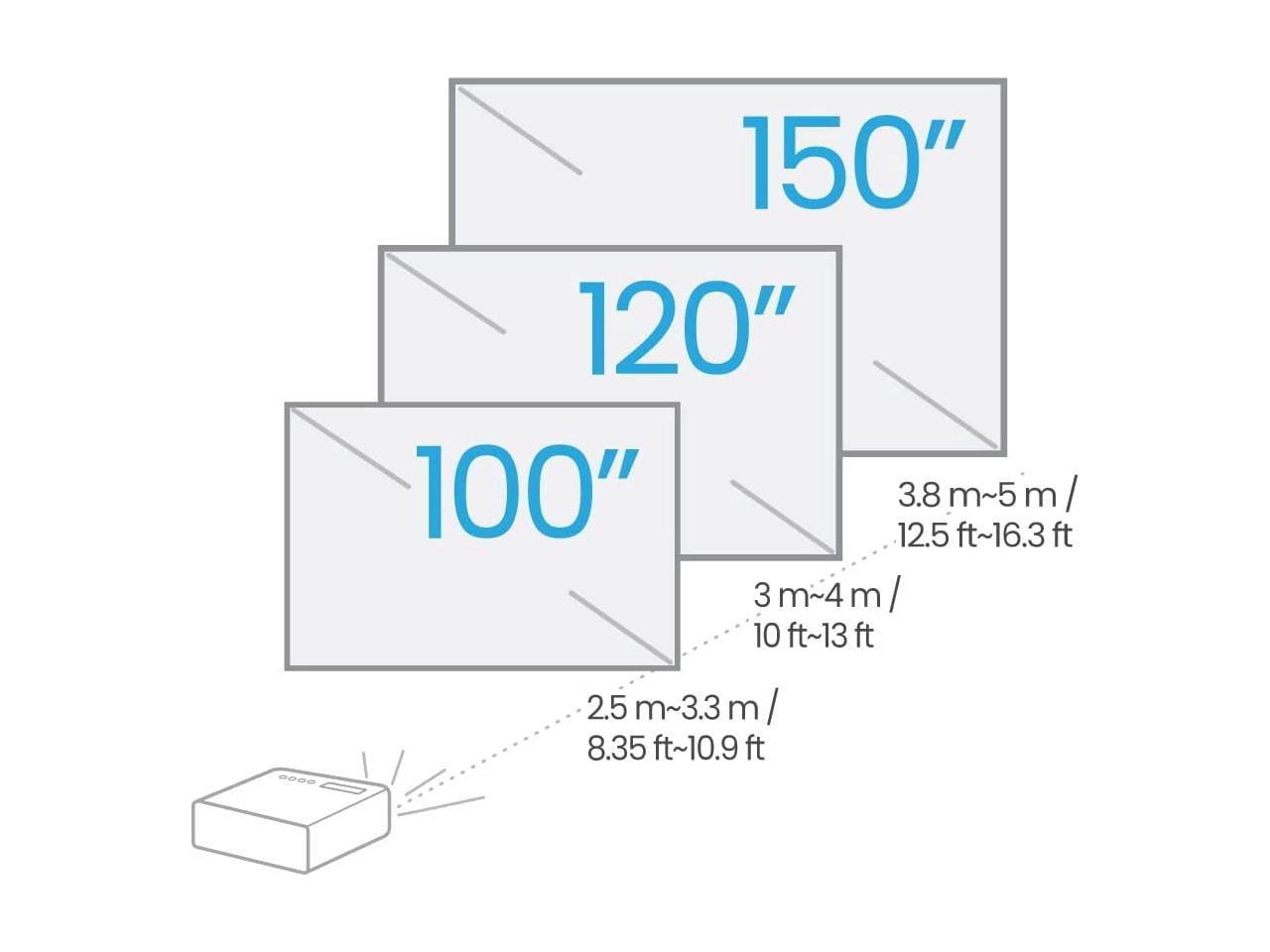
The HT2060 has a throw ratio of 1.15:1 to 1.5:1, meaning that to project a 100-inch image, you'd need to place it roughly 8-10.5 feet from your screen. This is fairly standard for home theater projectors and works well in average-sized living rooms or dedicated theater spaces.
The GV50, with its emphasis on flexibility, has a 1.2:1 throw ratio, which is relatively short for a portable projector. This means you can achieve larger images from shorter distances—helpful when space is limited, as is often the case in bedrooms where ceiling projection is desirable.
This is where the newer GV50 shows its technological advantages. It offers auto focus, auto keystone correction (which fixes the trapezoidal distortion that occurs when projecting at an angle), and auto screen fitting. These features make it significantly easier to set up quickly in different locations—essential for a portable device.
The HT2060, while offering manual adjustments like keystone correction and zoom, requires more initial setup time. However, since it's designed for more permanent installations, this is less of an issue for its target use case.
The most striking difference between these projectors might be their approach to content sources. The GV50 runs a full Google TV operating system (based on Android 11), giving you direct access to Netflix, Disney+, Prime Video, and thousands of other apps without additional devices. This integration, relatively new to projectors when compared to TVs, represents a major convenience upgrade from older models.
The HT2060 takes a more traditional approach with no smart TV functionality built in. It's designed to connect to external sources like streaming sticks, Blu-ray players, or gaming consoles. While this might seem like a disadvantage, many home theater enthusiasts prefer this approach as it allows them to choose, upgrade, or replace their streaming device independently from the projector.
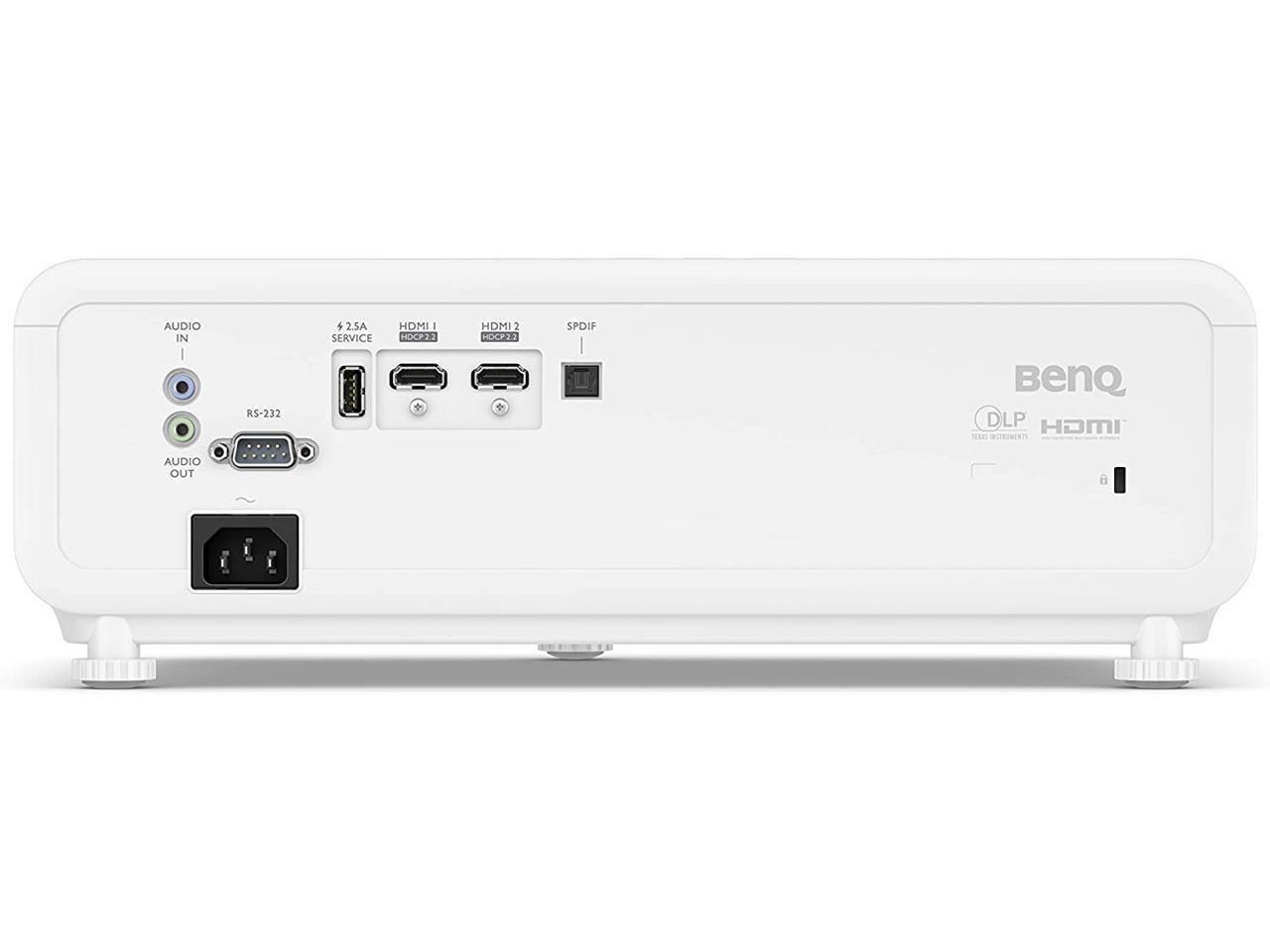
For physical connections, the HT2060 offers two HDMI 2.0b ports, which support 4K input (downscaled to the projector's native 1080p), plus audio outputs including optical and 3.5mm. This provides flexibility for complex setups with AV receivers or soundbars.
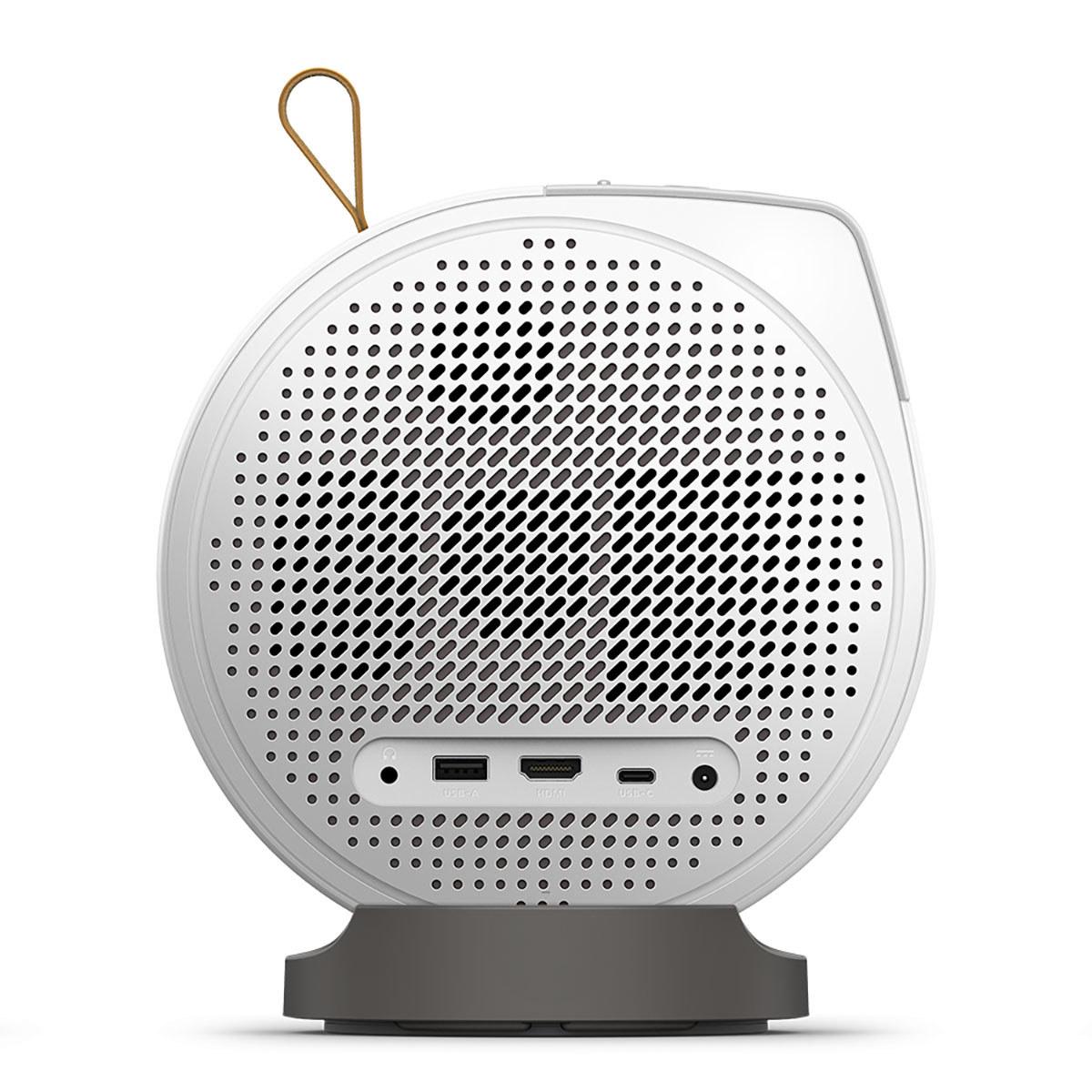
The GV50 includes one HDMI port plus USB-A and USB-C connections. It also features Wi-Fi and Bluetooth 5.0, enabling wireless screen mirroring via AirPlay and Google Cast—features that the HT2060 lacks unless you add external devices.
Home theater projectors traditionally expect external audio systems, and while the HT2060 includes built-in 5W stereo speakers, they're more of a convenience than a proper audio solution. The projector supports 5.1 channel audio output via S/PDIF, expecting integration with a proper sound system.
The GV50 takes audio more seriously with an 18W 2.1 channel system (two 4W speakers plus a 10W woofer). While still not comparable to dedicated speakers, this audio system is genuinely usable for portable scenarios where setting up external audio would be impractical.
For gamers, input lag (the delay between a console sending a signal and the projector displaying it) is crucial. The HT2060 shines here with a 16.7ms input lag at 1080p/60Hz, which is excellent for a projector and comparable to many gaming monitors. This makes it suitable for all but the most competitive gaming scenarios.
The GV50 doesn't specify its input lag, which typically suggests it's not optimized for gaming. Based on similar portable projectors with Android-based operating systems, we might expect input lag in the 50-80ms range—acceptable for casual gaming but potentially frustrating for fast-paced titles.
The GV50 includes a built-in battery that provides approximately 2.5 hours of playback time, making it truly portable. You could set up a movie night in the backyard, take it camping, or bring it to a friend's house without worrying about power outlets. This battery-powered capability has only become practical in recent years as LED light sources have become more energy-efficient.
The HT2060, by contrast, is designed to be plugged in at all times. While you could transport it between locations, it's not designed for spontaneous setups or outdoor use without access to power.
The GV50's ceiling projection capability creates some interesting use cases that the HT2060 simply isn't designed for. Watching movies while lying in bed, for instance, becomes comfortable and immersive with ceiling projection. The projector even includes a specialized "Ceiling Cinema Sound Mode" that optimizes audio for this viewing position.
The HT2060, meanwhile, excels in dedicated home theater setups where image quality is the priority. Its higher brightness and contrast make it suitable for larger screen sizes (up to 150 inches) while maintaining image quality, creating a truly cinematic experience that the GV50 can't match.
Both projectors use long-lasting light sources that represent significant improvements over traditional lamps. The HT2060's 4LED light source is rated for 20,000 hours in normal mode and 30,000 hours in eco mode. Similarly, the GV50's light source offers comparable longevity.
To put this in perspective, watching 4 hours daily would mean these light sources should last over 13 years before needing replacement. This is a dramatic improvement from projectors just 5-7 years ago, where lamp replacements (often costing $200-300) might be needed every 2-3 years.
The HT2060 comes with a 3-year warranty, reflecting BenQ's confidence in its durability as a dedicated home theater component. Its traditional design also means it's likely easier to repair if something does go wrong outside the warranty period.
The GV50, with its more integrated design and battery, might present more complications for long-term durability. Portable devices generally face more physical stress than stationary ones, and batteries inevitably degrade over time. However, its newer technology may offer features that receive software updates for a longer period.
Choosing between these projectors ultimately comes down to understanding your specific needs and viewing environment:
Choose the BenQ HT2060 if:
Choose the BenQ GV50 if:
For most dedicated home theater enthusiasts, the HT2060 represents the better value despite its higher price tag. Its superior brightness, contrast, and gaming performance create a more immersive viewing experience that aligns with what most people want from a home theater.
However, the GV50's unique ceiling projection capability, portability, and smart features make it the better choice for those who prioritize flexibility over absolute image quality. It represents a newer approach to projection that eschews some traditional performance metrics in favor of convenience and versatility.
In my experience, the distinction often comes down to whether you're looking for a projector as your primary display in a dedicated space (choose the HT2060) or as a supplemental, flexible viewing option for various scenarios (choose the GV50). Either way, both projectors represent how far projection technology has come in recent years, offering impressive capabilities at their respective price points.
| BenQ HT2060 HDR Home Theater Projector | BenQ GV50 Full HD Smart Ceiling Projector |
|---|---|
| Price - Initial investment | |
| $989 | $699 |
| Brightness - Determines visibility in different lighting conditions | |
| 2300 ANSI lumens (works in rooms with some ambient light) | 500 ANSI lumens (requires near-darkness for optimal viewing) |
| Resolution - Affects image clarity and detail | |
| 1920 x 1080 (Full HD) | 1920 x 1080 (Full HD) |
| Light Source - Impacts longevity and maintenance costs | |
| 4LED with 20,000-30,000 hour lifespan | LED with 20,000-30,000 hour lifespan |
| Contrast Ratio - Determines black level quality and image depth | |
| 500,000:1 (excellent for HDR content) | Not specified (likely more limited) |
| HDR Support - Enhances color range and brightness dynamics | |
| HDR10 and HLG formats supported | HDR10 and HLG formats supported |
| Portability - Affects ease of moving between locations | |
| 7.9 pounds, designed for stationary use | 2.1 kg (4.6 pounds) with built-in battery for true portability |
| Smart Features - Convenience of built-in streaming | |
| None (requires external streaming devices) | Google TV (Android 11) with Netflix, Disney+, Prime Video built-in |
| Gaming Performance - Crucial for responsive gameplay | |
| 16.7ms input lag (excellent for gaming) | Not specified (likely higher/less suitable for gaming) |
| Installation Flexibility - Ease of setup in different spaces | |
| 1.3x zoom, +10% vertical lens shift, 2D keystone correction | 360° rotation, 135° vertical tilt, auto focus, auto keystone correction |
| Audio System - Determines need for external speakers | |
| 5W x 2 speakers (basic; external audio recommended) | 18W 2.1 channel system (2x 4W speakers, 10W woofer) |
| Battery - For portable use away from power outlets | |
| None (requires constant power) | 2.5 hours of video playback on battery |
| Projection Range - Screen size flexibility | |
| 60-150 inches from 5.7-14 feet distance | Not specified, but works well for smaller spaces |
| Connectivity - Options for external devices | |
| 2x HDMI 2.0b, optical audio, 3.5mm audio | 1x HDMI 2.0b, USB-A, USB-C, Wi-Fi, Bluetooth 5.0 |
| Best Use Case - Primary intended scenario | |
| Dedicated home theater with controlled lighting | Portable entertainment, bedroom ceiling viewing |
The BenQ HT2060 HDR Home Theater Projector is significantly better for a dedicated home theater setup. With 2300 ANSI lumens (versus the GV50's 500 lumens), a high 500,000:1 contrast ratio, and specialized home theater features, the HT2060 delivers a more immersive viewing experience in controlled lighting conditions. The GV50 Full HD Smart Ceiling Projector is designed more for casual and flexible viewing rather than dedicated theater use.
The BenQ HT2060 HDR Home Theater Projector costs $989, while the BenQ GV50 Full HD Smart Ceiling Projector is priced at $699, making it $290 less expensive. The price difference reflects their different capabilities, with the HT2060 offering superior brightness and contrast for dedicated home theater use, and the GV50 focusing on portability and smart features.
The BenQ HT2060 HDR Home Theater Projector with its 2300 ANSI lumens can handle rooms with some ambient light, though you'll still get better performance by dimming lights or drawing curtains. The BenQ GV50 Full HD Smart Ceiling Projector, at just 500 ANSI lumens, requires near-darkness to produce a satisfactory image and is not suitable for rooms with significant ambient light.
For gaming, the BenQ HT2060 HDR Home Theater Projector is clearly superior with its low 16.7ms input lag at 1080p/60Hz, making it responsive enough for most gaming scenarios. The BenQ GV50 Full HD Smart Ceiling Projector doesn't specify its input lag, which typically suggests it's not optimized for gaming and likely has significantly higher latency that could affect gameplay.
No, only the BenQ GV50 Full HD Smart Ceiling Projector has built-in streaming capabilities with its Google TV operating system that includes popular apps like Netflix, Disney+, and YouTube. The BenQ HT2060 HDR Home Theater Projector requires external streaming devices like a Roku, Fire Stick, or Apple TV to access streaming services.
The BenQ GV50 Full HD Smart Ceiling Projector is considerably more portable at 2.1 kg (4.6 pounds) and includes a built-in battery that provides up to 2.5 hours of video playback. Its compact design and battery power make it truly portable. The BenQ HT2060 HDR Home Theater Projector weighs 7.9 pounds and requires constant power, making it more suitable for permanent or semi-permanent installation.
The BenQ GV50 Full HD Smart Ceiling Projector includes a respectable 18W 2.1 channel audio system (two 4W speakers plus a 10W woofer) that should be sufficient for casual viewing. The BenQ HT2060 HDR Home Theater Projector has basic 5W stereo speakers that most users will want to supplement with external speakers or a soundbar for a true home theater experience.
For overall image quality, the BenQ HT2060 HDR Home Theater Projector outperforms the GV50 with its higher brightness (2300 vs 500 ANSI lumens), superior contrast ratio (500,000:1), and better color performance. While both projectors support HDR content and offer 1080p resolution, the HT2060's specifications allow it to deliver a more vivid, detailed, and impactful image, especially for movies and TV shows.
The BenQ GV50 Full HD Smart Ceiling Projector is specifically designed for ceiling projection with its 360° rotation base and 135° vertical tilt adjustment. It even includes a specialized audio mode for ceiling viewing. While the BenQ HT2060 HDR Home Theater Projector could technically project on a ceiling, it lacks the flexible mounting options and auto-keystone features that make the GV50 ideal for this specific use case.
Both the BenQ HT2060 HDR Home Theater Projector and the BenQ GV50 Full HD Smart Ceiling Projector offer excellent light source longevity. The HT2060's 4LED system is rated for 20,000 hours in normal mode and 30,000 hours in eco mode. Similarly, the GV50 offers up to 30,000 hours of operation. This means both projectors should last over a decade with typical use before requiring any light source replacement.
The BenQ GV50 Full HD Smart Ceiling Projector is significantly easier to set up in various locations with its auto-focus, auto-keystone correction, and auto screen fitting features. Its portable design and battery power further enhance setup flexibility. The BenQ HT2060 HDR Home Theater Projector, while offering some adjustment flexibility with its 1.3x zoom and keystone correction, is designed more for one-time setup in a fixed location.
The BenQ HT2060 HDR Home Theater Projector supports screen sizes from 60 to 150 inches, with a recommended projector distance of 5.7 to 14 feet. The BenQ GV50 Full HD Smart Ceiling Projector doesn't specify maximum screen sizes, but its lower brightness means it performs best with smaller screen sizes (likely 60-100 inches) and in completely dark environments. For large screen home theater experiences over 100 inches, the HT2060 is the better choice.
We've done our best to create useful and informative comparisons to help you decide what product to buy. Our research uses advanced automated methods to create this comparison and perfection is not possible - please contact us for corrections or questions. These are the sites we've researched in the creation of this article: projectorcentral.com - avsforum.com - bestbuy.com - avsforum.com - tomsguide.com - avsforum.com - projectorreviews.com - hometheaterhifi.com - youtube.com - avsforum.com - cnet.com - techgearlab.com - cdw.com - bhphotovideo.com - projectorcentral.com - shop.avispl.com - tvsbook.com - youtube.com - projectorreviews.com - avsforum.com - thewellnessinsider.asia - bhphotovideo.com - thetechnovore.com - howtogeek.com - projectorcentral.com - projectorcentral.com - techradar.com - adorama.com - projectorcentral.com - thesmarthomehookup.com - youtube.com - youtube.com - whathifi.com - youtube.com - cdw.com - projectorcentral.com - youtube.com

Privacy Policy
Terms and Conditions - Affiliate Policy
Home Security
© Copyright 2008-2026.
11816 Inwood Rd #1211, Dallas, TX 75244