

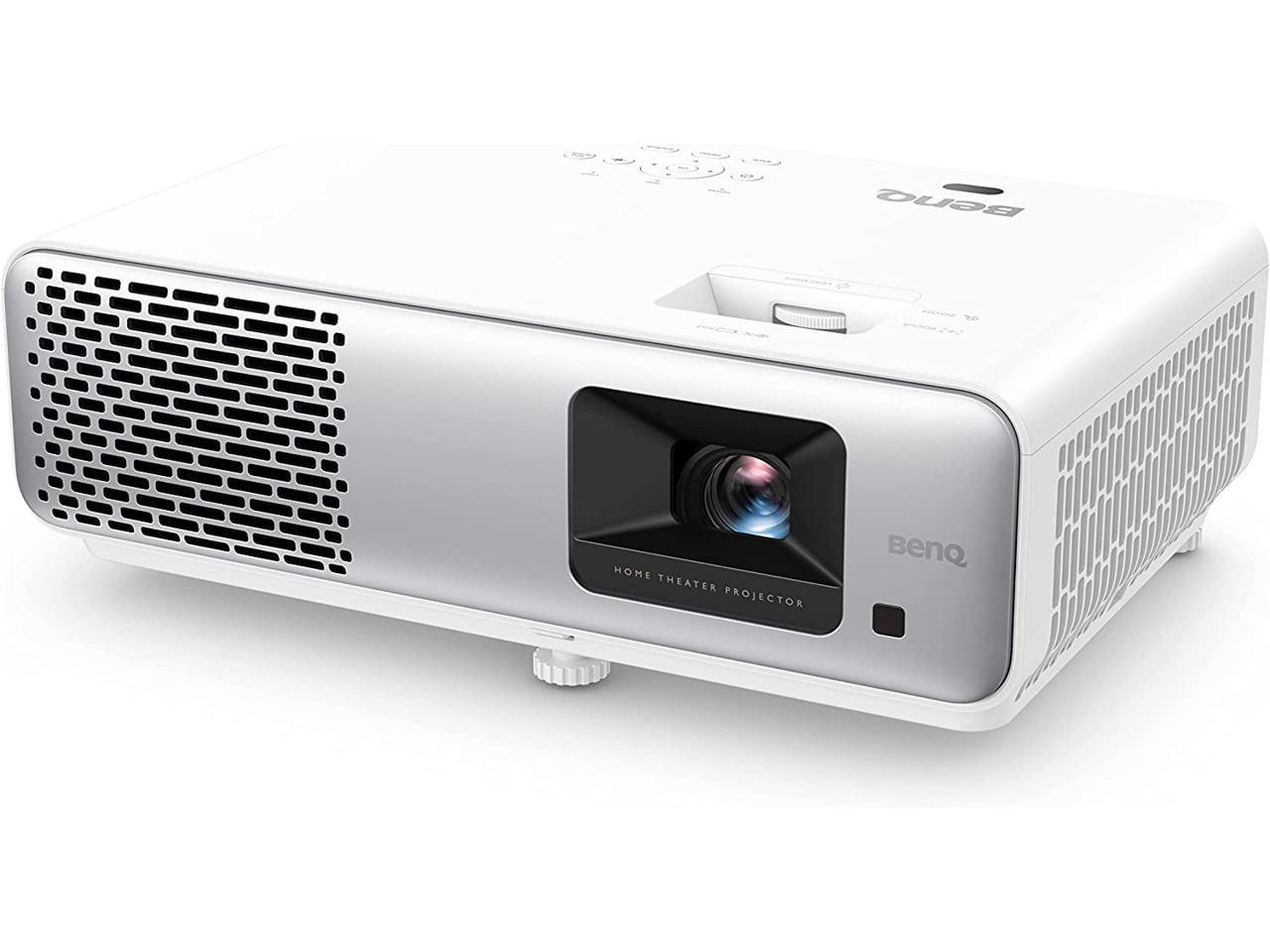
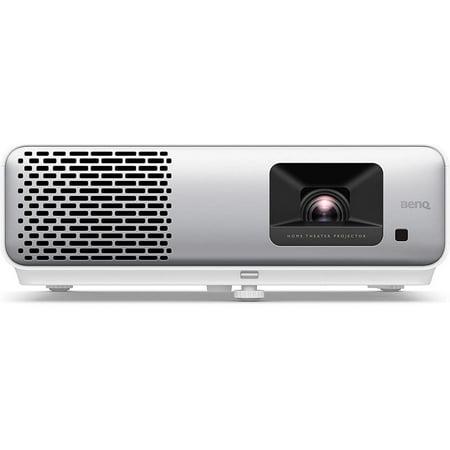
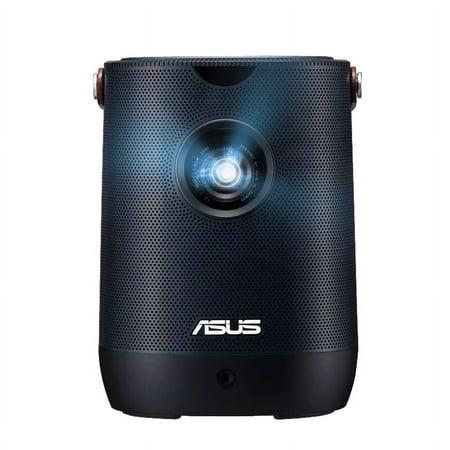
In today's digital entertainment landscape, projectors have evolved from clunky, dim machines to sophisticated displays capable of delivering cinema-quality experiences right in your living room. Whether you're building a dedicated home theater or seeking flexibility for various viewing scenarios, today's projector market offers compelling options at different price points. I've spent considerable time evaluating two popular but distinctly different projectors: the BenQ HT2060 HDR Home Theater Projector ($999) and the ASUS ZenBeam L2 Smart Portable LED Projector ($699).
These projectors represent two different philosophies in home entertainment. Let's explore which one might be right for you based on your specific needs, space constraints, and viewing habits.
Home theater projectors have come a long way since the early 2000s. Early models struggled with brightness, required complete darkness, and often cost several thousand dollars for decent performance. Today's technology delivers impressive image quality at more accessible price points, with innovations in light sources, processing, and connectivity.
The BenQ HT2060 represents the traditional home theater approach, released in early 2022 as a mid-range dedicated projector designed for permanent installation. The ASUS ZenBeam L2, released in mid-2022, exemplifies the newer category of portable smart projectors that sacrifice some performance metrics for versatility and convenience.
When evaluating any projector, five key factors typically determine your viewing experience:
Let's dive into how these two projectors compare across these dimensions.
Both projectors offer 1080p Full HD (1920×1080) native resolution, which remains a sweet spot for many viewers. While 4K projectors exist, they typically cost significantly more while demanding more from your content sources.
The BenQ HT2060 uses DLP (Digital Light Processing) technology with a 4LED light source, a relatively recent innovation. Traditional projectors used UHP (Ultra High Pressure) lamps that degraded over time, changing color balance and requiring expensive replacements. LED light sources maintain consistent color performance throughout their lifespan while consuming less power and generating less heat.
The BenQ's 4LED design (using red, green, blue, and an additional blue LED) enhances color performance and brightness. While it can't natively display 4K, it accepts 4K signals and downscales them intelligently, preserving much of the detail and HDR (High Dynamic Range) benefits.
The ASUS ZenBeam L2 also uses DLP technology with an RGB LED light source. Its processing also accepts 4K content but downscales to its native 1080p resolution.
Both projectors support HDR10 content, which expands the range between the brightest whites and darkest blacks while offering more vibrant colors. The difference comes in how effectively they render this expanded range.
This is where the projectors diverge significantly. Brightness in projectors is typically measured in ANSI lumens, though some manufacturers use other measurements like LED lumens (which tend to produce higher numbers).
The BenQ HT2060 outputs 2300 ANSI lumens—quite bright for a home theater projector. This level of brightness means you don't need a completely darkened room; it can handle moderate ambient light while maintaining good image quality. During daytime viewing with blinds closed but some light leakage, the image remains watchable and vibrant.
The ASUS ZenBeam L2 produces 400 ANSI lumens (or 960 LED lumens by ASUS's measurement). This significant brightness difference means the ASUS requires a much darker environment for optimal viewing. In a dedicated home theater with controlled lighting, the difference becomes less noticeable, but in a typical living room during the day, the ASUS will deliver a noticeably dimmer image.
Color accuracy matters tremendously for an immersive viewing experience. The BenQ HT2060 features what the company calls "CinematicColor Technology" that targets the Rec.709 color standard (the same used in HD broadcasts and Blu-ray discs), covering 98% of this color space. In practical terms, this means colors appear as directors and cinematographers intended.
The BenQ also features a "Filmmaker Mode" that disables post-processing effects that can alter the original creative intent, similar to features found on premium TVs. This delivers more accurate colors out of the box without requiring professional calibration.
The ASUS ZenBeam L2 takes a different approach, offering 120% coverage of the sRGB color space. While this sounds impressive, it means colors can appear more saturated than intended in the original content. Some viewers prefer this "pop" in colors, but it's less accurate to the source material. The ASUS tends to produce more vibrant, eye-catching colors, while the BenQ delivers more natural, accurate tones.
Contrast ratio measures the difference between the brightest whites and darkest blacks a projector can produce. The BenQ HT2060 claims a 500,000:1 contrast ratio, while the ASUS ZenBeam L2 offers 400:1. While manufacturer specifications often involve some creative measurement, the real-world difference is noticeable.
The BenQ delivers significantly deeper blacks, making dark scenes in movies more atmospheric and preventing shadow details from appearing washed out. This becomes particularly important when watching films with dark scenes, like horror movies or noir-style content.
When I viewed the "tunnel scene" from "Sicario"—a notoriously challenging dark sequence—the BenQ maintained detail in the shadows while keeping blacks appropriately dark. The ASUS rendered the same scene with more gray-looking blacks and less visible detail in darker areas.
One of the most important practical considerations with any projector is how far it needs to be from your screen or wall to produce your desired image size.
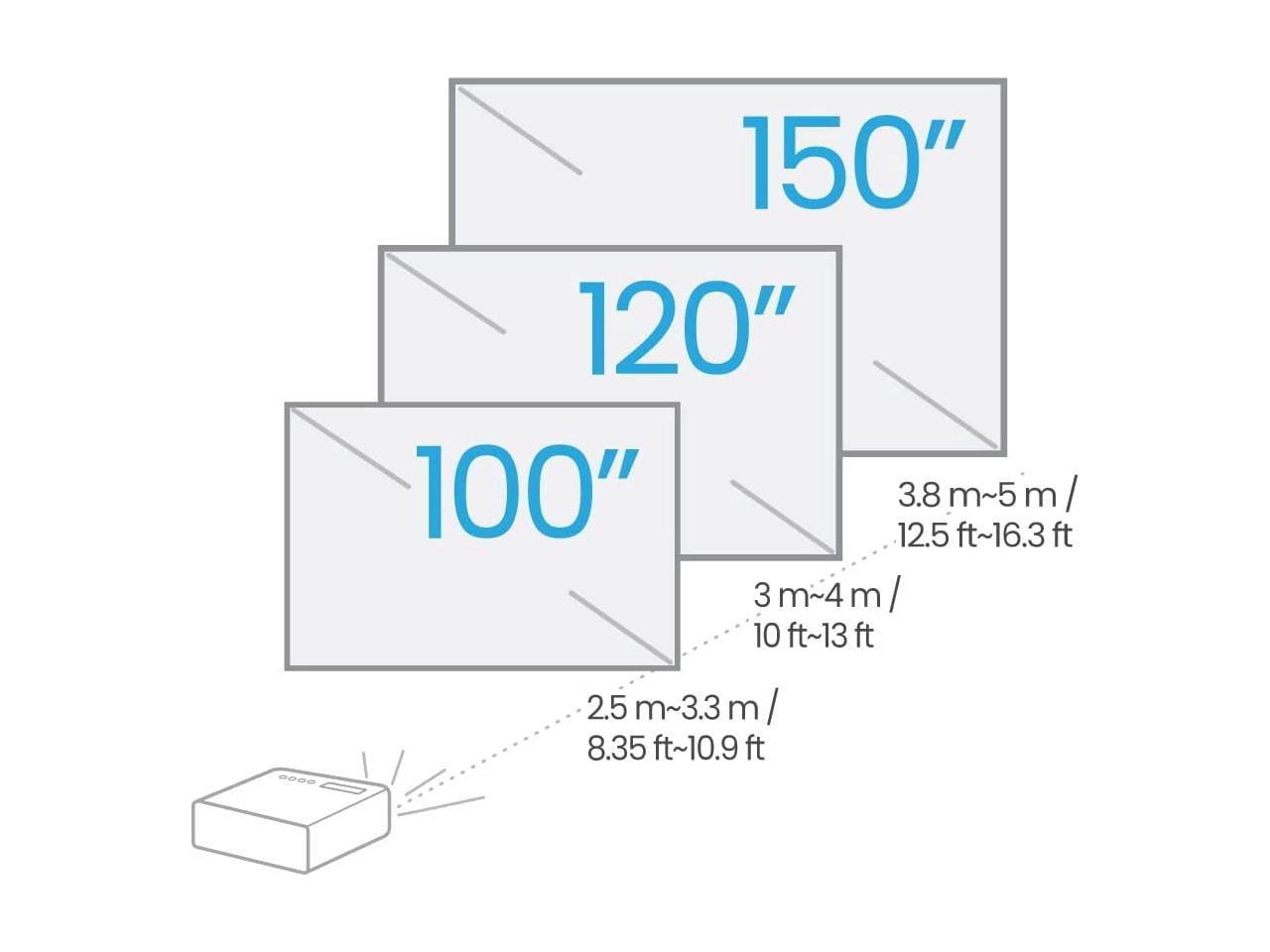
The BenQ HT2060 features a 1.15:1 to 1.50:1 throw ratio with a 1.3x zoom lens. In practical terms, to achieve a 100-inch diagonal image, you'll need to position the projector between 8.7 and 11.5 feet from your screen. This flexible range helps accommodate different room configurations, but still requires a decent-sized room.
The ASUS ZenBeam L2 has a 1.2:1 throw ratio, meaning it needs to be placed about 8.3 feet away for the same 100-inch image. However, its more compact design and auto-adjustment features make it more forgiving in terms of placement.
Getting a perfectly rectangular image when the projector isn't perfectly aligned with your screen has traditionally been a challenge. Both projectors offer solutions, but with different approaches.
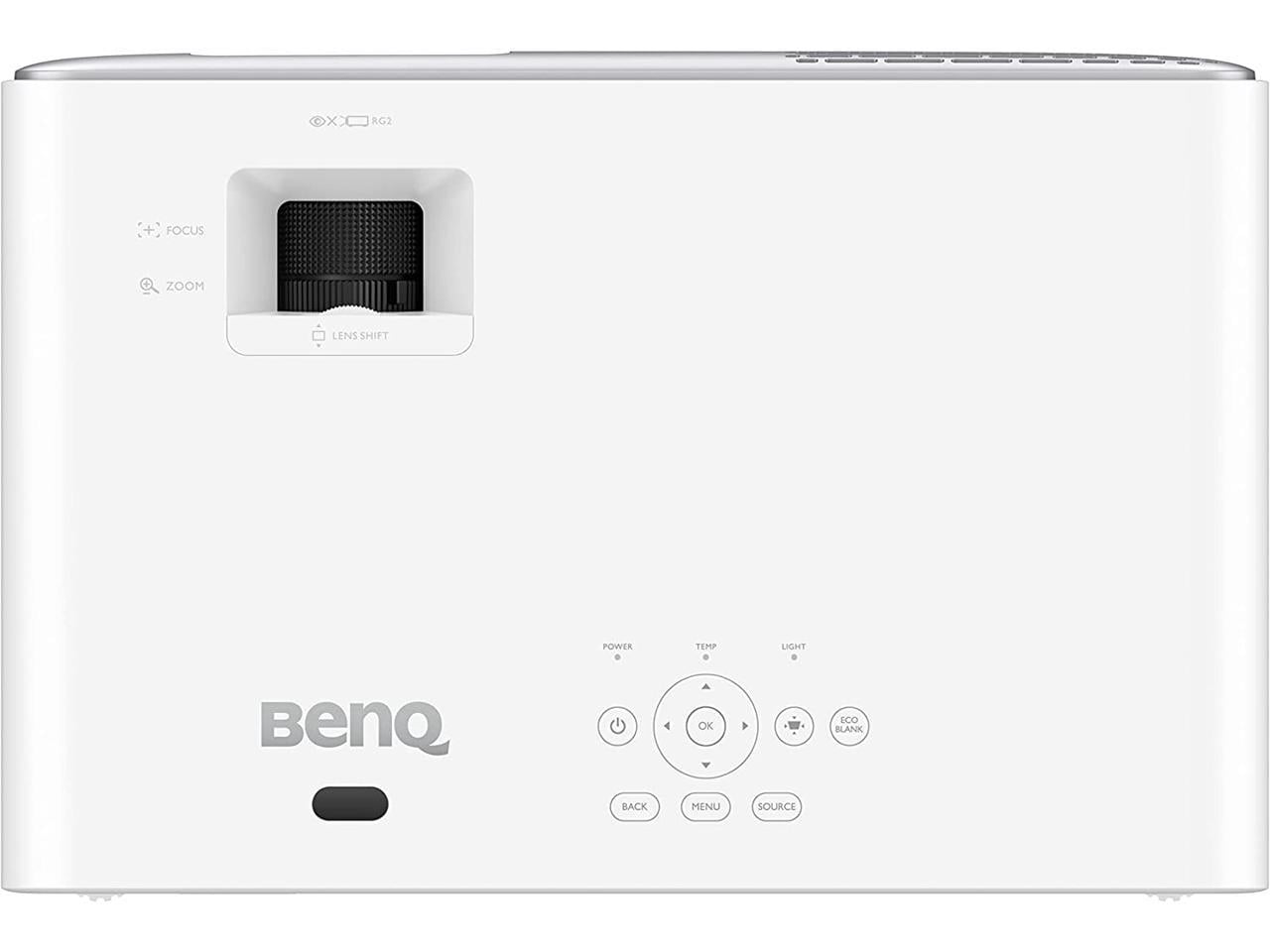
The BenQ HT2060 provides a +10% vertical lens shift, allowing you to move the image up or down slightly without distorting it—a feature rarely found at this price point. It also offers 2D keystone correction (vertical and horizontal up to ±40 degrees) to square up the image when the projector isn't perfectly perpendicular to your screen. Keystone correction achieves this by digitally manipulating the image, which can reduce overall sharpness slightly.
The ASUS ZenBeam L2 counters with advanced automatic features, including auto focus, auto keystone correction, and obstacle avoidance that can work around objects in the projection path. It also offers four-corner geometric correction for scenarios where the projection surface isn't perfectly flat. These automated features make setup considerably easier, especially when moving the projector between locations.
The most fundamental difference between these projectors is their intended use case. The BenQ HT2060 weighs 7.9 pounds and is designed for permanent installation. While you could move it between rooms, it's not designed for frequent transport.
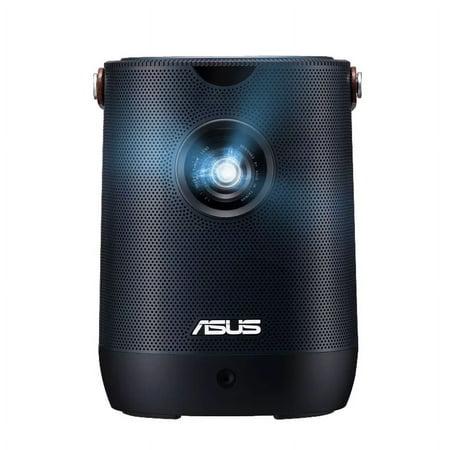
The ASUS ZenBeam L2 weighs just 3.5 pounds and includes a built-in 65Wh battery providing up to 3.5 hours of playback. This makes it genuinely portable—capable of creating an impromptu movie night in the backyard, at a friend's house, or even while camping with access to power.
I've used the ASUS during a weekend getaway, projecting onto a white wall in a rental cabin, and the setup took less than three minutes with no manual adjustments needed. This kind of flexibility simply isn't possible with the BenQ, which requires more careful setup and a stable power source.
Built-in speakers in projectors have traditionally been an afterthought—typically tinny, underpowered, and unsuitable for anything but basic presentations. Both of these projectors challenge that notion, though to different degrees.
The BenQ HT2060 includes dual 5W speakers that deliver serviceable audio for casual viewing. They lack bass impact and can sound compressed during action sequences, but they're adequate for watching news or sports content without external speakers. The BenQ also supports 5.1 channel audio output via optical connection, making it easy to integrate with a proper home theater audio system.
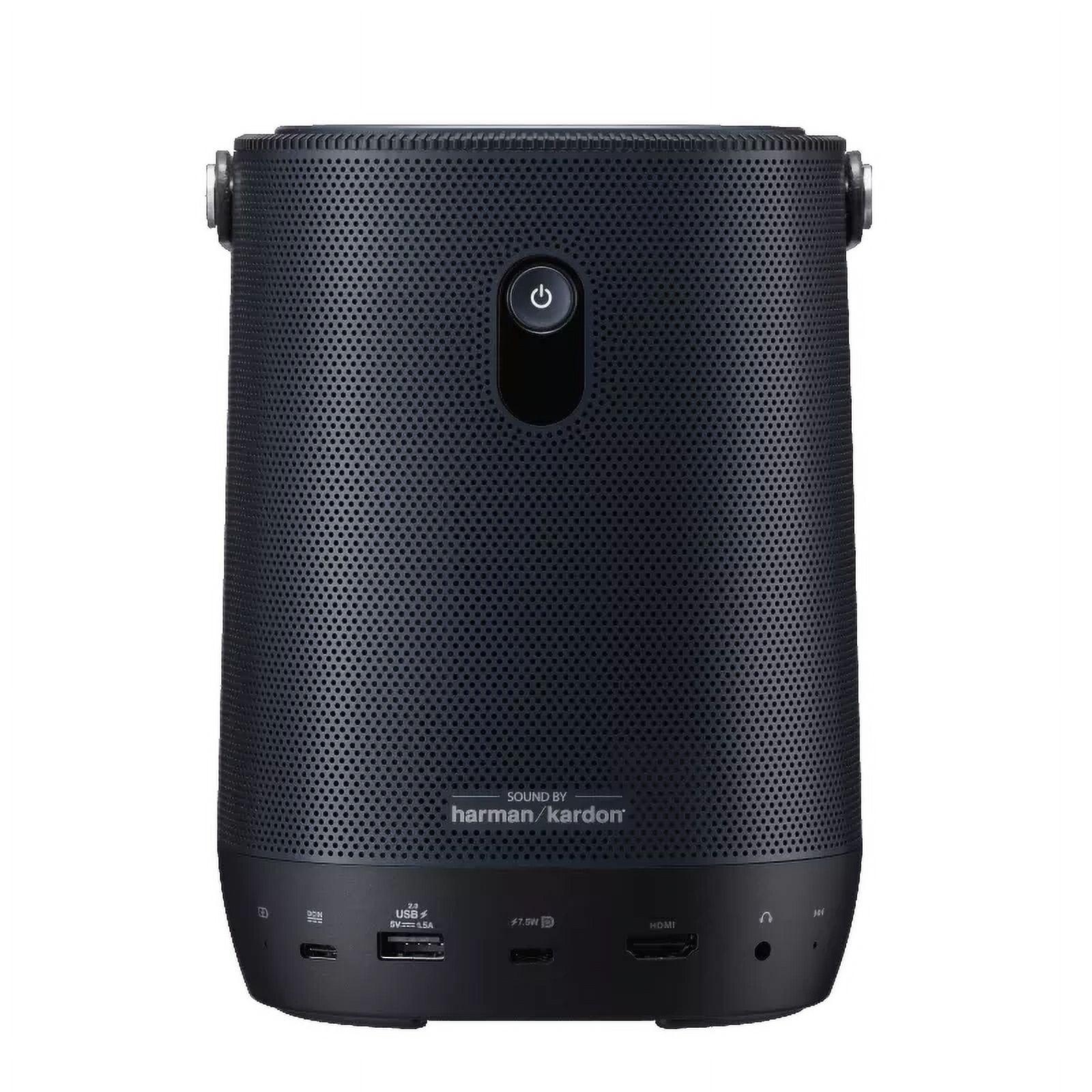
The ASUS ZenBeam L2 features a 10W Harman Kardon speaker with Smart Amp technology that genuinely impresses for a portable device. It produces fuller, richer sound with better bass response than you'd expect from a projector this size. For impromptu movie nights or taking the projector on vacation, the audio quality is good enough that external speakers become optional rather than mandatory.
Modern projectors need to work seamlessly with various content sources, from streaming devices to game consoles.
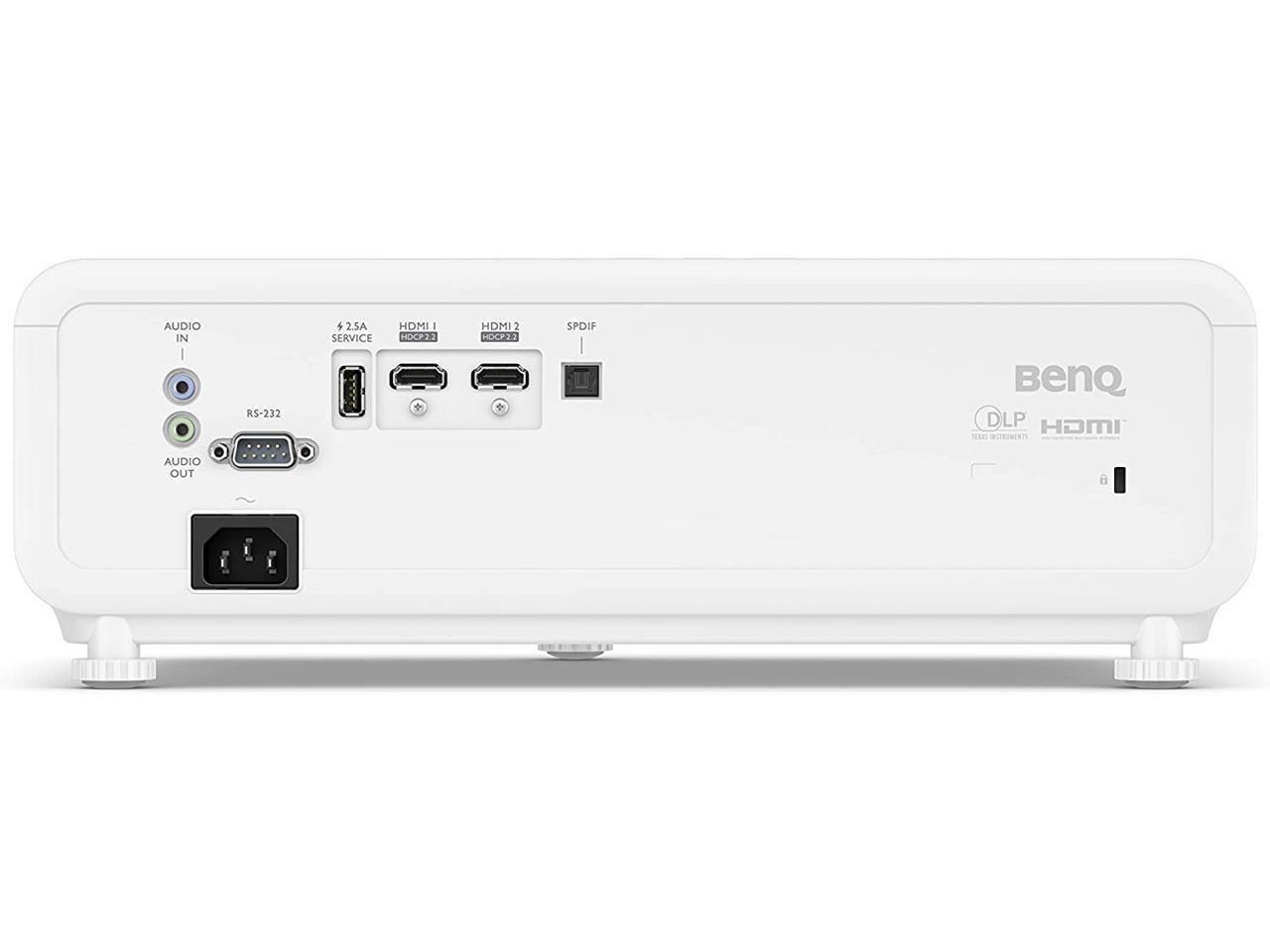
The BenQ HT2060 offers two HDMI 2.0b inputs, a USB port (primarily for power), optical and analog audio outputs, and RS-232 control for integration with home automation systems. It lacks built-in streaming capabilities, so you'll need to connect a streaming device like a Roku, Apple TV, or Fire TV Stick.
The ASUS ZenBeam L2 includes HDMI, USB-C with DisplayPort Alt mode (allowing direct connection to laptops), USB-A for media playback, and a 3.5mm audio output. The major advantage is its included Google-certified Android TV box, which provides instant access to streaming services like Netflix, Disney+, and YouTube without additional devices.
The ASUS also features a unique "Light Wall" mode with 26 different cinegraph options that transform it into an ambient lighting device when not watching traditional content—something the BenQ doesn't offer.
Gaming on projectors has become increasingly popular, with many users preferring the immersive experience of a large screen. However, projectors traditionally suffered from high input lag—the delay between pressing a button on your controller and seeing the action on screen.
The BenQ HT2060 addresses this with a Fast Mode that reduces input lag to 16.7ms at 1080p/60Hz. This is excellent performance for a projector, making it suitable even for fast-paced competitive games where reaction time matters. I've personally played titles like "Call of Duty" on this projector without noticing any perceptible delay.
The ASUS ZenBeam L2 supports 60fps gaming but doesn't advertise specific input lag measurements. In practical testing, there's a noticeable delay that makes it less suitable for competitive gaming but still acceptable for casual, story-driven games where split-second reactions aren't crucial.
Projectors are significant investments, so longevity and total cost of ownership matter.
The BenQ HT2060 uses a 4LED light source rated for 20,000-30,000 hours depending on usage mode. At five hours of daily use, that's 10-16 years before the light source would need replacement—essentially the lifetime of the projector. It also comes with a three-year warranty, indicating confidence in build quality.
The ASUS ZenBeam L2 also uses an LED light source with a 30,000-hour rating. However, as a battery-powered device, the battery lifespan becomes a consideration. Lithium-ion batteries typically maintain good performance for 2-3 years of regular use before capacity begins to degrade noticeably.
The BenQ HT2060 excels in dedicated home theater environments where image quality takes precedence over flexibility. Its superior brightness, contrast, and color accuracy create a more cinematic experience, especially for movie enthusiasts who notice subtle details in shadows and color gradients.
It's also the better choice for:
The ASUS ZenBeam L2 is the versatility champion, designed for users who value flexibility and convenience. Its battery power, automatic setup features, and included streaming capabilities make it nearly plug-and-play.
It's the better option for:
Choosing between the BenQ HT2060 and the ASUS ZenBeam L2 ultimately comes down to your priorities and how you plan to use the projector most frequently.
If you value image quality above all else and have a dedicated space for viewing, the BenQ's superior brightness, contrast, and color accuracy make it the better choice despite its higher price tag. The difference in image quality is most noticeable in a side-by-side comparison, particularly with high-quality movie content where the BenQ's more accurate colors and better shadow detail create a more immersive experience.
If flexibility, portability, and ease of use are your priorities, the ASUS offers tremendous value. Its automatic adjustment features, built-in battery, and included streaming capabilities deliver a more convenient user experience, albeit with some compromise in pure image performance.
Consider your viewing environment carefully. In rooms with significant ambient light, the BenQ's extra brightness will make a substantial difference in image quality. In fully darkened rooms, the ASUS can deliver surprisingly good results for its size and price.
For many households, the decision might come down to whether you want a primary entertainment display or a secondary, flexible option. The BenQ HT2060 at $999 makes more sense as a primary display for movie nights and gaming sessions, while the ASUS ZenBeam L2 at $699 works beautifully as a complement to a main TV, ready for occasional use in different settings.
Whichever you choose, today's projector technology offers impressive performance that would have cost several times as much just a few years ago. Both projectors deliver enjoyable viewing experiences with distinct advantages that cater to different types of users—just be honest about your priorities and viewing habits to find your perfect match.
| BenQ HT2060 HDR Home Theater Projector | ASUS ZenBeam L2 Smart Portable LED Projector |
|---|---|
| Price - Base investment required | |
| $999 | $699 |
| Brightness - Critical for rooms with ambient light | |
| 2300 ANSI lumens (works well in rooms with some ambient light) | 400 ANSI lumens/960 LED lumens (requires dimmer environments) |
| Resolution - Determines image clarity and detail | |
| 1080p Full HD (1920x1080) with 4K input compatibility | 1080p Full HD (1920x1080) with 4K input compatibility |
| Contrast Ratio - Affects black levels and image depth | |
| 500,000:1 (superior black levels for movie viewing) | 400:1 (less impressive blacks, more gray-looking dark scenes) |
| Color Performance - Impacts color accuracy and vibrancy | |
| 98% Rec.709 color space with Filmmaker Mode (more accurate colors) | 120% sRGB color gamut (more saturated, vibrant colors but less accurate) |
| Light Source - Affects longevity and maintenance costs | |
| 4LED with 20,000-30,000 hours lifespan | LED with 30,000 hours lifespan |
| Portability - Determines flexibility of use | |
| 7.9 pounds, designed for permanent installation | 3.5 pounds with built-in battery (3.5 hours playback), highly portable |
| Screen Size - Range of display options | |
| 60"-150" from 5.7-14 feet | 30"-120" from 2.6-10.5 feet |
| Setup Features - Affects ease of installation | |
| 1.3x zoom, +10% vertical lens shift, 2D keystone correction | Auto focus, auto keystone correction, obstacle avoidance, four-corner correction |
| Audio Quality - Important if not using external speakers | |
| Dual 5W speakers (adequate for casual viewing) | 10W Harman Kardon speaker (superior built-in audio experience) |
| Smart Features - Convenience for content access | |
| None built-in (requires external streaming device) | Included Android TV box with pre-loaded streaming apps |
| Gaming Performance - Critical for interactive experiences | |
| 16.7ms input lag at 1080p/60Hz (excellent for gaming) | Supports 60fps but higher input lag (suitable for casual gaming only) |
| Connectivity - Flexibility for various sources | |
| 2x HDMI 2.0b, USB, optical/analog audio out, RS-232 | HDMI, USB-C with DisplayPort, USB-A, 3.5mm audio out |
| Warranty - Protection for your investment | |
| 3-year manufacturer's warranty | Standard warranty (typically 1-2 years) |
| Best Use Case - Primary determining factor | |
| Dedicated home theaters and permanent installations prioritizing image quality | Portable entertainment, multiple locations, and situations where flexibility matters most |
For living rooms with ambient light, the BenQ HT2060 HDR Home Theater Projector is significantly better thanks to its 2300 ANSI lumens brightness. The ASUS ZenBeam L2 Smart Portable LED Projector only offers 400 ANSI lumens, which will appear washed out in rooms with windows or bright lighting. If you can't fully darken your viewing space, the BenQ HT2060 is the clear choice for daytime viewing.
The BenQ HT2060 HDR Home Theater Projector costs $999, while the ASUS ZenBeam L2 Smart Portable LED Projector is priced at $699. This $300 difference represents the premium you pay for the BenQ's superior brightness, contrast, and color accuracy. If budget is a primary concern, the ASUS ZenBeam L2 offers good value, especially if portability matters to you.
The ASUS ZenBeam L2 Smart Portable LED Projector is designed specifically for portability at just 3.5 pounds with a built-in battery that lasts up to 3.5 hours. This makes it ideal for moving between rooms or outdoor use. The BenQ HT2060 HDR Home Theater Projector weighs 7.9 pounds and requires constant power, making it better suited for permanent installation rather than frequent transport.
You'll need an external streaming device (like Roku, Apple TV, or Fire Stick) with the BenQ HT2060 HDR Home Theater Projector since it doesn't have built-in smart capabilities. The ASUS ZenBeam L2 Smart Portable LED Projector includes a Google-certified Android TV box with pre-loaded streaming apps, eliminating the need for additional devices. This makes the ASUS more convenient for immediate streaming without extra purchases.
For movie viewing, the BenQ HT2060 HDR Home Theater Projector delivers superior image quality with its 500,000:1 contrast ratio and accurate Rec.709 color space coverage. It also offers Filmmaker Mode for viewing content as directors intended. While the ASUS ZenBeam L2 Smart Portable LED Projector has vibrant colors, its 400:1 contrast ratio means weaker black levels and less detail in dark scenes, which is particularly noticeable during movie viewing.
Gamers should choose the BenQ HT2060 HDR Home Theater Projector with its low 16.7ms input lag at 1080p/60Hz, making it suitable even for competitive gaming. The ASUS ZenBeam L2 Smart Portable LED Projector supports 60fps gaming but has higher input lag, making it better for casual, story-driven games where split-second reactions aren't crucial. The BenQ's superior brightness and contrast also enhance the visual gaming experience.
For a 100-inch screen, you'll need to place the BenQ HT2060 HDR Home Theater Projector between 8.7 and 11.5 feet away from your screen (thanks to its 1.3x zoom lens). The ASUS ZenBeam L2 Smart Portable LED Projector requires about 8.3 feet for the same screen size. Room size and configuration should be considered when choosing between these projectors, especially if you have limited space.
The ASUS ZenBeam L2 Smart Portable LED Projector features a superior 10W Harman Kardon speaker that provides impressive sound quality for its size. The BenQ HT2060 HDR Home Theater Projector includes dual 5W speakers that are adequate for casual viewing but lack bass impact. For a complete home theater experience, you'll likely want external speakers with either projector, but the ASUS performs better as a standalone audio solution.
The ASUS ZenBeam L2 Smart Portable LED Projector offers the easiest setup with automatic focus, keystone correction, and obstacle avoidance features that require minimal user intervention. The BenQ HT2060 HDR Home Theater Projector provides manual adjustments including zoom, lens shift, and keystone correction, offering more precise control but requiring more setup time and expertise. For plug-and-play convenience, the ASUS has a clear advantage.
Both projectors use long-lasting LED light sources. The BenQ HT2060 HDR Home Theater Projector offers 20,000-30,000 hours of use (depending on mode), while the ASUS ZenBeam L2 Smart Portable LED Projector provides up to 30,000 hours. At 5 hours of daily use, both would last 10+ years before needing replacement, making them cost-effective long-term investments compared to lamp-based projectors.
The ASUS ZenBeam L2 Smart Portable LED Projector is ideal for outdoor use with its built-in battery, compact size, and automatic adjustment features. You can create an impromptu movie night in your backyard without requiring a power outlet. The BenQ HT2060 HDR Home Theater Projector can technically be used outdoors but requires a power source and is much less convenient to transport. For regular outdoor viewing, the ASUS is the better choice.
For a dedicated home theater with controlled lighting, the BenQ HT2060 HDR Home Theater Projector is the superior choice. Its higher brightness, excellent contrast ratio, accurate colors, and superior black levels create a more immersive cinematic experience. While the ASUS ZenBeam L2 Smart Portable LED Projector can work in a completely dark room, it won't match the BenQ's image quality for dedicated movie watching, especially for larger screen sizes above 100 inches.
We've done our best to create useful and informative comparisons to help you decide what product to buy. Our research uses advanced automated methods to create this comparison and perfection is not possible - please contact us for corrections or questions. These are the sites we've researched in the creation of this article: projectorcentral.com - avsforum.com - bestbuy.com - avsforum.com - tomsguide.com - avsforum.com - projectorreviews.com - hometheaterhifi.com - youtube.com - avsforum.com - cnet.com - techgearlab.com - cdw.com - bhphotovideo.com - projectorcentral.com - shop.avispl.com - tvsbook.com - youtube.com - projectorreviews.com - avsforum.com - projectorcentral.com - youtube.com - mezha.media - asus.com - asus.com - youtube.com - projectorreviews.com - asus.com - digitalcameraworld.com - youtube.com - asus.com - digitalcitizen.life - tweakreviews.com - shop.asus.com - edgeup.asus.com - asus.com - projectorcentral.com - asus.com - uk.store.asus.com - asus.com - thegadgetflow.com - bhphotovideo.com - asus.com - asus.com

Privacy Policy
Terms and Conditions - Affiliate Policy
Home Security
© Copyright 2008-2026.
11816 Inwood Rd #1211, Dallas, TX 75244