


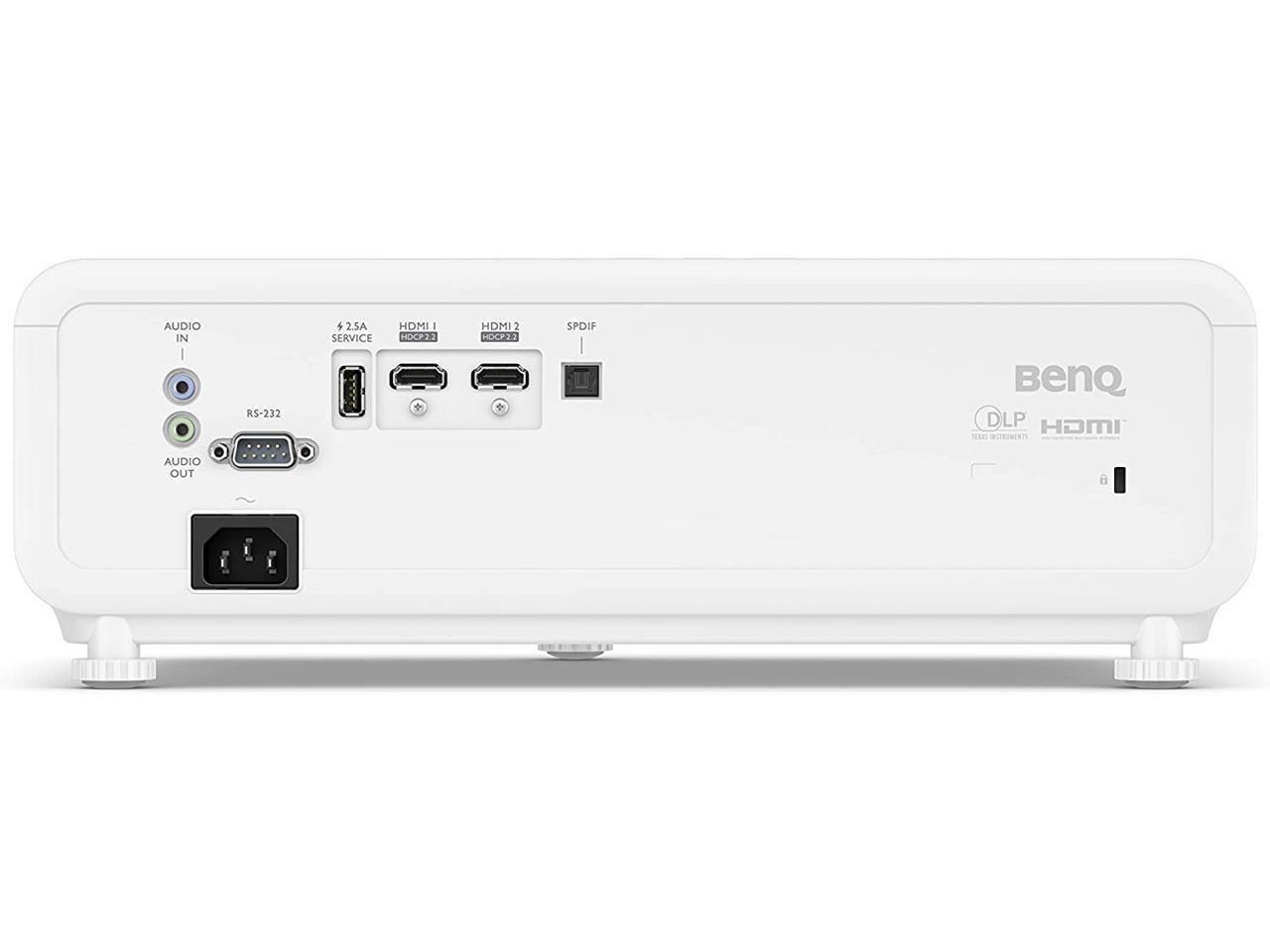
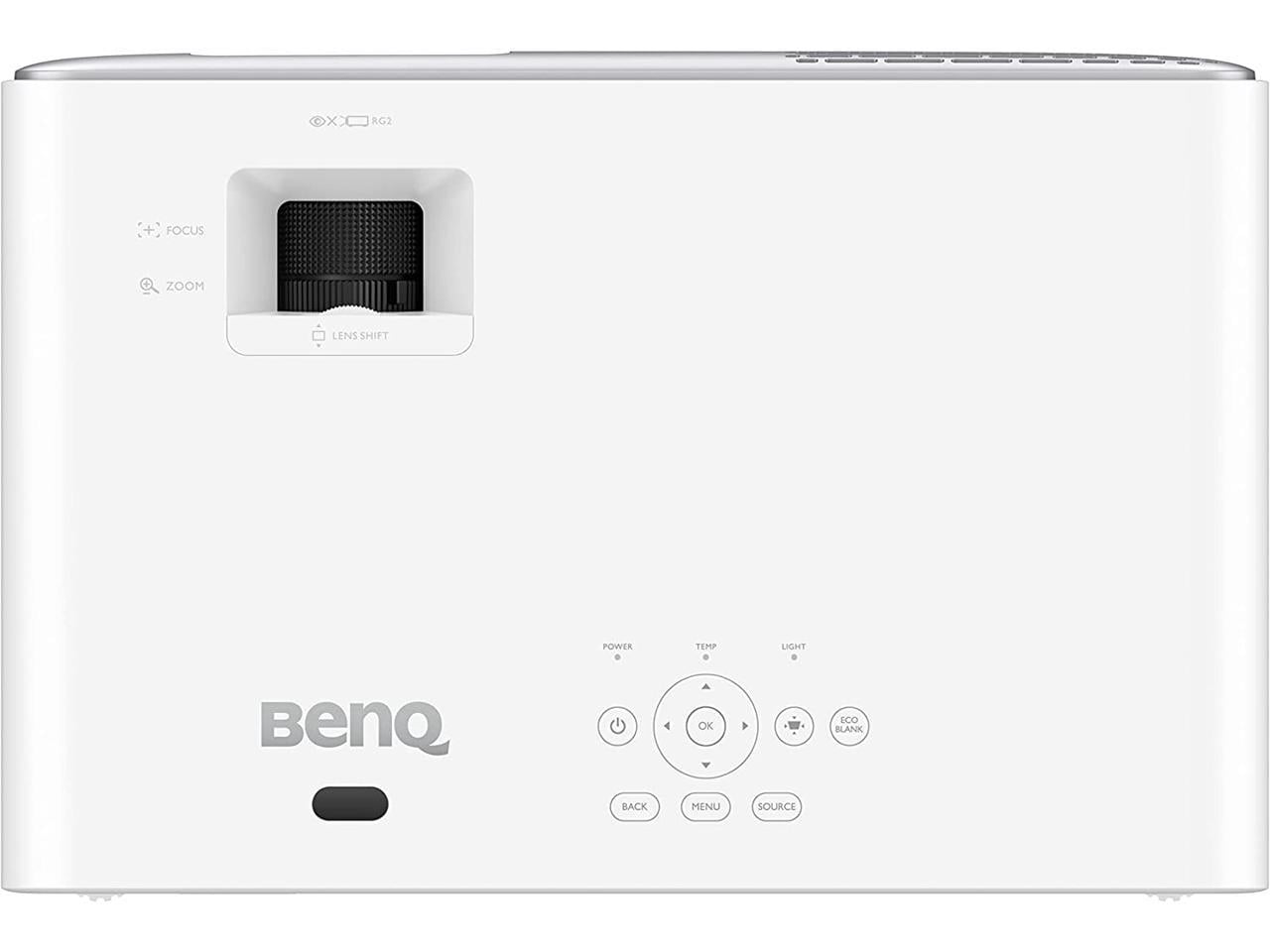
The projector market has split into two fascinating directions, and the choice between them can make or break your viewing experience. On one side, we have ultra-portable projectors like the XGIMI MoGo 4, designed for people who want big-screen entertainment anywhere. On the other, traditional home theater projectors like the BenQ HT2060 focus on delivering the brightest, most accurate images possible for dedicated viewing spaces.
I've tested projectors across both categories, and the differences go far beyond just size and weight. These represent fundamentally different philosophies about how we should watch content in 2025. Let me walk you through what matters most when choosing between these approaches.
The projector world has evolved dramatically since 2020, when most portable projectors were dim, blurry afterthoughts. Today's portable models like the XGIMI MoGo 4, released in 2025, pack genuine 1080p resolution and smart TV features into packages smaller than a coffee tumbler. Meanwhile, home theater projectors like the BenQ HT2060, which hit the market in 2023, have embraced LED light sources that last 20,000+ hours while delivering cinema-quality brightness.
The key technical breakthrough has been LED technology replacing traditional lamps. LEDs produce more consistent colors, generate less heat, and eliminate the $200-400 lamp replacement costs that plagued older projectors. Both the XGIMI MoGo 4 and BenQ HT2060 use LEDs, but in completely different ways.
When evaluating projectors, brightness measured in lumens (the amount of light output) remains the most critical specification. Everything else – color accuracy, smart features, portability – becomes secondary if you can't see a clear image in your intended viewing environment. The second most important factor is resolution, which determines image sharpness. Both projectors here offer native 1080p (1920x1080 pixels), which remains the sweet spot for quality and affordability in 2025.
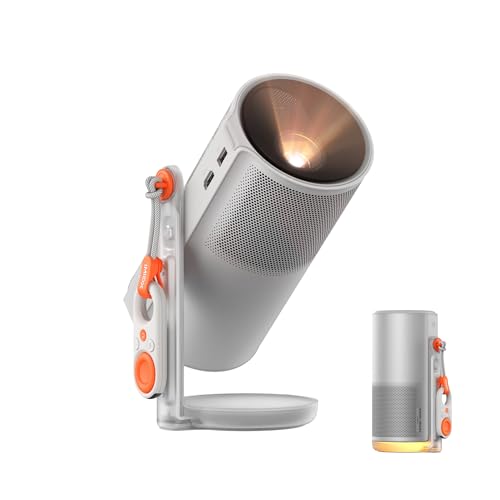
The XGIMI MoGo 4 represents what I call the "Netflix generation" approach to projection. Everything about its design prioritizes instant gratification and modern convenience. At roughly three pounds and the size of a large water bottle, it's genuinely portable in ways traditional projectors never were.
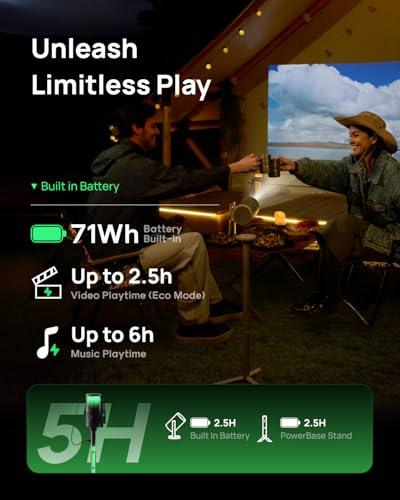
What sets the MoGo 4 apart is its built-in 71Wh battery system. This isn't just a backup power source – it enables 2.5 hours of continuous video playback, transforming the projector into a truly wireless device. I've used similar battery-powered projectors for backyard movie nights and camping trips, and the freedom from power outlets changes everything about where and how you can create entertainment spaces.
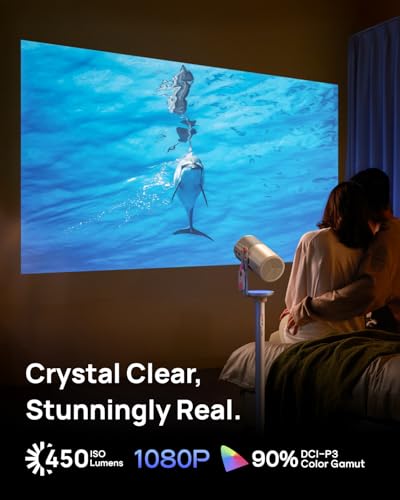
The 450 ISO lumens of brightness puts the XGIMI MoGo 4 in what I'd call the "controlled lighting" category. ISO lumens represent a newer, more standardized way of measuring projector brightness compared to the older ANSI standard, but they're roughly equivalent. In practical terms, 450 lumens works beautifully in dark rooms but struggles with any ambient light. Think late-evening viewing with curtains drawn, not afternoon family movie time.
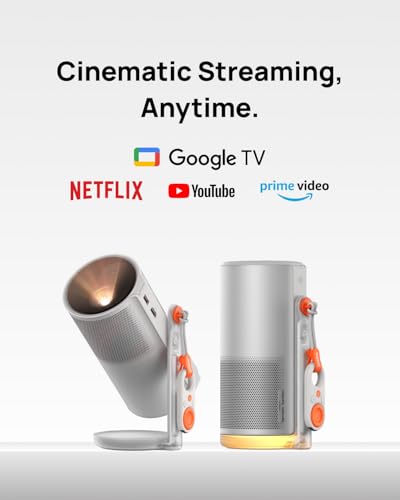
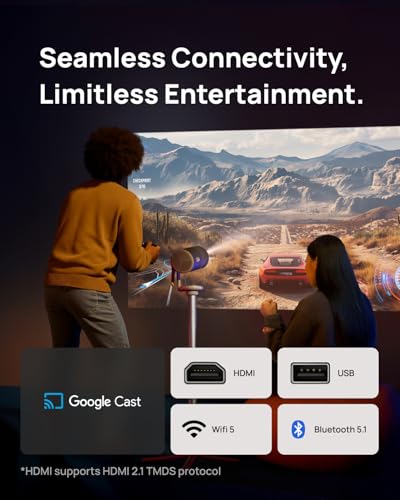
Where the MoGo 4 truly shines is integration. Built-in Google TV means Netflix, YouTube, Prime Video, and thousands of other apps work immediately without additional devices. Having tested many projectors that require separate streaming sticks, I can't overstate how much cleaner this makes the setup. No extra HDMI cables, no additional remotes, no hunting for power outlets for multiple devices.
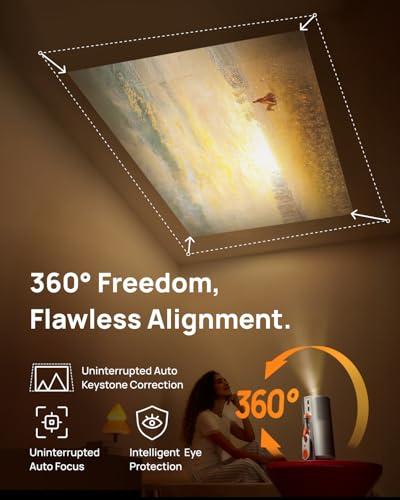
The auto-focus and auto-keystone correction eliminate the tedious setup process traditional projectors require. Keystone correction fixes the trapezoidal distortion that occurs when projecting at an angle – imagine projecting from a coffee table onto a wall above. The MoGo 4's sensors automatically detect and correct this distortion, along with focusing the image. Set it down, turn it on, and you're watching within 30 seconds.
Perhaps most cleverly, XGIMI includes magnetic "creative filters" that attach to the lens, instantly changing the projected light color for ambient lighting effects. I initially dismissed this as gimmicky until experiencing how effectively it transforms a room's atmosphere for parties or relaxation.
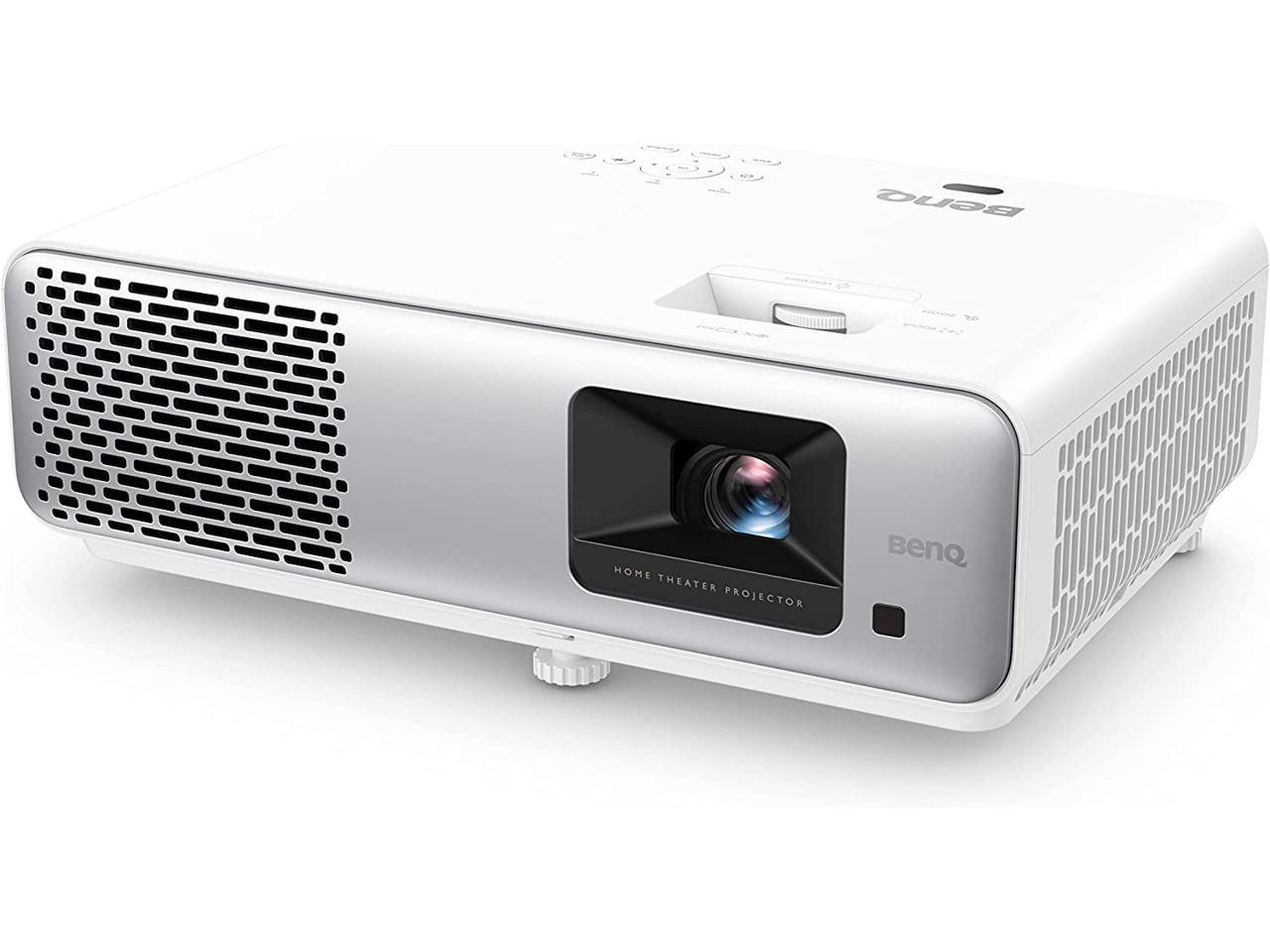
The BenQ HT2060 takes the opposite approach, prioritizing pure image quality over convenience. At 7.9 pounds, it's designed for permanent or semi-permanent installation in dedicated viewing spaces. This weight comes with a massive advantage: 2,300 ANSI lumens of brightness.
That brightness difference is transformative. While the XGIMI MoGo 4 requires near-darkness, the BenQ HT2060 handles family rooms with normal evening lighting. You can leave a few lamps on, keep curtains partially open during daytime viewing, or project in basements with overhead lighting. This flexibility makes it viable for families who want big-screen entertainment without turning their living space into a cave.
BenQ's color accuracy deserves special attention. The HT2060 covers 98% of the Rec.709 color space – the standard that defines how colors should appear on HD content. This technical specification translates to colors that match what directors intended when creating movies and shows. The difference is subtle but noticeable when comparing side-by-side with projectors that oversaturate colors for visual "pop."
Both projectors offer impressively low input lag – the delay between pressing a controller button and seeing the action on screen. The BenQ HT2060 achieves 16.7ms at 1080p/60Hz, while the MoGo 4 manages under 20ms. For context, anything under 30ms feels responsive for gaming, and under 20ms approaches what serious gamers consider competitive.
I've tested gaming on both categories of projectors, and the BenQ HT2060's brightness advantage matters enormously for multiplayer gaming sessions. Dark game scenes remain visible even with room lighting, while the MoGo 4 requires darkness that might not work for social gaming scenarios.
The five-fold brightness difference between these projectors (2,300 vs. 450 lumens) represents the most significant performance gap. In my experience, 450 lumens works well for screen sizes up to about 80 inches in completely dark rooms. Beyond that, or with any ambient light, the image becomes uncomfortably dim.
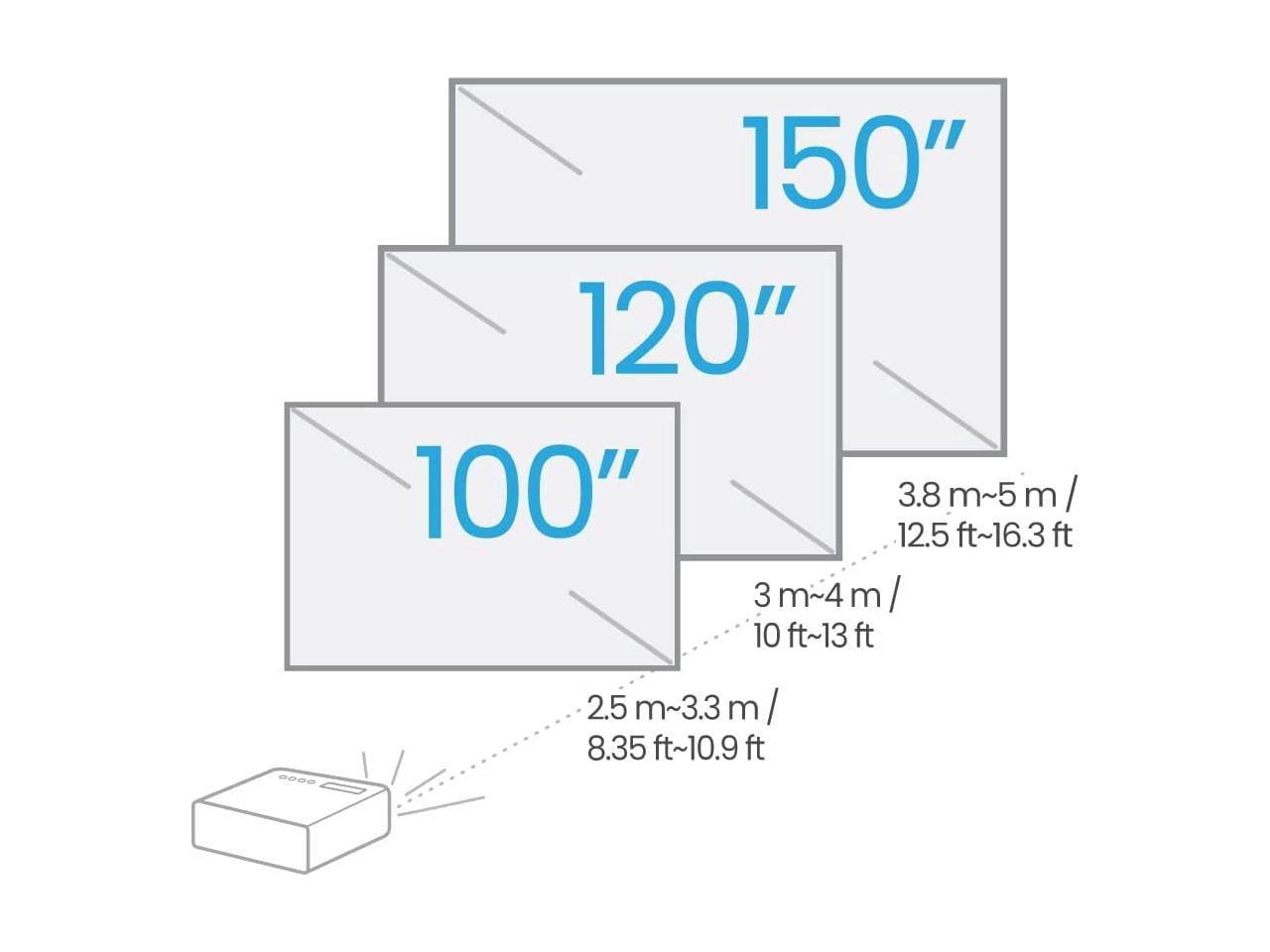
The BenQ HT2060's 2,300 lumens enables screen sizes up to 150 inches while maintaining adequate brightness for comfortable viewing. More importantly, it provides flexibility in viewing environments that the MoGo 4 simply cannot match.
This represents a philosophical divide in projector design. The BenQ HT2060 prioritizes accurate color reproduction, ensuring skin tones look natural and movie scenes appear as cinematographers intended. The MoGo 4 tends toward more saturated, visually appealing colors that can make content more engaging but less accurate.
Neither approach is objectively superior – it depends on your priorities. Casual viewers often prefer the enhanced colors, while serious movie enthusiasts gravitate toward accuracy. The BenQ includes a "Filmmaker Mode" that disables all image processing for pure, unaltered content reproduction.
The smart TV experience differs dramatically between these approaches. The MoGo 4's built-in Google TV provides a complete streaming solution with official Netflix support – something many projectors still lack. Everything runs smoothly within the projector's interface.
The BenQ HT2060 requires an external streaming device, adding cost and complexity but also flexibility. You can choose your preferred streaming platform (Roku, Apple TV, Fire Stick) and upgrade it independently of the projector. For tech enthusiasts who want the latest streaming features, this separation can be advantageous.
Audio represents another significant difference. The MoGo 4 includes Harman Kardon speakers that, while small, deliver surprisingly full sound for casual viewing. The projector can even function as a standalone Bluetooth speaker, extending its utility beyond video projection.
The BenQ HT2060's basic 5W speakers are adequate for setup and basic audio but require external speakers for serious movie watching. This adds cost but enables much better audio quality with dedicated sound systems. Home theater enthusiasts typically prefer this approach since projector speakers, no matter how good, can't match dedicated audio equipment.
At the time of writing, the XGIMI MoGo 4 represents remarkable value for its feature set, coming in several hundred dollars less than the BenQ HT2060. However, total system cost tells a different story.
The MoGo 4 includes everything needed for immediate use: smart platform, decent speakers, battery power, and automatic setup. The BenQ HT2060 requires additional purchases: a streaming device ($50-200), external speakers ($100-500+), and potentially professional installation for ceiling mounting ($200-400).
When considering performance per dollar, the BenQ delivers significantly more brightness and color accuracy, but the MoGo 4 includes features that would cost hundreds to replicate separately.
I've found portable projectors like the MoGo 4 transform spaces in ways traditional projectors cannot. Apartment dwellers who can't install ceiling mounts appreciate the flexibility. College students create dorm room theaters. Families take movie nights outdoors without running extension cords.
The MoGo 4's 360-degree stand enables ceiling projection for bed viewing, wall projection for presentations, or floor projection for unique viewing angles. This versatility makes it genuinely useful beyond traditional entertainment scenarios.
For business travelers, portable projectors offer presentation capabilities without relying on venue equipment. The built-in battery ensures presentations work even with power issues.
The BenQ HT2060 excels in dedicated viewing spaces where image quality matters most. Home theater rooms, finished basements, and family entertainment areas benefit from the higher brightness and color accuracy.
For serious movie enthusiasts, the difference in image quality is immediately apparent. Dark movie scenes retain detail, bright scenes don't wash out, and colors appear natural rather than artificially enhanced. The HT2060's filmmaker mode particularly appeals to cinephiles who want authentic reproduction.
Gaming performance favors the BenQ for competitive scenarios where every detail matters, though both projectors offer excellent responsiveness for casual gaming.
The choice between these projectors ultimately depends on your priorities and constraints. If you value convenience, portability, and modern smart features, the XGIMI MoGo 4 delivers an impressive all-in-one solution. Its limitations – primarily brightness and color accuracy – become acceptable trade-offs for the flexibility it provides.
Choose the MoGo 4 if you rent your home, move frequently, want outdoor entertainment capabilities, or prefer an all-inclusive solution without additional components. It's perfect for people who want big-screen entertainment without commitment to a dedicated viewing space.
The BenQ HT2060 makes sense when image quality takes priority over convenience. If you own your home, have a dedicated viewing space, or need daytime viewing capability, the brightness and color advantages justify the higher complexity and cost.
I'd recommend the BenQ for families with young children who watch during various lighting conditions, serious gamers who need every visual advantage, or anyone creating a dedicated home theater space.
Both projectors represent excellent value within their categories, but they serve fundamentally different needs. The portable category has matured to the point where projectors like the MoGo 4 offer genuine utility, while traditional models like the HT2060 continue pushing image quality boundaries.
The future likely holds convergence between these approaches, with portable projectors gaining brightness and traditional models adding smart features. For now, choosing between them requires honest assessment of your viewing habits, living situation, and priorities. Both deliver big-screen entertainment, but through completely different philosophies about how that entertainment should integrate into your life.
| XGIMI MoGo 4 Portable Projector | BenQ HT2060 HDR Home Theater Projector |
|---|---|
| Brightness - Most critical spec determining where you can watch | |
| 450 ISO lumens (requires dark room for optimal viewing) | 2,300 ANSI lumens (handles ambient light, daytime viewing possible) |
| Weight & Portability - Determines setup flexibility | |
| 2.9 lbs with built-in battery (truly portable, no power cord needed) | 7.9 lbs AC-powered (permanent installation recommended) |
| Smart Platform - Built-in streaming capability | |
| Google TV with Netflix, YouTube, 10,000+ apps included | No smart platform (requires external streaming device) |
| Audio System - Built-in sound quality | |
| Harman Kardon dual speakers, doubles as Bluetooth speaker | Basic 5W x 2 speakers (external audio recommended) |
| Setup Process - Time from box to watching | |
| Auto focus, auto keystone, 360° stand (30 seconds to setup) | Manual zoom, focus, keystone correction (professional setup preferred) |
| Screen Size Range - Maximum viewing area | |
| 40-120 inches optimal (battery limits brightness for larger screens) | 60-150 inches (brightness supports larger screens effectively) |
| Gaming Performance - Input lag for responsive gaming | |
| ≤20ms game mode (excellent for casual gaming) | 16.7ms at 1080p/60Hz (competitive gaming ready) |
| Battery Life - Wireless viewing time | |
| 2.5 hours video, 6 hours music mode | None (AC power required at all times) |
| Color Accuracy - Professional content reproduction | |
| Slightly oversaturated colors for visual appeal | 98% Rec.709 coverage, filmmaker mode for accurate colors |
| Total System Cost - What you'll actually spend | |
| All-in-one solution, no additional devices needed | Requires streaming device, external speakers, potential installation |
| Light Source Lifespan - Long-term ownership costs | |
| 20,000+ hour LED (no lamp replacements needed) | 20,000-30,000 hour LED (no lamp replacements needed) |
| Best Use Cases - Who should choose this projector | |
| Renters, travelers, outdoor entertainment, small spaces | Homeowners, dedicated theaters, family rooms, serious gaming |
The BenQ HT2060 is significantly brighter at 2,300 ANSI lumens compared to the XGIMI MoGo 4's 450 ISO lumens. This makes the BenQ HT2060 much better for rooms with ambient light or daytime viewing, while the XGIMI MoGo 4 requires a dark room for optimal picture quality.
Only the XGIMI MoGo 4 has a built-in battery that provides up to 2.5 hours of video playback, making it truly portable. The BenQ HT2060 requires AC power at all times and cannot operate on battery power.
Both projectors offer excellent gaming performance with low input lag. The BenQ HT2060 has slightly lower input lag at 16.7ms compared to the XGIMI MoGo 4's 20ms, but both are responsive enough for competitive gaming. The BenQ HT2060 has the advantage of being bright enough for multiplayer gaming sessions with room lighting.
The XGIMI MoGo 4 has built-in Google TV with Netflix, YouTube, and thousands of apps, so no additional streaming device is needed. The BenQ HT2060 has no smart platform and requires an external streaming device like Roku, Apple TV, or Fire Stick.
The XGIMI MoGo 4 features Harman Kardon speakers and can double as a Bluetooth speaker, offering better built-in audio than the BenQ HT2060's basic 5W speakers. However, serious home theater setups typically use external speakers regardless of the projector's built-in audio.
The BenQ HT2060 can effectively project up to 150 inches due to its higher brightness, while the XGIMI MoGo 4 works best at 40-120 inches. Larger screens require more brightness to maintain image quality, giving the BenQ HT2060 an advantage for truly massive displays.
The XGIMI MoGo 4 is much easier to set up with automatic focus, keystone correction, and a 360° adjustable stand that works on any surface. The BenQ HT2060 requires manual adjustments and typically benefits from professional installation for optimal performance.
The XGIMI MoGo 4 is designed for portability at 2.9 pounds with battery power, making it perfect for camping, travel, or outdoor movie nights. The BenQ HT2060 weighs 7.9 pounds, requires AC power, and is designed for permanent installation rather than travel.
Value depends on your needs. The XGIMI MoGo 4 includes everything needed (smart platform, speakers, battery) in one package. The BenQ HT2060 requires additional purchases like streaming devices and external speakers, but offers significantly better brightness and image quality for dedicated home theaters.
The BenQ HT2060 offers more accurate colors with 98% Rec.709 coverage and filmmaker mode for authentic content reproduction. The XGIMI MoGo 4 tends toward slightly oversaturated colors that may appear more vibrant but less accurate to the original content.
The BenQ HT2060 is better suited for dedicated home theater rooms due to its superior brightness, color accuracy, and professional installation options. The XGIMI MoGo 4 excels in flexible, temporary setups but lacks the brightness needed for optimal large-screen home theater experiences.
Both the XGIMI MoGo 4 and BenQ HT2060 are native 1080p projectors that can accept 4K input signals and downscale them for display. Neither offers native 4K projection, but both handle HDR content well within their brightness capabilities.
We've done our best to create useful and informative comparisons to help you decide what product to buy. Our research uses advanced automated methods to create this comparison and perfection is not possible - please contact us for corrections or questions. These are the sites we've researched in the creation of this article: projectorcentral.com - whathifi.com - us.xgimi.com - whathifi.com - global.xgimi.com - youtube.com - us.xgimi.com - youtube.com - youtube.com - thesmarthomehookup.com - global.xgimi.com - hometechnologyreview.com - projectorcentral.com - youtube.com - us.xgimi.com - projectorcentral.com - avsforum.com - bestbuy.com - avsforum.com - tomsguide.com - avsforum.com - projectorreviews.com - hometheaterhifi.com - youtube.com - avsforum.com - cnet.com - techgearlab.com - cdw.com - bhphotovideo.com - projectorcentral.com - shop.avispl.com - tvsbook.com - youtube.com - projectorreviews.com - avsforum.com

Privacy Policy
Terms and Conditions - Affiliate Policy
Home Security
© Copyright 2008-2026.
11816 Inwood Rd #1211, Dallas, TX 75244