

Remember when having a projector at home meant a dim, fuzzy image that required complete darkness and professional installation? Those days are long gone. Today's home projectors offer impressive brightness, sharp resolution, and features that were unimaginable just a few years ago.
The home projector market has evolved dramatically since 2020, with two distinct approaches emerging: smart all-in-one projectors that emphasize convenience, and dedicated home theater projectors that prioritize pure performance. The WEMAX Vogue Pro 1080P Smart Projector and BenQ HT2060 HDR Home Theater Projector perfectly represent these two philosophies, giving consumers compelling but very different options.
When shopping for a projector today, you'll need to consider several key factors: brightness (measured in ANSI lumens, which is a standardized brightness measurement), resolution, smart capabilities, setup flexibility, and specialized performance for different content types. While both projectors we're examining today offer 1080p resolution, they differ significantly in almost every other aspect.
Let's dive into these differences to help you decide which approach better suits your needs and budget.
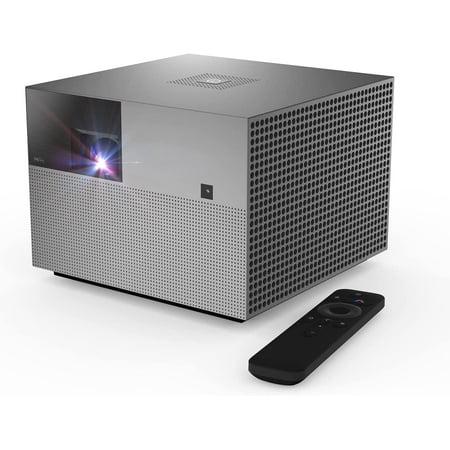
Released in early 2022, the WEMAX Vogue Pro arrived as part of the new generation of smart cube-style projectors. Originally priced at $999, it's now available for around $640, representing a significant value improvement since its launch.
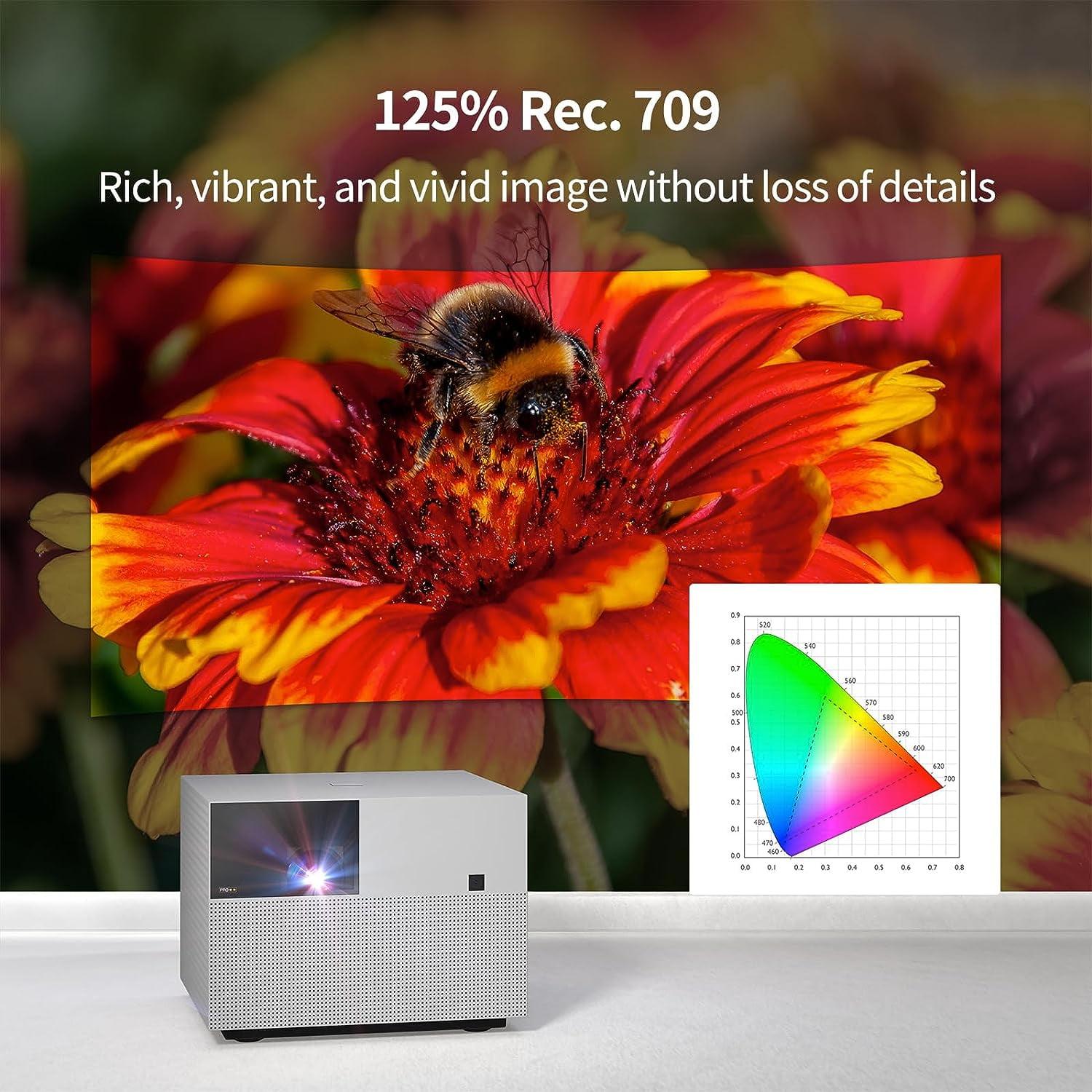
The Vogue Pro embodies the modern smart projector approach: a compact device with built-in streaming, automatic setup features, and versatility as its core strengths. WEMAX equipped it with a 4-channel LED light engine (which adds a blue-violet LED to the traditional RGB configuration for better color accuracy) and focused on creating an extremely user-friendly experience.
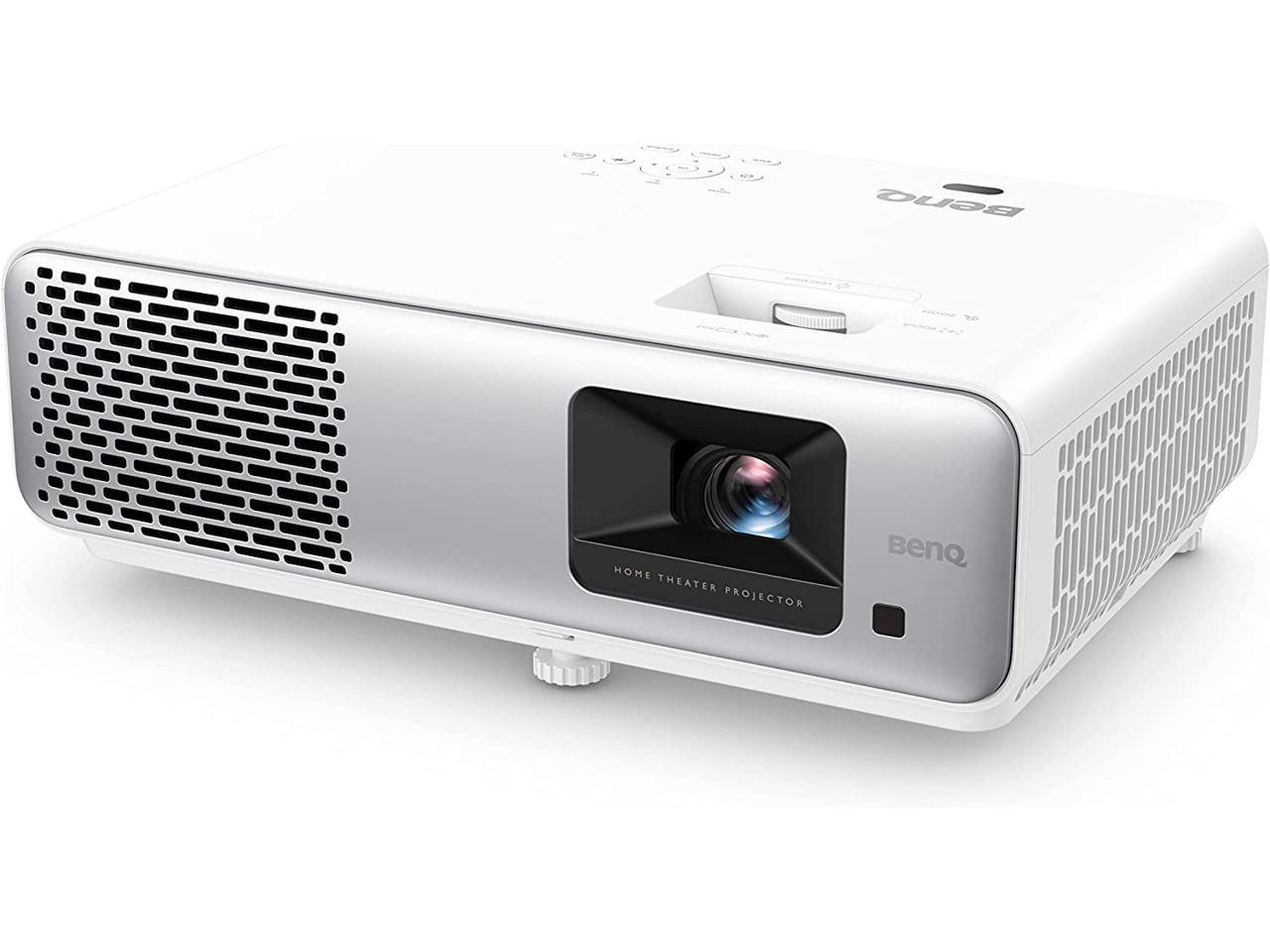
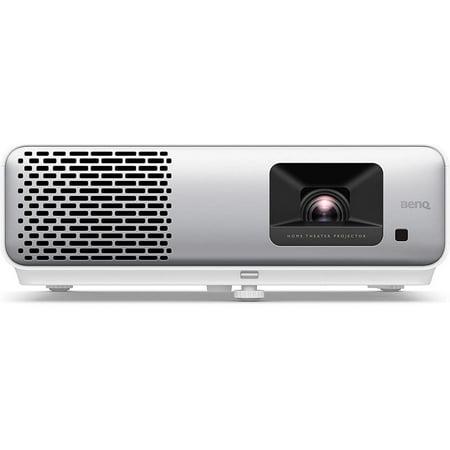
Released more recently in 2023, the BenQ HT2060 (priced at approximately $989) takes a different approach. It builds on BenQ's long history of creating dedicated home theater projectors, focusing on image quality, color accuracy, and performance rather than smart features.
The HT2060 represents an evolution of BenQ's home theater lineup, bringing advances in LED light source technology and HDR processing to a price point that's more accessible than their premium models. At just under $1,000, it targets enthusiasts who prioritize image quality over convenience.
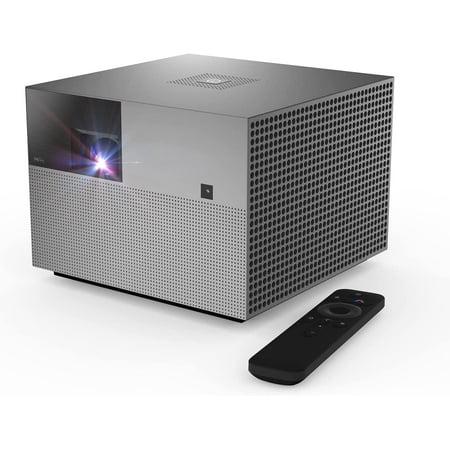
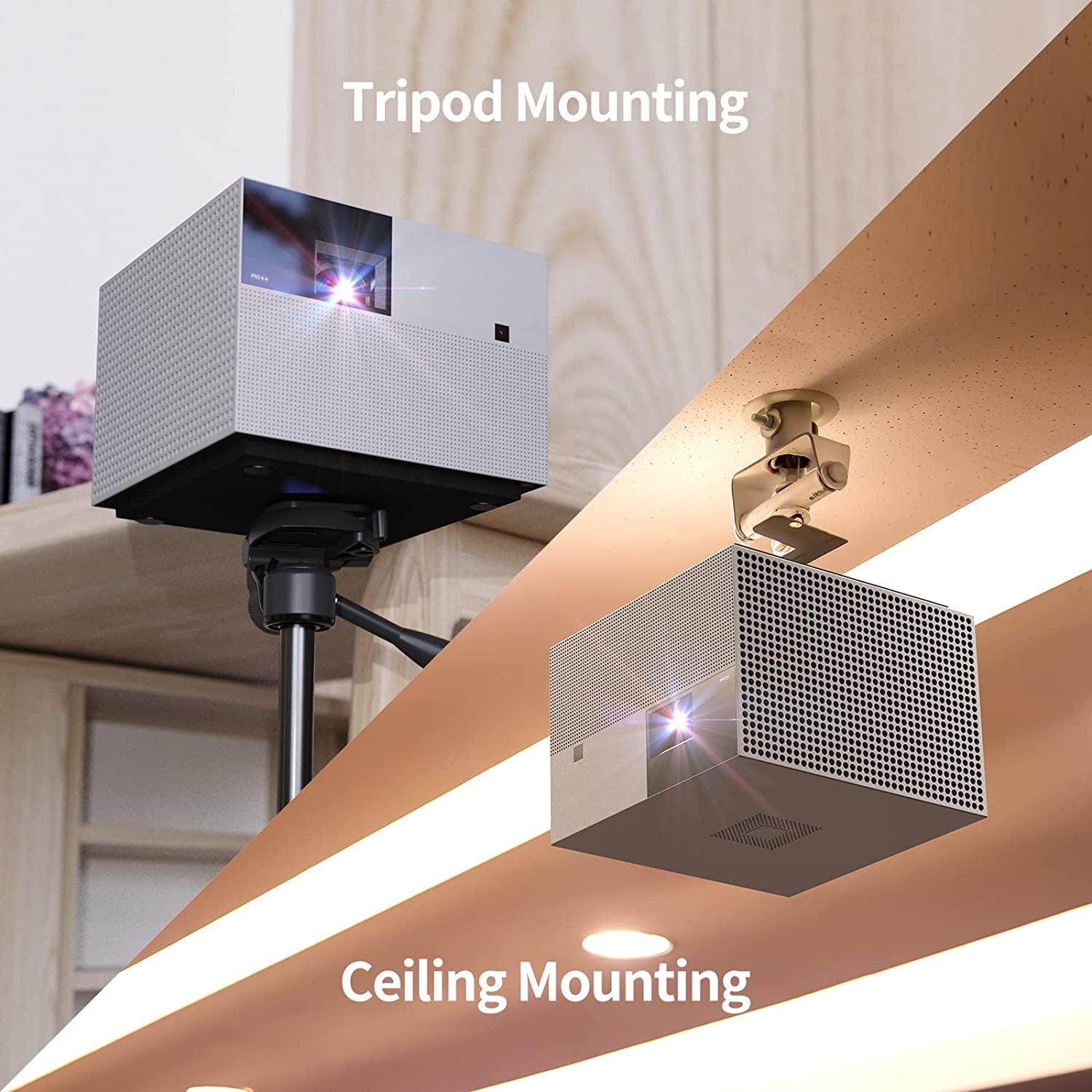
The WEMAX Vogue Pro embraces the modern cube design that's become popular with smart projectors. Measuring just 200 x 200 x 148mm and weighing 3.5kg, it's meant to be visually unobtrusive and easy to move between rooms. The compact design houses an impressive array of technology, including sensors and cameras that enable its automatic setup features.
"I've found that cube projectors like the Vogue Pro are fantastic for homes where the projector might move between rooms," explains home theater enthusiast Marcus Chen. "You can place it on a coffee table for movie night, then easily relocate it to a bedroom for late-night viewing."
In contrast, the BenQ HT2060 maintains a more traditional projector design at 14.4 x 9.6 x 4.6 inches and 7.9 pounds. This larger footprint allows for more substantial cooling systems and optical components but makes it less portable. The design reflects its purpose as a dedicated home theater device meant to be installed semi-permanently.
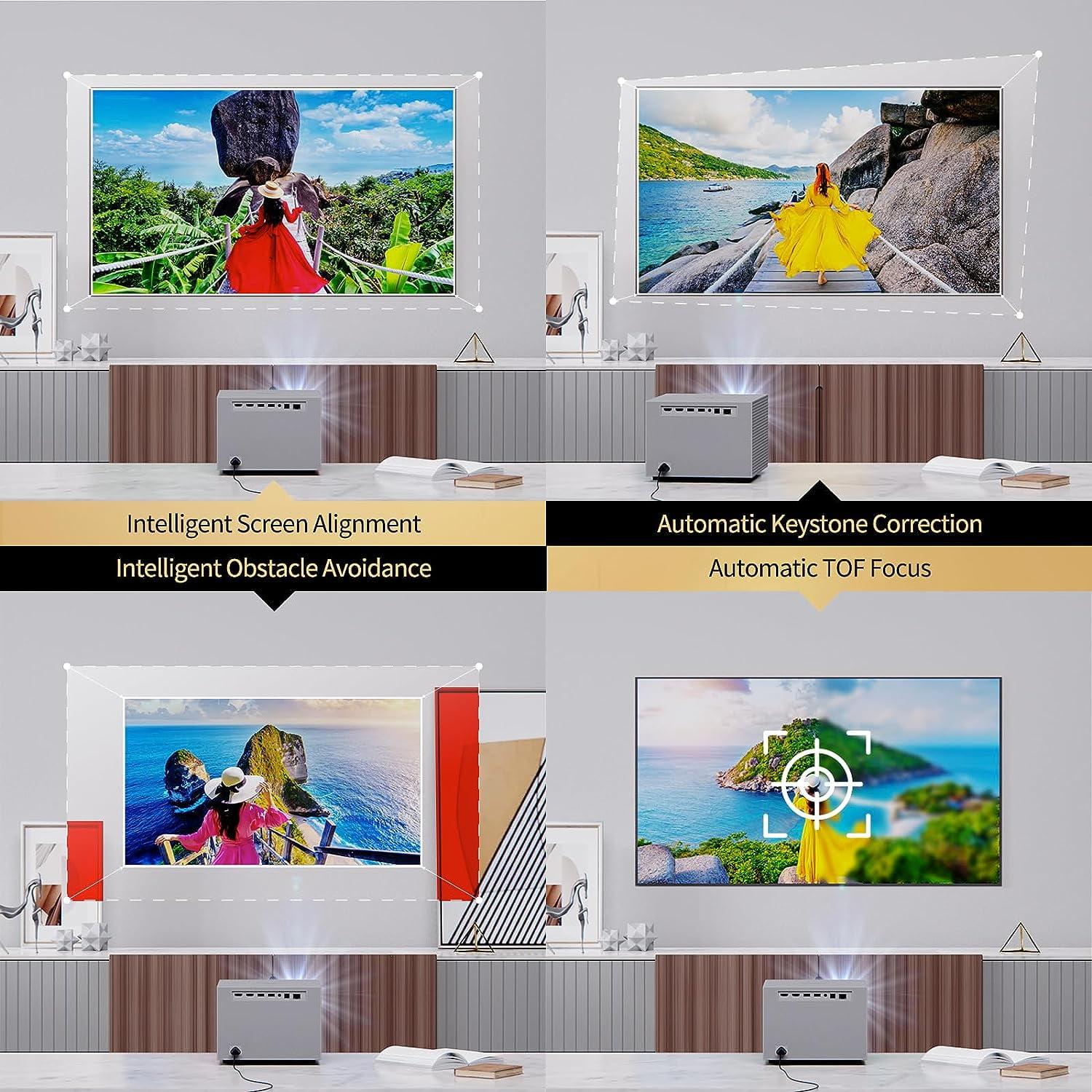
The setup experience between these projectors couldn't be more different. The WEMAX features a comprehensive suite of automatic calibration tools:
These features make the Vogue Pro incredibly simple to set up. Place it roughly where you want it, power it on, and the projector handles the rest. For users without technical experience or those who frequently reposition their projector, this automation is genuinely valuable.
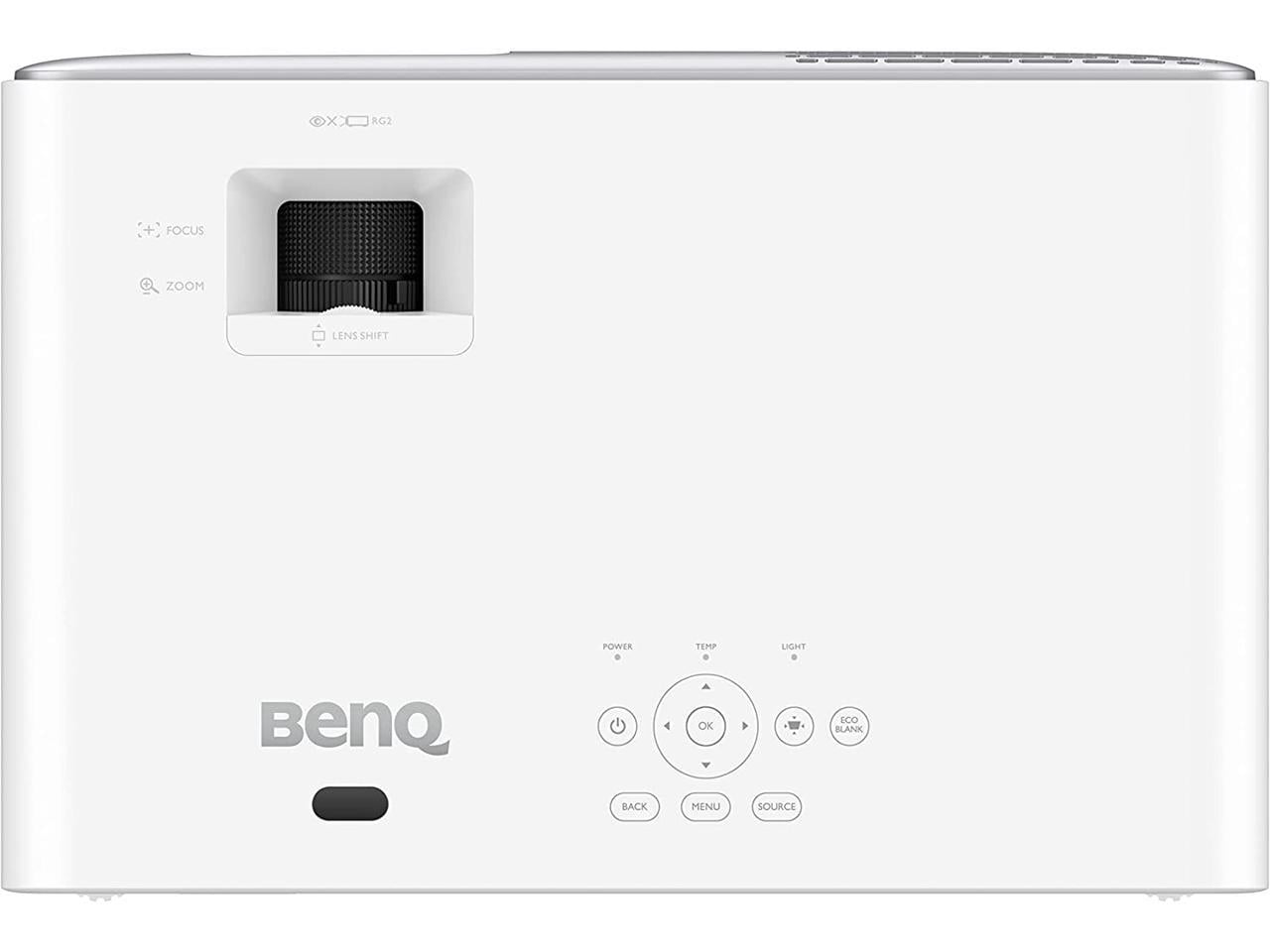
The BenQ takes a more traditional approach with manual controls that offer precise adjustments:
"I've found that while automatic setup features are convenient, the manual adjustments on projectors like the HT2060 allow for more precise image alignment," notes home theater installer Jamie Rodriguez. "For permanent installations, taking the time to position everything manually often produces better results."
The setup philosophy reflects each projector's intended use: the WEMAX for casual, flexible viewing and the BenQ for dedicated home theater spaces.
Perhaps the most noticeable difference between these projectors is their brightness capability:
This 700 lumen difference (nearly 44% brighter) significantly impacts where and when you can comfortably use each projector. The BenQ's extra brightness allows it to produce a vivid image even with some ambient light present, making it more versatile for daytime viewing or rooms where perfect darkness isn't possible.
The Vogue Pro, while still reasonably bright for its class, works best in controlled lighting environments. Its 1600 lumens will provide a good image in a darkened room, but will struggle more with ambient light.
"Brightness is often the most underrated specification when buying a projector," explains display calibration expert Terry Williams. "People focus on resolution, but if your projector isn't bright enough for your room, nothing else matters. The HT2060's extra brightness gives it a substantial real-world advantage in many homes."
The specifications show a dramatic difference in contrast ratios:
While the BenQ's figure is certainly marketing-enhanced (dynamic contrast measurements involve the projector adjusting its brightness between scenes), real-world testing confirms the HT2060 produces significantly better black levels and contrast. This translates to more depth in dark scenes, more visible detail in shadows, and a more three-dimensional image overall.
Good contrast is especially important for movie viewing, particularly in films with dark scenes like horror movies or space-based science fiction. The BenQ's superior contrast makes it the clear choice for serious movie enthusiasts.
Both projectors use LED light sources, which offer consistent color performance over their lifespan (unlike traditional lamps that can shift color as they age). However, they take different approaches to color processing:
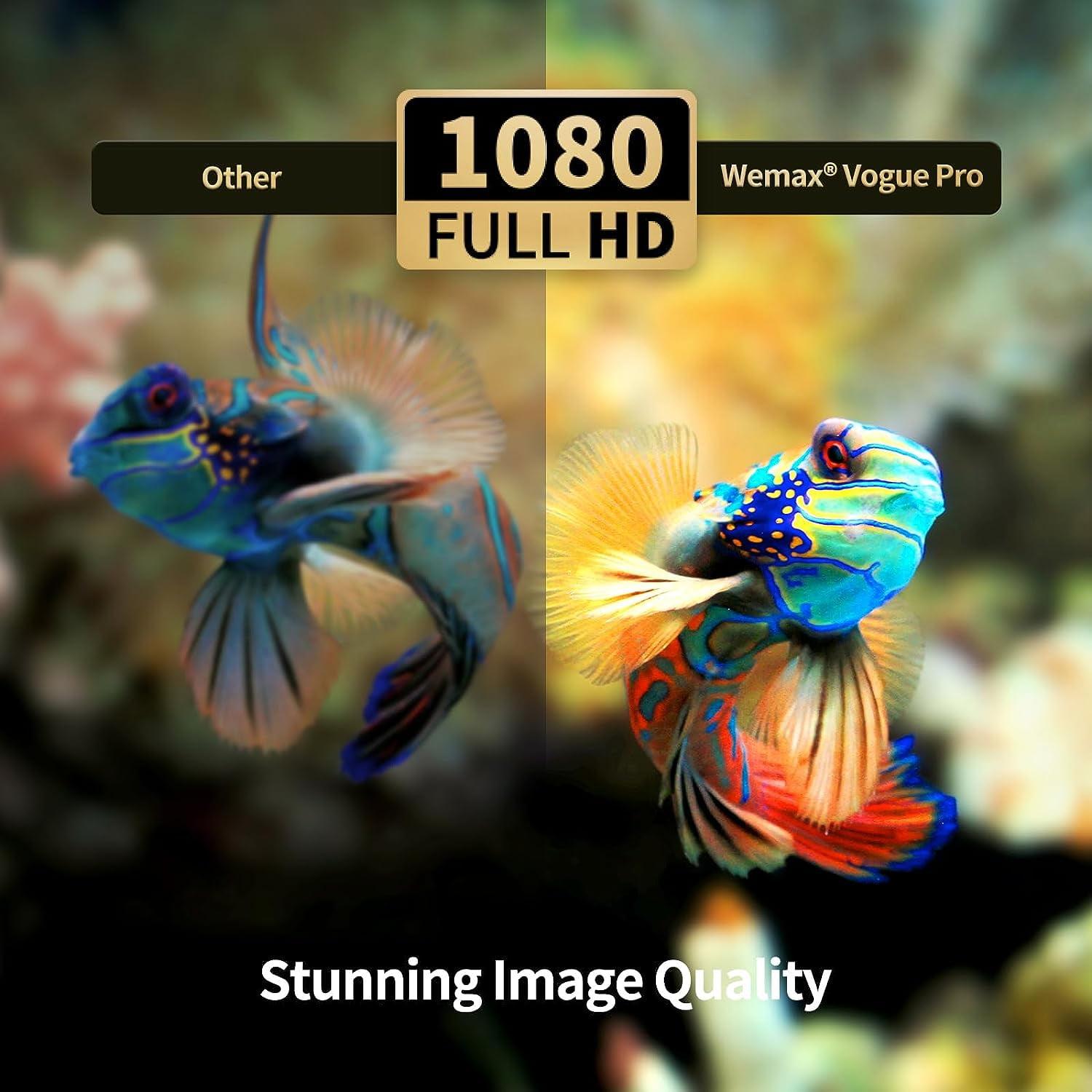
The WEMAX uses a 4-channel LED system that adds a blue-violet LED to the traditional red, green, and blue arrangement. This additional channel helps improve color accuracy and vibrancy in certain ranges of the spectrum.
The BenQ employs its CinematicColor technology with careful factory calibration to achieve 98% coverage of the Rec.709 color space (the standard color space for HD content). Reviews consistently praise the HT2060's out-of-box color accuracy, noting that it requires minimal adjustment to achieve reference-quality color.
"The BenQ's color accuracy is exceptional for a projector in this price range," notes video calibration professional Dana Cohen. "Many projectors require extensive calibration, but the HT2060 is remarkably accurate straight out of the box."
Both projectors support HDR10 (High Dynamic Range) content, but the implementation differs significantly:
The WEMAX offers basic HDR10 compatibility, but with its more limited brightness and contrast capabilities, the HDR effect is somewhat subtle. It can read and process HDR signals, but can't fully realize the expanded range that HDR content offers.
The BenQ brings more sophisticated HDR tone mapping (the process of adapting HDR content to the projector's capabilities) that better preserves highlight and shadow detail. It also supports HLG (Hybrid Log Gamma), an alternative HDR format used primarily in broadcast applications.
"Good HDR processing on a projector is about intelligent tone mapping rather than pure brightness," explains home theater consultant Miguel Sanchez. "The BenQ does a better job preserving detail in both the brightest and darkest parts of HDR content, even though no projector at this price can deliver the full HDR experience of premium TVs."
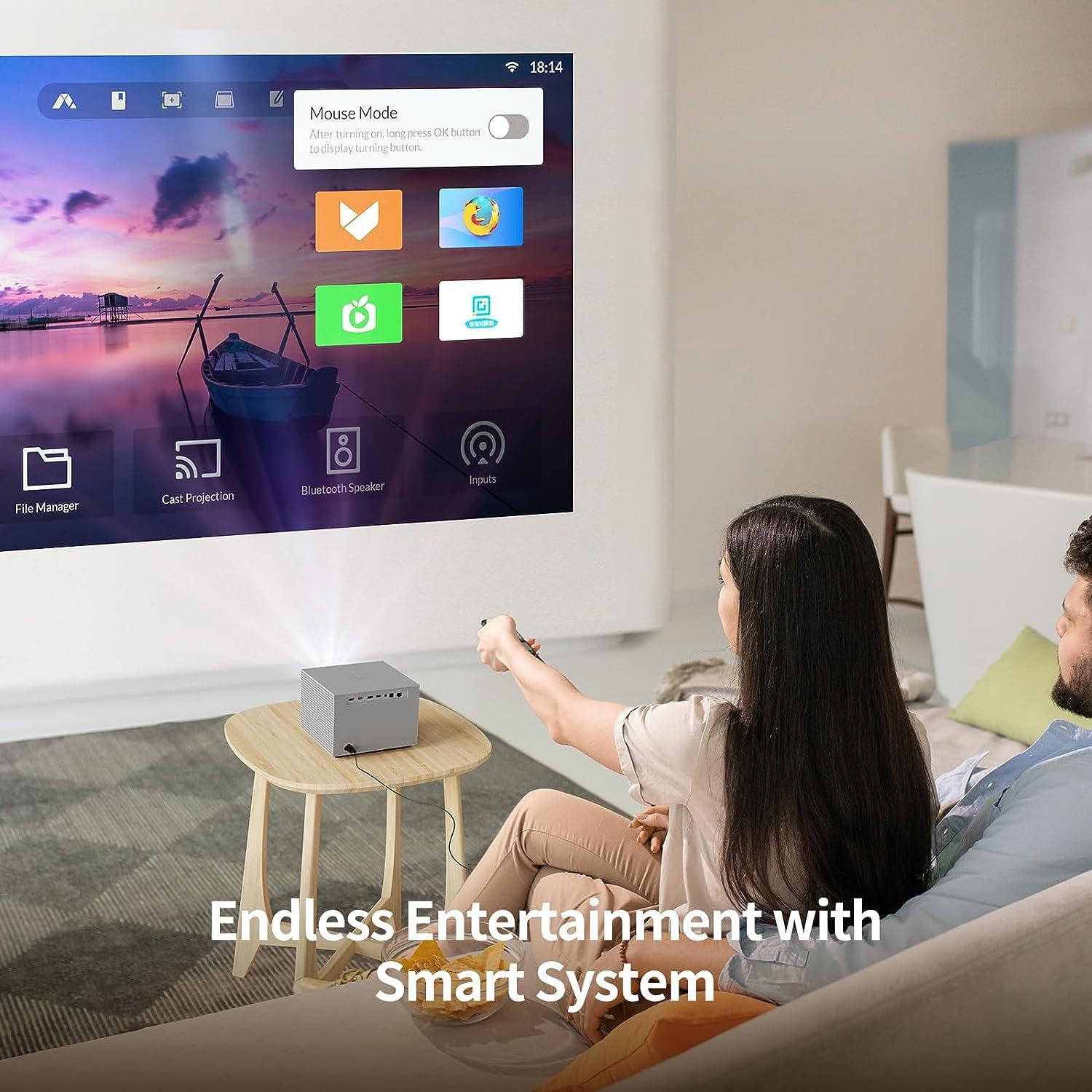
The WEMAX Vogue Pro offers a complete entertainment package with its Android-based Feng OS operating system. The built-in smart platform gives you access to popular streaming services directly on the projector, without needing any external devices. It supports Chromecast, AirPlay, and Miracast for wireless streaming from mobile devices and computers.
The interface is reasonably responsive, though not as polished as premium streaming devices like Apple TV or NVIDIA Shield. Some users report occasional sluggishness when navigating through menus or launching apps. The projector includes 2GB of RAM and 32GB of storage, which is adequate for a streaming platform but not exceptionally powerful.
The BenQ HT2060 takes a completely different approach by omitting smart features entirely. It has no operating system, no apps, and no built-in streaming capabilities. This deliberate choice focuses the projector's design and engineering resources purely on image quality rather than computing power.
To stream content on the BenQ, you'll need to connect an external device like an Apple TV, Roku, Fire TV Stick, or game console. This adds to the overall cost but provides a potentially better and more updatable streaming experience.
"I've found that dedicated streaming devices usually offer better performance and longevity than built-in smart platforms," notes home entertainment writer Jessica Lang. "The WEMAX's built-in system is convenient, but external devices like Apple TV or Roku typically have more responsive interfaces and receive updates for longer periods."
Both projectors offer good connectivity, but with different emphases:
The WEMAX includes:
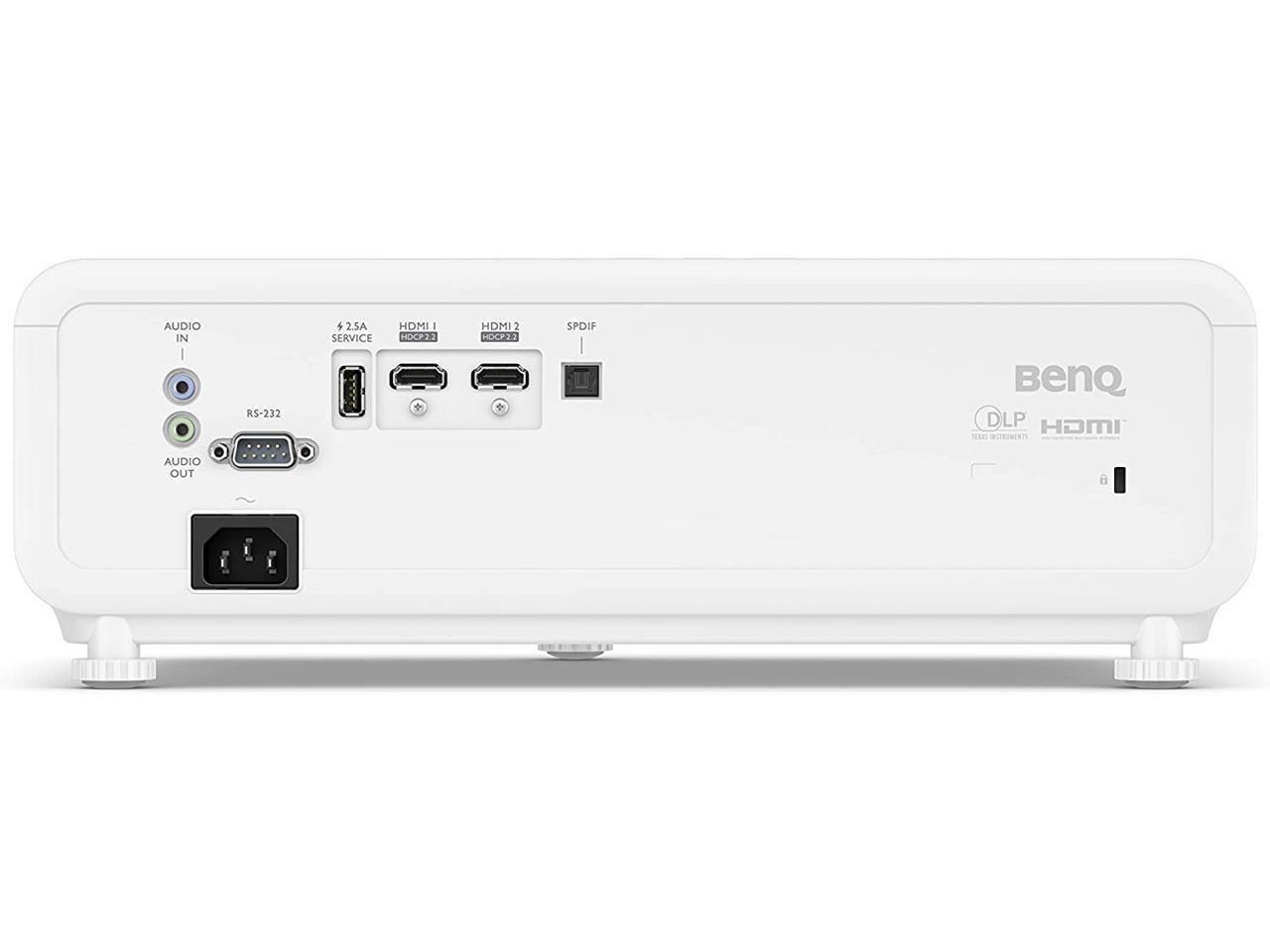
The BenQ offers:
The WEMAX has a slight edge with HDMI 2.1 ports (which support higher bandwidth for potential future-proofing), built-in Wi-Fi, and Bluetooth. The BenQ's RS-232 port will appeal to those with advanced home automation systems, and its USB port's higher power output is specifically designed to power streaming sticks directly.
One area where these projectors diverge significantly is audio capability:
The WEMAX features dual 10W speakers with Dolby Audio and DTS-HD support. The sound quality is surprisingly good for a projector, with clear dialogue and reasonable bass response for its size. It can also function as a standalone Bluetooth speaker, letting you stream music to it even when not projecting.
The BenQ includes more basic 5W stereo speakers that provide adequate sound for casual viewing but lack the volume and clarity for a true cinematic experience. The audio is functional but unremarkable.
"Most projectors have terrible speakers, so the WEMAX's audio quality is a pleasant surprise," comments audio reviewer Alex Thompson. "It's not replacing a proper sound system, but it's actually good enough that you might not immediately feel the need for external speakers."
For serious home theater use, you'll want external speakers with either projector, but the WEMAX could suffice on its own for casual viewing or temporary setups.
For gamers, input lag (the delay between a controller input and the corresponding action appearing on screen) is crucial. Lower input lag provides a competitive advantage in fast-paced games.
The BenQ HT2060 excels here with a very low 16.7ms input lag at 1080p/60Hz when using its Fast Mode. This is excellent performance that rivals gaming monitors and makes it suitable even for competitive gaming.
The WEMAX doesn't specify its input lag figures, but reviews suggest it's acceptable for casual gaming but not optimized for competitive play. Estimates put it in the 40-50ms range, which most casual gamers won't notice but could frustrate serious players.
"Input lag under 20ms is what you want for serious gaming," explains gaming hardware specialist Ryan Parker. "The BenQ's 16.7ms performance is excellent for a projector and makes it a genuine option for gamers, not just movie watchers."
At approximately $640, the WEMAX Vogue Pro offers an impressive all-in-one package. It includes everything you need for immediate entertainment: the projector itself, a smart platform with streaming apps, good built-in audio, and automatic setup features. This comprehensive approach means you don't need additional devices to start watching.
For around $989, the BenQ HT2060 delivers superior image quality but requires additional investments. You'll likely want external speakers ($100-300) and a streaming device ($50-200), potentially pushing the total setup cost over $1,300. However, this additional investment yields better performance in every aspect of image quality.
"The value equation depends entirely on your priorities," observes consumer technology analyst Maria Gonzalez. "If convenience and initial price are most important, the WEMAX is compelling. If you're building a dedicated home theater and care primarily about image quality, the BenQ's higher cost is justified by its performance."
The WEMAX Vogue Pro excels as a flexible entertainment solution that balances performance with convenience. Its automatic features make it particularly suitable for those new to projectors or those who don't want to fuss with manual adjustments.
The BenQ HT2060 represents the traditional home theater approach: focused performance without compromises for smart features. Its superior brightness, contrast, and color accuracy make it the clear choice for enthusiasts who prioritize image quality above all else.
Both the WEMAX Vogue Pro and BenQ HT2060 represent excellent value in their respective approaches to home projection. The choice between them ultimately comes down to what you value more: the all-in-one convenience of a smart projector or the dedicated performance of a home theater specialist.
If you're new to projectors or value simplicity, the WEMAX offers an approachable entry point with good performance and exceptional ease of use. If you're building a dedicated home theater and care primarily about image quality, the BenQ's superior performance justifies its higher price and simpler feature set.
Either way, both projectors demonstrate how far home projection technology has advanced in recent years, making big-screen entertainment more accessible and impressive than ever before. Whether you choose the jack-of-all-trades WEMAX Vogue Pro or the image-focused BenQ HT2060, you'll be enjoying a home theater experience that would have cost many times more just a few years ago.
| WEMAX Vogue Pro 1080P Smart Projector | BenQ HT2060 HDR Home Theater Projector |
|---|---|
| Price - Overall investment required | |
| $640 (originally $999) | $989 |
| Release Date - Indicates technology generation | |
| Early 2022 | 2023 |
| Brightness - Critical for rooms with ambient light | |
| 1,600 ANSI lumens (best in darkened rooms) | 2,300 ANSI lumens (44% brighter, works in rooms with some ambient light) |
| Resolution - Determines image sharpness | |
| 1080p (Full HD) native | 1080p (Full HD) native |
| Contrast Ratio - Affects black levels and image depth | |
| 2,500:1 (adequate for casual viewing) | 500,000:1 dynamic (significantly better black levels and shadow detail) |
| Light Source - Affects color accuracy and lifespan | |
| 4-channel LED (25,000+ hour lifespan) | LED (20,000-30,000 hour lifespan) |
| HDR Support - Enhances color range and contrast | |
| Basic HDR10 support | Advanced HDR10 and HLG with superior tone mapping |
| Smart Features - Determines if additional devices are needed | |
| Built-in Android-based Feng OS with streaming apps | None (requires external streaming device) |
| Auto Setup Features - Impacts ease of installation | |
| Comprehensive: auto focus, auto keystone, obstacle avoidance, screen alignment | Basic: auto keystone only |
| Lens Features - Affects installation flexibility | |
| Fixed lens (requires moving projector to change image size) | 1.3x zoom and +10% vertical lens shift (more flexible placement) |
| Input Lag - Critical for gaming performance | |
| Approximately 40-50ms (suitable for casual gaming) | 16.7ms at 1080p/60Hz (excellent for competitive gaming) |
| Audio - Determines need for external speakers | |
| Dual 10W speakers with Dolby Audio and DTS-HD (surprisingly good) | 5W stereo speakers (adequate but basic) |
| Connectivity - Affects compatibility with devices | |
| 2x HDMI 2.1 (one with ARC), 2x USB, Ethernet, S/PDIF, Wi-Fi, Bluetooth | 2x HDMI 2.0b, 1x USB (2.5A), RS-232, no wireless connectivity |
| Dimensions - Impacts placement options | |
| Compact cube: 200 x 200 x 148mm, 3.5kg | Traditional design: 14.4 x 9.6 x 4.6 inches, 7.9 pounds |
| Ideal For - Primary use case | |
| Versatile entertainment with emphasis on convenience and portability | Dedicated home theaters with emphasis on image quality and gaming |
| Total Cost Consideration - Actual investment needed | |
| $640 (complete solution, no additional purchases required) | $989 + $50-200 (streaming device) + $100-300 (recommended speakers) |
For watching movies, the BenQ HT2060 HDR Home Theater Projector offers superior performance with its better contrast ratio (500,000:1 vs 2,500:1), higher brightness (2,300 vs 1,600 ANSI lumens), and more sophisticated HDR processing. While the WEMAX Vogue Pro 1080P Smart Projector provides good movie performance with built-in streaming apps, the BenQ HT2060's superior image quality makes it the better choice for dedicated movie watching, especially in a home theater setting.
The WEMAX Vogue Pro 1080P Smart Projector currently sells for around $640 (reduced from its original $999 price), while the BenQ HT2060 HDR Home Theater Projector costs approximately $989. This represents a price difference of about $349. However, it's worth noting that the BenQ may require additional purchases like a streaming device ($50-200) and possibly external speakers ($100-300), potentially increasing the total cost difference to $500-800.
The WEMAX Vogue Pro is significantly easier to set up thanks to its comprehensive automatic features including auto focus, auto keystone correction, obstacle avoidance, and auto screen alignment. You can simply place it approximately where you want it and the projector handles the rest. The BenQ HT2060 offers more traditional manual setup with some basic auto keystone correction, but requires more user intervention to achieve optimal image placement and alignment.
The BenQ HT2060 HDR Home Theater Projector with its 2,300 ANSI lumens performs better in rooms with some ambient light, though it still benefits from light control. The WEMAX Vogue Pro 1080P Smart Projector at 1,600 ANSI lumens is adequate for moderately dimmed rooms but struggles in bright conditions. For truly bright rooms with full daylight, neither projector would be ideal - you'd want a projector with 3,000+ ANSI lumens or a specialized ambient light rejecting screen.
The BenQ HT2060 is significantly better for gaming with its very low 16.7ms input lag at 1080p/60Hz. This makes it suitable even for competitive gaming where quick response times are crucial. The WEMAX Vogue Pro has an estimated 40-50ms input lag, which is acceptable for casual gaming but might feel sluggish for fast-paced competitive games. Serious gamers should definitely choose the BenQ HT2060.
The WEMAX Vogue Pro features impressive dual 10W speakers with Dolby Audio and DTS-HD support that may be sufficient for many users in medium-sized rooms. The BenQ HT2060 has more basic 5W stereo speakers that provide adequate sound for casual viewing but lack power and clarity for a true cinematic experience. For the best home theater experience, external speakers are recommended for both projectors, but are much more essential for the BenQ HT2060.
The WEMAX Vogue Pro 1080P Smart Projector has significantly better smart features with its built-in Android-based Feng OS, which provides access to streaming apps without additional devices. It also supports Chromecast, AirPlay, and Miracast for wireless streaming. The BenQ HT2060 HDR Home Theater Projector has no smart features or built-in streaming capabilities at all and requires an external streaming device like Roku, Apple TV, or Fire TV Stick.
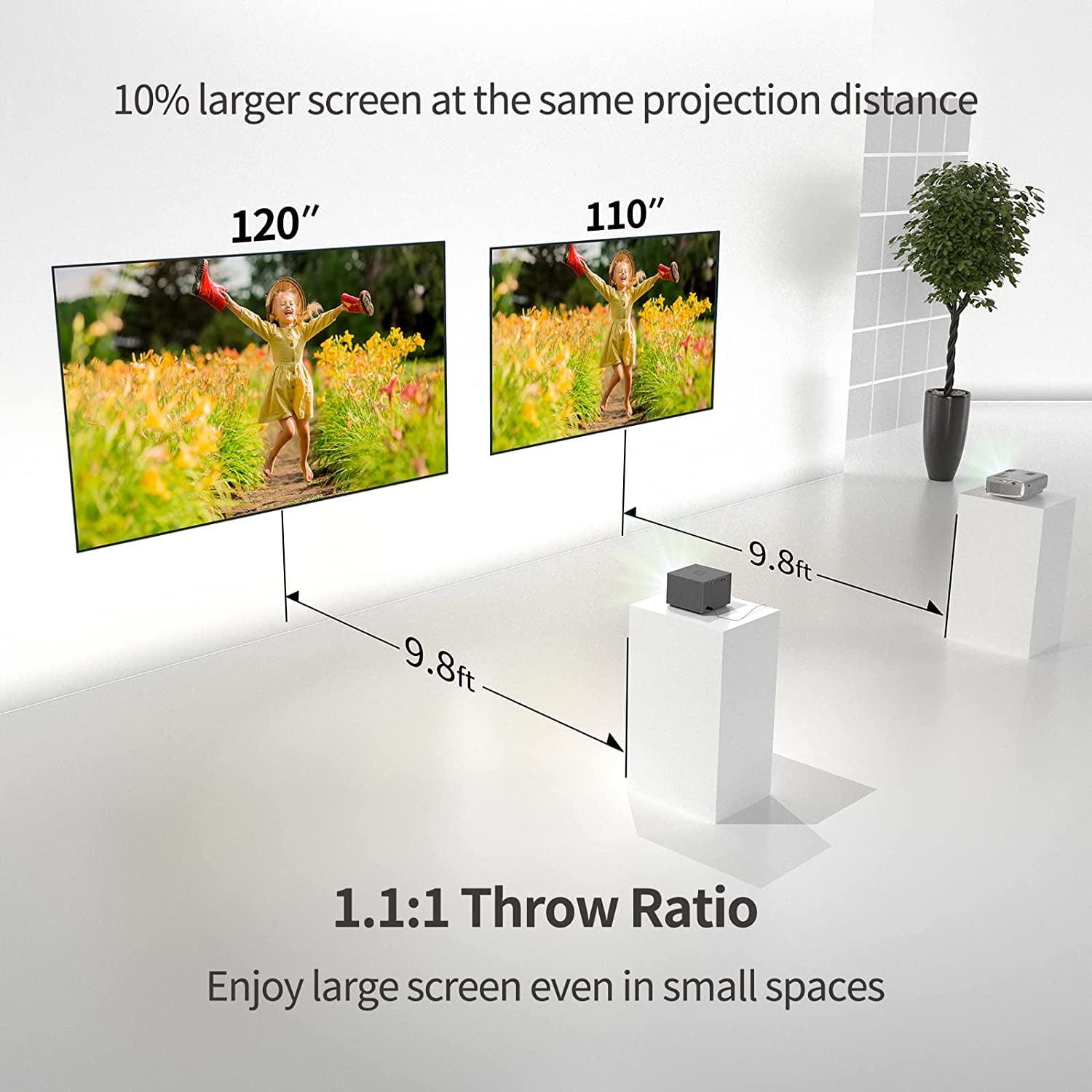
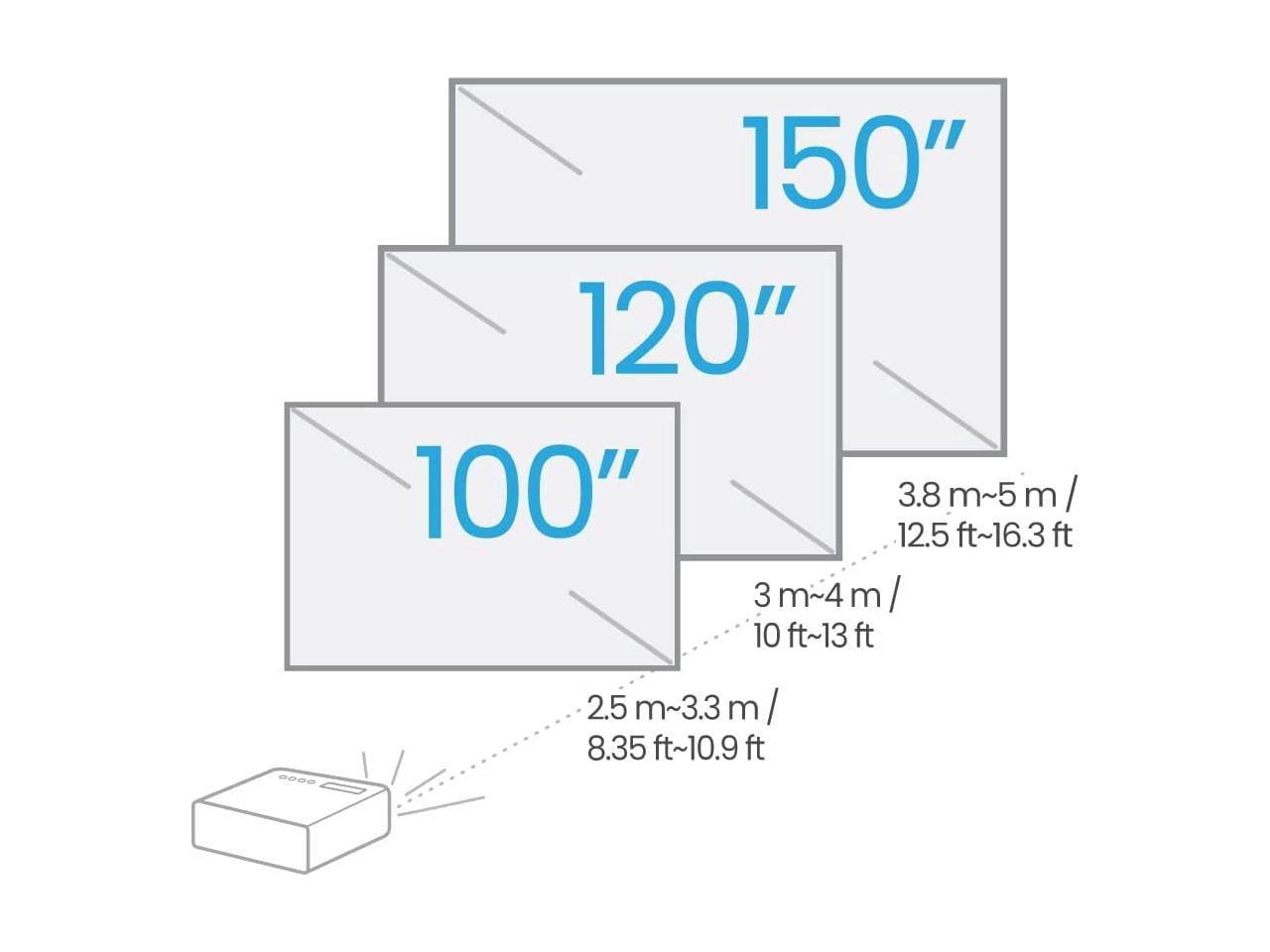
The WEMAX Vogue Pro can project images from 40 to 120 inches in diagonal size. The BenQ HT2060 offers a range of 60 to 150 inches. The BenQ's larger maximum size makes it more suitable for dedicated home theaters with larger screens, while the WEMAX's smaller minimum size might be advantageous in smaller rooms where you can't place the projector far from the wall.
The BenQ HT2060 HDR Home Theater Projector offers superior overall image quality with better brightness (2,300 vs 1,600 ANSI lumens), vastly superior contrast ratio (500,000:1 vs 2,500:1), more accurate colors with 98% Rec.709 coverage, and better HDR processing. While the WEMAX Vogue Pro 1080P Smart Projector provides good image quality with its 4-channel LED system, it simply can't match the BenQ's performance in terms of black levels, brightness, and overall picture quality.
For a dedicated home theater room, the BenQ HT2060 is the better choice due to its superior image quality, better contrast, higher brightness, more flexible installation options with zoom and lens shift, and excellent gaming performance. The WEMAX Vogue Pro is more suited to multi-purpose rooms where convenience and portability matter. In a controlled lighting environment focused on maximizing movie viewing experience, the BenQ's image quality advantages become even more apparent.
Yes, both projectors have HDMI ports for connecting external devices. The WEMAX Vogue Pro features two HDMI 2.1 ports (one with ARC for audio return to sound systems), while the BenQ HT2060 has two HDMI 2.0b ports. Both will easily connect to game consoles, Blu-ray players, streaming devices, and other HDMI sources. The WEMAX's HDMI 2.1 ports might offer slight future-proofing advantages for the latest gaming consoles, though both projectors are limited to 1080p native resolution.
The WEMAX Vogue Pro 1080P Smart Projector is significantly more portable with its compact cube design (200 x 200 x 148mm), lighter weight (3.5kg), and automatic setup features that make relocating it simple. The BenQ HT2060 HDR Home Theater Projector is designed more as a permanent installation with its traditional larger form factor (14.4 x 9.6 x 4.6 inches, 7.9 pounds) and manual adjustment requirements. If you plan to move your projector between rooms frequently, the WEMAX Vogue Pro is the more convenient choice.
We've done our best to create useful and informative comparisons to help you decide what product to buy. Our research uses advanced automated methods to create this comparison and perfection is not possible - please contact us for corrections or questions. These are the sites we've researched in the creation of this article: wemax.com - wemax.com - youtube.com - techpowerup.com - wemax.com - projectorcentral.com - nikktech.com - youtube.com - techpowerup.com - techpowerup.com - youtube.com - nikktech.com - walmart.com - business.walmart.com - projectorcentral.com - techpowerup.com - projektoren-datenbank.com - wemax.com - projectorcentral.com - avsforum.com - bestbuy.com - avsforum.com - tomsguide.com - avsforum.com - projectorreviews.com - hometheaterhifi.com - youtube.com - avsforum.com - cnet.com - techgearlab.com - cdw.com - bhphotovideo.com - projectorcentral.com - shop.avispl.com - tvsbook.com - youtube.com - projectorreviews.com - avsforum.com

Privacy Policy
Terms and Conditions - Affiliate Policy
Home Security
© Copyright 2008-2026.
11816 Inwood Rd #1211, Dallas, TX 75244