

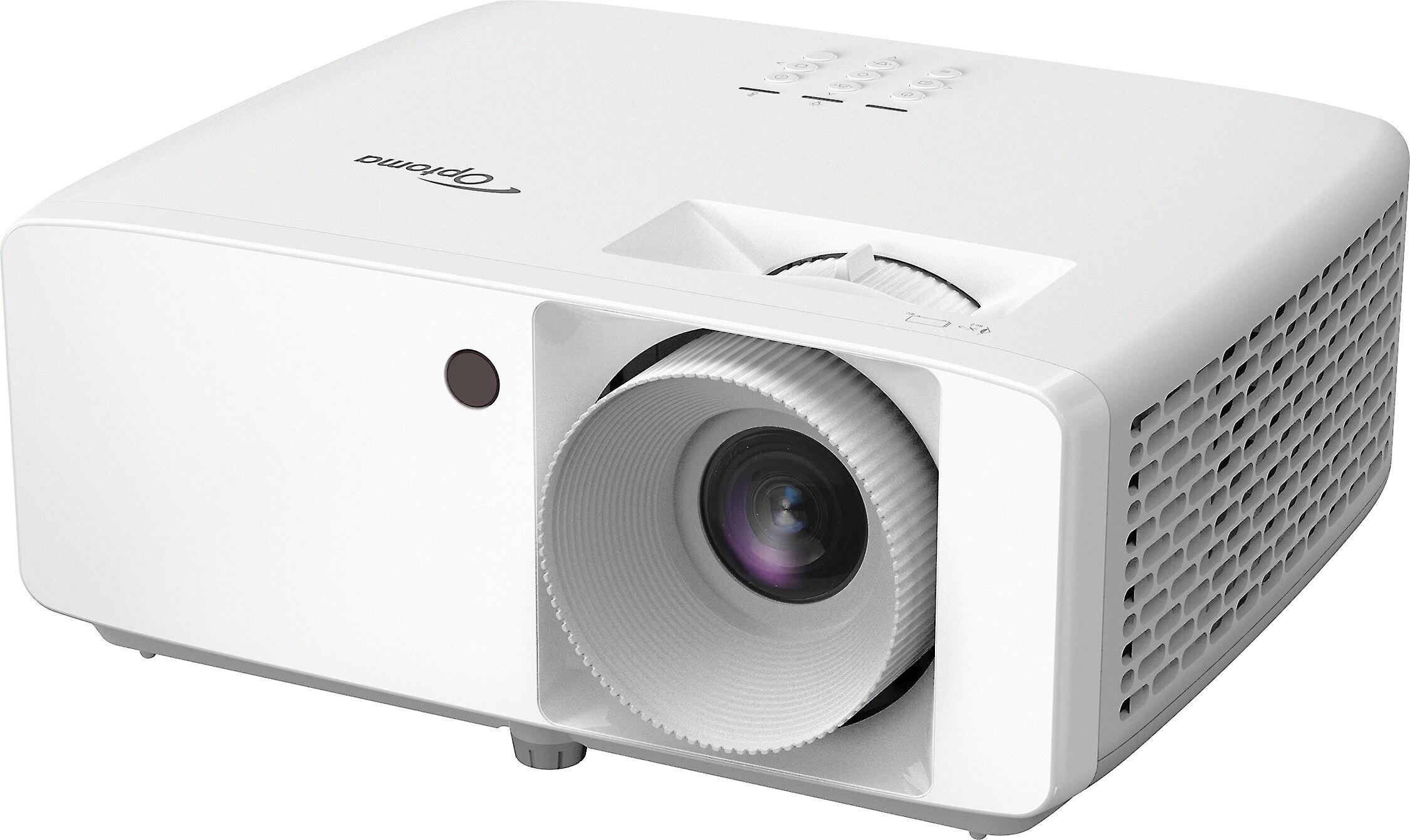
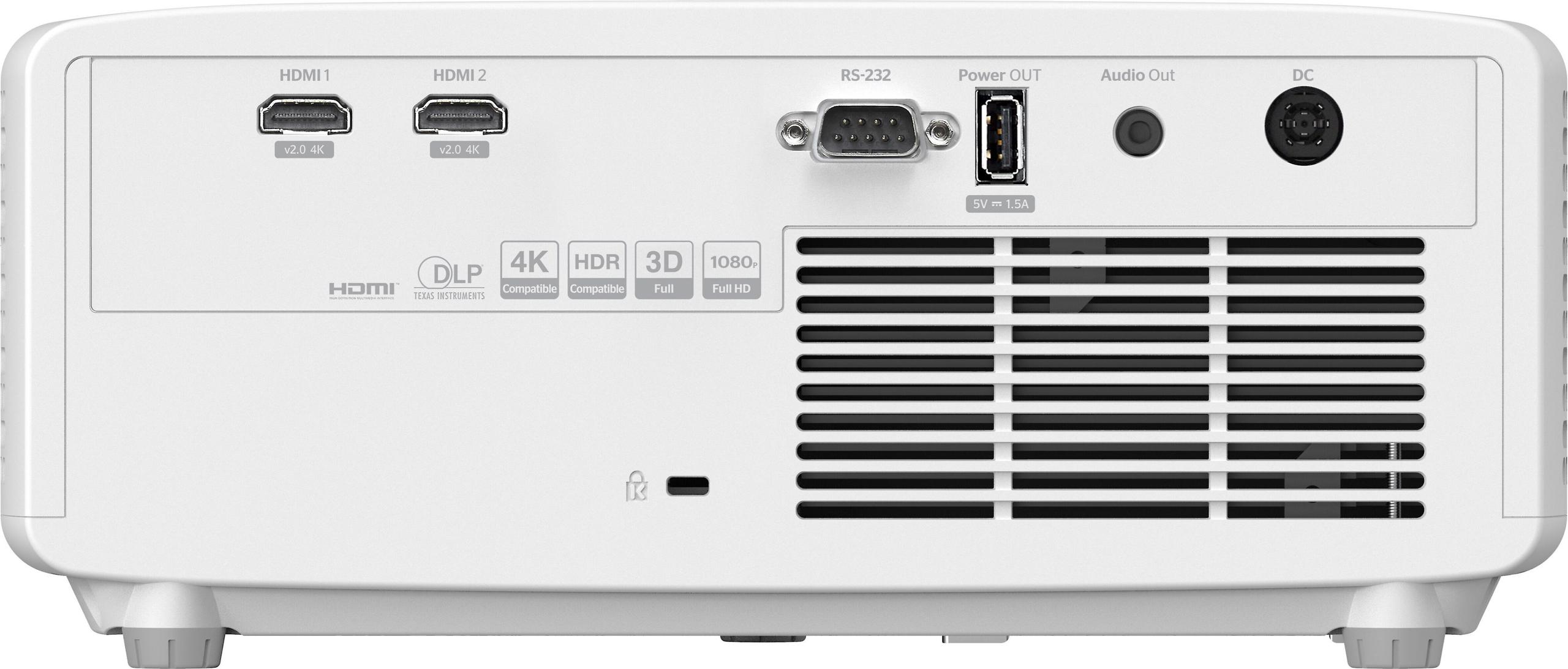
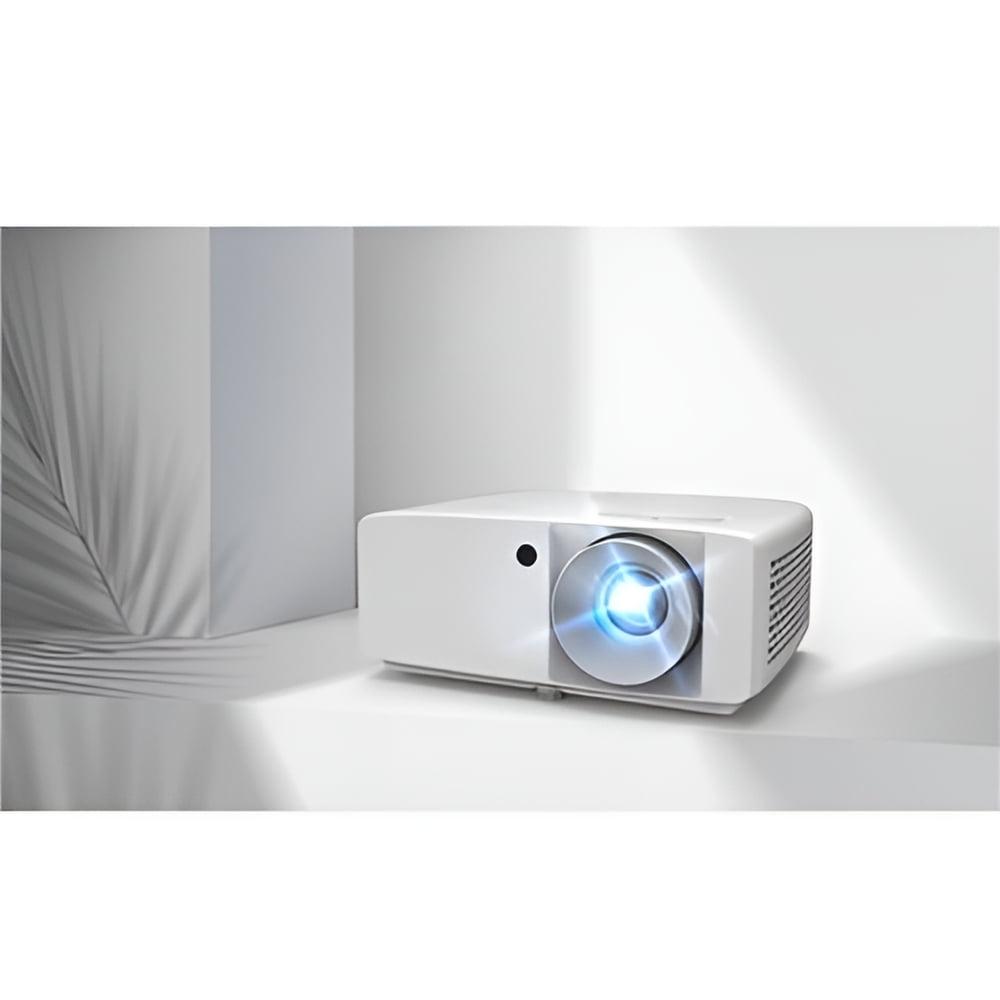
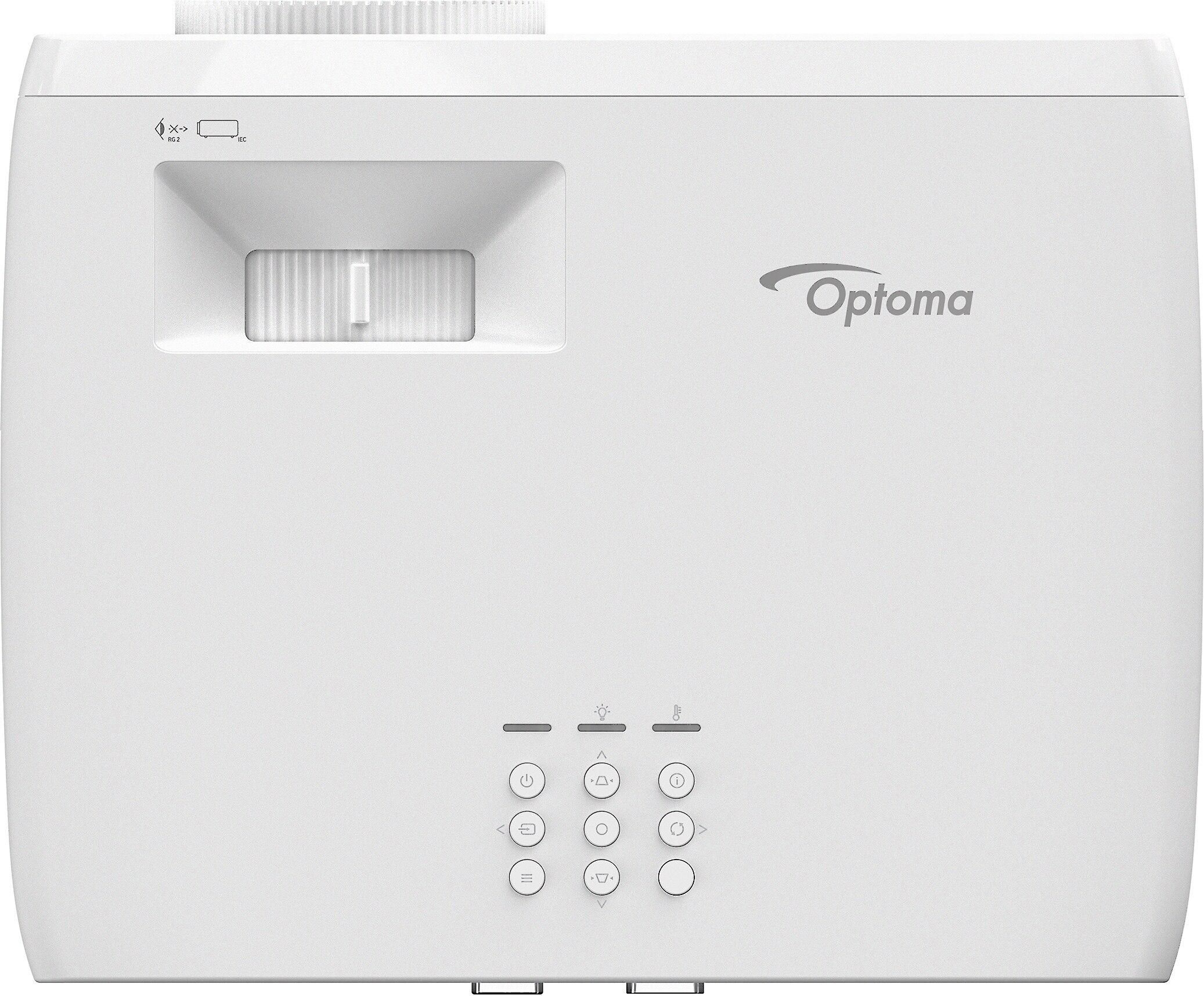
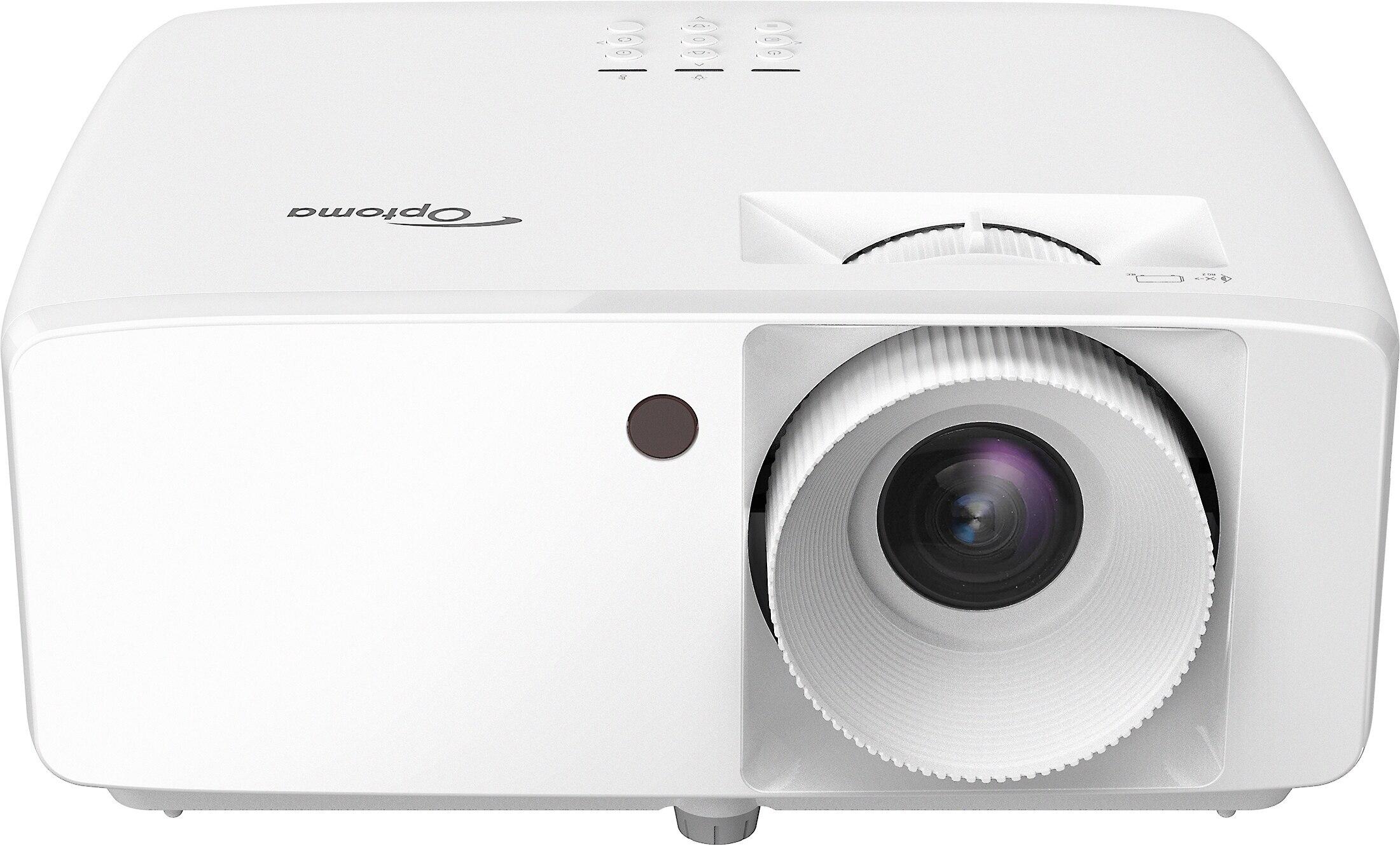
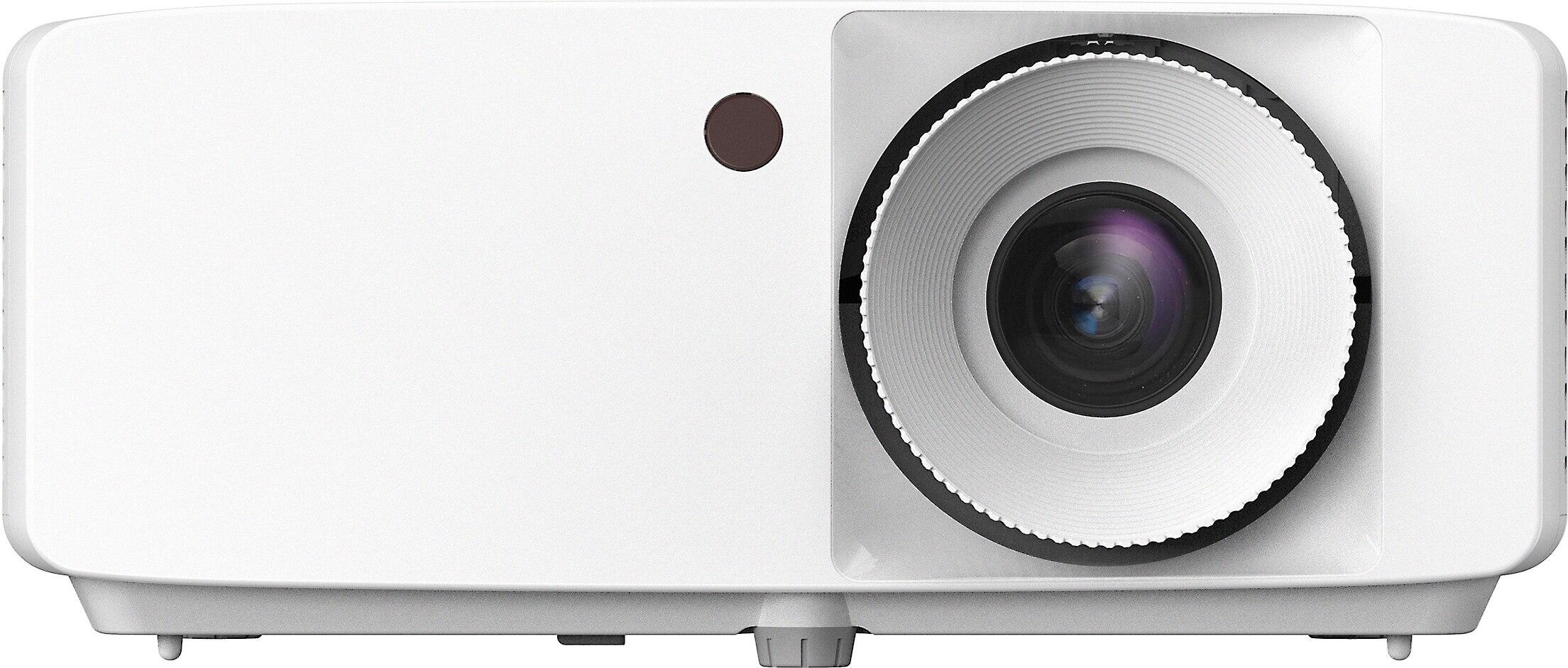
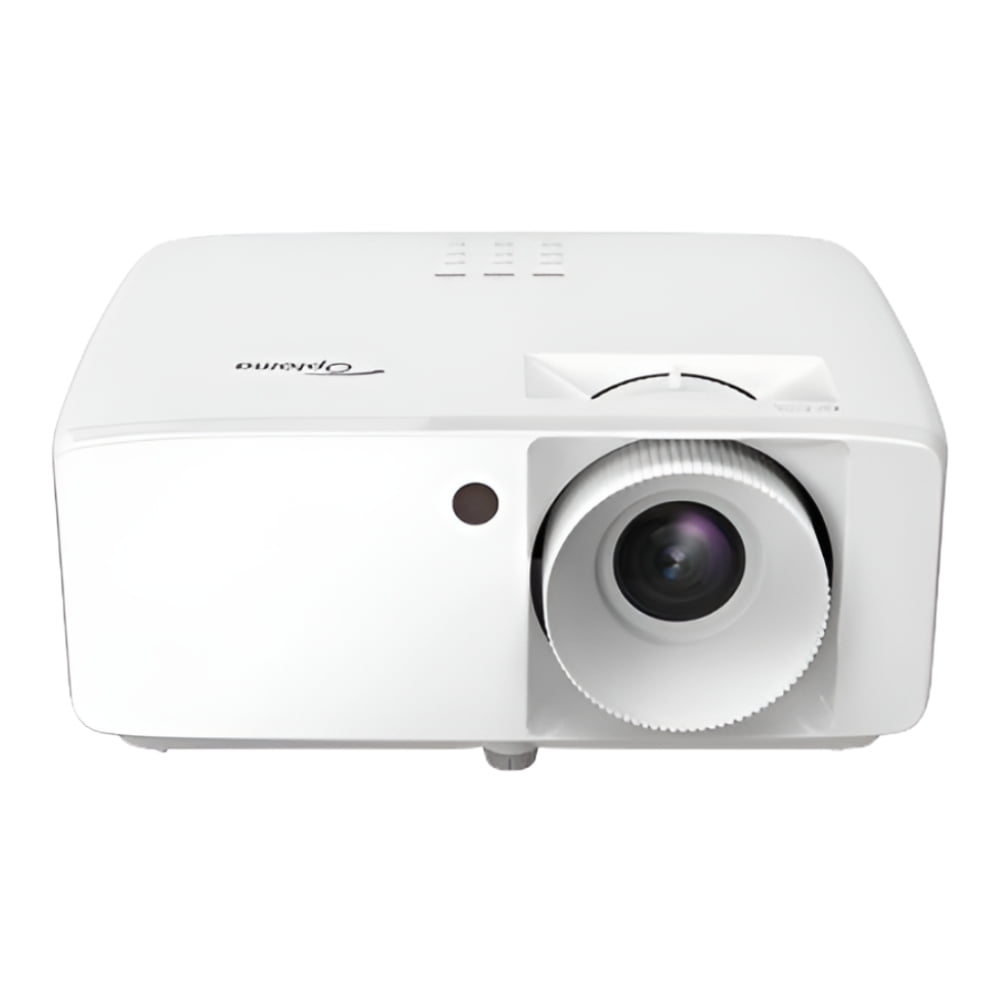
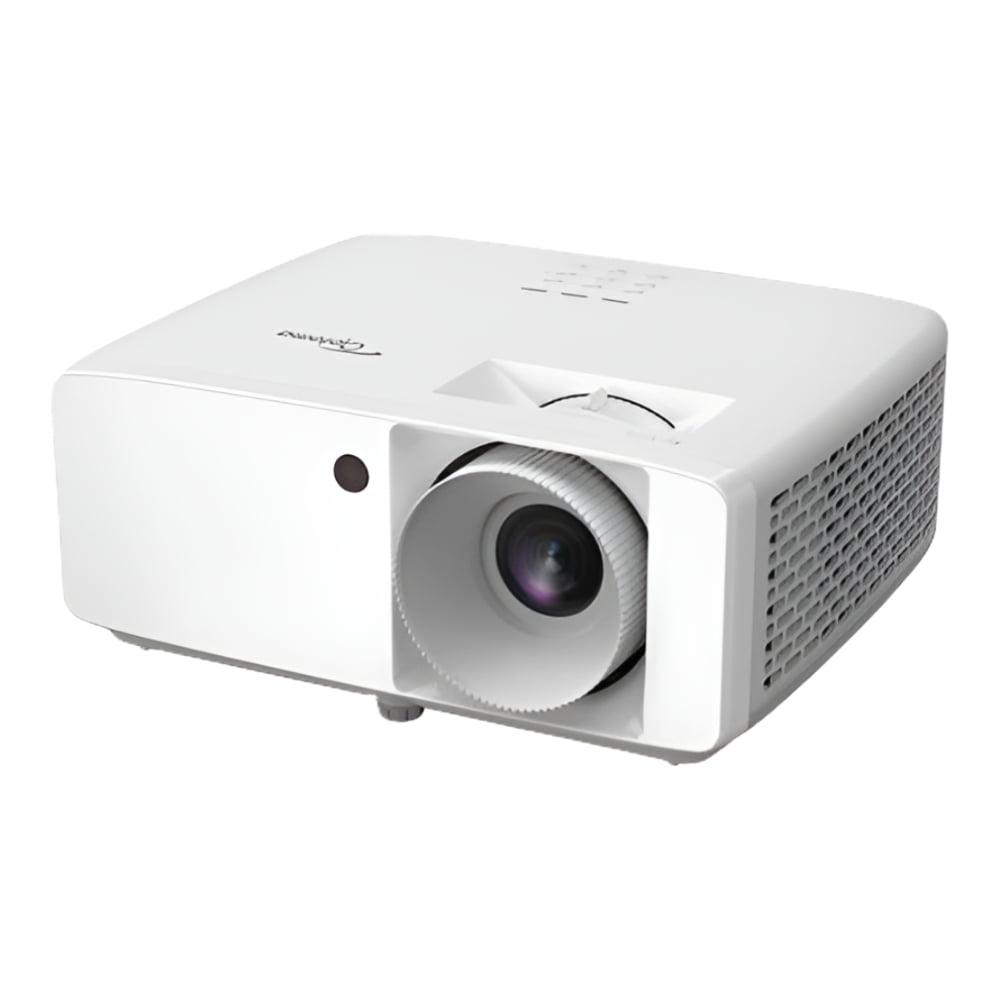
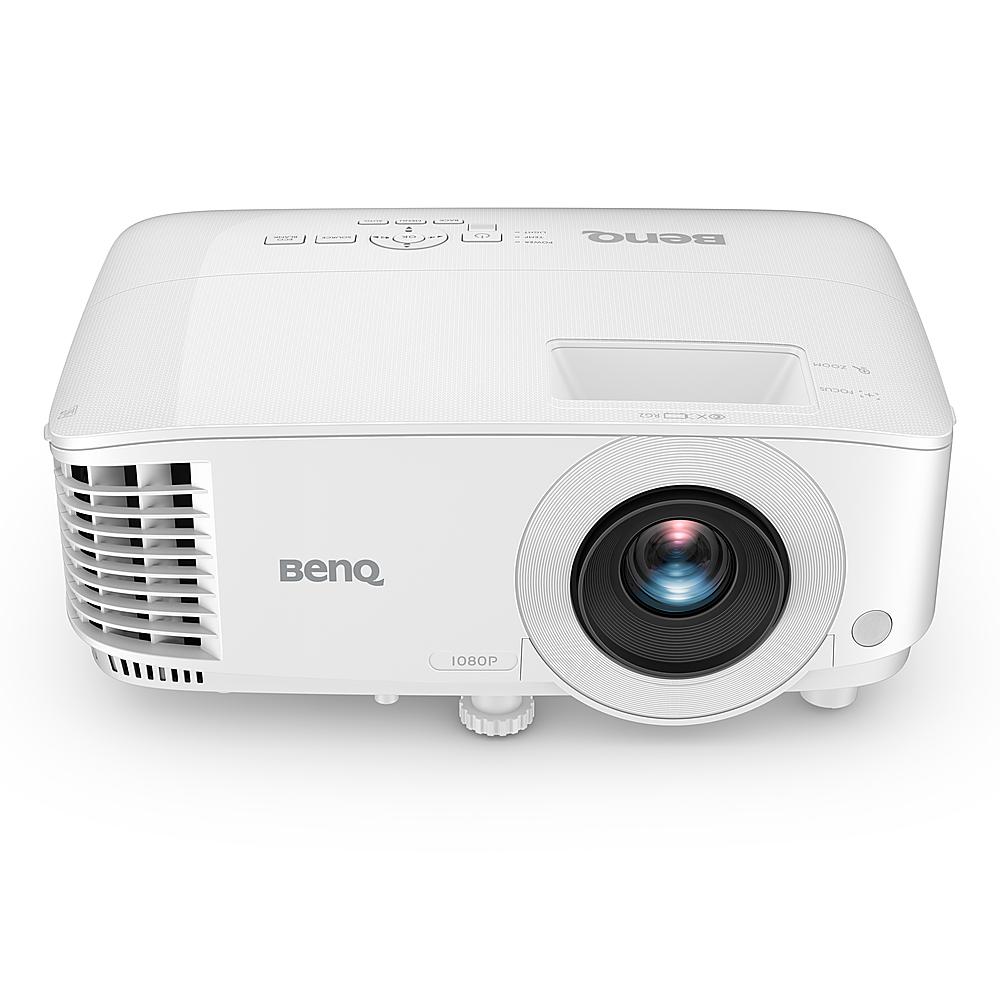
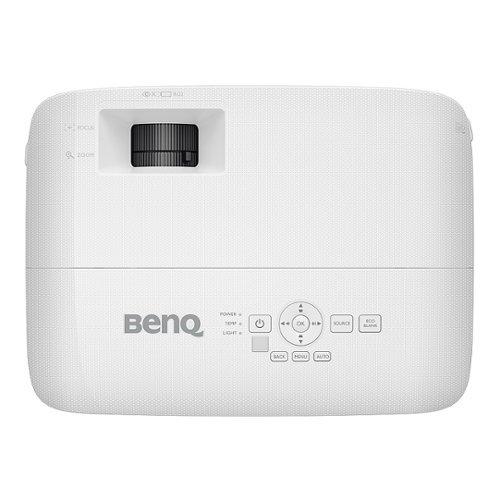
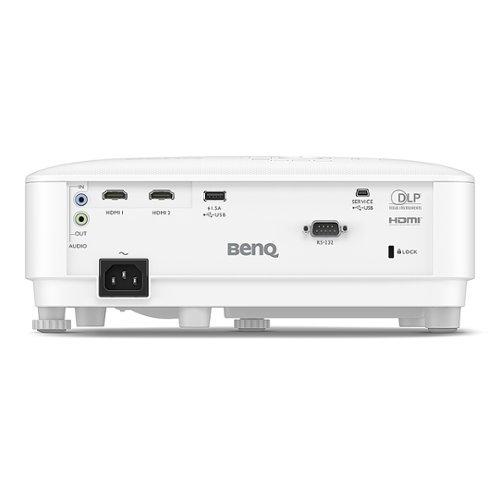
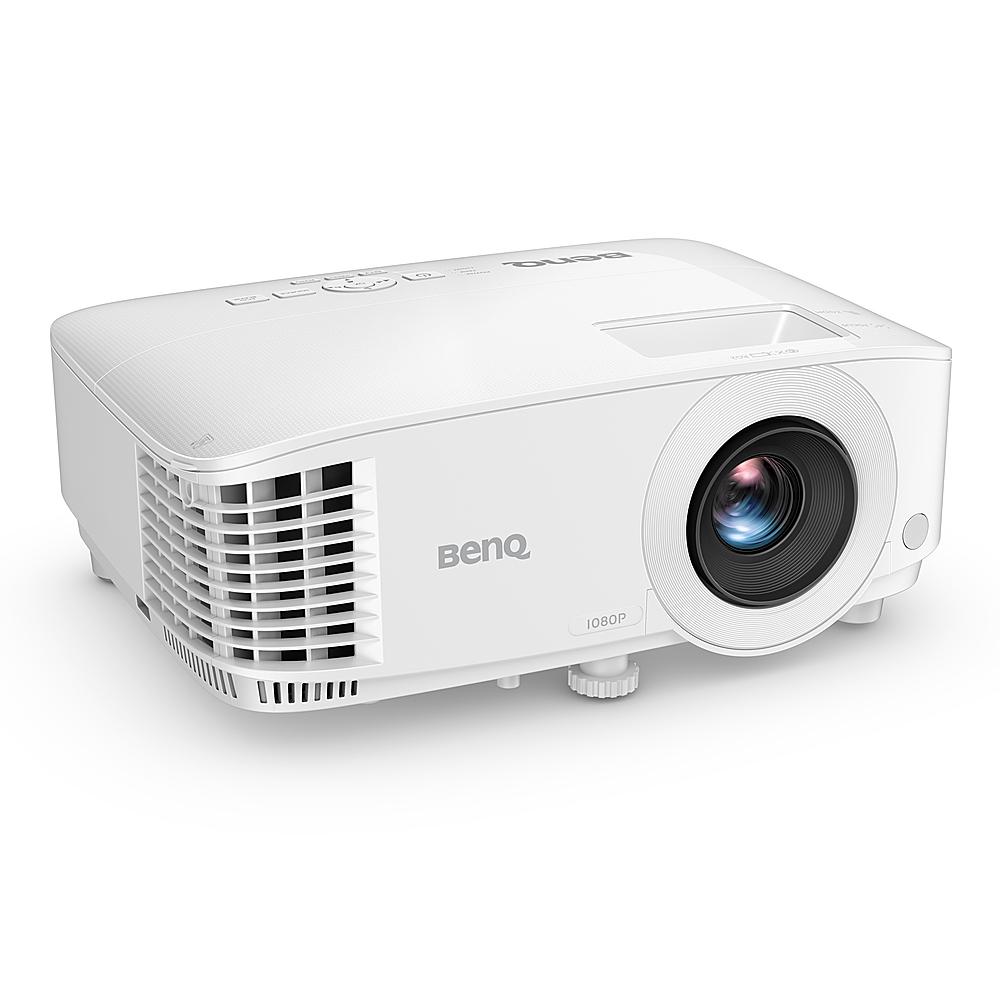
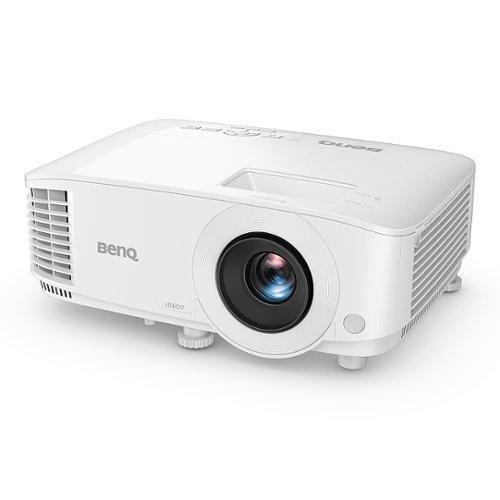
When it comes to transforming your living room into a cinema-like experience or creating the ultimate gaming setup, few technologies can match the immersive quality of a good projector. Today, we're comparing two popular 1080p models that offer impressive features at different price points: the Optoma HZ40HDR and the BenQ TH575. Both released within the last few years, these projectors represent different approaches to home entertainment, with distinct advantages depending on your specific needs.
The home projector market has evolved dramatically in recent years. While 4K projectors continue to drop in price, 1080p (Full HD) models remain the sweet spot for many consumers, offering excellent image quality at more accessible price points. The most significant technological shifts have been in light source technology, with traditional lamps increasingly giving way to laser and LED solutions that offer longer lifespans and more consistent performance.
When the Optoma HZ40HDR launched in late 2021, it represented a push to bring laser technology to more affordable price points, while the BenQ TH575, released in early 2022, focused on optimizing the traditional lamp-based approach specifically for gaming applications. Both projectors reflect how manufacturers are increasingly targeting specific use cases rather than creating one-size-fits-all solutions.
The Optoma HZ40HDR utilizes what the company calls "DuraCore" laser technology, which fundamentally changes how the projector generates light. Unlike traditional projectors that use a lamp that gradually dims over time, laser projectors employ a semiconductor laser that excites a phosphor wheel to create light. This approach offers several significant advantages:
"I've owned both lamp and laser projectors, and the difference in day-to-day use is remarkable," says tech reviewer Michael Chen. "With my laser projector, I never worry about lamp life or diminishing brightness – it just works, year after year."
The HZ40HDR's 30,000+ hour laser lifespan means you could watch movies for 4 hours every single day for 20 years before the light source degrades significantly. In contrast, even the best traditional lamps typically need replacement after 5,000-6,000 hours of use. This extended lifespan translates to roughly 5-6 lamp replacements you'd avoid with the laser approach.
Another advantage of laser technology is color stability. Traditional lamps shift in color temperature as they age, requiring periodic recalibration to maintain accurate colors. The HZ40HDR's laser light source maintains consistent color performance throughout its operational life. Additionally, laser projectors like the Optoma can reach full brightness almost instantly, whereas lamp projectors require warm-up periods that can last several minutes.
The BenQ TH575 uses a more traditional 203W UHP (Ultra High Performance) lamp. While this represents older technology, BenQ has refined the lamp approach significantly:
"BenQ deserves credit for extracting impressive performance from lamp technology," notes home theater installer Jessica Rivera. "Their lamp management systems have extended usable life well beyond what was possible just a few years ago."
The TH575's lamp is rated for 6,000 hours in normal mode and up to 15,000 hours in eco mode. This represents a significant improvement over older lamp projectors, which often lasted only 2,000-3,000 hours. BenQ has also implemented SmartEco technology, which dynamically adjusts lamp power based on content brightness to extend lamp life and improve contrast.
The primary advantage of lamp projection remains cost. The TH575's initial price point is significantly lower—typically around $600-700 compared to the Optoma's $1,000-1,200. However, lamp replacements (typically $150-250 each) eventually narrow this gap for long-term users.
Brightness, measured in ANSI lumens, determines how well a projector performs in rooms with ambient light. Both projectors offer impressive brightness, with the Optoma HZ40HDR delivering 4000 ANSI lumens and the BenQ TH575 providing 3800 ANSI lumens.
In practical terms, this difference is minimal—both projectors have sufficient brightness for moderately lit rooms. However, the Optoma has a slight edge in challenging lighting situations, such as rooms with large windows or significant ambient light. I've found that anything above 3500 lumens allows for comfortable daytime viewing with shades drawn, though neither projector will overcome direct sunlight.
The more important distinction lies in how these projectors maintain brightness over time. The Optoma's laser light source will maintain approximately 70-80% of its original brightness even after 20,000 hours of use. In contrast, lamp-based projectors typically dim to about 50% of their original brightness by the time the lamp needs replacement, which means the TH575's effective brightness will decrease more significantly between lamp changes.
Contrast ratio—the difference between the brightest whites and darkest blacks a projector can produce—dramatically impacts image quality, especially for movie content with dark scenes. Here, the difference between our contestants is substantial:
The Optoma's significantly higher contrast specification suggests much better performance in dark scenes, though manufacturer contrast specifications often use different measurement methodologies. In real-world use, the Optoma produces noticeably deeper blacks, which creates more three-dimensional images with better shadow detail.
"What impressed me most about the HZ40HDR was how it handled the night scenes in 'Dune,'" says film enthusiast Robert Patel. "The shadow detail was preserved even in the darkest sequences, which created a much more immersive experience."
However, the BenQ compensates somewhat with its Black Detail Enhancement technology, which uses image processing to improve visibility in dark areas specifically for gaming scenarios where seeing enemies hiding in shadows is crucial.
Both projectors offer excellent color performance, but with different approaches. The Optoma HZ40HDR supports HDR10 and HLG (Hybrid Log-Gamma), two High Dynamic Range formats that expand the range of colors and brightness levels the projector can display with compatible content.
HDR on projectors differs from HDR on televisions—projectors can't achieve the peak brightness levels of high-end TVs—but the expanded color gamut and tone mapping still provide noticeable benefits for compatible content. The HZ40HDR also benefits from the inherently wider color gamut that laser technology can produce.
The BenQ TH575 doesn't support HDR but offers impressive color performance with its 30-bit color depth (1.07 billion colors). BenQ has tuned the color profile specifically for gaming, which means vibrant, punchy colors that make games pop, though perhaps at the expense of strict color accuracy for film content.
For gamers, input lag—the delay between when your controller sends a signal and when the action appears on screen—can make or break the gaming experience. Here, both projectors excel, but the Optoma takes a decisive lead:
To put these numbers in perspective, most casual gamers won't notice input lag below 30ms. However, competitive gamers, particularly those playing fast-paced games like first-person shooters or fighting games, benefit from lower input lag. The Optoma's 8.6ms performance is exceptional even among gaming-focused displays, comparing favorably to many gaming monitors.
"I've tested dozens of projectors for gaming, and anything under 20ms is excellent," explains gaming hardware reviewer Elena Johnson. "The Optoma's sub-10ms performance puts it in the elite category that competitive gamers should consider."
Another key distinction is refresh rate support. The Optoma supports up to 120Hz input signals, providing smoother motion in compatible games compared to the BenQ's 60Hz limitation. For PC gamers with powerful systems or those with newer consoles, the higher refresh rate capability represents a meaningful advantage.
While the BenQ TH575 may lag behind in raw speed metrics, it compensates with gaming-specific features. Its Enhanced Game Mode activates optimized settings for different game genres, while the Black Detail Enhancement feature intelligently brightens dark areas to reveal hidden enemies without washing out the entire image.
The projector also includes a Quick Mode hotkey on the remote that instantly enables gaming-optimized settings, which is convenient for households that use the projector for both movie watching and gaming.
The Optoma HZ40HDR takes a more straightforward approach to gaming, relying on its superior input lag and refresh rate support rather than specialized gaming features. However, its higher contrast ratio naturally provides better visibility in dark scenes, which partially offsets the BenQ's gaming-specific image enhancements.
Both projectors offer similar throw ratios (the distance needed to project a given screen size), with the Optoma requiring 1.48-1.62 feet for each foot of screen width and the BenQ needing 1.49-1.64 feet. In practical terms, to project a 100-inch diagonal image, both projectors would need to be positioned approximately 8-9 feet from the screen.
Where they differ is in image adjustment capabilities. The BenQ TH575 offers a more generous ±40° vertical keystone correction (compared to the Optoma's ±30° vertical and horizontal), plus automatic vertical keystone adjustment that can detect and correct image distortion automatically. This makes the BenQ more forgiving if you can't position the projector perfectly centered with the screen.
"I've set up dozens of home theaters, and keystone correction is crucial in real-world installations," notes AV installer Thomas Wilson. "Most homes weren't designed with projectors in mind, so the ability to correct for off-center placement is invaluable."
However, it's worth noting that using keystone correction digitally manipulates the image, which can introduce subtle artifacts and reduce effective resolution. For the absolute best image quality, proper physical alignment without keystone correction is always preferable.
Projector fans can be disruptive during quiet movie scenes or gaming sessions. The Optoma HZ40HDR produces 32-34 dB of noise, which is relatively quiet for a high-brightness projector. BenQ doesn't specify the noise level for the TH575, but lamp-based projectors typically produce more noise as they require more aggressive cooling.
Laser projectors also typically generate less heat than their lamp counterparts, making them more comfortable in smaller rooms, especially during summer months. I've found that laser projectors like the Optoma contribute noticeably less heat to a room during extended viewing sessions compared to lamp-based models.
Perhaps the most significant practical difference between these projectors is maintenance requirements. The Optoma HZ40HDR is essentially maintenance-free for its entire lifespan, requiring only occasional dusting of the exterior and perhaps cleaning the air filter once or twice a year depending on your environment.
The BenQ TH575, like all lamp-based projectors, requires lamp replacements that involve opening the projector, careful handling of the fragile lamp assembly, and recalibration after installation. While modern lamps are more reliable than previous generations, this maintenance requirement represents both an additional cost and a periodic inconvenience.
When evaluating the value proposition of these projectors, the timeline of your ownership becomes crucial:
The BenQ TH575 at approximately $700 represents excellent initial value, especially for gamers on a budget or those who use their projector occasionally. However, if you watch movies or play games frequently (10+ hours per week), you might face lamp replacement within 2-3 years. After 2-3 lamp replacements, the total cost of ownership approaches or exceeds that of the Optoma.
The Optoma HZ40HDR at approximately $1,100 requires a larger upfront investment but eliminates ongoing lamp costs. For heavy users or those planning to keep their projector for 5+ years, the Optoma likely represents better long-term value despite its higher initial cost. The consistent brightness and color performance throughout its lifespan also contribute to its value proposition.
The Optoma HZ40HDR and BenQ TH575 represent two different philosophies in home projection. The Optoma embraces newer laser technology to deliver a premium, consistent experience with minimal maintenance, while the BenQ refines traditional lamp technology to deliver excellent performance at a more accessible price point.
What's remarkable is how both manufacturers have pushed their respective technologies forward. The Optoma brings laser projection—once exclusive to high-end installations—to a more mainstream price point, while BenQ has extracted impressive performance and longevity from lamp technology that many had written off as obsolete.
For most users who plan to keep their projector for 5+ years and use it regularly, the Optoma HZ40HDR represents the better investment despite its higher initial cost. Its maintenance-free operation, consistent performance, and superior technical specifications make it the choice for enthusiasts building a long-term home theater solution.
However, the BenQ TH575 remains an excellent choice for budget-conscious buyers, casual users, and those who prioritize gaming-specific features. For approximately $400 less than the Optoma, it delivers 90% of the performance for many practical scenarios, making high-quality large-screen entertainment accessible to more people.
Whichever projector you choose, both represent impressive technological achievements that bring cinema-quality experiences into our homes at increasingly affordable price points.
| Optoma HZ40HDR 1080p Projector | BenQ TH575 1080p Gaming Projector |
|---|---|
| Price - Upfront investment required | |
| $1,000-1,200 (higher initial cost but no lamp replacements) | $600-700 (lower upfront cost but requires lamp replacements) |
| Light Source - Determines maintenance needs and long-term brightness stability | |
| Laser (30,000+ hour lifespan, no replacements needed) | Lamp (6,000-15,000 hour lifespan, requires periodic replacements) |
| Brightness - Affects visibility in rooms with ambient light | |
| 4,000 ANSI lumens (excellent for rooms with some ambient light) | 3,800 ANSI lumens (still very bright, minimal real-world difference) |
| Contrast Ratio - Impacts image depth and black levels | |
| 300,000:1 (superior black levels and shadow detail) | 15,000:1 (good but noticeably less dynamic range) |
| HDR Support - Enhances color and brightness range with compatible content | |
| Yes, supports HDR10 and HLG formats | No HDR support |
| Input Lag - Critical for responsive gaming | |
| 8.6ms at 1080p/120Hz (exceptional for competitive gaming) | 16.7ms at 1080p/60Hz (very good but not class-leading) |
| Refresh Rate - Affects motion smoothness in games | |
| Up to 120Hz (smoother motion in compatible games) | Up to 60Hz (standard refresh rate) |
| Gaming Features - Special modes to enhance gaming experience | |
| Basic gaming mode | Enhanced Game Mode with Black Detail Enhancement for better visibility in dark scenes |
| Built-in Audio - For scenarios without external speakers | |
| 15W mono speaker (adequate for casual use) | 10W mono speaker (sufficient but less powerful) |
| Keystone Correction - Flexibility for non-ideal placements | |
| Vertical ±30°, Horizontal ±30° (manual adjustment) | Vertical ±40° with auto vertical correction (more flexible installation) |
| 3D Support - For viewers interested in 3D content | |
| Yes, full 3D compatibility | Yes, full 3D compatibility |
| Noise Level - Impacts viewing comfort, especially during quiet scenes | |
| 32-34 dB (relatively quiet operation) | Not specified (lamp projectors typically run louder than laser) |
| Weight - Important for ceiling mounts or portable setups | |
| 6.6 lbs | 5.5 lbs (slightly more portable) |
| Total Cost of Ownership (5 years of regular use) - Long-term value consideration | |
| ~$1,100 (no additional costs) | ~$1,100-1,300 (including 2-3 lamp replacements at $150-250 each) |
The BenQ TH575 Gaming Projector is marketed specifically for gaming, but the Optoma HZ40HDR actually offers better gaming performance with 8.6ms input lag at 120Hz compared to the BenQ's 16.7ms at 60Hz. For competitive gamers, the Optoma HZ40HDR provides faster response times and supports higher refresh rates. However, the BenQ TH575 includes specialized gaming features like Enhanced Game Mode and Black Detail Enhancement, which may benefit casual gamers who prioritize visibility in dark scenes over absolute speed.
The BenQ TH575 is significantly more affordable with a typical price of $600-700, while the Optoma HZ40HDR costs around $1,000-1,200. This represents a $400-500 price difference upfront. However, it's important to consider that the BenQ will require lamp replacements over time (approximately $150-250 each), while the Optoma's laser light source requires no replacements for its 30,000-hour lifespan.
The Optoma HZ40HDR is slightly brighter with 4,000 ANSI lumens compared to the BenQ TH575's 3,800 ANSI lumens. While this 5% difference is minimal in real-world usage, the more significant factor is that the Optoma's laser light source will maintain its brightness much more consistently over time, while the BenQ's lamp will gradually dim until replacement.
Neither the Optoma HZ40HDR nor the BenQ TH575 are native 4K projectors. Both are 1080p (Full HD) projectors. However, the Optoma HZ40HDR can accept 4K HDR input signals and downscale them to 1080p while preserving HDR information, which the BenQ TH575 cannot do since it lacks HDR support.
For movie watching, the Optoma HZ40HDR generally provides a superior experience thanks to its much higher 300,000:1 contrast ratio compared to the BenQ TH575's 15,000:1 ratio. The Optoma also supports HDR content, which enhances the visual experience with compatible movies. These factors result in better black levels, more dynamic range, and more vibrant colors for film content.
The Optoma HZ40HDR uses a laser light source rated for 30,000+ hours of use, which equates to over 10 years of usage at 8 hours per day. The BenQ TH575 uses a traditional lamp rated for 6,000 hours in normal mode and up to 15,000 hours in eco mode, requiring replacements every 2-4 years depending on usage patterns and settings.
Both projectors perform well in moderately lit rooms, but the Optoma HZ40HDR has a slight edge with 4,000 ANSI lumens versus the BenQ TH575's 3,800 ANSI lumens. More importantly, the Optoma's laser technology maintains brightness more consistently over time, making it the better long-term choice for bright room conditions. Neither projector can overcome direct sunlight, but both perform adequately with drawn curtains during daytime.
Both projectors can work well in a home theater, but the Optoma HZ40HDR is better suited for a dedicated home theater environment due to its superior contrast ratio, HDR support, and consistent laser performance. The BenQ TH575 can certainly function in a home theater but is more optimized for gaming. For movie enthusiasts creating a dedicated home theater space, the Optoma's premium image quality makes it worth the higher investment.
The Optoma HZ40HDR is virtually maintenance-free, requiring only occasional dusting and potentially cleaning the air filter depending on your environment. The BenQ TH575, like all lamp-based projectors, requires lamp replacements every 6,000-15,000 hours (depending on usage mode) at a cost of $150-250 per replacement, which involves opening the projector and carefully installing a new lamp assembly.
Yes, both the Optoma HZ40HDR and BenQ TH575 can be ceiling mounted using standard mounting brackets. The BenQ weighs slightly less at 5.5 lbs compared to the Optoma's 6.6 lbs, but both are light enough for typical ceiling mounts. The BenQ offers better keystone correction (±40° vertical with auto correction) compared to the Optoma (±30° vertical and horizontal), which provides more flexibility if the mounting position isn't ideally centered.
For short-term value, the BenQ TH575 at around $600-700 offers excellent performance per dollar. However, for long-term value, the Optoma HZ40HDR at $1,000-1,200 may actually be more economical when considering the total cost of ownership. After 5+ years of regular use with 2-3 lamp replacements, the BenQ's total cost approaches or exceeds the Optoma's initial price, while the Optoma continues to deliver consistent performance without additional costs.
Both the Optoma HZ40HDR and BenQ TH575 work well with current-generation gaming consoles. The Optoma has an advantage for console gaming since it supports 120Hz refresh rates and has lower input lag (8.6ms), which is beneficial for games that support 120fps on PlayStation 5 and Xbox Series X. The BenQ's 16.7ms input lag is still very good, but it only supports up to 60Hz refresh rates, so you won't be able to take advantage of higher frame rate capabilities of newer consoles with the BenQ TH575.
We've done our best to create useful and informative comparisons to help you decide what product to buy. Our research uses advanced automated methods to create this comparison and perfection is not possible - please contact us for corrections or questions. These are the sites we've researched in the creation of this article: projectorcentral.com - youtube.com - picclick.com - crutchfield.com - homecinemachoice.com - compsource.com - bestbuy.com - adorama.com - bhphotovideo.com - provantage.com - cdw.com - datavision.com - optomausa.com - manua.ls - ipcstore.com - pcrichard.com - richersounds.com - electronicexpress.com - projexdisplay.com - dubaimachines.com - newegg.com - projectorpoint.co.uk - a.ubuy.com.kw - greentoe.com - lifeisxbox.eu - ai-techreport.com - electronics.woot.com - ai-techreport.com - laurentwillen.com - bestbuy.com - bestbuy.com - projectorcentral.com - tvsbook.com - shidirect.com - blog.richersounds.com - memoryexpress.com - versus.com - adorama.com - avsforum.com - shi.com - bestbuy.com - bhphotovideo.com - cdw.com - insight.com - shi.ca - projectorcentral.com - insight.com - specsradar.com - touchboards.com

Privacy Policy
Terms and Conditions - Affiliate Policy
Home Security
© Copyright 2008-2026.
11816 Inwood Rd #1211, Dallas, TX 75244