

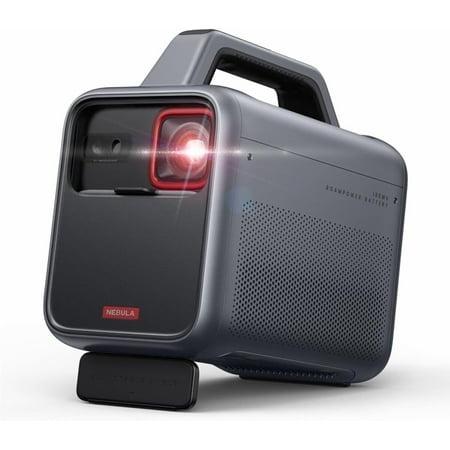
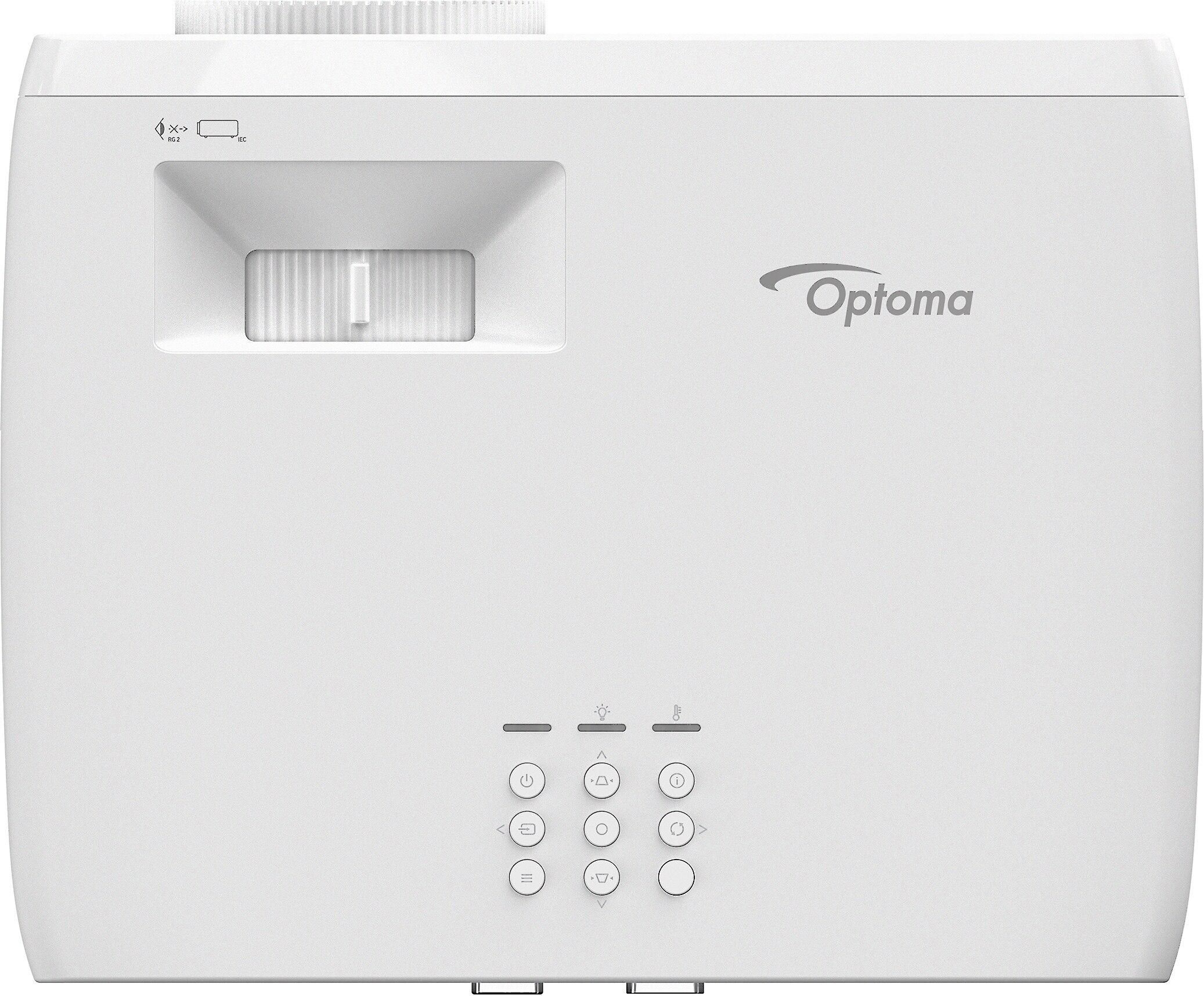
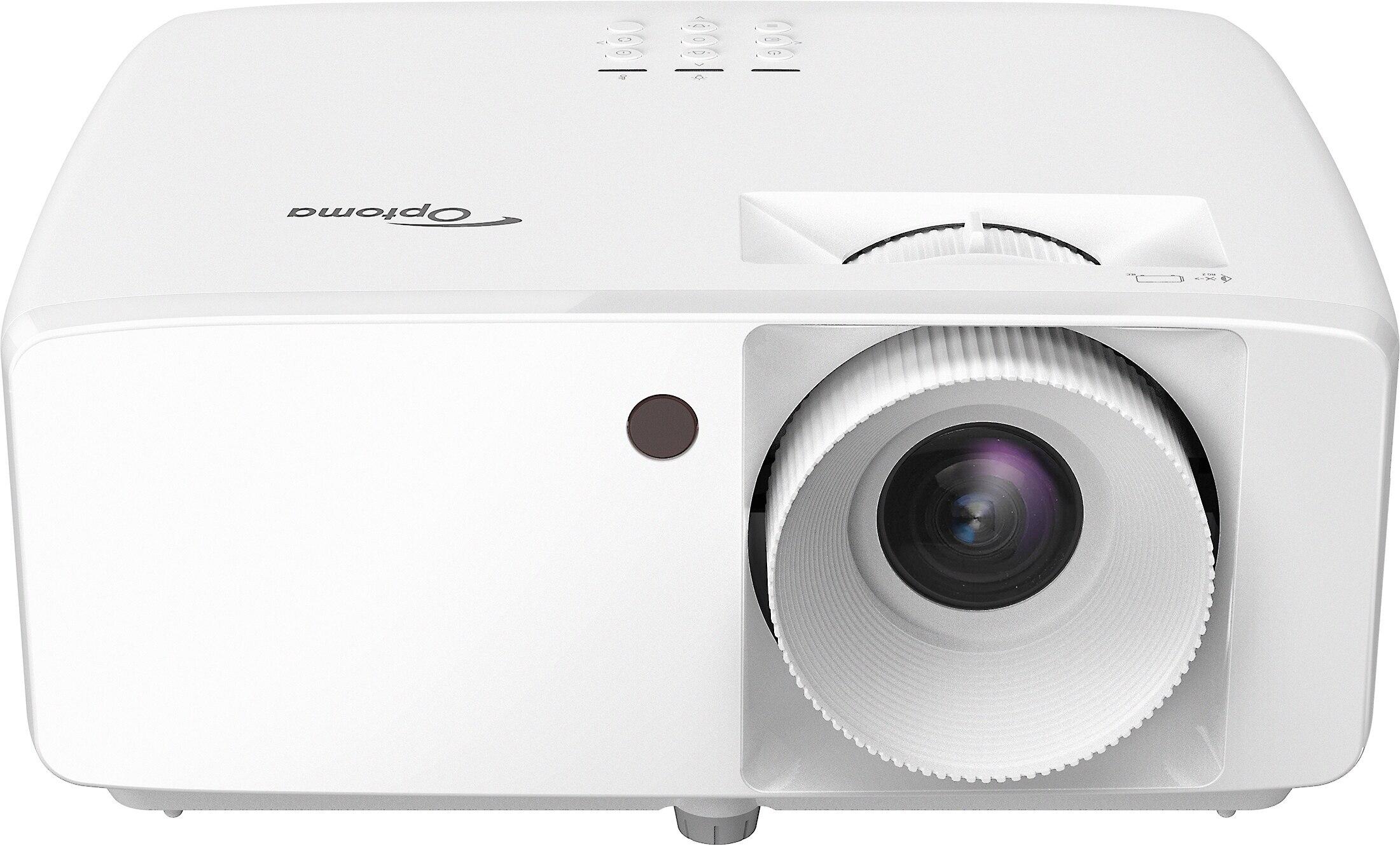
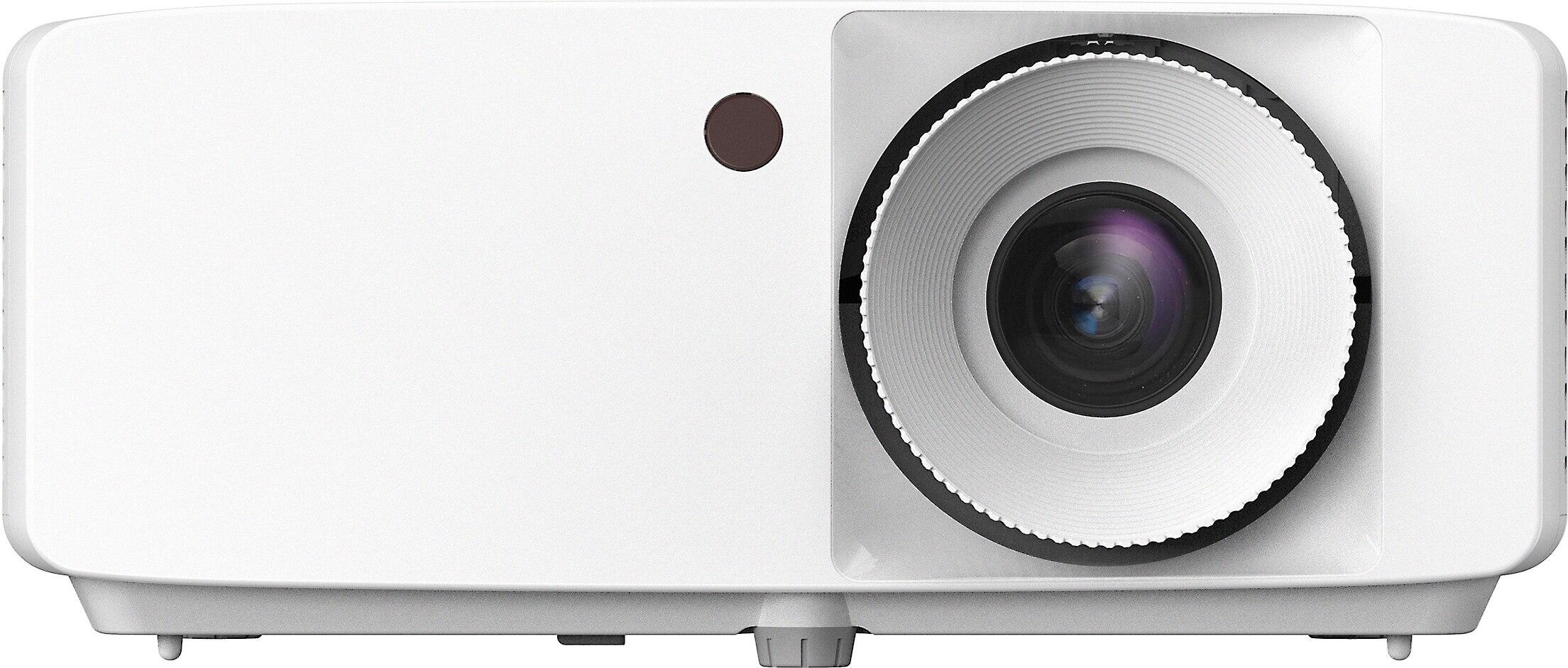
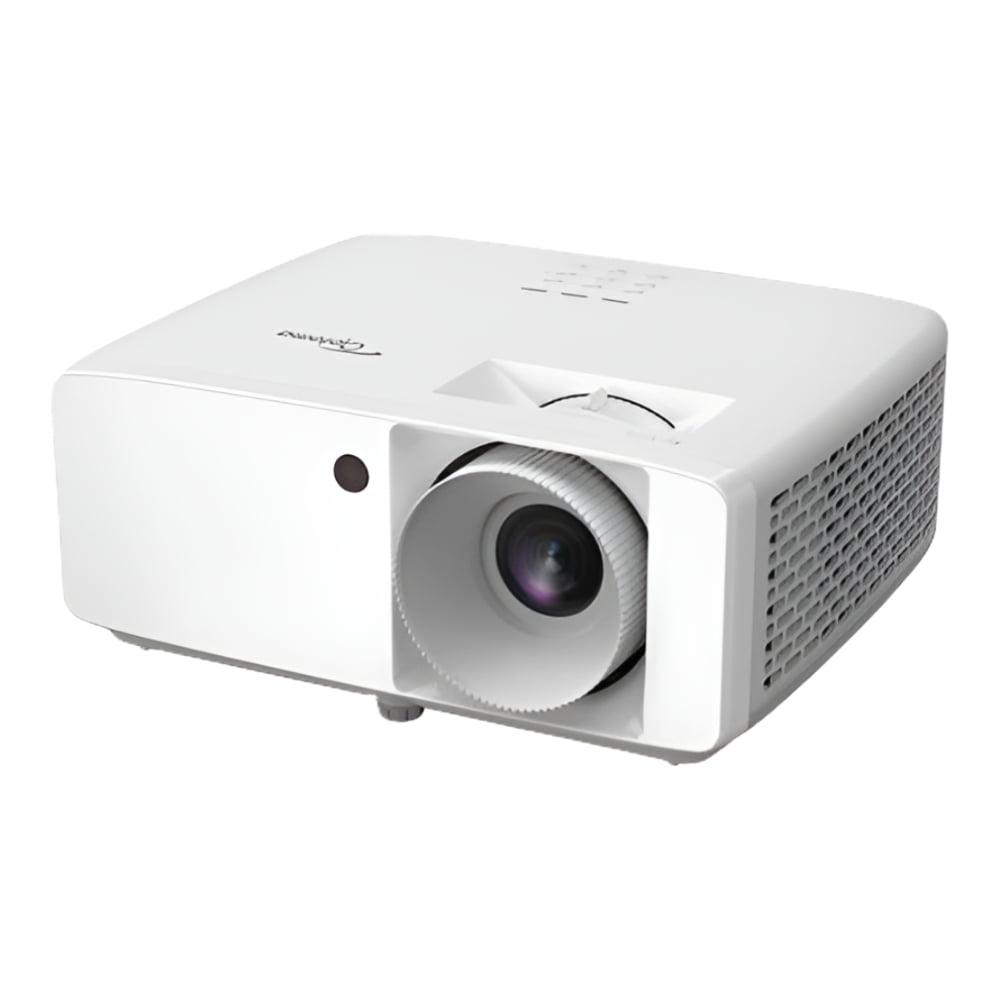
When it comes to bringing the big-screen experience into and beyond your home, modern projectors offer solutions that were unimaginable just a decade ago. Today, we're comparing two distinct approaches to projection technology: the ultra-portable Anker Nebula Mars 3 ($1,099) and the brightness-focused Optoma HZ40HDR ($1,399). Despite sharing the same 1080p resolution, these projectors represent fundamentally different philosophies in how we can enjoy projected content.
Projector technology has undergone remarkable transformations in recent years. Traditional lamp-based projectors dominated the market for decades, requiring expensive bulb replacements every few thousand hours and generating significant heat. The introduction of LED technology began shifting this paradigm around 2010, offering longer-lasting light sources with lower power consumption. Then laser projection entered the consumer market, further improving brightness, color accuracy, and longevity.
The Anker Nebula Mars 3, released in early 2023, represents the latest evolution in portable projection. Its predecessor, the Mars 2, showed promise but suffered from limited brightness and battery life. The Mars 3 addresses these shortcomings while adding modern features like Android TV 11 and improved environmental resistance.
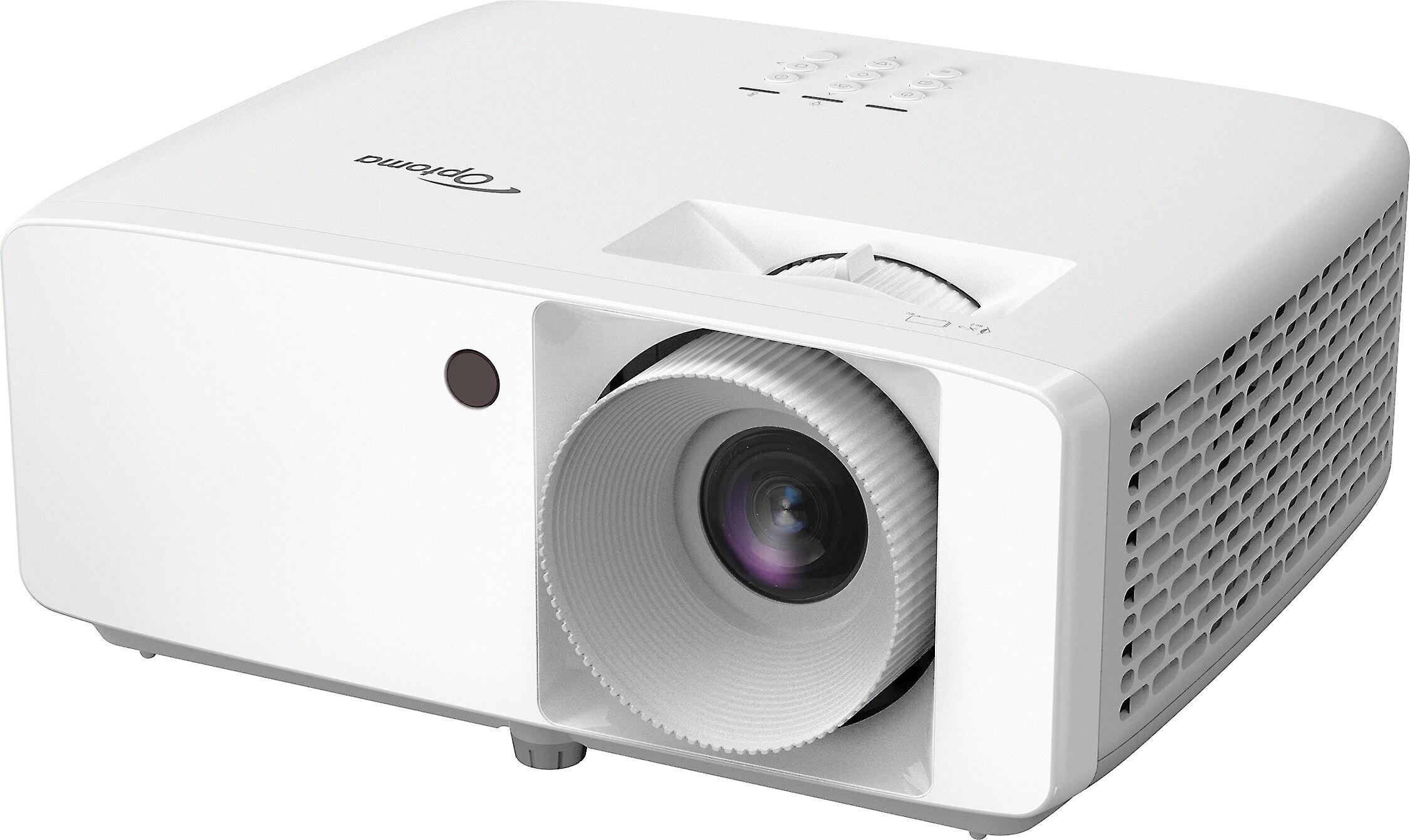
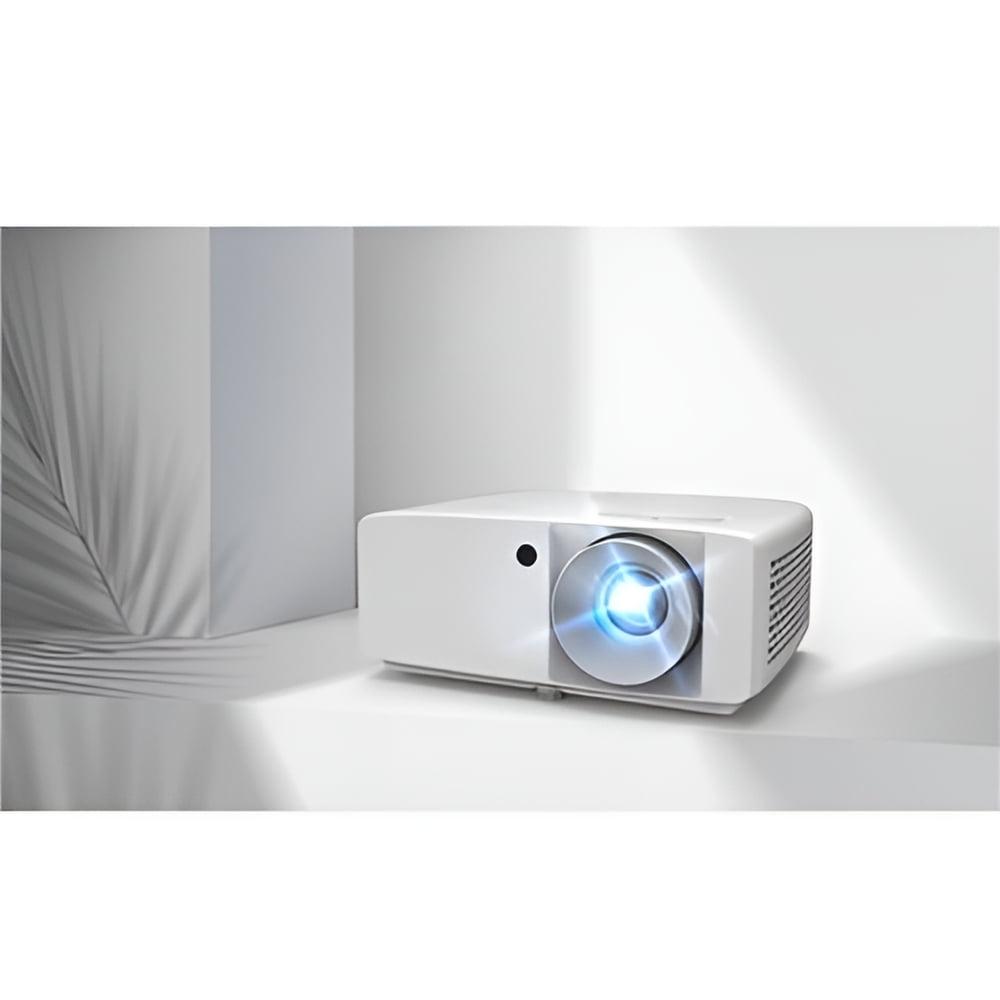
The Optoma HZ40HDR, launched in late 2022, exemplifies how traditional home theater projectors have embraced laser technology. This model replaces older lamp-based projectors in Optoma's lineup, offering the brightness traditionally associated with bulky commercial projectors in a relatively compact package suitable for permanent home installation.
Before diving into specifics, it's important to understand that these projectors serve distinctly different purposes:
Portable projectors like the Mars 3 prioritize versatility and ease of use. They include batteries, integrated speakers, and often their own smart TV platforms. They sacrifice some image quality and brightness to achieve mobility and convenience.
Home theater projectors like the HZ40HDR focus on delivering the best possible image in dedicated or semi-dedicated spaces. They require permanent power connections and external content sources but reward users with superior brightness, contrast, and overall performance.
Understanding this fundamental difference is crucial because comparing these projectors purely on technical specifications misses the point of their different design philosophies. Let's explore how these differences manifest in real-world performance.
In the world of projectors, brightness matters more than almost any other specification because it determines when and where you can use your projector effectively.
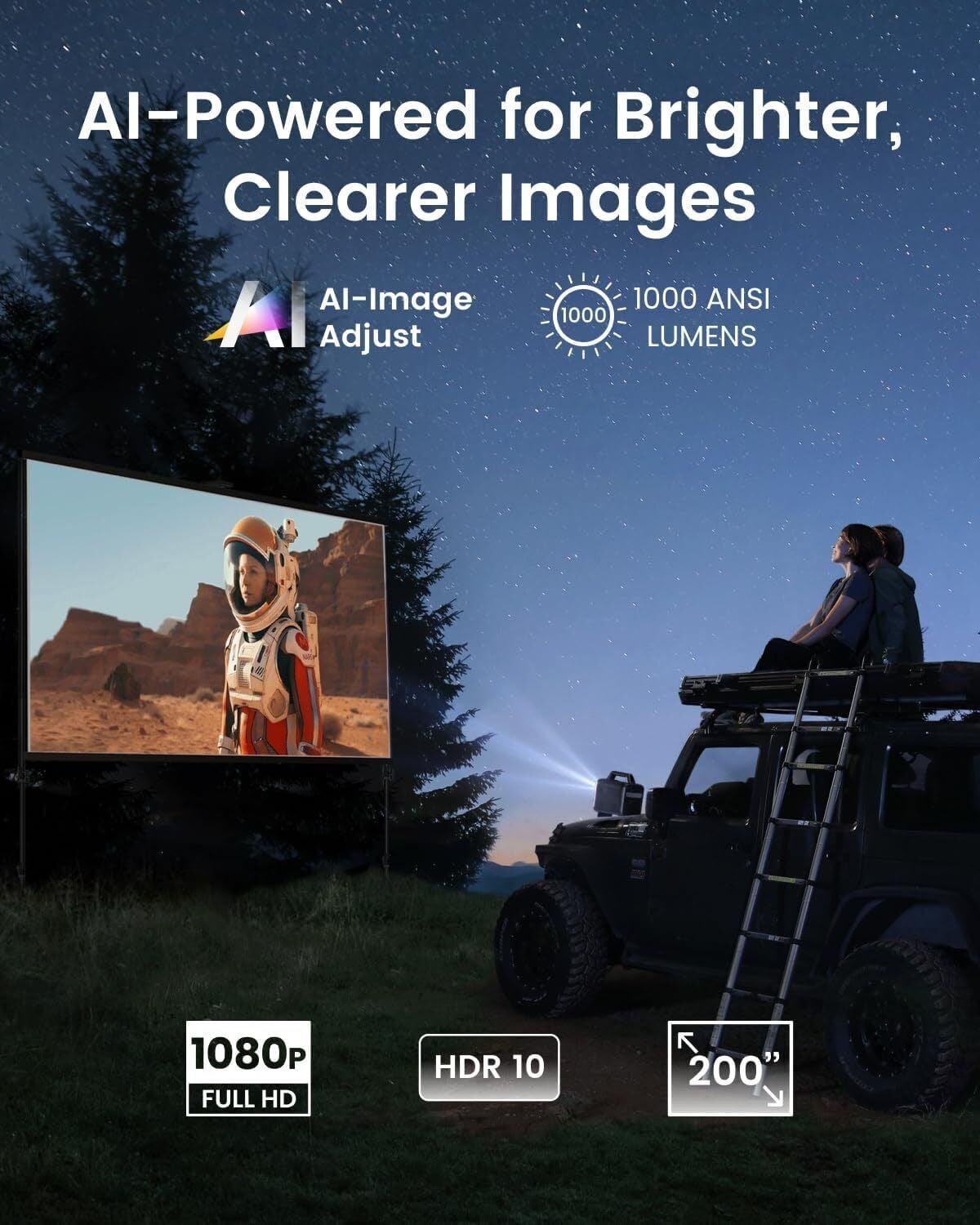
The Nebula Mars 3 outputs 1000 ANSI lumens—a standard measurement of projector brightness that's more reliable than marketing-driven "LED lumens" or other non-standardized measurements. This is quite impressive for a battery-powered portable projector; most competitors in this category offer between 300-600 ANSI lumens.
In practical terms, 1000 ANSI lumens means:
The Optoma HZ40HDR delivers a massive 4000 ANSI lumens—four times the brightness of the Mars 3. This dramatic difference translates to:
The difference is immediately noticeable in any side-by-side comparison. While the Mars 3 requires light control to shine (literally), the HZ40HDR can overcome everyday lighting situations. This single factor might be the most important consideration for many buyers.
Both projectors offer 1080p Full HD resolution, which remains the sweet spot for projection. While 4K projectors exist, they command significantly higher prices. At typical viewing distances, 1080p provides excellent detail for most content.
The Optoma HZ40HDR delivers superior contrast (300,000:1 ratio) compared to the Mars 3 (not officially specified but likely around 1,000:1 based on similar technology). Higher contrast means deeper blacks and more detail in shadows and highlights, creating a more three-dimensional image.
Color reproduction also differs significantly. The Optoma's laser light source generates a wider color gamut that can take full advantage of HDR content. While both projectors support HDR10 (High Dynamic Range), the Mars 3's limited brightness means HDR content won't pop with the same impact as on the Optoma.
In real-world viewing, these differences manifest most clearly when watching content with challenging lighting conditions—think of a scene with both bright sunlight and deep shadows. The Optoma will preserve detail across this range, while the Mars 3 will likely lose detail in both the brightest and darkest areas.
The light source technology fundamentally shapes each projector's performance profile and long-term value proposition.
The Mars 3 uses LED technology rated for approximately 25,000 hours of operation. LEDs are ideal for portable use because they're energy-efficient, generate less heat, and can withstand the physical movement inherent to portable devices. LED brightness does gradually diminish over time, typically losing about 30% brightness by the end of its rated life.
The HZ40HDR features a laser phosphor light source rated for 30,000 hours. Laser technology maintains brightness more consistently over its lifespan, typically losing only about 10-20% by end-of-life. Lasers also produce more accurate colors and can be precisely controlled for better contrast.
For context, even heavy users watching 4 hours daily would take over 17 years to reach 25,000 hours. Both technologies effectively eliminate the headache of lamp replacements that plagued earlier generations of projectors, where $200-300 bulbs needed replacement every 2,000-4,000 hours.
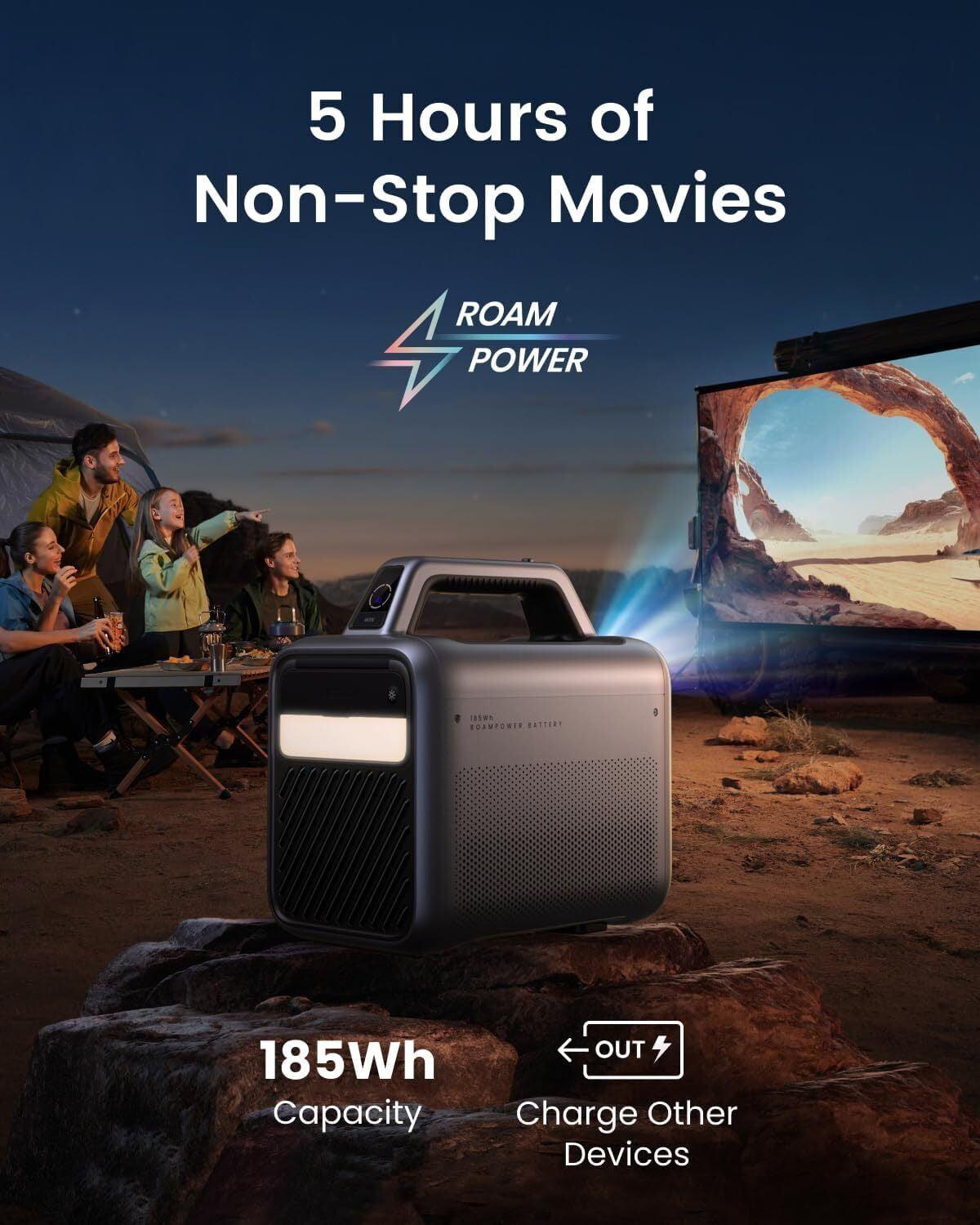
The Anker Nebula Mars 3 features a substantial built-in battery that provides approximately 2 hours of projection at full brightness or up to 5 hours in eco mode. This single feature fundamentally changes how and where you can use a projector.
Imagine setting up a movie night in your backyard, at a campsite, or even on a rooftop—all without worrying about power outlets. The Mars 3 makes this possible. Its integrated handle and rugged design further enhance its go-anywhere capabilities.
The Optoma HZ40HDR, despite being lighter at 6.6 pounds versus the Mars 3's 9.9 pounds, requires constant AC power. This fundamentally limits it to locations with available power sources, though its lighter weight does make it easier to move between rooms if needed.
Setting up any projector involves positioning it correctly relative to your viewing surface, adjusting the focus, and ensuring the image is properly shaped (without keystone distortion where the image appears as a trapezoid rather than a rectangle).
The Mars 3 shines in this area with its Intelligent Environment Adaptation 3.0 system. Within 3 seconds of powering on, it automatically:
These automated features make the Mars 3 incredibly user-friendly, especially when frequently changing locations. You can essentially set it down, turn it on, and start watching with minimal adjustment.
The HZ40HDR takes a more traditional approach, requiring manual focus and 1.1x zoom adjustment. It offers ±30° vertical and horizontal keystone correction, but these must be adjusted manually through the menu system. This approach offers more precision for permanent installations but requires more effort during setup.
Another important consideration is the throw ratio—how much distance is required to project a given image size. The Mars 3's 1.2:1 throw ratio means it can project a 100-inch image from about 10 feet away. The Optoma's 1.48-1.62:1 throw ratio requires more distance—about 13 feet for the same 100-inch image. This difference can be significant in smaller rooms where space is limited.
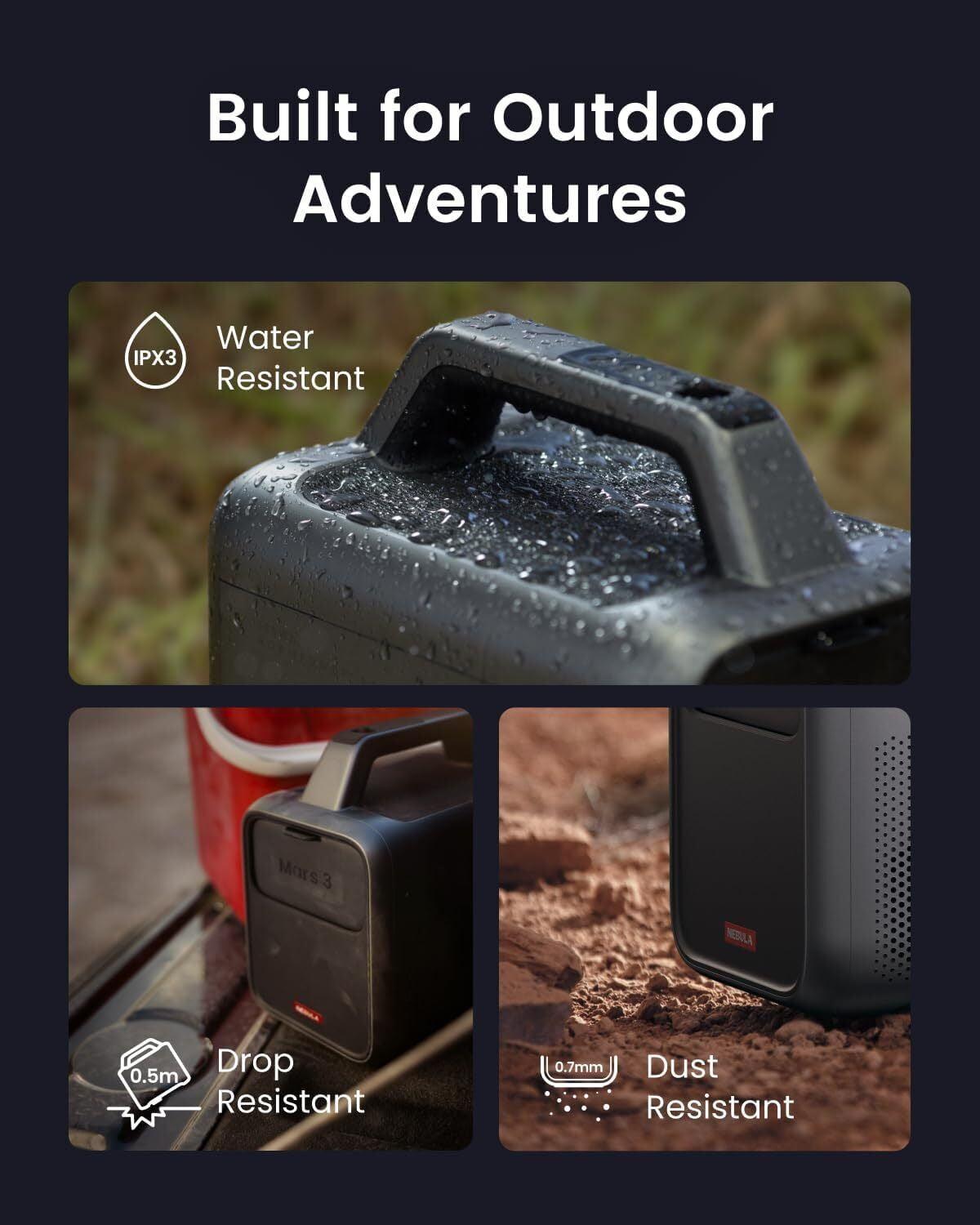
The Nebula Mars 3 features IPX3 water resistance (can withstand water sprays at up to 60° angles), 0.5m drop resistance, and 0.7mm dust resistance. These specifications mean it can handle light rain, accidental drops, and dusty outdoor environments—perfect for backyard movie nights or camping trips.
The Optoma HZ40HDR offers no special environmental protections. As a traditional home theater projector, it's designed for indoor use in controlled environments. Using it outdoors would require protective measures against moisture and dust.
One of the most striking differences between these projectors is how they handle content delivery.
The Mars 3 functions as a complete entertainment system with Android TV 11.0 built in. This provides native access to thousands of apps including popular streaming services like Netflix, Disney+, HBO Max, and more. It also features:
The complete package means you can use the Mars 3 without any additional devices—just power it on, connect to Wi-Fi, and start streaming. This integration is particularly valuable for portable use where minimizing equipment is beneficial.
The Optoma HZ40HDR is a pure display device with no smart features. It requires external content sources connected via its HDMI inputs—such as streaming sticks, Blu-ray players, game consoles, or computers. While this might seem like a disadvantage, it actually provides greater flexibility to use your preferred streaming platform and update it independently of the projector.
Audio is another area where these projectors take dramatically different approaches.
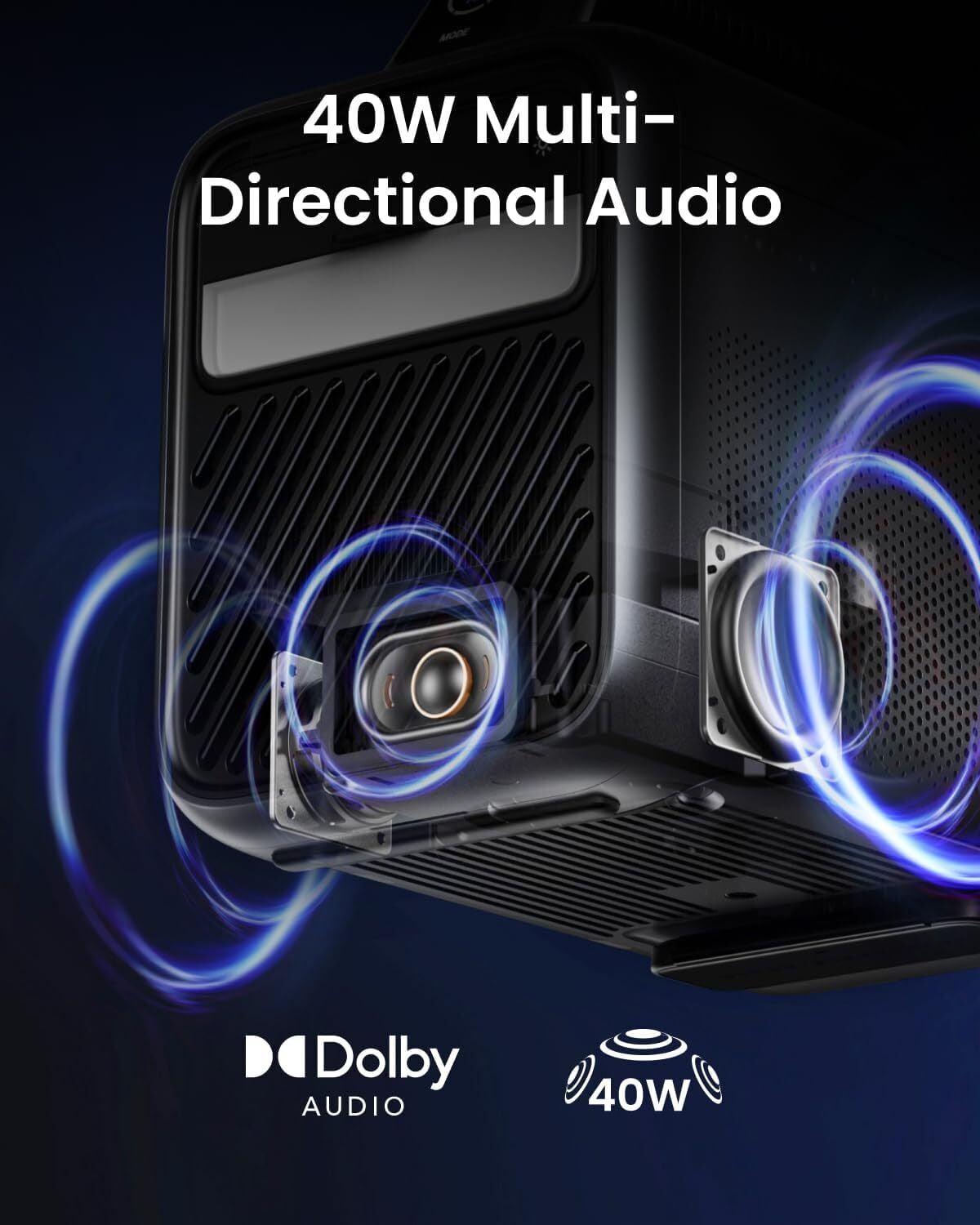
The Mars 3 features a powerful 40W 3-way speaker system with Dolby Audio support. For perspective, that's louder than many soundbars and certainly adequate for outdoor viewing. The audio quality is surprisingly robust, with clear dialogue and reasonable bass response for a portable device. This integrated solution means one less component to carry for portable use.
The Optoma HZ40HDR includes a basic 15W mono speaker that's adequate for casual use but not immersive enough for proper movie viewing. The expectation is that users will connect it to an external audio system, which is typical for home theater setups. This offers superior audio potential but requires additional equipment and expense.
For gamers, input lag (the delay between when your controller sends a signal and when the action appears on screen) is crucial. Lower numbers mean more responsive gameplay.
The Optoma HZ40HDR excels here with an impressively low 8.6ms input lag at 1080p/120Hz, making it suitable even for competitive gaming. It also supports 3D content from compatible sources—a feature that's becoming increasingly rare in newer projectors.
The Mars 3 doesn't publish specific input lag measurements, which typically indicates performance not optimized for gaming. Based on similar projectors, we can estimate it's likely in the 50-100ms range—acceptable for casual gaming but potentially frustrating for fast-paced or competitive games.
At $1,099, the Anker Nebula Mars 3 represents a premium price for a portable projector. Similar portable options from XGIMI, BenQ, and Samsung typically range from $600-900. The premium is justified by its superior brightness (1000 ANSI lumens vs. 500-700 in most competitors), improved durability, and excellent integrated audio.
The Optoma HZ40HDR costs approximately $1,399, positioning it in the mid-range for home theater projectors. Comparable laser 1080p projectors typically range from $1,000-1,800, with 4K models starting around $1,800. Its 4000 ANSI lumens brightness justifies its positioning toward the higher end of the 1080p price spectrum.
To use the Mars 3 as intended, you need virtually nothing else—perhaps just a flat surface to project onto, though a proper screen will significantly improve image quality. Its all-in-one nature means the sticker price closely reflects the total investment.
The HZ40HDR requires:
These additional costs can easily add $500+ to the total investment, though many buyers may already own some of these components.
After comparing these two projectors across various dimensions, the decision comes down to your specific needs and viewing habits.
Choose the Anker Nebula Mars 3 if:
The Mars 3 excels as a versatile entertainment device that can transform almost any space into a temporary theater. Its battery power, environmental durability, and integrated streaming make it uniquely flexible. While its $1,099 price point is substantial, it delivers unmatched portable performance that justifies the investment for the right user.
Choose the Optoma HZ40HDR if:
The HZ40HDR delivers exceptional performance for its $1,399 price point, with brightness levels that were previously unattainable without spending significantly more. Its laser light source ensures years of consistent performance without maintenance, making it an excellent long-term investment for a dedicated home theater or living room entertainment system.
The projection landscape continues to evolve rapidly, with each year bringing improvements in brightness, resolution, and features. The Anker Nebula Mars 3 and Optoma HZ40HDR represent two distinct paths in this evolution—one toward ultimate portability and the other toward maximum performance.
Rather than viewing one as superior to the other, it's more accurate to see them as specialized tools designed for different purposes. The best choice depends entirely on how and where you plan to use your projector.
For those who can't decide between portability and performance, the unfortunate reality is that physics still imposes tradeoffs—battery-powered devices simply can't match the brightness of their plugged-in counterparts. However, if your budget allows, having both a portable option like the Mars 3 for flexibility and a powerful fixed projector like the HZ40HDR for your main viewing space represents the ultimate solution.
Whatever your choice, today's projectors offer remarkable value compared to large-screen TVs of equivalent size, bringing the magic of big-screen entertainment to more spaces than ever before.
| Anker Nebula Mars 3 | Optoma HZ40HDR |
|---|---|
| Price - Initial investment consideration | |
| $1,099 (includes streaming platform & speakers) | $1,399 (requires additional components) |
| Brightness - Determines usability in different lighting conditions | |
| 1,000 ANSI lumens (sufficient for dark rooms & nighttime outdoor use) | 4,000 ANSI lumens (4x brighter, usable in rooms with ambient light) |
| Resolution - Image detail and clarity | |
| 1080p Full HD with HDR10 support | 1080p Full HD with HDR10 & HLG support |
| Light Source - Affects longevity and maintenance requirements | |
| LED rated for 25,000 hours | Laser rated for 30,000 hours with better brightness consistency |
| Contrast Ratio - Impacts image depth and shadow detail | |
| Not specified (estimated ~1,000:1) | 300,000:1 (dramatically better blacks and dynamic range) |
| Portability - Freedom of movement and setup locations | |
| Battery-powered (2-5 hours runtime), 9.9 lbs with carrying handle | AC power only, 6.6 lbs with no battery |
| Environmental Durability - Determines where you can use it | |
| IPX3 water resistance, 0.5m drop resistance, dust resistant | No environmental protection (indoor use only) |
| Smart Features - Content access without external devices | |
| Android TV 11.0, Chromecast, Google Assistant built-in | No smart features (requires external streaming device) |
| Audio System - Quality of sound without external speakers | |
| Powerful 40W 3-way speaker system with Dolby Audio | Basic 15W mono speaker (external audio recommended) |
| Gaming Performance - Responsiveness for interactive content | |
| No specified input lag (estimated 50-100ms) | 8.6ms input lag at 1080p/120Hz (excellent for gaming) |
| Setup Convenience - Ease of achieving optimal image | |
| Automatic focus, keystone correction, and screen fit | Manual focus and keystone adjustment (±30° V/H) |
| Throw Ratio - Distance needed for desired screen size | |
| 1.2:1 (100" image from ~10 feet) | 1.48-1.62:1 (100" image from ~13 feet) |
| Connectivity - Options for connecting devices | |
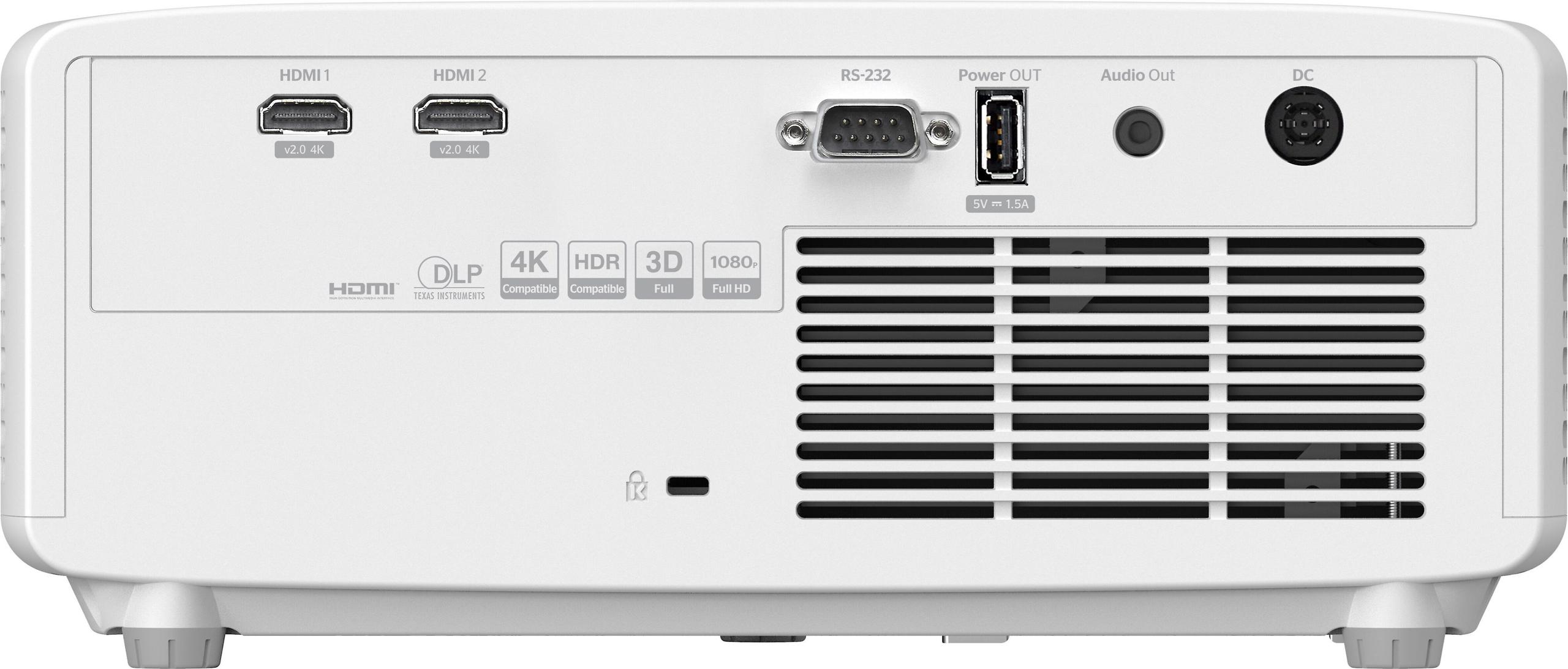
| HDMI, USB-A, USB-C, Wi-Fi, Bluetooth 5.1 | 2x HDMI 2.0, USB (power only), 3.5mm audio out, RS-232 |
| Best Use Case - Primary intended application | |
| Versatile portable projection for multiple environments | Dedicated home theater or living room installation |
The Optoma HZ40HDR is significantly brighter with 4,000 ANSI lumens compared to the Anker Nebula Mars 3 with 1,000 ANSI lumens. This 4x brightness difference means the Optoma HZ40HDR can produce clear images even in rooms with ambient light, while the Nebula Mars 3 works best in dark or dimly lit environments.
The Anker Nebula Mars 3 is specifically designed for outdoor use with IPX3 water resistance, drop resistance, and dust protection. It also has a battery that lasts 2-5 hours. The Optoma HZ40HDR has no environmental protection or battery power, making it suitable for indoor use only.
For a dedicated home theater, the Optoma HZ40HDR is superior due to its 4,000 ANSI lumens brightness, excellent 300,000:1 contrast ratio, and laser light source for consistent image quality. The Anker Nebula Mars 3 is designed more for flexibility and portability rather than maximum image quality in a fixed location.
The Anker Nebula Mars 3 features a powerful 40W 3-way speaker system with Dolby Audio that provides adequate sound for most environments without external speakers. The Optoma HZ40HDR has only a basic 15W mono speaker, so external speakers or a sound system are recommended for better audio quality in a home theater setup.
The Optoma HZ40HDR is significantly better for gaming with its low 8.6ms input lag at 1080p/120Hz, making it suitable for competitive gaming. The Anker Nebula Mars 3 doesn't specify its input lag (likely 50-100ms based on similar projectors), which would only be acceptable for casual gaming.
The Anker Nebula Mars 3 has Android TV 11.0 built-in with access to thousands of streaming apps, Chromecast, and Google Assistant, so no additional streaming device is needed. The Optoma HZ40HDR has no smart features and requires an external streaming device (like Roku, Apple TV, or Fire TV Stick) to access streaming content.
Both projectors offer excellent longevity. The Anker Nebula Mars 3 has an LED light source rated for 25,000 hours, while the Optoma HZ40HDR features a laser light source rated for 30,000 hours. At 4 hours of daily use, both would last over 15 years before the light source needs replacement.
The Anker Nebula Mars 3 offers much easier setup with automatic focus, keystone correction, and screen fitting that adjusts within 3 seconds. The Optoma HZ40HDR requires manual focus and keystone adjustments, which takes more time but can provide more precise control for permanent installations.
The Anker Nebula Mars 3 costs around $1,099, while the Optoma HZ40HDR is priced at approximately $1,399—a $300 difference. However, the Optoma may require additional expenses for a streaming device and better speakers, potentially increasing the total cost difference to $500 or more.
The Optoma HZ40HDR with its 4,000 ANSI lumens is much better for watching movies with ambient light present. The Anker Nebula Mars 3 with 1,000 ANSI lumens will struggle in rooms with significant ambient light, requiring near-darkness for optimal image quality at larger screen sizes.
The Anker Nebula Mars 3 offers wireless connectivity through both Chromecast and Bluetooth 5.1, making it easy to stream content from your phone or tablet. The Optoma HZ40HDR doesn't have built-in wireless connectivity for content and would require an external device like a streaming stick to enable wireless connections from phones.
Value depends on your needs. The Anker Nebula Mars 3 offers better value for those needing portability, outdoor use, and an all-in-one solution. The Optoma HZ40HDR provides better value for those prioritizing image quality and brightness in a dedicated space, despite its higher price. For pure home theater use, the Optoma delivers superior performance per dollar.
We've done our best to create useful and informative comparisons to help you decide what product to buy. Our research uses advanced automated methods to create this comparison and perfection is not possible - please contact us for corrections or questions. These are the sites we've researched in the creation of this article: techradar.com - seenebula.com - thesmarthomehookup.com - yuenx.com - projectorcentral.com - seenebula.com - youtube.com - youtube.com - youtube.com - cnet.com - projectorreviews.com - youtube.com - youtube.com - projectorcentral.com - seenebula.com - youtube.com - yuenx.com - projectorcentral.com - youtube.com - picclick.com - crutchfield.com - homecinemachoice.com - compsource.com - bestbuy.com - adorama.com - bhphotovideo.com - provantage.com - cdw.com - datavision.com - optomausa.com - manua.ls - ipcstore.com - pcrichard.com - richersounds.com - electronicexpress.com - projexdisplay.com - dubaimachines.com - newegg.com - projectorpoint.co.uk - a.ubuy.com.kw - greentoe.com

Privacy Policy
Terms and Conditions - Affiliate Policy
Home Security
© Copyright 2008-2026.
11816 Inwood Rd #1211, Dallas, TX 75244